




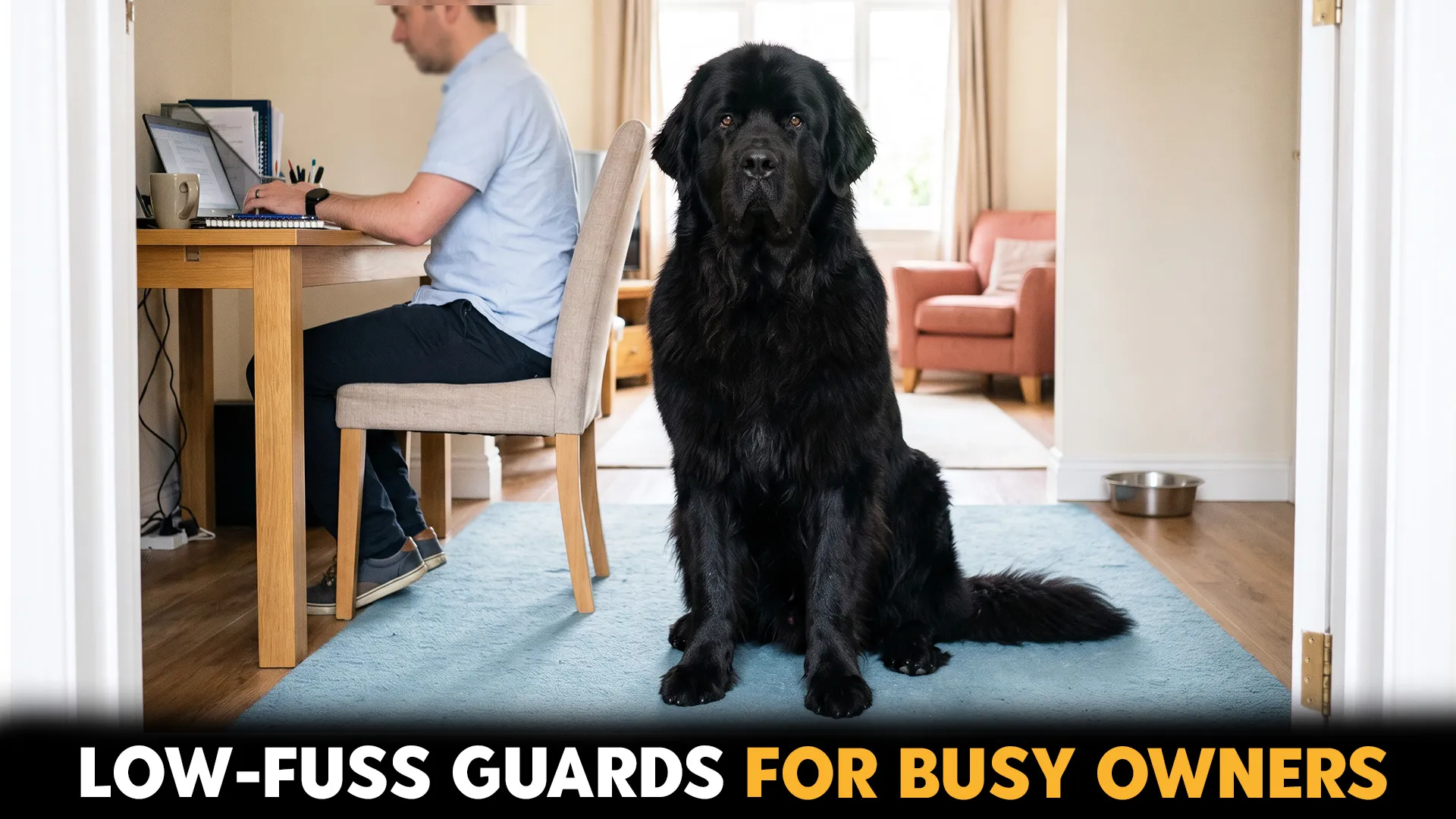
A guard dog spends most of its shift doing nothing at all. One study found working guard dogs sat inactive for 70 to 84 percent of every watch, alert but still.
That finding comes from research published in Applied Animal Behaviour Science, and it upends the image of a guard dog as a dog that’s always wound up. Real protection runs on rest, not constant motion.
That is great news if you want a relaxed demeanor paired with genuine household security, minus the high-energy dogs and nonstop training that usually come with it. Certain large breeds were practically built for this kind of calm, low-stress watchfulness.
The right pick becomes a phenomenally calm, low-maintenance pet parent’s dream, with minimal grooming and zero contradiction between easygoing and effective. Keep reading to see which large breeds actually pull this off.
Relaxed Guard Dog Breeds Perfect for Low-Maintenance Owners
1. Great Pyrenees
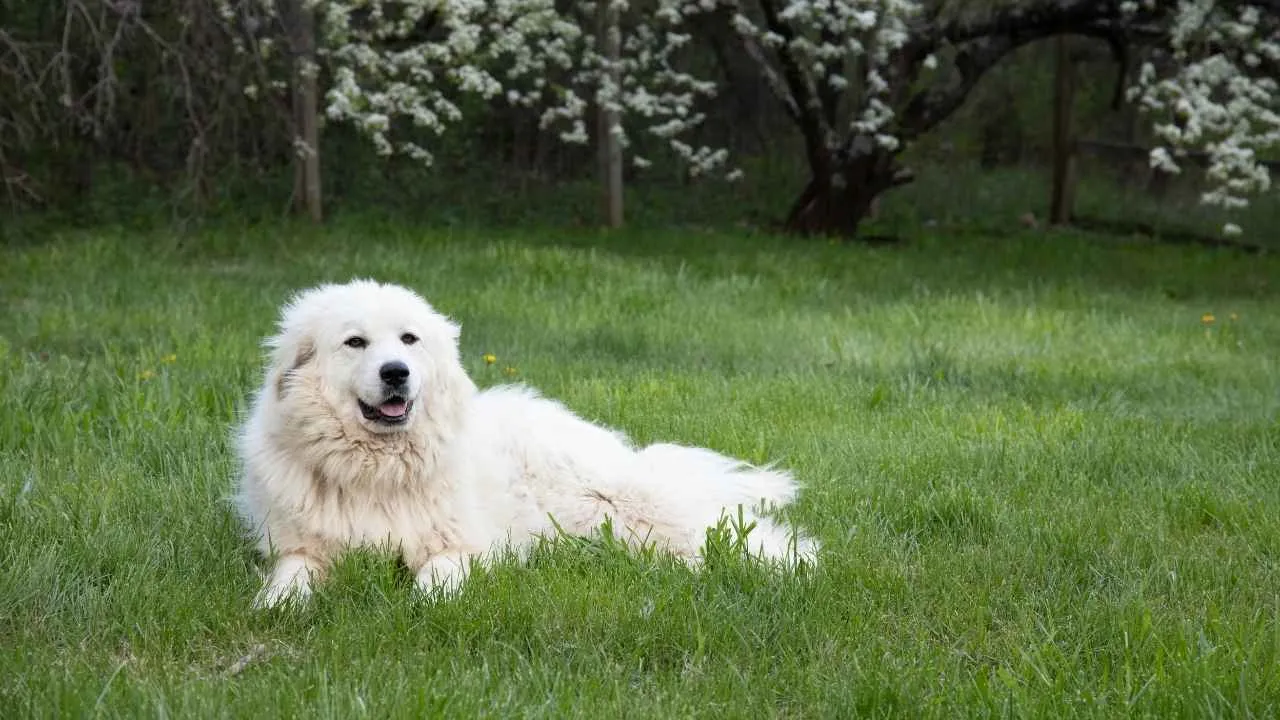
A Great Pyrenees treats daylight like a long nap shift, stretched out on the porch and saving fuel for after dark. Night is when the real job starts, a slow, deep bark rolling out the moment something crosses the property line. AKC traces this nocturnal patrol habit straight back to centuries of guarding flocks on mountain slopes.
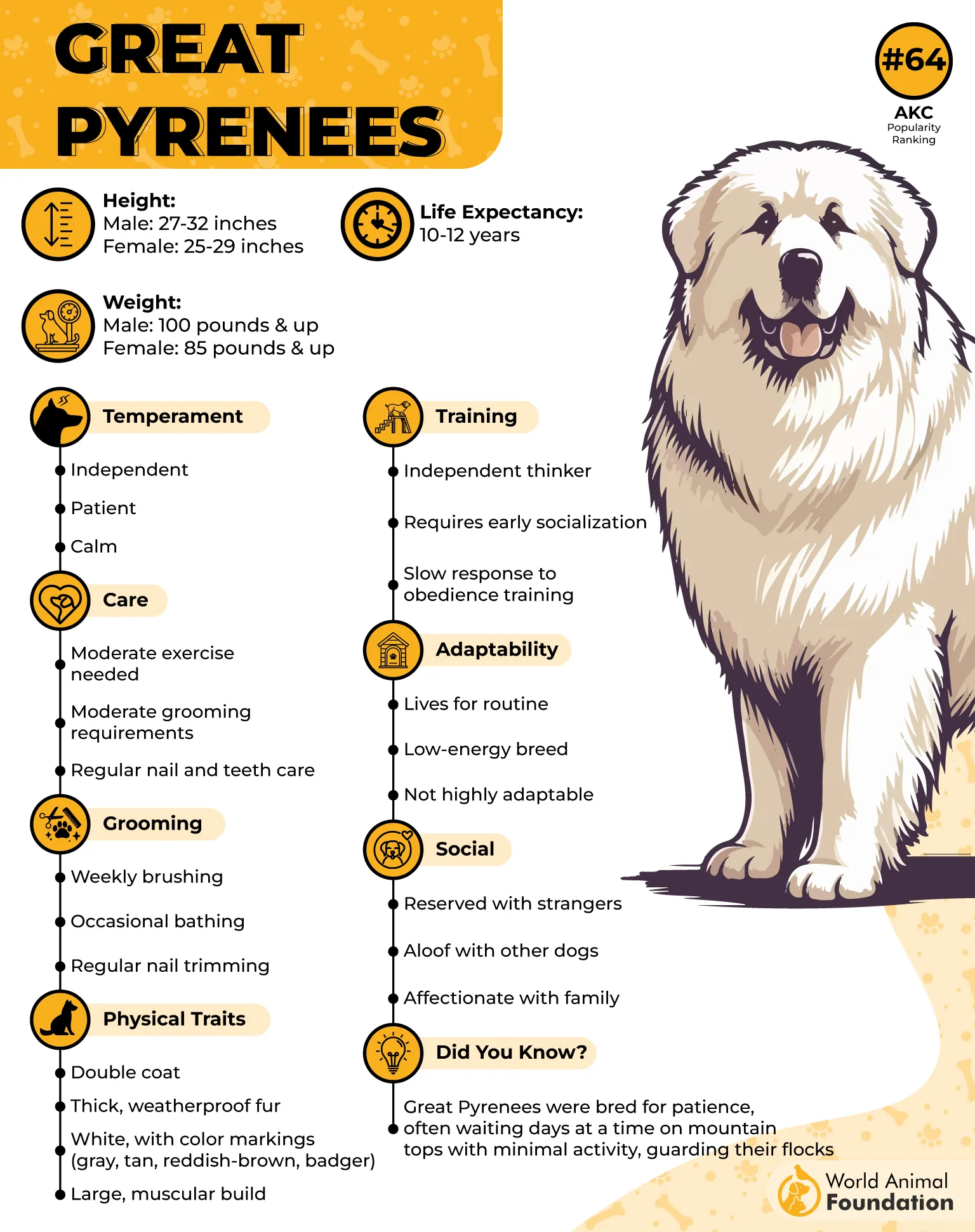
The bill that never shrinks is space. A dog bred to patrol acreage needs a real yard to do its job, and squeezing one into a small apartment tends to backfire into restlessness.
Exercise: A relaxed evening stroll is plenty, with no need for daily marathons.
Supervision: Left outside alone, this breed manages its own patrol without constant check-ins.
This dog suits owners with land, a fence, and patience for an independent streak as thick as its coat. One caution worth flagging: that independence means recall training needs an early start, or it will set its own property lines.
2. Newfoundland
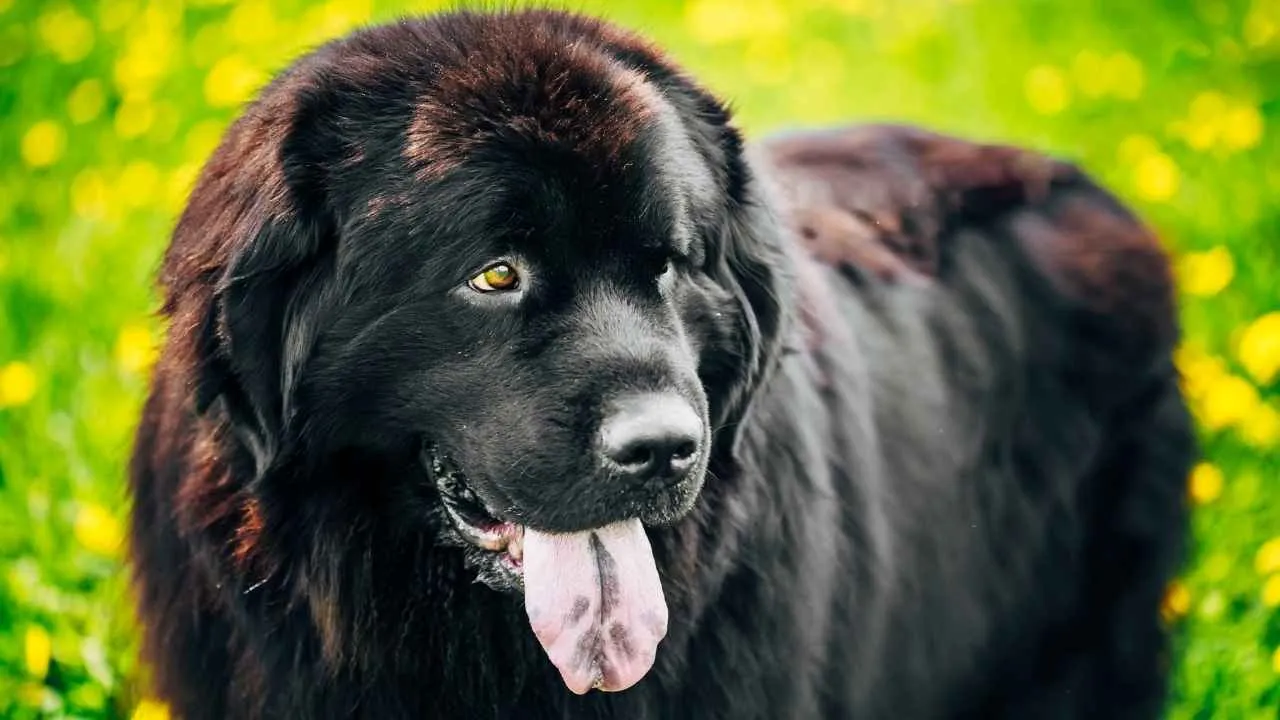
A Newfoundland’s idle setting looks a lot like a rug with a heartbeat, happiest sprawled near its people and doing nothing in particular. PDSA notes the switch flips through sheer size and a booming bark rather than aggression. The guarding move here is presence, not confrontation.
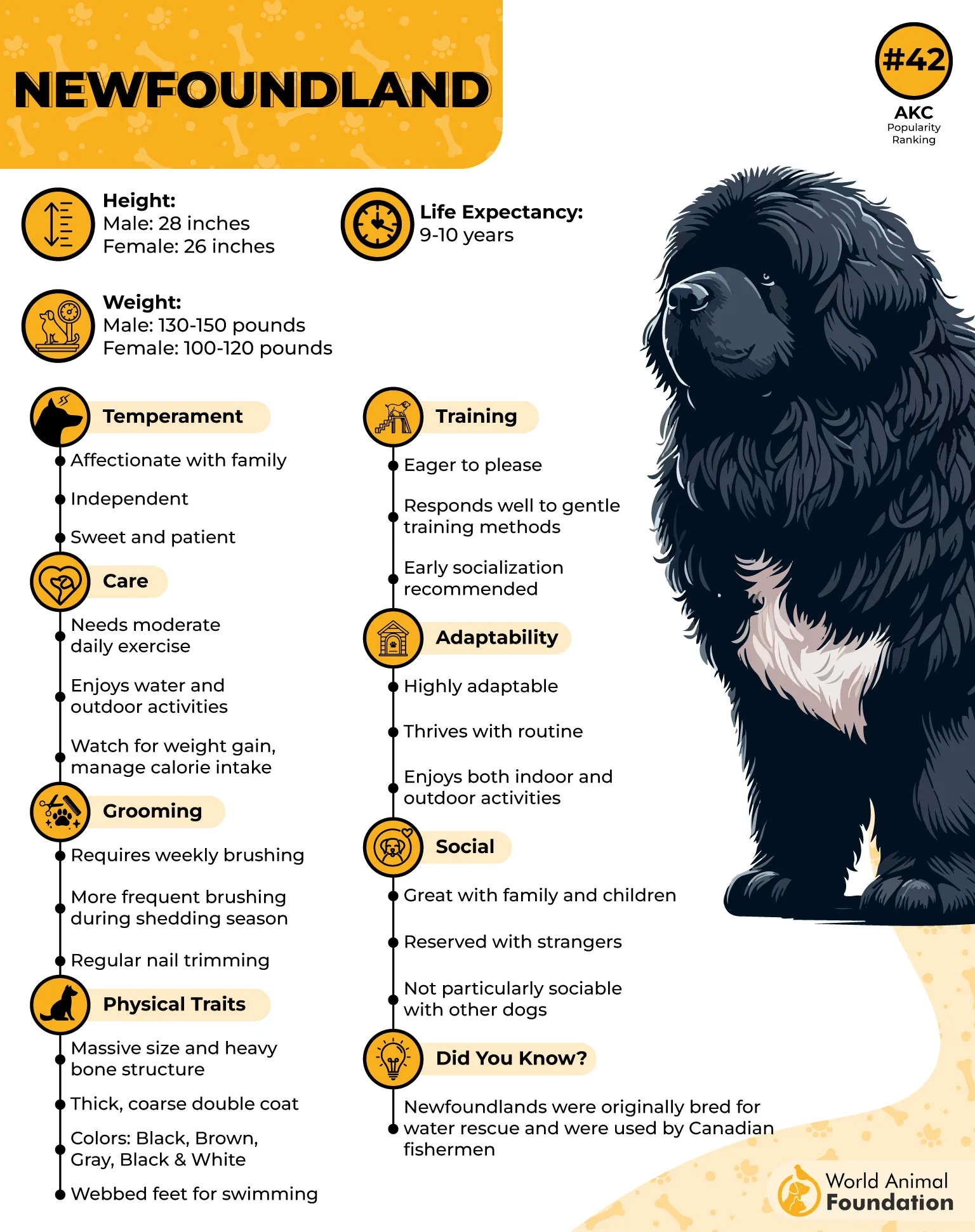
The cost that sticks around no matter how calm the temperament is drool. Jowls this size turn every drink of water into a small flood, and nearby furniture pays the price.
Exercise: A moderate daily walk keeps this water-loving giant content.
Supervision: A gentle, tolerant nature means little close watching is needed around children or guests.
Families wanting a calm, watchful presence rather than an active patroller will find a great match here. One caution: that giant frame overheats fast in warm weather, so summer walks need shade and water breaks.
3. Bullmastiff
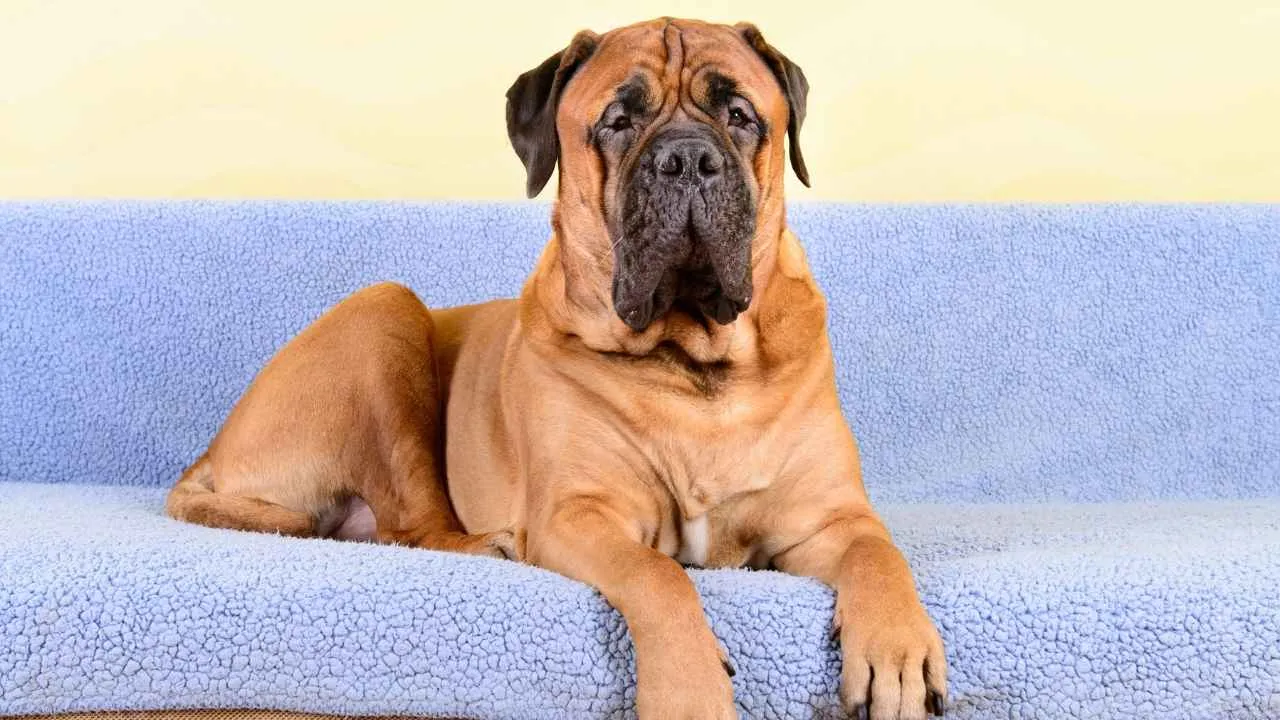
A Bullmastiff spends most of the day parked like furniture, content until a stranger steps onto the property. The original job was catching poachers without a single bite, and that instinct still shows up as a solid, silent block rather than a chase. Britannica credits this quiet-but-firm style to its gamekeeper roots.
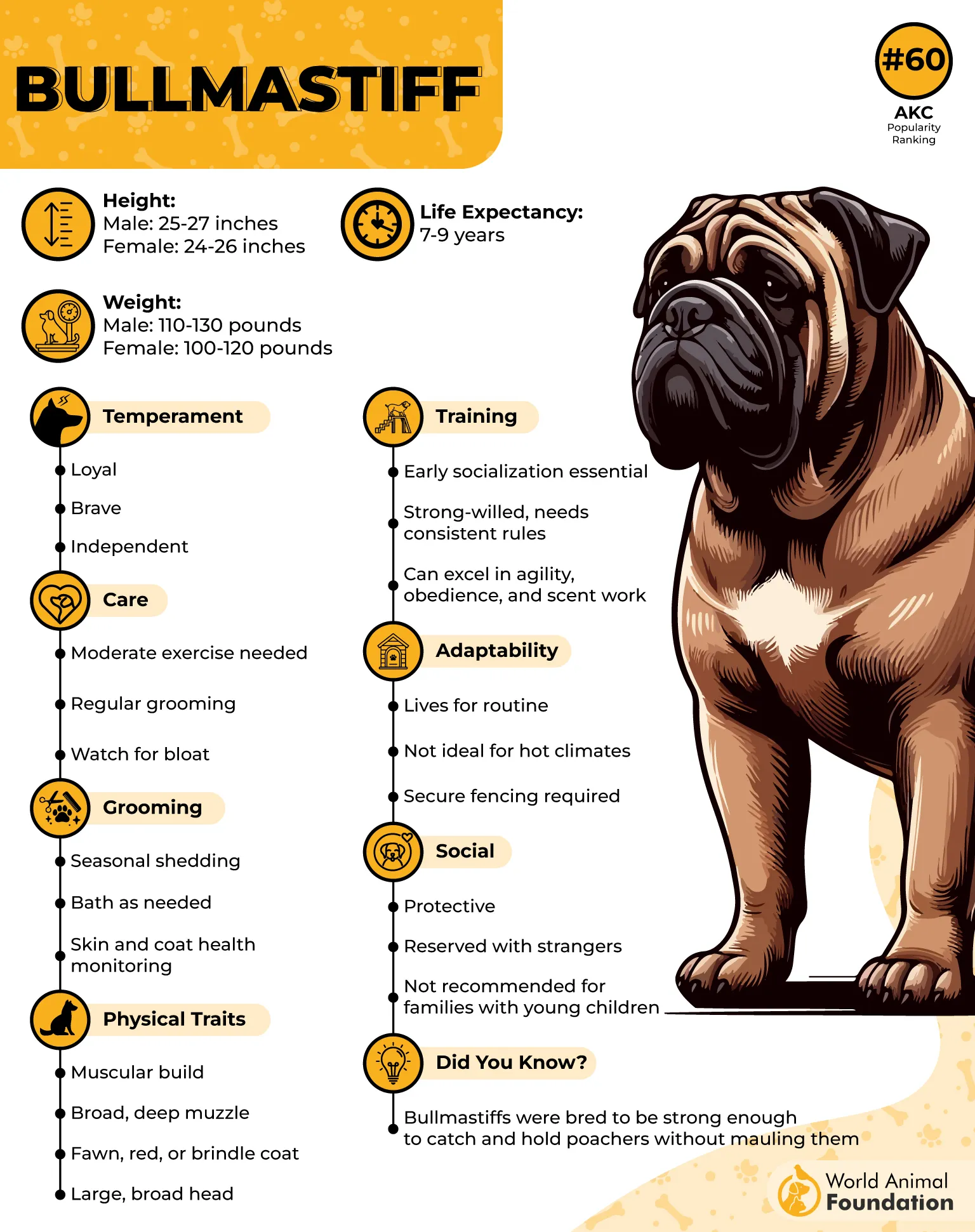
The cost that never shrinks is the food bill. A dog built this dense and muscular needs serious calories, and quality large-breed food adds up fast over a year.
Exercise: Short, steady walks satisfy this breed, with no interest in high-speed games.
Training intensity: A natural instinct to guard quietly means less work teaching restraint than many guard breeds demand.
This dog fits owners who want a calm, low-drama protector rather than one that needs a daily job. One caution: that stillness can mask joint strain, so regular vet checks matter more than they look like they should.
4. Great Dane
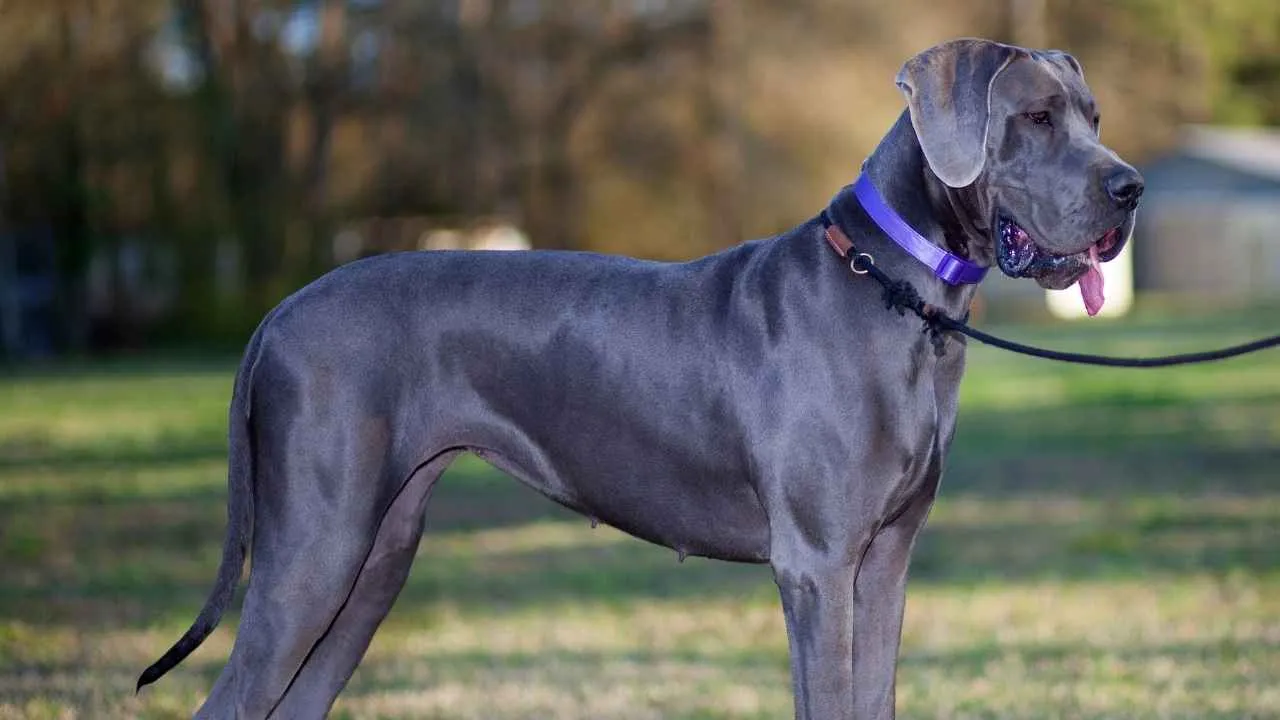
A Great Dane’s resting mode is basically a permanent couch reservation, broken only by a bark loud enough to make a stranger reconsider. Size alone does most of the guarding work here, no teeth required. VCA describes the breed’s alert bark as its primary line of defense rather than physical confrontation.
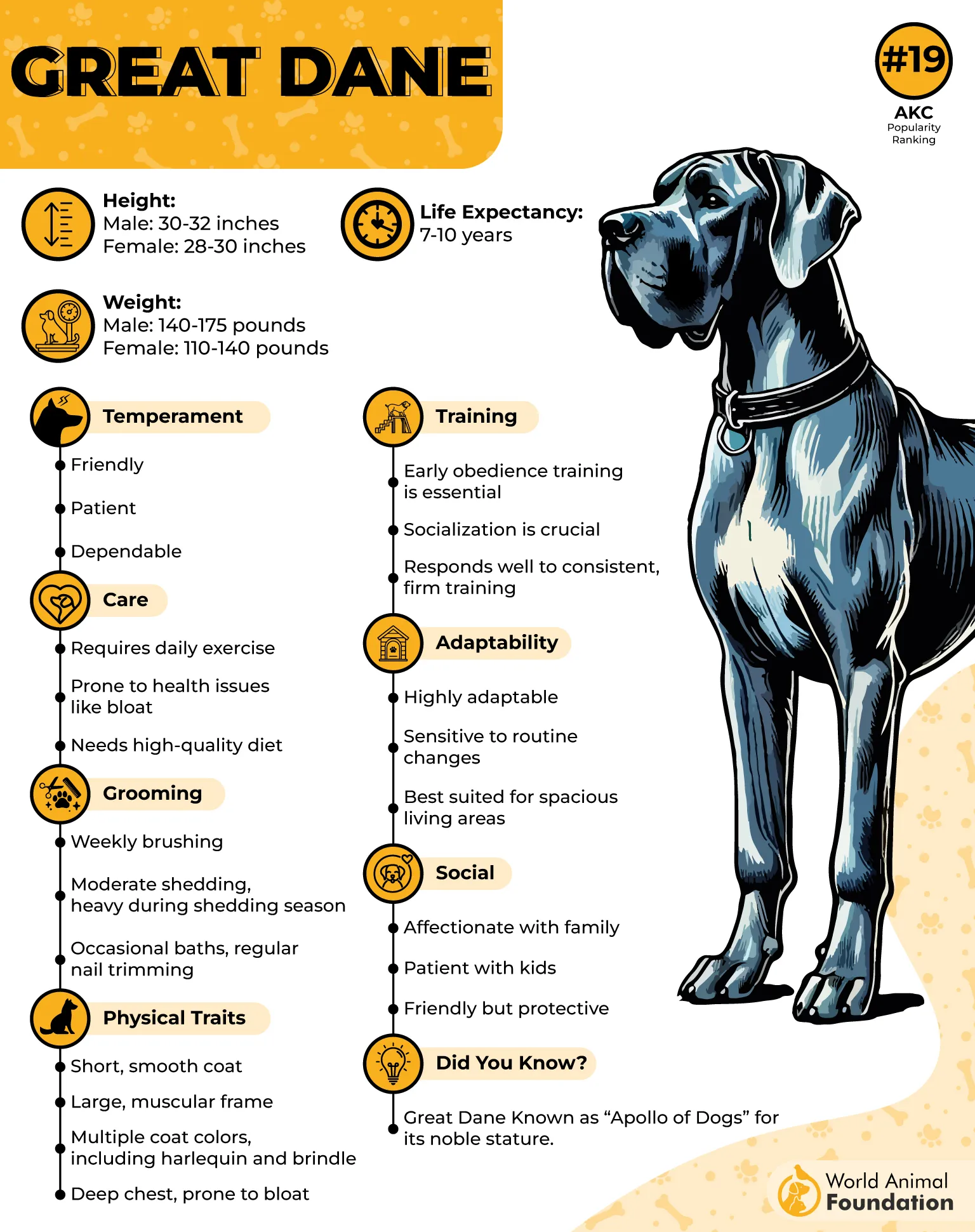
The cost that stays fixed regardless of temperament is joint care. Rapid growth as a puppy puts real strain on those long legs, so yearly joint checks belong on the calendar.
Exercise: Moderate daily movement is enough, since this breed is not built for constant running.
Supervision: A naturally gentle nature around familiar faces means less hovering is needed indoors.
Households with enough floor space for a dog this tall, and a love of gentle giants, will do well here. One caution: that size needs a sturdy bed, because this breed claims furniture without asking.
5. Mastiff
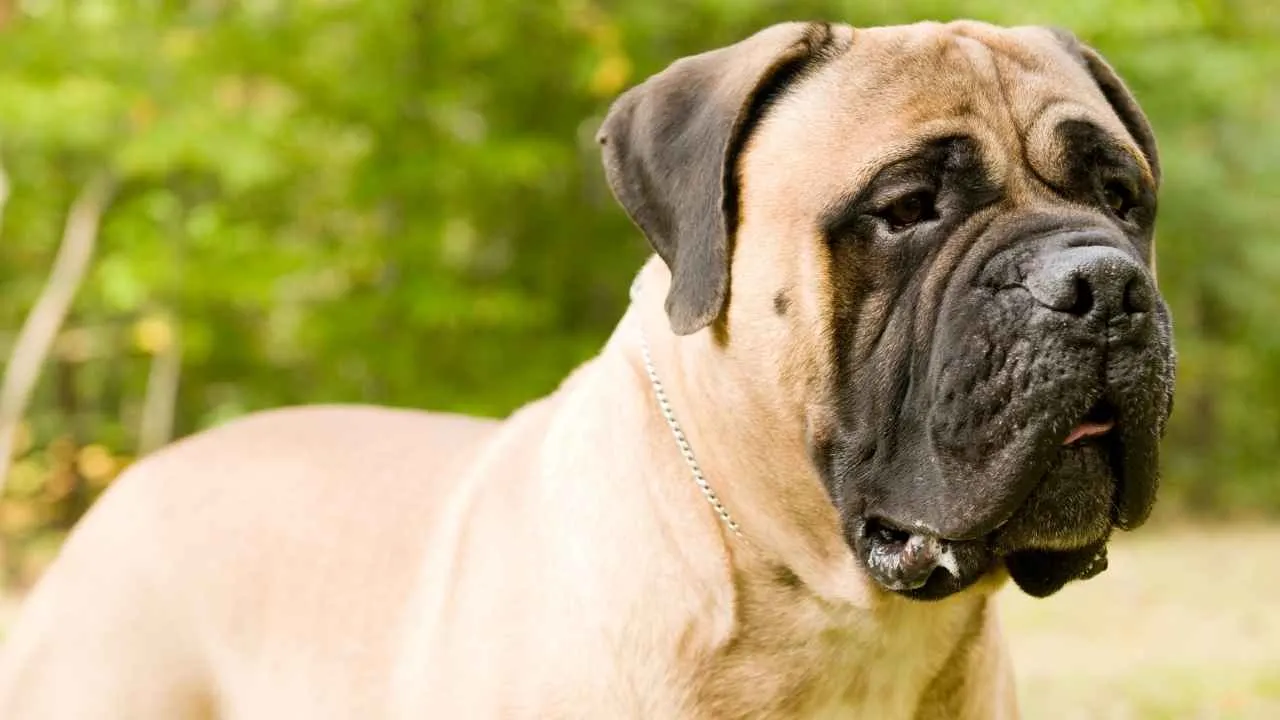
A Mastiff’s idle state is close to furniture-grade stillness, content to lie across a doorway and watch the world go by. The guarding mechanism is almost entirely visual, since 100-plus pounds blocking an entrance tends to end most confrontations before they start. Nothing about this breed needs to move fast to be effective.
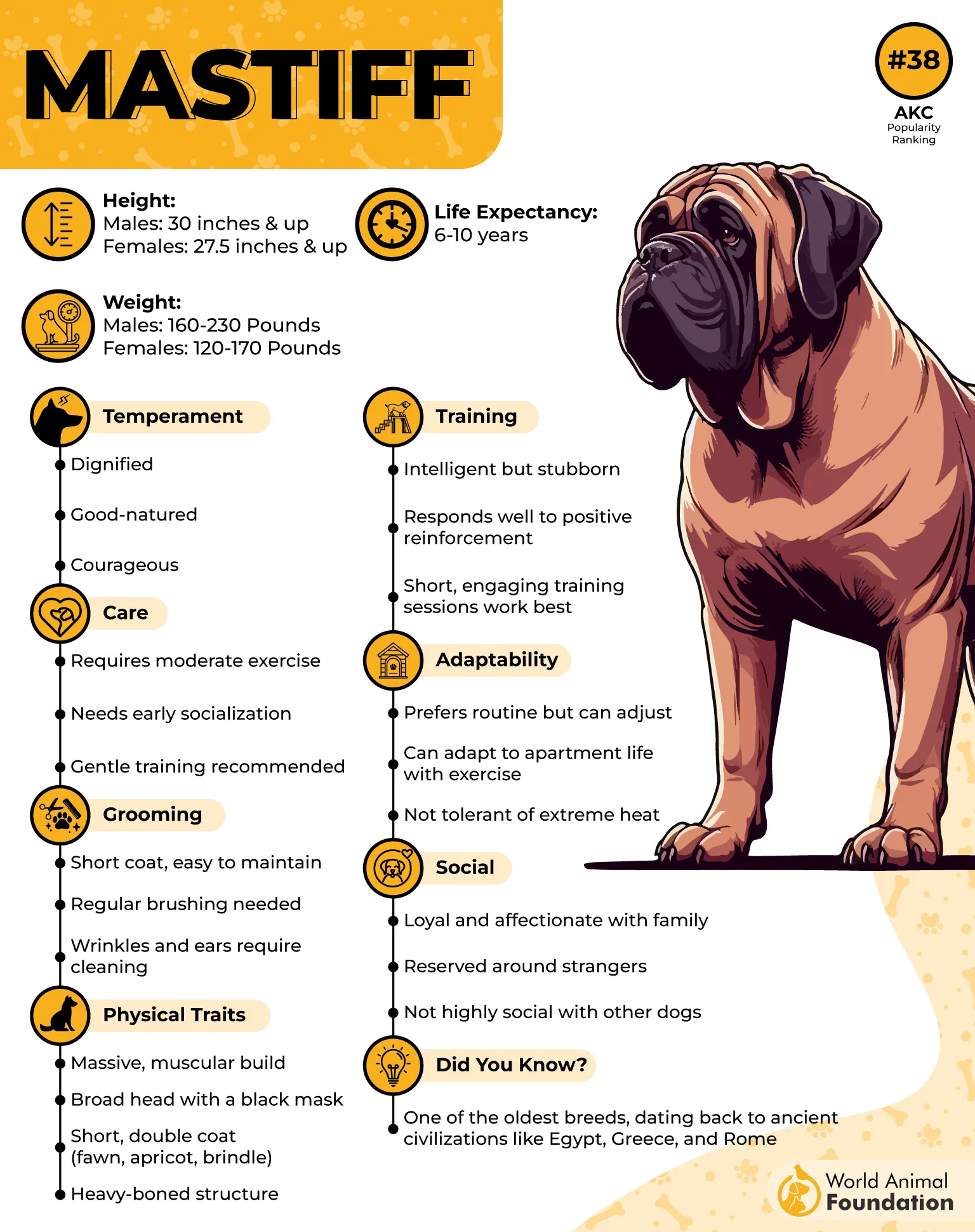
The cost that never shrinks is space. A dog this size needs real room to stretch out, and a cramped home turns a calm giant into a restless one.
Exercise: A short daily walk covers this breed’s needs, with zero interest in long runs.
Training intensity: A naturally calm, biddable temperament means obedience basics come easily compared to higher-drive guard breeds.
This breed suits owners who want a visual deterrent more than an active one, in a home with the square footage to match. One caution: that calm exterior hides a dog that drools generously, especially after meals.
6. Rhodesian Ridgeback
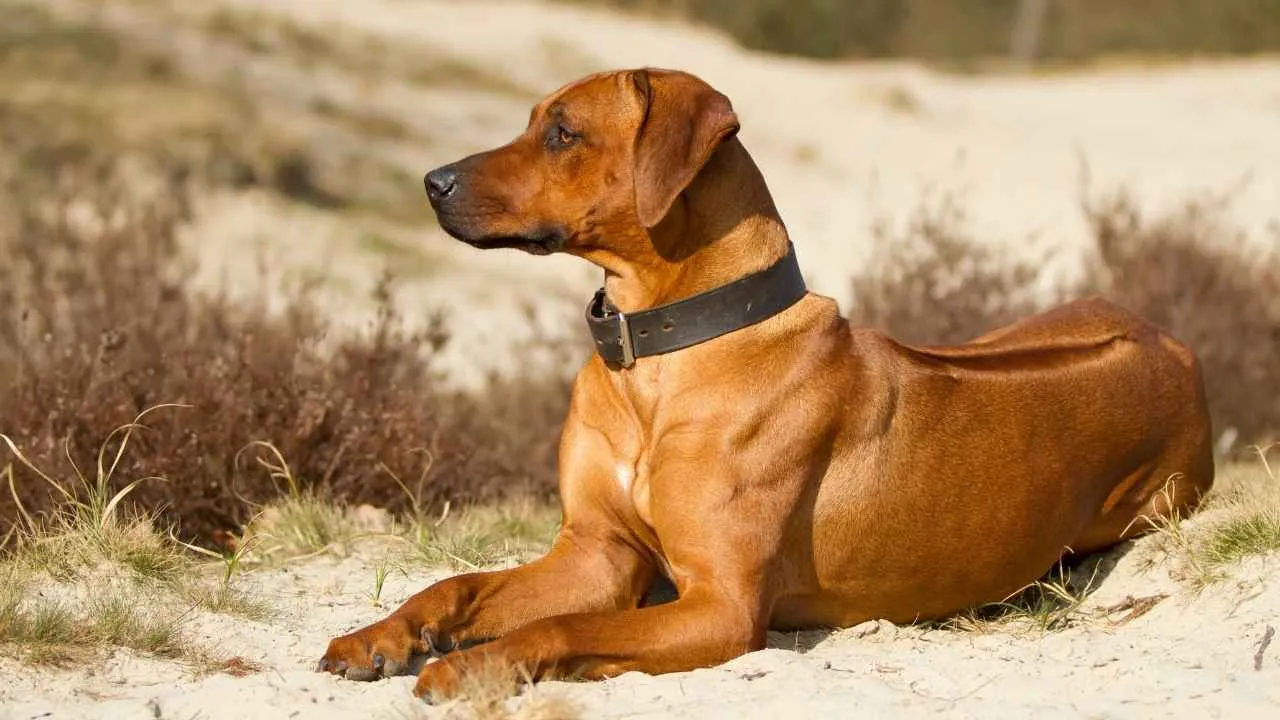
A Rhodesian Ridgeback’s resting pattern looks deceptively lazy, stretched out in a sunny spot until something unfamiliar approaches the family. Bred originally to track lions, this breed guards through quiet, composed confidence rather than constant barking. PetMD notes it reserves alertness for real threats instead of every passing noise.
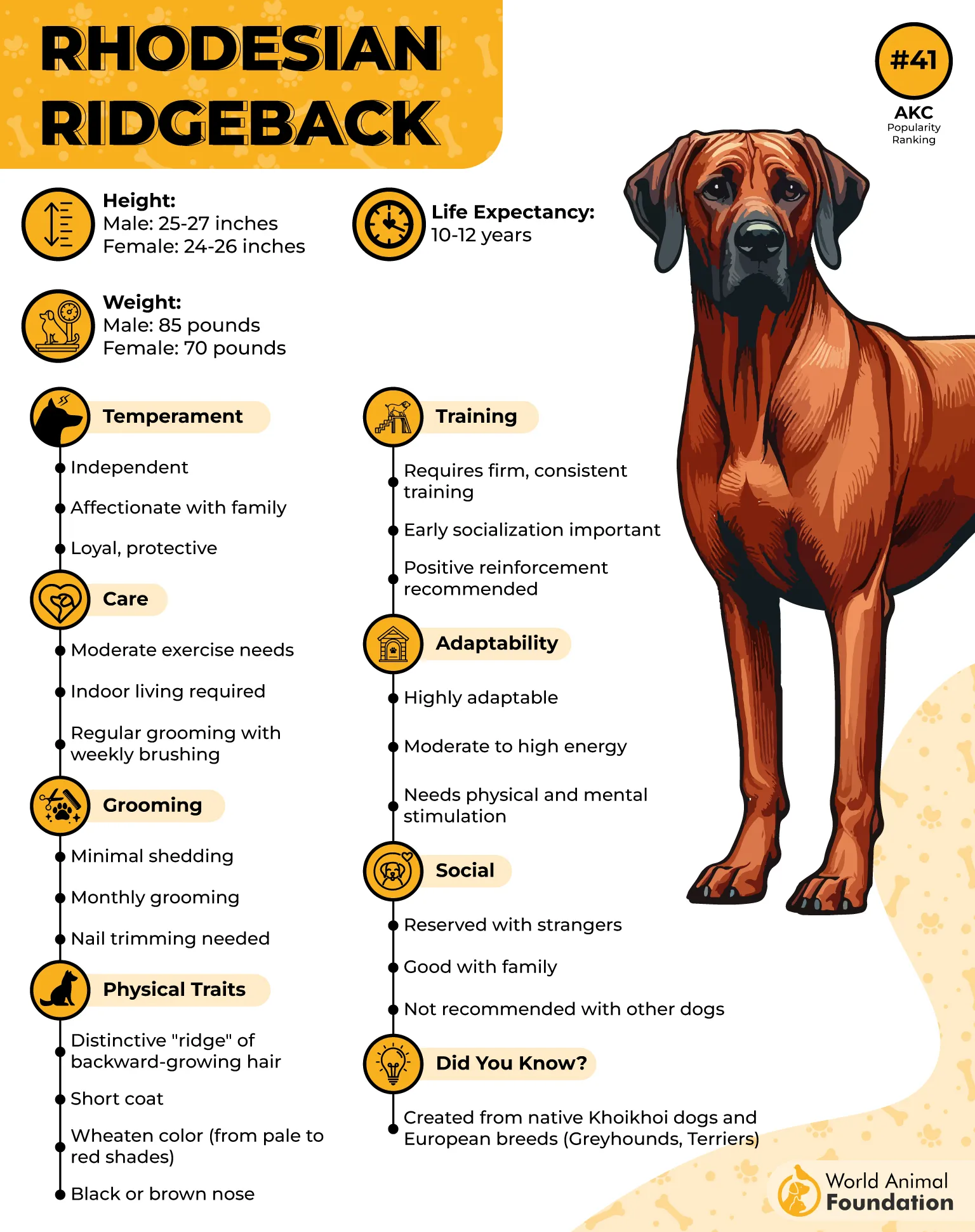
The cost that stays constant is the food bill. A lean, athletic breed like this still needs quality protein in real quantities to keep muscle and energy where they should be.
Exercise: A daily walk and some open space satisfy this breed, without demanding intense workouts.
Supervision: A composed, non-reactive temperament around the household means less active monitoring than flashier guard breeds.
Active but laid-back owners who want a watchful companion without constant hovering will suit this breed well. One caution: a strong independent streak means early socialization matters, or that quiet confidence can tip into aloofness with strangers.
7. Cane Corso
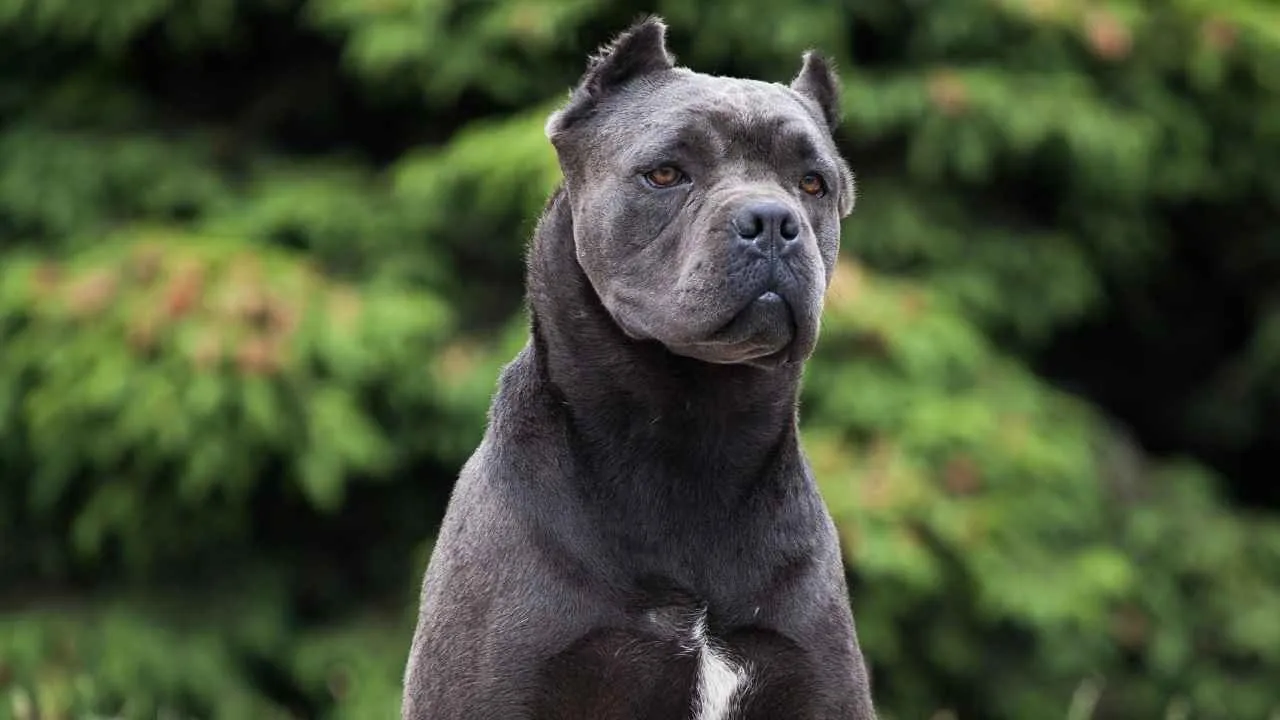
A Cane Corso’s idle mode is calm and watchful rather than fully switched off, lying still but clearly tracking its surroundings. The guarding mechanism blends imposing size with sharp intelligence, reading a situation before deciding how to respond. This breed does not waste energy on noise when a look will do the job.
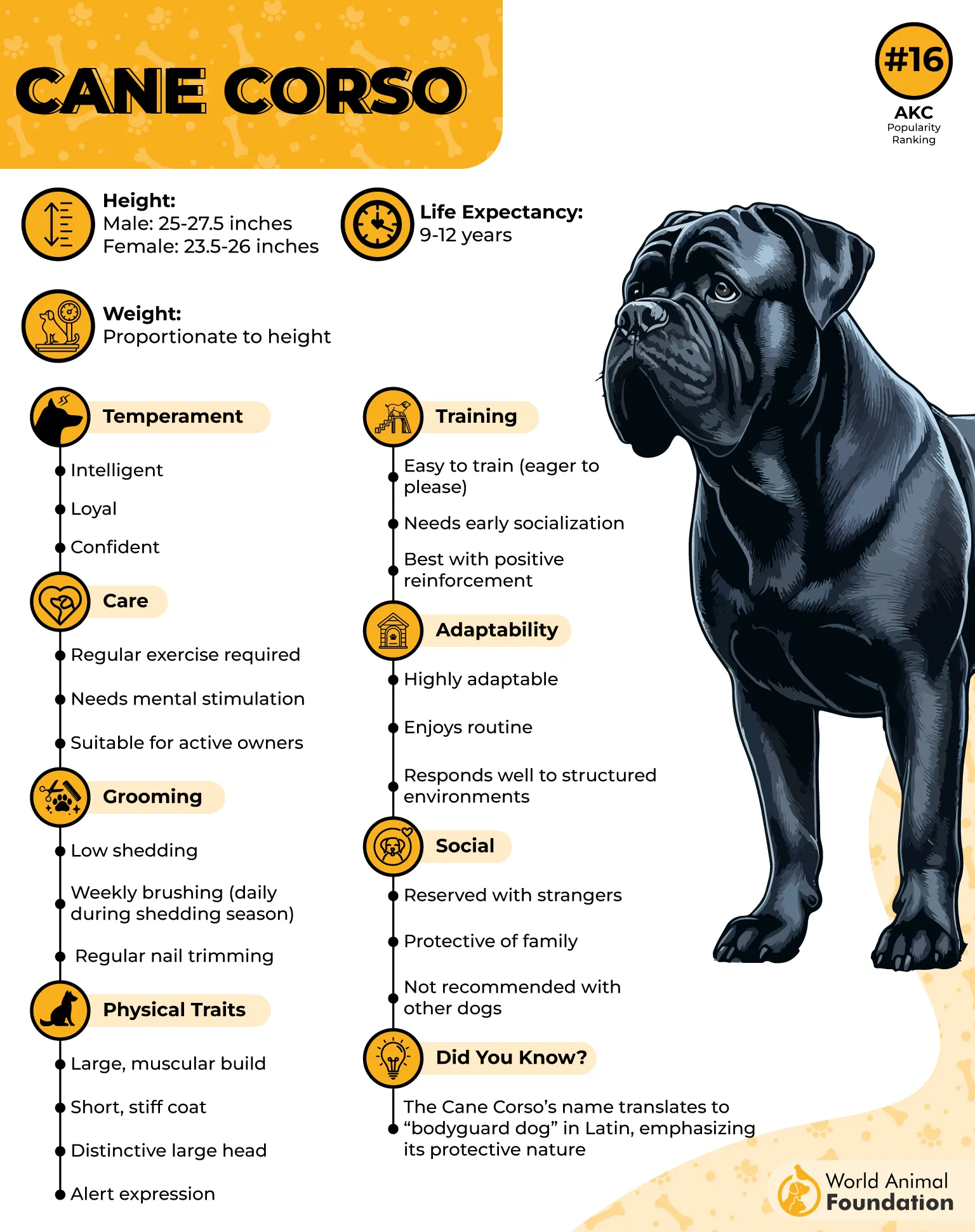
The cost that never shrinks is joint care. A muscular breed carrying this much weight is prone to hip and joint wear, so regular vet monitoring belongs in the budget from year one.
Exercise: Daily movement needs stay moderate once this breed reaches adulthood, well below typical working-breed levels.
Supervision: A naturally composed temperament around familiar faces means less constant oversight than higher-energy guard breeds.
Experienced owners who understand structured training and want a serious, capable protector will get the most from this breed. One caution: training intensity does not shrink here, since this dog needs confident, consistent guidance from an early age.
Conclusion
Relaxed and low-maintenance are not opposites when it comes to guard dogs; they are just two sides of the same big, easygoing coin. These 7 large breeds prove a calm household companion can still be an ideal guard dog the moment it actually matters, with no constant supervision required.
Pick the one that matches your space, your energy, and your patience for size, and you get a peaceful, low-stress household partner rather than a project. Ready to find your perfect furry companion? Start with the breed that fits your home best.
