





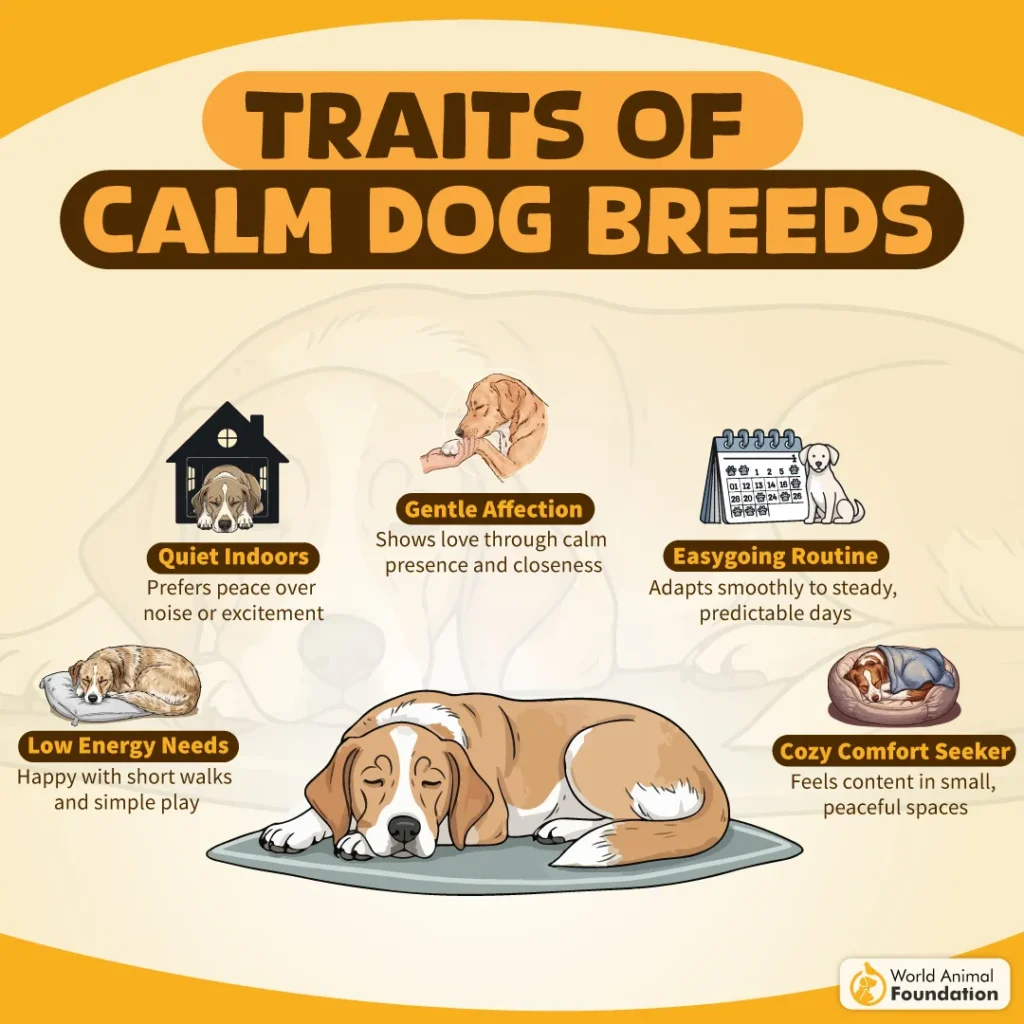
Not every family wants a dog that needs hours of running, constant activities, or challenging training sessions to feel content. Some households prefer a companion that enjoys leisurely walks, peaceful afternoons, and curling up beside loved ones after a busy day.
Fortunately, several dog breeds are known for their laid-back temperaments and ability to settle comfortably into a relaxed home environment.
However, a calm personality does not mean a dog requires little care. Every breed needs appropriate exercise, mental stimulation, social interaction, and routine veterinary attention. Factors such as age, health, individual temperament, and early experiences can also influence how relaxed a dog becomes at home.
From affectionate lap dogs to gentle giants, these ten breeds offer different ways to enjoy a quieter lifestyle.
Most Relaxed Dog Breeds for the Leisure‑Loving Family
1. Cavalier King Charles Spaniel
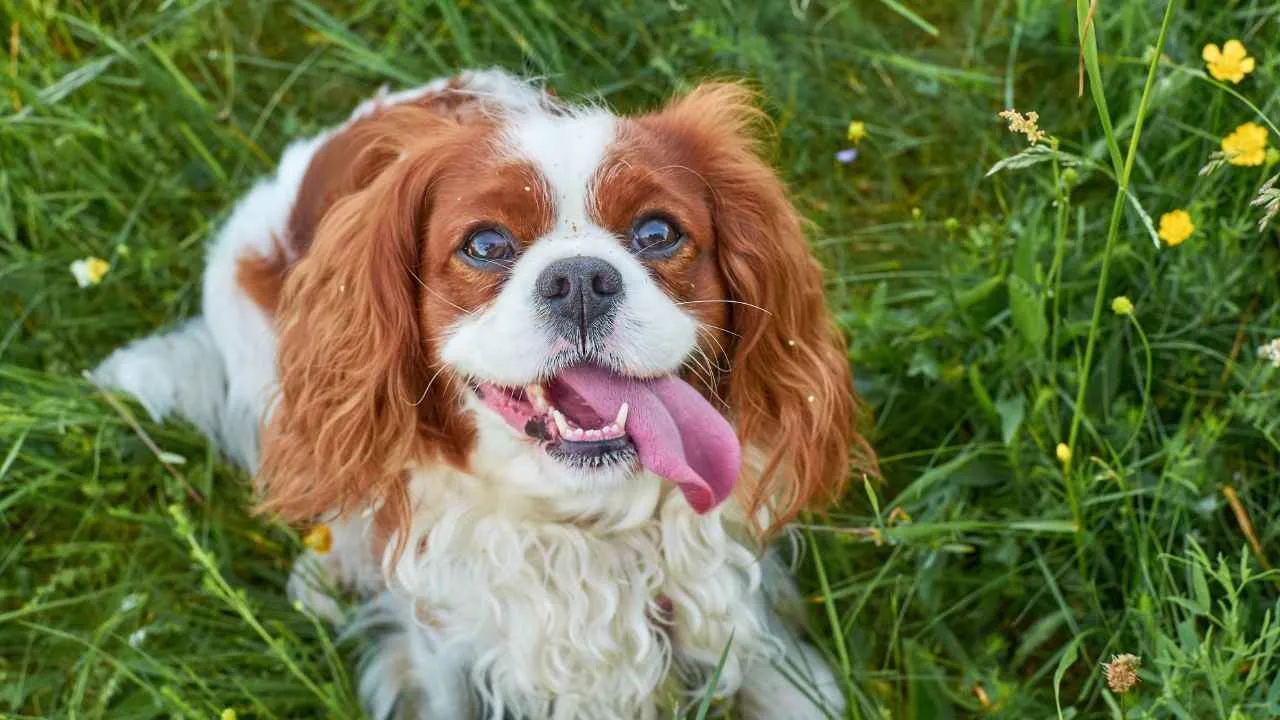
Cavalier King Charles Spaniels are affectionate companions that often enjoy a balance of gentle activity and comfortable downtime.
They are usually happiest when included in family routines, whether that means taking a relaxed neighborhood stroll or settling beside someone on the sofa. Their sociable nature makes them particularly appealing to households seeking a loving, people-oriented dog.
A Royal Companion With Centuries of History
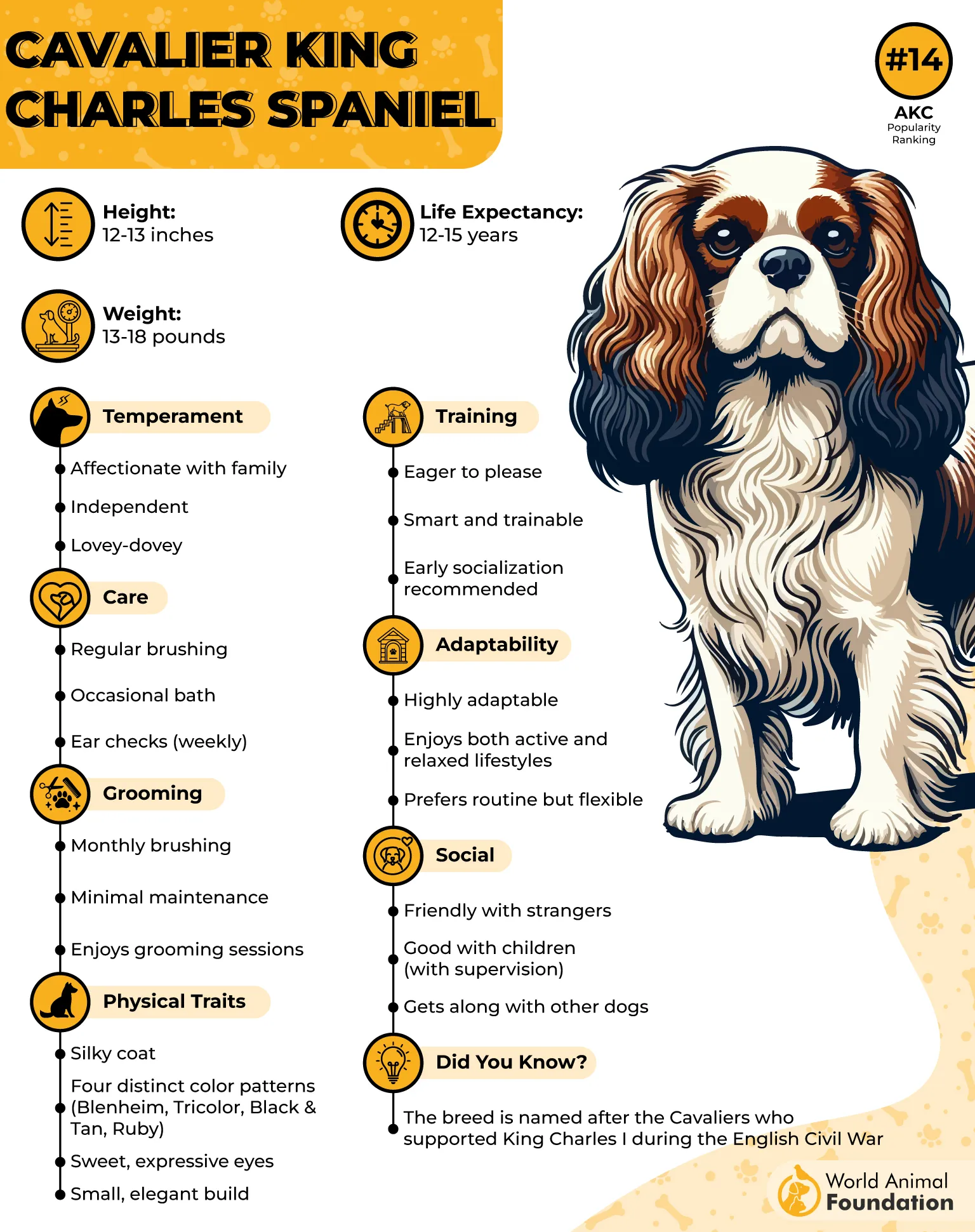
The Cavalier King Charles Spaniel traces its roots to small toy spaniels favored by European aristocrats, particularly in Britain.
These dogs appeared in paintings and were associated with royal households, including the court of King Charles II, as per Britannica. Selective breeding preserved their companionable nature, expressive faces, and affectionate disposition.
An Easygoing Friend Who Loves Being Close
Cavaliers often adapt well to quieter households because they enjoy companionship more than constant high-intensity activity. Short walks, gentle play, and time with their favorite people usually provide a satisfying routine.
They can struggle with prolonged isolation, however, and prospective owners should be aware of the breed’s predisposition to certain heart conditions and other inherited health problems.
2. Bulldog
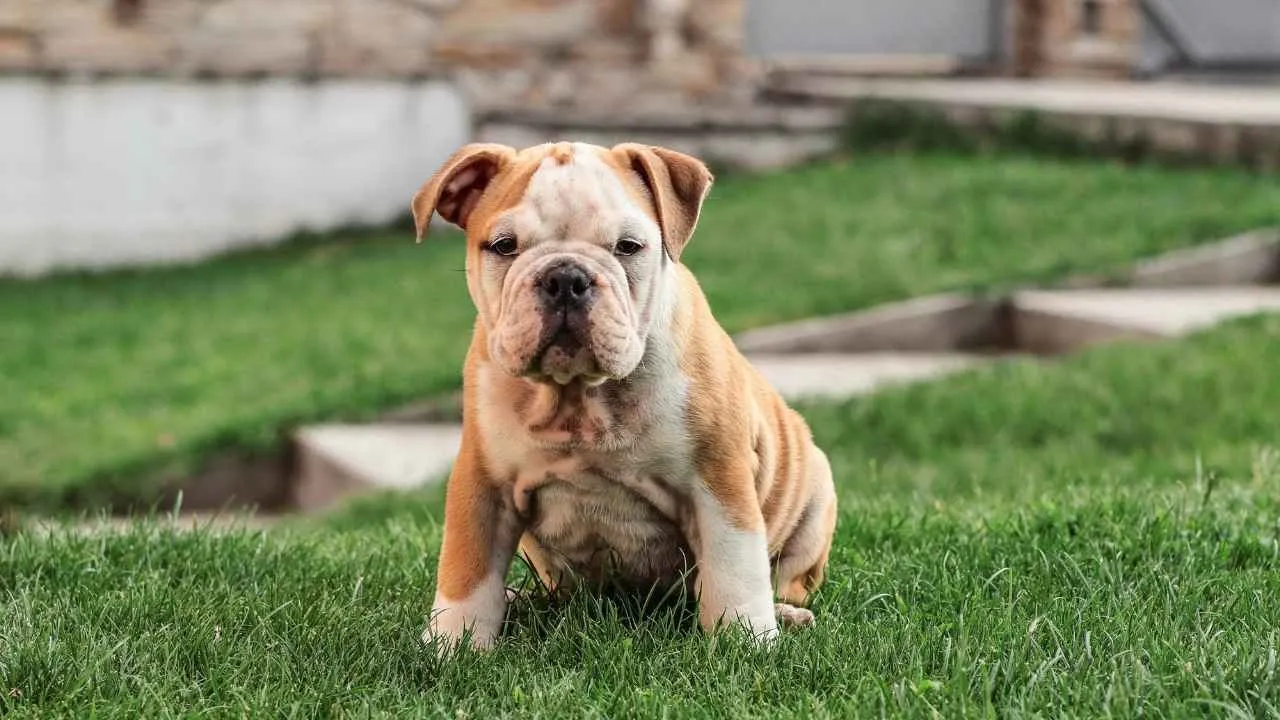
Bulldogs are often recognized for their unhurried movements and fondness for comfortable resting spots. Many enjoy brief walks and casual play before returning to a favorite bed or family gathering. Although they can be affectionate and easygoing, their physical limitations mean that activity should be carefully managed, particularly in warm weather.
From British Working History to Family Favorite
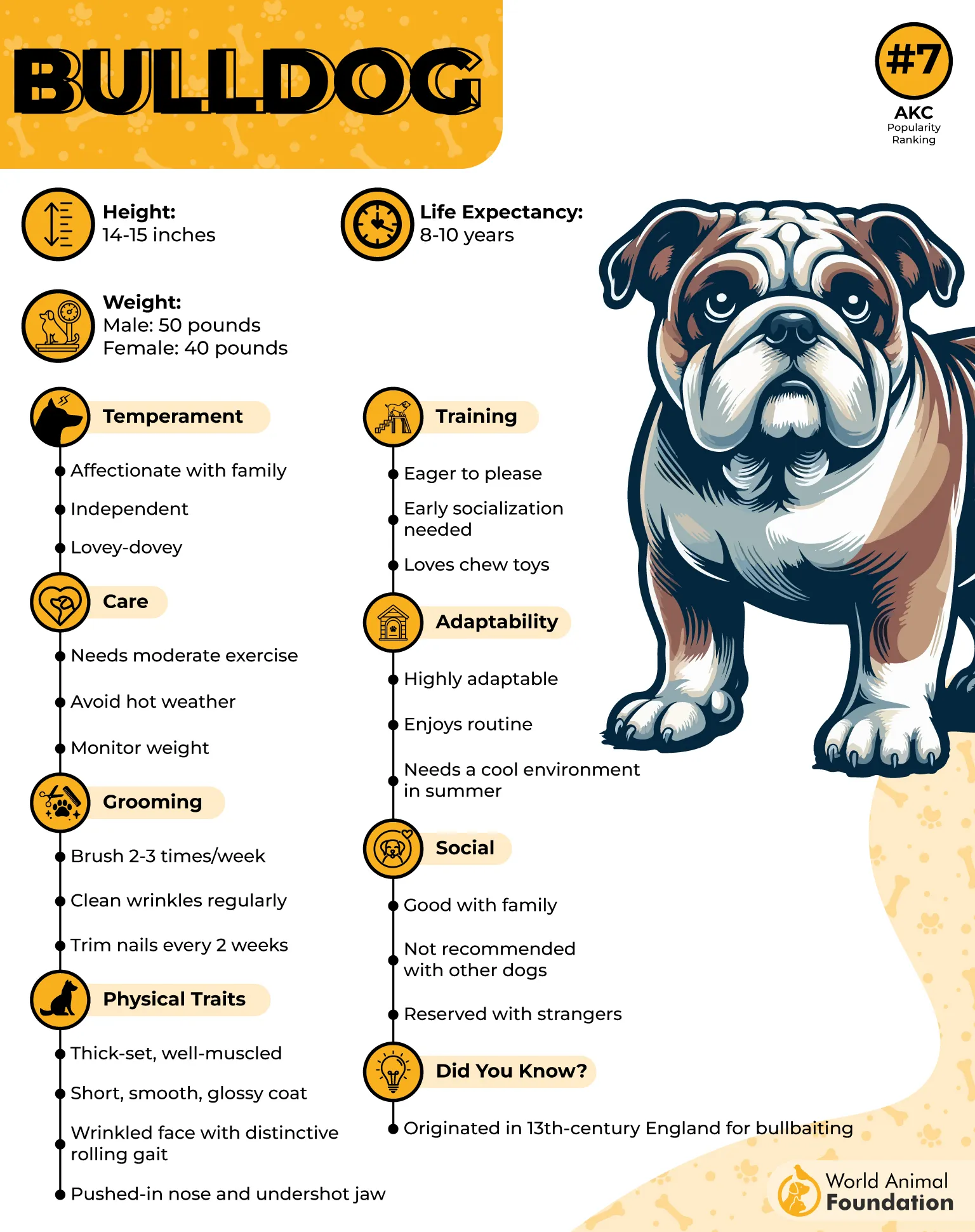
The Bulldog originated in England and was historically associated with bull-baiting before that practice was prohibited in the 19th century, as per PetMD.
Subsequent breeding shifted attention toward a more companionable temperament and the distinctive appearance familiar today. Modern Bulldogs are generally kept as household pets rather than working animals.
A Couch Companion That Needs Careful Handling
Bulldogs can suit families that prefer a relaxed pace, provided their daily needs are met. Gentle walks and indoor interaction help maintain mobility without overexertion.
Their short muzzles can contribute to breathing difficulties and poor heat tolerance, so strenuous exercise and hot conditions should be avoided. Regular skin-fold care and weight management are also important.
3. Mastiff
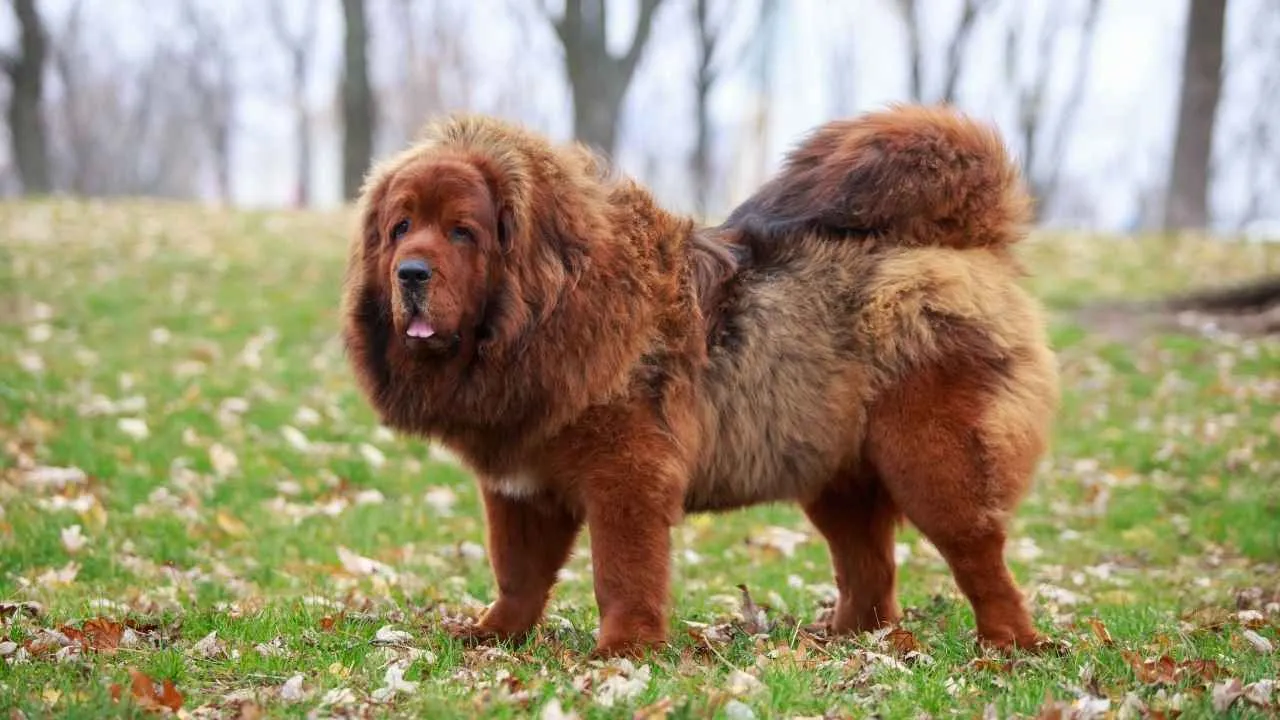
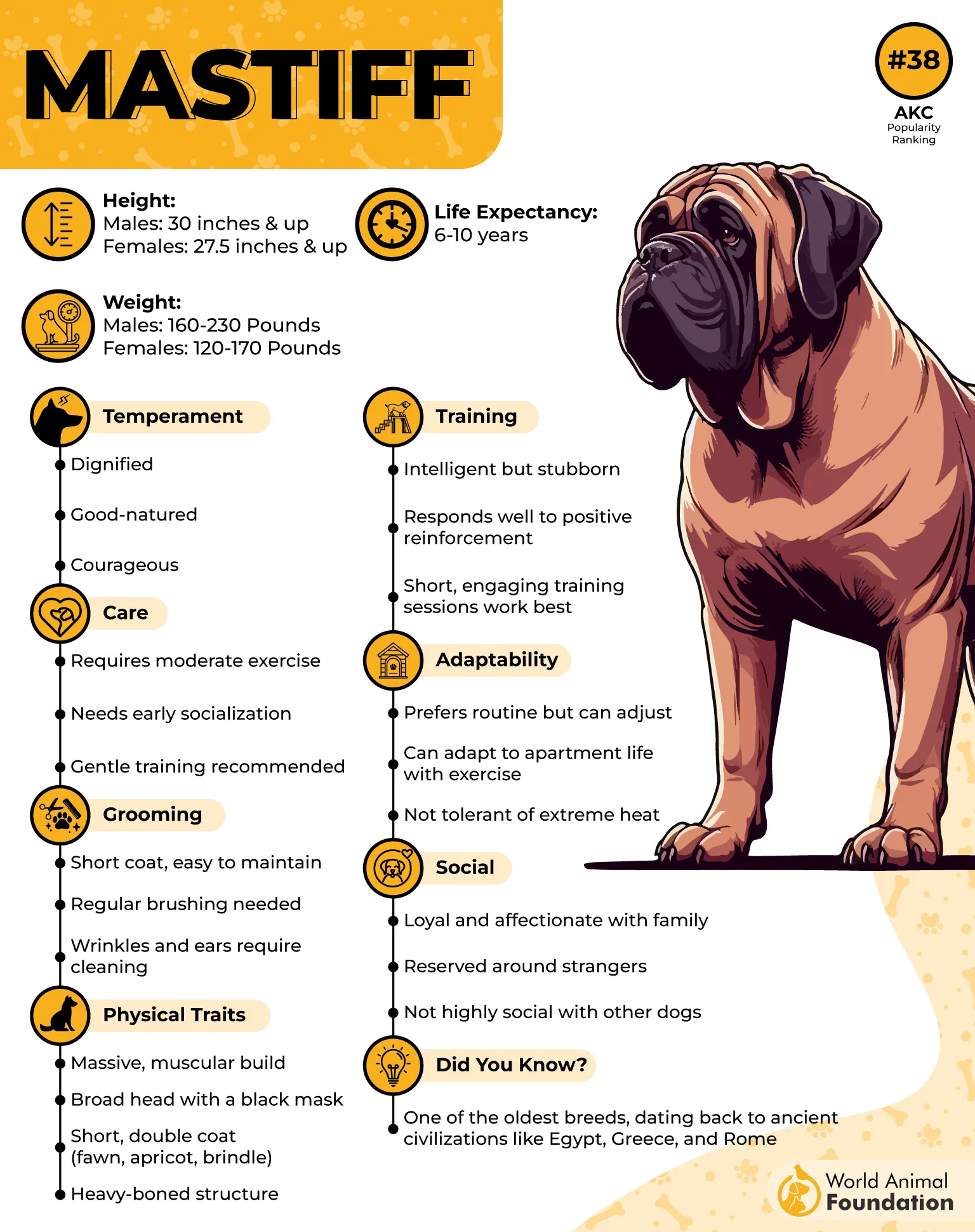
Mastiffs are imposing in size but are often described as calm, steady companions when properly socialized. Many adults appreciate a predictable household routine and moderate exercise rather than nonstop activity.
Their substantial strength and protective instincts make early training particularly important, ensuring that their relaxed nature is accompanied by safe, manageable behavior.
An Ancient Guardian With a Long Legacy
Mastiff-type dogs have a long history stretching back thousands of years, with large guardian dogs appearing in several ancient civilizations. In Britain, Mastiffs were used for guarding estates and other demanding duties. Over generations, the breed became known for its impressive stature and capacity to serve as a devoted family companion.
A Gentle Giant Suited to a Steady Routine
A well-adjusted Mastiff may be content with moderate walks, short training sessions, and plenty of time resting near its family.
Its large body places considerable demands on joints, so exercise should be appropriate for its age and physical condition. Families must also consider space, food costs, drooling, and the practical challenge of managing such a powerful dog.
4. Basset Hound
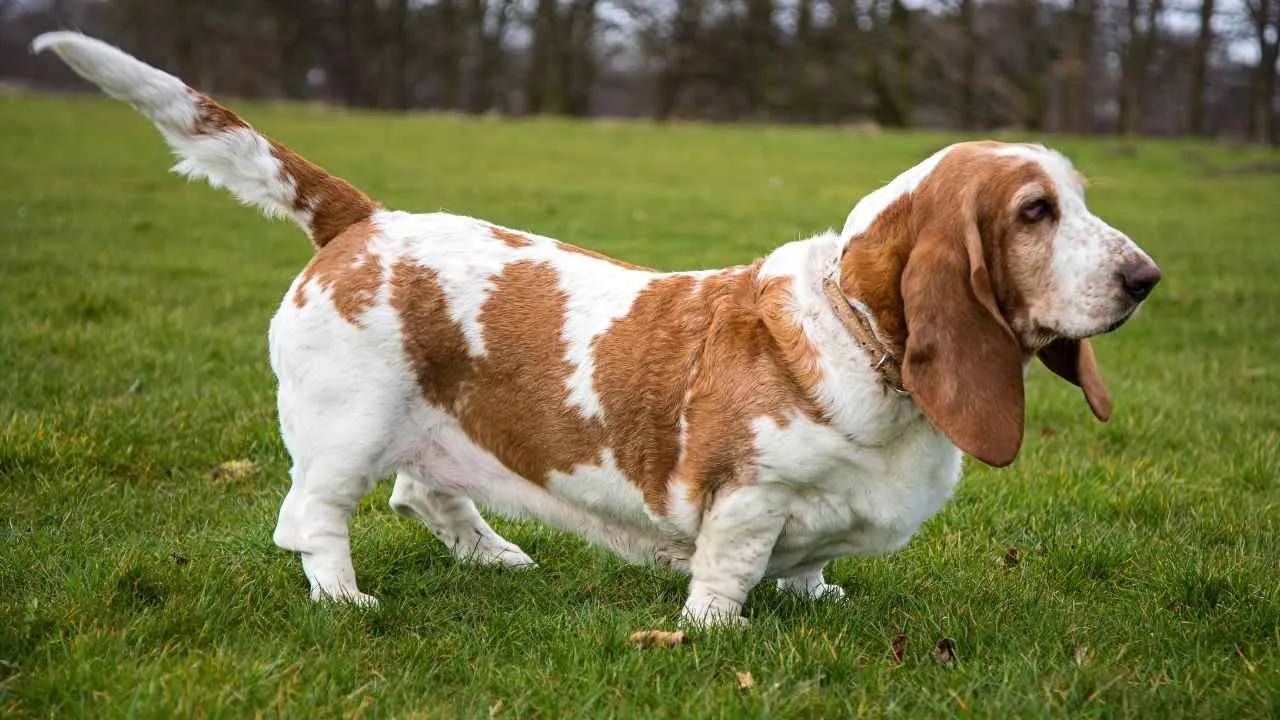
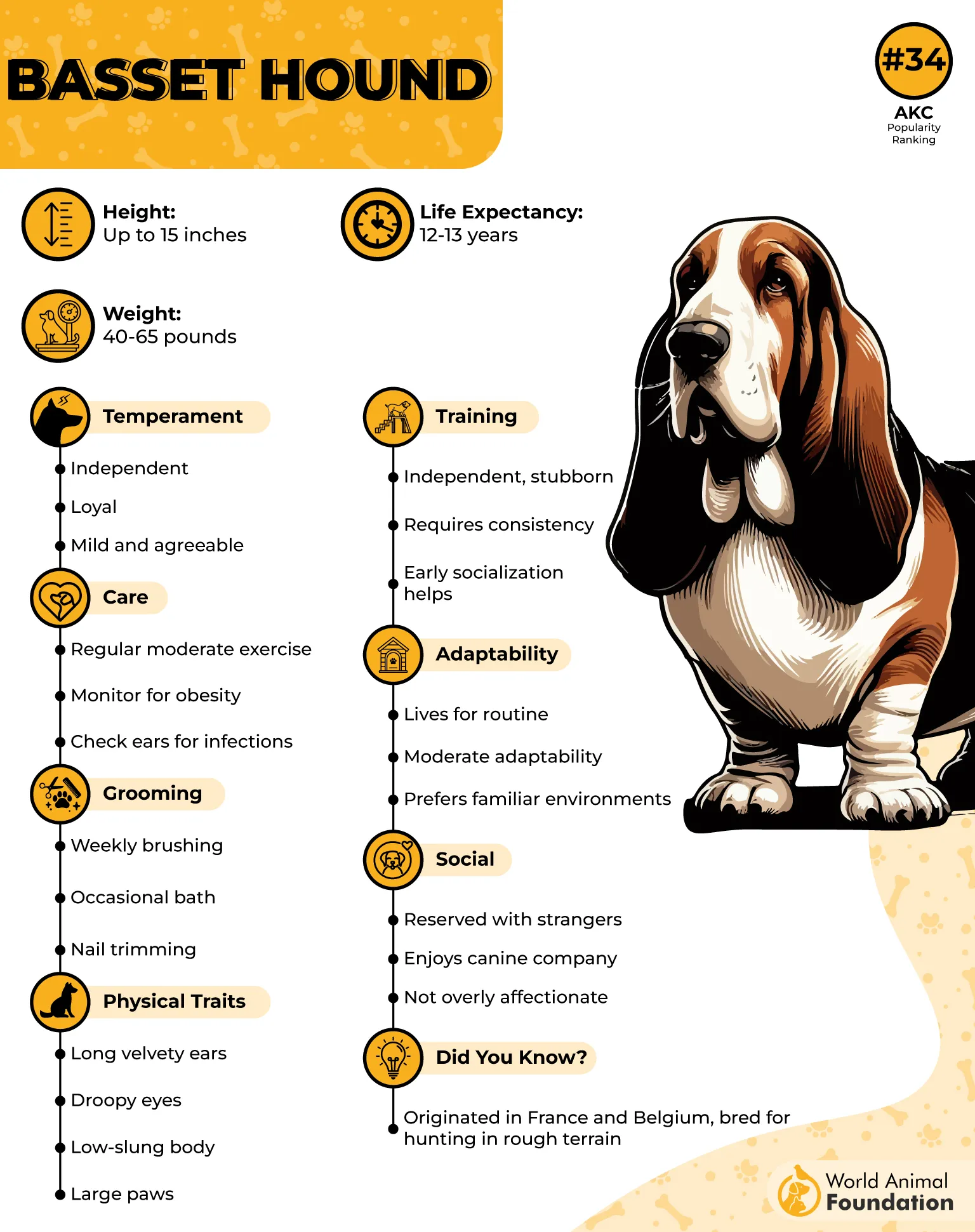
Basset Hounds are low-slung scent hounds that often prefer a leisurely pace over intense physical activity. Their noses can lead them on enthusiastic investigations during walks, but many are equally pleased to spend long stretches relaxing indoors, as per Purina. They have an independent streak, so owners should allow time for sniffing while maintaining safe control outdoors.
French Hunting Roots Behind Those Famous Ears
Basset Hounds were developed from short-legged scent hounds associated with France and were later refined in Britain.
Their low build helped them follow scents close to the ground, while their stamina supported hunting at a slower pace. The breed eventually became popular as a companion thanks to its distinctive appearance and generally amiable personality.
Slow Strolls, Scent Trails, and Comfortable Naps
Basset Hounds often thrive with relaxed walks that give them opportunities to investigate interesting smells. Their love of food and relatively easygoing activity level can contribute to weight gain if portions are not monitored.
Owners should also protect their backs by managing jumping and stairs, while regularly checking their ears and maintaining consistent, patient training.
5. Clumber Spaniel
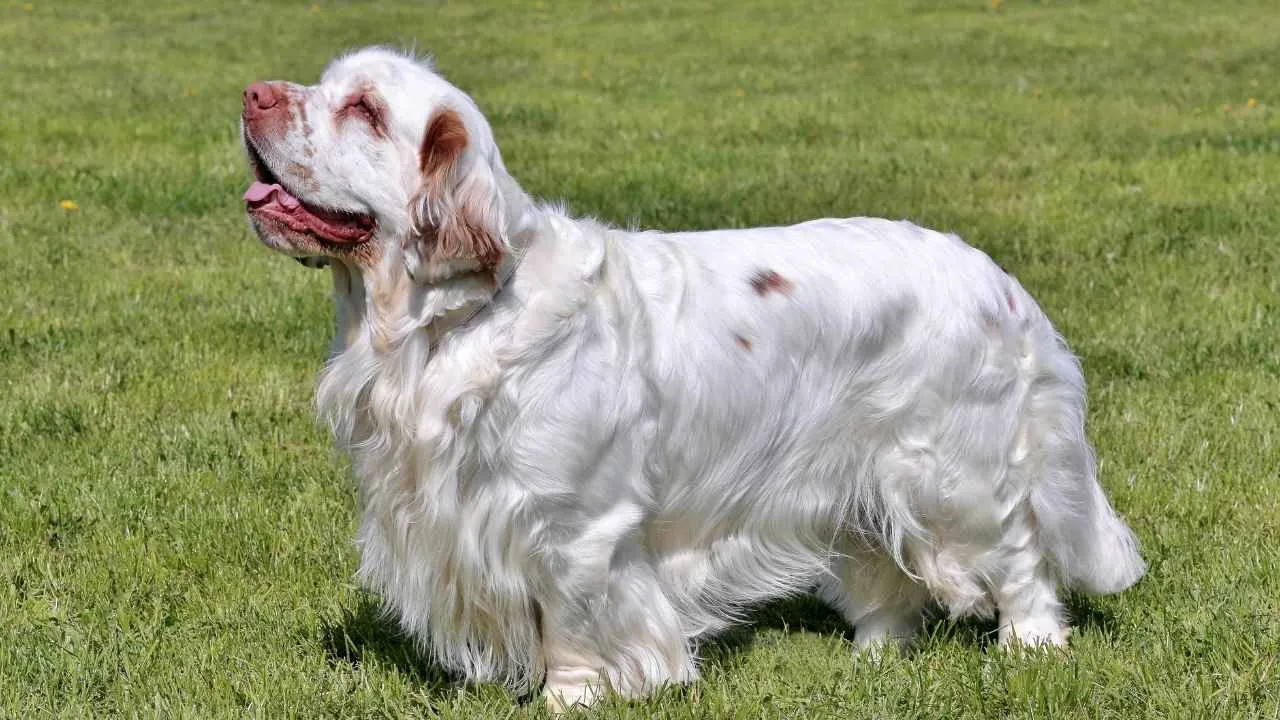
Clumber Spaniels are substantial sporting dogs known for their thoughtful, unhurried manner. They often enjoy outdoor exploration without displaying the constant intensity associated with some other working breeds.
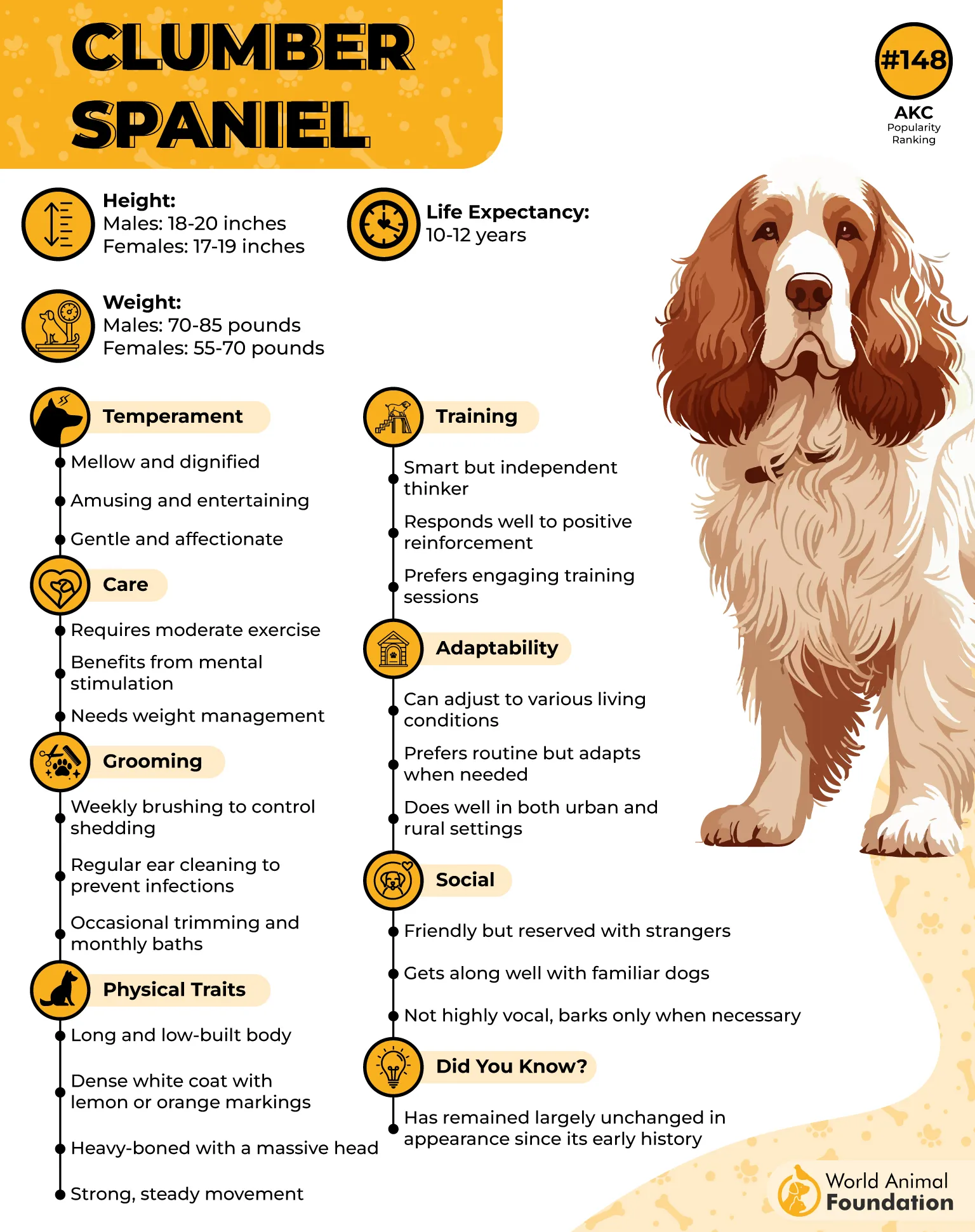
At home, many are content to settle near family members, although their size, enthusiasm for food, and need for regular movement still call for a structured routine.
A Sporting Spaniel With Aristocratic Connections
The Clumber Spaniel developed in Britain, with its history associated with the Clumber Park estate in Nottinghamshire.
It was bred as a flushing and retrieving dog, valued for its ability to work methodically through dense vegetation. Its sporting background remains evident in its keen nose and interest in outdoor exploration, even though it is often less frantic than some spaniels.
A Leisurely Explorer With a Soft Spot for Home
Clumber Spaniels typically benefit from moderate daily walks, scent games, and opportunities to explore at their own pace.
Their heavy build makes healthy weight management particularly important, while their long ears require regular attention. Families should also be prepared for shedding and drooling, which can accompany this otherwise relaxed and affectionate breed.
6. Pekingese
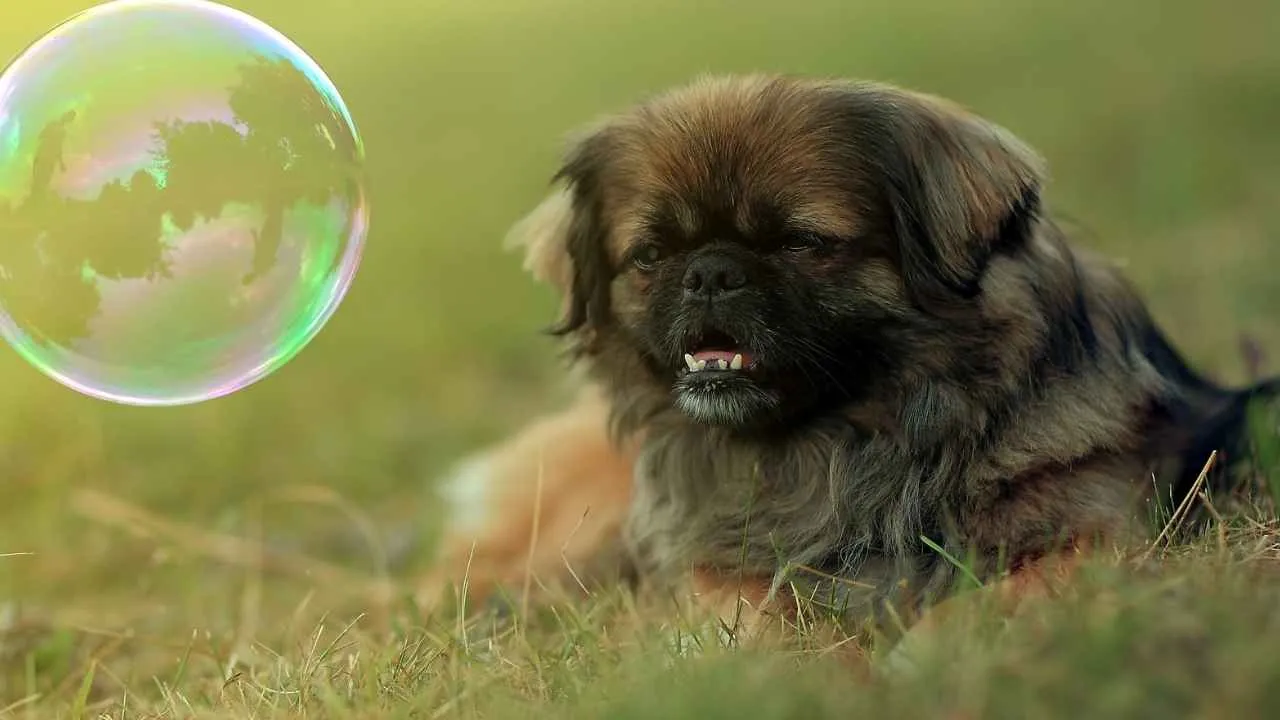
Pekingese dogs were bred primarily for companionship and often appear perfectly comfortable enjoying a peaceful indoor environment. These loyal dogs tend to form close bonds with their families while retaining an independent, self-assured personality.
Their exercise requirements are generally modest, but their distinctive facial structure makes careful management of temperature and physical exertion essential.
A Cherished Companion of Imperial China
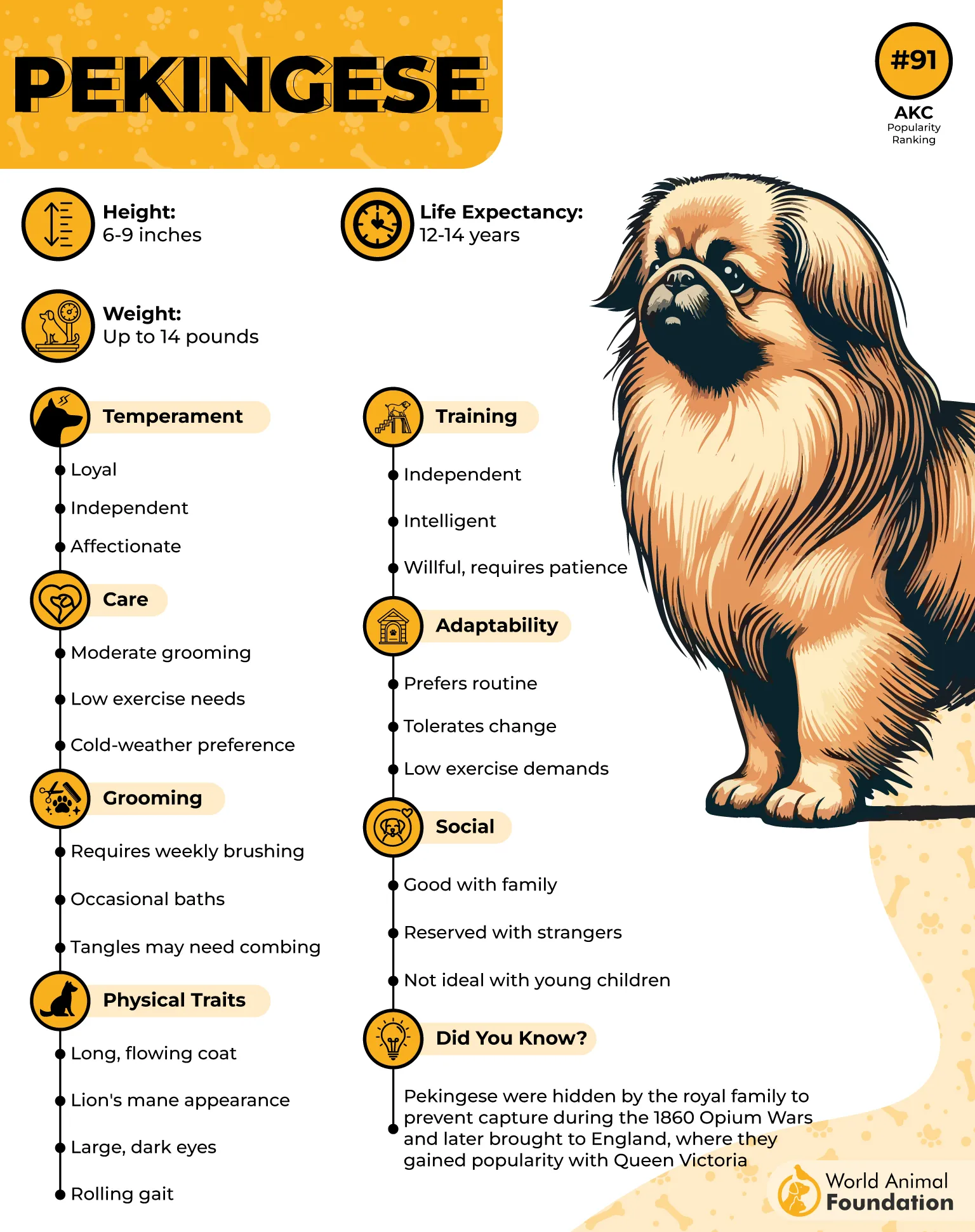
The Pekingese has a long history in China, where small lion-like dogs were treasured by members of the imperial household. Their distinctive appearance and close association with palace life helped establish their reputation as prized companions. The breed later became known internationally, retaining its dignified demeanor and strong attachment to familiar people.
A Little Aristocrat Who Appreciates Quiet Comfort
Pekingese dogs often enjoy short walks, gentle indoor games, and comfortable places to rest. Their independent nature means they may prefer affection on their own terms rather than constant handling.
Regular coat maintenance is essential for long-coated individuals, and their short muzzles make heat avoidance, weight control, and careful exercise especially important.
7. Saint Bernard
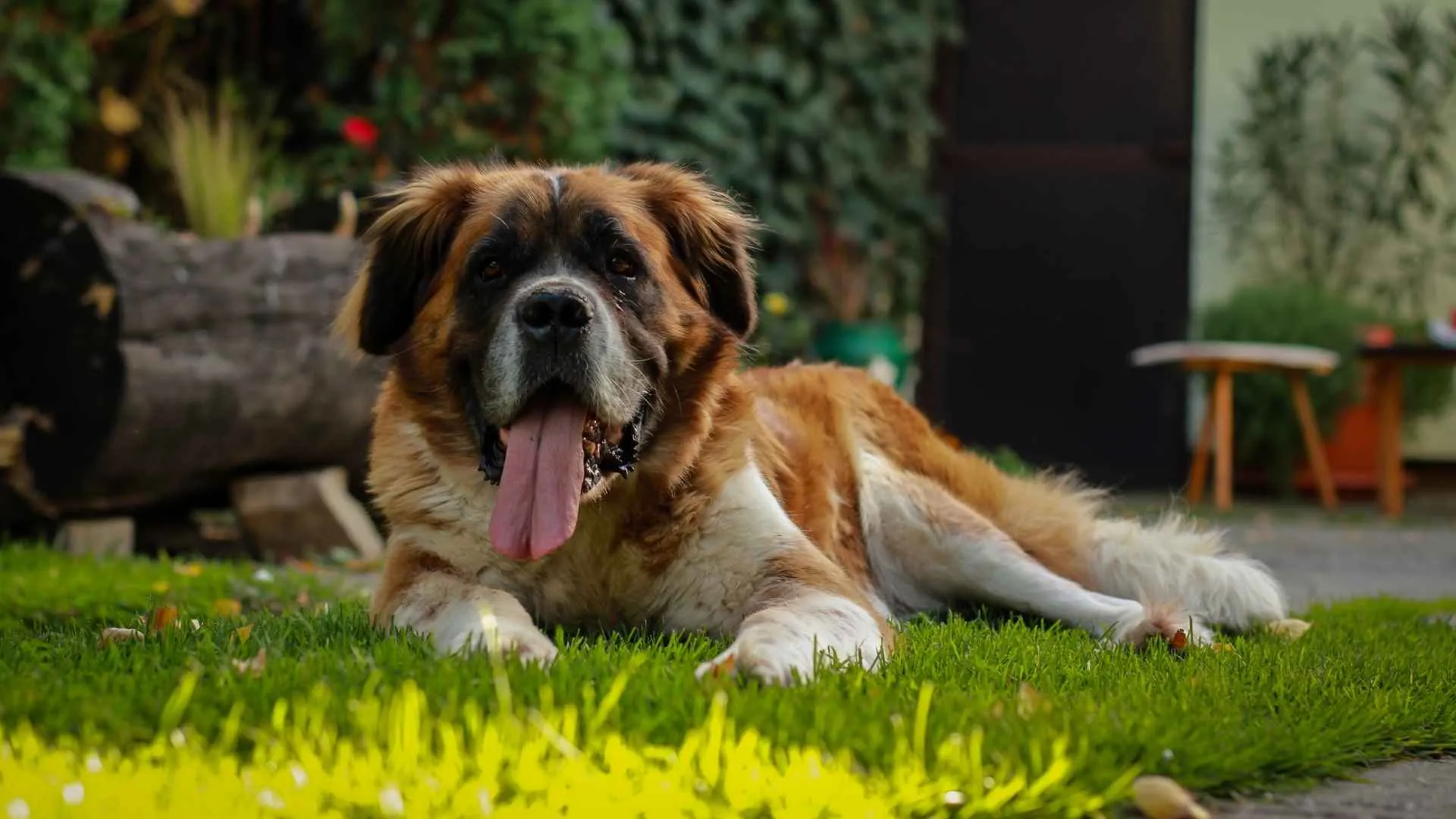
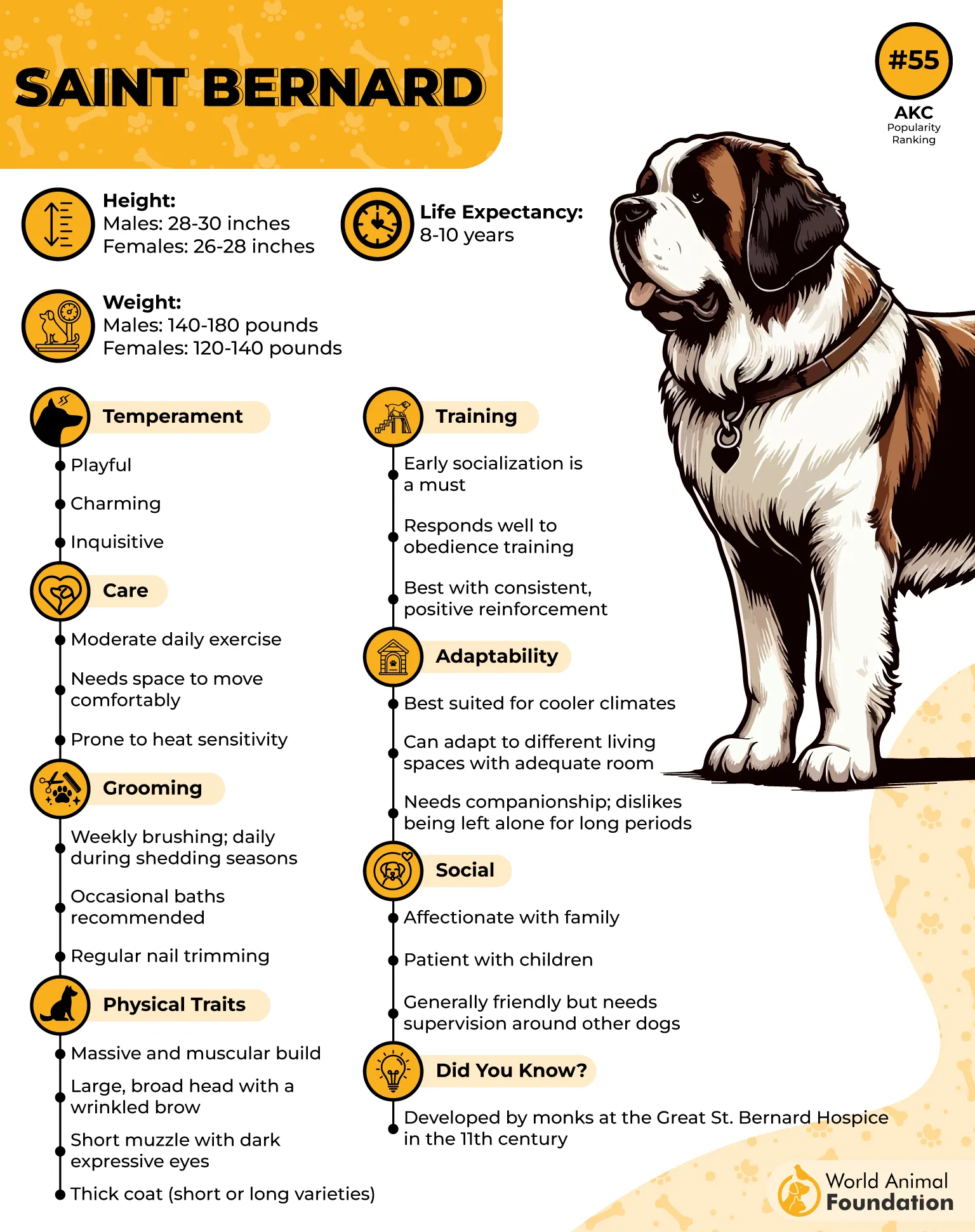
Saint Bernards are famous for their immense size and generally gentle disposition. Many adults prefer moderate activity and close family companionship over demanding athletic routines.
Despite their relaxed reputation, they need enough space to move comfortably, consistent manners training, and appropriate exercise to support healthy joints throughout their development and adult life.
Alpine Rescue Work Built a Reputation for Kindness
The Saint Bernard originated in the Swiss Alps, where monks at the Great St. Bernard Hospice kept large dogs to assist with mountain travel and rescue efforts.
These dogs became associated with helping travelers navigate harsh conditions. Their history as working companions helped shape the breed’s enduring image as a patient, dependable giant.
A Calm Family Presence With Big Needs
A Saint Bernard may be content with steady walks, supervised outdoor time, and relaxing beside its household. Its sheer size makes early leash training and good greeting manners particularly valuable. Owners must also account for heavy shedding, drooling, significant food requirements, and the importance of avoiding strenuous exercise in hot weather.
8. Newfoundland
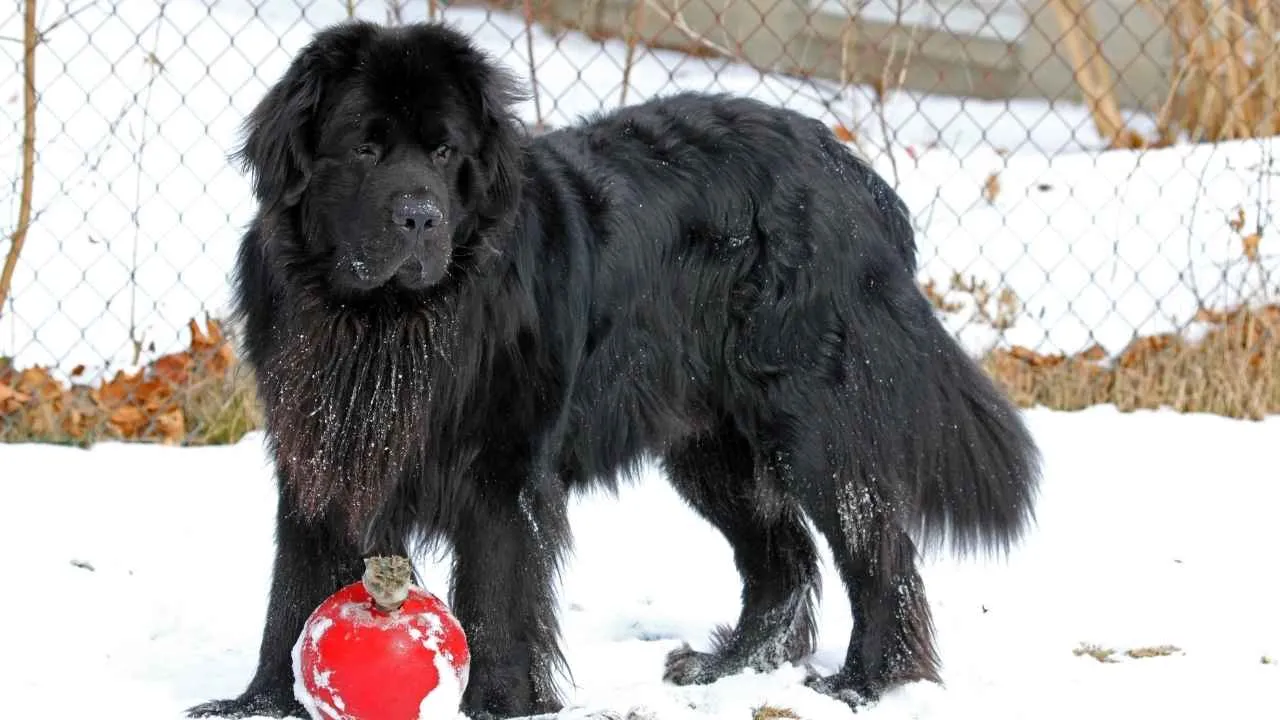
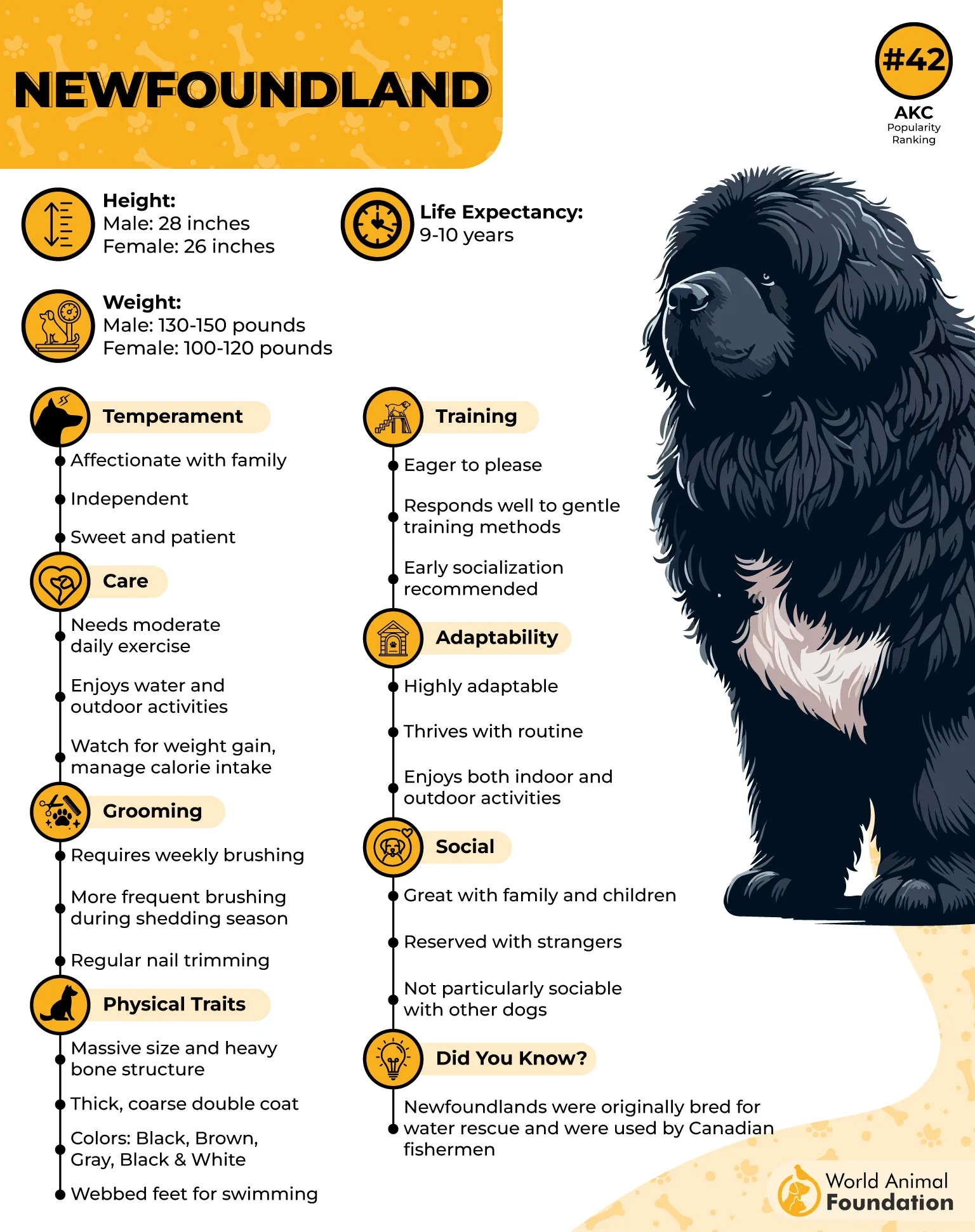
Newfoundlands are often admired for their patient, affectionate temperament and apparent fondness for being around people. Although they are large and powerful, many have a gentle approach to family life.
They generally appreciate moderate activity, and swimming can be an enjoyable outlet when introduced safely and suited to the individual dog’s abilities.
A Canadian Working Dog With Water Skills
The Newfoundland developed on the island of Newfoundland in Canada, where it assisted fishermen with demanding tasks around the water.
Its strength, dense coat, and swimming ability made it useful for hauling equipment and helping people in difficulty. The breed’s working history helped establish its reputation for cooperation and steady companionship.
A Gentle Water Lover Who Values Family Time
Newfoundlands often enjoy relaxed walks, supervised swimming, and quiet time with their loved ones. Their thick double coats require regular brushing, and their size means that training should begin early to establish safe everyday manners. Owners should also consider drooling, shedding, joint health, and their need for a cool, comfortable environment.
9. Greyhound
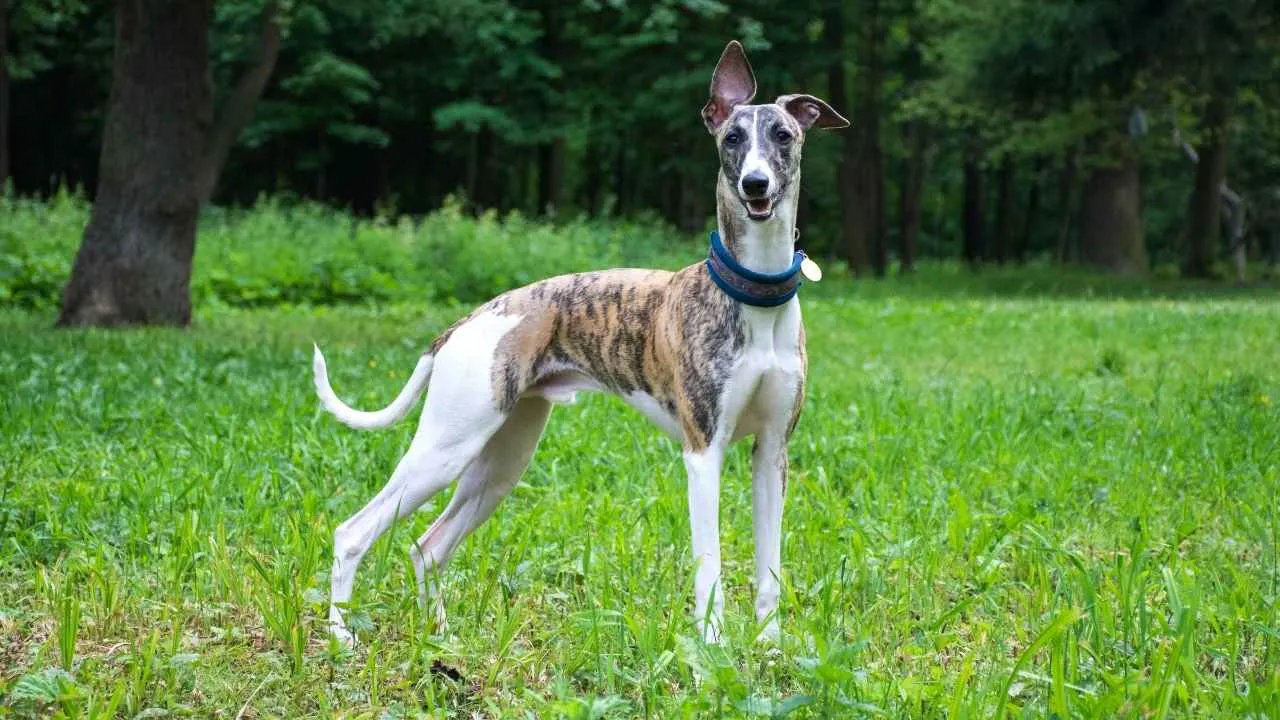
Greyhounds may be famous for their speed, but many are surprisingly relaxed indoors. After an opportunity to stretch their legs in a secure area, they often enjoy long periods of rest in a comfortable spot.
Their quiet nature and relatively low grooming demands can appeal to families seeking a calm companion, although individual exercise needs and prey drive must be considered.
An Ancient Sighthound Bred for Speed
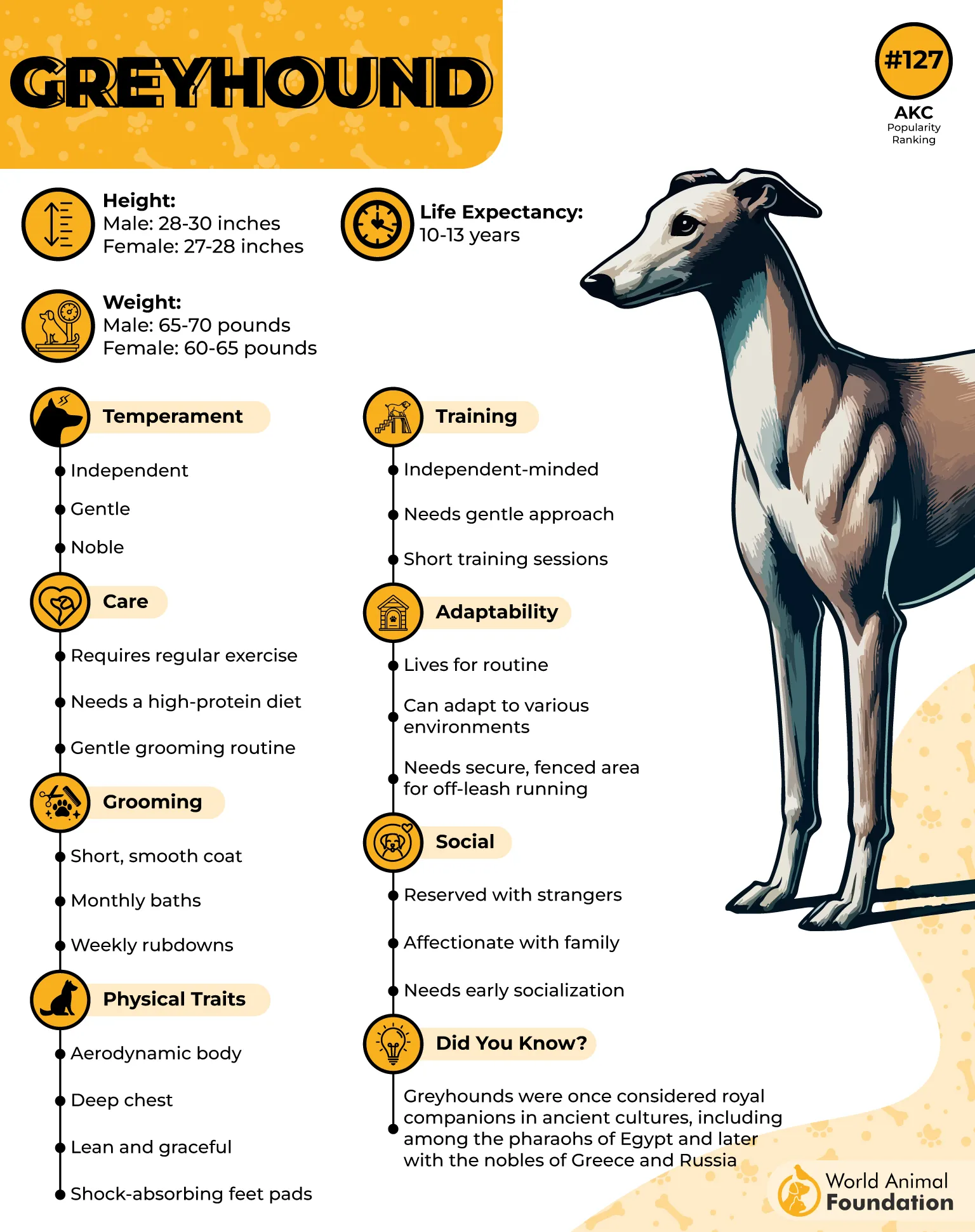
Greyhounds belong to an ancient group of sighthounds developed to pursue prey by sight rather than scent. Dogs resembling Greyhounds appear in historical art and records from several regions, while the modern breed became closely associated with coursing and racing. Their lean bodies and powerful muscles reflect generations of selection for speed and efficient movement.
A Sprinter Outdoors and a Lounger Indoors
Many Greyhounds are content with regular walks, occasional safe opportunities to run, and generous periods of rest.
They have thin coats and little body fat, so comfortable bedding and protection from cold weather are important. Because some retain a strong instinct to chase small animals, secure enclosures and reliable leash management are essential.
10. Pug
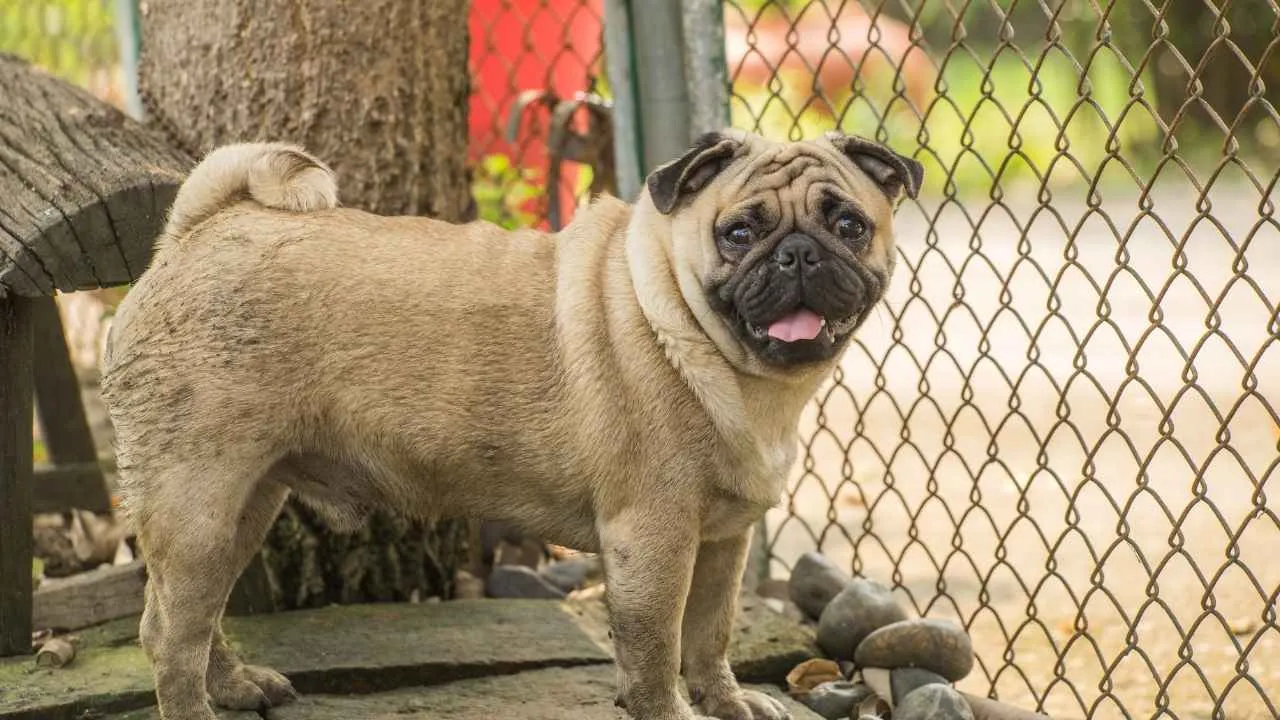
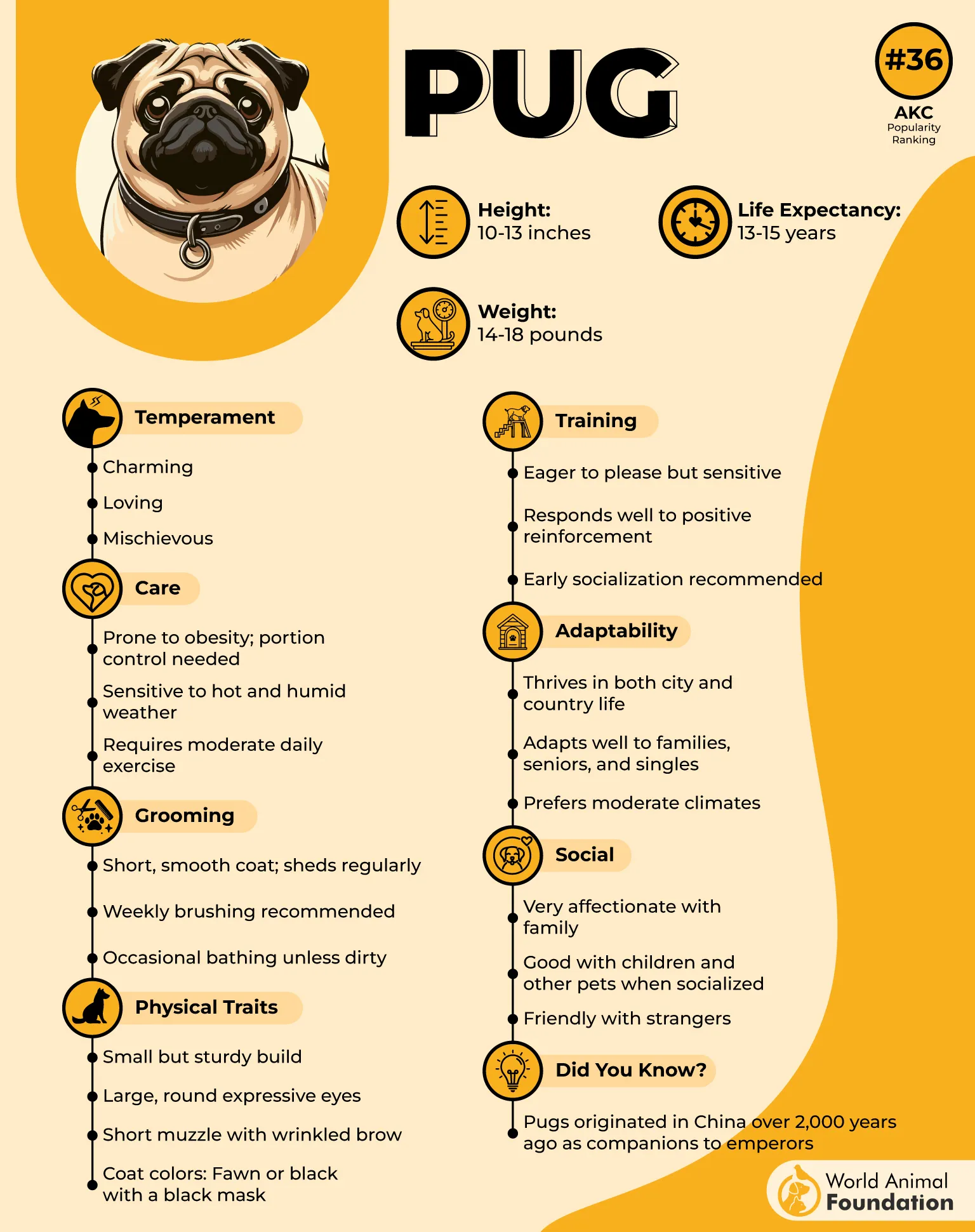
Pugs are affectionate little companions that often prefer being wherever their favorite people happen to be. They enjoy play and short outings but are generally not suited to strenuous exercise.
Their entertaining expressions and sociable nature can bring warmth to a relaxed household, provided owners pay close attention to weight management and breathing-related limitations.
A Companion Breed With Chinese Origins
The Pug originated in China, where small, short-muzzled dogs were kept as companions by members of the imperial household.
The breed later gained popularity in Europe, particularly among aristocratic families. Its compact build, curled tail, and expressive face helped establish its identity as a devoted companion rather than a dog bred for demanding physical work.
A Cheerful Homebody Who Needs a Healthy Balance
Pugs often enjoy short walks, gentle games, and plenty of time beside their families. Their eagerness for food can make them prone to weight gain, so measured meals and appropriate activity are important.
Because their flat faces can impair breathing and heat regulation, owners should avoid strenuous exercise, monitor them closely in warm weather, and consult a veterinarian about any breathing concerns.
Conclusion
Some dogs prefer quiet indoor routines, while others enjoy gentle outdoor adventures before settling down at home.
Nevertheless, a breed’s reputation for calmness does not guarantee that every individual will have the same temperament. Age, health, upbringing, and daily experiences all influence behavior. Even laid-back dogs need regular exercise, enrichment, companionship, grooming, and veterinary care to remain comfortable and healthy.
Before bringing a dog home, consider its adult size, health risks, coat requirements, and tolerance for being alone. Choose a companion whose needs fit your family’s schedule rather than relying on appearance or temperament stereotypes alone. With thoughtful care and realistic expectations, a relaxed dog can become a wonderful partner for slow mornings, peaceful evenings, and enjoyable family time.
