




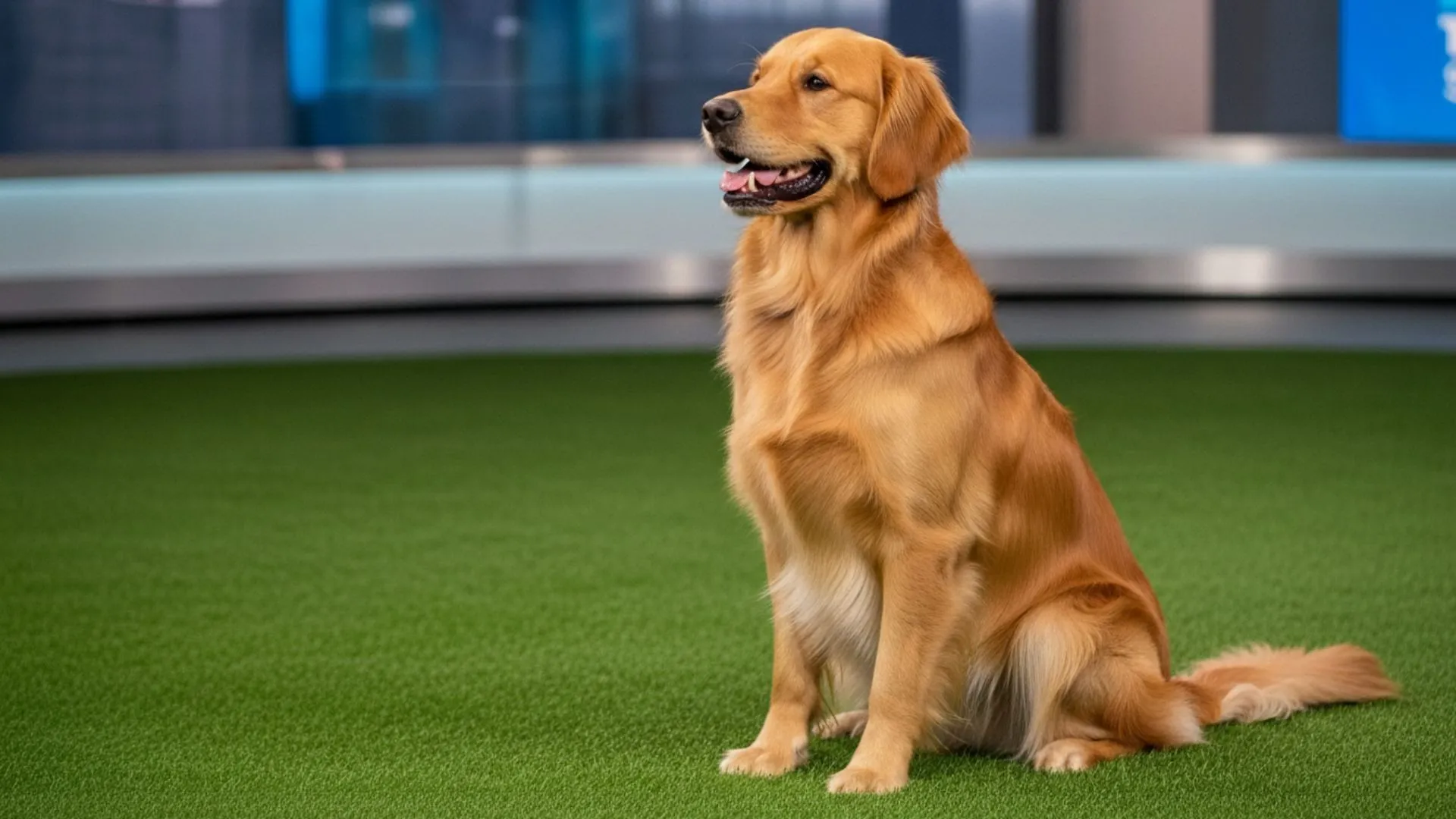
Some dogs are adorable, some are loyal, and then some dogs are basically walking brains with fur. If you’ve ever had a dog that figured out how to open doors, remember routines, or outsmart you during training, you already know intelligence in dogs is a real thing. But here’s the twist—dog intelligence isn’t just about tricks or obedience, it’s actually multi-layered and way more fascinating than most people think.
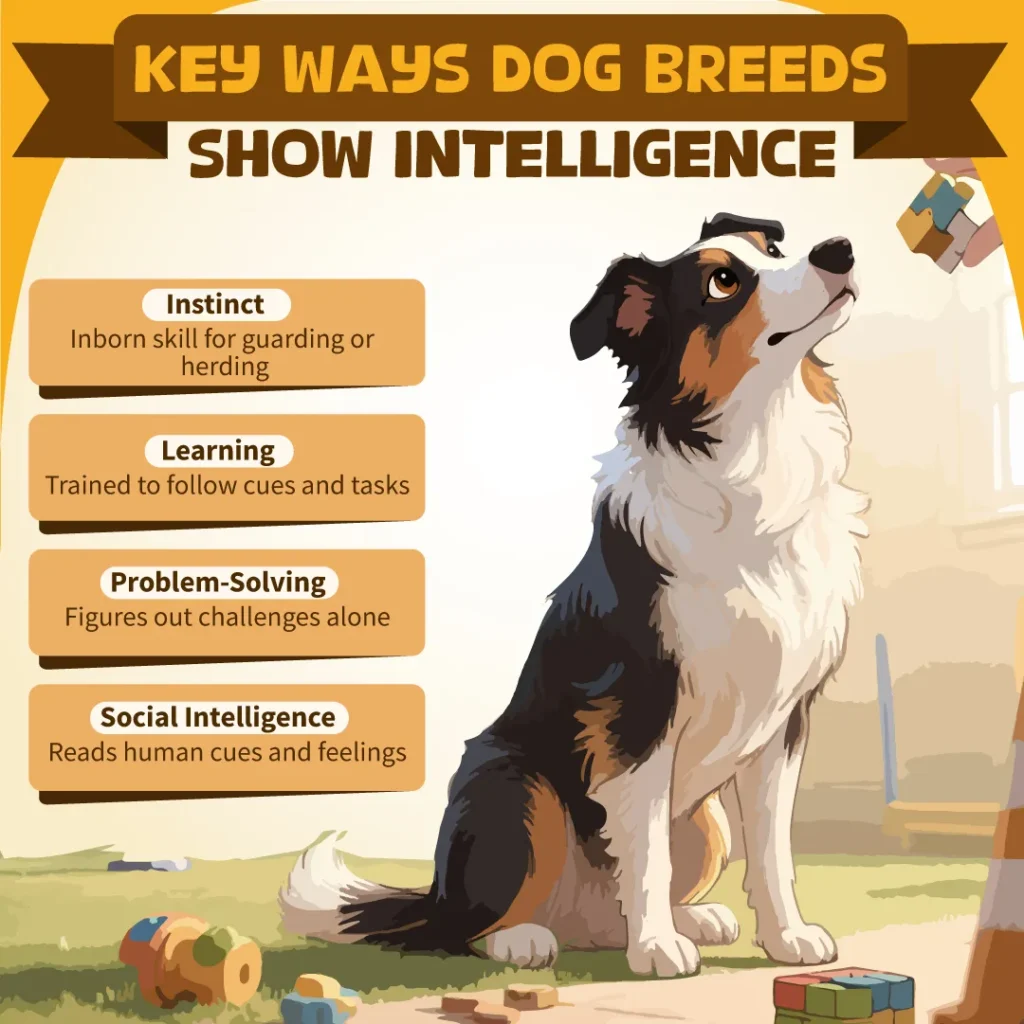
According to experts, canine intelligence comprises three main types: instinctive intelligence, adaptive intelligence, and working/obedience intelligence. This means some dogs are born to perform tasks, some learn from experience, and some are exceptional at following commands. The breeds on this list excel in one or more of these areas, making them stand out globally.
Let’s break down the top-most intelligent dog breeds that wow owners today—they analyze, adapt, and sometimes even outthink their humans.
Top Most Intelligent Dog Breeds That Wow Owners Today
1. Border Collie

The Border Collie is widely considered the world’s smartest dog breed, and honestly, it shows. They can learn a new command in fewer than five repetitions and execute it with near-perfect accuracy, according to studies referenced by Stanley Coren.
Their intelligence is not just about obedience but also about independent thinking, which makes them incredibly unique among all breeds.
Originally bred as a herding dog, they had to think independently while still responding to human cues. This dual requirement shaped their ability to multitask, analyze movement, and respond instantly to changing situations.
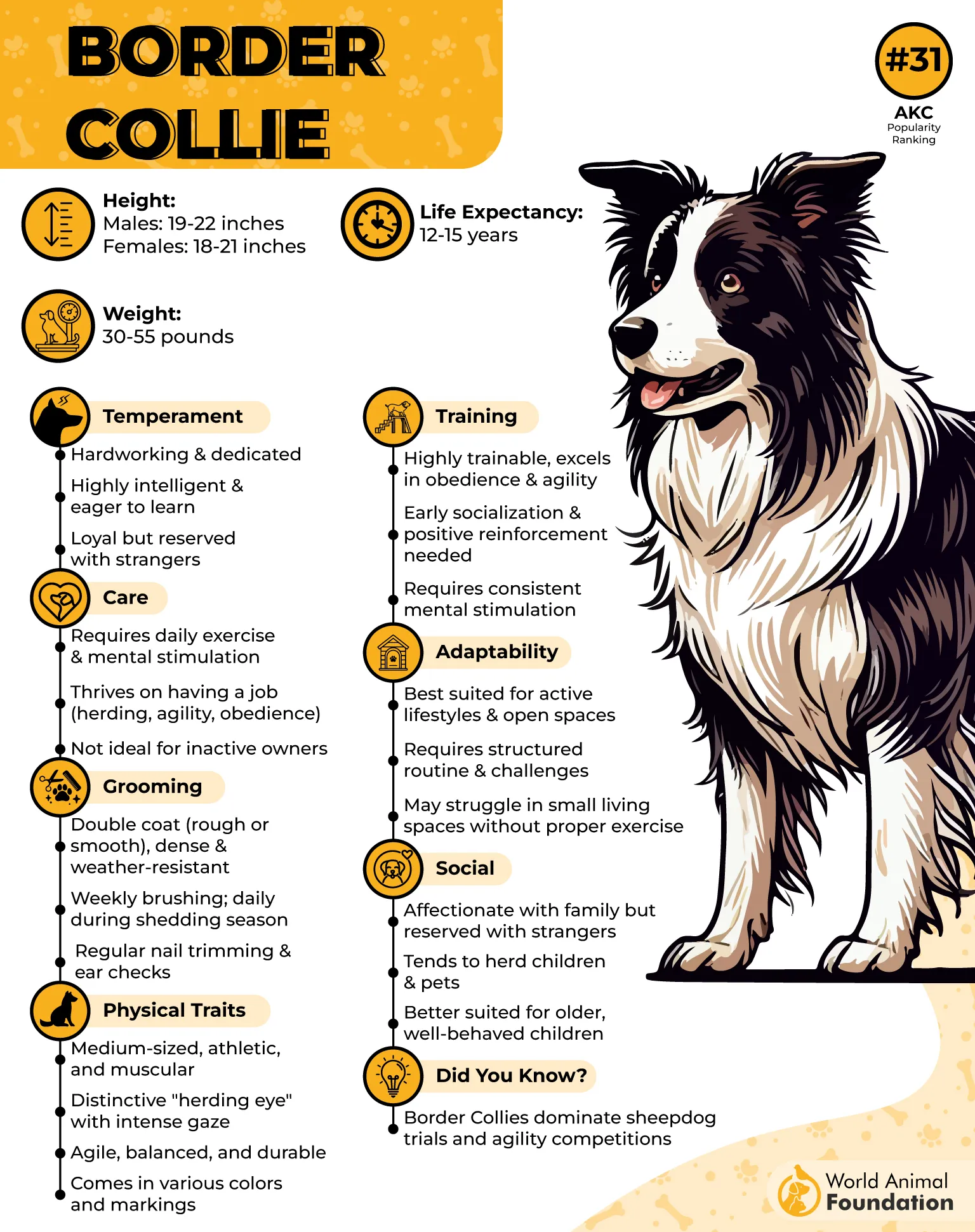
In a home setting, their smartness becomes both a blessing and a challenge. They quickly learn routines, commands, and even your habits, which can be both impressive and slightly scary. Many owners report that their Border Collie knows when it’s time for a walk before they even pick up the leash. However, without mental stimulation, they can become bored and destructive.
They also excel in dog sports like agility, flyball, and obedience competitions. Their speed, precision, and responsiveness make them top performers in almost every category. Watching them navigate complex obstacle courses feels like watching a professional athlete.
2. German Shepherd
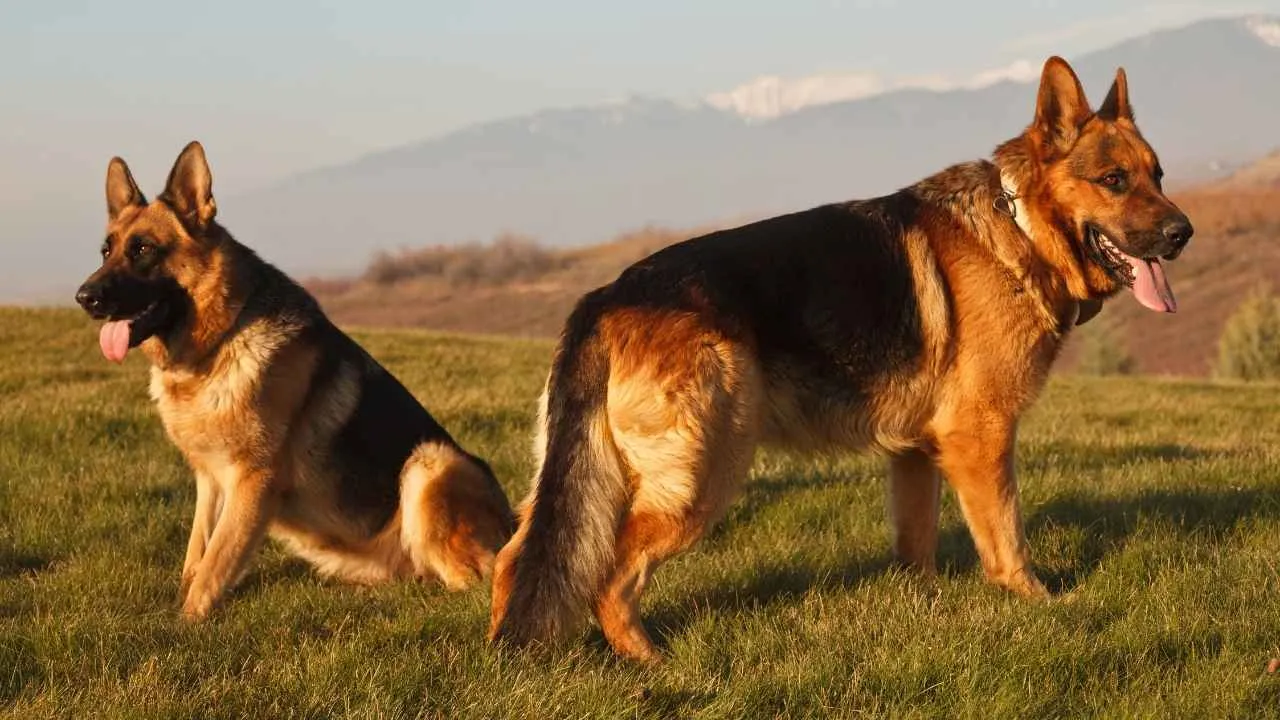
The German Shepherd is one of the most versatile and intelligent dog breeds in the world. They are known for their ability to perform complex tasks, which is why they are widely used in police, military, and search-and-rescue operations. Their intelligence is deeply connected to their work ethic and loyalty.
Their learning ability is exceptional, and they can consistently master advanced training programs. They respond well to structured environments with clear expectations. This makes them ideal for professional training settings. They are capable of remembering commands long-term and applying them in real-life situations.
This level of retention sets them apart from many other breeds.
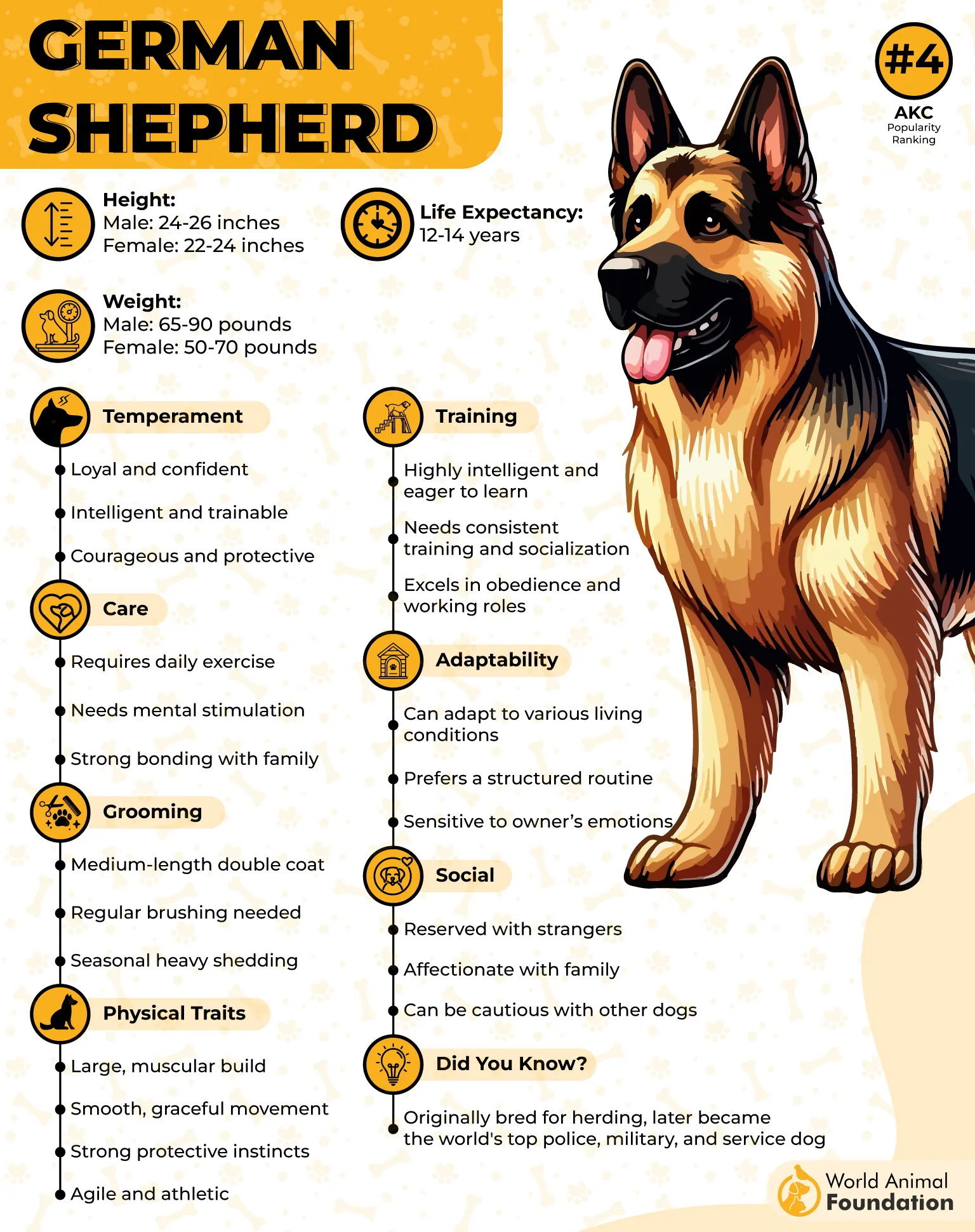
German Shepherds are also emotionally intelligent. They can sense changes in their owner’s mood and respond accordingly. This is why they are often used as service and therapy dogs. Their ability to connect emotionally enhances their overall intelligence. It’s not just about commands—it’s about understanding.
They are naturally protective, which adds another layer to their intelligence. They assess situations before reacting, making them excellent guard dogs. However, this trait requires proper training and socialization. Without it, their protective instincts can become overwhelming. Balanced training is key to unlocking their full potential.
3. Golden Retriever

Golden Retrievers are the perfect mix of intelligence and emotional warmth, which is why they’re one of the most loved breeds worldwide. Their intelligence isn’t just about learning commands—it’s about understanding humans on a deeper level.
They are often used as therapy and assistance dogs because of their ability to sense emotions and respond gently. This emotional intelligence is what truly sets them apart from many other breeds. They don’t just obey—they connect.
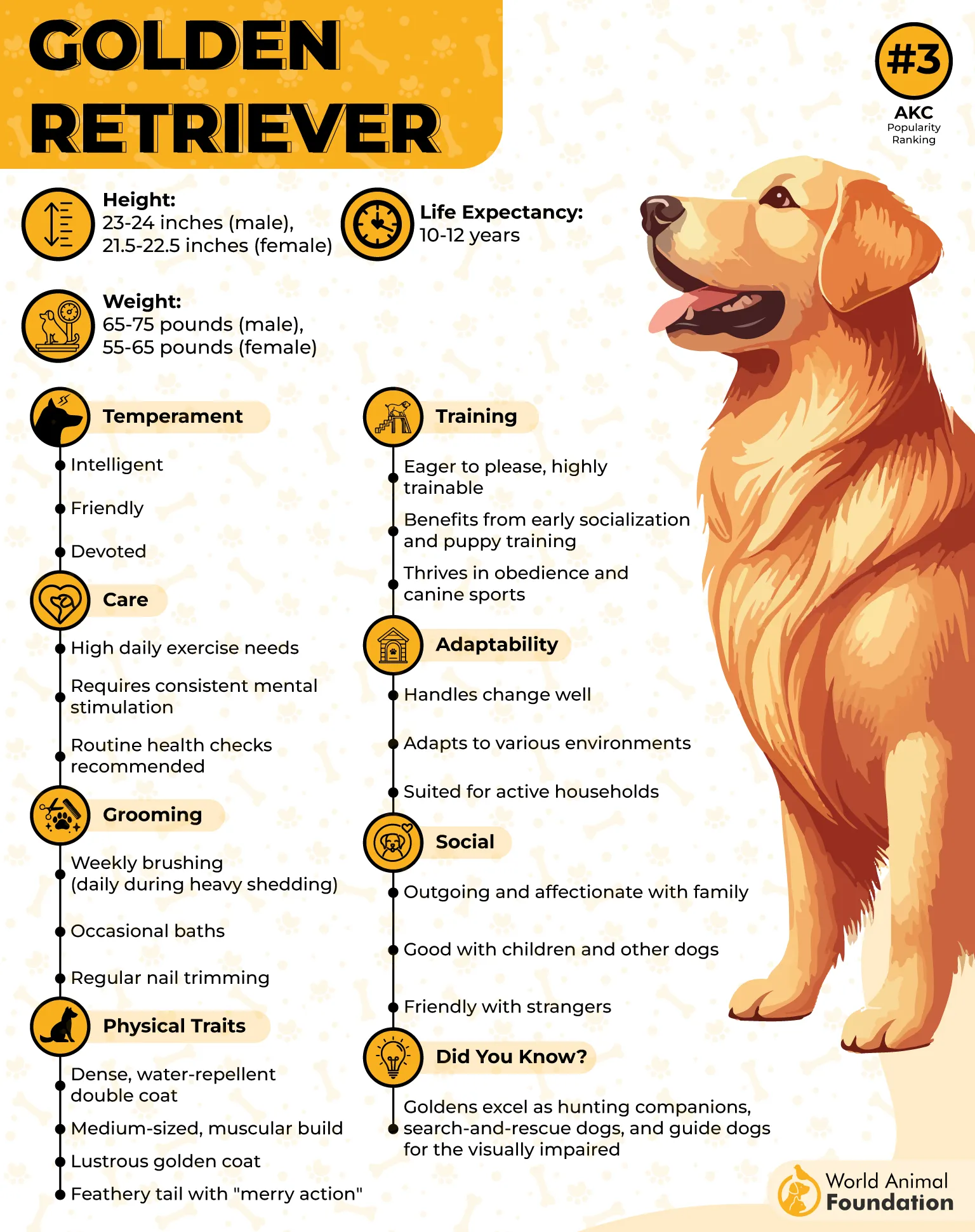
They also have strong memory retention, which helps them remember commands and routines for long periods, making them phenomenal military dogs. They can learn complex sequences and perform them reliably. This is why they excel in roles like guide dogs for the visually impaired. Their reliability in real-world scenarios proves their intelligence in action. It’s not just theory—it’s practical intelligence.
They are also incredibly adaptable, which is a form of intelligence often overlooked. Whether it’s a busy household with working pet parents, a quiet home, or an active outdoor lifestyle, they adjust with ease. This flexibility makes them one of the most versatile breeds. They can switch from playful companions to calm supporters effortlessly. That balance is rare and valuable.
4. Labrador Retriever

Labrador Retrievers are known for their friendly nature, but their intelligence is equally impressive. They are one of the most widely used breeds in service roles, including guide dogs, detection dogs, and rescue operations.
Their eagerness to please plays a huge role in their intelligence. They enjoy learning and often treat training sessions like a game. This popular dog breed’s positive attitude accelerates their learning process. They respond well to rewards and repetition. This makes them consistent performers in various tasks.
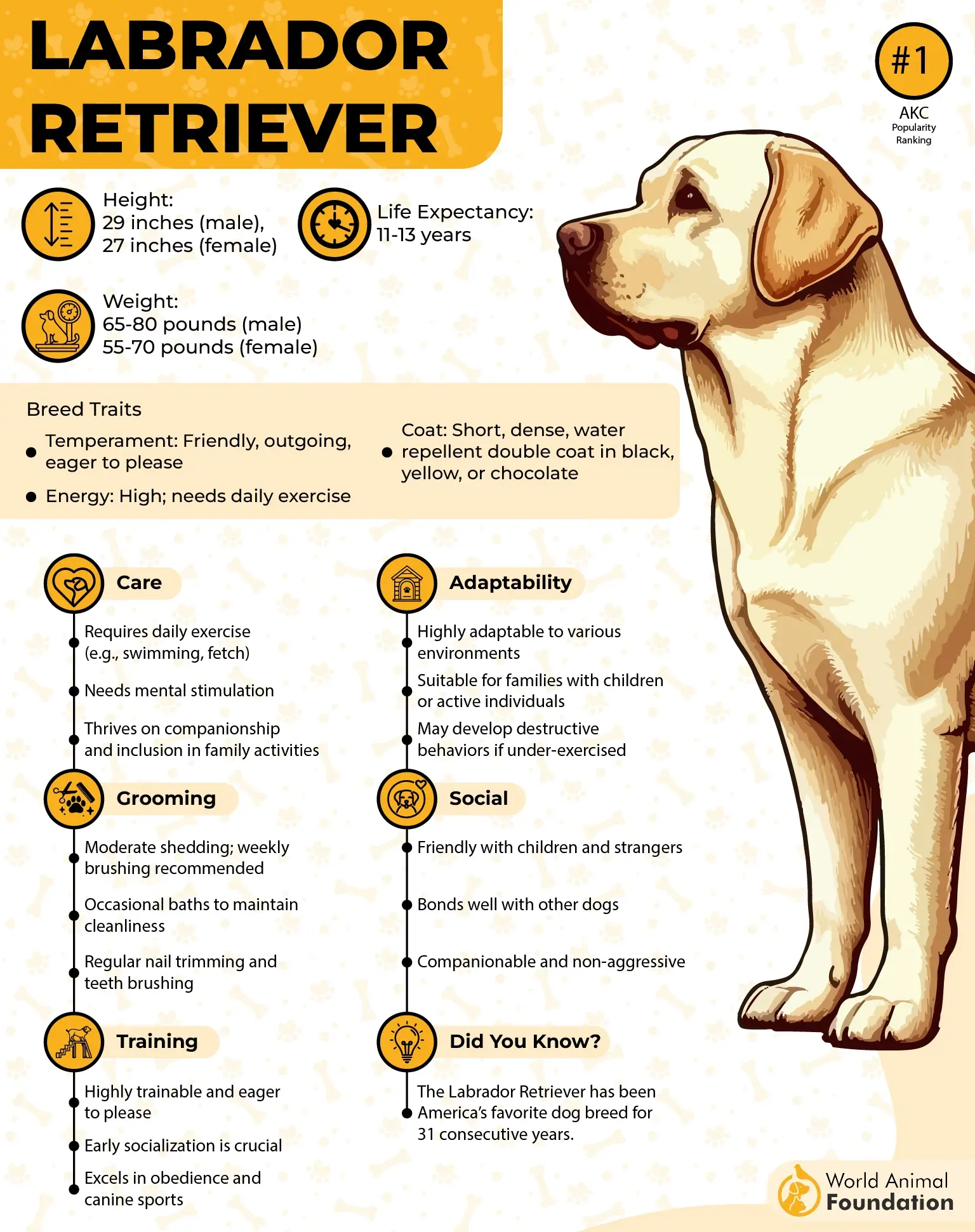
Labradors also have strong problem-solving abilities, which makes them great service dogs. They can figure out how to access objects, navigate spaces, and adapt to new environments. Owners often share stories of Labradors opening doors or finding hidden items.
This shows their ability to think independently when needed. It’s practical intelligence in everyday situations.
They are also highly social, which enhances their learning through interaction. They observe and mimic behaviors, which helps them adapt quickly. This social intelligence makes them great companions in multi-pet households. They learn not just from humans but also from their environment.
That’s a different kind of smart.
5. Doberman Pinscher
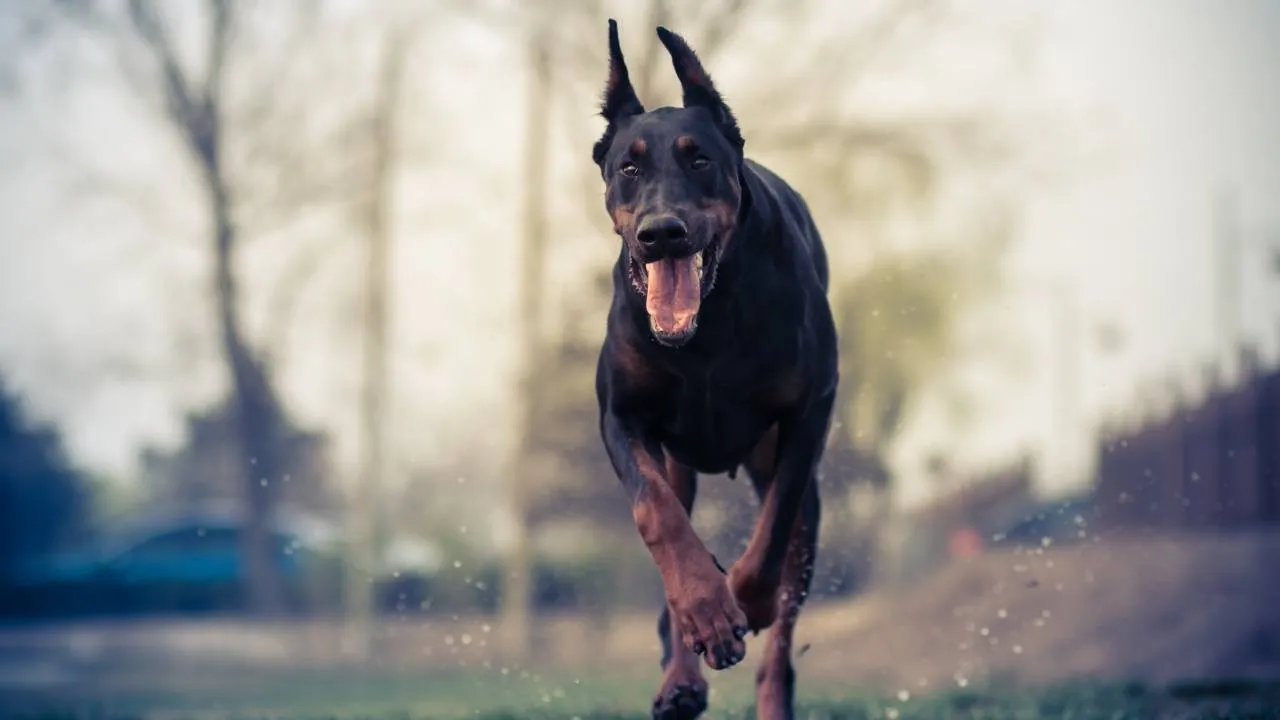
The Doberman Pinscher is often associated with strength and alertness, but their intelligence is equally remarkable. They are quick learners and highly responsive to training, making them one of the most efficient working breeds.
These family dogs are naturally observant and aware of their surroundings. This heightened awareness enables them to assess situations quickly. They don’t just react—they evaluate before acting. This strategic thinking is a sign of advanced intelligence. It’s what makes them reliable in high-pressure scenarios.
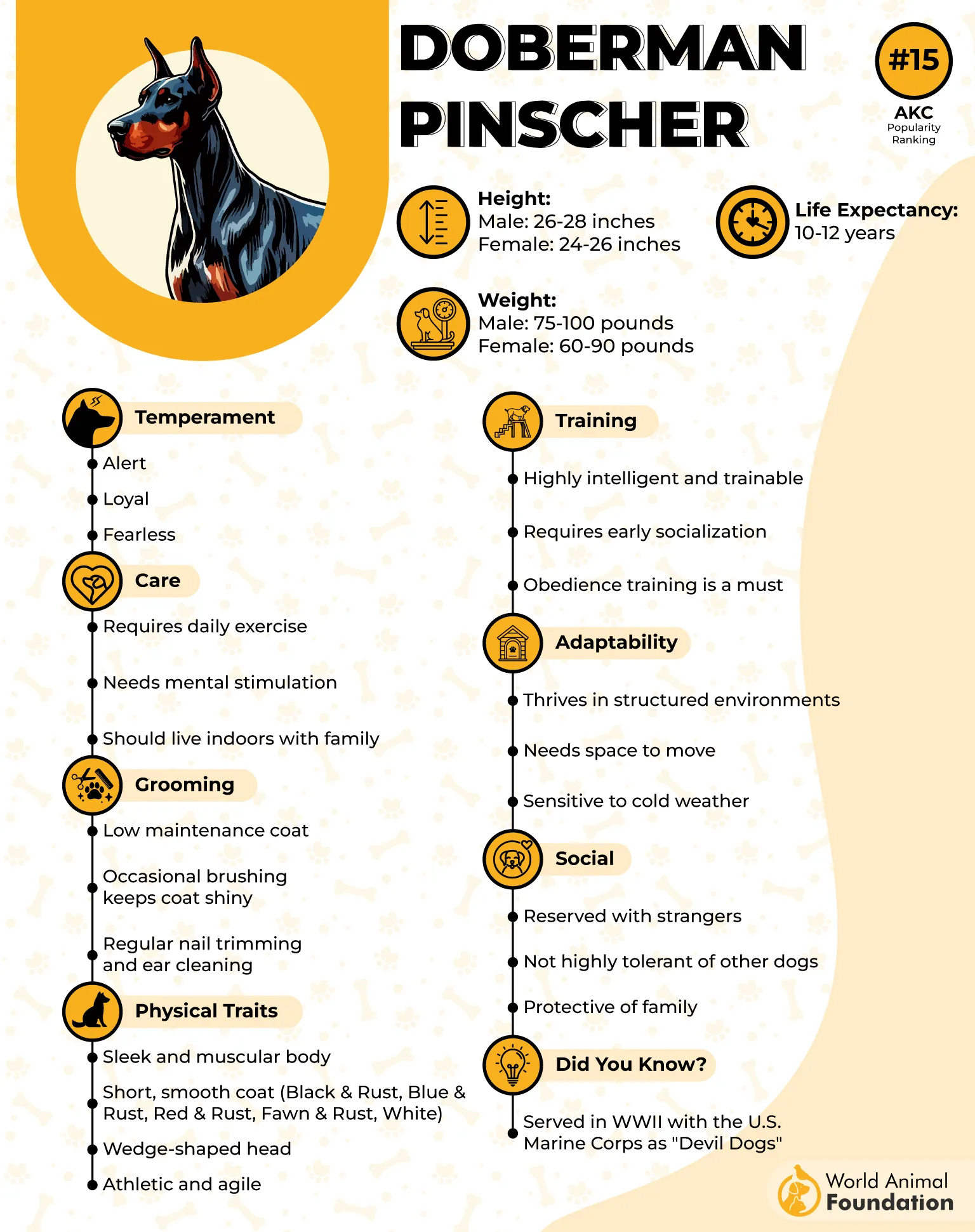
Dobermans are also emotionally intelligent and deeply bonded to their owners, as per Britannica. They understand tone, body language, and emotional cues. This helps them respond appropriately in different situations. Their loyalty enhances their willingness to learn and protect. It’s a combination of intelligence and devotion.
These highly intelligent dogs require structured training to reach their full potential. Without guidance, their intelligence can lead to stubborn or dominant behavior. Consistent training channels their energy into productive actions. This makes them disciplined and focused companions. It’s all about direction.
Owning this dog means committing to training and engagement. They thrive in environments that challenge them mentally and physically. Their intelligence needs to be nurtured and guided. In return, they become incredibly capable and loyal partners. They are truly impressive dogs.
6. Poodle

Poodles are often underestimated because of their stylish appearance, but they are among the smartest dog breeds in the world. They excel in obedience, agility, and problem-solving tasks. Their intelligence is both quick and adaptable, allowing them to learn a wide range of skills.
They have a strong ability to understand patterns and routines. This helps them learn commands quickly and perform them consistently. Trainers often note that Poodles can grasp complex instructions faster than many other breeds. Their cognitive abilities are impressive. It’s like they’re always thinking ahead.
They are also highly adaptable to different environments. Whether it’s a busy city or a quiet home, they adjust easily. This flexibility is a sign of advanced intelligence. They can seamlessly switch between roles and behaviors. It’s a rare and valuable trait.
They are also emotionally aware and responsive to their owners. This enhances their ability to learn and connect. They are not just smart—they are intuitive. This combination makes them excellent companions. It’s intelligence with empathy.
7. Shetland Sheepdog
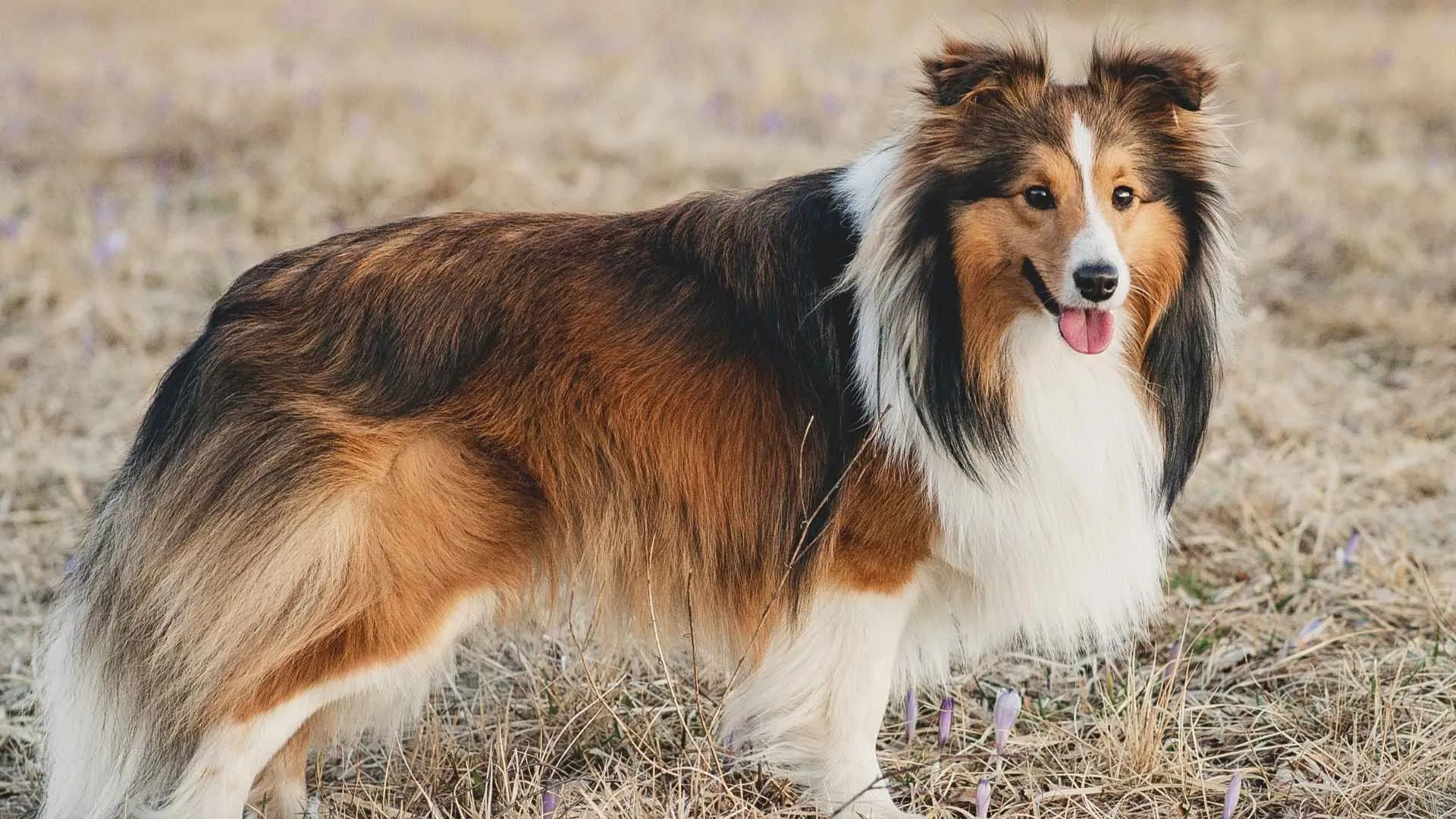
The Shetland Sheepdog may be small in size, but their intelligence is incredibly high. They are quick learners and respond well to training, making them excellent companions for active owners. Their herding background contributes to their ability to think independently and react quickly.
They are known for their strong focus and attention to detail. This allows them to perform well in agility and obedience competitions. Their ability to follow commands accurately is impressive. They maintain consistency even in challenging environments. It’s a sign of disciplined intelligence.
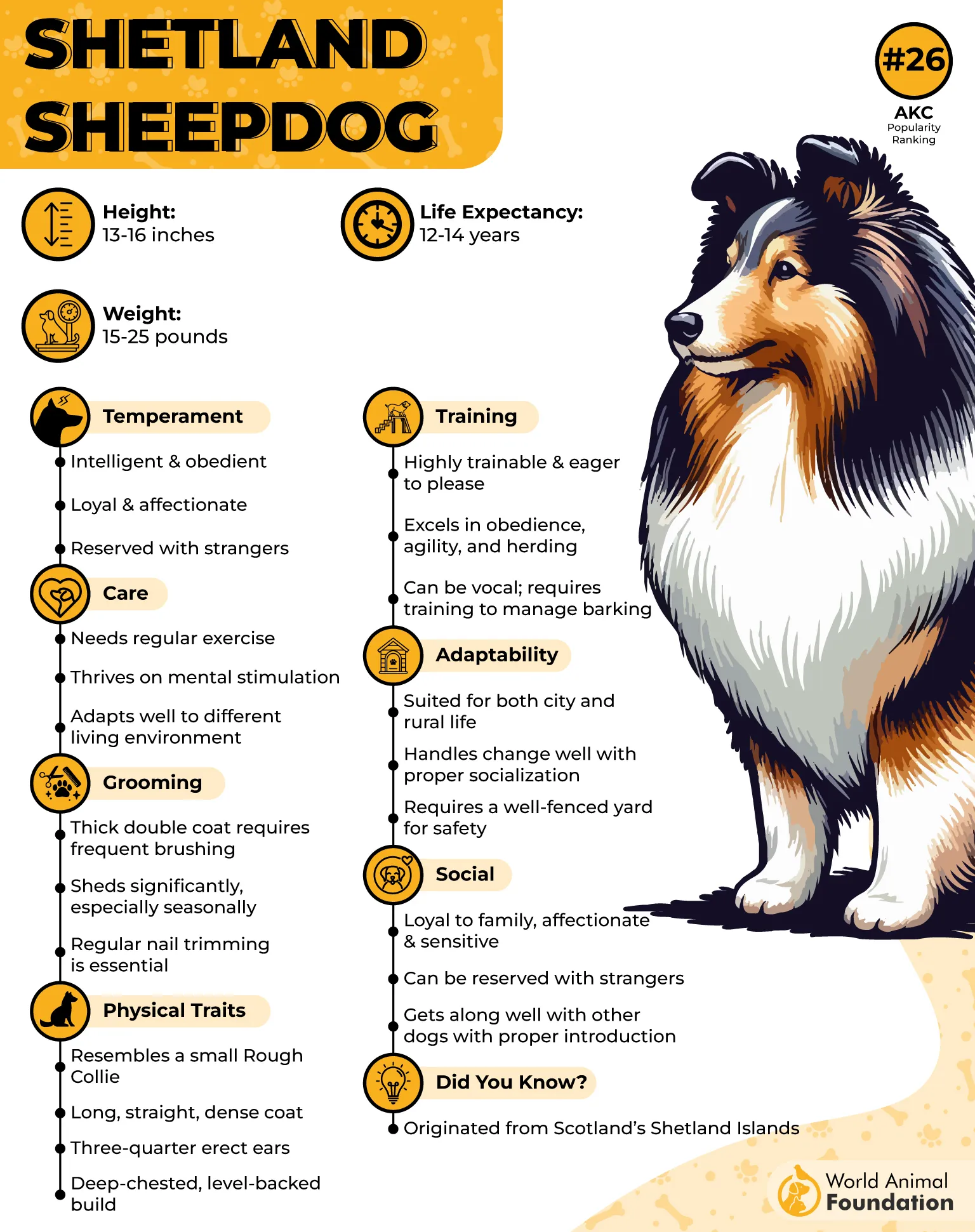
They are also highly sensitive to their owner’s emotions and tone, as per Hills Pet. This emotional awareness enhances their training experience. They respond better to positive reinforcement and encouragement. This makes them easy to train for those who use the right approach. It’s intelligence combined with sensitivity.
Their adaptability allows them to fit into various lifestyles. They can be both active and calm depending on the situation. This flexibility makes them suitable for different types of owners. They adjust without losing their core traits. It’s a balanced form of intelligence.
8. Rottweiler

The Rottweiler is often misunderstood as just a powerful guard dog, but their intelligence runs much deeper than that. They are highly strategic thinkers who assess situations before reacting, which is a key sign of advanced canine intelligence. Their calm and confident demeanor allows them to stay composed even in high-pressure environments.
They are capable of learning complex commands and retaining them over long periods, says the American Kennel Club (AKC). This makes them highly effective in structured training environments. Trainers often note that Rottweilers respond best to firm yet fair leadership. They respect consistency and clear boundaries. Once trained, they perform with impressive precision and reliability.
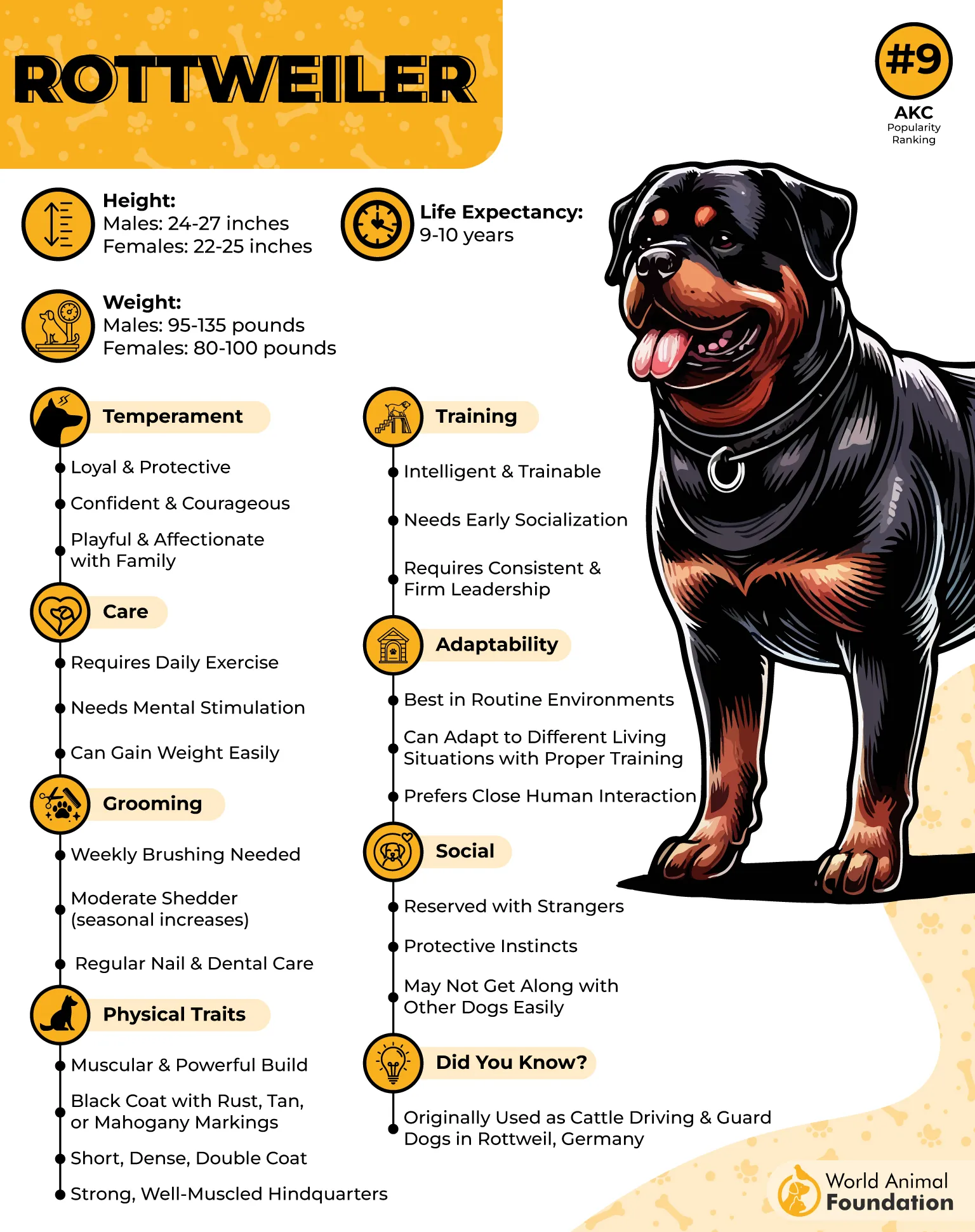
Rottweilers also possess strong emotional intelligence. They form deep bonds with their families and can sense changes in mood or environment. This awareness helps them respond appropriately to different situations. They are protective but not unnecessarily aggressive when properly trained. It’s intelligence guided by loyalty.
Their problem-solving abilities are often seen in everyday situations. They can figure out how to navigate obstacles, access objects, or respond to unfamiliar scenarios. Owners frequently report moments where their Rottweiler “figured things out” on their own.
This independent thinking adds to their overall intelligence. It’s not just training—it’s instinct combined with reasoning.
9. Miniature Schnauzer
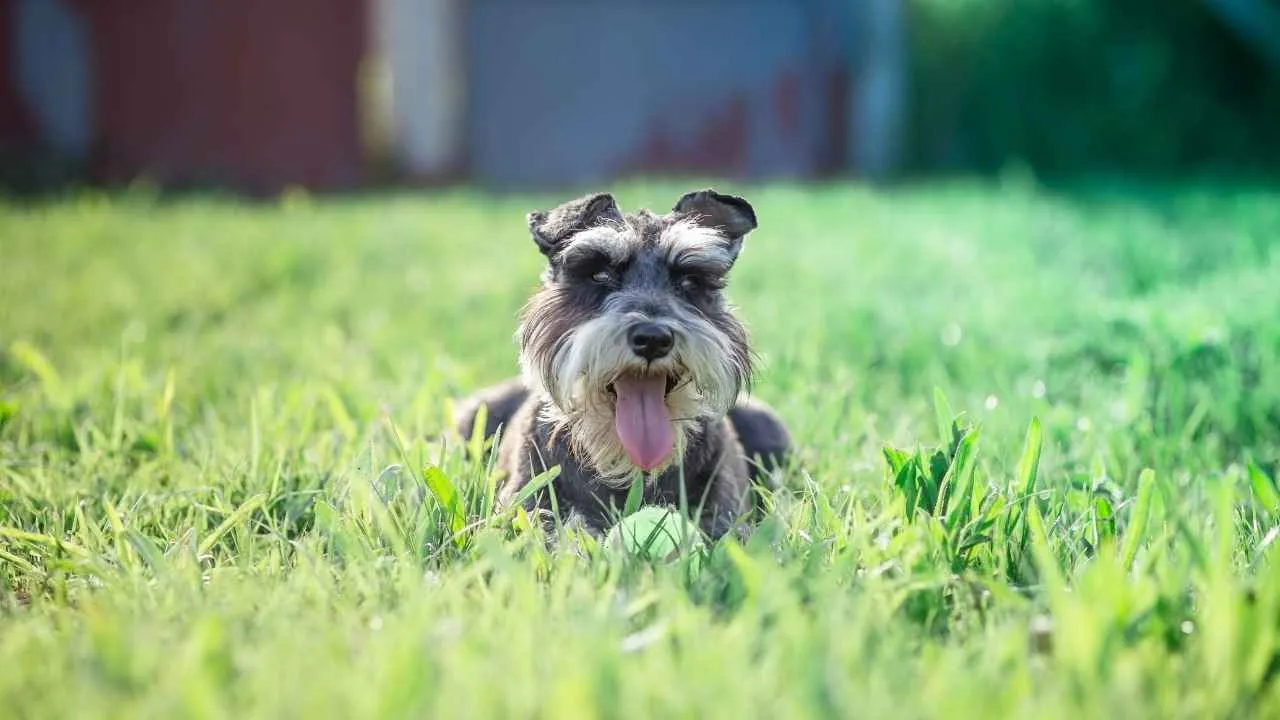
The Miniature Schnauzer proves that intelligence isn’t about size—it’s about attitude and awareness. These small dogs are incredibly alert and quick to pick up on changes in their environment. Their sharp senses make them excellent watchdogs despite their compact size.
They are fast learners and enjoy engaging in training sessions, as per Purina. Their enthusiasm makes them responsive to commands and eager to perform. Trainers often highlight their ability to learn tricks quickly and execute them with precision.
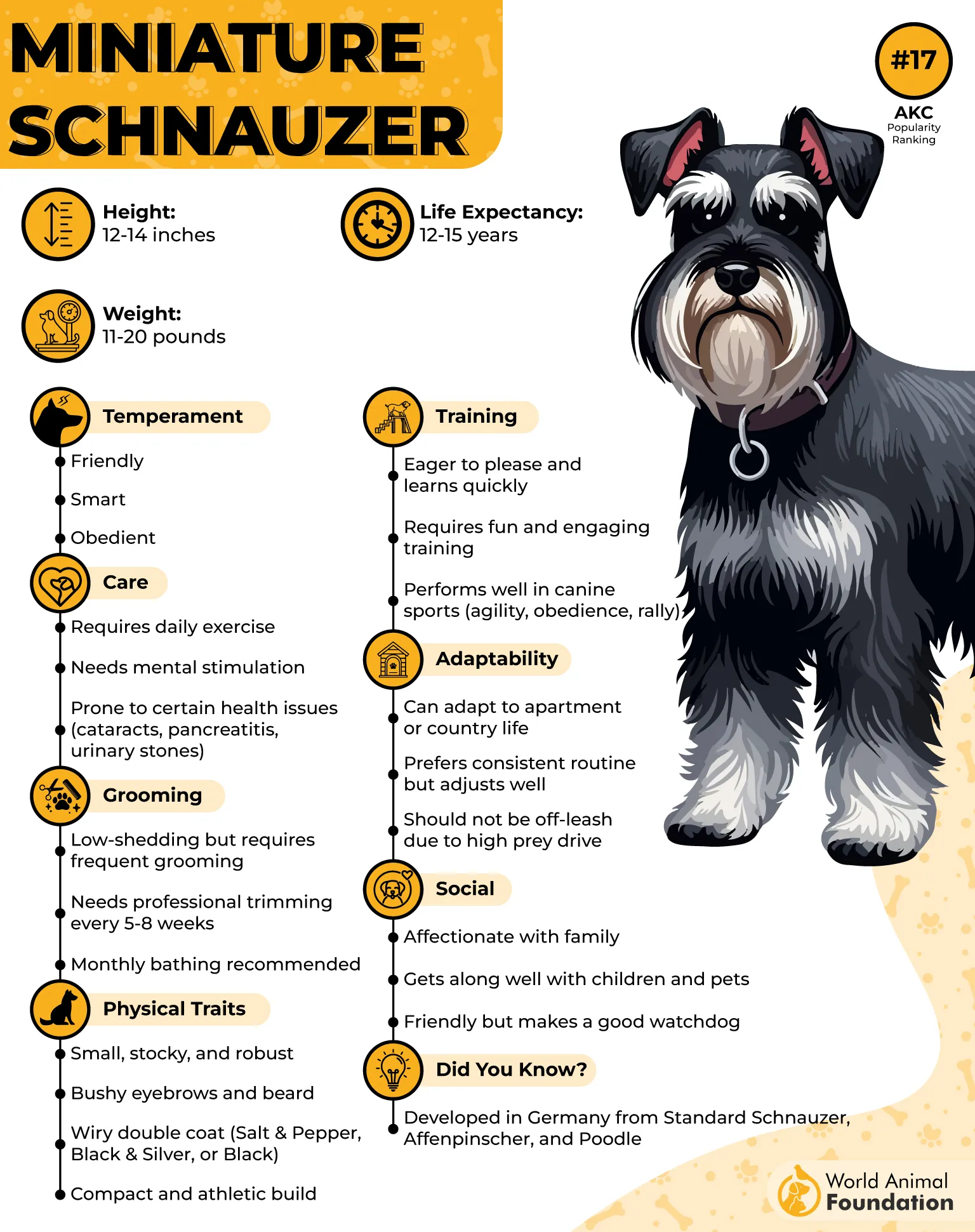
Miniature Schnauzers also have strong problem-solving skills. They can figure out how to access food, toys, or hidden objects with surprising creativity. Owners often share stories of them opening cabinets or finding clever ways to get what they want.
They are also highly adaptable to different living environments. Whether it’s an apartment or a house, they adjust quickly and comfortably. This flexibility reflects their ability to understand and respond to their surroundings.
They thrive on interaction, training, and mental stimulation. Without it, they can become bored and vocal. But with proper engagement, they become incredibly fun and responsive pets.
10. Papillon
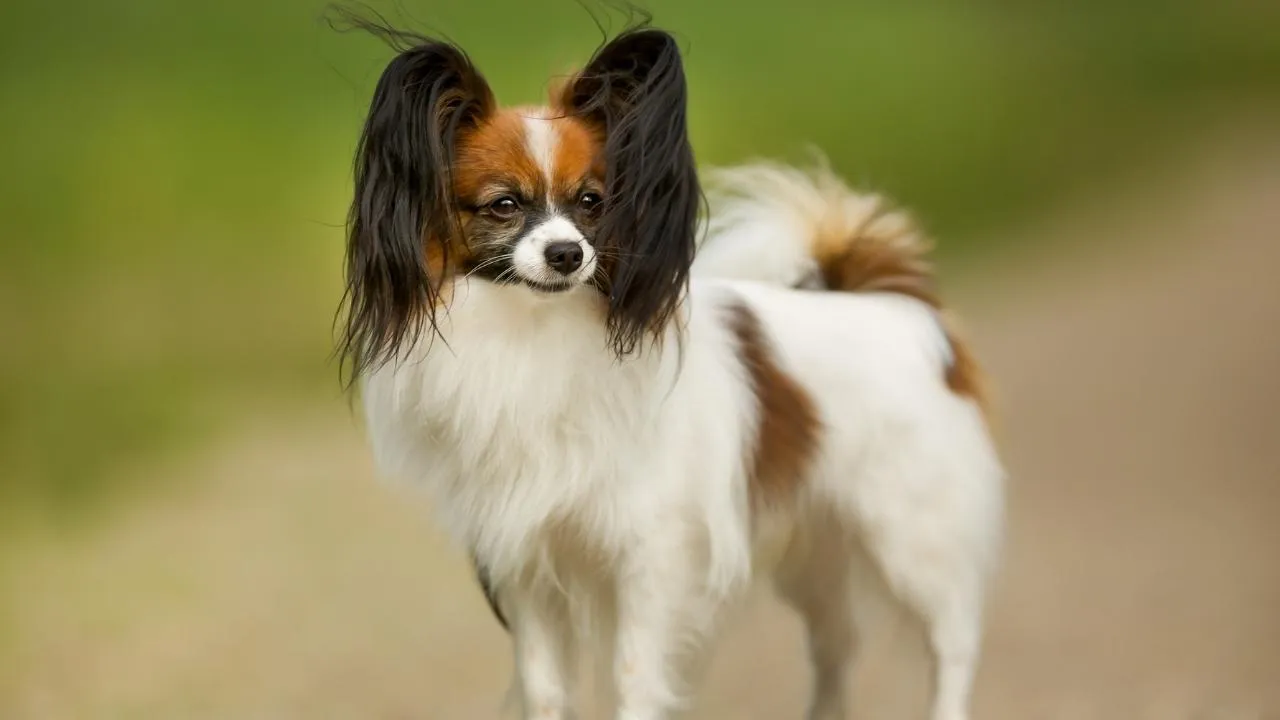
The Papillon may look delicate and elegant, but don’t let that fool you—they are one of the smartest toy breeds in the world. Their intelligence is evident in their ability to learn quickly and their responsiveness to training. They excel in agility competitions, often outperforming larger breeds despite their size. Their speed, coordination, and focus make them standout performers. It’s intelligence combined with athleticism.
They are highly trainable and enjoy learning new commands and tricks. Their eagerness to learn makes training sessions enjoyable and productive.
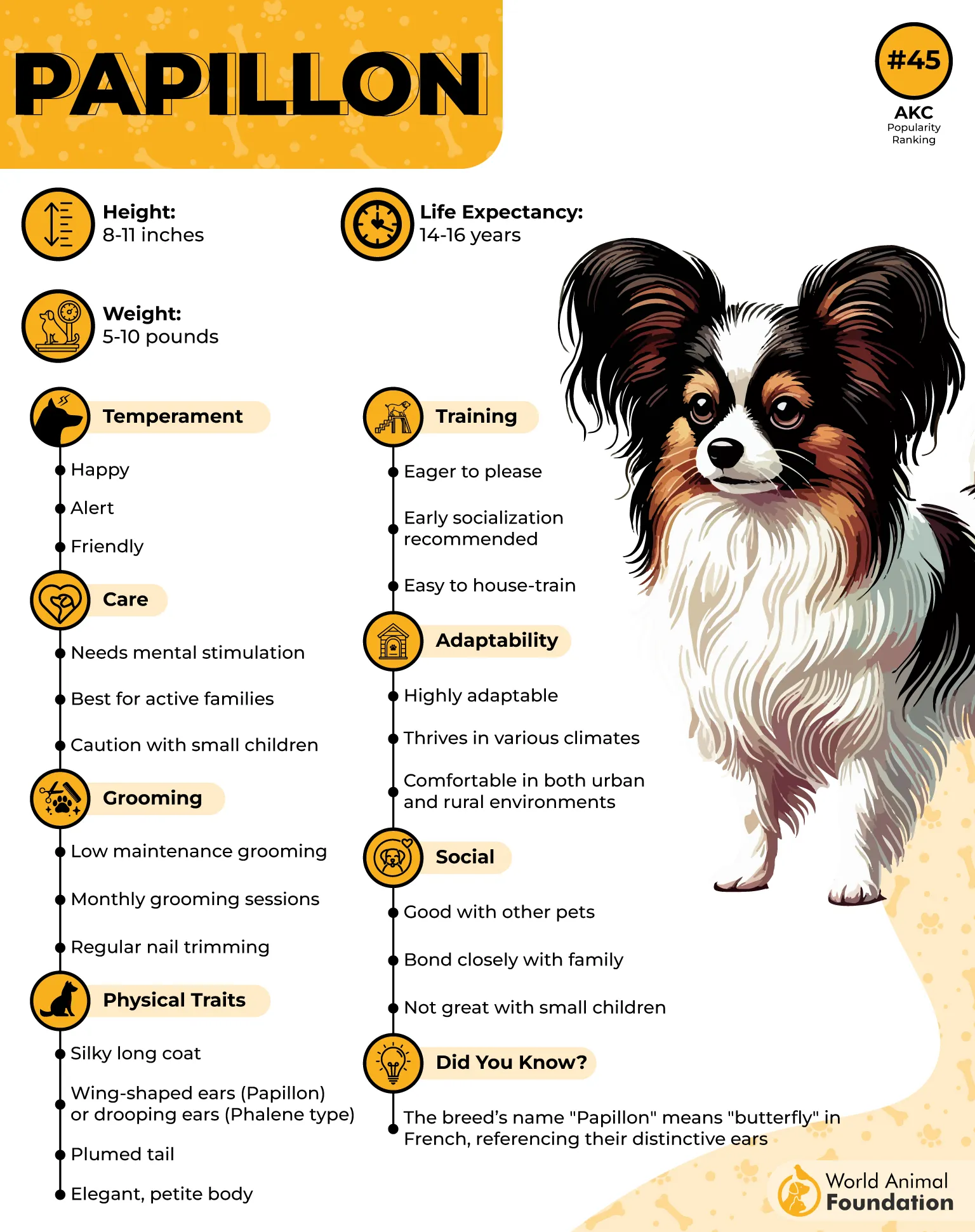
They are also very observant and aware of their surroundings. They notice small changes and react quickly, which enhances their adaptability. This awareness helps them navigate different environments with ease. They are confident and curious, which adds to their learning experience. It’s intelligence driven by curiosity.
Trainers often note that Papillons pick up commands faster than many other small breeds. Their ability to retain and apply what they learn is impressive. It’s a clear sign of strong cognitive ability.
Conclusion
Dog intelligence comes in many forms, and these breeds prove just how diverse and fascinating it can be. From problem-solving geniuses to emotionally intuitive companions, each breed brings something unique to the table. Intelligence isn’t just about commands—it’s about connection, adaptability, and understanding the world around them.
Whether you want a highly trainable working dog or a smart, engaging companion, these breeds offer the best of both worlds. They challenge you, entertain you, and sometimes even outsmart you—and honestly, that’s part of the fun!
