




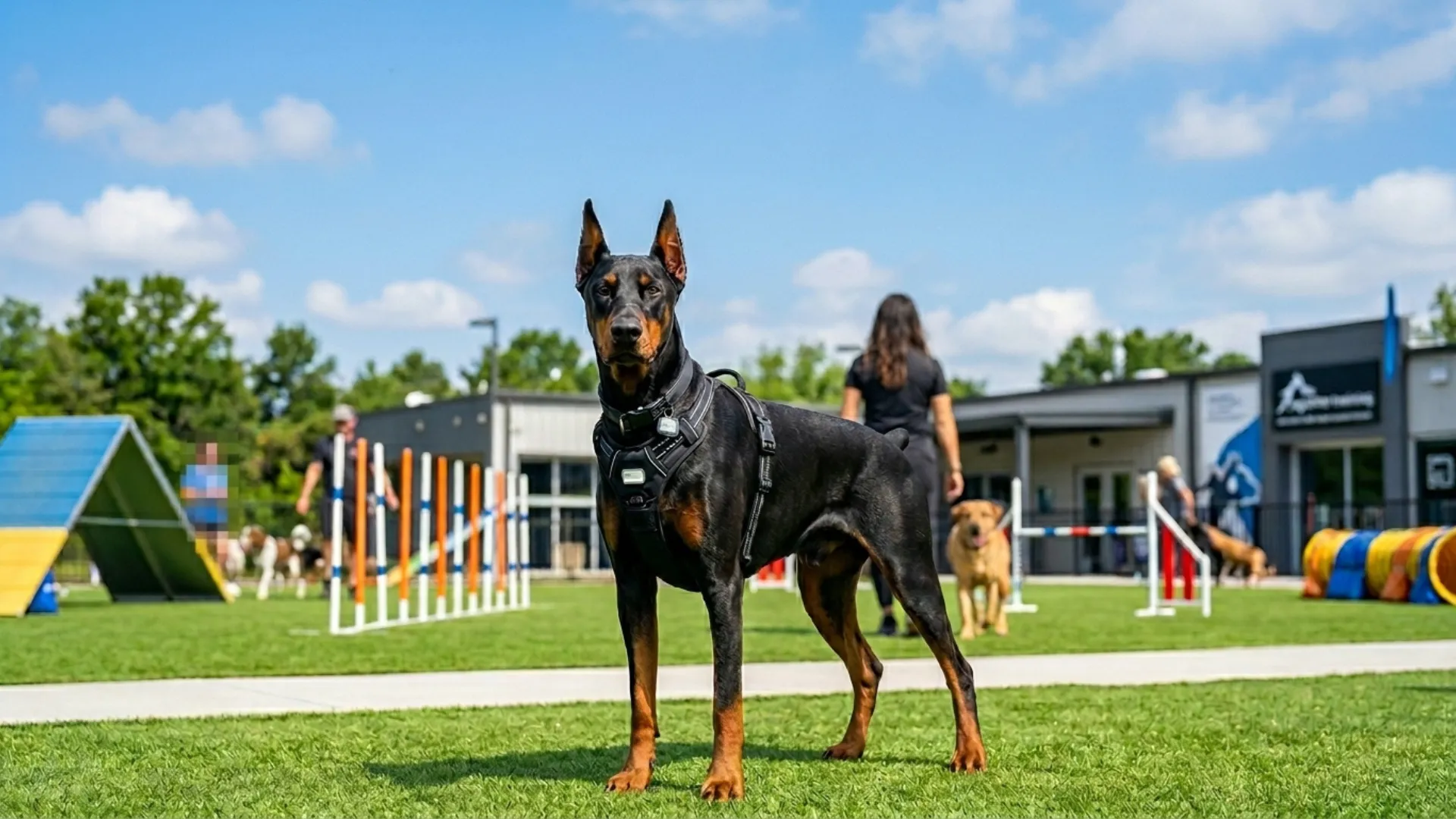
The training class had barely started when one dog began attracting attention. While others were still figuring out what was expected, this dog was already connecting commands with actions and responding with remarkable confidence.
Week after week, the gap became even more noticeable. New lessons seemed to click faster, distractions caused fewer problems, and each challenge looked more like a puzzle waiting to be solved. The owner often received compliments, but the truth was that the dog deserved much of the credit.
Intelligence was doing a lot of the heavy lifting. Highly intelligent dogs have a natural ability to absorb information, recognize patterns, and apply what they learn in different situations. These qualities can transform training from a slow process into a genuinely enjoyable experience.
The breeds ahead have earned a reputation for learning quickly, adapting confidently, and turning training sessions into opportunities to shine.
Key Takeaways
Some dogs seem to understand training before it is even fully explained, picking up patterns and routines almost instantly.
Border Collie and German Shepherd stand out early in the list, showing how working instincts turn learning into something almost effortless.
Miniature Poodle and Doberman Pinscher bring a different kind of sharpness, where focus and quick thinking shape every response in training sessions.
Keep going to see which breeds turn everyday lessons into a display of intelligence that feels almost instinctive.
Top Most Intelligent Dog Breeds for Training Success in 2026
1. Border Collie
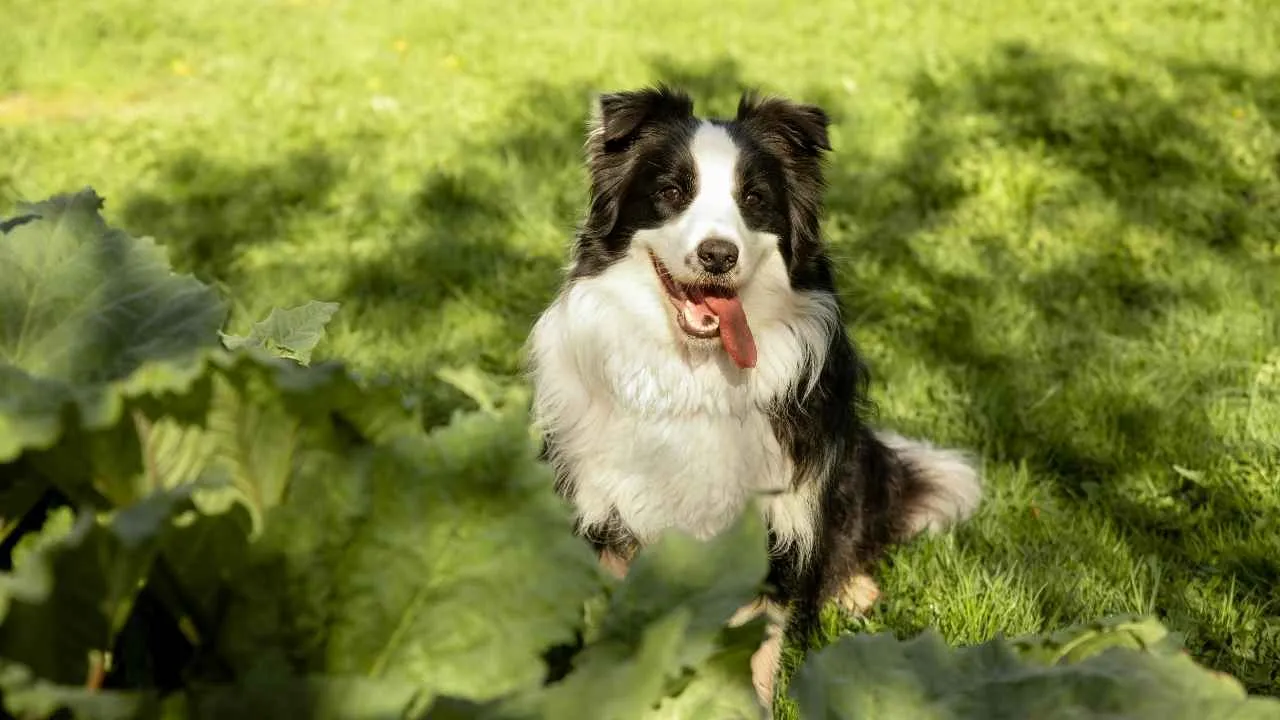
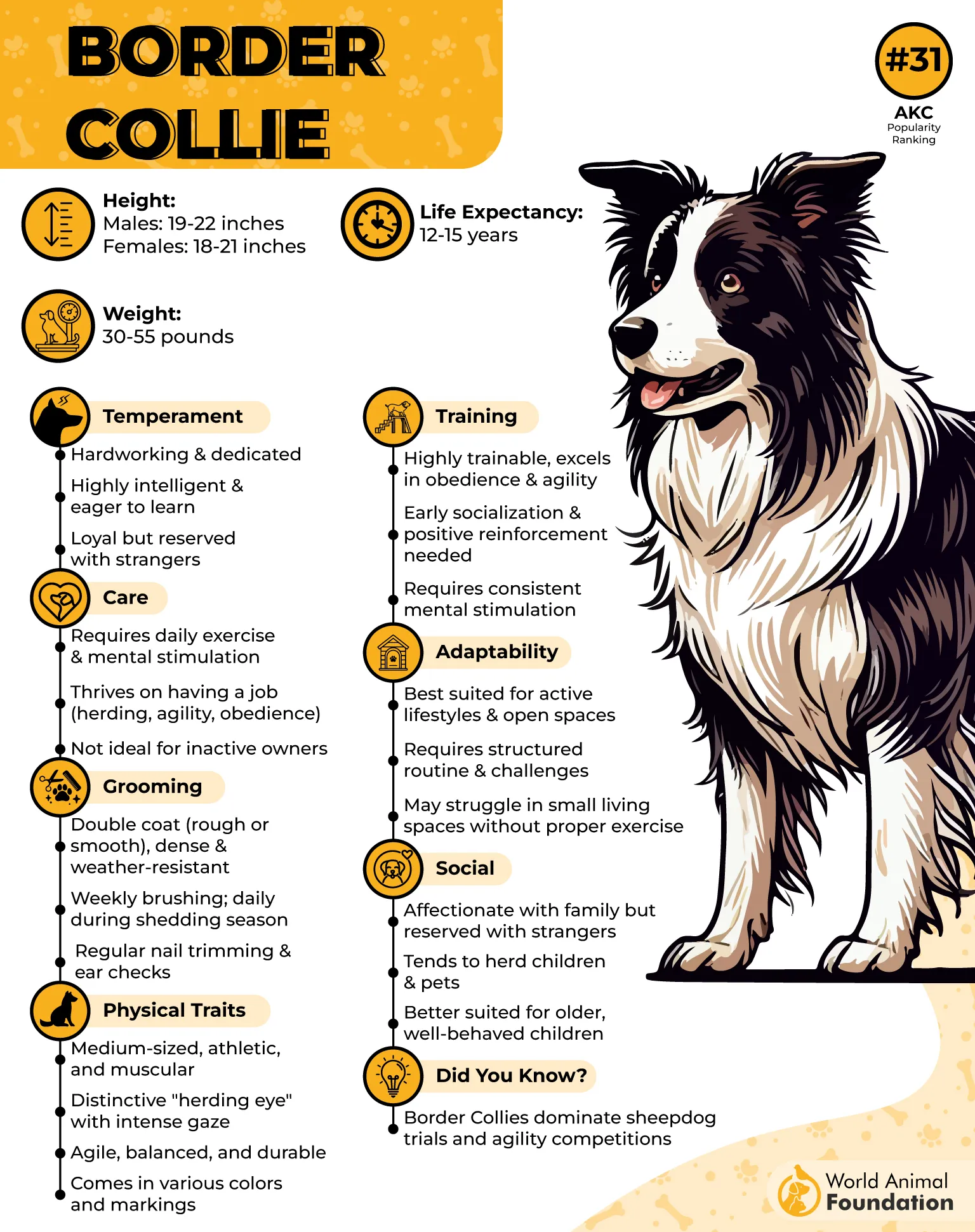
The Border Collie is widely recognized for exceptional working intelligence, often regarded as the most capable herding dog in structured tasks, as Britannica claims.
Its focus never drifts far from movement and direction, shaped by generations of livestock control work. A steady, intense gaze often signals its readiness to respond instantly.
High-Drive Working Intelligence
This smartest dog breed operates best when both mind and body stay actively engaged, making routine training feel like structured problem-solving. Energy levels remain high throughout the day, especially when tasks involve movement or coordination.
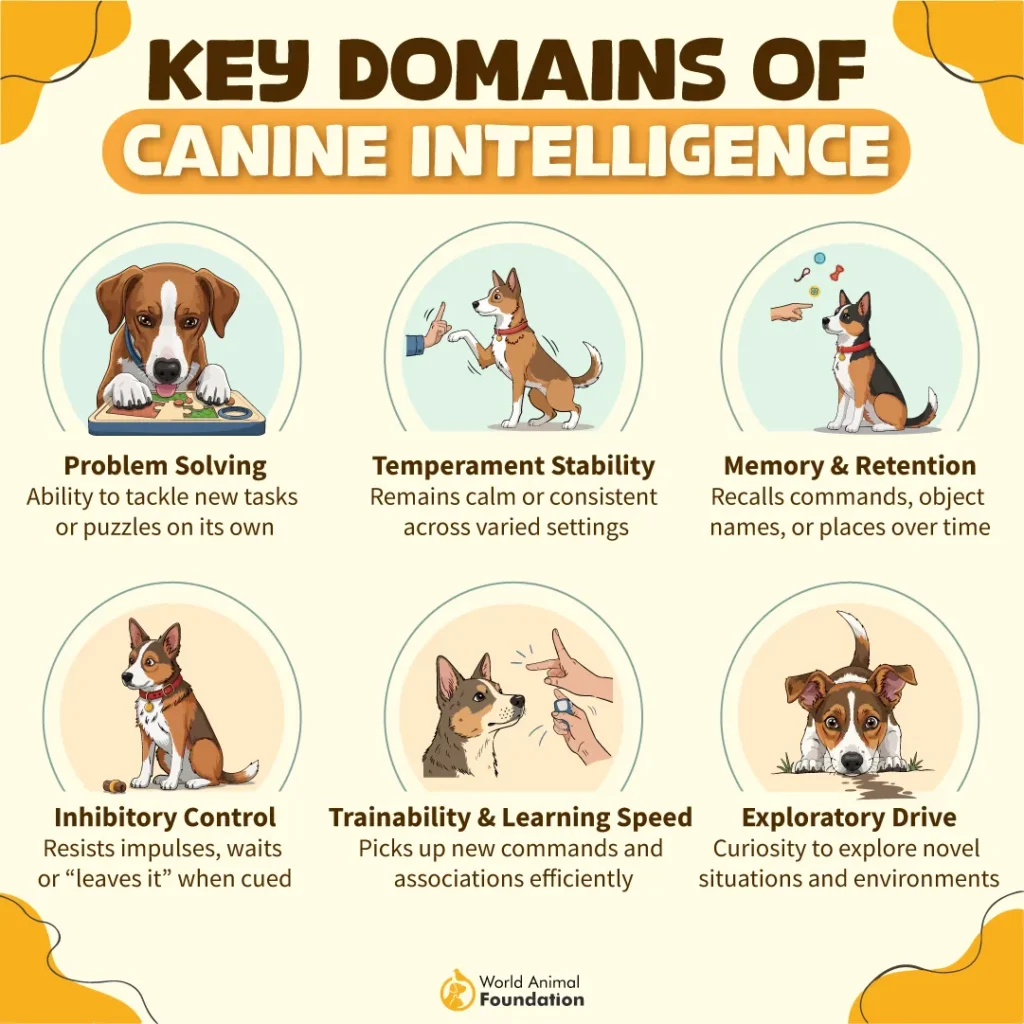
This is why structured activity matters so much:
Extremely responsive to commands
Strong herding drive in daily life
Excels in agility-based activities
Training Focus and Lifestyle Fit
The Border Collie requires consistent mental engagement to match its fast processing speed and active instincts. Tasks that involve learning patterns or physical challenges align closely with its natural rhythm. Living environments with ongoing activity suit its working mindset far better than inactivity.
2. German Shepherd
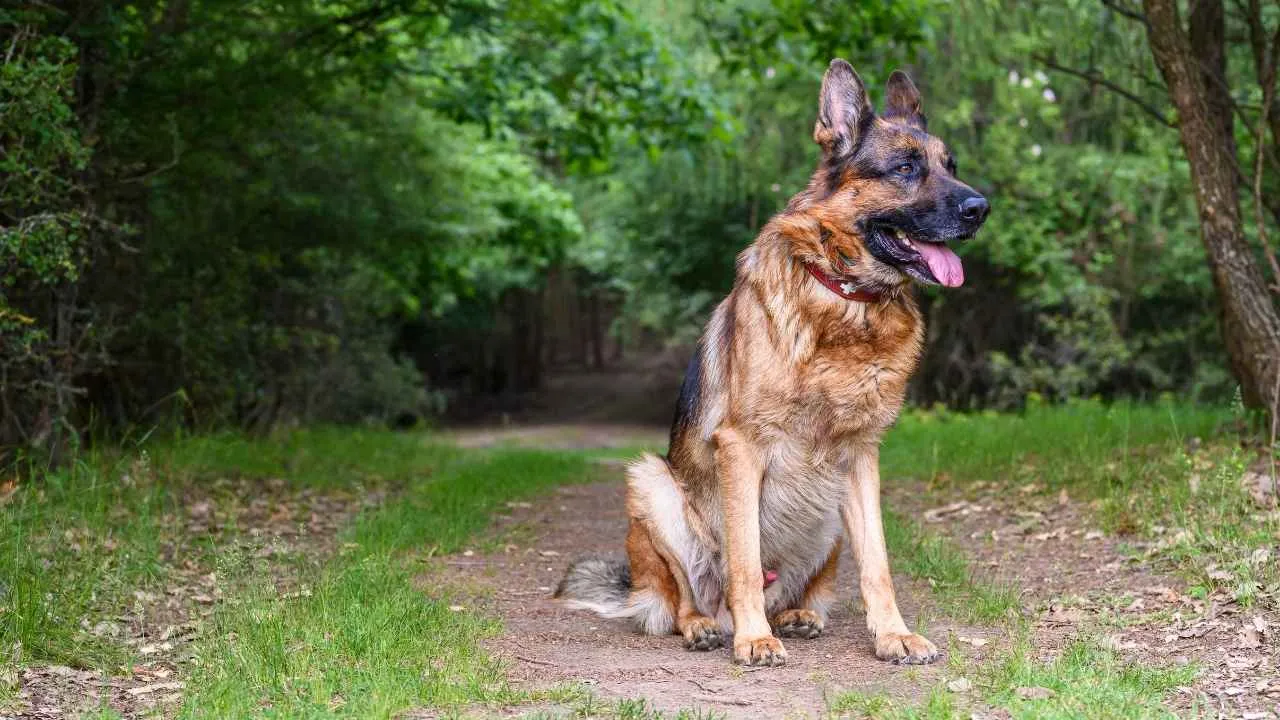
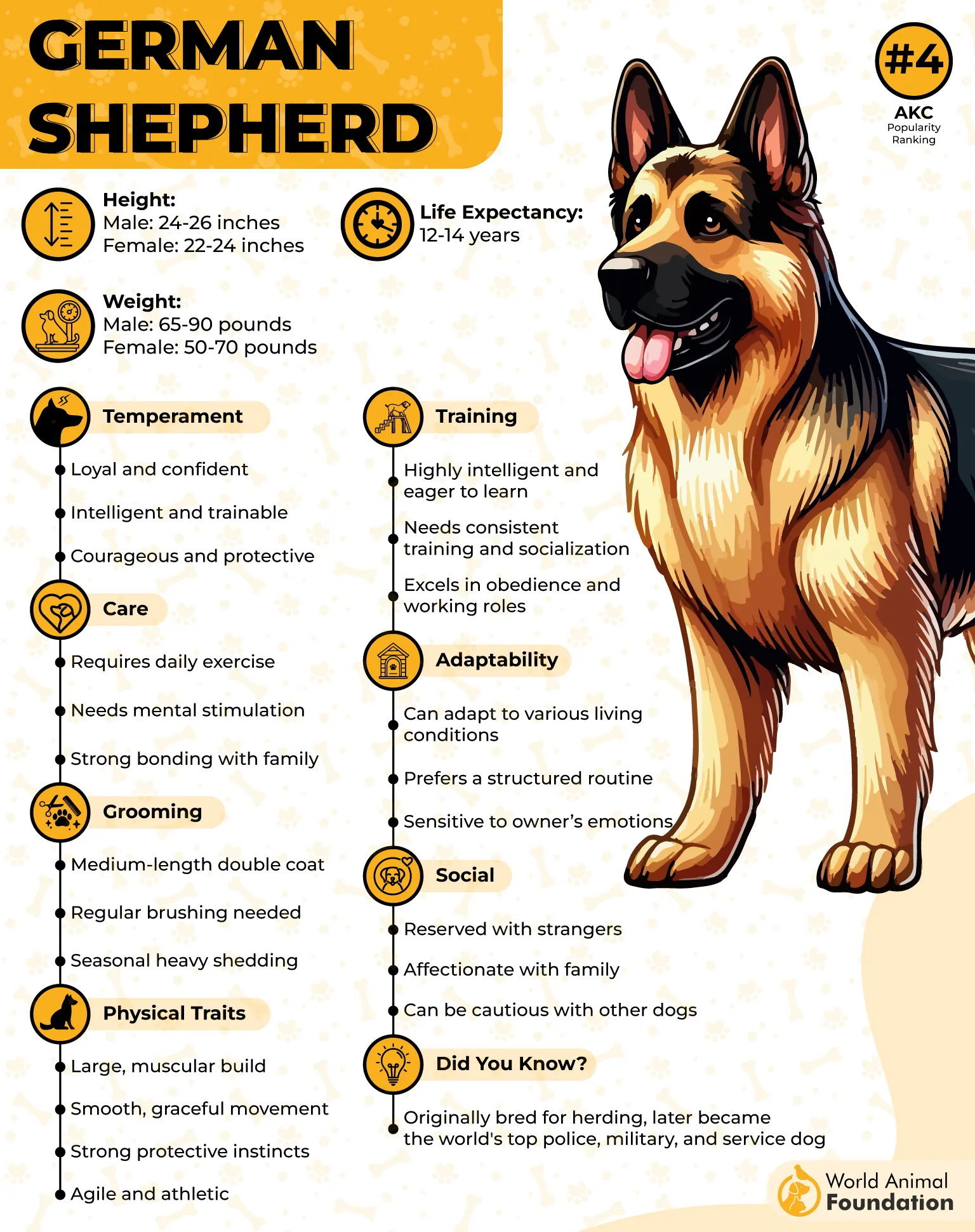
German Shepherds rank in third position in canine intelligence, paired with a large, muscular frame built for demanding tasks.
Its herding role connects directly to structured activity, where direction and purpose guide every response. This combination creates a dog that processes situations with clear intent.
Structured Response in Working Environments
This popular dog breed reacts strongly to organized training, often excelling in roles that require precision and discipline, such as patrol, search, and detection work, as PetMD writes. Its working ability is closely tied to obedience systems that reward consistency.
This is visible in how it handles structured tasks:
Executes commands with high accuracy
Handles patrol and search tasks with focus
Responds quickly to training cues
Energy Driven by Purpose
German Shepherds carry high activity levels that require steady outlets through physical and mental engagement. Without structured tasks, excess energy can build into restlessness, making routine activity essential. This intensity links directly to its herding-driven instincts.
3. Miniature Poodle
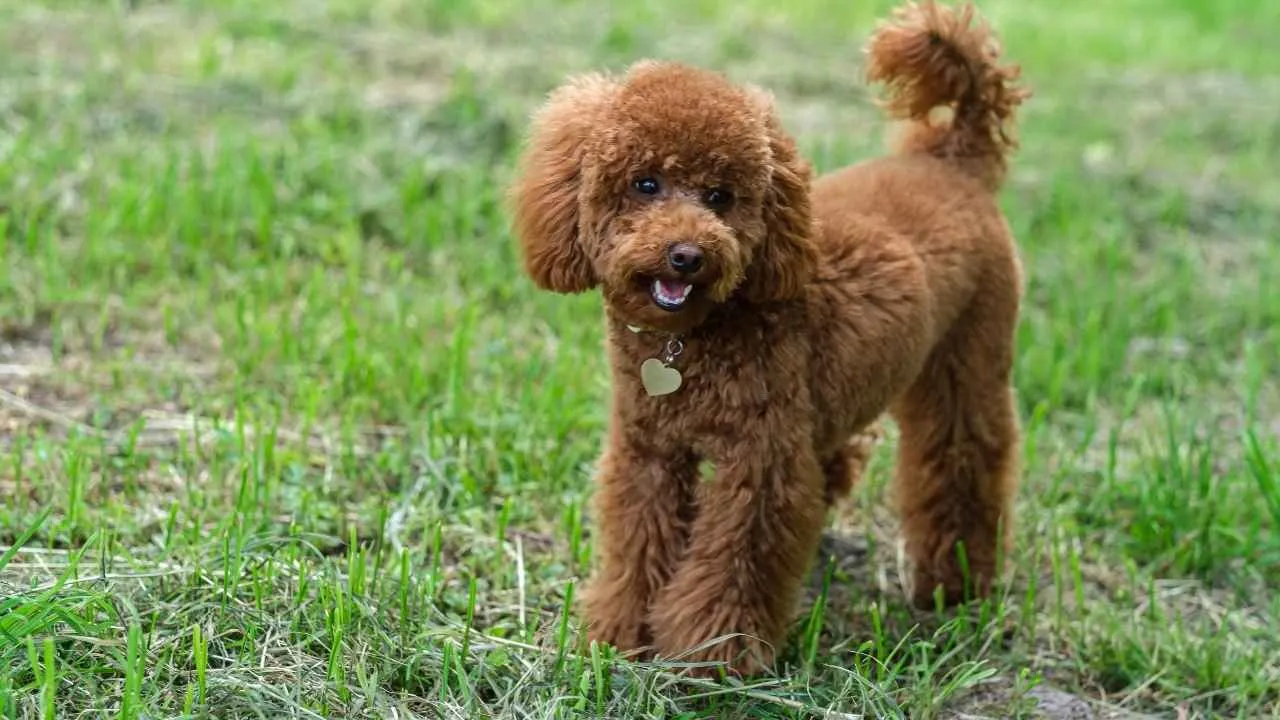
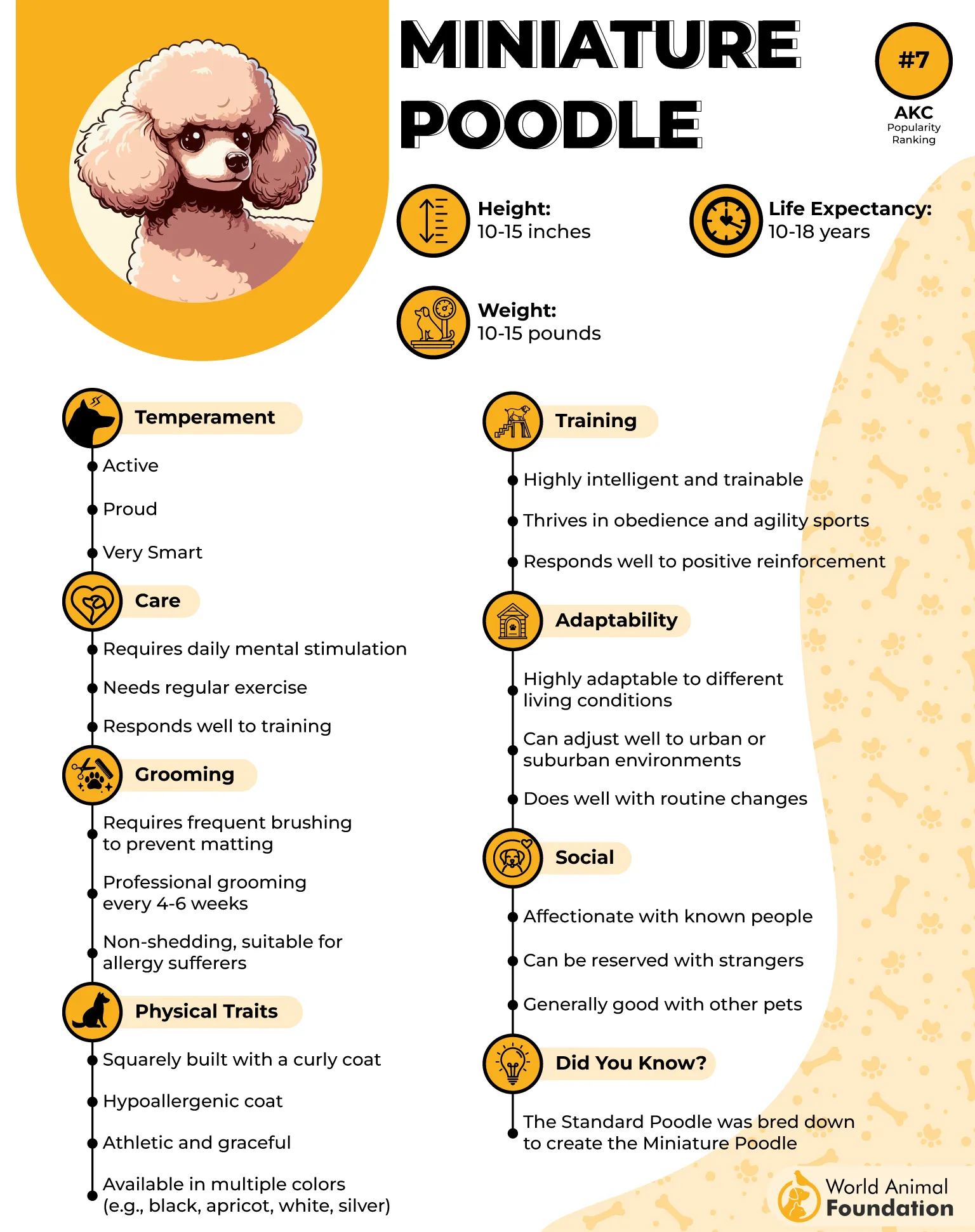
The Miniature Poodle often draws attention for its sharp thinking and quick learning ability, paired with a coat that once served practical work in cold water. Early roles involved herding and retrieving, especially in water-based hunting tasks where endurance mattered.
Quick Learner in Training
This little intelligent breed responds rapidly to instruction and tends to repeat learned tasks with ease when training stays consistent. Mental stimulation keeps the breed focused, especially when activities involve interaction or structured play.
These training traits highlight this responsiveness clearly:
Learns commands with few repetitions
Enjoys interactive tasks like retrieving
Responds strongly to praise-based guidance
Training Focus and Adaptability
The Miniature Poodle performs well in structured environments like agility or obedience work, where thinking and movement combine, as stated by Omlet.
It forms strong bonds through shared activity and responds best to clear, consistent guidance. Early social exposure shapes balanced behavior around people and other animals.
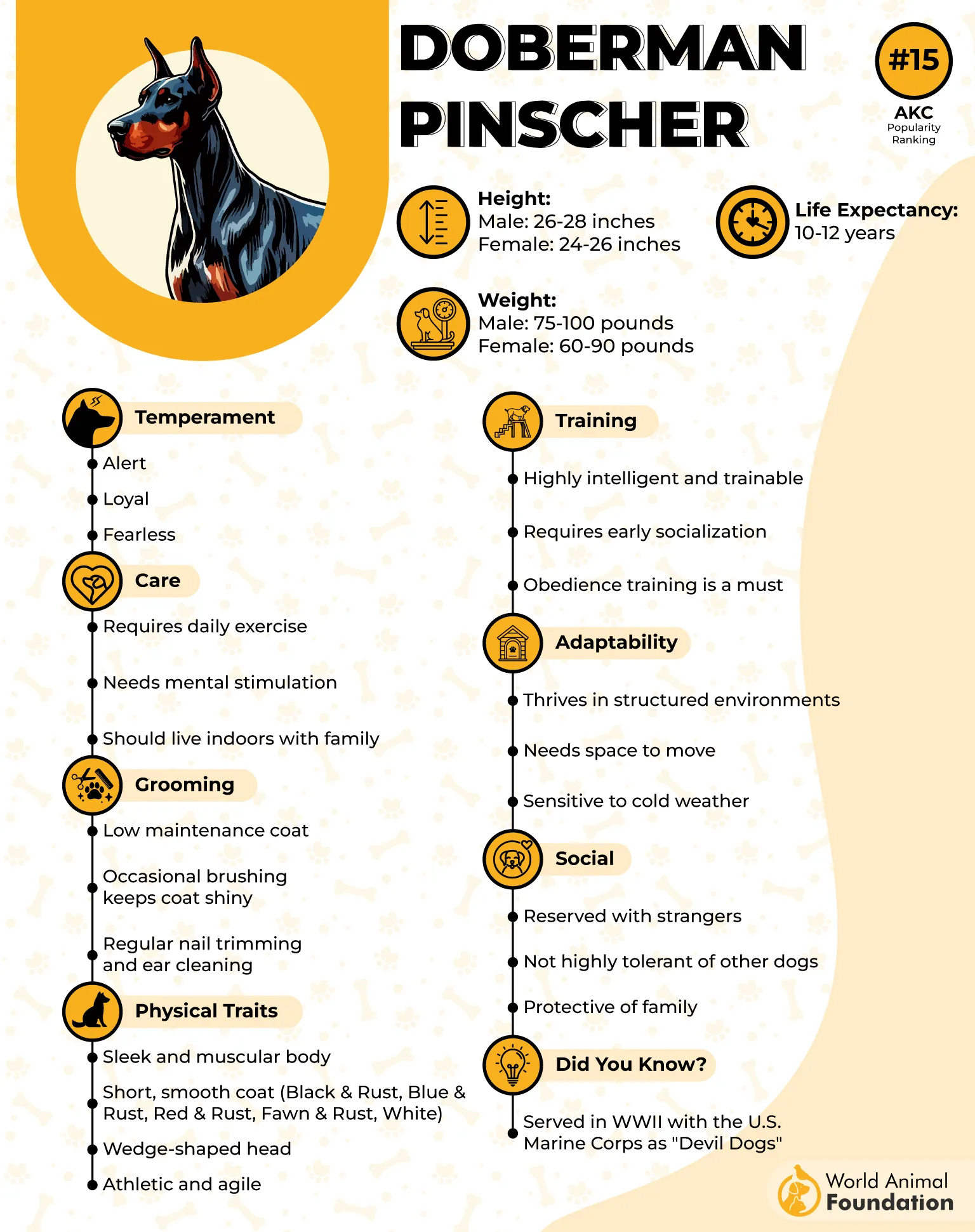
4. Doberman Pinscher
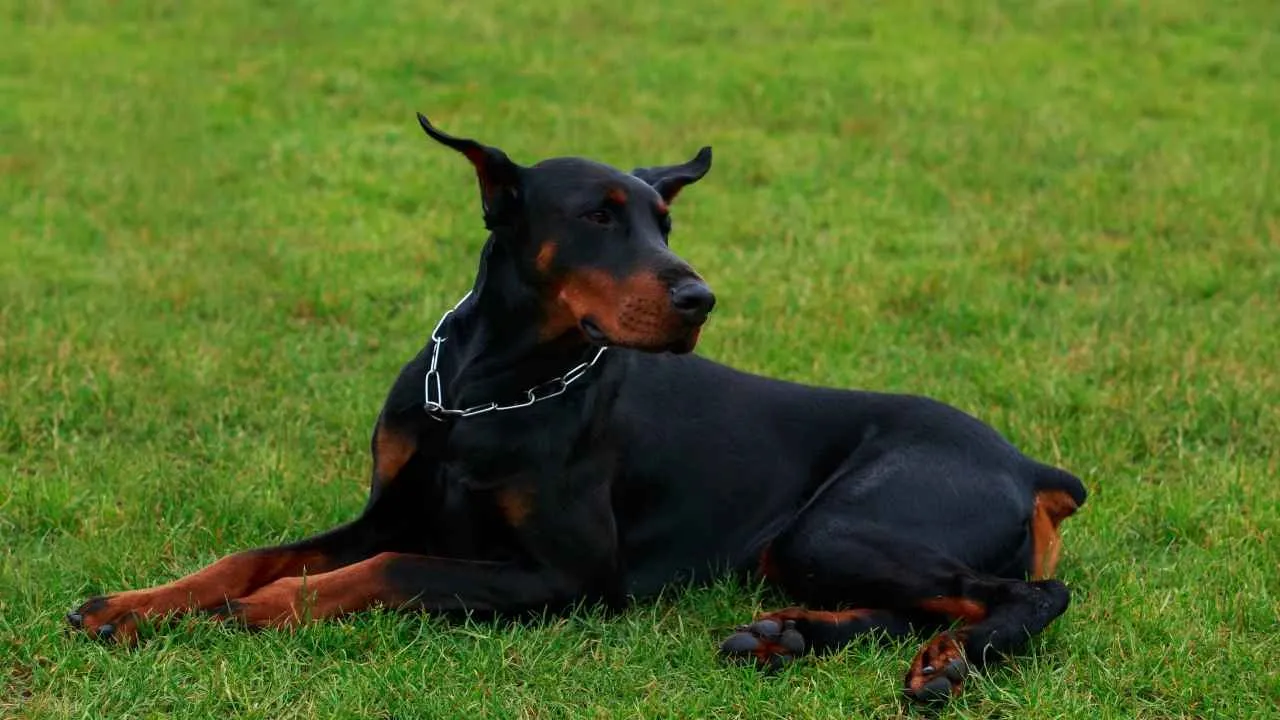
The Doberman Pinscher was developed in Germany by Louis Dobermann, who needed a dependable guard partner during his work as a tax collector.
Its creation involved mixing several working breeds, resulting in a sharp, alert, and highly capable dog. This foundation shaped a companion built for awareness and control.
Training Drive and Focus
This large breed responds strongly to consistent training and mental engagement, often excelling when tasks feel purposeful. Its intelligence requires steady direction to avoid restless behavior.
This is how they handle training progress quickly:
Highly responsive to obedience work
Needs consistent mental engagement
Learns commands with repetition and clarity
Alert Social Behavior
The Doberman Pinscher reacts quickly to unfamiliar situations, often observing before deciding how to respond. Around trusted people, its behavior shifts into a more relaxed and affectionate mode. This contrast creates a dog that reads environments with precision.
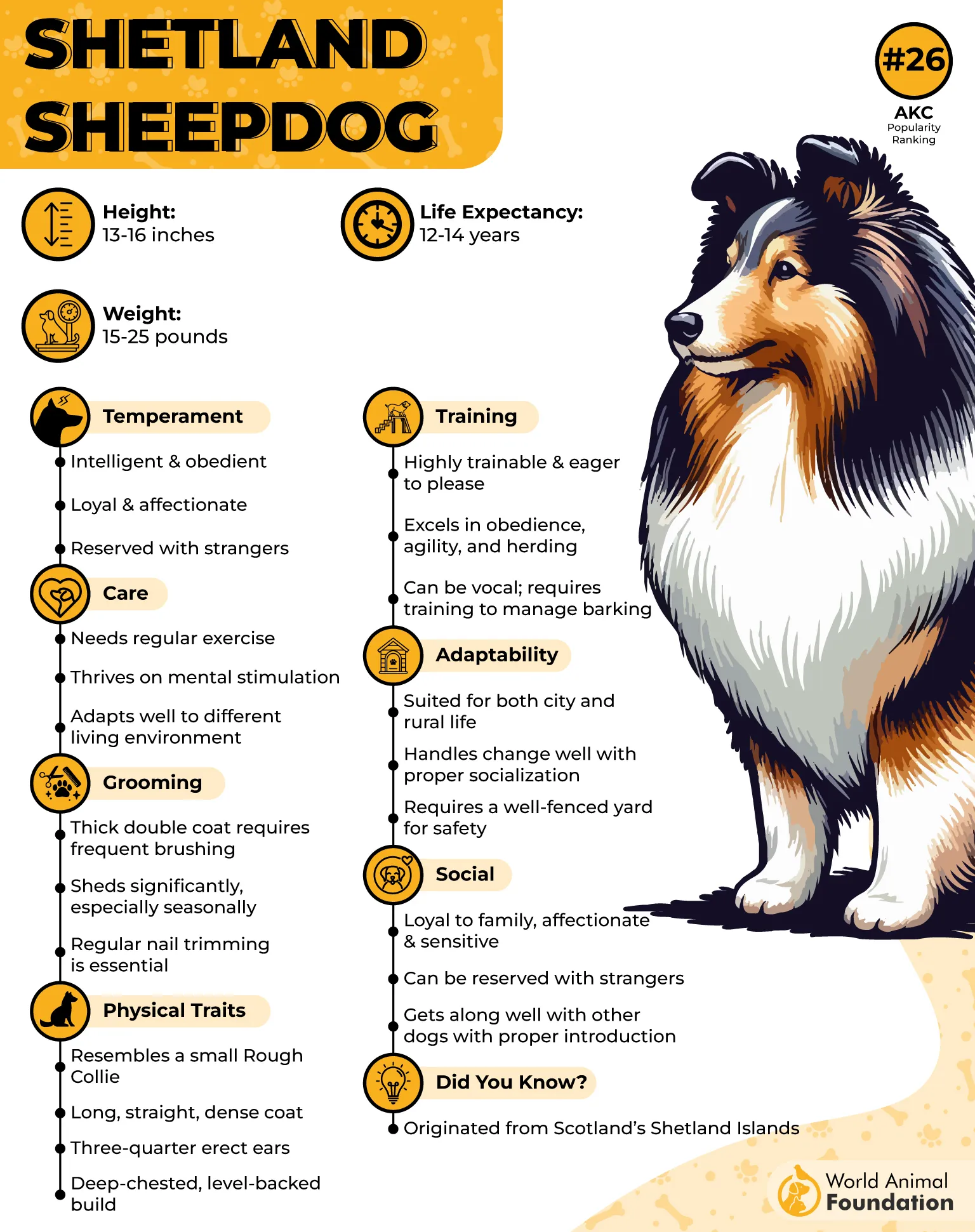
5. Shetland Sheepdog
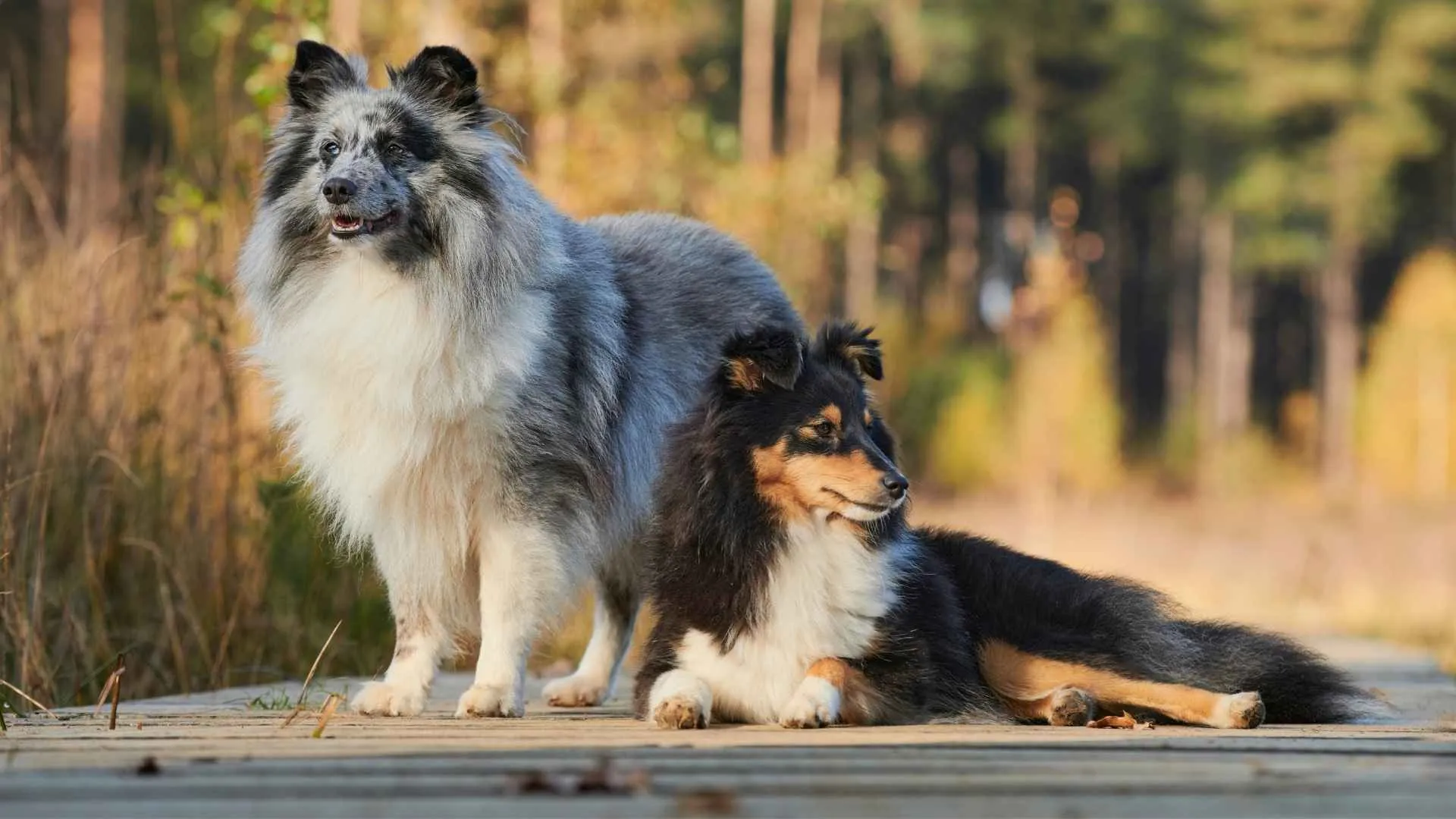
The Shetland Sheepdog emerged in Scotland during the 1800s through the selective breeding of small herding dogs mixed with Collie lines, adapted for compact livestock control. The limited grazing land encouraged smaller animals, shaping a dog designed for tighter working spaces.
Behavior Shaped by Close Human Attachment
The Sheltie forms a strong attachment to its handler, often following movement from room to room and reacting quickly to activity around the home. Its herding instinct can appear in subtle actions like guiding movement through gentle nudges.
These patterns are commonly observed in daily life:
Follows people closely across indoor spaces
Reacts to household movement with alert attention
Uses gentle herding behavior with children
Learning Ability and Training Engagement
With a 6th overall ranking among the top canine intelligence levels, this dog processes commands quickly when learning is structured and positive. It responds best to reward-based training and performs well in agility, obedience, and herding-based tasks.
6. Labrador Retriever
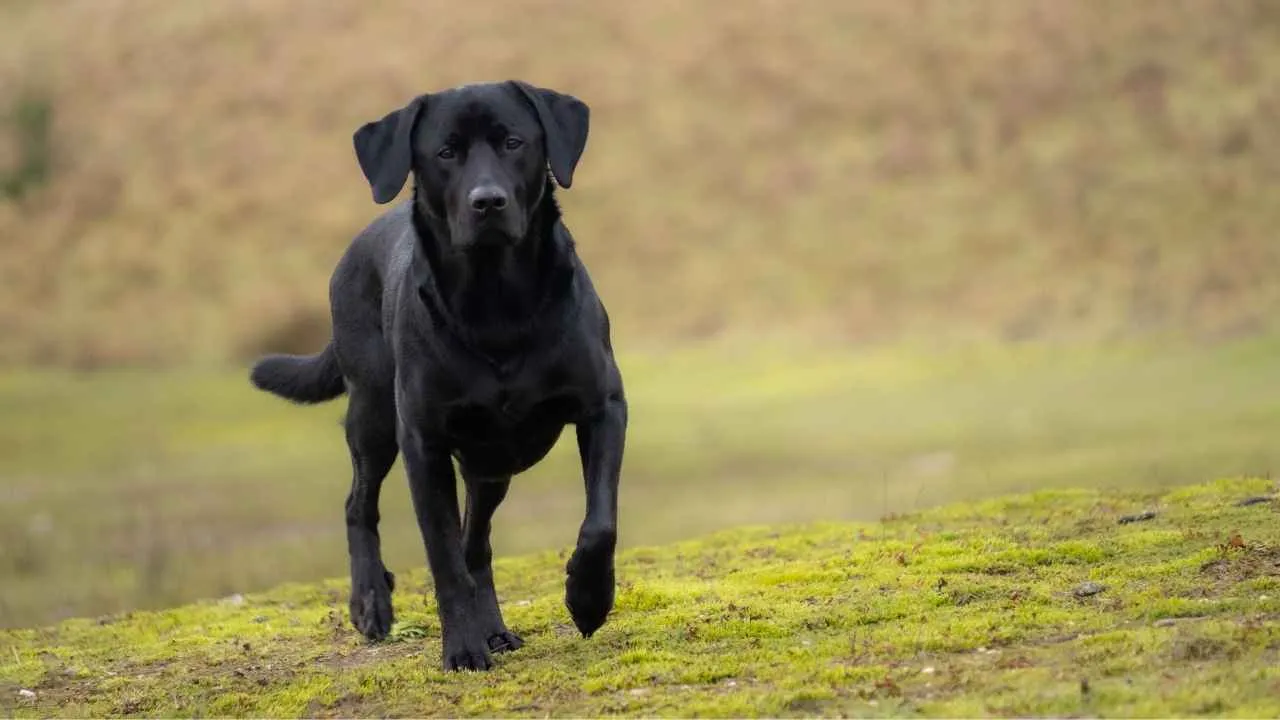
The Labrador Retriever traces its earliest form to Newfoundland, where lighter-built dogs worked closely with fishermen in icy waters.
Their strong link with retrieving tasks shaped a mindset focused on cooperation and responsiveness. That working nature still reflects in how quickly they adapt to human direction.
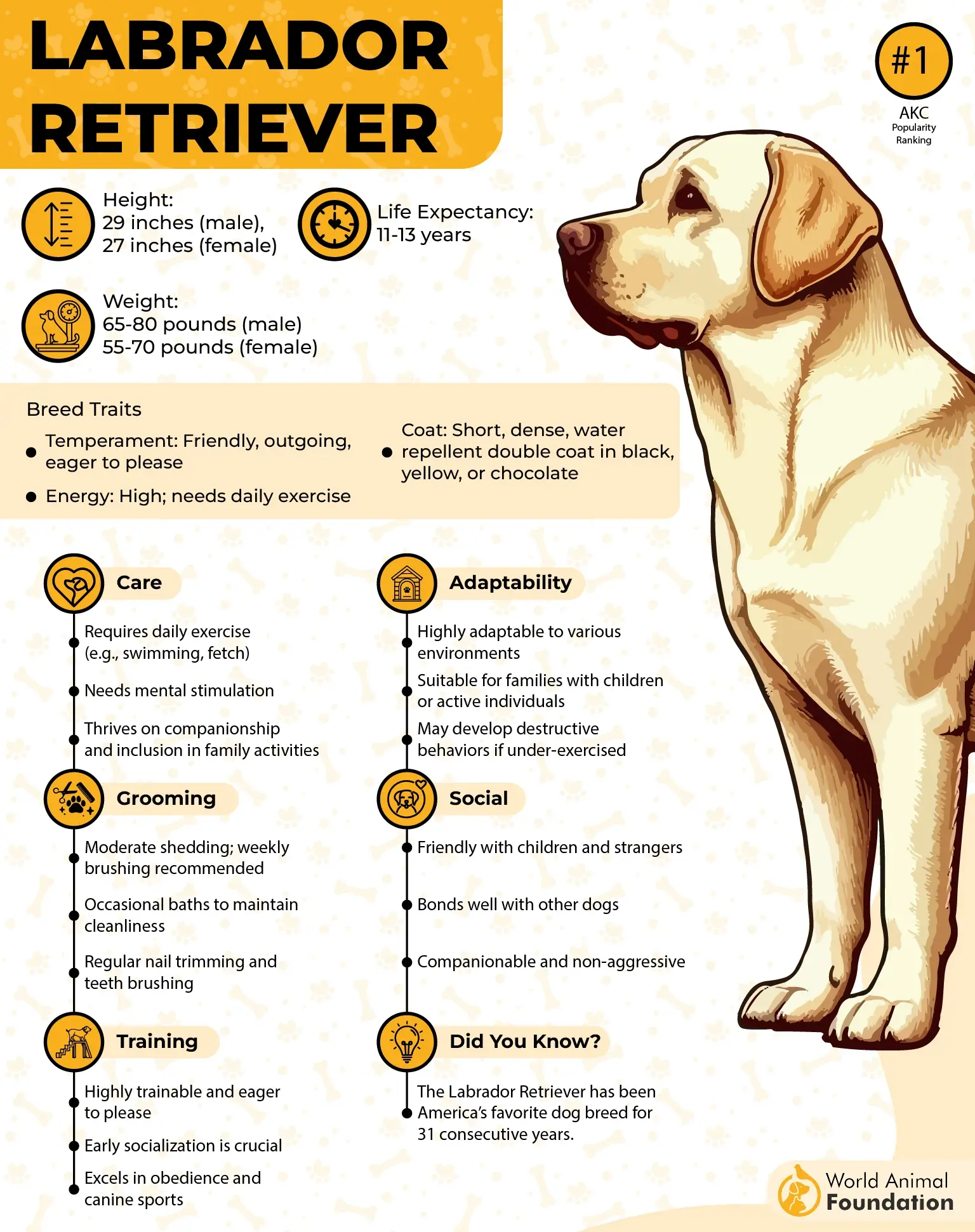
Learning and Task Ability
As one of the most popular dog breeds, it responds well to structured guidance, often used in assistance roles where steady focus matters. Its eagerness to engage makes training feel like a shared activity rather than repetition.
A few practical traits explain this strong learning ability:
Quick response to commands
Strong recall after training
Comfortable with task repetition
People-Focused Behavior
As a therapy dog, it often seeks close contact with people, moving easily into family routines and social environments. Its calm approach with children and other dogs makes daily interactions smooth and predictable. Energy levels remain high, especially during play or outdoor activity.
7. Papillon
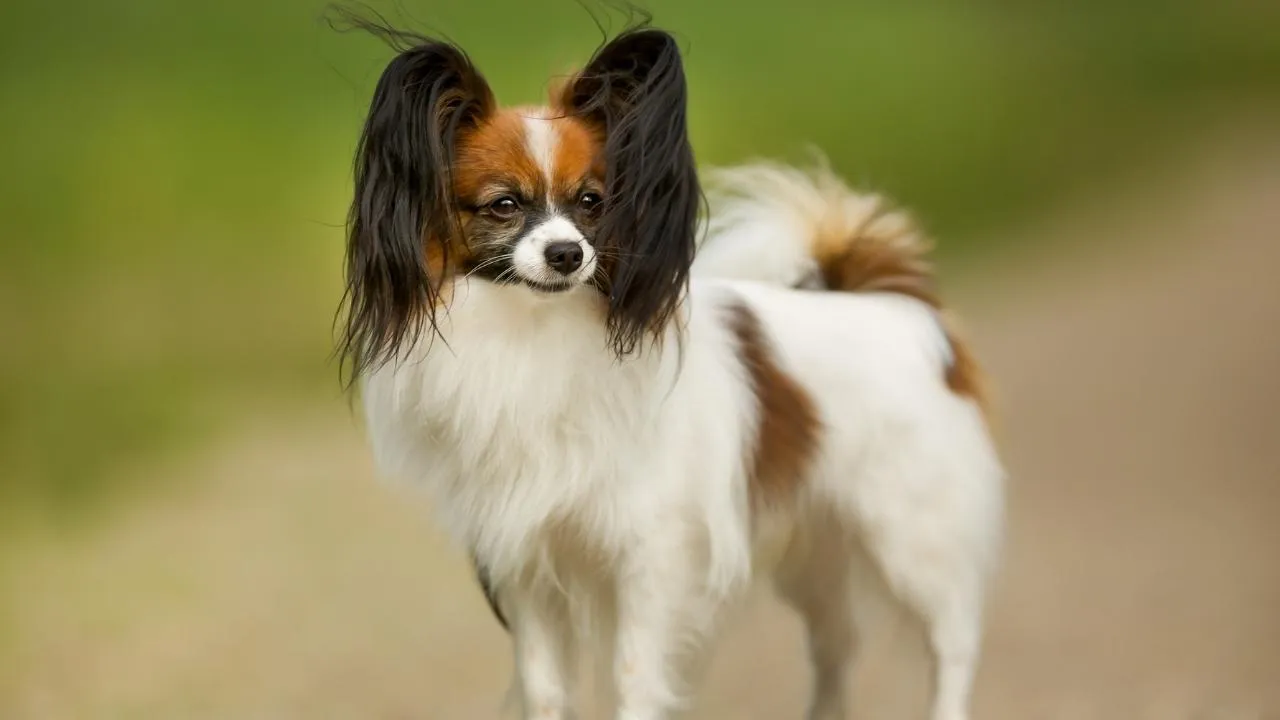
The Papillon is often recognized for its butterfly-shaped ears and refined toy spaniel frame that has been admired in European courts for centuries.
Early artworks from the 13th century already capture its distinctive outline and lively presence. Its name reflects the wing-like ear structure that defines its appearance.
Quick Learning Mind
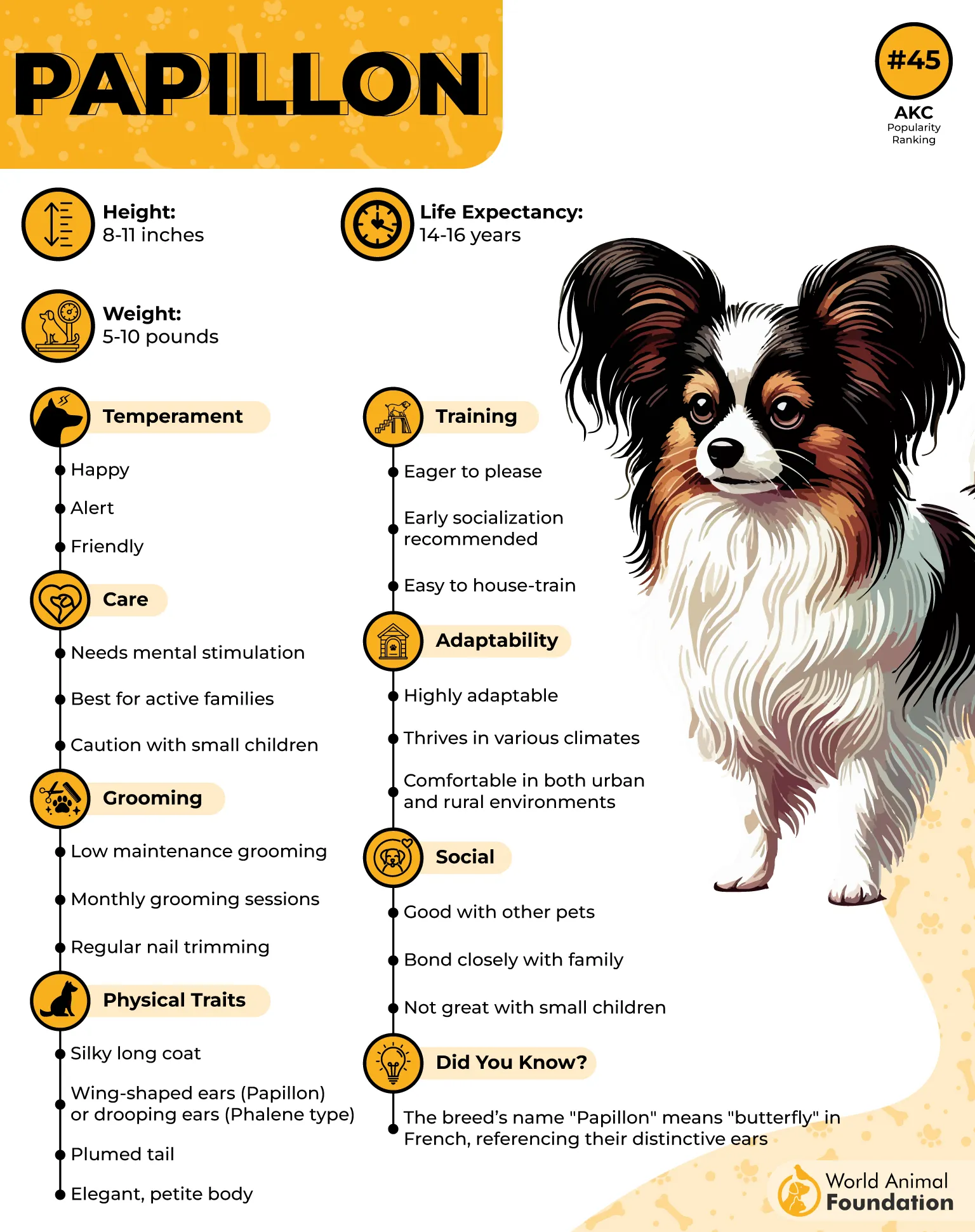
The Papillon responds quickly to training, showing a strong interest in learning tricks and participating in interactive activities. Praise and playful reinforcement often bring out sharper focus during sessions.
The following behavioral traits help explain its learning style:
Fast response to new commands
Enjoys trick-based learning
Confident around larger dogs
Social Energy Flow
The Papillon interacts easily with people and other pets, often staying active and alert throughout the day. It may bark briefly at the door but settles quickly once familiar faces appear. Its personality keeps household interaction lively without becoming overwhelming.
8. Rottweiler
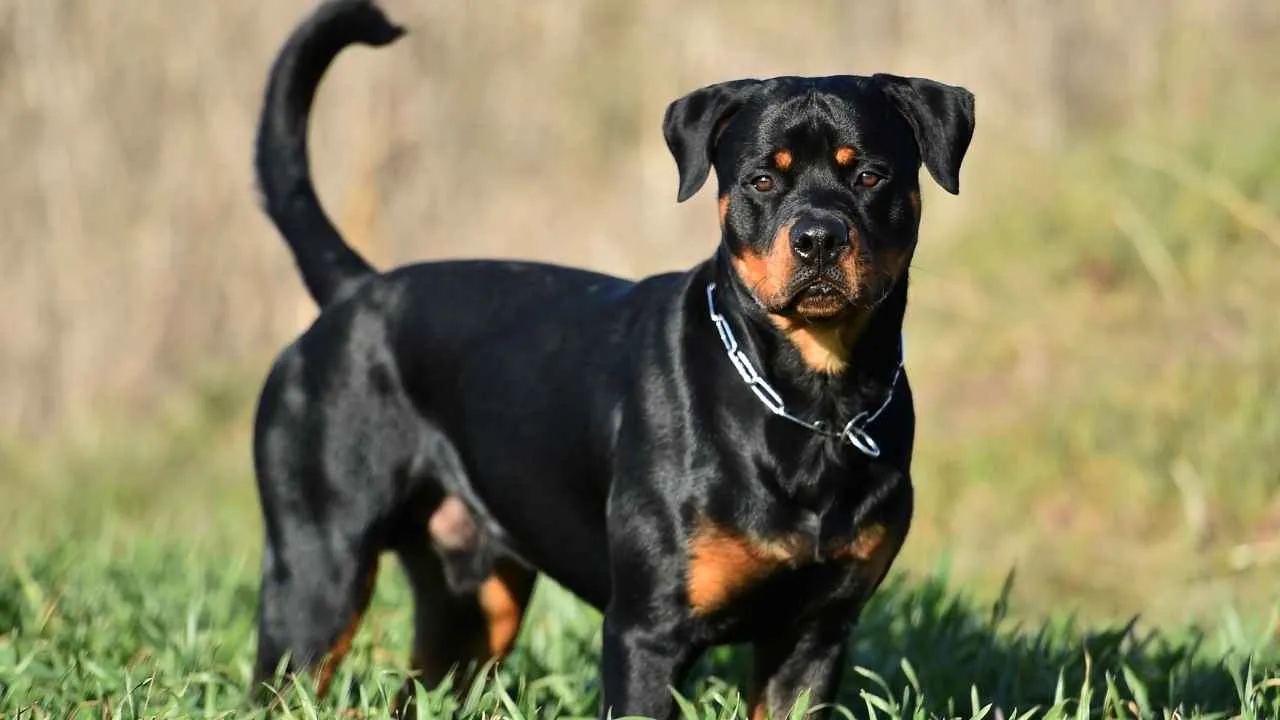
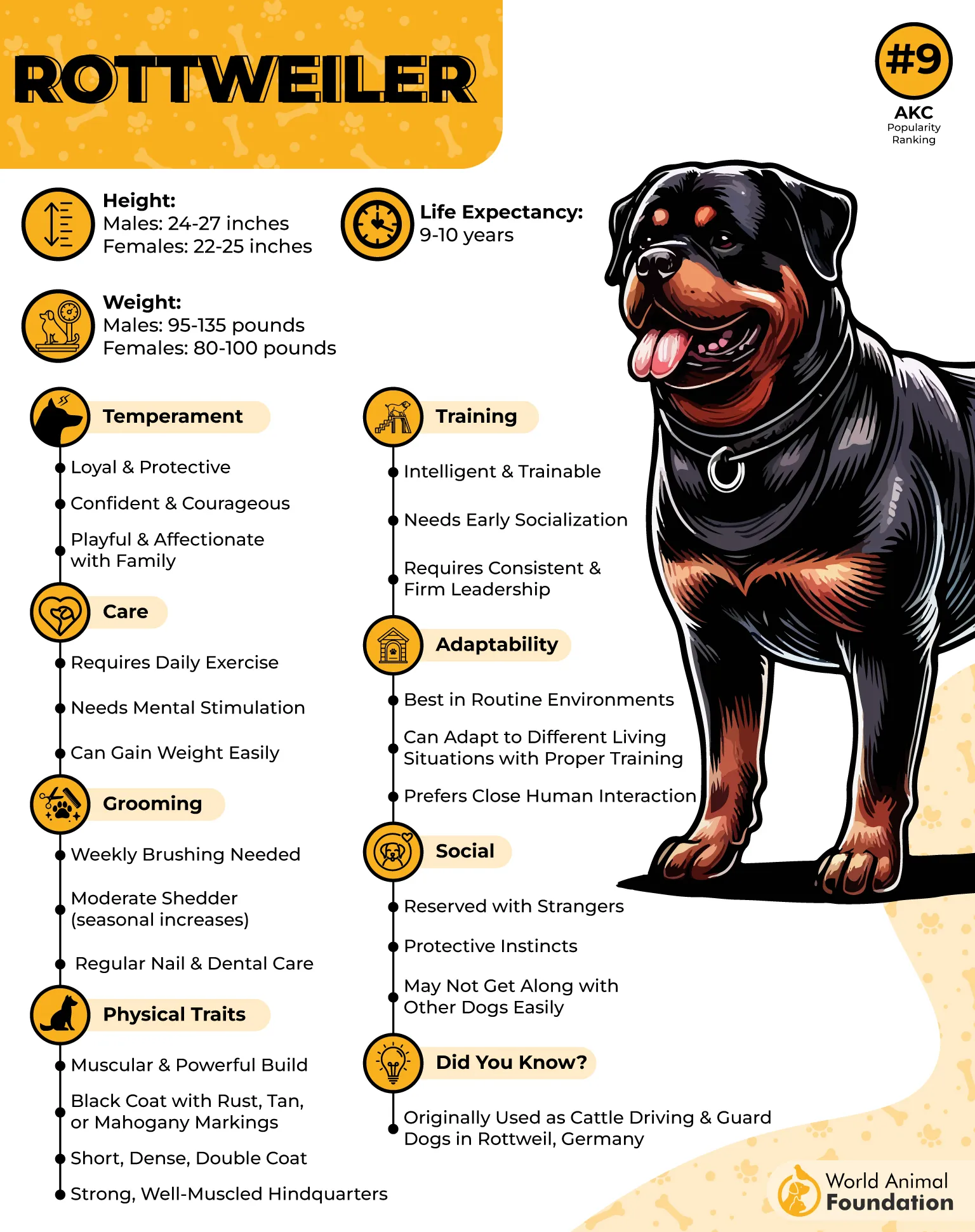
The Rottweiler has a steady, controlled presence paired with natural guarding awareness shaped through early cattle-driving and protection roles in Southern Germany. Its solid build reflects strength, while its behavior stays composed and observant in everyday settings.
Training Focus and Structure
With firm consistency and early exposure to varied environments, the Rottweiler learns to settle into structure easily. Clear boundaries help shape its protective instinct into controlled behavior suited for structured tasks.
These training aspects define its learning path:
Learns quickly with consistency
Needs early social exposure
Responds best to firm guidance
Focus and Working Drive
Rotties channel their intelligence into tasks that challenge both mind and discipline, including obedience and tracking activities. Mental engagement plays a key role in keeping their behavior balanced and focused. Their strong work ethic supports structured roles that require alert decision-making.
9. Pembroke Welsh Corgi
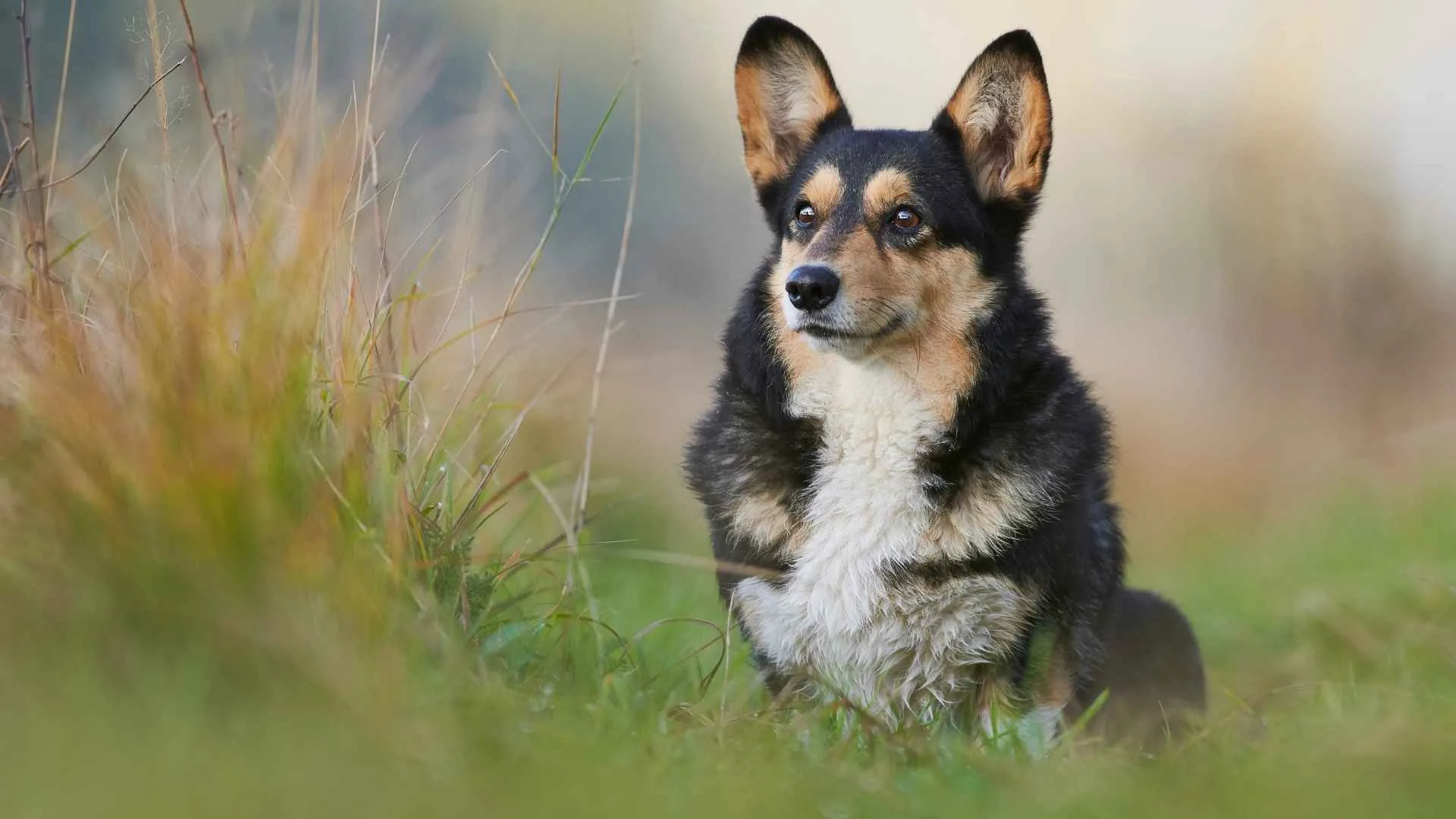
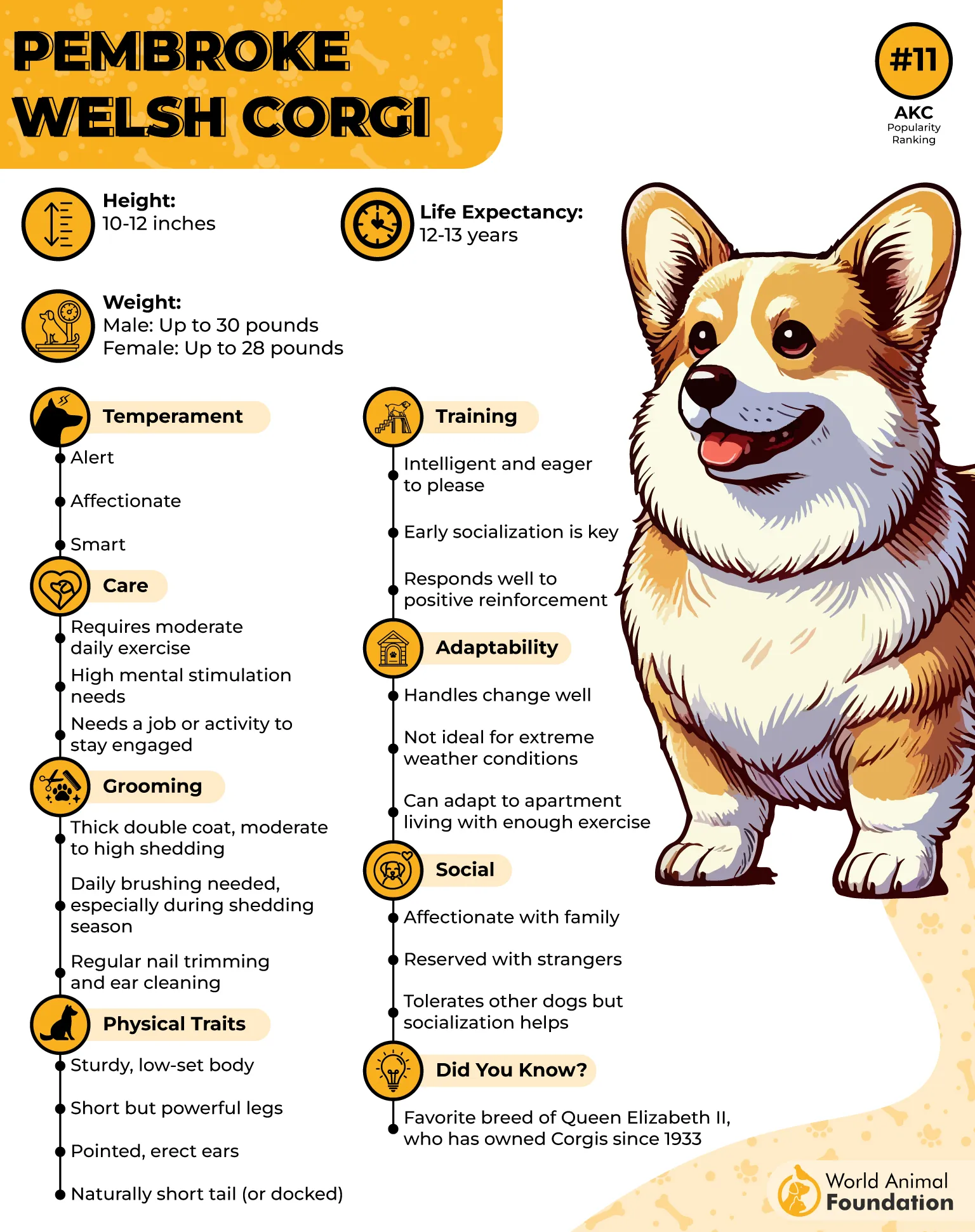
The Pembroke Welsh Corgi is known for sharp thinking packed into a compact frame, originally linked to cattle-driving dogs brought to Wales through Viking influence.
Its working style once relied on quick movement and precise control around livestock. That same alert mindset still shapes its behavior today.
Smart Work Drive
The Pembroke Welsh Corgi fits training-focused lifestyles where mental engagement matters as much as physical activity. Its eagerness to stay involved makes it responsive during structured learning sessions.
These behavioral traits highlight this working mindset clearly:
Learns commands quickly
Reacts strongly to stimulation
Prefers active engagement
Training and Daily Rhythm
The Pembroke Welsh Corgi thrives when kept mentally busy through games, structured tasks, or agility-style activities. It can be strong-willed at times, so consistency in training plays a key role. Once energy is released, it settles comfortably into relaxed indoor moments.
10. Australian Cattle Dog
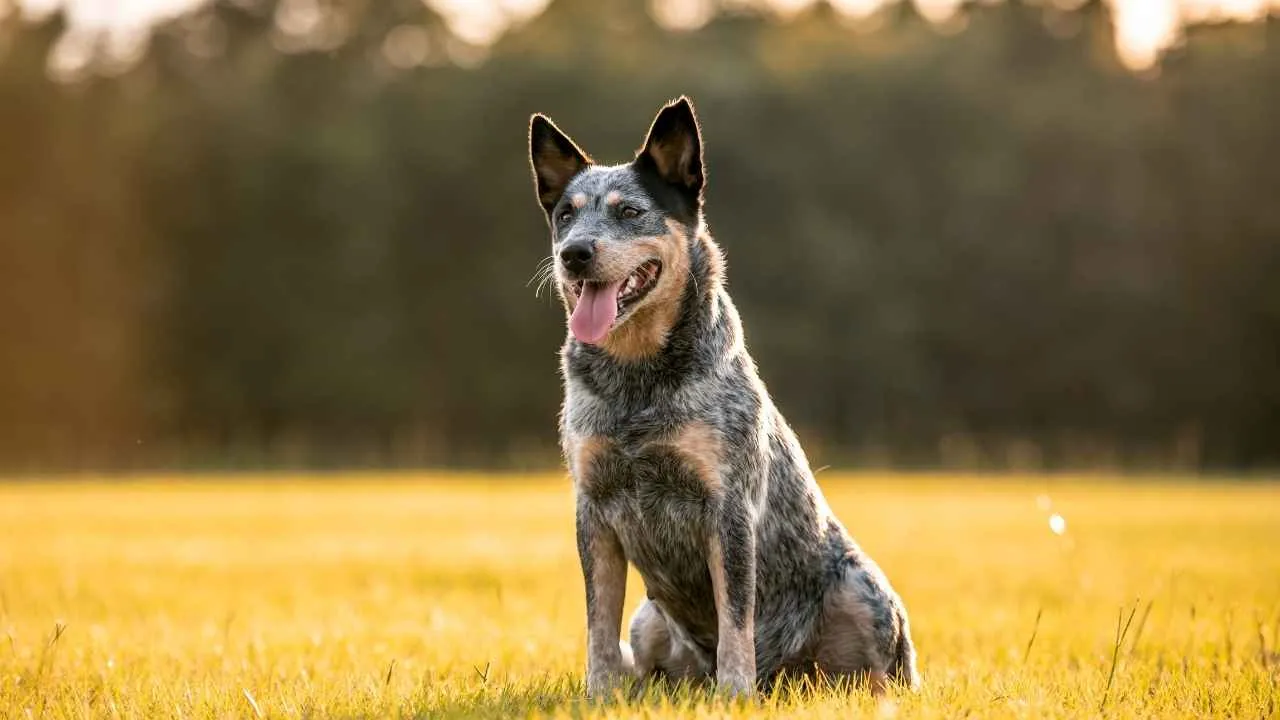
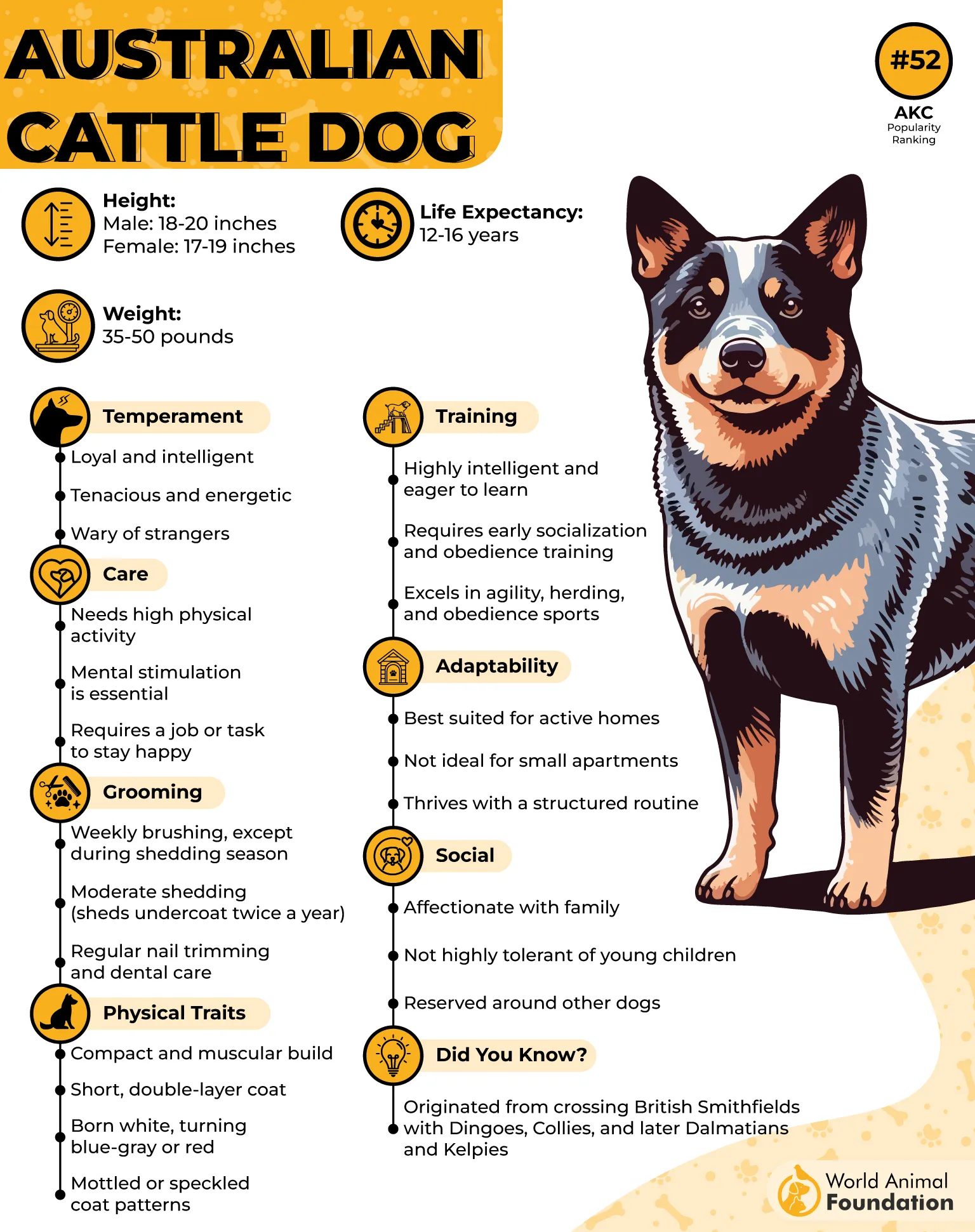
The Australian Cattle Dog gained recognition in Australia during the 1800s when herding across vast, rough terrain demanded sharp thinking and endurance. Crossbreeding with Highland Collies and dingoes shaped a dog built for distance work and problem-solving.
Training and Working Mind
The ACD is quick to respond to instructions and often anticipates tasks before commands are repeated. Mental engagement matters as much as physical activity, especially in structured environments.
A few working tendencies highlight its learning style:
Fast command response
Strong problem-solving drive
Needs consistent mental engagement
Energy and Daily Balance
The Australian Cattle Dog functions best with steady activity that keeps both mind and body engaged throughout the day. Without structured tasks, restlessness can appear through unwanted behaviors. Running, training drills, and interactive games suit its intensity well.
Conclusion
Training success often depends on more than patience or repetition. The dogs highlighted here stand out because they naturally process information quickly, stay engaged with their handlers, and adapt well to new challenges. A dog’s intelligence shows up in everyday moments, from learning commands faster to recognizing human emotions with surprising awareness.
Even so, smart dogs still need structure, consistency, and meaningful activity to stay balanced. When those needs are met through mental and physical stimulation, training becomes less about correction and more about communication.
A certified professional dog trainer can help strengthen that process, turning lessons into teamwork and daily life into a more rewarding experience.
