




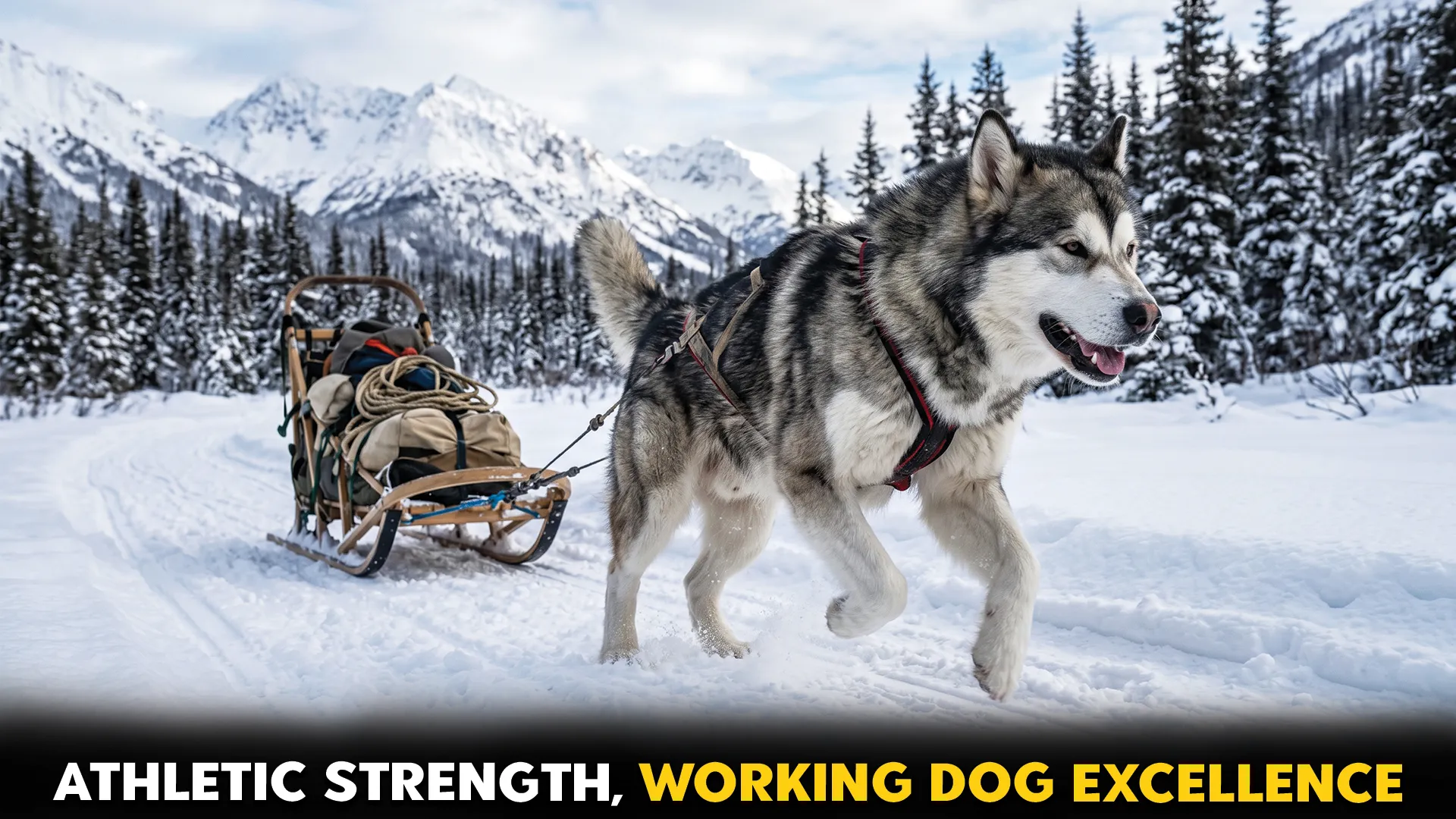
The idea of what makes a dog truly athletic is often debated, as strength and performance come in many forms. Not all active dogs are heavily muscular, and every pet owner tends to define “athletic” differently.
Some may focus on bite force, while others value a dog’s ability to pull weight or perform demanding tasks. In reality, a dog’s physique is shaped by a combination of genetics, proper nutrition, and regular physical activity.
Many athletic dogs have a rich history of herding livestock, guarding property, or assisting in hunts. Their strong, confident appearance may seem intimidating at first, but beneath that exterior often lies intelligence, loyalty, and a deep sense of affection for their families.
It’s also important to remember that size isn’t the only indicator of strength. Medium-sized dogs can be just as well-built, agile, and powerful as larger breeds, with compact, muscular frames that support impressive performance.
If you’re unsure which athletic dog might suit your lifestyle, this guide will help you explore some of the best options. Let’s take a closer look.
Most Athletic Muscular Working Dog Breeds
1. Akita
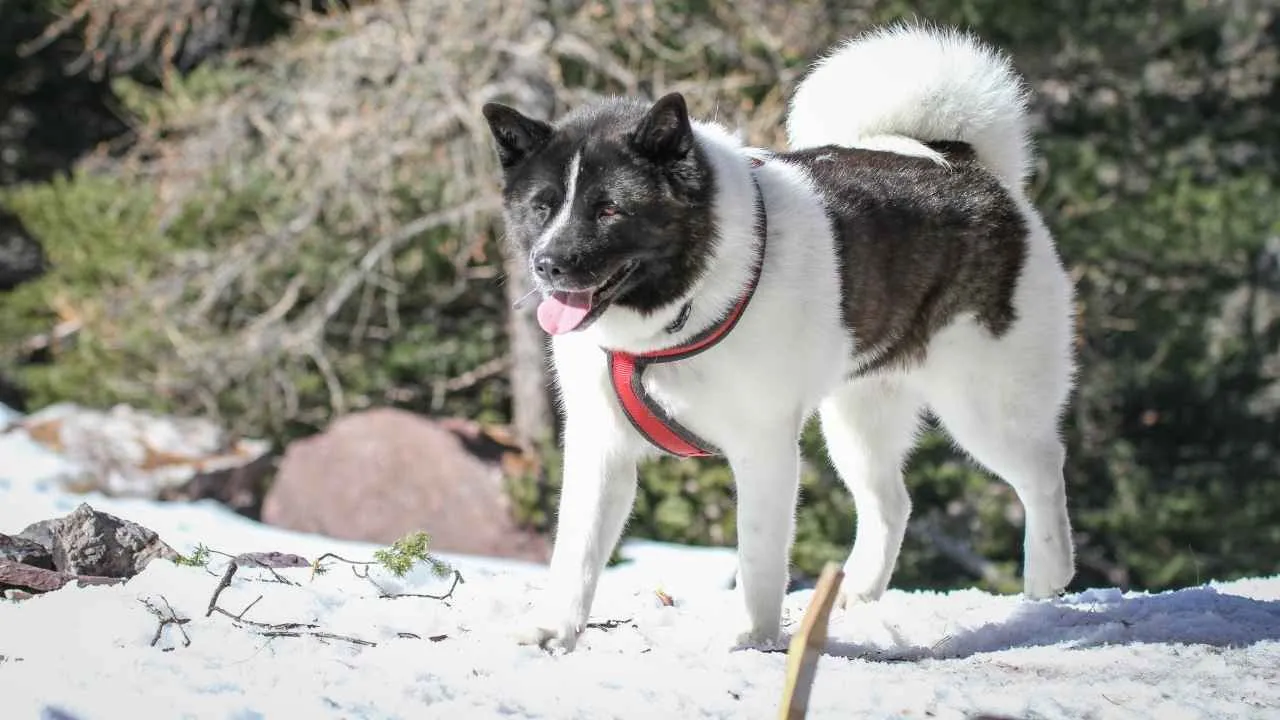
The Akita is a powerful and dignified breed known for its calm nature, courage, and strong protective instincts. Originally developed in Japan for hunting large game, the Akita later became a symbol of prestige and was often given as a meaningful gift.
In Japanese culture, Akitas are associated with good fortune and happiness, and they are sometimes gifted to celebrate the birth of a child. PetMD notes that their loyalty is legendary, best illustrated by the story of Hachikō, who faithfully waited for his owner every day, even after his owner’s passing.

With their thick double coat, sturdy build, and expressive eyes, Akitas have a striking and majestic appearance. However, beneath their fluffy exterior lies a strong and independent personality. These guard dogs are naturally protective and can be reserved or cautious around strangers, which makes early training and socialization essential.
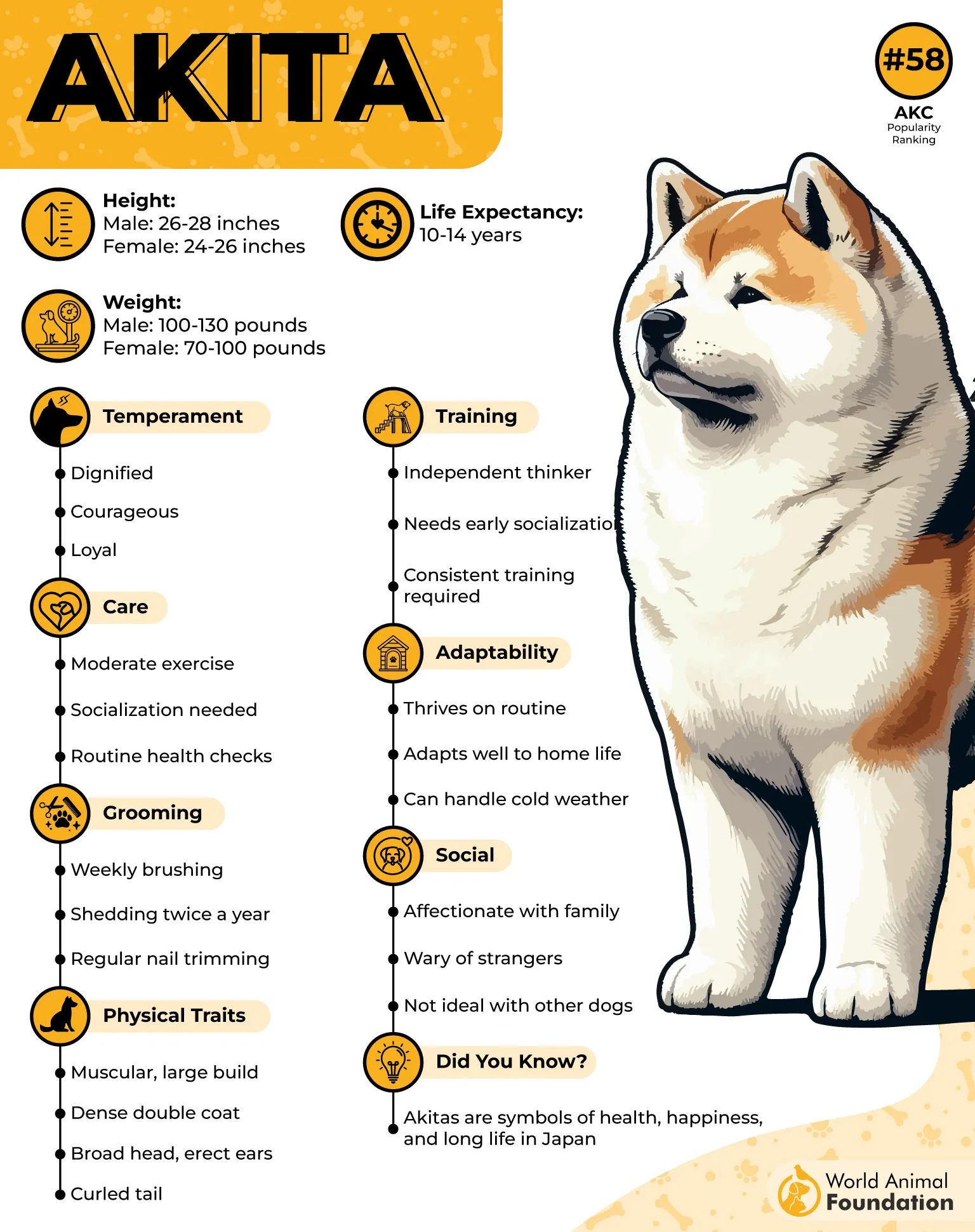
Akitas are deeply devoted to their families but can be stubborn at times, so consistent and patient training works best. Their dense coat requires regular grooming, especially during shedding seasons. While they are not overly energetic, they do enjoy outdoor activities like walks or hikes and thrive with owners who can provide structure, attention, and companionship.
2. Alaskan Malamute
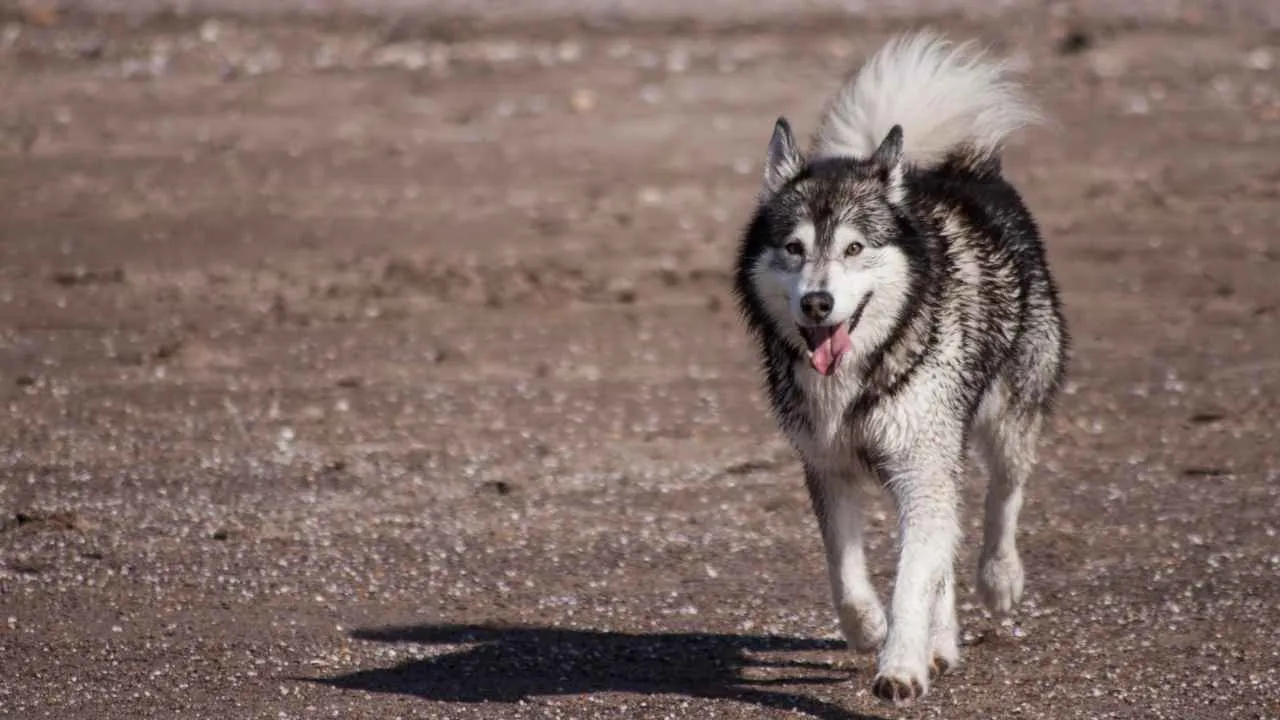
The Alaskan Malamute is a strong, energetic working breed originally developed to pull heavy sleds and haul loads across harsh Arctic terrain. Known for their endurance and resilience, Malamutes have a long history as dependable Arctic companions.
These dogs are powerful, active, and naturally curious, often showing a strong instinct to explore and engage with their environment. Their wolf-like appearance, with a broad head, almond-shaped eyes, and thick build, reflects their working heritage rather than aggression. Despite their imposing look, they are not inherently aggressive, but they do require proper training and structure.
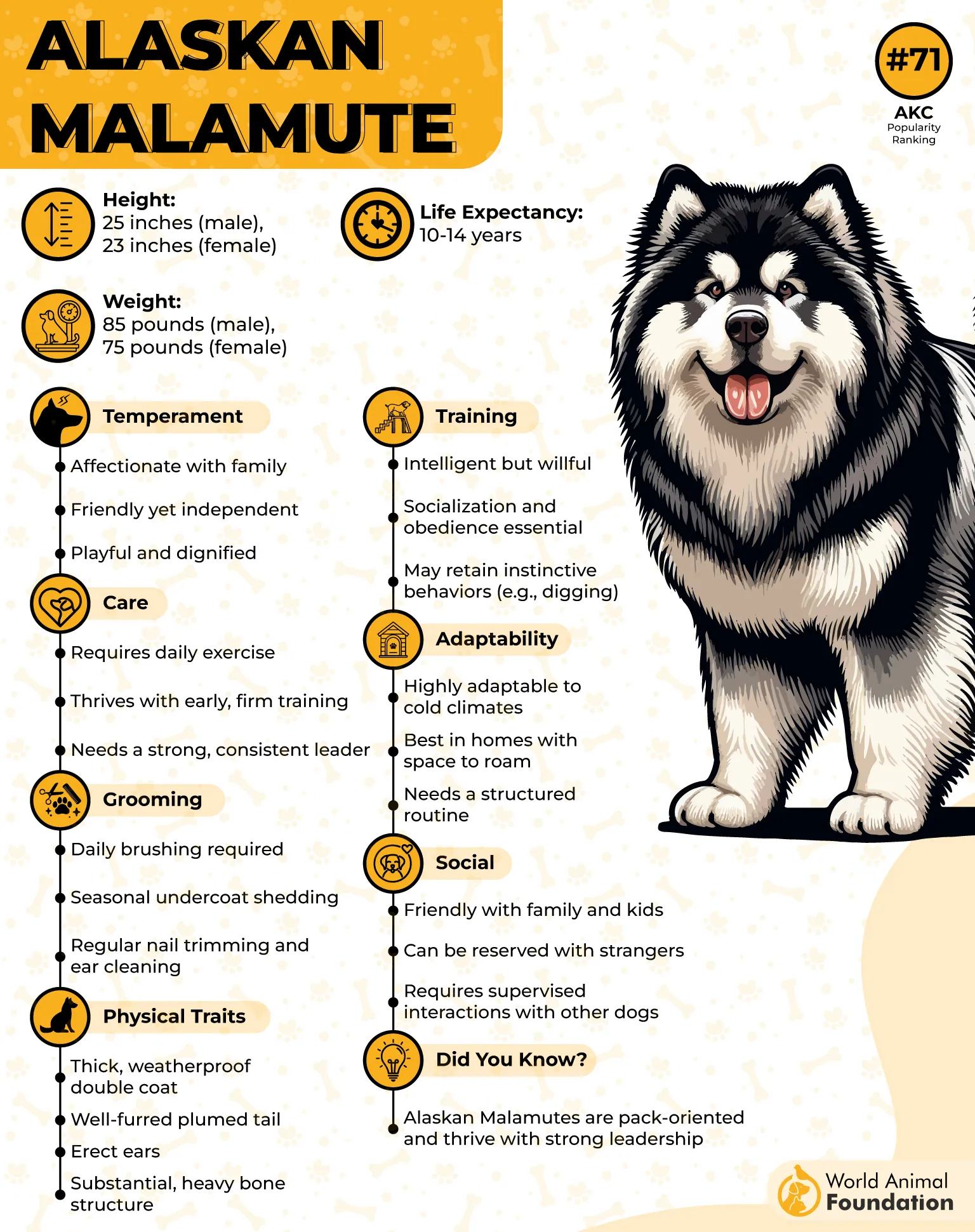
Alaskan Malamutes are highly energetic and need regular exercise and mental stimulation to stay healthy and well-behaved. Without enough activity, they can become bored and destructive, so an active lifestyle is essential for their well-being.
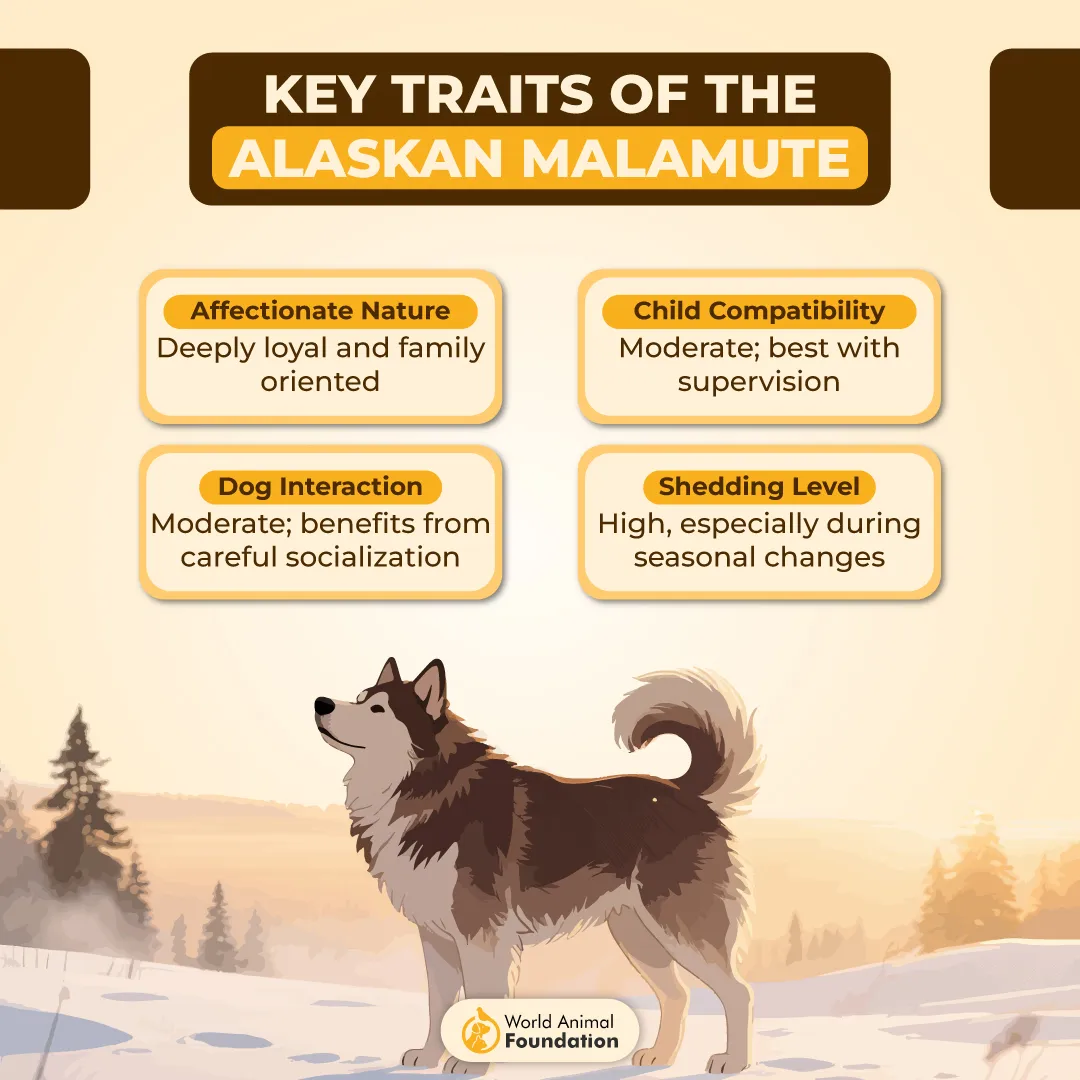
They are social dogs when properly trained and socialized early, forming strong bonds with their families and doing best in homes that can provide consistent attention and leadership.
Their dense double coat requires regular grooming to manage shedding and keep it healthy. Overall, Malamutes are best suited for experienced owners who can meet their physical and emotional needs.
3. Anatolian Shepherd Dog
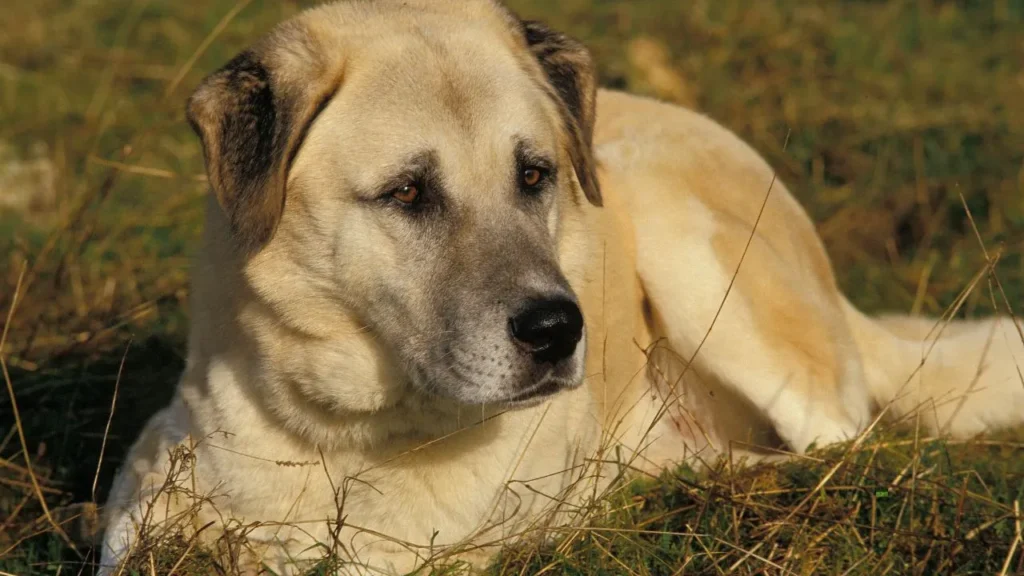
The Anatolian Shepherd Dog is a powerful and loyal livestock guardian breed originating from Turkey. Bred to protect flocks from large predators such as wolves and wild boar, this breed is known for its strength, independence, and calm but watchful nature.
In Turkey, related regional types are often referred to by names such as Kangal and Akbash, reflecting differences in appearance and function. The Kangal, in particular, is often noted for its exceptionally strong bite force, though such figures are frequently exaggerated online and should be interpreted with caution.
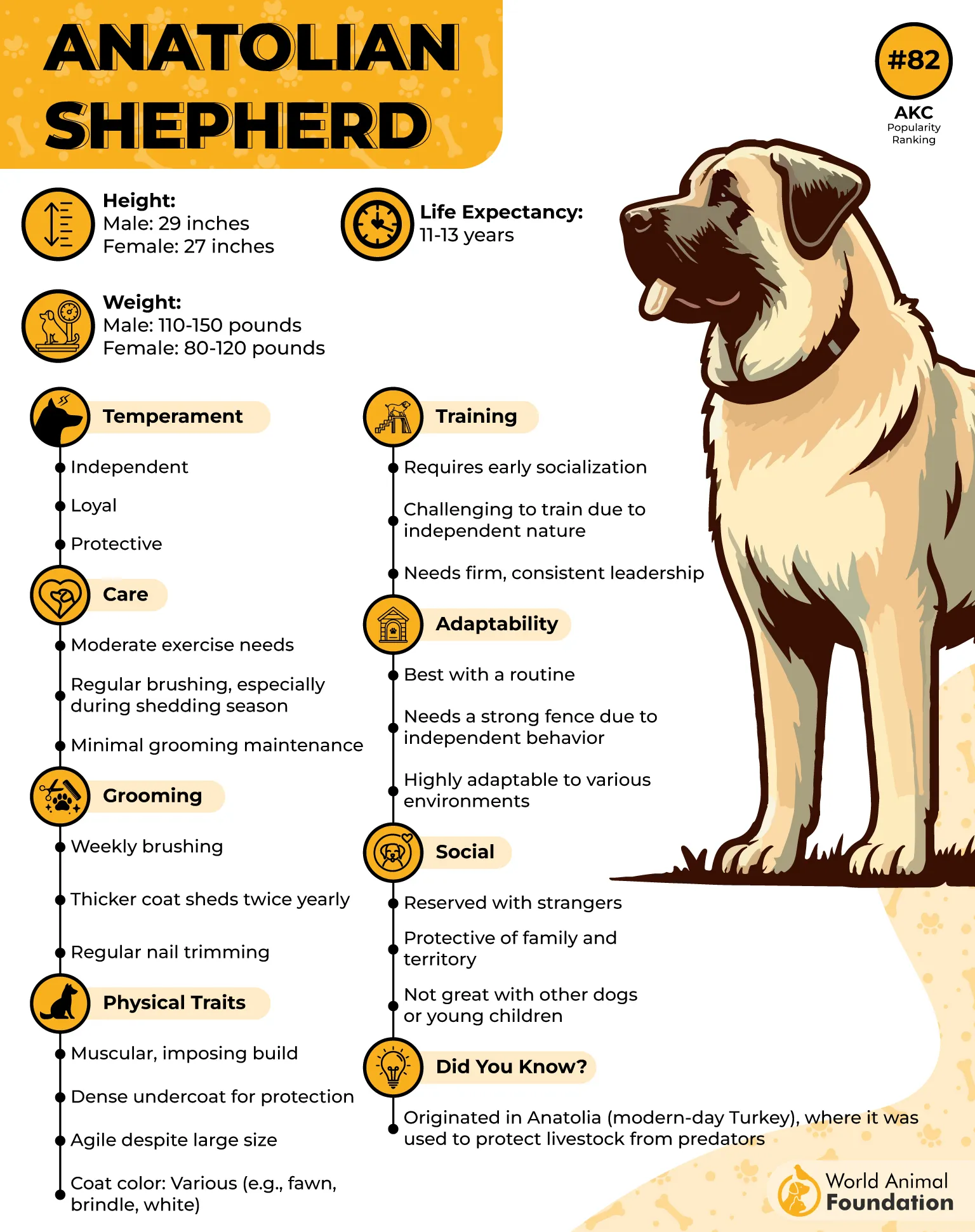
Purina noted that Anatolian Shepherds are highly independent thinkers, a trait developed through centuries of working without constant human direction. This makes them excellent guardians, but it also means they require experienced handling, clear boundaries, and early socialization to ensure good behavior around strangers and other animals.
Despite their serious working background, they are deeply loyal to their families and are known for their protective instincts. They are not overly energetic indoors but do need space, structure, and regular activity to stay balanced. Their thick coat is relatively low-maintenance, though seasonal shedding does occur.
Overall, the Anatolian Shepherd is best suited for experienced owners who understand guardian breeds and can provide consistent leadership, training, and proper care.
4. Bernese Mountain Dog
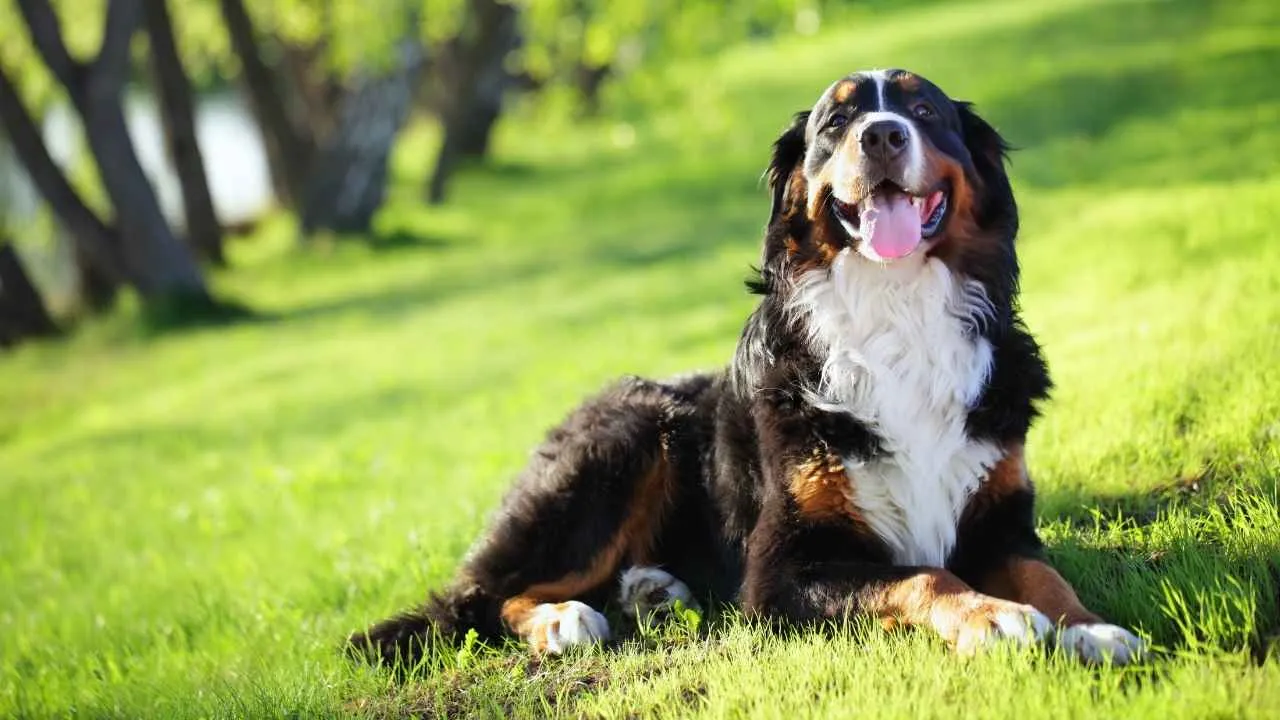
The Bernese Mountain Dog is a gentle, affectionate, and calm giant known for its loving nature and strong bond with families. Often described as a true companion breed, they are especially good with children and are widely regarded as excellent family dogs.
Originally developed in Switzerland, Bernese Mountain Dogs were used as farm dogs for guarding property and pulling heavy carts, including loads such as dairy products. The American Kennel Club explains that they are one of the four Swiss mountain dog breeds recognized for their working heritage and strength.
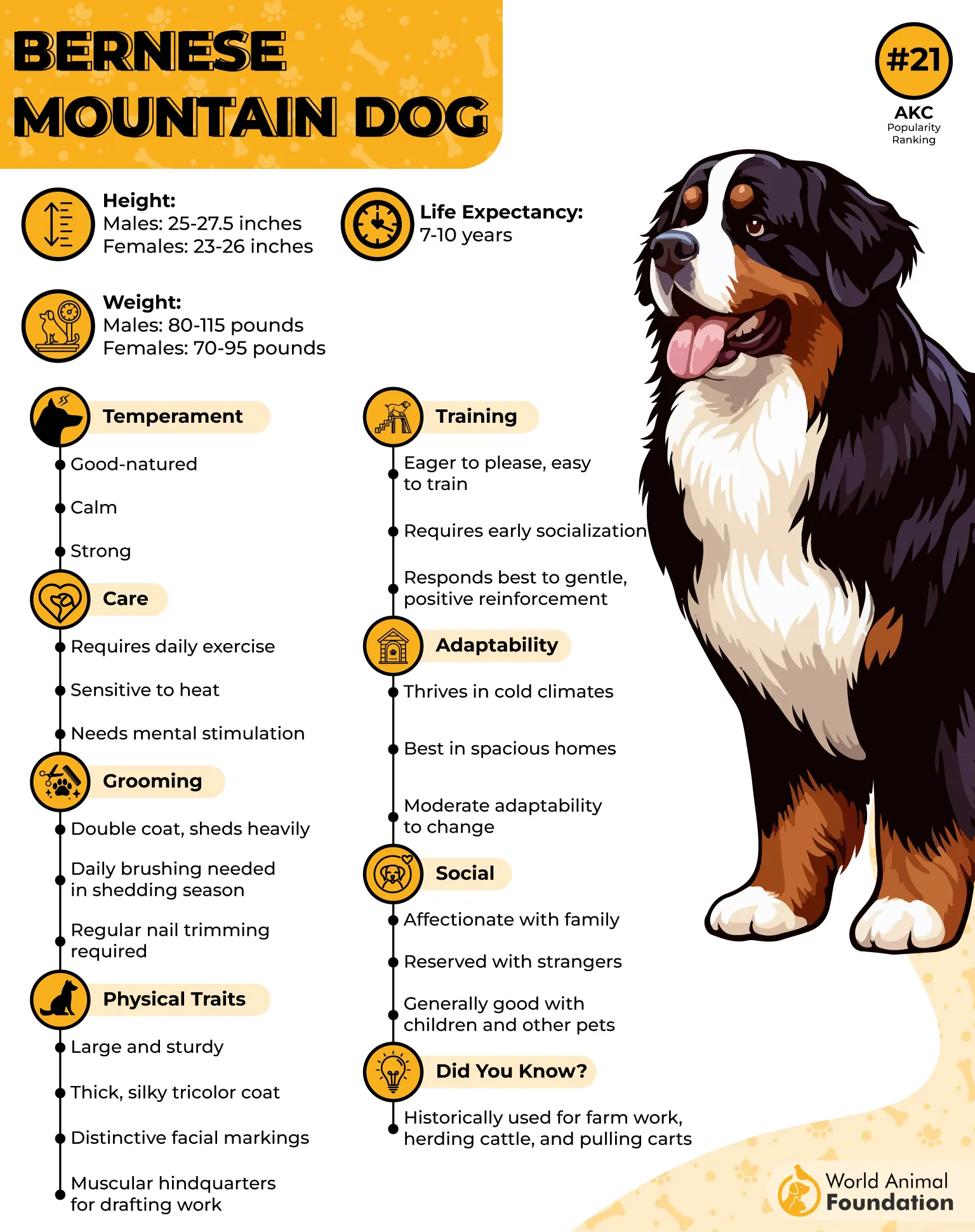
Despite their large size, Bernese Mountain Dogs are not aggressive by nature. They are generally friendly and steady-tempered, though they will alert their owners if they sense something unusual. Claims about bite force are often overstated online and are not a defining trait of their temperament.
These dogs have a thick double coat that requires regular grooming to keep it clean and healthy, especially during shedding seasons. Because of their affectionate nature, they do not enjoy being left alone for long periods and thrive best in homes where they receive plenty of attention, companionship, and regular walks.
Overall, they are loyal, gentle, and loving dogs, best suited for families who can give them time, care, and space to flourish.
5. Boxer
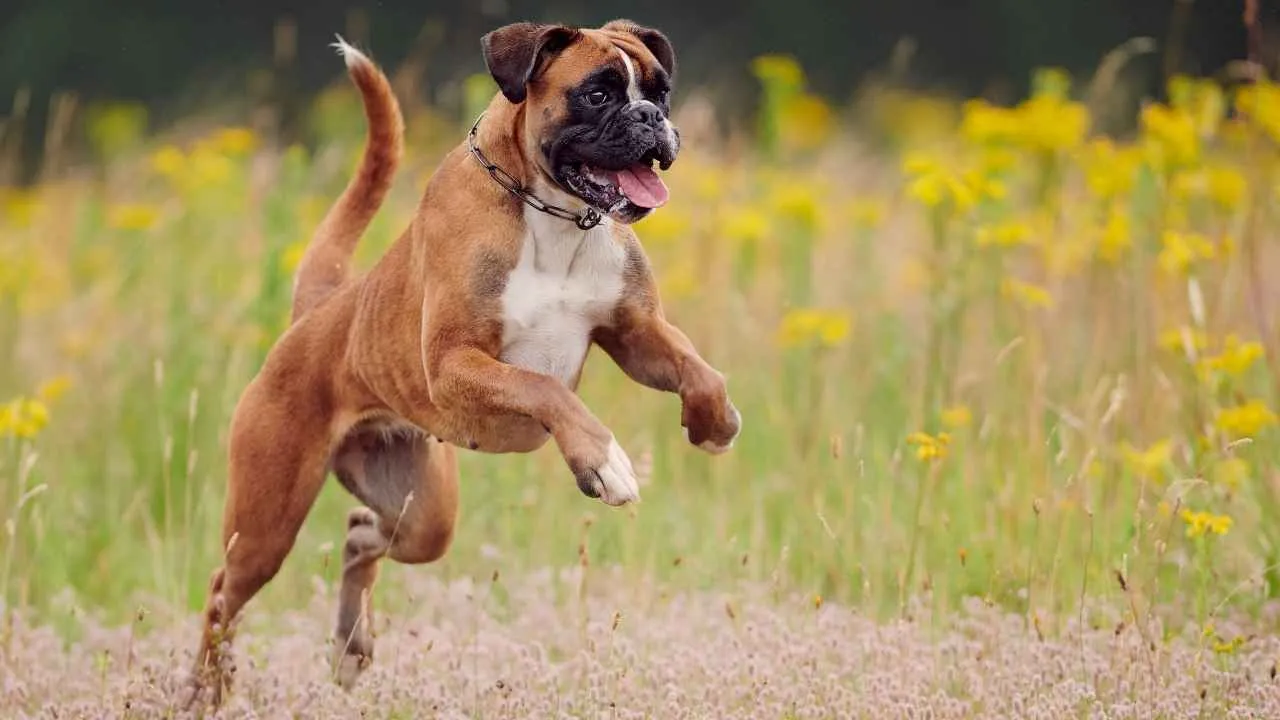
The Boxer is a friendly, energetic, and loyal breed known for its strength, athletic build, and playful personality. Originally developed in Germany for hunting and working roles, Boxers are naturally active dogs that excel at running, jumping, and engaging in physical activities.
Historically, Boxers were among the early breeds used in police and working dog training programs in Germany, thanks to their intelligence, trainability, and strong work ethic. Despite their powerful appearance, they are affectionate at heart and often form close bonds with their families, especially children.
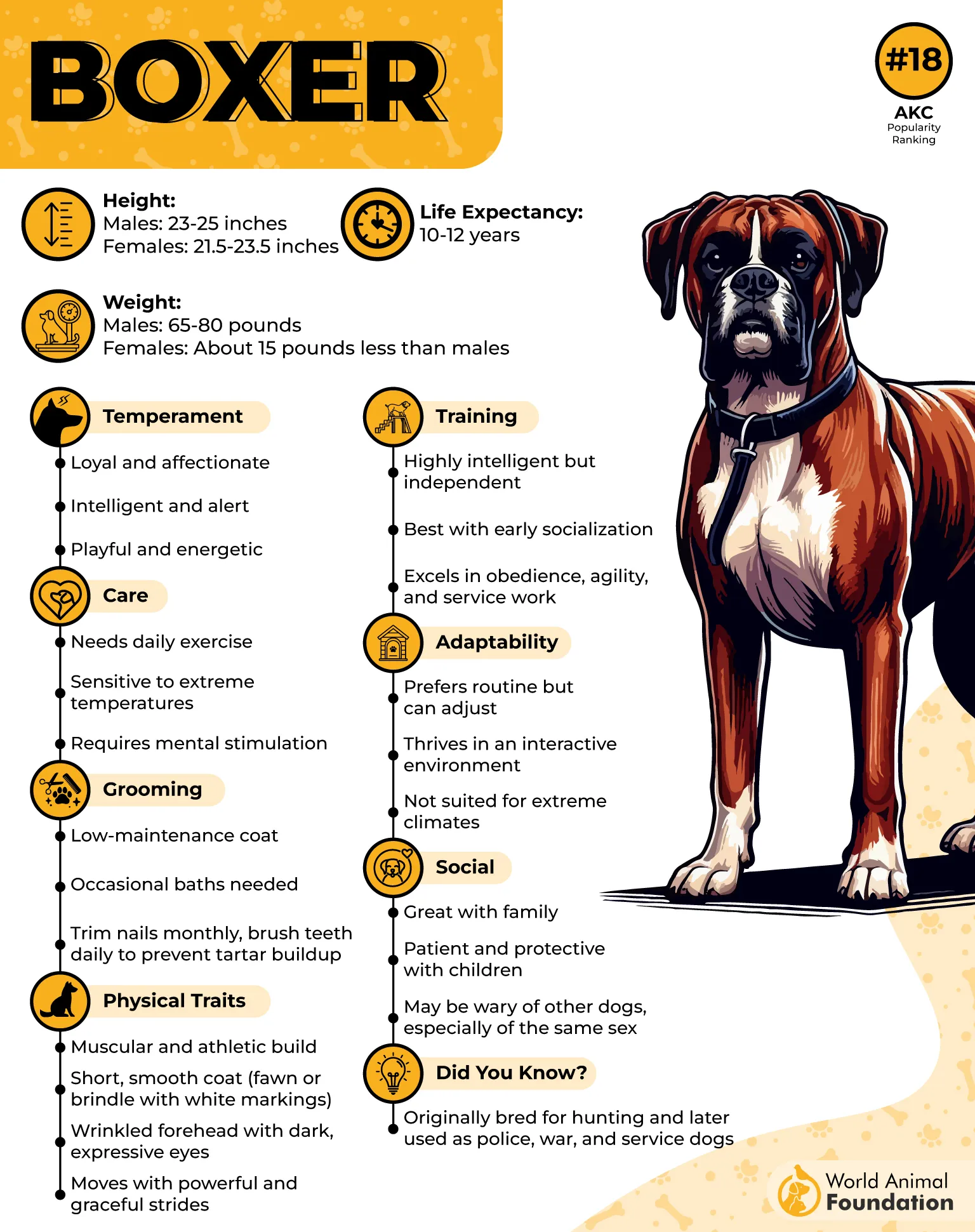
Boxers are highly social dogs that enjoy interactive games like fetch, tug-of-war, and other activities that keep them mentally and physically engaged. They do not like being left alone for long periods and thrive in homes where they receive regular attention and companionship.
Chewy states that they benefit from daily exercise and structured play to stay healthy and well-balanced. While they have short coats that are relatively easy to maintain, they are not considered hypoallergenic. Overall, Boxers are best suited for active families who can match their energy and provide consistent training and social interaction.
6. Boerboel
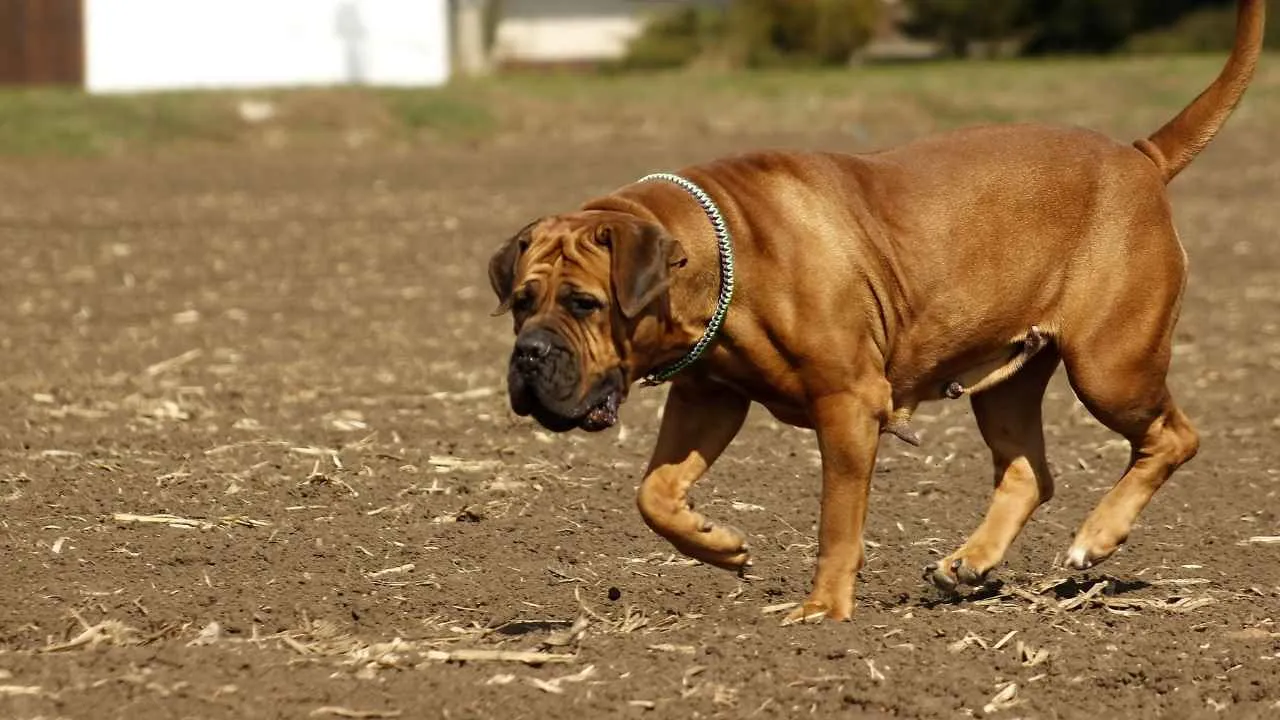
The Boerboel is a powerful, muscular, and confident guardian breed that originated in South Africa. Originally bred to protect farms, livestock, and families from large predators, this breed is known for its strength, courage, and strong protective instincts.
Boerboels are large working dogs with a naturally alert and composed temperament. While they are deeply loyal and affectionate with their families, they can be reserved or cautious around strangers, which is a trait developed from their guarding history. Because of this, they require experienced handling, early socialization, and consistent training to ensure balanced behavior.
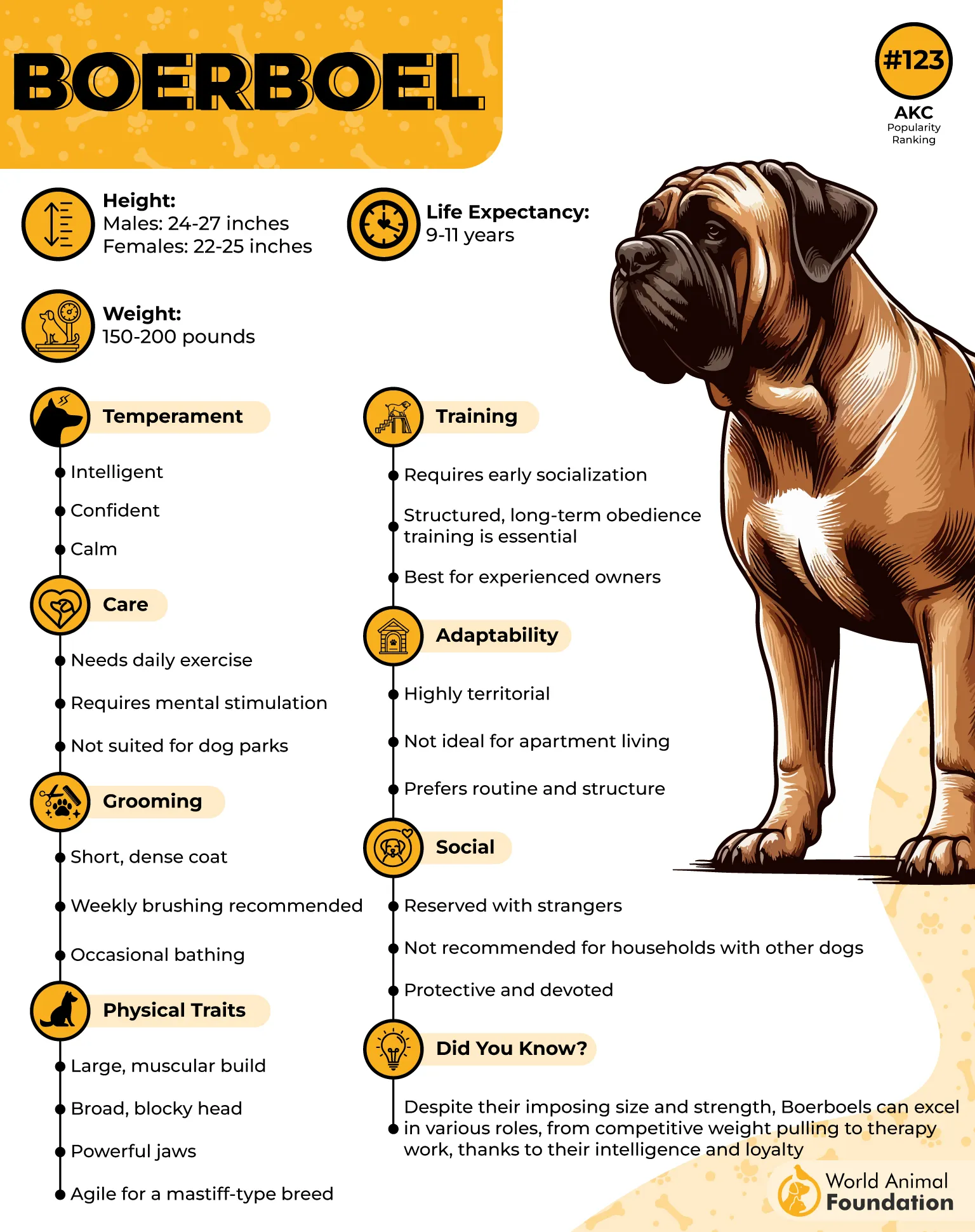
Their physical strength is impressive, but exaggerated claims about bite force or extreme abilities are often overstated online. What truly defines the Boerboel is its confidence, intelligence, and dependable guarding nature rather than sensational figures.
With their high energy and powerful build, they need regular exercise, structure, and mental stimulation to stay well-adjusted. They are not ideal for first-time owners, as they thrive best under confident leadership and clear boundaries.
Overall, the Boerboel is a loyal and protective companion for experienced dog owners who can provide proper training, socialization, and responsible care.
7. Cane Corse
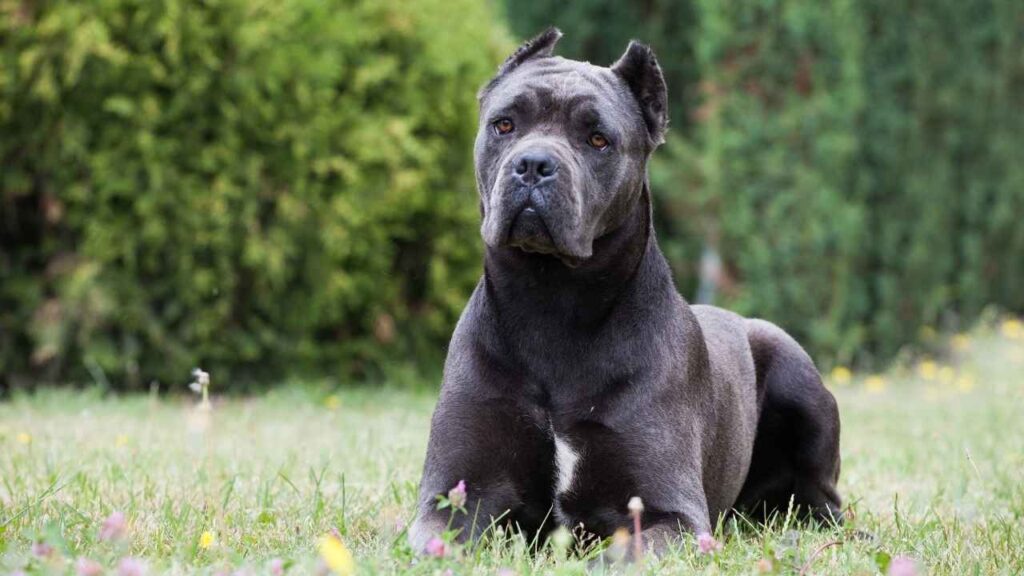
The Cane Corso is a powerful Italian mastiff often referred to as a “bodyguard dog” because of its strong protective instincts. Historically, this breed was used in farm work, guarding property, and assisting in protection roles, and it continues to be valued today for its loyalty and vigilance.
Despite their imposing appearance, Cane Corsos are typically calm and deeply devoted to their families. They are naturally alert and observant, often quick to notice changes in their surroundings, which makes them effective watchdogs when properly trained and socialized.
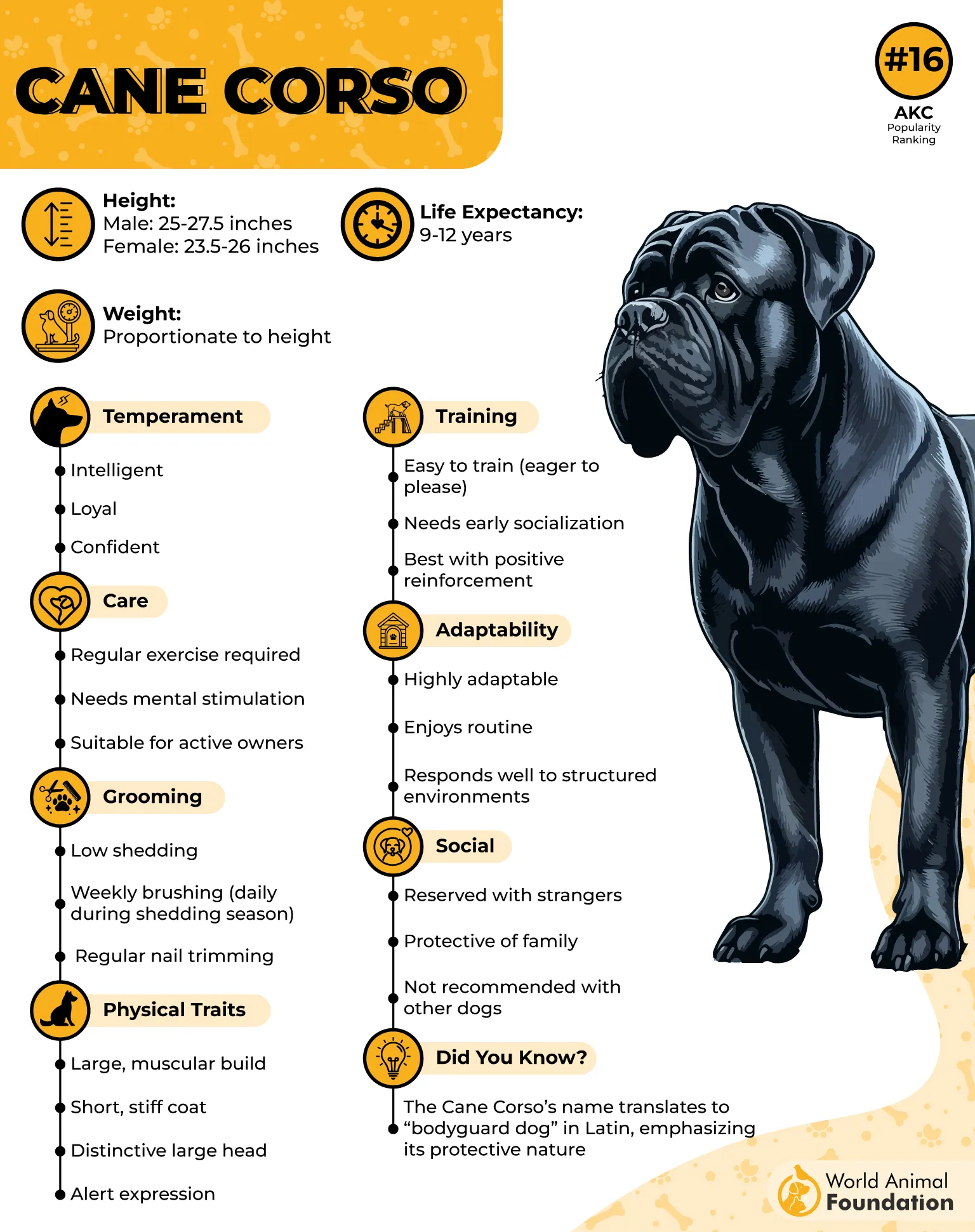
Due to their intelligence and strong-willed nature, early training and consistent guidance are essential to help them develop into well-balanced companions. When raised responsibly, they can adapt well to family life and may even coexist peacefully with other pets.
They do require regular exercise, structure, and mental stimulation to stay healthy and well-behaved. While their short coat is relatively low-maintenance, no dog is truly “non-shedding,” and grooming needs may still vary.
Overall, the Cane Corso is best suited for experienced owners who can provide confident leadership, proper training, and a stable environment.
Conclusion
Many people assume that stocky, muscular dogs cannot also be gentle, affectionate, or emotionally in tune with their owners, but this list of working breeds proves otherwise.
While these dogs may not be small “lap-sized” companions, they are often strong, capable, and historically bred for demanding roles such as guarding, herding, and protection. The strongest dog breeds, like the Bernese Mountain Dog, Cane Corso, and Boxer, show that power and affection can exist side by side when a dog is properly raised.
However, a dog’s behavior is shaped far more by training, socialization, and consistent leadership than by its size or appearance. With the right care, even strong working breeds can become gentle, well-mannered family companions.
On the other hand, without structure and proper guidance, any dog, regardless of how cute or small, can develop behavioral issues. Responsible ownership is what ultimately brings out the best in every breed.
