




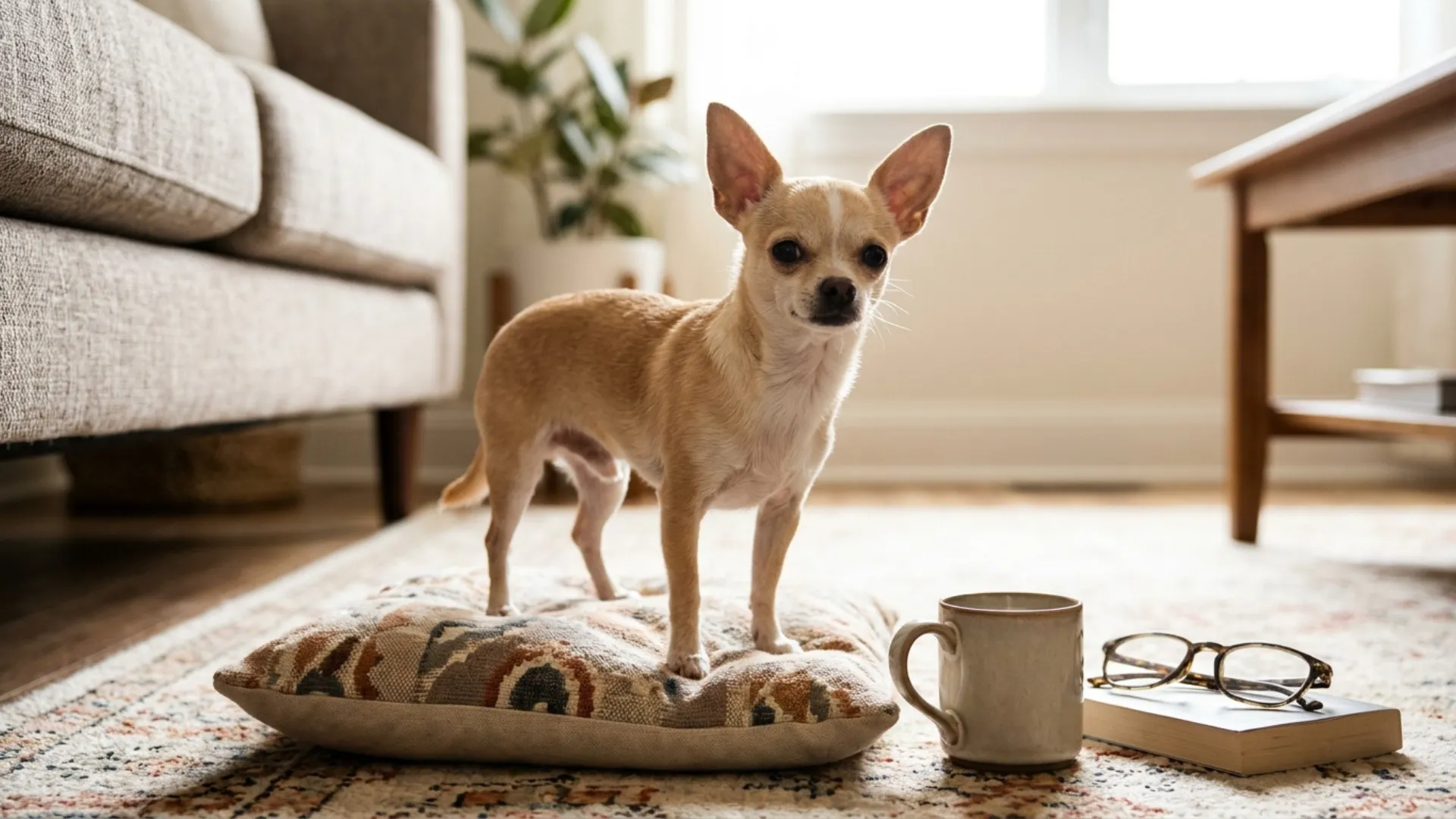
Have you ever wished your puppy could stay tiny forever?
Some dog breeds keep that adorable size into adulthood! Toy breeds stay naturally small, while miniature breeds are smaller versions of larger dogs. Both make lovely companions for people who adore little pets.
Many weigh under 15 pounds and fit well into smaller homes. Plus, their exercise needs often suit apartment living. Most small breeds reach their adult height within 6 to 10 months. However, their small size does not mean they need less care.
Tiny dogs can face dental issues, fragile bones, and other health concerns. They also need good food, gentle handling, and plenty of love. This guide explores seven miniature dog breeds that stay small forever. You’ll learn about their size, key traits, and daily care needs.
Let’s meet these little companions!
Top Miniature Dog Breeds That Stay Small Forever
1. Pekingese
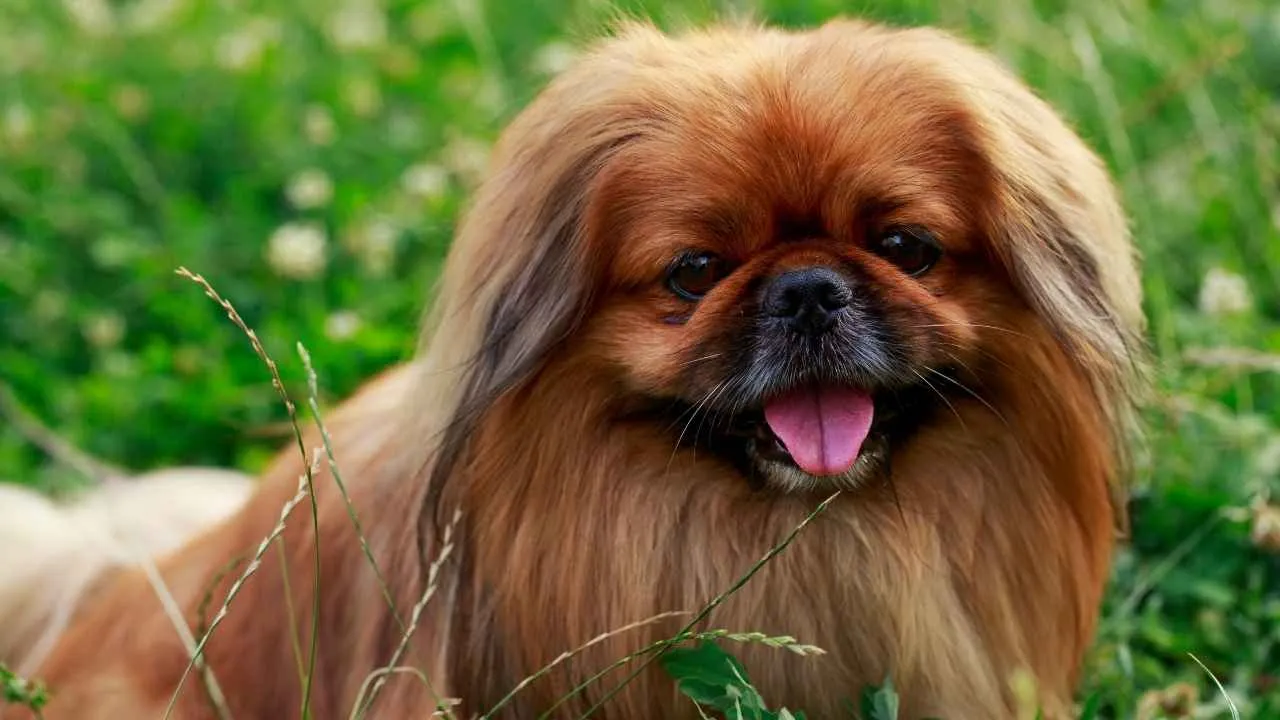
The Pekingese is a small dog breed with a grand past. It was originally bred as a companion dog for Chinese royalty. For centuries, these dogs lived in imperial palaces and held special status.
Their compact bodies and flat faces give them a distinct look. According to Purina, the Peke is dignified and stately, yet playful with family. It may seem reserved around strangers and can be strong-willed.
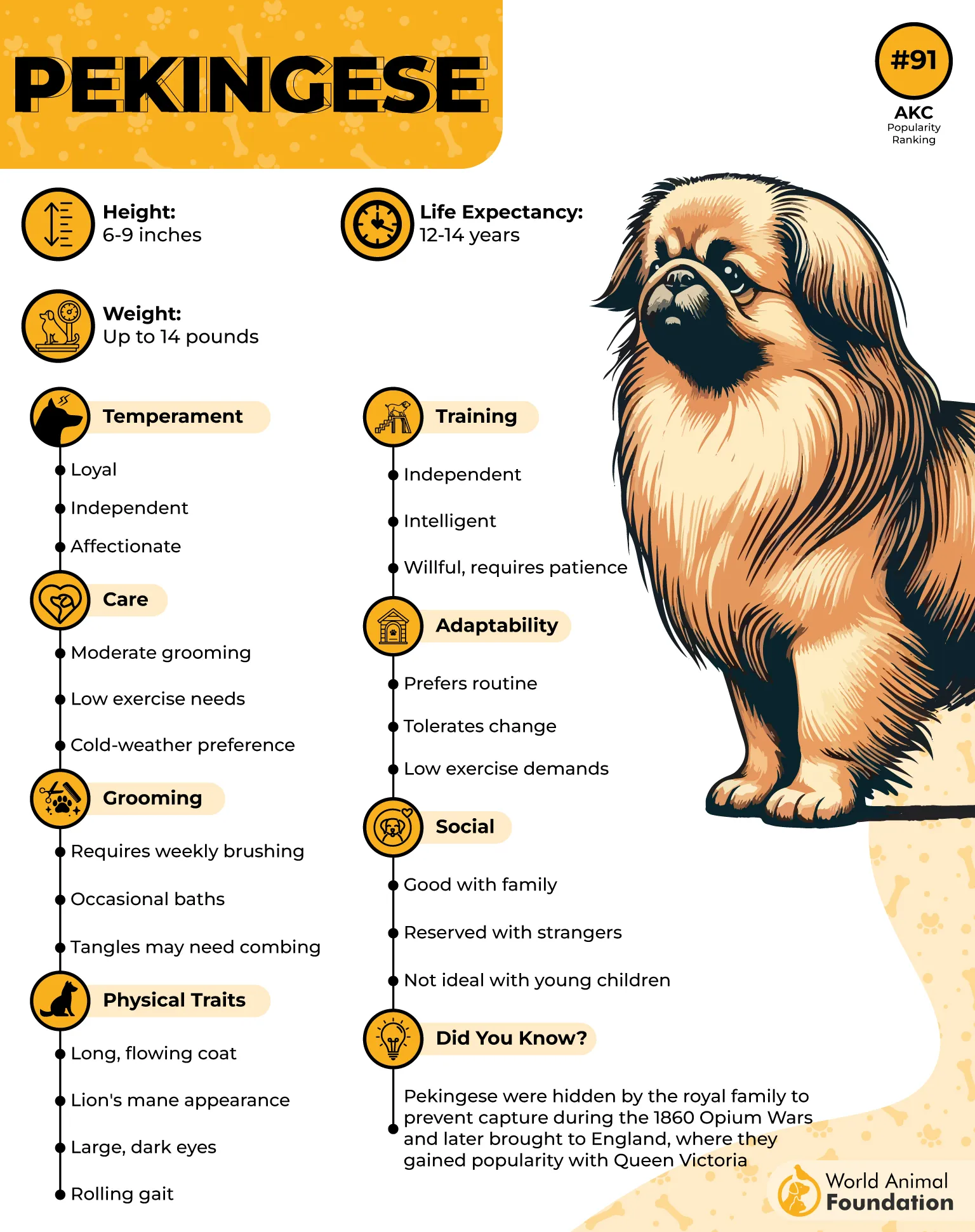
Unlike dogs with an energetic and alert nature, the Pekingese prefers calm days close to its people. It may struggle when left alone and does not need strenuous exercise.
What Makes the Pekingese Special?
Brush its long coat often to prevent painful mats.
Take care in hot weather because of its flat face.
It can show good watchdog traits by noticing visitors.
Introduce further pets slowly to help everyone feel safe.
It can easily adapt to calm homes with gentle routines.
2. Chihuahua
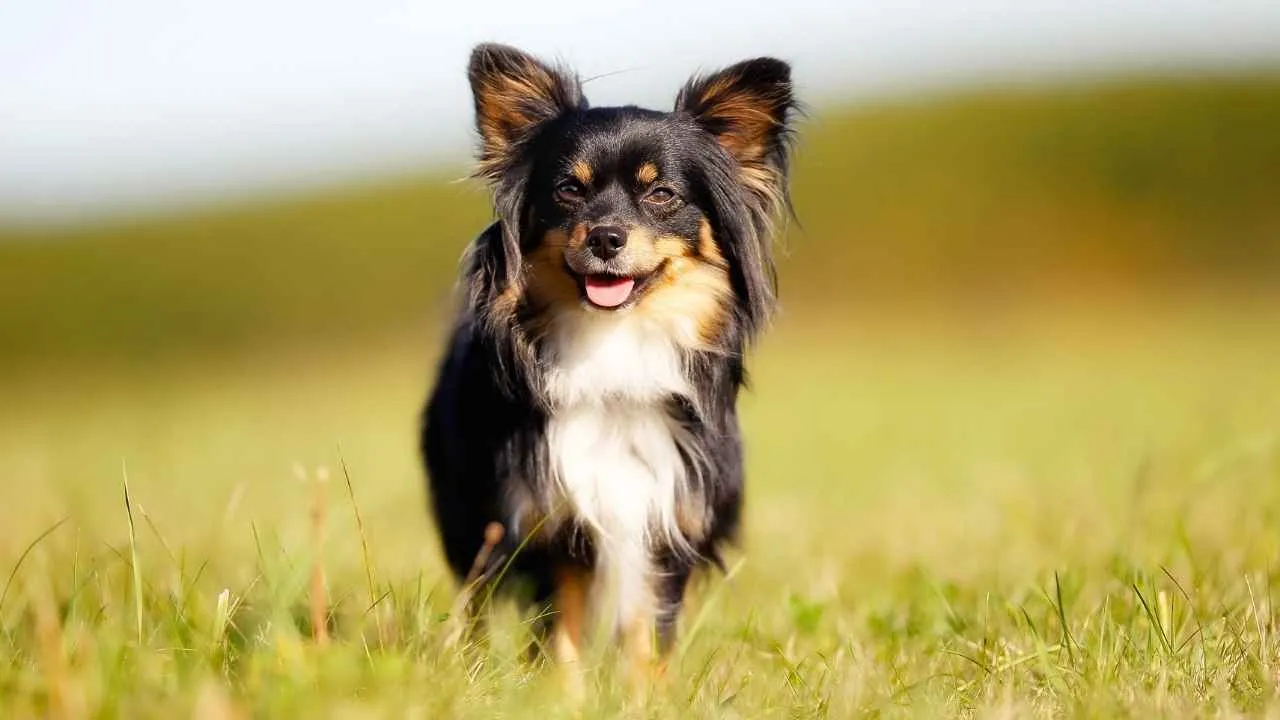
The Chihuahua is known as the world’s smallest dog breed. Its average weight ranges from 2 to 6 pounds. Despite its tiny body, this breed has a bold spirit. According to PDSA, Chihuahuas trace their roots to Mexico.
They descended from dogs originally bred for companionship. Today, their affectionate personalities make them a popular family dog. Many enjoy life as a lap dog, but they also love playtime. Chihuahuas have a loving, energetic, and alert nature.
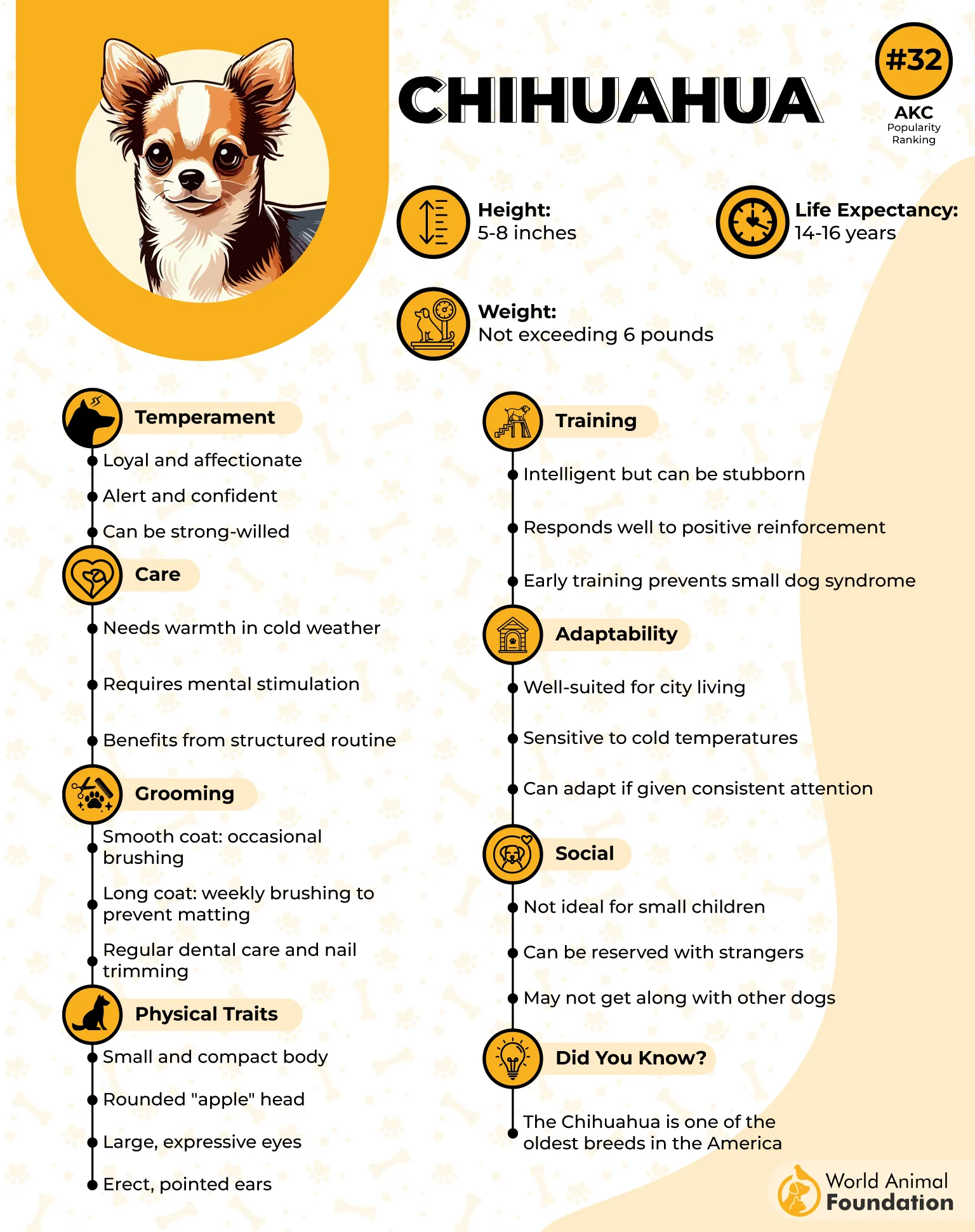
Chihuahuas can become highly trainable companion dogs with gentle guidance. Their small size also makes them suitable for apartment life. However, early socialization helps them feel comfortable around other pets and new people.
Living with a Chihuahua
Handle this tiny dog gently to prevent accidental injuries.
Provide warm bedding during cold weather.
Use safe spaces away from falls and rough play.
Keep small toys away from choking hazards.
Choose food that supports healthy growth and energy.
3. Yorkshire Terrier
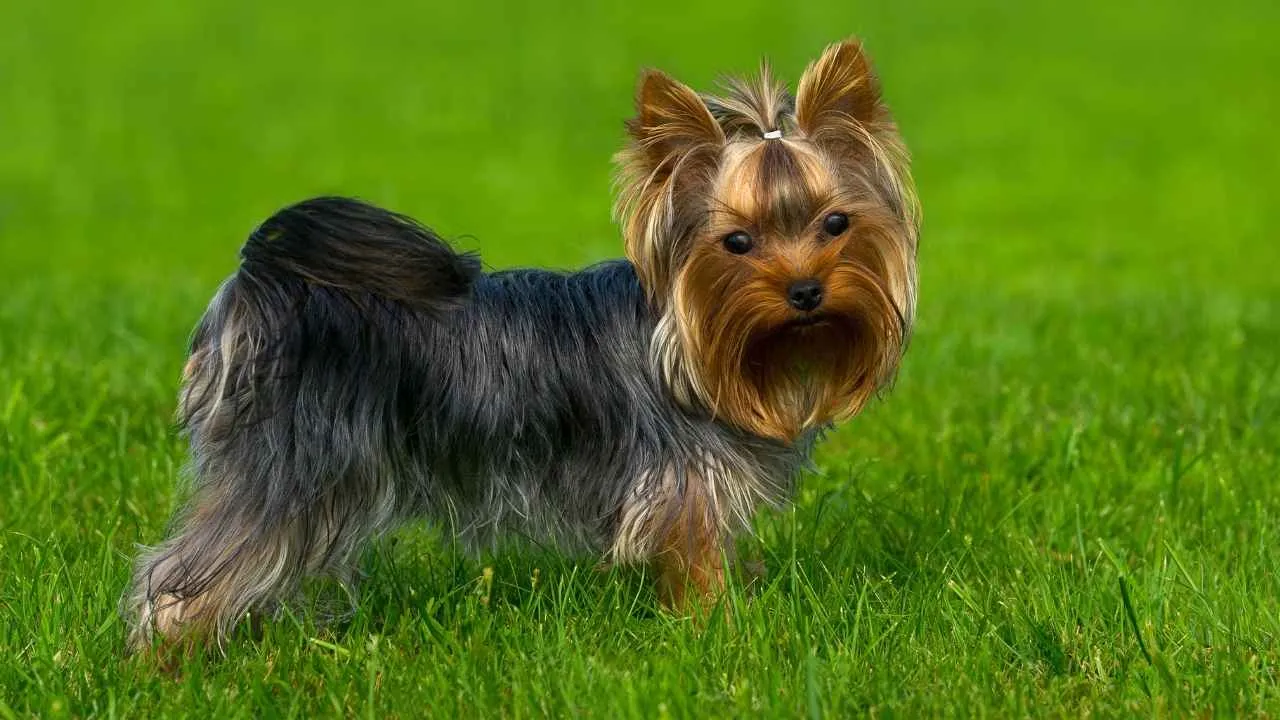
The Yorkshire Terrier may look tiny, but it has grit. This breed came from England’s working-class communities. Yorkshire Terrier was specifically bred to catch rats in mines. It became a watchdog and rat catcher in mills.
Today, it is the smallest terrier type dog. A full-grown Yorkshire Terrier weighs no more than seven pounds. Yet, it still shows classic terrier characteristics. This little dog is playful, energetic, and exceptionally loyal.
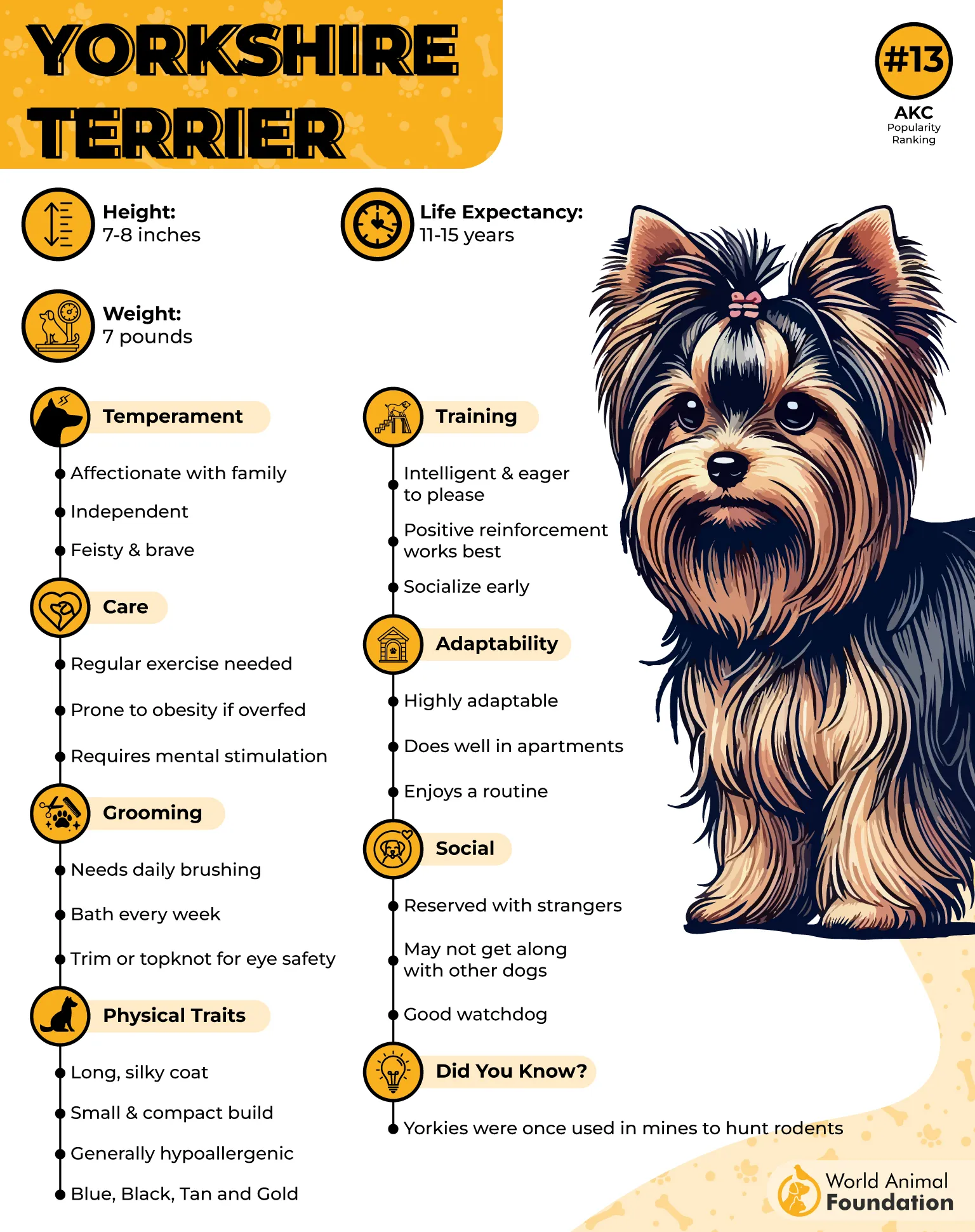
Wikipedia describes it as a popular companion dog. Many families now enjoy it as a lap dog. Its working roots also explain its bold spirit. Even a teacup Yorkie needs care and gentle handling.
From Rat Hunter to Family Companion
Its silky coat needs regular brushing and trimming.
Despite its size, it may chase and hunt small game.
Daily play helps channel its lively energy.
Early training can guide its strong hunting instincts.
It can thrive in city homes and small apartments.
4. Pomeranian
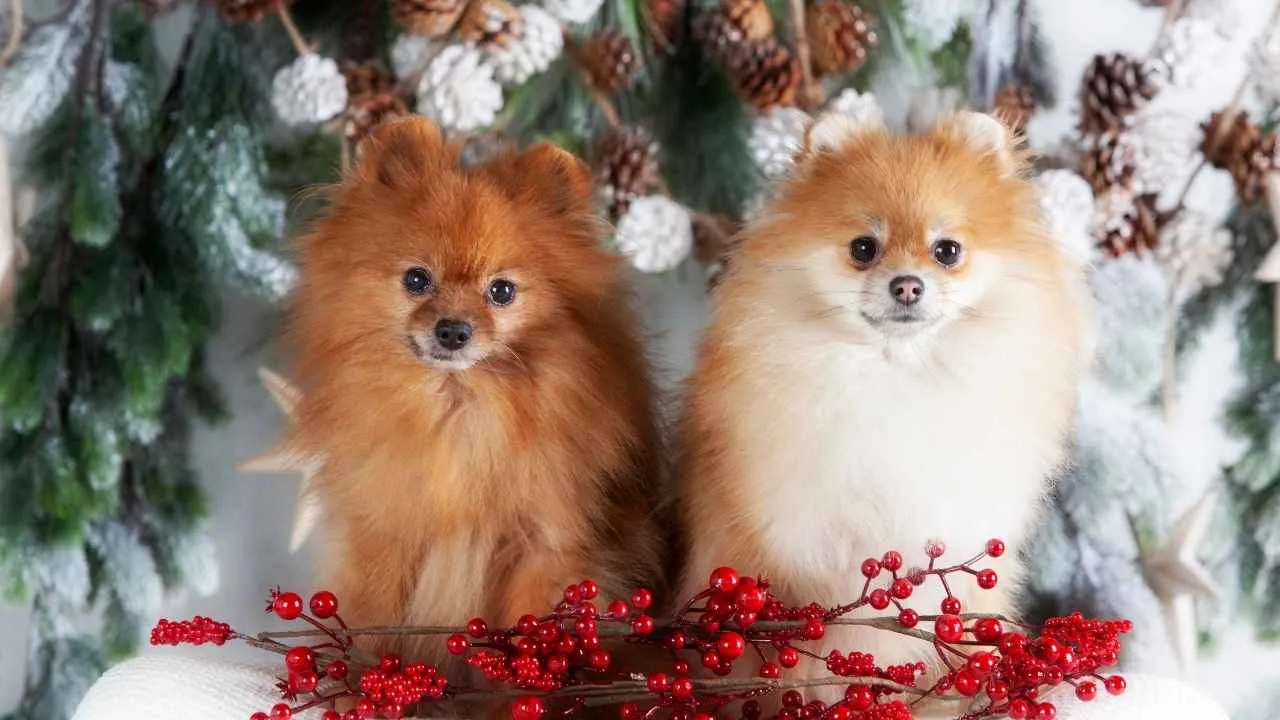
The Pomeranian is a small dog breed with a big past. Today, these dogs weigh around 3–7 pounds. However, their ancestors were much larger, averaging nearly 30 pounds. They were originally bred from larger Spitz-type energetic dogs in northern Europe.
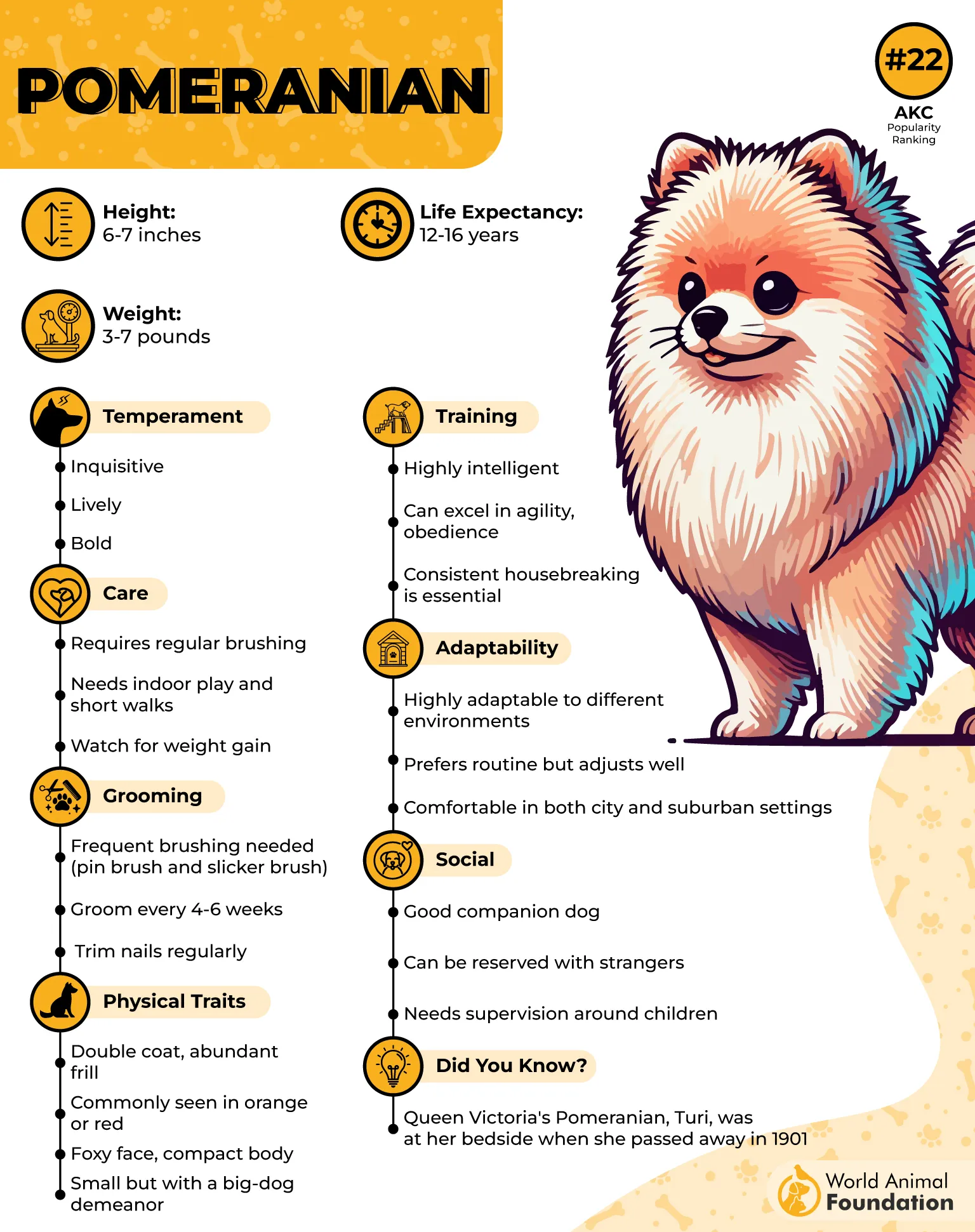
Over time, selective breeding created today’s small companion dog. The Pomeranian’s royal patronage also helped boost its popularity. Queen Victoria played a key role in making smaller Poms fashionable.

According to PetMD, Pomeranians have bold, spunky personalities. They often act like much bigger dogs. They typically do great with other pets and love attention. Their delightfully dainty appearance adds to their charm. Still, their tiny frames need gentle handling.
How Did Pomeranians Become So Small?
Their fluffy double coat needs regular brushing.
Most stand about 6–7 inches tall.
Daily dental care helps prevent common oral problems.
Short walks and indoor games meet their exercise needs.
Supervise play with young children to prevent injuries.
5. Maltese
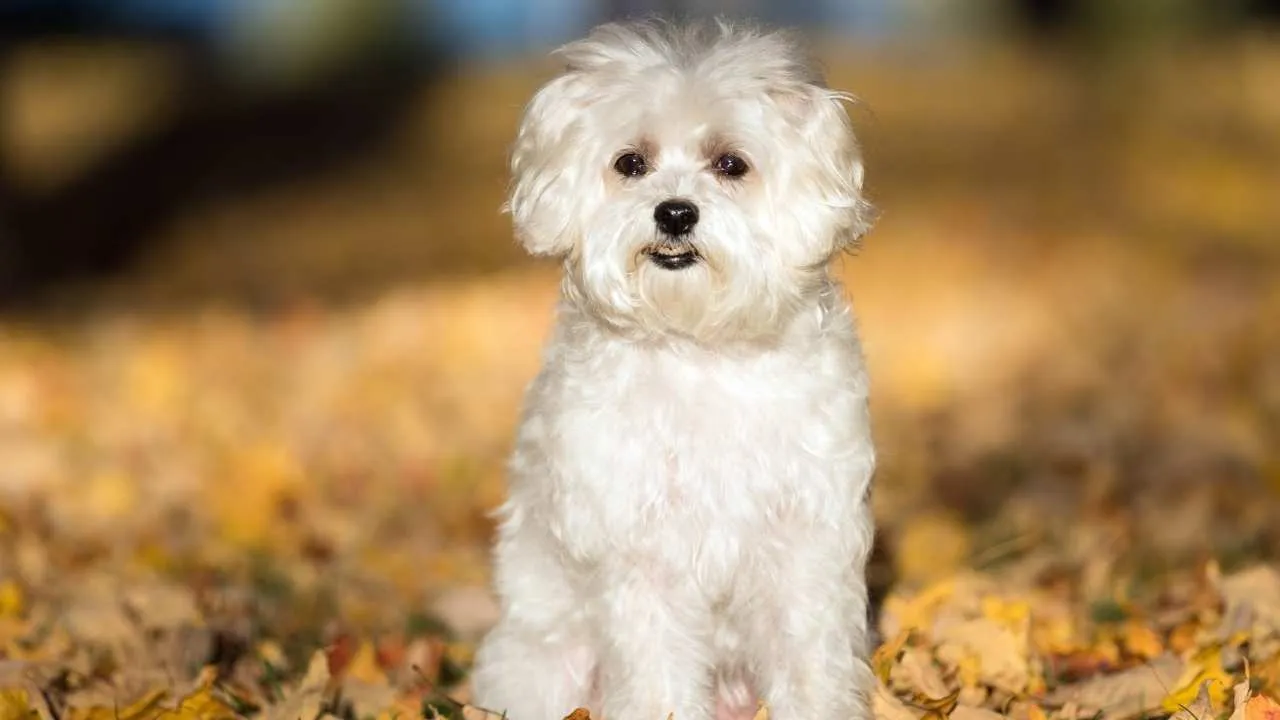
The Maltese is an ancient dog breed with gentle charm. This small dog breed has shared life with people for centuries. It is officially the national dog of Malta. This compact dog typically weighs under seven pounds today.
Despite its size, the Maltese has a warm, affectionate nature. Hill’s Pet describes the Maltese dog as intelligent, responsive, and trusting. These traits help it bond closely with family members. Its playful nature makes learning tricks fun.
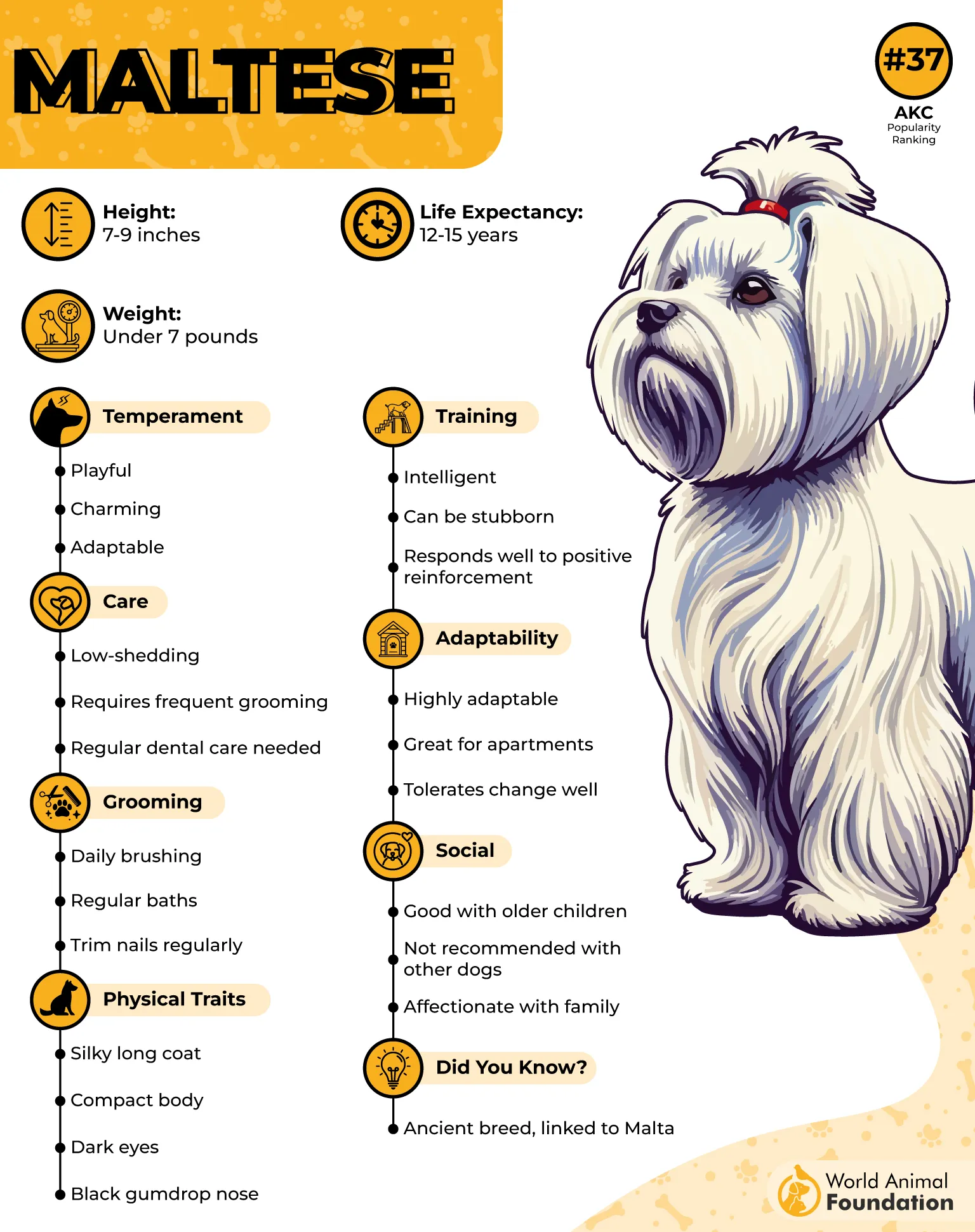
This diminutive breed thrives on human company and may feel distressed when left alone too long. It may also bark at strange sounds and dislike rough play from children. Its long coat needs daily brushing to prevent tangles.
Is the Maltese a Good Family Companion?
Its small adult size suits many homes.
It makes a cuddly companion for attentive owners.
It enjoys close contact with family.
Brush its coat daily to prevent mats.
Give it company, play, and attention.
6. Toy Poodle
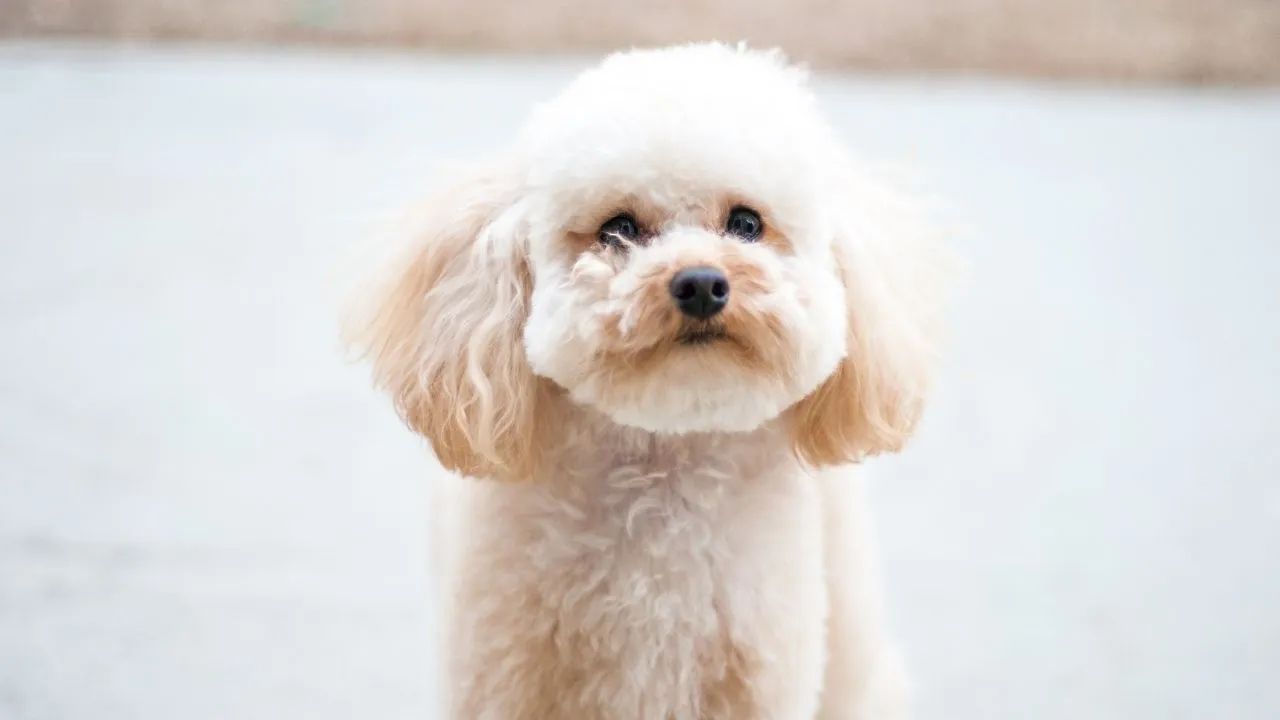
The Toy Poodle is the smallest variety of Poodle. Its compact build makes it a perfect small dog breed for many homes. This intelligent breed closely resembles its larger relatives in skill and personality. According to WebMD, Poodles were originally bred in Germany to hunt waterfowl.
They later became a standardized breed in France. Today, the breed typically weighs around 4–6 pounds. Toy Poodles are quick learners and enjoy solving problems. Their playful energy makes training sessions fun and rewarding.
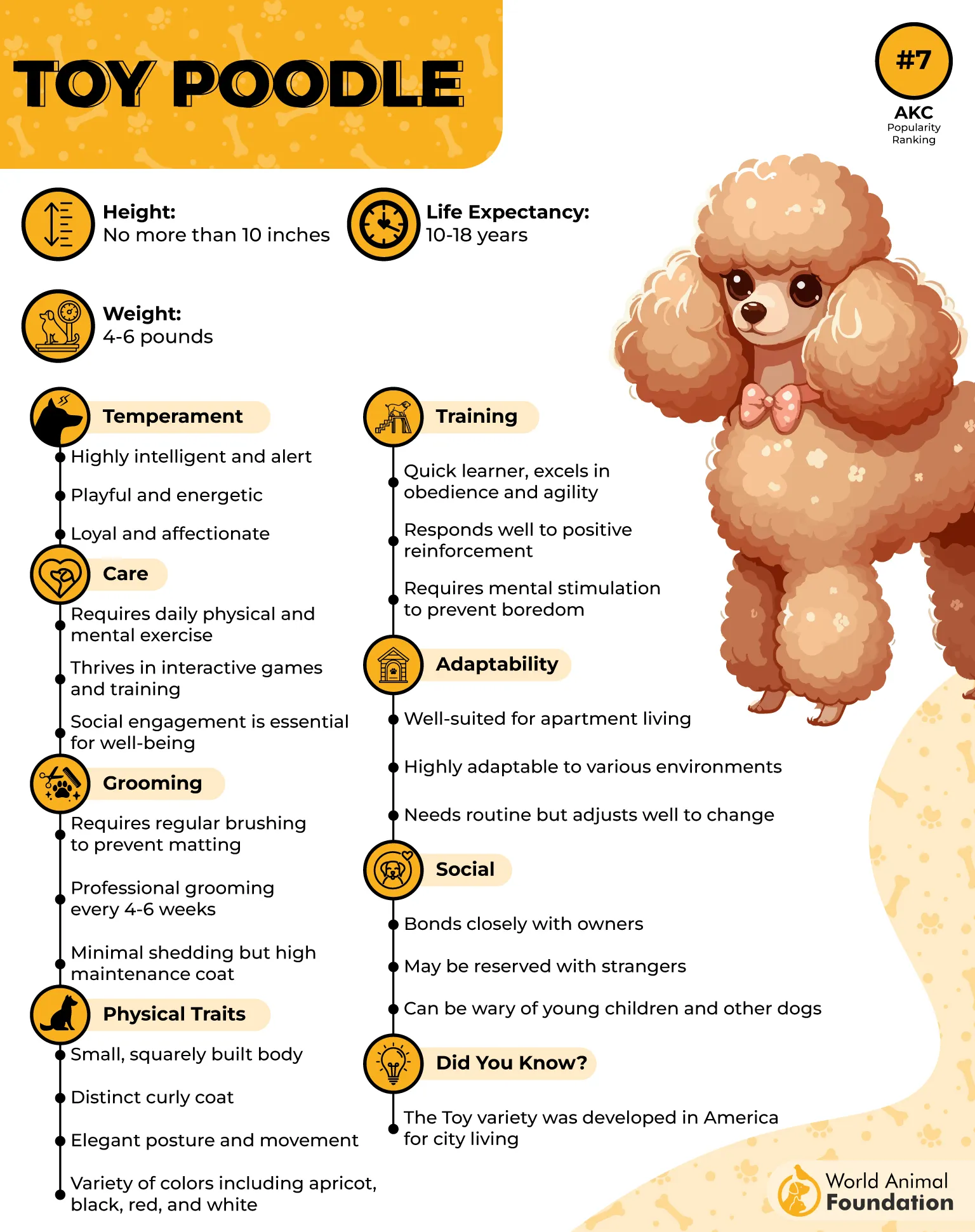
Poodles can become loyal companions and loving family dogs. Their curly coat sheds very little, making them a popular hypoallergenic breed, though no dog is fully allergy-free.
Their small size makes daily mental exercise just as important as physical activity. Puzzle toys and short lessons help keep their minds busy.
Keeping a Toy Poodle’s Mind Active
Teach new tricks to challenge its sharp mind.
Use puzzle toys to encourage problem-solving.
Brush its curly coat and arrange regular grooming.
Try short training games throughout the day.
Offer daily mental challenges to prevent boredom.
7. Papillon
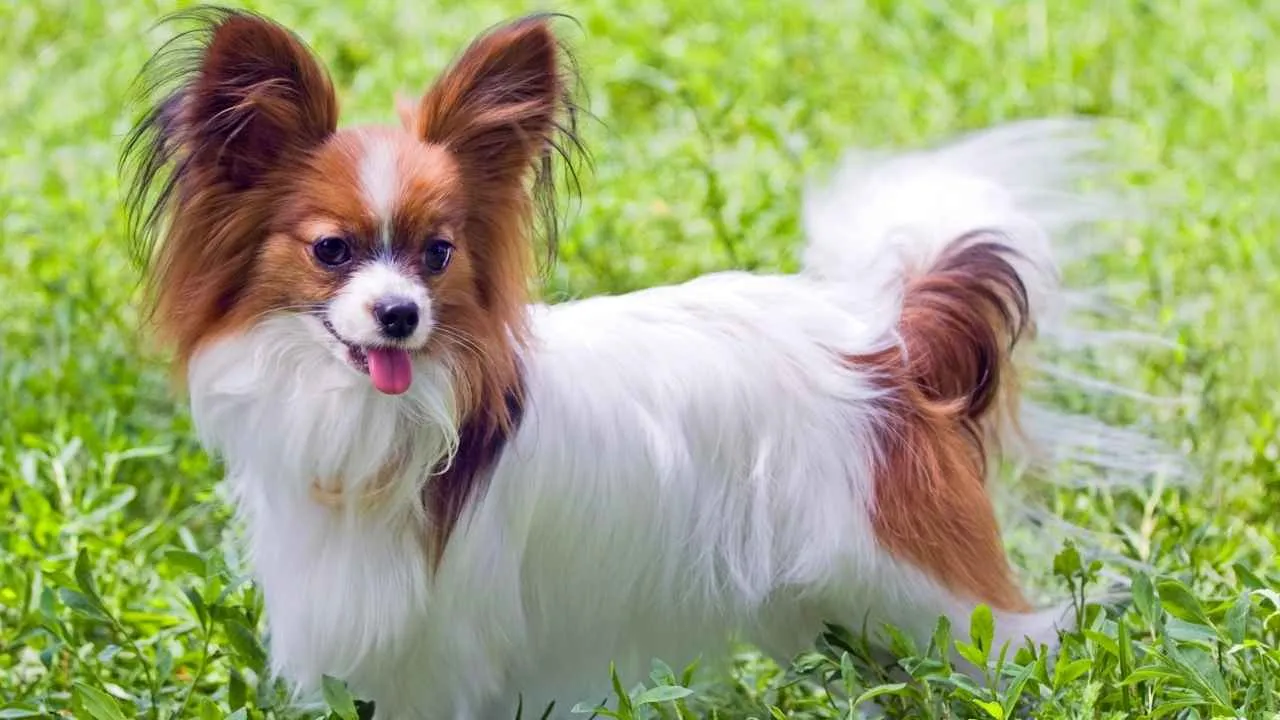
The Papillon is one of the most lively small dogs. Its name means butterfly in French. Those large, wing-shaped ears give this butterfly dog its name. Some Papillons also have dropped ears. This very small breed stands just 8–11 inches tall.
It was originally bred as a companion dog. Yet, its athletic skills make it much more than a lap pet. The American Kennel Club describes the Papillon as curious, friendly, and full of energy. This breed typically weighs around 5–10 pounds today.
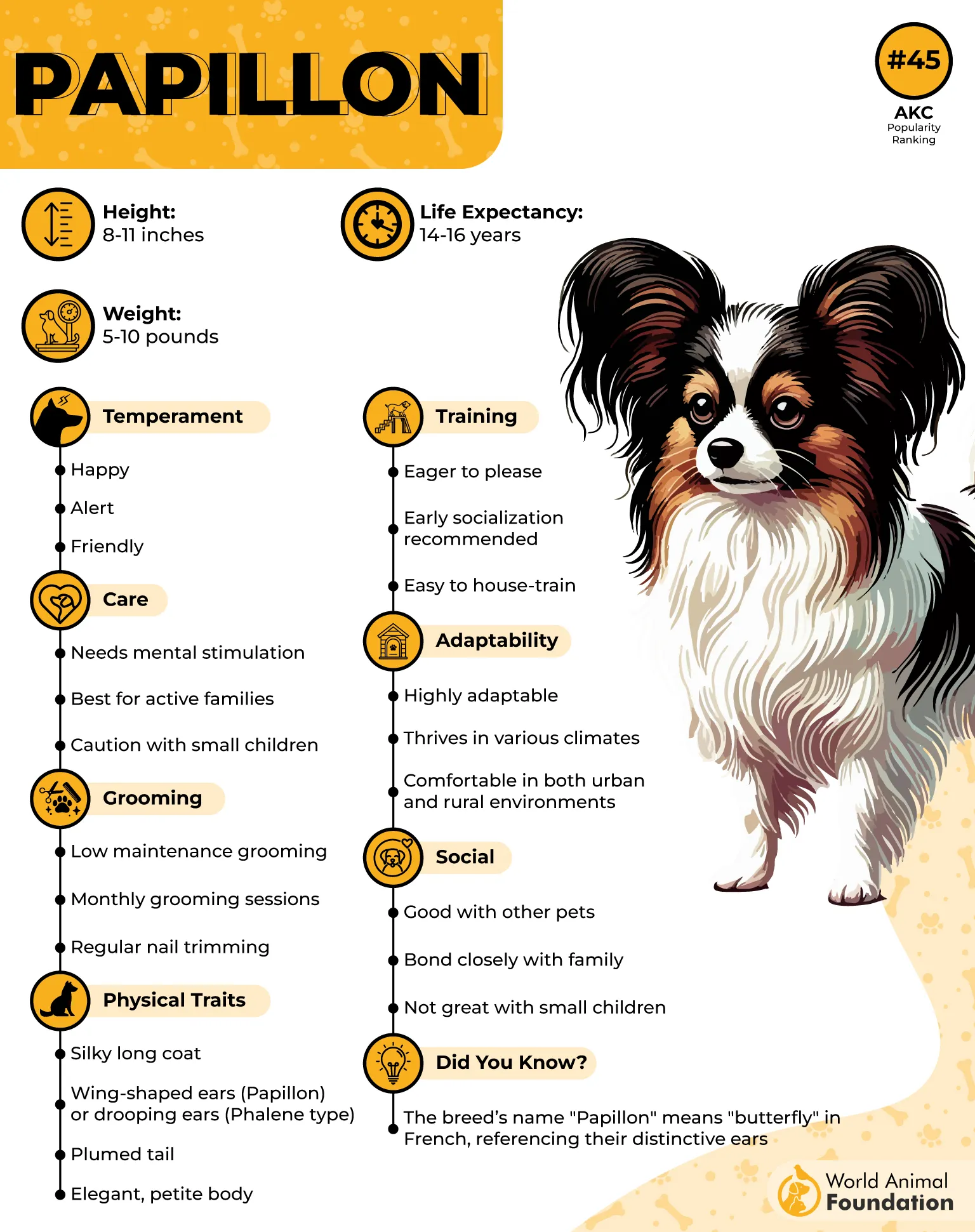
Despite its cute little body, it excels in agility and learns tricks quickly. Its alert nature makes it a lively playmate in a family setting. Papillons also need mental stimulation to stay happy. They are among the smartest dog breeds and enjoy active homes.
Why Papillons Enjoy Staying Active
Their bat-like ears create their famous look.
Their small size makes them easy to carry.
Agility games help channel their athletic skills.
Interactive toys keep them engaged.
Daily walks and play support good fitness.
Conclusion
Choosing the right small dog breed means looking beyond size. These cute dogs offer different personalities, from the Papillon’s energy to the Maltese’s affectionate nature. Whether you want just a Yorkshire Terrier or a companion with a different temperament, consider your daily routine.
A breed standard can help you understand expected size and traits. Check what a breed typically weighs today, rather than relying on labels like small-scale dogs. Even an incredibly gentle dog needs proper care.
A medium-sized breed or large dog may suit some homes better than a tiny companion. Remember, even a relatively new breed has needs to consider. Feed your dog well, protect it from falls, and provide dental care, training, and socialization.
This guide does not constitute medical advice. Responsible ownership makes every little companion’s life better.
