




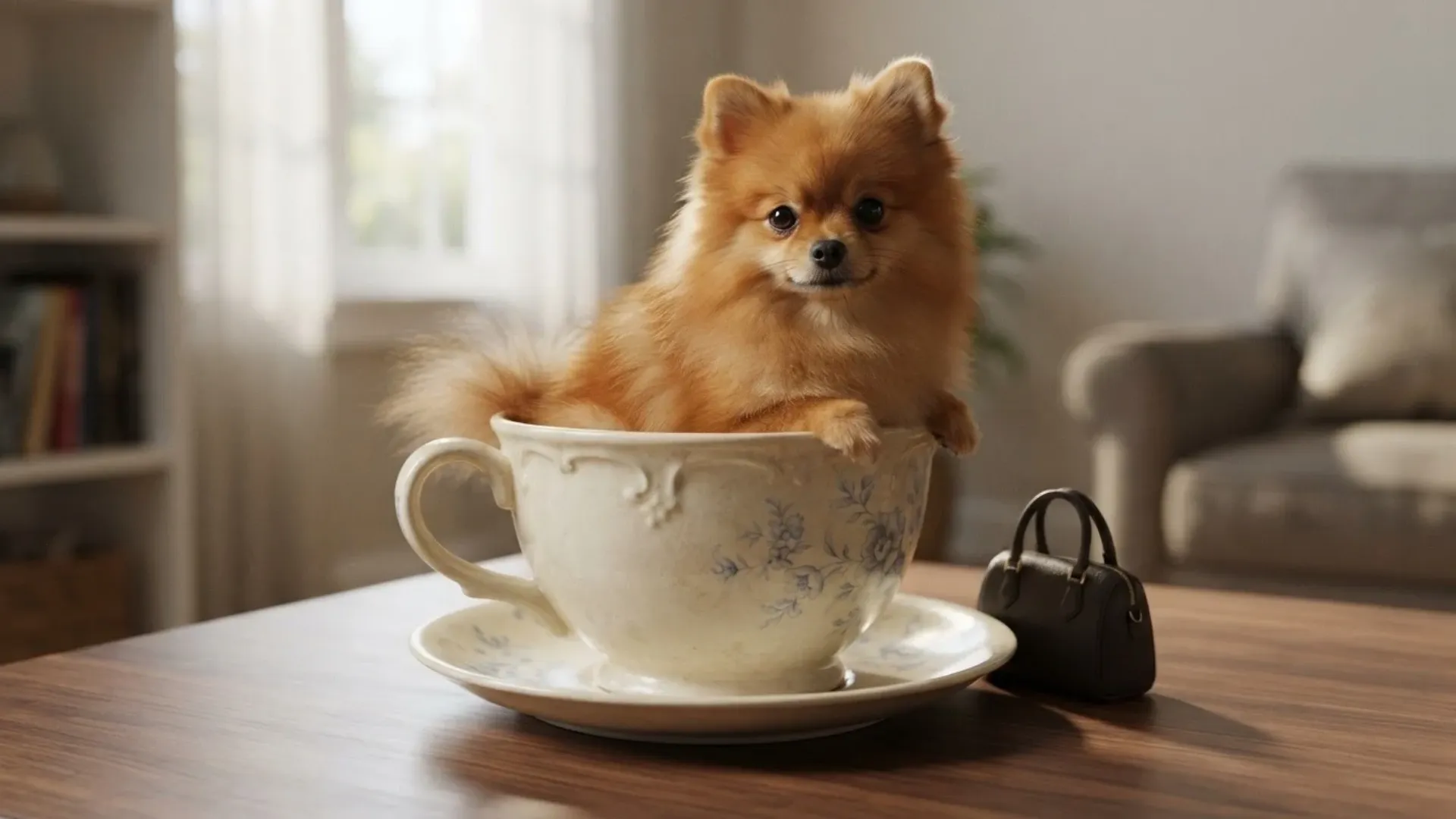
Tiny dogs have undeniable main-character energy. They can curl up comfortably on your lap, fit into compact homes, and accompany you on adventures without requiring the cargo capacity of a small SUV. From the six-pound Chihuahua to the elegant Russian Toy, some recognized toy breeds are naturally impressively petite.
Before we start, there is an important reality check about the word “teacup.” It is not an official breed or size category, and veterinary sources warn that deliberately breeding dogs far below normal breed standards can increase risks such as hypoglycemia, fragile bones, dental problems, liver shunts, and orthopedic disease.
Let’s talk about small dog breeds pet parents can easily take anywhere they want.
Micro Teacup Dog Breeds You Can Carry Anywhere
1. Chihuahua
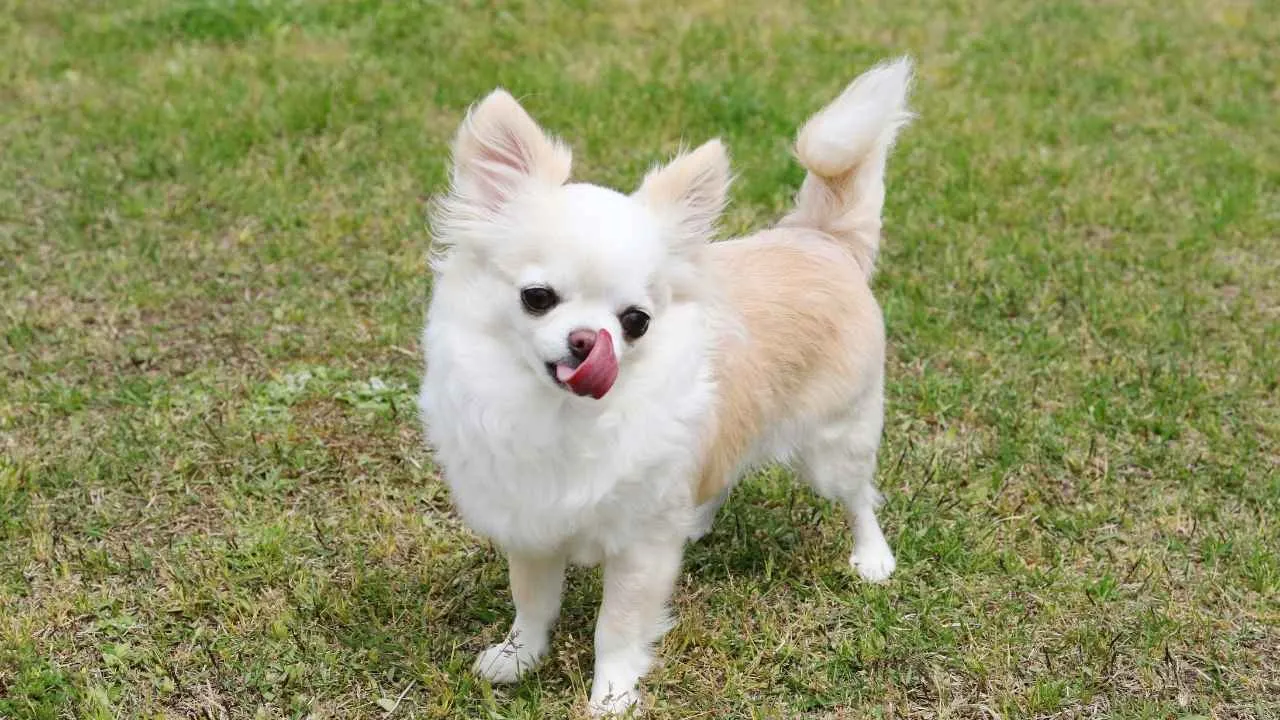
If there were an award for packing the most confidence into the smallest dog, the Chihuahua would be a serious contender. They are genuinely easy to carry when necessary. Somehow, all that miniature hardware still supports enough sass to supervise an entire household.
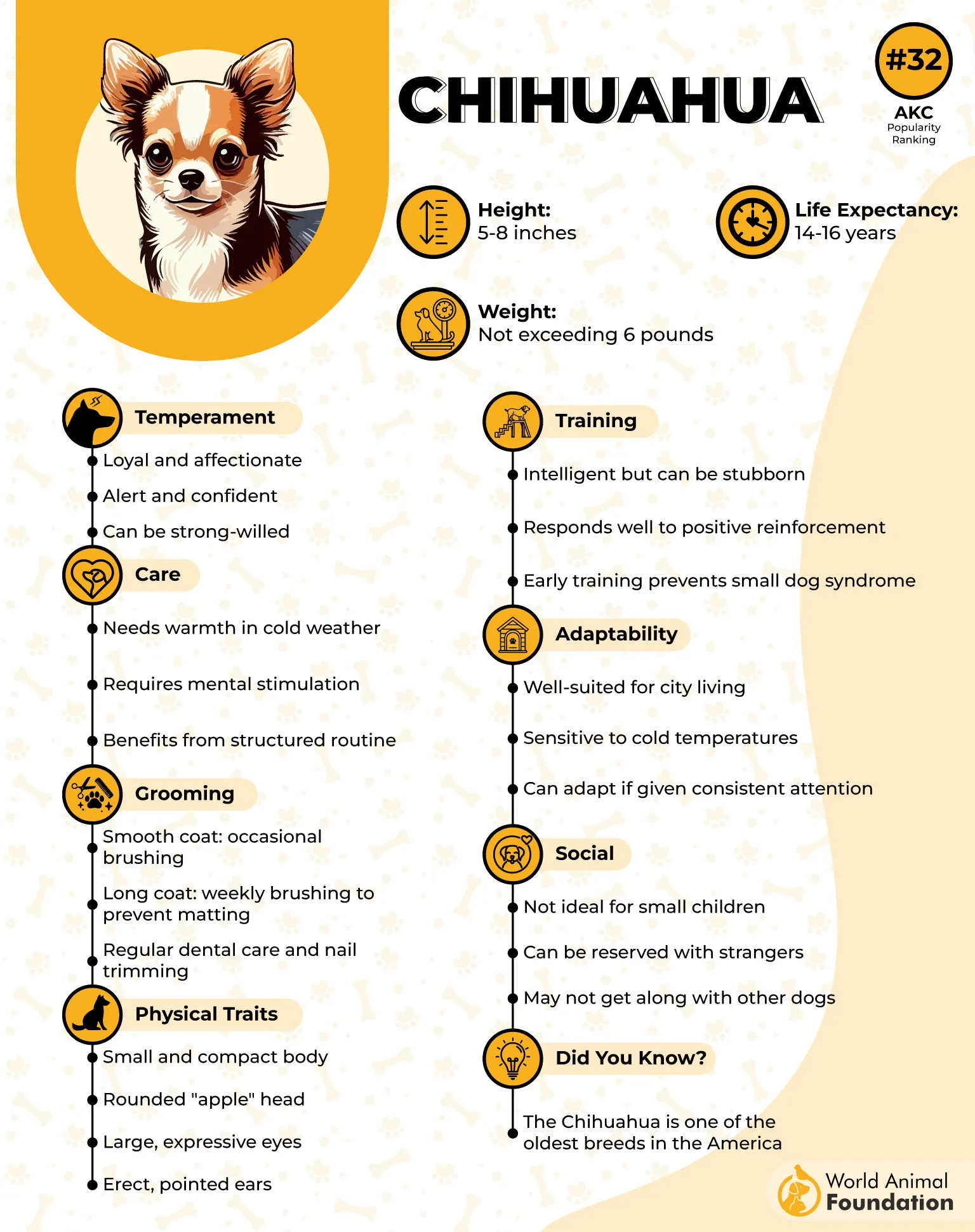
Exercise is surprisingly easy to fit into everyday life because their little legs cover plenty of mileage simply following humans around. Britannica mentions that short, relaxed walks and indoor play can keep them active, but avoid excessive exercise when they are clearly struggling to keep pace.
Grooming depends on whether you choose a smooth- or long-coated Chihuahua. Smooth coats need occasional brushing, while long-coated dogs benefit from at least weekly brushing to prevent tangles, along with nail, ear, and dental maintenance.
Their small dimensions also create practical safety concerns that larger dogs rarely face. Cold weather, high furniture, rough children, large dogs, and careless handling can all become genuine hazards, so responsible ownership means protecting the dog without turning it into permanent luggage.
2. Yorkshire Terrier
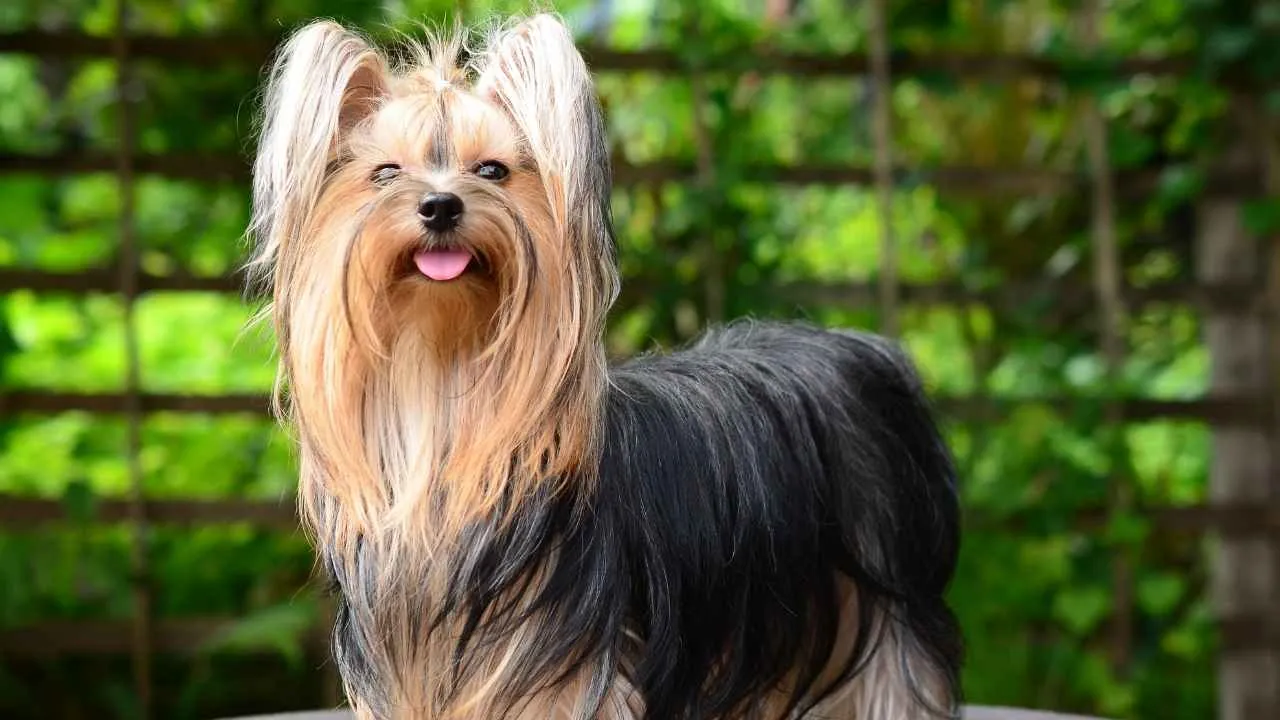
Standard Yorkies are super small, but underneath that silky blue-and-gold coat lives the spirit of an old working terrier. They are affectionate companions, yet their terrier roots can show up as confidence, curiosity, and a willingness to investigate whatever suspicious object dares move across the floor.

Their coat is one of the breed’s biggest attractions and biggest commitments. The official standard describes it as glossy, fine, silky, and straight, with show coats that can reach floor length.
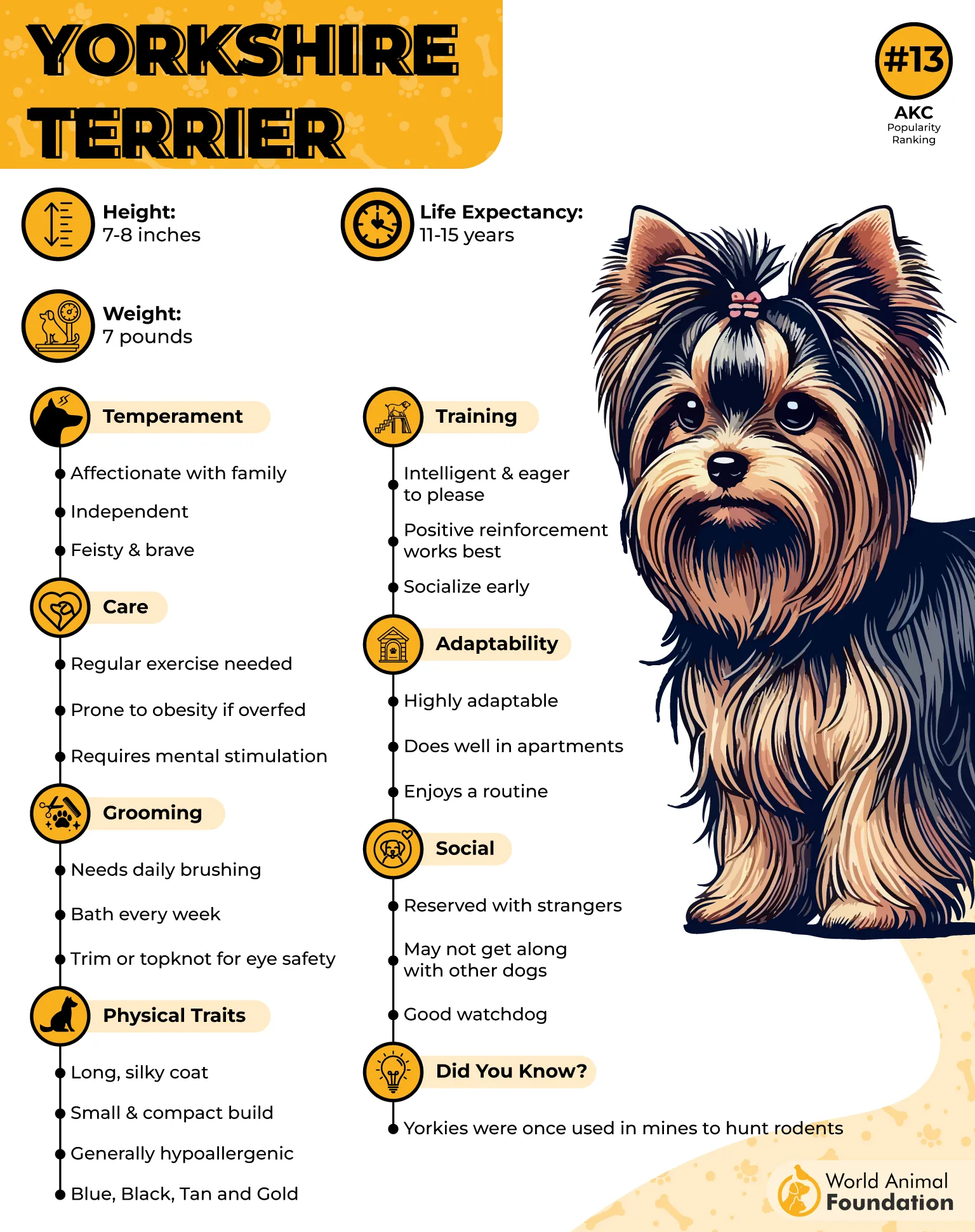
Because the breed is so compact, exercise does not require acres of land. Walks, controlled play, training games, and safe exploration give a Yorkie plenty of chances to burn energy while exercising that terrier brain. Carrying one everywhere may look adorable, but giving those little legs regular mileage helps preserve both physical fitness and confidence.
Extra-small Yorkies marketed as “micro” or “teacup” deserve particular caution. A healthy breed-standard Yorkie is already extremely small, and deliberately pushing body size downward can increase some of the health and injury risks associated with exceptionally tiny dogs.
3. Pomeranian
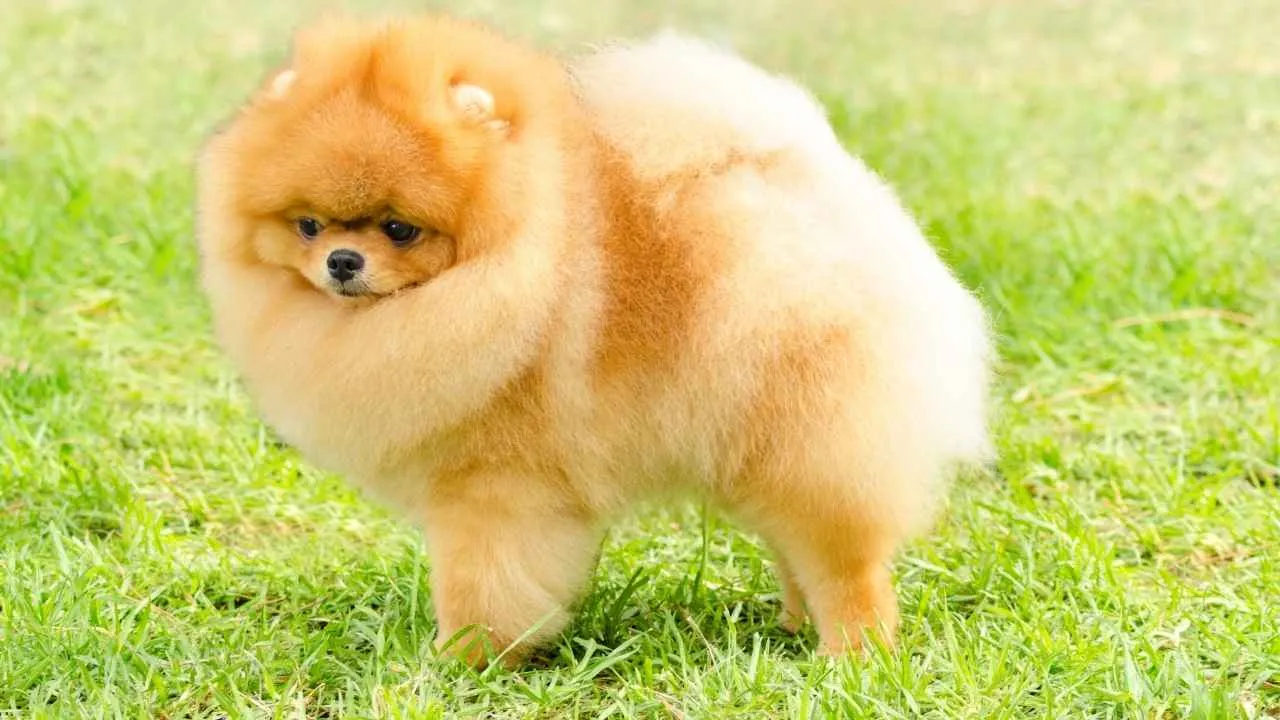
Pomeranians somehow manage to look like tiny clouds while behaving as though they have been elected mayor. This vivacious toy breed has a fox-like face and a long history as a popular companion. The coat does a lot of visual heavy lifting.
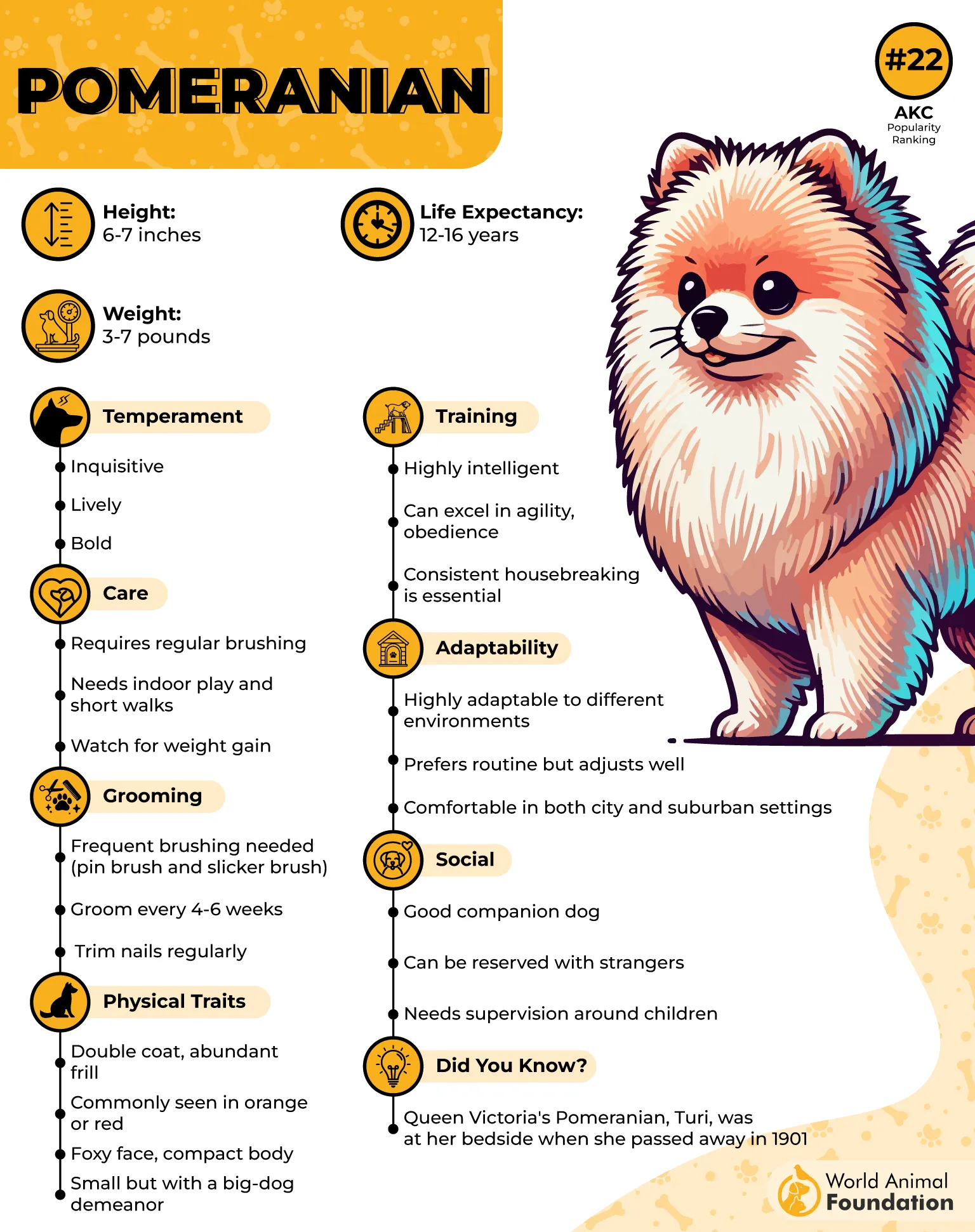
Their dense undercoat supports a profuse outer coat. Frequent brushing helps keep all that fluff healthy, and owners uncomfortable with coat maintenance may use a professional groomer every four to six weeks.
Poms may be compact, but they are not decorative couch accessories with batteries permanently removed. They are intelligent, playful dogs that enjoy walks, games, tricks, and learning new skills, as long as exercise remains appropriate for their size.
Training also keeps their enormous confidence from writing checks those little bodies cannot cash. Patient consistency and early socialization help create good manners around strangers, other dogs, household noises, and all the suspicious delivery drivers that may require Pom-level investigation.
Their intelligence is a gift, though clever dogs can also learn which human gives snacks after one strategically adorable head tilt.
4. Toy Poodle
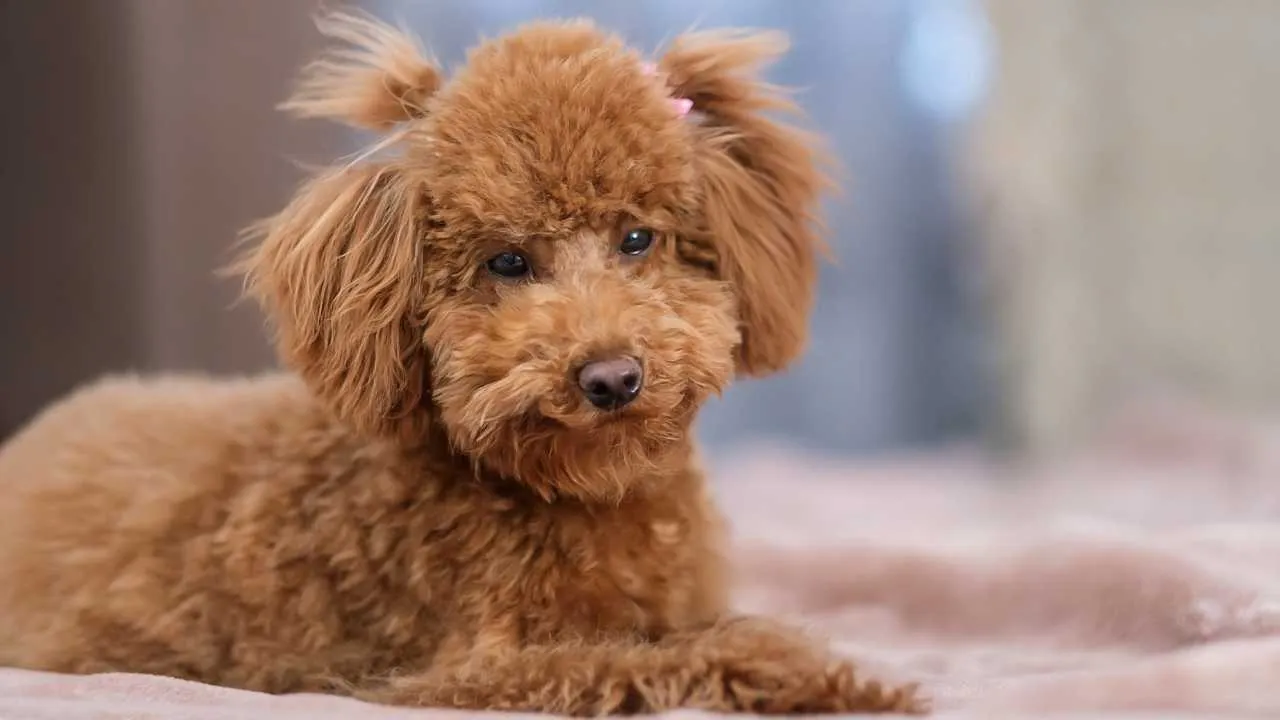
The Toy Poodle is essentially a genius who happens to fit underneath your arm. Anyone expecting a delicate lap ornament may be surprised by how active these dogs can be. They are athletic, enjoy retrieving, and usually appreciate daily activities that challenge both the body and brain.
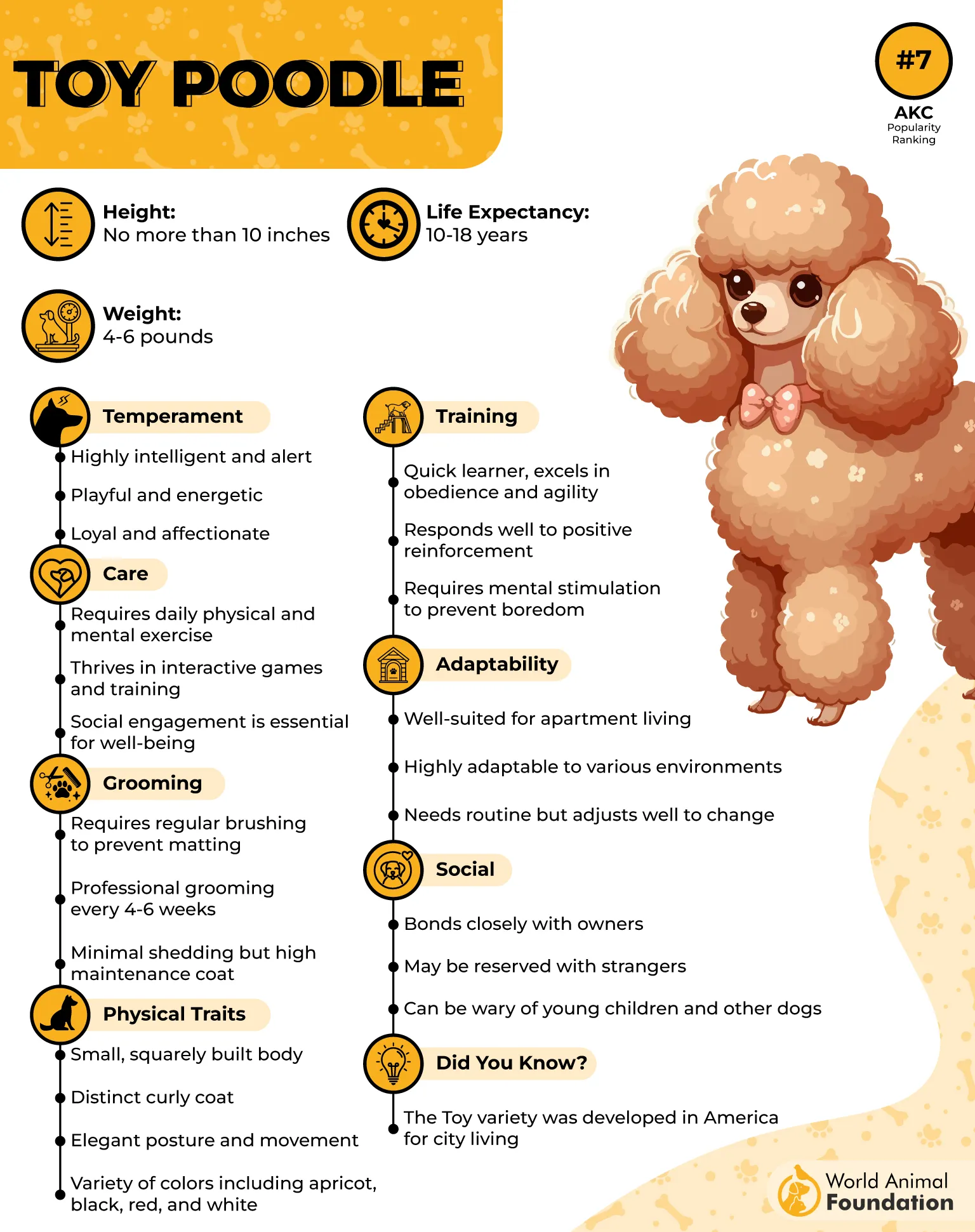
A Toy Poodle can comfortably live in a compact space, but it will still want something more stimulating than repeatedly admiring its haircut.
Those curls are relatively non-shedding, which is a huge appeal for neat-home enthusiasts. However, a long Poodle coat can mat close to the skin and needs thorough brushing, while many pet owners choose shorter clips maintained professionally about every four to six weeks.
Training is one of the breed’s biggest joys because Toy Poodles learn quickly and thrive on interesting tasks. Tricks, obedience exercises, food puzzles, scent games, and retrieving can turn ordinary indoor time into a tiny canine enrichment program.
Their light weight also makes them attractive companions for frequent travelers, but the safest travel plan includes an appropriate carrier, secure harness, identification, water, and proper breaks. A four-pound dog is wonderfully portable while also being physically vulnerable to falls and careless handling.
5. Maltese
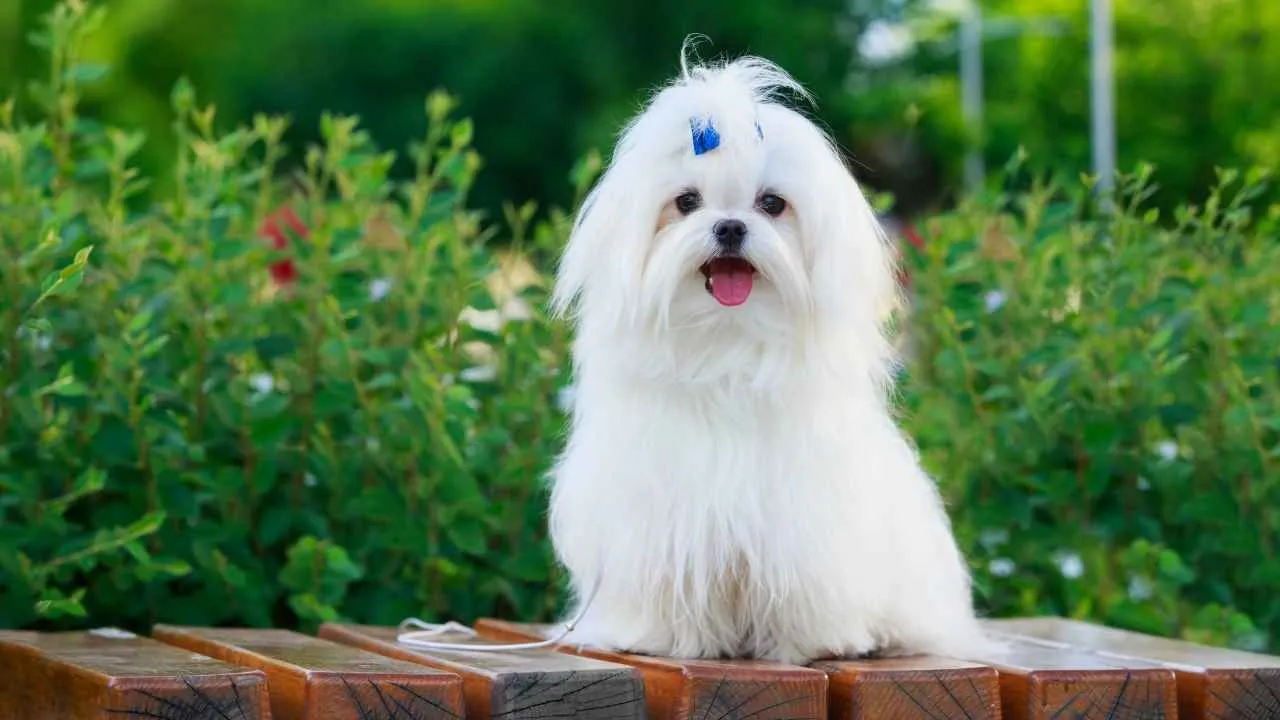
The Maltese has been serving luxury-lapdog aesthetics for centuries, so your cute carrier bag is hardly going to intimidate it. This dog is playful, charming, adaptable, and historically accustomed to life as a prized companion.
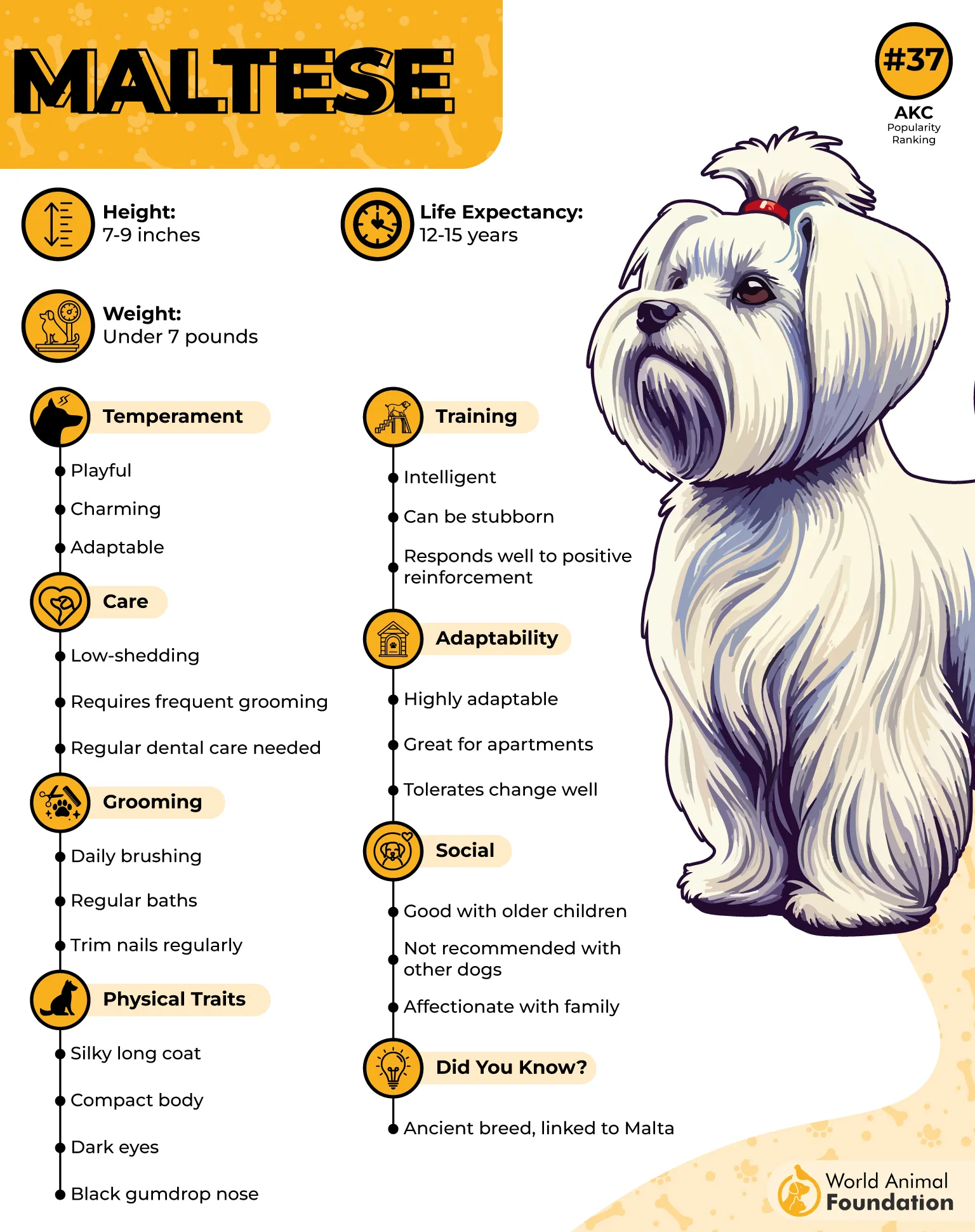
Their straight, silky hair sheds minimally, which is fantastic if your travel wardrobe involves lots of black clothing. The trade-off is that a long Maltese coat needs daily gentle brushing and combing to prevent mats, plus routine bathing and conditioning.
These dogs may love laps, says PDSA, but they are still playful animals, not permanent decorative passengers. Walks, indoor games, training, and safe exploration give a Maltese opportunities to move independently and develop confidence.
Dental care deserves particular attention because the AKC notes that Maltese can be prone to dental disease as they age. Frequent tooth brushing, nail maintenance, weekly ear checks, and veterinary attention for excessive tear staining all belong in the practical-care package.
The Maltese is already naturally miniature, so seeking an unusually undersized version adds little beyond additional potential fragility. Choose healthy structure over shockingly tiny size, and you still get one impressively portable companion.
6. Papillon
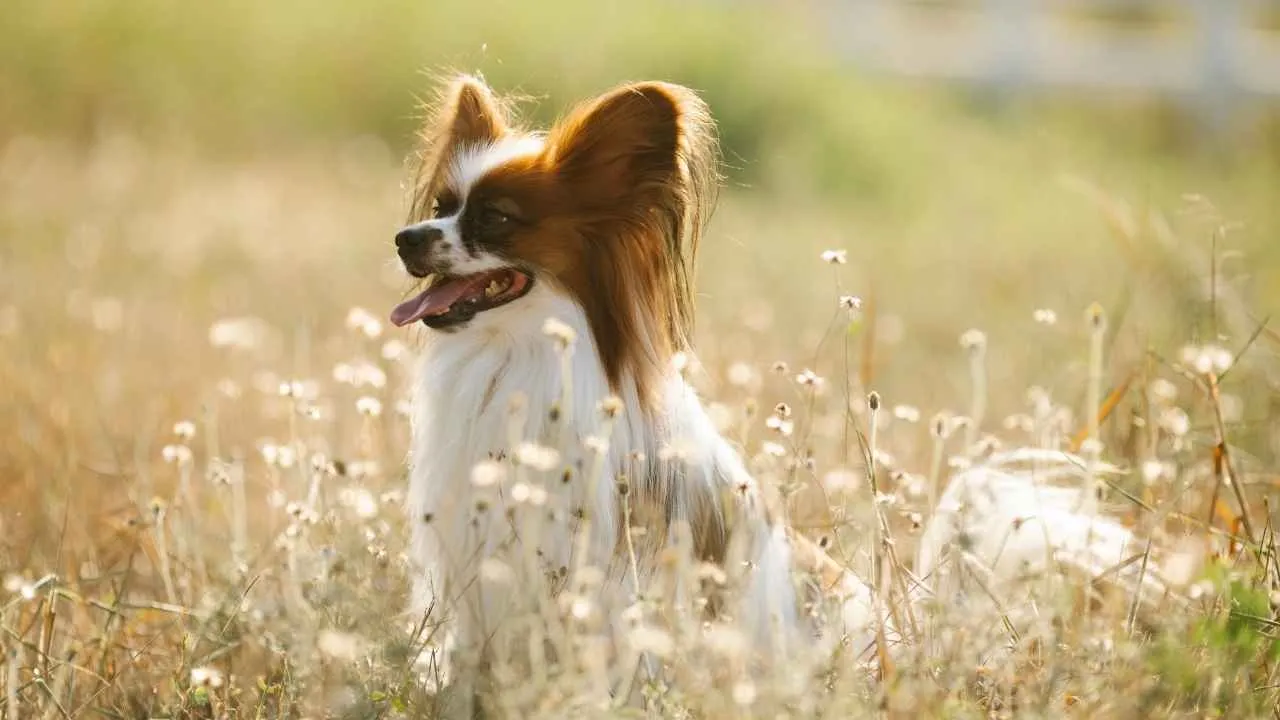
The Papillon looks elegant enough for a Renaissance portrait and energetic enough to jump out of the frame immediately. They are quick, curious, hardy, happy, and athletic despite their refined appearance. Their huge, fringed ears give the breed its name, with papillon meaning “butterfly” in French.
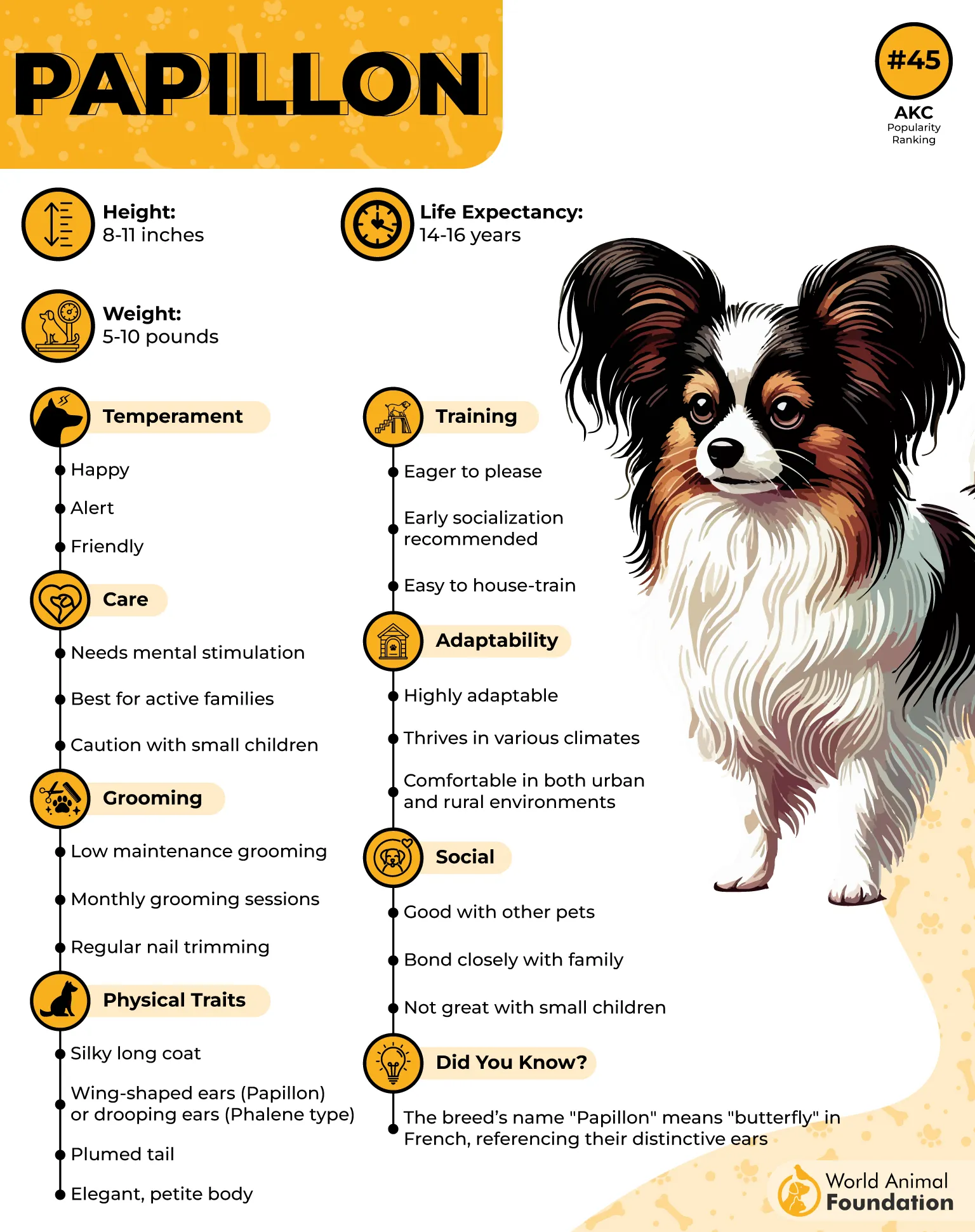
These small, cute dogs make excellent companions for owners who enjoy interacting with them. Tricks, obedience, agility-style games, fetch, and varied walks give them chances to use their speed and intelligence while keeping boredom safely away from your belongings.
The flowing coat is also less intimidating than it looks because Papillons don’t have the heavy undercoat seen in many fluffy breeds. Regular combing, particularly around feathered areas where tangles can develop, plus standard nail, dental, and ear care keep the elegant look under control.
When you carry a Papillon, remember that confidence and physical durability aren’t the same. Tiny dogs can leap from arms unexpectedly, and falls that barely inconvenience a larger breed can seriously injure a lightweight companion.
7. Russian Toy
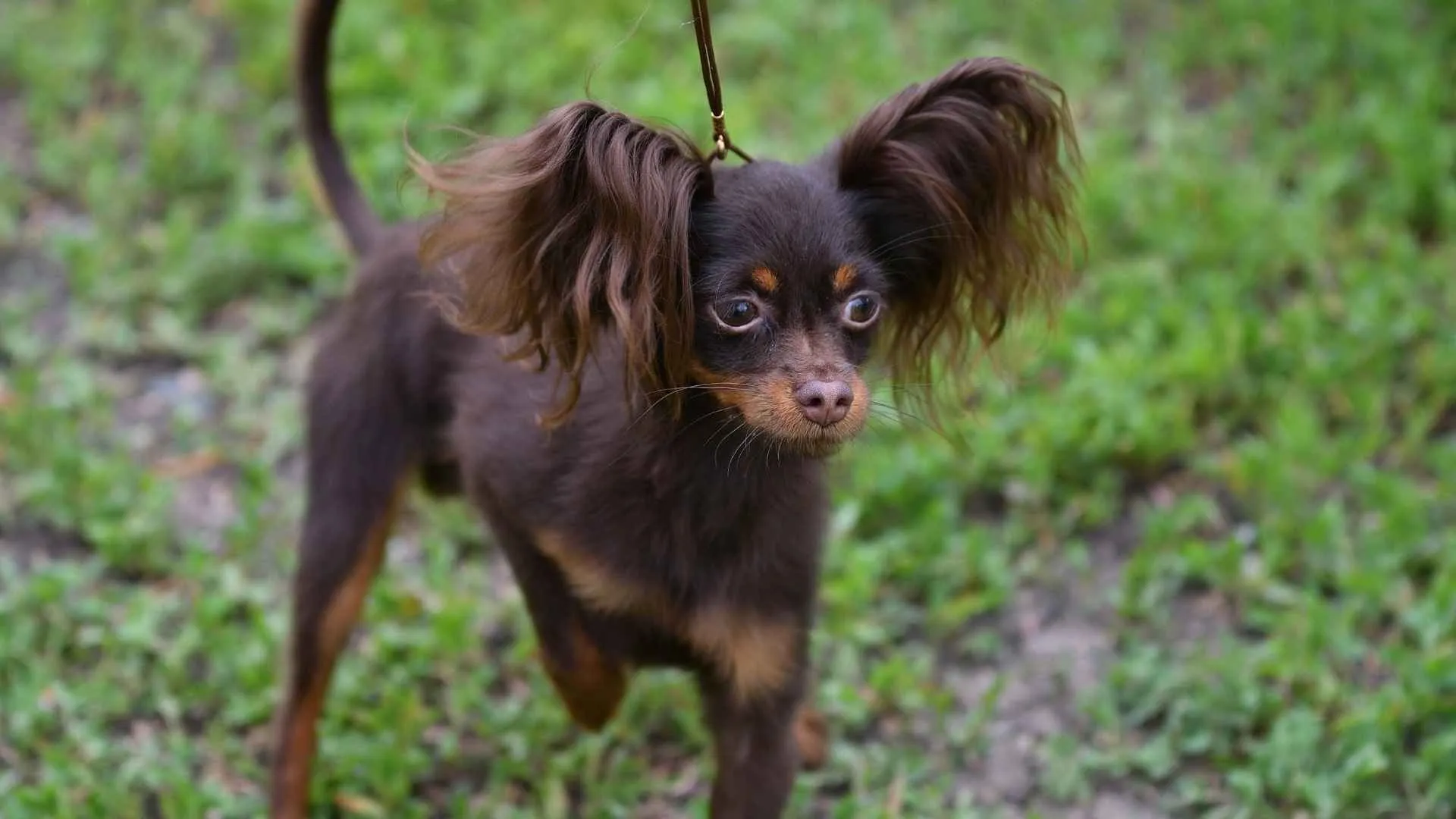
The Russian Toy could practically audition for the role of “dog drawn with one extremely fine pen.” Two coat varieties give prospective owners slightly different aesthetics. Smooth Russian Toys have short, close-lying coats, while long-haired dogs develop impressive fringe around the ears, tail, and limbs that can make them look like miniature fantasy creatures.
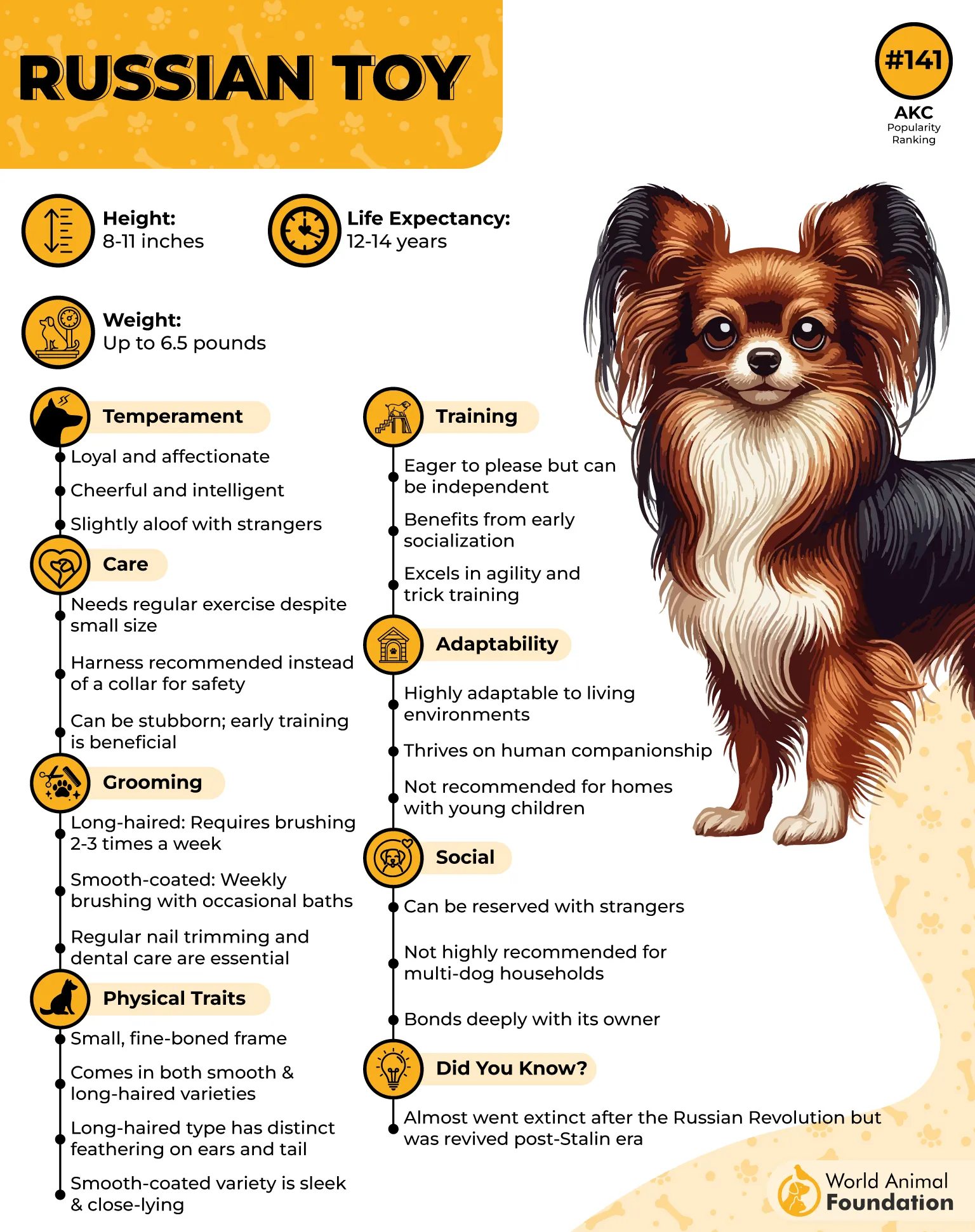
Grooming the smooth version is refreshingly simple; weekly soft brushing and occasional baths are generally enough. Long-haired Russian dogs need brushing about two to three times weekly, particularly around their dramatic fringes where debris can collect.
Do not let those delicate-looking limbs fool you into assuming zero energy. Russian Toys are cheerful, moderately energetic dogs that enjoy running, playing, walking, and then collapsing into a lap once the day’s tiny adventures are complete.
Their exceptionally fine build means careful handling is non-negotiable. It is better to attach a leash to a harness than to put pressure on the fragile neck and trachea during walks. Carrying may be convenient in genuinely unsafe situations, but secure handling matters more than achieving the perfect tiny-dog photo.
8. Biewer Terrier
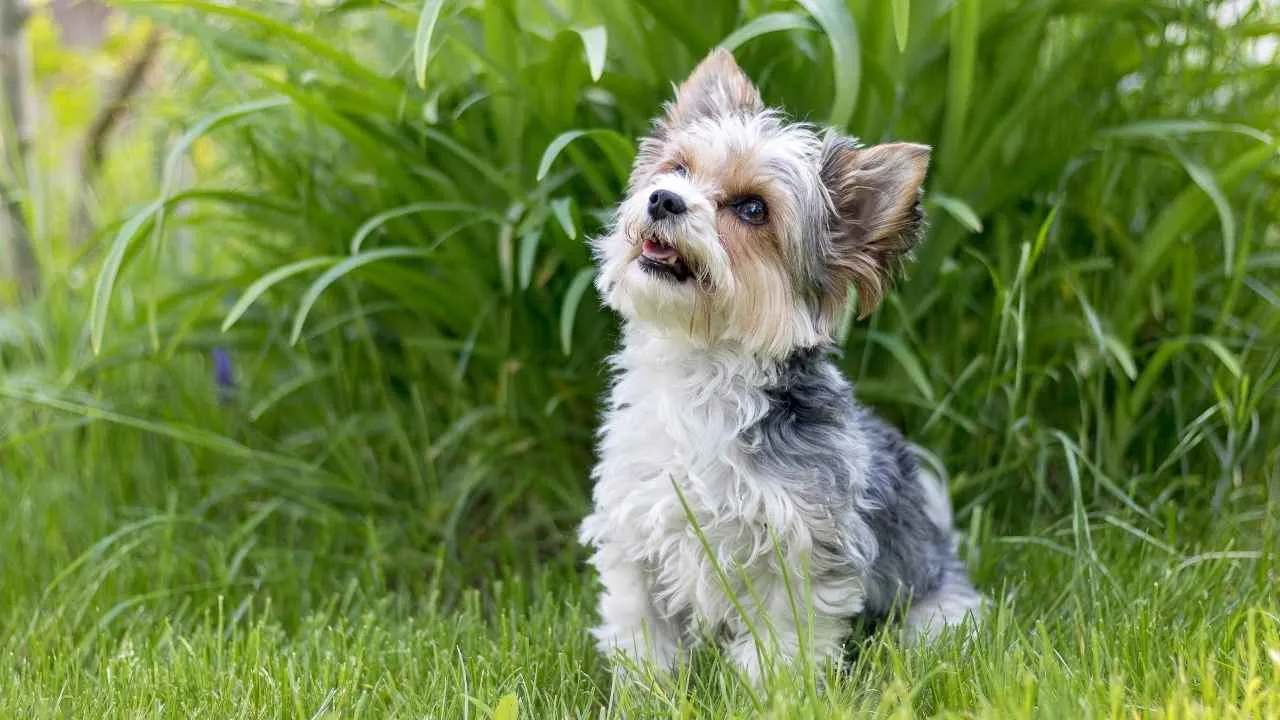
The Biewer’s story is surprisingly recent compared with many ancient toy breeds. The breed developed in Germany after Yorkshire Terrier breeders Werner and Gertrude Biewer produced tricolored puppies in the 1980s, and the AKC granted the Biewer Terrier full recognition in 2021. Tiny dog, relatively new résumé.
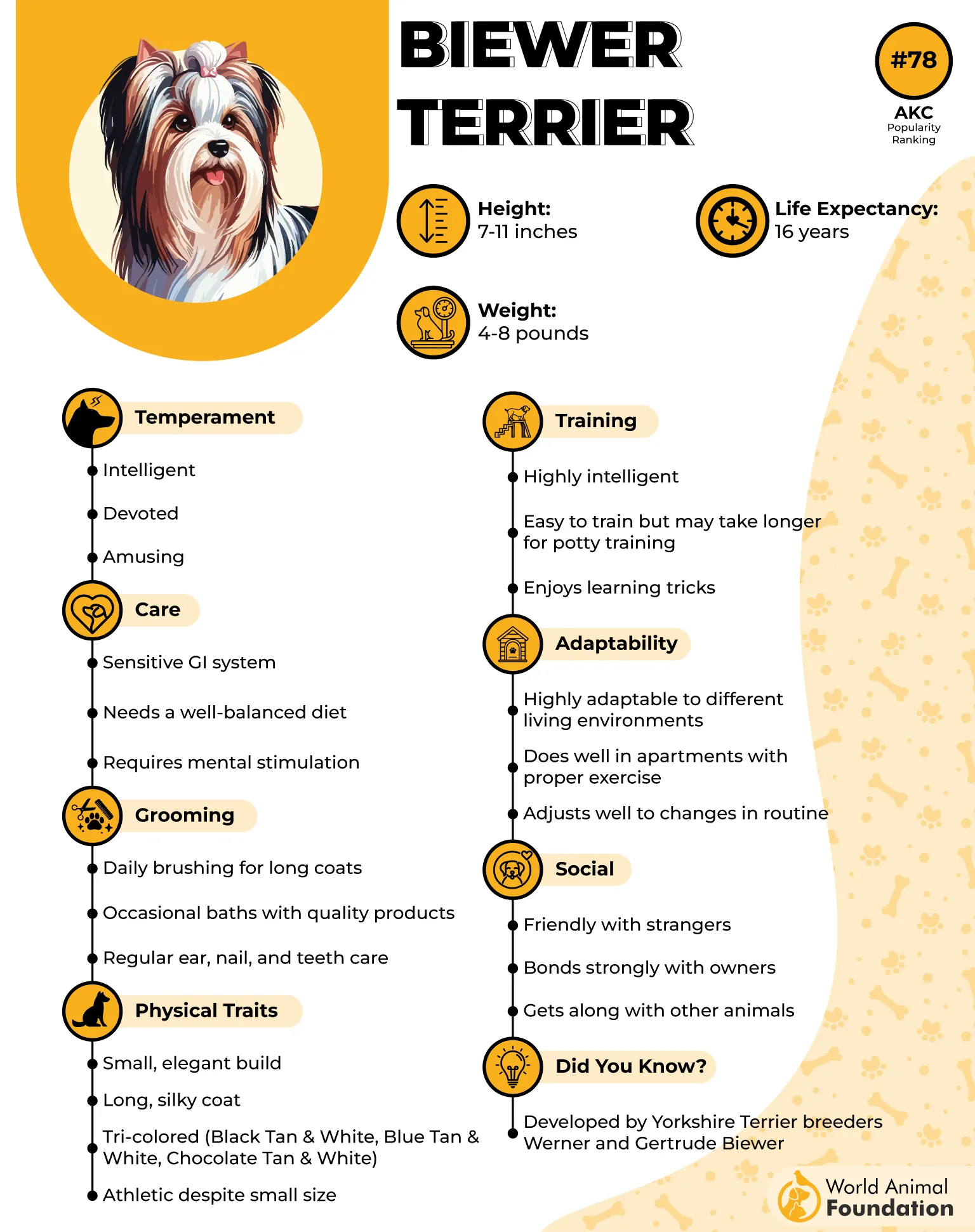
Personality is delightfully unserious. These dogs are devoted, amusing dogs with a lighthearted, childlike attitude, and some enjoy carrying toys around as though they have extremely important deliveries to make. They are also more athletic than their fancy coat suggests, with classic terrier enthusiasm beneath the glamour.
Long coats need daily brushing to preserve the flowing look, while owners who choose shorter cuts can dramatically simplify maintenance. Their exercise can include walks, indoor games, hide-and-seek, tricks, or simply enthusiastically chasing a ball around the living room.
Biewers are naturally small enough to travel conveniently, but their light frame still requires thoughtful supervision. Train your pup to feel safe in a proper carrier before any major journey rather than discovering on departure day that the carrier is apparently a portal to another dimension.
9. Brussels Griffon
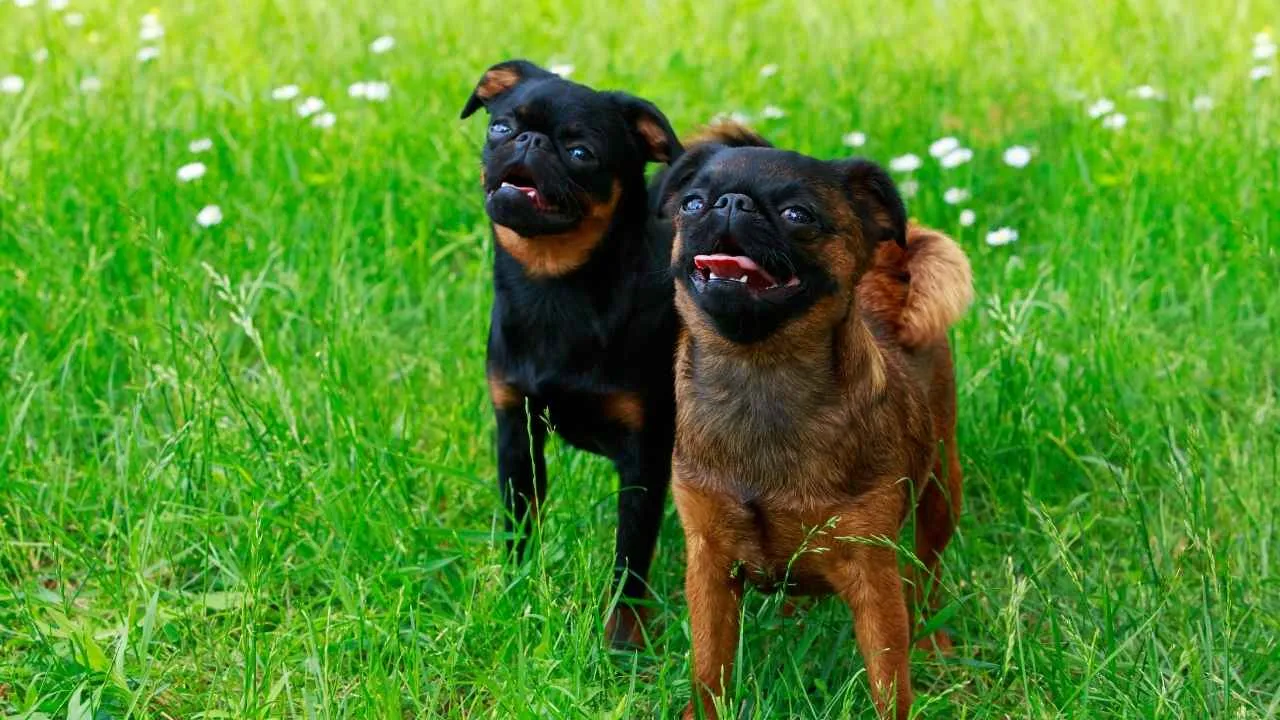
The Brussels Griffon is alert, curious, loyal, intelligent, devoted, and comically self-important. This dog comes in either rough or smooth coats, and grooming needs change depending on which version joins your household.
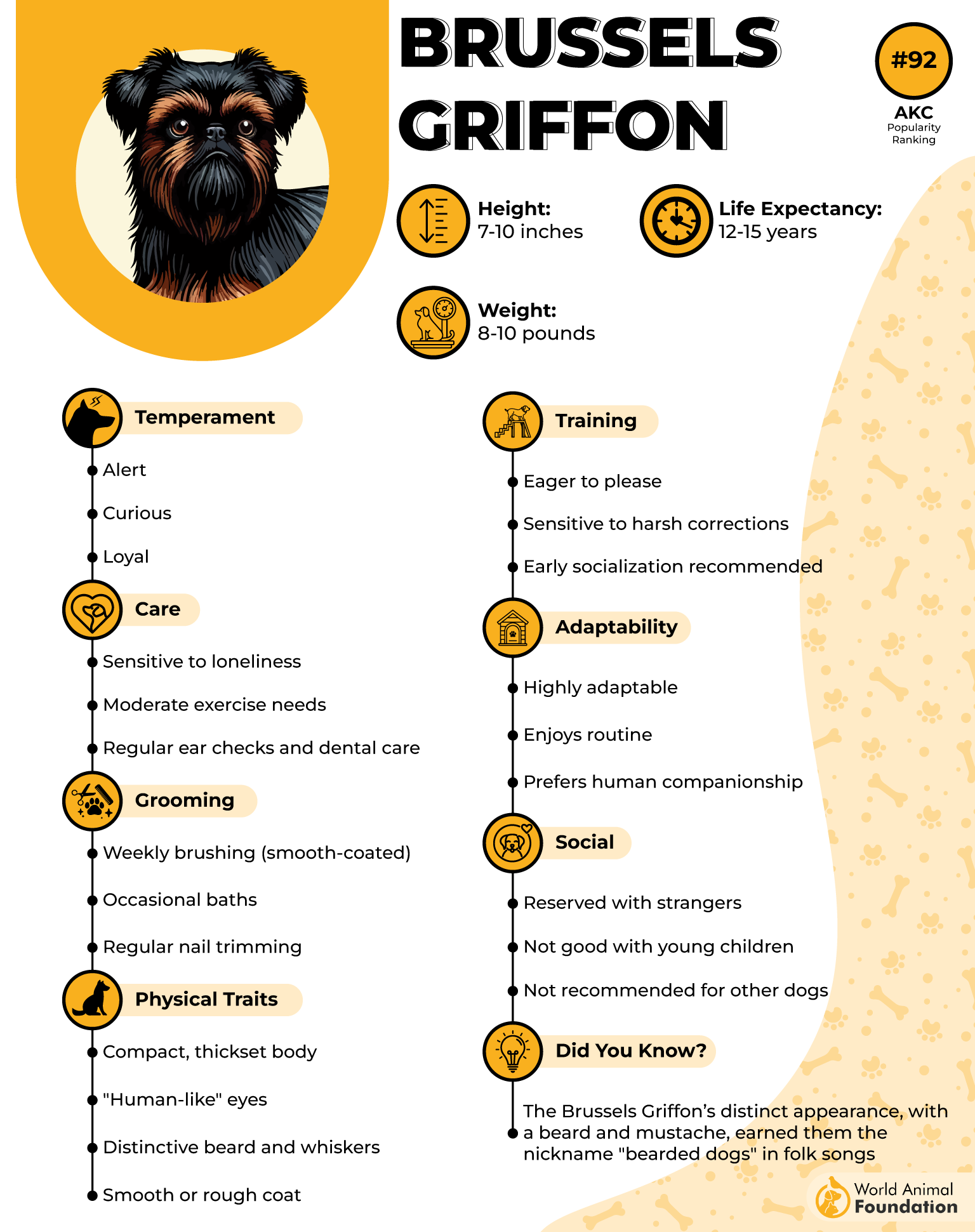
Smooth-coated dogs generally need weekly brushing, with extra attention during seasonal shedding, while rough-coated Griffons shed very little and are often clipped or professionally groomed. Those signature beards may also require cleaning because facial hair and dinner have an undeniable tendency to become close friends.
Their personality often feels considerably larger than their body. These small dogs bond intensely with their humans and usually prefer participating in daily life rather than spending endless hours alone, which makes them excellent little shadows for people who genuinely want canine company.
Around 30 minutes of moderate daily exercise can help keep a Griff healthy and satisfied, and many enjoy games, obedience, agility, or tracking activities. Their compact size means those needs are relatively easy to meet without an enormous property.
Travel plans require one extra consideration because Brussels Griffons have flat faces. They can experience breathing difficulties in hot, humid, or sunny conditions, so overheating prevention and sensible climate control matter much more than whether they fit into a cute bag.
10. Pekingese
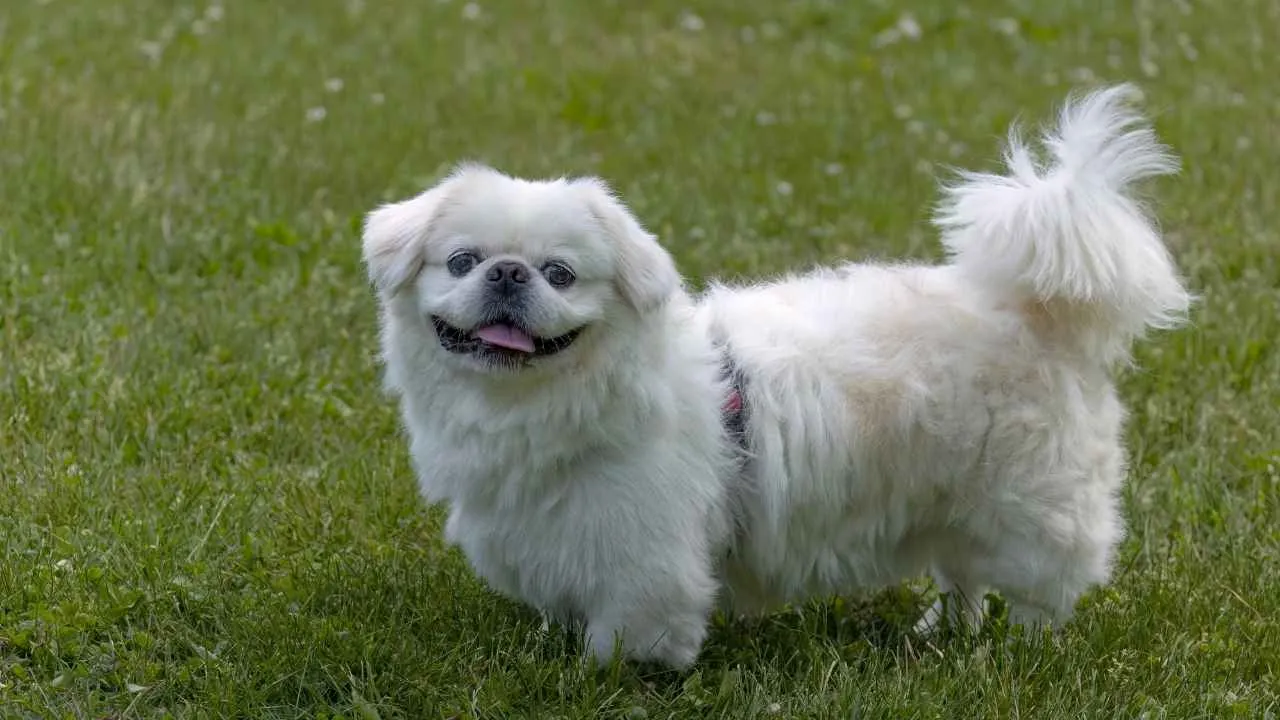
The Pekingese walks around like the imperial palace is still waiting for its return, and honestly, the confidence sells it. Its distinctive lion’s mane, broad head, and rolling gait give it more visual drama per inch than almost any other toy breed.
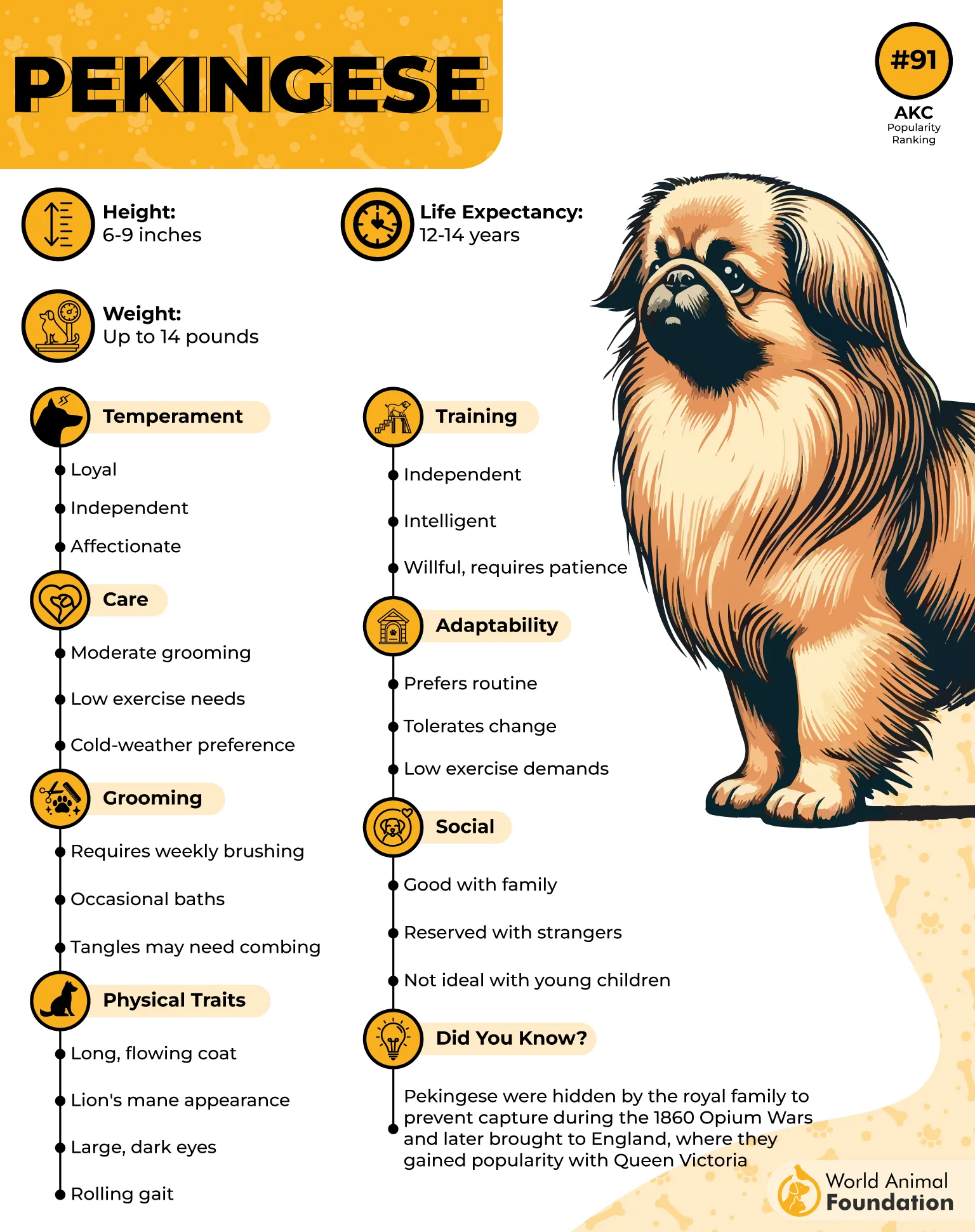
That regal attitude is not a modern invention. Pekingese were created for the ruling classes of ancient China and tend to form close bonds with their favorite humans while maintaining an independent streak that feels appropriately imperial.
Their exercise requirements are modest compared with those of highly athletic breeds. Pekingese generally appreciate relaxed walks and opportunities to explore at their own pace rather than intense endurance workouts.
Grooming requires more commitment because the thick double coat sheds seasonally and can mat without routine care. Heat management is especially important because the Pekingese has a short muzzle and fares better in cooler temperatures.
They can overheat in warm conditions, so summer travel requires air-conditioning, shade, water, and carefully timed outdoor activity rather than a long afternoon in a carrier.
Conclusion
Tiny dogs make travel and compact living wonderfully convenient, but their best feature is not that you can carry them—it is how much personality they squeeze into such small bodies.
“Micro” and “teacup” are marketing descriptions rather than officially recognized size varieties, and deliberately breeding for extreme miniaturization can contribute to hypoglycemia, fractures, dental crowding, heart problems, liver shunts, collapsing tracheas, and other serious medical concerns. Small is adorable; healthy and small is infinitely better.
And yes, these breeds can be wonderfully portable—but let them use those tiny legs too. Pack the secure carrier for crowded or unsafe situations, then make room for walks, sniffing, training, play, socialization, and all the normal dog things that help a companion thrive.
