




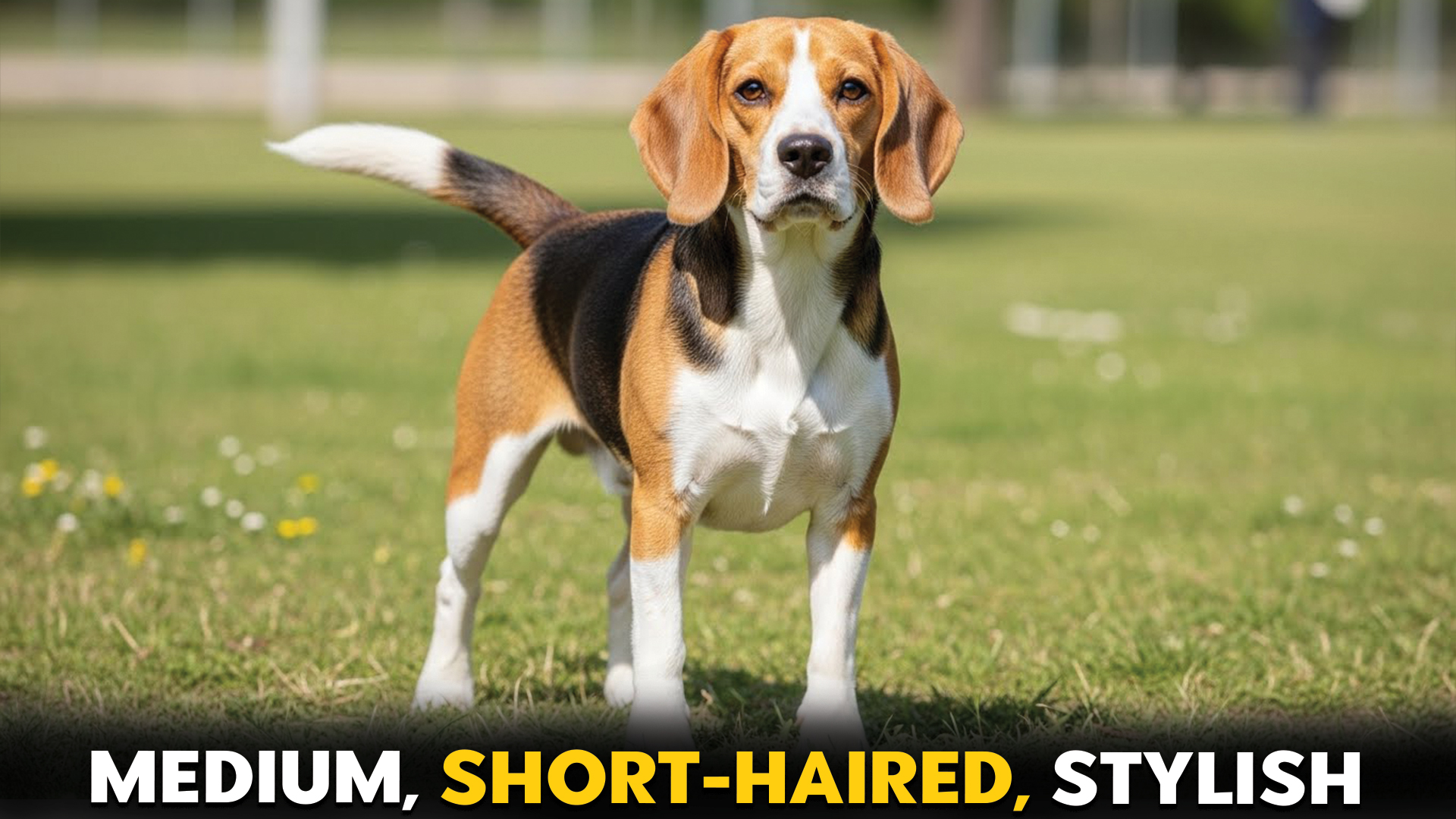
Medium-sized dog breeds with beautiful short hair combine elegance, practicality, and personality in a perfectly balanced package. Their coats highlight natural muscle tone and rich colors while remaining easy to groom and comfortable year-round for active families and relaxed home environments.
These dogs often appeal to owners who want an athletic look without the maintenance of long fur. Short-haired coats shed moderately, dry quickly, and make spotting skin issues or injuries much easier, which is especially helpful for busy families and hands-on dog owners everywhere.
Beyond appearance, medium-sized short-haired dogs are known for versatility, fitting well into apartments, suburbs, or rural lifestyles. They range from playful companions to focused working dogs, offering intelligence, loyalty, and strong bonds for owners seeking beauty, function, and dependable temperament combined together.
Sleek, stylish, and easy to care for, medium-sized short-haired dogs offer beauty without the hassle.
Medium-Sized Dog Breeds With Beautiful Short Hair
1. American Staffordshire Terrier
Roots Forged in Strength and Change
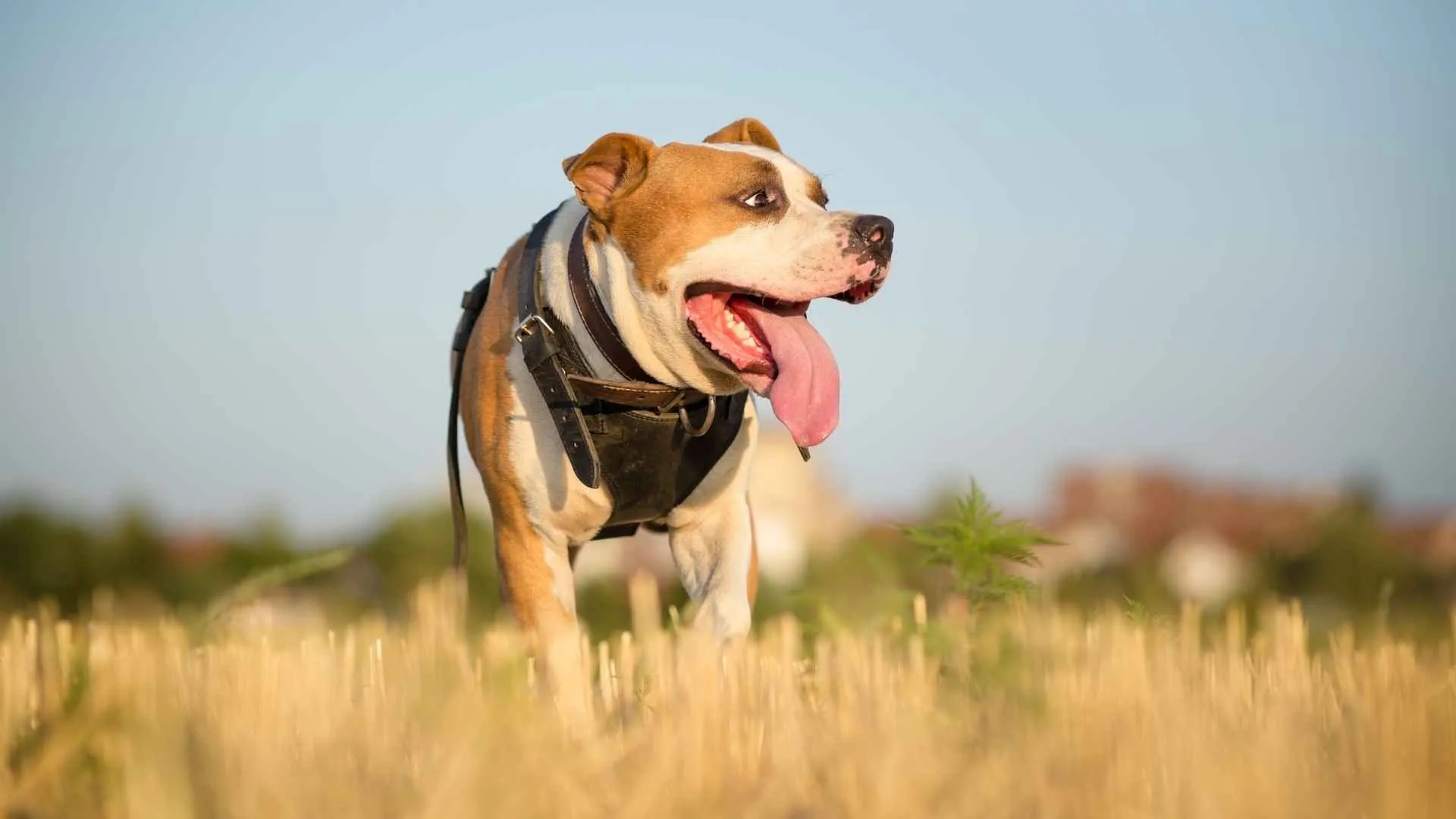
The American Staffordshire Terrier traces its origins to 18th- and 19th-century England, where bull-type dogs were bred for strength, courage, and determination, as per WebMD. These early ancestors descended from old-style Bulldogs mixed with terriers, creating a powerful yet agile dog.
A Confident Heart Behind the Muscles
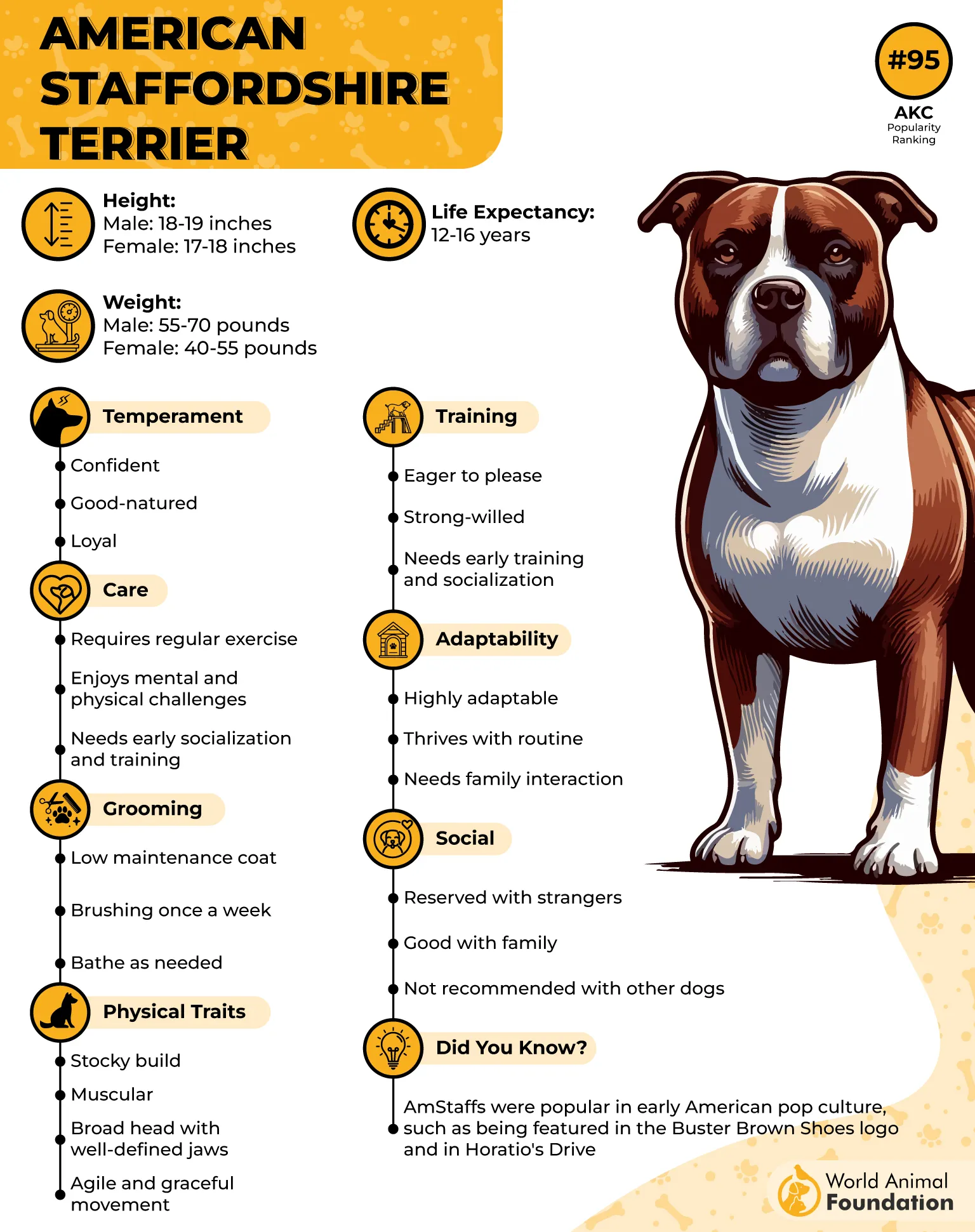
Despite their tough history, today’s AmStaffs are affectionate, loyal, and deeply people-oriented companions. They are known for being playful “personality dogs” at home, thriving on attention and interaction.
Training the Mind and Body Together
American Staffordshire Terriers are intelligent and eager to please, which makes them highly trainable with consistent guidance. They respond best to positive reinforcement and enjoy learning tasks that challenge both mind and body.
Why the AmStaff’s Short Coat Stands Out
Naturally short, single-layer coat highlights their muscular build
Stiff, glossy hair reflects light, giving a sleek appearance
Minimal grooming needs keep the coat healthy and clean
Short fur allows skin health to be easily monitored
Coat comes in a wide range of striking colors and patterns
2. Bull Terrier
Crafted in Victorian England
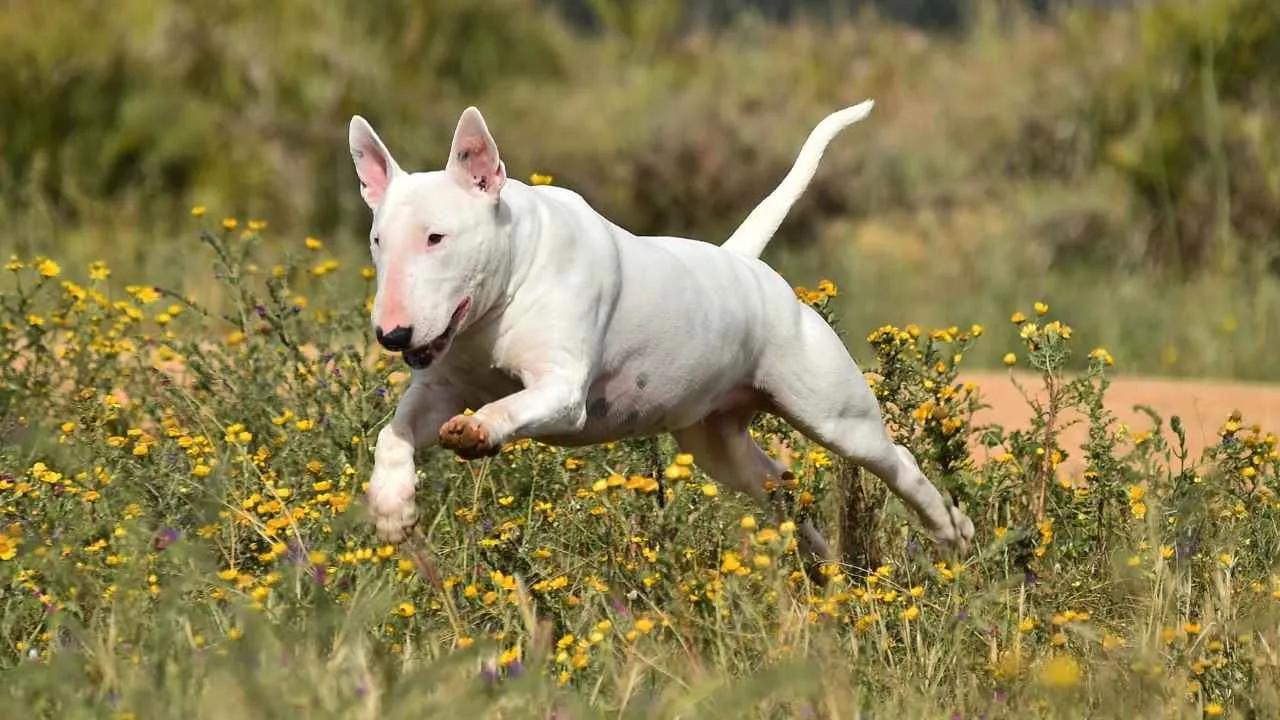
The Bull Terrier was developed in 19th-century England by combining the strength of the Bulldog with the agility of Terriers and the refinement of breeds like the Dalmatian, according to Purina. Originally shaped for underground dogfighting, breeders focused on courage rather than provoked aggression.
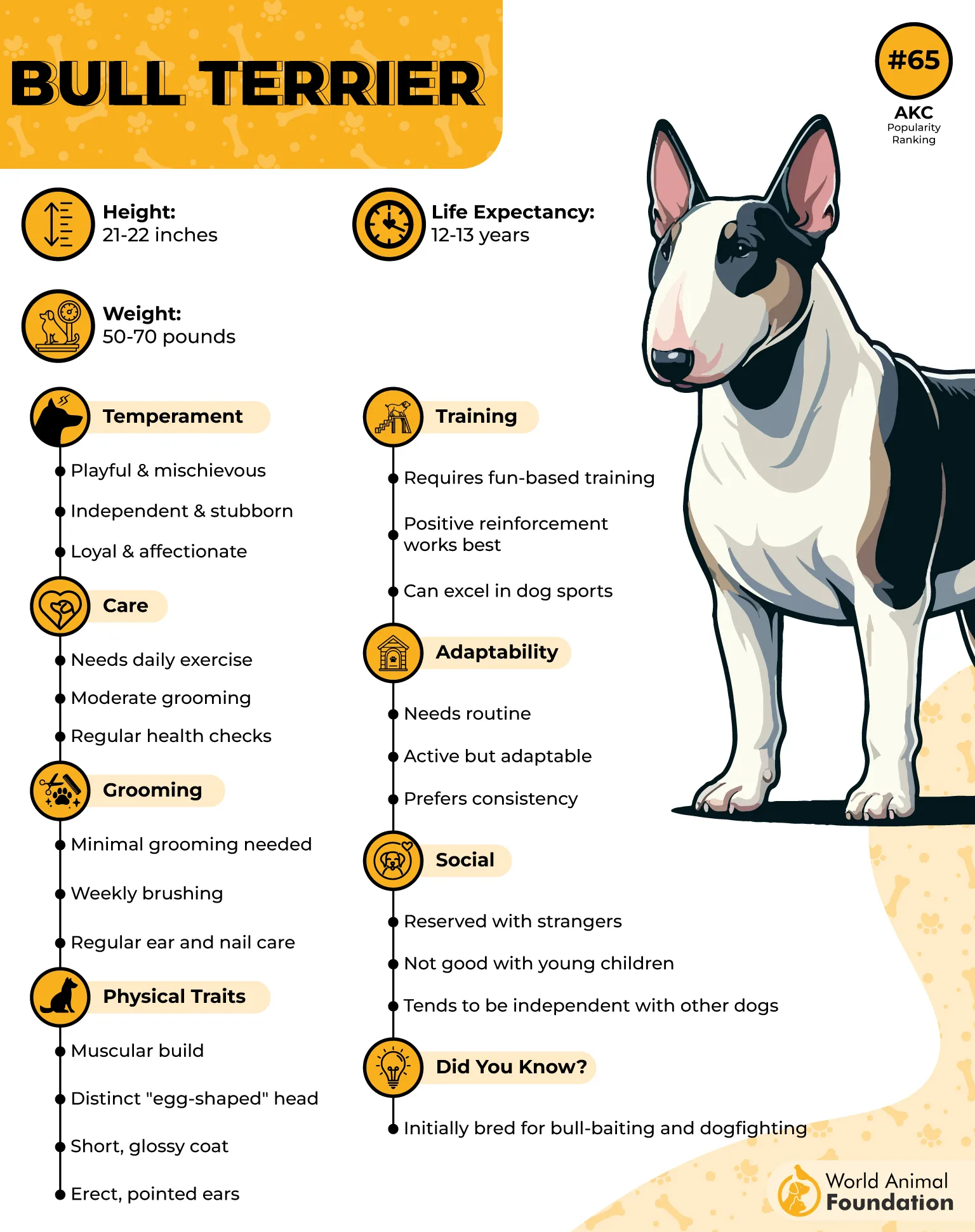
A Playful Spirit in a Powerful Frame
Modern Bull Terriers are energetic, loyal, and famously clownish with their families. Often described as a “kid in a dog suit,” they thrive on attention and interaction. While affectionate and people-friendly, they can be reserved or reactive around unfamiliar dogs.
Training the Thinker and the Athlete
Bull Terriers are intelligent but independent, requiring patient, consistent training from an early age. Positive reinforcement works best, especially when sessions feel fun rather than repetitive. Daily physical activity and mental challenges help curb stubborn behaviors.
What Makes the Bull Terrier’s Short Coat So Striking
Extremely short, smooth coat enhances their sculpted physique
Tight fur lies flat, emphasizing clean lines and muscle definition
Minimal grooming keeps the coat naturally glossy
Short hair adapts well to active, outdoor lifestyles
Coat colors and patterns stand out clearly without heavy fur coverage
3. Basenji
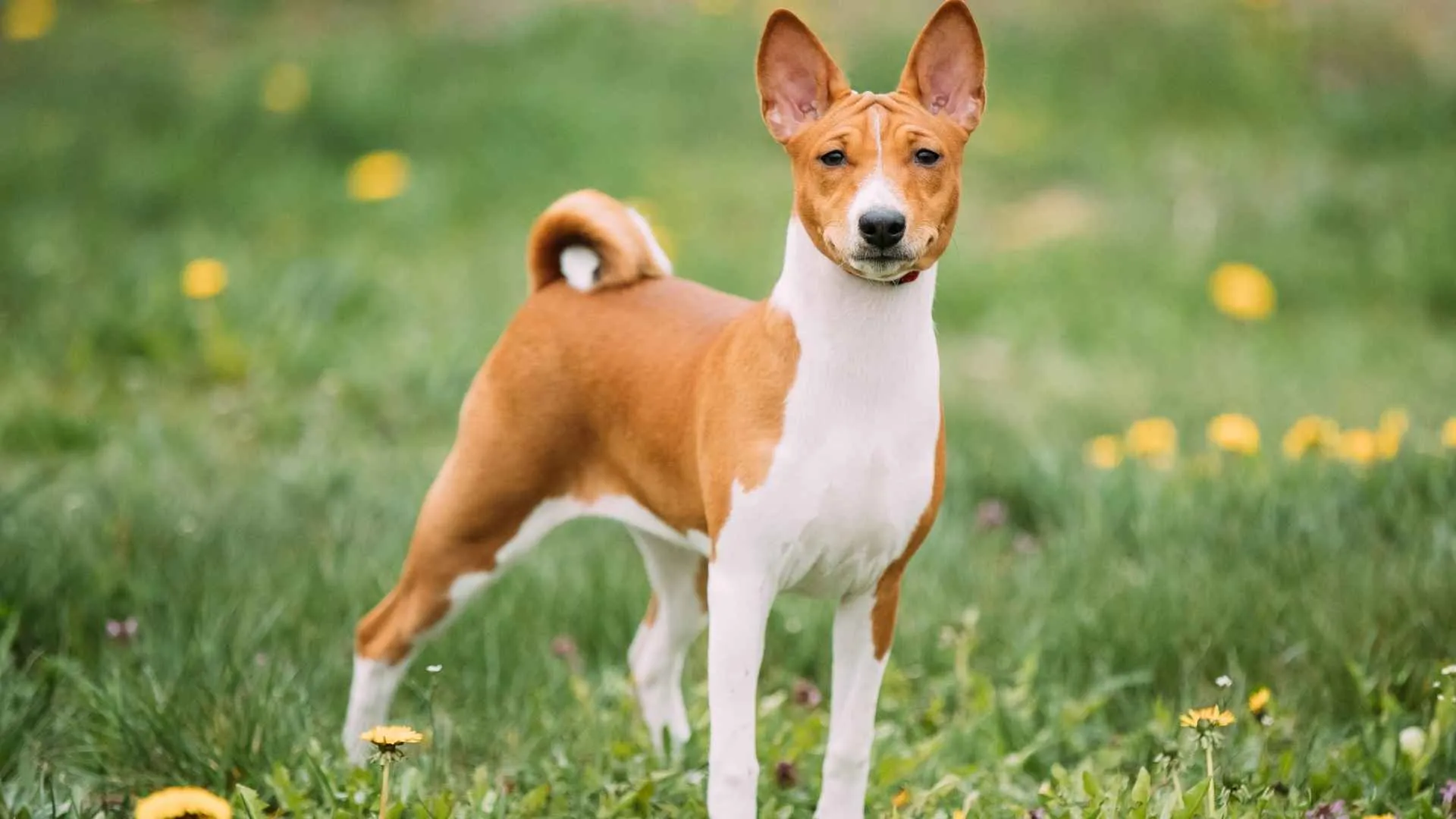
An Ancient Companion from the Sands of Time
The Basenji is considered one of the world’s oldest dog breeds, appearing in Egyptian art over 4,500 years ago. Favored by Pharaohs, these dogs were later preserved by African tribes as skilled hunting partners.
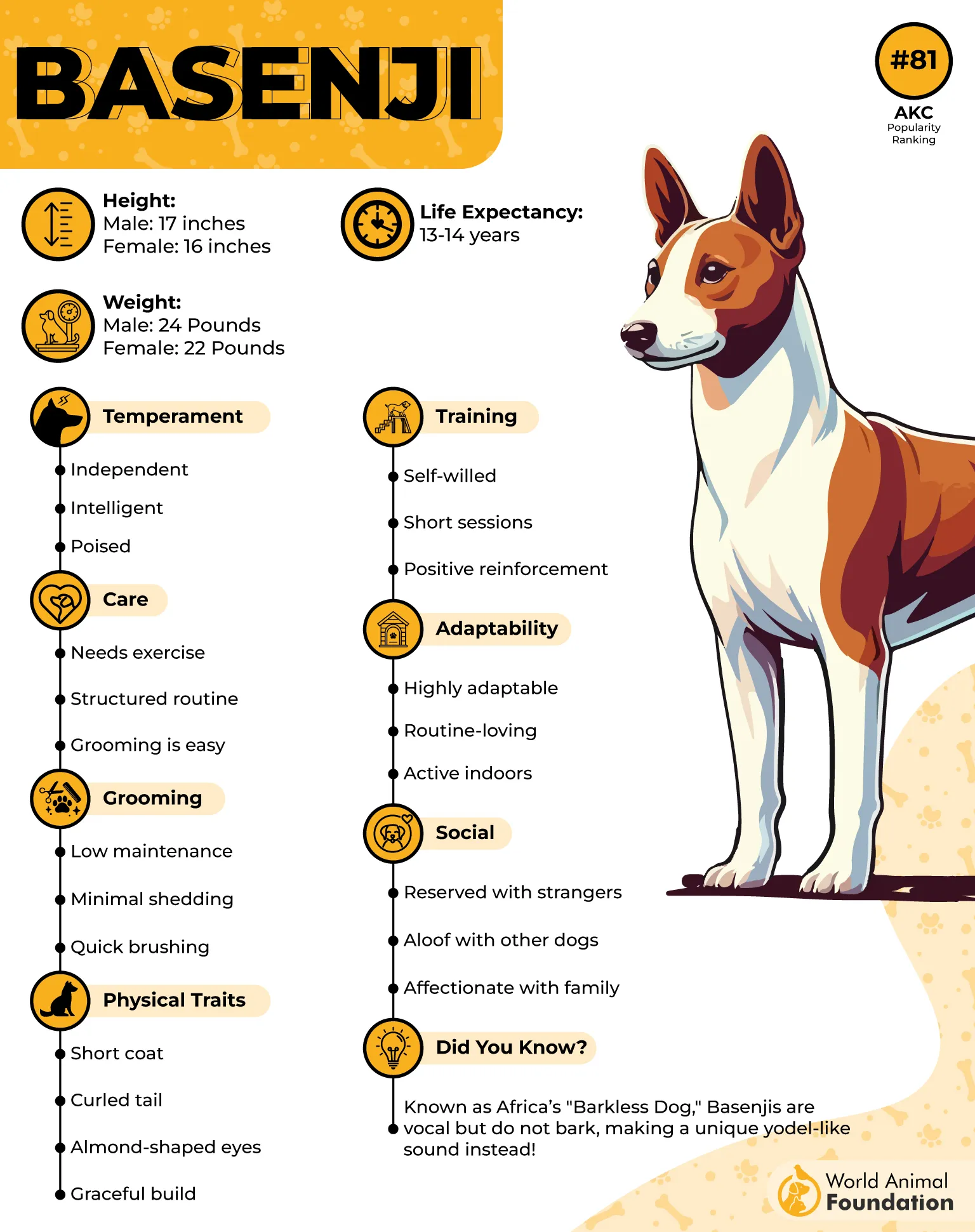
A Quiet Charmer with a Mind of Its Own
Basenjis are famously unique, most notably for their inability to bark, instead communicating with yodels and chortles. They are alert, curious, and intelligent, forming close bonds with their families while remaining reserved with strangers.
Training an Independent Thinker
While clever, Basenjis are not eager-to-please learners and require patience and creativity during training. They respond best to short, engaging sessions that feel more like games than drills. Daily exercise is essential to prevent boredom-driven behaviors such as chewing or digging.
Why the Basenji’s Short Coat Is Naturally Beautiful
Smooth, glossy coat reflects their primitive heritage
Short hair highlights their elegant, athletic frame
Minimal shedding makes grooming effortless
A naturally clean coat requires very little maintenance
Tight fur enhances their rich color combinations
4. Beagle
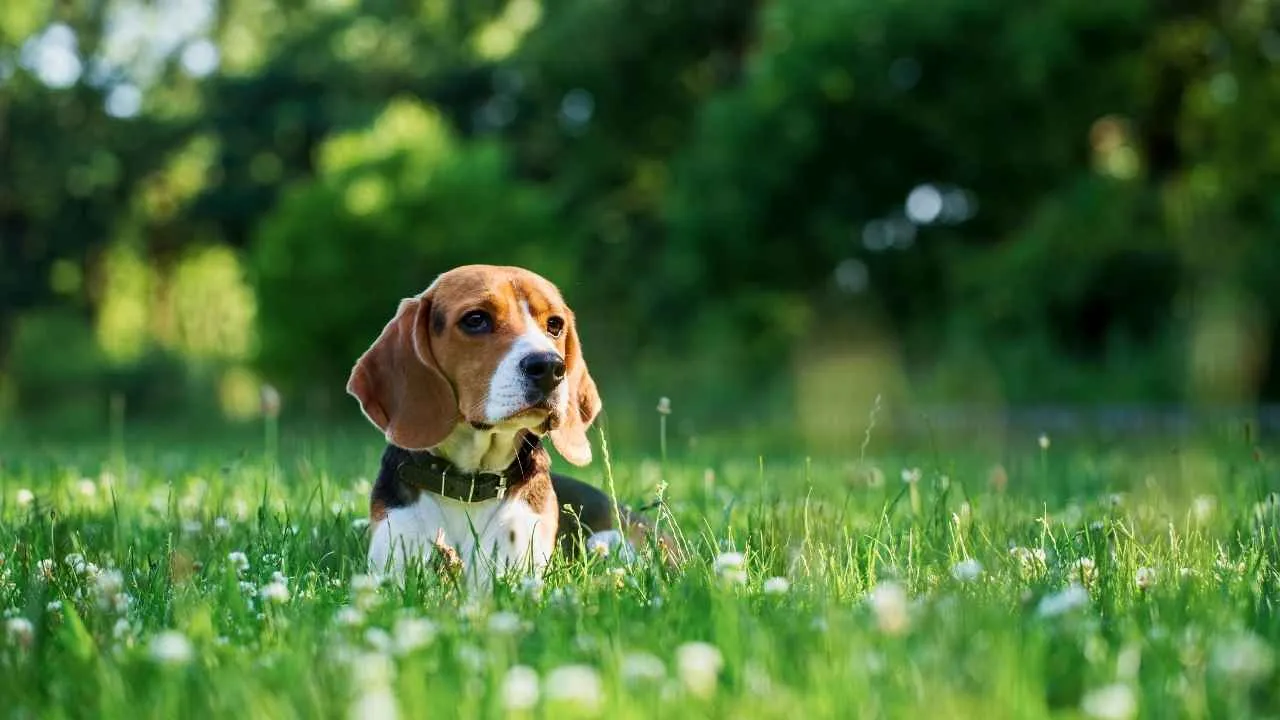
From English Fields to Family Homes
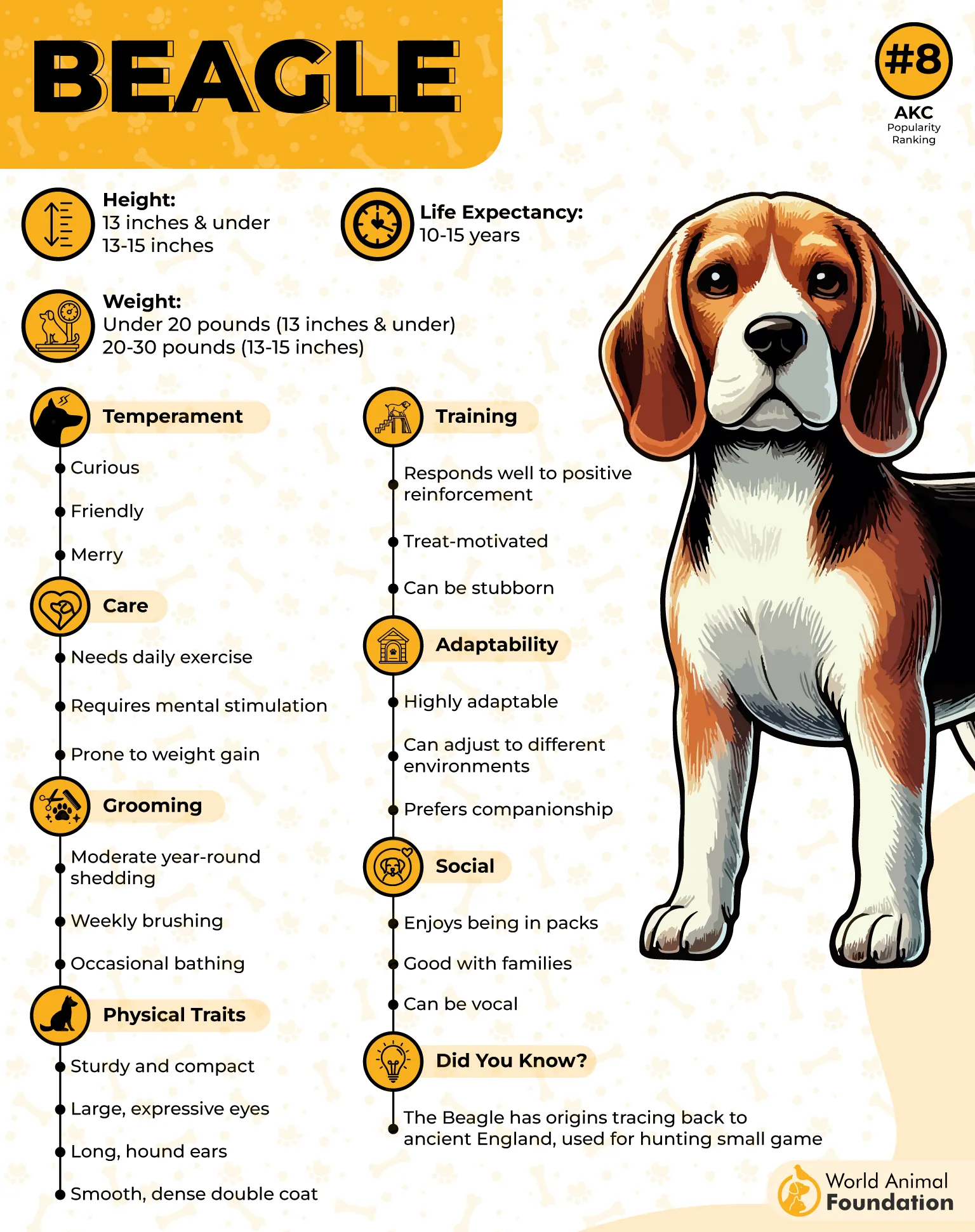
The Beagle’s story begins in England, where small pack hounds were used to hunt rabbits and hares as early as the 1500s. Valued as “foot hounds,” they tracked game on scent without the need for horses. Their popularity crossed the Atlantic after the Civil War, and the breed was officially recognized by the AKC in 1885.
A Cheerful Soul with a Social Heart
Beagles are friendly, optimistic, and deeply social dogs that thrive on companionship. Bred to work in packs, they enjoy the company of people and other dogs and dislike being left alone too long. Their expressive eyes, floppy ears, and playful nature make them especially appealing to families.
Training the Nose That Leads the Way
Training a Beagle requires patience, consistency, and creativity due to their independent hound instincts. Positive reinforcement and games help keep them engaged and focused. Regular exercise is essential to manage their energy and prevent boredom-driven mischief.
Why the Beagle’s Short Coat Is So Appealing
Short, dense coat is naturally water-resistant
Smooth hair lies flat, giving a clean, tidy look
Minimal grooming keeps maintenance simple
Coat sheds dirt easily and rarely mats
Classic tricolor patterns stand out beautifully
5. Vizsla
Born of Speed and Survival
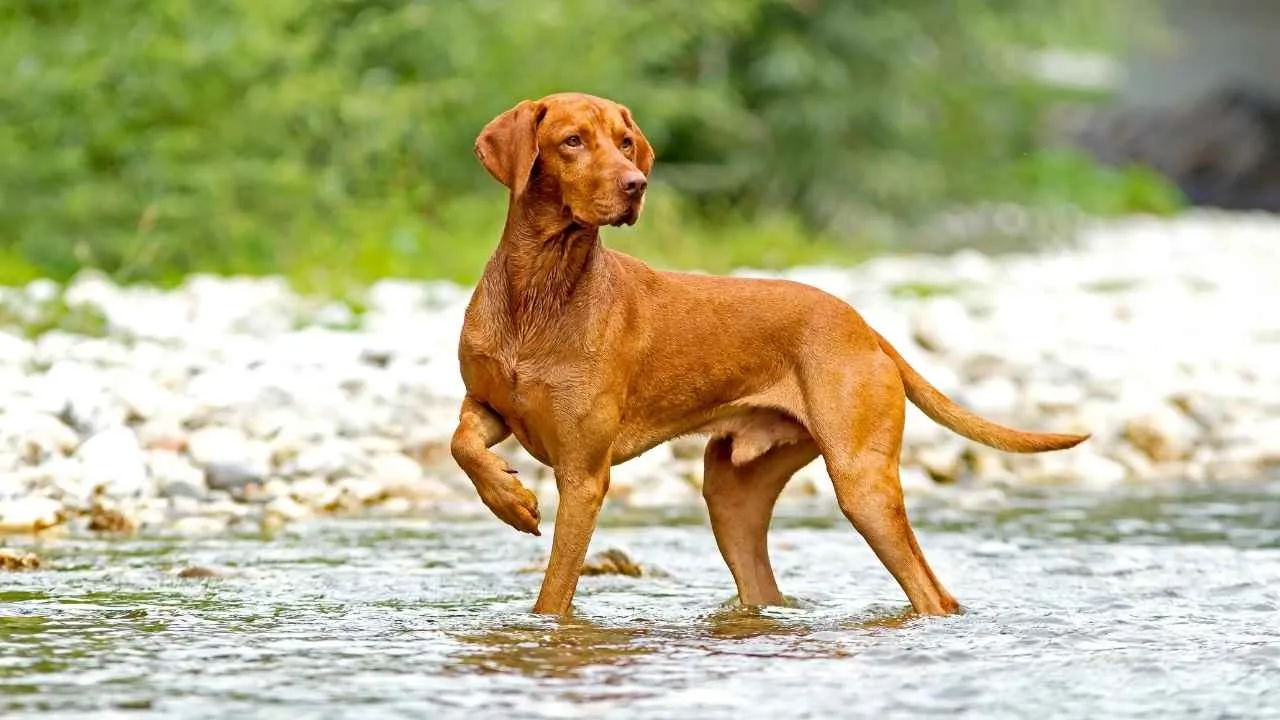
The Vizsla’s history reaches back to the Magyar tribes who settled in what is now Hungary over a thousand years ago. These horse-mounted warriors bred dogs that could match their speed, endurance, and toughness across vast terrain.
A Velcro Companion with a Gentle Soul
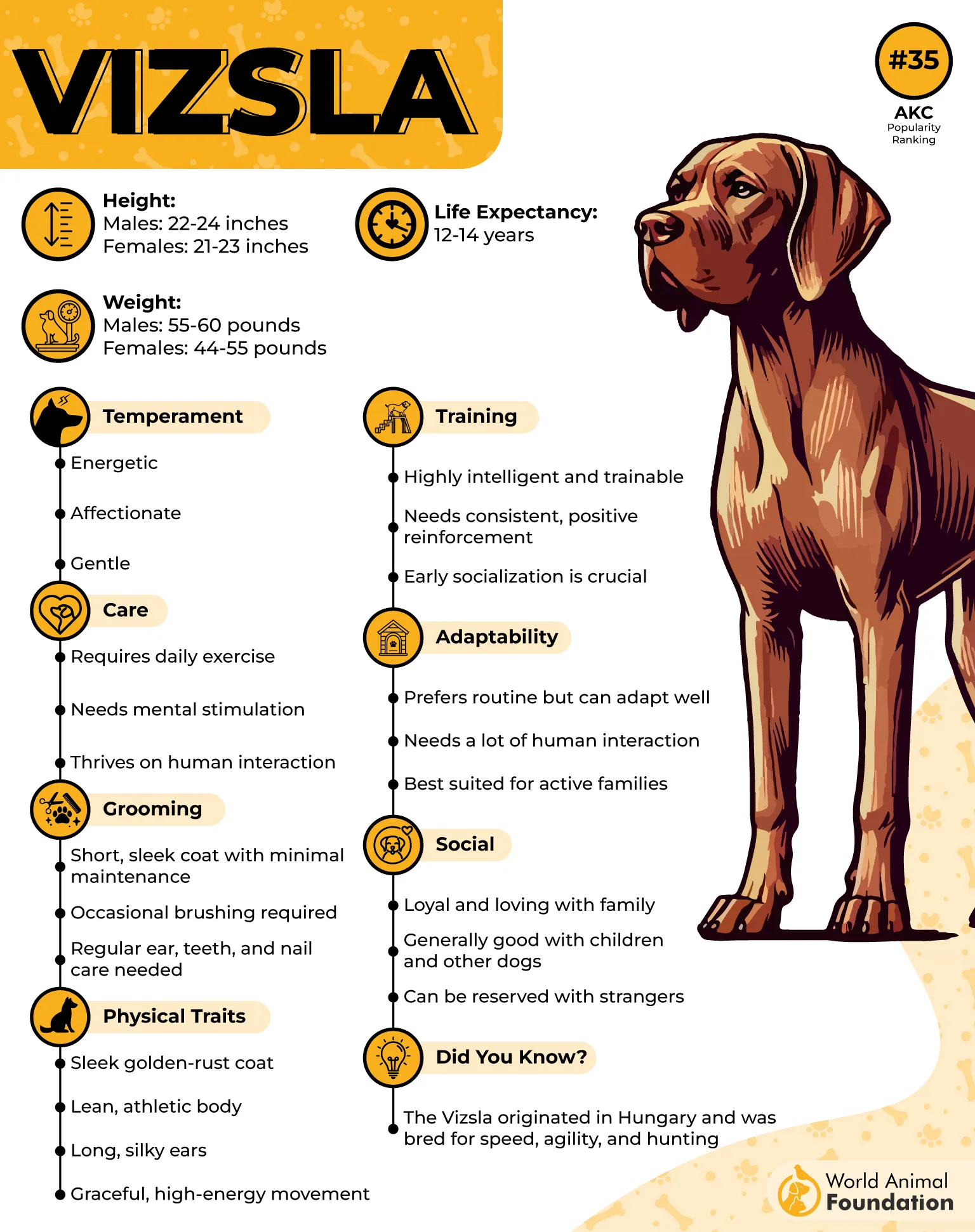
Vizslas are affectionate, sensitive, and intensely people-oriented, earning them the nickname “Velcro dogs.” They form deep bonds with their families and prefer constant companionship. At home, they are loving and gentle, yet outdoors, they transform into focused, driven athletes, as per PDSA.
Training the Athlete’s Mind and Body
Highly intelligent and eager to please, Vizslas respond beautifully to positive reinforcement training. They thrive when given structure, purpose, and mental challenges alongside physical exercise. Daily activity is non-negotiable, ranging from jogging and swimming to agility and field work.
Why the Vizsla’s Short Coat Is So Stunning
Sleek, red-golden coat reflects their noble hunting heritage
Short hair highlights their lean, athletic build
Smooth coat lies close to the body for a polished look
Minimal grooming maintains natural shine and softness
Coat color remains vibrant without heavy fur masking it
6. Whippet
Racing Roots from Industrial England
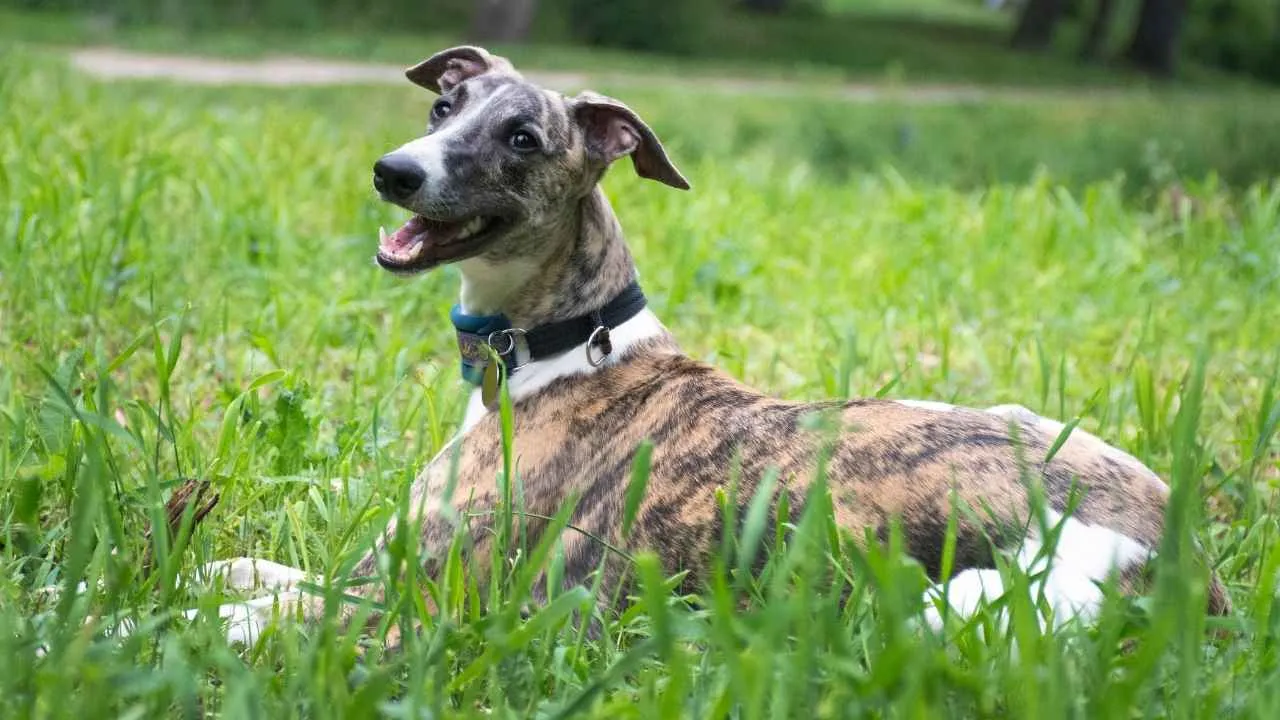
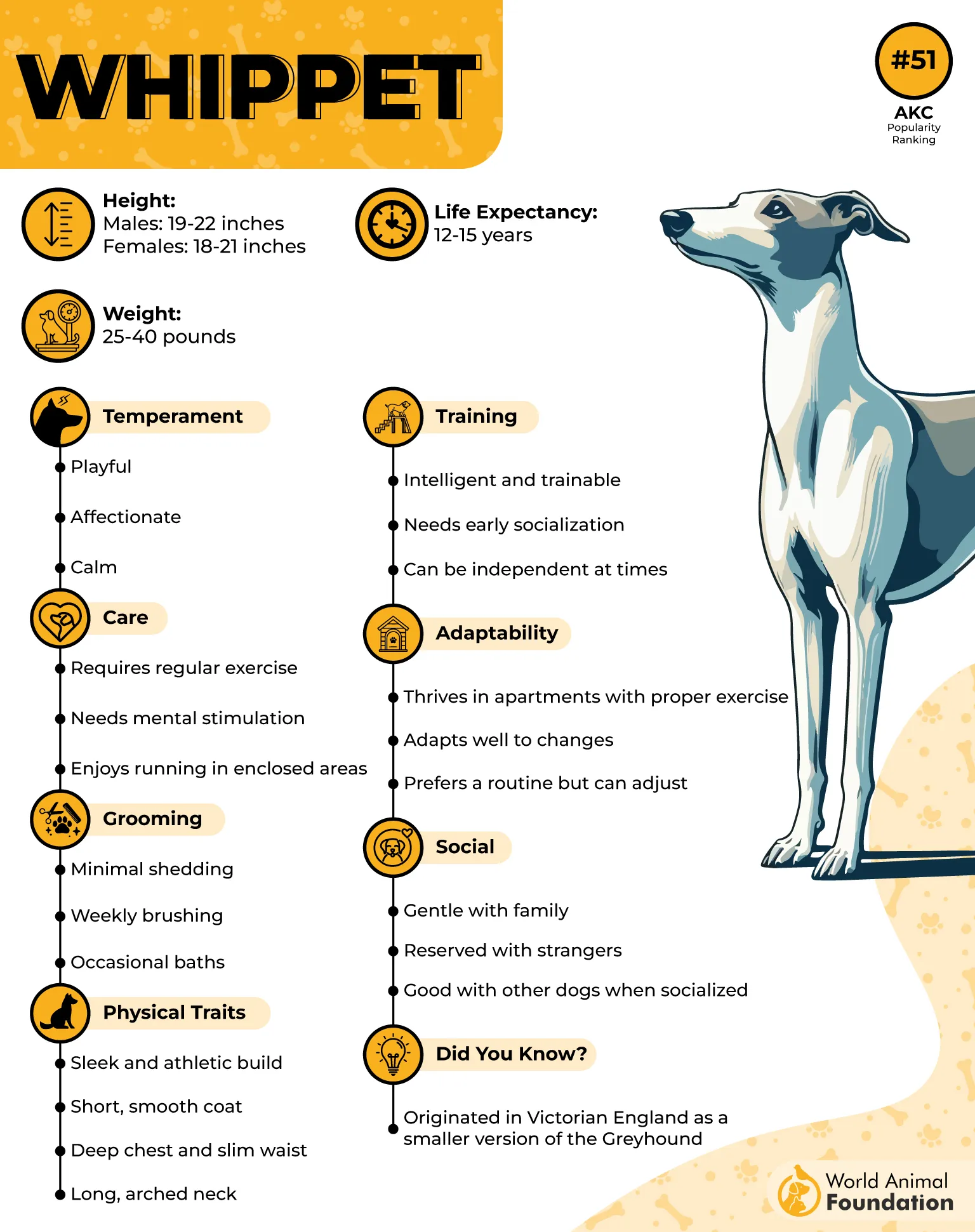
The Whippet emerged in mid-19th-century England, bred to chase rabbits and compete in short-distance racing. Developed from small Greyhounds, Terriers, and later Italian Greyhounds, the breed combined speed with refinement.
A Soft-Hearted Sprinter at Home
While capable of explosive speed outdoors, they are famously relaxed indoors and love curling up for long naps. Sensitive by nature, they can be shy without early socialization. Their gentle temperament makes them appealing to families and first-time owners who enjoy a quieter, affectionate dog.

Patient Training for a Sensitive Mind
Though intelligent, Whippets can be slow to respond to training and require patience and consistency. Positive, reward-based methods work best, especially when started early. Daily exercise is essential, including safe off-lead runs to satisfy their chase instincts.
Why the Whippet’s Short Coat Shines
Close, smooth coat enhances their sleek silhouette
Short fur highlights their elegant, athletic lines
Minimal shedding keeps maintenance easy
Fine coat feels soft and clean with little grooming
Natural sheen adds to their refined appearance
7. Basset Hound
Low to the Ground, Rich in History
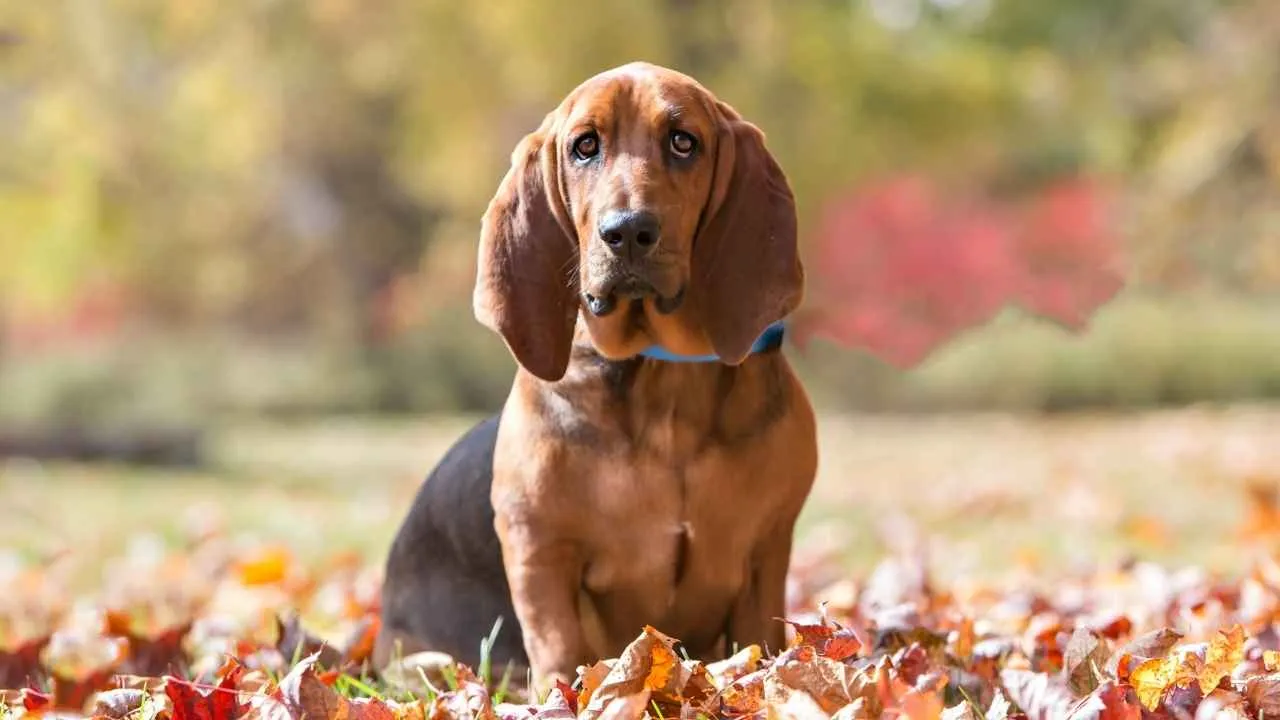
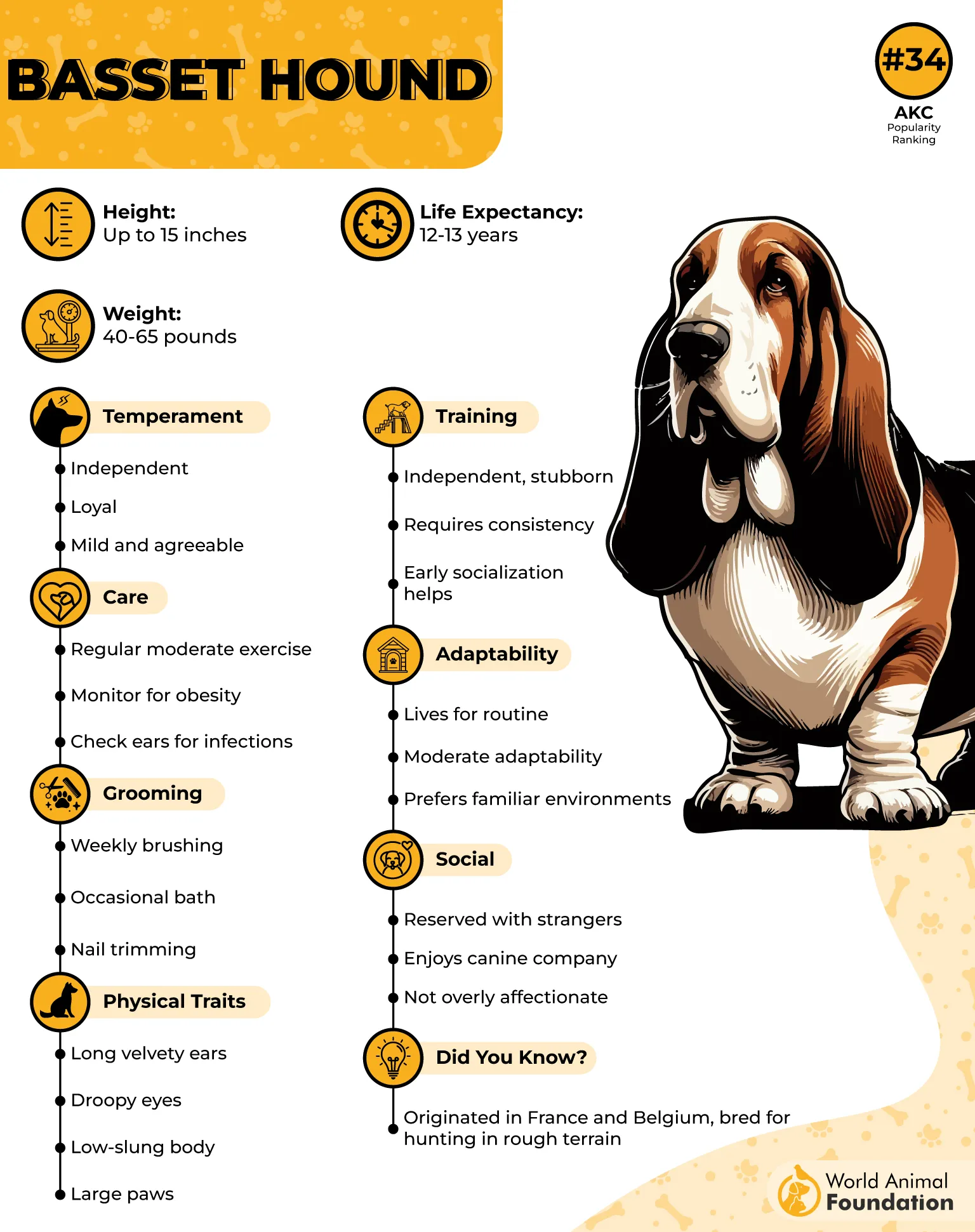
The Basset Hound originated in France and Belgium as early as the 1500s, bred to trail rabbits and deer at a pace humans could follow on foot, as per PetMD. Friars of the Abbey of St. Hubert refined these low-built scent hounds for endurance and accuracy.
A Gentle Soul with a Stubborn Streak
Basset Hounds are easygoing, loyal, and deeply people-oriented companions. Their droopy eyes and wrinkled brows give them a perpetually soulful expression that matches their calm demeanor at home. While affectionate, they are not overly demanding and tend to get along well with children and other pets.
Training the Nose That Knows Best
Though intelligent, Bassets are famously independent thinkers and require patience during training. Positive reinforcement and consistency work far better than forceful methods. Daily walks help keep them fit and mentally satisfied, though they are not built for intense exercise.
Why the Basset Hound’s Short Coat Adds to Its Charm
Short, tight coat lies smoothly against the body
Low-maintenance dog fur suits their relaxed lifestyle
Coat highlights their unique proportions and heavy bones
Natural sheen enhances classic hound coloring
Short hair makes grooming quick and simple
Conclusion
Choosing among medium-sized dog breeds with beautiful short hair allows pet parents to balance style, comfort, and practicality with ease. These short-haired dog breeds are often recognizable dog breeds with a smooth coat that helps remove loose hair quickly using a quick brush.
From short-haired dogs with big personalities to calm companions that enjoy rest after daily walks, these dog breeds suit many lifestyles. Whether inspired by a Boston Terrier, Beagle, Whippet, Boxer, German Shorthaired Pointer, or even a Great Dane, pet owners can compare energy levels, temperament, and coat type to find the right dog.
Making an informed decision means considering exercise, training, and mental stimulation alongside grooming needs like weekly brushing, occasional brushing, nail trimming, or an occasional bath. While other short-haired breeds may have a dense coat or medium coat, they still shed less than long-haired breeds and handle hot weather well.
