




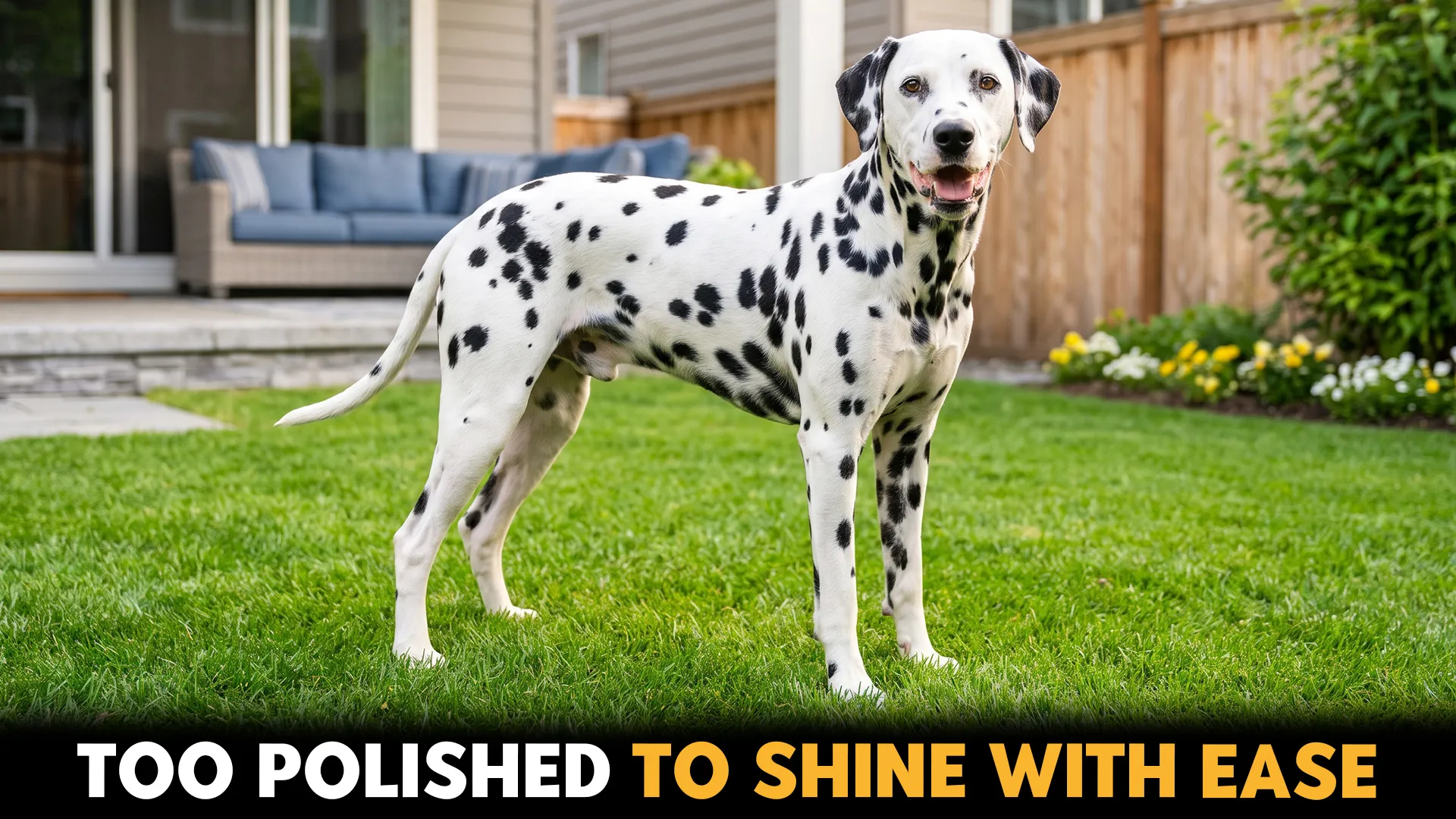
Picture a dog stepping inside after an afternoon walk, its smooth coat carrying a little dust from the garden and barely any tangles from the outing.
A quick wipe, a gentle brush through the fur, and the usual grooming routine is practically finished. This is part of the everyday appeal of medium-sized dogs with short, sleek coats. Their close-fitting fur generally needs far less detangling than longer, thicker coats, making everyday care fairly straightforward for busy owners.
A grooming mitt or soft brush can remove loose hair, while occasional baths help keep the coat clean. Their shedding habits still deserve attention, particularly during seasonal changes, when loose fur may collect on household surfaces. Medium-sized dogs also offer a comfortable balance of physical presence and manageable proportions for different households.
If a neat-looking companion with relatively simple coat care sounds appealing, the breeds ahead offer plenty to consider, from physical characteristics to grooming needs and temperament.
Key Takeaways
Would you enjoy having a dog that takes care of some of its own grooming? The Basenji is particularly interesting in this regard.
Its cat-like cleaning habits and minimal shedding make it an appealing choice for people who prefer simpler coat care.
The Basset Hound also has a naturally dirt-repellent coat, while the Australian Cattle Dog has fur that helps repel rain.
There’s plenty more to learn about these breeds, especially if you’re looking for a companion that suits your daily routine.
Medium-Sized Dog Breeds Featuring Short, Sleek Coats
1. Beagle
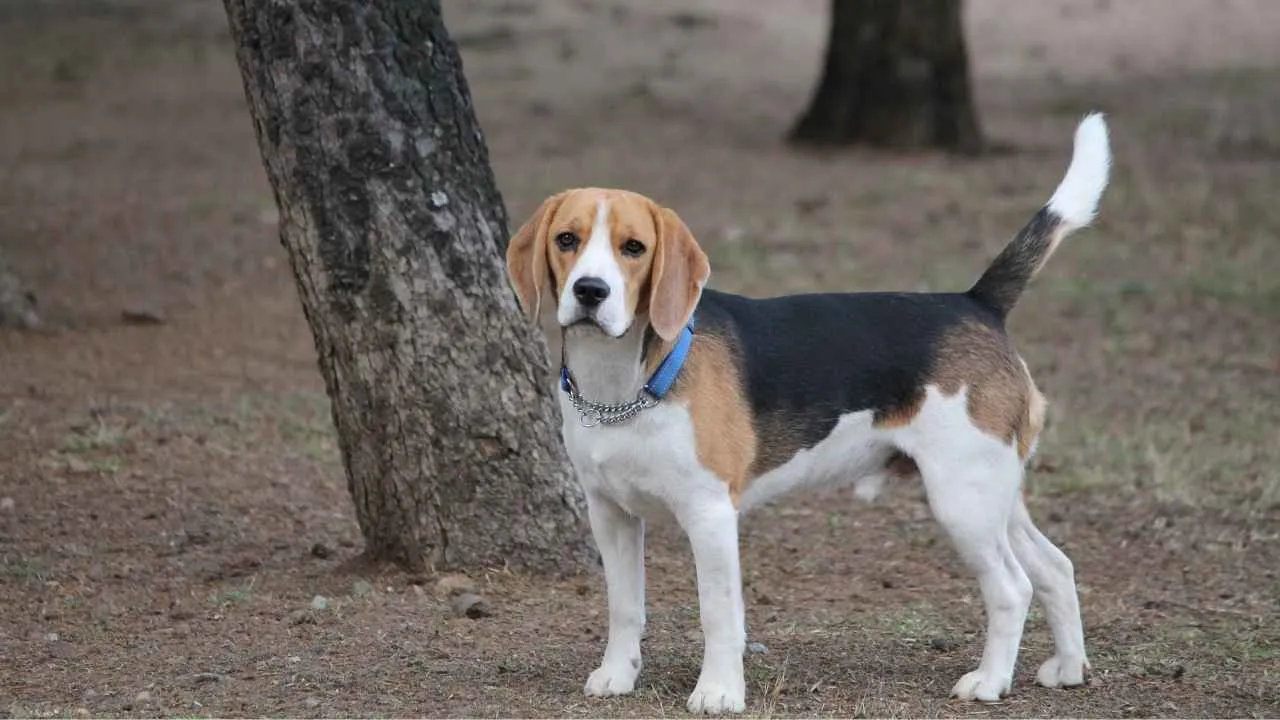
The Beagle’s history dates back to 14th-century England, when small hounds were used for hunting hares. By the late 1800s, the modern type had become established, and packs of Beagles were commonly taken across the countryside to hunt foxes, hares, and rabbits.
A Close-Fitting, Easy-Care Coat
This medium dog has a dense coat that lies close to the skin, with short-to-medium hair that gives it a sleek appearance, as Pawlicy Advisor describes. Its grooming routine is fairly simple, although seasonal shedding can call for extra attention during spring and winter.
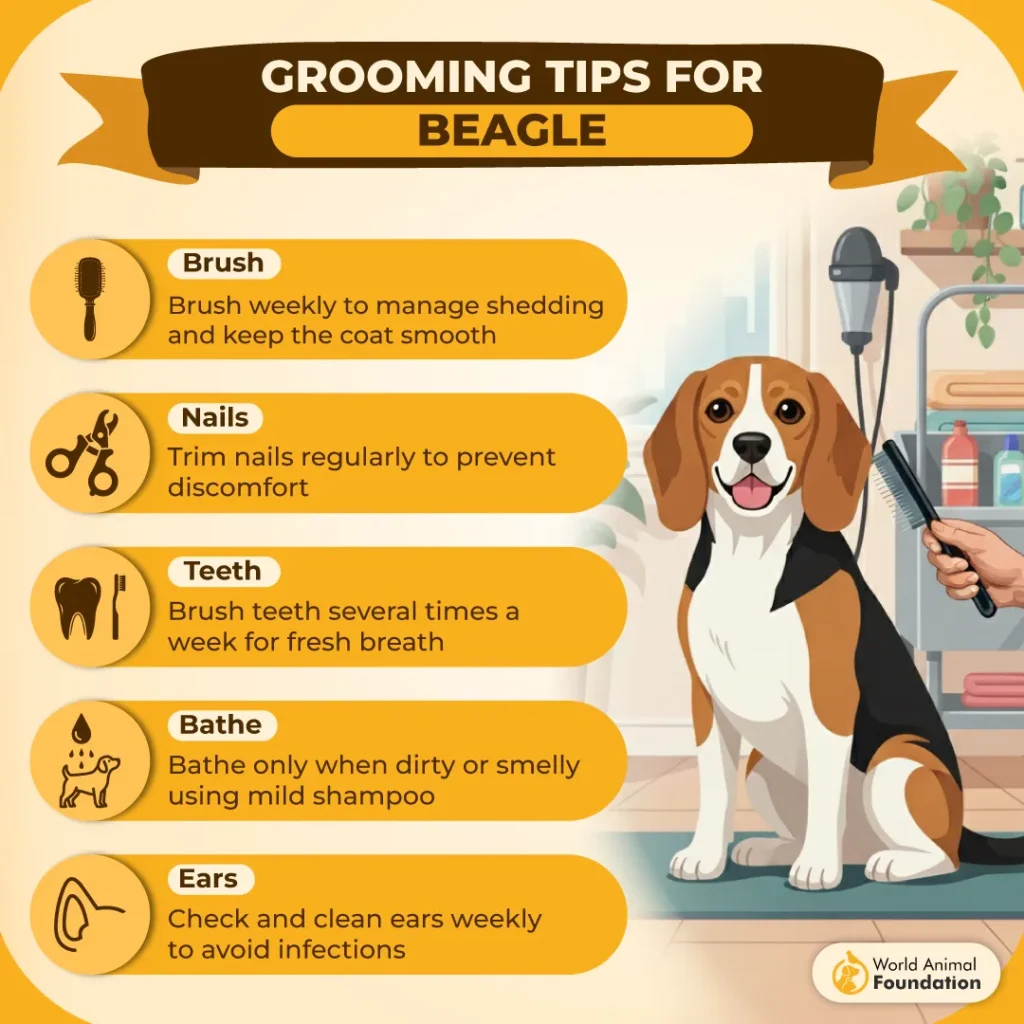
These care details are worth keeping in mind:
Brush twice weekly during heavier shedding periods.
Bathe after muddy or particularly messy outings.
Check for loose hair more often during seasonal changes.
Always Following an Interesting Scent
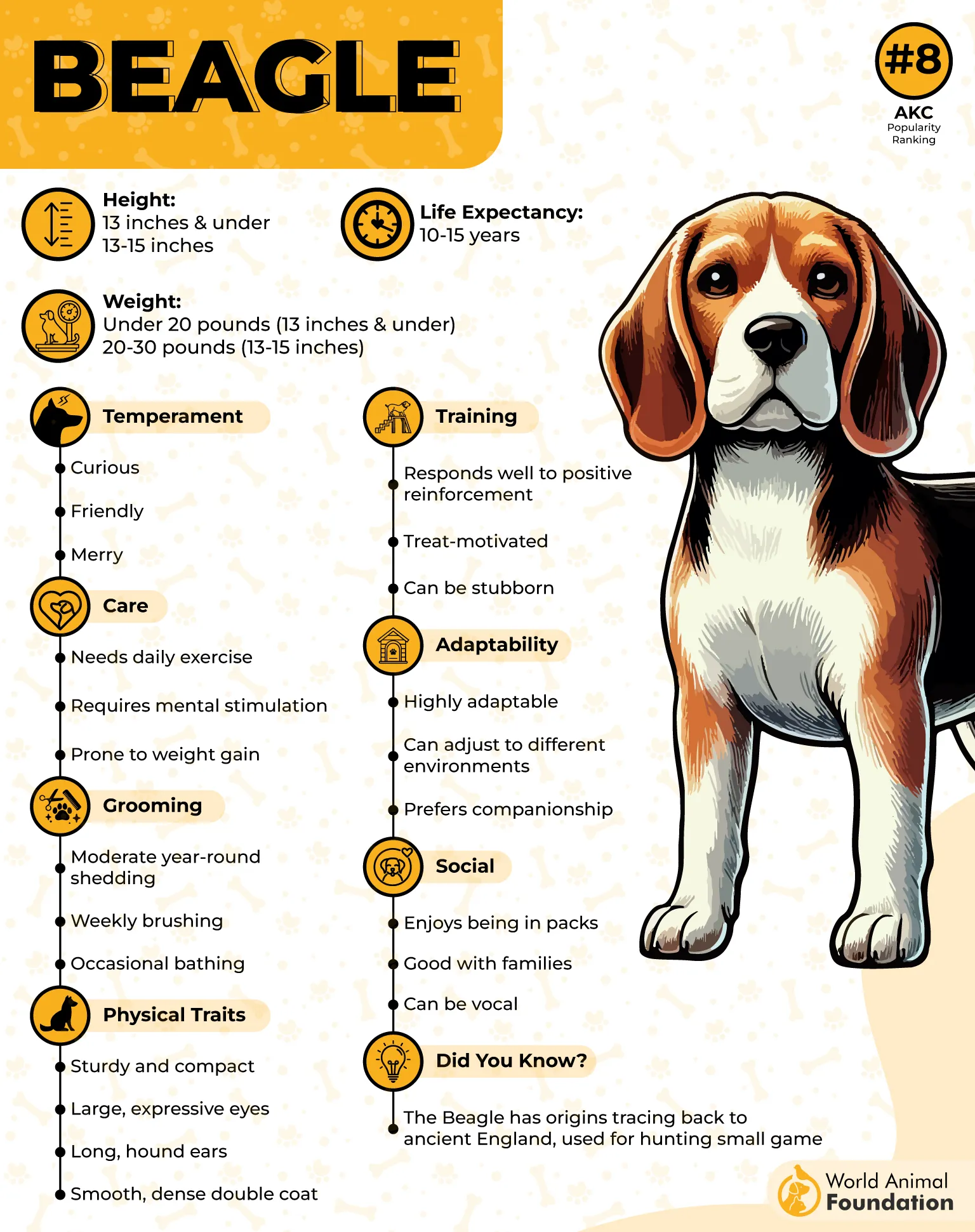
Curiosity comes naturally to Beagles, whose powerful noses can lead them toward an interesting smell before anything else catches their attention. They are cheerful, determined dogs with a love of exploration, and their distinctive baying can become quite noticeable when they are excited or left alone.
2. English Bulldog

The English Bulldog originated in England during the 13th century, when it was used in the brutal sport of bull baiting. After the practice became illegal in 1835, the breed gained popularity as a companion and eventually became a familiar symbol of England, as highlighted in Omlet.
A Short Coat With Simple Care Needs
The English Bulldog’s fine, straight hair sits flat against its stocky body, with little risk of tangles. The areas that deserve closer attention during grooming are its deep facial wrinkles, where moisture and debris can easily collect.
These other basic care habits help with that:
Brush weekly with a slicker brush.
Bathe roughly once a month.
Ask a vet about extra baths for skin problems.
Affectionate With a Stubborn Streak
English Bulldogs are generally calm, affectionate, and devoted to their families. They can be excellent companions for children who respect their boundaries, although their strong-willed nature can make changing their minds a challenge. They also tend to get along with other household pets.
3. Whippet
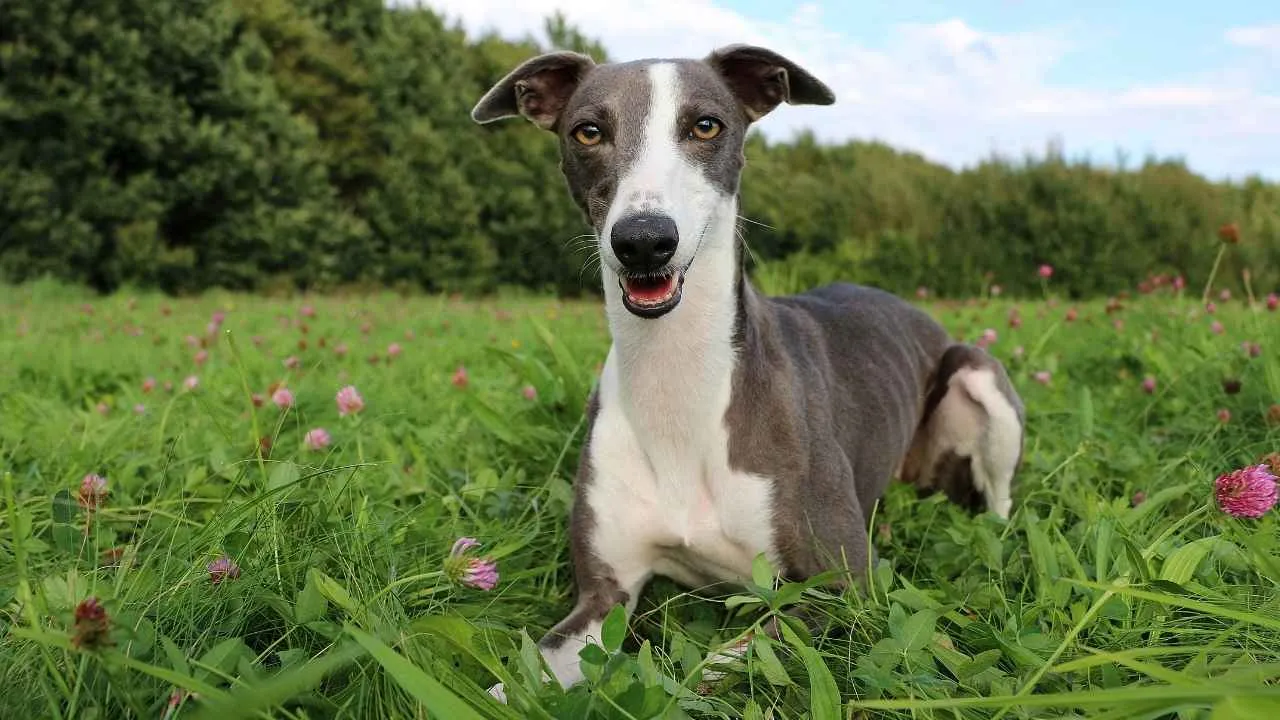
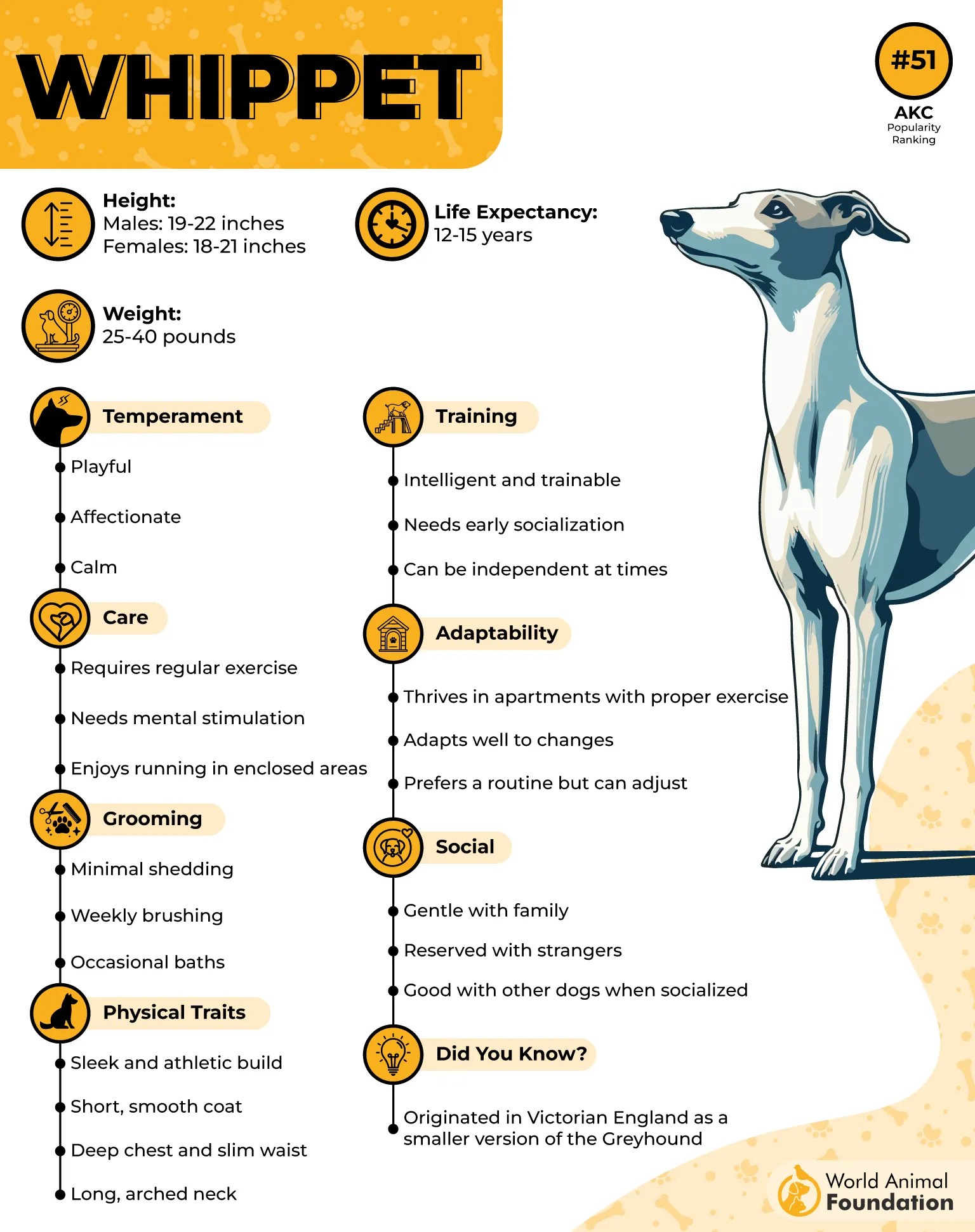
The Whippet comes from Greyhound stock, with smaller dogs believed to have been bred to create its more compact size. Originally used to hunt rabbits, it later became popular among working-class communities in England, where chasing a waving flag turned into the sport known as Whippet racing.
A Short, Smooth Coat
A Whippet has a close-fitting coat with a silky-smooth texture across the head and a firmer feel along the back. Its short hair sheds very little, making coat care relatively straightforward compared with breeds that have heavier or longer fur.
Here are some other grooming essentials:
A weekly brushing helps keep its coat glossy.
A bristle brush or grooming glove works well.
A bath every four to six weeks is generally sufficient.
Gentle at Home, Fast Outdoors
Whippets are calm, loyal companions that are especially gentle with children, as per the AKC. They enjoy family company and often spend long stretches resting on a comfortable sofa or bed. Their sensitive nature also means unexpected touches and harsh training can make them uneasy.
4. Basenji
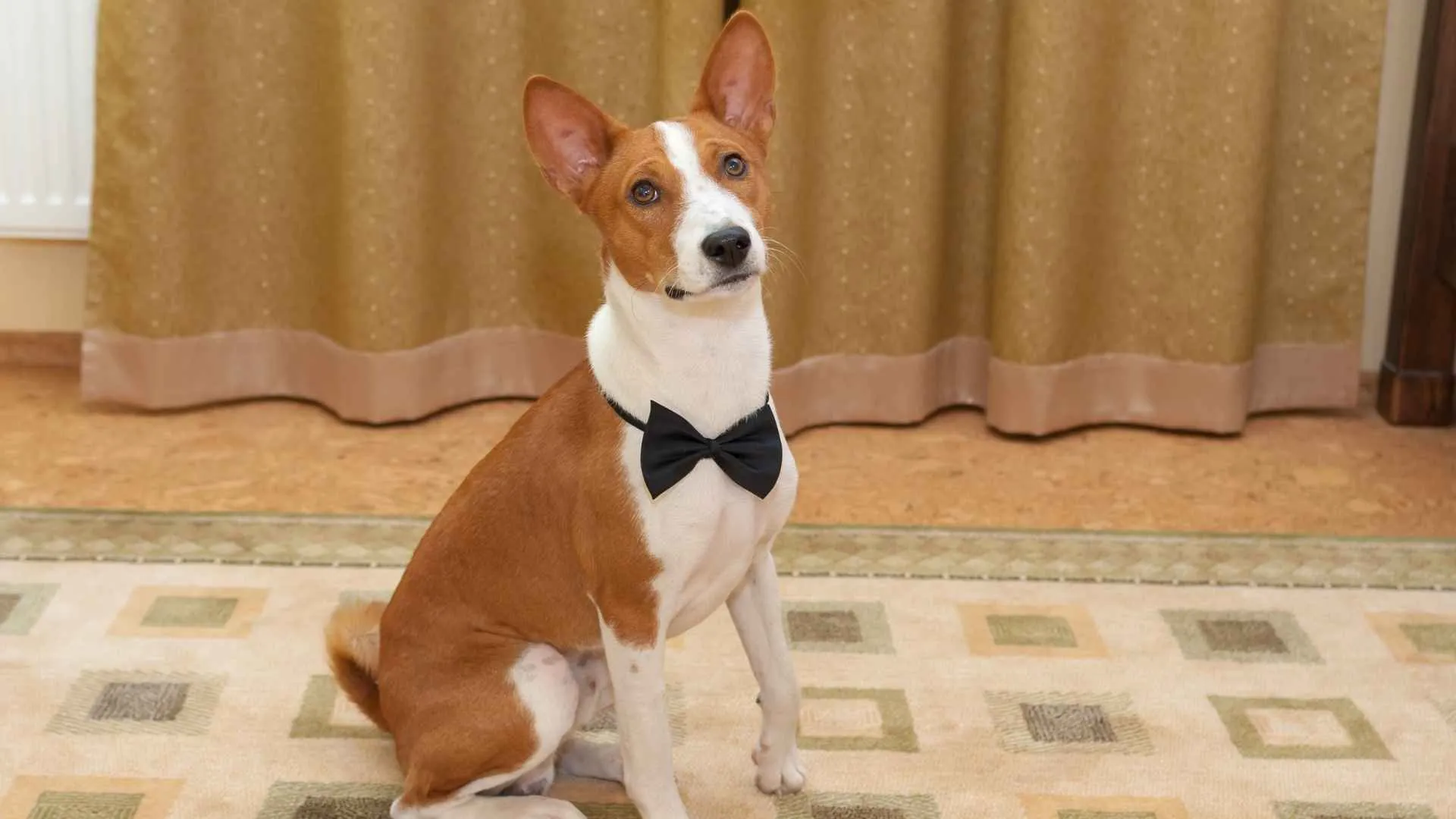
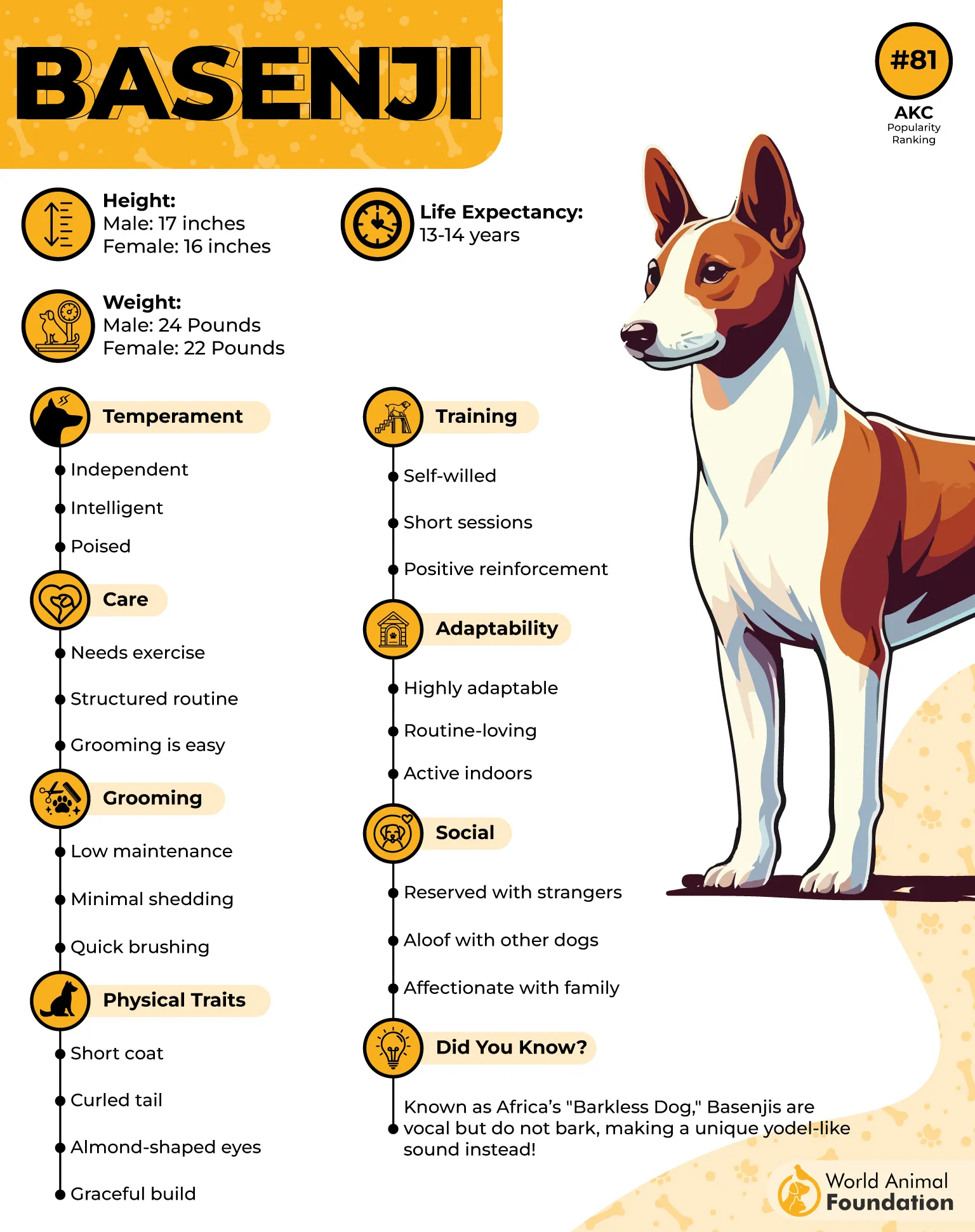
The Basenji comes from the Congo region of Africa, where it worked alongside Pygmy hunters as a pack dog used to locate and pursue game. A few arrived in England in 1930, forming the foundation of the breeding program that later introduced the breed to more households.
A Naturally Neat Short Coat
The Basenji has a short, smooth coat with minimal shedding, even during seasonal changes in spring and fall. It also grooms itself much like a cat, so occasional baths and a weekly brushing with a rubber curry or bristle brush are generally sufficient.
There are a few other fascinating sides to this breed:
Comes into season once a year.
Has impressive climbing and escaping abilities.
Enjoys chasing activities such as lure coursing.
Independent and Clever
A Basenji can be affectionate and devoted to its favorite person, yet its independent nature makes training a challenge. It responds better to patient, treat-based rewards than harsh corrections, while a poor recall and strong chasing instincts require careful supervision outdoors.
5. Boxer
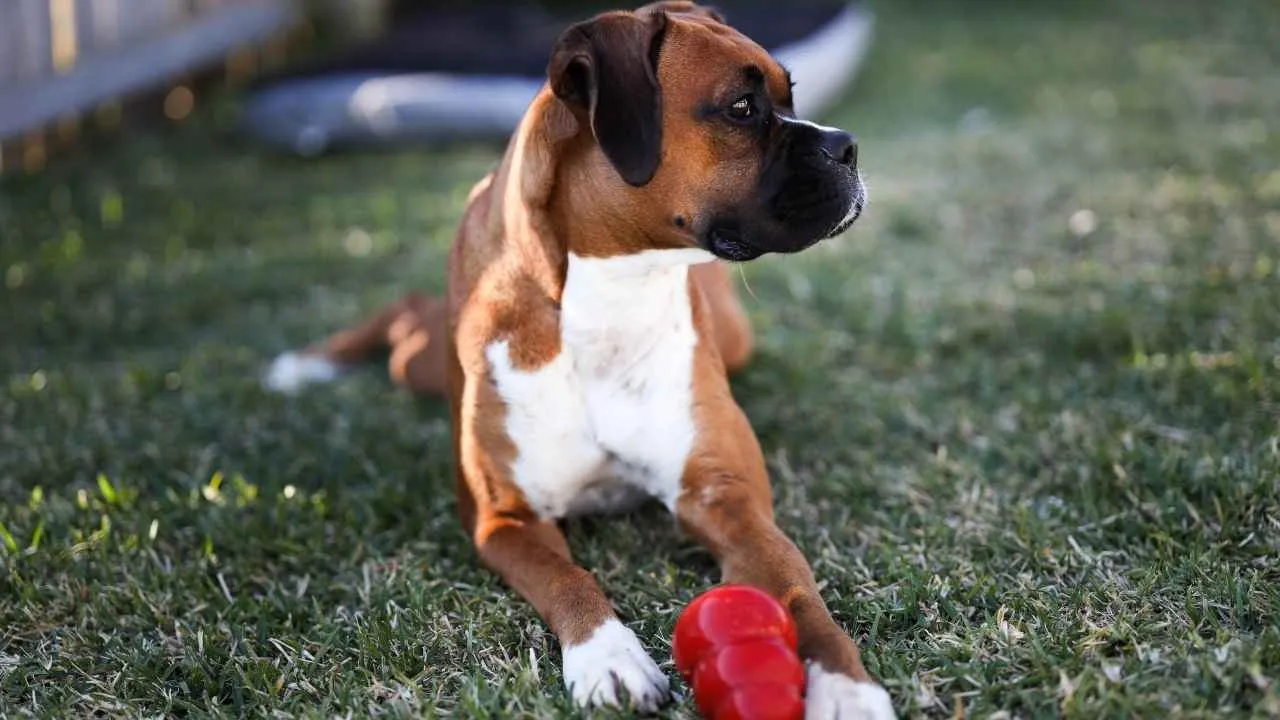
The Boxer takes its name from the late 19th century, with ancestry linked to the German Bullenbeisser and Bulldog. Originally used by butchers to control cattle at slaughterhouses, the breed later gained recognition for its versatility during the First World War.
A Short, Smooth Coat
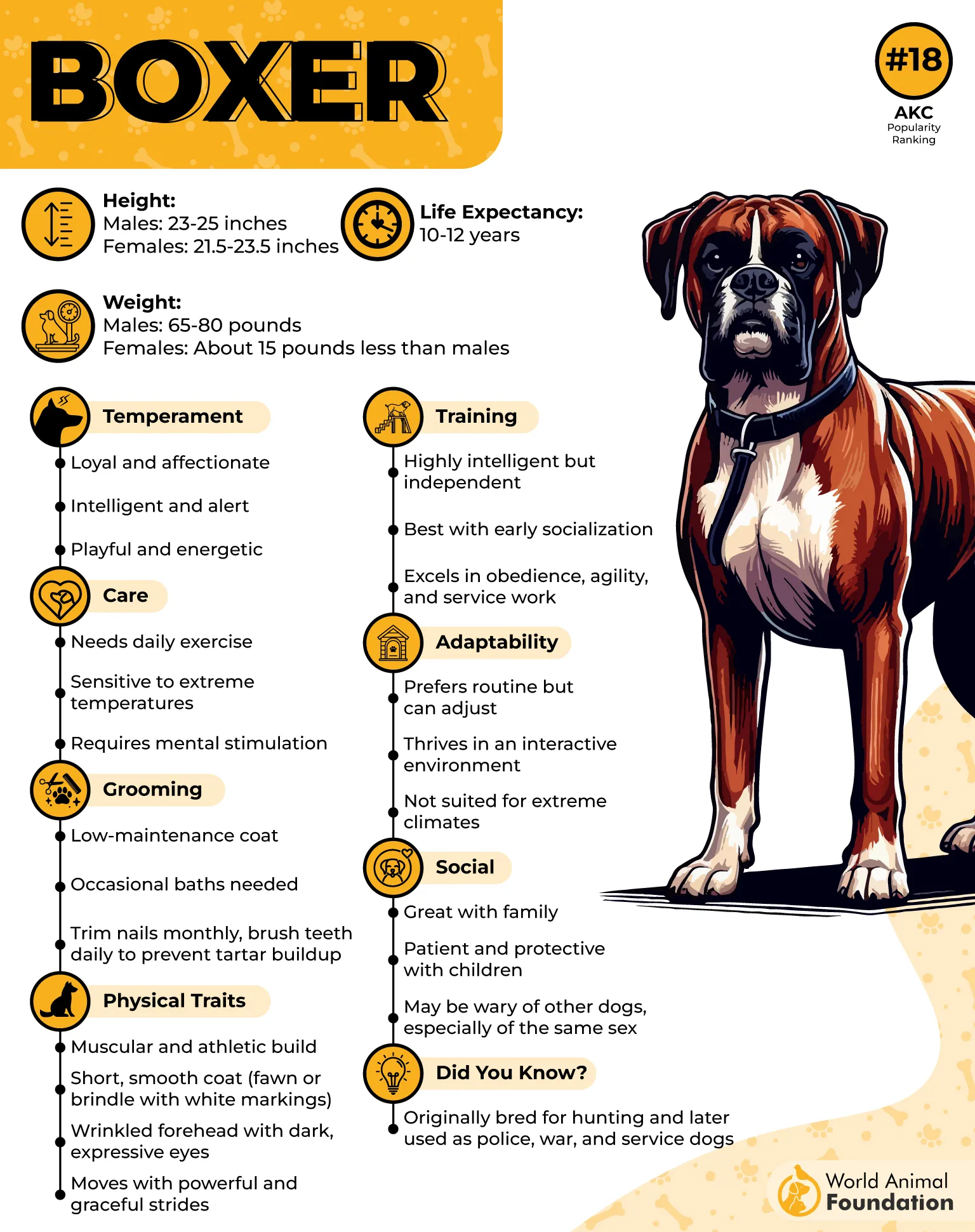
The Boxer has a close-fitting, smooth coat that comes mainly in fawn or brindle, often with white markings. All-white Boxers also occur, although white is not an officially recognized color. Its coat sheds moderately and benefits from brushing several times a week.
These everyday habits give this breed its lively character:
Follows family members around the house.
Often remains puppy-like until around three years old.
Needs a couple of good walks each day.
Training Takes Patience
This guard dog responds well to games, treats, and positive reinforcement during training. It may take time to learn new commands, and occasional stubbornness calls for fair, consistent guidance. These dogs also enjoy plenty of human attention, so interactive training sessions can make learning more rewarding.
6. Basset Hound
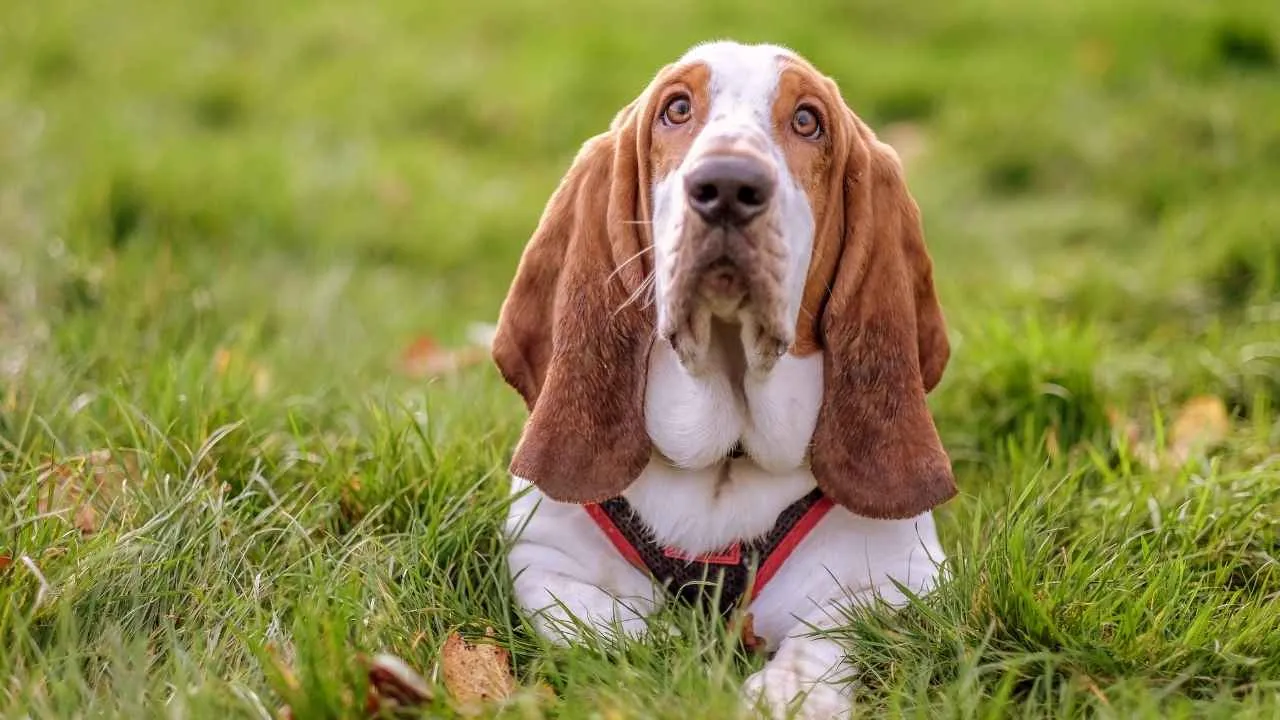
The Basset Hound originated in France, where its low build suited hunting rabbits and hares through dense ground cover. Its name comes from the French word bas, meaning low, and Bloodhound crosses in the late 1800s and early 1900s helped increase its size.
A Naturally Short, Smooth Coat
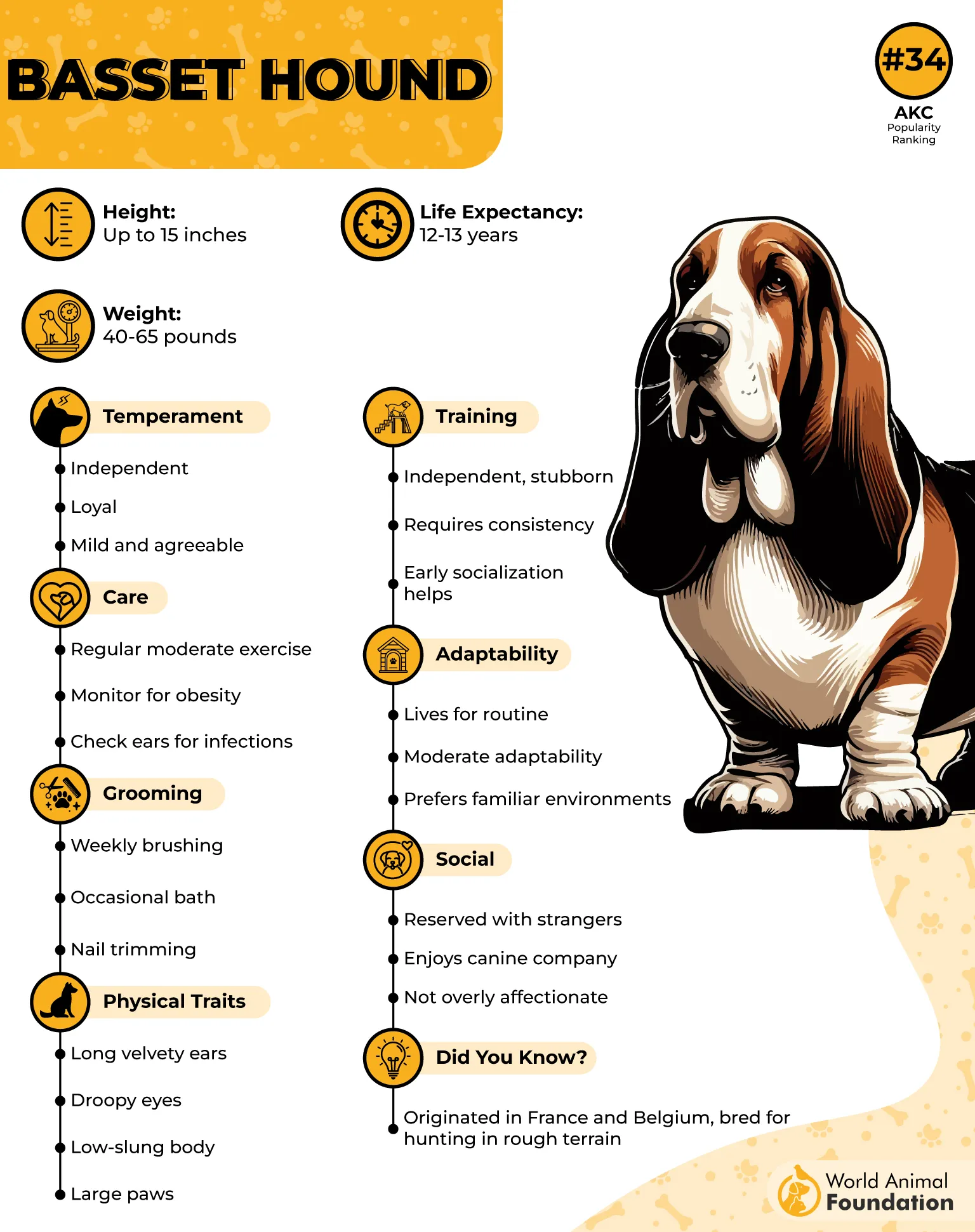
This hound dog has short, stiff hair that lies close to the body and naturally repels dirt and water. Tricolor markings in black, tan, and white are especially common, while lemon and white, red and white, and brown and white are also seen.
Its hunting instincts bring a few other interesting habits:
Follows interesting scents with intense concentration.
Produces a distinctive bay when excited by a trail.
Responds well to food rewards during training.
Simple Coat Care, Regular Attention
That short coat needs relatively little grooming, although weekly brushing with a bristle brush helps control shedding and keep the hair glossy. A monthly bath is usually enough, while their long ears need regular cleaning and drying to prevent dirt and moisture from collecting.
7. Australian Cattle Dog
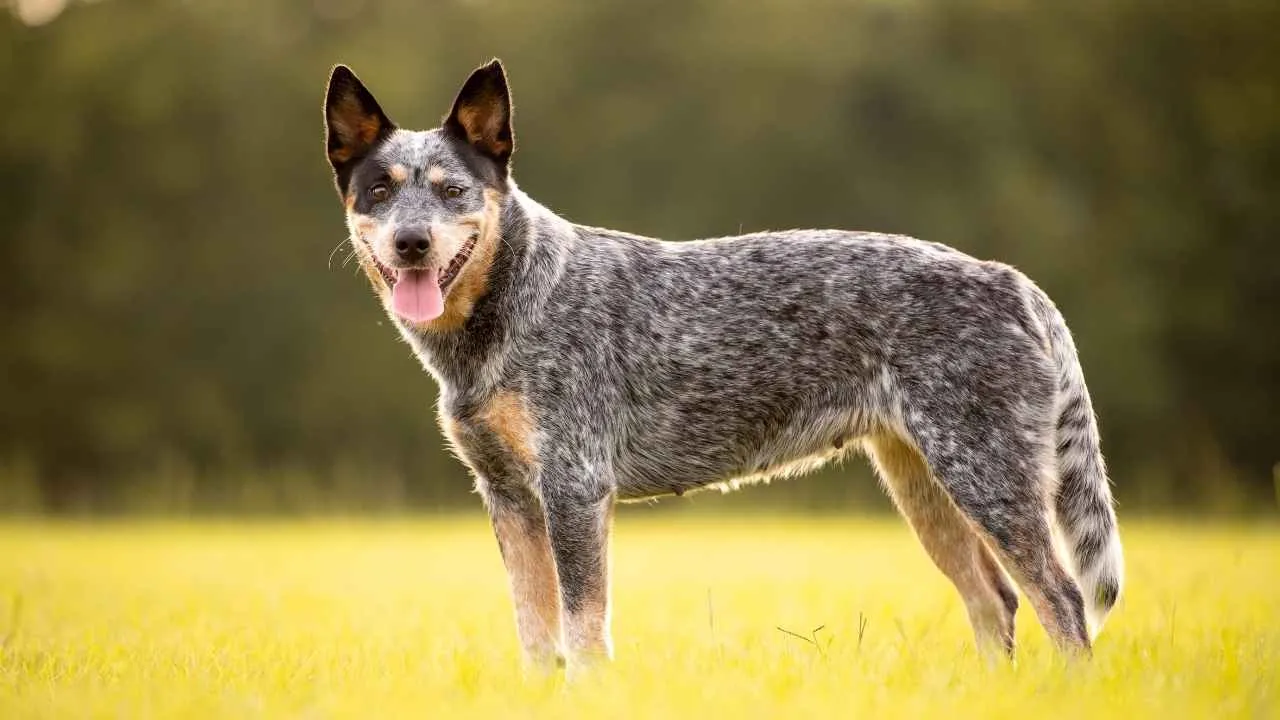
The Australian Cattle Dog developed in the 1800s, when cattle herding across Australia’s rough grazing lands called for a tough, capable worker. In 1840, a man named Hall crossed Blue Merle Highland Collies with tame Dingoes, producing the dogs known as Hall’s Heelers.
A Weather-Ready Double Coat
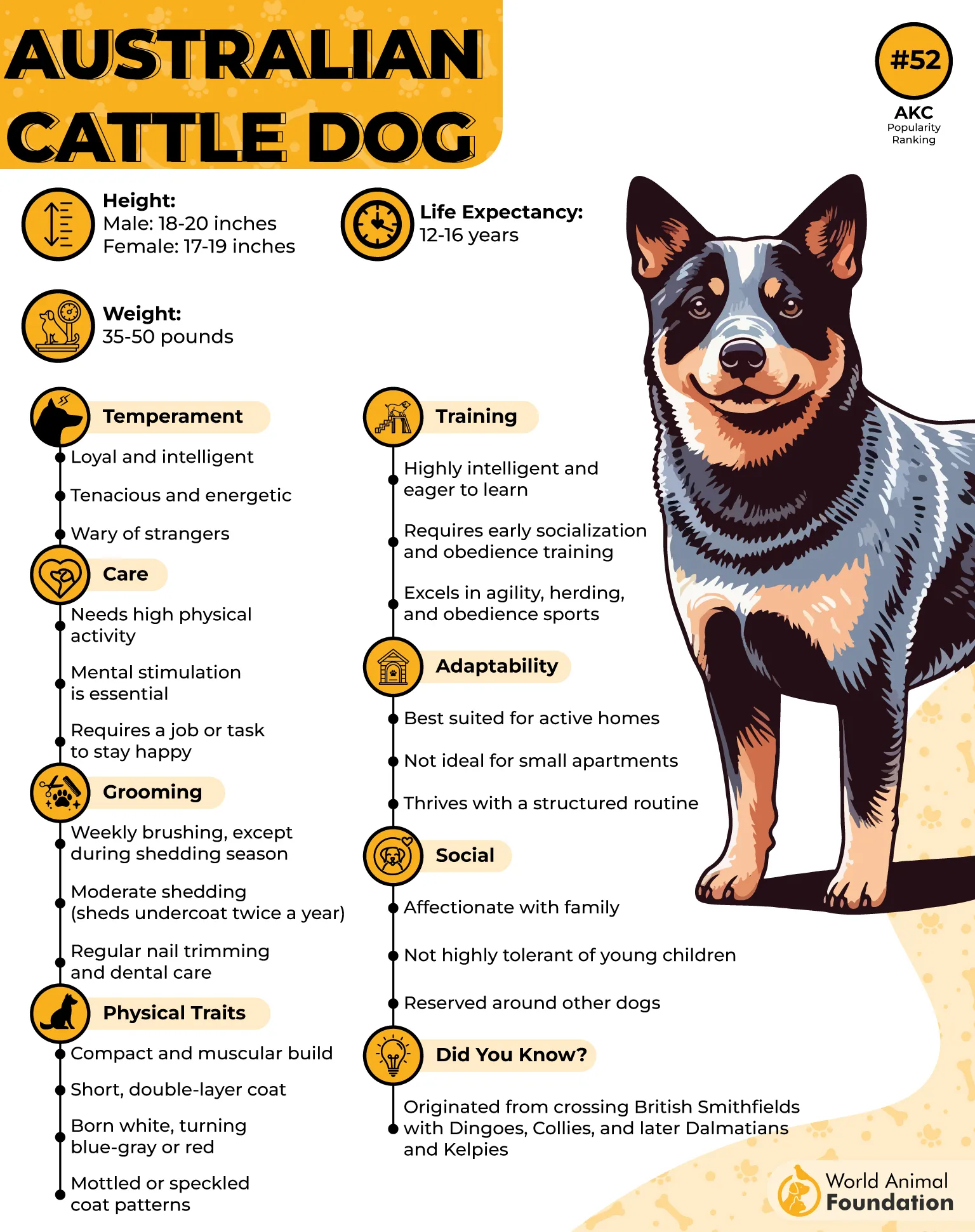
Run your hand over an Australian Cattle Dog’s coat, and you’ll notice firm, straight hairs covering a softer, tightly packed undercoat. The outer hairs lie flat and help repel rain, a useful feature for a dog accustomed to working outdoors in unpredictable weather.
There are a few other details worth knowing:
Brush weekly with a bristle or slicker brush.
Use an undercoat rake during seasonal shedding.
Give a bath once a month.
Smart, With a Mind of Its Own
Quick to learn new commands, the Australian Cattle Dog also likes working out challenging problems independently. It responds well to consistent, reward-based training and needs purposeful physical activities such as agility or flyball to prevent boredom and destructive behavior at home.
8. Dalmatian
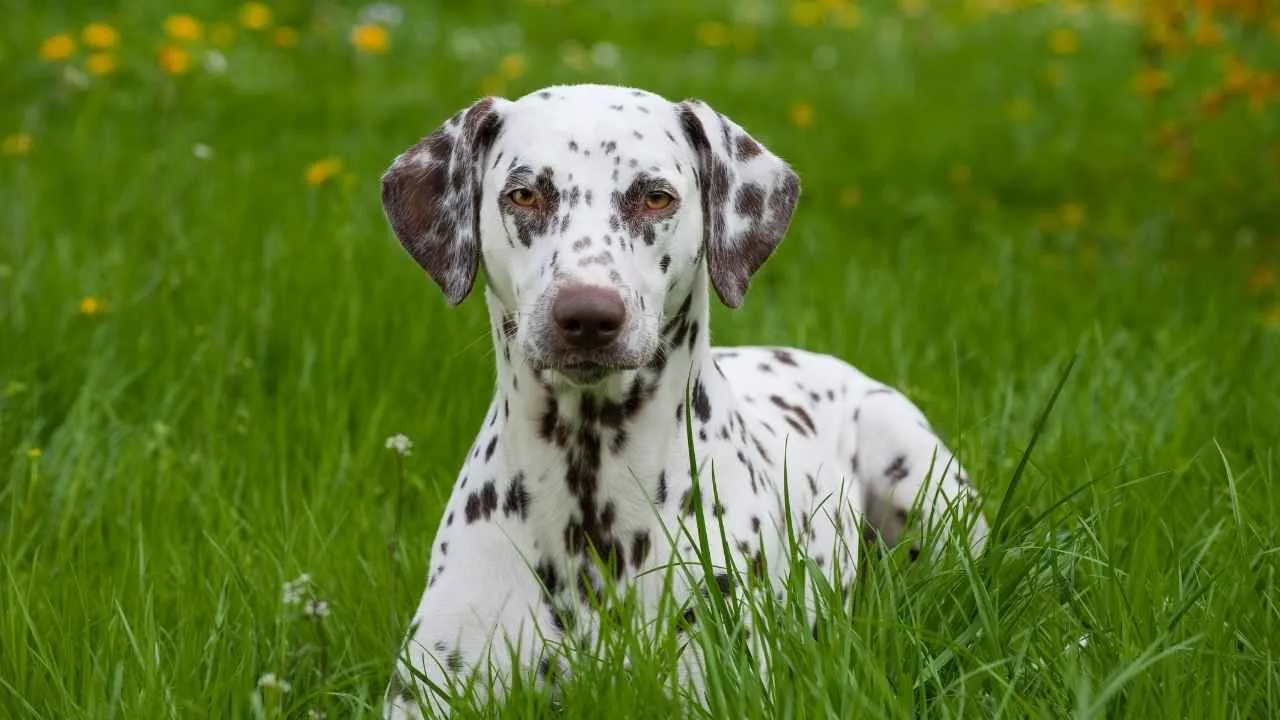
The Dalmatian’s exact origins remain uncertain, although its unique coat has been recognized for centuries. During the mid-1800s, it became a coach dog, trotting alongside horse-drawn carriages to guard the horses and accompany travelers. Its remarkable stamina made it well suited to these long journeys.
A Short Coat With Plenty of Shedding
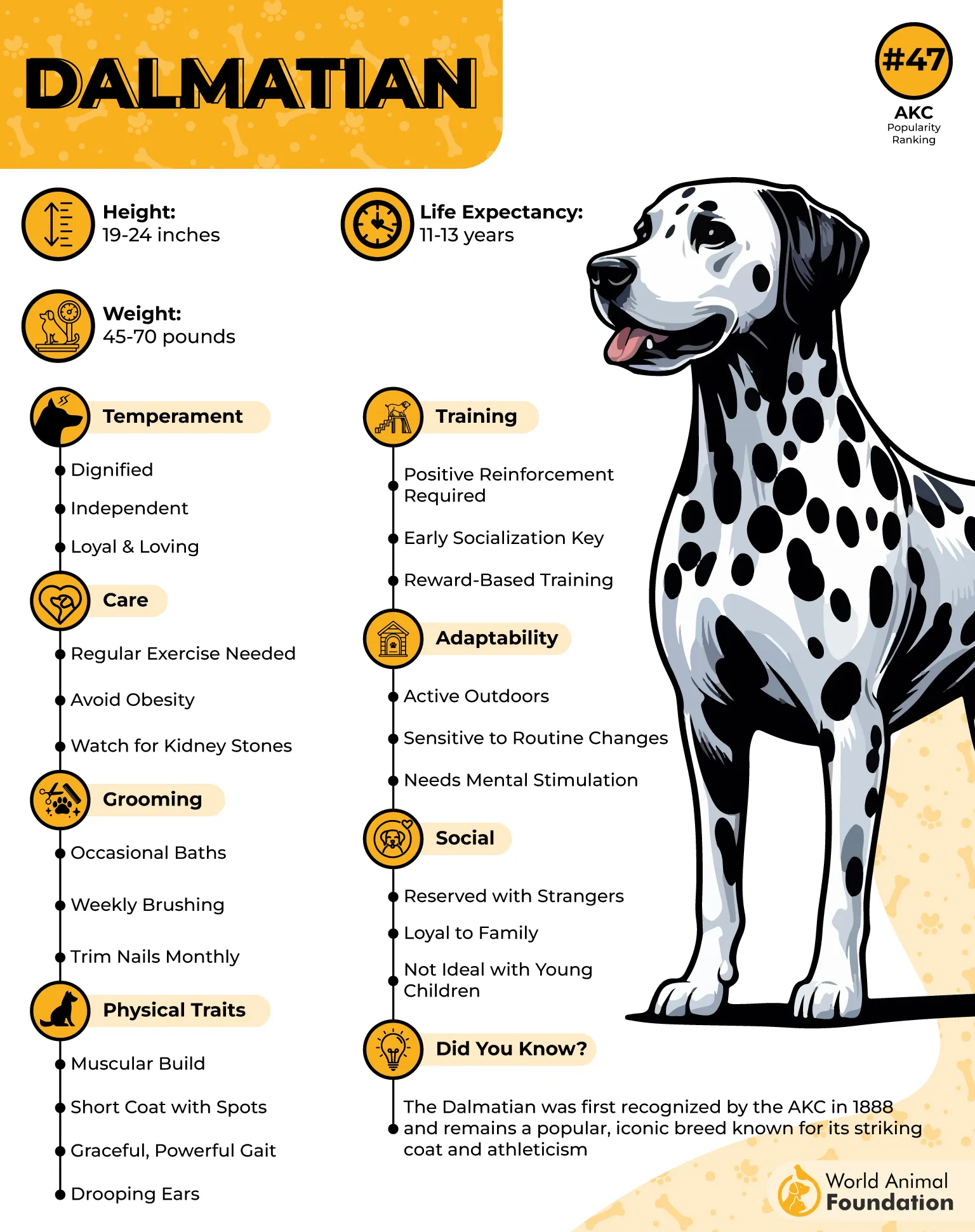
The Dalmatian has a close-fitting, smooth coat that needs little attention to prevent tangles. However, its short hair sheds considerably, so regular brushing with a grooming mitt or rubber curry comb helps manage loose fur.
There are a few other details worth knowing about this breed:
Learns new tricks and cues quickly.
Often makes a good companion for horses.
Enjoys meeting people and socializing.
An Enthusiastic Household Companion
Affectionate and protective of their families, this companion dog can fit well into active households. Their size and bouncy nature may overwhelm small children during play, while early socialization helps them behave appropriately around unfamiliar dogs and visitors.
9. American Staffordshire Terrier
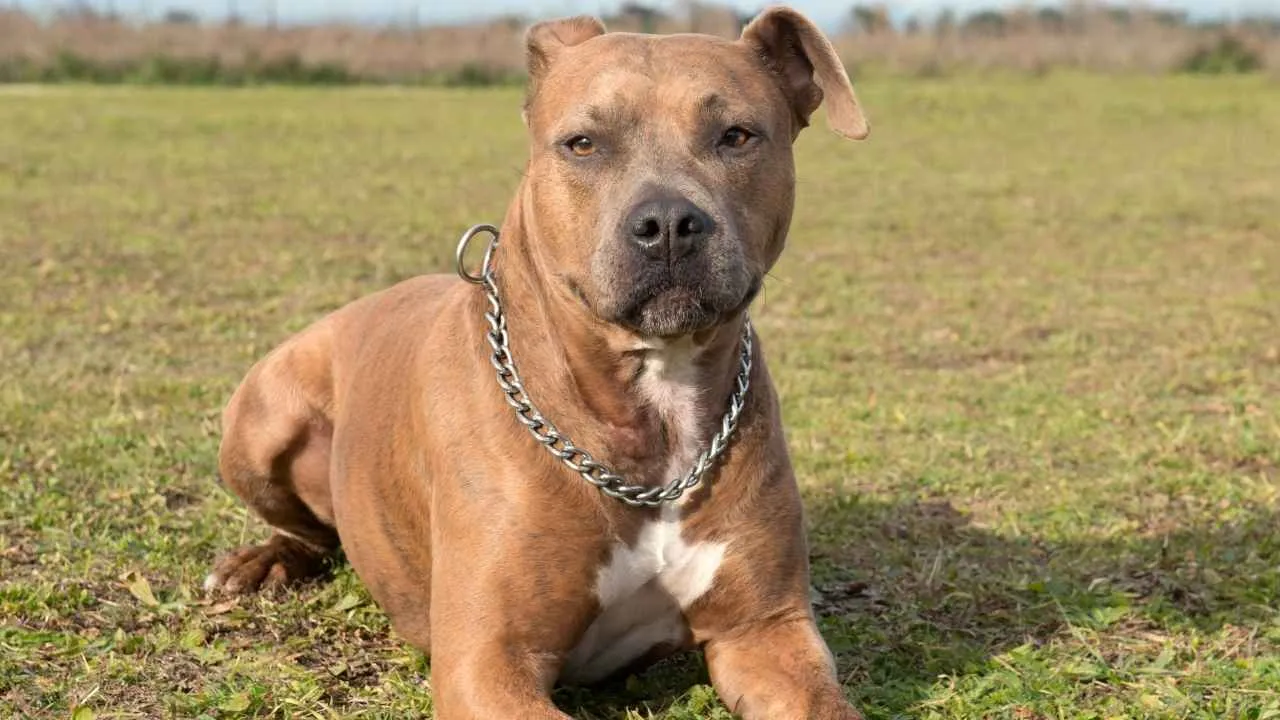
The American Staffordshire Terrier has a difficult history rooted in 19th-century England, where dogs were used in bull-baiting and fighting contests. Bull-baiting was outlawed in 1835, and the breed’s ancestry is believed to include English Bulldogs and possibly now-extinct terrier types.
A Short, Glossy Coat
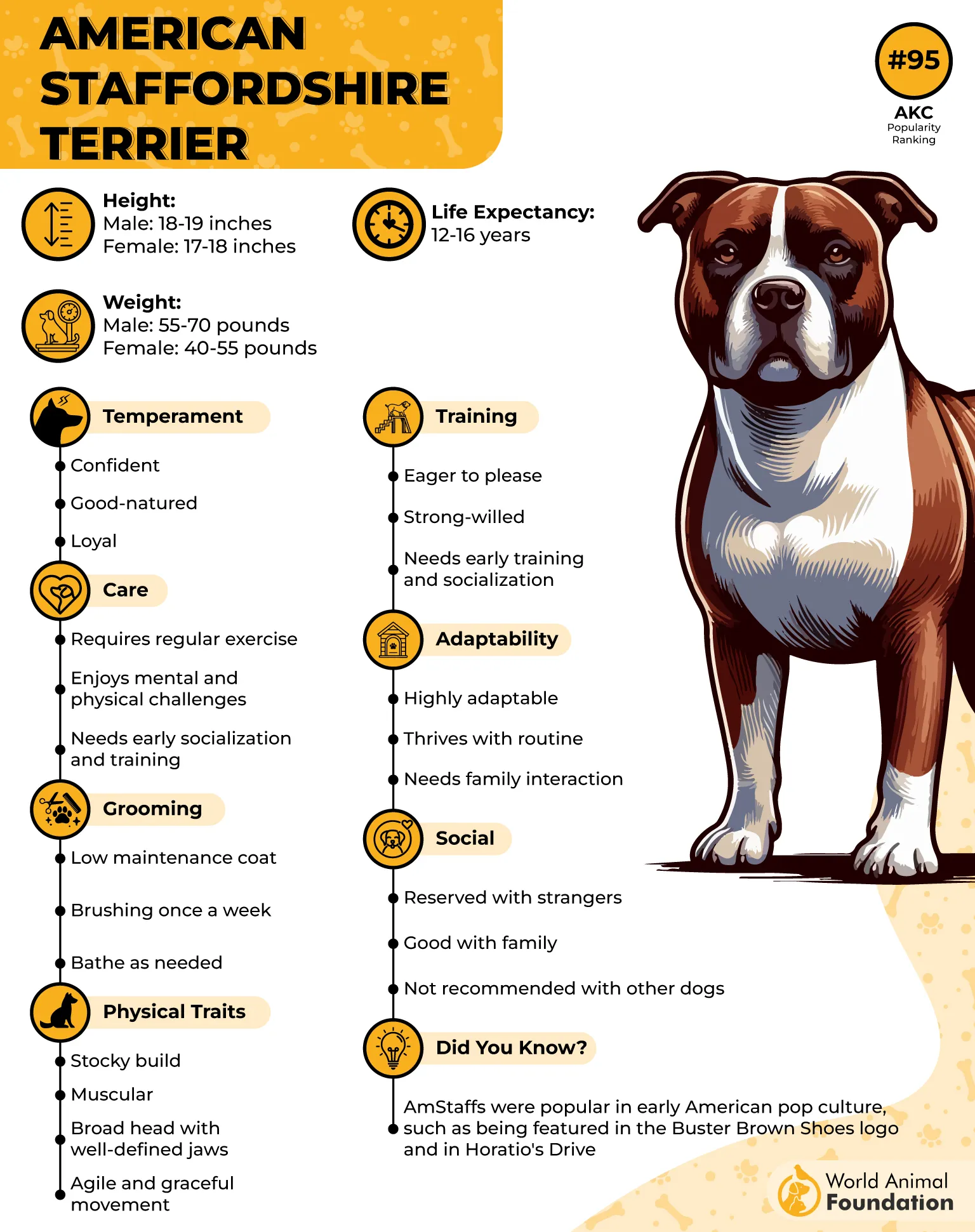
The American Staffordshire Terrier has a short, stiff coat with a natural glossy finish. Its close-fitting hair gives the breed a sleek appearance, making it a good fit for an article about medium-sized dogs with shorter coats.
There are a few details worth knowing about its coat care:
Comes in as many as 18 colors.
Needs light brushing once a week.
Usually benefits from bathing every two to four weeks.
A Playful Family Companion
AmStaffs are energetic, people-oriented dogs that enjoy games such as fetch and tug-of-war. They respond well to training and enjoy activities that challenge their intelligence, while early socialization helps them feel comfortable around unfamiliar people and other animals.
Conclusion
Medium-sized dogs with short coats offer a range of personalities and care requirements. A weekly brush may be enough for some, while heavier shedding can call for more frequent attention. Coat length alone does not tell the whole story, especially when skin folds, ears, or a dense undercoat need extra care.
Think about the dog’s energy level and temperament alongside its grooming needs. An active household may enjoy a lively companion, while a calmer home may prefer a more relaxed nature.
Looking at these everyday details can help you choose a dog whose needs fit your daily routine over time.
