




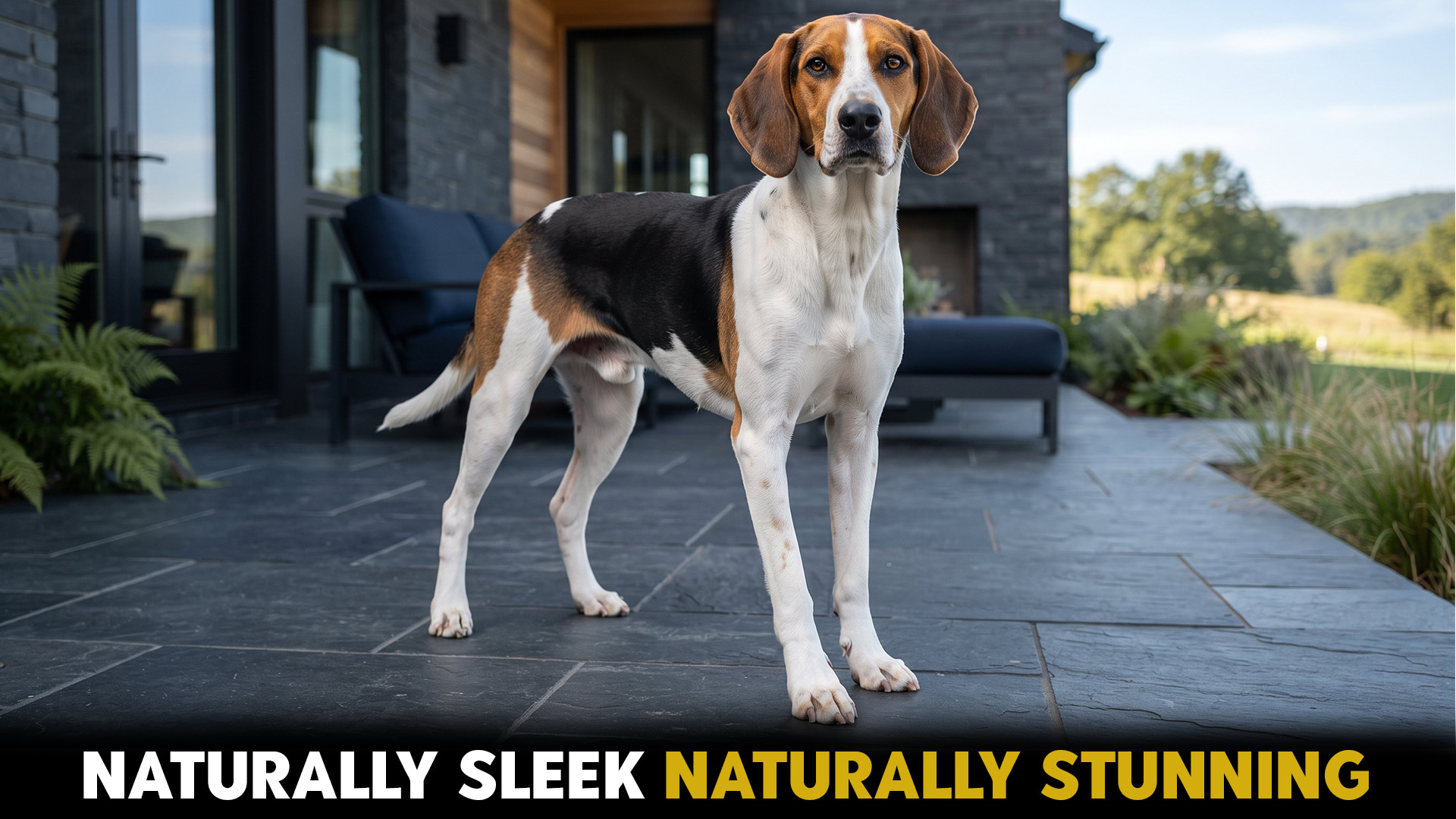
If you’ve already decided that a naturally short coat belongs at the top of your wish list, you’ve probably saved yourself from crossing dozens of long-haired breeds off the list later.
That one preference instantly changes the search, but it still leaves plenty of great choices to explore. Medium dog breeds with naturally short hair come in all kinds of personalities, from relaxed companions that enjoy a slower pace to energetic partners that would happily join every weekend adventure.
They share one practical advantage, yet they couldn’t be more different once you look beyond their coats. That’s why choosing one isn’t simply about finding the best-looking dog. It’s about finding the one that fits the way you actually live.
Here, you’ll explore a collection of medium-sized short-haired breeds, learn what sets each apart, and narrow your options with confidence instead of second-guessing every choice.
Key Takeaways
Most short-haired dogs can be wonderfully easy to care for, yet their personalities can take you in completely different directions.
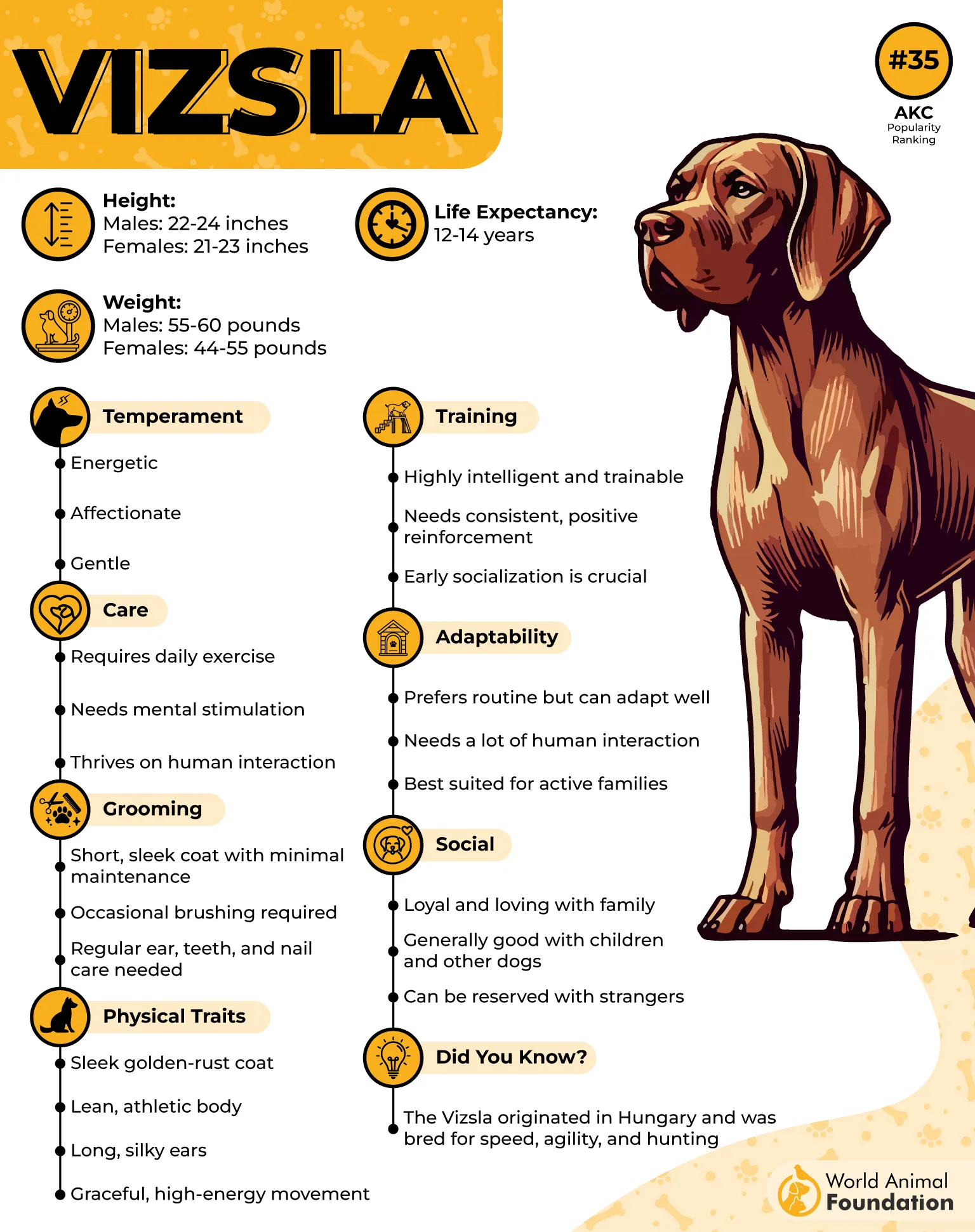
The Vizsla keeps grooming simple with its short golden-rust coat, while its affectionate nature makes it happiest close to its people.
The Bull Terrier brings a different kind of energy, with a clever mind that enjoys games, walks, and plenty of things to figure out.
And that is only part of what these seven breeds bring to the table.
Medium Dog Breeds Sporting Naturally Short Hair
1. Vizsla
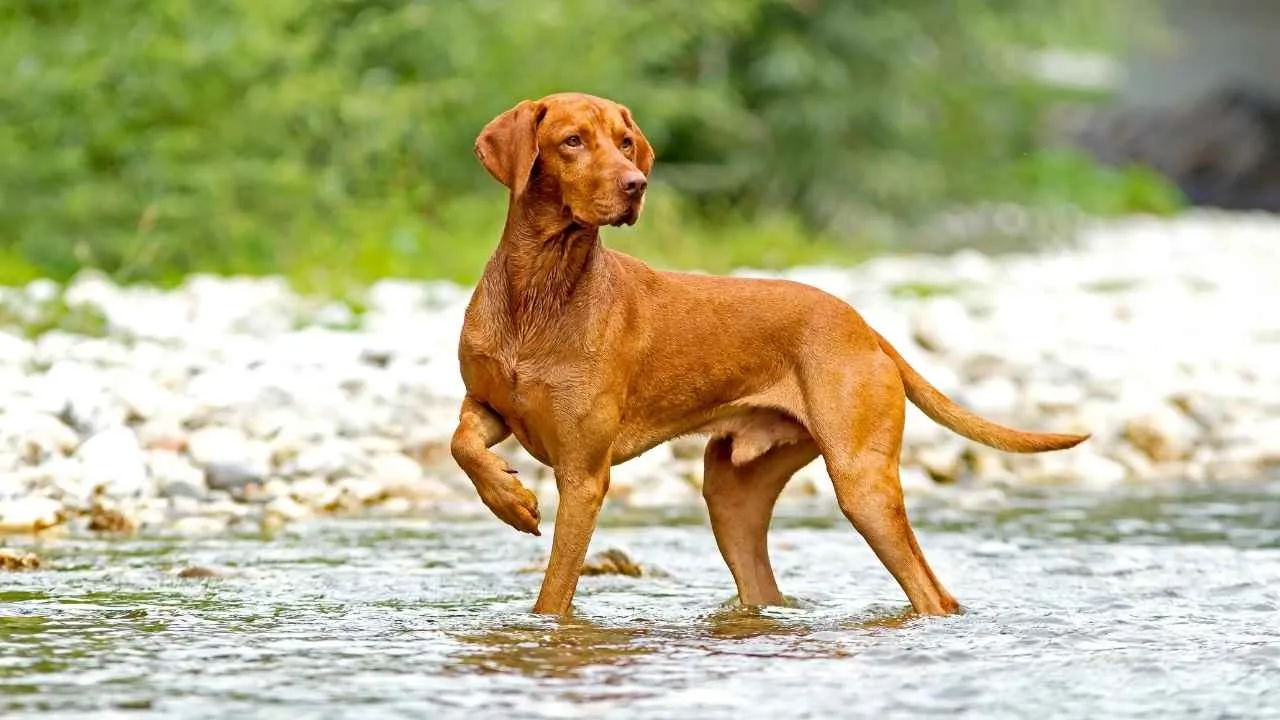
Vizsla first took shape in Hungary, where hunters relied on this agile sporting dog to track, point, and retrieve game across fields and dense undergrowth. Its lighter frame helped it travel through thick vegetation with speed while working closely alongside the hunter throughout the day.
Sleek by Nature
A short, sleek golden-rust smooth coat gives the Vizsla a polished appearance without adding demanding grooming routines. The coat has no undercoat, sheds lightly, and usually needs only weekly brushing with a rubber curry brush plus an occasional bath when extra dirty.
Another side of this coat is worth knowing:
With no undercoat, they are less tolerant of chilly weather
Monthly baths are usually enough
Short nails support comfortable movement
Always Nearby
This short-haired dog breed enjoys keeping close to its favorite people, whether the day includes a hiking trail, a boat ride, or a quiet evening on the couch, as Britannica claims. That affectionate personality is matched by a quick learning ability, which has also led to work as guide and search-and-rescue dogs.
2. Beagle
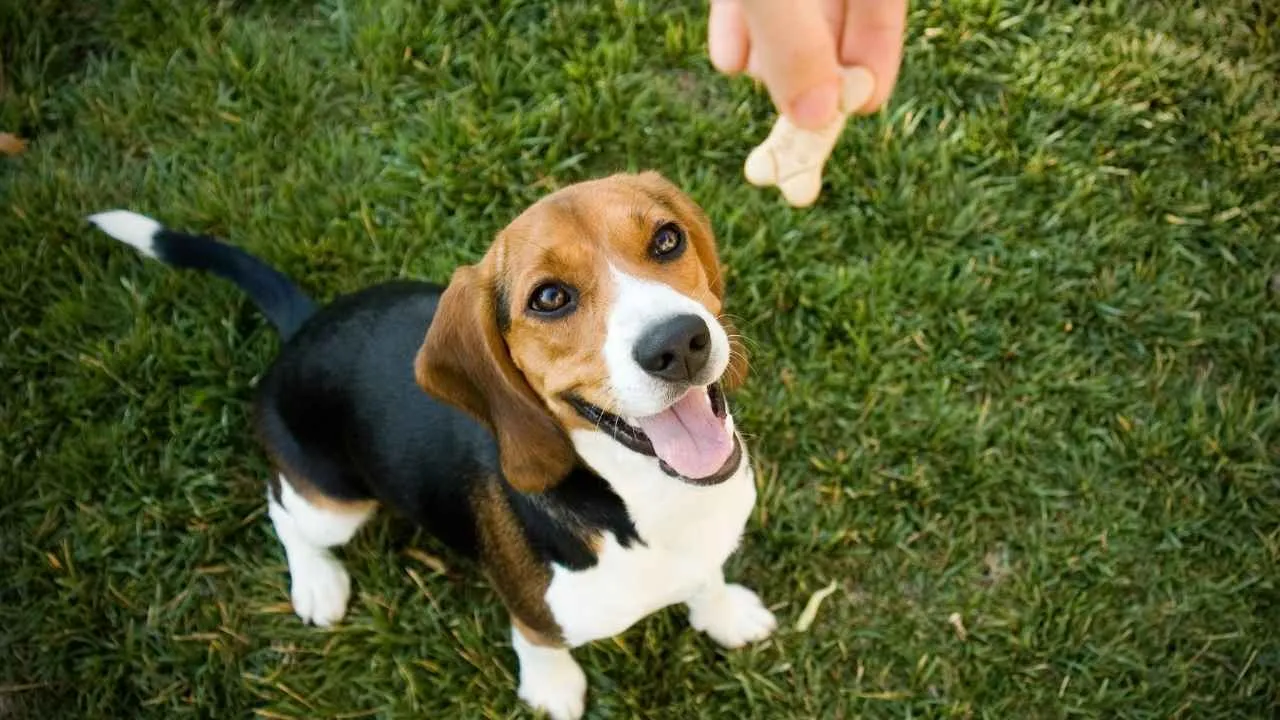
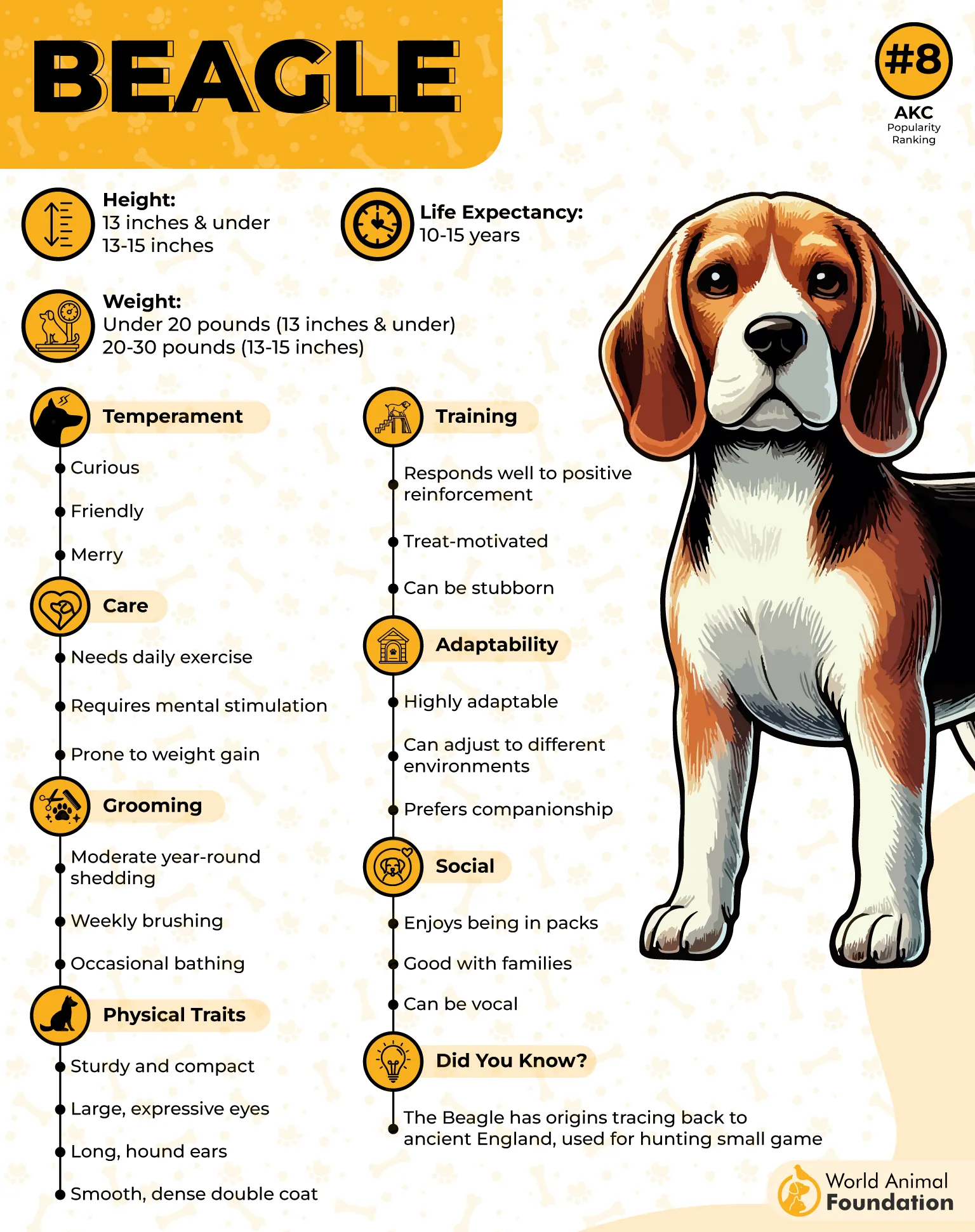
Beagle takes its name from the old French word “Begles,” a reference to the loud baying that echoed through hunting packs centuries ago. By the mid-1500s, hounds were grouped by their purpose, and this compact rabbit-and-hare hunter gradually became recognized as the Beagle.
Short Coat, Easy Routine
Beagle’s coat is short and dense, so keeping it tidy does not take much work most of the year. Spring is when dead hair tends to show up around the house, making a weekly brush worth increasing to twice a week when shedding picks up.
The following grooming details are worth remembering:
Thick double coat with rough or smooth texture
Baths mainly after muddy adventures
Hound glove helps remove loose hair
Nose Before Everything
Beagle approaches the world through scent, often locking onto an interesting trail before anything else captures its attention. Tracking classes, scent work, and agility activities provide productive ways to channel that instinct while keeping curious minds engaged, as the AKC writes.
3. American English Coonhound
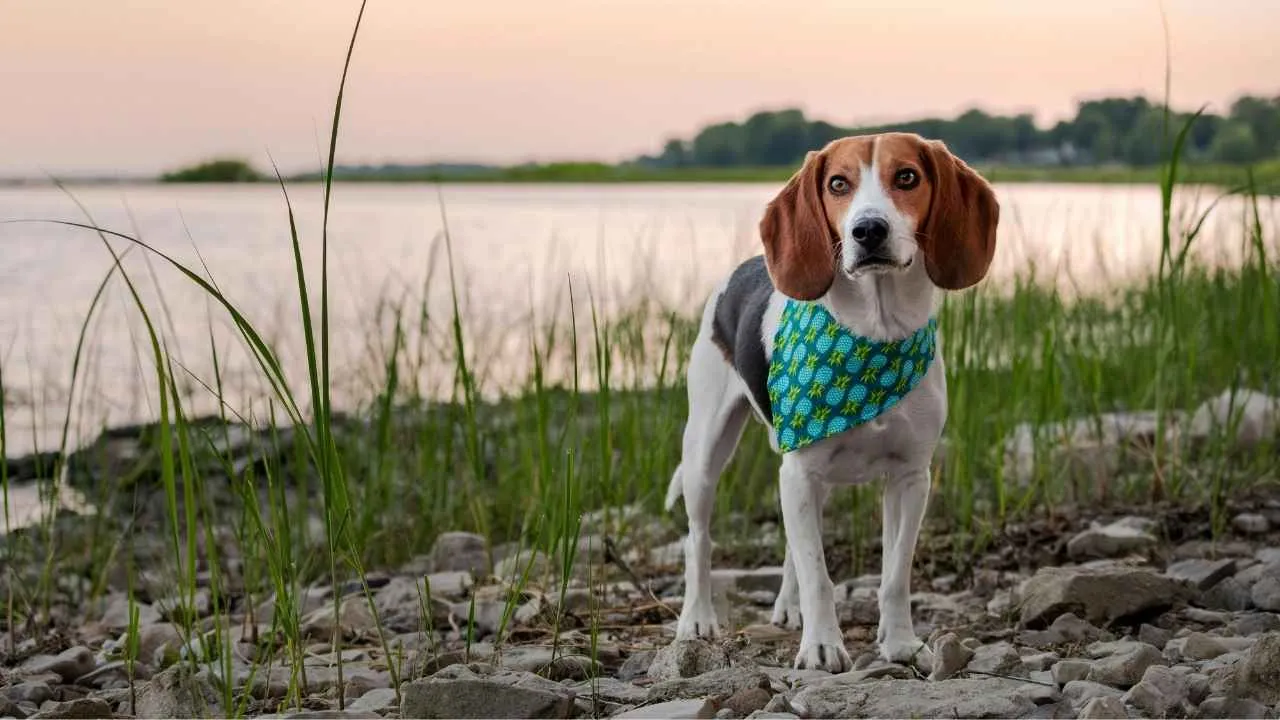
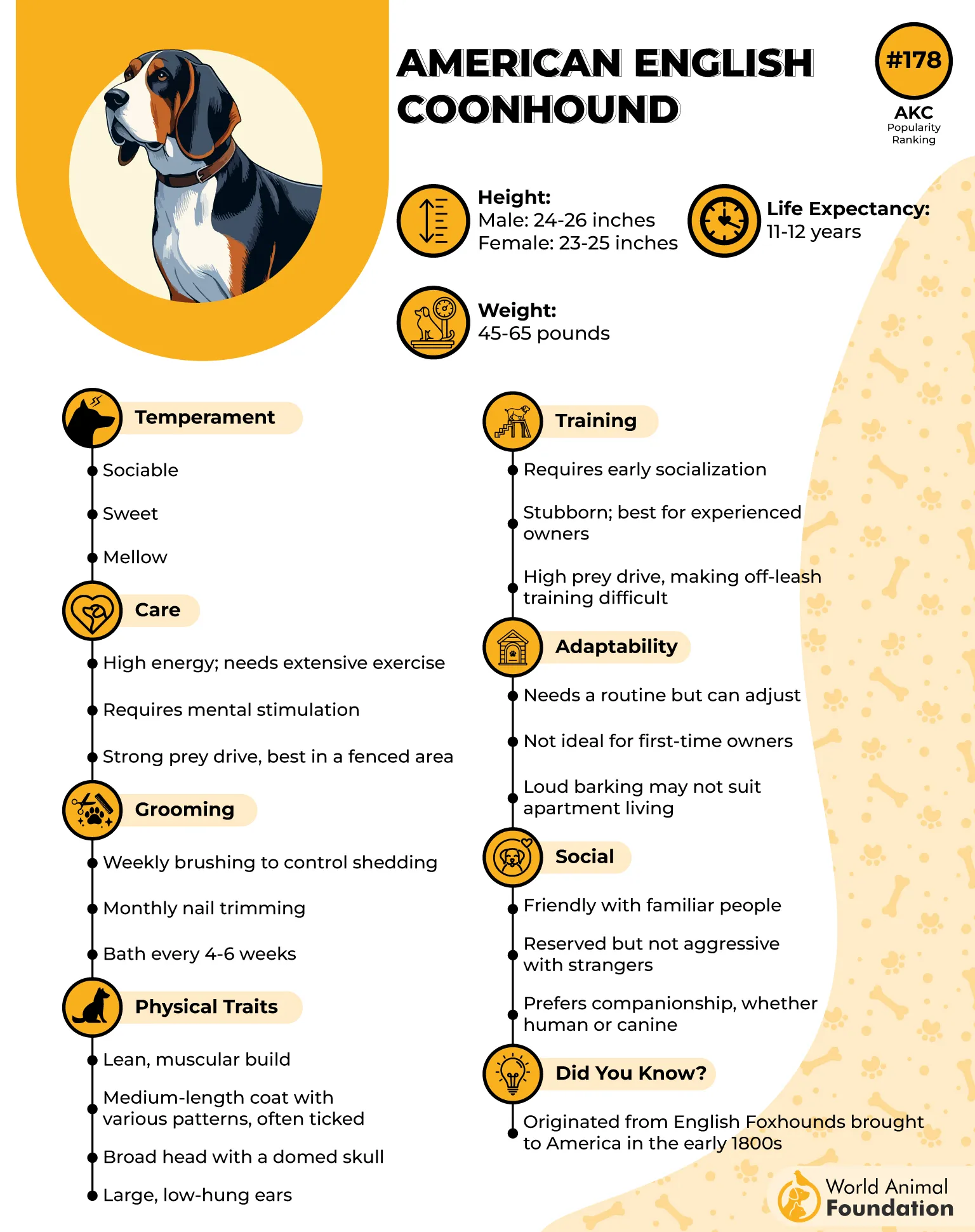
American English Coonhound grew from European hunting dogs brought to the United States, where breeders refined their tracking ability for raccoons and other game. Over time, the breed became closely connected with American hunting traditions through its speed, stamina, and unmistakable baying voice.
Easy-Care Coat
The short, dense coat fits close to the body and naturally sheds dirt while resisting light moisture during outdoor activities. Occasional brushing with a rubber curry or soft bristle brush helps spread natural oils, while bathing every six to eight weeks helps keep the skin in good condition.
Grooming essentials of this short-haired breed are:
Air dry after towel drying
Check ears and paws afterward
Human shampoos can dry the skin
Athletic Character
American English Coonhound pairs a sleek, muscular frame with an outgoing personality that fits active households well. Friendly interactions with people and other dogs are common after proper socialization, while its independent side responds best to patient, reward-based training.
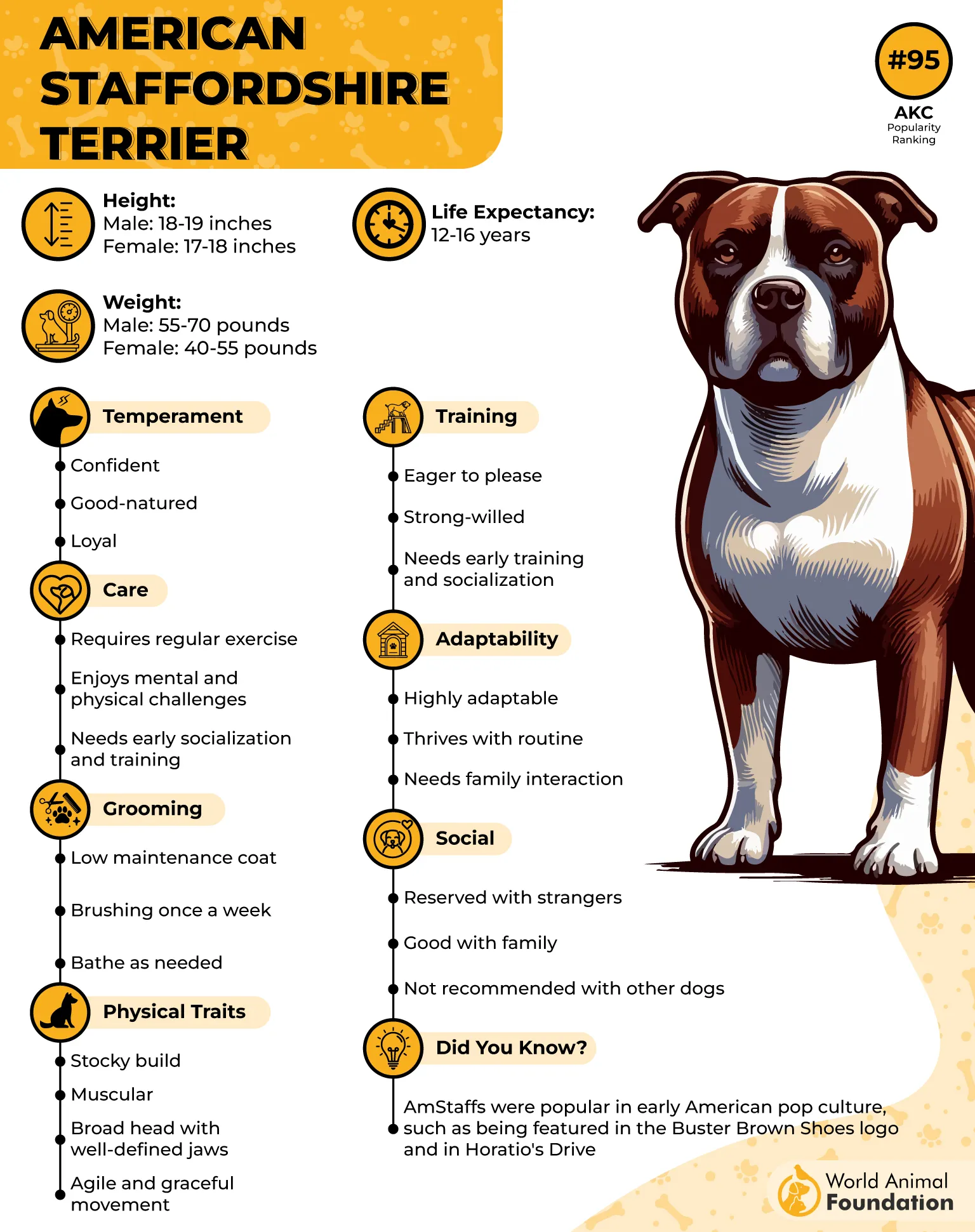
4. American Staffordshire Terrier
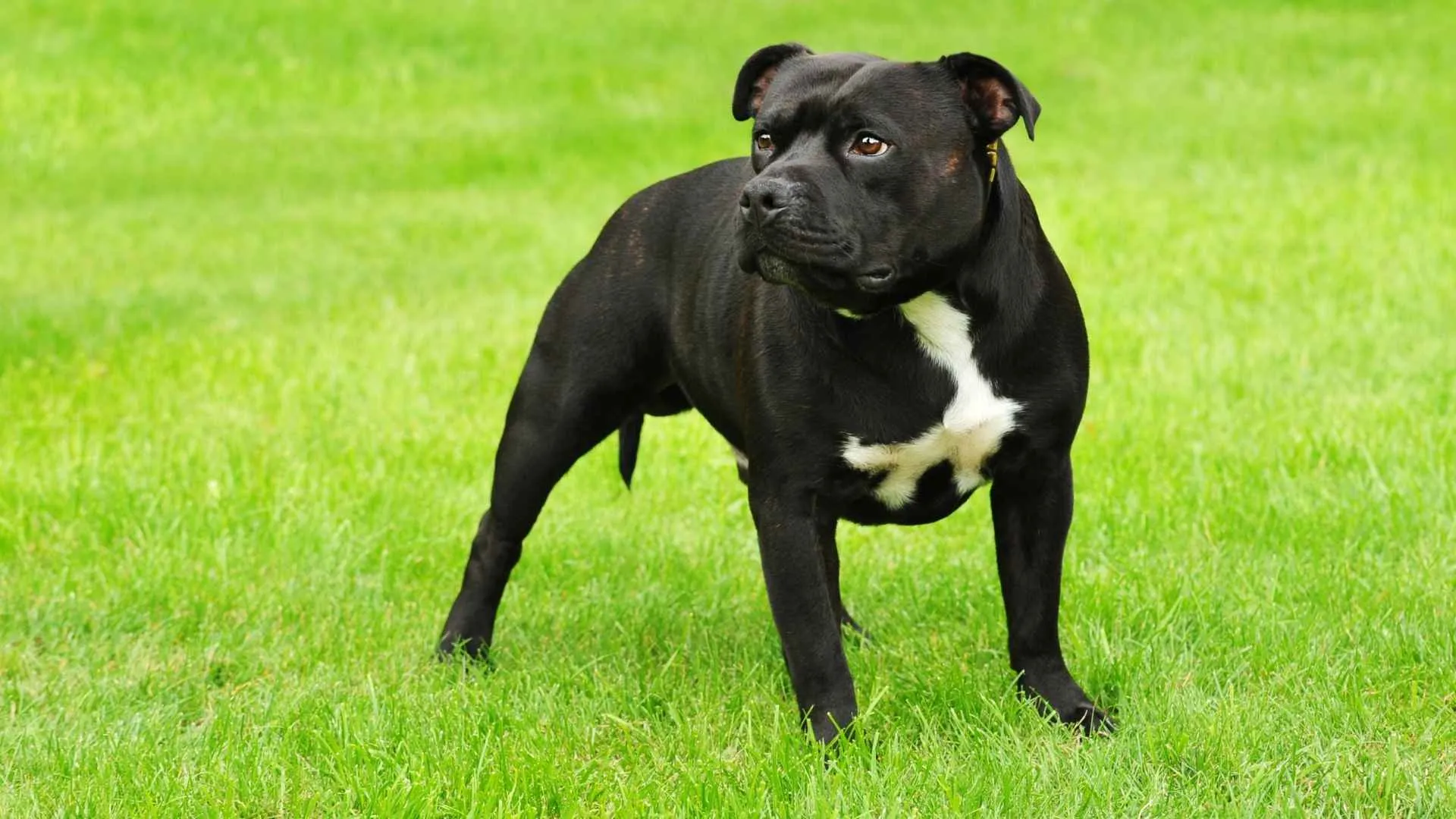
American Staffordshire Terrier originated from crossing the determined Bulldog with an agile terrier, creating a solidly built dog with a broad head and powerful frame. That combination shaped the breed into a confident companion whose physical structure remains one of its defining characteristics today.
Easy Coat Care
There is not much fuss involved in grooming this terrier, thanks to its short, stiff coat. Brushing once a week helps pick up loose hair, and a monthly bath with moisturizing products can help keep its skin healthy and coat in good shape, as PetMD noted.
Here’s the simple routine that cares for the basics:
Rubber bristle brushes lift loose hair effectively
Conditioner helps release shedding hair after baths
Breed is sensitive to very hot and cold weather
Confident Companion
American Staffordshire Terrier enjoys being close to its family and usually wants to take part in whatever is happening around the house. Early training and clear boundaries are especially valuable because intelligence and determination can become a challenging mix for first-time dog parents.
5. Basenji
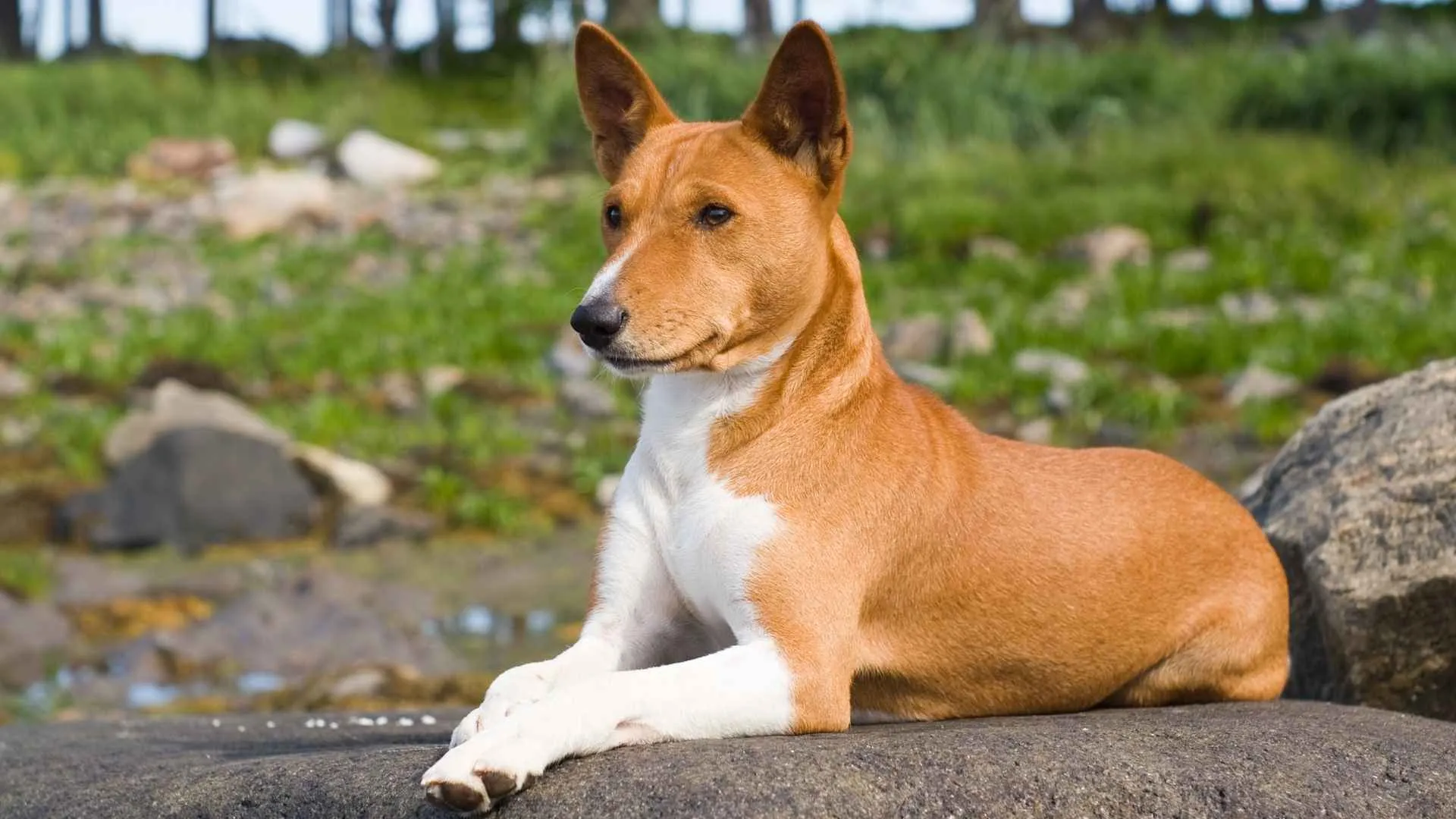
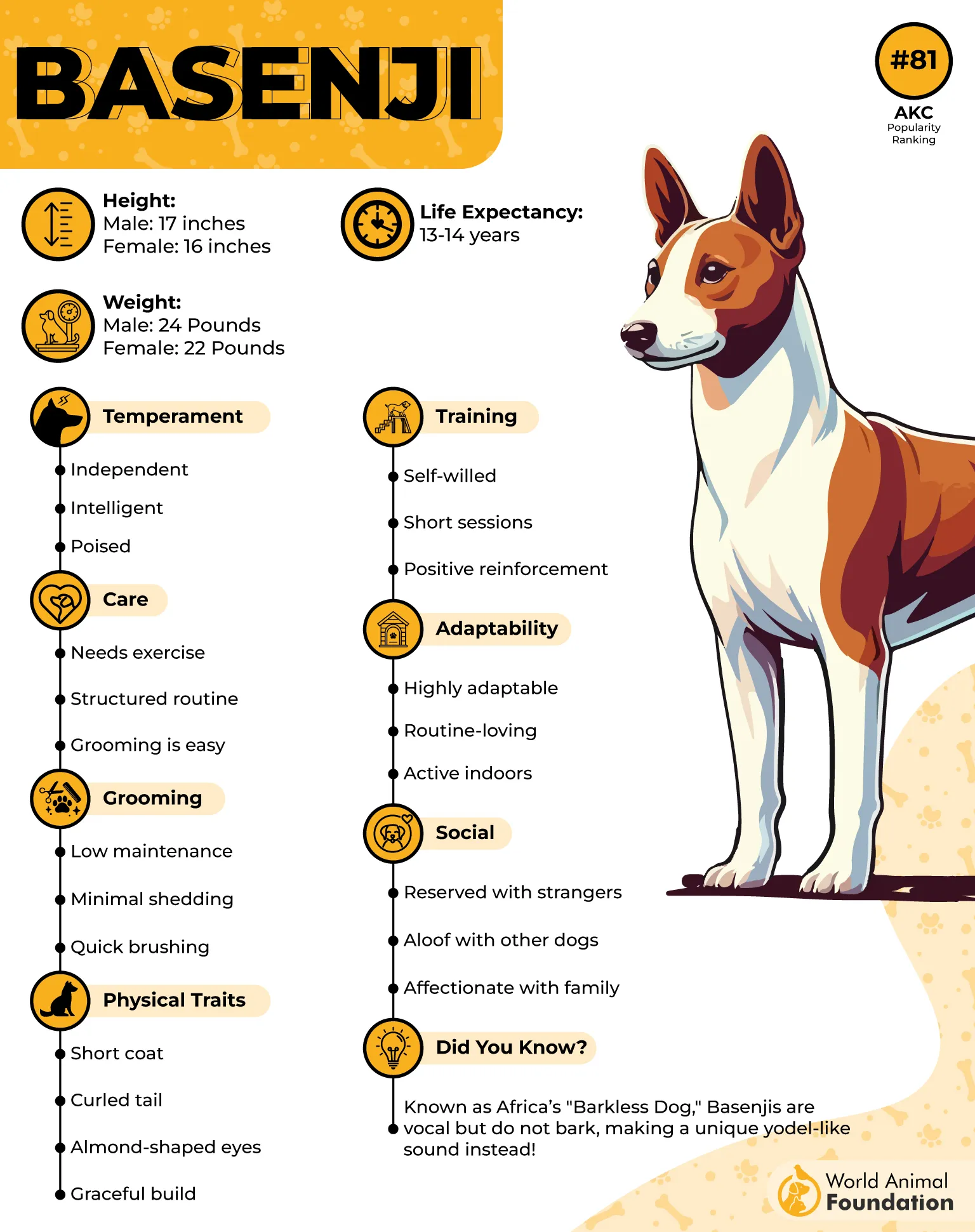
Basenji appears in some of Africa’s oldest canine records, with artwork depicting curled-tail dogs found in ancient cave paintings. This ancient lineage reaches back centuries, and Basenjis were even offered as prized gifts to Egyptian pharaohs before arriving in the United States during the 1930s.
Naturally Low Maintenance
A fine, close-fitting coat gives the Basenji a clean appearance without demanding frequent grooming. Weekly brushing with a rubber grooming glove or soft-bristle brush helps remove loose hair while keeping the coat smooth and naturally glossy.
The basics are easy enough to manage:
Haircuts are unnecessary
Baths every 6 to 8 weeks
Dry the body well after bathing to prevent moisture
A Dog With Its Own Voice
Basenji surprises first-time admirers with its distinctive yodel instead of a traditional bark, making encounters with this breed especially memorable. Along with that unusual voice, its independent nature and cat-like grooming habits create a personality that feels quite different from most dogs.
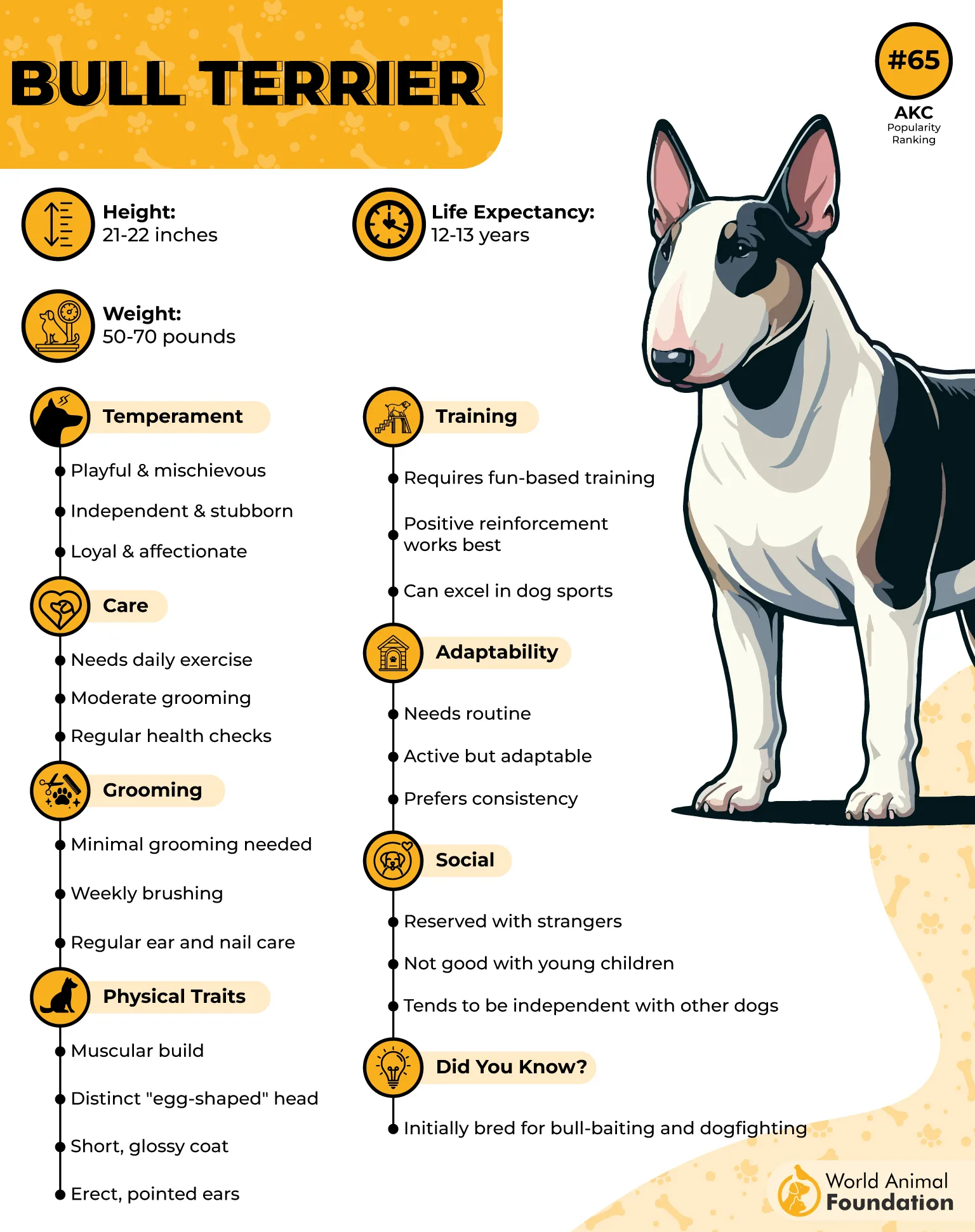
6. Bull Terrier
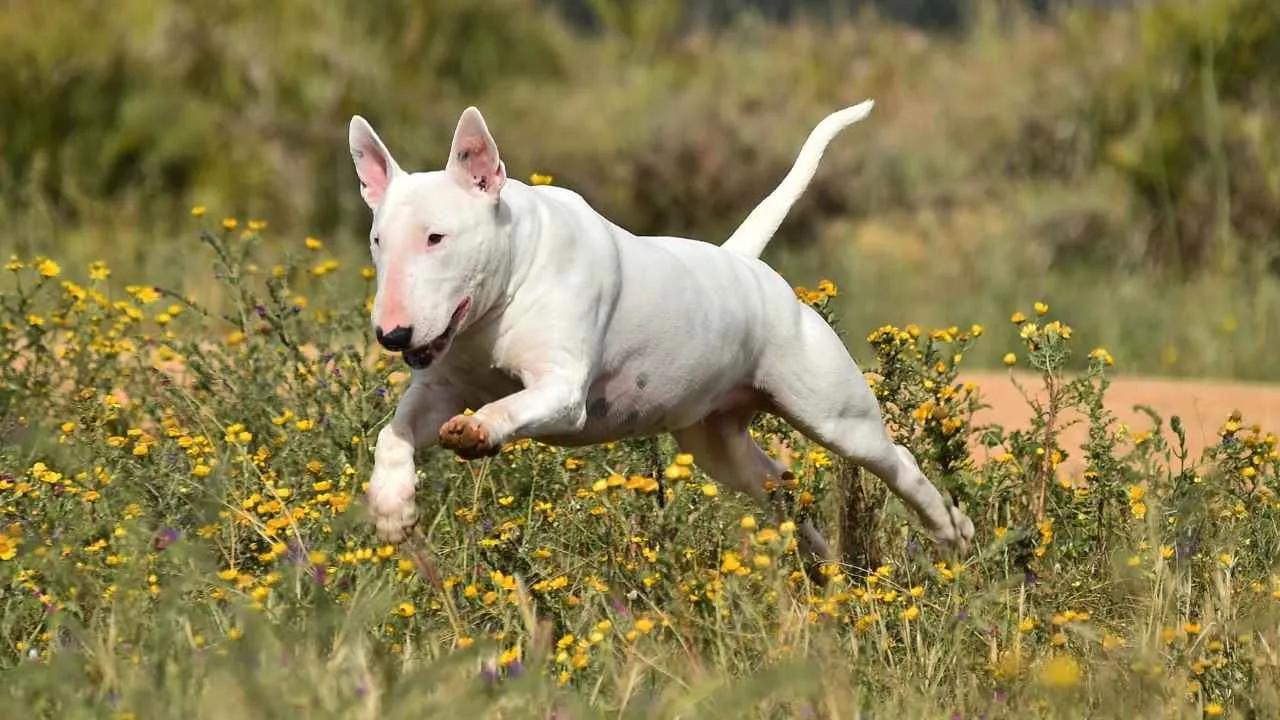
Bull Terrier originated in England through the combination of earlier bull-and-terrier dogs with other breeds, eventually becoming a recognizable companion with its own identity. Over time, it gained attention for its lively character as much as its unmistakable appearance.
Sleek Coat
The Bull Terrier’s short coat does not demand much fuss, and a rubber curry brush or grooming mitt can handle most weekly grooming. Spring and fall are different, though, as seasonal shedding means you will probably want to reach for the brush more often.
These small grooming steps can help:
Mild dog shampoo suits sensitive skin
Pin brushes can irritate the coat and skin
Warm water works for light mud rinses
A Mind That Likes Challenges
Bull Terrier learns quickly but often prefers doing things on its own terms, so patient training and early socialization make a real difference. Walks, interactive toys, hiking, and engaging games give this intelligent breed positive ways to use its curiosity and enthusiasm.
7. Whippet
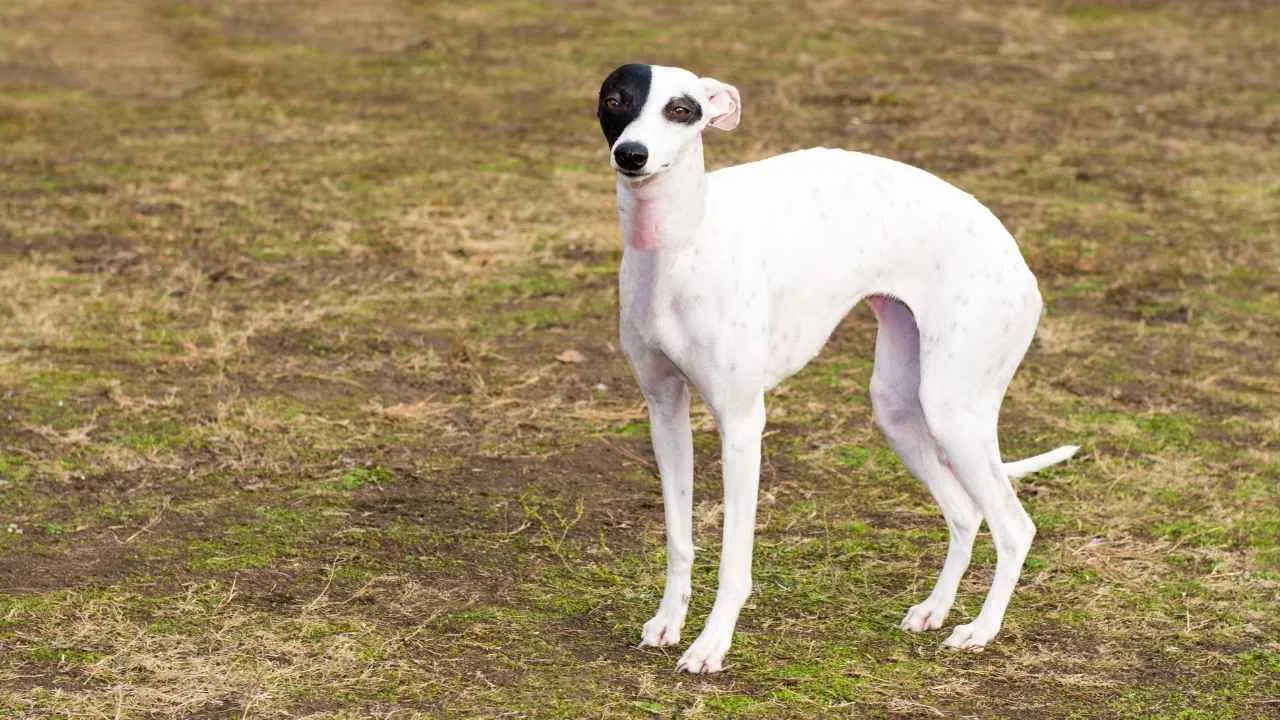
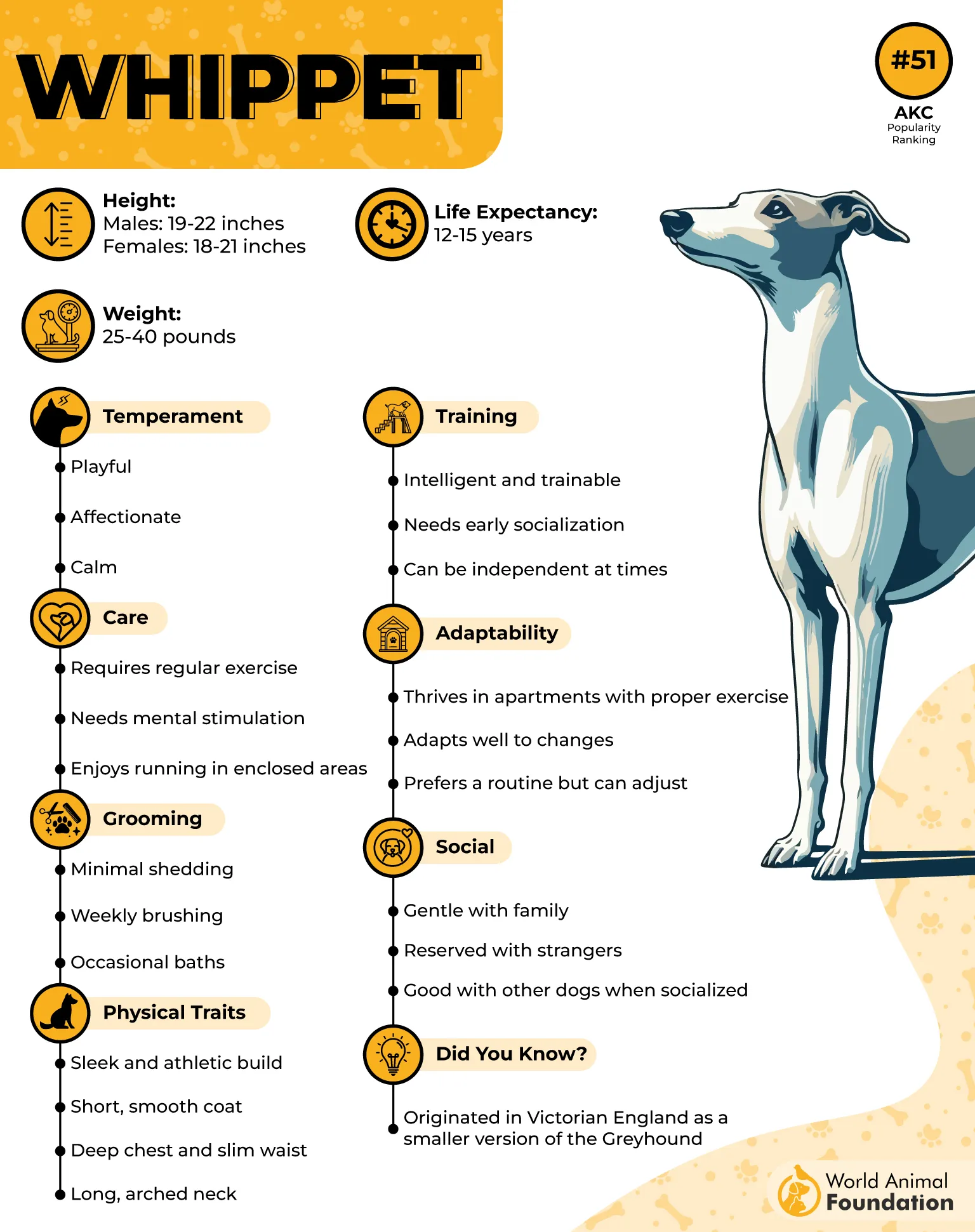
The Whippet’s speed made it useful for chasing fast-moving game across open ground, giving this hunting companion a job that suited its build. It also landed between the larger Greyhound and smaller Italian Greyhound, making the three easy to tell apart.
Sleek by Nature
Grooming a Whippet is refreshingly straightforward because its fine coat stays short and close to the body. Once-a-week brushing with a rubber glove or soft-bristle brush helps pick up loose hairs while leaving the coat looking sleek and glossy.
Its care has a few useful tricks:
Hair trimming is not required
Bathing every four to six weeks is usually enough
No-rinse grooming products work well between baths
Quiet Around Home
This loving dog enjoys tracking games, playful chases, neighborhood walks, and about an hour of daily activity before relaxing on a favorite couch or dog bed. Long periods alone can be difficult for this social breed, so regular companionship helps prevent separation-related stress.
Conclusion
Keeping grooming simple does not mean giving up personality, companionship, or an active life together. These medium-sized companions prove that low-maintenance dogs come in many temperaments, making them excellent family dogs for countless pet parents.
A dog’s coat may catch your eye, but its personality and daily needs matter far more once you share a home. Some dogs thrive around busy families, others love tagging along outdoors, while some are happiest keeping you company on a quiet evening.
While some coats grow more like human hair and occasionally benefit from professional grooming, understanding those differences makes choosing much easier. A thoughtful decision today often becomes a companion you appreciate every single day afterward.
