




There is just something about a dog that can look you in the eye while standing on its hind legs that screams “main character energy.”
While we all know and love the popular dog breeds that dominate our TikTok feeds, there is a whole universe of massive fluff-balls out there that you’ve probably never heard of.
Today, we are diving deep into the magnificent, the rare, and the absolute units of the canine kingdom. We aren’t just talking about large dogs; we are talking about the titans.
If you are a dog lover looking to expand your knowledge or you’re crazy enough to be considering adding a pony-sized pup to your squad, you’ve come to the right place.
But fair warning: city living might be tough with these giants because they need more space than your average studio apartment can handle. Let’s get into the giant dog breeds that deserve way more hype!
Magnificent Giant Dog Breeds Few People Know
1. Leonberger

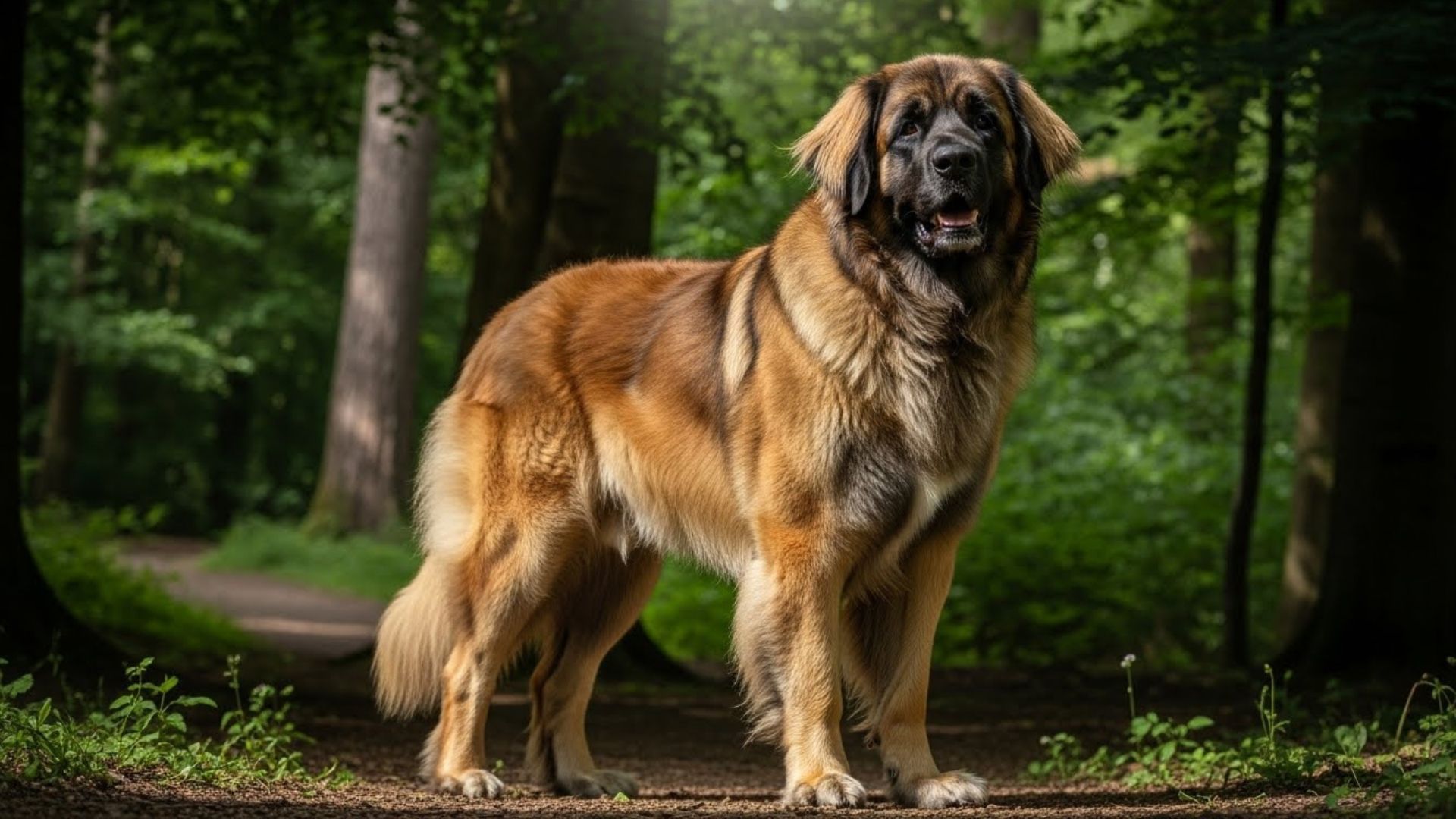
Okay, first up is the Leonberger, and honestly, these dogs are the definition of gentle giants.
Originating from Germany, the legend goes that they were initially bred to mimic the look of a lion on the town crest of Leonberg. How extra is that? Unlike some guard dogs that give off “don’t touch me” vibes, the Leo is usually a massive sweetheart.
They have a thick double coat that makes them look like a walking carpet, and yes, the shedding is exactly as chaotic as you imagine. But their personality? That’s just wonderful. They are known for their incredible patience, which makes them wonderful companions for families.
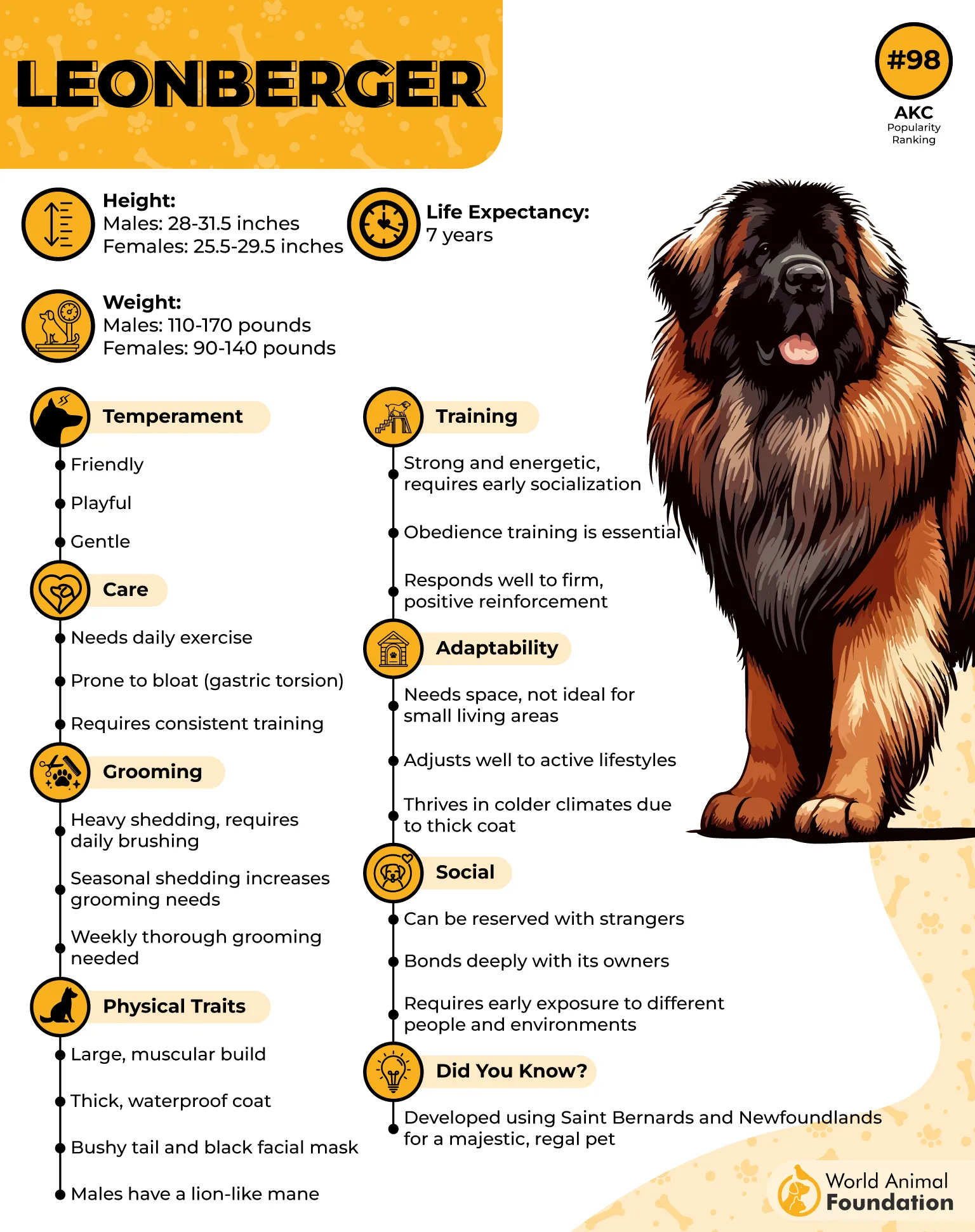
One of the coolest things about these dogs is their swimming ability. These dogs literally have webbed feet! While other large breeds might sink like a stone, Leos are natural-born lifeguards. They are often used in water rescue operations because they are strong enough to tow a human to safety.
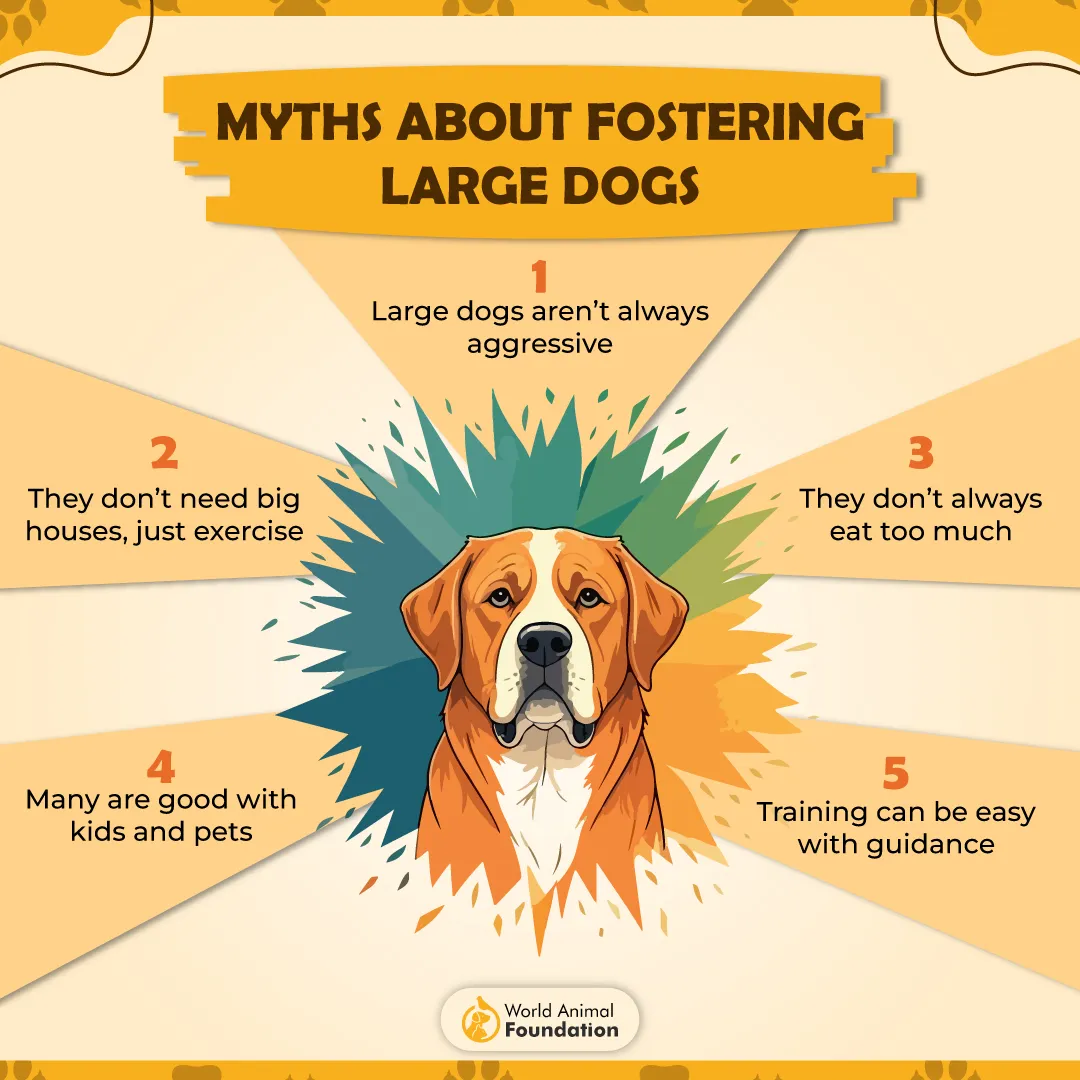
However, owning a Leo isn’t all cuddles and swims. Like many giant breeds, they are prone to health issues like hip dysplasia and bloat. You really need to be on top of your veterinary medicine game with these dogs.
Also, sadly, they tend to have shorter lifespans, usually around 7-9 years.
2. Tibetan Mastiff
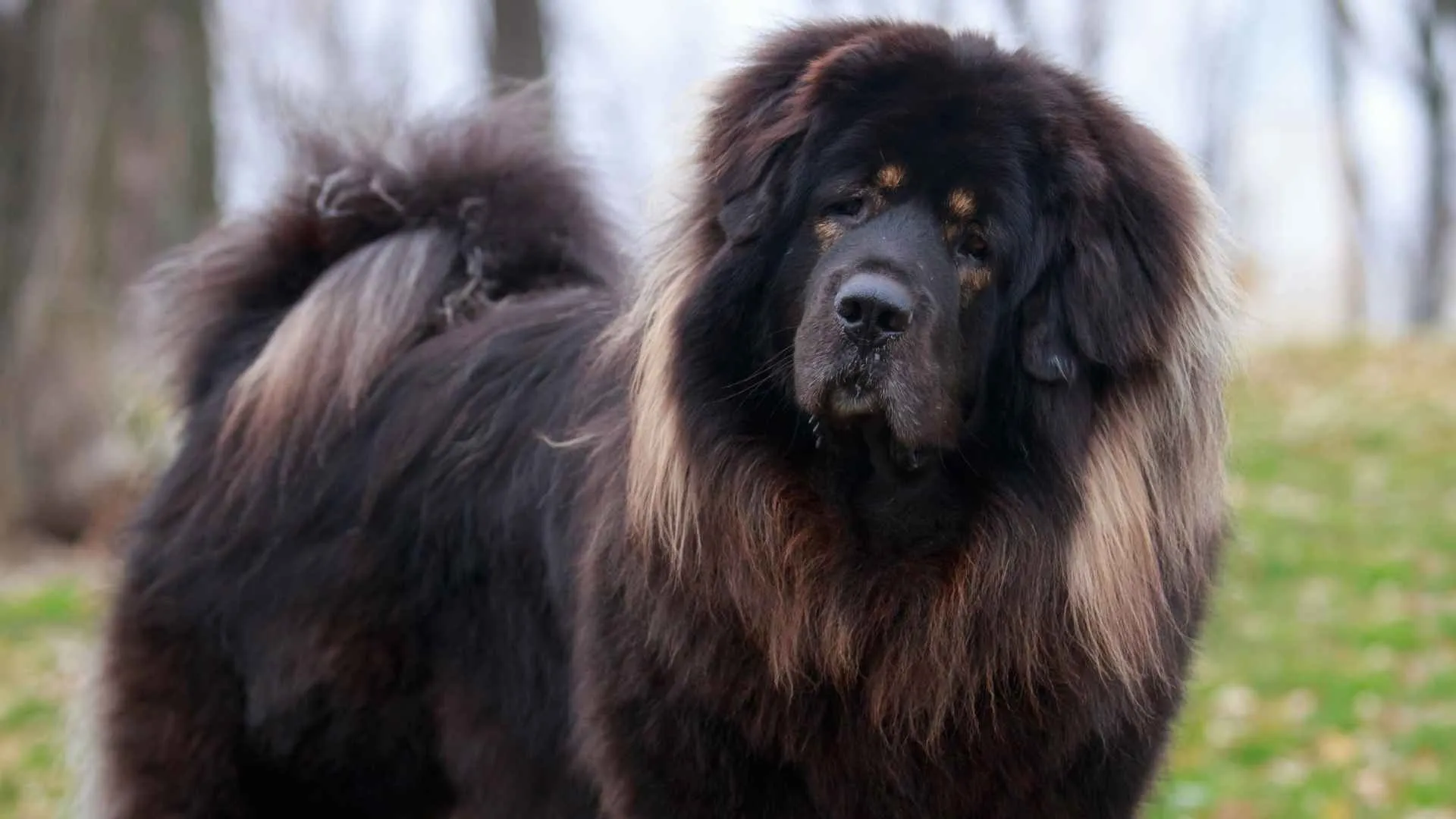
Next on the list is the Tibetan Mastiff, and let me tell you, this dog is a status symbol.
In China, puppies of this breed have sold for over a million dollars! They are among the oldest breeds, having guarded monasteries and palaces in the Himalayas for centuries.
With their massive mane, they look less like dogs and more like bears. They were bred for guarding flocks against predators like leopards and wolves, so their protective instincts are off the charts.
This is not a dog for first-time owners. I repeat: NOT for beginners.
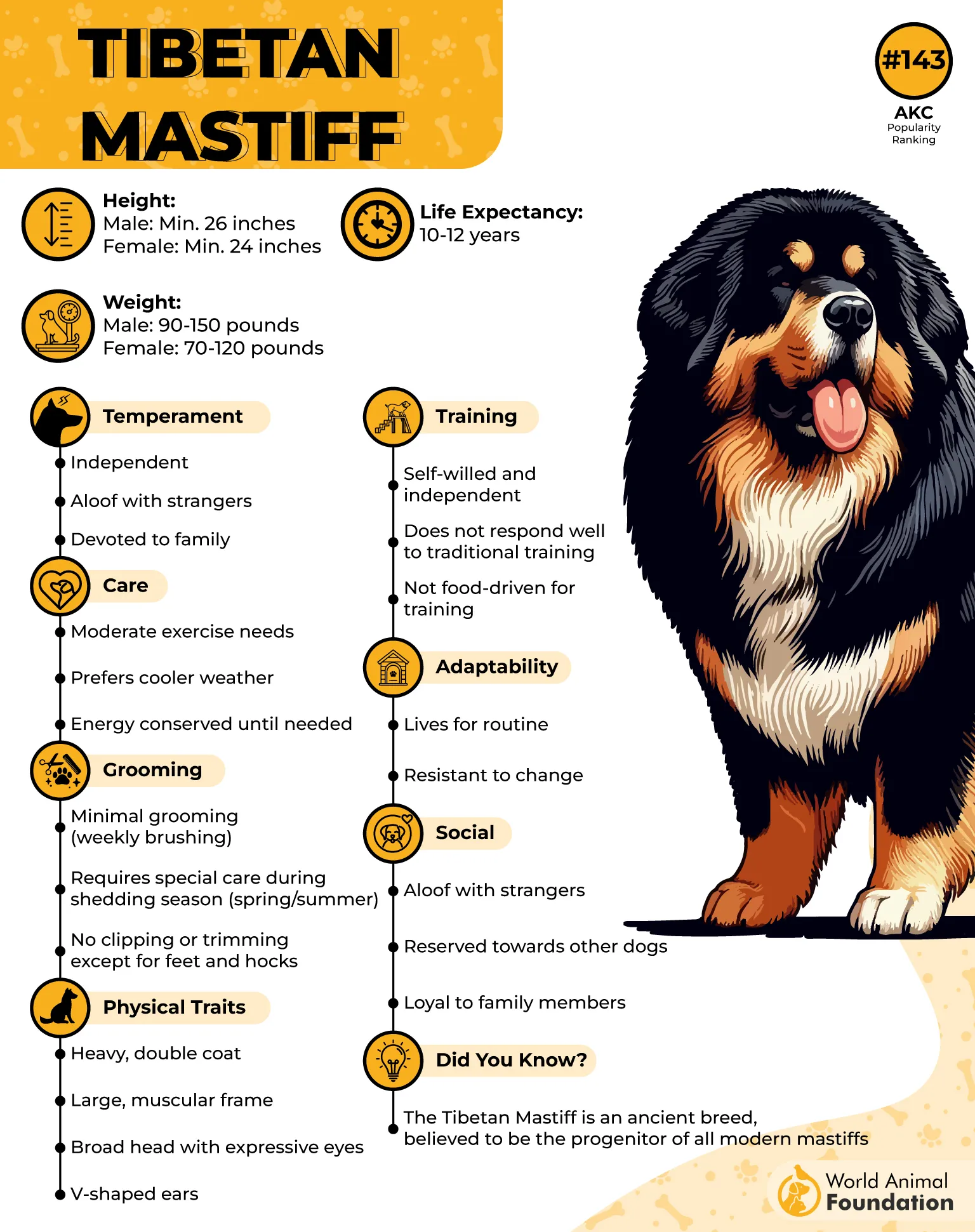
The animal is independent, stubborn, and incredibly smart. They are livestock guardian dogs at heart, which means they are used to making their own decisions without waiting for a human to tell them what to do.
Their dense coat requires serious grooming, especially during shedding season when they “blow coat” and release enough fur to knit a second dog.
Despite their tough exterior, they are intensely loyal to their family. They are wary of strangers but are generally calm indoors.
3. Caucasian Shepherd Dog
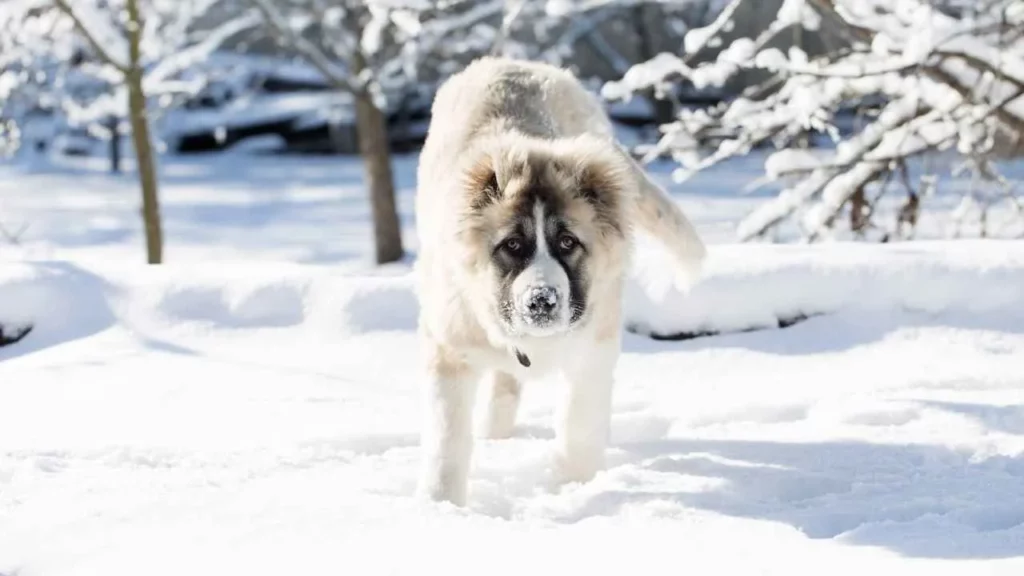
These Caucasian Shepherds are massive, fearless, and were bred to protect sheep from bears in the Caucasus Mountains. We are talking about a serious protective nature here. They are arguably one of the most formidable guard dogs on the planet.
This is a breed for experienced dog owners only—people who understand canine psychology inside and out.
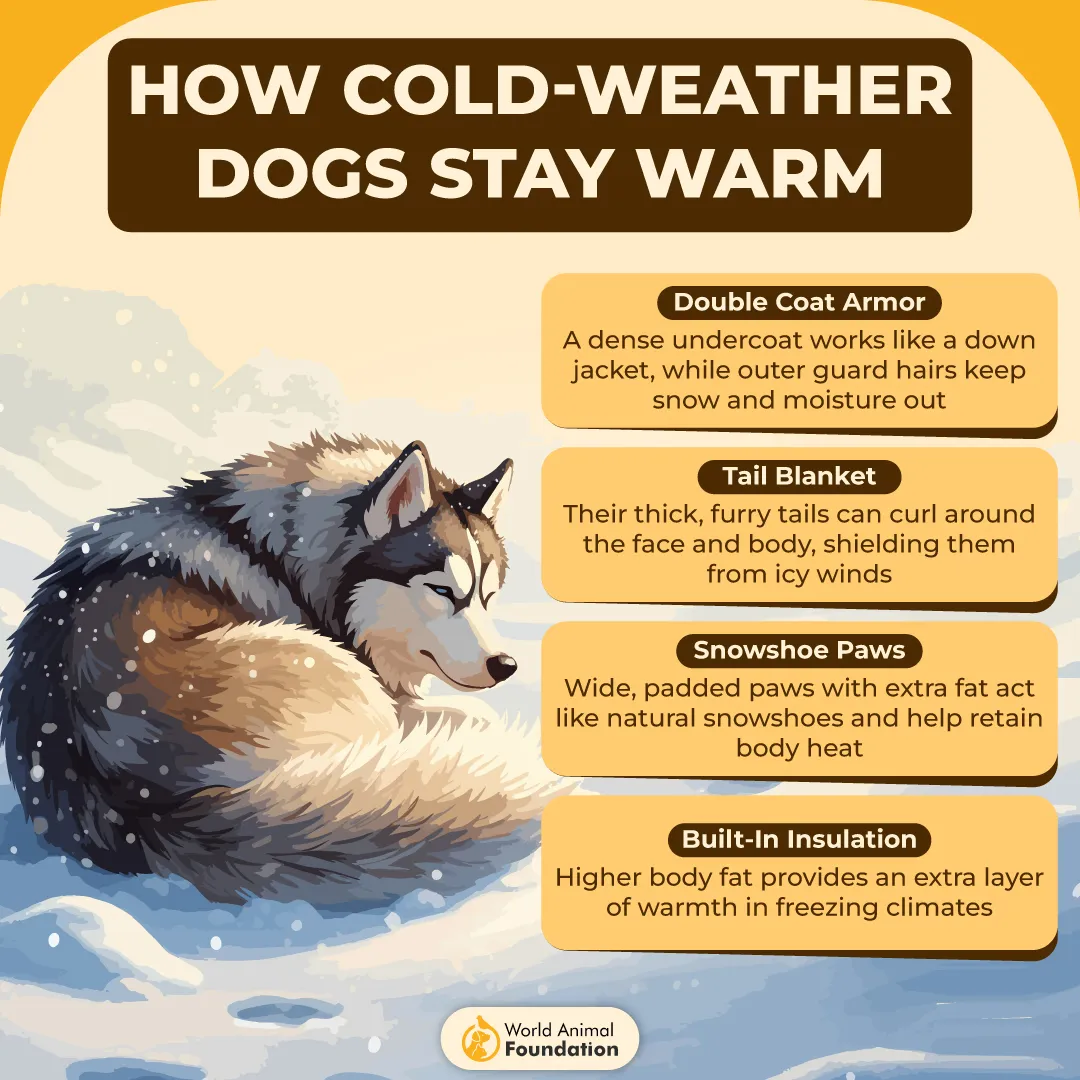
The Caucasian Shepherd has a thick double coat that keeps them warm in freezing mountain temperatures. They are incredibly powerful and can snap into defense mode in a split second if they perceive a threat.
This isn’t a dog you take to a crowded dog park to make friends with every pup. They take their job seriously. However, with their own family, they can be a beloved companion, showing a softer, affectionate side that strangers never get to see.
Training is non-negotiable. You need to establish boundaries the moment you bring them home. Early training and heavy socialization are the only ways to ensure this giant breed becomes a safe member of society. Without it, their size and instinct can become a liability.
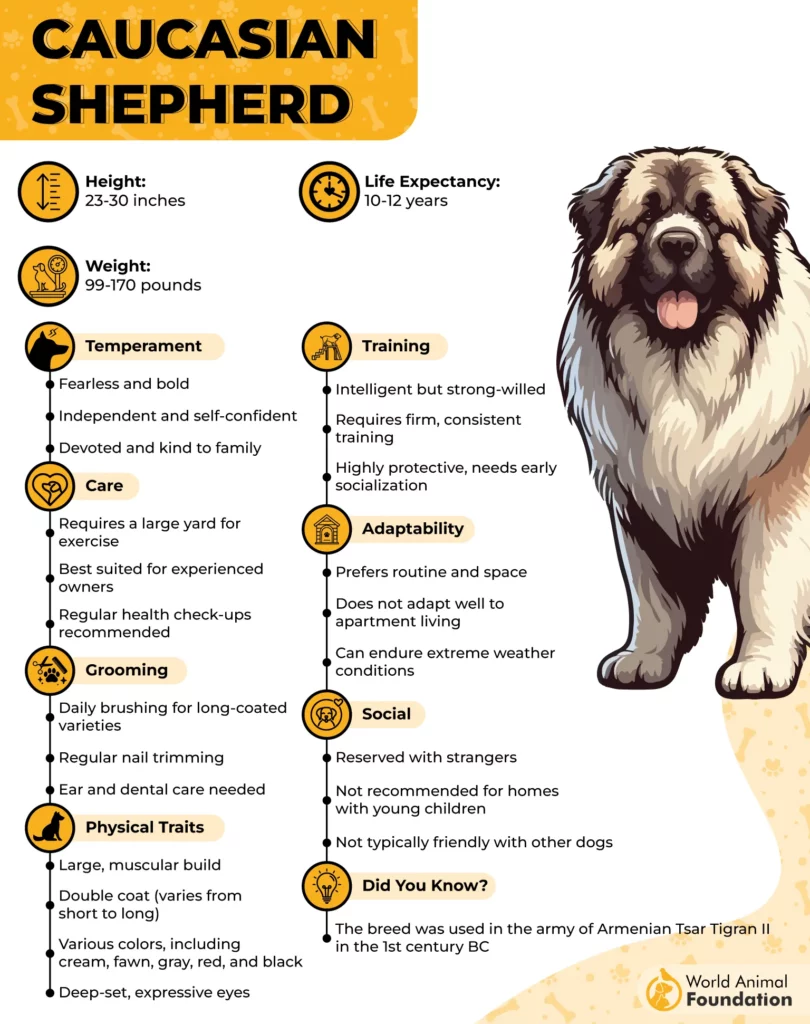
They are low-energy when not working, meaning they can be surprisingly chill on the floor, but they need a daily workout to keep their muscles strong and their minds engaged.
4. Irish Wolfhound
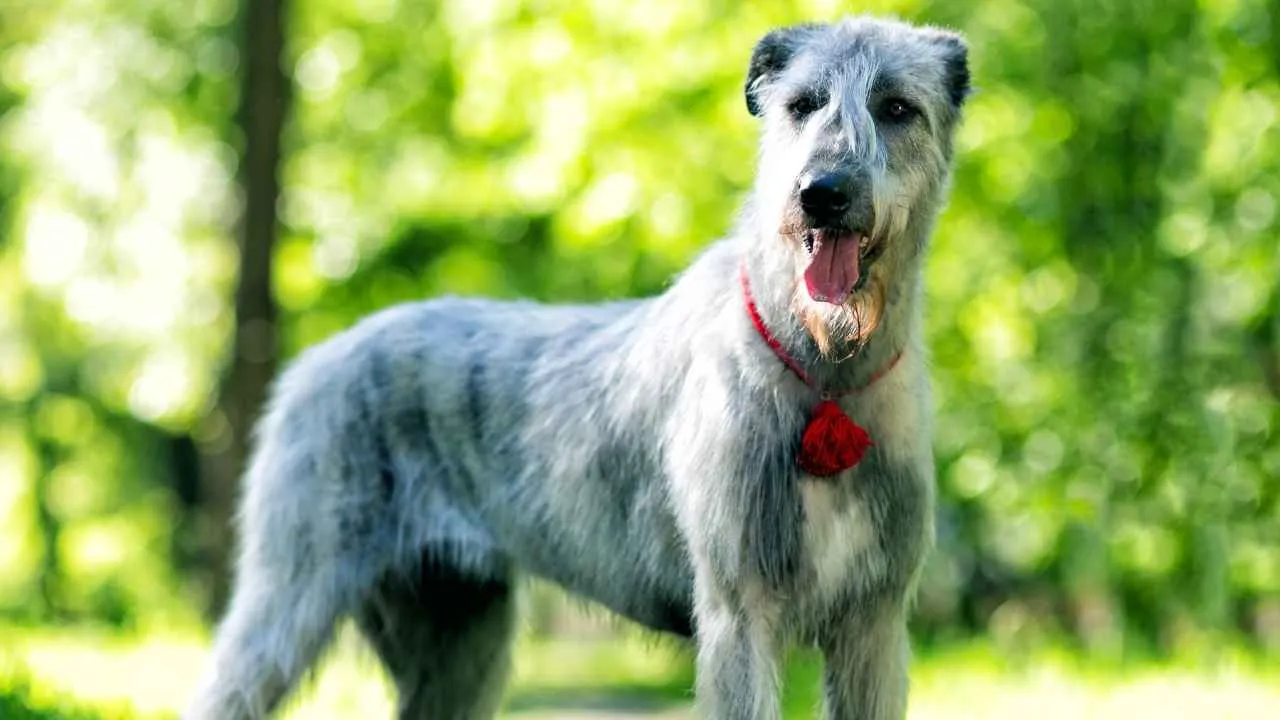
Historically, Irish Wolfhounds were used for hunting wolves and large game in Ireland. It’s wild to think such a sweet dog was once a fierce hunter, but that’s the duality of the breed.
Despite their imposing height and wiry coats, Irish Wolfhounds are absolute softies. They are often terrible guard dogs because they are more likely to greet a burglar with a tail wag than a growl. They are incredibly affectionate and form strong bonds with their humans.
WebMD calls them sweet and loyal pups!
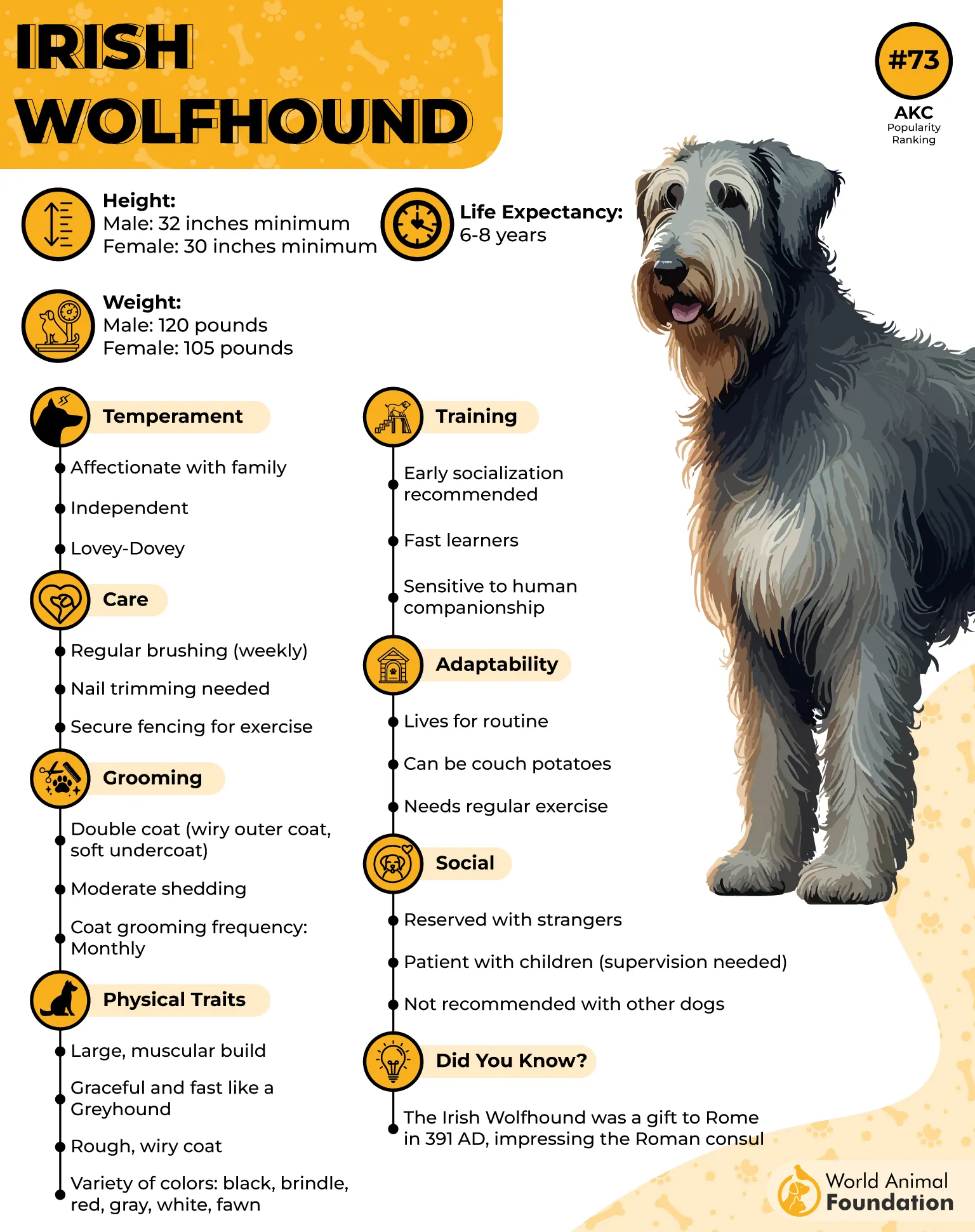
Their exercise needs are unique. As puppies, you actually have to limit their activity to protect their growing joints from orthopedic issues. They grow so fast that too much running can damage their plates.
The American Kennel Club classifies them in the Hound group, and they are sight hounds, meaning they chase things that move. So, if you have other pets like cats or rabbits, you need to be careful. Their prey drive is still there, even if they are big goofballs 99% of the time.
5. Kangal
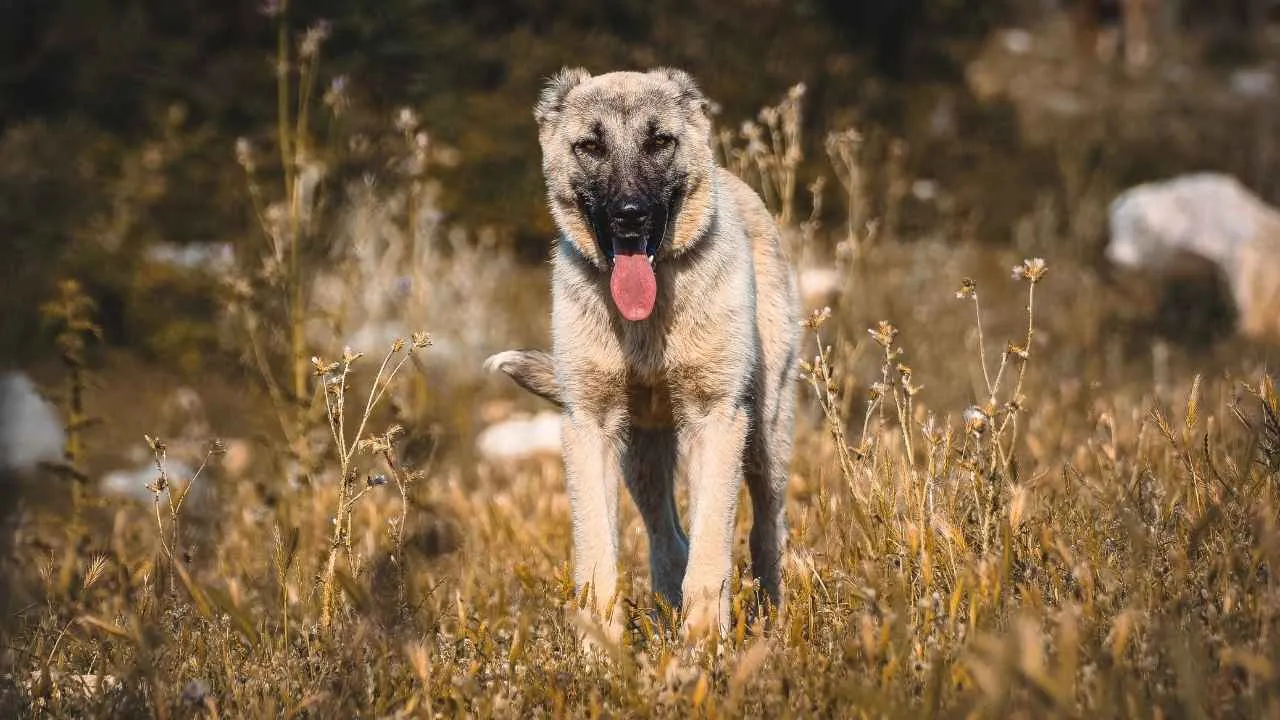
The Kangal is the national dog of Turkey and is hands down one of the most impressive livestock guardian breeds in the world.
If you want to talk about power, let’s talk bite force. The Kangal has the strongest bite force of any dog breed—stronger than a lion! But don’t let that scare you; they are bred to be calm and controlled, only using force when necessary to protect their herd from predators.
These dogs are not aggressive without cause. They are stable, independent, and incredibly protective of their “flock,” which can be sheep, goats, or your human children. They tend to bond very strongly with children and are surprisingly gentle with them.
However, they are suspicious of strangers. A Kangal patrolling its fence line is a sight to behold—they move with a fluid grace that belies their impressive size.
A bored Kangal is a destructive Kangal. They need more space—a large yard or a farm is ideal. City living just isn’t the vibe for them.
6. Estrela Mountain Dog
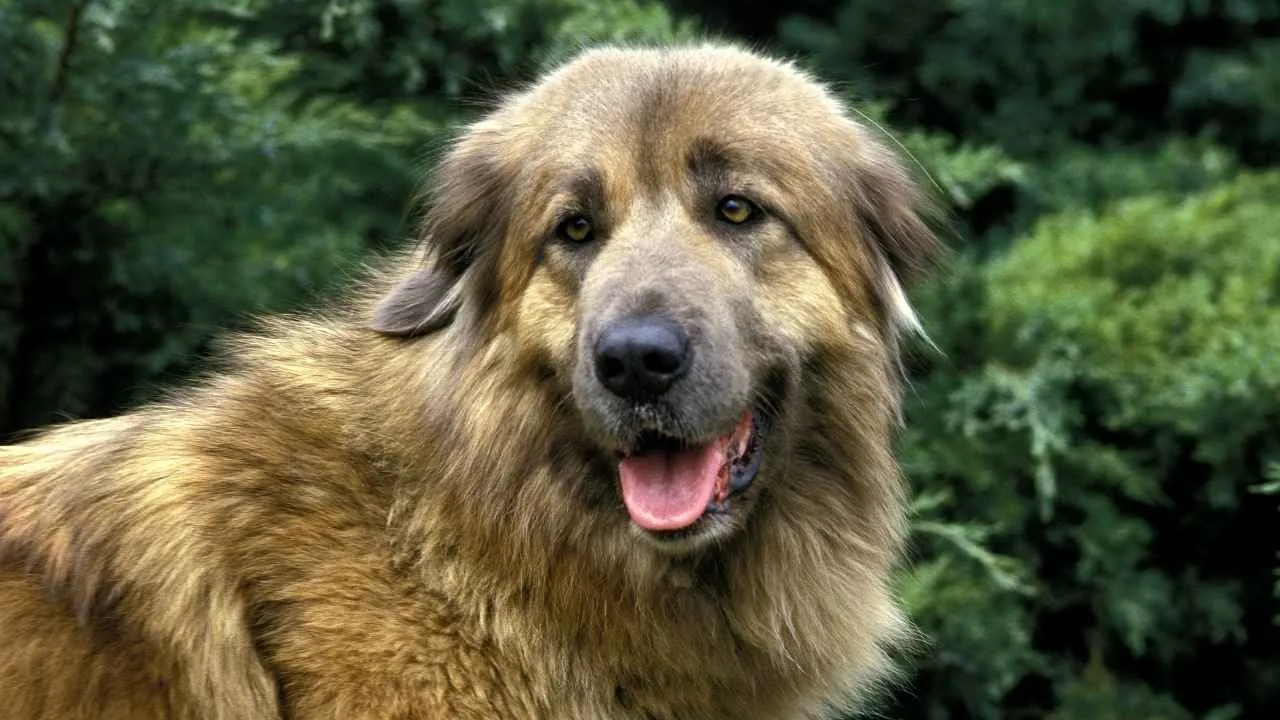
This is one of the rare dog breeds that you rarely see outside of its home country, Portugal.
They come from the Estrela Mountains and were used to guard herds against wolves. They come in two coat types: long and short. The long-haired ones look a bit like a Leonberger mixed with a Bernese Mountain Dog.
These mountain dogs are courageous but also intensely loyal family pets. They have a reputation for being inseparable from their owners. Unlike some independent guardians who wander off to patrol, the Estrela likes to stay close to its people.
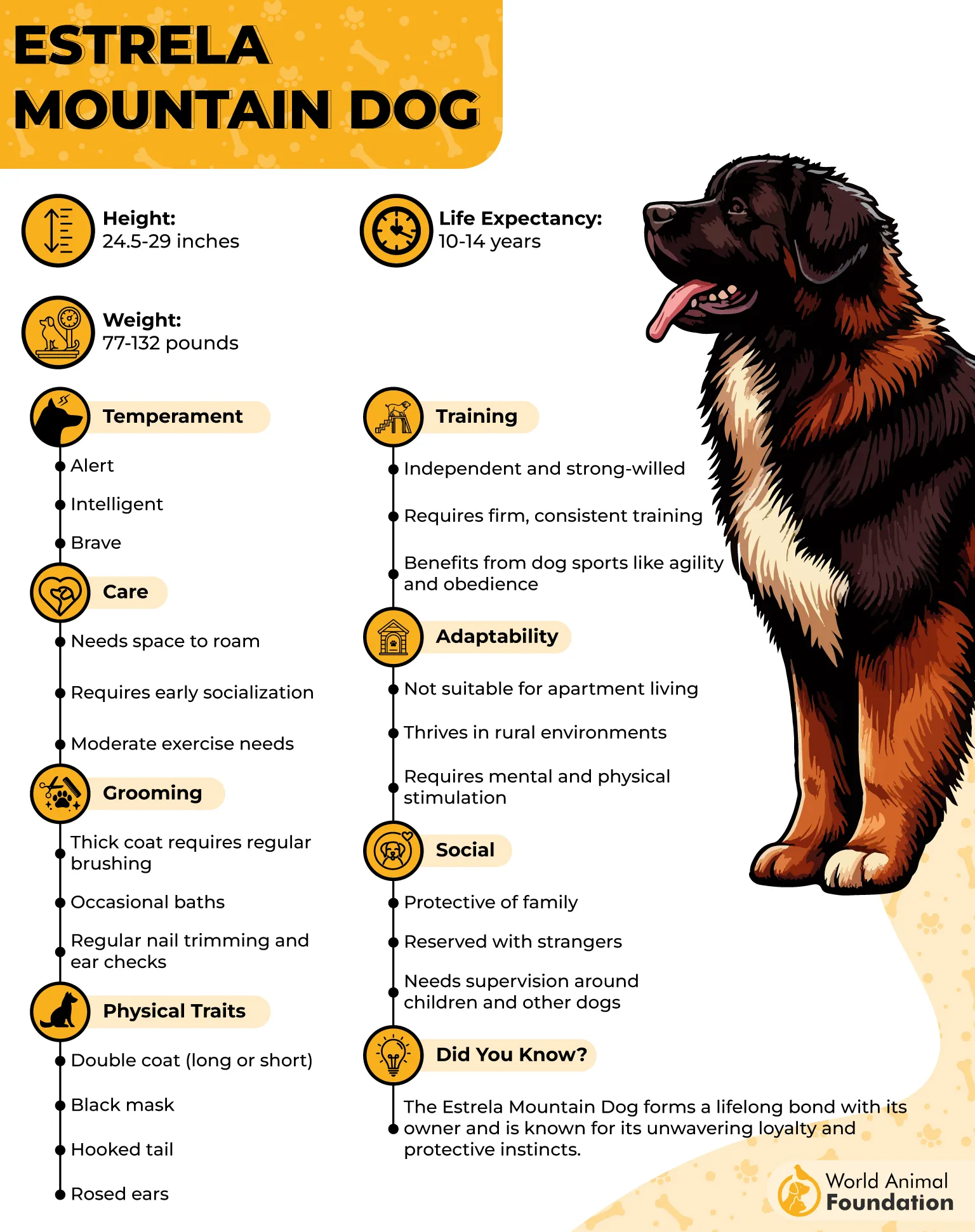
They are wary of strangers but warm up once they know you’re cool. They have a loud bark and will definitely let you know if the delivery driver is approaching.
Health-wise, they are generally robust for a giant breed, but you still need to watch out for hip dysplasia. They are smart but can be a bit stubborn during training. Positive reinforcement is the way to go here.
They don’t respond well to harshness. They are sensitive souls who just want to do a good job protecting their pack.
7. Komondor
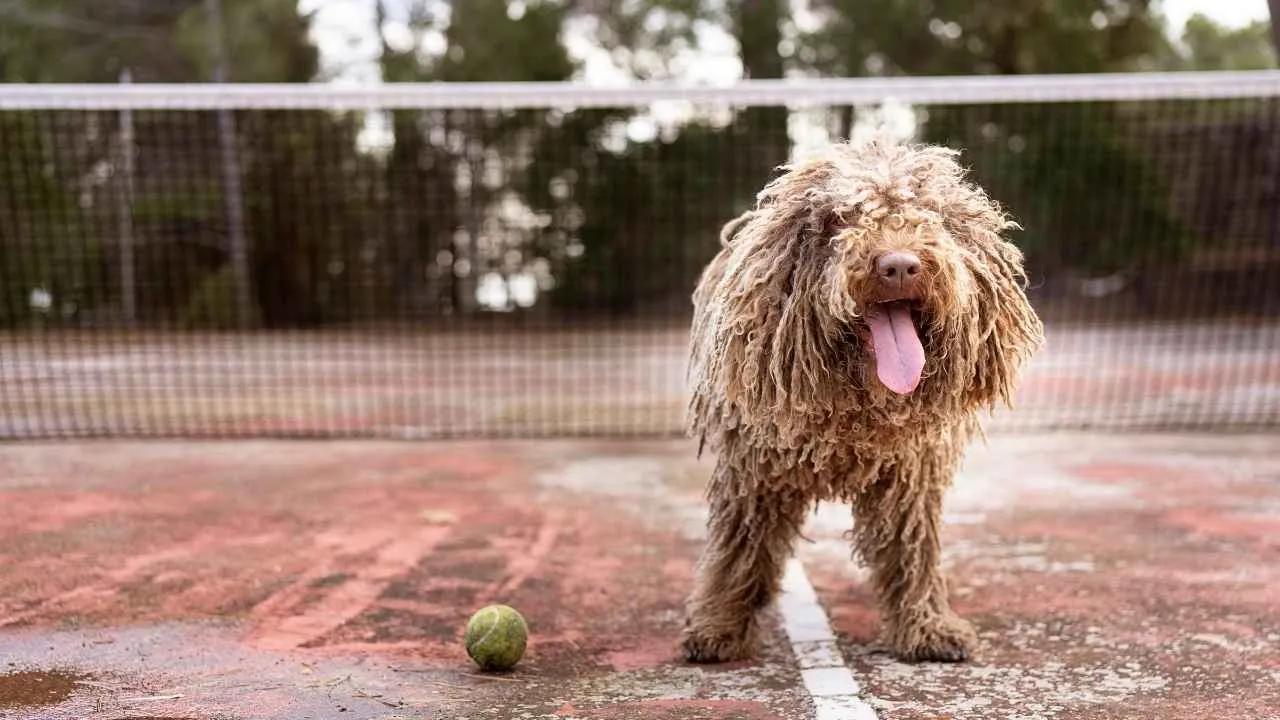
Okay, we have to talk about the Komondor because, literally, what is this pup? They are famous for their corded white coat that make them look like giant mops.
They are a large breed with a very distinct look that you won’t mistake for anything else.
Maintaining that coat is a lifestyle. Just as PDSA says, you don’t brush a Komondor; you have to separate the cords to keep them clean. It is low maintenance in the sense that you don’t have to brush, but high maintenance because washing and drying them takes days. Yes, days.
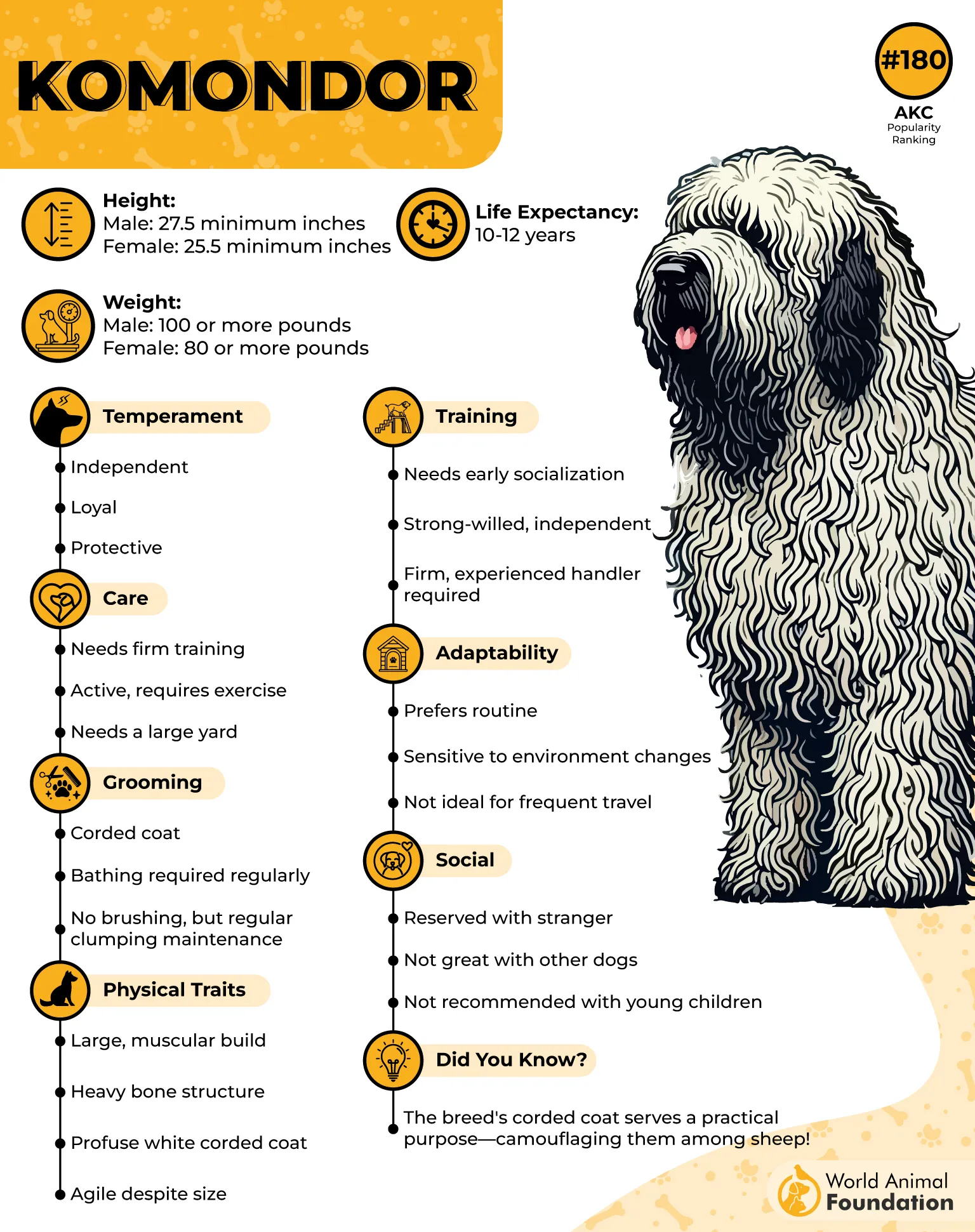
Personality-wise, they are serious guardians. They are fast, agile, and strong. Don’t let the mop look fool you; there is a muscular athlete under there. They are very protective of their home and family.
They tend to be reserved with strangers and need early socialization to avoid becoming overprotective. They are smart and independent, typical of livestock guardian breeds.
8. Spanish Mastiff
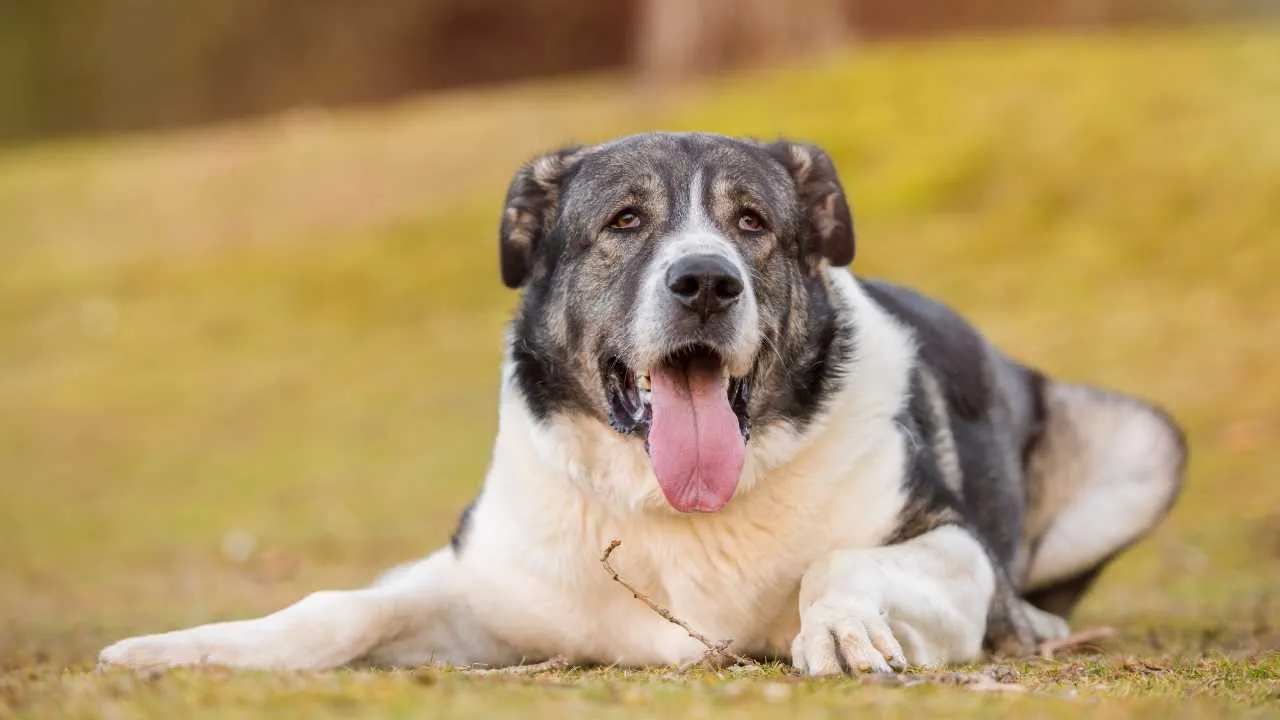
The Spanish Mastiff is a heavyweight champion.
We are talking about canines that can weigh over 200 pounds! They have massive heads, loose skin, and a dewlap (the skin hanging from the neck) that gives them a very distinct, ancient look.
They are related to other molosser breeds, such as the Neapolitan Mastiff and the Pyrenean Mastiff. They were used to guard Merino sheep as they moved across Spain.
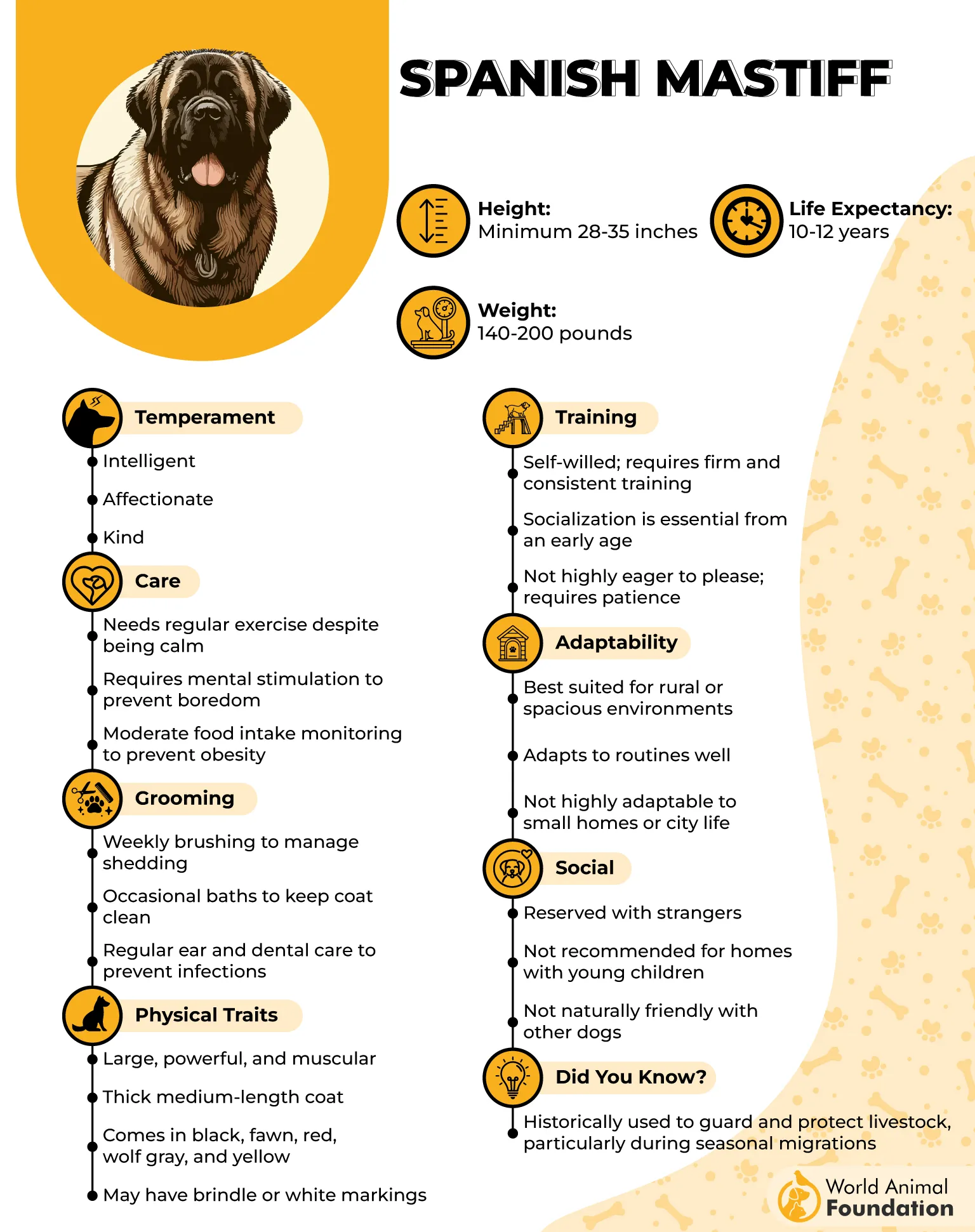
They are generally calm, sleepy, and slow-moving, but if a predator appears, they transform. They are noble and dignified. They don’t jump around like crazy puppies; they observe.
They are great for people who want a giant dog that isn’t hyperactive. However, their size alone requires experienced dog owners.
Because they are so heavy, you have to be very careful with their joints. Orthopedic issues are a genuine concern. You don’t want them jumping out of cars or running marathons. They are prone to heatstroke, too, so air conditioning is their best friend.
9. Boerboel
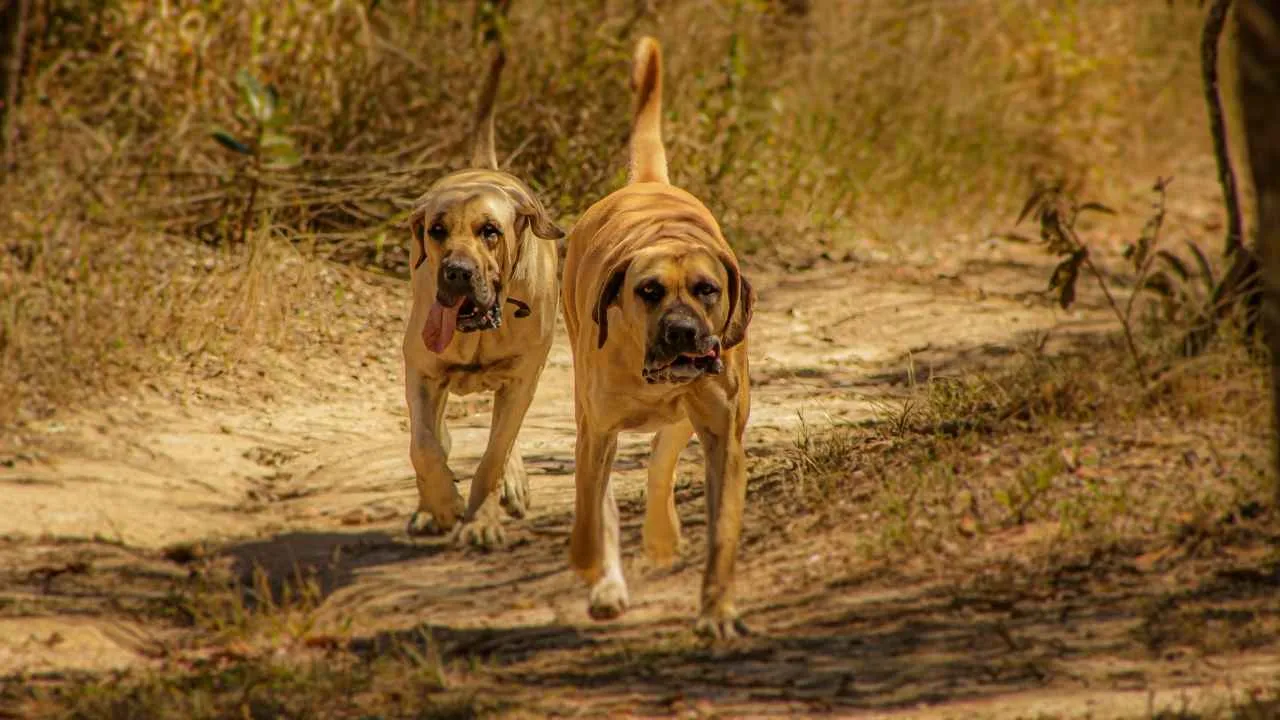
Coming in from South Africa is the Boerboel. This is a working dog through and through. The name comes from the Afrikaans/Dutch words for “farmer’s dog.”
They were bred to protect remote homesteads from lions, hyenas, and baboons. They are muscular, blocky, and intimidating. They usually have a short coat and often sport a black mask.
The Boerboel is not for the faint of heart. PetMD says they are dominant and confident. If you don’t provide leadership, they will run the house. They are part of the Mastiff family, but are much more agile.
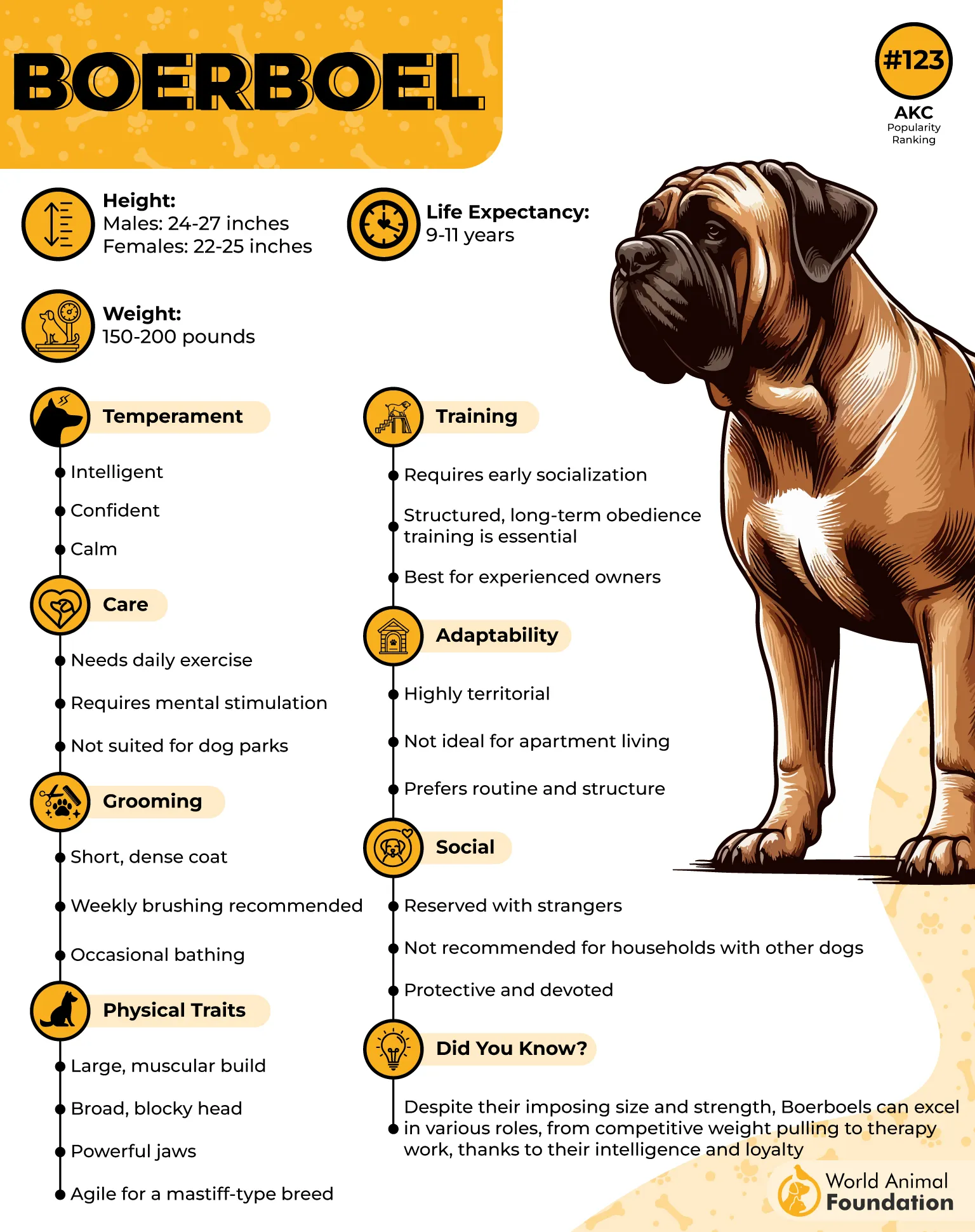
They can move fast! They love their humans fiercely and are generally great with the family’s kids, but they need to be watched with other dogs.
Health issues like hip dysplasia and heart problems can occur, so buying from a reputable breeder who health tests is crucial. The AKC’s recognition was given relatively recently, so it is gaining popularity in the US. Also, they need daily exercise and mental stimulation.
Conclusion
Whether you are drawn to the fluffy Tibetan Mastiff, the tall Irish Wolfhound, or the muscular Boerboel, owning a large dog breed is a lifestyle. It means bigger food bills, bigger poops, and shorter lifespans, but it also means bigger love.
These dogs aren’t just pets; they are roommates, bodyguards, and best friends all rolled into one. If you are ready to open your heart (and your home) to one of these many large dogs, make sure you do your research.
Check out the American Kennel Club, talk to breeders, and maybe even find a rescue. The dog world is vast, and these gentle giants are waiting for the right person to appreciate their impressive size and huge hearts.
