




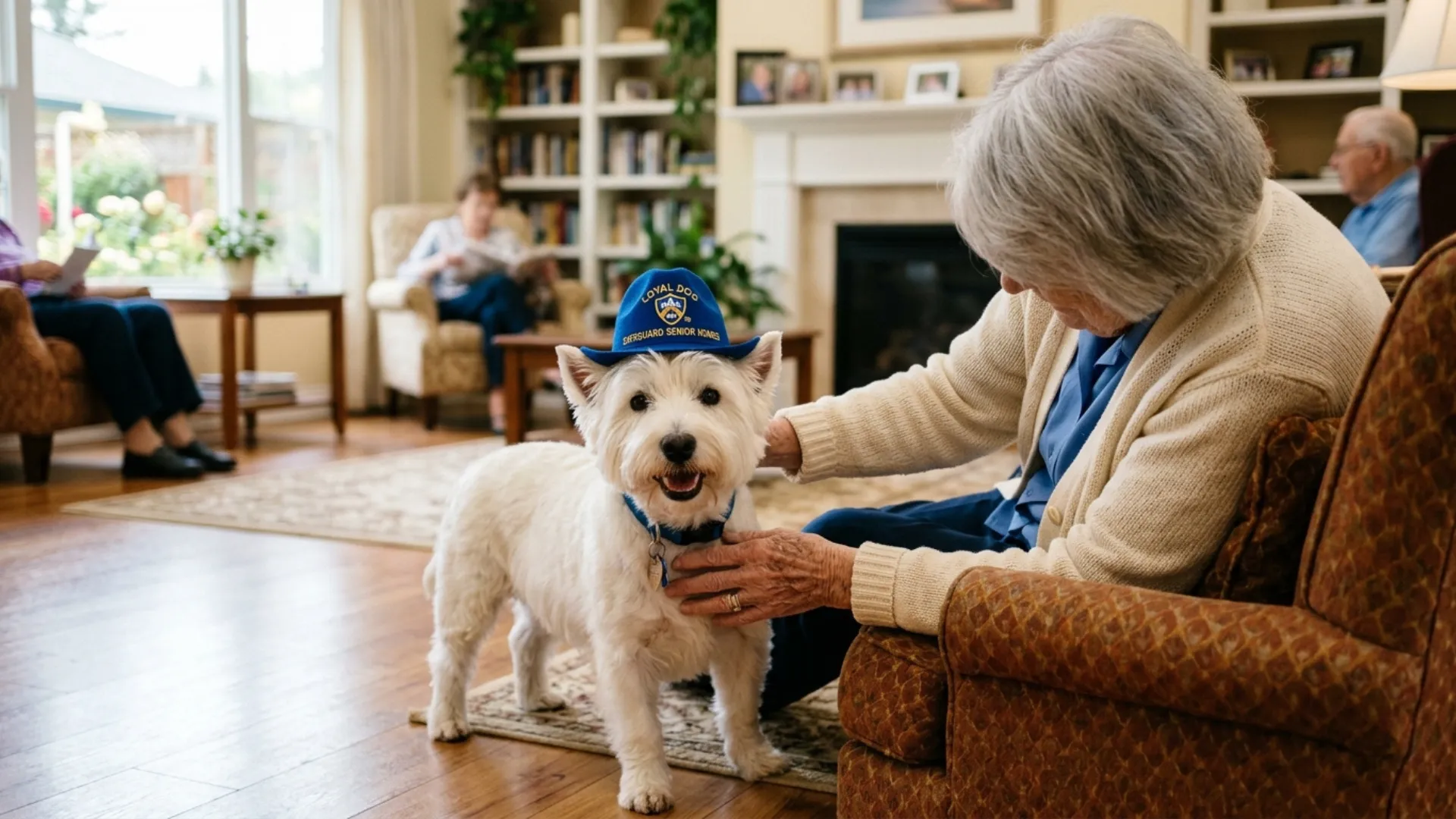
As people grow older, priorities often change. Comfort matters more, daily routines become cherished, and having a trusted companion can make all the difference. That’s one reason many seniors choose to share their homes with a loyal dog.
The right dog offers far more than companionship. Many breeds are naturally attentive, alert to unusual activity, and devoted to staying close to their owners. This combination of loyalty and watchfulness can help seniors feel more secure while adding warmth and companionship to everyday life.
However, not every breed is equally suited to senior living. Some dogs require extensive exercise and constant activity, while others are calmer, easier to manage, and better matched to a relaxed lifestyle.
The best dogs for older adults combine loyalty, a protective nature, and manageable care needs. In this article, we’ll explore seven loyal dog breeds that help safeguard senior homes while providing comfort, emotional support, and lasting companionship.
Key Takeaways
The best dog breeds for senior homes combine loyalty, calm temperament, and gentle protective instincts.
Many suitable breeds offer low to moderate grooming needs, making them easier for older adults to care for.
Exercise levels vary, but most senior-friendly dogs thrive with short daily walks and light activity.
Loyal Dog Breeds That Safeguard Senior Homes
1. Miniature Pinscher
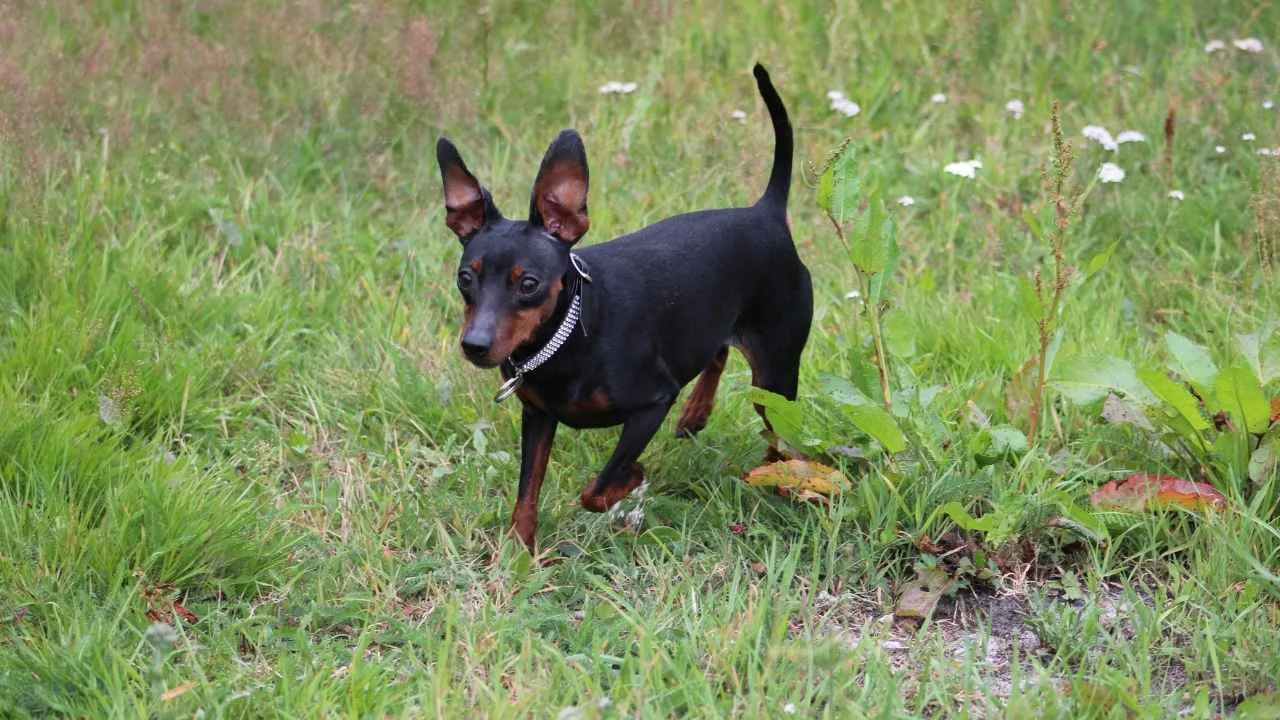
Fearless and highly alert, often acting like a much larger guardian despite its small size
Extremely energetic and curious, always aware of movement around the home
Intelligent but independent, requiring consistent training and supervision
When it comes to safeguarding senior homes, this tiny yet bold dog brings a surprising sense of awareness into the household. Known for its fearless temperament, it naturally reacts to unfamiliar sounds or movement, making older adults feel more alert and secure in daily life.
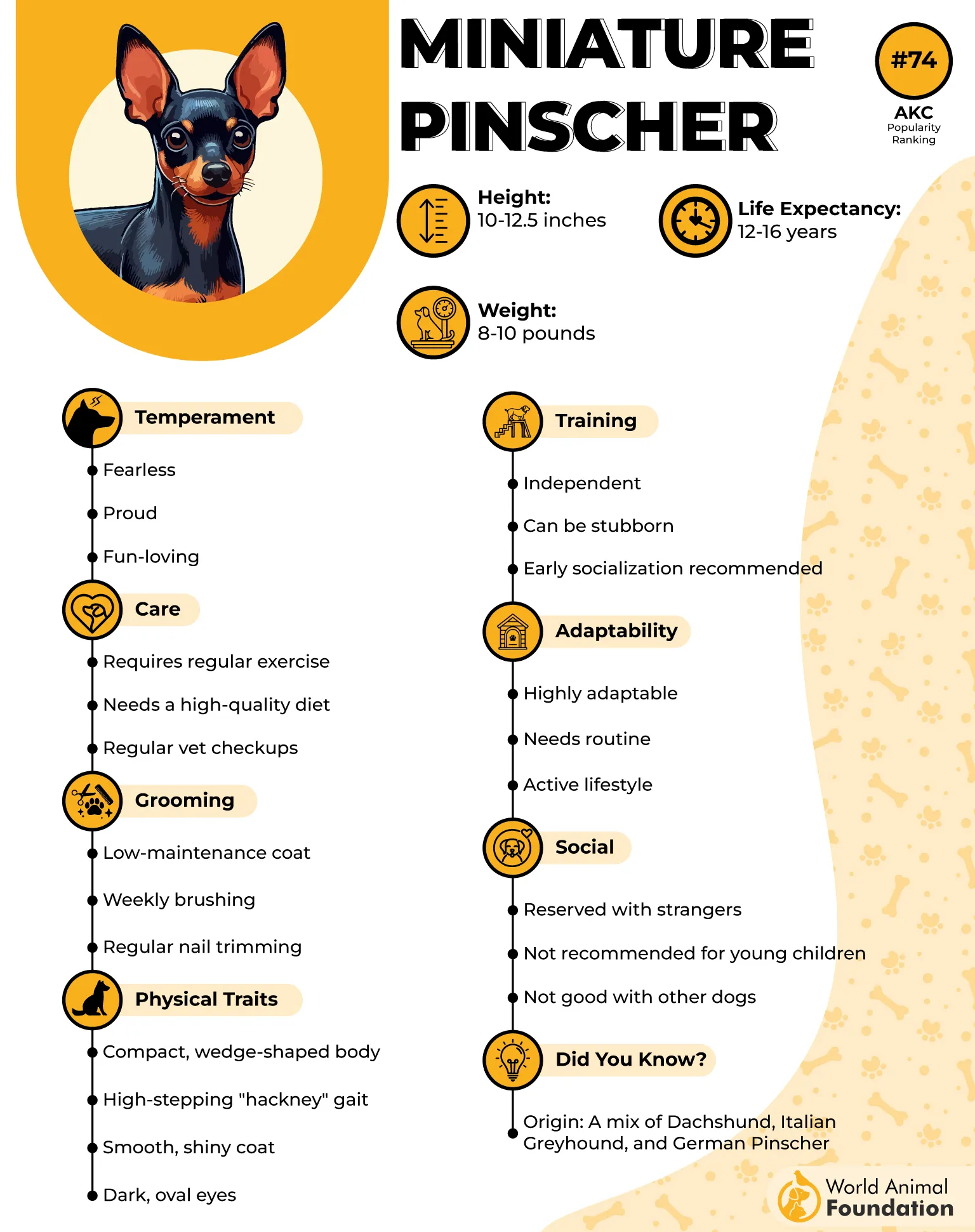
At the same time, it is not a low-maintenance companion in terms of behavior. It thrives on mental stimulation, short bursts of activity, and regular engagement, which helps keep both the dog and owner active.
However, seniors should be mindful—this breed is famously clever and can be an escape artist if not properly supervised, as per PetMD. With the right training and structure, it becomes a loyal, lively, and watchful companion that adds both energy and emotional reassurance to senior living.
2. Miniature Schnauzer
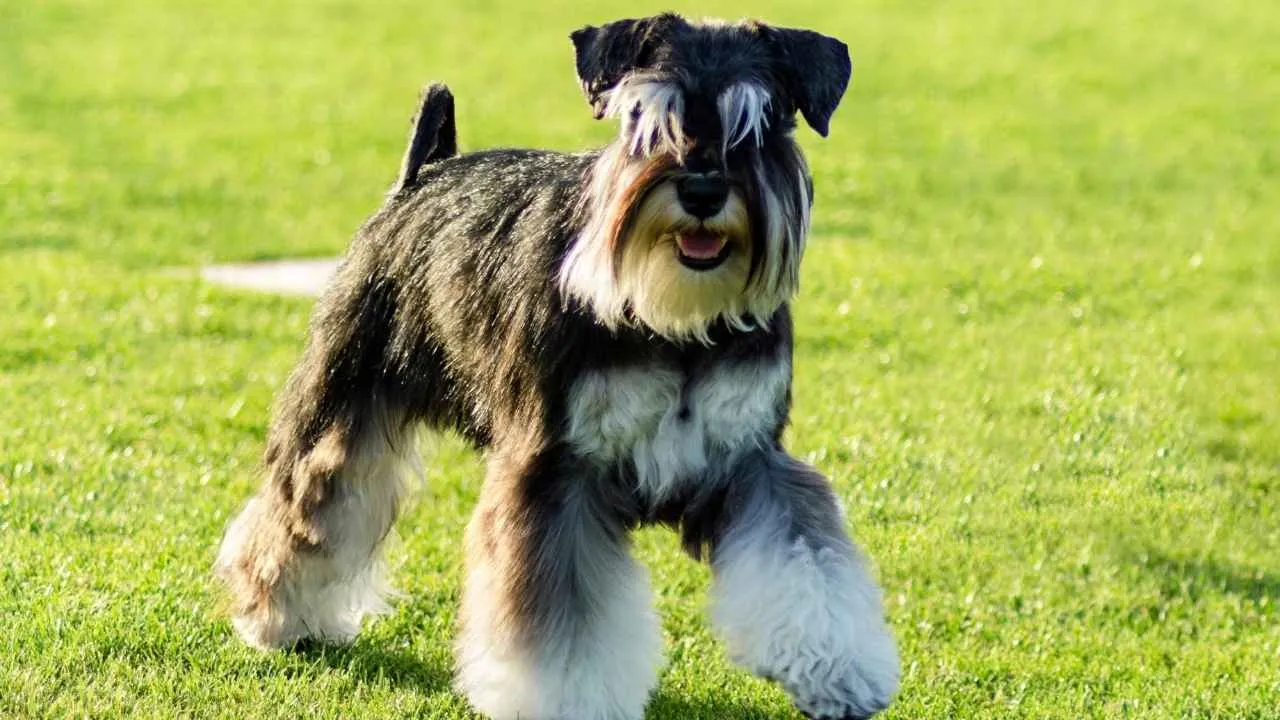
Naturally vocal watchdog behavior — more likely to bark at unusual activity than ignore it
Strong territorial awareness, making them quick to notice changes around the home environment
Highly people-focused intelligence, often staying close to their owner’s routine and habits
Now here’s what makes this breed different in a senior-home context: it’s not a “silent guardian” type—it’s a talkative alarm system with personality. This dog doesn’t quietly observe in the background; it announces anything unfamiliar, which can be reassuring for older adults living alone or in senior living spaces.
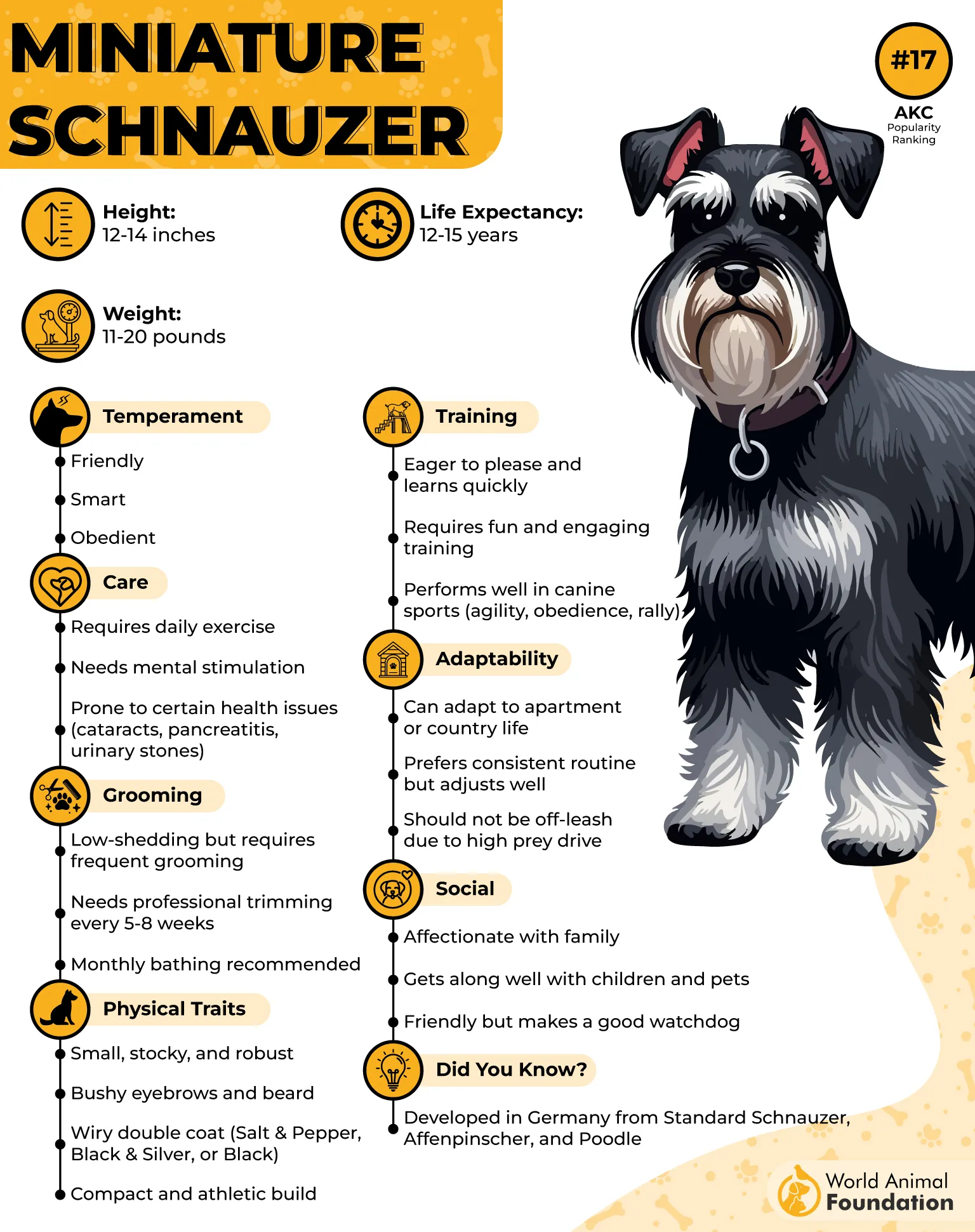
At the same time, it’s not overwhelming in energy. It enjoys moderate walks, indoor interaction, and mentally engaging play, which suits a calm but active lifestyle, as per Wikipedia. Its intelligence also means training tends to be smooth, especially when routines are consistent.
For seniors, that means one thing: you don’t just get a pet—you get a small, very opinionated early-warning system that also happens to be affectionate.
3. Tibetan Spaniel
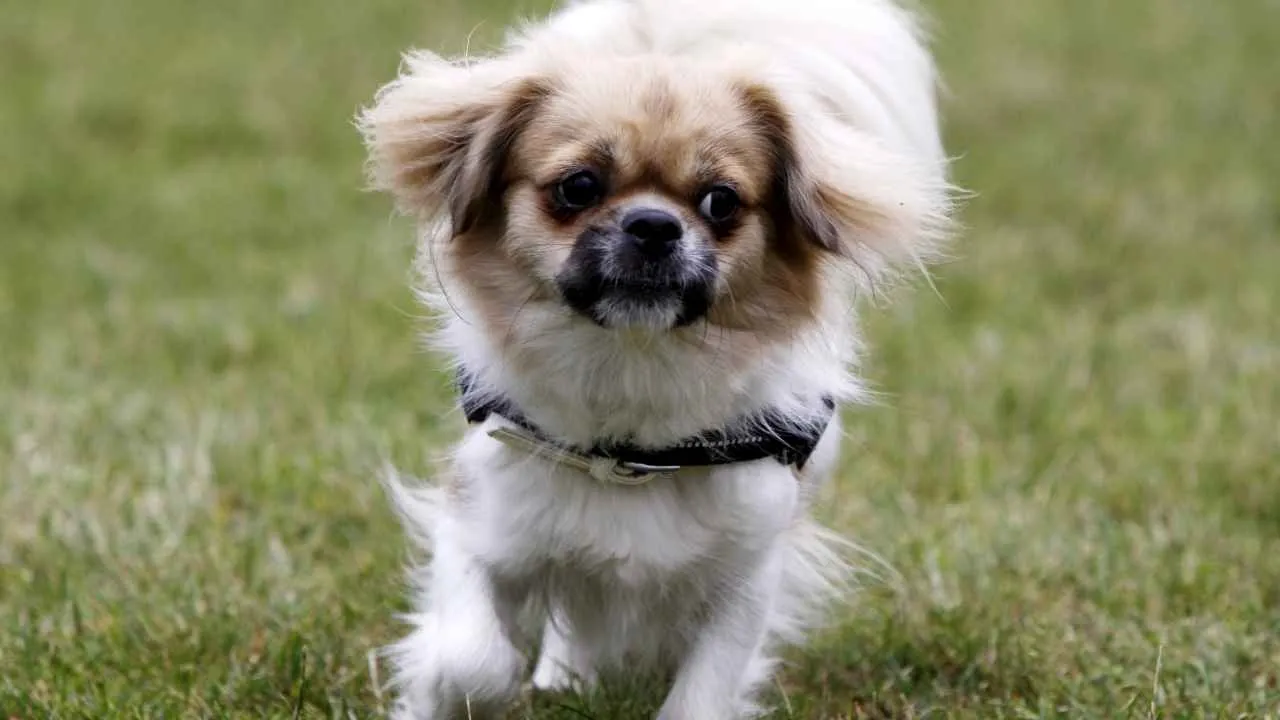
Natural “perch watcher” instincts, originally bred to observe surroundings from monastery walls
Independent yet observant temperament, choosing when to respond but always aware of activity
Adaptable energy level, equally comfortable with calm indoor rest or steady daily walks
Unlike high-energy breeds or demanding companions, this breed brings a balanced presence into senior homes. It quietly observes its environment, which can offer older adults a subtle sense of reassurance without constant noise or chaos.
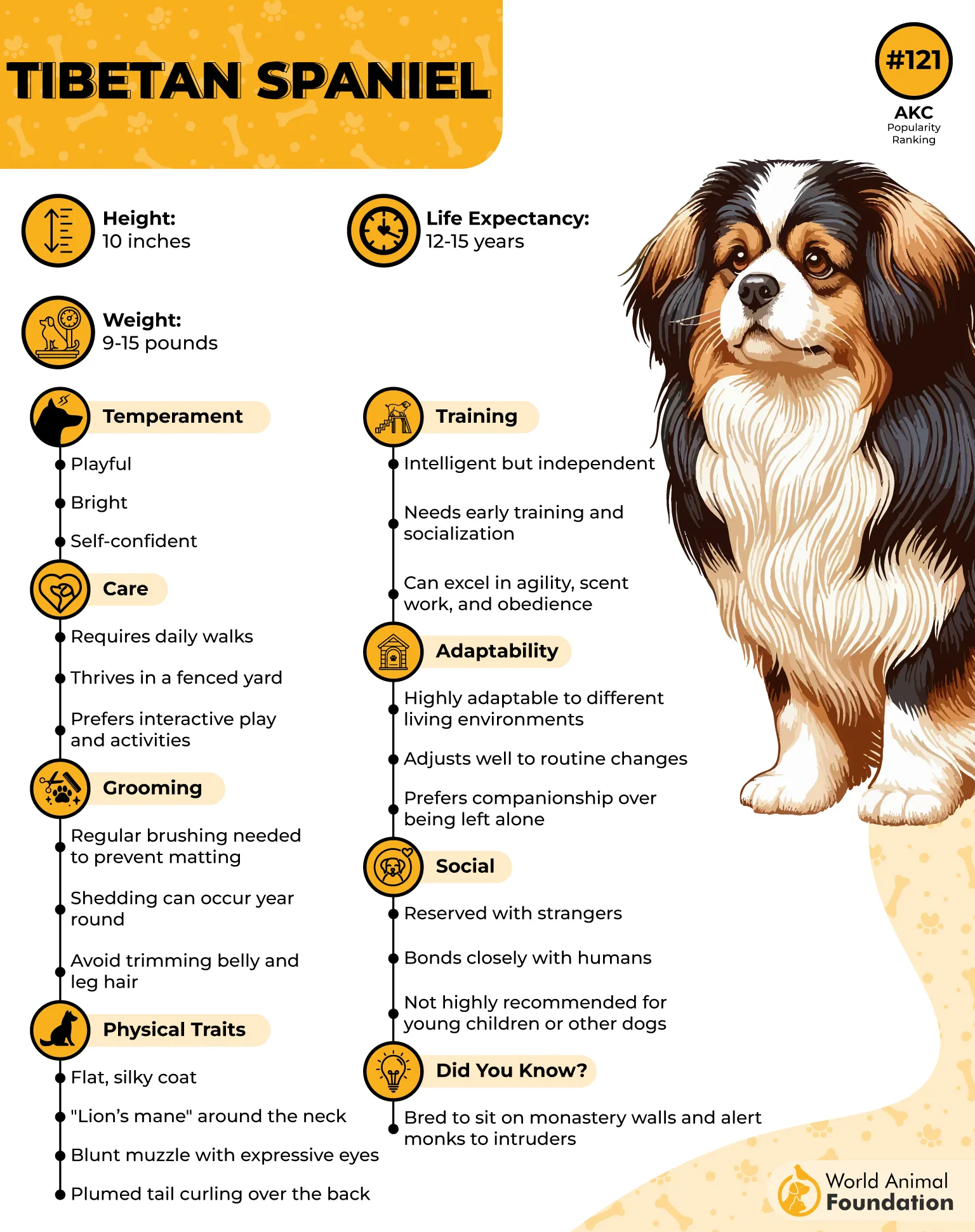
What makes it stand out is its independence—it won’t cling excessively, yet it never feels distant either. This balance works well for senior living communities that prefer companionship that respects personal space while still offering emotional connection.
Its manageable size and adaptable routine make it low maintenance for senior living and smaller homes. With minimal grooming needs and a naturally clean coat, it stays fairly easy to maintain.
Overall, it behaves like a calm little sentry with a soft heart—alert when needed, relaxed when everything is safe, and always close enough to feel like part of the family.
4. Dachshund

Originally a burrow-hunting dog, giving it a strong instinct to investigate small sounds and movement
An emotionally clingy companion, often choosing one person as its main source of comfort and loyalty
Low, sturdy build makes it the best dog breed for indoor living and easy day-to-day handling for seniors
Now here’s the real reason this breed fits so well into senior homes—it’s not just “cute and low maintenance.” It behaves like a small, determined guard dog that stays emotionally and physically close to its person. That closeness often translates into reassurance for older adults, especially those living alone or in quieter environments.
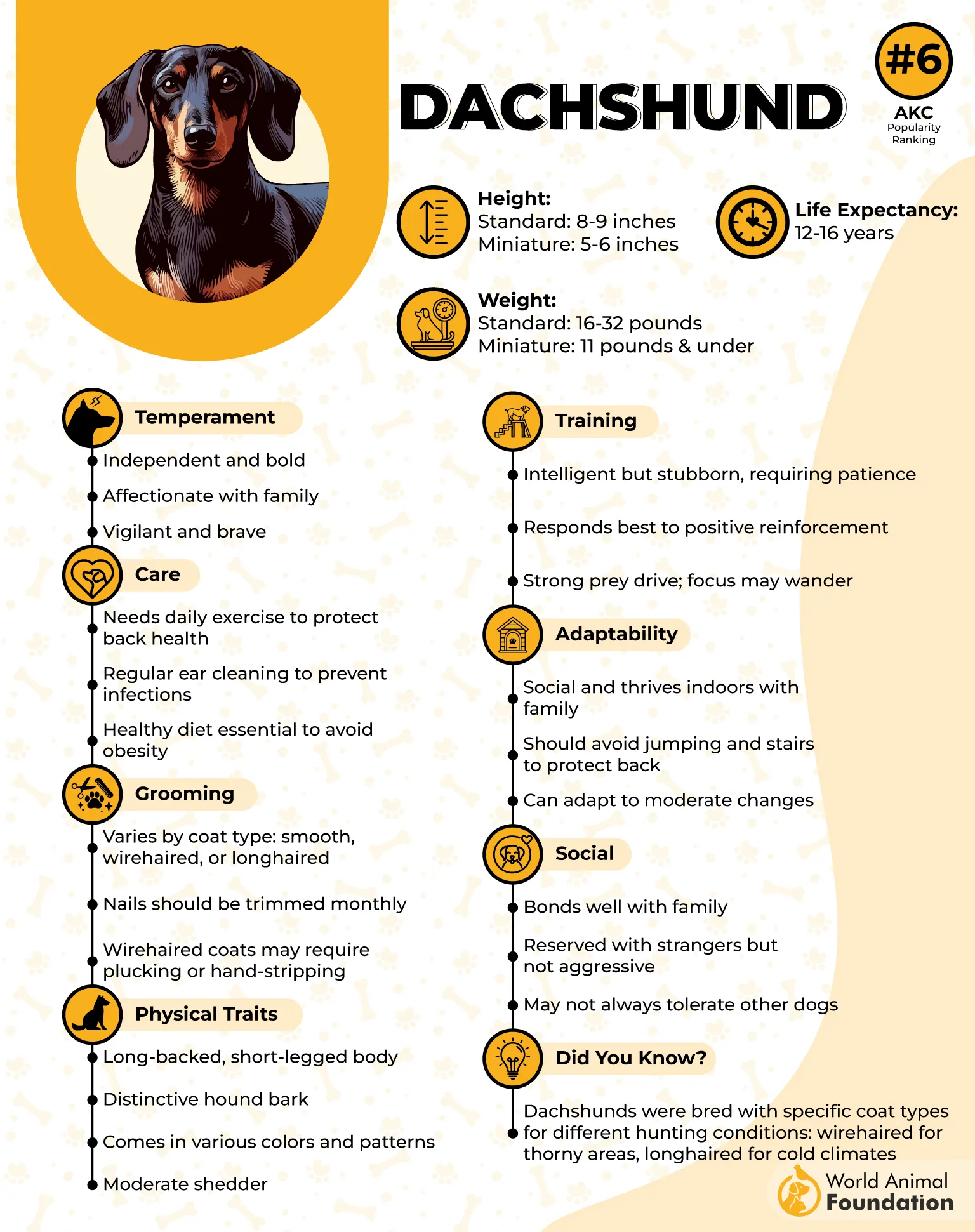
Unlike dogs with high energy levels, it doesn’t demand constant stimulation, but it does appreciate short walks and gentle interaction throughout the day. That balance makes it easier for seniors to manage without feeling overwhelmed.
What really stands out is its loyalty pattern—it tends to bond deeply with one or a few people, creating a strong sense of companionship and emotional stability. In simple terms, it’s less of a distant pet and more of a persistent little shadow that never forgets its job: staying close and caring in its own steady way.
5. Lhasa Apso
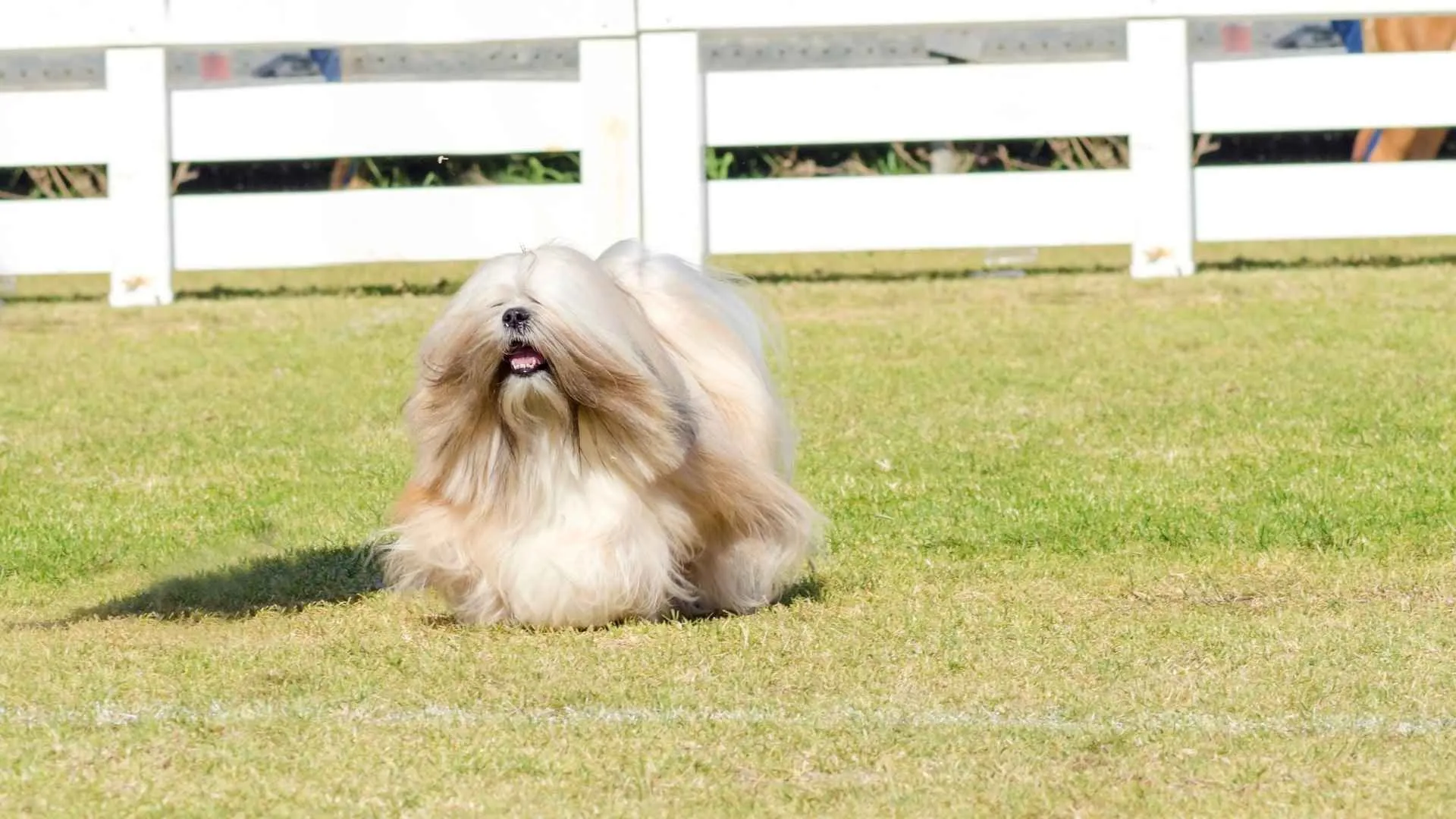
Temple-guard heritage, originally bred to act as an alert watchdog in Tibetan palaces and monasteries
Strong protective instinct, often vocal and naturally cautious around unfamiliar people or sounds
Independent but loyal temperament, bonding closely with family while still maintaining a “do-my-own-thing” attitude
This small dog brings a very different kind of “home security energy” into senior living. Instead of being overly dependent or overly energetic, it quietly watches its surroundings and reacts when something feels off—making it feel like a small but confident guardian in the home.
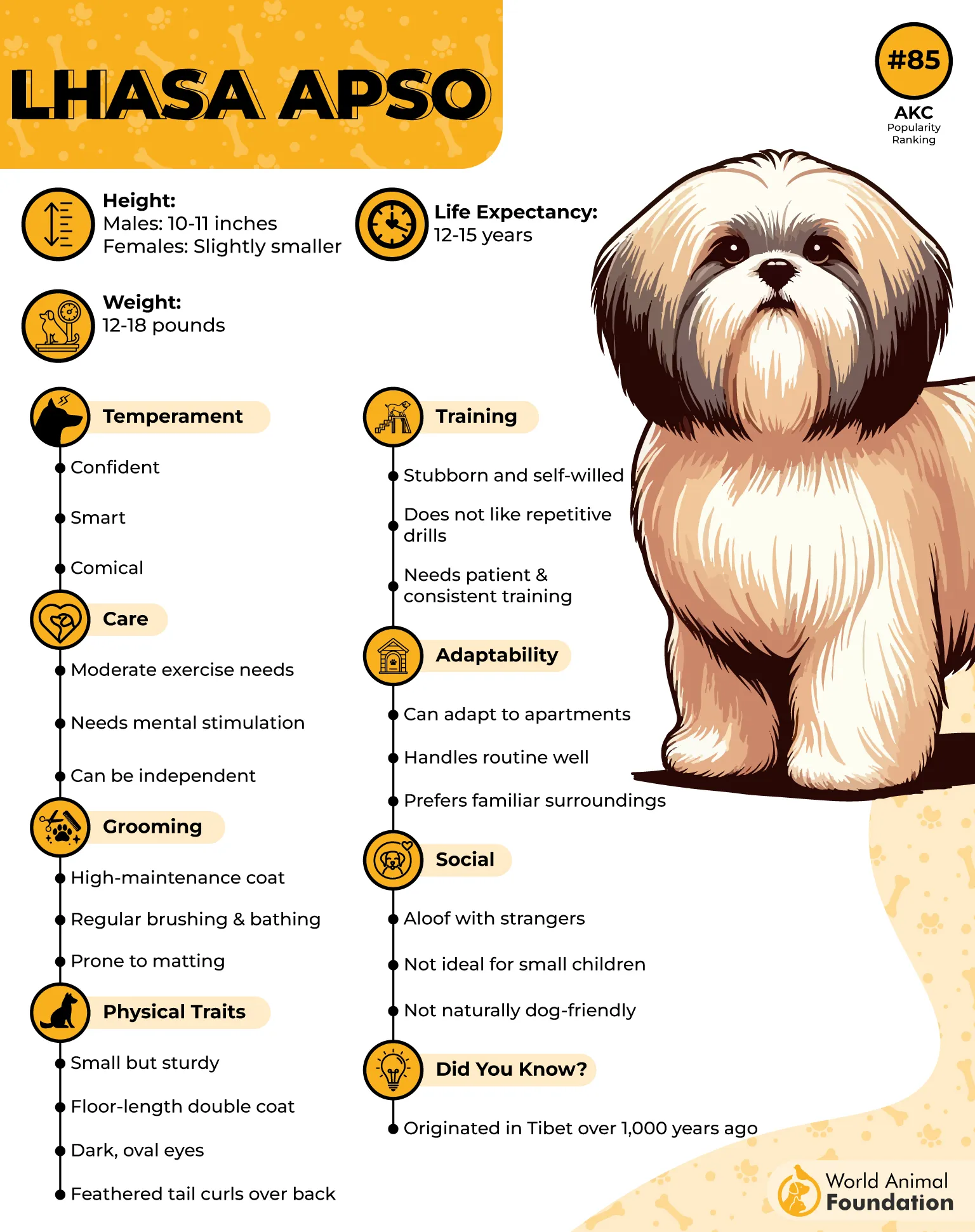
For older adults, that balance can be quite reassuring. This affectionate dog with its trusted circle, yet not overly demanding of constant attention, which suits relaxed routines in senior living communities or quieter households.
At the same time, it does come with personality. It needs patient, consistent guidance, especially during training, because it tends to think independently, as per PetPlan. But once that bond is built, it becomes a deeply loyal companion—one that feels both charmingly stubborn and surprisingly protective in everyday life.
6. Pekingese
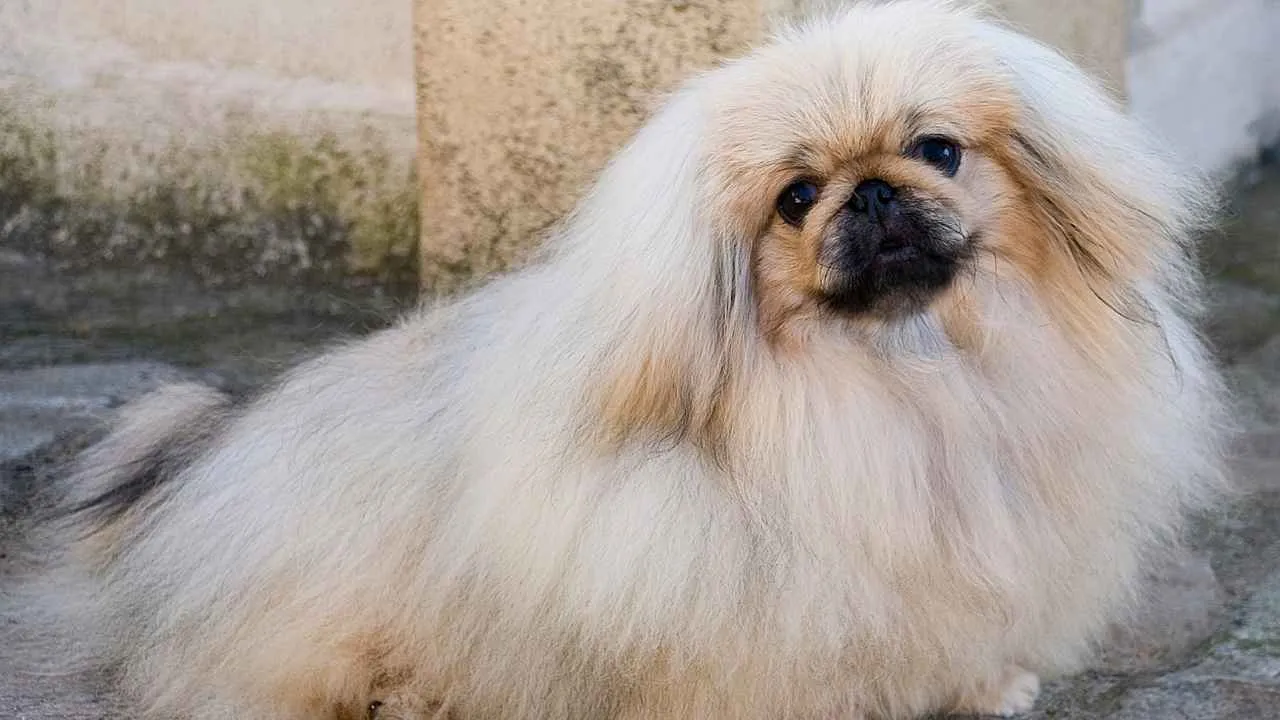
Regal lap-dog heritage, originally bred in ancient China to live as royal companion dogs
Naturally alert watchdog behavior, typically quiet but quick to react when something feels genuinely off
Low-activity companion temperament, staying satisfied with indoor life, and following their owner closely
This little “lion-like” companion brings a calm but confident presence into senior homes. It doesn’t demand constant activity or long exercise routines—instead, it prefers staying close to its person, quietly observing daily life like a tiny royal guard dog, as per WebMD. That makes it especially suitable for older adults who want companionship without overwhelming energy needs.
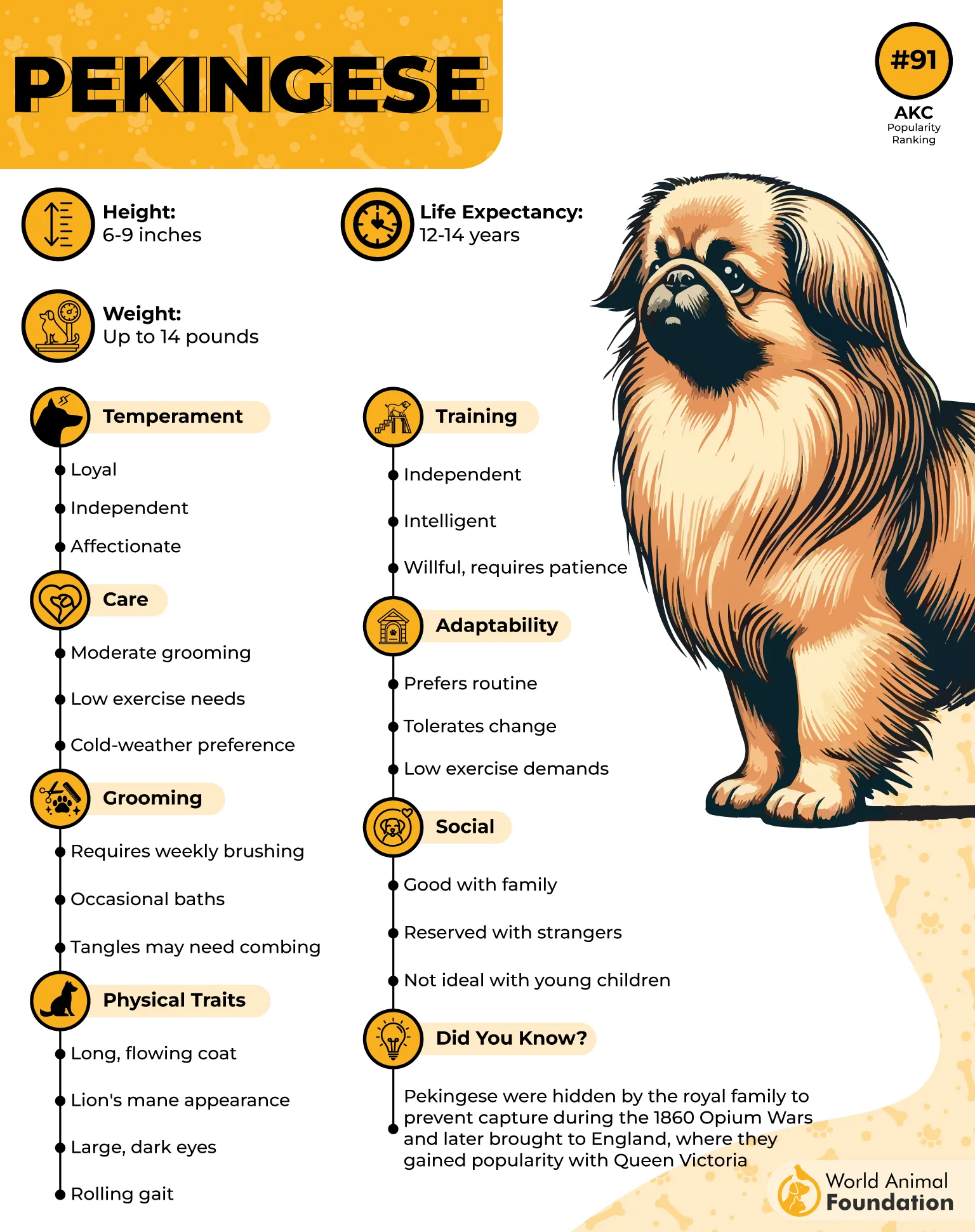
What makes it stand out is its balance of independence and loyalty. It enjoys attention, but it isn’t clingy in an exhausting way. At the same time, it remains surprisingly alert to changes in its surroundings, which can offer seniors a gentle sense of reassurance at home.
With moderate grooming needs and a manageable routine, it fits well into apartment living or smaller spaces, offering companionship that feels dignified, steady, and quietly protective rather than noisy or demanding.
7. West Highland White Terrier
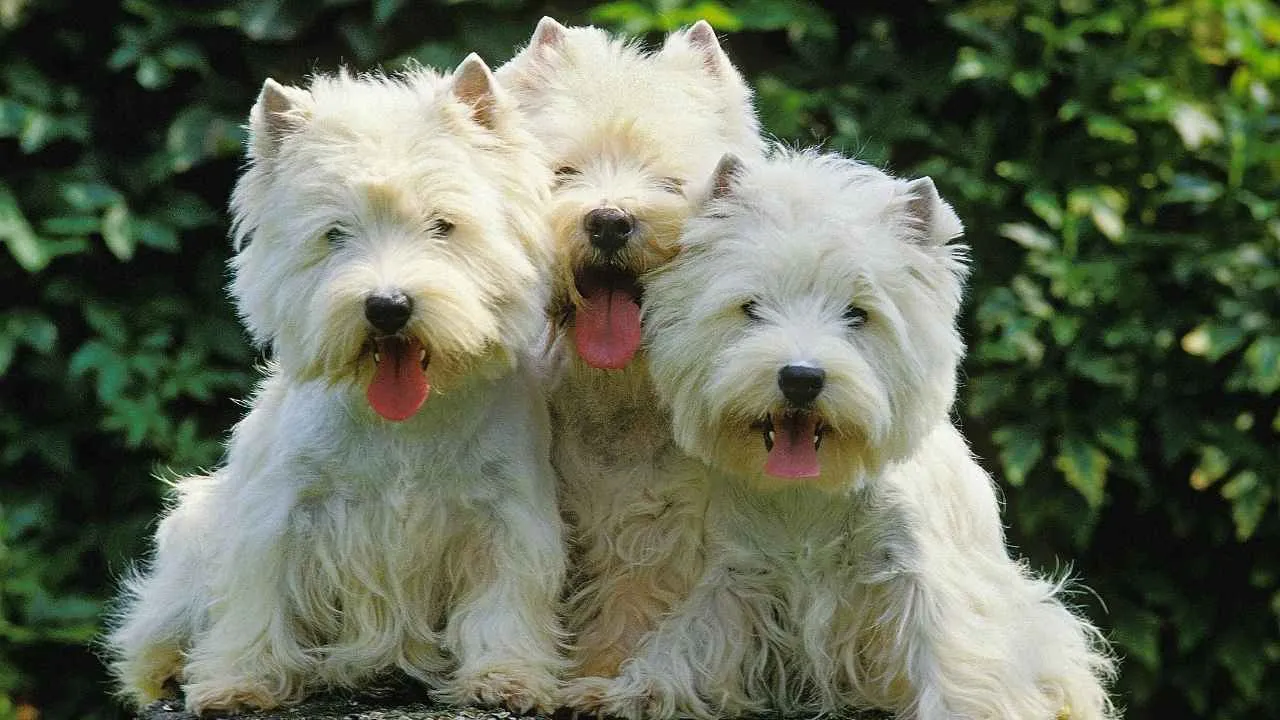
Bold former hunting background, originally bred in Scotland to track and control small vermin and quarry
Naturally alert and vocal watchdog tendency, quick to notice movement and signal visitors or unusual activity
Medium energy but highly playful temperament, enjoying short bursts of activity followed by relaxed indoor downtime
This lively Scottish companion brings a very different kind of “security personality” into senior homes. It’s not silent or overly reserved—instead, it actively reacts to its surroundings, often alerting older adults when someone approaches or when something changes in the environment. That makes it feel like a cheerful little alarm system with personality.
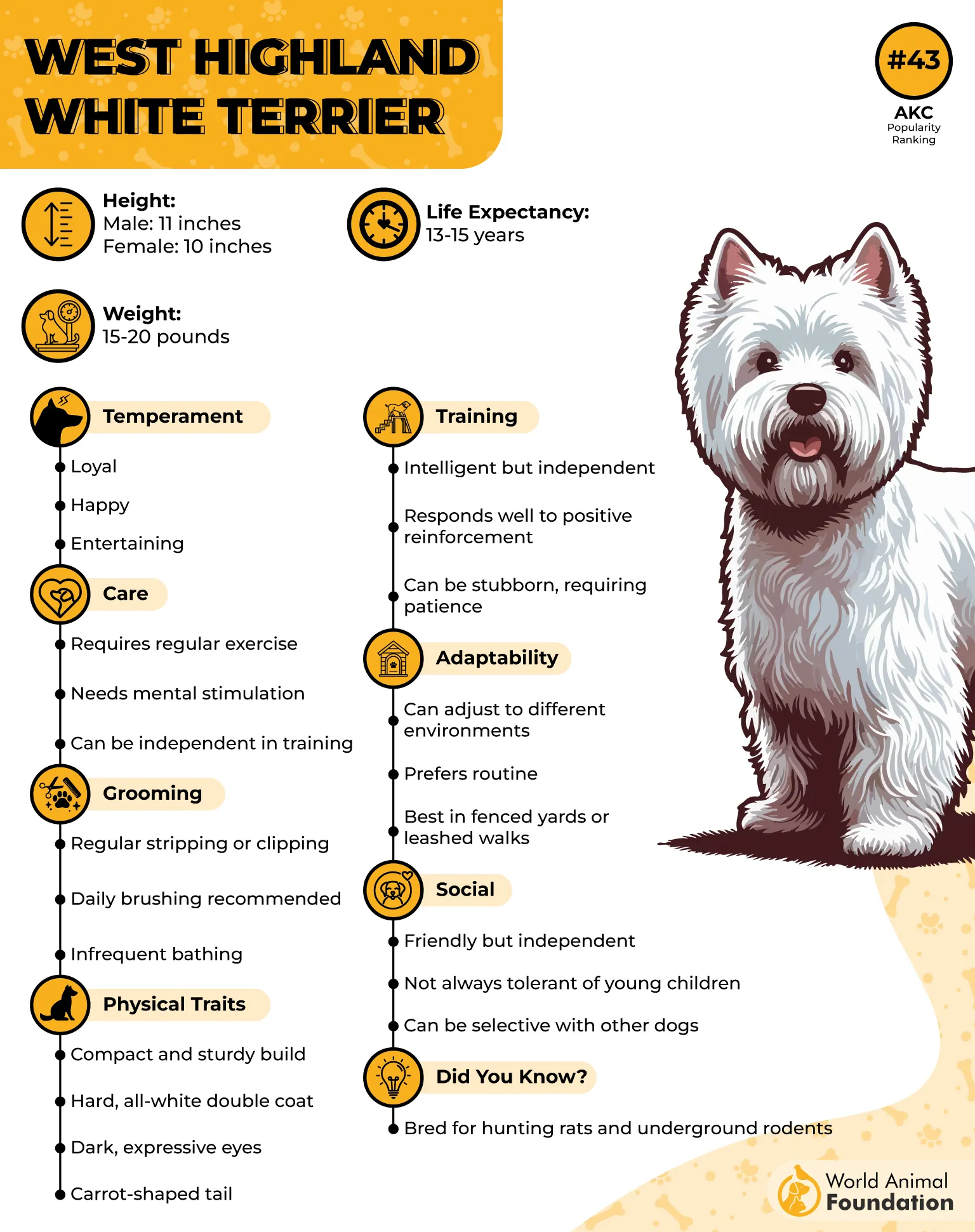
At the same time, it doesn’t demand constant exercise. A couple of daily walks and some indoor play are usually enough to keep it satisfied, which fits well into a calm senior lifestyle or apartment living.
What really makes it special is its mix of confidence and charm—it behaves like it’s in charge of the household, yet remains deeply affectionate and people-oriented. For older adults, that combination creates both companionship and a light sense of day-to-day reassurance without overwhelming care needs.
Conclusion
At the heart of it, choosing the right companion isn’t just about size, looks, or even energy levels—it’s about how naturally a dog fits into daily life and the emotional rhythm of older adults. Across all these loyal breeds, one thing stays consistent: they don’t just share a home, they help shape it into a safer, warmer, and more connected space.
Some bring alertness with a loud bark, others offer silent watchfulness, and a few simply stay close enough that loneliness never really settles in. Together, they show that the best dog breeds for seniors are the ones that balance companionship with gentle awareness, making senior living feel less quiet and a lot more alive.
If there’s one simple takeaway, it’s this: the right dog doesn’t just live in your home, it becomes part of your sense of comfort and confidence every single day. And sometimes, that steady presence—soft paws, patient eyes, and an instinct to care—is exactly what turns a house into something that feels truly protected.
