




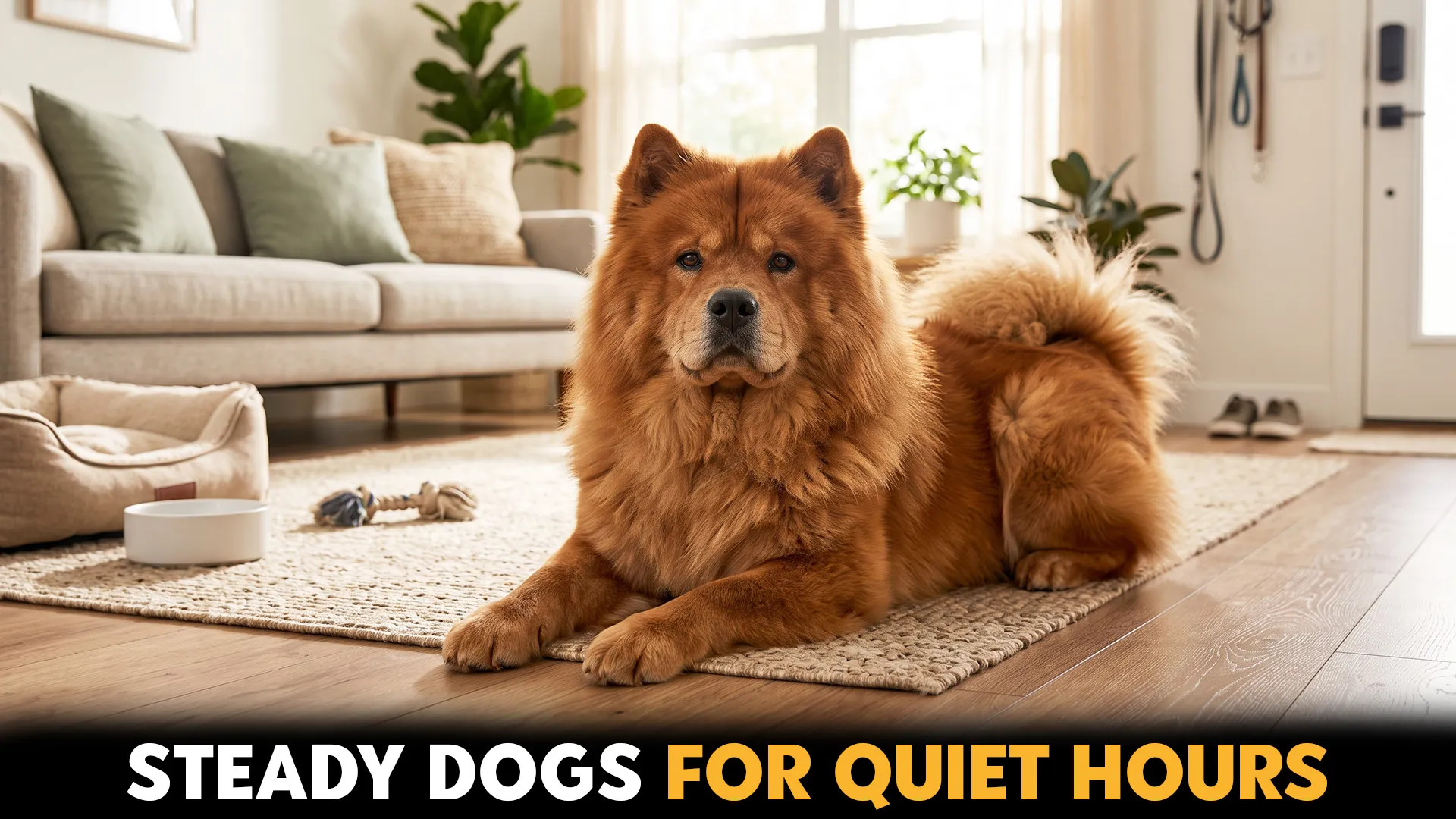
Loyalty is not only defined by which dogs stick with you throughout the day. Some dogs can form very close bonds with their family and feel comfortable with being alone for an appropriate period of time.
For those who are working outside the home, have a hectic schedule, or simply want a companion that can settle by itself, this combination can be helpful. The important factor is independence, not isolation.
An independent dog should do everything other dogs do without needing excessive human interaction.
They can sleep or watch their environment without the presence of their owners. Livestock guardians, estate guardians, and other working dogs were frequently left on their own throughout their routines. Some breeds are naturally inclined to handle alone time well.
The following 7 loyal breeds are interesting because they are naturally independent or have an adult temperament that is more relaxed, making reasonable alone time easier to handle. If you’re looking for a dog that doesn’t mind being alone, these breeds will not disappoint.
Loyal Dog Breeds That Handle Being Alone Well
1. Great Pyrenees
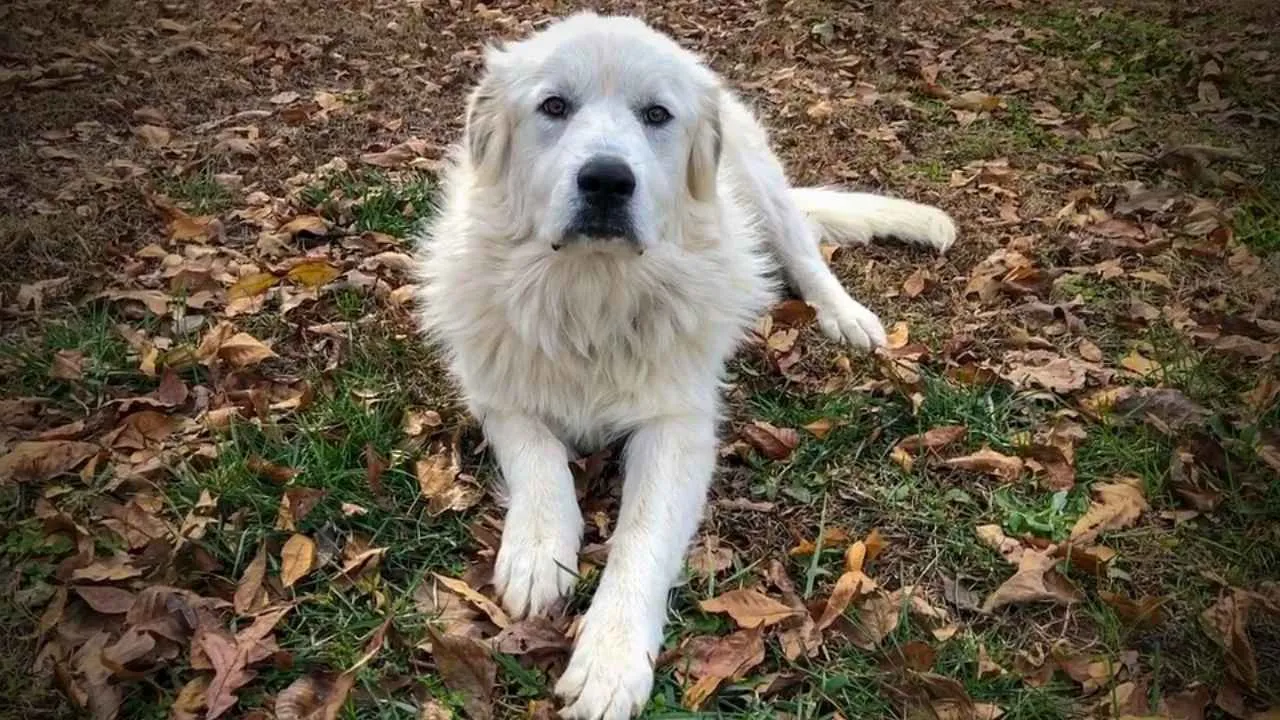
Perhaps the most obvious pets that are both loyal and self-reliant are the Great Pyrenees dogs. They were bred to protect sheep and goats in the Pyrenees Mountains and are frequently used without close management by shepherds.
The work was not simple to do physically. A livestock guardian had to watch what was happening around it, identify possible dangers, and determine when to act, before asking anyone to tell it what to do. This independent streak has endured in the breed today.
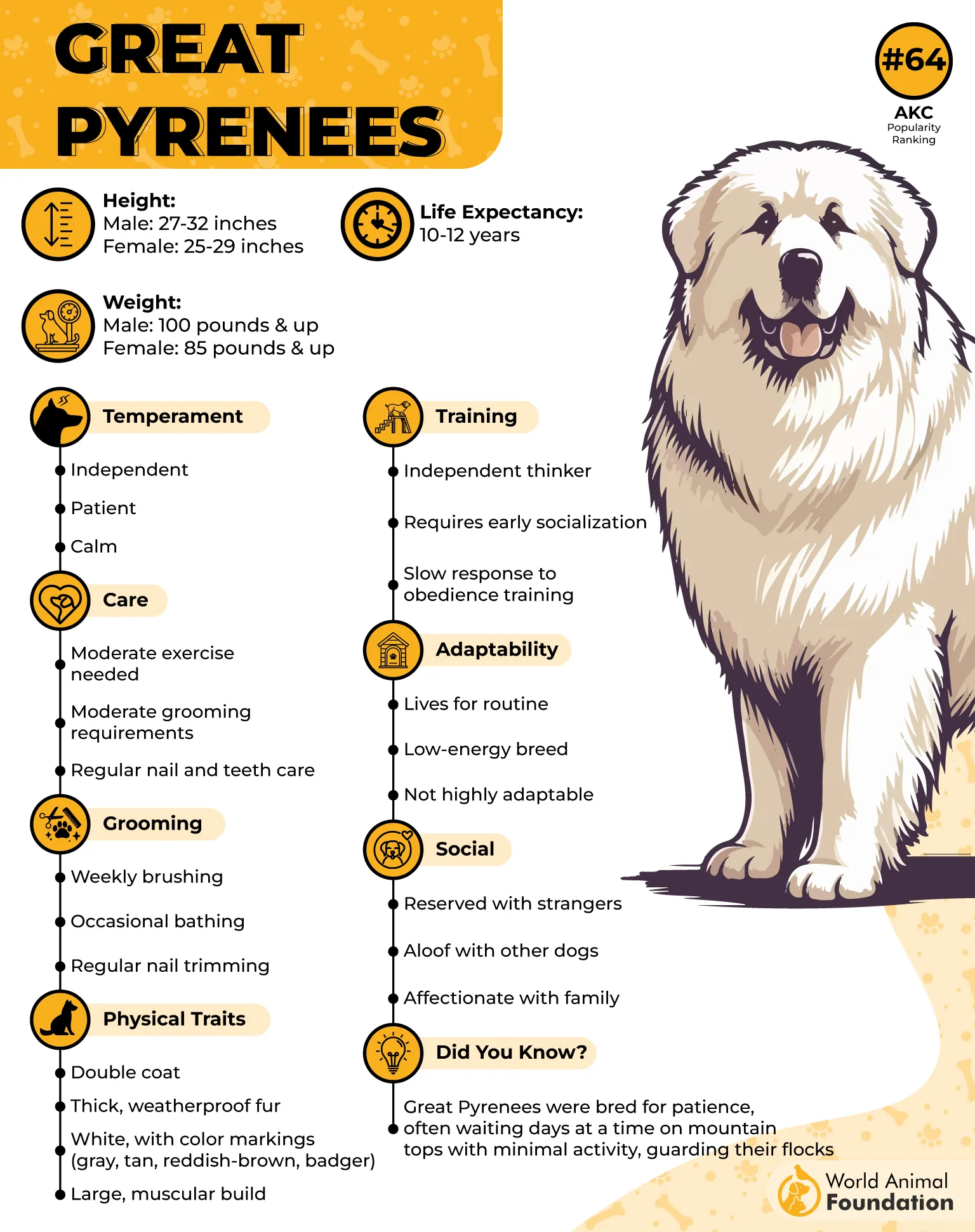
Their average height is 25-32 inches, while their average weight is 85-100 pounds, according to the American Kennel Club. They are not typically frenzied dogs. Their natural predisposition is to watch, walk, and conserve until something calls their attention.
This behaviour is also replicated in the homes they live in. A Pyrenees might be just fine in the yard or sleeping at home and not constantly seeking out entertainment. They are serious guardians and might bark due to hearing unfamiliar noises or noticing something unusual.
Owners should be aware that being independent does not imply being inactive. They need regular exercise to keep them content.
2. Akita
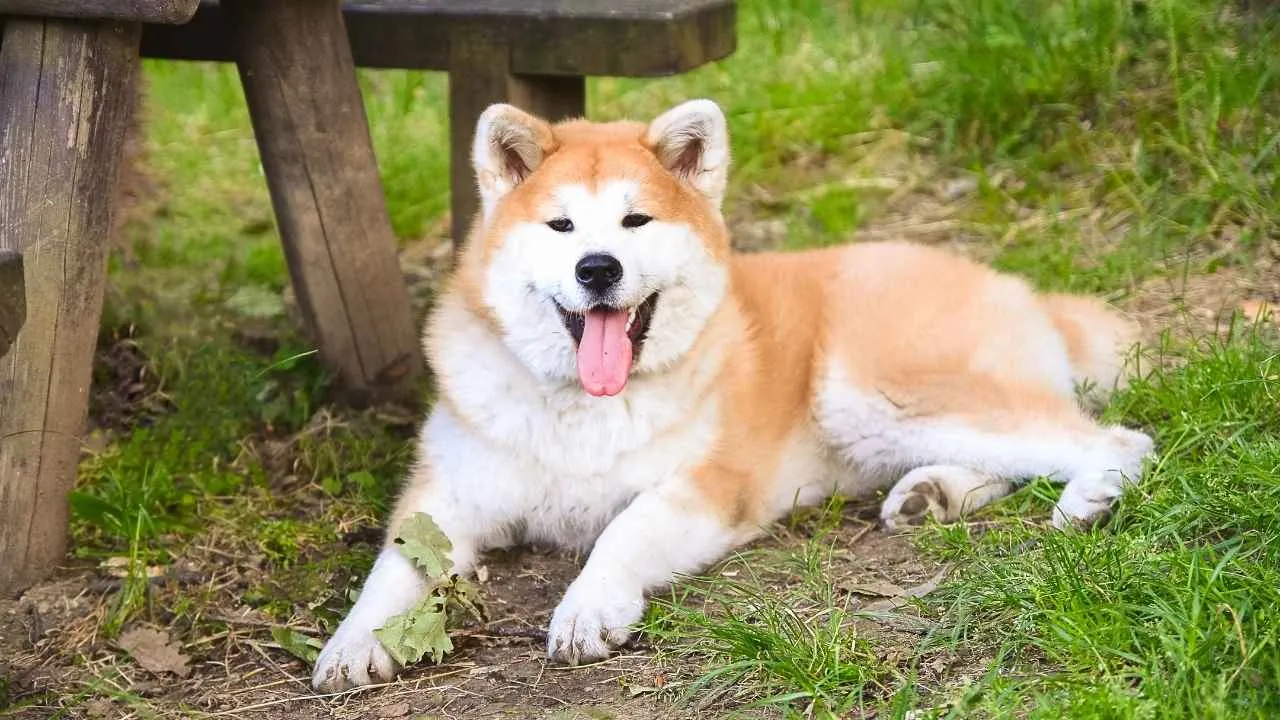
The Akita has a very independent nature along with being loyal. It’s a breed of dog that can provide support for the family but doesn’t require constant physical interaction.
Akitas are big, strong dogs. Males are approximately 26-28 inches tall and females 24-26 inches, according to Chewy. They have a thick, double coat and a curled tail, which makes them easily recognizable.
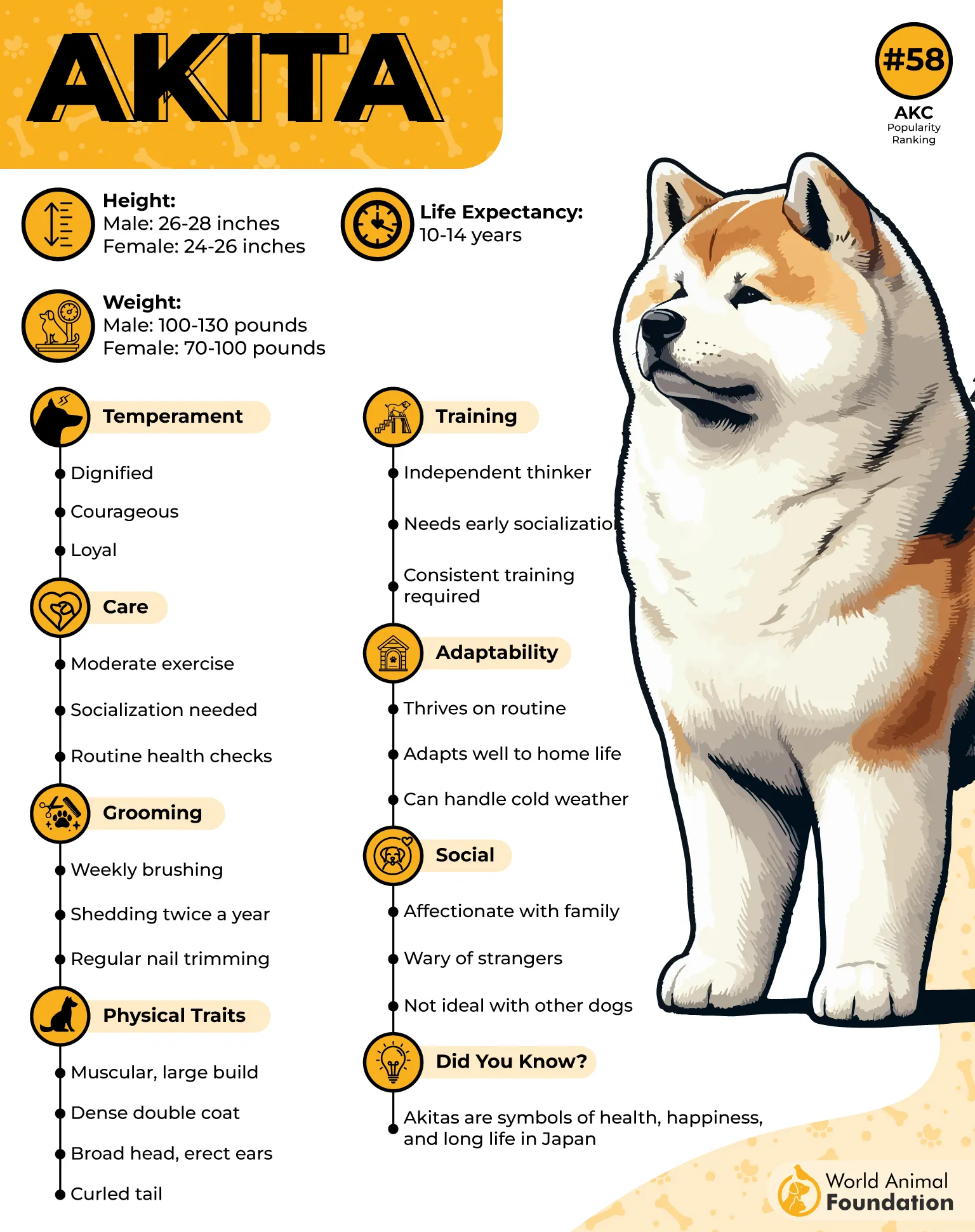
The independent nature of the breed is one reason for its ability to be well suited to those who have to be away for moderate periods. Akitas are quick to learn, independent, and reserved with strangers, but their devotion to their owner is strong. They don’t generally bark from boredom like other dogs.
But they do need to be handled with care. An Akita will not be easy to train if the rules are inconsistent or not repeated. It must be well trained and socialized, especially if it is to be kept away from strangers and other dogs.
An adult Akita might like to have its own space when the family is out of the house. Its love can be as intense when its family returns, even if it had been waiting all day at the door.
3. Tibetan Mastiff
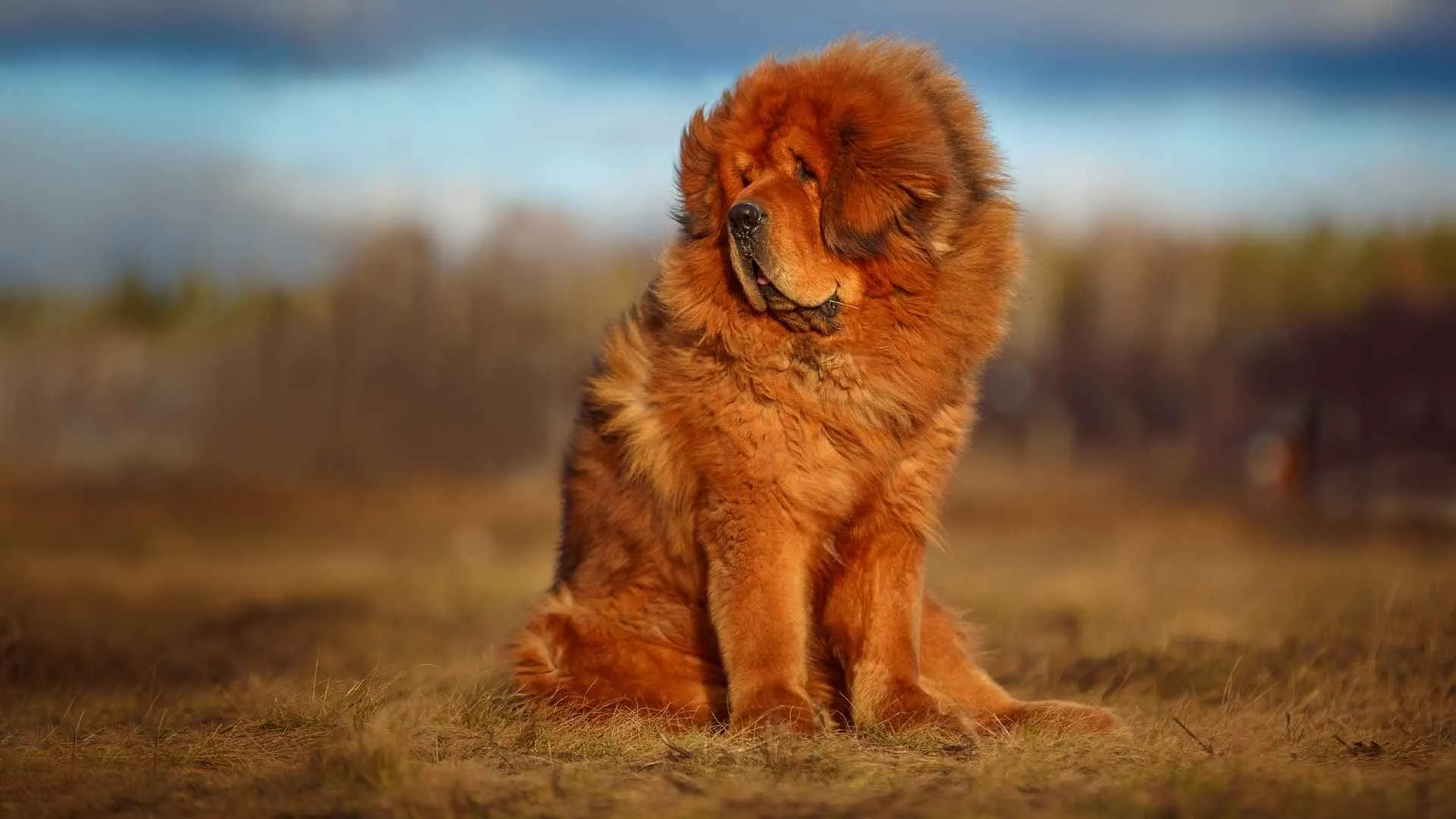
Another breed that has evolved to be both loyal and independent in guarding is the Tibetan Mastiff. Over the centuries, these dogs have guarded homes, monasteries, camps, and property in Tibet.
They are big, highly muscled dogs that are confident and territorial. They were not expected to rely on instructions at every turn, but were encouraged to investigate their environment on their own, which is the reason these dogs are so independent.
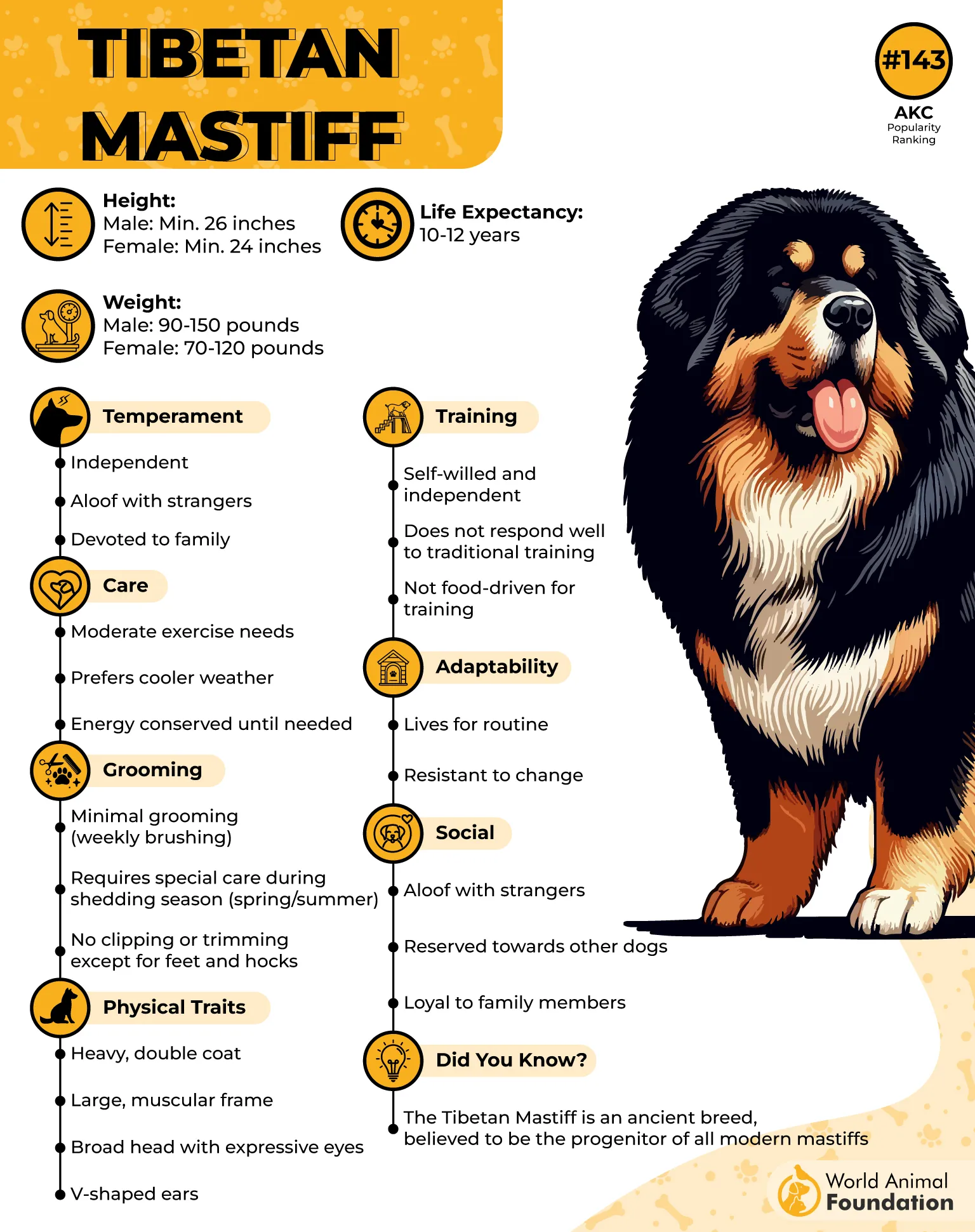
A fully grown Mastiff can be a domestic dog that can spend a lot of time sleeping. It is not looking for constant entertainment and has a natural instinct to protect and care for children, according to Orvis.
One thing that should be taken into account is their behaviour. If these dogs are bored, they can choose to investigate every person, animal, vehicle, or unfamiliar sound that passes by. They are difficult to train as they are likely to make up their own minds.
4. Anatolian Shepherd
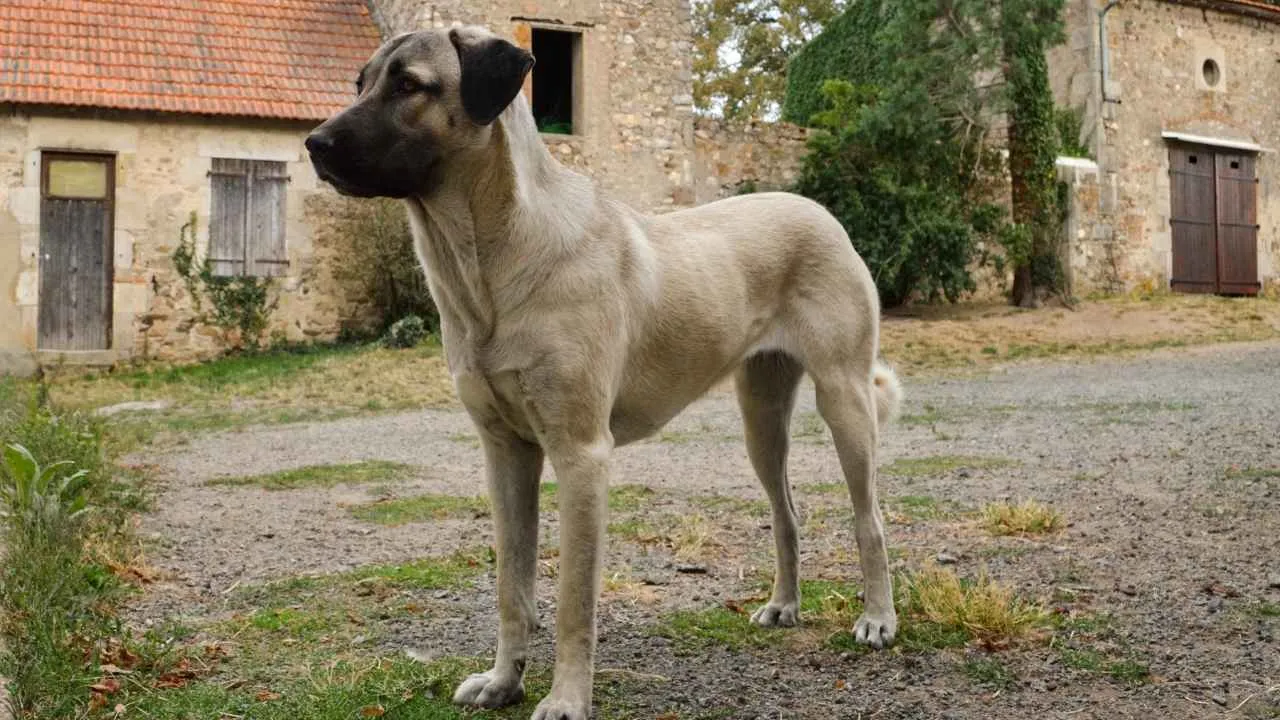
The Anatolian Shepherd was almost made to work on its own. The breed was developed in Turkey, where it was used to guard flocks, working at great distances from humans.
This meant the dogs were to think for and entertain themselves. The Anatolian Shepherds were supposed to evaluate threats, guard livestock, and act accordingly, without the need for constant human supervision. This is not just a personality quirk they have, but it’s tied to their heritage.
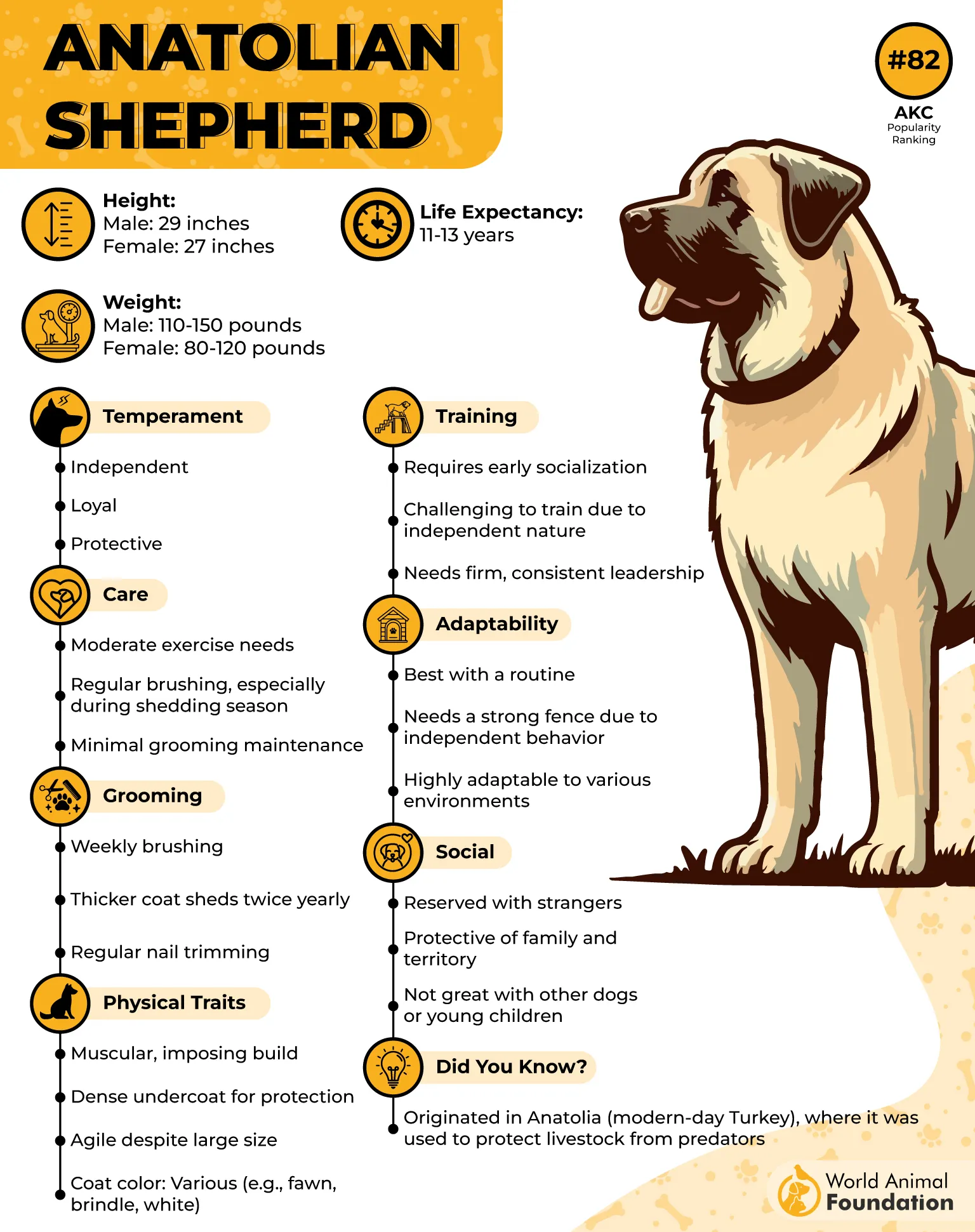
Males will grow to about 29 inches tall and weigh about 110-150 pounds, while the females are usually a bit smaller.
These independent dog breeds can be left for hours alone, and this may be more comfortable for them when their owner is not there. These dogs are very strong, territorial, and protective. They require appropriate socialization, stable boundaries, and a career or a constructive outlet to keep them busy.
The breed’s working history is appropriate for someone who prefers a beloved pup that can stand on its own without playing for the approval of humans.
5. Chow Chow
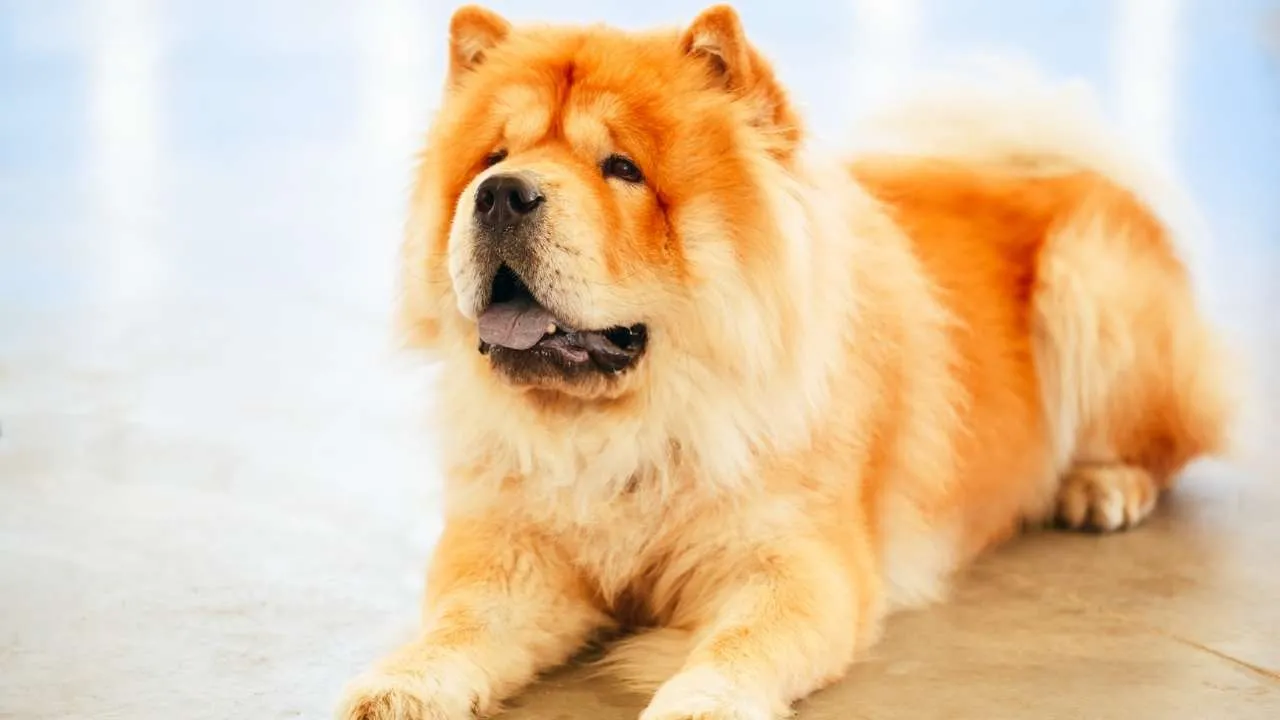
The Chow Chow is one of the most self-contained breeds on this list. They are very devoted to their family members, but do like to keep their distance.
A Chow Chow will be about 17-20 inches tall and weigh about 45-70 pounds at maturity. It is simply larger than it appears to be because of its heavy coat and is surprisingly easygoing in the house because of its calm nature.
They have a strong connection between their independent personality and their role in China in the past. Chows were used in guarding, hunting, and other duties, thereby adding to the self-sufficient nature of the breed.
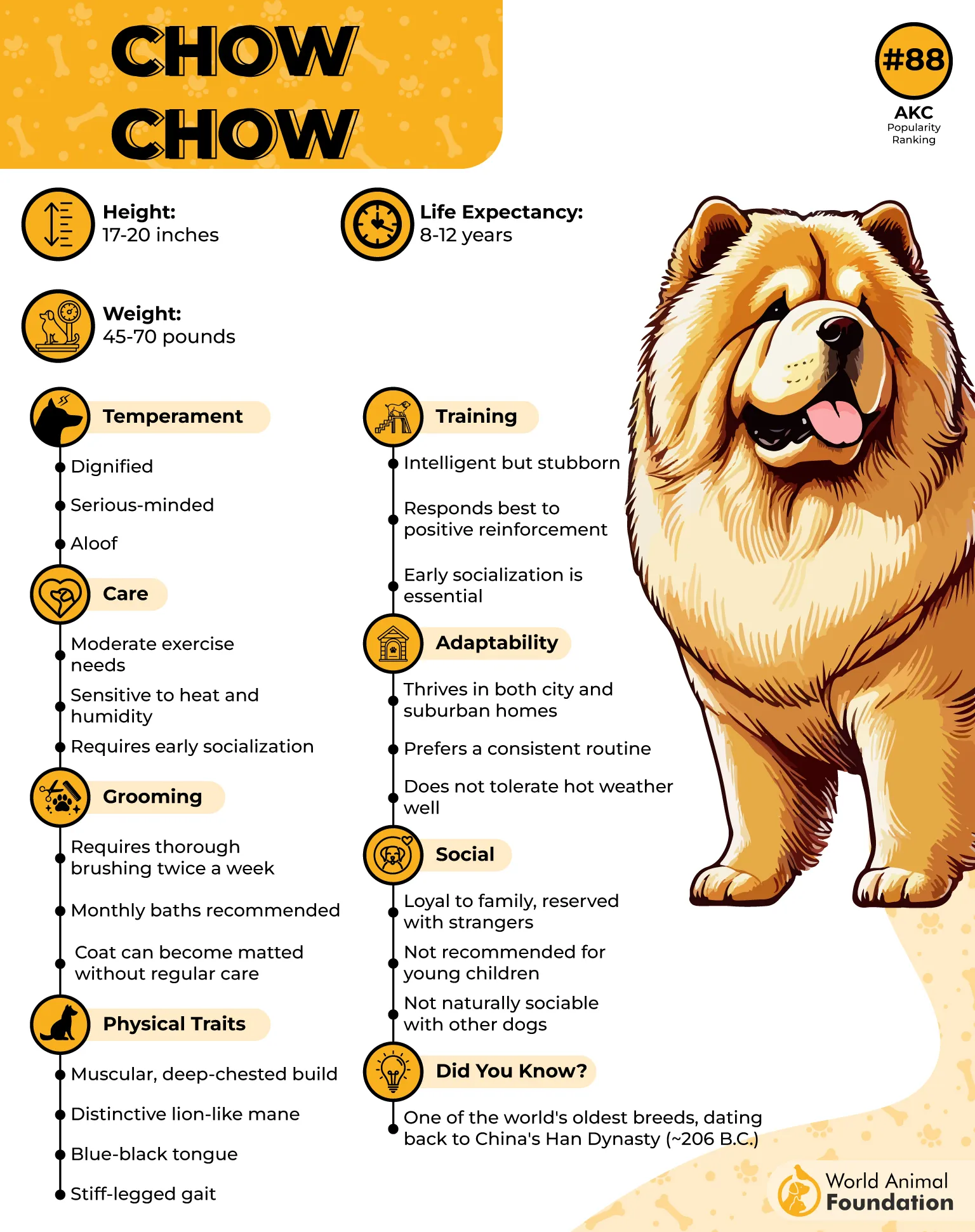
While the owner is busy, a Chow Chow might just be content to stay in its corner. It does not like to participate in all household activities like other breeds that get irritated when working alone. The latter is not to be taken lightly.
They need proper socialization, training, exercise, grooming, and companionship. They tend to be reserved and may not be as friendly with strangers. Owners who prefer a dog that expresses affection without being clingy will find the Chow Chow appealing.
6. Chinese Shar-Pei
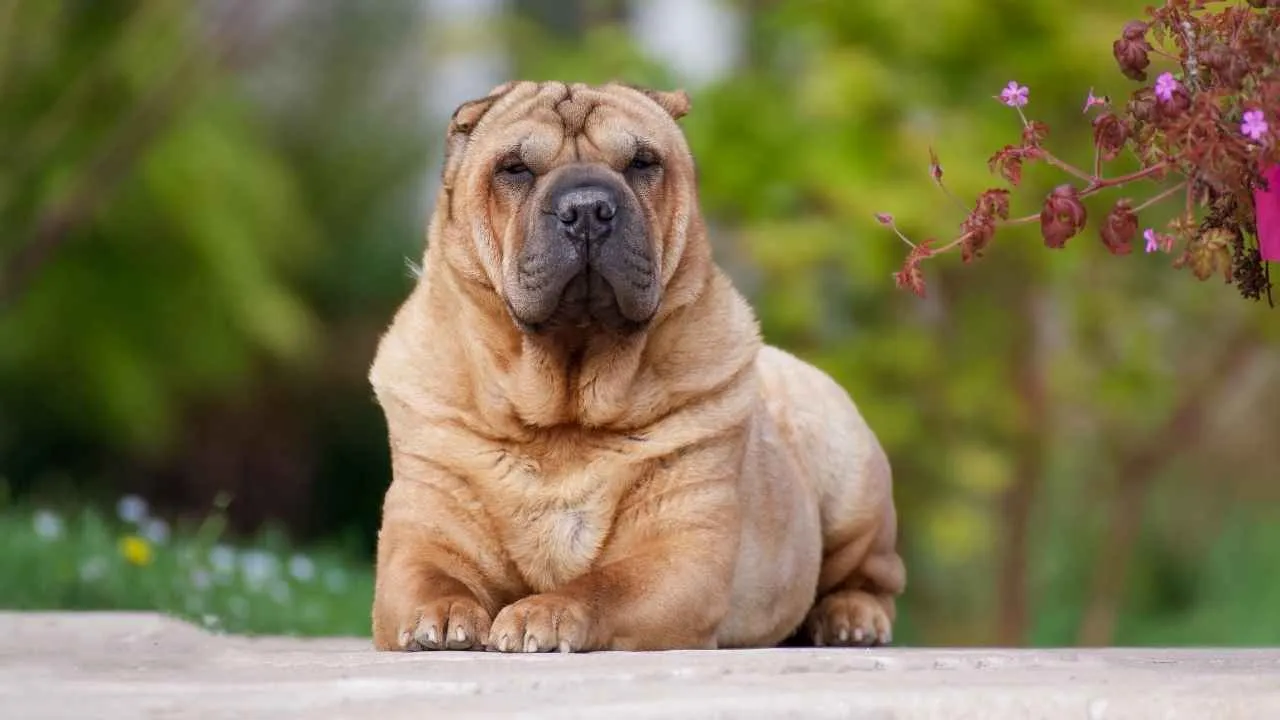
The Chinese Shar-Pei is another independent dog. A medium-sized breed with a reserved nature compared to other highly social companion dogs, this breed is loyal to its household.
Shar-Pei weighs about 45-60 pounds and is 18-20 inches tall. They are easily distinguished by their peculiar skin folds, small ears, large muzzle, and blue-black tongue.
In the past, the Chinese farmers kept Shar-Pei as their house guards, and also used them for guarding and herding animals. These good watchdogs were even employed in hunting and guarding homes. That experience was instrumental in developing a dog that can work independently of humans.
Currently, their relatively low energy requirements can also benefit them. They don’t always require a lot of daily exercise, and a few suitable walks and some mental stimulation using dog puzzles can help them feel at home.
They just need a little structure to be independent. This individual dog can be stubborn, and inconsistent rules can cause them to make their own decisions as to what they should or should not do when left alone.
7. Scottish Deerhound
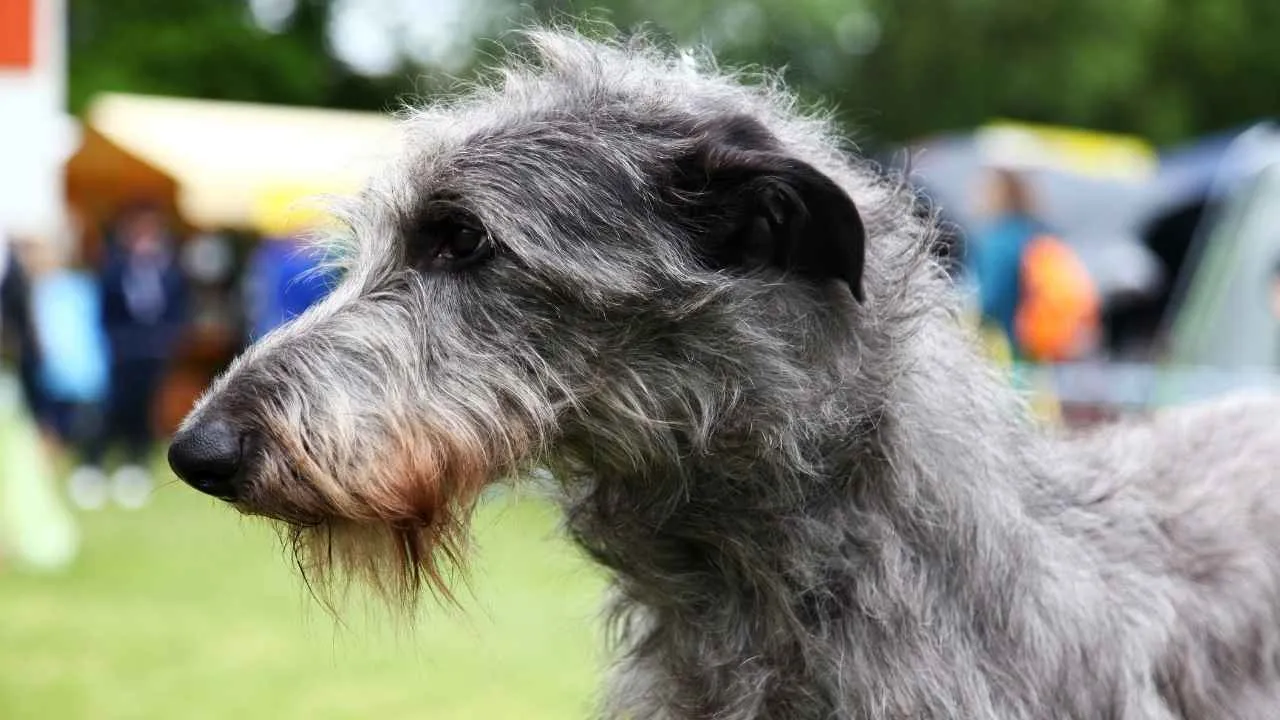
The Scottish Deerhound is a very different type of independent. It’s not one of the guardian breeds mentioned above, but was bred as a coursing hound for stalking wolves initially and later deer through the Scottish Highlands.
This involved being out of the handler’s line of sight and decisions being made in the chase. This spirit of independence is carried on through the modern Deerhounds, though they are mild and amiable in homes.
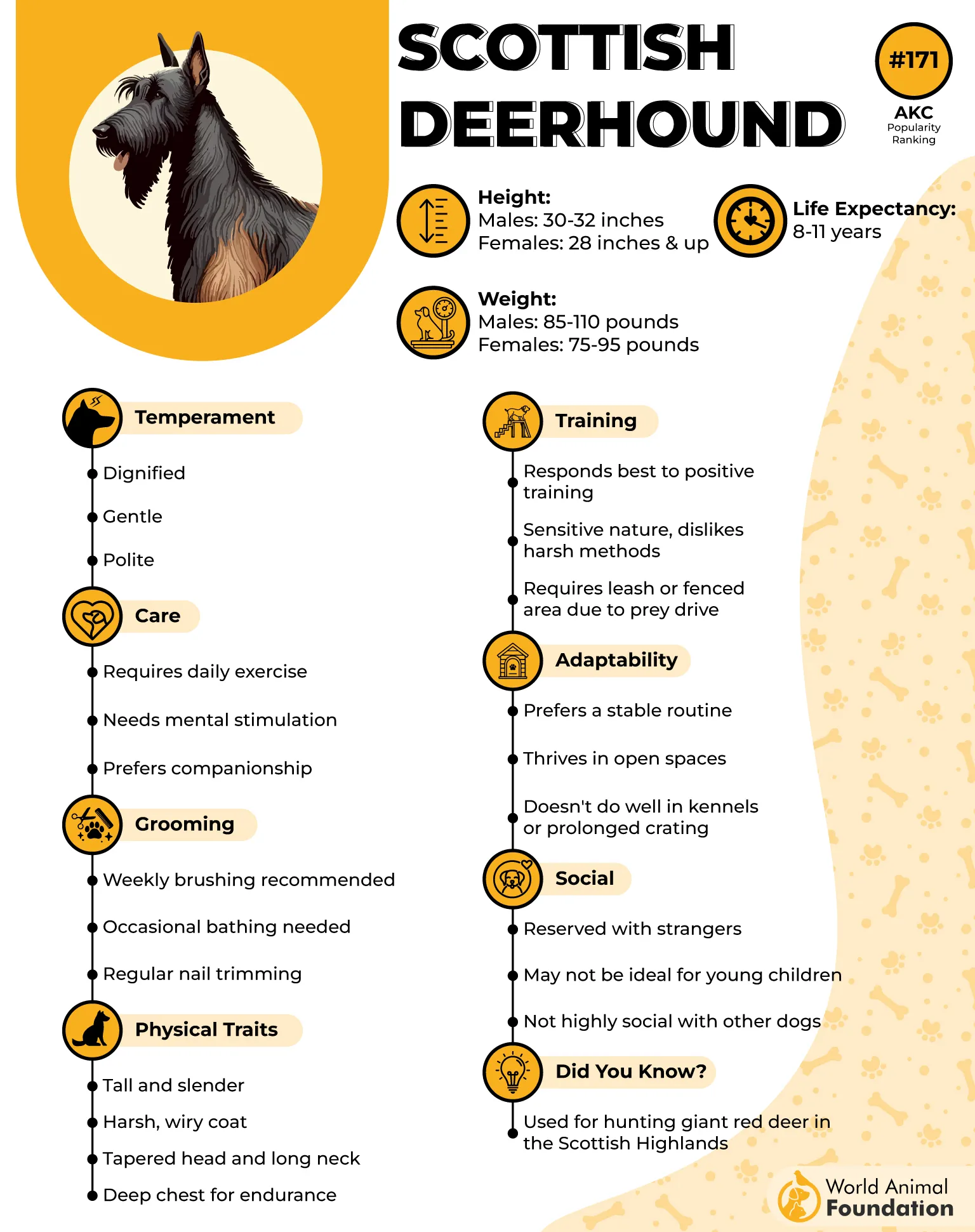
They are very large dogs! The adult Scottish Deerhound is about 28-32 inches tall and 75-110 pounds.
The size of this dog may imply that it is extremely active, but it is not uncommon for a mature Deerhound to be very laid-back indoors. Exercise is sufficient, and many dogs love to get long sleep periods on a couch or comfortable bed.
They do need a job or exercise regularly to keep them content. Once their mental needs are satisfied, they can make quite nice house pets. They are also not in constant need of their owners’ attention and direction.
Conclusion
Some dog breeds are very bonded and need to be in the same group, while others like to reserve some personal space. All dog breeds on this list are unique. Even independent dogs require some companionship, exercise, enrichment, and attention.
Alone time sessions can make pets well-adjusted to different environments. You can also choose from lovable small dogs, herding breeds, mixed breeds, and even large breeds when you want an intelligent pup that can handle being alone.
There is no single pet that can be best suited to homes without company. Many breeds can suffer from separation anxiety, but the breeds we have talked about in this guide are smart but reserved.
The ideal method is to develop one-on-one abilities slowly. Once they are used to their owners’ schedule, these dogs don’t require a lot of time daily. Their history as independent dogs ensures that they are quite content with having some time for themselves.
