





Picture a peaceful evening at home, with your dog resting nearby and quietly following you from room to room. Some breeds naturally bring this soothing presence, combining deep loyalty with a temperament that stays composed when everyday life gets noisy or unpredictable.
Calm dog breeds typically respond to unfamiliar people, sounds, and surroundings without becoming overly distressed or reactive. While breed tendencies can offer useful guidance, every dog has its own personality, and positive training and early socialization can help build confidence and steady behavior.
For families, seniors, or anyone seeking a reassuring companion, these seven loyal breeds offer affectionate bonds alongside a relaxed approach to everyday life.
FACT: A calm nature doesn’t mean a dog lacks energy; many calm dog breeds still enjoy play, training, and regular exercise.
Loyal Dog Breeds Known for Their Calm Temperament
1. Cavalier King Charles Spaniel

The Cavalier King Charles Spaniel has a wonderfully affectionate nature and thrives when included in family life. Whether relaxing beside you or joining you for a walk, this devoted little companion prefers not to miss out.
At home, Cavaliers are typically gentle, playful, and remarkably easygoing. Their calm disposition allows them to settle comfortably into family households, including those with children and other pets.

Although they adore curling up on a lap, these spaniels still appreciate daily activity. Two walks a day can help satisfy their exercise needs while giving them opportunities to explore and enjoy time with their people.
Their friendly, welcoming personality also makes them well-suited to social environments. With early socialization and training, a Cavalier can become a well-mannered companion who happily shares everyday moments with the whole household.
2. Saint Bernard
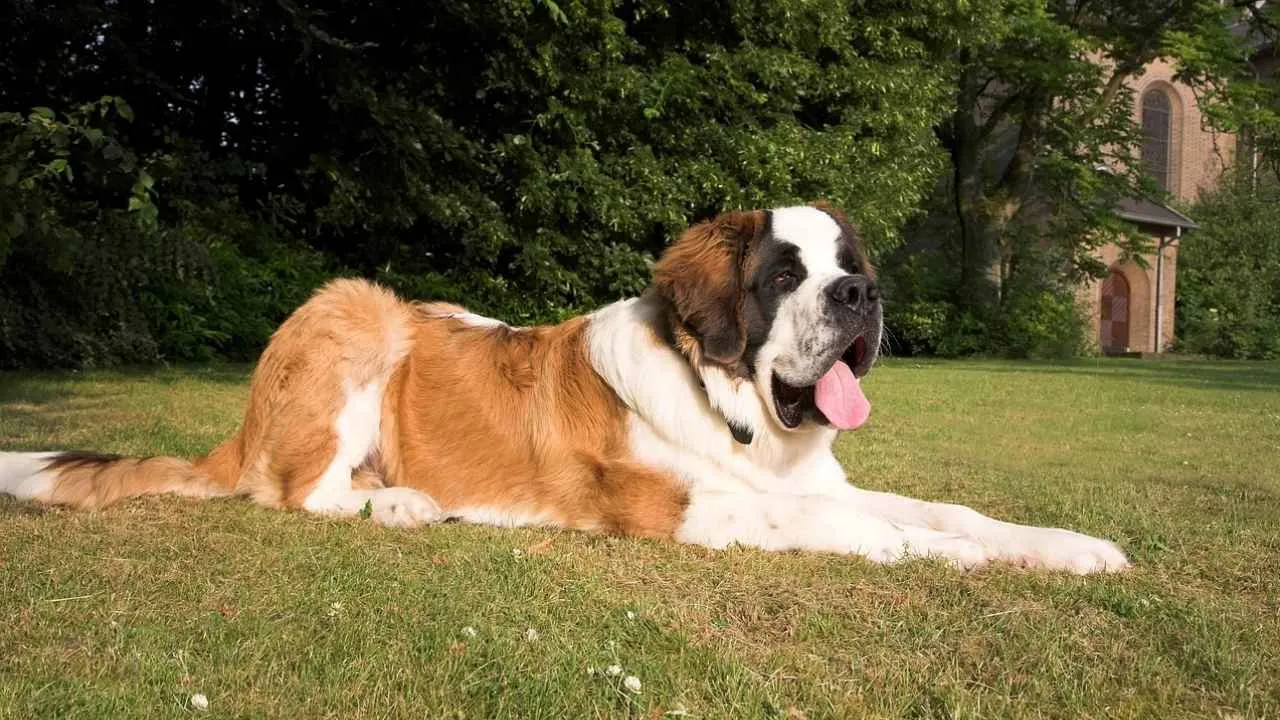
The Saint Bernard has a remarkable history of staying close to people, dating back to its work alongside hospice monks in the snowy Alps. That background helped shape a breed known for its patience, calmness, and strong devotion.

Despite their imposing size, these dogs often have a gentle and welcoming disposition. They tend to form close bonds with the whole family and can be affectionate toward familiar people and visitors alike.
Their loyalty is especially evident in how they like to remain part of household activities. A Saint Bernard may happily trail its family from room to room, preferring companionship over being left alone for long periods.

With children, their patient nature can be reassuring, but their sheer size makes early training essential. They can accidentally knock over a child, so teaching reliable commands and encouraging respectful interactions are important.
3. Basset Hound

The Basset Hound has an easygoing nature that makes it comfortable with a relaxed daily routine. This affectionate breed is generally calm at home and enjoys spending time with its family. According to Purina, the Basset Hound is a sociable breed.
Don’t mistake that laid-back attitude for a lack of character, though. Bassets can be remarkably determined, especially when an interesting scent catches their powerful nose and sends them off tracking.

Their independent streak can make training a test of patience, so gentle consistency works better than expecting instant obedience. Daily walks provide suitable exercise without demanding an overly athletic lifestyle.
Basset Hounds are friendly and loyal companions that often enjoy children, other dogs, and plenty of family company. They can be vocal, with a distinctive bark and bay, while shedding and drooling are also part of the package.
4. Greyhound

The Greyhound may be famous for its incredible speed, but life at home can look surprisingly different. After getting opportunities to sprint and stretch its legs safely, this elegant athlete often settles into a quiet routine indoors.
Daily exercise is important, particularly activities that allow this sighthound to run in a securely fenced area. Once that need is met, many Greyhounds are content to spend much of their time relaxing beside their families.

Their short, sleek coat keeps grooming straightforward, making them convenient for owners who prefer a simple care routine. Indoors, their gentle and even-tempered nature can fit well into a peaceful household.
Because Greyhounds have a strong instinct to chase, homes with cats or other small pets may require extra consideration. A secure outdoor space is also helpful for providing exercise while safely managing their prey drive.
5. Clumber Spaniel

The Clumber Spaniel is among the largest Spaniels, yet its substantial build comes with a notably composed demeanor. Bred as a flushing dog in England, it combines hunting ability with a gentle, devoted nature at home.
Although capable of spending long days in the field, this breed generally settles into a relaxed rhythm indoors. Daily walks, outdoor activities, and play sessions help maintain its physical and mental well-being.

Clumbers are not typically excessive barkers and may communicate vocally only when necessary. Their thoughtful nature can make training rewarding, though short, positive sessions are useful because repetition may cause boredom.
One practical consideration is grooming and cleanliness. Their coat sheds considerably, and they can drool noticeably, so prospective owners should be prepared for regular coat care and a less-than-pristine household.
6. Tibetan Spaniel

With roots in Tibetan monasteries, the Tibetan Spaniel has a fascinating history as a companion and vigilant little watchdog. Buddhist monks valued these dogs for keeping watch from elevated spots around monastery grounds.
Despite their alert watchdog instincts, Tibbies are often peaceful at home and enjoy relaxing beside their favorite people. Their curious, playful side comes out during walks, while their devotion keeps them close to their families.

This small breed can be somewhat reserved with unfamiliar people, so gentle introductions help them remain calm and comfortable. They are also intelligent and quick to learn, although their independent streak may occasionally make training a test of patience. According to PetMD, they are known for being sensitive dogs.
Their habit of surveying the surroundings from windowsills or furniture reflects their old watchdog role. That quiet attentiveness, paired with an affectionate personality, gives the Tibetan Spaniel a distinctive presence in the home.
7. Pekingese

The Pekingese carries an unmistakably regal charm, once cherished as a companion of Chinese emperors. Its flowing coat and dignified bearing give this petite breed an elegant presence, while its affectionate nature creates a close bond with its owner.
At home, the Pekingese generally prefers peaceful surroundings and a relaxed routine rather than constant activity. This devoted lap dog is content to stay close to its favorite person and does not require extensive exercise.
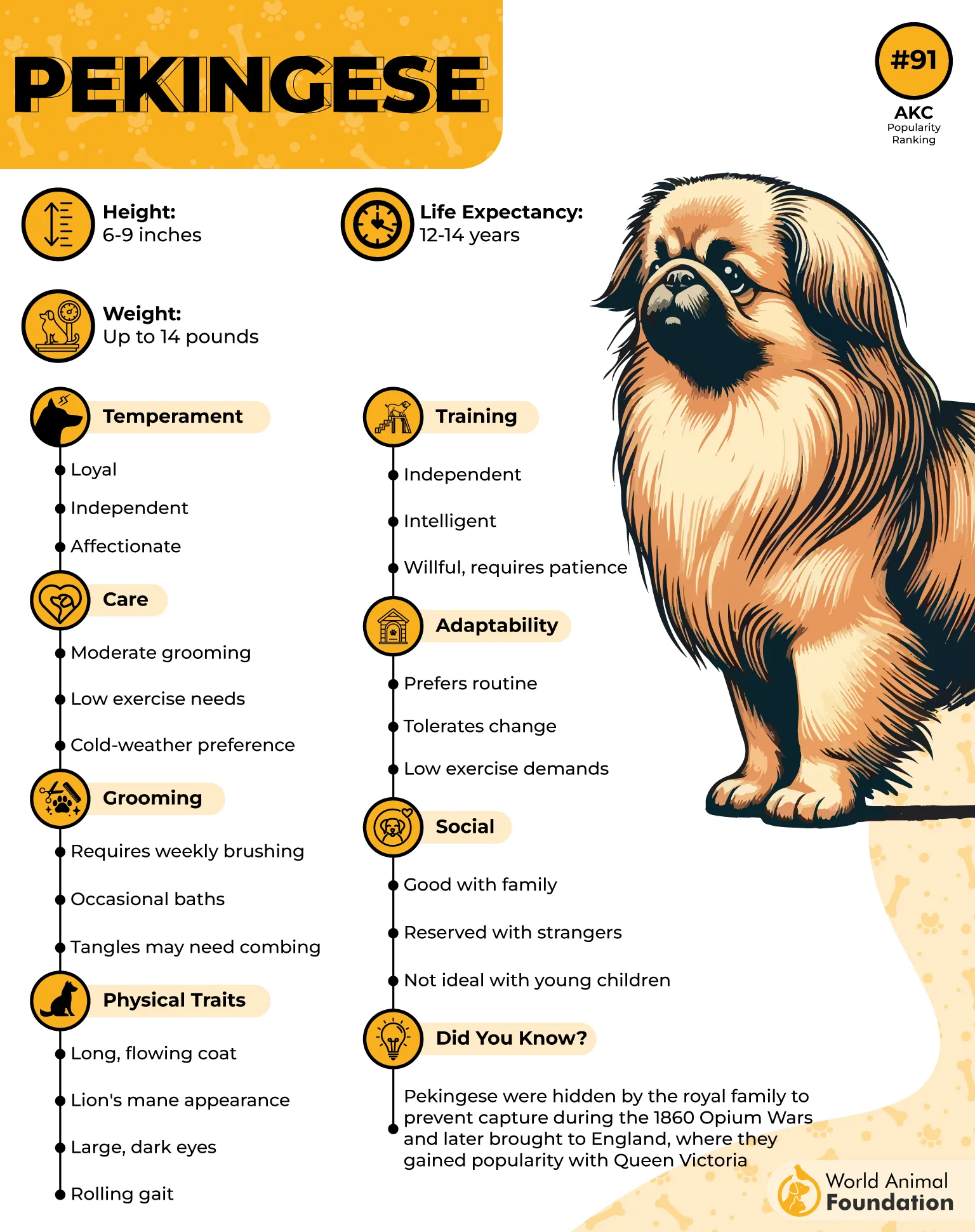
Beneath its polished appearance is an independent personality. According to the AKC, they can be strong-willed. Training can take patience, but gentle socialization, consistent boundaries, and plenty of praise can encourage desirable behavior.
Because of its build, owners should be mindful of overheating and potential back injuries. Cooler walks and a comfortable indoor environment suit this calm dog breed particularly well.
Conclusion
Loyal dogs with a calm nature can bring a reassuring presence to households while forming strong bonds with their families. Their gentle nature often makes everyday companionship peaceful and rewarding.
Many calm dog breeds are affectionate and people-focused, enjoying time with their owners without demanding constant activity. Their loyalty can also make them attentive companions that stay closely connected to the household.
However, a relaxed temperament does not eliminate the need for proper care. Training, socialization, exercise, grooming, and mental stimulation remain important for helping each dog stay happy and well-adjusted.
When choosing a loyal companion, consider how a breed’s personality and daily needs fit your home and routine. Understanding these characteristics can help create a lasting and harmonious relationship.
