




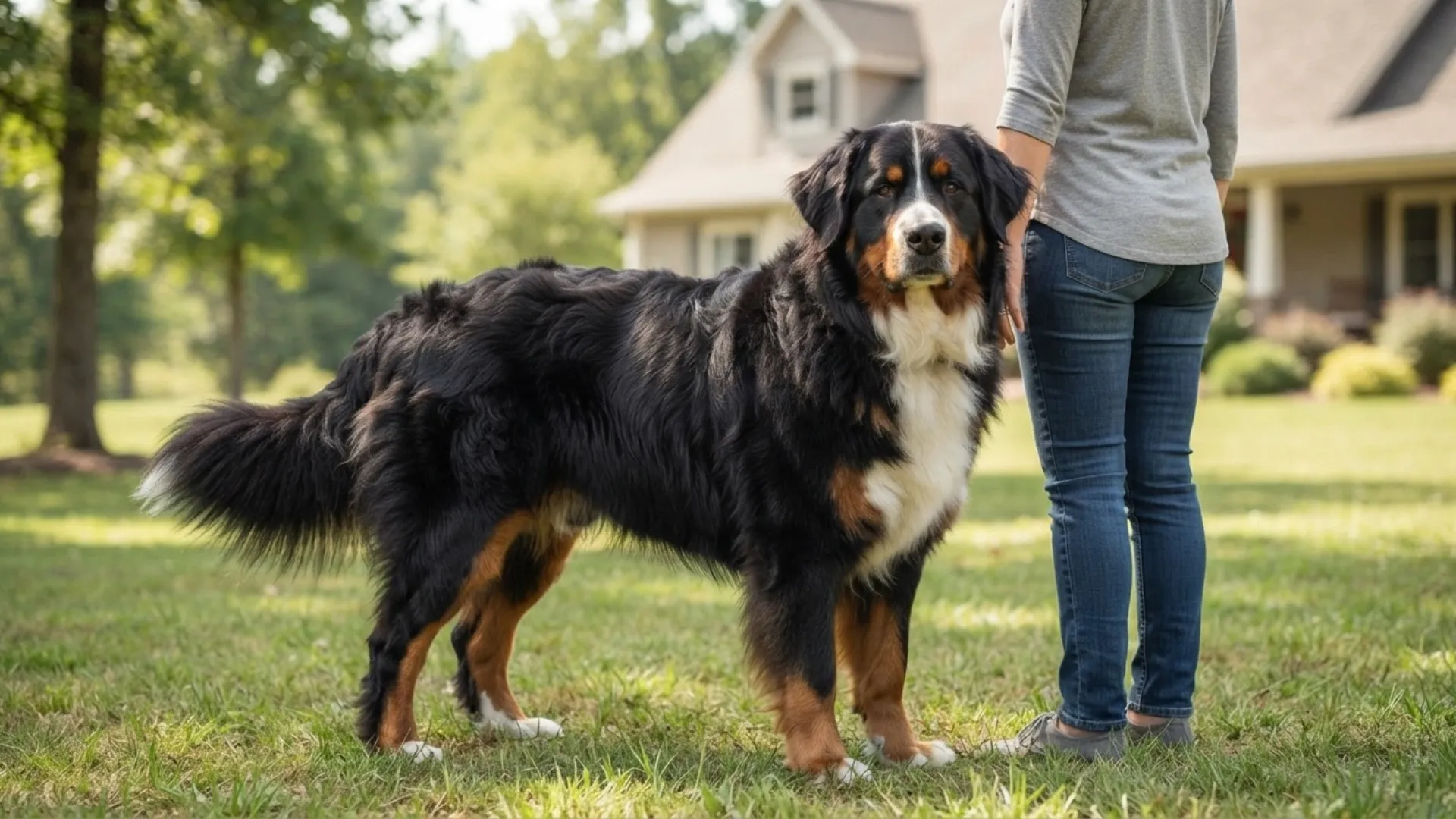
Some dogs like you, and then some dogs quietly reorganize their entire universe so you are standing right in the middle of it. Big, devoted dogs can deliver that next-level bond with equal parts affection, watchfulness, goofy behavior, and the occasional belief that your lap is somehow large enough for them.
Living with a giant companion is not all cinematic cuddles and dramatic slow-motion walks, though. Training, socialization, exercise, grooming, food bills, veterinary care, and enough physical space matter just as much as that enormous heart.
The best match is the dog whose natural tendencies fit your household, experience, and daily routine. Breed traits only give you a starting point because every dog develops its own personality, but these ten heavyweights have earned serious reputations for sticking close to the people they call family.
Loyal Big Dog Breeds for Those Who Cherish Unbreakable Bonds
1. Cane Corso
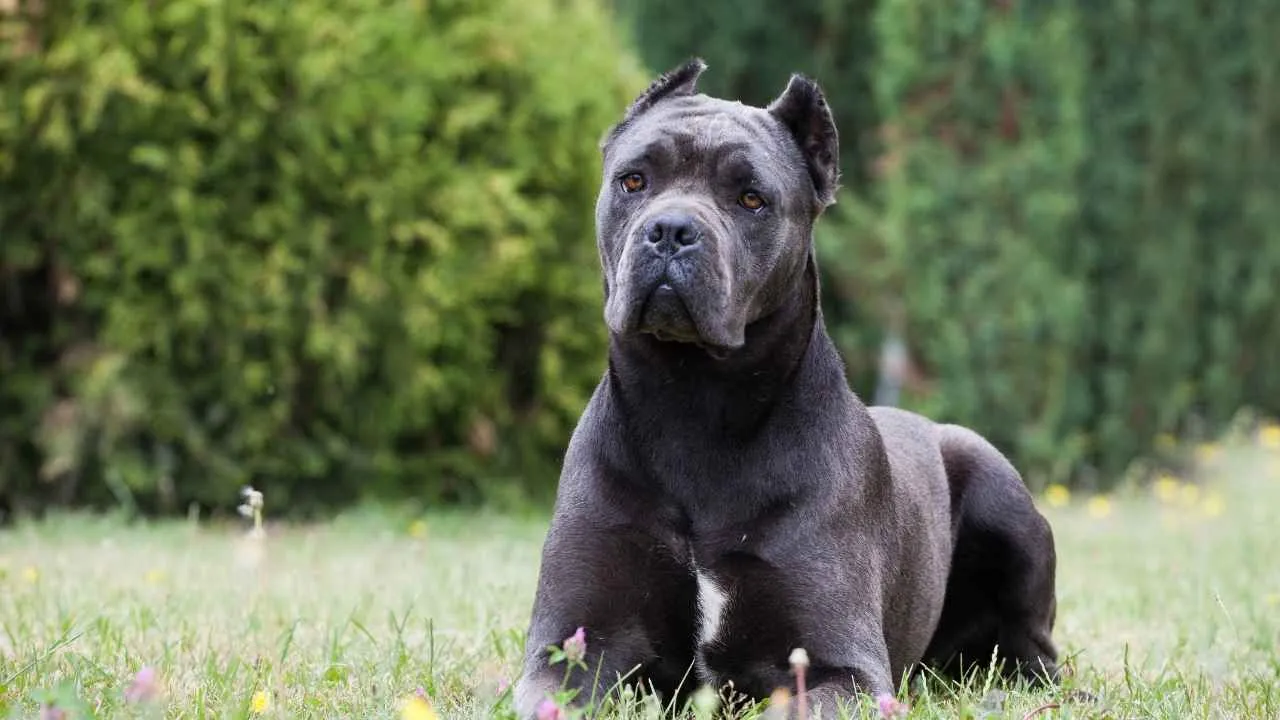
The Cane Corso is an Italian mastiff-type dog developed through generations of guarding, hunting, and farm work, so staying aware of its surroundings comes naturally. WebMD describes the breed as intelligent, dependable, confident, and fiercely loyal once it accepts someone as family.
A well-adjusted Corso is more likely to study unfamiliar people, look toward its owner for context, and save the softest behavior for household members. Basically, this dog may have a VIP list, and getting onto it is an actual achievement.
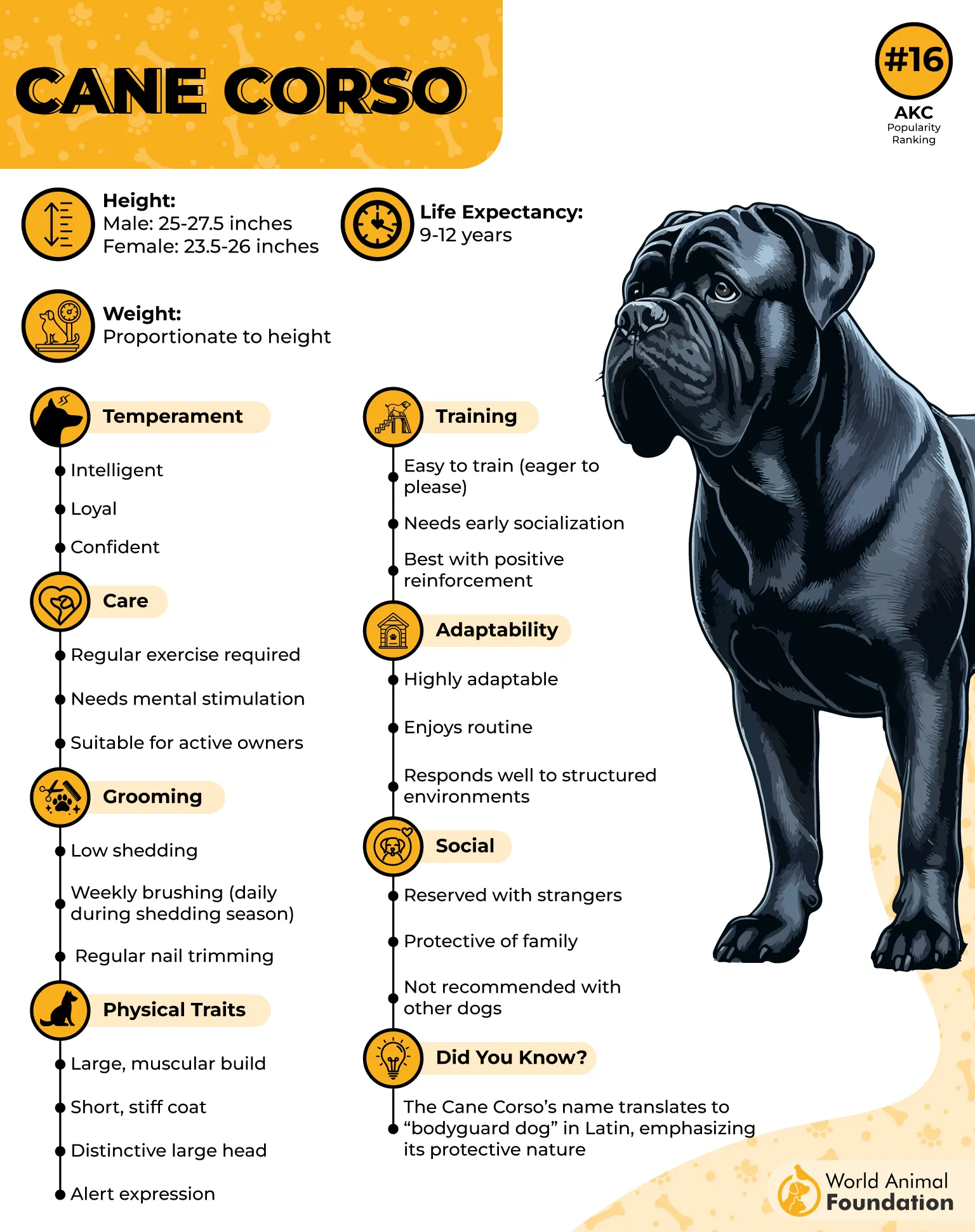
The catch is that devotion mixed with strength, confidence, and guarding instinct requires responsible handling from puppyhood. Early positive socialization should include calm exposure to visitors, friendly dogs, ordinary street noise, grooming, veterinary handling, and different environments before protective habits become deeply established.
Health planning deserves equal attention because it may highlight certain health concerns, including hip dysplasia, idiopathic epilepsy, eyelid abnormalities, and gastric dilatation-volvulus, commonly called GDV or bloat.
2. Bernese Mountain Dog
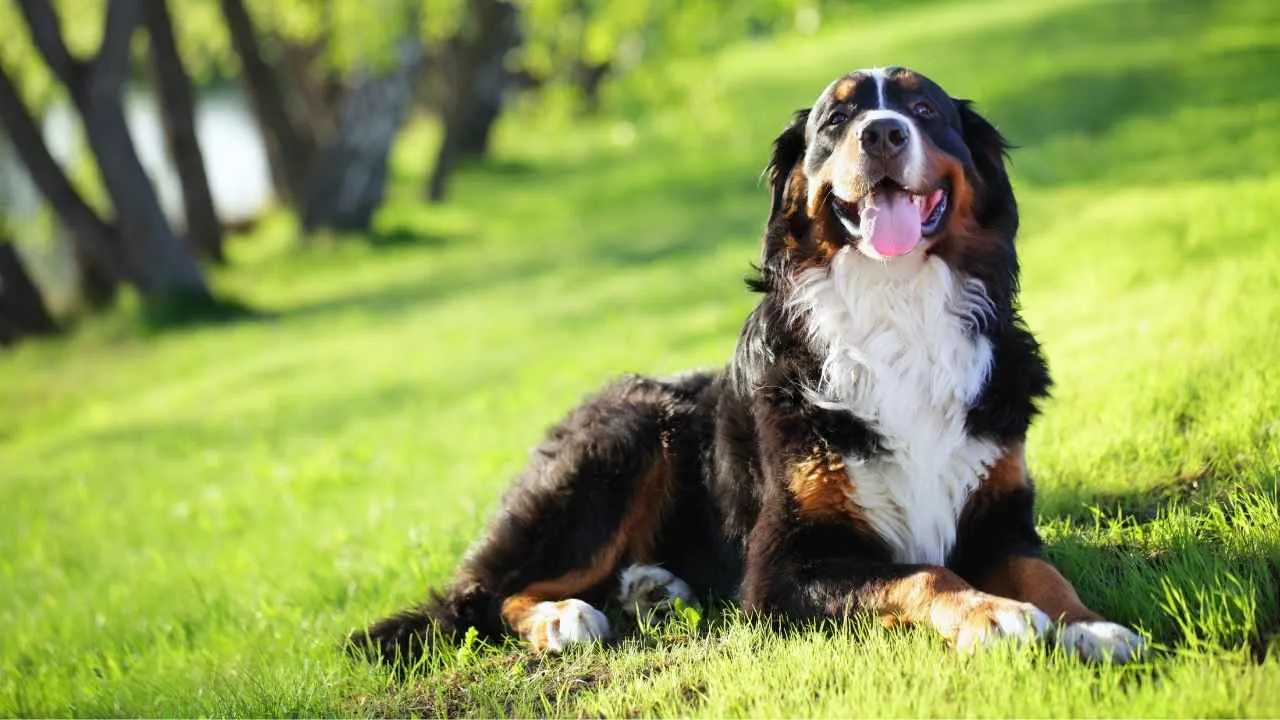
The Bernese Mountain Dog has a devoted fan base as a loyal dog breed. PDSA describes Berners as sweet, gentle dogs known for loyalty to their families and a strong desire for company.
They traditionally handled jobs such as cattle work, cart pulling, companionship, and watchdog duty rather than existing purely as decorative estate dogs. Give one meaningful walk, training, puzzle work, or another shared activity, and you are tapping into a brain that was built to cooperate.
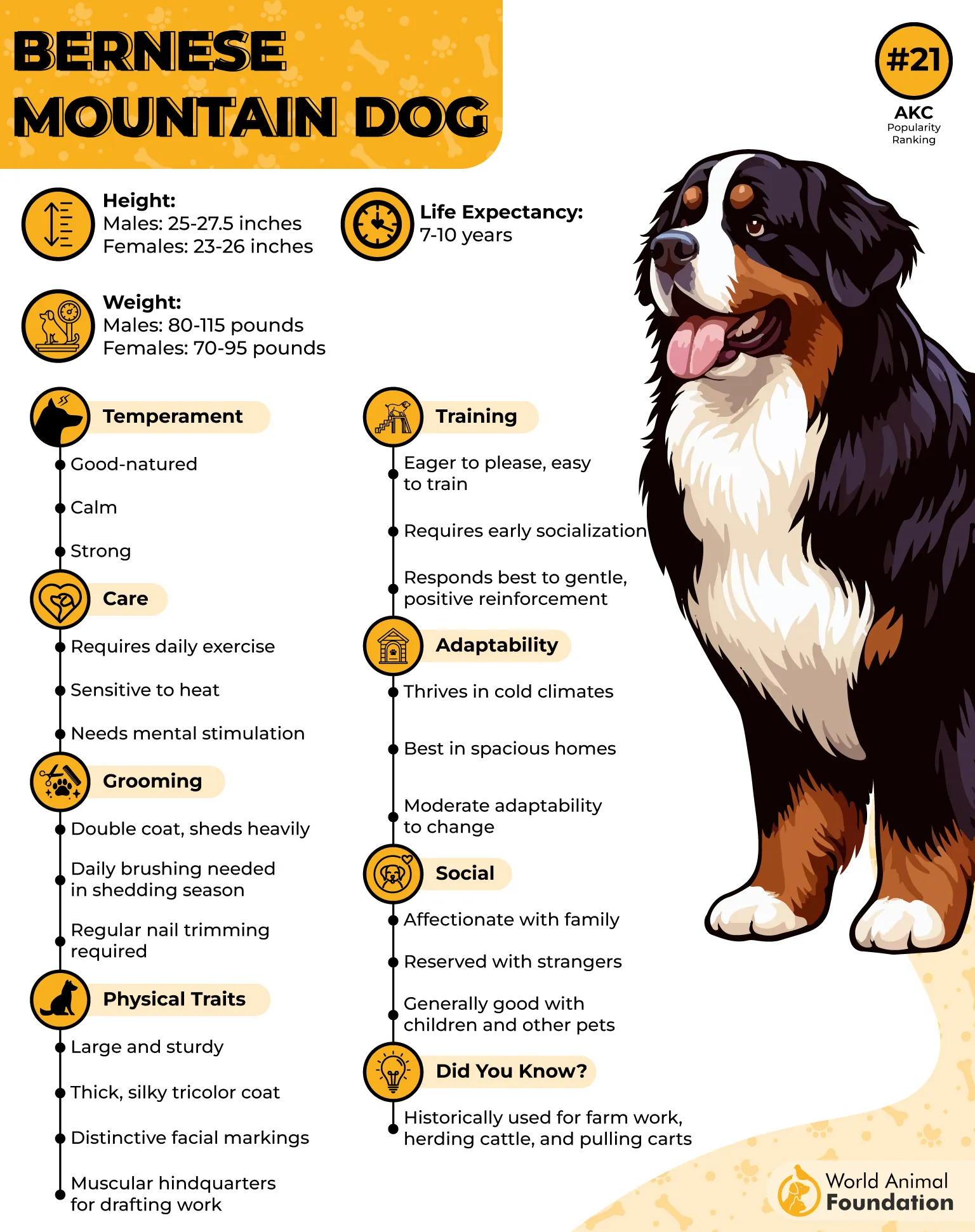
These mountain dogs are also sensitive, so training should feel more like teamwork than boot camp. Early socialization and positive reward-based training are necessary as the breed is intelligent and generally eager to please its people. Their physical power makes polite leash walking and calm greetings worth teaching while the adorable puppy is still significantly easier to move.
Then there is the coat situation, because those glorious mountain-dog aesthetics do not maintain themselves through positive vibes alone. Experienced owners recommend brushing several times each week and warn that seasonal shedding can push grooming toward a daily event.
3. Newfoundland
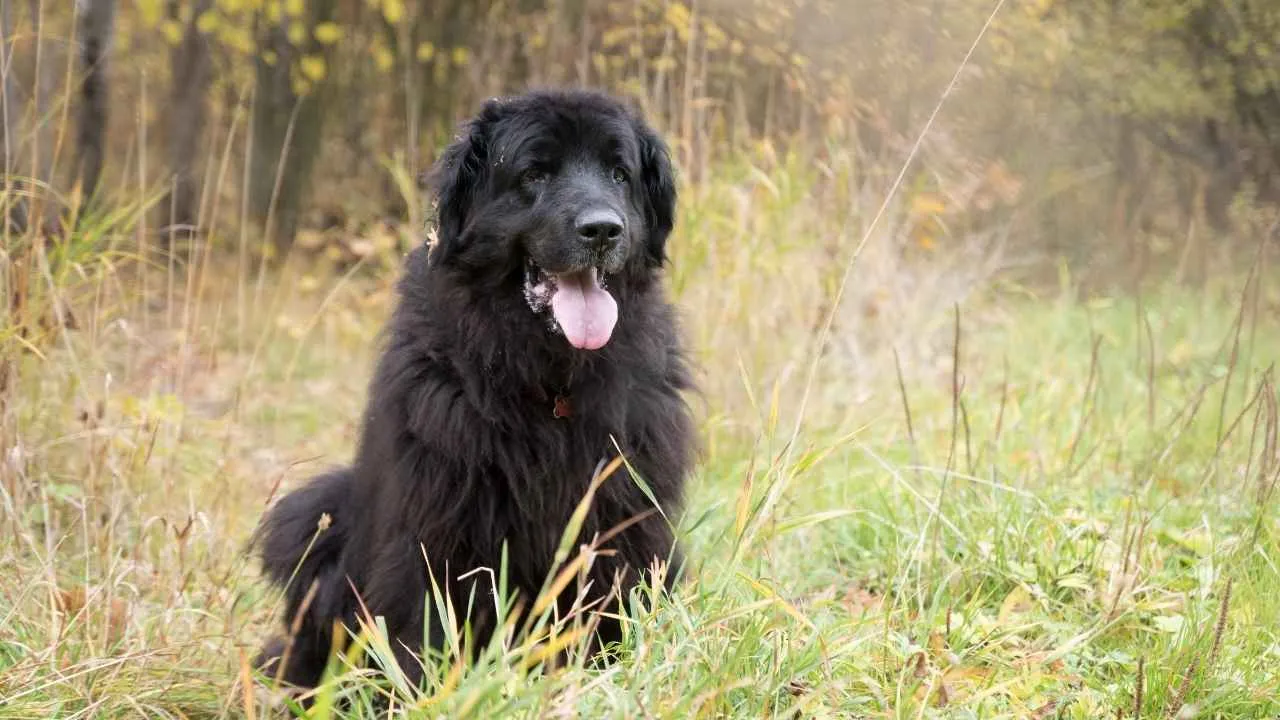
The Newfoundland is a powerful Canadian working breed developed around water, hauling, and practical assistance, yet its reputation as a household companion is built heavily on sweetness.
This large dog breed’s loyalty often feels less suspicious and territorial than the behavior associated with many guardian breeds. A Newfie tends to express attachment through proximity, calm attention, and a desire to participate in whatever its people are doing, even when the activity is objectively boring.
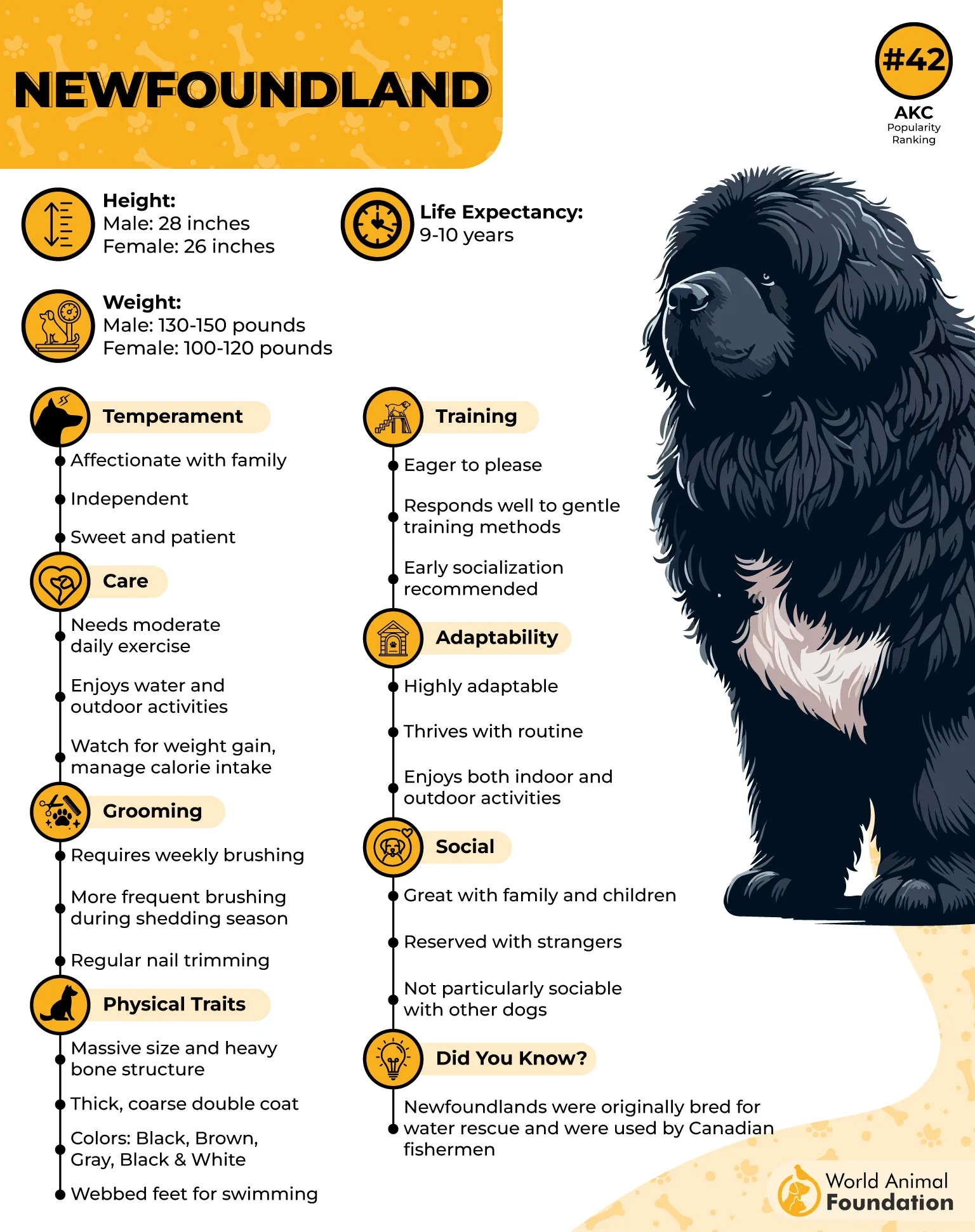
Water is where the breed’s heritage becomes especially obvious, and swimming can be an excellent outlet for a healthy adult. Swimming is among this dog’s favorite exercises, and it is capable of being calm and well-mannered indoors when daily activity needs are met.
They learn quickly, are sensitive, and respond well to reward-based methods, which makes cooperative handling particularly sensible. Practice loose-leash walking, recall, grooming tolerance, polite greetings, and calm waiting before the puppy becomes a furry moving appliance.
Expect a dense double coat, above-average shedding, some drool, and extra caution during hot weather, and the breed handles cold conditions better than warm ones.
4. Great Dane
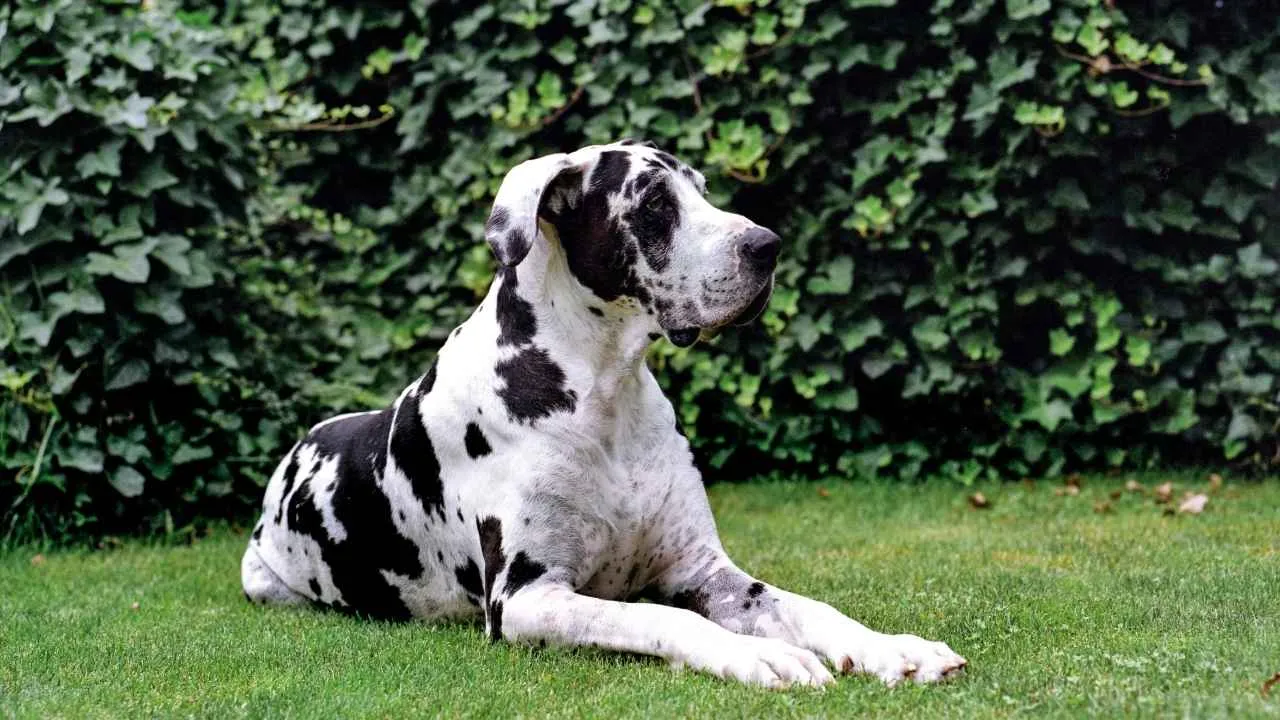
Great Danes descend from German hunting and estate-guarding stock, but modern Danes are widely valued for a much softer household temperament.
Many Great Danes appear genuinely confused by the concept of personal space. A dog that can reach kitchen-counter altitude without effort may still lean its entire body against your leg as if emotional support requires maximum surface contact.
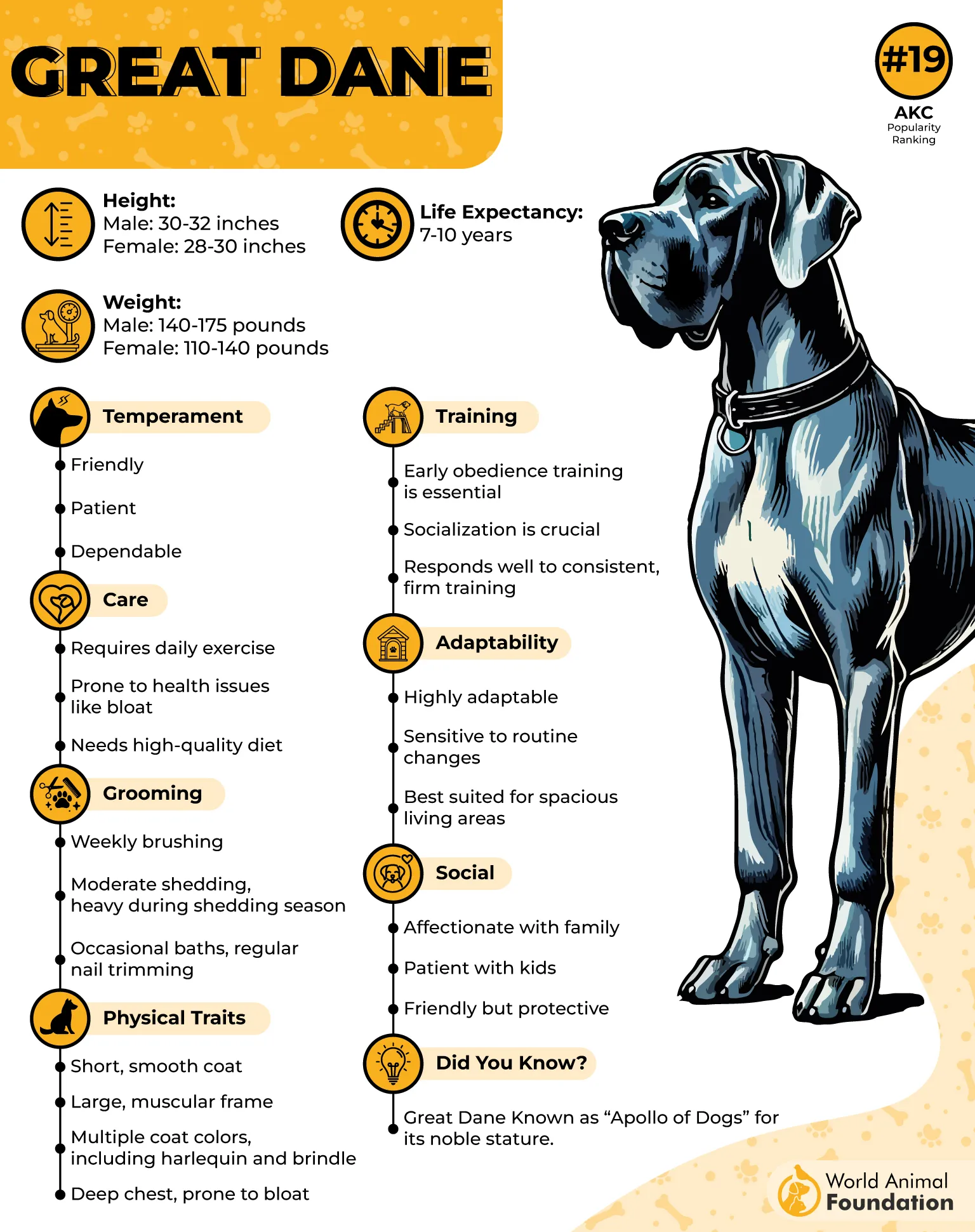
Their scale makes early training non-negotiable rather than optional enrichment. Early socialization and positive-reinforcement training work well for them, and poorly socialized Danes may become anxious or fearful in unfamiliar situations.
Exercise needs are moderate rather than endless, although healthy adults still benefit from regular walks and room to move comfortably. The short coat keeps grooming simple, but everything else arrives giant, including beds, crates, medication doses, food quantities, and transportation logistics.
5. Irish Wolfhound
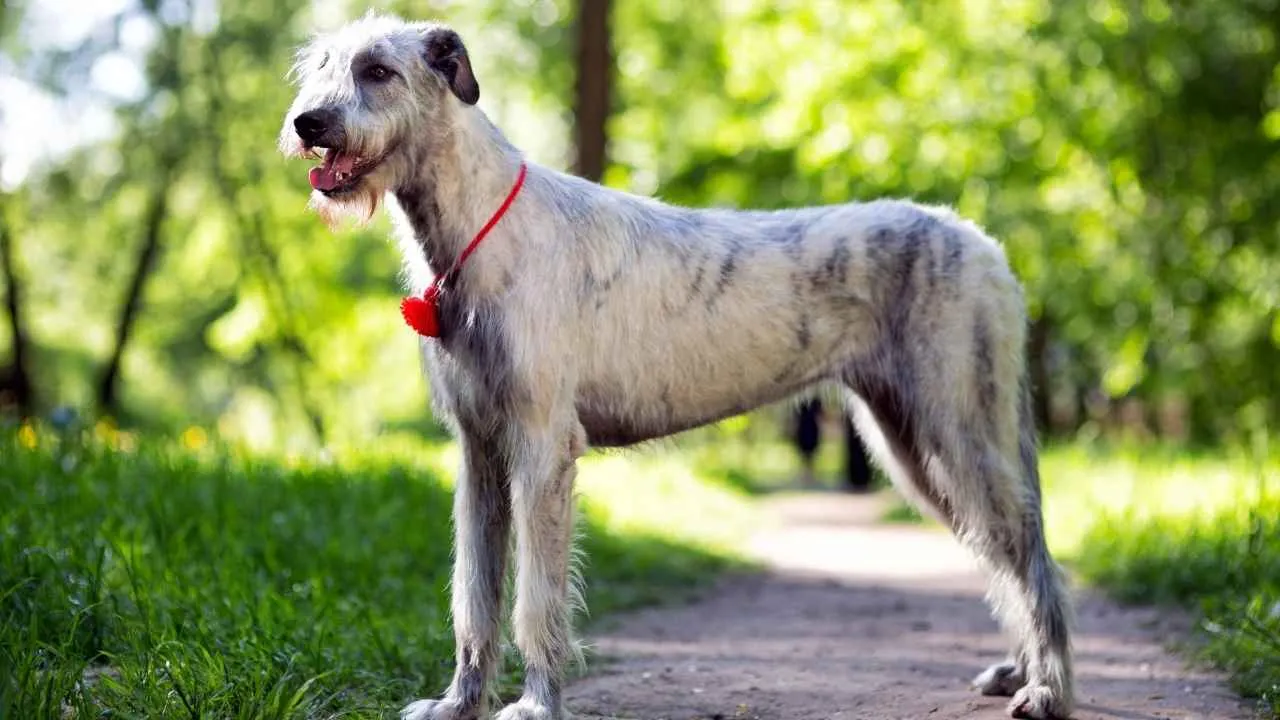
This towering sighthound descends from dogs valued for hunting formidable game and combines athletic structure with a notably gentle modern temperament. Purina describes the Irish Wolfhound as alert, courageous, nonaggressive, affectionate, and trusting with its family.
That contrast is the main charm: historically serious hunter outside, enormous soft-hearted roommate inside. Their loyalty often presents as quiet companionship rather than nonstop demands for attention, making them appealing to people who enjoy dogs with a little dignity. Then one sprawls across the sofa with all four legs pointing in unrelated directions, and the dignity temporarily leaves the chat.
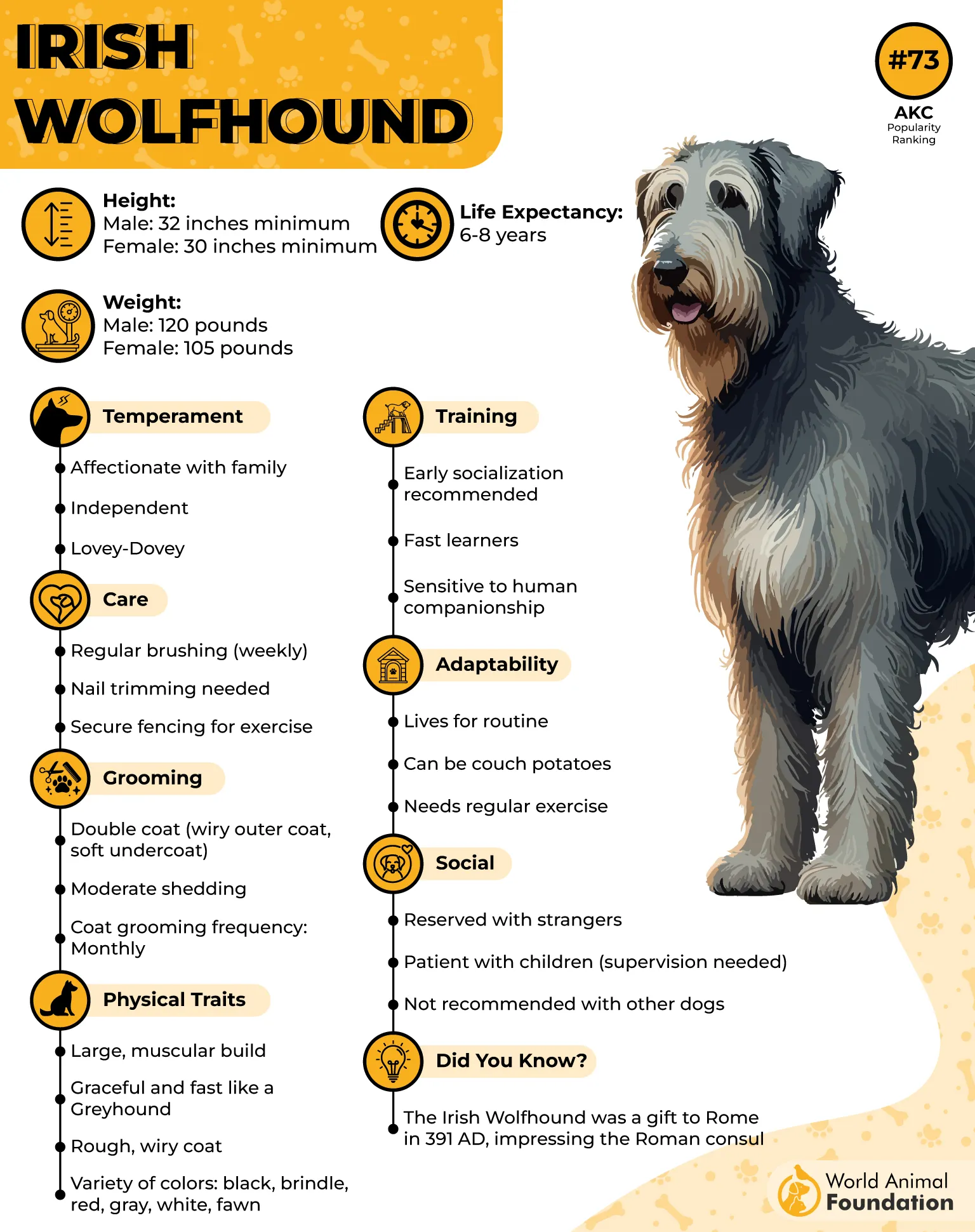
Regular exercise matters because the Wolfhound remains a giant sighthound with genuine athletic heritage. This breed’s energy is medium, and activities such as lure coursing, obedience, agility, and rally among suitable outlets work great for it.
Large living spaces, appropriately sized vehicles, safe flooring, and good leash manners become everyday quality-of-life issues with a dog this tall. Prospective owners should think through the boring logistics before letting the romantic Celtic aesthetic make every decision.
6. Saint Bernard
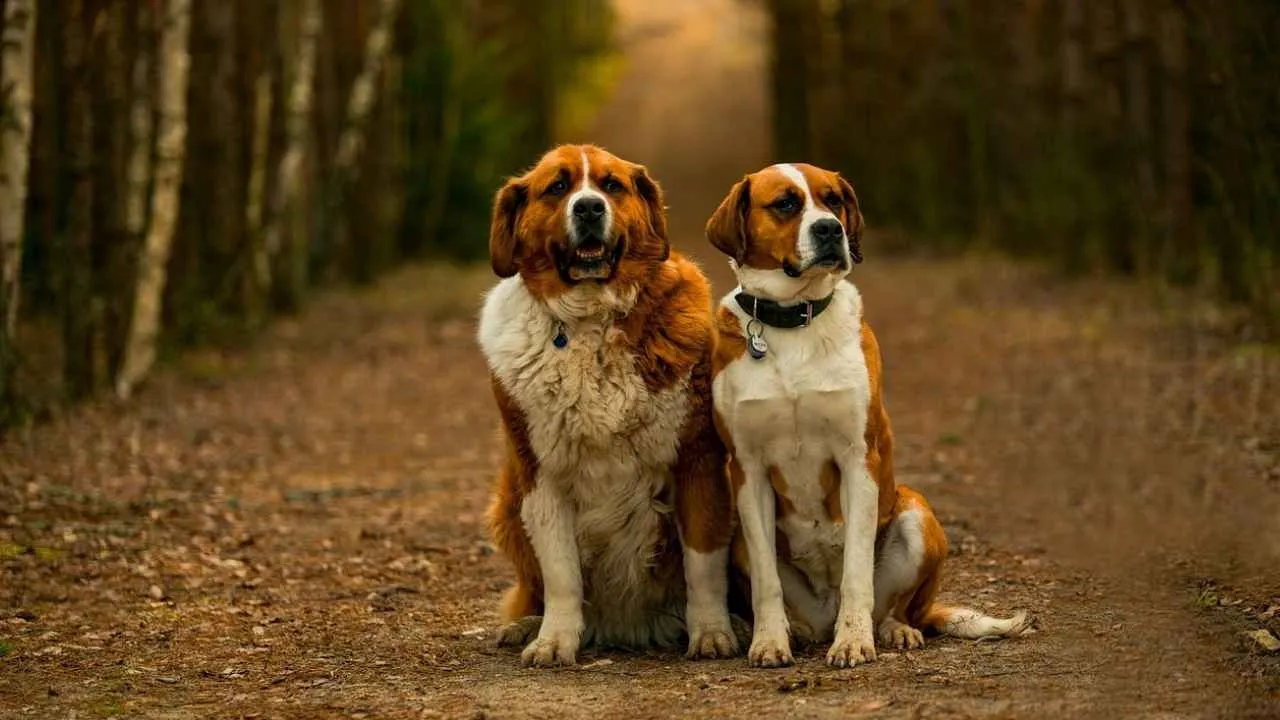
Underneath the pop-culture mythology of a Saint Bernard is a powerful Alpine dog developed around people, harsh weather, and demanding work. Modern Saints are loving and placid, while they can react protectively when they believe family members are threatened.
For a loyal-dog household, that temperament can hit a very satisfying sweet spot. The Saint Bernard tends to make its presence felt simply by being enormous rather than needing to spend the entire day auditioning for a security job.
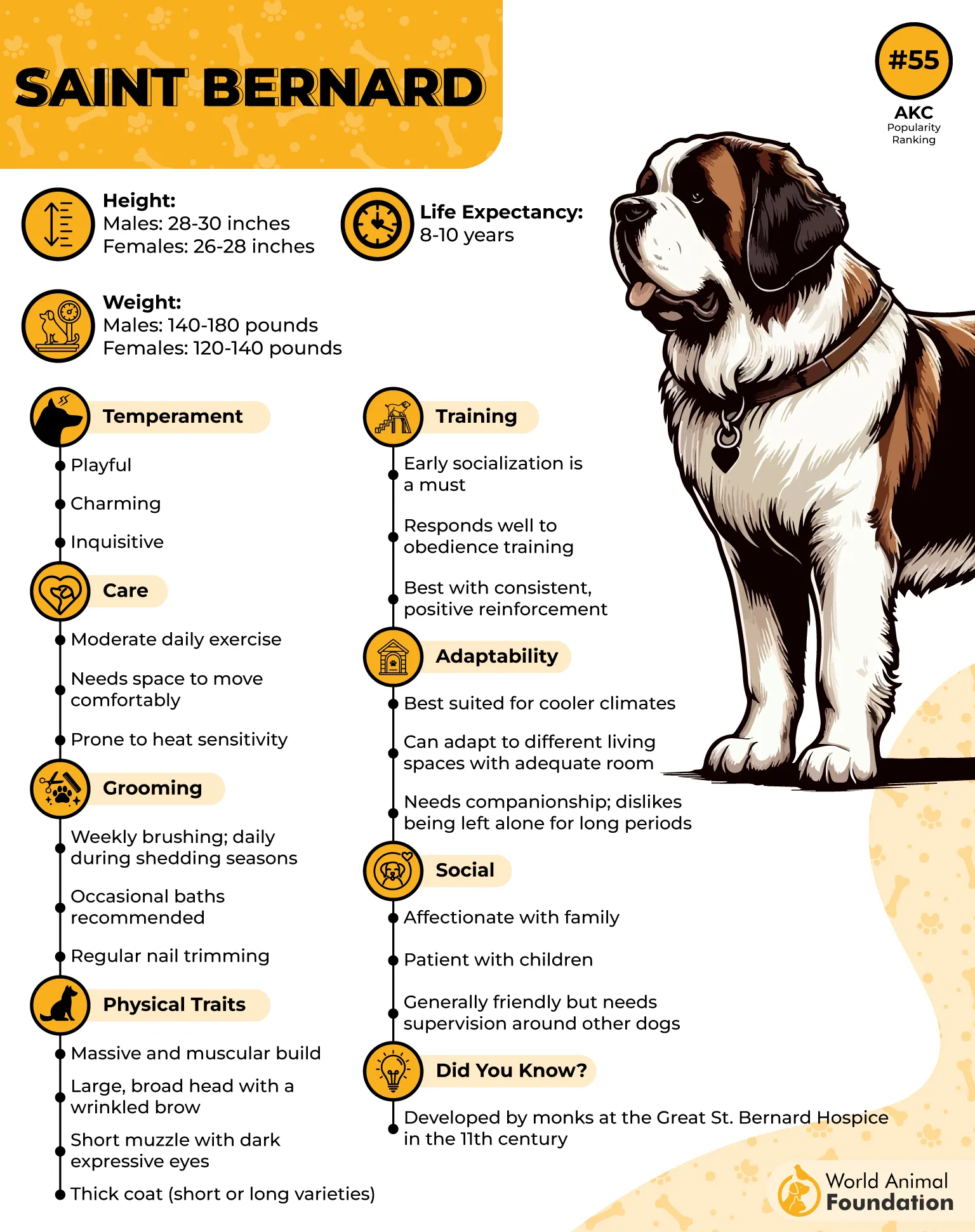
The breed’s friendliness, tolerance, and patience are traits that help explain its long association with family companionship. Those qualities do not remove the need to supervise dog-child interactions, because even the nicest pup can flatten a small human through completely innocent enthusiasm.
You should also make peace with drool before bringing one home. The breed’s substantial jowls make saliva part of the décor, while long-coated individuals bring a separate grooming commitment that increases during periods of heavier shedding.
7. Tibetan Mastiff
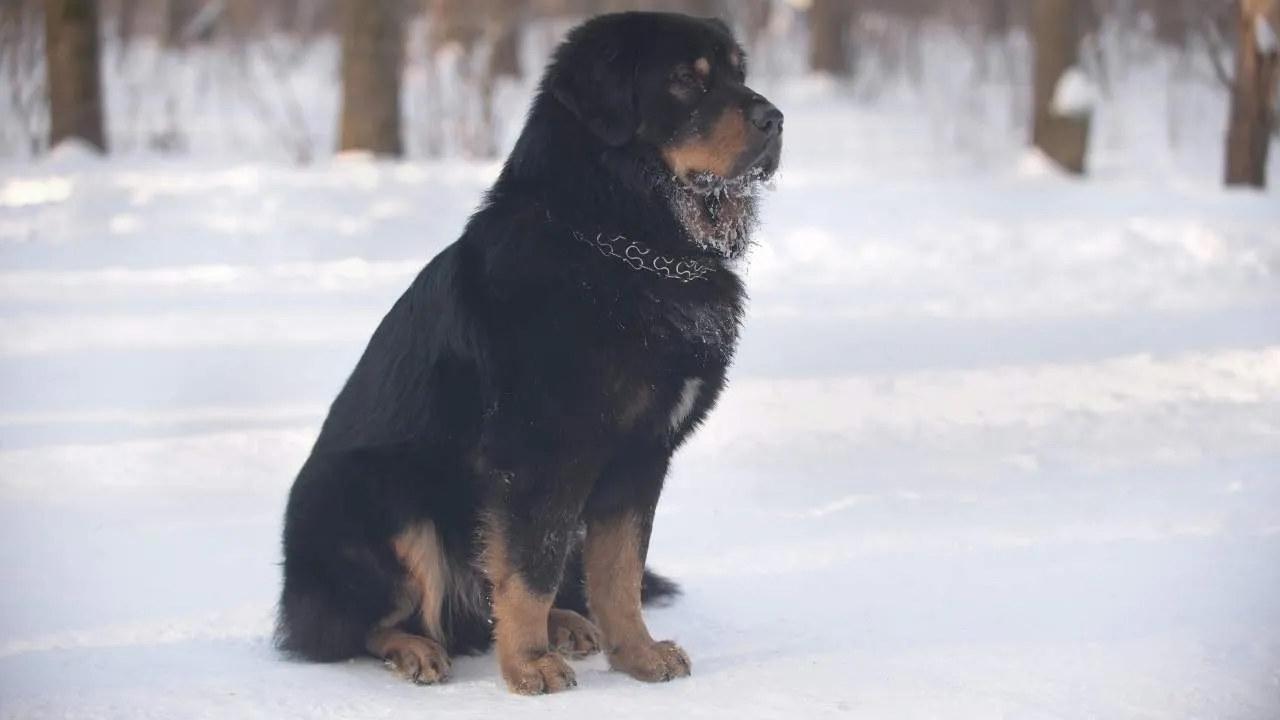
Developed for protective work, the Tibetan Mastiff s is not typically a breed that waits breathlessly for humans to micromanage every decision. Royal Canin describes this dog as independent, protective, loyal to their families, territorial, and best suited to experienced owners.
Their bond can be extremely deep without looking conventionally obedient. A Tibetan Mastiff may love its family intensely while also reserving the right to evaluate your suggestion and conclude that its own plan has stronger supporting evidence.
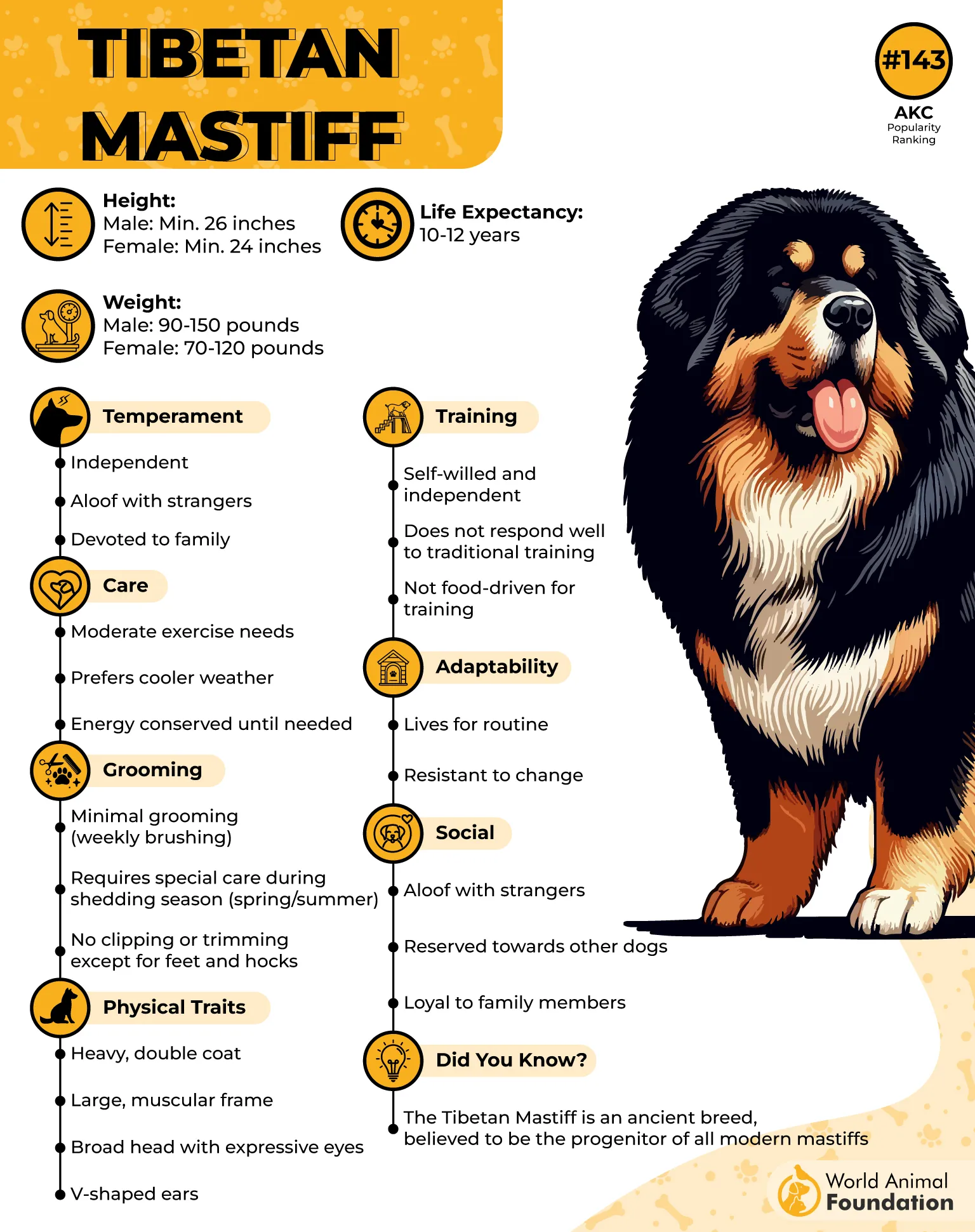
Socialization is crucial because aloofness toward outsiders is not a flaw you want to accidentally amplify into unmanageable suspicion. Calm introductions, exposure to normal household visitors, excellent fencing, and consistent reward-based boundaries should start early and continue.
The famous coat creates an almost lion-like outline, but the visual drama comes with seasonal maintenance. This Mastiff dog’s grooming needs are moderate. This is one of those breeds where selecting for stable temperament and responsible breeding matters much more than choosing the puppy with the biggest head on social media.
8. Greyhound
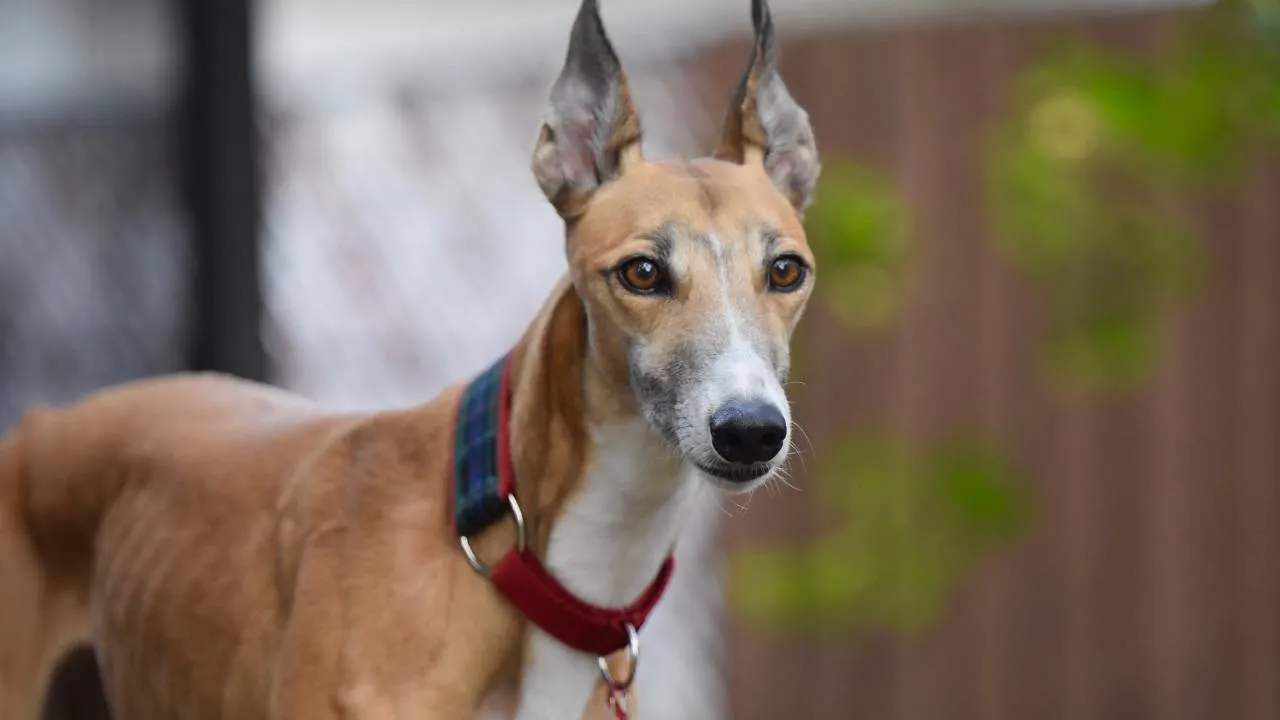
Greyhound is an elite canine sprinter, but sprinting and wanting to run continuously for twelve hours are very different things.
Many first-time Greyhound adopters are therefore surprised by the sheer amount of horizontal living involved. Once exercise needs are met, a mature Greyhound can turn relaxation into performance art, folding an aerodynamic body into a bed that somehow looks two sizes too small.
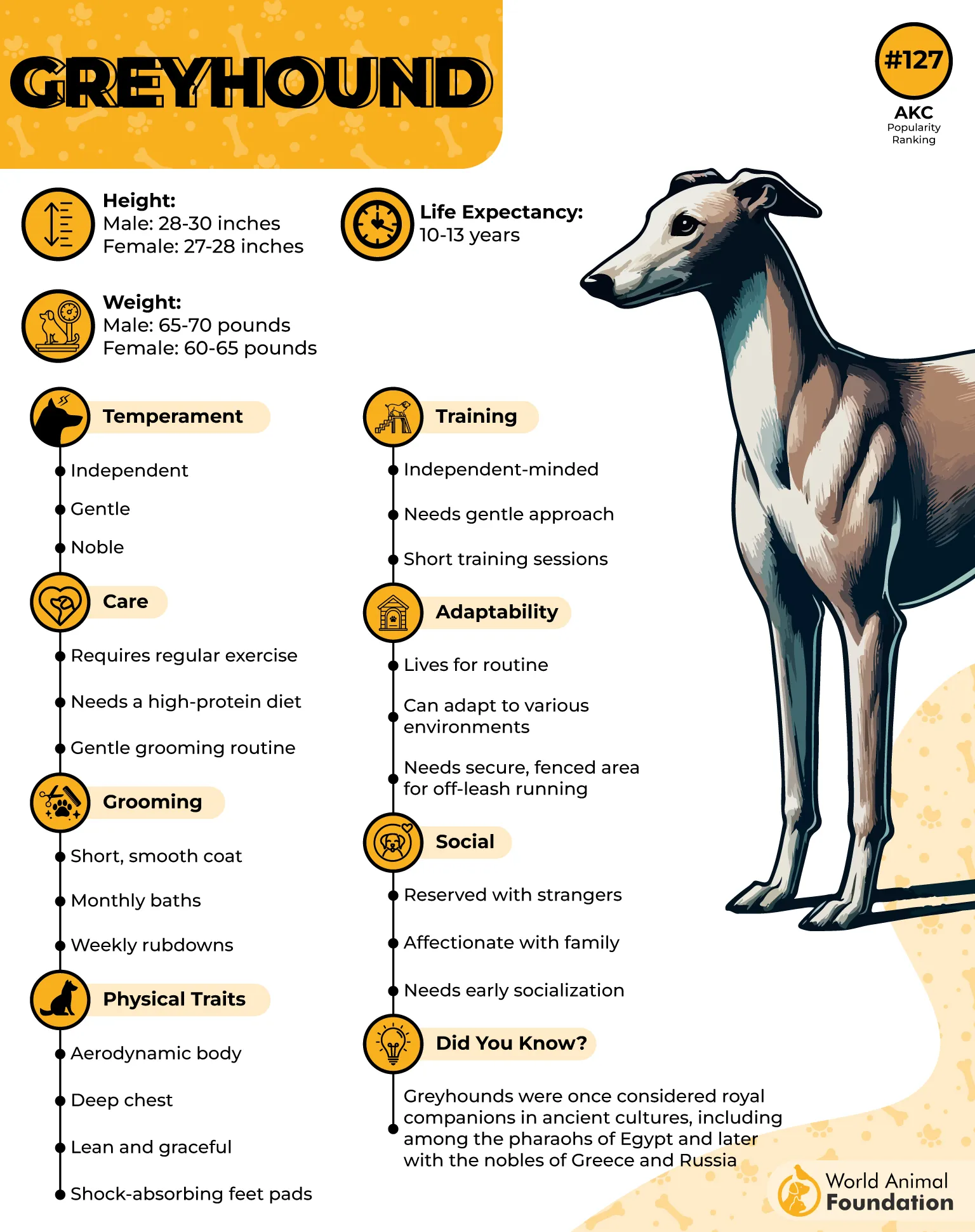
Loyalty often shows up as following a favorite person around, leaning close, or quietly choosing the nearest available sleeping spot.
Because these gentle giants are sighthounds, secure handling outdoors matters enormously. A Greyhound may look half asleep right until a rabbit, squirrel, or other fast-moving object activates thousands of years of visual hunting equipment.
The short coat makes grooming comparatively easy, which is refreshing after several walking duvets on this list. Their lean bodies and limited insulation can make cold weather uncomfortable, so many pet Greyhounds are genuine members of the sweater-owning community.
9. Leonberger
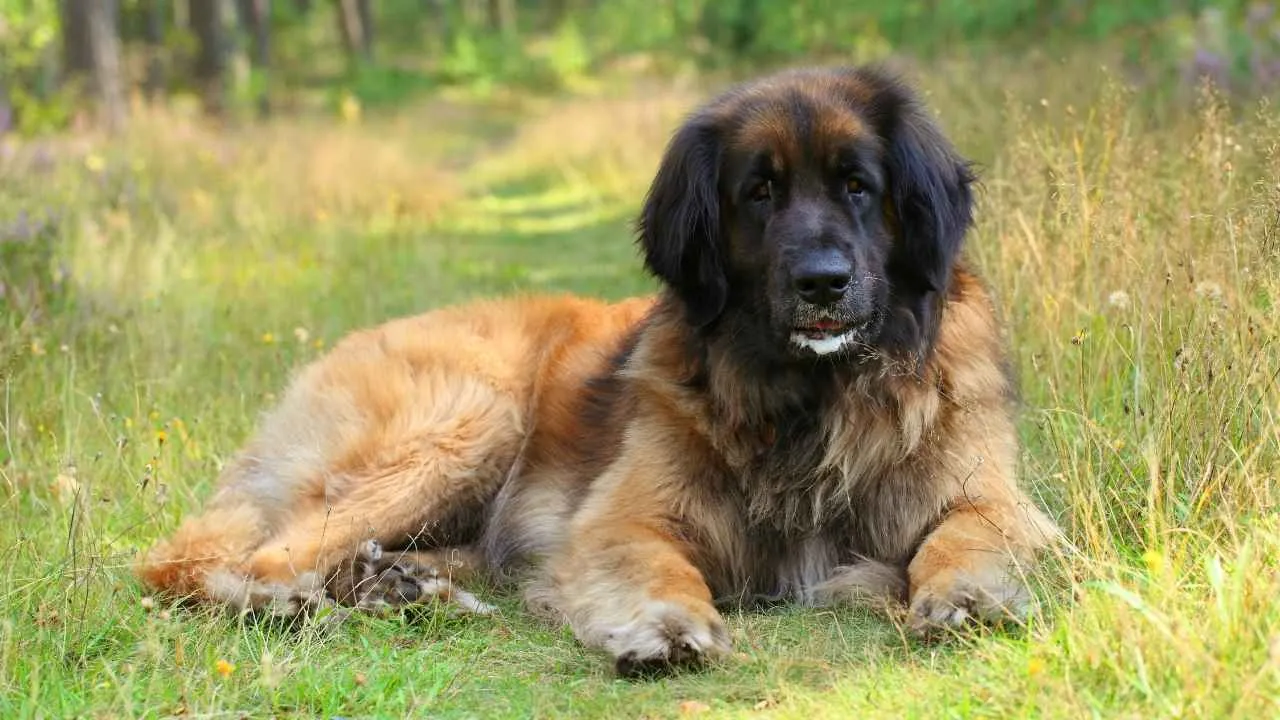
Developed in Leonberg, Germany, the Leonberger has historically performed guarding, draft work, and water-related tasks. Its calm temperament makes it easy for the dog to form strong bonds with owners.
Orvis describes Leonbergers as mild-mannered, affectionate, stable, playful, loyal, and strongly attached to people.
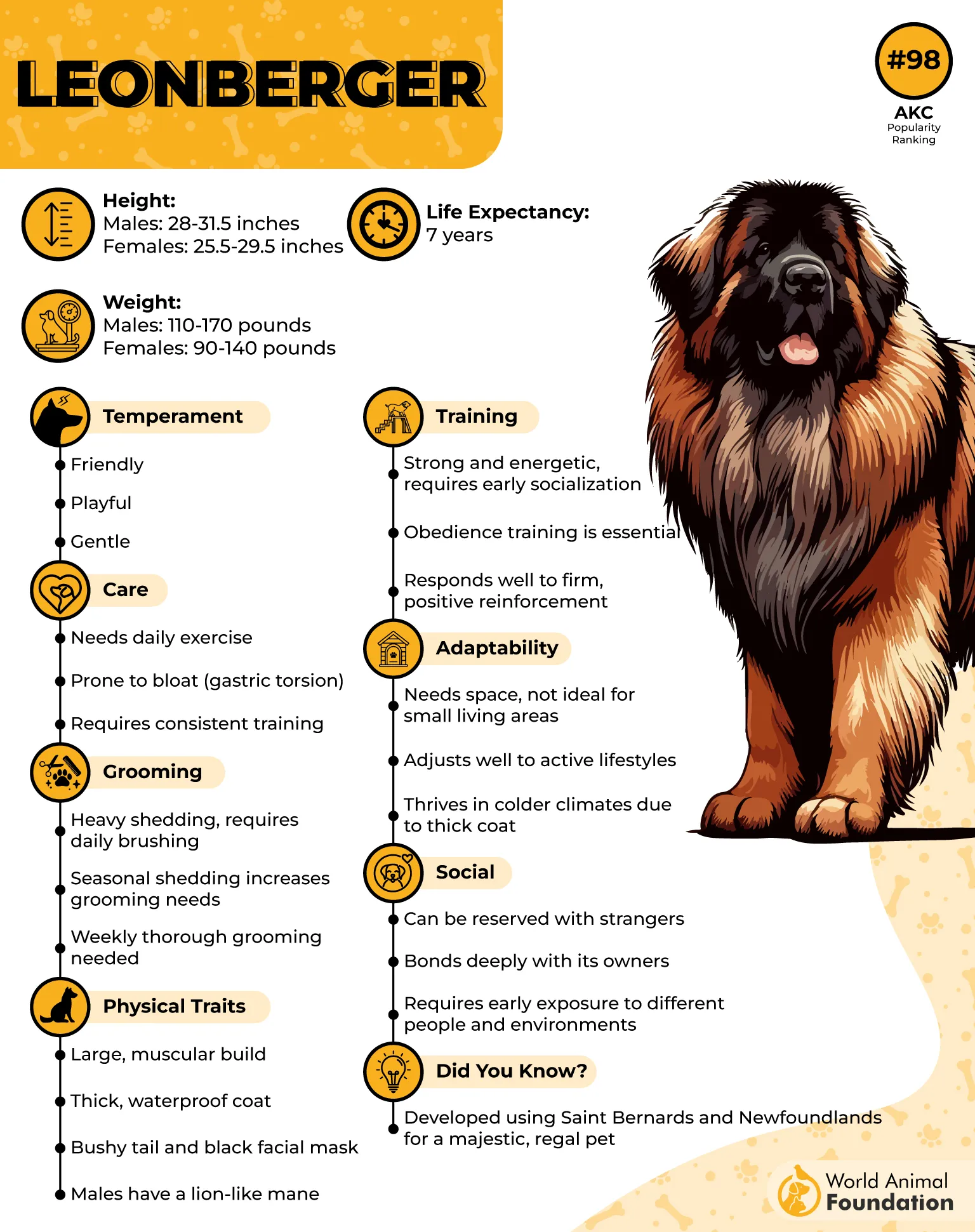
The lived experience can be wonderfully ridiculous because a Leo may fully understand that it weighs more than many humans yet reject the idea that this changes lapdog privileges. Their cuddly behavior and goofy streak make them a good fit for households that like enormous dogs without demanding solemnity every minute.
Their working history gives owners plenty of interesting ways to strengthen the relationship. Water sports, tracking, obedience, drafting, agility, and therapy work are among activities associated with the breed, so life does not have to revolve around ordinary walks.
The weather-resistant double coat needs regular care, and giant-dog expenses apply to nearly every part of Leonberger ownership. Their size also makes early manners, joint-conscious exercise, vehicle planning, and serious consideration of breeder health testing essential, not optional extras.
10. Great Pyrenees
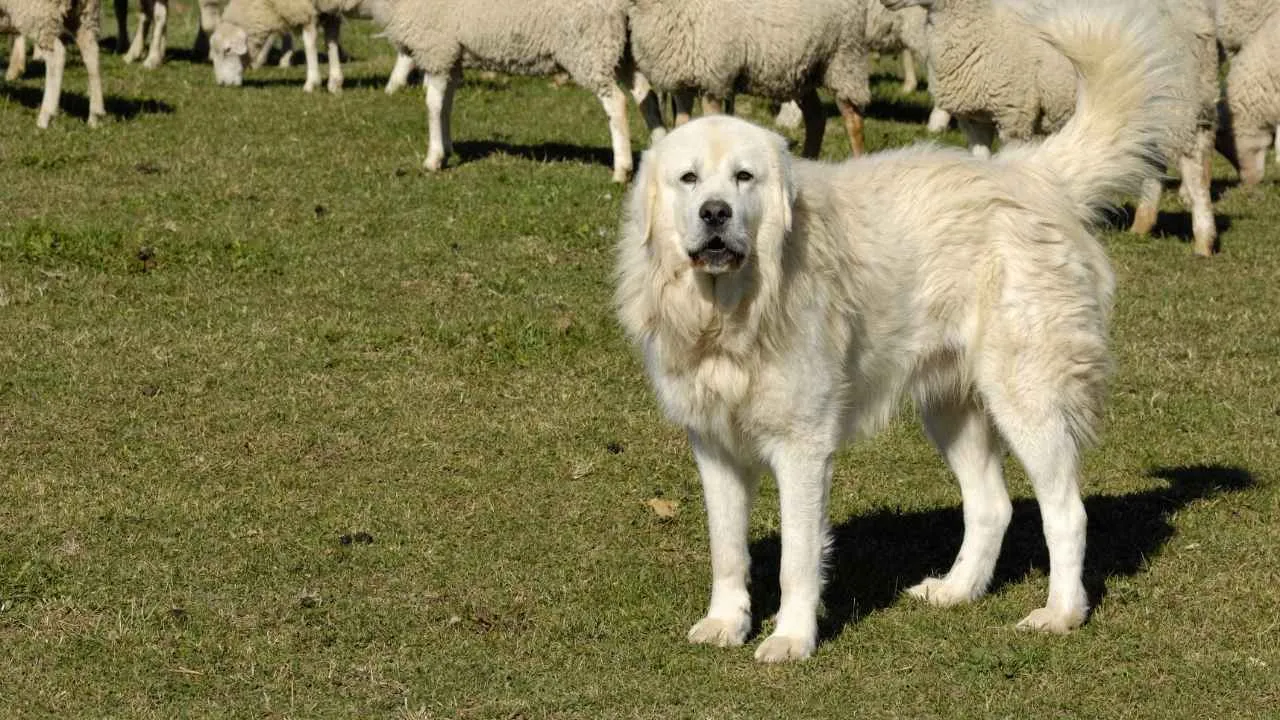
The Great Pyrenees looks like an enormous white cloud and has the internal operating system of a night-shift security manager. Centuries of livestock guarding selected for dogs that can stay calm around animals while independently noticing potential threats without waiting for a shepherd to give step-by-step instructions.
That independence changes the flavor of its loyalty. A Pyr may adore you completely and still look at a repeated obedience cue like you have just resubmitted a proposal it already reviewed. People who appreciate thoughtful, self-directed, intelligent breed dogs often find this deeply charming, while people dreaming of competition-level instant responses may experience spiritual growth.
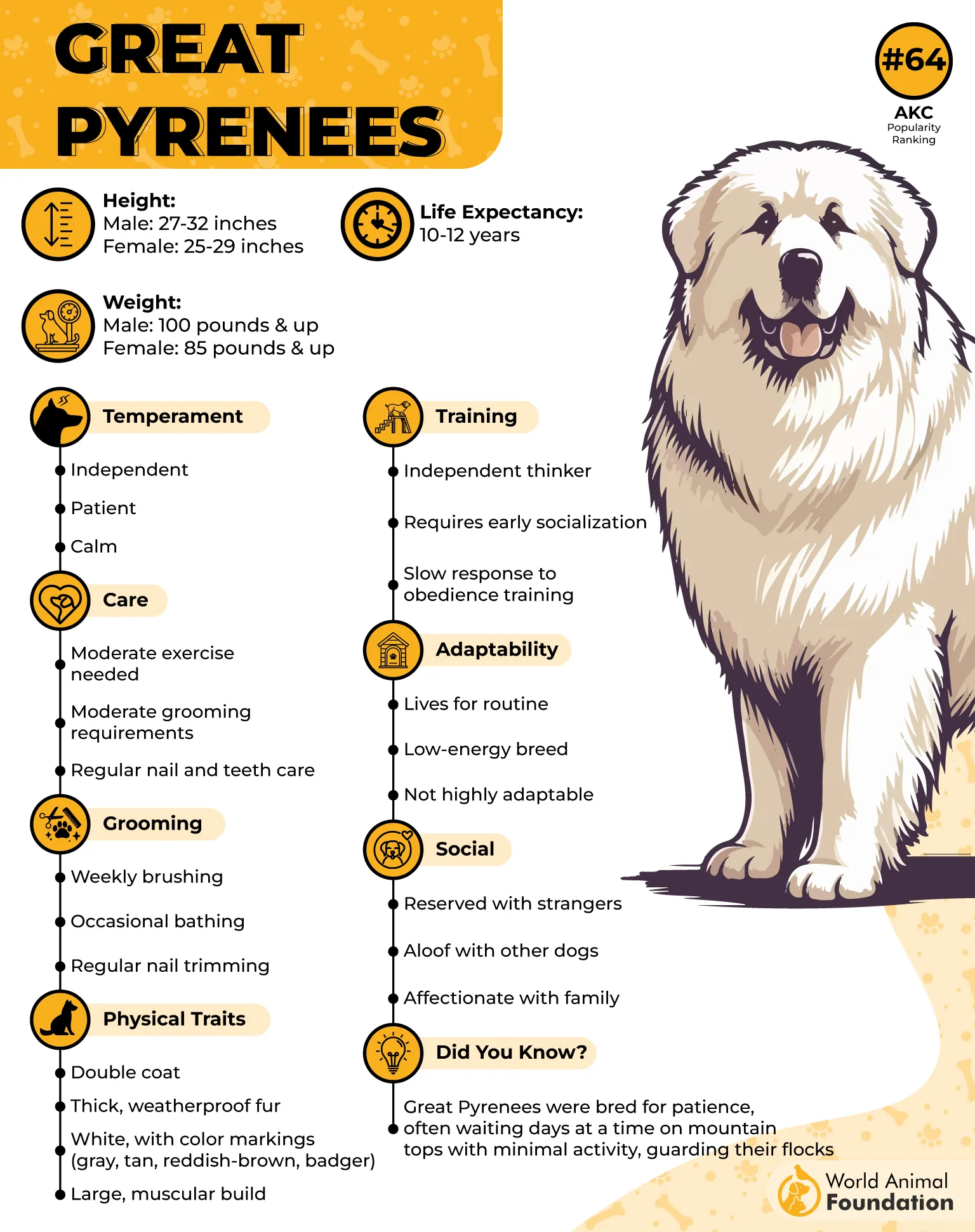
Their guardian instincts also explain some famous Pyr household behaviors, particularly monitoring territory and taking nighttime sounds seriously. Secure fencing, early socialization, patient training, and realistic expectations around barking work better than trying to erase centuries of selective breeding.
The huge white coat was made for difficult mountain weather, so regular brushing and heat management matter. Responsible owners should also manage body condition carefully because large joints do not benefit from unnecessary extra weight.
Conclusion
The most impressive thing about these big dogs is not the height, muscle, fluff, or ability to occupy an entire sofa while somehow leaving you six inches of cushion. Their real appeal is the relationship: some protect, some quietly shadow you, some lean their whole body into a hug, and some express love by independently deciding that the suspicious recycling bin requires immediate investigation.
Doberman Pinscher, Labrador Retriever, Alaskan Malamute, and Dogo Argentino are also large breeds known for their affectionate nature and the strong bonds they form with their human families!
Meet adult dogs when possible, talk with responsible breeders or breed-specific rescues, ask about health testing and temperament, calculate the real cost of giant-dog care, and then choose the companion whose needs you can happily meet for its entire life.
