




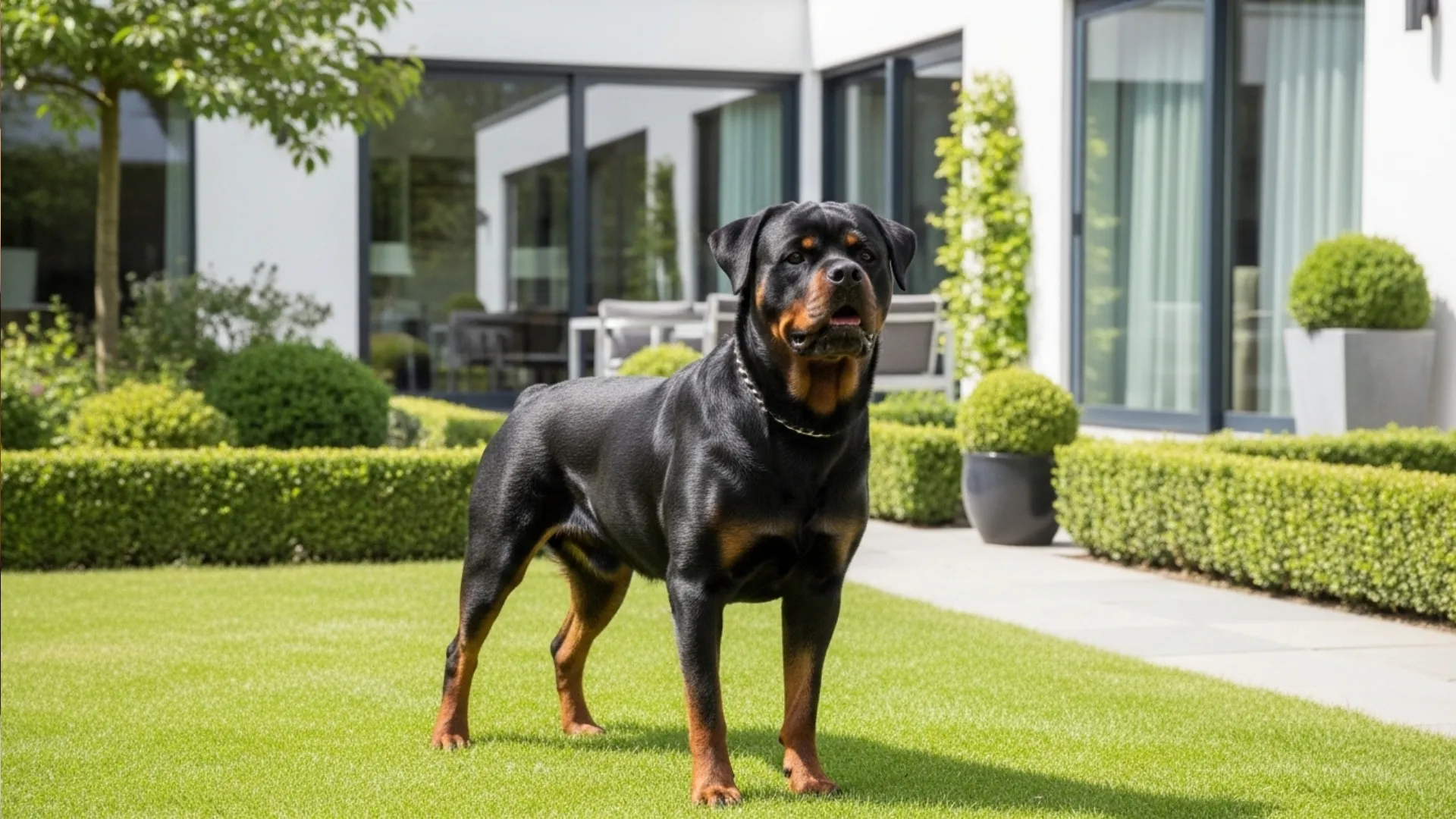
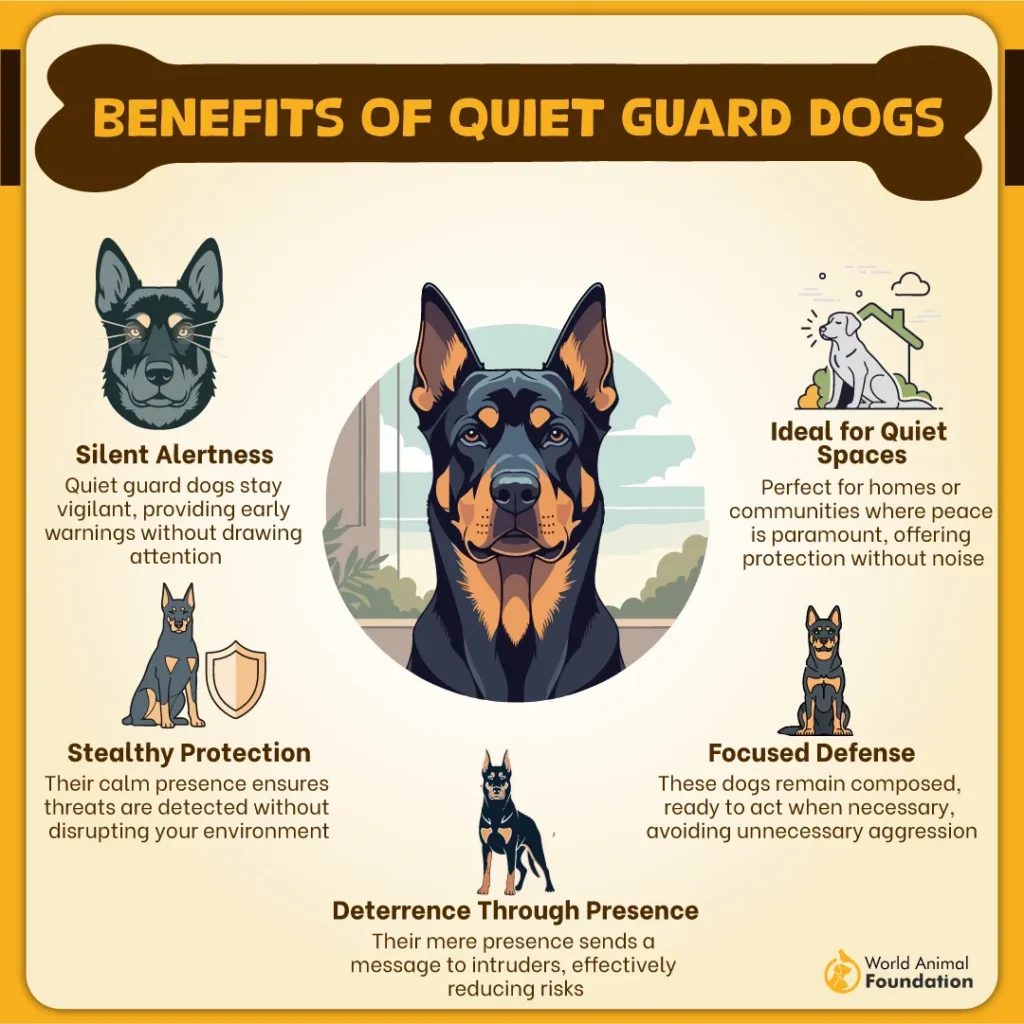
Guard dogs are often associated with high effort and strict routines. Most people believe that if a dog can protect your home, it must also demand a lot of time, energy, and control. That belief is not entirely accurate.
While many guard dogs do require intensive care, there is a lesser-known group that offers protection without turning daily life into a constant responsibility. These dogs do not rely on excessive training or nonstop activity to stay effective.
Instead, they maintain a natural sense of awareness while remaining easy to handle in a home setting. This makes a significant difference for people who want security without added stress. The idea that protection always comes with difficulty is what often leads to poor choices.
This article presents low-maintenance options that change this perspective and open the door to a far more balanced and manageable experience.
Key Takeaways
Protection dogs are often linked with high demands, but a handful of breeds challenge that idea with their calm and manageable nature.
Rhodesian Ridgebacks and Great Danes stand out with calm awareness, offering presence and protection without turning daily care into a burden.
Cane Corso and Rottweiler bring stronger guarding instincts, yet their behavior at home stays steady and manageable with the right balance.
Explore further to see how these seven breeds reshape what low-maintenance protection really looks like in real life.
Lowest-Maintenance Guard Dog Breeds for Easy Living
1. Rhodesian Ridgeback
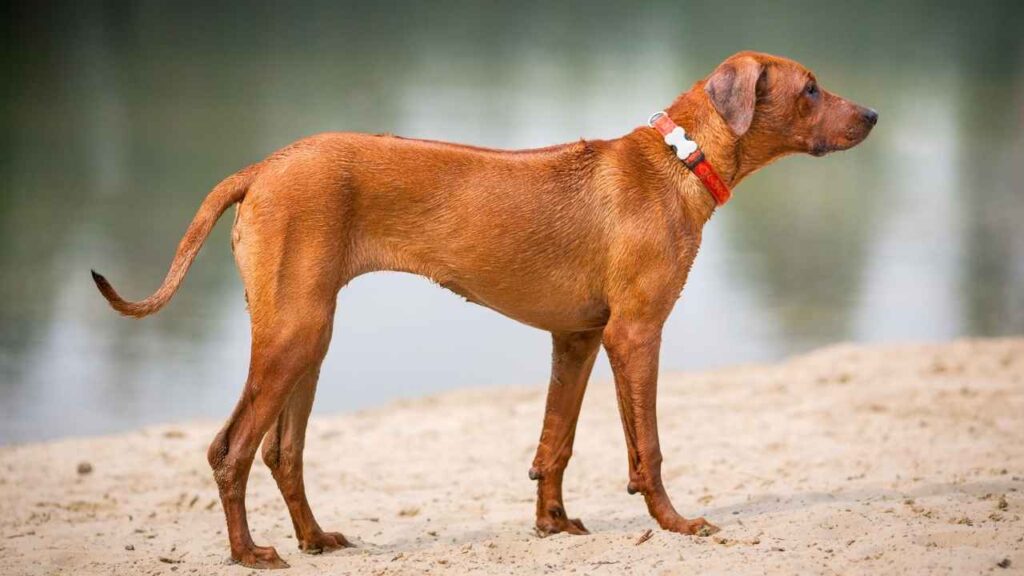
Rhodesian Ridgeback is instantly recognized by the backward-growing ridge along its back, a trait that defines its silhouette. This feature sits over a powerful hound body shaped for speed and strength across open terrain. Its presence reflects a history tied to tracking large game in African landscapes.
Athletic frame with minimal upkeep
This protection dog combines strong muscle structure with a smooth coat that stays low-maintenance through simple care. Its wheaten coloration varies from pale tones to deeper shades, adding subtle variation without complexity in grooming. The coat remains functional rather than decorative.
Key physical and upkeep traits include:
Single coat requiring only weekly brushing
Natural shedding managed with minimal effort
Occasional bathing keeps the coat’s condition steady
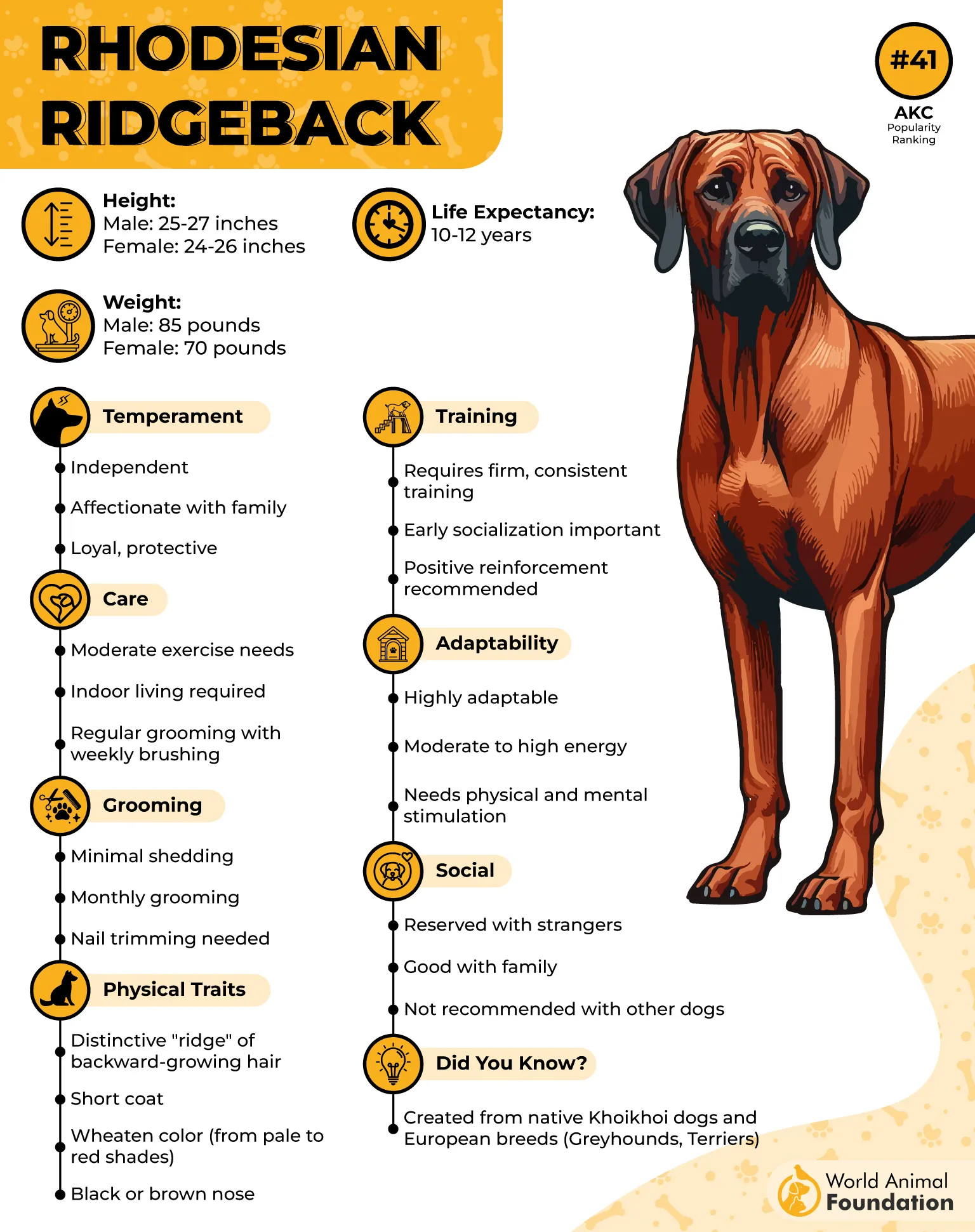
Temperament and handling approach
This big dog responds best when guidance stays firm and consistent from an early stage, as its strong-willed nature requires clear structure, as per the AKC.
Once trust forms, it becomes deeply loyal and protective toward familiar people while staying reserved with outsiders. Its calm affection appears most within established bonds.
2. Great Dane
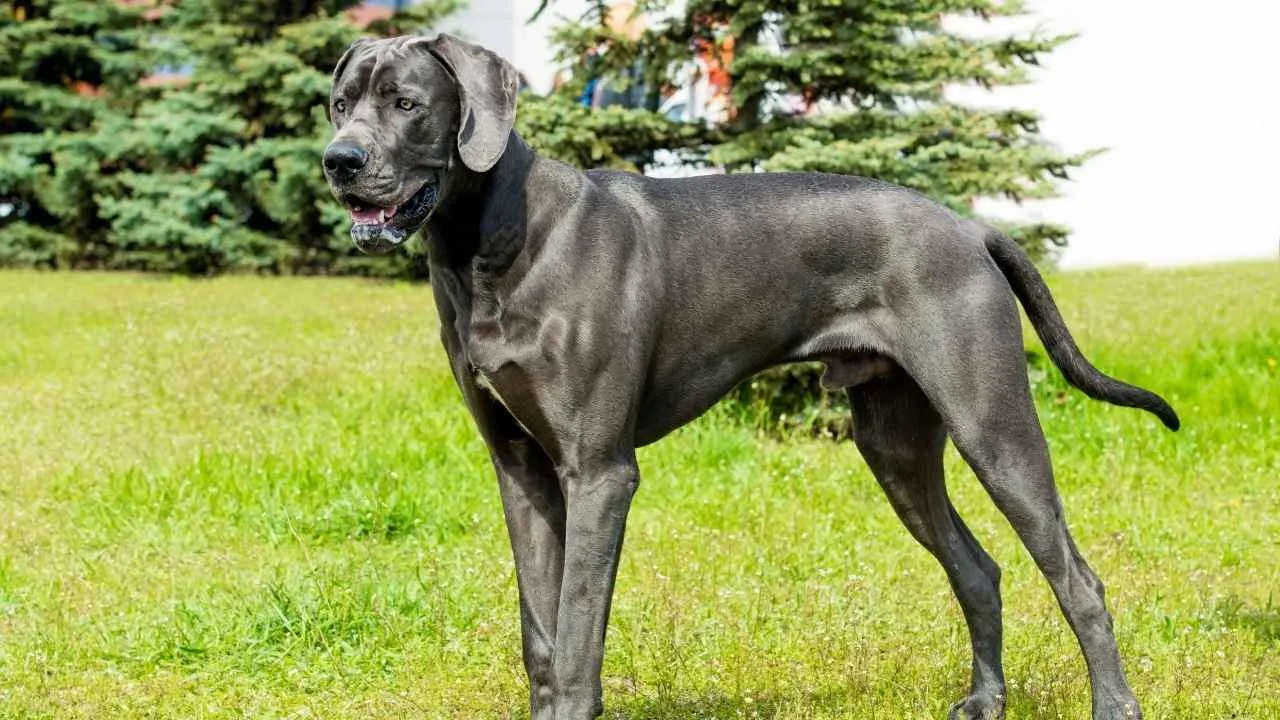
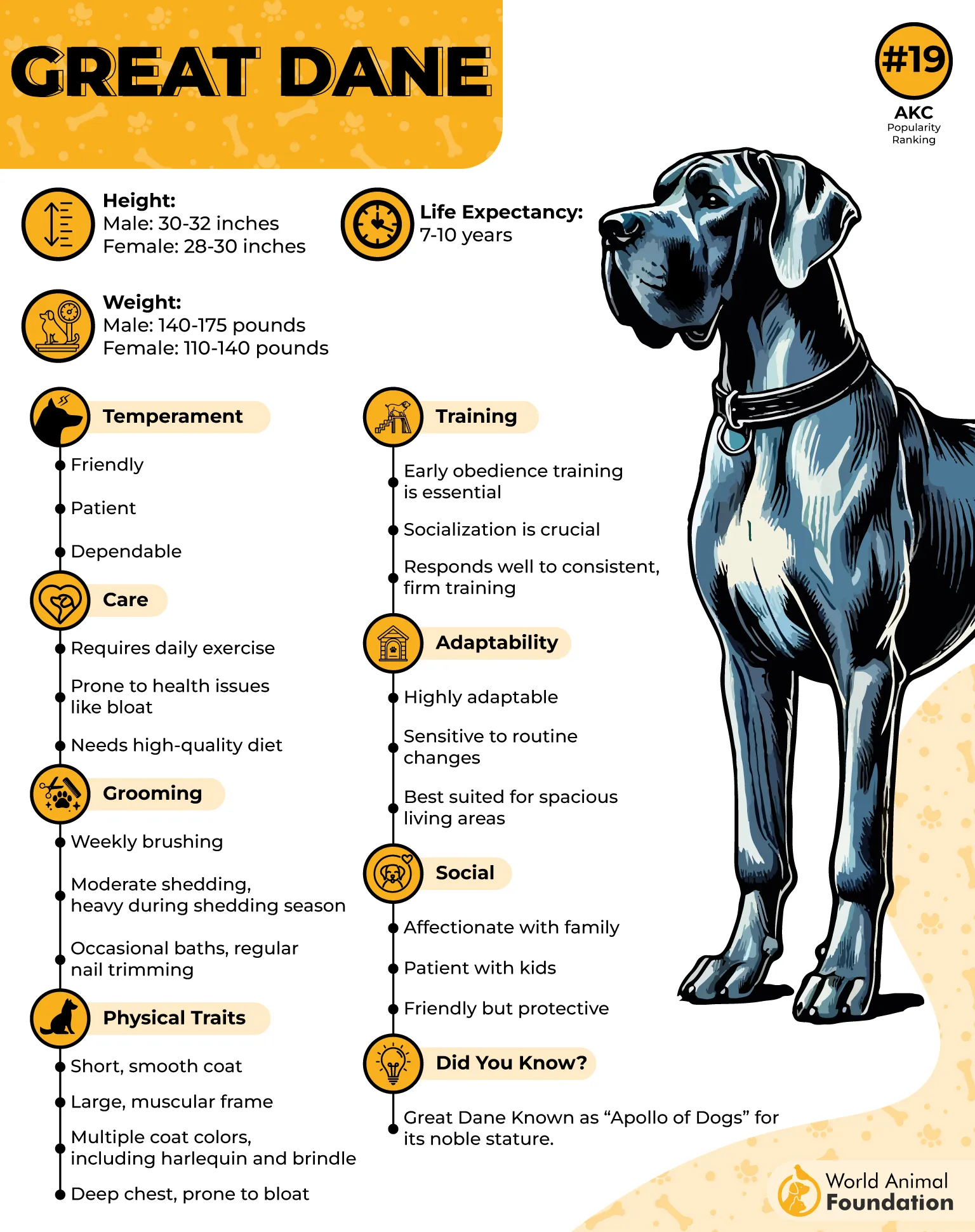
Great Dane catches attention for its towering height and balanced structure that gives it a steady presence indoors. Even with its massive size, the outline stays controlled, creating an impression of quiet stability rather than constant activity.
Every day, care and maintenance flow
The grooming needs of this large dog are relatively simple due to its short, smooth coat, though the scale of the dog means loose hair can still be noticeable at home, as WebMD noted. Regular brushing helps manage coat cleanliness without complex upkeep.
Daily routine support includes:
Light brushing to control loose hair
Basic coat care to maintain cleanliness
Consistent handling to keep grooming easy
Guarding impression through presence
They create an immediate visual impact in a home environment, where their sheer size often influences how unfamiliar faces respond. Its awareness of surroundings remains steady, showing attention without unnecessary intensity. This quiet vigilance forms part of its protective character.
3. Cane Corso
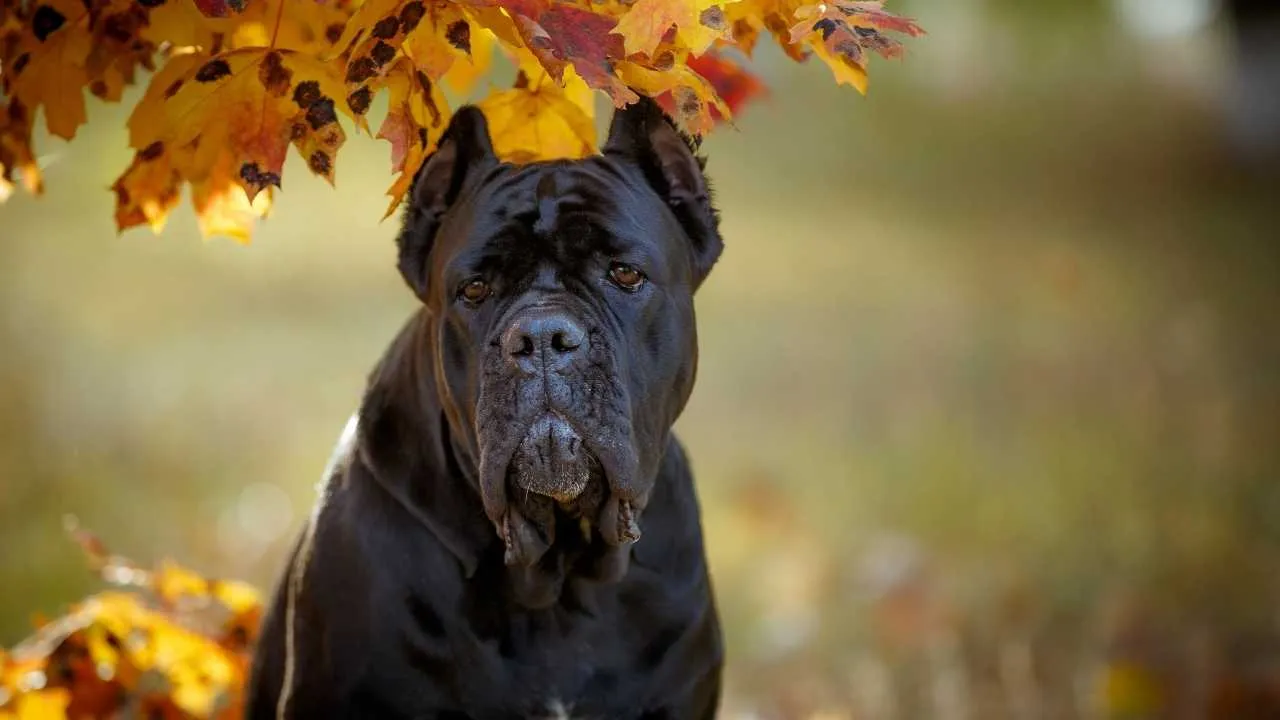
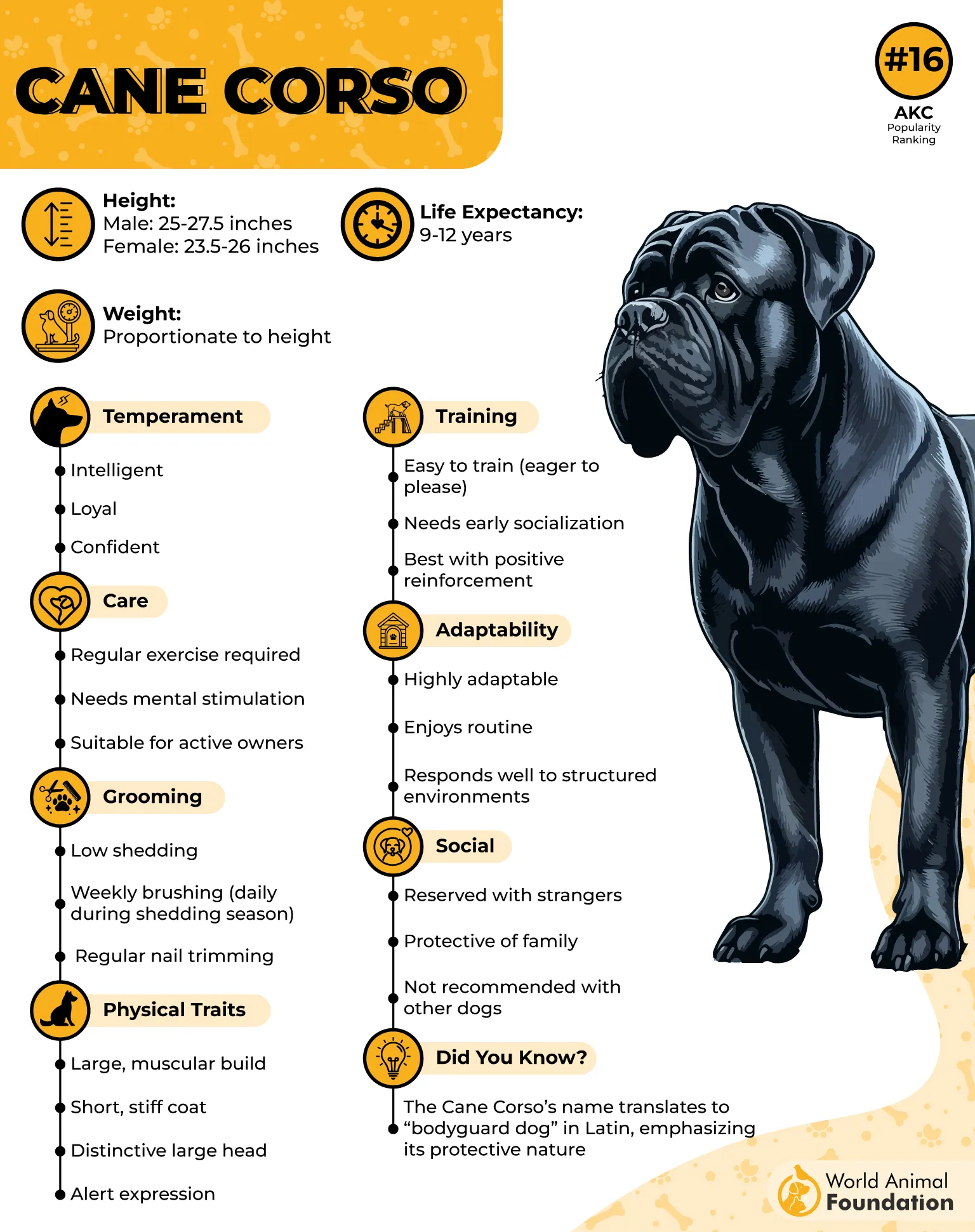
Cane Corso links back to ancient Roman working dogs, where they were originally bred as a guardian breed and for close human protection. Its name directly reflects this purpose, describing a bodyguard-type function rather than general companionship.
Structure built for presence and control
As one of the best guard dog breeds, they present a powerful frame with a broad head and defined muscle tone beneath a short, dense coat. Its appearance signals authority through stillness and focus rather than movement.
This physical structure reflects its working nature through key traits:
Short double-layered coat adapted to changing climates
Strong muscular build supporting endurance and control
An alert facial expression that reflects constant awareness
Behavior in daily surroundings
They are incredibly loyal and remain reserved in unfamiliar settings, observing before allowing interaction. Within familiar spaces, it shows calm engagement with its inner circle. This contrast between external caution and internal familiarity shapes their guarding behavior.
4. Rottweiler
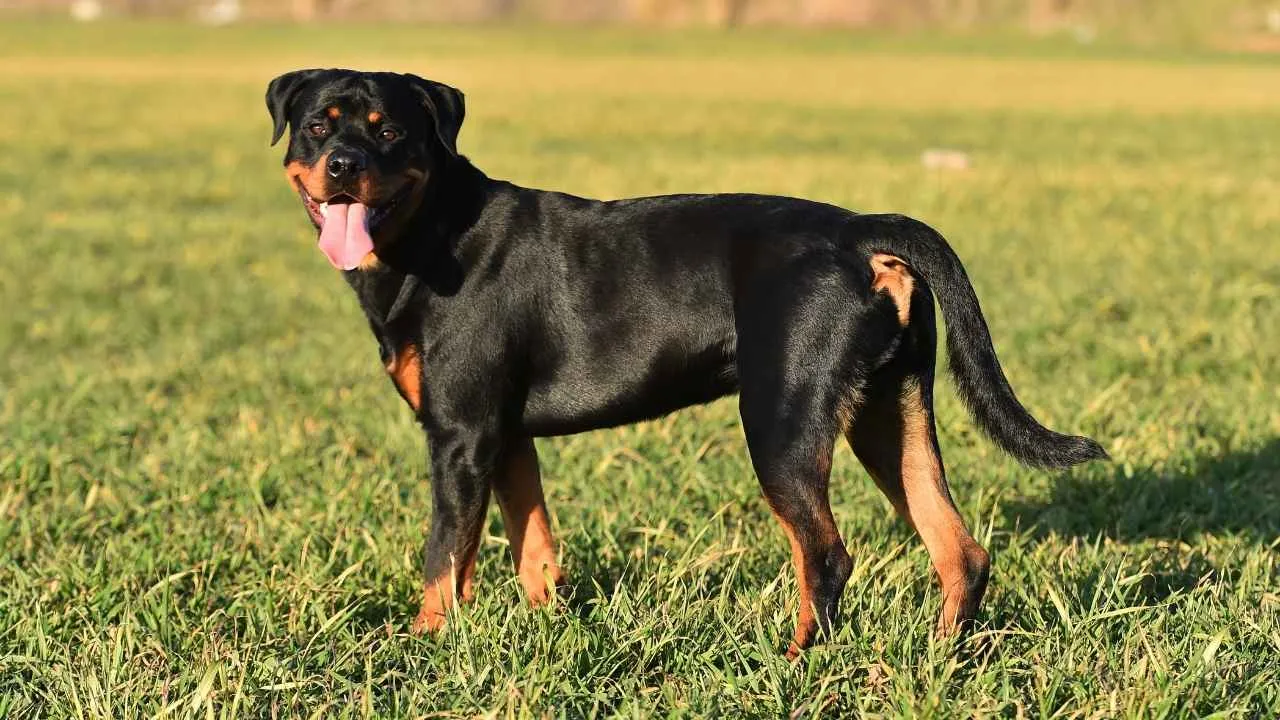
Rottweiler reflects its mastiff lineage from Roman legions, built around power and controlled presence rather than speed or lightness. Its frame supports steady force through dense muscle and a grounded stance. This background shaped a working dog that stays composed under pressure.
Physical form and outward impression
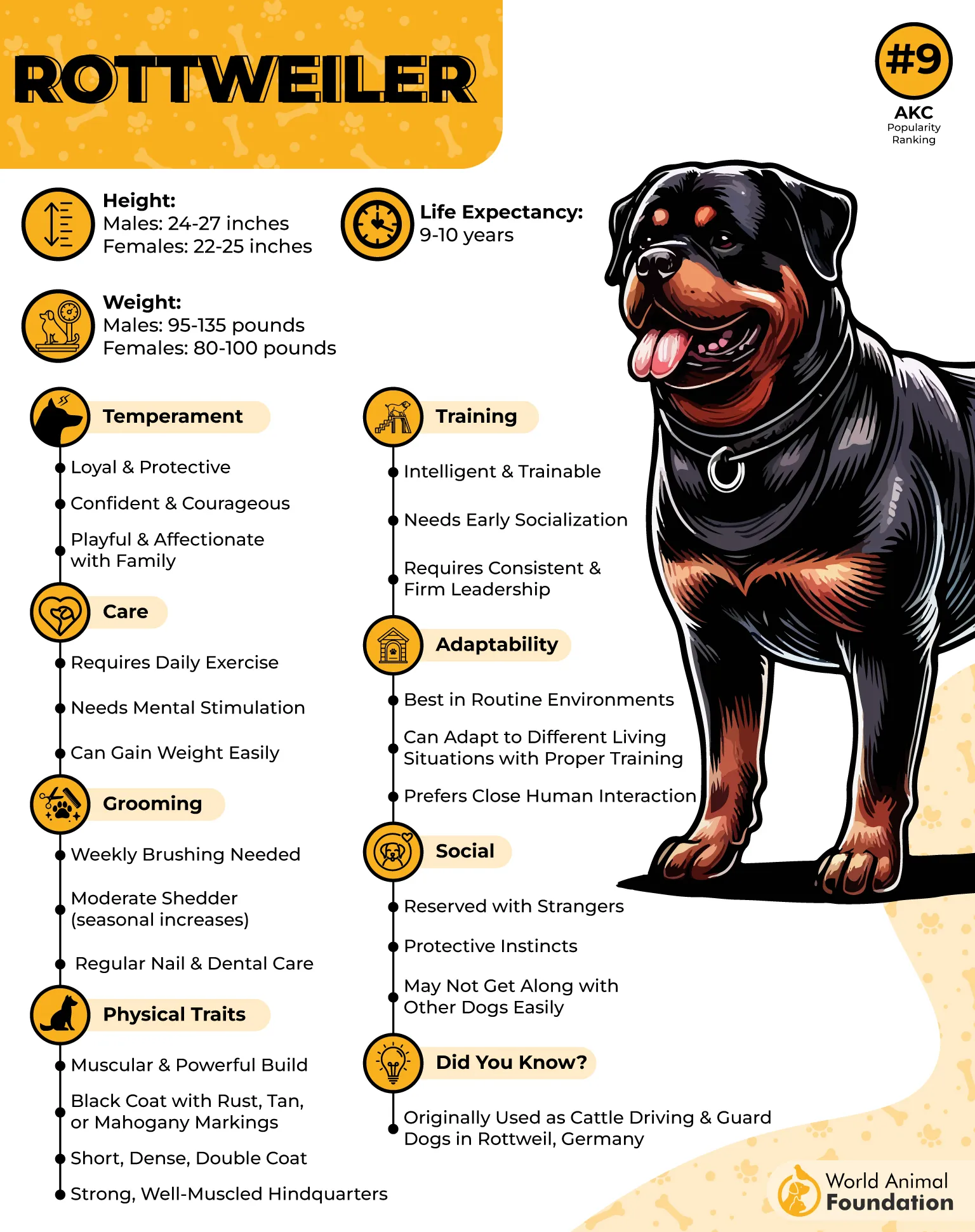
As an energetic dog, they present a short black coat with rust markings, paired with thick hindquarters that support a smooth, effortless trot. Its overall structure gives a solid, grounded outline that feels steady in motion and stillness.
That physical setup shows in clear traits:
Short coat with a seasonal moderate shedding pattern
Muscular hindquarters driving balanced movement
Strong frame built for controlled endurance
Behavior within and outside familiarity
They shift between a reserved outward presence and a relaxed, playful side with trusted people at home. Its interaction style changes noticeably depending on the environment, moving from alert observation to casual closeness indoors. This dual pattern is a core part of their protective temperament.
5. Doberman Pinscher
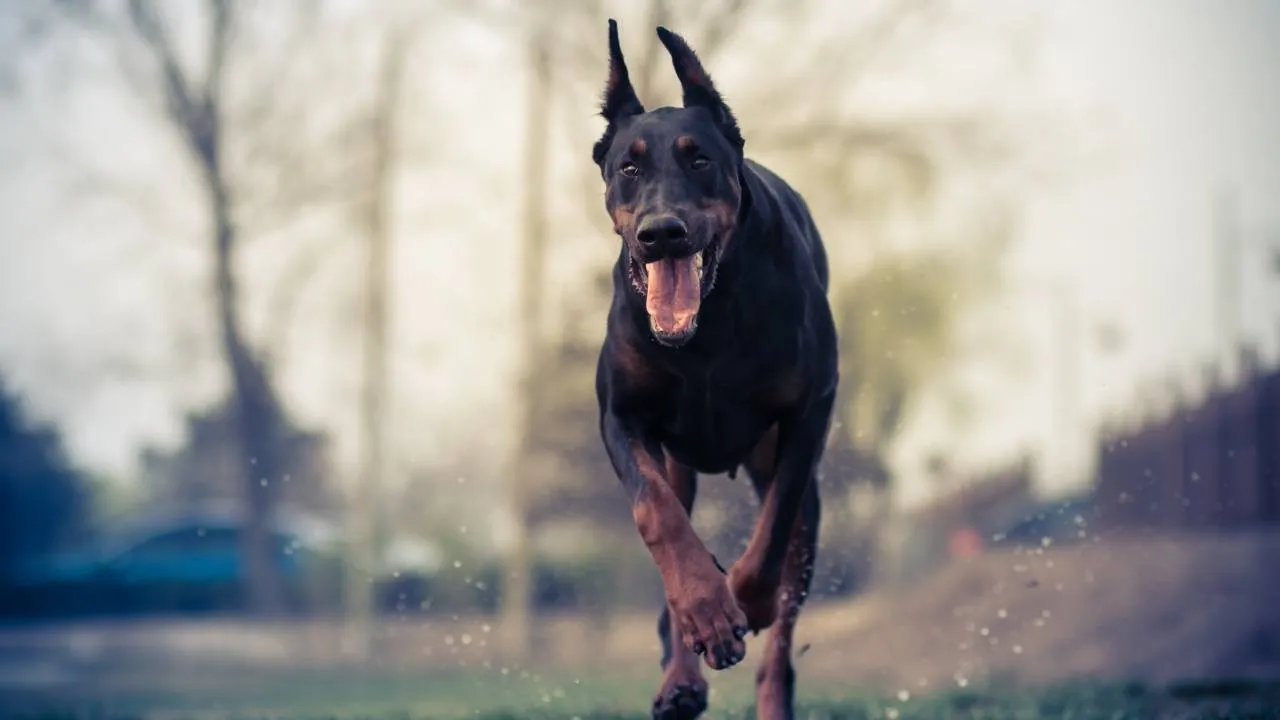
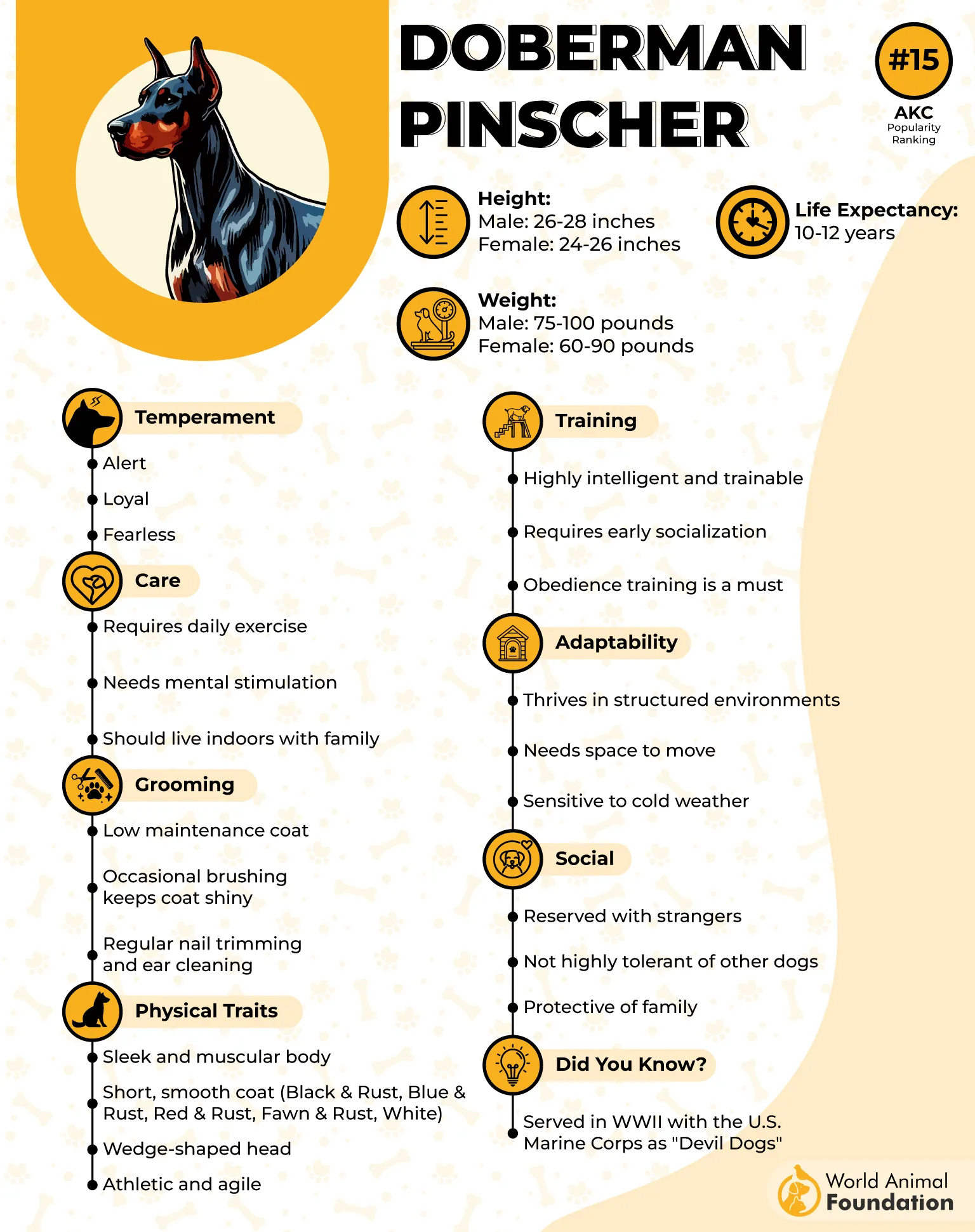
Doberman Pinscher was first developed in Germany under Louis Dobermann’s vision, where reliability and alert awareness were prioritized. The background of this best guard dog reflects a design around protection, intelligence, and fast situational reading.
Role in structured working environments
Dobbies are frequently placed in roles that demand discipline and quick decision-making, including security and search tasks, as stated in the Royal Kennel Club. Its sharp awareness and energy require direction to remain balanced in daily life.
That working structure is visible through clear traits:
Responds quickly in security-based roles
Maintains alert focus in changing environments
Requires consistent mental and physical direction
Training and energy balance
This breed responds best to early and consistent guidance, where consistent training helps shape stable behavior patterns. Its high energy level requires direction to prevent restless or self-directed activity. Early social exposure plays a strong role in balancing its protective instincts.
6. Mastiff
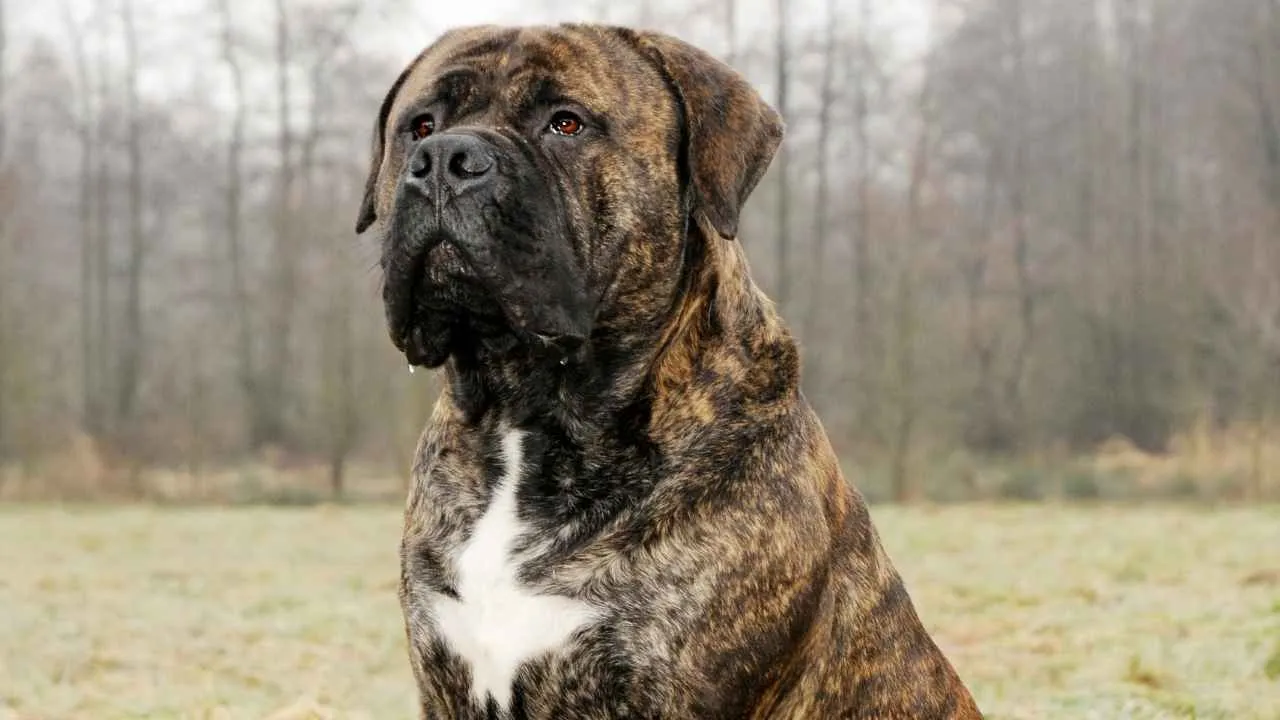
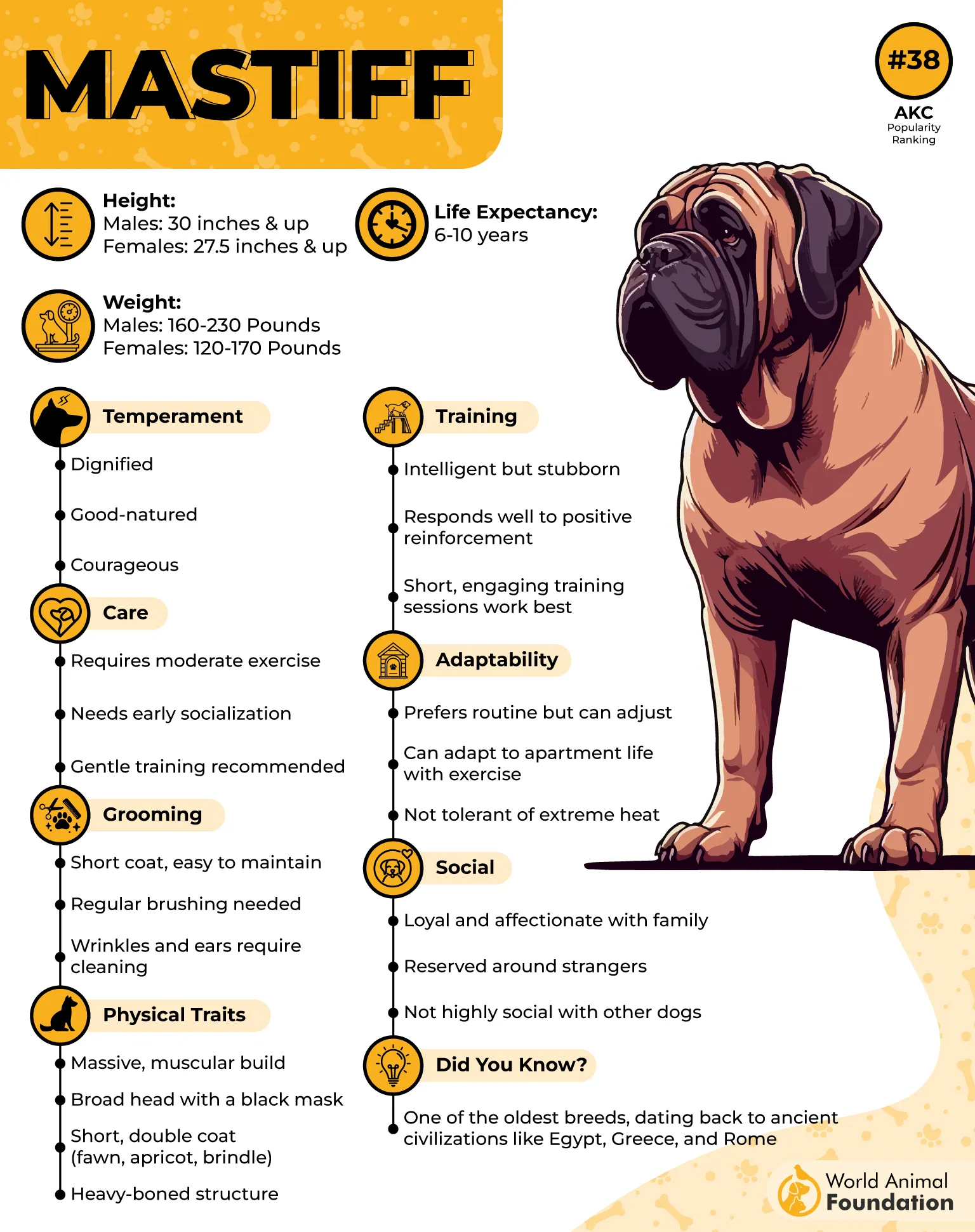
Mastiffs reflect a lineage as old as early civilizations, expressed through their massive frame and heavy bone structure. Its expression blends alertness with a calm, steady demeanor that does not rush into reaction. The overall presence feels controlled, grounded, and observant.
Physical form built for controlled guardianship
Mastiff’s broad head and wrinkled brow give it a steady, watchful expression that reads situations before engagement. Its short coat and dense build reduce maintenance while supporting a solid physical presence.
This structure becomes clearer through key features:
Heavy bone frame supports grounded movement
A short coat requires minimal grooming upkeep
head signals steady environmental awareness
Behavior shaped by patience and familiarity
They have a calm and patient temperament within familiar spaces, often forming strong attachments to household members. Its interaction style remains gentle indoors, with a slower response pattern that reflects deliberation rather than impulse. This contrast appears in how it treats known versus unknown surroundings.
7. Boxer
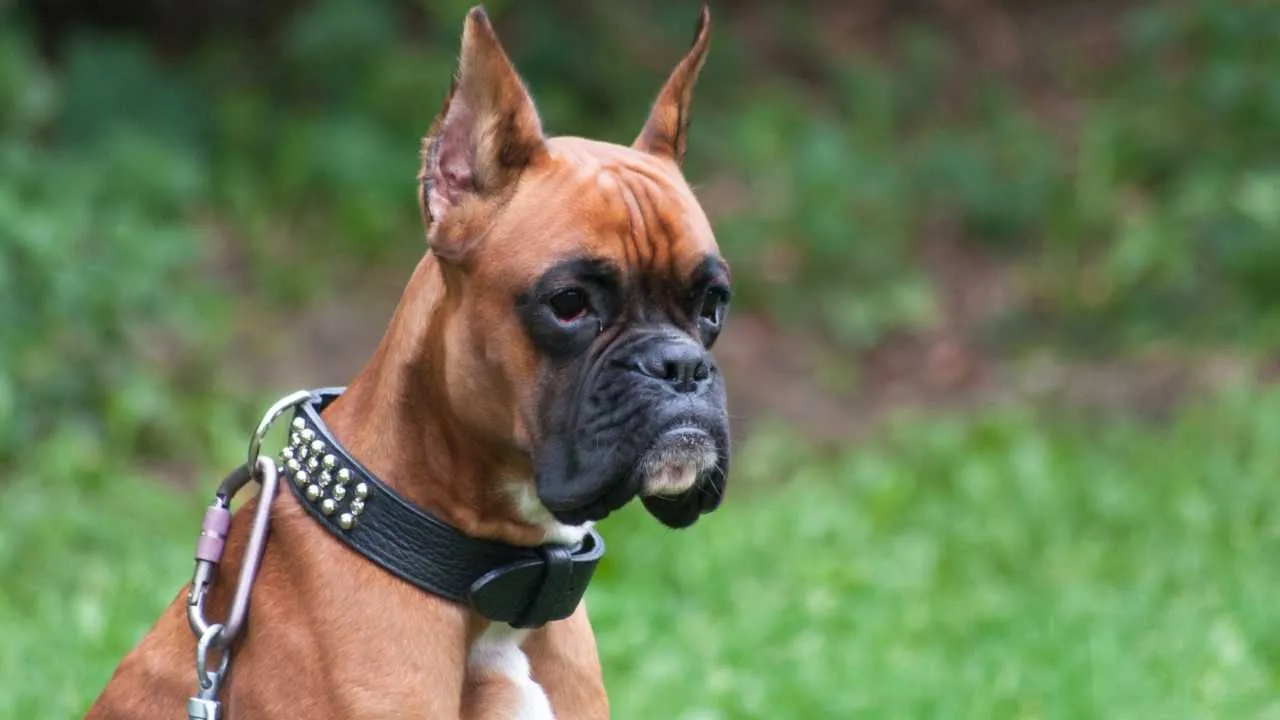
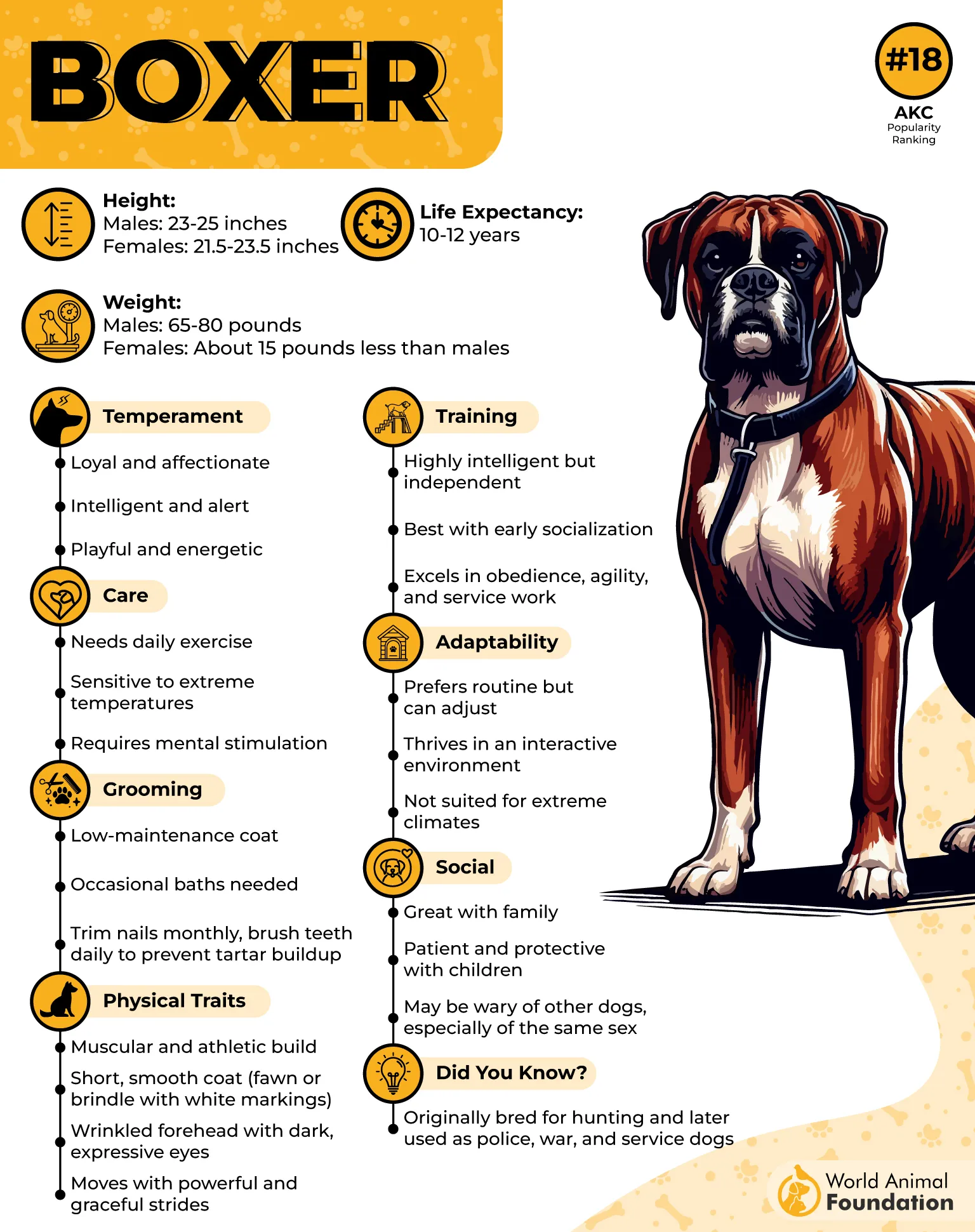
Boxer shows a balanced mix of alertness and playfulness, shaped by a strong yet well-proportioned frame. Its movement reflects smooth power, giving it a forward-driving stride that feels coordinated and purposeful. The overall impression blends liveliness with steady control.
Physical design and functional traits
This breed holds a compact, athletic build that supports both quick reactions and sustained activity without excess effort. Its short coat and defined structure highlight a body built for practicality rather than maintenance-heavy care.
These features connect directly to its working nature:
Smooth, powerful forward stride in motion
Short coat that needs minimal upkeep
Strong frame built for active responsiveness
Learning response and early exposure
Boxers adapt well when introduced early to people and other animals, shaping a balanced social outlook. Its intelligence and willingness to engage make training more effective when consistency is maintained. Proper socialization plays a key role in how one handles daily situations.
Conclusion
Low maintenance does not mean low capability when it comes to guard dogs. The breeds shared here show how protection can exist alongside simplicity in daily life. Each one carries a natural awareness that does not rely on constant correction or heavy routines. Some depend on presence, while others balance instinct with controlled behavior, even adapting well as family dogs.
What matters is how easily they fit into your environment without creating added strain. When chosen carefully, the right guard dog offers security that feels steady and manageable, especially with proper training in place. Over time, this balance turns protection into something that supports your routine rather than complicating it, making everyday living more comfortable and controlled.
