




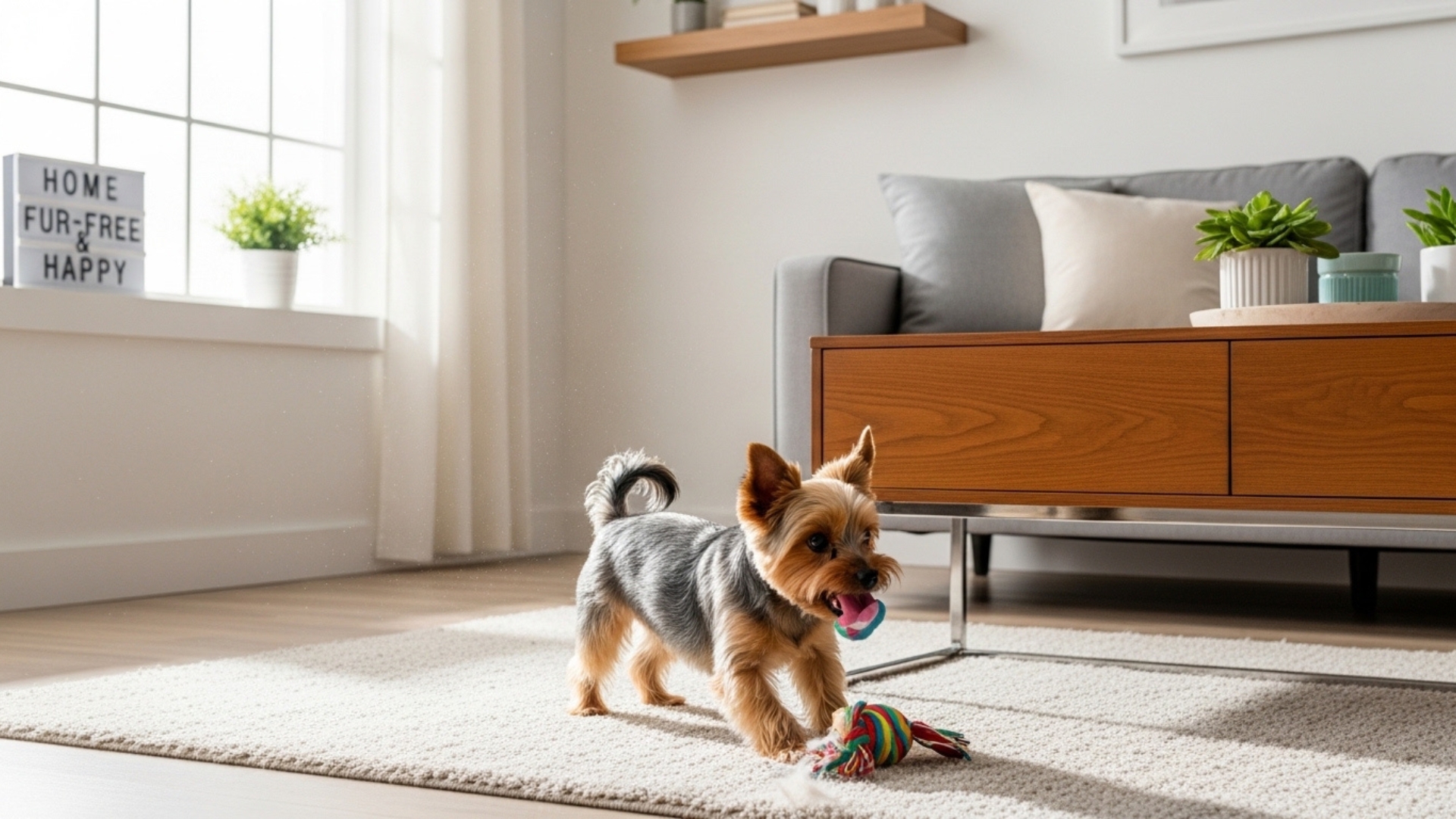
Dreaming of dog ownership without tumbleweeds of fur rolling across your floors? You are not alone.
Many pet parents want a lovable companion but hope to skip constant vacuuming or minimize allergy flare-ups. The good news is that while all dogs shed to some degree, certain breeds shed far less than others.
Low-shedding dogs can be a great fit for tidy homes and allergy-sensitive households, especially with proper grooming and coat care. From curly-coated charmers to wiry-haired companions, these breeds come in all shapes, sizes, and personalities.
Here is what you need to know about choosing a dog that keeps the shedding and the cleanup to a minimum.
Low-Shedding Dog Breeds: Keeping Your Home Fur-Free
1. Maltese
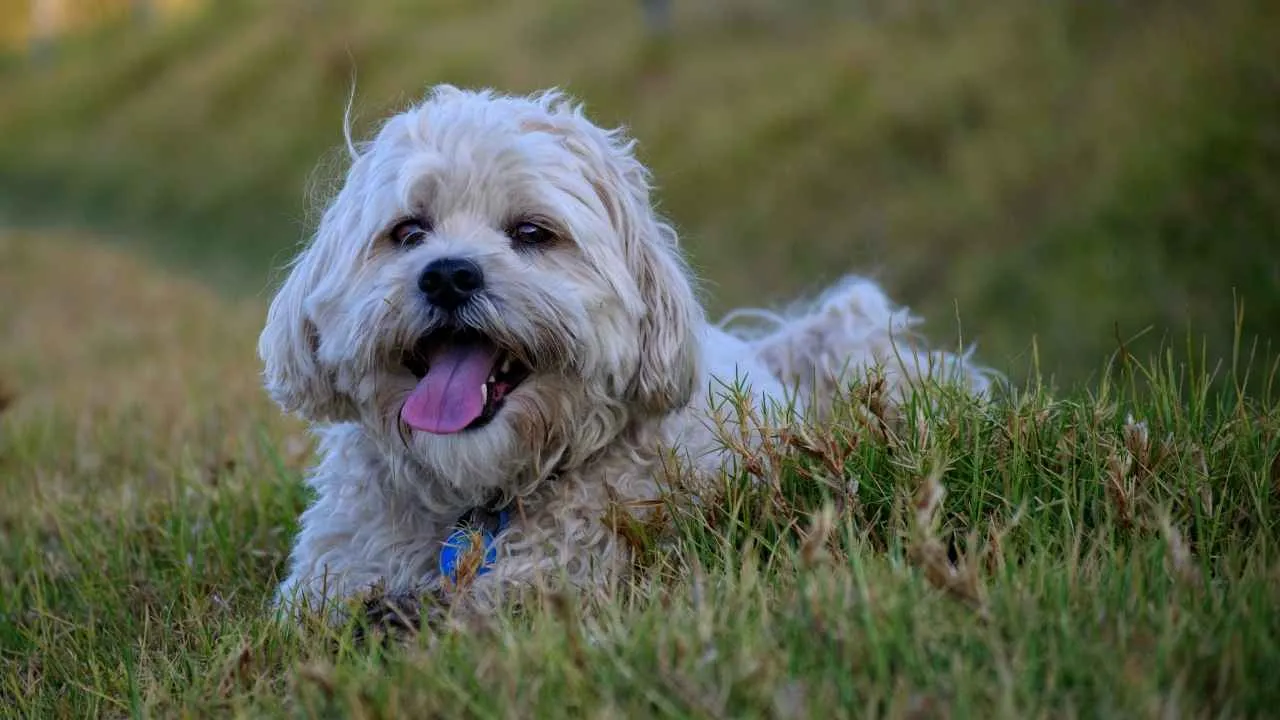
The Maltese is instantly recognizable for its long, silky white coat and compact size. Originating from the Mediterranean island of Malta, this breed has been cherished for centuries as a devoted companion.
Personality is anything but tiny here. As per PetMD, Maltese are affectionate and playful, thriving on attention and daily interaction.
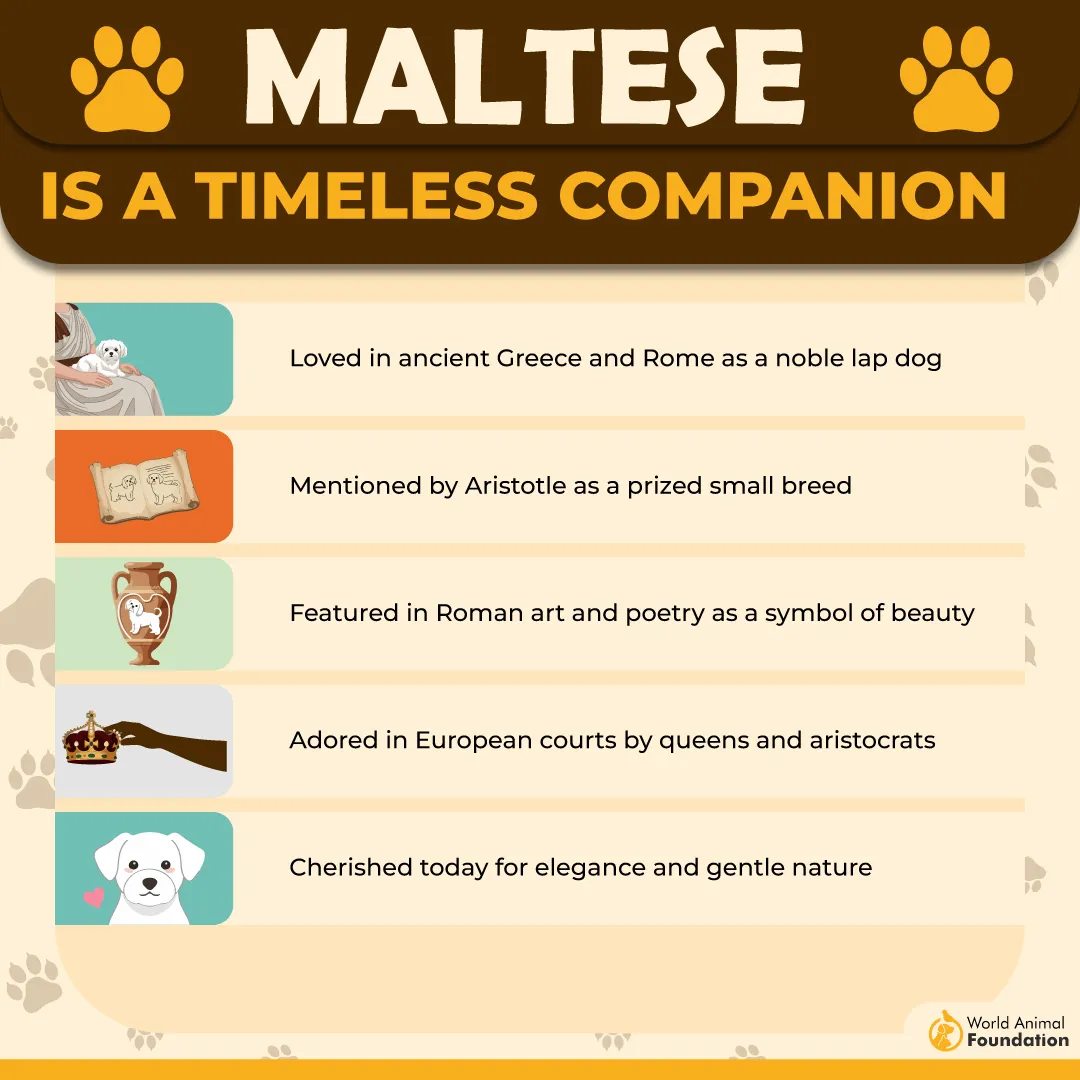
Although all dogs shed to some degree, Maltese tend to shed very minimally. Their coat is often described as hypoallergenic, but no dog is completely allergen-free. Because of their low-shedding coat, they can be a good fit for some people who experience dog allergies, especially with consistent grooming and cleaning routines.
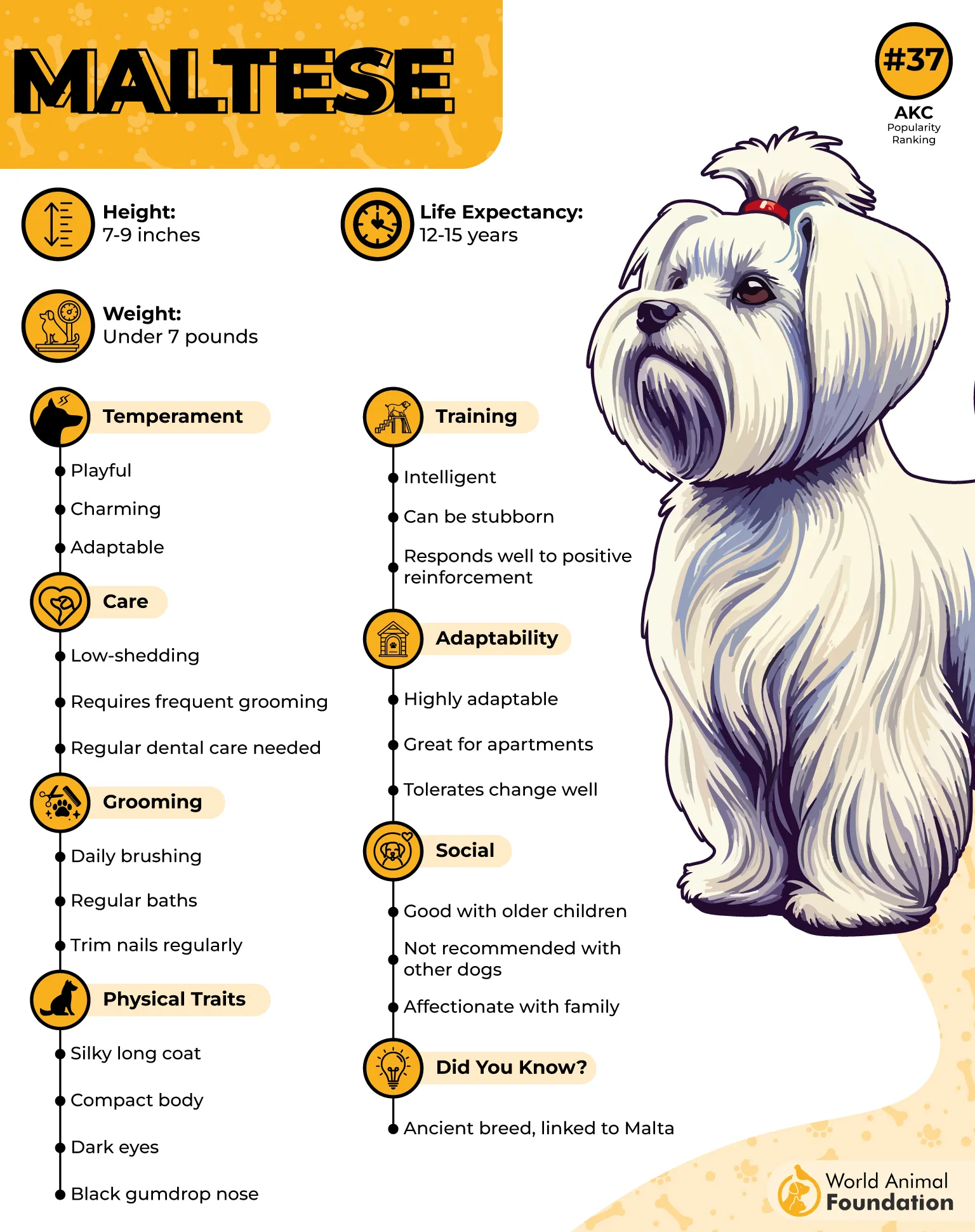
Health-wise, Maltese are typically long-lived, often reaching 12 to 15 years. Pet parents should be aware of potential concerns such as luxating patella, dental disease, liver shunts, and certain heart conditions. Regular veterinary care, daily tooth brushing, and thoughtful feeding routines help support a healthy, active life.
Grooming Tips
Brush or comb the coat every day to prevent mats and tangles.
Bathe regularly and fully dry the coat to avoid skin irritation.
Clean around the eyes and ears routinely to maintain a fresh, tidy appearance.
2. Havanese
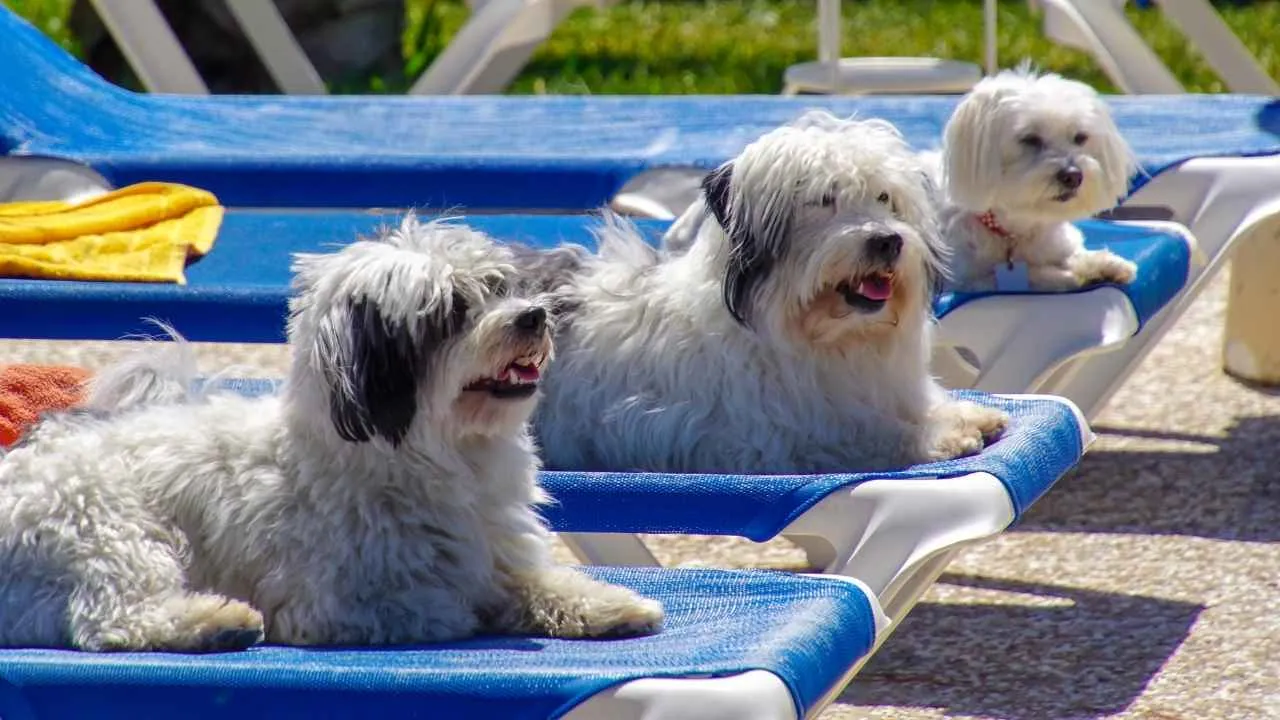
According to the AKC, the Havanese, the only dog breed native to Cuba, is a cheerful little companion with a lively expression and a curled-over tail. This small hypoallergenic dog can fit comfortably in both apartments and houses.
These dogs are affectionate and sociable, happiest when surrounded by people. Highly intelligent and eager to please, they respond well to positive training methods. Early socialization is important, and they tend to get along with children and other nonaggressive pets when properly introduced.
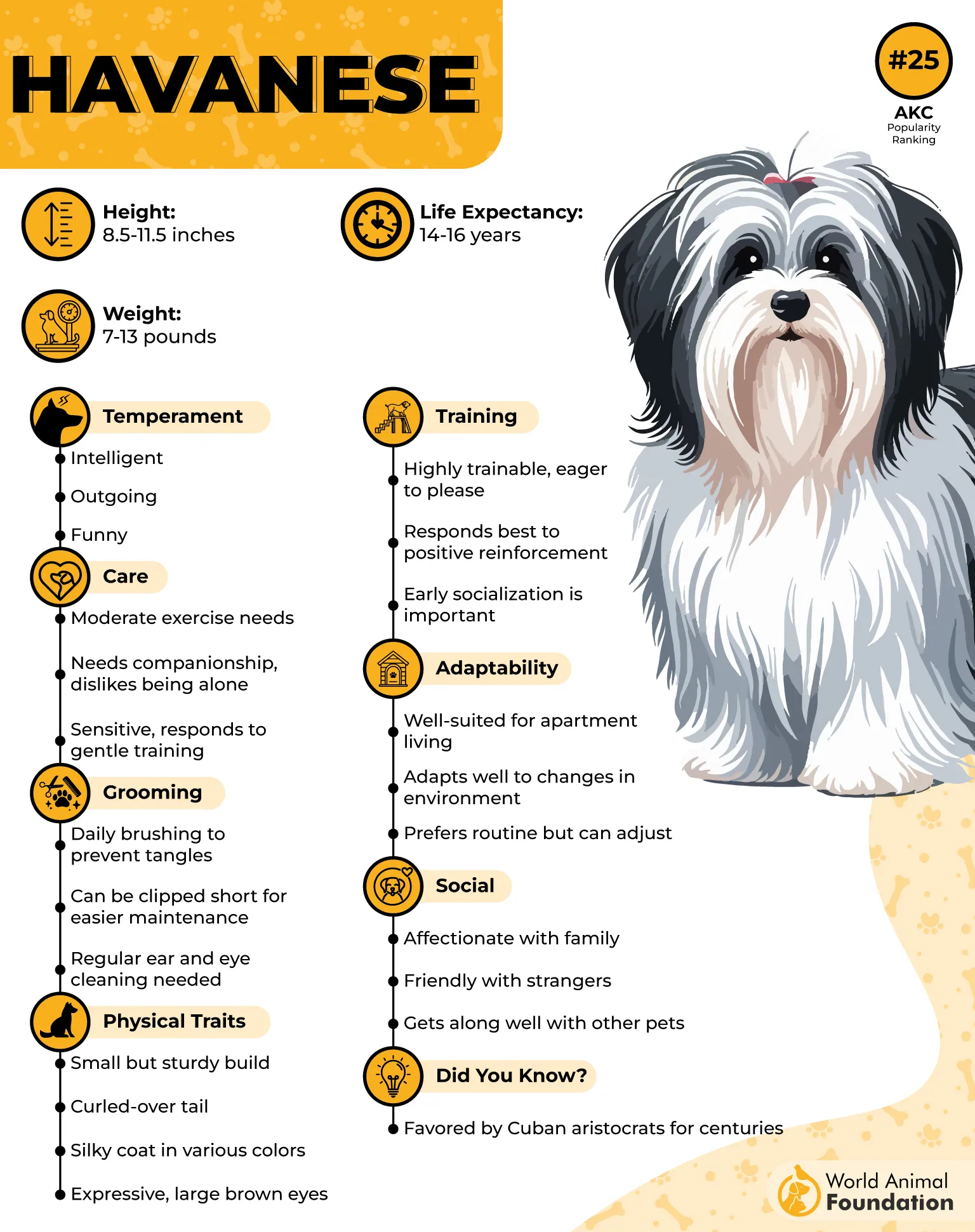
Havanese are generally healthy and long-lived, often reaching 14 to 16 years. Responsible breeders screen for concerns such as eye disorders, hip issues, patellar luxation, deafness, and heart murmurs. Moderate daily exercise, like a brisk walk or play session, keeps them content without overdoing it.
Their long, soft coat requires daily grooming to prevent mats and tangles. Many dog owners choose a shorter trim to reduce maintenance time. While the breed standard focuses on coat texture and care, regular grooming and coat management play an important role in keeping loose hair under control in the home.
Grooming Tips
Comb or brush daily to prevent mats in the soft, silky hair.
Clean the corners of the eyes to reduce tear staining.
Check ears regularly and remove excess wax or debris gently.
3. Yorkshire Terrier
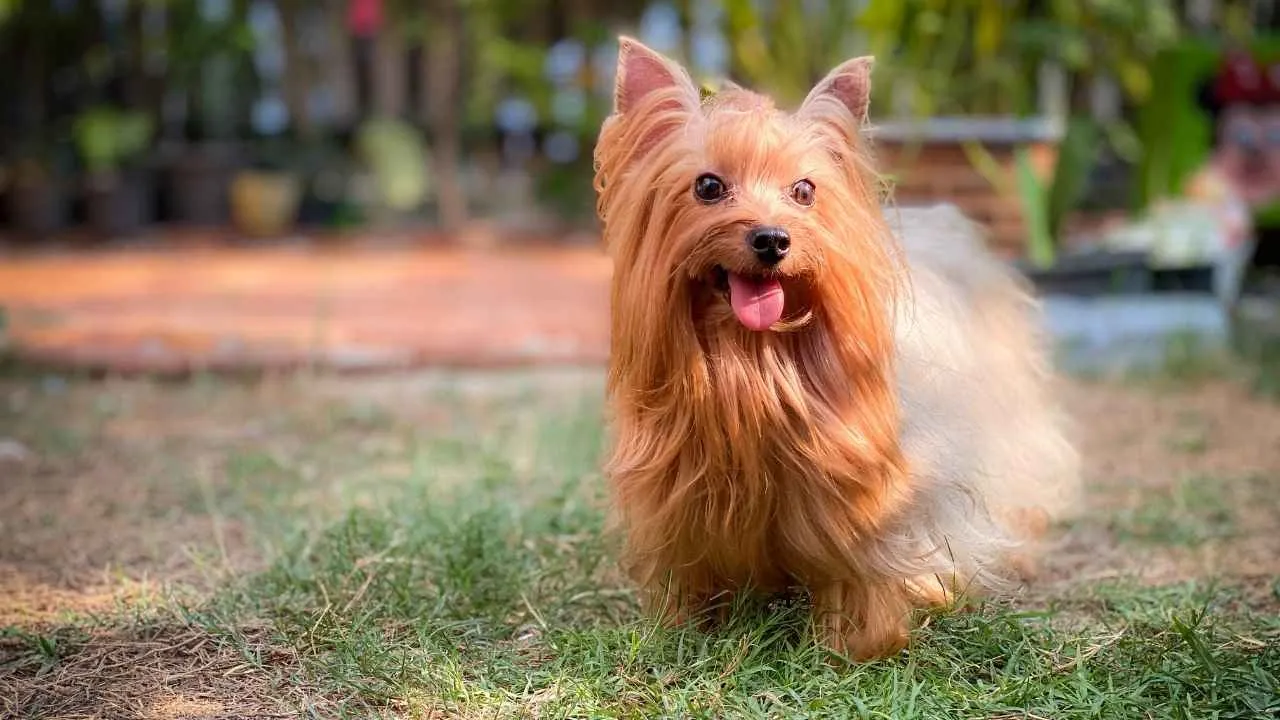
The Yorkshire Terrier began as a determined rat catcher in 19th-century northern England before becoming a fashionable companion. Today, this petite breed is admired for its fine, silky coat and confident presence. Yorkies typically weigh up to 7lbs making them easy to carry but hard to ignore.
Their hair grows continuously rather than shedding seasonally, which contributes to their reputation as a hypoallergenic choice for some households. Puppies are born black and tan, gradually developing the well-known steel-blue and golden tan coloring as they mature. Many owners style the coat in everything from practical short cuts to flowing show lengths.
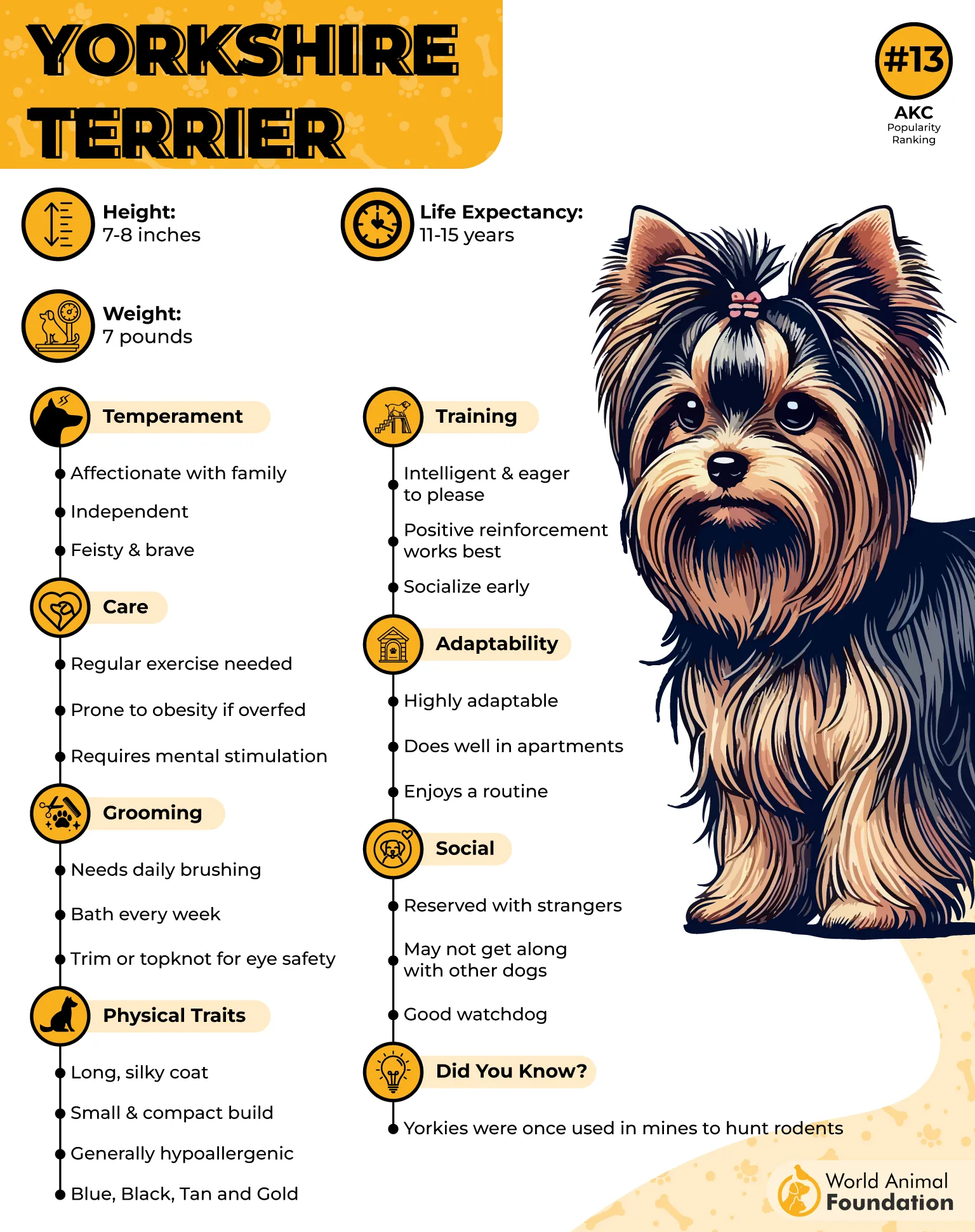
Yorkies are intelligent, lively, and sometimes stubborn. They can be affectionate lap dogs one moment and bold watchdogs the next, quick to alert you to anything unusual. With proper care, they often live 12 to 15 years, though owners should monitor for dental issues, patellar luxation, and liver shunts.
Grooming Tips
Brush weekly and bathe occasionally to maintain a healthy coat.
Keep facial hair tidy to prevent irritation around the eyes.
Maintain consistent dental care to support overall wellness.
4. Basenji

The Basenji is an ancient breed thought to have origins in the Congo and depicted in early Egyptian art. Small and fine-boned, this hound is known for keen eyesight, sharp senses, and a unique vocal style. Often called “barkless,” the Basenji rarely barks but may produce a distinctive yodel-like sound.
Basenjis have a short coat and a very low shedding level. They are also known for grooming themselves frequently, much like cats, which helps keep their coat clean. For households hoping to limit loose fur, their minimal shedding and tidy habits can be appealing.

Royal Canin notes that they are energetic and benefit from frequent exercise, long play sessions, and structured activities. Their strong prey drive means they should be kept on a lead outdoors and supervised in enclosed spaces.
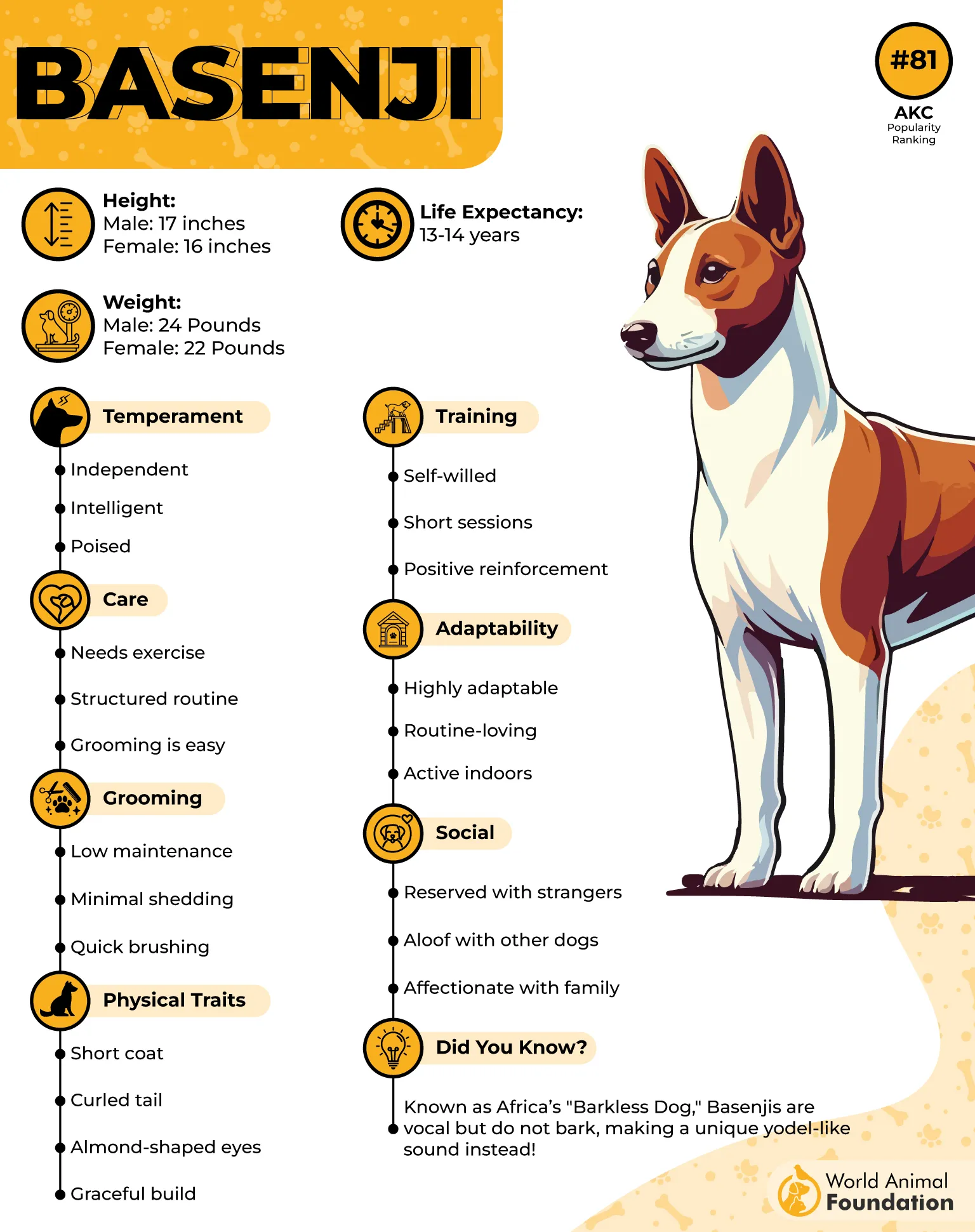
Basenjis are generally healthy, though some may carry genetic conditions such as Fanconi syndrome. Responsible breeding and regular veterinary care are important. Interestingly, they groom themselves much like cats, keeping their short coat tidy with minimal fuss.
Grooming Tips
Brush once a week with a soft-bristle brush or grooming mitt.
Trim nails regularly for comfort during active play.
Provide regular exercise to prevent boredom-related behaviors.
5. Shih Tzu
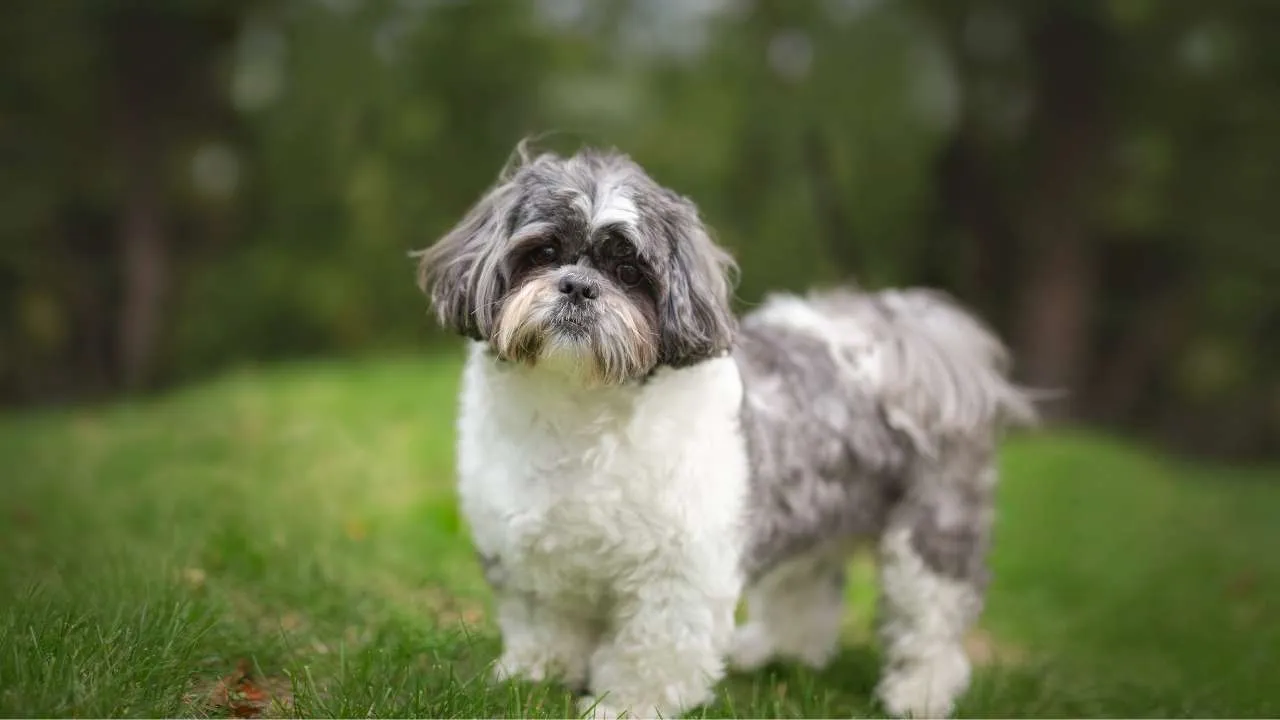
The Shih Tzu is a Tibetan toy breed that was literally bred to be a companion, and it shows. These “lion dogs” were once used to alert homes to visitors with a sharp bark, but today they are more likely to alert you that your lap is available. Adults are typically 9–16 pounds, with long, smooth fur, short floppy ears, and big, expressive eyes.
For a fluffy dog, they do not shed much and are sometimes referred to as “hypoallergenic,” though no breed is truly hypoallergenic. Their long, luxurious double haircoat grows continuously and is prone to tangling and matting. Many families keep the coat in a shorter “puppy cut” to avoid constant upkeep.
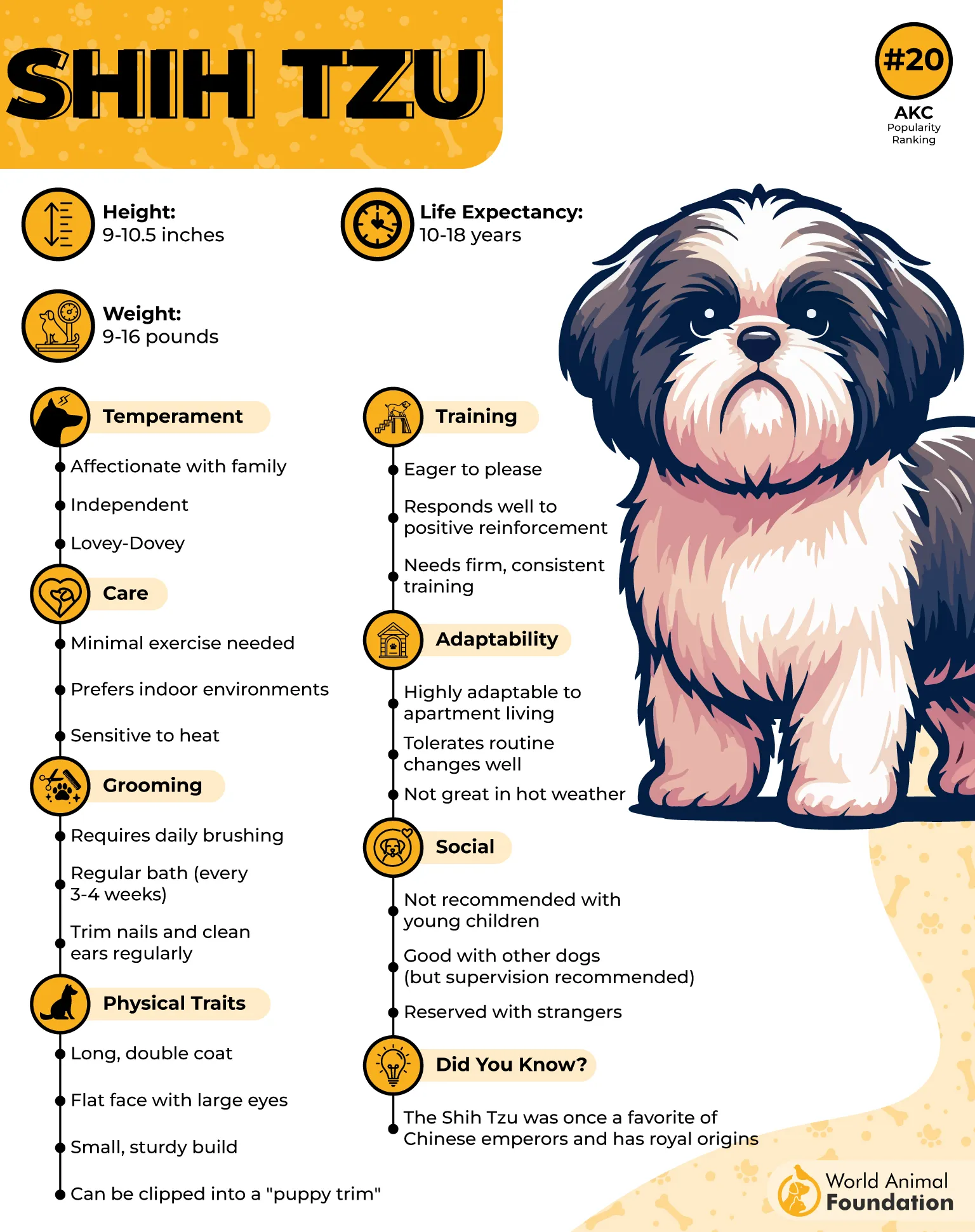
Shih Tzu are friendly, playful, and usually happiest when they are with their people. They can be satisfied with a 30-minute walk plus at-home playtime, and early socialization helps prevent anxiety behaviors like excessive barking. Because they are brachycephalic, they can be at higher risk for overheating, so hot weather is not the time for heroic adventures.
Grooming Tips
Keep hair away from the eyes by trimming it or tying it up to prevent irritation.
Stay on top of ear care, since hair inside floppy ears can trap moisture and raise the risk of infections.
Daily tooth brushing matters because small mouths can get crowded, and dental disease is common.
Regular trims can keep loose or dead hair from drifting around your floors like tiny tumbleweeds.
6. Bichon Frise
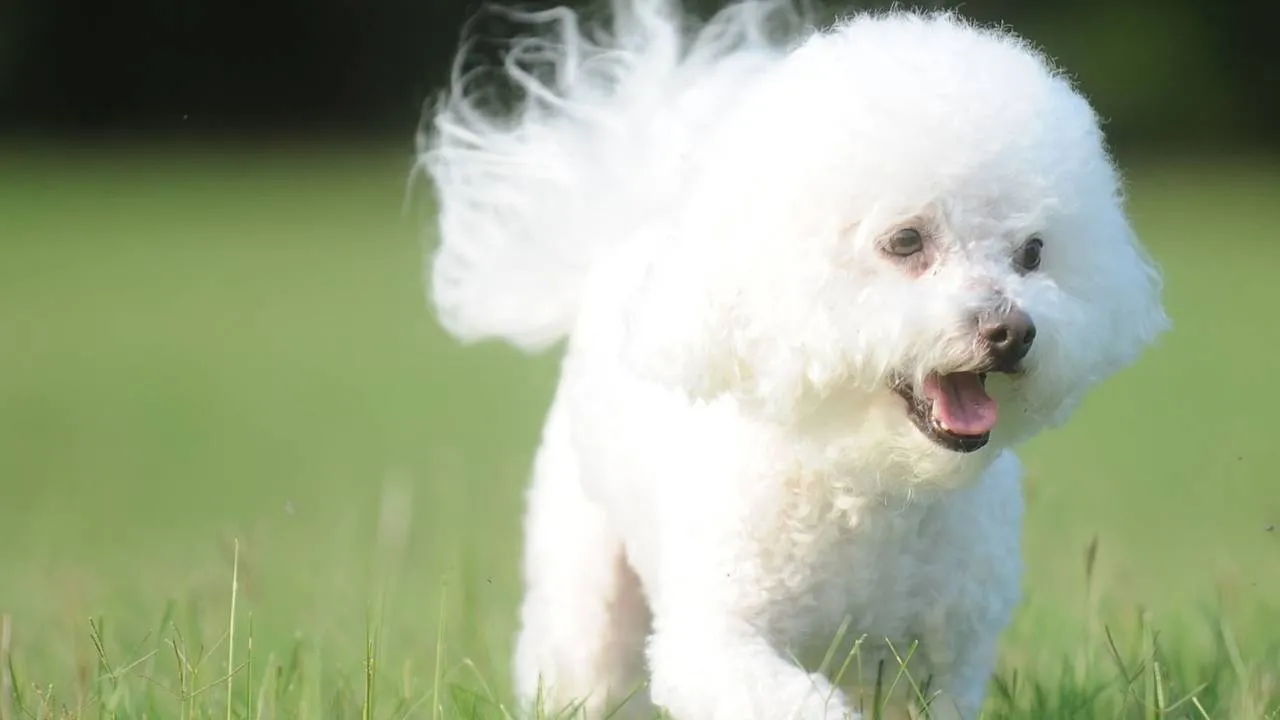
The Bichon Frise has a history fit for royalty, with roots reaching back to the 14th century and fans among Spanish and French elites. Today, they still carry themselves like they own the place, just in a smaller, fluffier package. Their bright white coat is often styled into the classic puffball look, complete with a plumed tail curled over the back.
Personality-wise, Bichons bring “cheerful” to a professional level. They are social, affectionate, and known for bonding closely with their humans, which is adorable right up until you try to leave the room alone. They also tend to adapt well to different living situations, including apartment life.
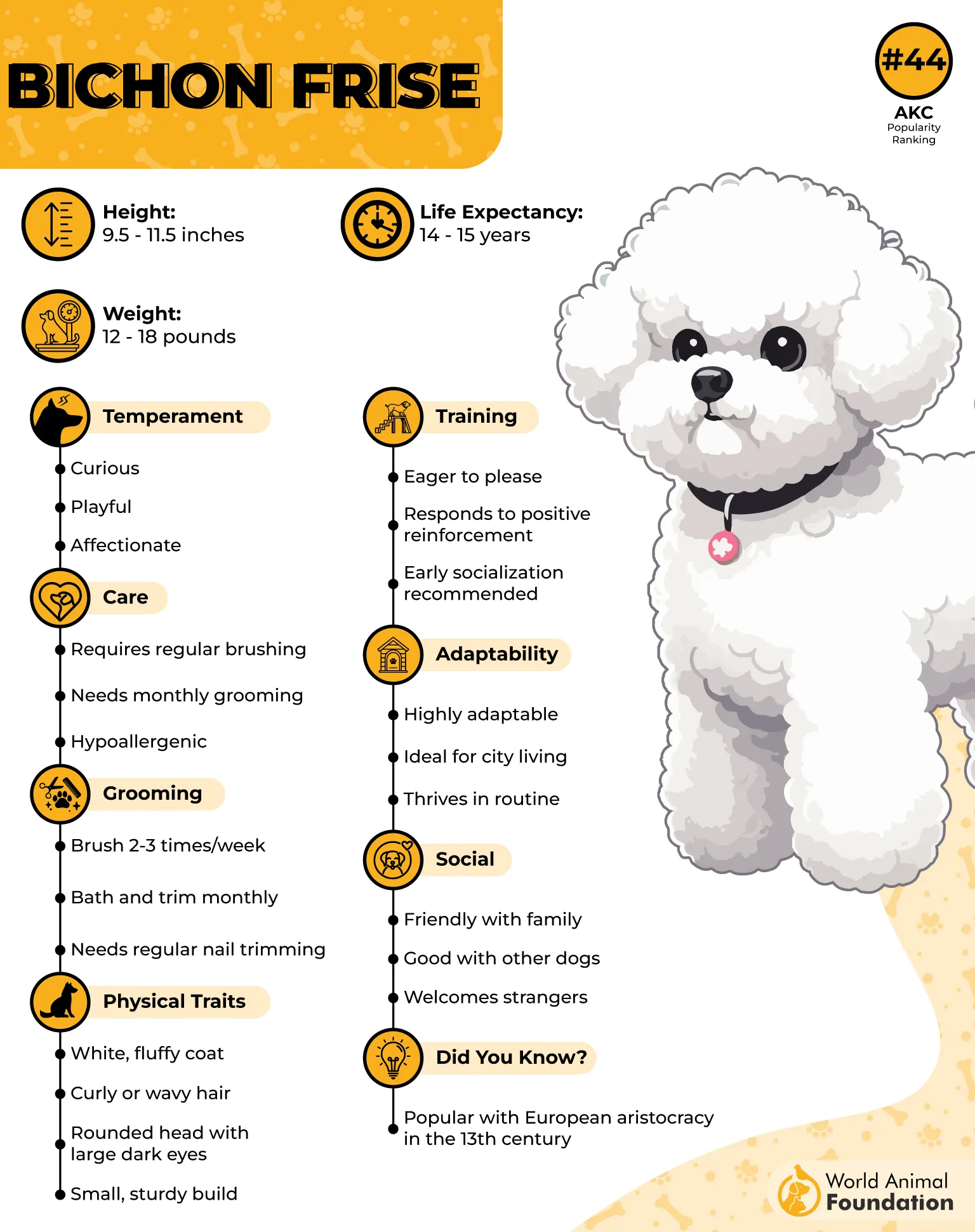
Bichon Frises are considered hypoallergenic, and their woolly coat does not shed much, which can make life easier for some allergy-sensitive households. The coat is described as trapping dander rather than releasing it into the environment. On the health side, they can be prone to issues like hip dysplasia, allergies, cataracts, patellar luxation, and bladder problems, so regular veterinary checkups are a smart habit.
Grooming Tips
Keep grooming consistent to prevent tangles and mats.
Schedule routine professional grooming sessions so the coat stays tidy.
Less shedding often means more grooming responsibility, which is the Bichon’s little trade-off.
7. American Hairless Terrier

The American Hairless Terrier is the only hairless dog breed native to the U.S., and it started in the 1970s when a hairless puppy appeared in a Rat Terrier litter. Some dogs have a bit of hair like eyebrows or whiskers, but overall, the vibe is very much “no coat, no lint roller.”
Being a hairless breed, these terriers may be a good fit for some people with allergies and are sometimes considered “hypoallergenic,” though there is really no such thing. A dog’s saliva and skin oils may also contain allergens. The trade-off is skin care: they need moisturizing, protection from hazards, and regular cleaning. They can sweat, which is cool, but it also means baths and skin checks are part of the routine.
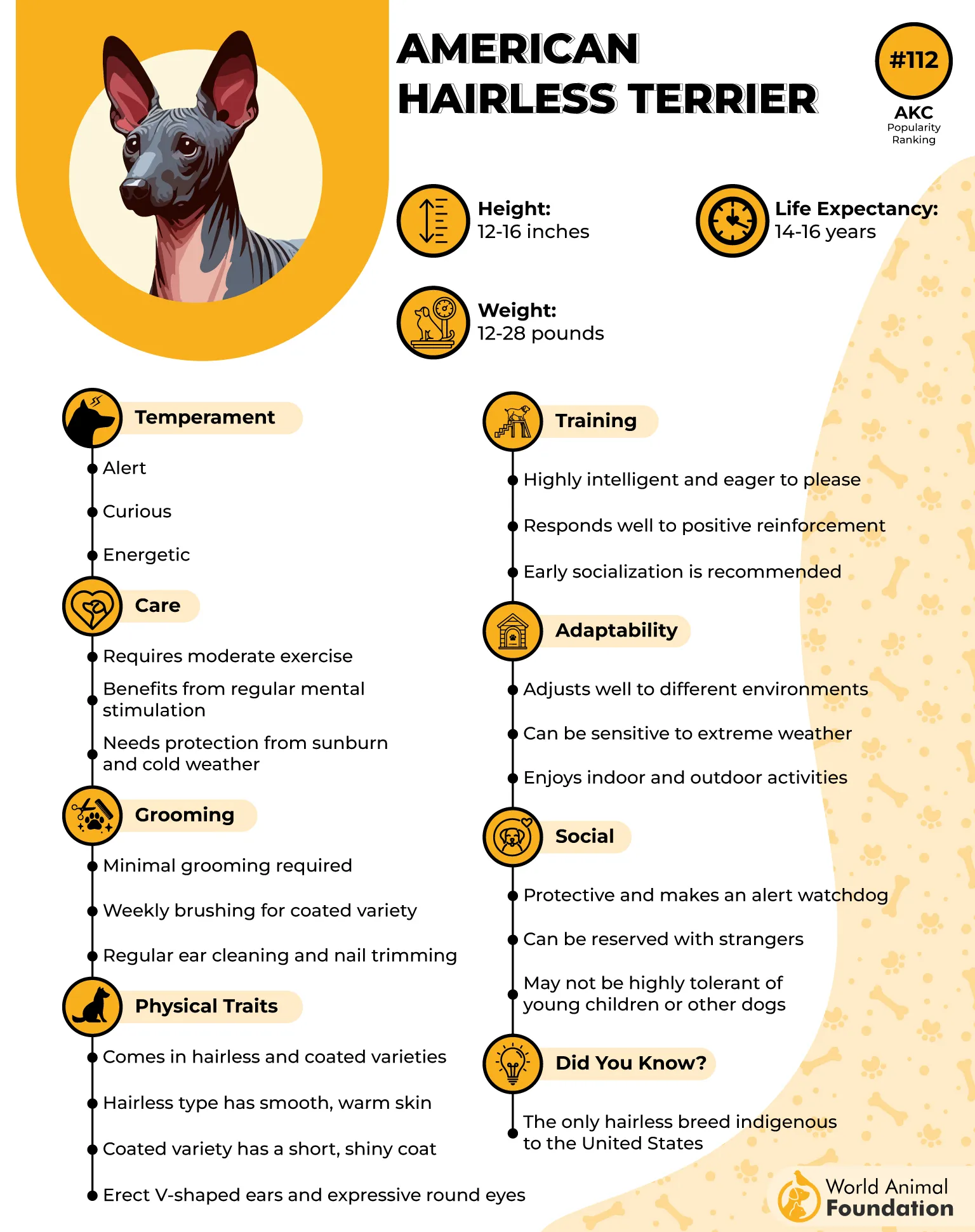
They are high-energy, playful, and trainable, and they need exercise plus mental stimulation to avoid destructive habits like digging. With socialization and early training, they are friendly and can be great playmates for children, and their small size can work well in apartments.
Grooming Tips
Use dog-friendly sunscreen or protective clothing to help prevent sunburn.
Bathe weekly with mild shampoo and inspect for dry spots, redness, or flaking.
Keep skin moisturized with dog-friendly lotion or cream to avoid irritation.
Conclusion
Choosing a low-shedding hypoallergenic dog breed can make sharing your home a whole lot easier, especially if you are sensitive to pet or dog hair.
While no breed is completely hypoallergenic, some low-shedding breeds may help reduce the amount of loose hair and dander in your space. Keep in mind that coat type, grooming routines, and your own allergy triggers all play a role.
Before committing, spend time with the breed and talk with your veterinarian. With the right match and proper care, you can enjoy loyal companionship without feeling like your vacuum is your full-time roommate.
