




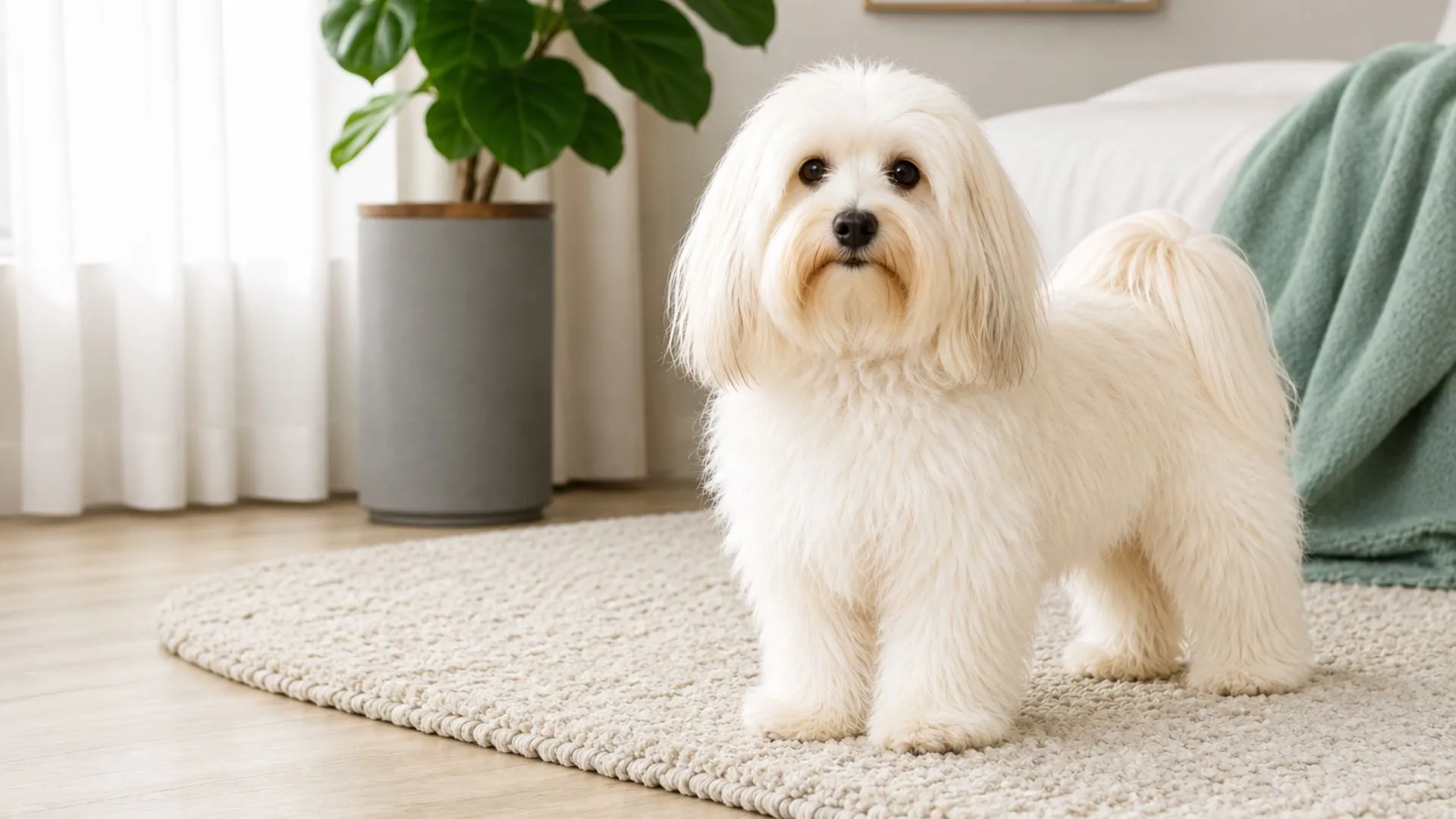
Love dogs but hate finding fur in your coffee, on your black clothes, inside your car, and somehow even in places that defy the laws of physics?
You’re definitely not alone.
Pet owners say excessive shedding is one of the most common complaints among dog parents, especially those living in apartments or homes with limited time for cleaning.
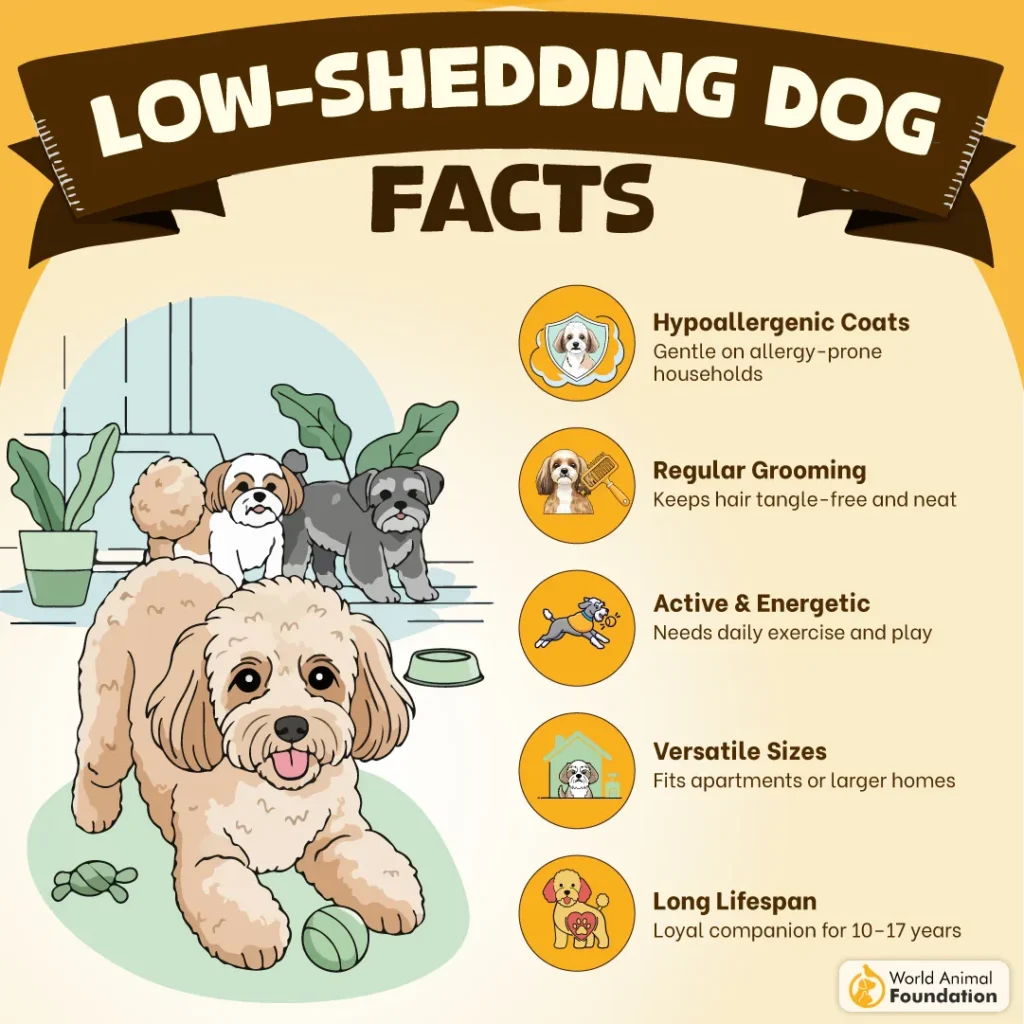
Now, let’s clear up one major myth before we dive in. There are no completely hypoallergenic dog breeds. The proteins that trigger allergies are found in saliva, urine, and dander—not just fur. However, low-shedding breeds release far less loose hair and often trap dander within their coats, making life easier for many allergy-sensitive people.
If your dream is a dog companion without turning your vacuum cleaner into a full-time employee, these breeds deserve a spot on your shortlist.
Top Low-Shedding Dog Breeds for a Fur-Free Lifestyle
1. Bichon Frise
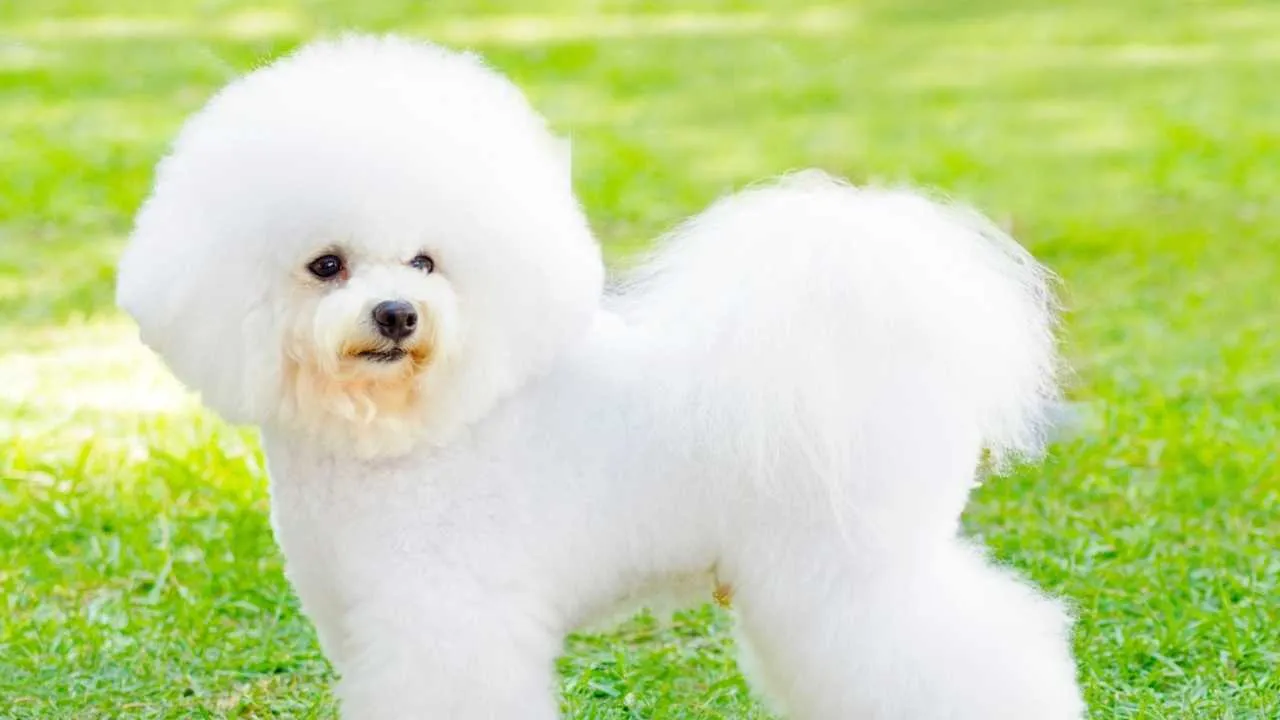
The Bichon Frise looks like a living marshmallow that somehow gained consciousness and decided to become your best friend. Their fluffy white dogs with a smooth coat gives the illusion of endless shedding, but surprisingly little hair actually falls out. Instead, loose hair tends to remain trapped within the curls.
This breed is often recommended for people who want a cleaner home environment. While no dog is completely allergy-proof, many allergy sufferers report fewer symptoms around Bichons compared to heavy-shedding breeds.
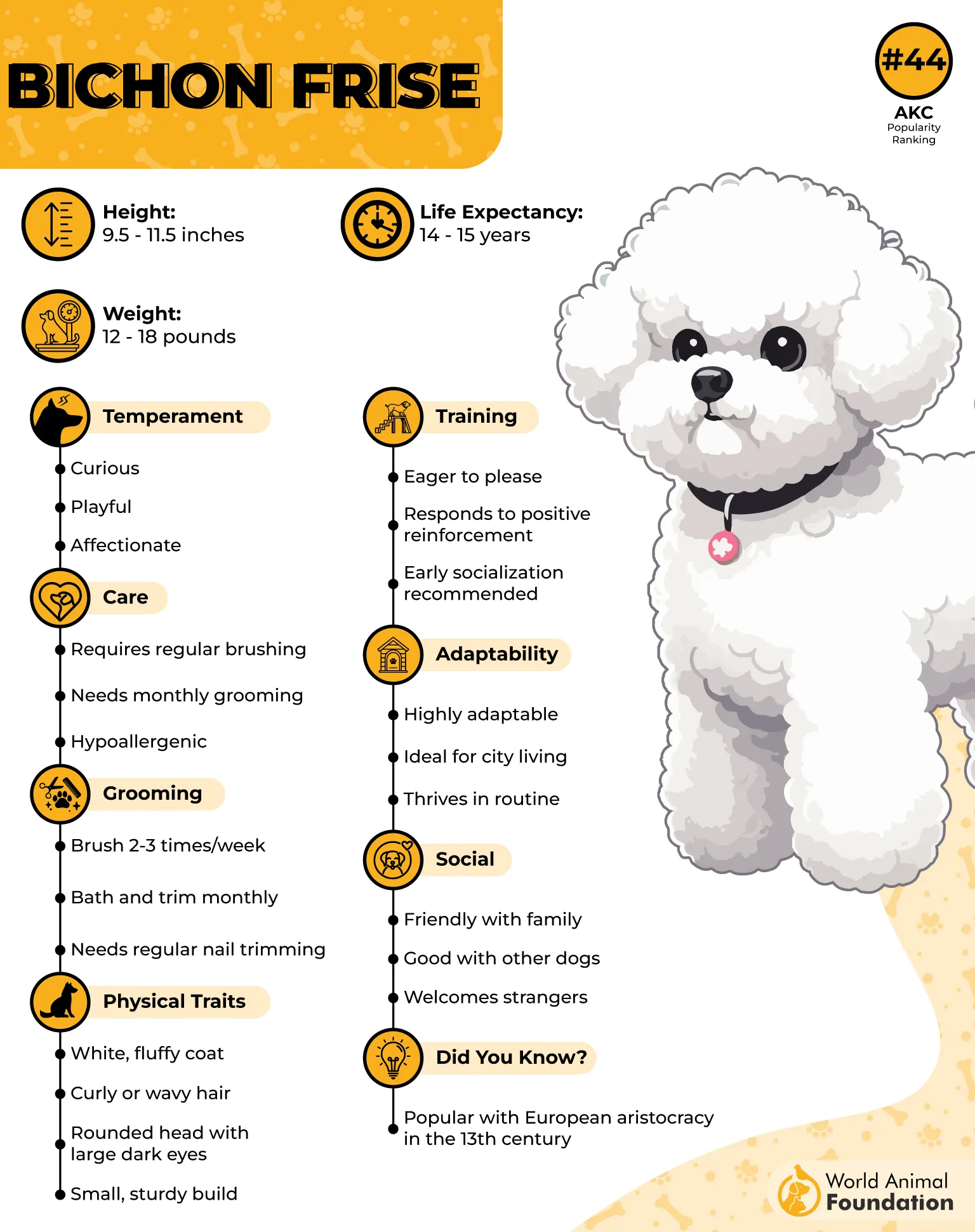
Pet owners call them pure sunshine. They are playful, social, and incredibly adaptable, making them excellent companions for families, singles, and seniors alike.
Their signature coat continuously grows, much like human hair. Because of this unique growth pattern, regular grooming becomes essential to prevent tangles and painful mats from developing. These dogs produce dander, and there is no need for consistent grooming!
The AKC recommends brushing several times a week and scheduling trims every 4 to 6 weeks. With proper maintenance, the Bichon stays both adorable and relatively fur-free throughout the year.
3 Grooming Tips For This Breed
Brush deeply through the curls several times weekly to prevent hidden mats.
Schedule professional trims regularly to maintain the coat’s structure.
Pay extra attention to tear-stain management around the eyes.
2. Yorkshire Terrier
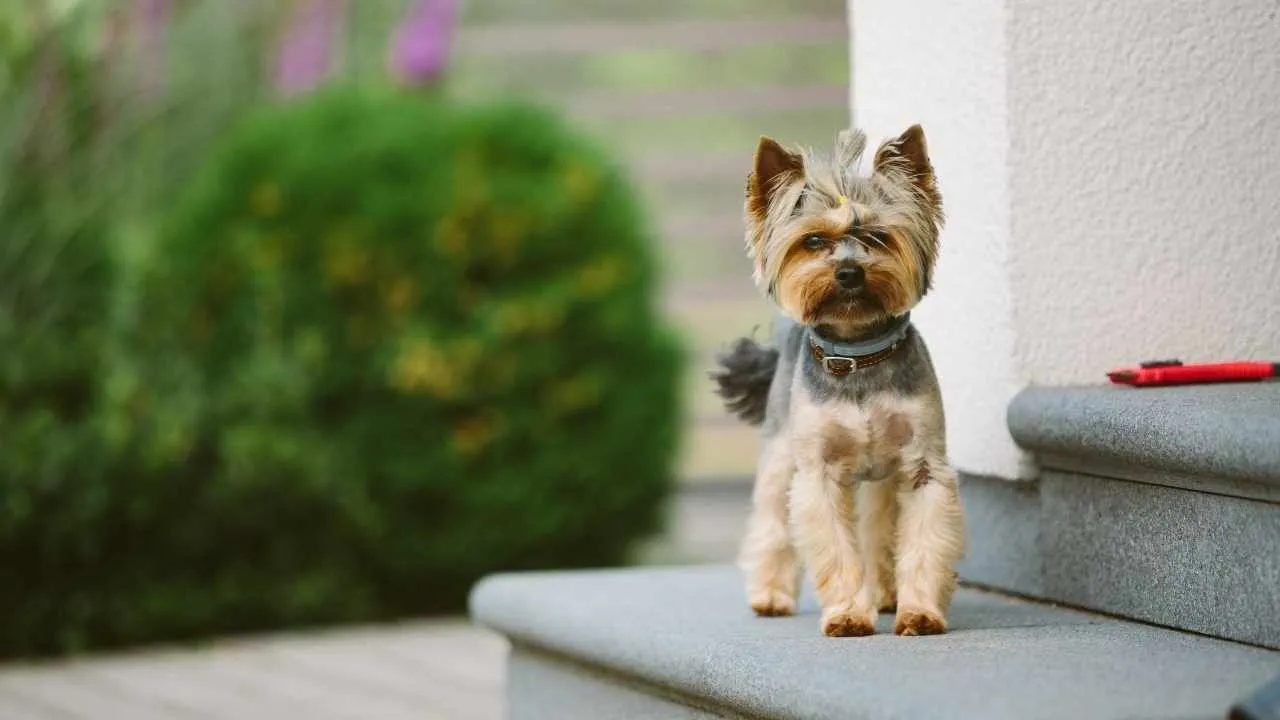
The Yorkshire Terrier may be small in size, but this dog carries main-character energy wherever it goes. Their glamorous coat resembles human hair more than traditional dog fur, which is one reason they shed so little.
Yorkies consistently rank among the most popular toy breeds worldwide. Their compact size and portable nature make them ideal companions for urban living and smaller homes.
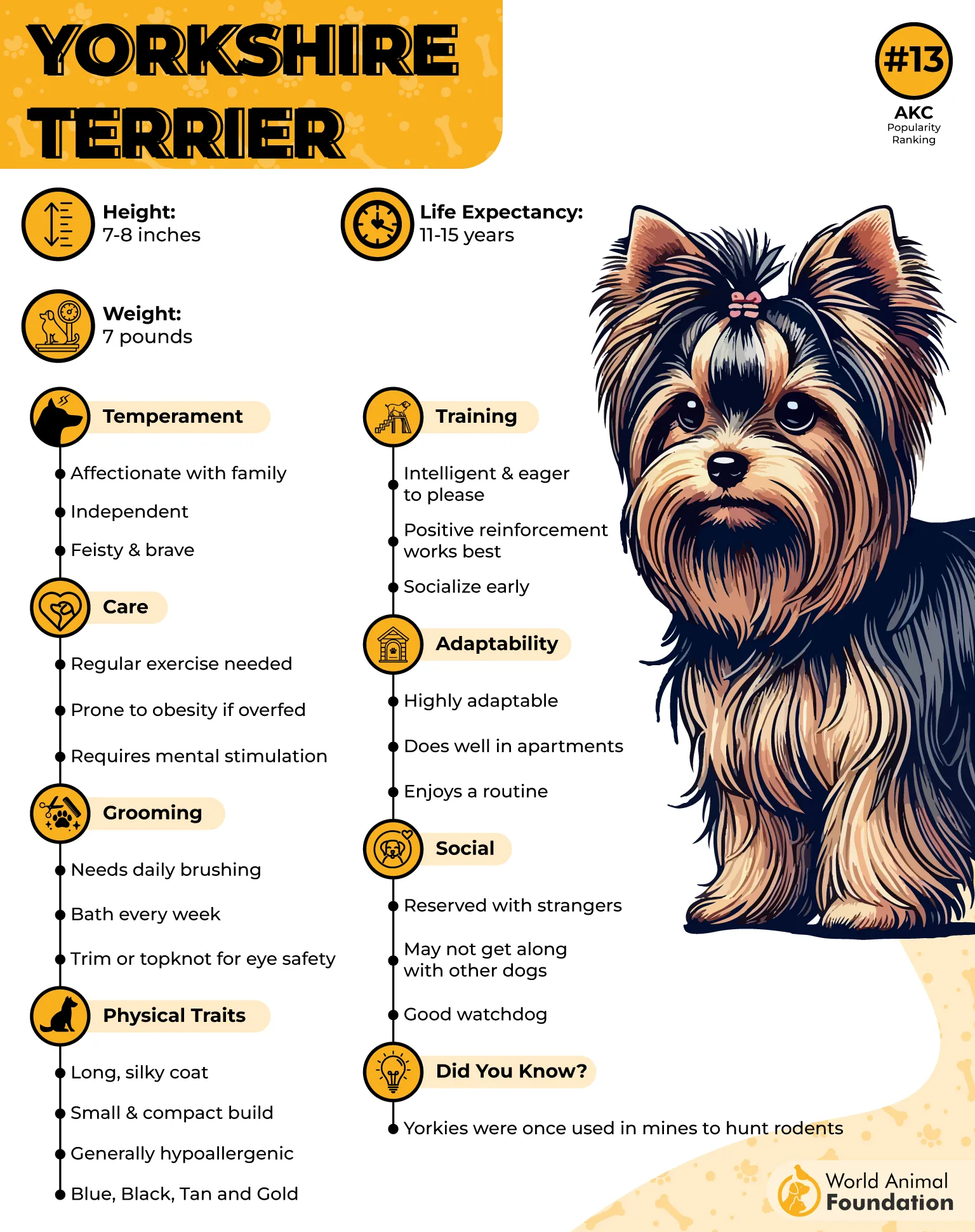
Despite their elegant appearance, Yorkies possess surprisingly bold personalities. Many owners joke that they are giant guard dogs trapped inside miniature bodies. Because their coat grows continuously, maintenance is part of the package. Long-coated Yorkies require frequent brushing to prevent knots, while shorter cuts are significantly easier to manage.
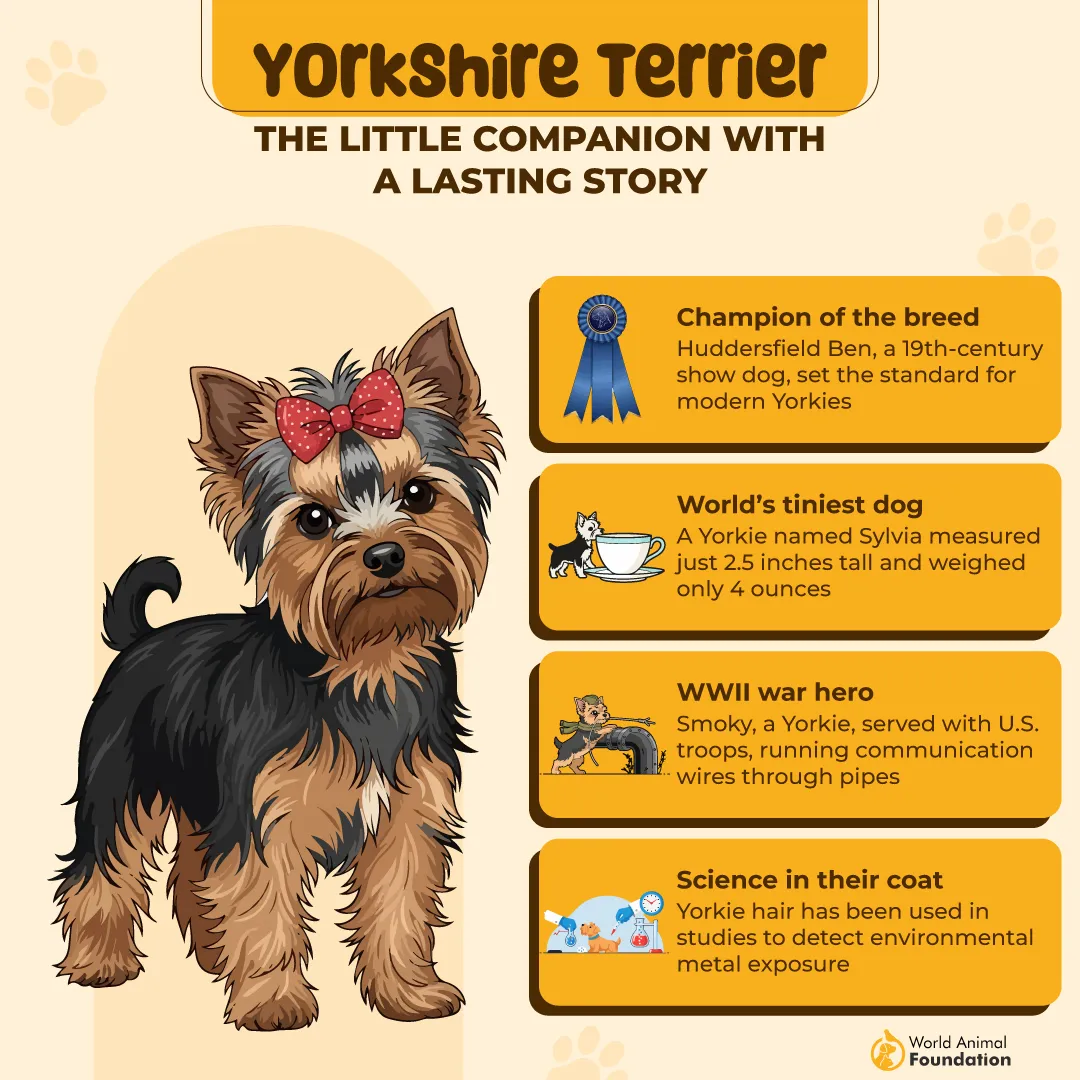
Many groomers recommend keeping pet Yorkies in practical puppy cuts rather than show-length coats. This approach preserves the breed’s low-shedding benefits while reducing daily grooming time.
3 Grooming Tips For This Breed
Use a metal comb regularly to prevent hidden tangles near the skin.
Consider a shorter trim if daily brushing isn’t realistic.
Keep facial hair neatly maintained to avoid eye irritation.
3. Havanese
The Havanese is basically the friend who gets invited everywhere because everybody loves them. Charming, affectionate, and endlessly social, they thrive on human companionship.
Although they possess a surprisingly luxurious coat, they shed very little throughout the year. Even seasonal shedding remains minimal compared with that of many double-coated breeds.
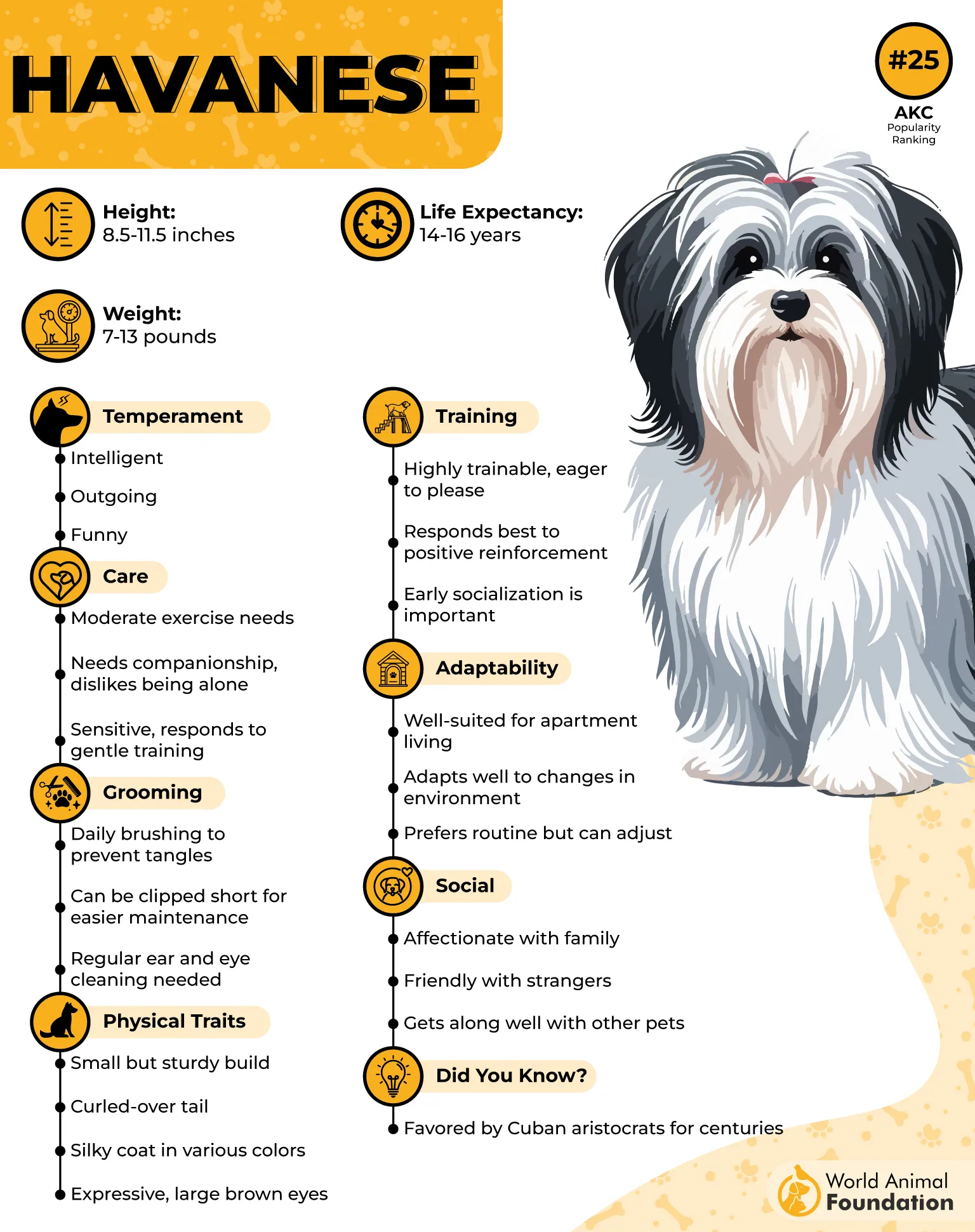
One reason for this is that Havanese hair grows differently from traditional fur.
Their hair has a longer growth cycle, meaning fewer strands enter the shedding phase at any given time. Owners often describe them as Velcro dogs because they prefer staying close to their favorite humans. They excel in households where someone is home frequently and enjoys interactive companionship.
Their beautiful coat requires commitment, however. Consistent brushing and occasional bathing help prevent tangles while maintaining the silky texture that makes the breed so distinctive.
3 Grooming Tips For This Breed
Use a slicker brush, then a steel comb, for thorough coat care.
Maintain a consistent brushing routine to prevent matting and keep the coat healthy.
Dry the coat completely after baths to prevent tangles.
4. Chinese Crested
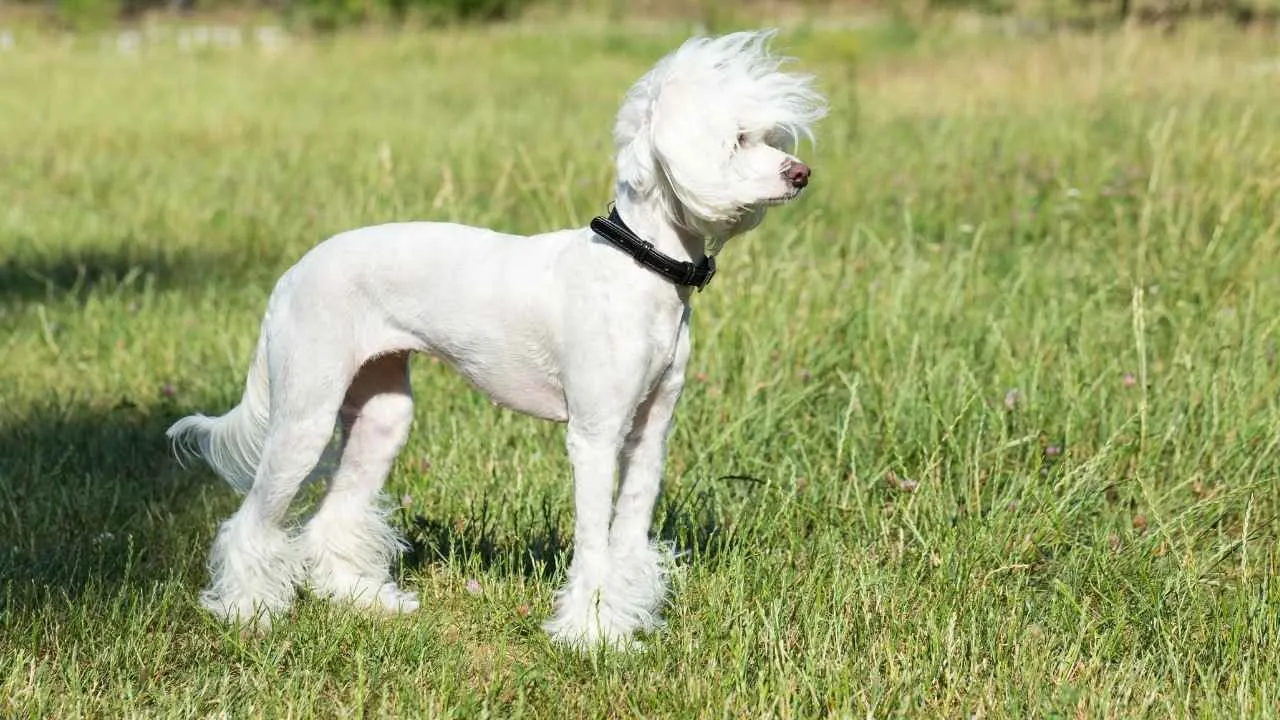
If uniqueness were a competition, the Chinese Crested would probably win by a landslide. Few breeds attract as much attention as this fascinating little dog.
The breed comes in two varieties: Hairless and Powderpuff. The Hairless version sheds virtually nothing, while the Powderpuff maintains a low-shedding coat that still requires regular care.
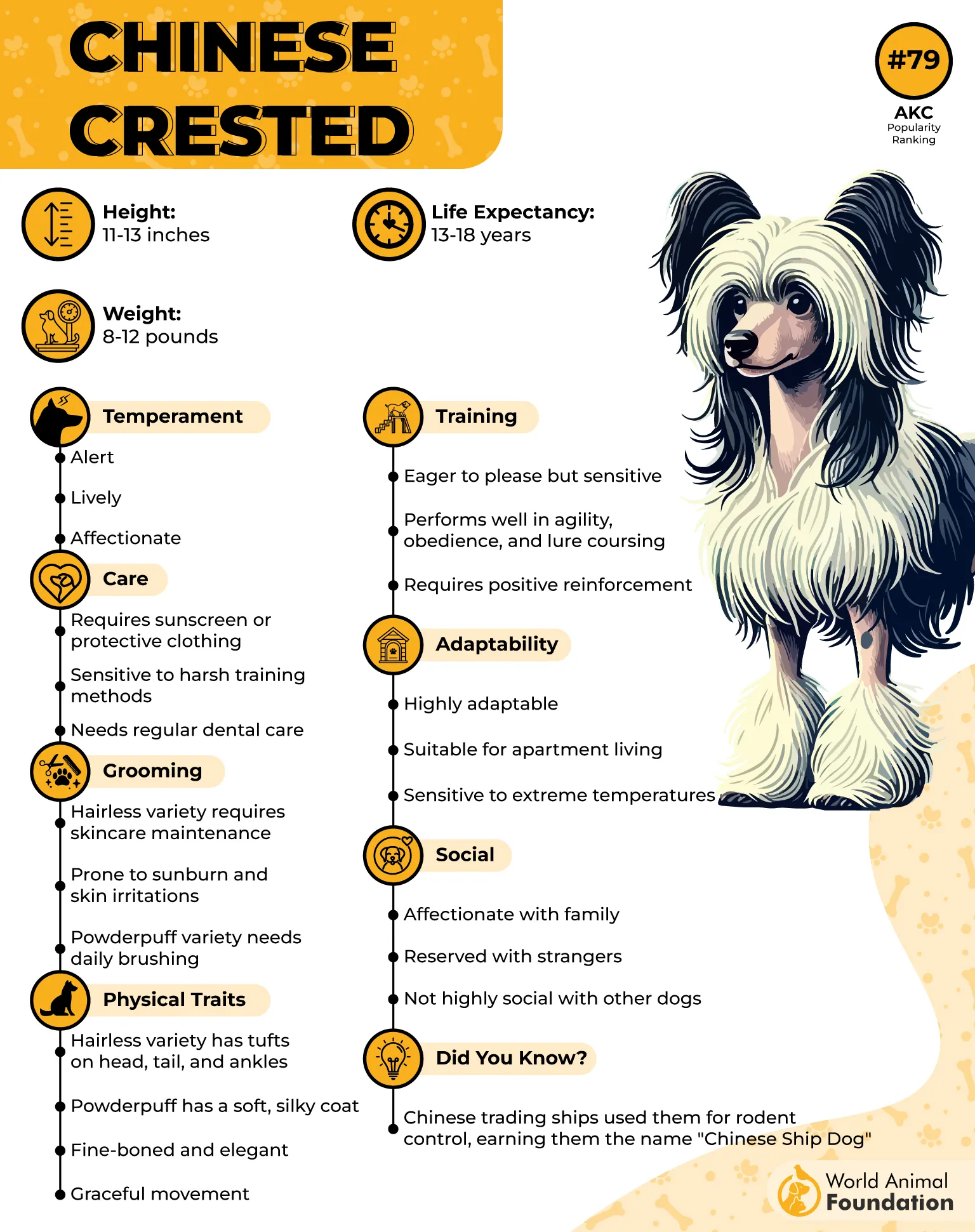
These adorable dogs are affectionate, sensitive, and highly people-oriented. They often form strong emotional bonds with their families and prefer gentle, predictable environments. Hairless pups require skincare similar to that for humans. Sunburn, dryness, and acne can occur if owners neglect proper skin maintenance.
Meanwhile, Powderpuffs need regular brushing to keep their soft coat free of tangles. Regardless of variety, grooming remains an important part of responsible ownership.
3 Grooming Tips For This Breed
Apply dog-safe moisturizers to Hairless Cresteds when needed.
Use sun protection during extended outdoor activities.
Brush Powderpuffs frequently to preserve coat quality.
5. Maltese
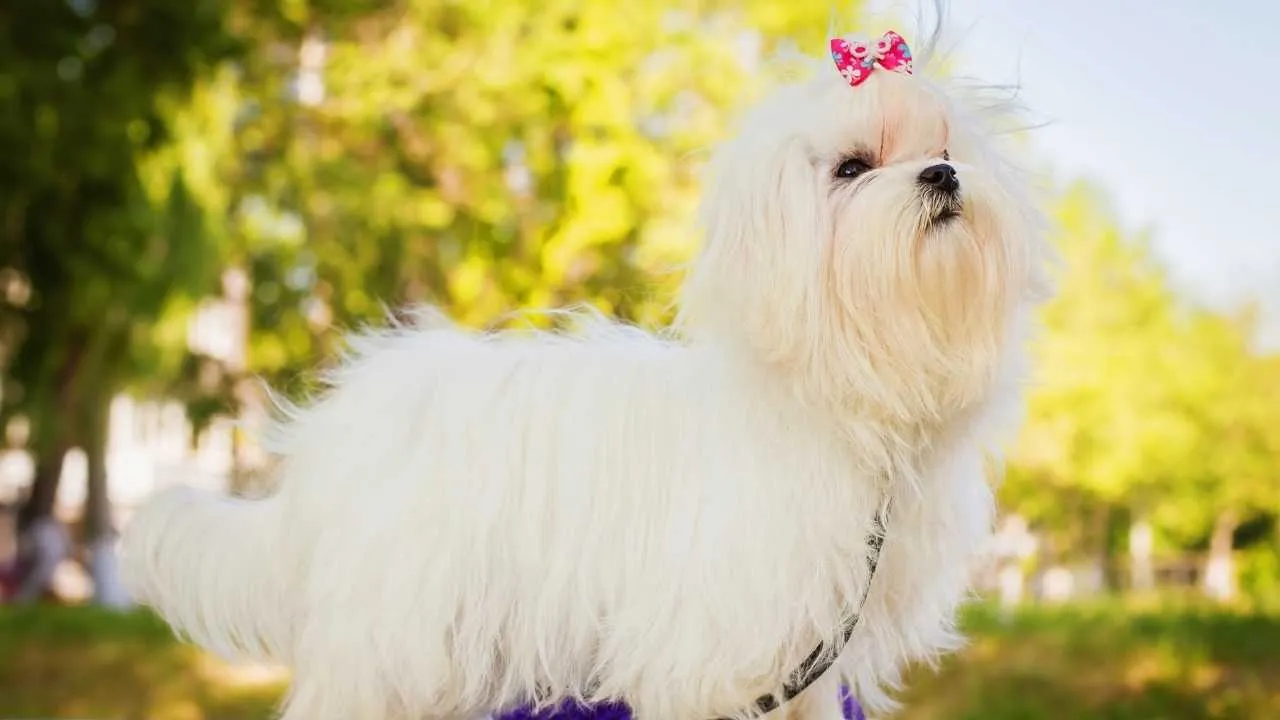
The Maltese have been stealing hearts for thousands of years. CKCUSA suggests that versions of this breed existed in Mediterranean regions long before many modern dog breeds were developed.
One of their biggest advantages is their remarkably low-shedding coat. Like the Yorkshire Terrier, their silky hair grows continuously rather than cycling rapidly through shedding phases.
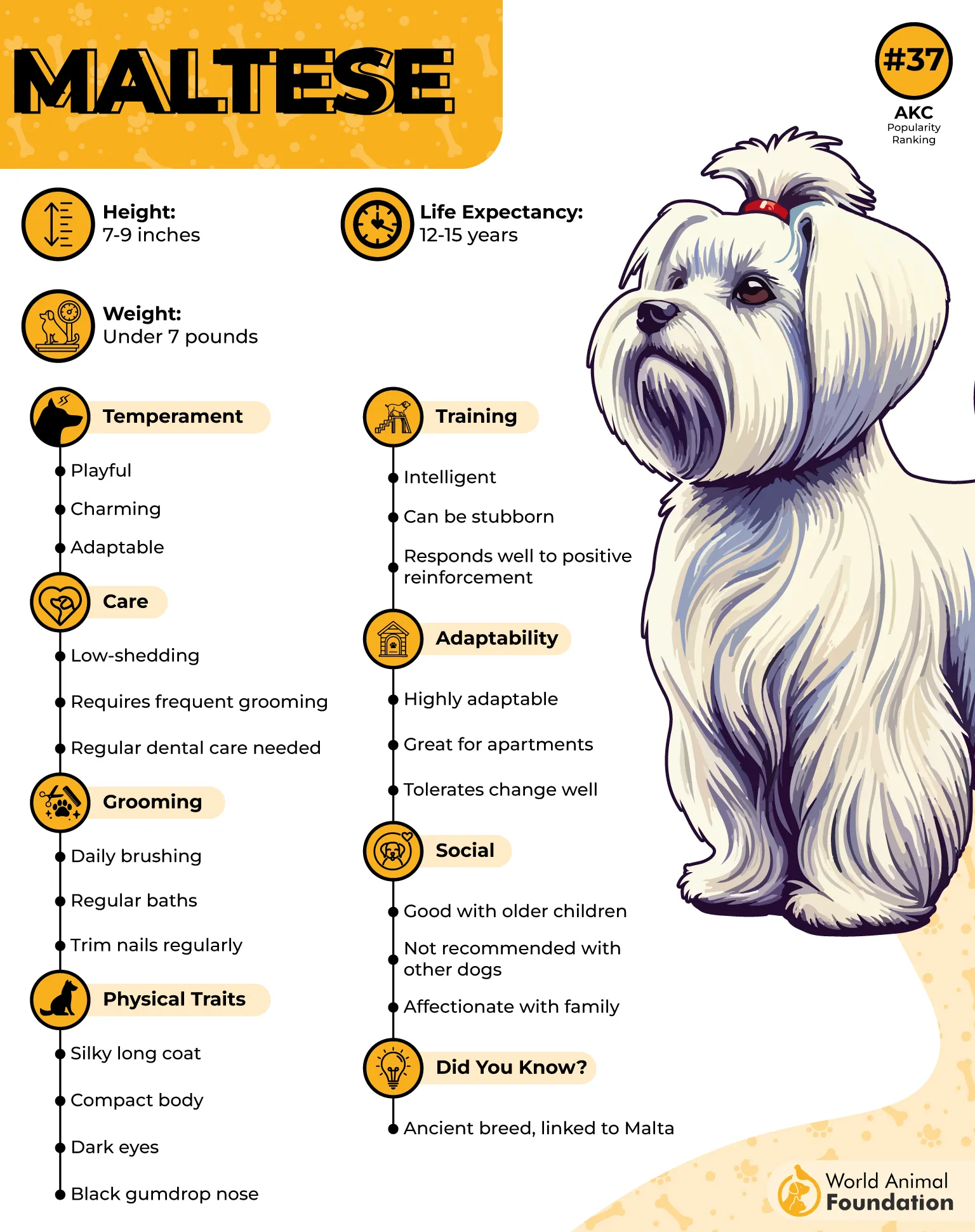
Many first-time owners are surprised by how little fur they find around the house. Most loose hairs remain caught within the coat until brushing removes them. Maltese dogs are affectionate companions who thrive on attention and interaction. Their gentle temperament makes them especially popular among families and retirees.
That iconic white coat does require dedication. Daily brushing helps prevent mats while preserving the smooth, flowing appearance that defines the breed.
3 Grooming Tips For This Breed
Comb the coat thoroughly every day from roots to ends.
Maintain regular bathing and conditioning schedules.
Keep nails, ears, and dental care part of routine grooming.
6. Coton de Tulear
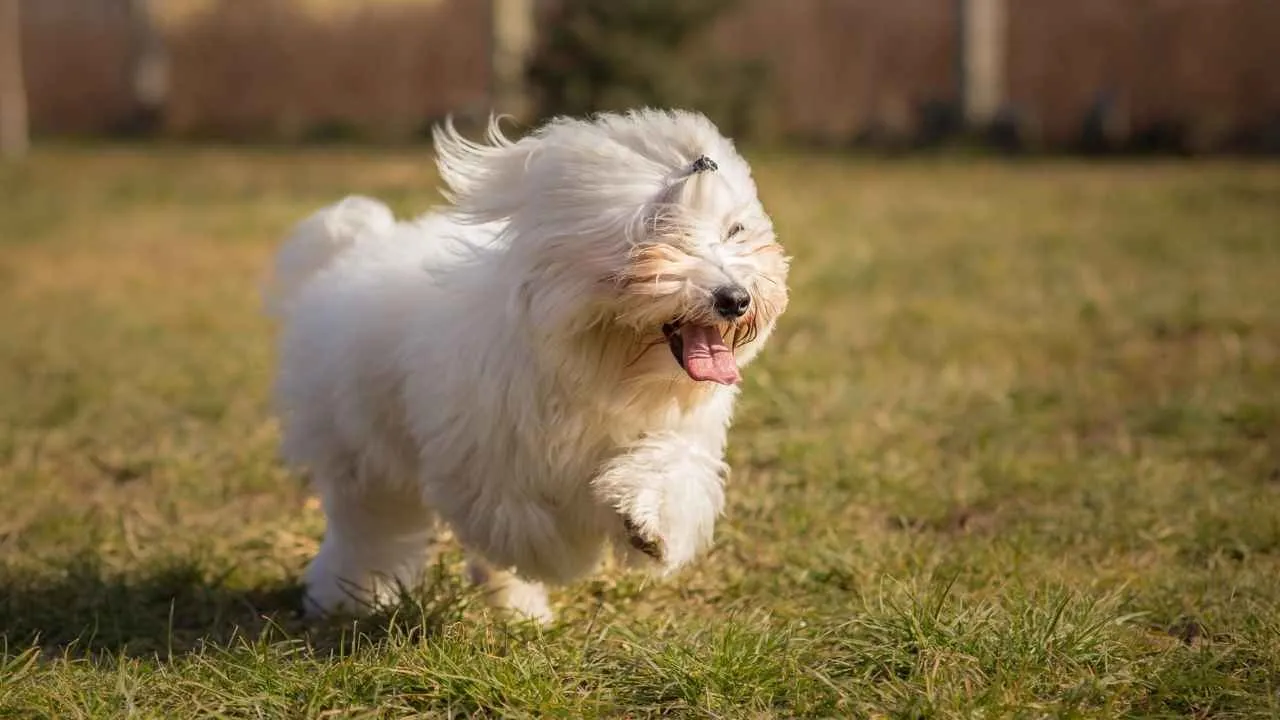
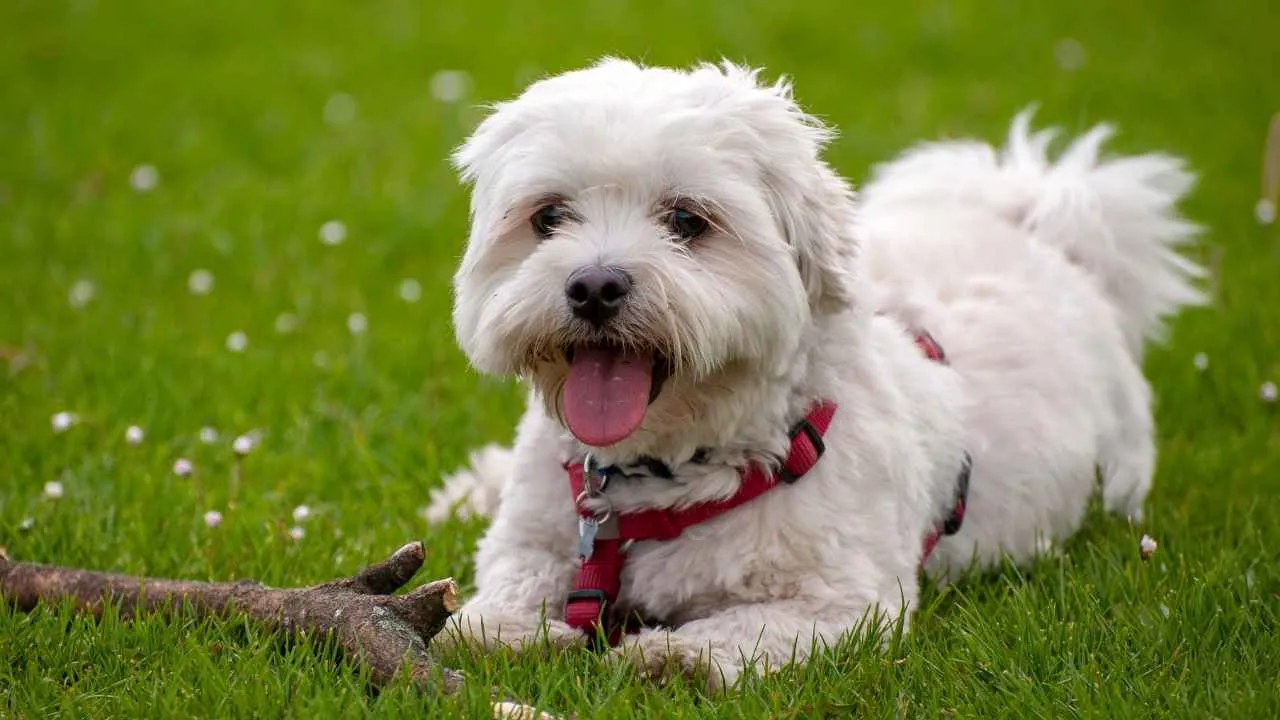
The Coton de Tulear is often described as a cloud with legs, and honestly, that’s a pretty accurate description. Their signature cotton-like coat is soft, fluffy, and surprisingly low-shedding.
Originating from Madagascar, the breed has earned a loyal following among owners seeking affectionate companion dogs. They are known for their cheerful personalities and strong family bonds.
Oh, and they have very few grooming needs!
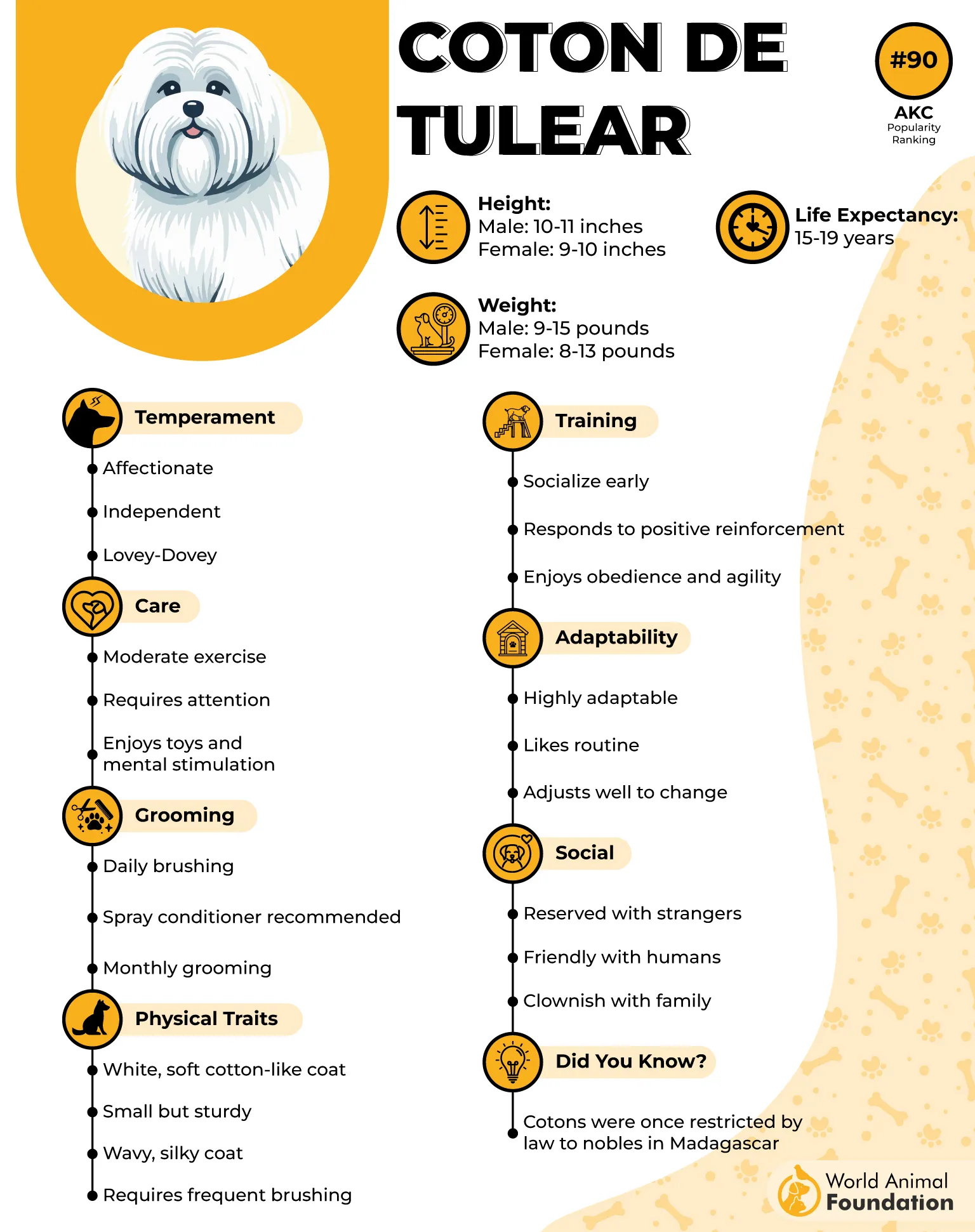
Unlike many fluffy breeds, Purina claims that Cotons shed very little. Loose hairs typically remain trapped within the dense coat instead of ending up all over your furniture. Their intelligence and playful nature make them highly engaging companions. Many owners report that Cotons retain puppy-like enthusiasm well into adulthood.
However, that famous cottony coat demands regular attention. Consistent brushing prevents tangles and preserves the texture that gives the breed its name.
3 Grooming Tips For This Breed
Begin grooming routines early to build positive associations.
Focus brushing efforts around ears, elbows, and legs.
Trim paw and facial hair periodically for comfort and cleanliness.
7. Xoloitzcuintli
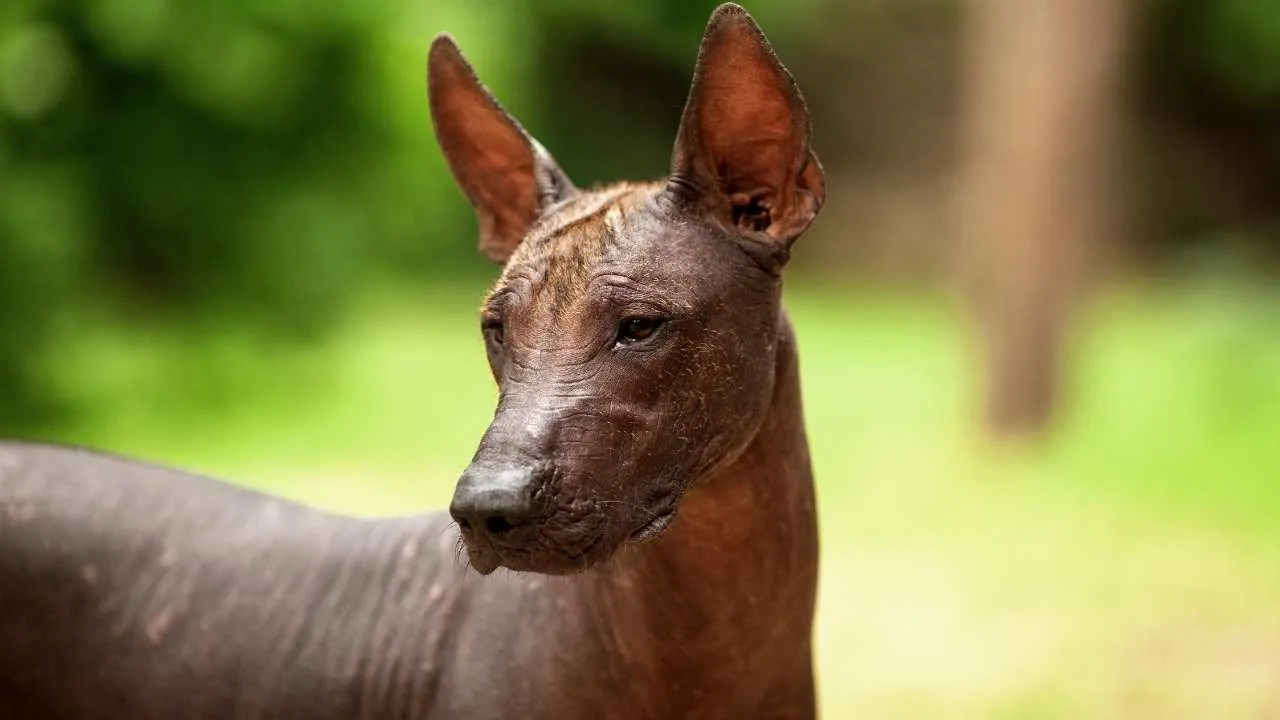
The Xoloitzcuintli, often called the Xolo, is one of the world’s oldest dog breeds. Archaeological evidence suggests the breed has existed for over 3,000 years, making it a living piece of canine history.
Most people recognize the Hairless Xolo immediately. With virtually no coat to shed, they rank among the best choices for people seeking a fur-minimal lifestyle.
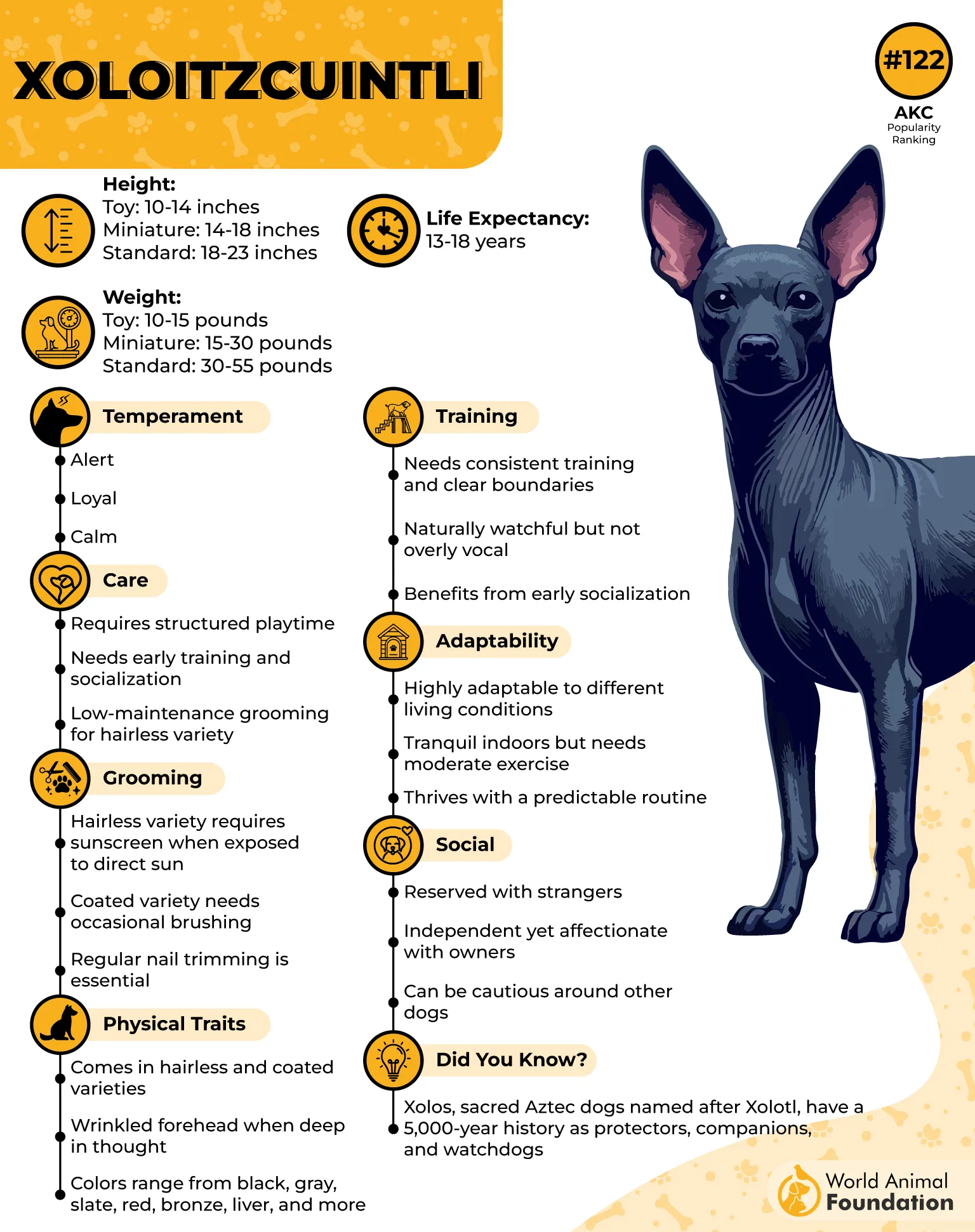
Despite their unusual appearance, Xolos are known for being calm, loyal, and deeply devoted to their families. They often form powerful bonds with their chosen humans. The absence of fur doesn’t eliminate grooming responsibilities. Instead, grooming shifts toward skincare, including moisturizing, cleansing, and sun protection.
PetMD says that coated Xolos also exist and remain relatively low-shedding compared to many other breeds. Both varieties offer an appealing option for owners who value cleanliness and minimal fur management.
3 Grooming Tips For This Breed
Develop a regular skincare routine for Hairless Xolos.
Protect exposed skin from excessive sun exposure.
Monitor skin condition closely during seasonal weather changes.
Conclusion
If your dream home includes a dog but not endless tumbleweeds of fur rolling across the floor, these low-shedding breeds deserve serious consideration. However, low shedding does not mean low maintenance.
Most of these breeds trade vacuuming duties for routine maintenance and grooming responsibilities. Regular brushing, coat care, skin maintenance, and professional grooming appointments are often necessary to keep them looking and feeling their best.
Choose wisely, invest in a good brush, and prepare yourself for years of companionship without having to knit an entirely new dog every month.
