




What if the perfect guard dog… wasn’t loud, aggressive, or impossible to handle?
What if the best protector for your home was actually calm… gentle… and surprisingly EASY to live with?
Sounds unlikely.
Most people believe guard dogs have to be massive, high-energy beasts that turn your life upside down.
Constant barking. Endless training. Chaos.
But the reality?
Some dogs protect in a completely different way.
Quiet confidence. Loyal eyes. Calm strength.
They don’t need to attack everyone who walks past your door to keep you safe. And they definitely don’t need hours of exhausting maintenance every single day.
That’s the myth.
The truth is… some of the most reliable protective dogs are also the easiest to live with.
Smart. Balanced. Loving with family… but naturally alert when something feels off.
And honestly?
That combination is GOLD.
So, if you want a dog that can protect your home without turning your life into a full-time job… you’re going to love these breeds.
Here are 7 low-maintenance guard dog breeds with a gentle protective edge.
Low-Maintenance Guard Dog Breeds with a Gentle Protective Edge
1. Great Pyrenees
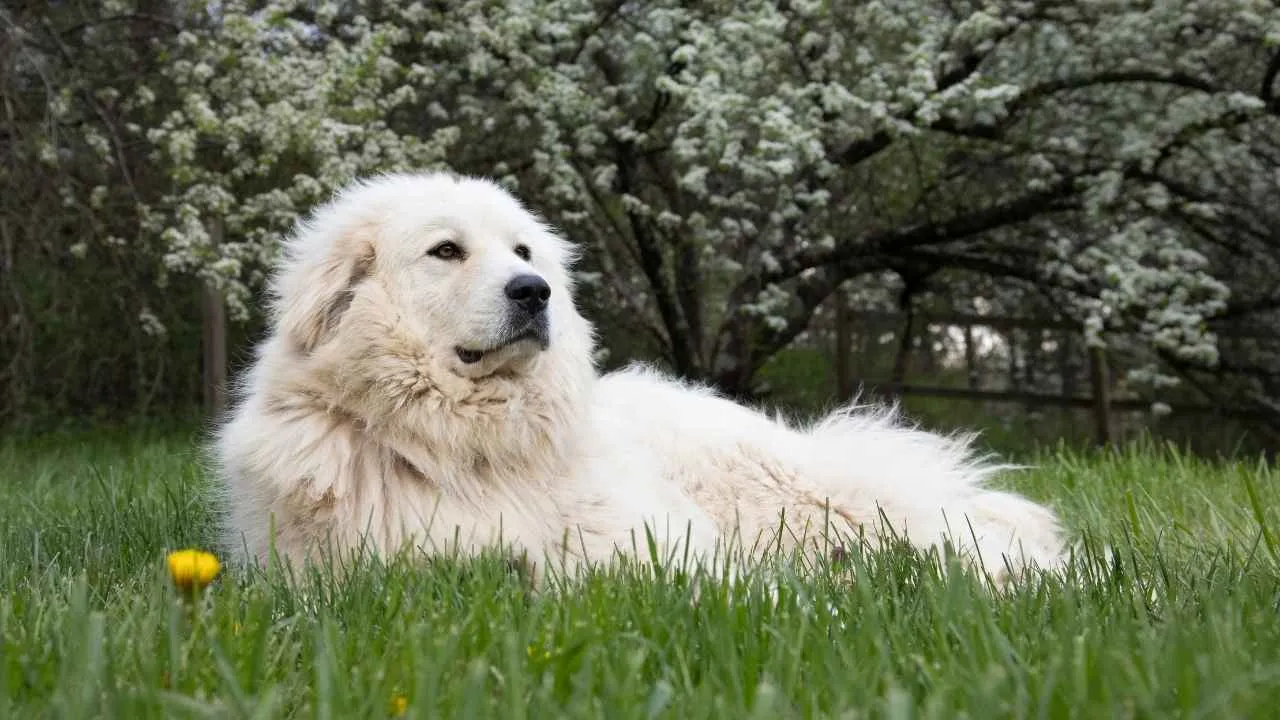
The Great Pyrenees may look like a giant fluffy companion built for cold mountains, but this breed was originally bred to guard sheep against wolves and even bears in the Pyrenees Mountains between France and Spain.
That calm confidence still shows today. Instead of reacting to every small sound, Great Pyrenees dogs are known for quietly watching their surroundings and stepping in only when they sense something unusual, as stated by PetMD.
Despite their massive size—often over 100 pounds for males—they are surprisingly low-energy indoors. Many owners describe them as peaceful house dogs that prefer lounging near the family while keeping an eye on the home.
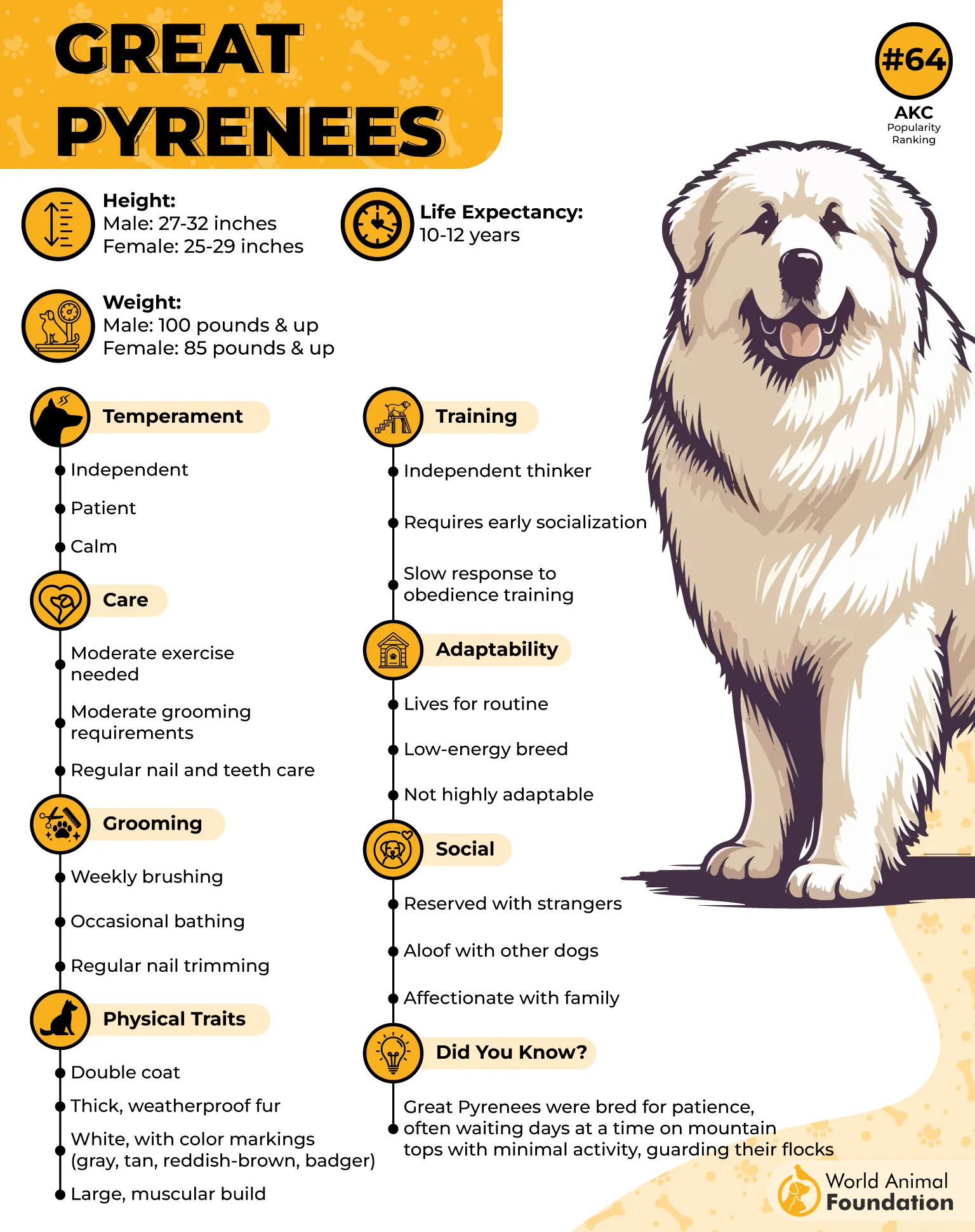
This makes them a practical choice for people who want a protective dog without the constant intensity and hyperactivity common in many guard dog breeds.
Their thick white coat also served another purpose for centuries: it helped them blend into snowy mountain landscapes while watching over livestock at night.
Even with all that fur, grooming is manageable because the outer coat naturally resists dirt and tangles, needing only regular weekly brushing to control shedding and keep the coat healthy.
2. Great Dane
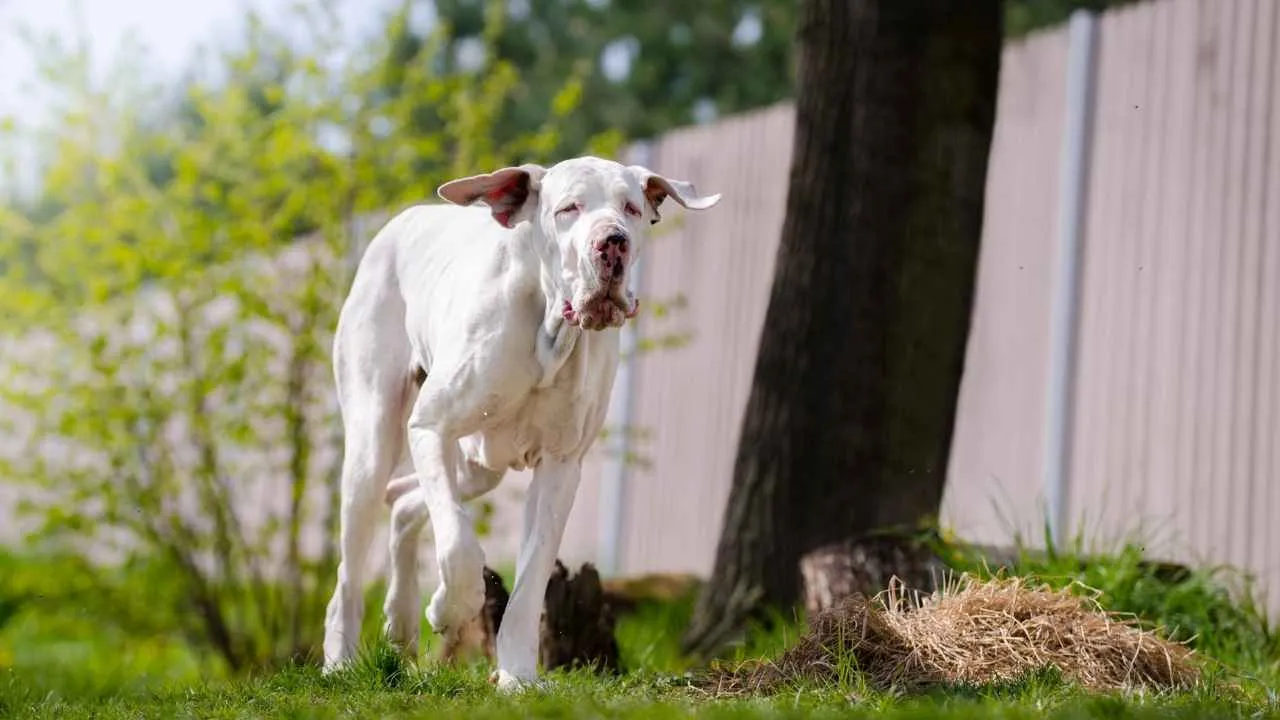
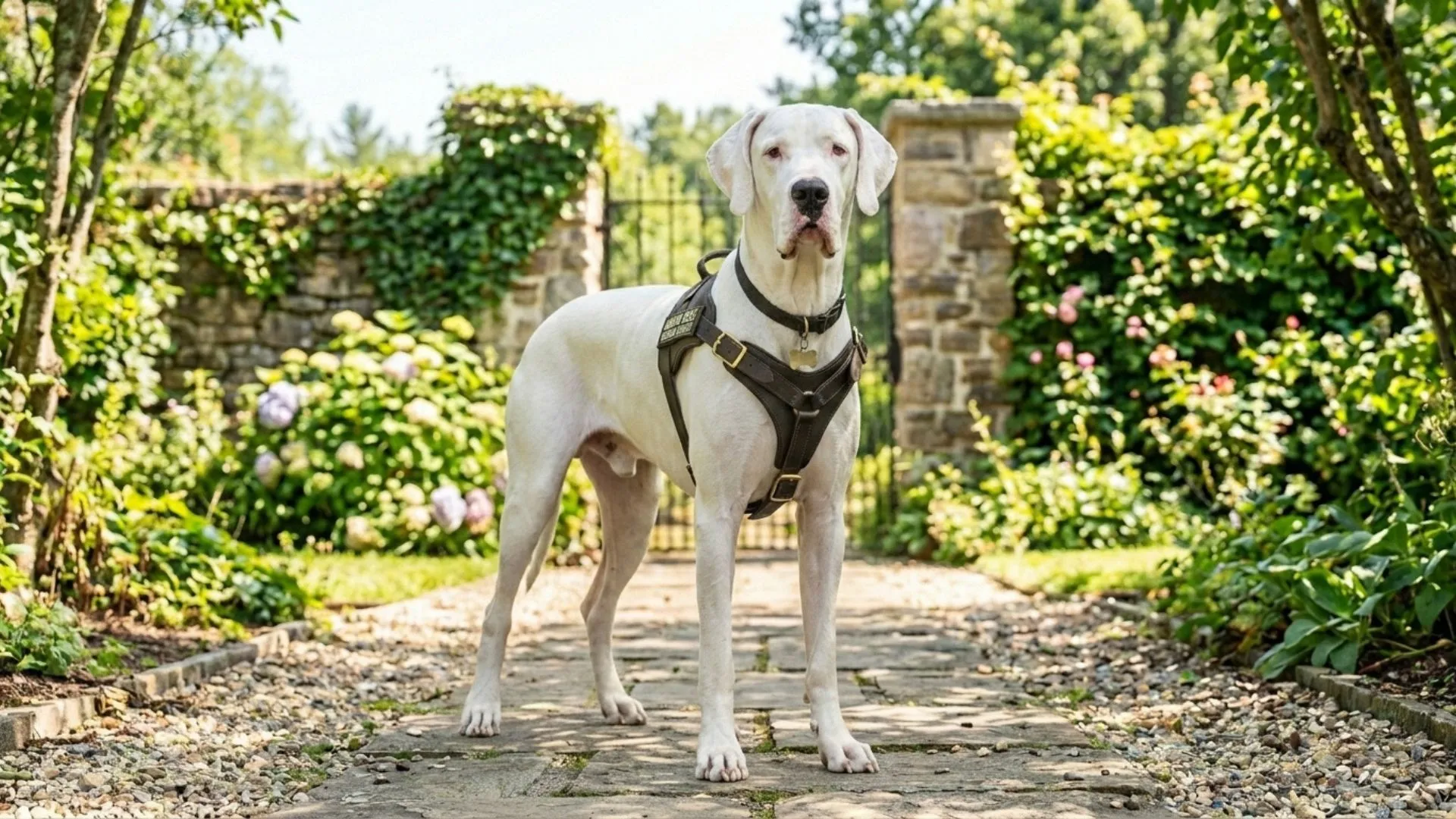
The Great Dane is often called a “gentle giant,” and that reputation fits perfectly inside the home. While these towering dogs can look intimidating to strangers, most are calm, affectionate, and surprisingly relaxed with their families.
Their sheer size alone is usually enough to make unwanted visitors think twice, especially when paired with their deep, booming bark that easily carries through a house or yard.
Unlike high-drive protection breeds that constantly patrol or react to movement, Great Danes are typically more balanced and easygoing.
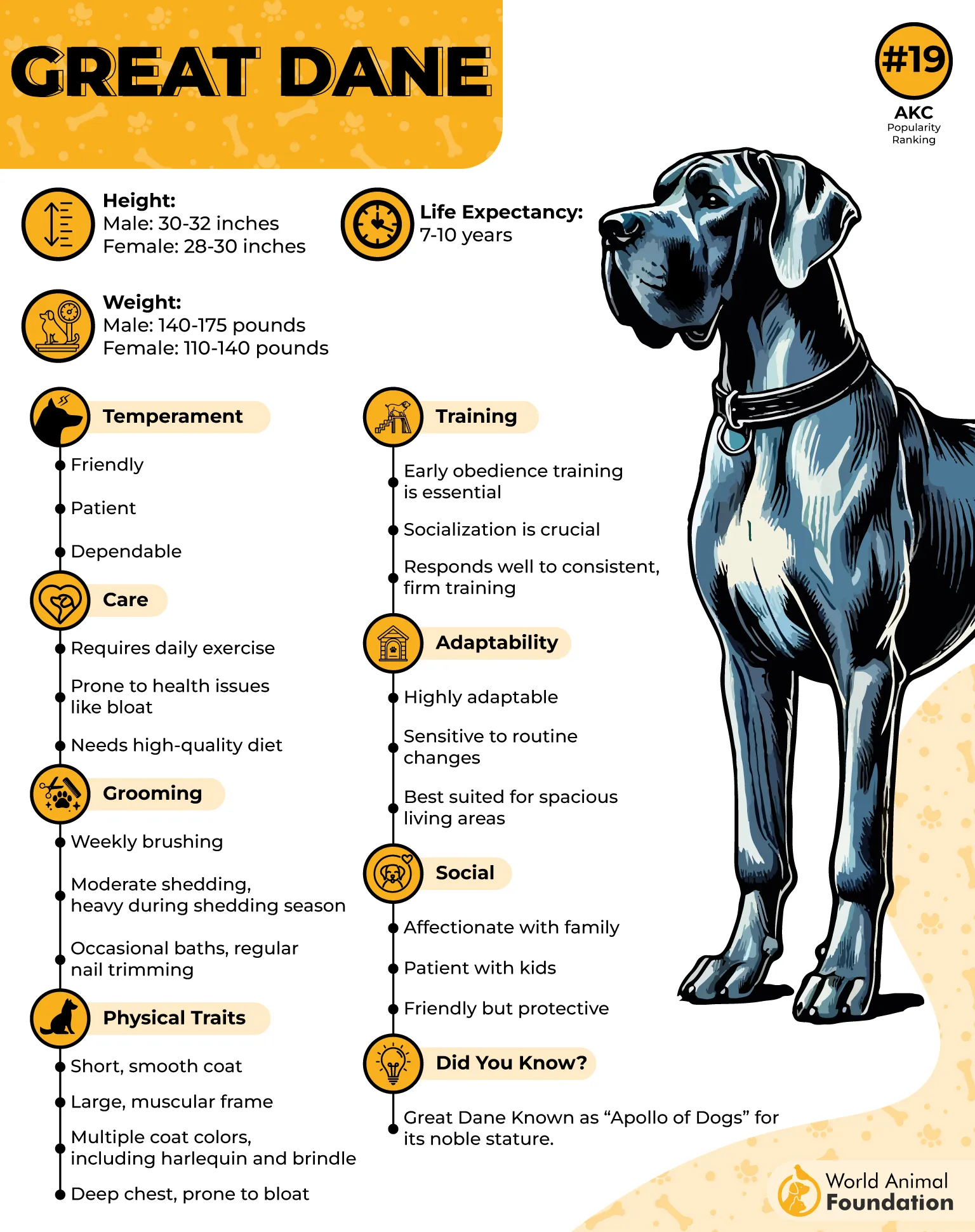
They tend to stay quiet unless something genuinely feels wrong, making them a solid option for households that want a protective presence without nonstop intensity.
Many owners appreciate how naturally protective they become near doors, gates, or unfamiliar guests without being unnecessarily aggressive.
Their short coat is another advantage for low-maintenance living. A quick brushing every few days keeps shedding manageable, and baths are only needed occasionally.
One thing that truly sets this great guard dog apart is its incredible height—when standing on their hind legs, some Great Danes can easily look adults straight in the eye, creating an unmistakable sense of security.
3. Newfoundland
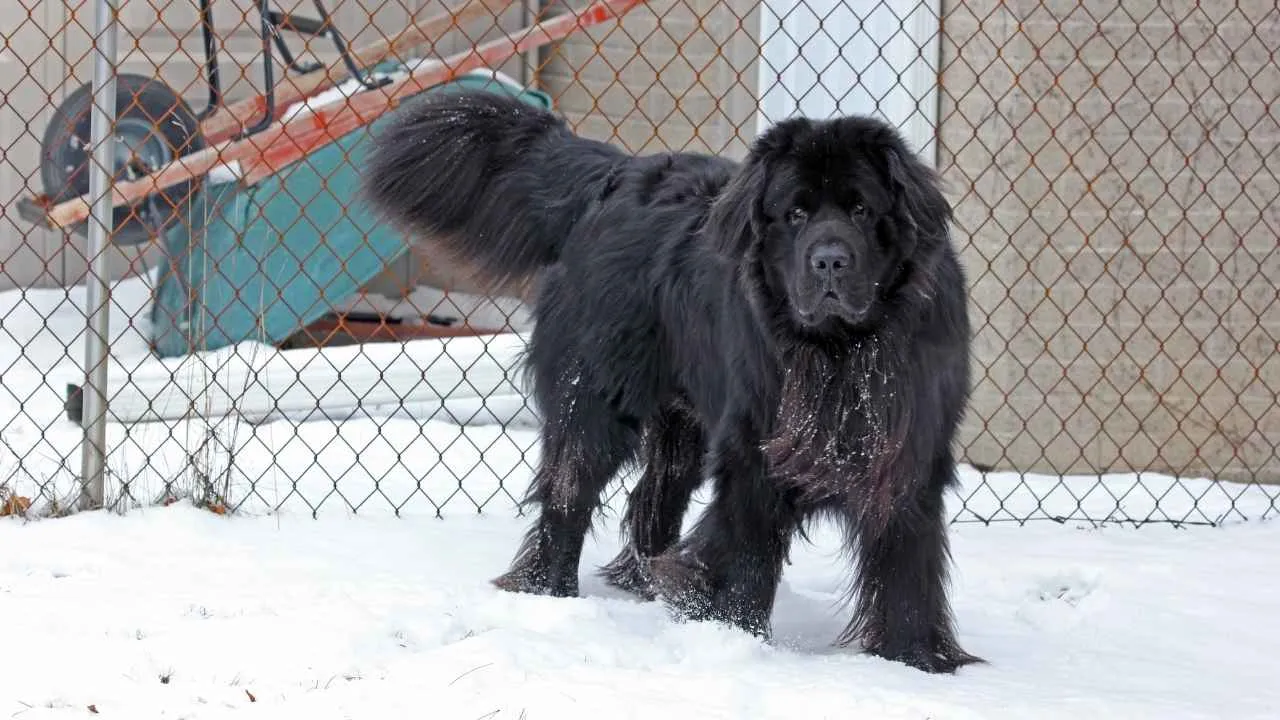
The Newfoundland may have the size of a powerful working dog, but behind that massive frame is one of the calmest and most dependable family protectors around, as highlighted by Orvis.
Instead of acting aggressively, Newfoundlands are known for quietly placing themselves between their loved ones and anything they see as a threat. That calm, steady temperament makes them especially appealing for homes with children or frequent visitors.
These search and rescue dogs are not excessive barkers, which many owners appreciate in everyday life. Most Newfies stay relaxed indoors and only sound the alarm when something genuinely seems unusual.
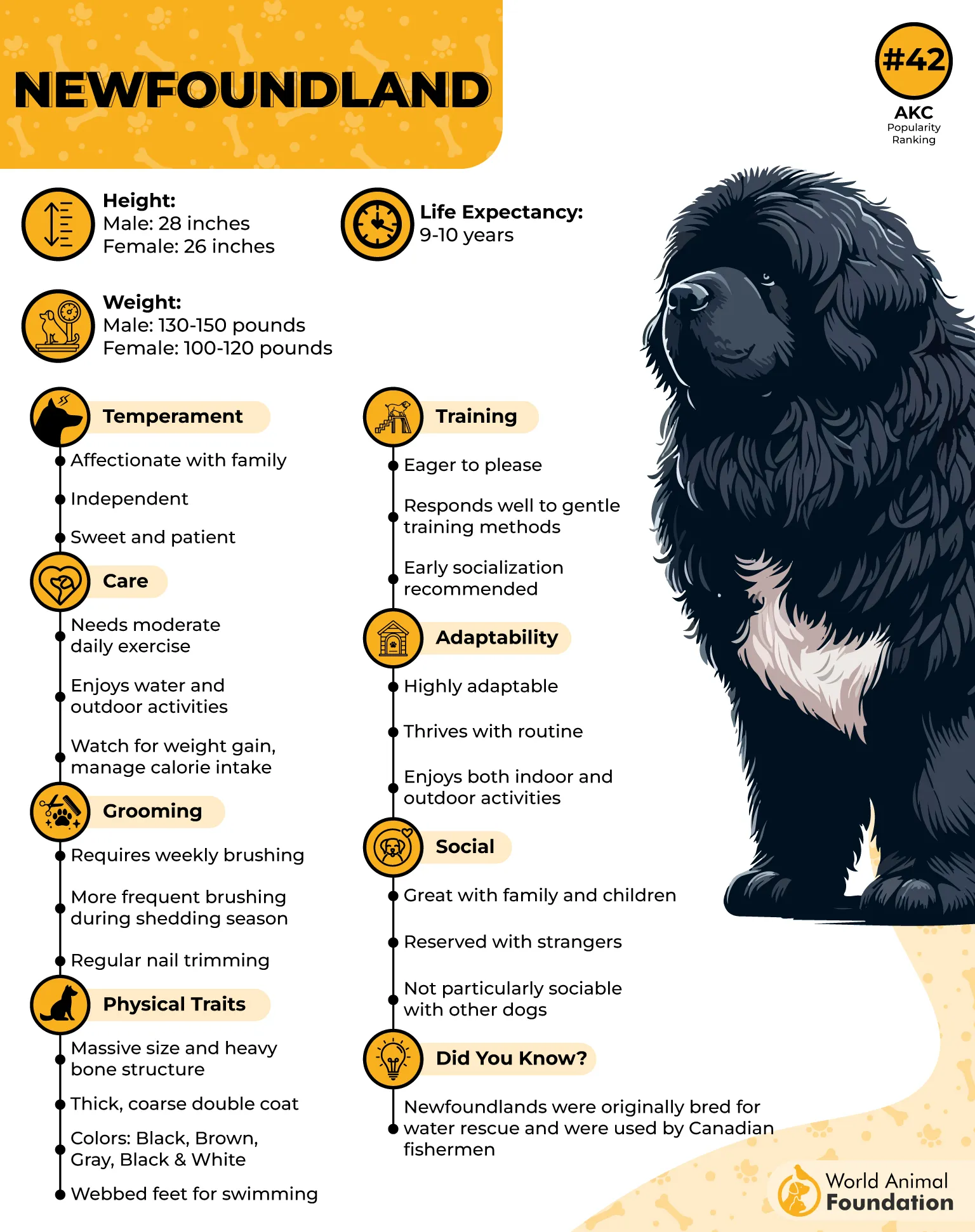
Their protective nature feels more reassuring than intimidating, giving families a sense of safety without constant tension or noise.
These dogs do best with moderate daily activity, such as long walks and simple backyard play sessions. What truly makes the breed remarkable is its natural lifesaving instinct in water.
Newfoundlands have historically pulled struggling swimmers to shore using their immense strength and webbed feet, a rare ability few breeds possess.
Although their thick coat needs regular brushing to prevent mats and heavy shedding, their gentle personality and steady behavior often make the extra grooming effort worthwhile for many families.
4. Tibetan Mastiff
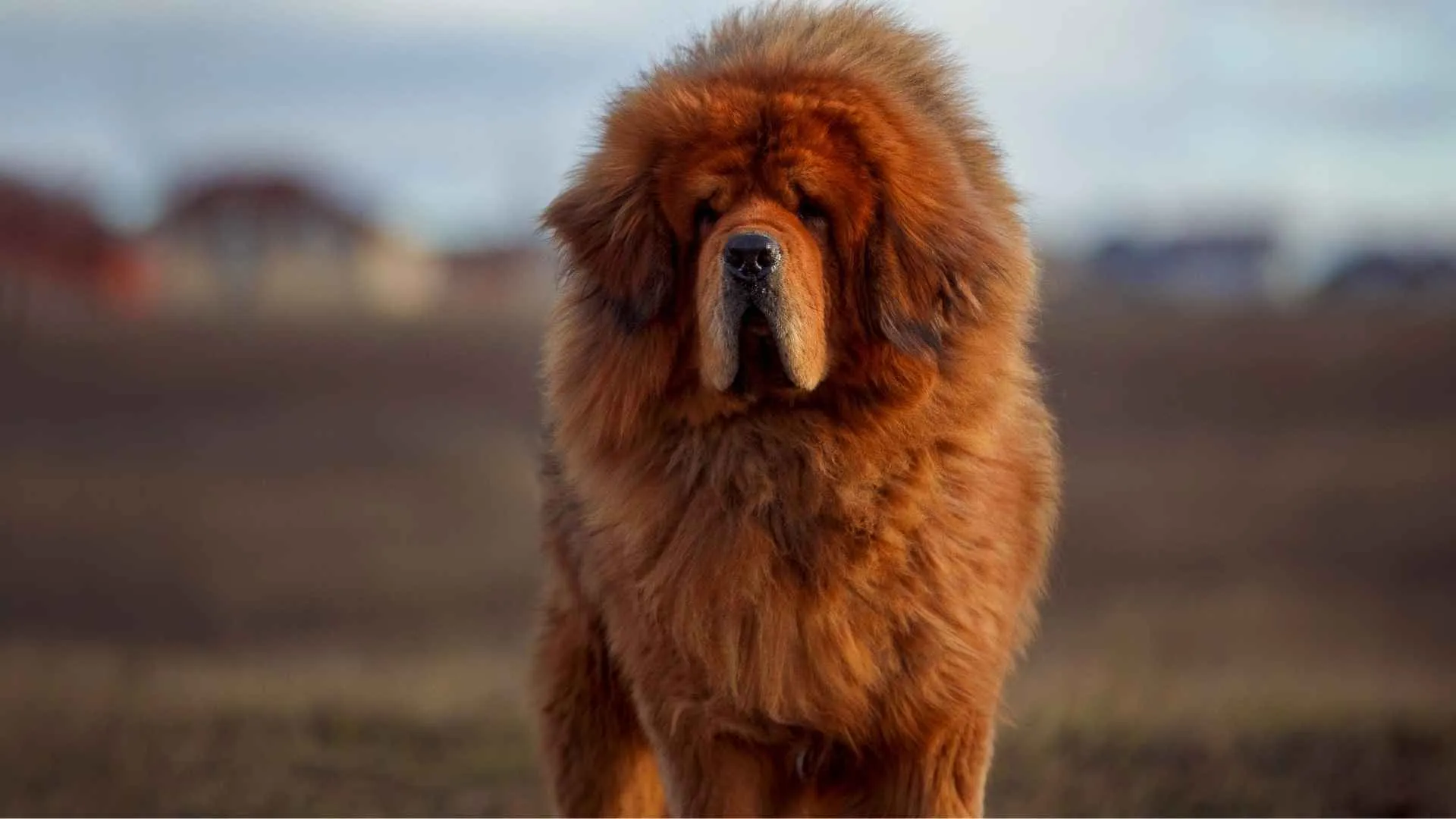
The Tibetan Mastiff has guarded homes, monasteries, and livestock in the Himalayan mountains for centuries, and that ancient protective instinct is still deeply rooted in the breed today.
With their massive size, lion-like mane, and deeply watchful expression, Tibetan Mastiffs naturally discourage unwanted visitors without needing constant barking or aggressive behavior.
Most prefer quietly observing their surroundings from a distance, stepping in only when they believe their family or territory is genuinely threatened.
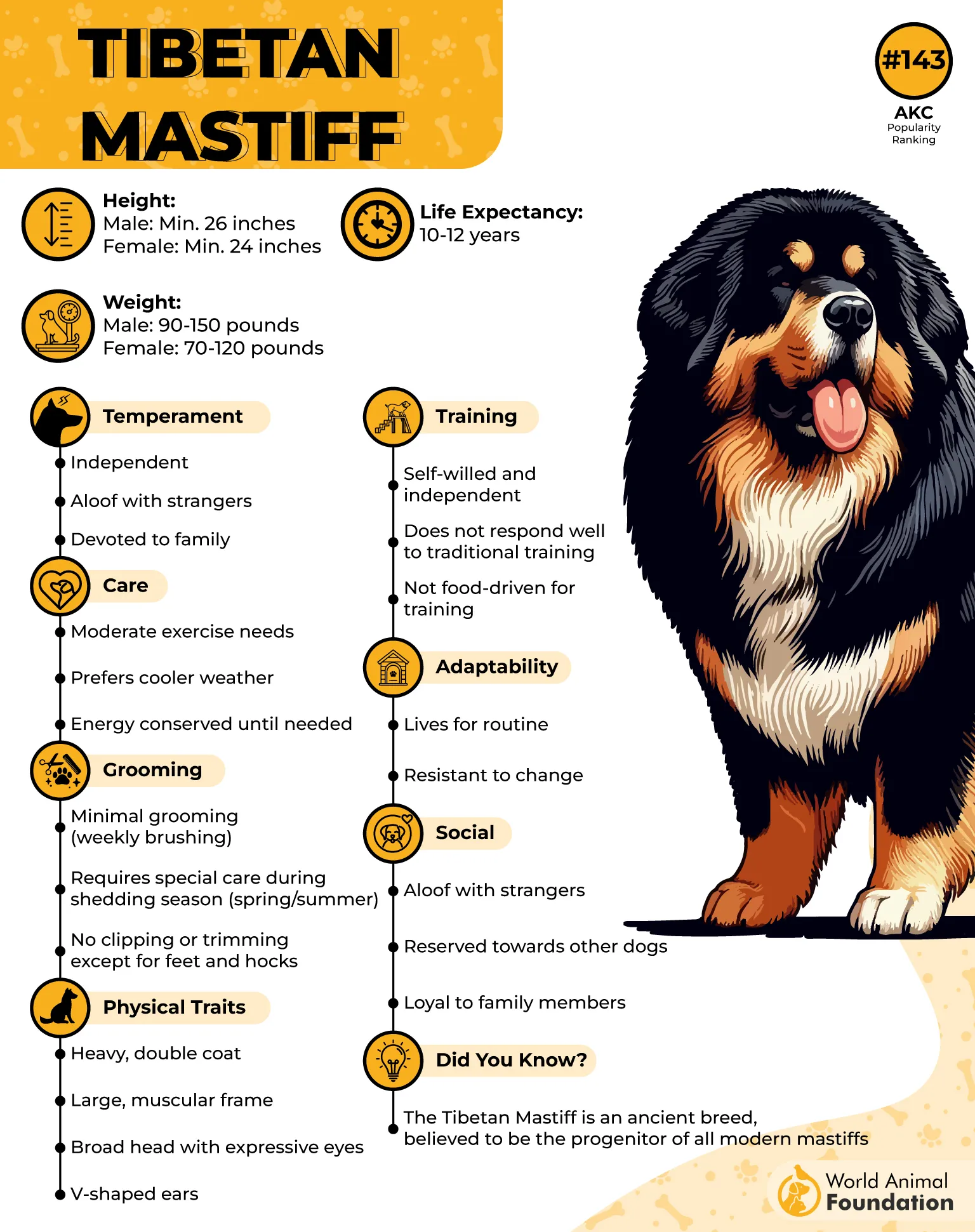
Inside the home, they are often calm, reserved, and surprisingly laid-back with the people they trust.
Unlike highly energetic guard breeds that demand nonstop activity, Tibetan Mastiffs tend to conserve their energy and are satisfied with moderate daily walks and the freedom to patrol a fenced yard.
Many owners notice they become more active during cooler evenings, especially when checking doors, gates, or outdoor spaces.
Their thick double coat may look demanding, but for much of the year, it requires only weekly brushing because the fur naturally resists dirt and tangles.
One unforgettable quality of the breed is how silently and confidently they move despite their enormous size, often appearing beside you almost without a sound.
5. Rhodesian Ridgeback
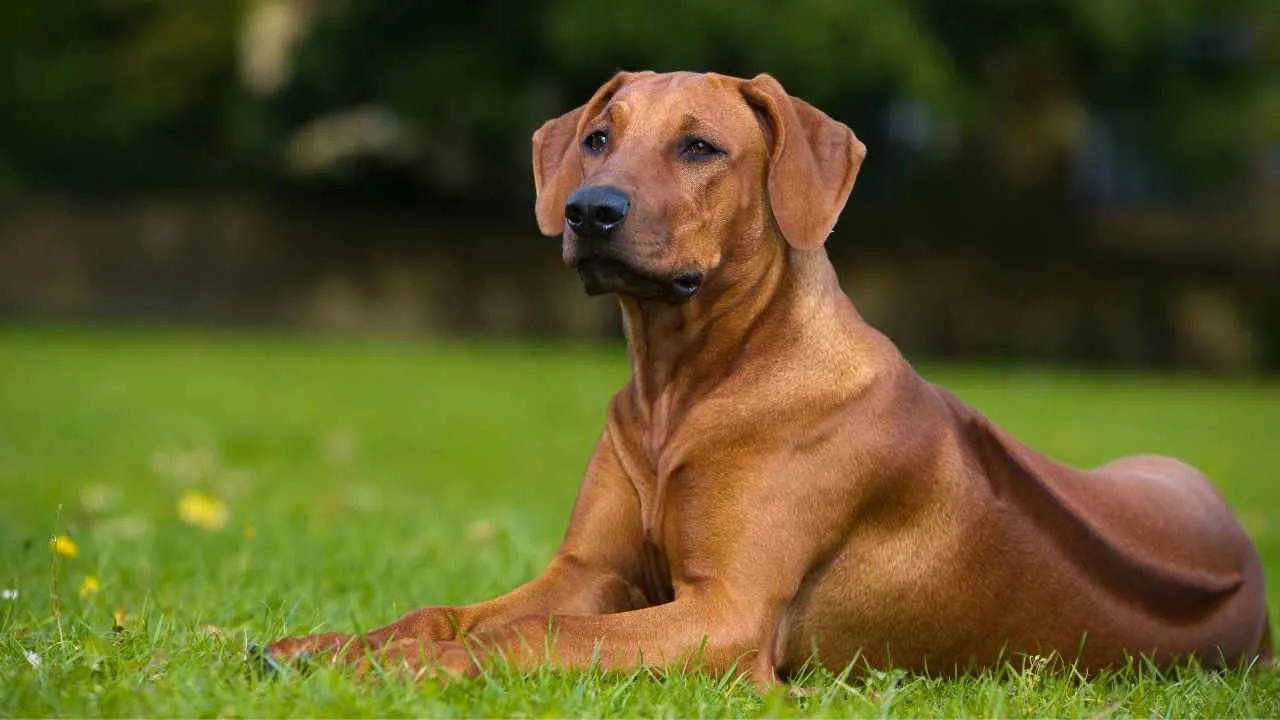
The Rhodesian Ridgeback was originally developed in southern Africa to track and corner lions without attacking them, which explains the breed’s rare mix of courage, control, and calm judgment.
Today, that same balanced temperament makes Ridgebacks reliable family protectors who usually stay quiet and composed unless they sense a genuine problem.
They are naturally reserved with strangers but affectionate and deeply loyal companions for people they trust.
Unlike many heavy guard breeds, Ridgebacks are athletic without being overly demanding. They enjoy long walks, outdoor runs, and active play, but they are also capable of relaxing peacefully at home after exercise.
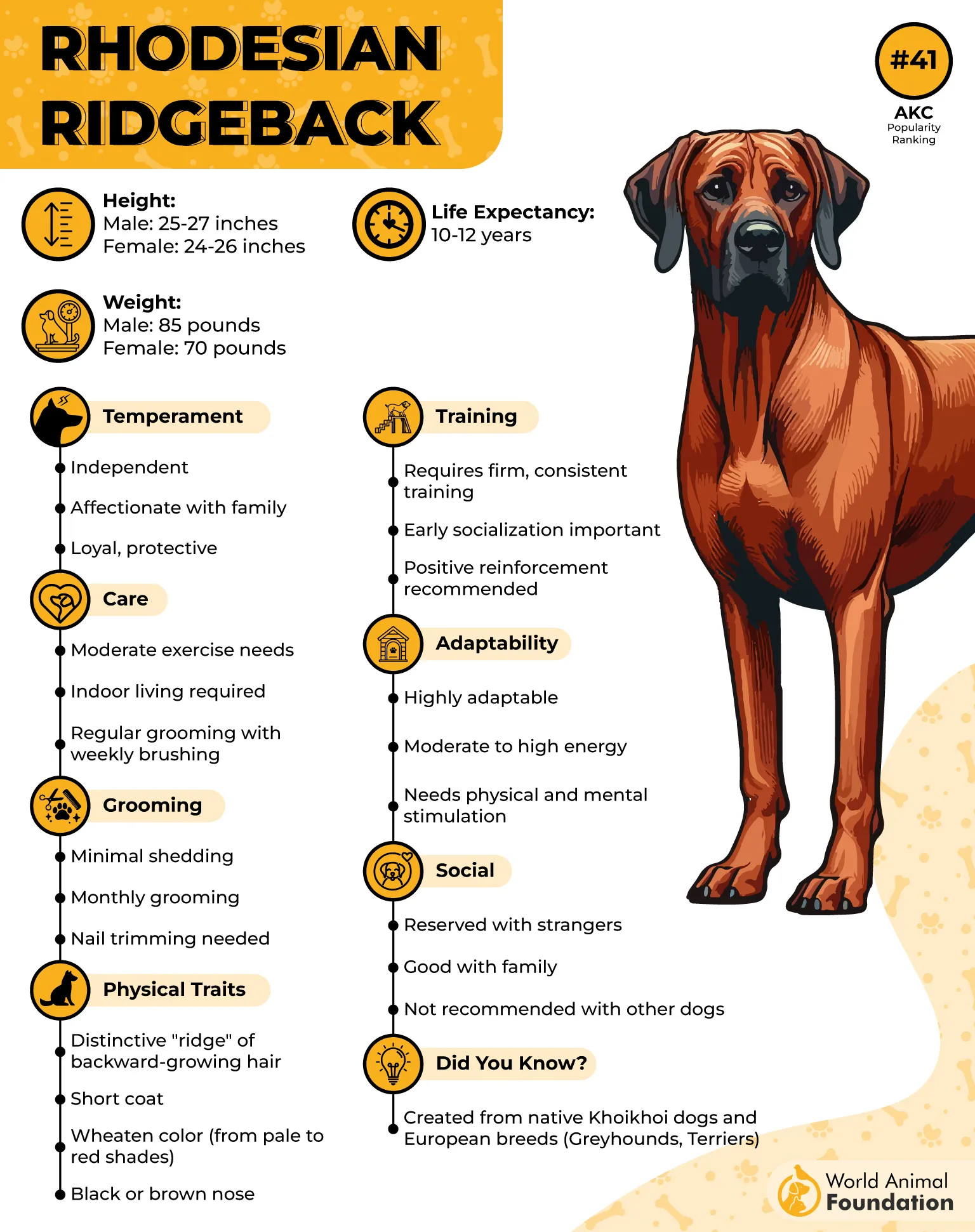
This balance works well for owners who want a dog that can keep up during hikes or evening jogs while still settling down indoors afterward.
Their short wheaten coat is one of the easiest to maintain among large protective breeds. Weekly brushing and occasional baths are usually enough to keep them clean and healthy.
What immediately sets the breed apart is the narrow strip of hair growing backward along the spine, known as the ridge, a feature that gives the Rhodesian Ridgeback its unmistakable appearance.
6. Cane Corso
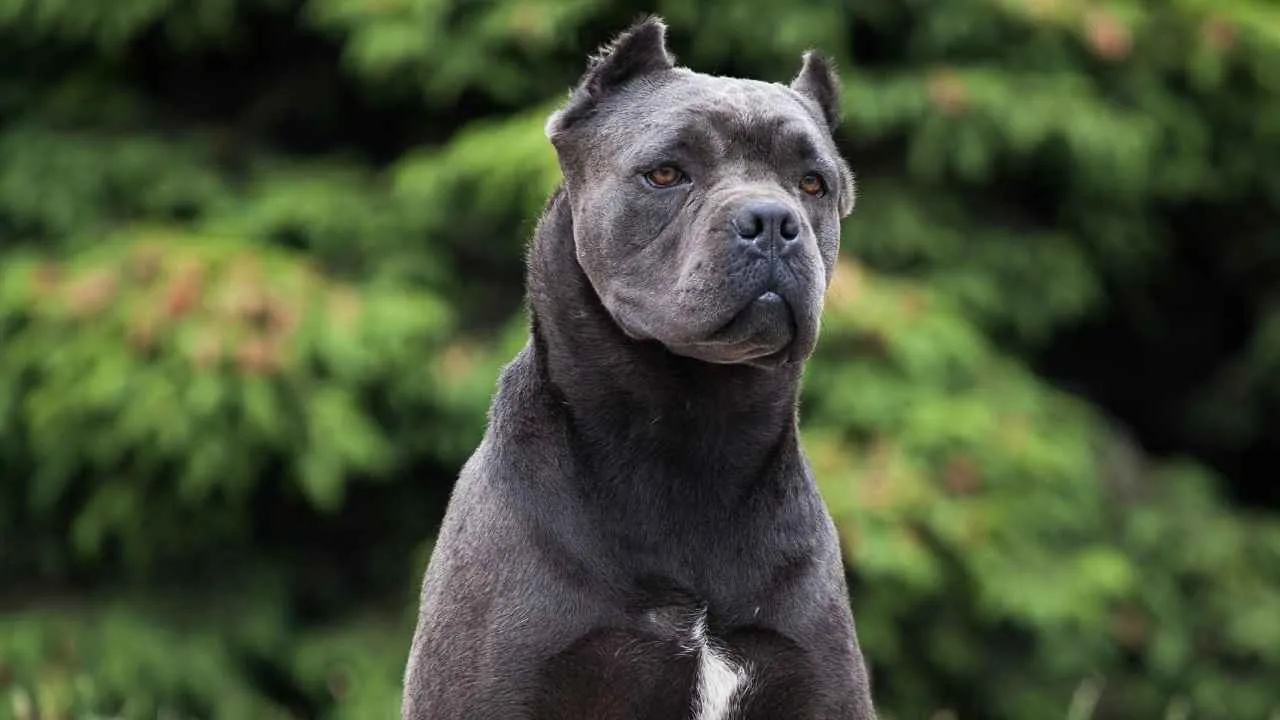
The Cane Corso carries the quiet confidence of a professional protector. Descended from ancient Roman guard dogs, this powerful breed was originally used to protect property, livestock, and families, and that natural protective instinct still shows today, as mentioned by the AKC.
A Cane Corso does not usually bark without reason or react nervously to every movement. Instead, they carefully observe people and situations, often positioning themselves close to their owners when something feels unfamiliar.
Despite their muscular build and intense appearance, well-trained Corsos are deeply devoted and surprisingly affectionate with their families.
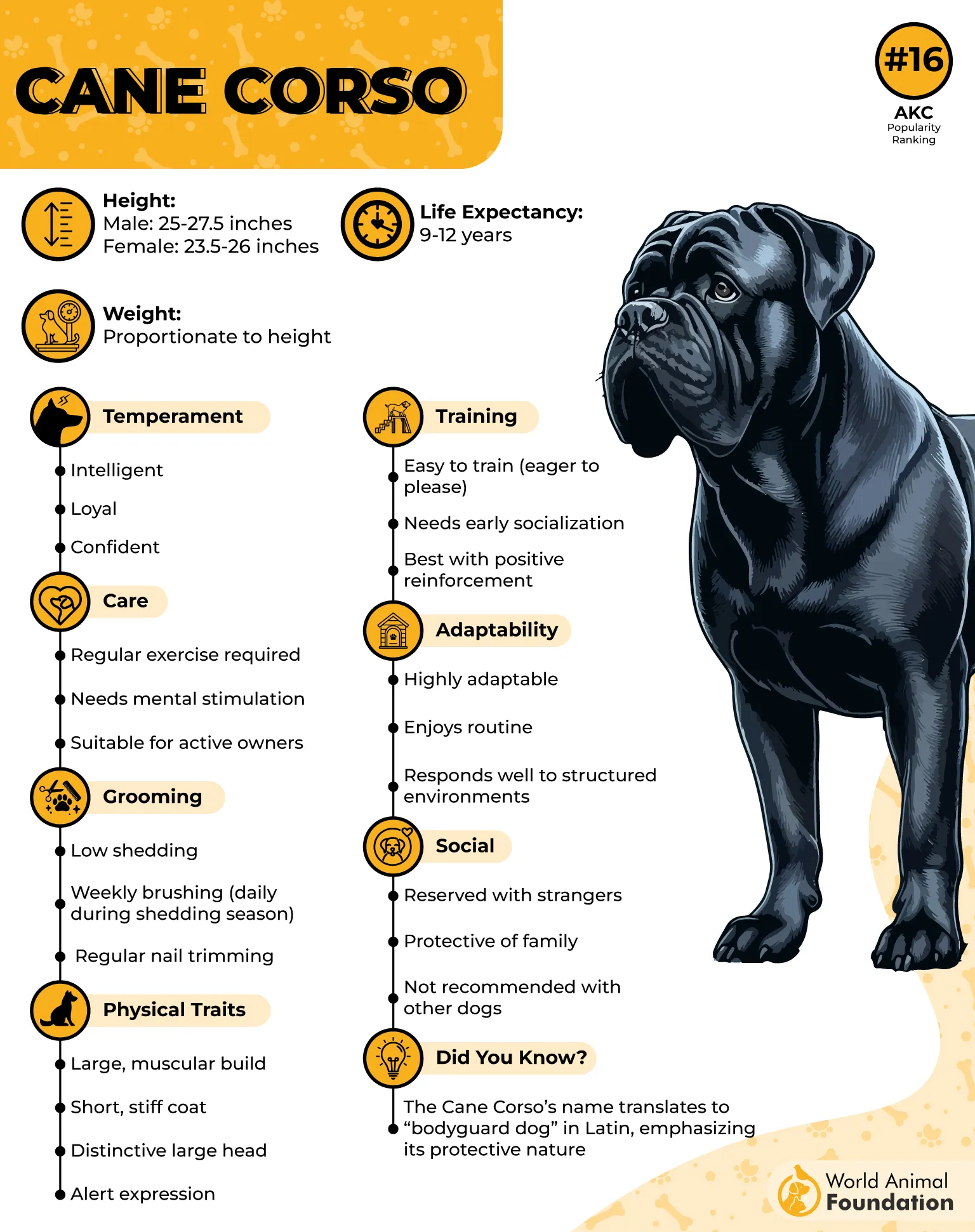
Many owners appreciate how calmly they settle indoors after exercise, making them easier to live with than people expect from such a large protection dog breed.
Daily walks, structured play, and mentally engaging activities help keep them balanced and well-mannered. They especially enjoy having a purpose, whether it is obedience training and socialization, tracking games, or simply accompanying their owner on long outdoor walks.
Their short coat is relatively easy to care for, needing only regular brushing to manage shedding.
One unforgettable quality of the Cane Corso is its steady eye contact and calm body language, which often stops strangers in their tracks long before the dog ever needs to react.
7. Doberman Pinscher
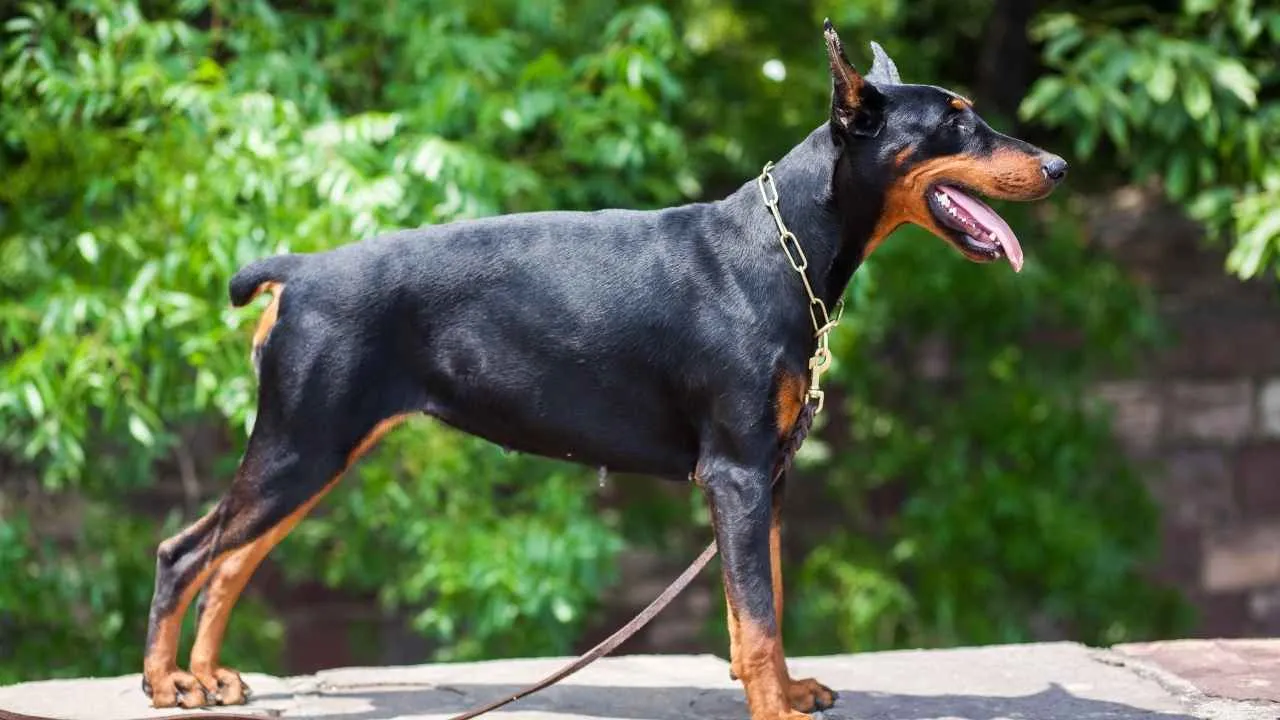
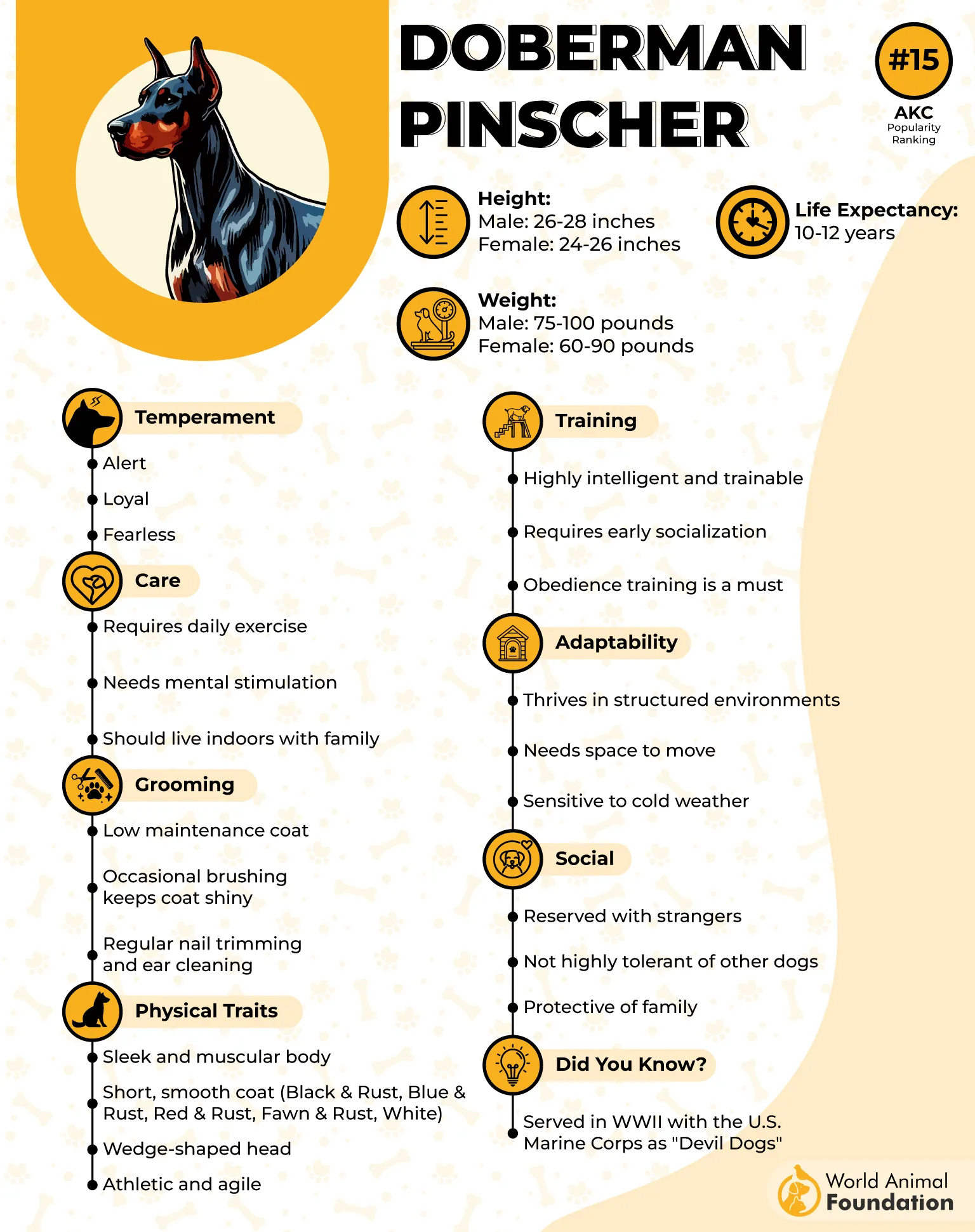
The Doberman Pinscher combines sharp intelligence with a fiercely loyal nature, making it one of the most dependable protective companions for active households.
Originally developed in Germany as both an excellent guard dog and furry friend, Dobermans are naturally alert and highly aware of their surroundings.
Many owners notice how quickly these dogs pick up on unfamiliar sounds, unusual movement near the house, or changes in a person’s behavior.
What makes the breed especially appealing is its balance between protection and companionship. A well-socialized Doberman is often affectionate, gentle with family members, and eager to stay close to the people it trusts.
At the same time, their confident posture, athletic build, and focused stare can make strangers think twice before approaching.
Dobermans thrive with regular exercise like long walks, running, or interactive games that challenge both mind and body. Without enough activity, they can become restless, so they fit best with owners who enjoy an active lifestyle.
Their sleek coat is also refreshingly easy to maintain, requiring only light brushing and occasional baths. One thing that truly stands out about the breed is its remarkable speed and precision, allowing it to react to situations almost instantly while remaining incredibly controlled.
Conclusion
A good protector doesn’t always have to be loud, aggressive, or exhausting to manage. Sometimes the best guard dogs are the ones that stay calm, observe quietly, and step forward only when their family truly needs them.
These gentle guardian breeds prove that strength and softness can exist together.
With balanced temperaments, manageable grooming needs, and loyal personalities, they offer both security and companionship without overwhelming daily demands.
Choosing the right guard dog ultimately comes down to your lifestyle, space, and activity level—but for many families, a calm protector with a steady presence can feel like the perfect match.
