




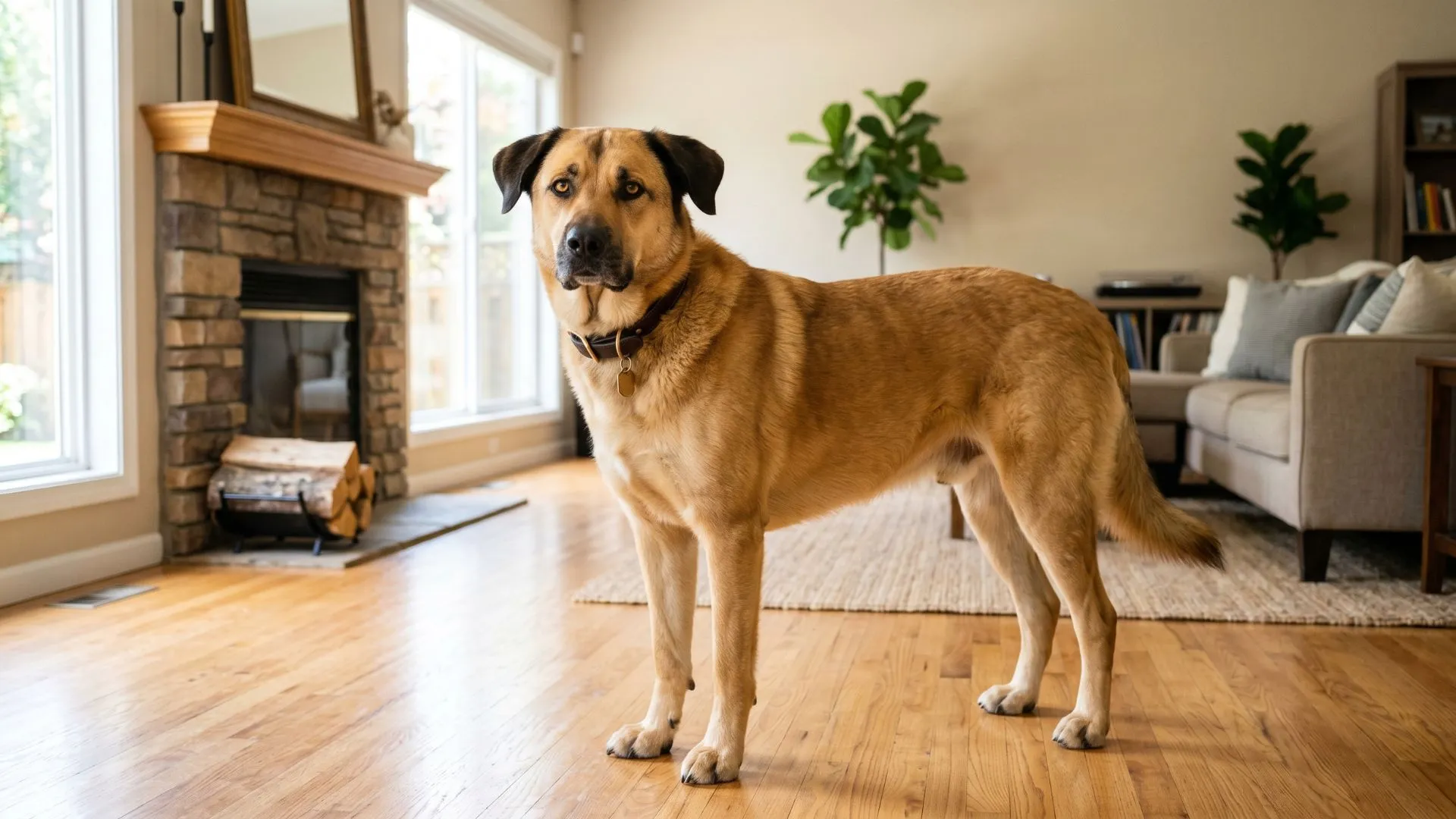
People are becoming more thoughtful about the dogs they bring into their homes. The conversation is no longer focused only on appearance, reputation, or popularity. Increasingly, attention is shifting toward how a dog will fit into daily life over the long term.
This change is especially noticeable among those searching for a guard dog. Protection remains important, but so does manageability. Many owners want a companion that can provide security without adding layers of complexity to an already busy routine.
They are looking for dogs that remain composed, require reasonable care, and confidently handle their role without constant intervention. This growing interest reflects a practical understanding of what most households truly need. A guard dog should enhance everyday life rather than dominate it.
The breeds featured ahead stand out for their ability to offer both reassurance and convenience while maintaining the calm confidence that makes them dependable companions.
Key Takeaways
What makes a guard dog truly practical is not just strength but the ability to stay calm while fitting into normal daily life.
Broholmer and Boerboel stand out early for their quiet confidence, handling their guarding role while still blending into family routines with ease.
Chinook, Newfoundland, and Great Dane add a steadier rhythm to this balance, offering loyalty, control, and a surprisingly gentle home presence.
As you move through the list, each breed shows how protection and simplicity can exist together in one dependable companion.
Low-Maintenance Guard Dog Breeds That Stay Calm and Confident
1. Broholmer
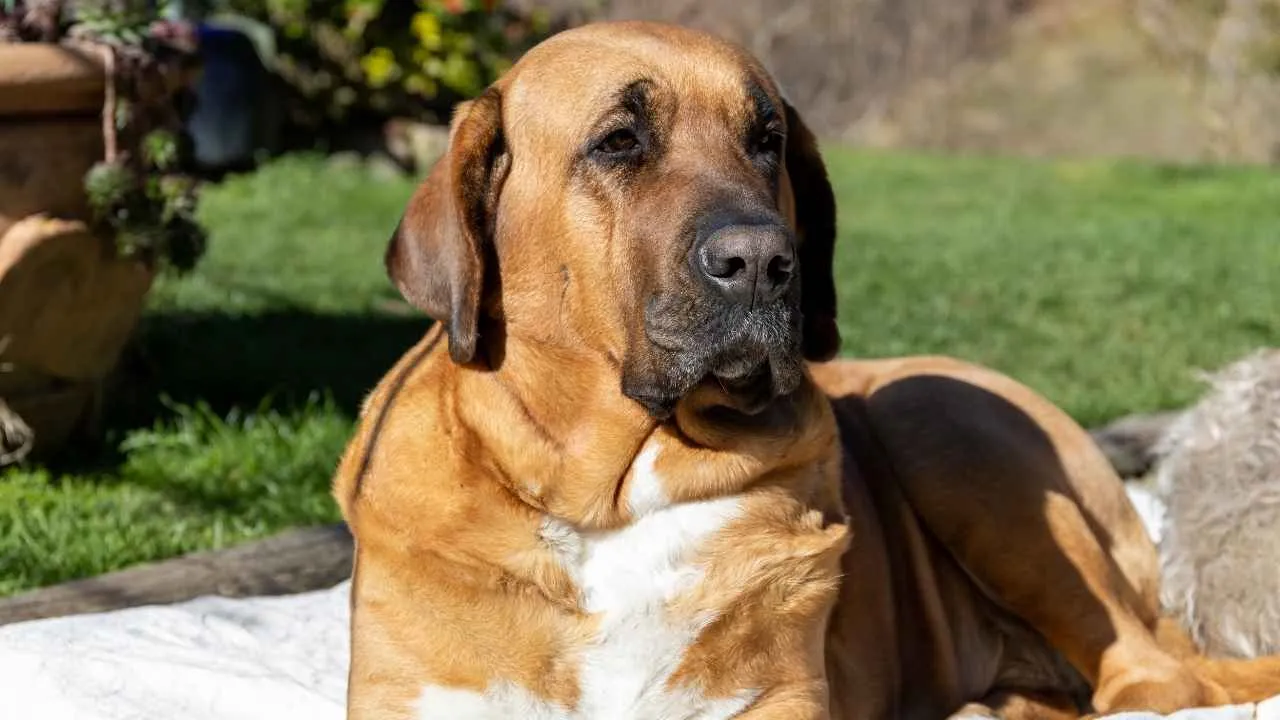
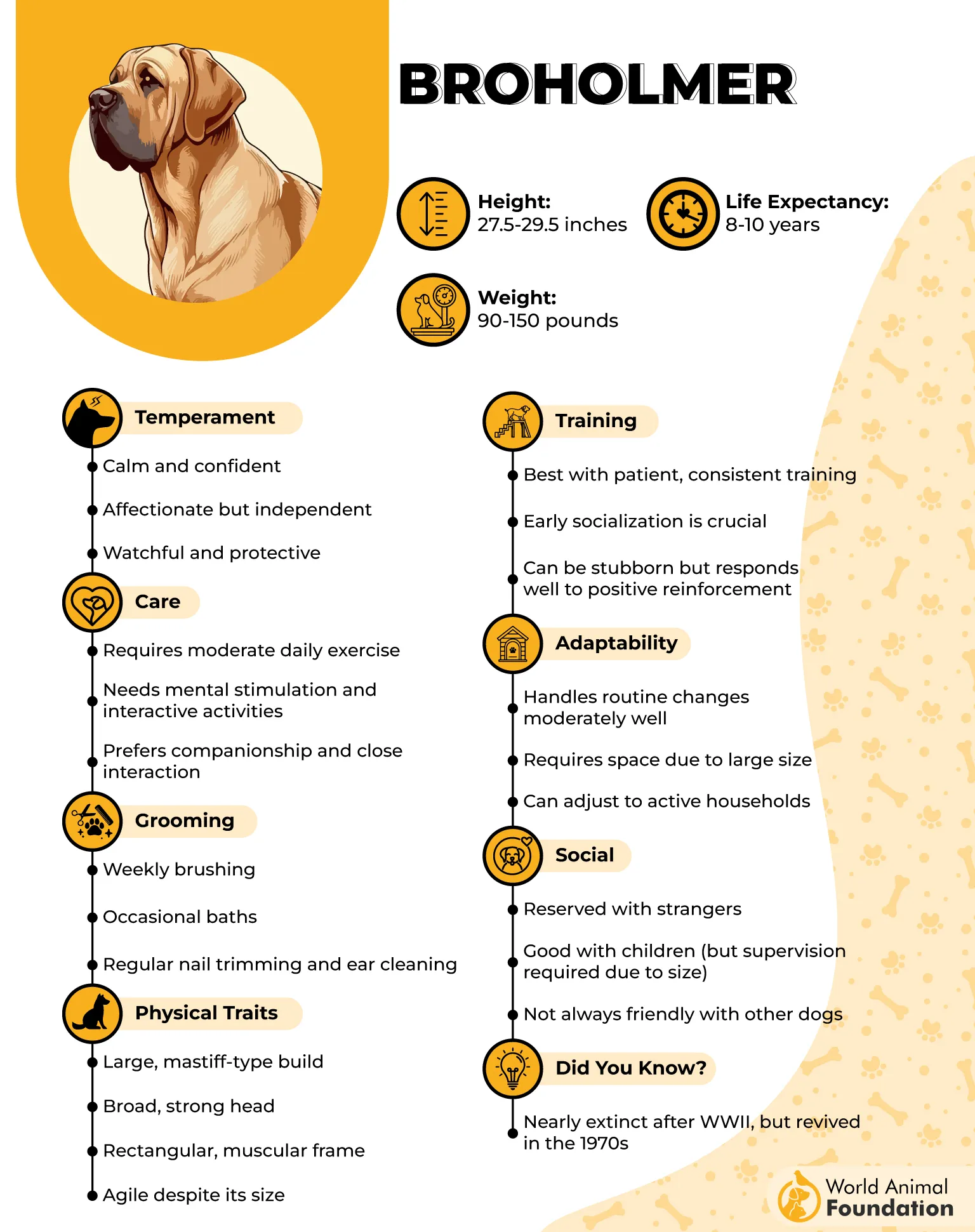
Broholmer has a steady, composed nature that pairs easily with its massive frame and quiet confidence. Originating from Denmark, it was once seen around butcher shops and farm entrances as a dependable guardian. Despite its size, a gentle temperament makes it comfortable in close family settings.
Strong Frame, Easygoing Nature
A closer look at its build reveals a rectangular, heavy-set body supported by a broad head and calm expression. Even with its protective instincts, it blends well into daily home life and social environments.
A few key traits help explain this balance in behavior:
Comfortable with children and other dogs
Naturally protective of property
Enjoys light activity and interaction
Routine and Engagement Needs
Despite its large build, the breed adapts well to varied environments, including homes with outdoor access, as the AKC noted.
Regular walks, backyard play, and simple mental games help keep it engaged without demanding intense effort. It can join relaxed outings such as picnics or park visits with ease.
2. Boerboel
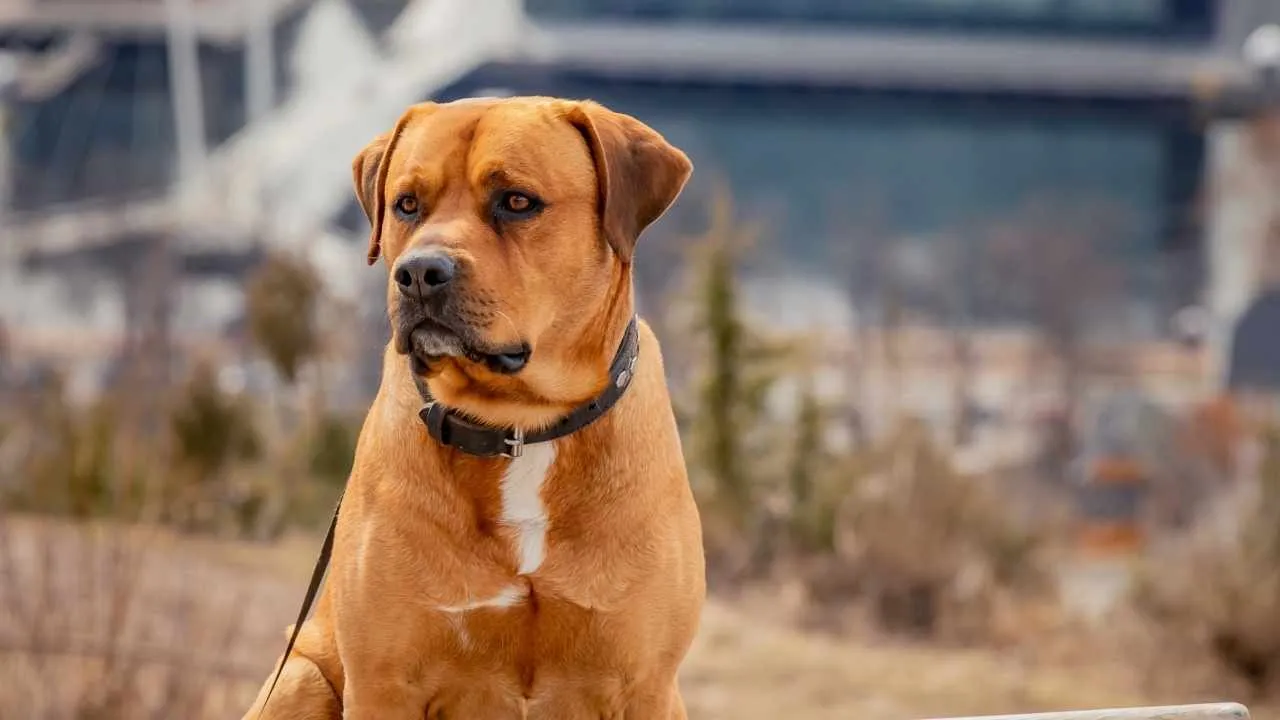
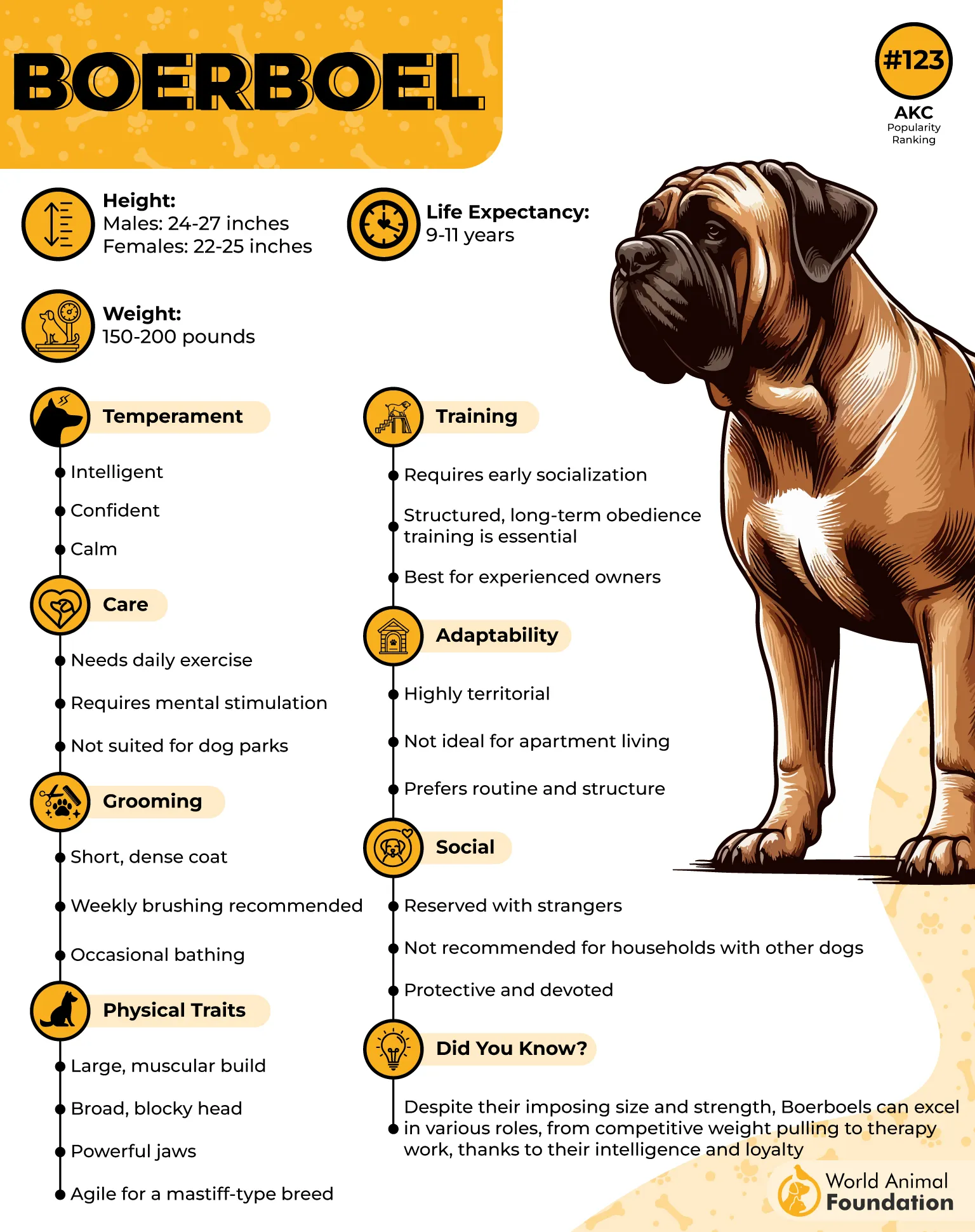
Boerboel enters with a massive, muscular frame shaped for guarding livestock against predators on South African farms. Behind its imposing build sits a calm and steady temperament that contrasts with its working strength. Loyalty toward its family remains a defining trait in daily life.
Calm Control in Daily Life
These best guard dogs adapt well to home life when their mental and physical needs are consistently met through structured activity. Its intelligence allows quick learning, especially when guidance is clear and firm
These traits help explain its balanced behavior in family settings:
Strong protective response toward the territory
Quick to learn with consistent handling
Calm behavior around familiar people
Steady Temperament at Home
Boerboel interacts with family in a composed and gentle manner, especially when raised in a stable environment, as per Orvis. Around children, it often displays patience and quiet awareness, reflecting its guardian role. Its calm nature depends heavily on balanced activity levels.
3. Chinook
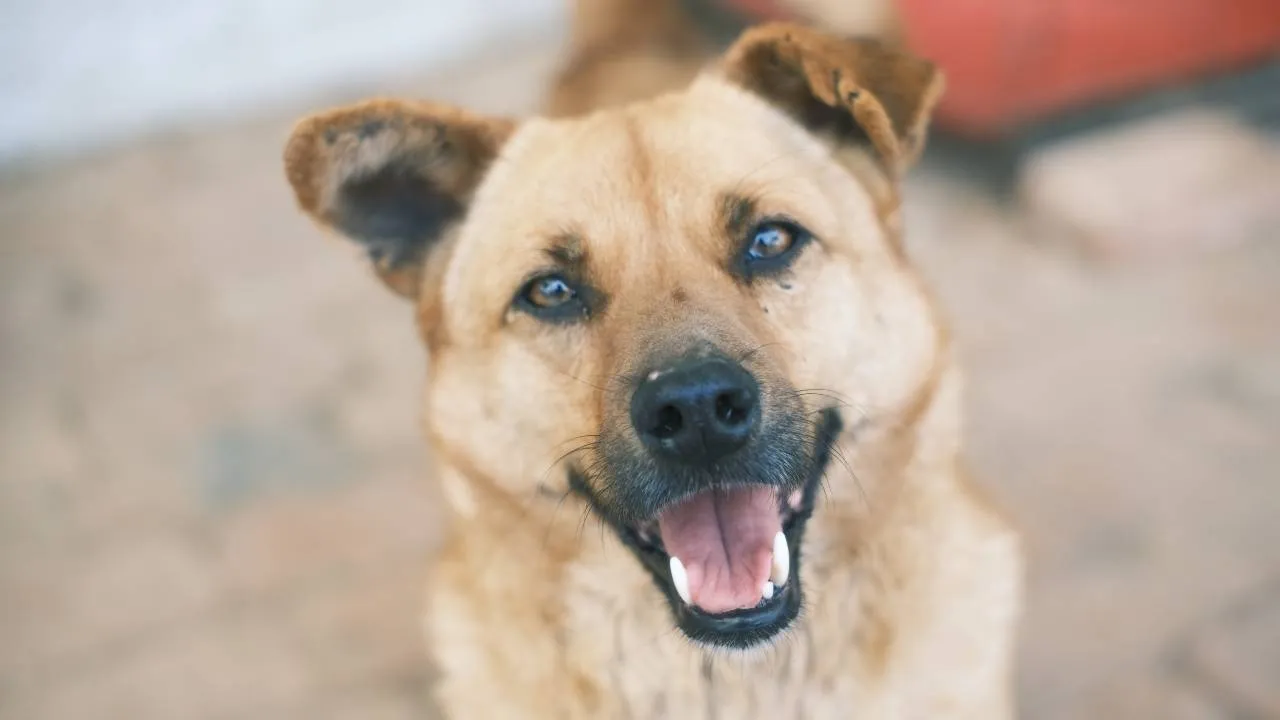
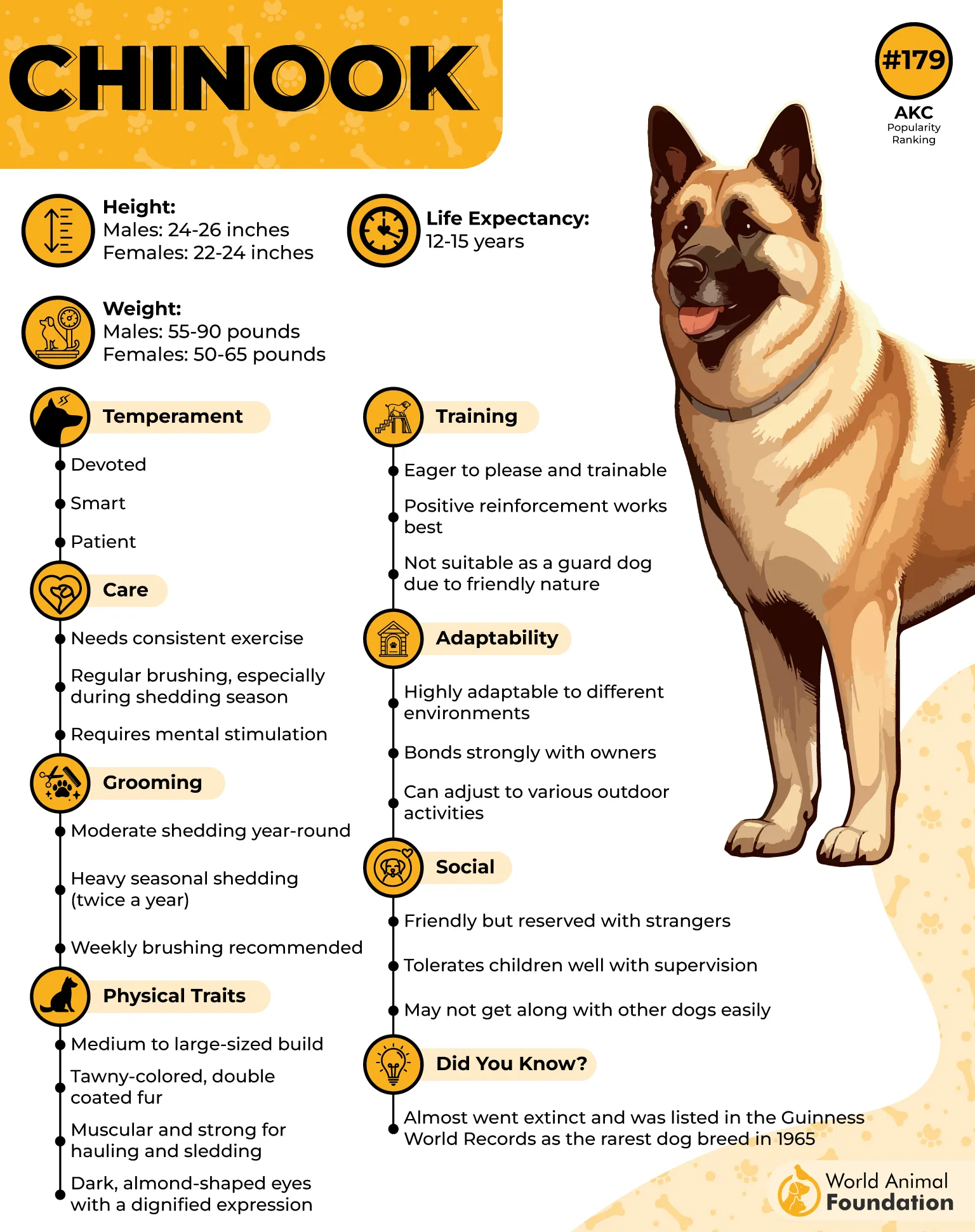
Chinook carries a composed working presence shaped by its role in hauling and endurance tasks in New Hampshire’s cold terrain. Intelligence and patience guide its behavior, paired with a steady willingness to cooperate. A gentle expression in its eyes reflects a naturally even temperament.
Reliable Strength for Tasks
Chinook fits well into structured activities that rely on endurance, control, and steady focus. Its cooperative nature supports proper training across multiple working roles without unnecessary intensity.
These practical qualities explain its reliability in action.
Learns tasks with ease and patience
Works well in structured activities
Comfortable in long-duration movement
Calm Home Presence
Around familiar people, this loyal companion shifts into a relaxed and composed mindset, often appearing quietly settled indoors. Its people-oriented nature supports smooth interaction with children and family routines. This steady behavior makes daily life predictable and manageable.
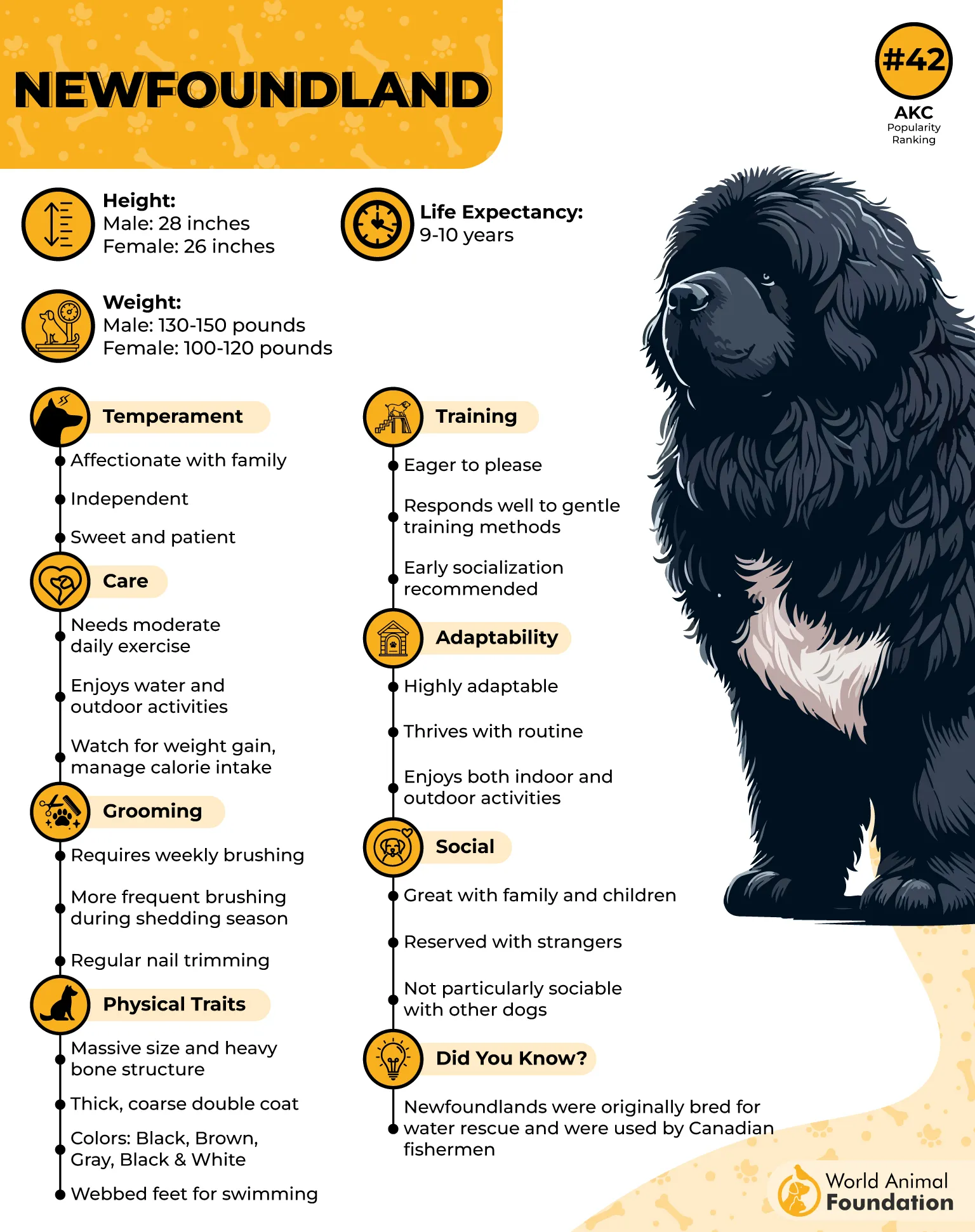
4. Newfoundland
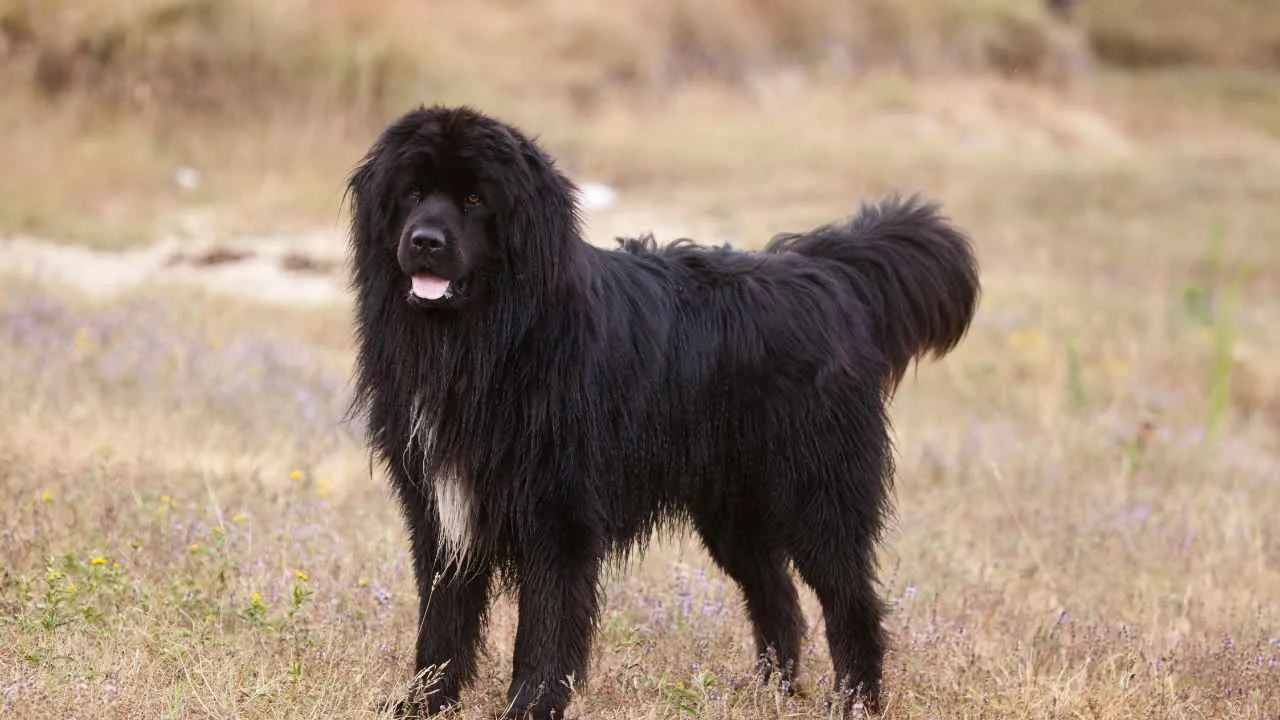
Newfoundland is built on massive strength paired with a calm, steady temperament that makes handling surprisingly manageable for its size. According to Britannica, its heavy-boned frame and composed movement reflect a working background tied closely to water rescue tasks.
Calm Working Nature
This gentle giant responds best when included in simple, steady routines that match its composed energy level. Gentle guidance helps bring out its cooperative side, especially in structured tasks or outdoor activities.
This is why it adapts well to practical roles:
Patient around children
Responsive to calm and consistent training
Comfortable in water-based tasks
Family-Oriented Temperament
Newfoundland builds quiet trust within the home, often forming steady bonds through daily interaction. Its reputation as a watchful, gentle companion comes from a consistent and tolerant attitude toward children. This calm presence carries through both indoor and outdoor settings.
5. Great Dane
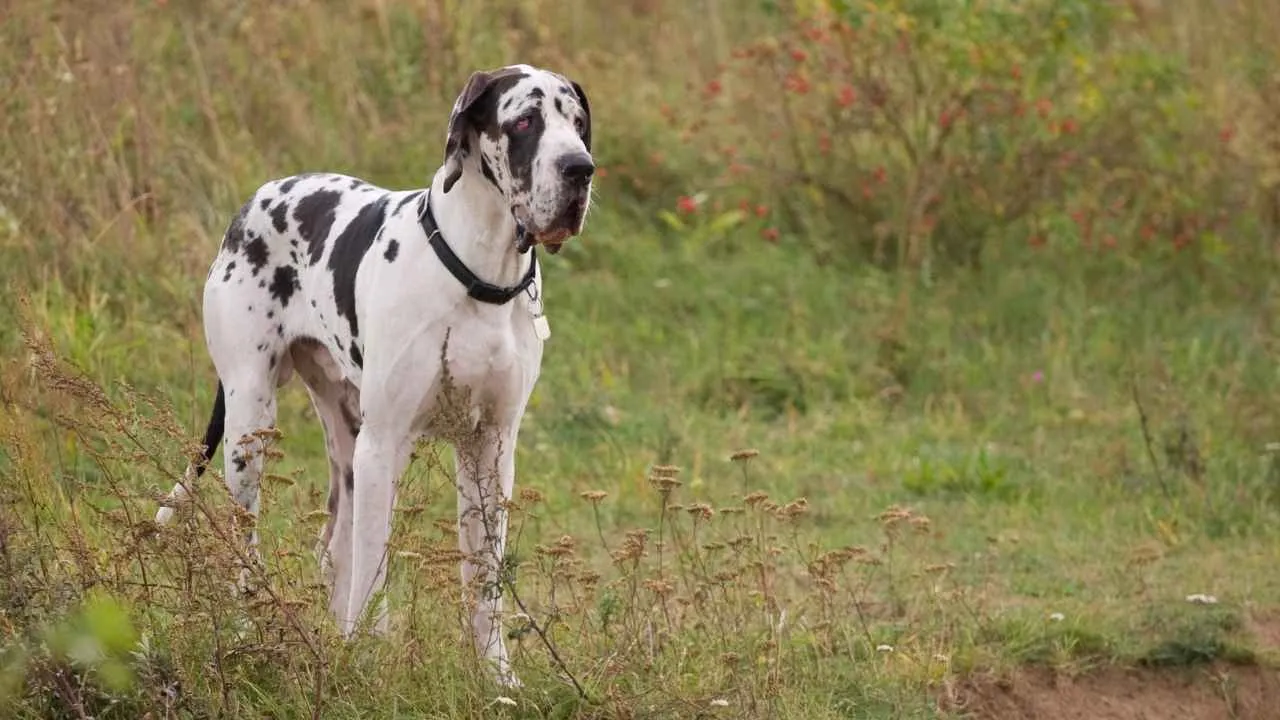
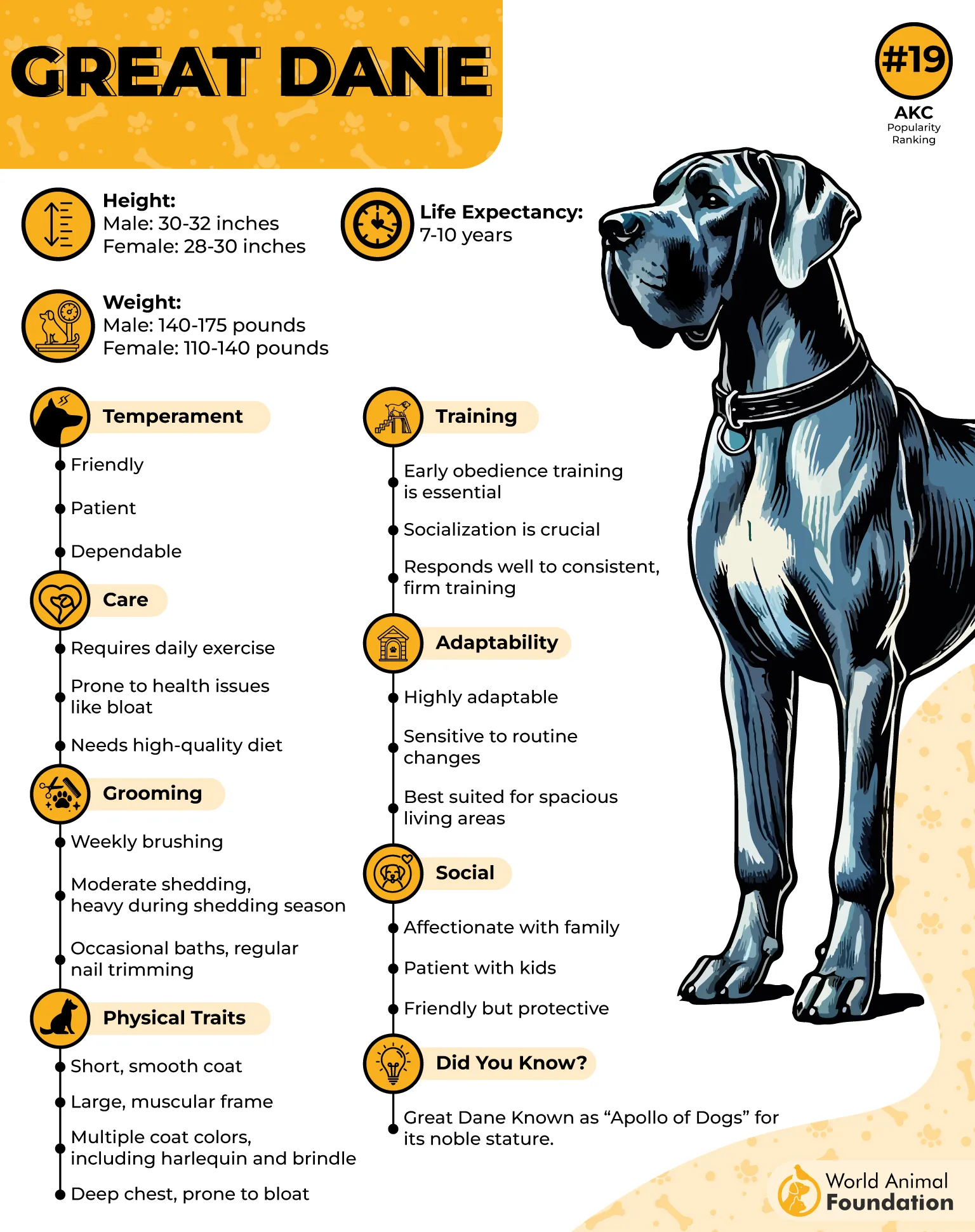
Great Danes carry a calm, steady nature that contrasts with their towering frame and long, elegant build. Bred in 1800s Germany for guarding estates and hunting wild boar, it gradually shifted into a more companion-focused role. Despite its size, the temperament leans toward quiet steadiness rather than intensity.
Calm Strength in Daily Life
Life with this protection dog revolves around slow confidence and manageable care needs, even with its large body. Space for movement and consistent walking routines help balance its physical structure without demanding complexity.
The following core traits explain its steady role at home:
Naturally gentle with children
Responds well to structured guidance
Moderate but consistent activity needs
Training and Living Balance
Training requires a steady approach since the breed can show a firm-minded streak during learning. Positive reinforcement works best, shaping cooperation without pressure or force. Daily walks and light activity help maintain both comfort and balance in everyday life.
6. Rhodesian Ridgeback
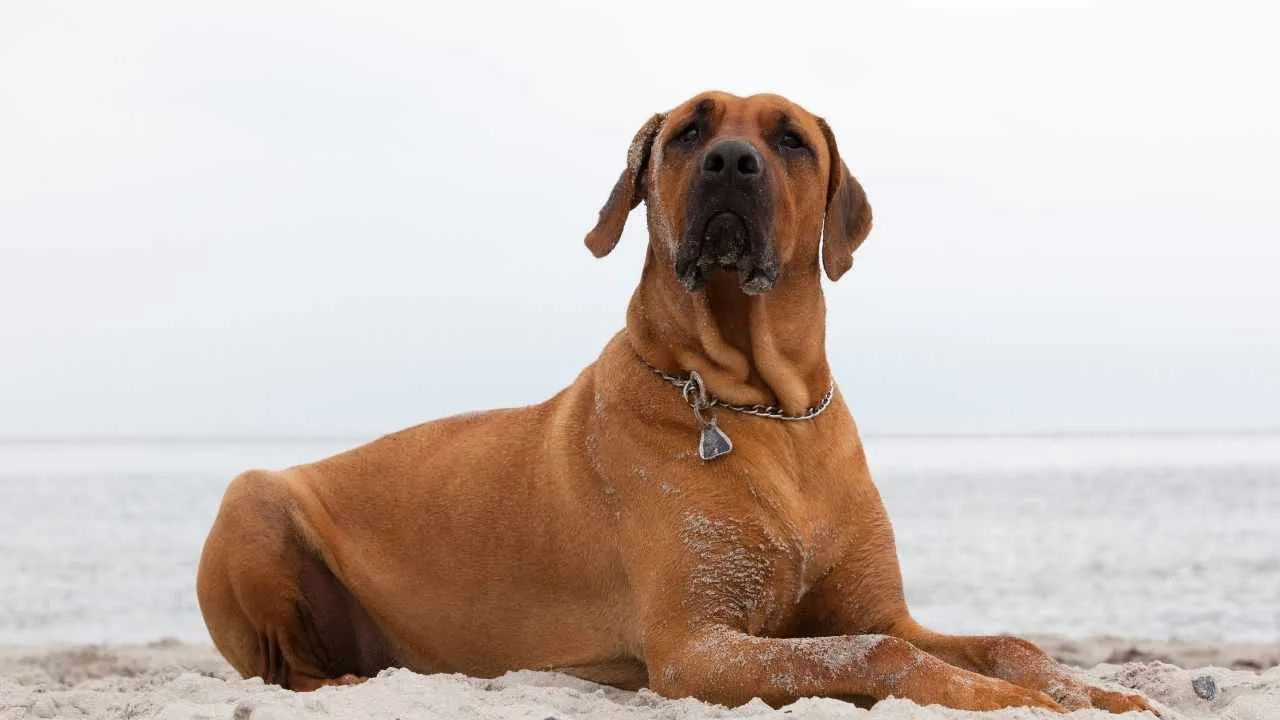
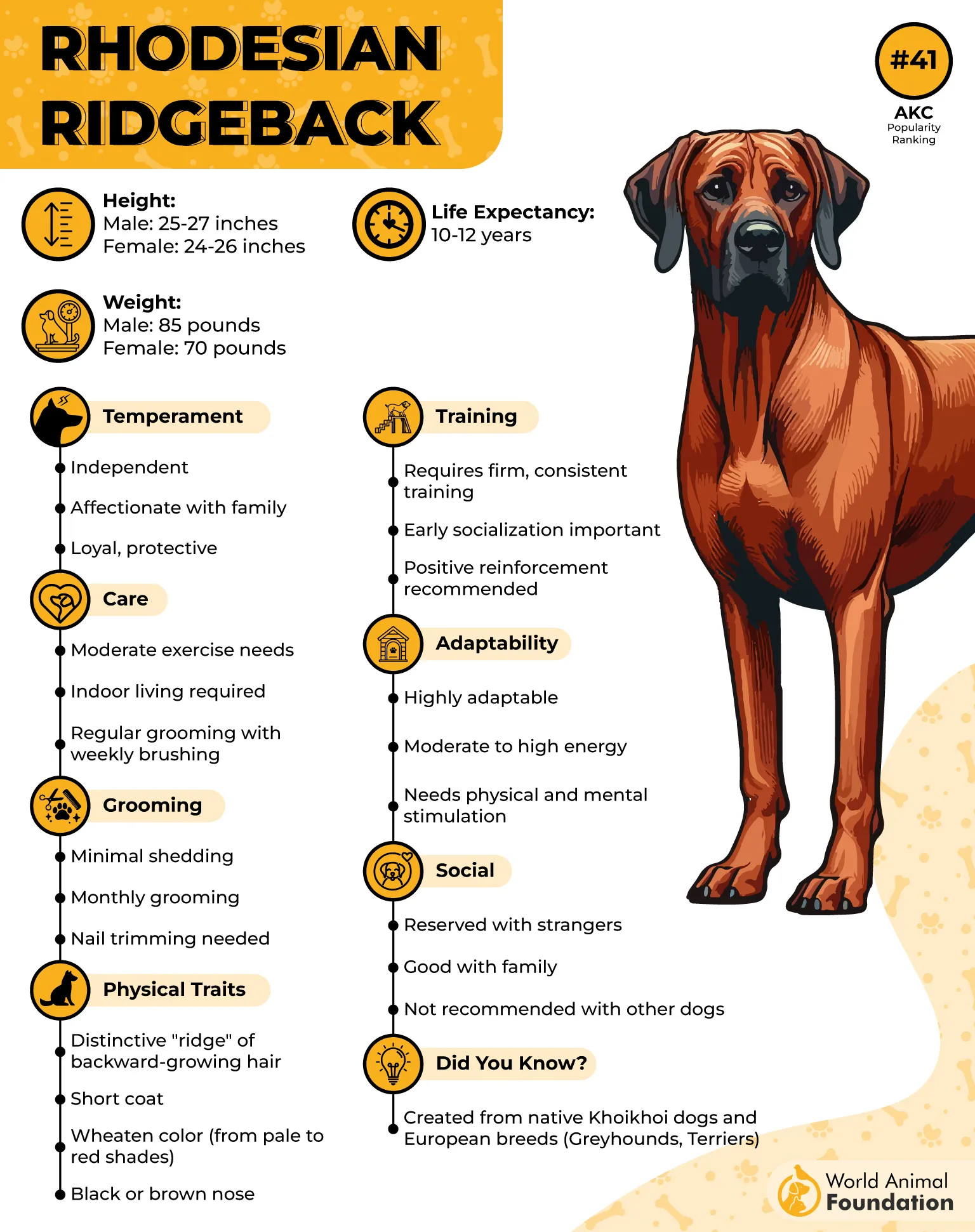
Rhodesian Ridgeback is recognized for the ridge of hair running along its back in the opposite direction of the coat, a defining feature tied to its identity.
Beneath this detail lies an athletic and muscular build shaped for strength and endurance. Known as the African Lion Hound, it once worked in demanding hunting conditions involving large predators.
Steady Working Drive
This family pet combines calm indoor behavior with the stamina expected from a long-distance working hound. Regular activity and mental engagement keep the focus balanced and prevent restlessness.
A few core traits explain its working nature clearly:
Strong endurance for long activity
Calm presence in indoor spaces
Responds well to structured exercise
Adaptability and Routine Needs
Rhodesian Ridgeback functions best with consistent physical activity and purposeful tasks woven into its routine. Around 45 minutes of daily exercise helps maintain balance in energy levels and focus. Mental engagement plays an equally important role in keeping behavior steady and predictable.
7. Kuvasz
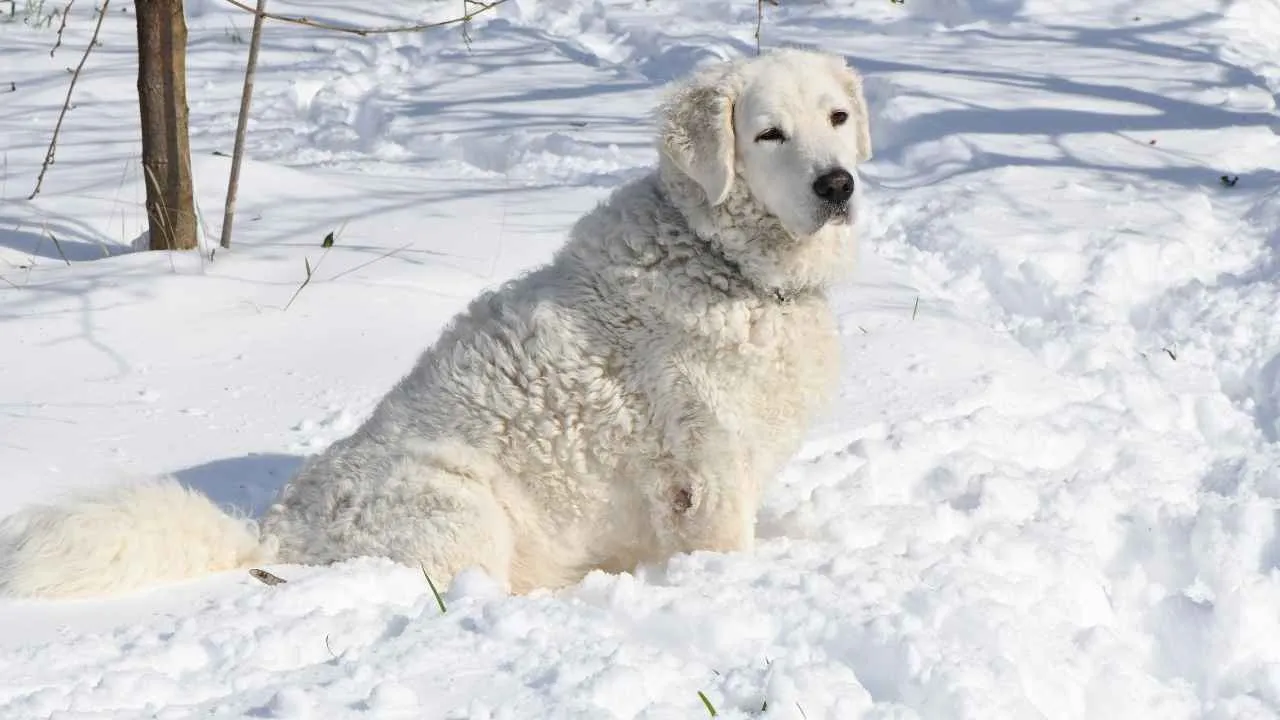
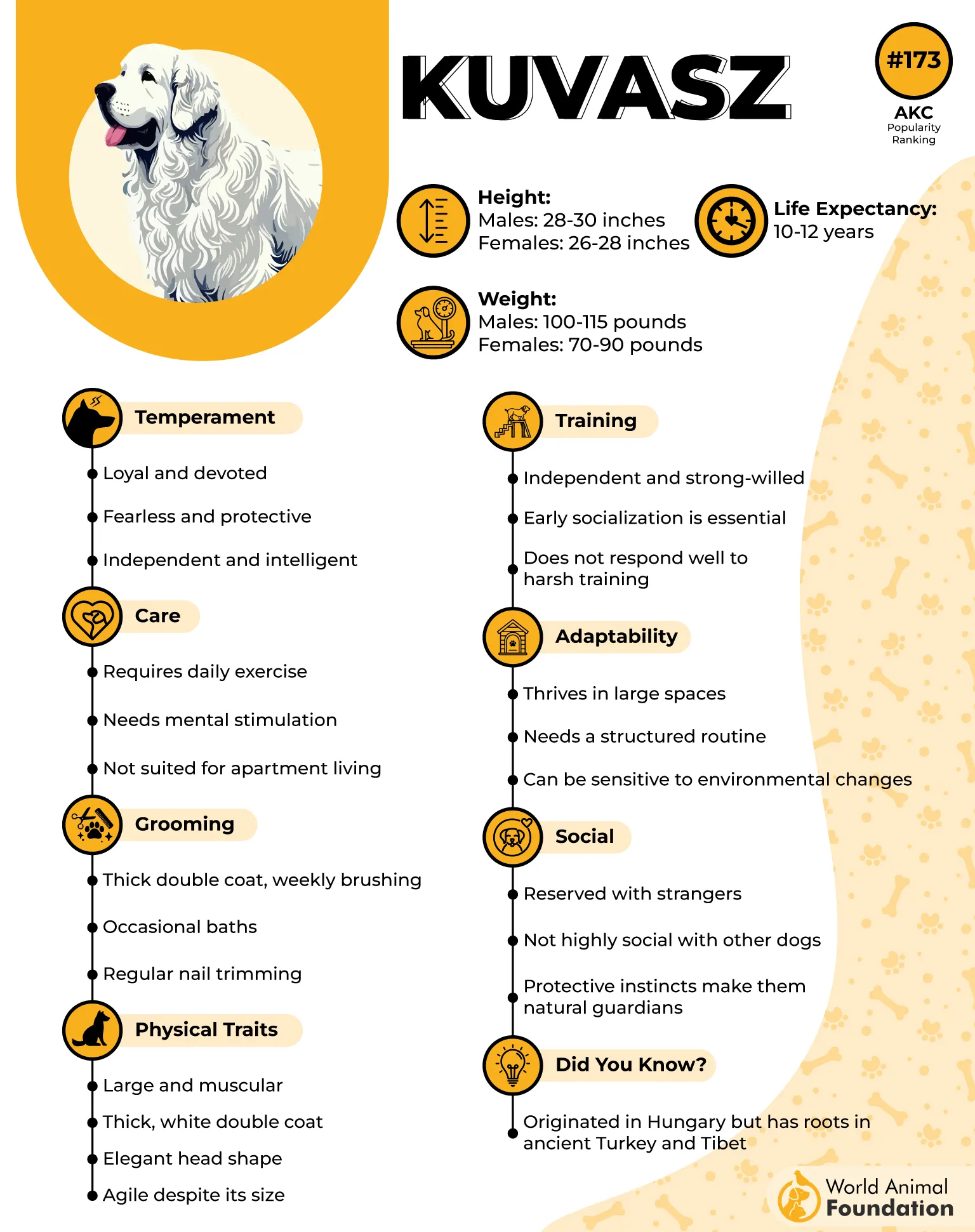
Kuvasz is known for its thick white coat and strong presence as a livestock guardian shaped through generations of working alongside herders.
Its journey is linked to ancient movements from the Ural Mountains into Hungarian lands. The breed’s identity centers on protection paired with steady composure.
Working Mind and Control Needs
Kuvasz responds best when given responsibility and clear direction, especially in structured environments where its guarding instinct is engaged. Early social exposure helps shape balanced behavior around people and animals.
A few key traits define its working style in daily life.
Strong protective focus
Learns through consistent guidance
Needs active engagement
Space Awareness and Activity Needs
Kuvasz carries a strong urge to patrol and monitor its surroundings, which links back to its guardian role across open terrains. Regular structured activity helps channel this instinct into balanced routines. Its large frame pairs with a need for purposeful movement rather than idle time.
Conclusion
The appeal of a low-maintenance guardian lies in simplicity. These dogs approach their role with confidence and control, staying aware of their surroundings and loyal to their family members. With proper socialization, many become excellent guard dogs without dominating household life.
That balance makes them appealing to people seeking companionship and protection. No breed is completely effortless, but some fit busy schedules more comfortably than others. With exercise and mental stimulation, a properly trained protection dog can also be a wonderful family pet, offering security and companionship.
