




Ever wondered… what kind of dog can actually protect your home without turning your life upside down?
Not the constant loud barking. Not the endless grooming. Not the chaos people usually expect. Just… calm presence. Quiet awareness. And the kind of instinct that notices things before you do.
Here’s the surprising part.
Most people think guard dogs are high-maintenance, hyper, hard to manage… almost like a full-time job.
But that’s not always the truth. Some breeds are different.
They don’t demand attention every second. They don’t react to everything. They don’t drain your energy just to stay balanced. Instead… they observe. They settle. They respond only when it actually matters.
And that changes everything. Because protection doesn’t always mean noise or intensity. Sometimes it’s silence… followed by certainty.
So if you’re looking for dogs that bring security without the stress, and loyalty without the overload…
Let’s get into it.
Here are 7 low-maintenance guard dog breeds that stay calm and alert.
Low-Maintenance Guard Dog Breeds That Stay Calm and Alert
1. Boerboel
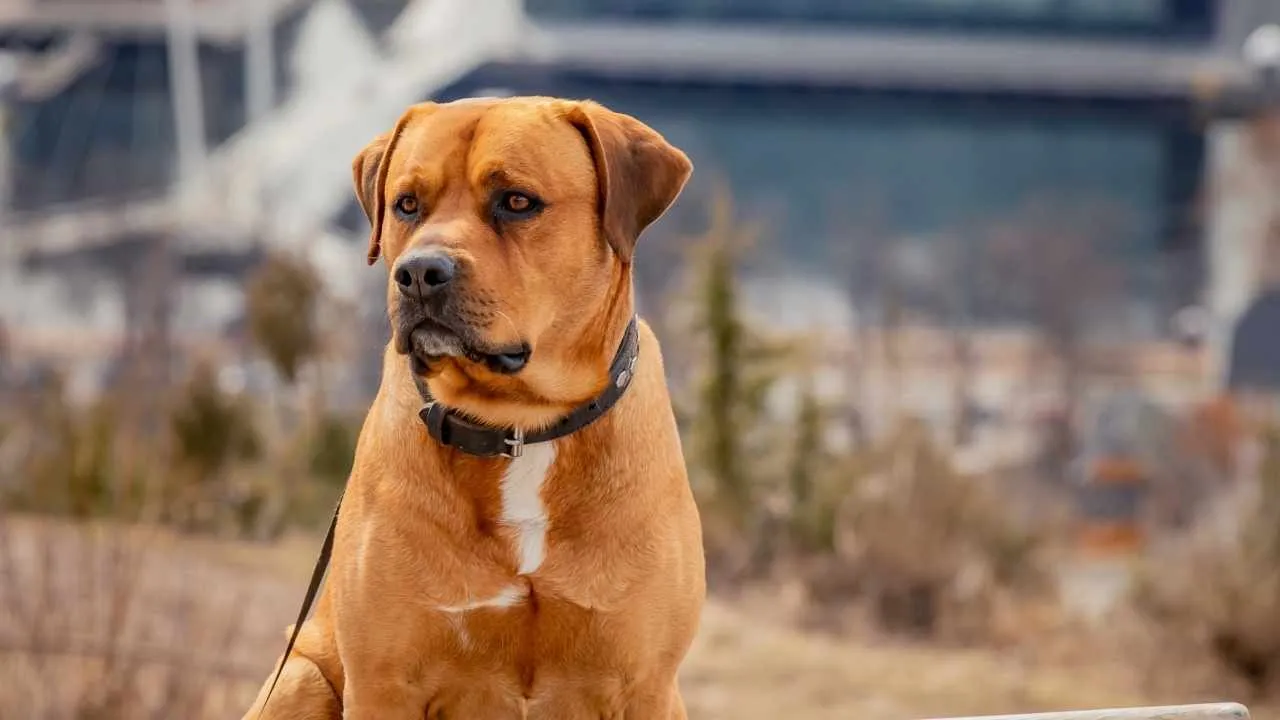
The Boerboel is a steady, composed working dog originally developed for farm and home protection.
Its natural confidence means it doesn’t require constant correction or strict handling in everyday situations, especially when raised with structure from an early age.
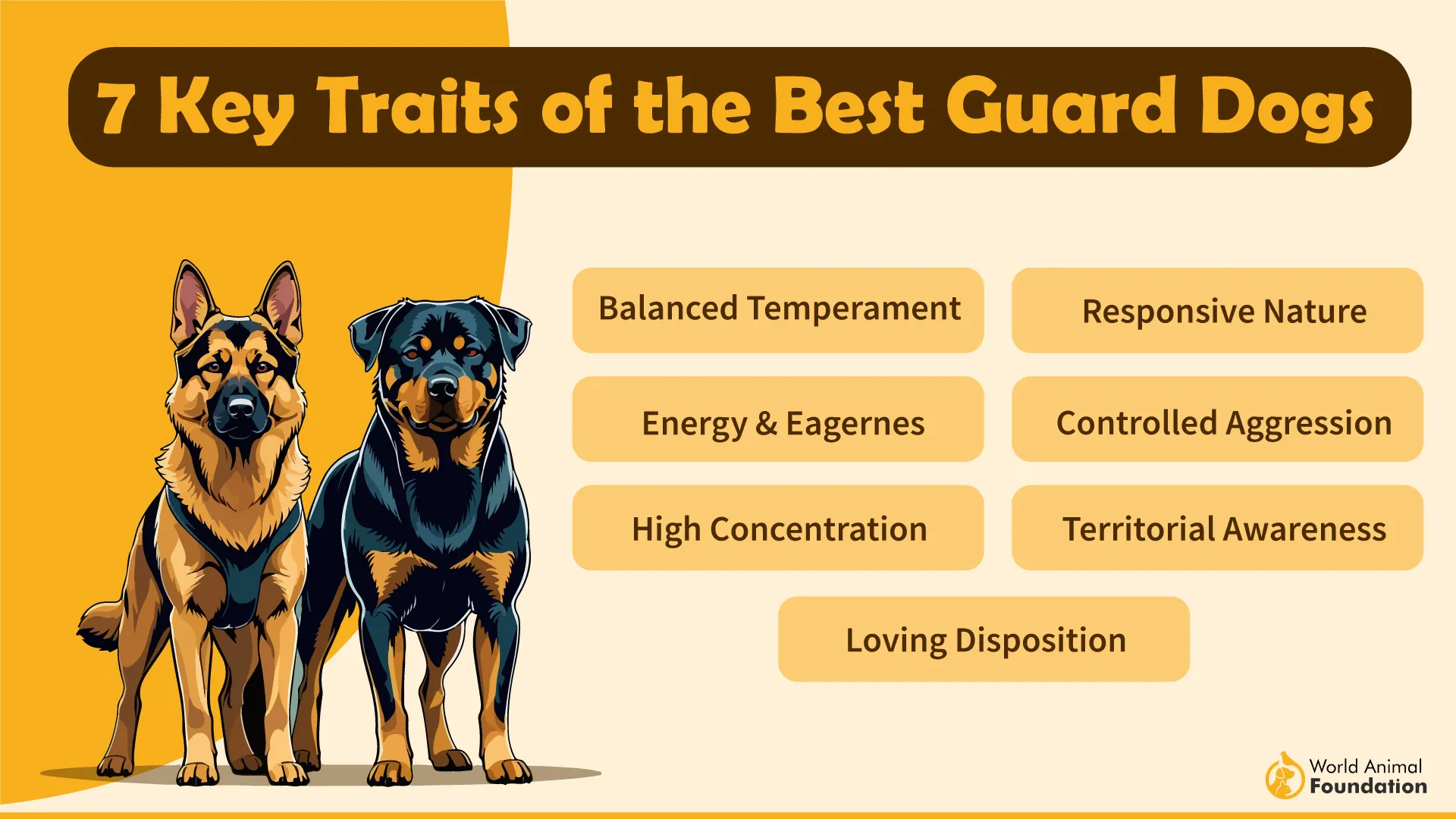
According to WebMD, the breed is known for strong awareness of unfamiliar situations and a stable temperament, which helps it settle into predictable household routines.
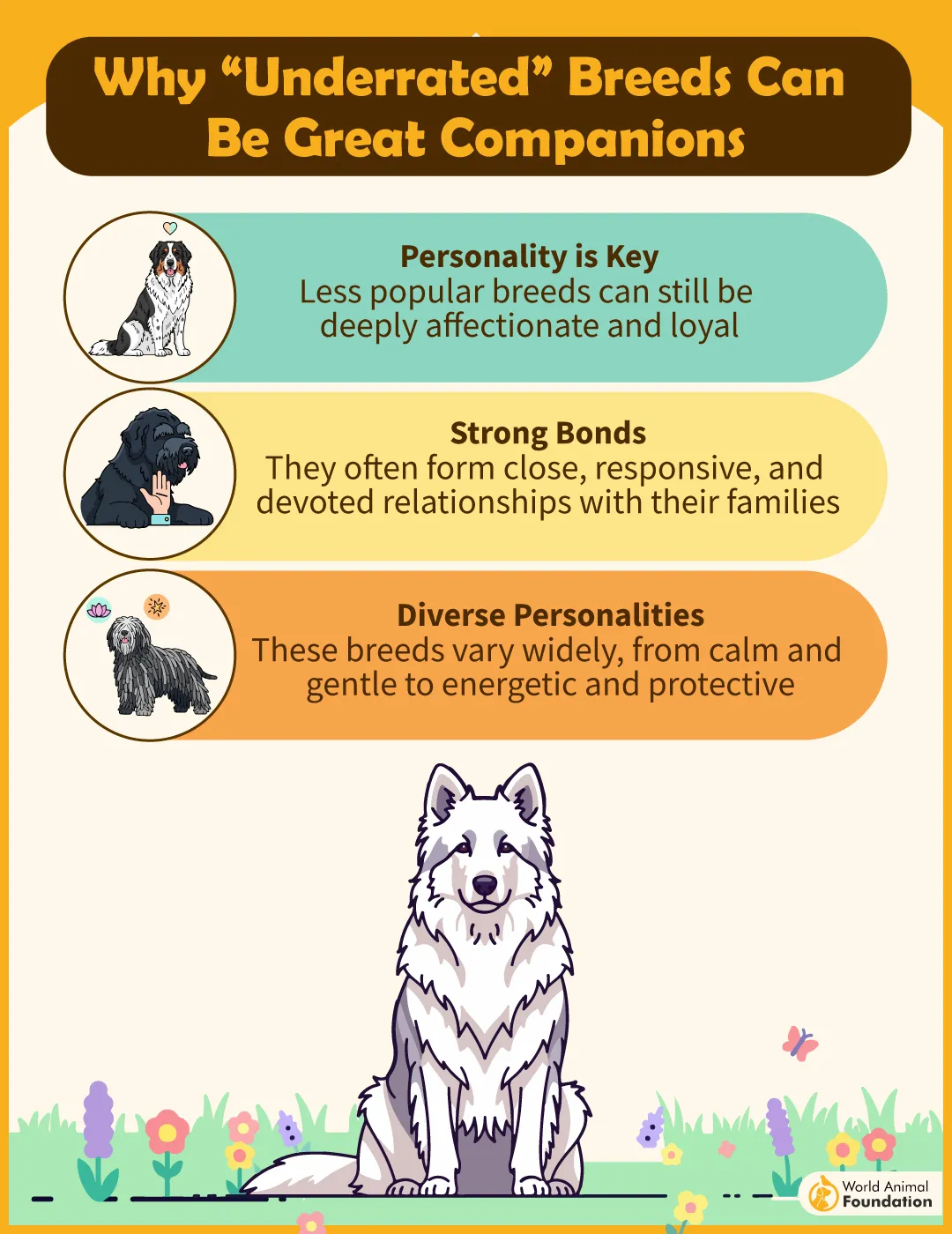
In daily life, this translates into fewer management issues indoors. The dog is typically content resting near family activity rather than demanding attention or high levels of exercise and mental stimulation.

It does not rely on constant entertainment or excessive exercise routines to stay balanced, which can make day-to-day care more straightforward for experienced owners.
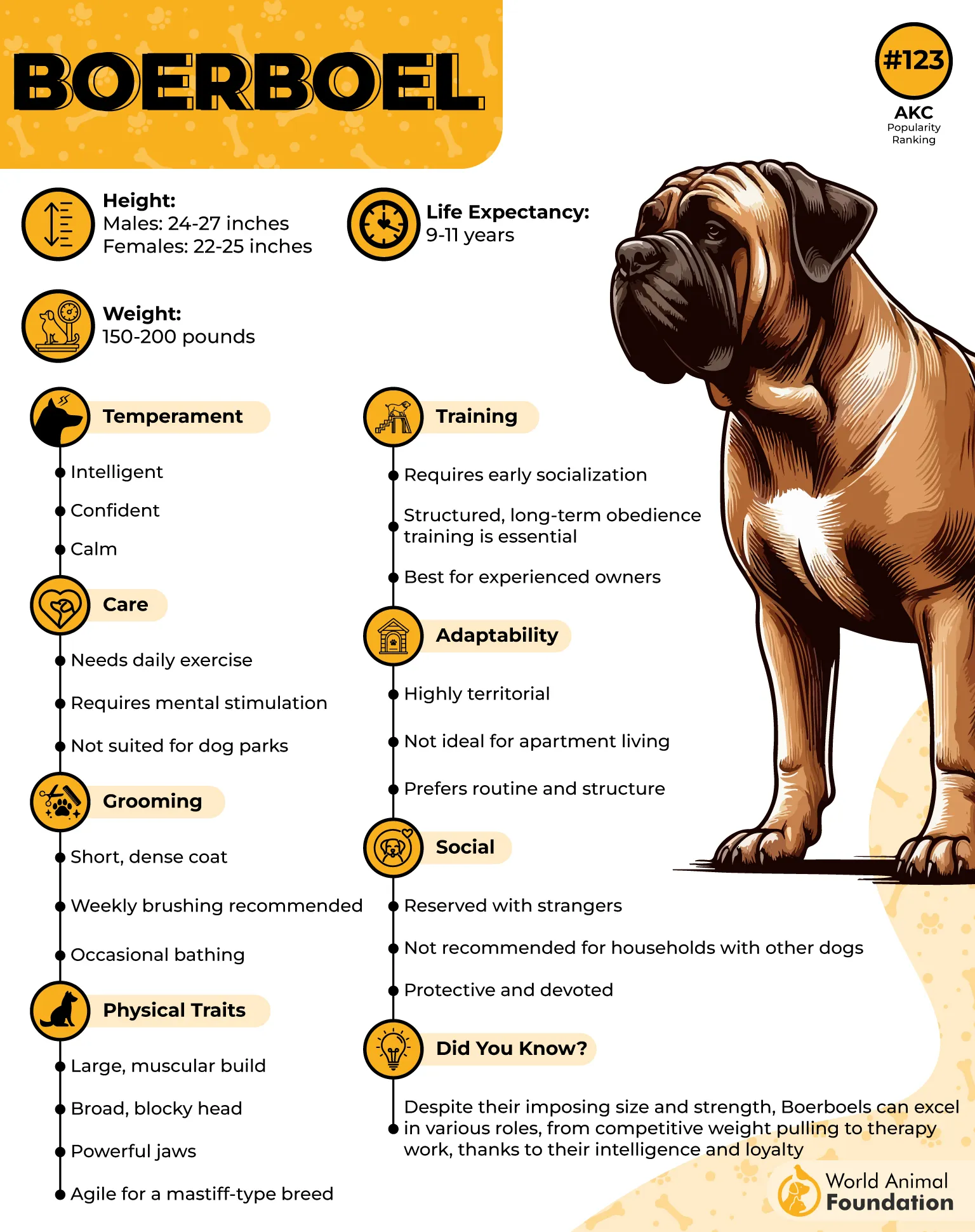
Another factor that reduces upkeep is its short, dense coat. Grooming needs are minimal, with weekly brushing usually enough to remove loose hair and maintain coat condition.
There is no complex trimming schedule, and bathing is only occasional, mostly after outdoor work or dirt exposure.
While its strength and imposing size require responsible handling, its structured, low-demand grooming and naturally settled home behavior make it more manageable than many high-energy working breeds.
2. Chinook

The Chinook is a sled dog breed from New Hampshire that has adapted well to family life due to its steady, calm temperament and highly alert nature.
It has strong instincts to protect and responds quickly to threatening situations and unfamiliar sounds.
It tends to integrate smoothly into household routines without requiring constant direction or high-intensity handling, especially when basic structure is established early.
One of the reasons it is considered relatively low-maintenance is its balanced energy pattern.
While it benefits from daily exercise, it does not typically demand extreme physical activity or complex stimulation programs to stay settled at home. This makes it easier for owners with regular schedules to manage without extensive planning.
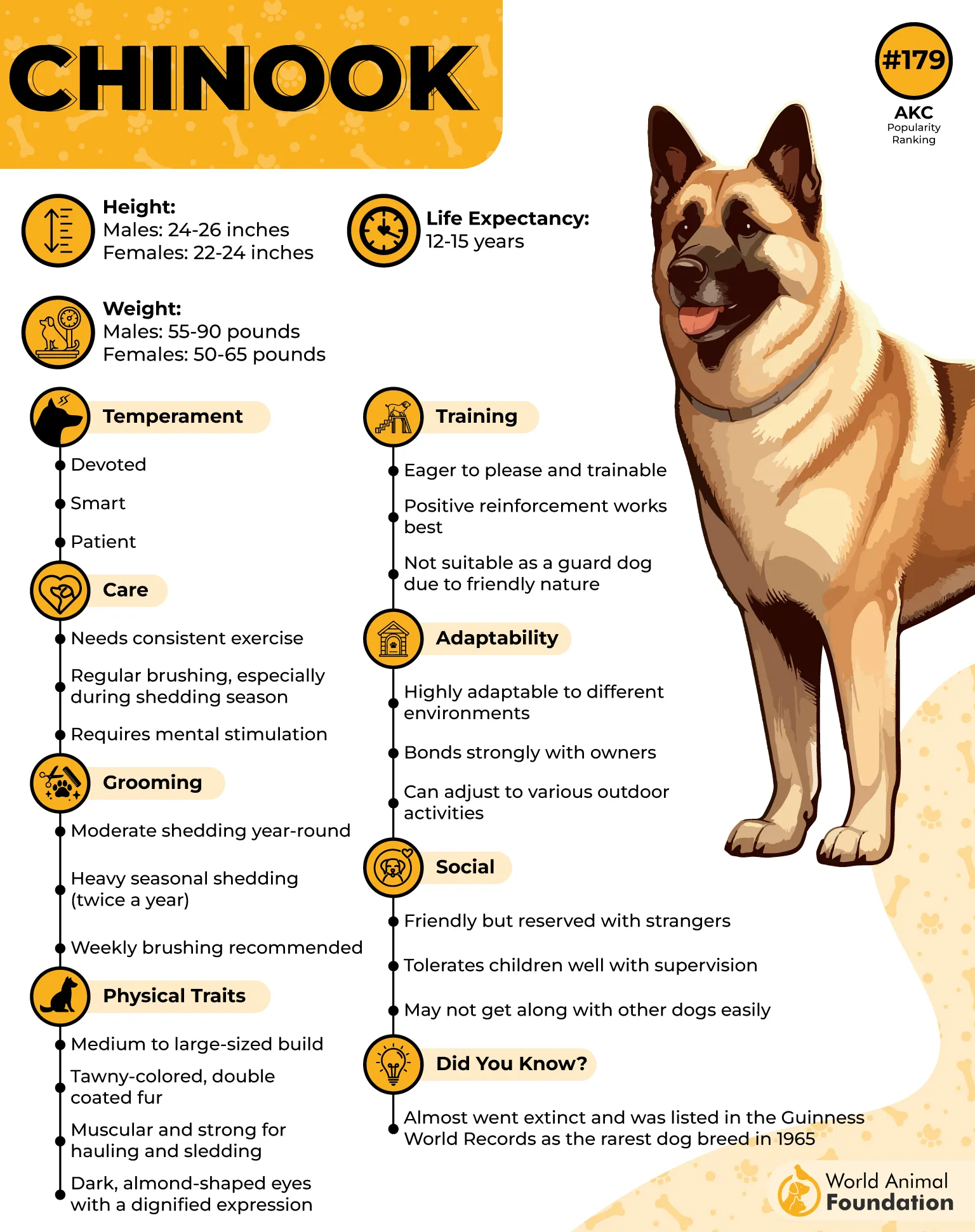
Once properly trained, it usually maintains its behavior without frequent reinforcement. which reduces long-term training effort.
From a care standpoint, maintenance is also manageable. Its dense coat does shed seasonally, but weekly brushing is usually enough for everyday upkeep.
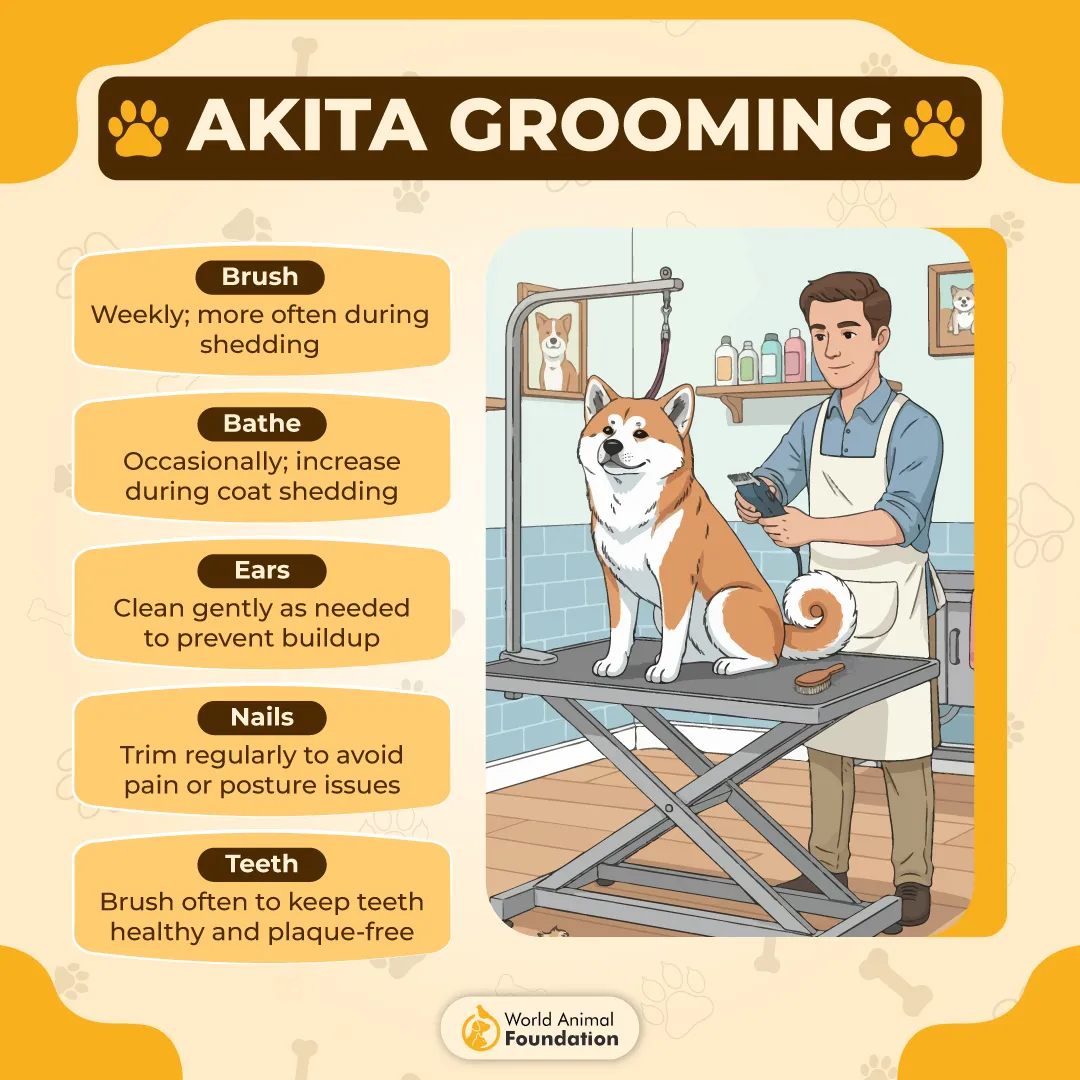
Even during heavier shedding periods, grooming needs remain predictable rather than intensive or professional-grooming dependent.
Overall, the Chinook is easier to maintain because it combines manageable exercise needs, cooperative training behavior, and simple coat care without demanding constant intervention in daily life.
3. Newfoundland
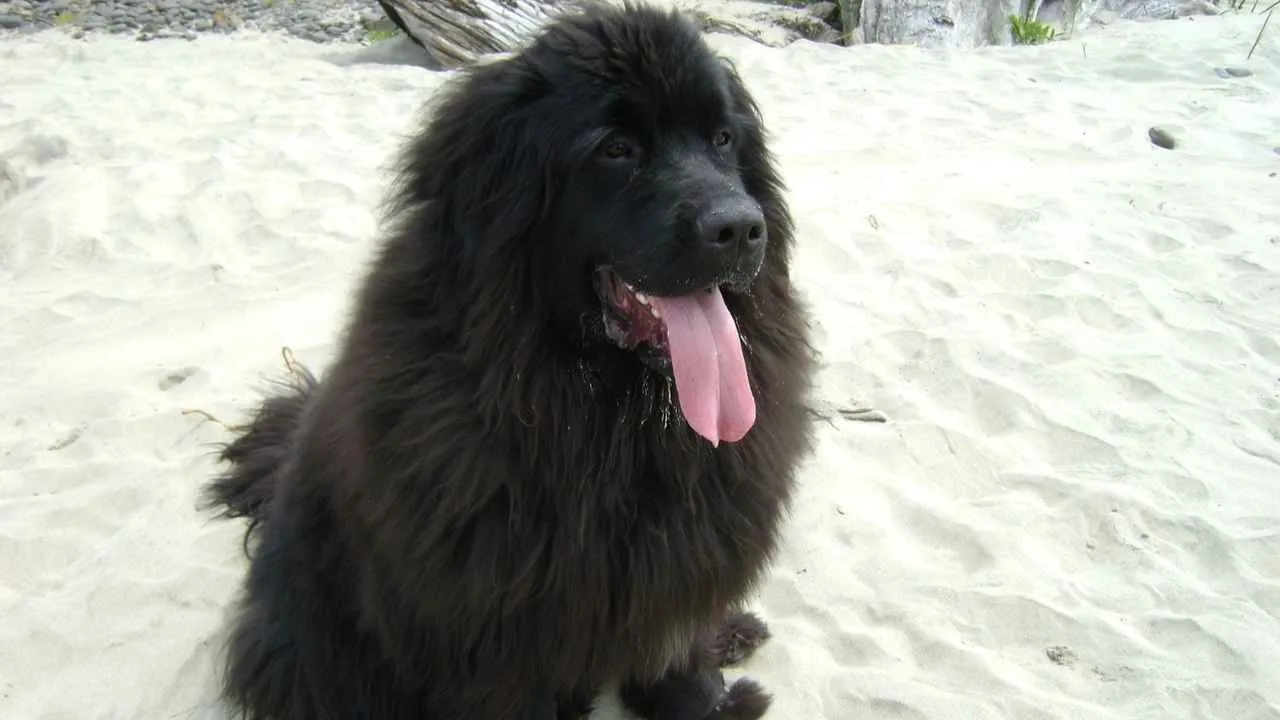
The Newfoundland is a large working breed with a natural protective instinct originally developed for water rescue and hauling tasks, but in home settings, it is known for its steady, easygoing household behavior.
One reason it is often considered manageable despite its size is its predictable daily routine.
This protective dog breed does not require complex training structures or constant mental stimulation to remain settled indoors, which makes day-to-day handling more straightforward for owners who maintain basic consistency.

In terms of training, the breed generally responds appropriately to calm, structured guidance and does not rely on strict or repetitive correction once household rules are established. This reduces long-term training effort compared to more reactive or high-drive working breeds.
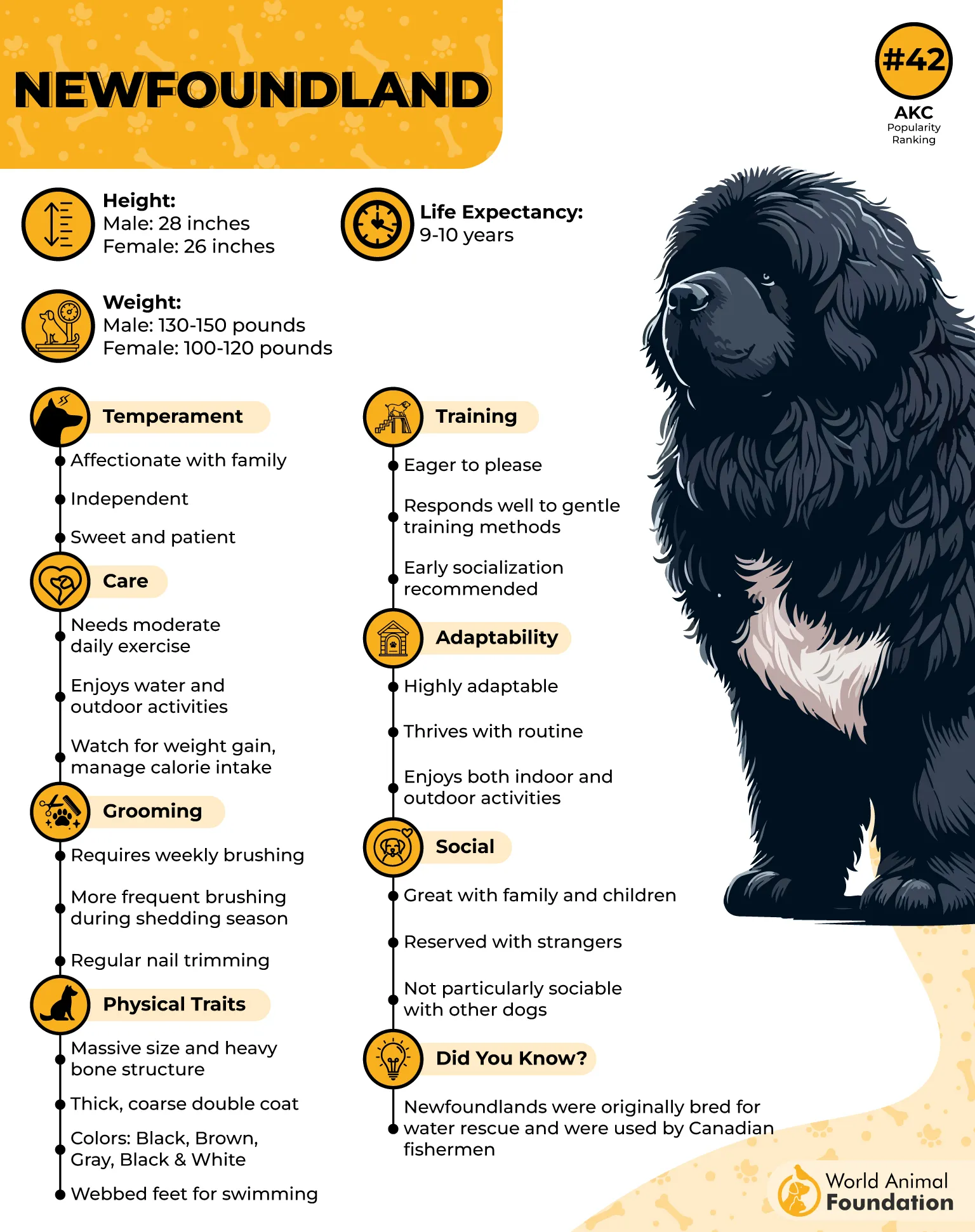
From a maintenance perspective, the coat is dense and does shed, but upkeep is predictable. Weekly brushing is usually sufficient to manage loose hair under normal conditions, while seasonal shedding requires more frequent grooming rather than professional intervention.
This makes coat care something dog owners can typically handle at home with routine effort instead of ongoing grooming costs.
Although drooling and coat upkeep are part of ownership, these are manageable through simple daily cleaning habits rather than specialized care routines.
Overall, the breed is considered low maintenance as well as the best guard dog breed, not because it needs little attention, but because its needs are consistent, predictable, and manageable within a regular household routine.
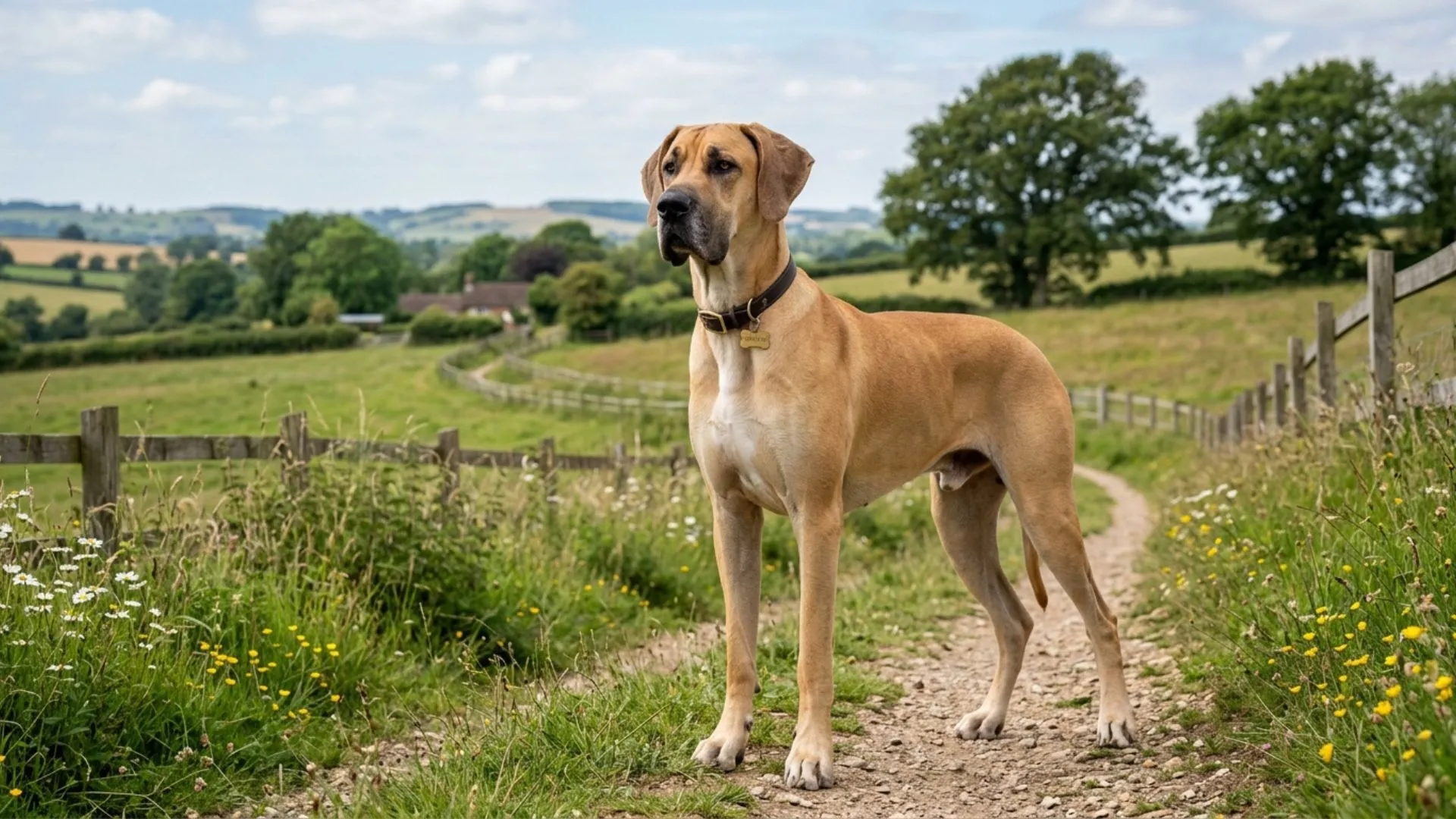
4. Great Dane
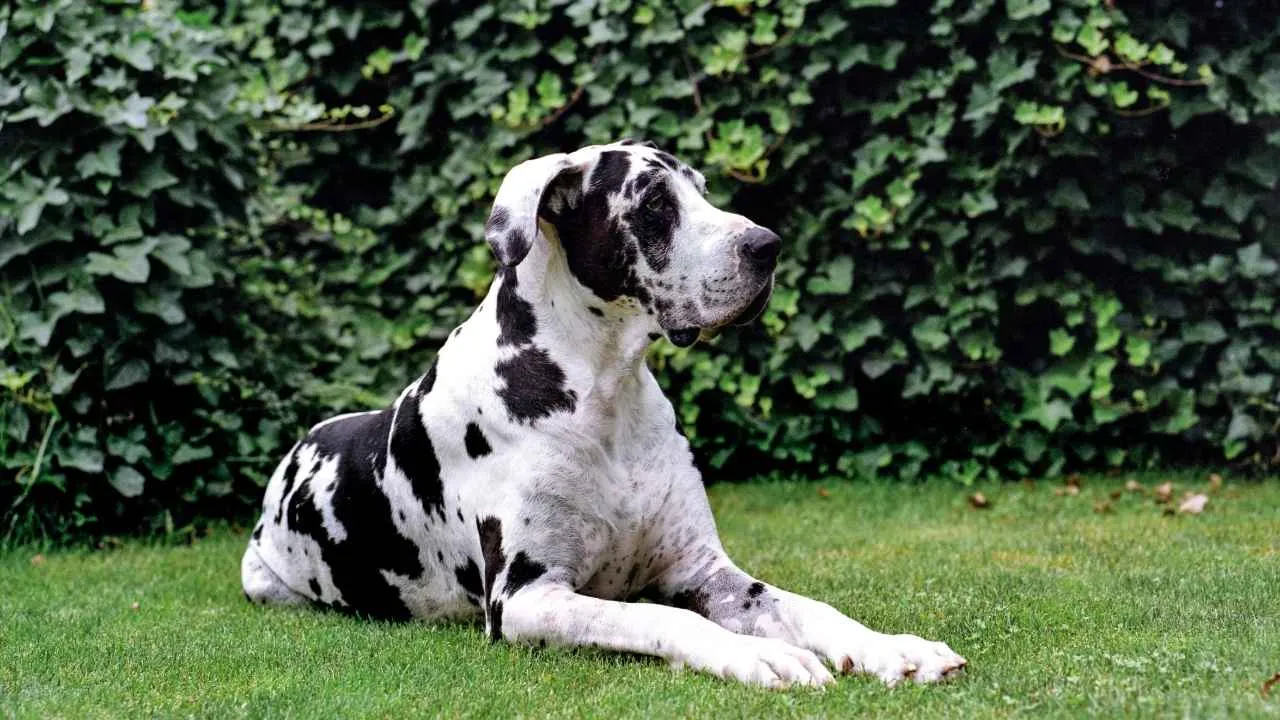
The Great Dane settles easily into household routines, which is one reason it’s often considered manageable despite its size.
It is known for its gentle yet protective nature, making it an excellent choice for families seeking a calm and naturally alert companion.
In home environments, one reason it is often considered easier to manage than many other guardian breeds is its generally predictable routine, as mentioned by the AKC.
Once basic household structure is established, it does not usually require constant stimulation or complex activity planning to remain settled indoors.
Training tends to be more straightforward when started early, as the breed responds well to consistent, calm handling. It does not typically rely on repetitive correction throughout adulthood if rules are reinforced early, which reduces long-term training effort for owners.
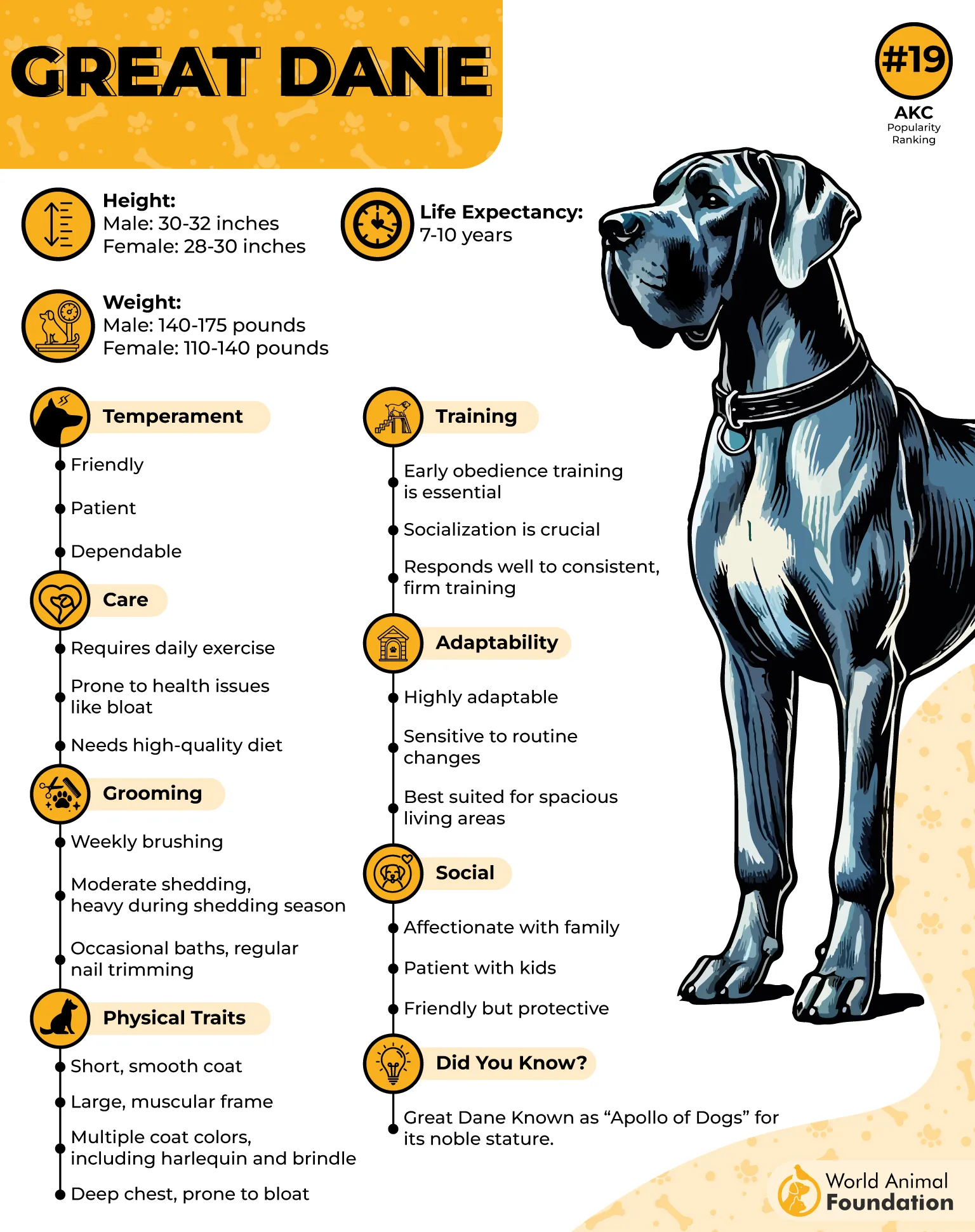
From a maintenance perspective, the short coat is relatively simple to care for compared to heavily coated working breeds.
Weekly brushing is usually enough to manage loose hair, and grooming does not require professional trimming or specialized coat maintenance. Shedding does increase seasonally, but it remains manageable through routine at-home care.
While space and responsible handling are necessary due to size, the daily upkeep remains practical because care routines are consistent and do not demand intensive grooming systems or high-maintenance training structures.
Overall, the breed is considered low maintenance in terms of grooming and consistent training rather than physical capability or presence.
5. Rhodesian Ridgeback

The Rhodesian Ridgeback is often chosen by owners who prefer a dog that is an excellent guard dog but does not require constant direction or overstimulation to stay balanced in a home environment.
Once household rules are established early, the breed tends to follow a stable routine without needing repeated correction, which reduces ongoing training effort compared to more reactive working dogs.
This highly intelligent breed is also relatively self-sufficient in daily behavior. It can spend long periods resting indoors without demanding continuous engagement or structured activities, making it easier for owners with regular work schedules to manage.
It is incredibly loyal to its family, but it tends to think for itself, so it needs proper training and early socialization.
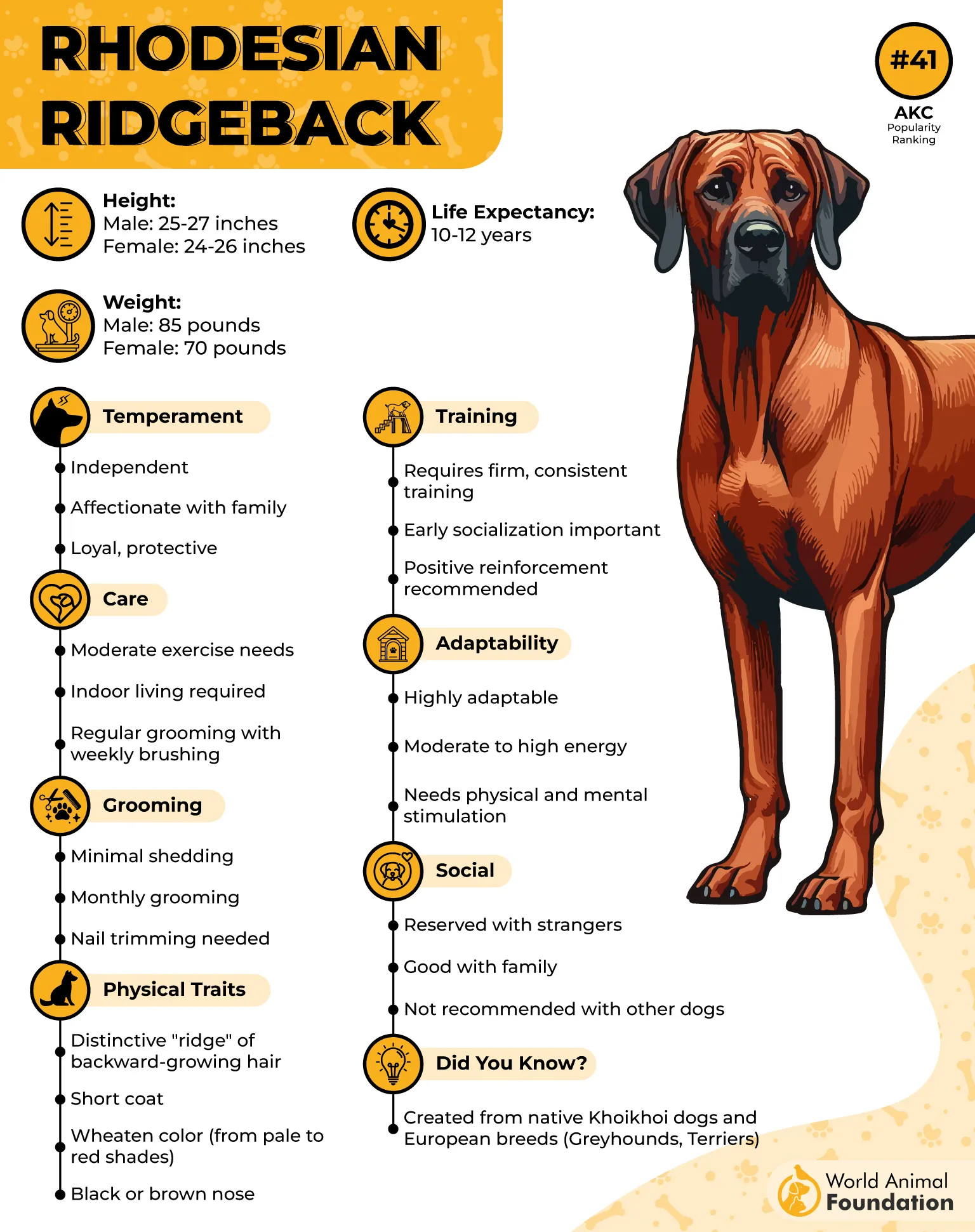
In terms of grooming, maintenance is straightforward. The short coat does not require trimming or professional grooming services, and weekly brushing is usually enough to remove loose hair and maintain coat condition.
Even during shedding periods, upkeep can typically be handled at home without specialized tools or frequent appointments.
However, the breed does benefit from consistent early training because it has a strong independent nature. When guidance is established early, it tends to remain stable and predictable in everyday situations.
Overall, its low-maintenance profile comes from simple grooming needs, predictable routine behavior, and the absence of complex care requirements rather than minimal responsibility.
6. Rafeiro do Alentejo
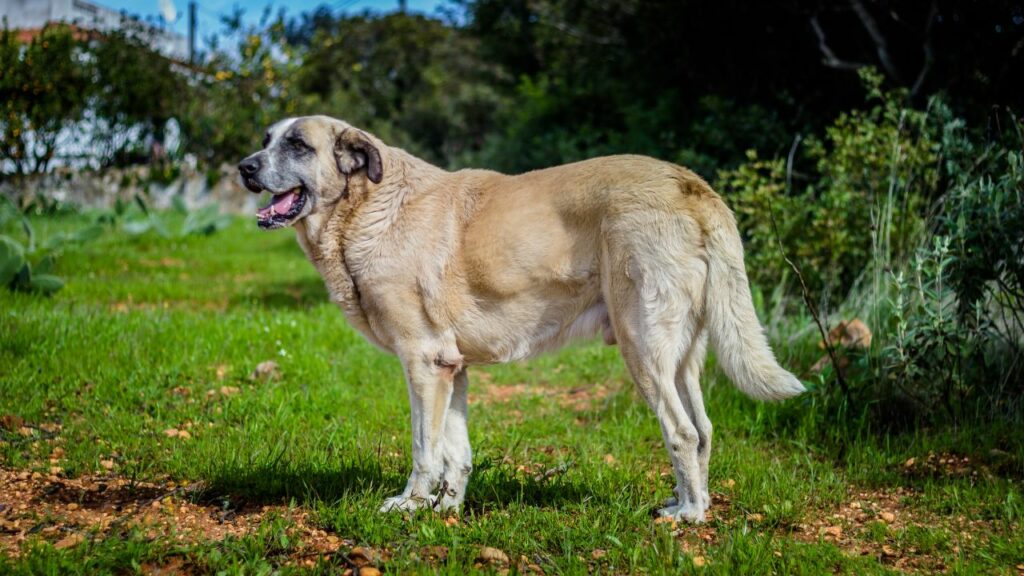
The Rafeiro do Alentejo is a traditional livestock guardian breed developed for independent decision-making in rural environments, which translates into a predictable and low-intervention routine in the home, as mentioned by PetMD.
Once it understands household boundaries, it generally does not require constant correction or supervision to maintain stable behavior indoors, especially in structured environments.
One reason it is considered low maintenance is its self-managed activity pattern.
This protection dog breed is comfortable spending long periods resting or loosely monitoring its surroundings without needing continuous stimulation, training exercises, or structured entertainment to remain balanced.
Training effort is typically front-loaded. Early guidance and consistent household rules are more important than ongoing correction, as the breed tends to retain learned patterns well once established. This reduces long-term management compared to more high-drive working dogs.
While some drooling is expected and outdoor space is beneficial, overall maintenance remains practical because daily care revolves around simple routines rather than intensive grooming, constant exercise planning, or complex behavioral management.
7. Broholmer

The Broholmer is a traditionally bred Danish guardian dog that was developed to manage farm and estate protection with minimal human direction, which still reflects in its modern-day household behavior.
Once the basic structure is established, it tends to settle into predictable daily routines without requiring constant correction or high levels of supervision indoors. One reason it is considered relatively low maintenance is its even activity pattern.
The breed does not typically demand continuous stimulation or complex exercise routines to remain balanced, making it easier for owners to manage alongside normal work and family schedules.
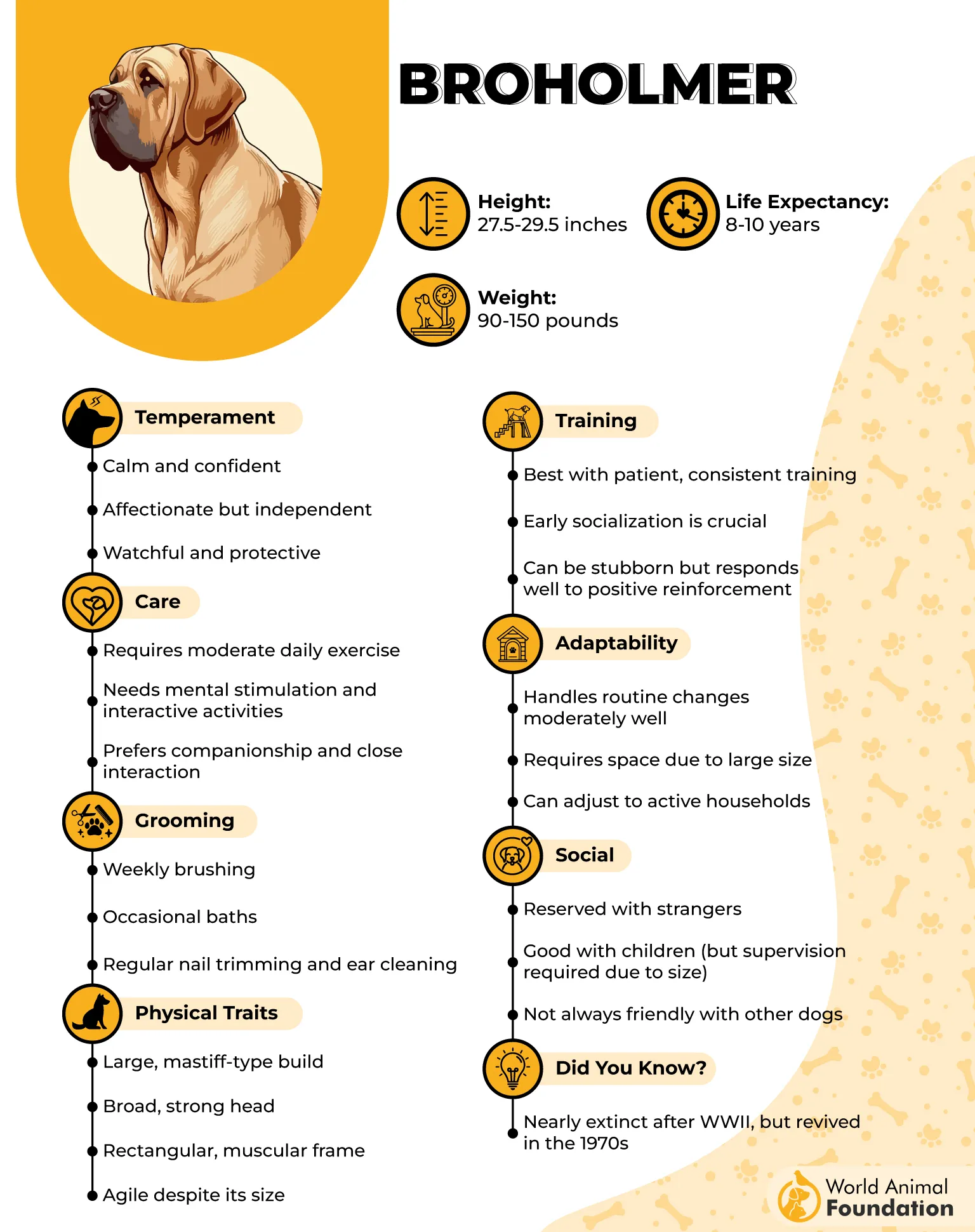
It adapts well to simple, structured handling from the start. The breed responds best to consistent, simple rules rather than repetitive or intensive training programs, which reduces long-term handling effort once expectations are learned.
Grooming is also uncomplicated. The short coat requires only routine weekly brushing to manage loose hair and maintain cleanliness, with occasional bathing as needed. There is no requirement for trimming, professional grooming cycles, or specialized coat maintenance.
Although its large frame requires responsible handling and space, everyday care remains manageable because the breed’s needs are predictable, routine-based, and do not rely on constant intervention or high-maintenance upkeep systems.
Conclusion
A right dog with natural instincts to protect does not always need constant grooming, endless energy, or aggressive behavior to keep a home secure.
Many calm and observant dogs naturally know when to relax and when to pay attention, making them easier to live with in everyday situations.
From family homes to quieter rural properties, these steady companions provide comfort, awareness, and protection without creating unnecessary stress.
Their balanced personalities, manageable care routines, and strong loyalty make them appealing for owners who want security that fits smoothly into family life rather than completely taking it over.
