




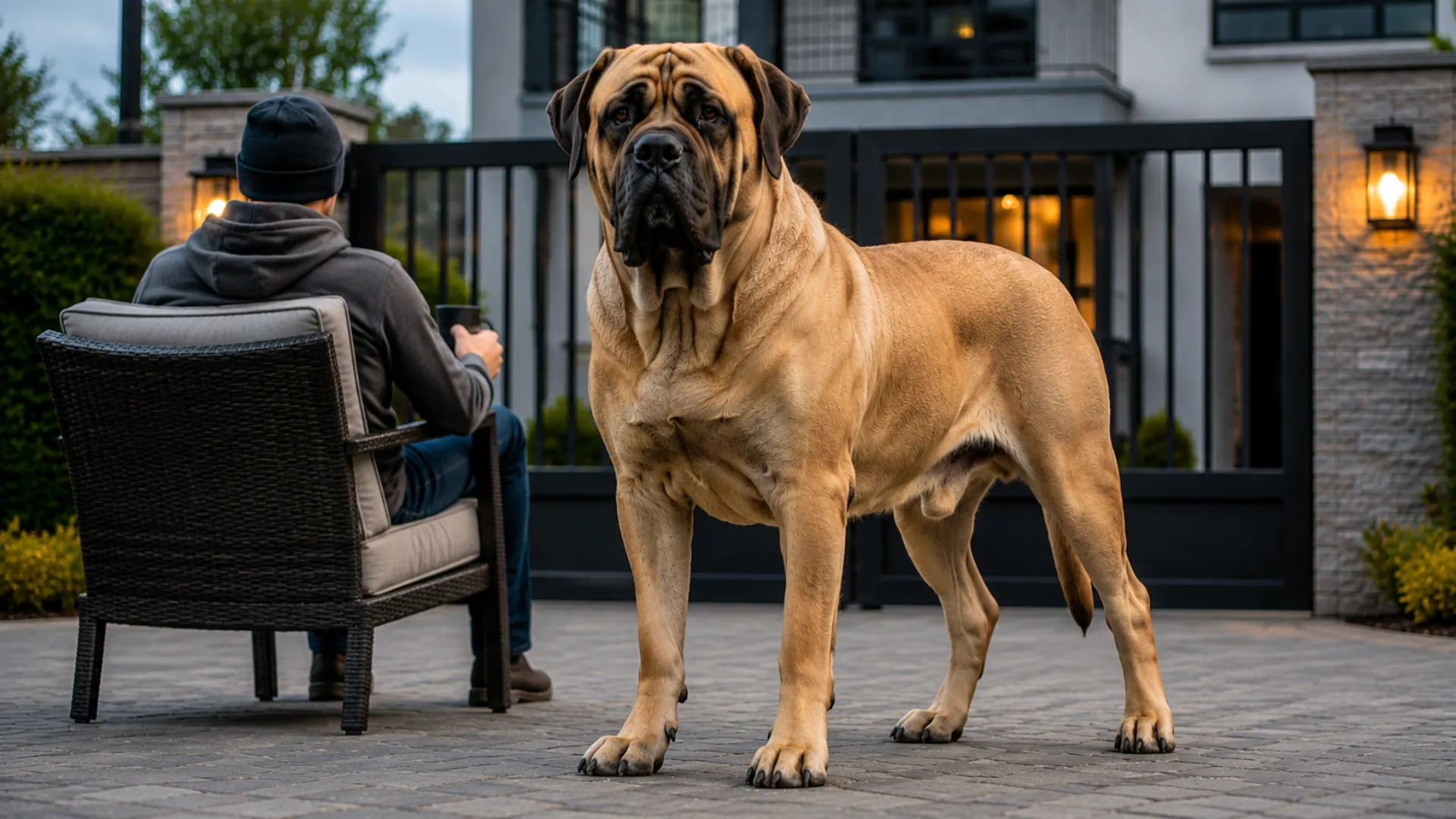
Every evening ended the same way. The house grew quiet, the front gate clicked shut, and one familiar figure calmly settled near the entrance before drifting off for the night. There was no frantic barking at every passing sound or endless need for entertainment after dinner.
The dog simply understood its place within the household and handled it with quiet confidence. Friends often expected a guard dog to bring constant work and nonstop energy, but they were left surprised after seeing how peaceful life actually felt.
That experience changed the way many people viewed protective breeds. Strength and awareness did not have to come wrapped in endless activity or demanding routines. Some dogs naturally offer both without asking owners to match an exhausting pace every single day.
Here, you’ll discover guard dog breeds that bring dependable watchfulness while fitting comfortably into a slower, more relaxed lifestyle.
Key Takeaways
Plenty of people believe every guard dog demands constant work, yet a few breeds quietly prove otherwise every single day.
The Kuvasz sheds only once or twice a year, while the Mastiff is known for staying surprisingly quiet despite its towering size.
Then there is the Tornjak, a guardian that cannot be bribed while protecting its home and remains gentle with the people it trusts.
By the last breed, you may find yourself looking at protective dogs in a completely different way.
Low‑Maintenance Guard Dog Breeds for Relaxed Owners
1. Kuvasz
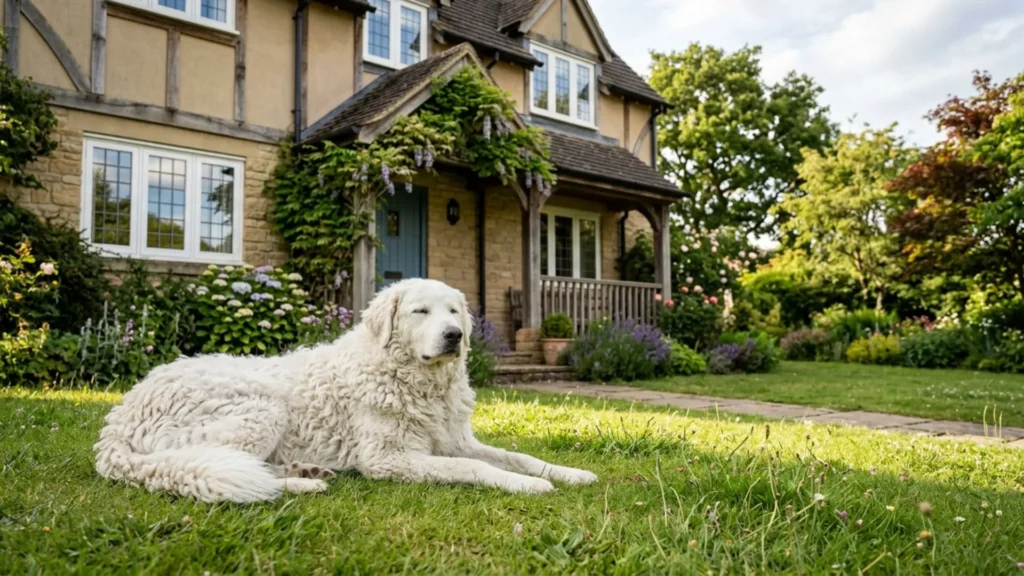
Kuvasz accompanied herding communities from the Ural Mountain region into Hungary, where this large white dog protected livestock while also serving as a hunting partner and personal guardian. That long working role shaped a confident temperament built around awareness and sound judgment.
Easy Coat Care
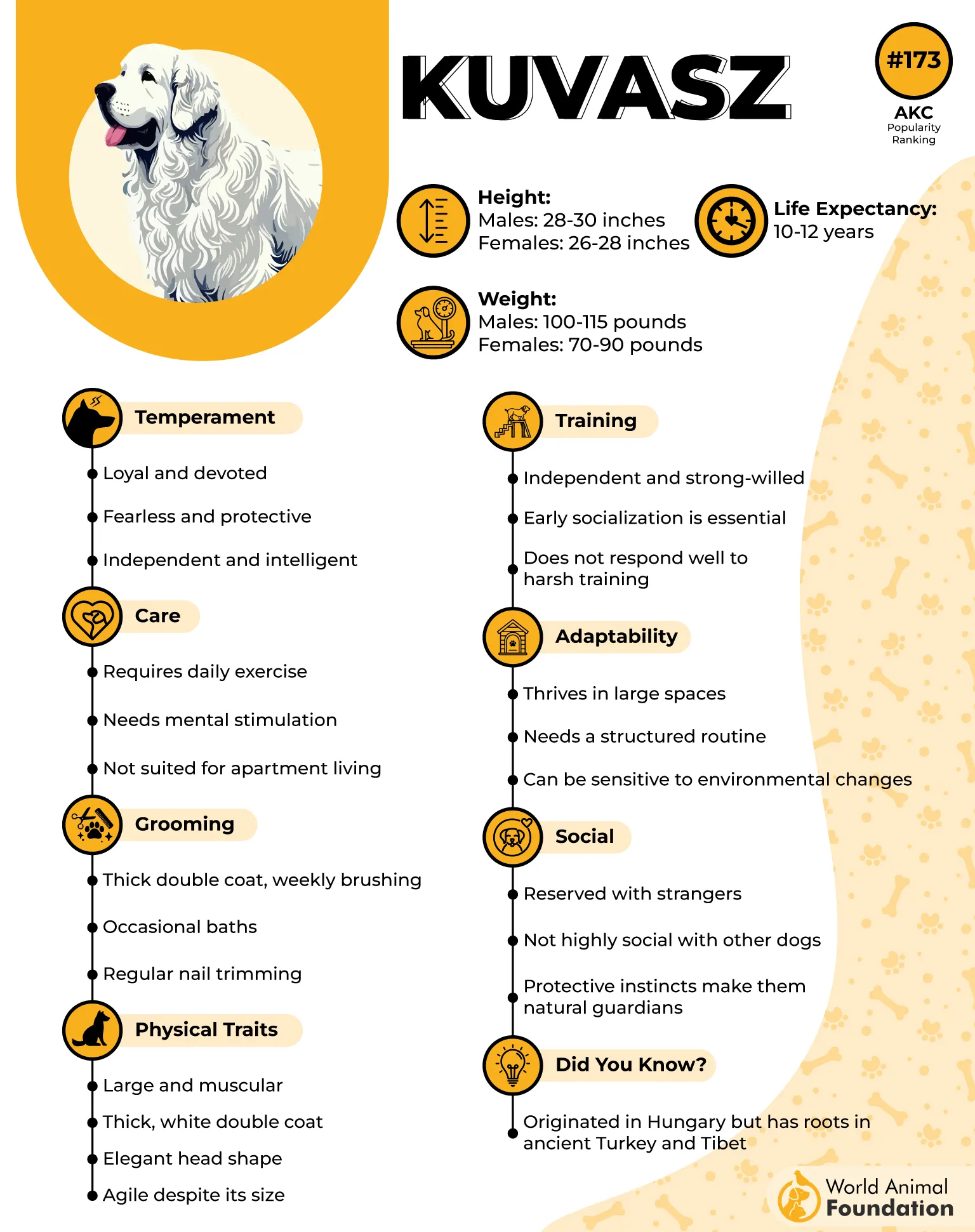
One practical advantage of the Kuvasz is its uncomplicated grooming routine, making routine care less demanding than its thick double coat might suggest. Weekly brushing removes loose hair and debris, while an occasional bath is generally enough to keep the coat in good condition.
The highlights of their coat continue here:
Double coat with fine undercoat
Dense white guard hairs
Shed their coat only once or twice a year
Calm but Capable
These protection dogs combine a composed nature with independent decision-making, a quality that came from guarding livestock without constant direction, as per Purina.
Early socialization helps puppies interact more confidently with children and other animals, while experienced handling suits this thoughtful working breed best.
2. Rafeiro do Alentejo
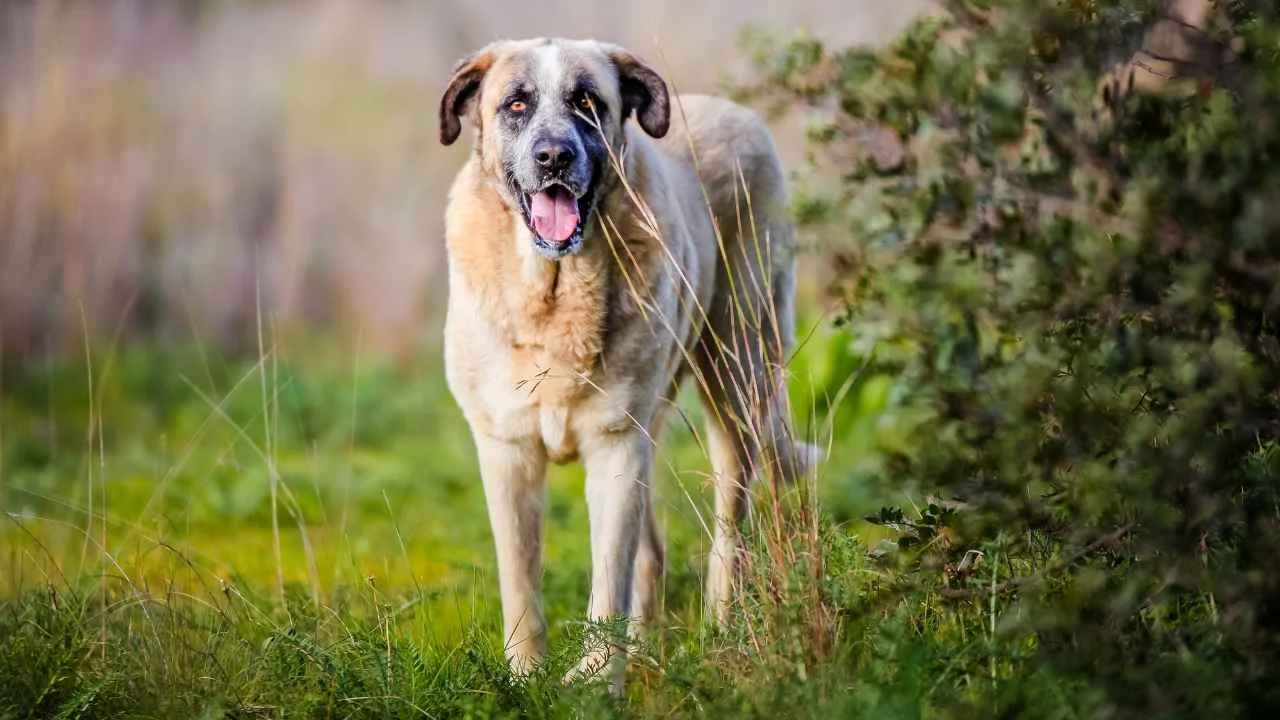
Rafeiro do Alentejo built its reputation watching farms and large estates, with much of its guarding work taking place after sunset. This Portuguese breed approaches its responsibilities with a calm expression, steady confidence, and a serious attitude whenever its territory requires attention.
Practical Upkeep
Its short-to-medium-length coat is thick, straight, and dense, making routine care refreshingly simple for people who prefer an uncomplicated grooming schedule, as noted by the AKC. Weekly brushing and the occasional bath are generally enough to keep the coat in good condition.
The following key traits add another layer to this guardian breed:
Once worked in packs for big-game hunting
Frequently guarded sheep and cattle alone
Fast-growing nails need regular trimming
Independent Worker
Rafeiro do Alentejo often handled livestock protection across open prairies without constant direction, stepping in whenever unfamiliar intruders approached the herd. That dependable working style explains why this breed became a trusted choice for guarding large properties over long periods.
3. Chinook
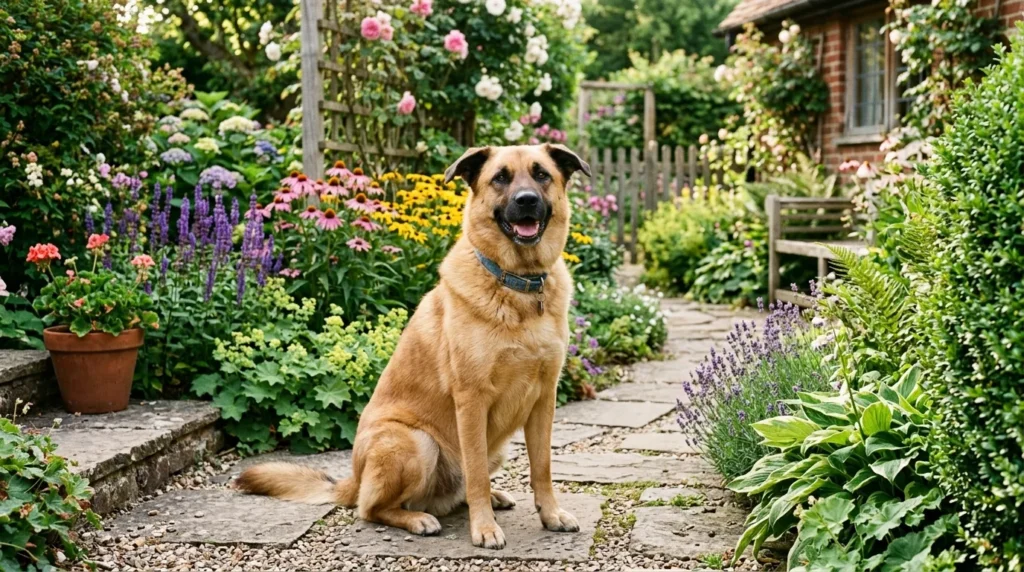
Chinook first appeared in New Hampshire during the early 1900s, when explorer and sled dog driver Arthur Walden bred a Siberian Husky with a Mastiff-type dog. That combination produced a powerful working dog with the endurance and steady nature needed for demanding outdoor tasks.
Easy Coat Care
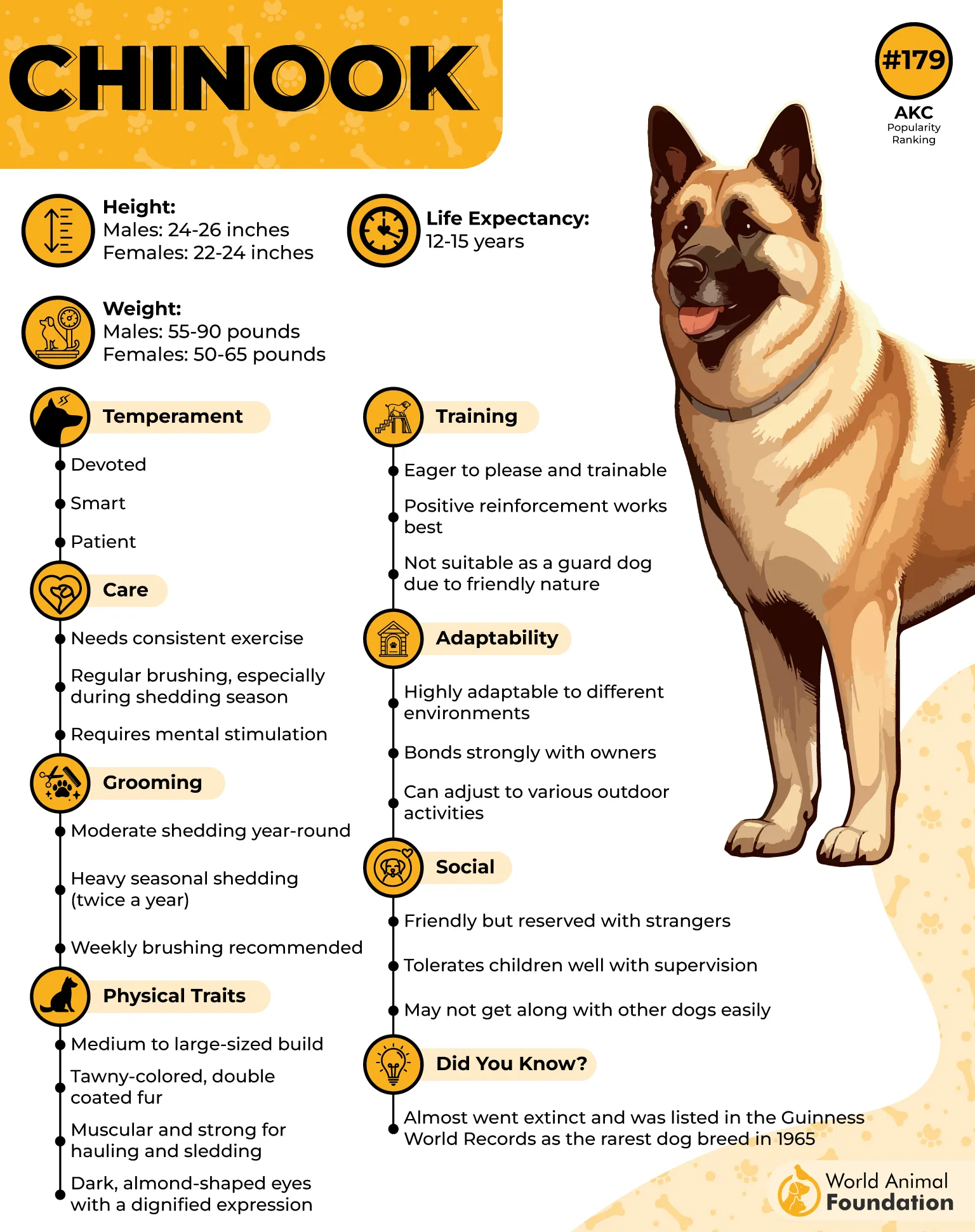
Chinook's plush double coat provides reliable insulation in colder weather while remaining fairly simple to care for throughout most of the year. Weekly brushing is generally enough, with a little longer grooming sessions mainly needed during seasonal shedding periods.
The breed has a few more surprises:
Webbed paws for snowy terrain
Saber-shaped tail
Among the AKC's scarcest breeds
Work With Purpose
They enjoy meaningful activities such as sledding, carting, agility, herding, obedience, and search-and-rescue work, giving their energy a productive outlet, as WebMD stated. Regular exercise helps keep this athletic breed in good condition while supporting the balanced temperament described by its breed club.
🎧 Dogcast
Episode 37 — Why Dogs Stay Close without Touching
If you don't hear sound, tap the button above to enable audio.
4. Mastiff
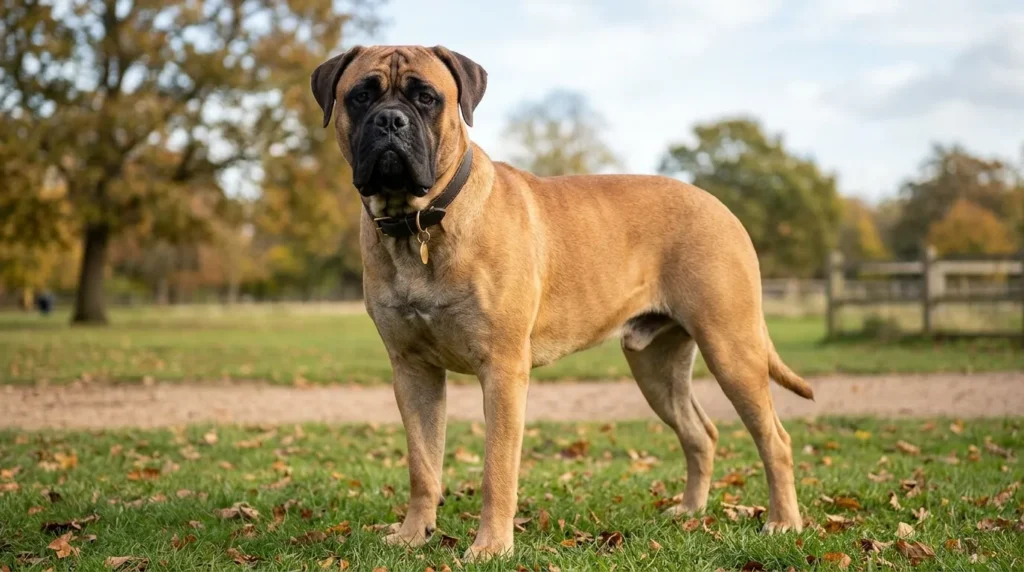
Mastiffs have served as great guard dogs since ancient times, with records connecting Mastiff-like dogs to as far back as 2500 BCE. That long tradition still appears today through a calm household presence that quickly shifts to alertness whenever something seems out of place.
Surprisingly Easy to Live With
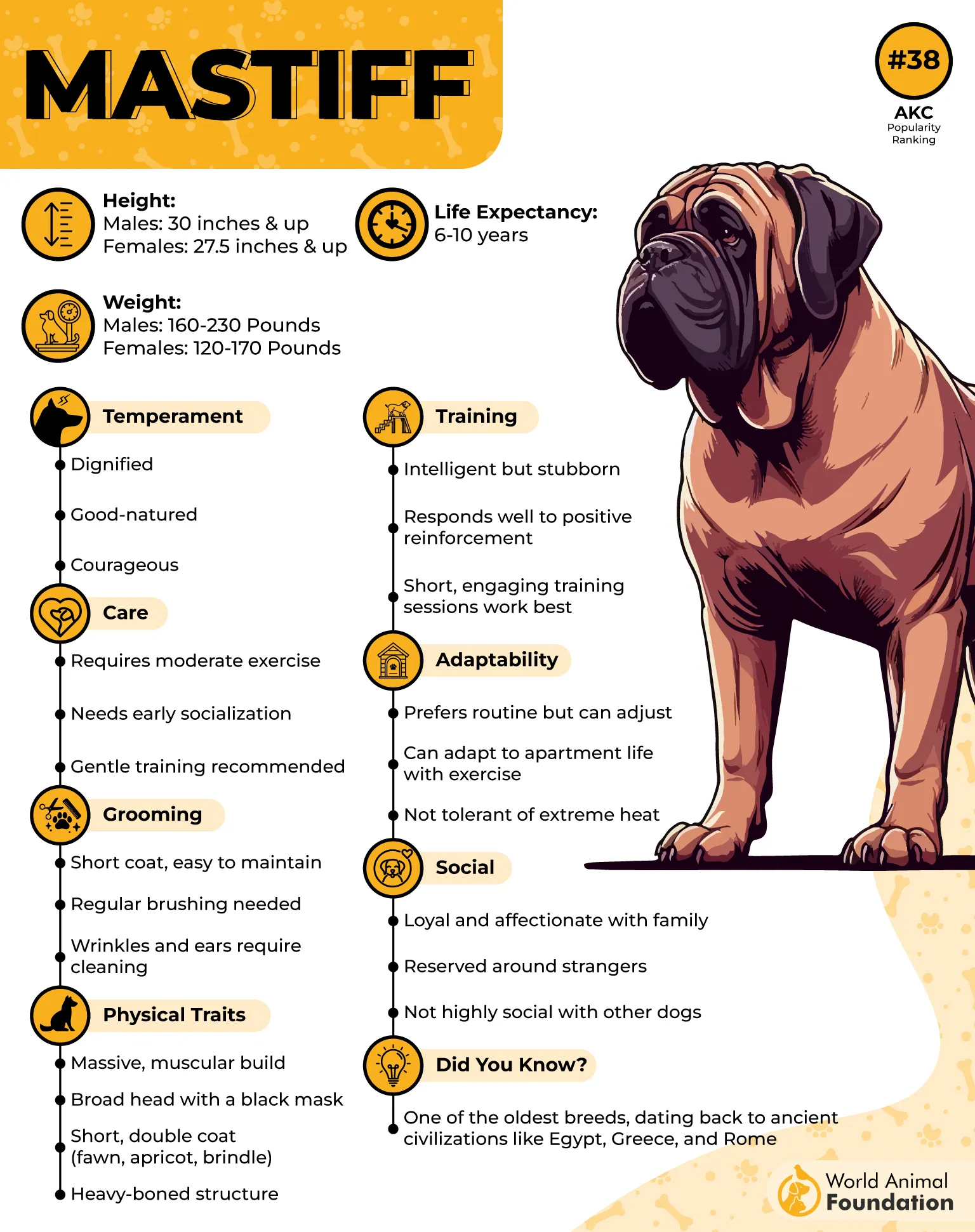
For such a giant breed, the Mastiff asks for relatively little in daily upkeep, making it a practical choice for people who prefer a quieter routine. A short, dense coat needs only a quick brushing every few days, while regular walks and free play are usually enough for adult dogs.

A few lesser-known details complete the picture:
Heavy shedding peaks once or twice yearly
They don't bark frequently
With regular exercise, they adapt well to apartments
Calm Around Familiar Faces
Mastiffs respond patiently to familiar people and usually get along well with other pets introduced from puppyhood. New faces often receive a more cautious reaction, which explains why early socialization and consistent training play such an important role.
5. Broholmer
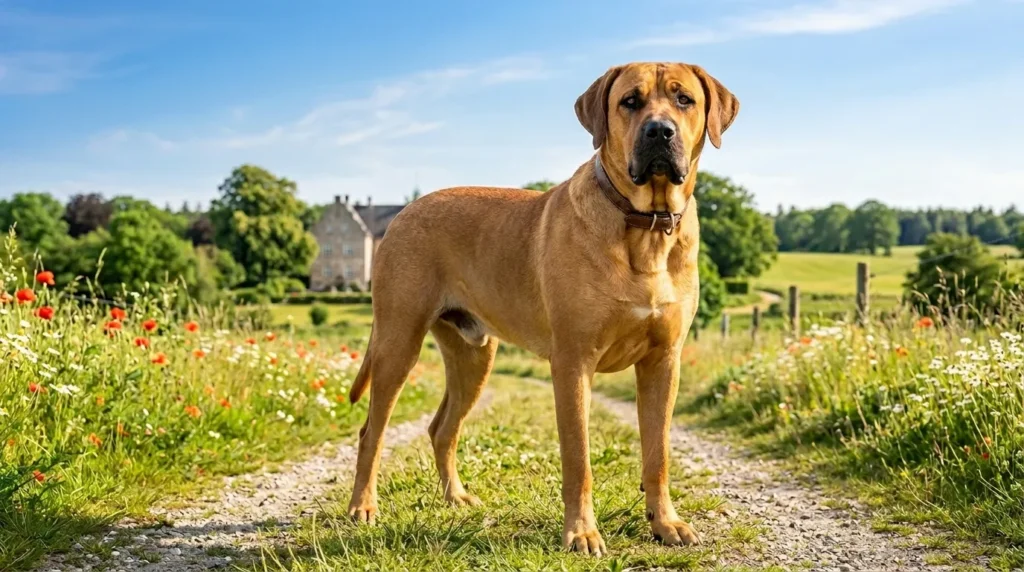
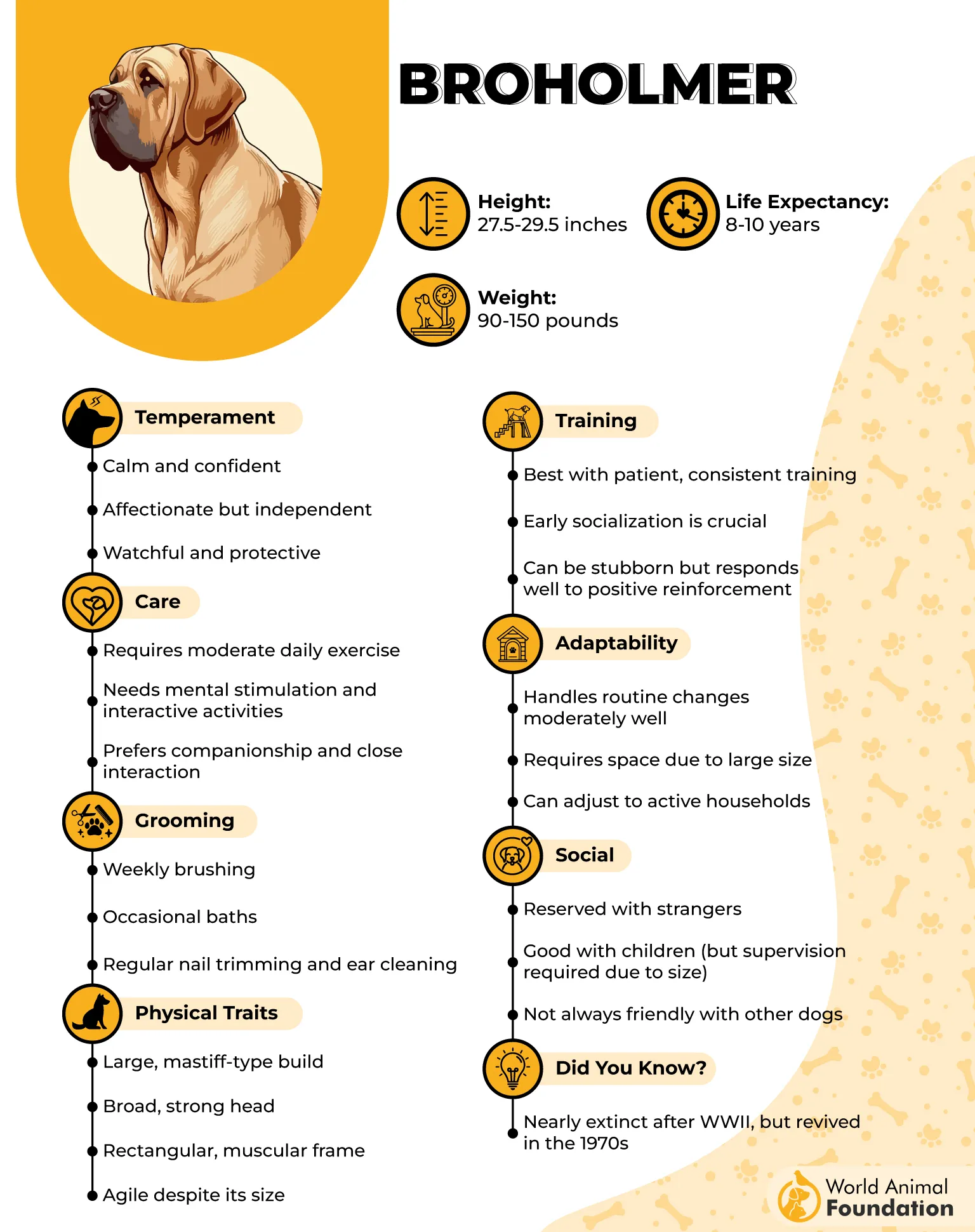
Broholmer comes from Denmark with a calm, confident temperament that makes its quiet watchfulness easy to appreciate around the home. In the early 1800s, this large mastiff-type breed was often seen outside Copenhagen butcher shops, giving rise to the nickname "the butcher's dog."
Easy Coat Care
A short, smooth coat keeps grooming pleasantly simple, making this breed well-suited to people who prefer a straightforward routine. Weekly brushing and an occasional bath are usually enough, with extra brushing only during heavier seasonal shedding.
There's more to this guard breed:
Protected cattle in city markets
Rectangular body with a massive head
Gets along well with children and other dogs
More Than a Watchful Face
Broholmer enjoys joining everyday outings, whether that means a hike, a picnic, a walk through the park, or a camping trip with the family. Its athletic ability also makes room for activities such as agility exercises, fetch, and catching a flying disc.
6. Boerboel
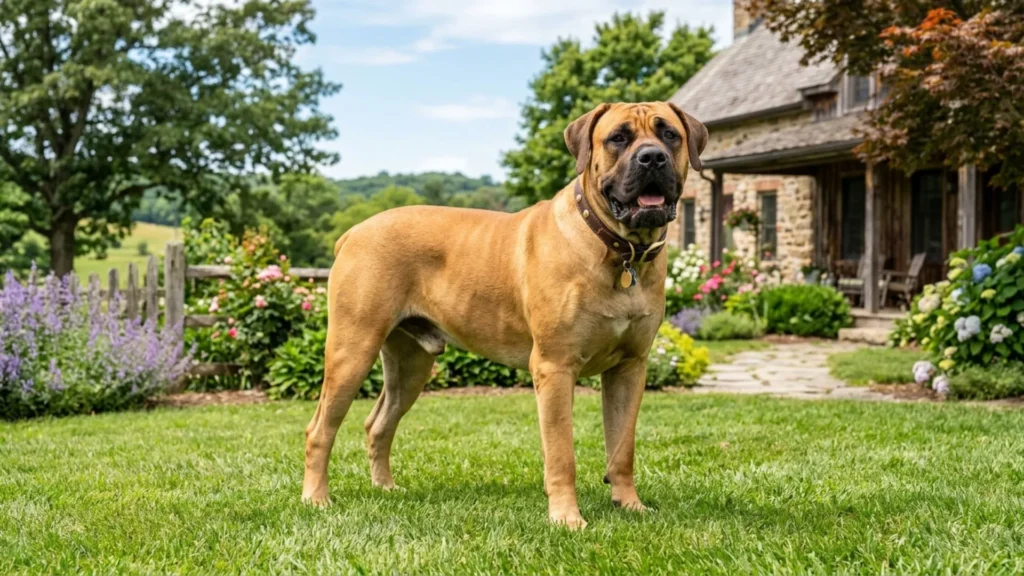
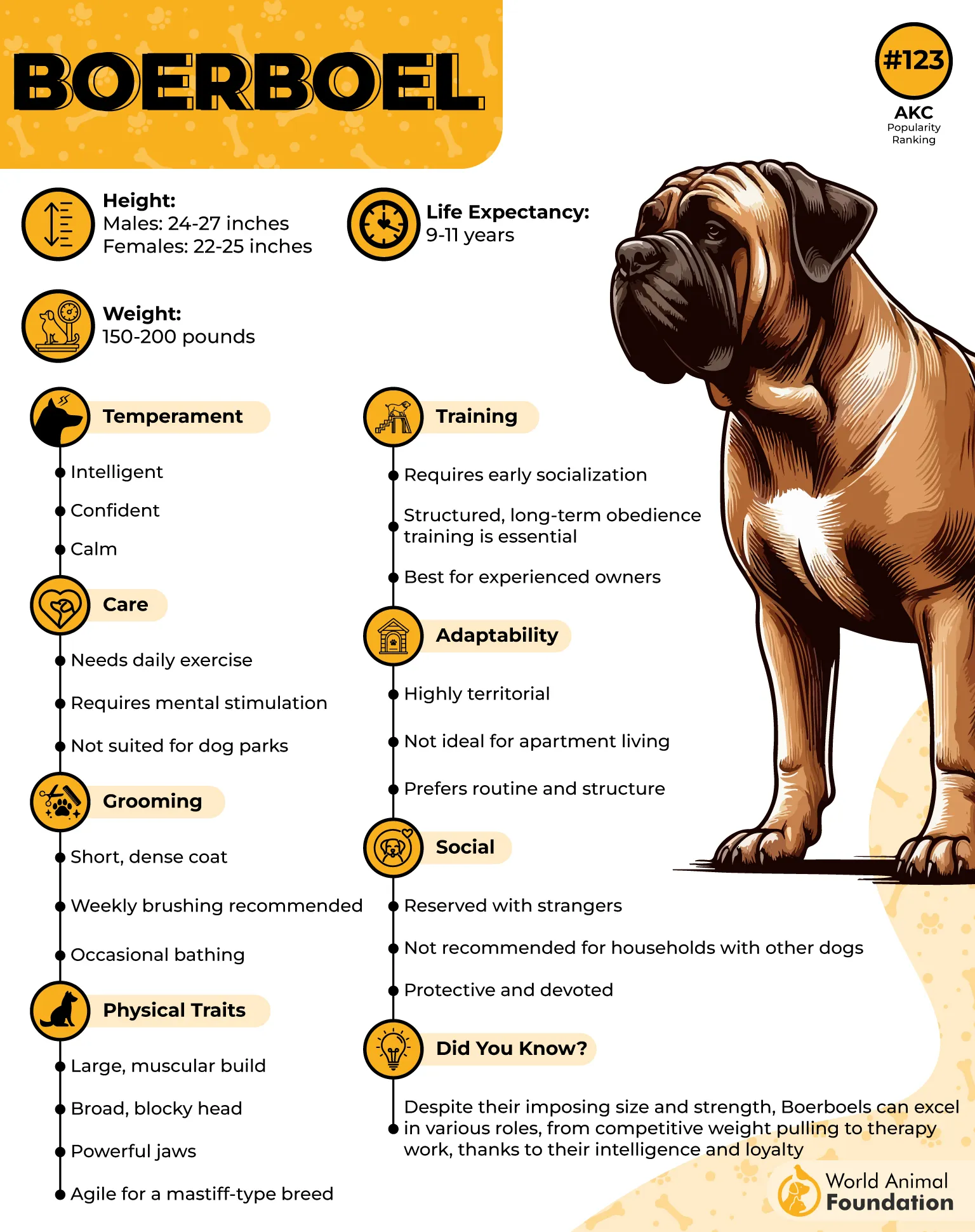
The Boerboel's history is closely tied to isolated South African homesteads, where confidence and sound judgment were part of everyday life. A broad head, powerful jaws, and a muscular frame reflect its connection to the ancient molosser dogs that shaped modern mastiff-type breeds.
Practical Upkeep
A short, dense coat keeps grooming straightforward, making this breed easier to care for than long-coated guardians with heavier maintenance needs. Weekly brushing with a soft-bristle brush, rubber grooming mitt, or hound glove helps remove loose hair and distribute natural skin oils.
The following key traits of the breed also deserve attention:
Baths needed only occasionally
Agile among mastiff-type breeds
Moderate year-round shedding
Daily Routine
Boerboel benefits from long leash walks, secure play sessions, and activities that challenge both body and mind throughout the week. Encounters with unfamiliar dogs may not always go smoothly, which is why dog parks are generally not recommended for this breed.
7. Tornjak
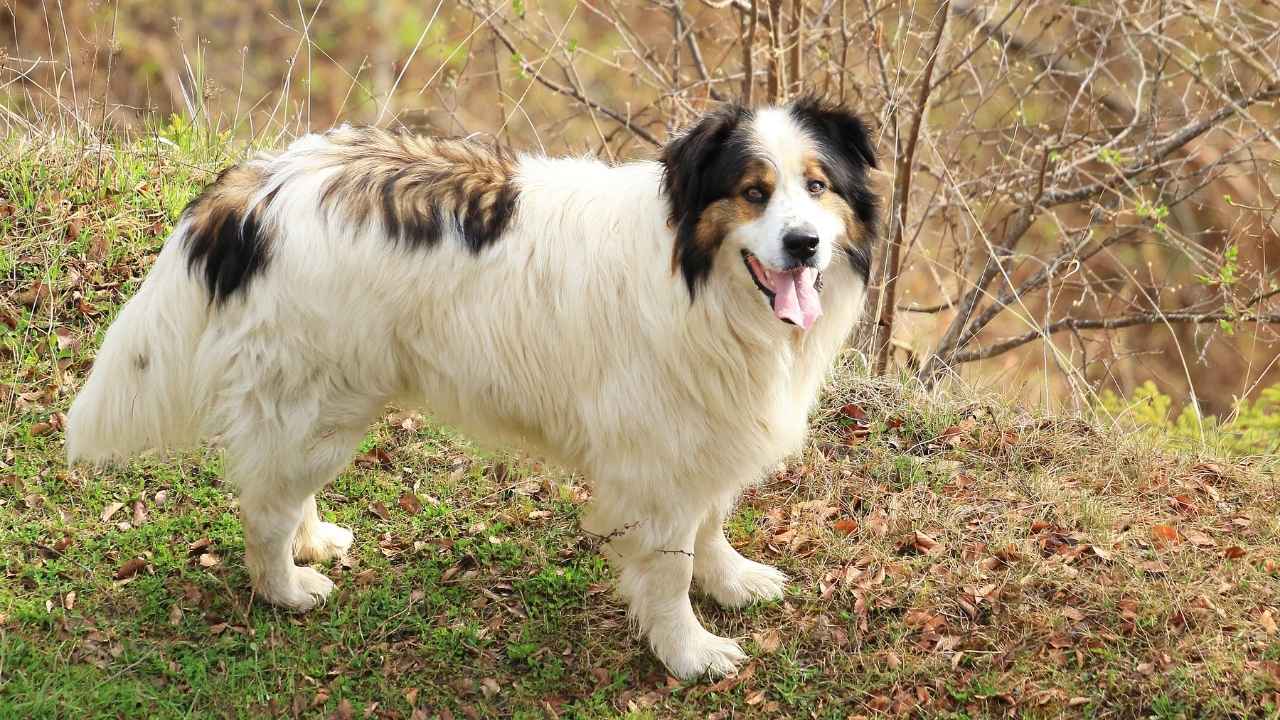
Tornjak combines confidence with a composed temperament, giving this large guardian a reassuring presence without constant restlessness or unnecessary reactions. Around familiar people, it remains calm, affectionate, and dependable, making it a loyal companion for everyday life.
Simple Upkeep
Tornjak fits this list because coat care remains refreshingly straightforward for such a large dog. Weekly brushing and the occasional bath are generally enough to keep the long, thick coat clean, making regular upkeep much easier than its impressive appearance suggests.
There's plenty more worth knowing:
Cannot be bribed while guarding property
Takes commands willingly from its handler
Modest food and shelter requirements
Guardian's Nature
They rely on strong protective instincts when facing animals that threaten their home, flock, or family, while remaining calm and affectionate with familiar people. With proper training, this intelligent breed responds readily to guidance and everyday responsibilities.
8. Newfoundland
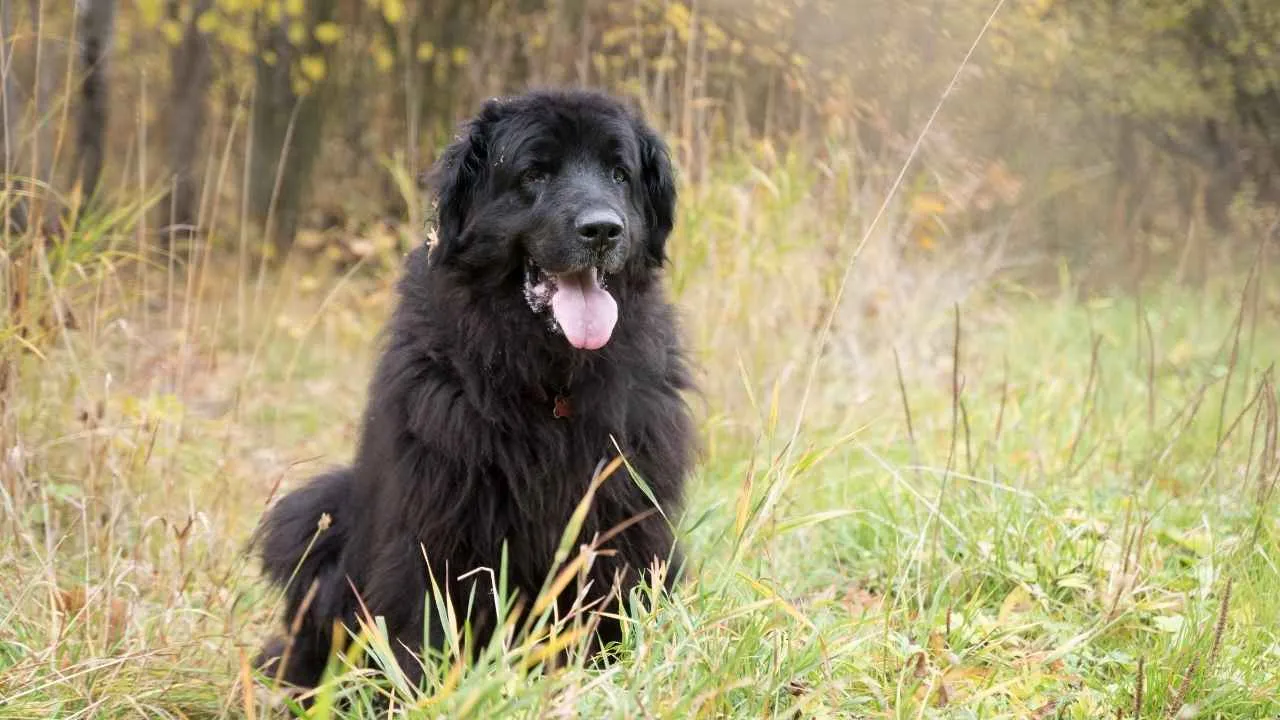
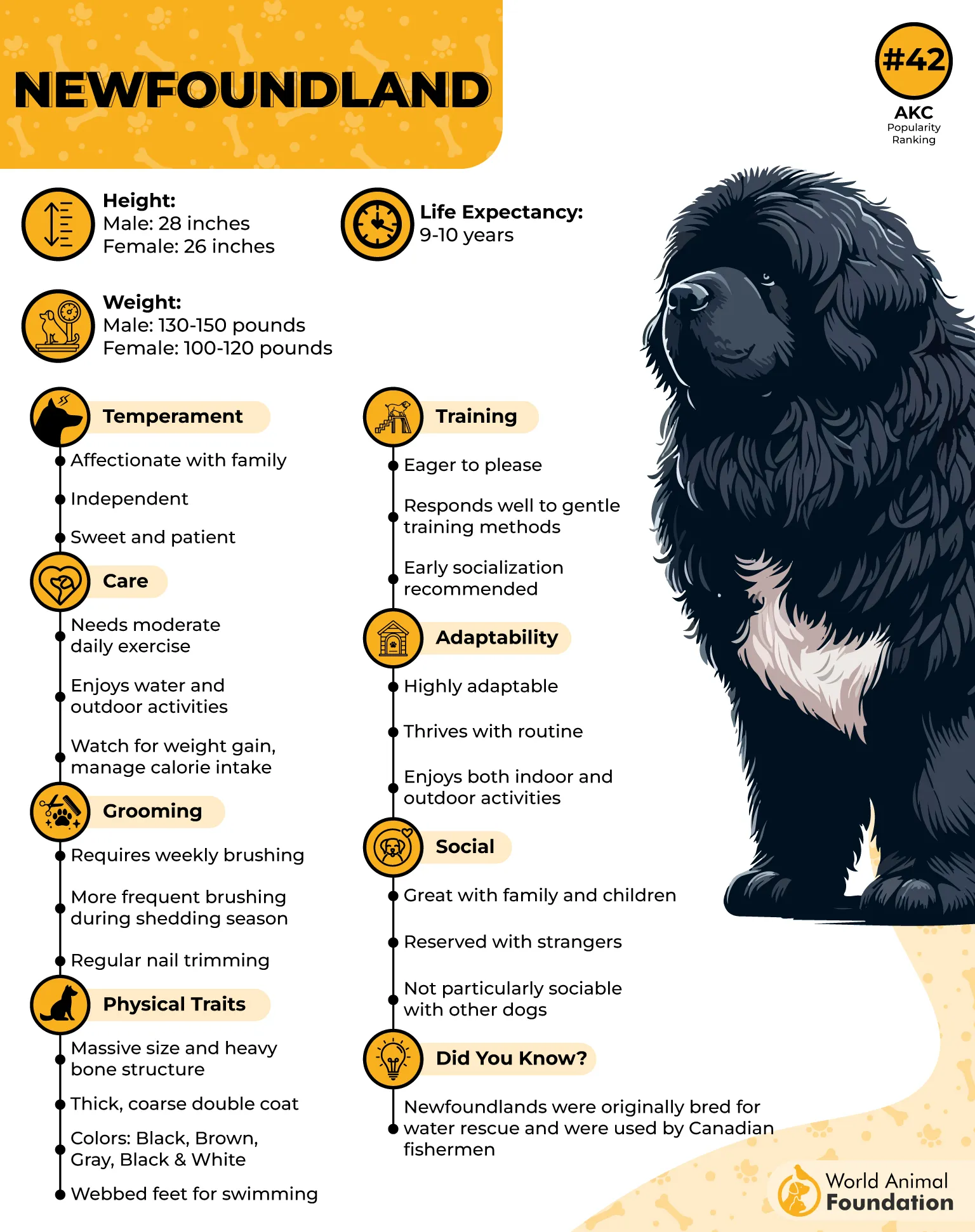
Newfoundland originates from the Canadian island of the same name, where fishermen relied on this powerful dog for demanding daily work, including hauling fishing nets, pulling carts, and swimming through cold water. That dependable nature still shapes the calm personality people appreciate today.
Quiet Confidence
Rather than filling the house with endless activity, a Newfoundland is more likely to enjoy staying close to the people it loves. Early guidance matters, especially since good manners become much more important as this large breed reaches its full size.
A closer look reveals a few remarkable details:
Webbed feet for powerful swimming
Sweet temperament is listed as the breed's most important characteristic
Regarded as a patient "nanny dog" with children
Built for Cold Water
Newfoundland combines a dense double coat with impressive swimming ability, allowing it to enter cold water with confidence and strength. Weekly brushing with a slicker brush and long-toothed comb helps remove loose hair, while shedding seasons require more frequent grooming sessions.
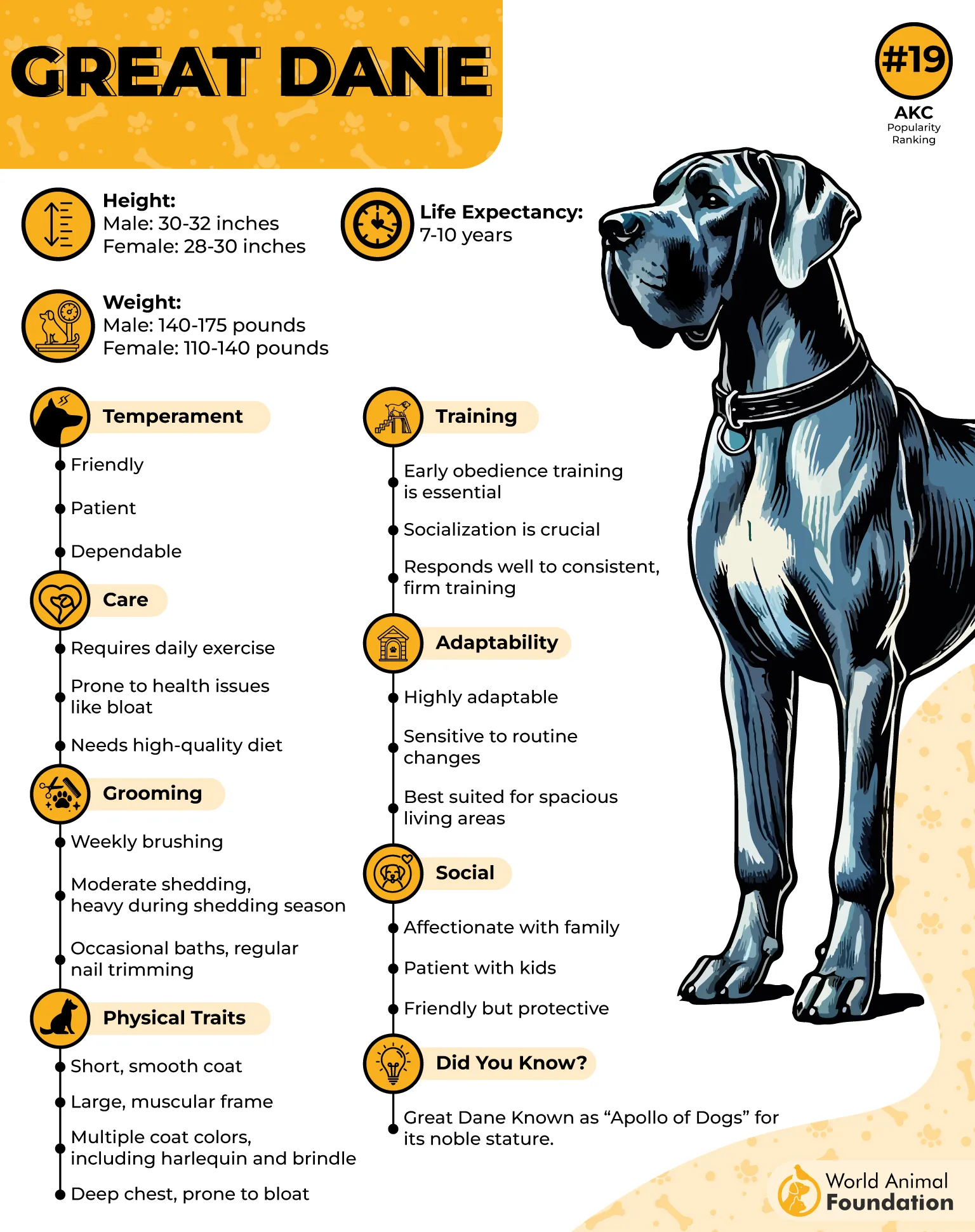
9. Great Dane
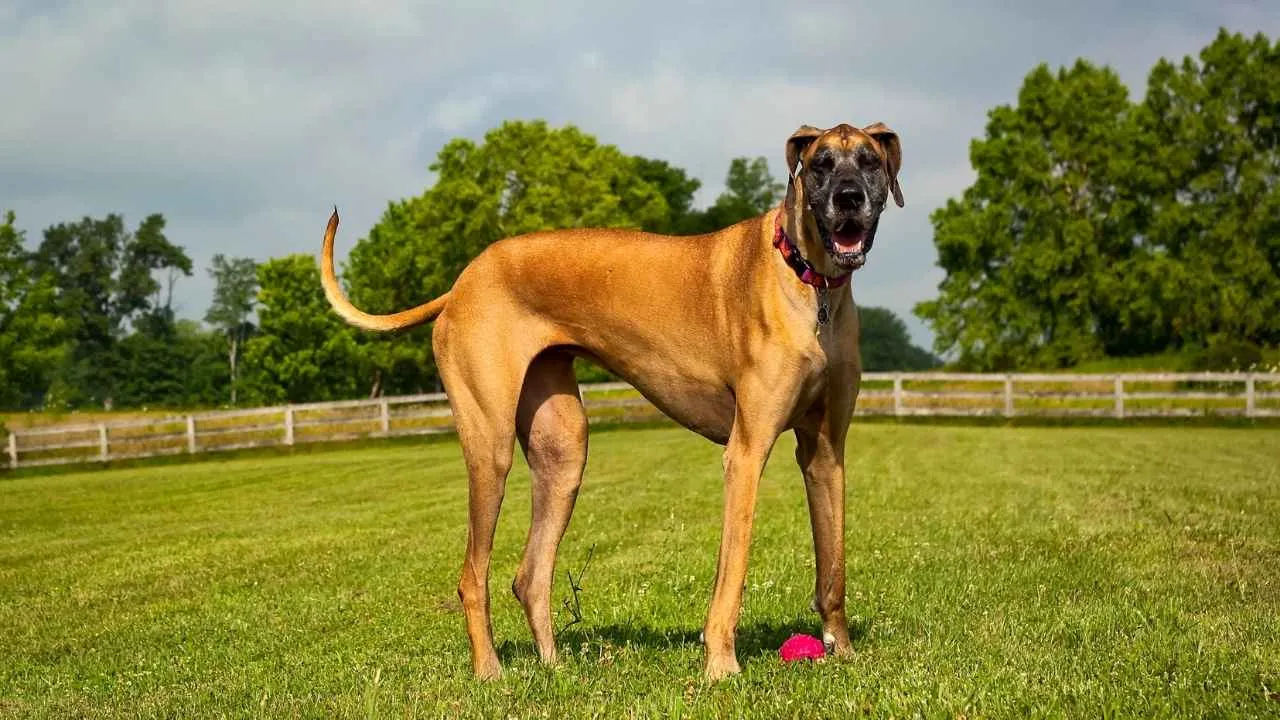
Great Dane first gained recognition in Germany, where it was used for guarding estates and hunting wild boar during the 1800s. Although its name points elsewhere, the breed has no connection to Denmark, making that title one of its more curious facts.
Calm Presence
The energy level of this gentle giant is moderate rather than nonstop, making daily care more manageable. Long walks twice a day and enough room to stretch and play are usually all that is needed to keep this giant companion content.
The details below tell more:
Nicknamed the "Apollo of dogs"
One of the tallest breeds in the working group
One of the largest dog breeds overall
Easy Coat Care
Great Danes have a short, smooth coat that needs only weekly brushing through most of the year with tools such as a rubber grooming mitt or medium-bristle brush. During seasonal shedding periods, daily brushing helps remove the heavier amount of loose hair more effectively.
Conclusion
Reliable protection is not measured by how busy a dog keeps its owner. The excellent guard dogs often combine quiet confidence with sound judgment, stepping forward only when the situation truly calls for attention. Those qualities make everyday life more comfortable while keeping daily care refreshingly manageable.
Matching a dog's instincts with your routine creates a stronger relationship and a happier home for everyone involved. With regular mental stimulation and dogs that are properly trained, these capable guardians become incredibly loyal and grow into loving family pets, offering lasting watchfulness without turning every day into another demanding responsibility.
