




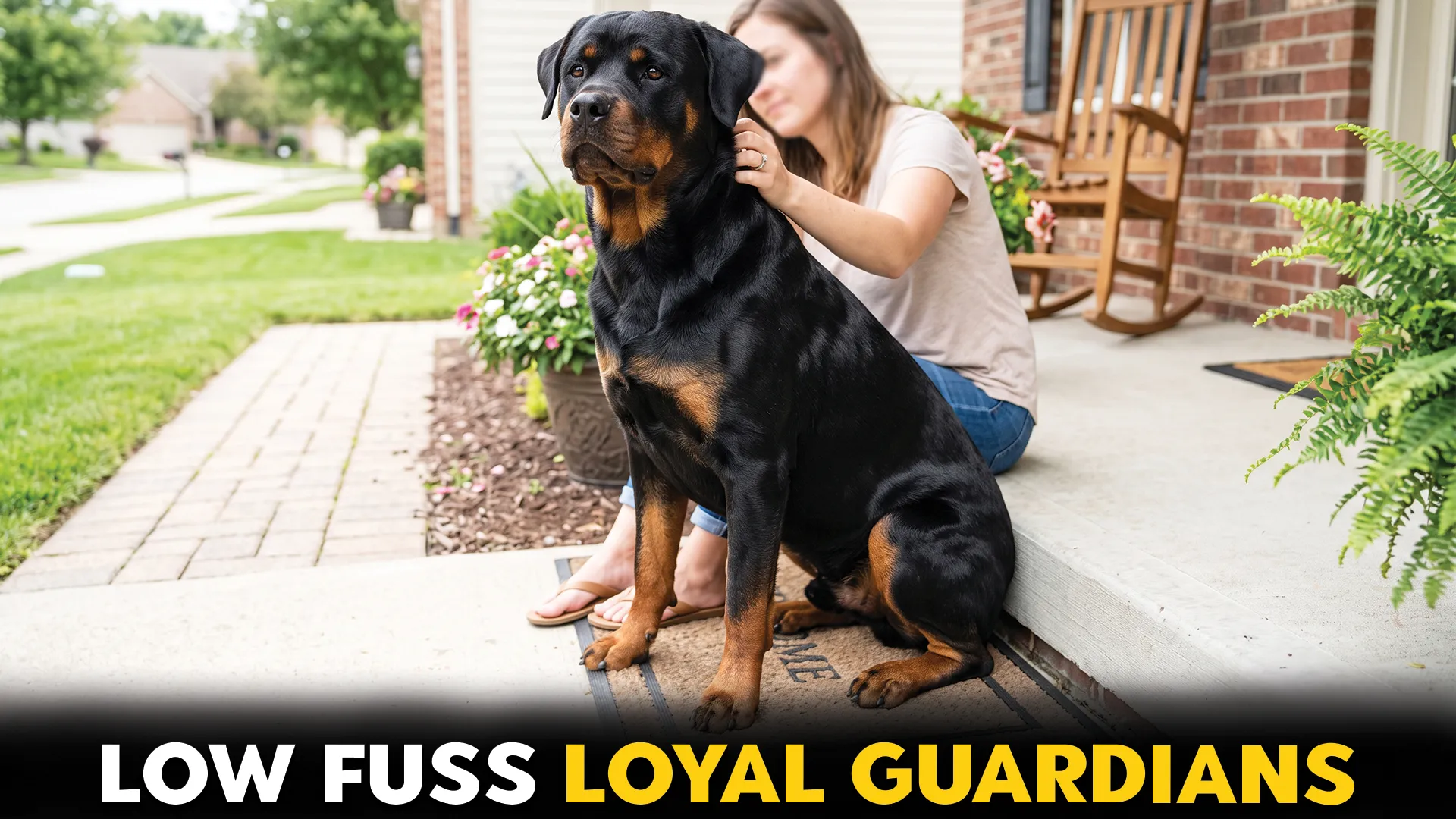
A high-energy dog running all over the house, barking nonstop, demanding hours of training, and lunging at every stranger who walks by. That’s probably what comes to mind when most people think of guard dogs, but that’s not the whole picture.
It’s easy to assume that having a dog to protect your home means signing up for a high-maintenance, full-time job. That’s a misconception.
You don’t have to sacrifice your daily peace or spend every weekend brushing out thick coats. Plenty of guard dogs are naturally calm, have moderate exercise needs, and even sport short, easy-care coats. So really, “low maintenance” looks a little different for every dog.
In this guide, we’ve rounded up 7 easy-to-maintain guard dogs that are great even if you have kids at home. They’re loving, gentle, and reliable family pets who stay alert around strangers but warm and affectionate with the people they know.
Stick around to learn about their temperaments, exercise and training needs, and grooming routines, so you can see which one fits your lifestyle best.
Low-Maintenance Guard Dog Breeds You’ll Love
1. Bullmastiff
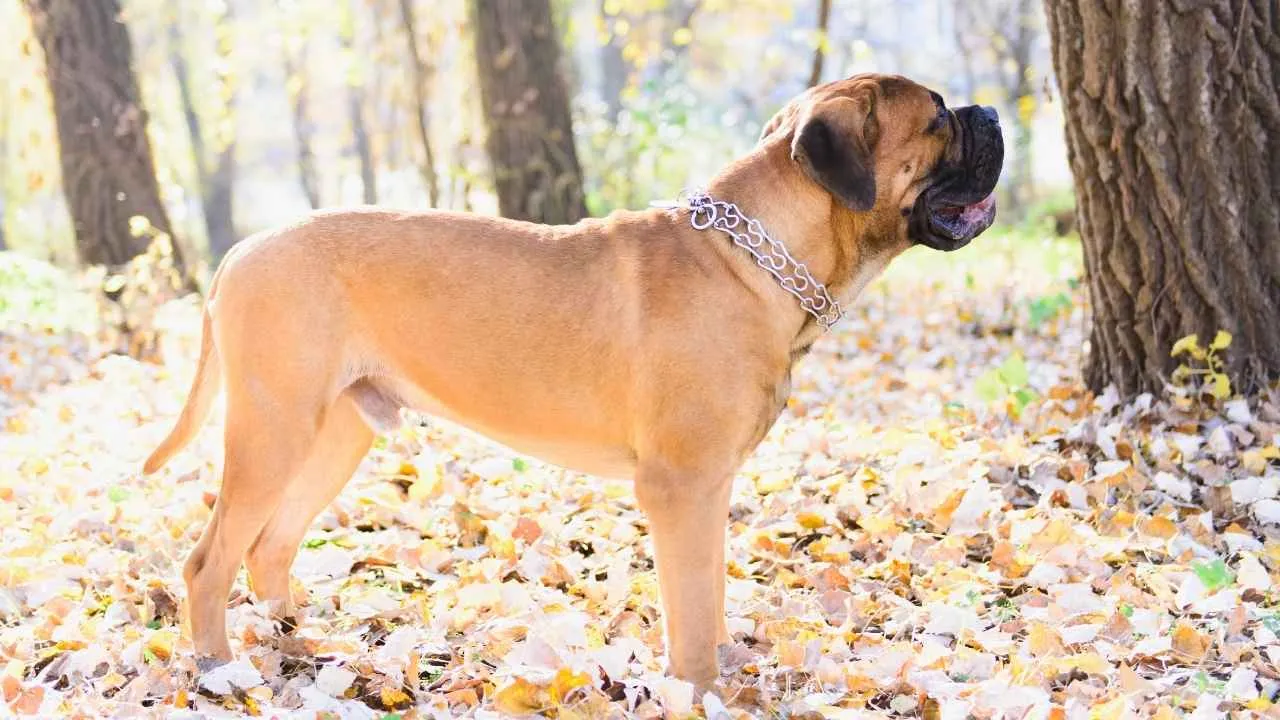
Bullmastiffs are loyal, affectionate, and calm dogs that prefer to quietly observe their surroundings and rarely bark without good reason. They’re also known as the “Gamekeeper’s Night Dog,” a nod to their history of protecting land against poachers.
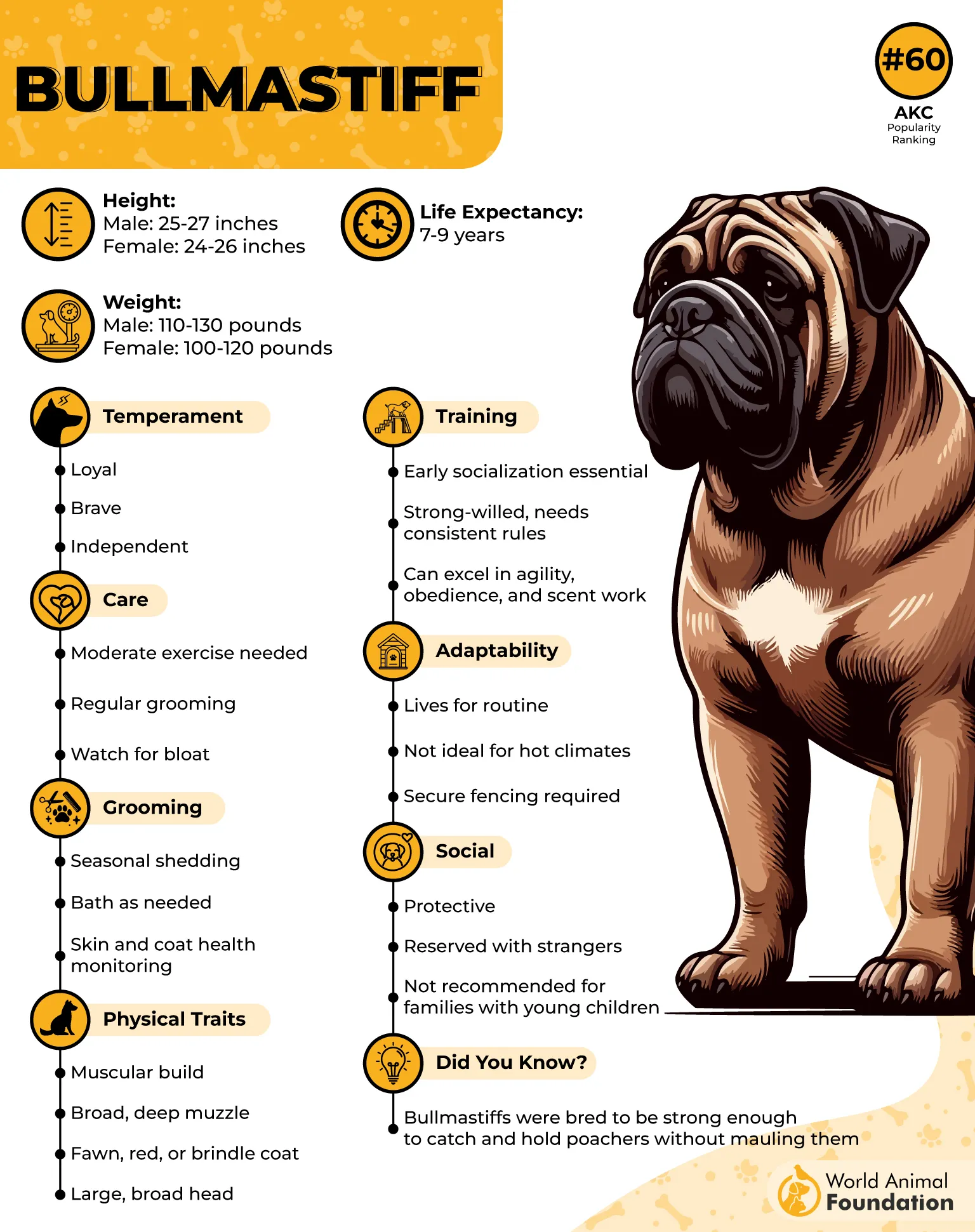
These working dogs are fairly low maintenance thanks to their low energy indoors, gentle demeanor, and short coat. That said, they still need a moderate amount of exercise to stay mentally stimulated. They shed moderately too, so weekly brushing is enough to keep things under control.
Their easygoing nature combined with their working history makes Bullmastiffs excellent guard dogs for families. They’re eager to please but can show a stubborn streak now and then, so positive reinforcement training works best. As AKC notes, early training and socialization are essential with any large guarding breed.
2. Rottweiler
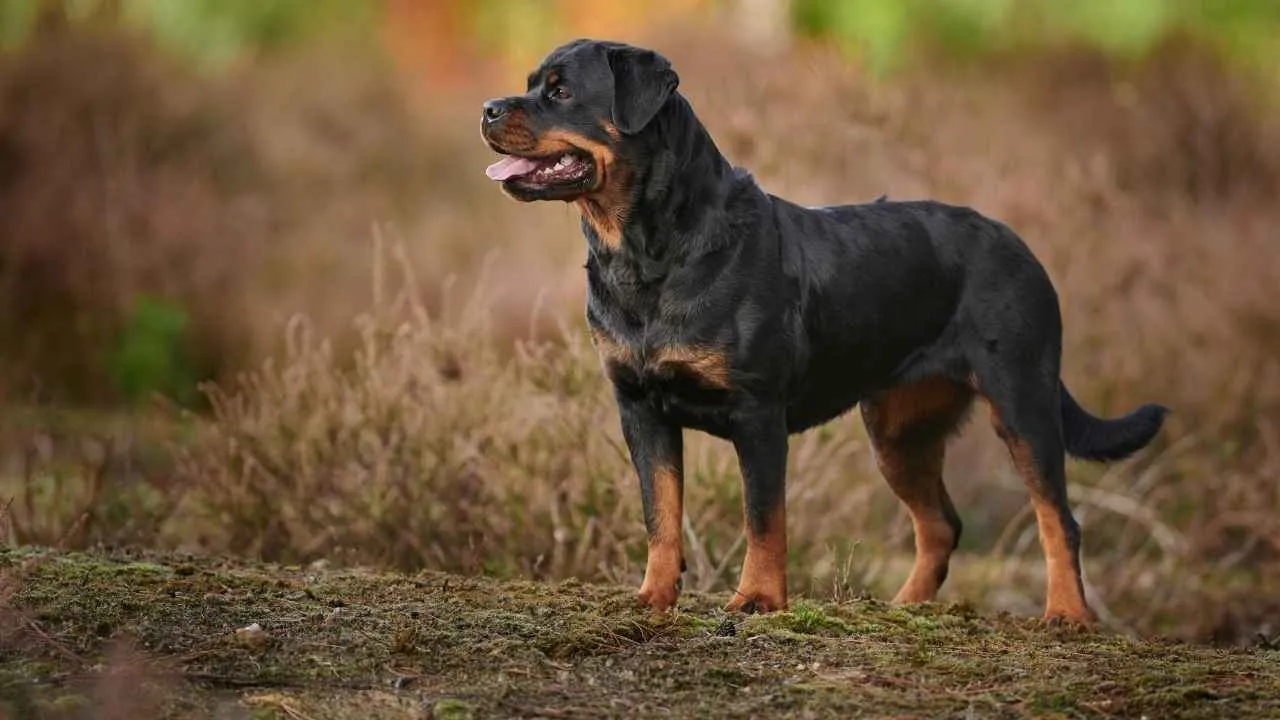
Rottweilers are confident, calm, and protective dogs originally bred by the Romans to herd livestock and guard traveling supply wagons. That history is likely where their innate protective instincts come from, paired with an affectionate nature that makes them wonderful companions. Petplan describes their personality as devoted, good-natured, and courageous.
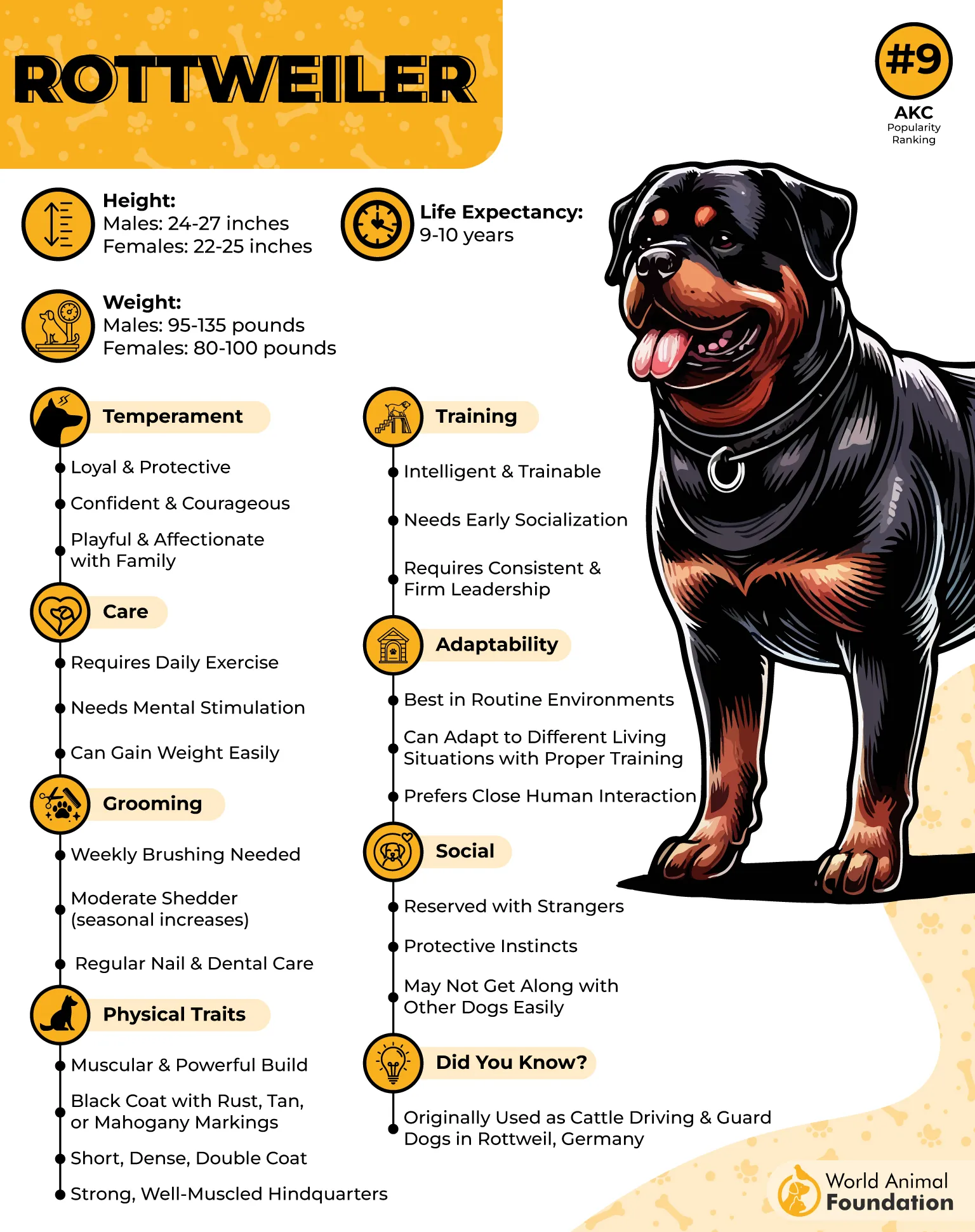
That said, Rottweilers are fairly low maintenance when it comes to grooming, thanks to their short coat, though they do shed moderately. These muscular dogs also have moderate exercise needs, including regular walks and active backyard play.
Large, super smart, and easy to train, Rottweilers still need early socialization and confident leadership to prevent overprotectiveness from creeping in. Without proper training and supervision, they may not be the best fit for families with young kids.
3. American Staffordshire Terrier
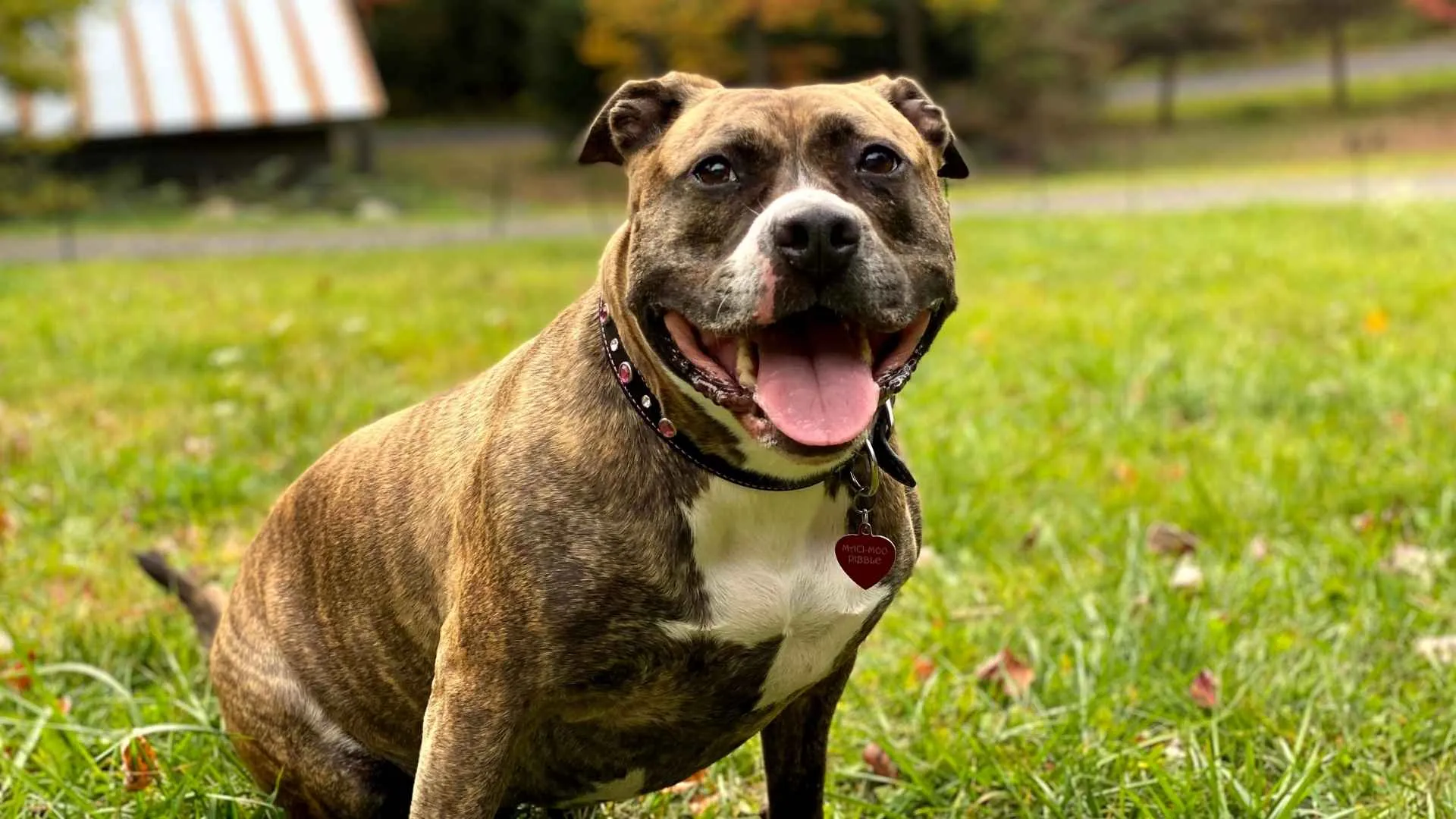
American Staffordshire Terriers (AmStaffs) are good-natured, loyal, and confident dogs that form strong bonds with their families. They were bred in England and were once used for bullbaiting alongside other bully breeds, according to PetMD.
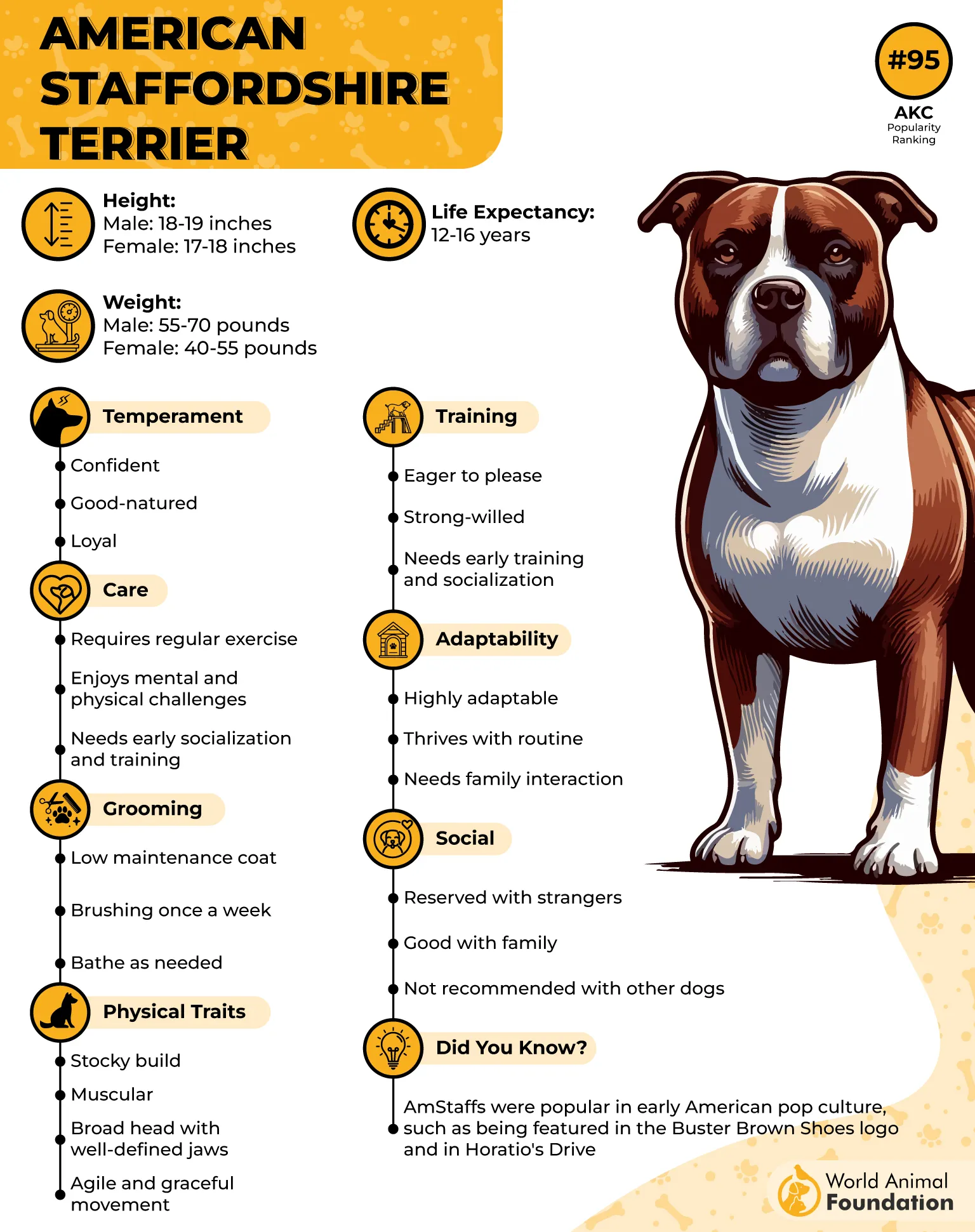
Once baiting was banned, these dogs shifted into roles as family guardians, thanks to their muscular, compact build and protective instincts. AmStaffs are actually pretty low maintenance when it comes to grooming, with a short coat that barely sheds.
These dogs have moderate to high energy needs and do best with daily walks, playtime, and mental stimulation. They’re highly intelligent and eager to please, but their strength calls for an experienced handler who can manage them properly.
4. Belgian Malinois
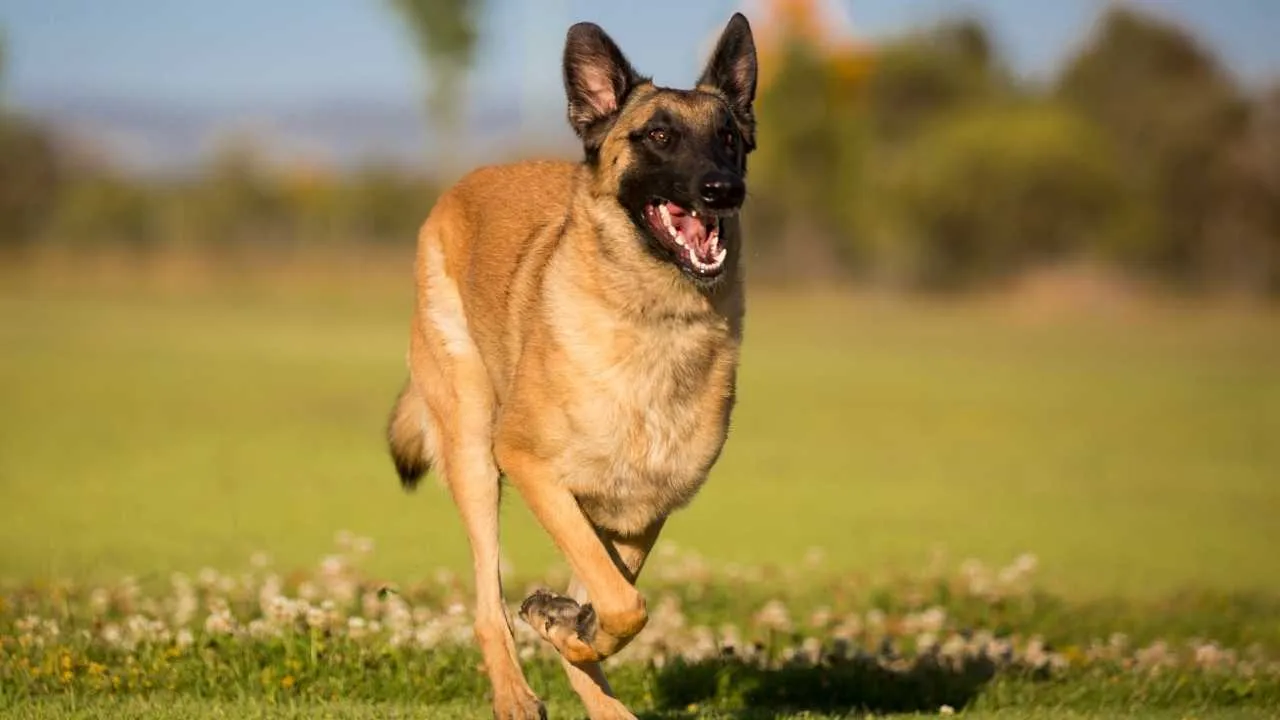
Belgian Malinois are highly intelligent, energetic, and intensely devoted companions. They’re known for their muscular build, strong work ethic, and watchful, protective nature. Originally developed as herding dogs, they’ve since gone on to serve as military K-9s and police dogs.
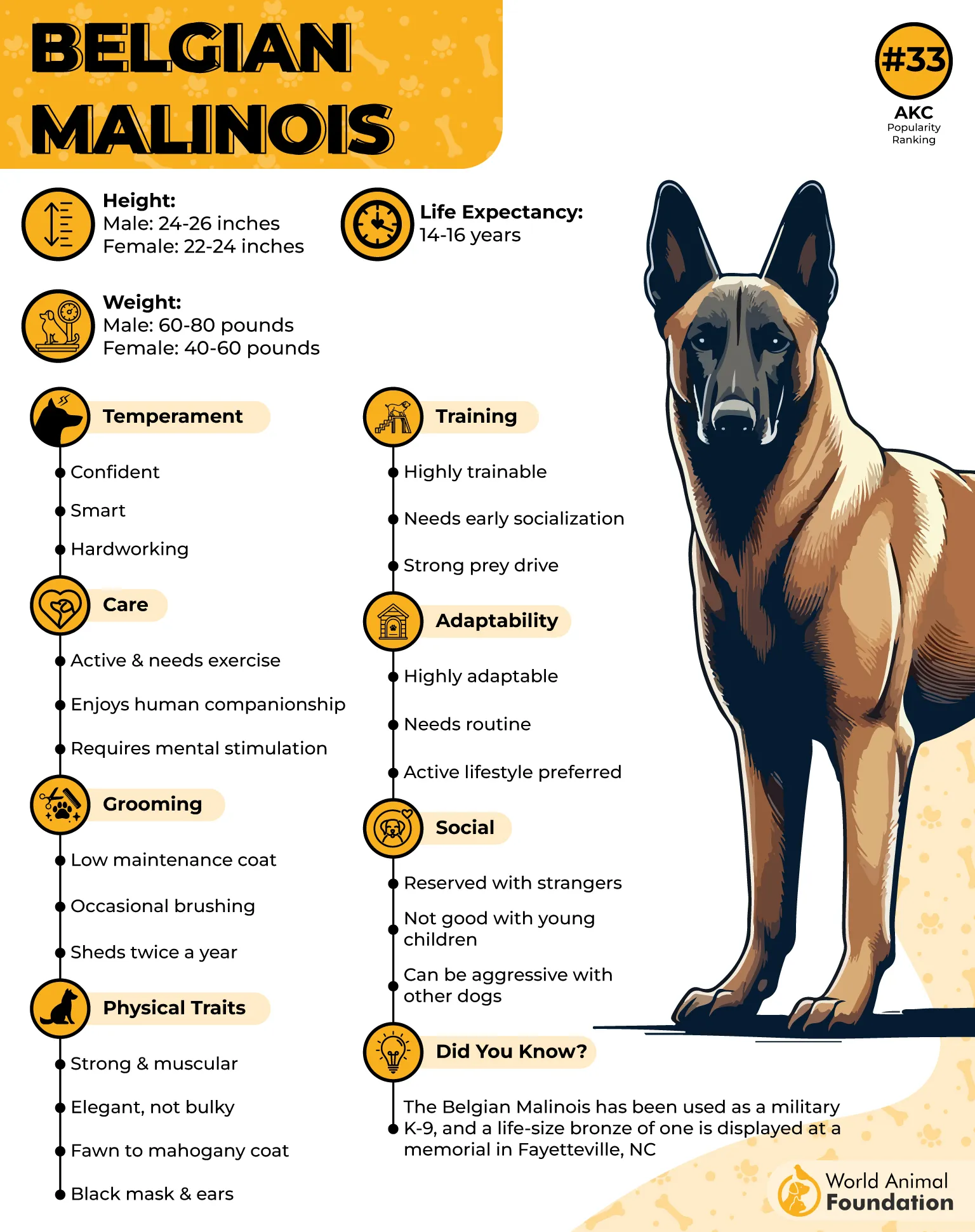
So yeah, it’s safe to say these dogs are seriously smart. There’s even a life-size bronze statue honoring the breed in Fayetteville, North Carolina, which says a lot about their reputation. Mals are only “easy maintenance” in one sense: their short coat; beyond that, they’re a lot of dog to handle.
They need vigorous daily exercise, including running, hiking, and other mentally engaging tasks. Because of their strong protective drive and high exercise needs, they’re usually best suited to experienced handlers.
5. Rhodesian Ridgeback
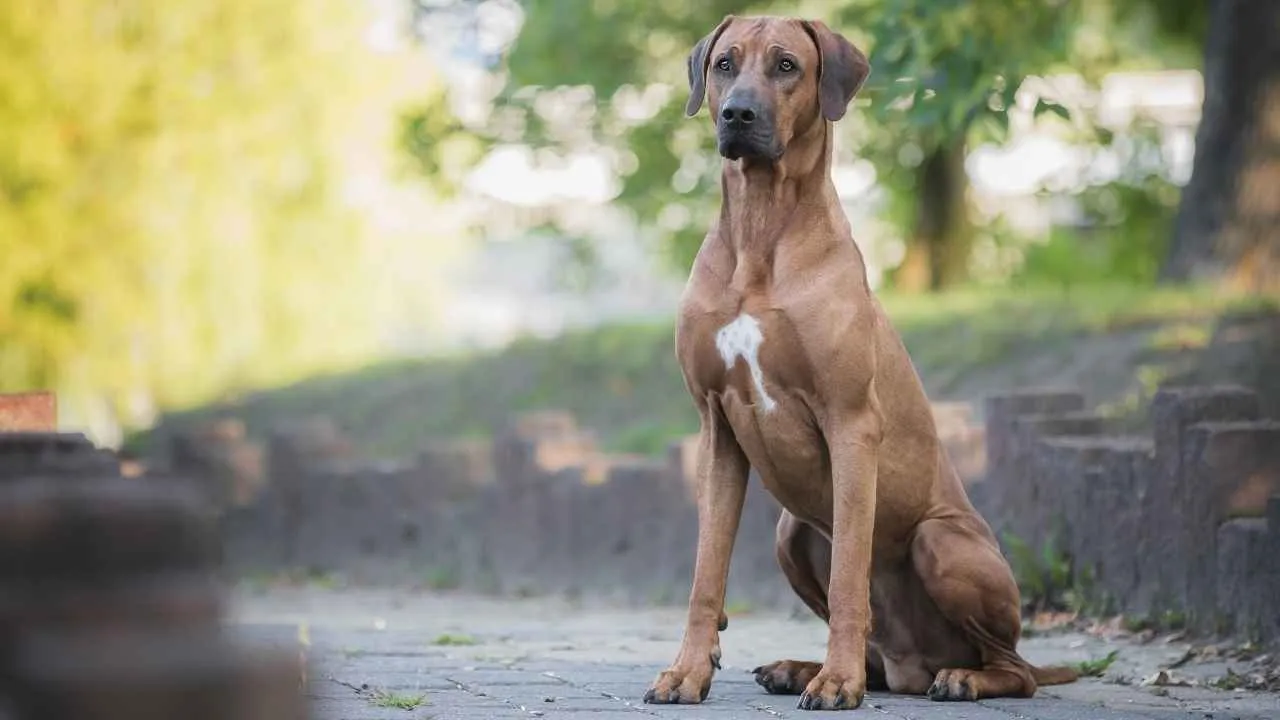
Rhodesian Ridgebacks are also known as the “African Lion Hound.” They’re quiet and gentle at home but switch into alert, active mode when the situation calls for it. Bred originally for hunting, Omlet describes them as powerful hunters and loyal protectors.
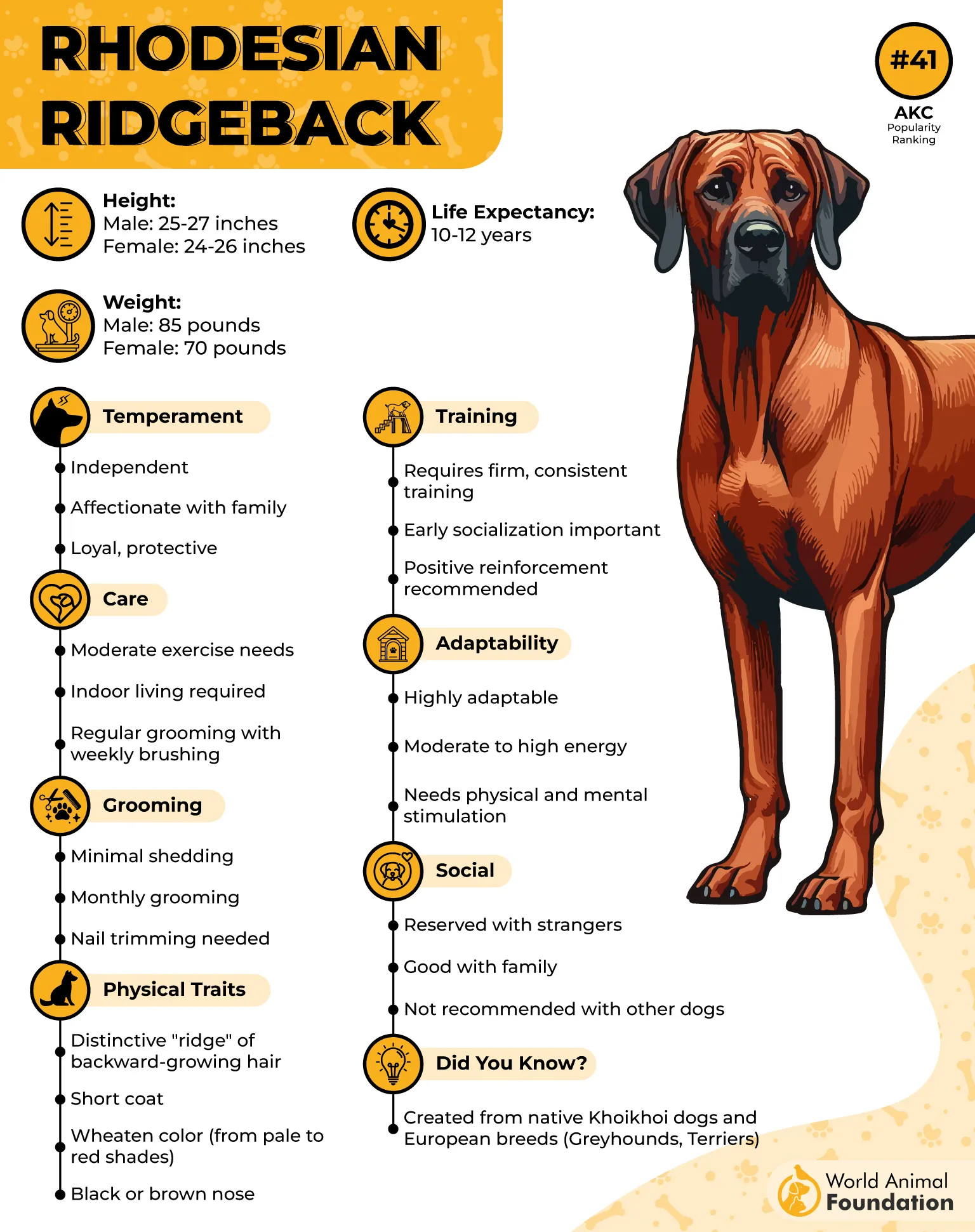
The ridge along their back is the breed’s signature feature, and their short coat sheds moderately, needing just weekly brushing to stay in good shape. That makes them fairly low maintenance in terms of grooming, and they carry little to no doggy odor. Exercise needs are moderate too.
Plan on about an hour of daily activity, like jogging or running, to keep them satisfied. That said, Ridgebacks have an independent streak and respond best to firm, reward-based training. Hiring a certified trainer or sticking with consistent positive reinforcement can go a long way in bringing out their best behavior.
6. Doberman Pinscher
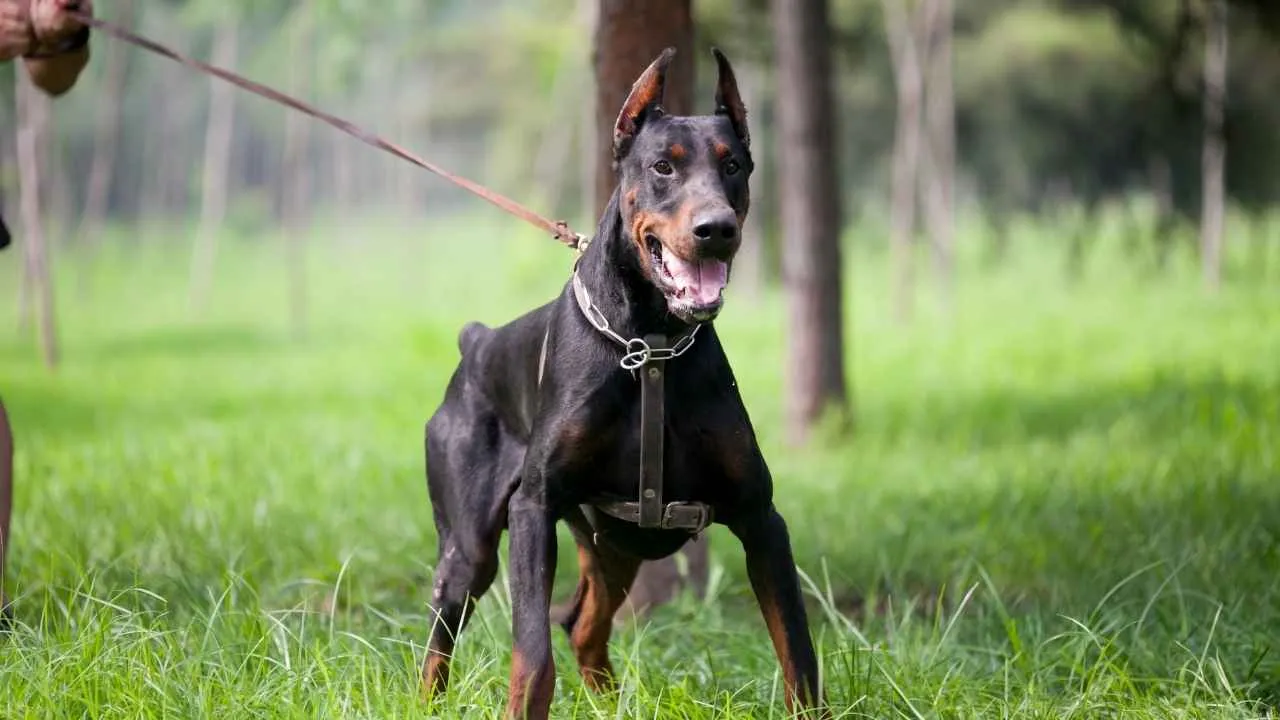
Doberman Pinschers (Dobies) are alert, fearless, and deeply loyal companions originally bred as guard dogs for personal protection. Louis Dobermann, a German tax collector, developed the breed in the 1800s with exactly that purpose in mind.
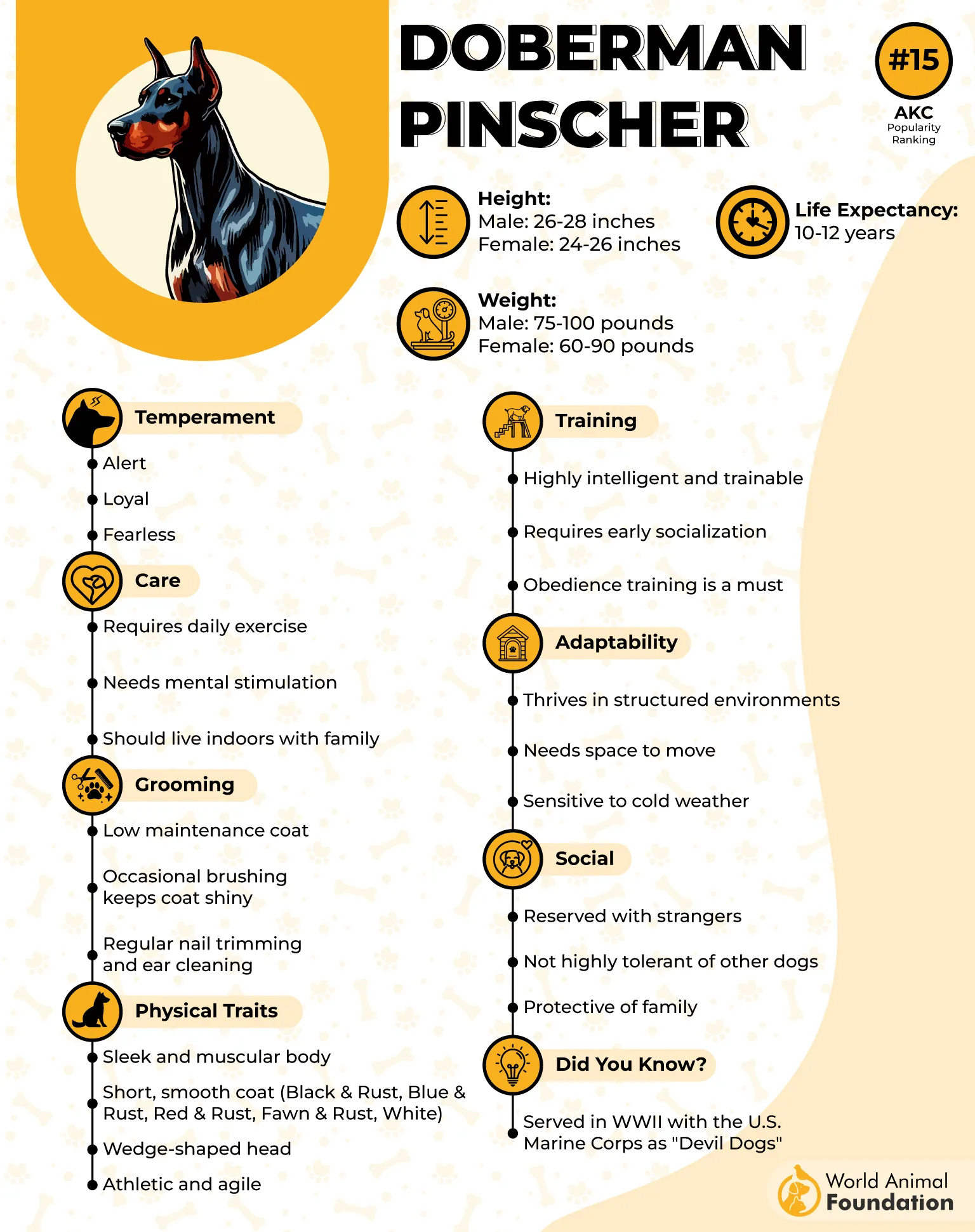
That history shows in their innate protective instincts, which make them natural guardians. That said, when it comes to low maintenance, it really only applies to their short coat. In terms of exercise, Dobermans are actually pretty high maintenance.
They’re highly energetic and need plenty of daily activity to stay mentally and physically satisfied. Dobermans also have a strong prey drive, so proper training and socialization are important before introducing them to a family with kids. They tend to do best in active homes with yards rather than compact apartments.
7. Cane Corso
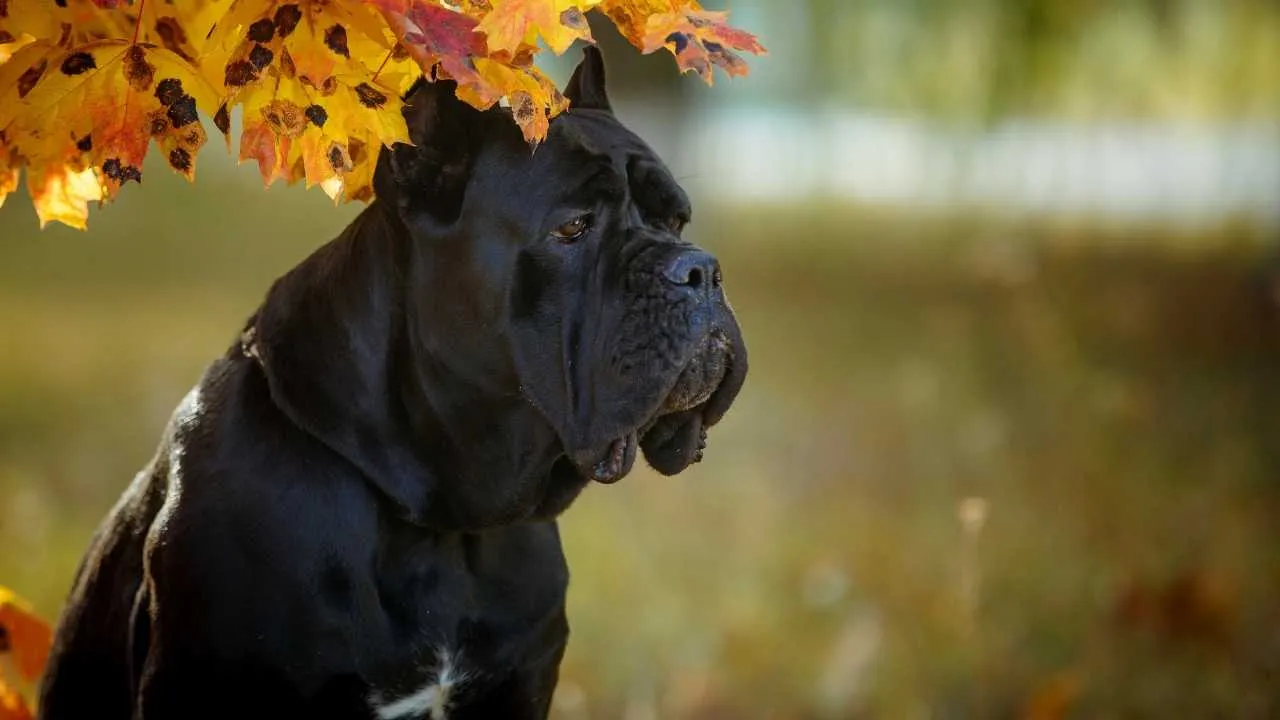
Cane Corsos are assertive, noble guardians who stay quiet inside the house yet form unbreakable bonds with their families. Originally bred as farm dogs, they evolved into multipurpose guard and hunting dogs thanks to their sheer strength.
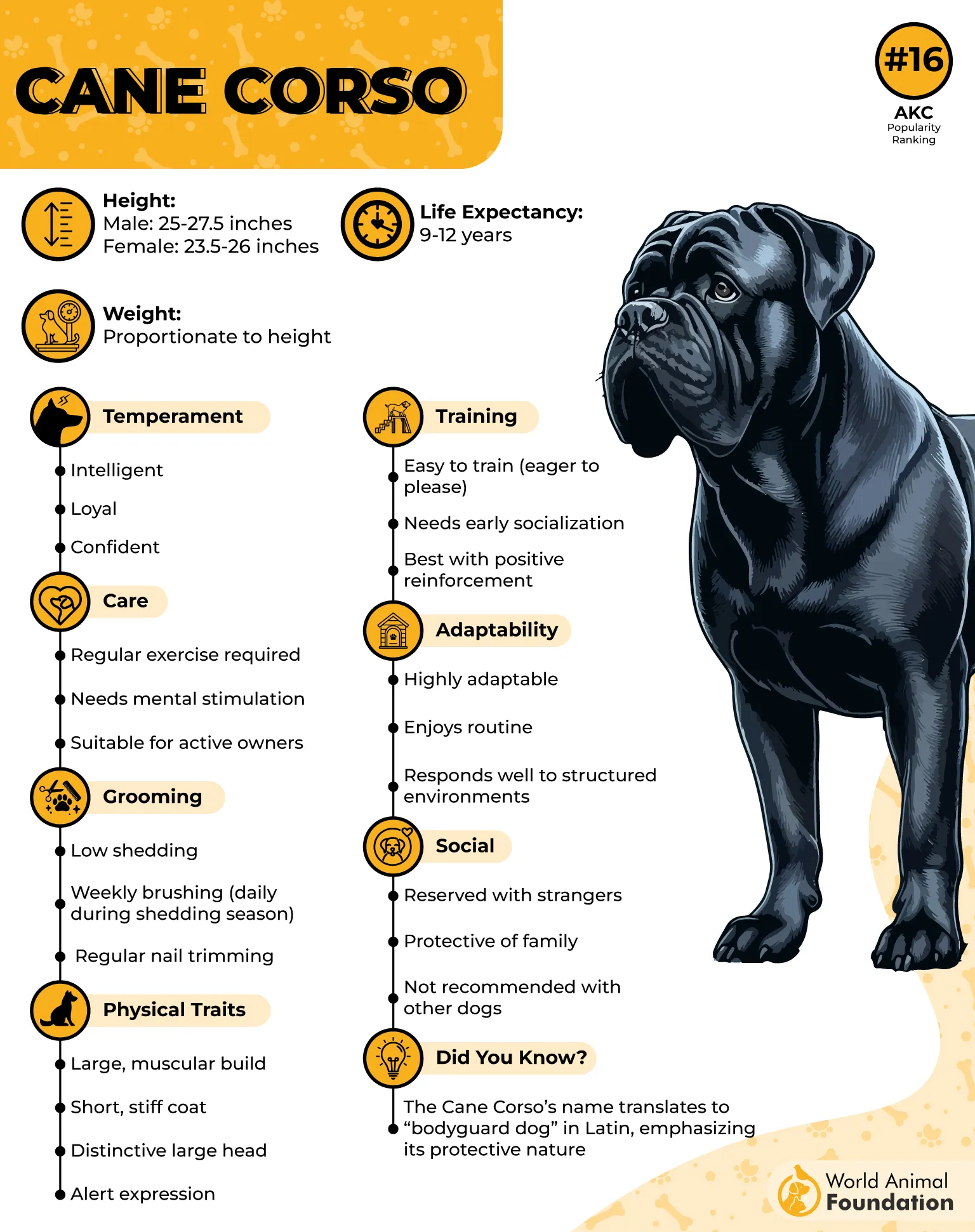
These working dogs are low maintenance in terms of grooming; their short coat sheds relatively little, but they do need plenty of exercise. Daily brisk walks, tracking, dock diving, and agility events all work well, along with interactive yard play or mental challenge tasks.
That said, Cane Corsos have a powerful bite force of 650-700 PSI, so this breed is best suited to experienced or trained handlers who understand their strength. These big dogs need firm, consistent training along with proper socialization starting from an early age.
Conclusion
The 7 breeds above all make excellent guardians with calm, quiet natures indoors. They’re low maintenance in one sense: their coats, but keep in mind that most have moderate to high exercise needs and do best with experienced handlers.
Some, like the Doberman Pinscher, were purpose-bred for protection work, while others, like the Cane Corso, stand out for traits like their powerful bite force. In other words, these breeds differ quite a bit in what they’re best at, along with their temperaments and energy levels.
Be sure to read through the details before deciding which one is right for you. And keep in mind, breed only accounts for a small part of a dog’s personality; the rest comes down to how well they’re trained. Hiring a certified trainer for obedience classes can help a lot, but supervision is still key if you have kids at home.
