





Picture the perfect apartment: great light, good rent, friendly neighbors. Then the lease form asks about your dog’s breed, and suddenly things get complicated.
Turns out you are not alone. A 2025 housing report found that a mere 8 percent of U.S. apartment listings skip breed or weight restrictions altogether, leaving most future guardians stuck proving their dog belongs.
City living flips the whole idea of guarding on its head. A dog that scares off trouble is only useful if it can also survive elevators, paper-thin walls, and a hallway that never really goes quiet.
Luckily, a handful of breeds manage both jobs at once, standing guard while staying easygoing enough for the smallest apartment around.
Ready to meet the dogs that can actually pull this off? Stick around; the list might surprise you.
Low‑Maintenance Guard Dog Breeds Ideal for City Living
1. Great Dane
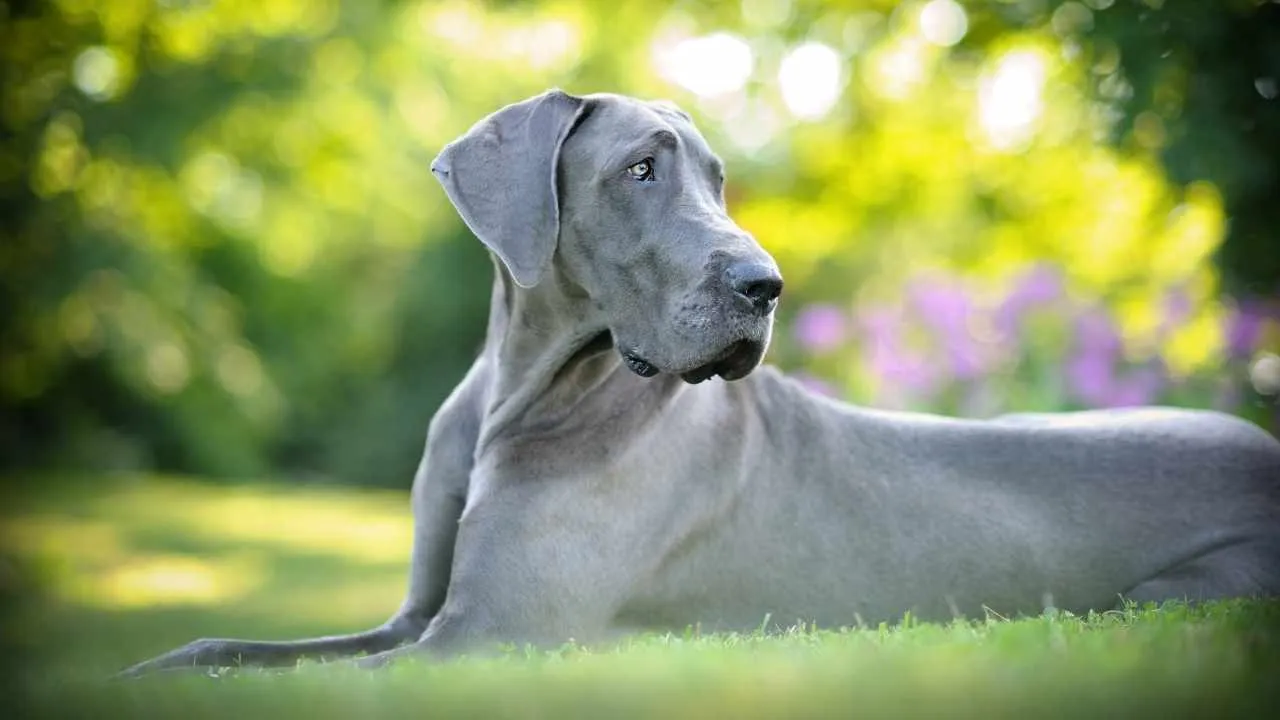
The Great Dane skips bark-first guarding completely. According to the AKC, it was originally bred in Germany to hunt wild boar, which explains its calm, commanding presence today. Sound and threshold clearance come easy here; size clearance is the one your landlord will question.
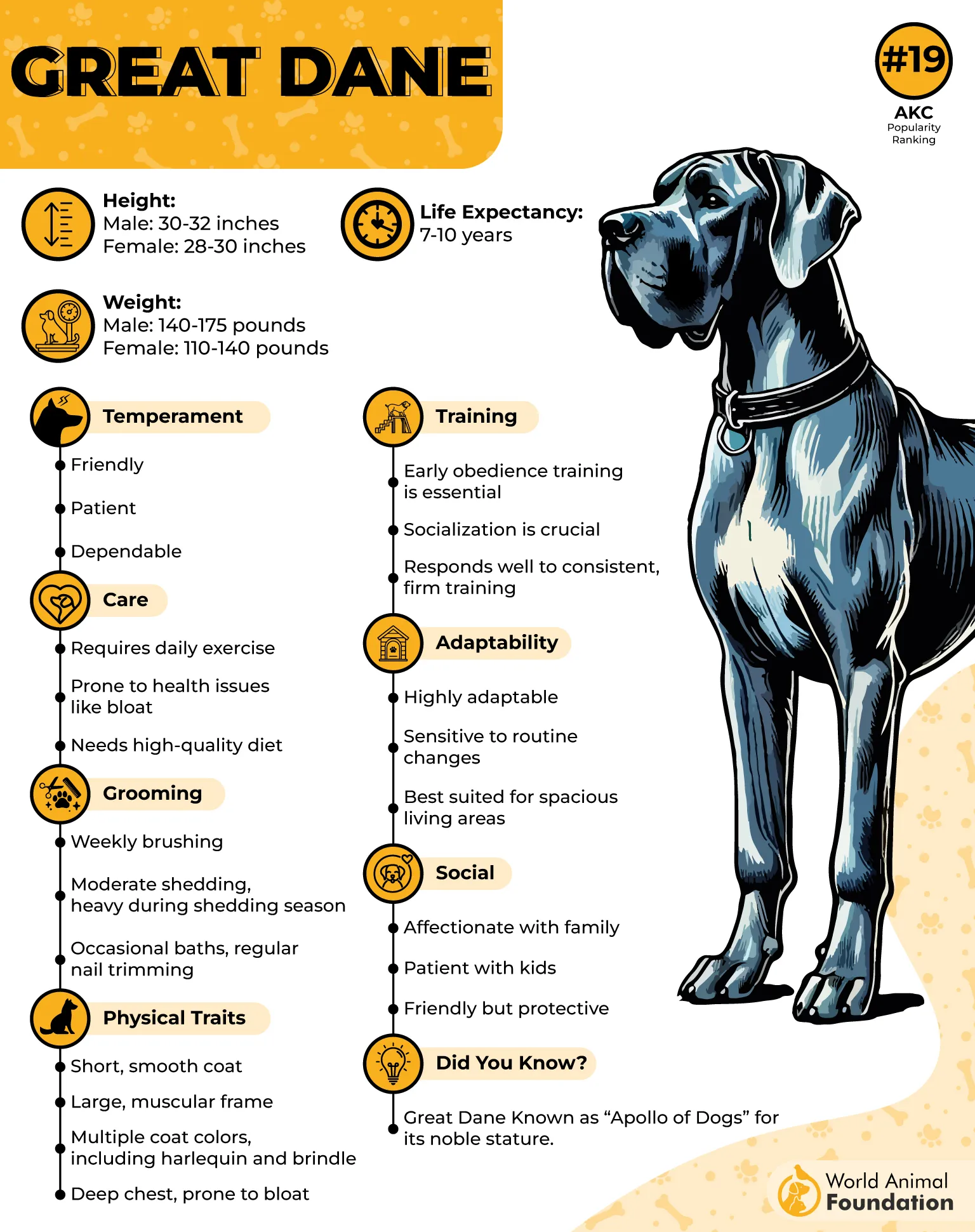
In the hallway, this breed stays composed and rarely barks at passing neighbors. One short walk a day keeps it content; no running laps needed. Urban living suits its laid-back nature better than most city dwellers expect from a guard dog this size.
Exercise: One daily walk covers it; no sprints required.
Grooming: A quick weekly brush keeps its coat tidy.
Training: Early socialization pays off fast thanks to its eager nature.
The real snag here is practical, not behavioral. Many apartment buildings have set rules on how many dogs they allow, and lease approval can take longer than training ever will. Check your lease before you check this breed off your list.
2. Miniature Bull Terrier

The Miniature Bull Terrier is pure terrier instinct in a compact frame. It passes size and sound clearance without trying, but threshold clearance takes training, since it treats every stranger as a suspect first. Its guarding skills lean on bold confidence, not sheer size.

This dog will bark at the mailman, the neighbor’s cat, and the elevator chime, so patience helps early on. A brisk walk twice a day burns off its energy nicely. Urban noise barely rattles this confident little character, making apartment life easier than expected.
Exercise: Two short walks a day keep it satisfied.
Grooming: Its short coat needs just an occasional wipe-down.
Training: Early socialization curbs its instinct to challenge every visitor.
The honest catch is its stubborn streak. Thin apartment walls and a dog that argues with every doorbell are not a peaceful match. Consistent training early on saves you plenty of noise complaints later.
3. English Bulldog

The English Bulldog clears sound and threshold with hardly any effort. According to PDSA, its calm temperament today is a far cry from its historic bull-baiting past. It would rather nap by the door than bark at it, letting its presence do the convincing.
This breed stays remarkably quiet through hallway chatter and elevator rides. One lazy stroll around the block is plenty of exercise for the day. Its calm, wrinkled face makes it look unbothered by city chaos, which is basically the truth.
Exercise: A short daily walk is more than enough.
Grooming: Weekly wrinkle cleaning keeps skin issues away.
Training: Food-motivated and easy to train in short sessions.
The real city concern is heat, not guarding instinct. Elevators and hot pavement do not mix well with its short snout. Keep walks early or late in the day to avoid trouble.
4. Rhodesian Ridgeback
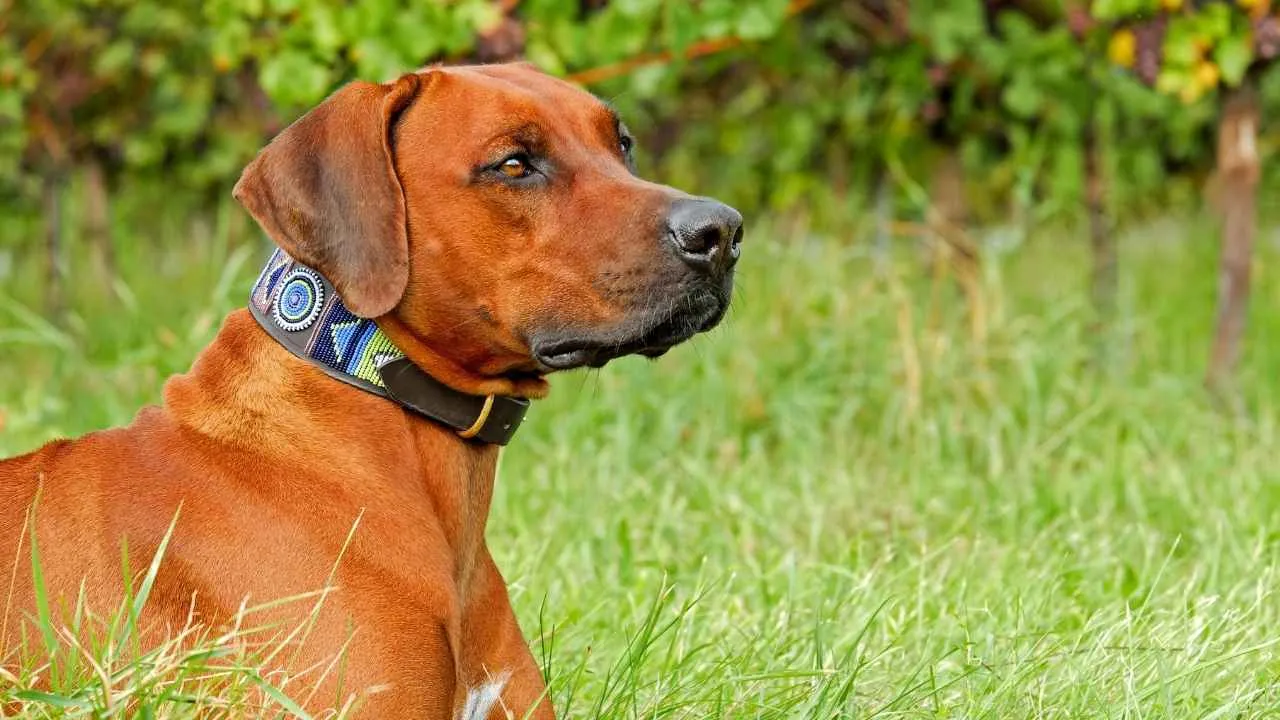
The Rhodesian Ridgeback relies on instinct over noise. It reads a stranger fast and decides if real action is needed, a rare skill among guard dogs. Sound and threshold clearance come naturally; size clearance is the one that needs paperwork first.
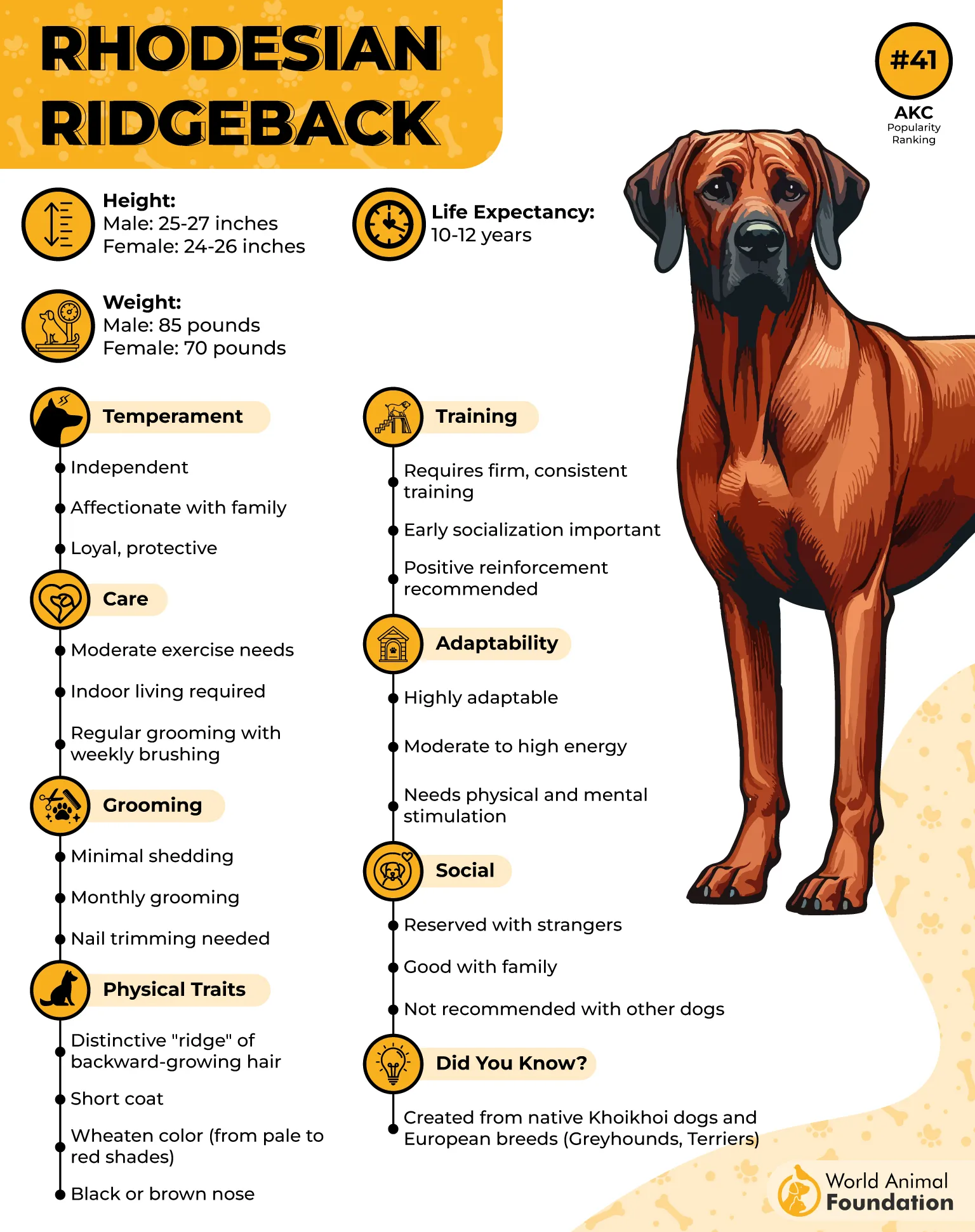
This dog rarely wastes a bark on hallway noise or a passing jogger outside. Its calm indoor manner surprises people who expect a loud protector. Urban living works well as long as its energy gets an outlet somewhere in the day.
Exercise: Needs a genuine jog or long walk daily, not just a stroll.
Grooming: Its sleek coat needs only a quick weekly brush.
Training: Independent streak means consistent, early training matters most.
The city catch here is its independent streak. This breed was bred to think for itself, which can clash with apartment rules about recall and off-leash time. Strong leash habits are non-negotiable in crowded spaces.
5. Miniature Schnauzer

The Miniature Schnauzer passes threshold and size clearance with ease. Its real test is sound clearance, since bark-first alerting is practically its job description. According to Britannica, the breed was originally bred as a farm watchdog and ratter, and that vigilant streak never faded.
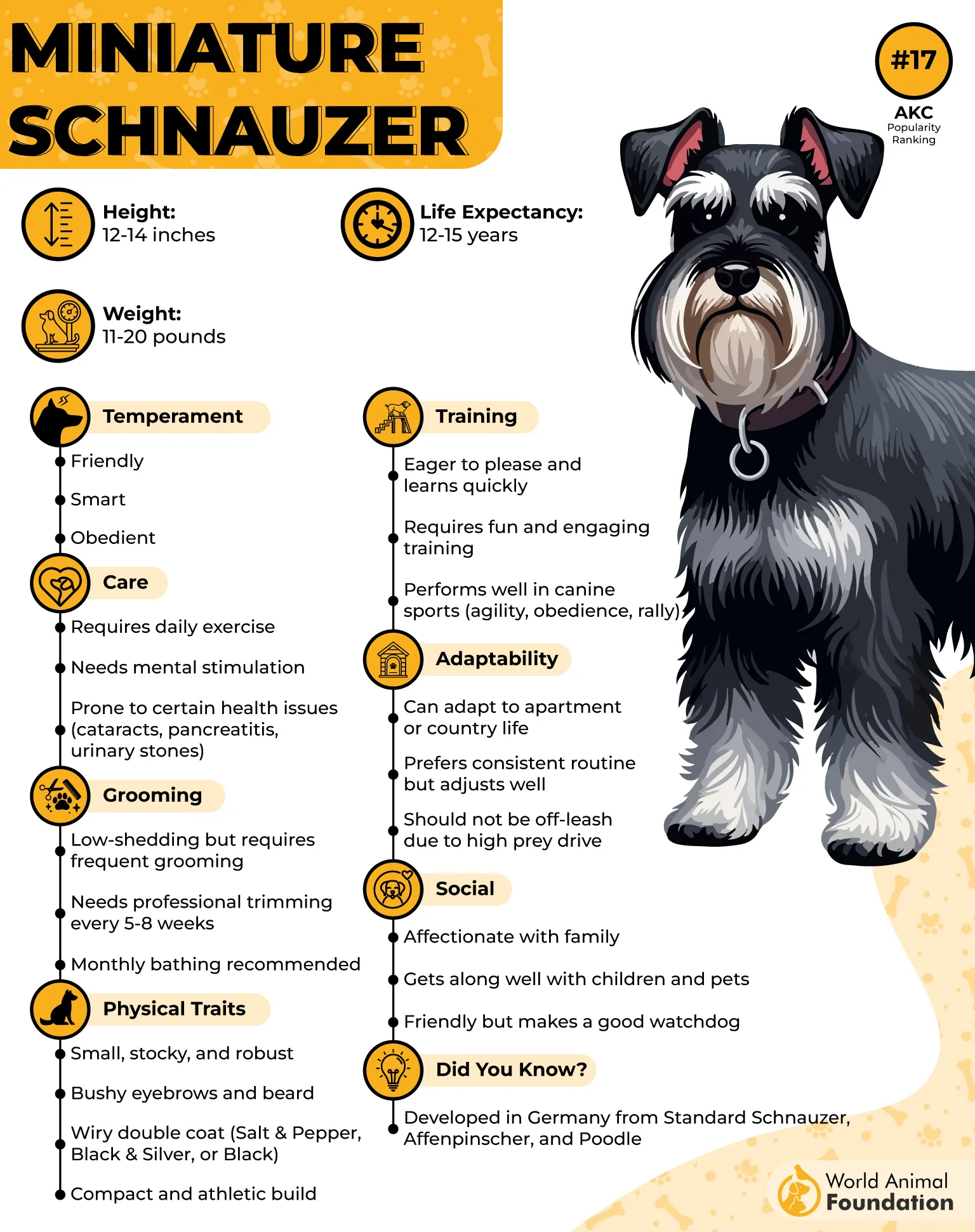
This dog notices every footstep in the hallway and feels obligated to report it. A couple of brisk walks a day keeps it settled. Urban living suits its sharp personality, as long as neighbors do not mind a vocal update now and then.
Exercise: Two short walks daily cover its needs completely.
Grooming: Its wiry coat needs regular trimming to stay neat.
Training: Bark control should be the very first lesson taught.
The real city issue is noise, not nerve. This breed will bark at every delivery and doorbell unless you teach it an off switch early. Thin apartment walls make this the habit worth fixing first.
6. Doberman Pinscher

The Doberman Pinscher reads a situation fast and reacts with calculated confidence, not noise. Threshold clearance comes naturally thanks to its sharp intelligence. Size clearance usually needs a conversation with your landlord first, since this is a breed people notice.
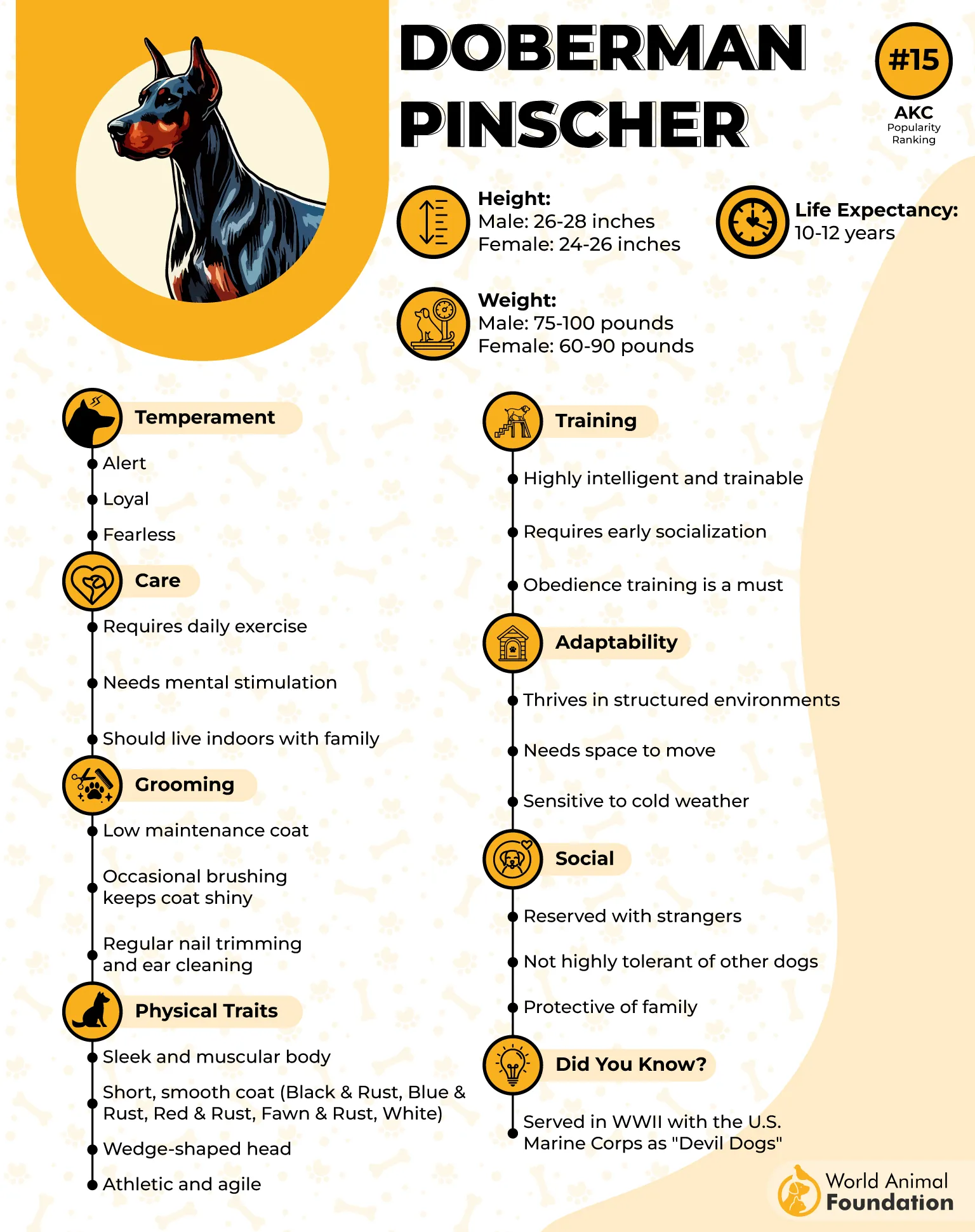
In the hallway, this dog studies strangers quietly instead of barking at them. A solid daily walk keeps it content, though it craves mental work just as much. Urban living suits its sleek, alert presence surprisingly well once its mind stays busy.
Exercise: One structured walk plus playtime keeps it balanced.
Grooming: Its short coat needs only an occasional wipe.
Training: Needs early, consistent obedience work to channel its intelligence.
The real city caution is boredom, not aggression. An under-stimulated Doberman gets creative in frustrating ways inside a small apartment. Keep its brain busy, or it will find its own project.
7. Boxer

The Boxer guards through presence and a booming bark when it matters. Threshold clearance comes easily, since it stays naturally watchful of its people. According to VCA, the breed was originally developed in Germany for guarding and hunting work, a protective streak that still shows today.
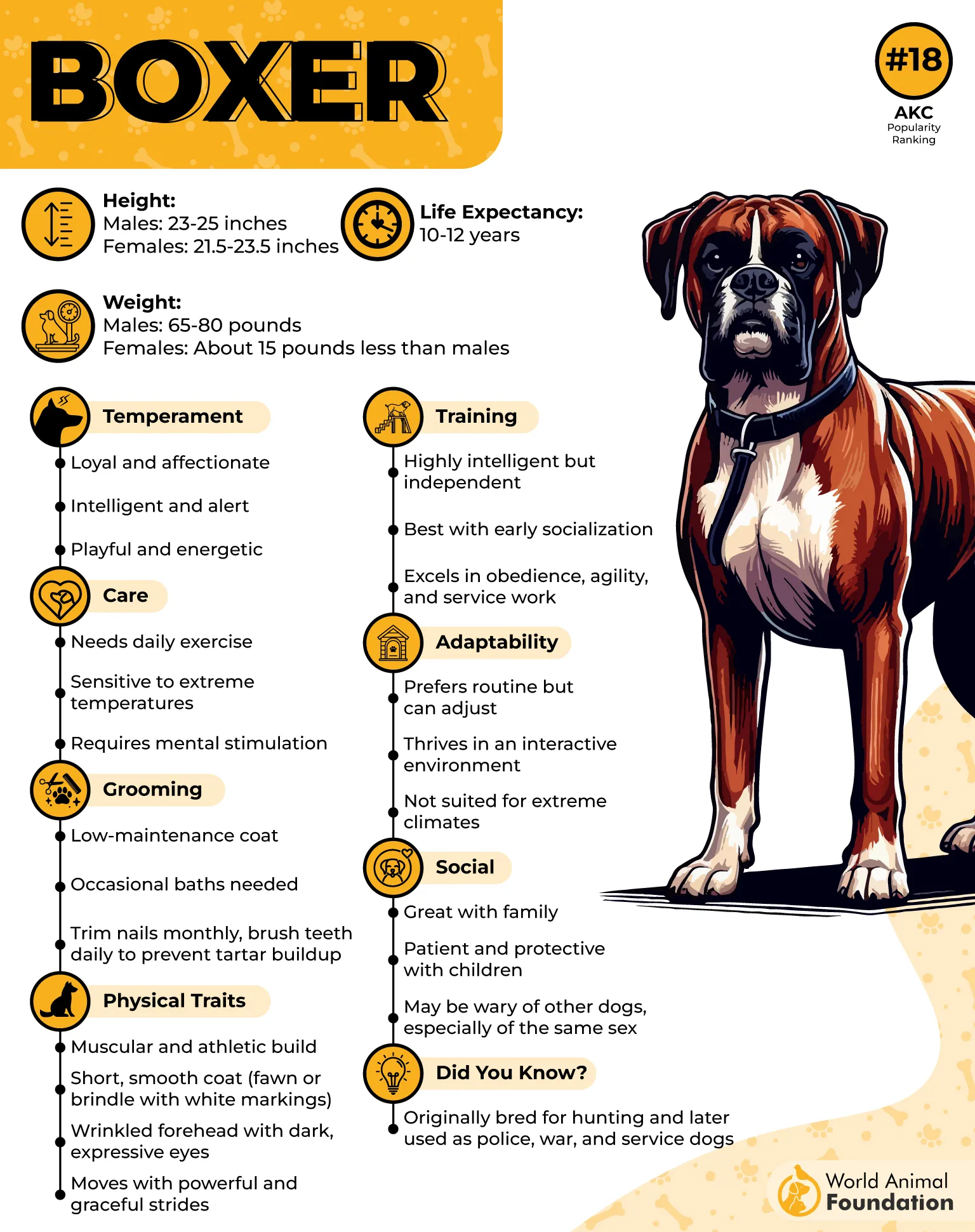
This dog stays alert in the hallway without turning into a nuisance barker. It needs real playtime, not just a short walk, to stay settled indoors. Urban living works if its energy gets a proper outlet, since a bored Boxer turns the living room into a playground.
Exercise: Needs vigorous daily play, not just a lap around the block.
Grooming: Its short coat needs only a quick weekly brush.
Training: Smart and eager, though sessions should stay short and fun.
The honest catch is energy in a small space. A Boxer with pent-up energy can turn apartment furniture into chew toys fast. Daily play is not optional here; it is the whole deal.
8. Bullmastiff

The Bullmastiff guards through sheer calm confidence, not noise. Sound and threshold clearance come naturally, since this breed rarely barks without real reason. Size clearance is the one hurdle that needs planning ahead with your landlord.
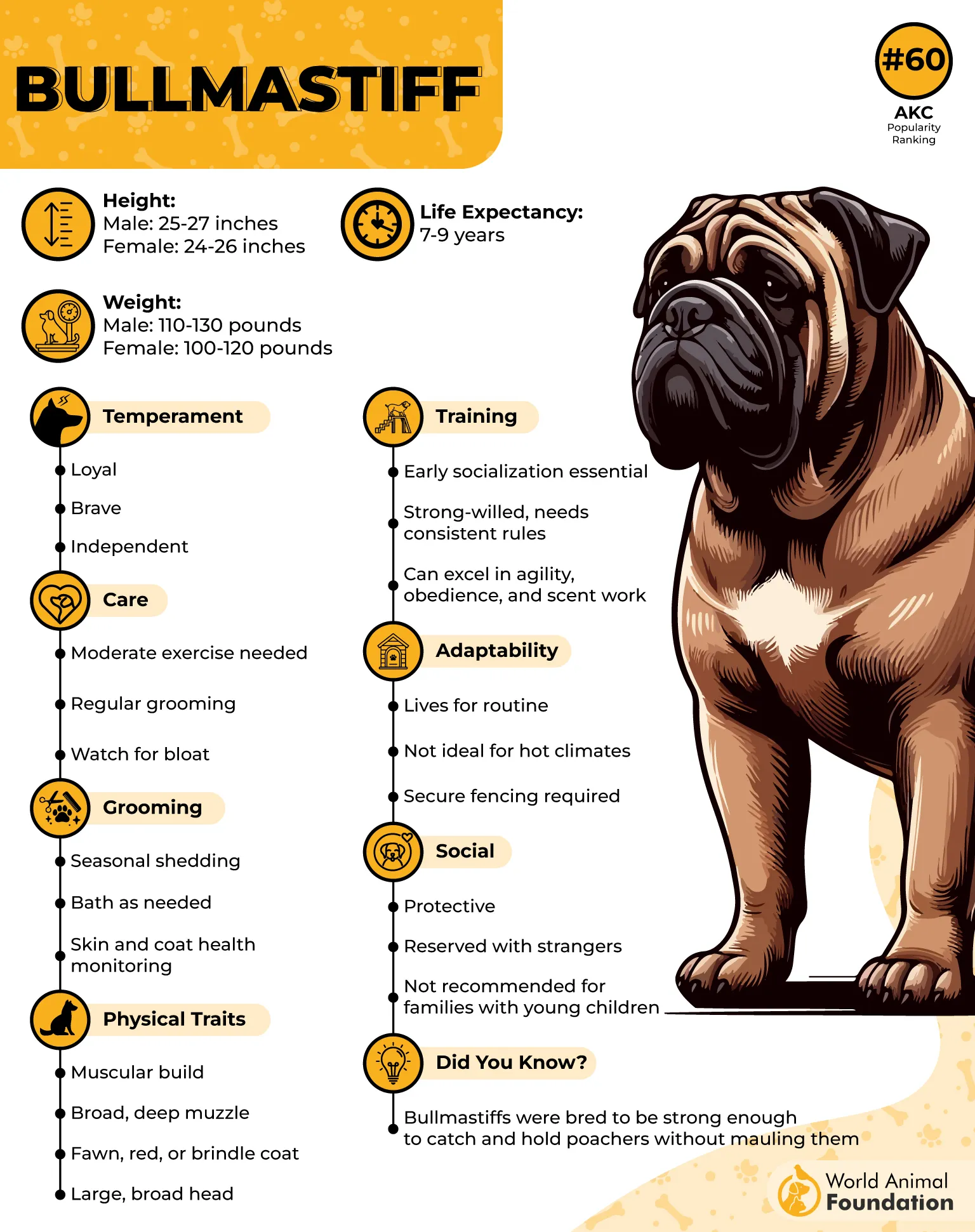
This dog stays remarkably quiet through hallway traffic and elevator rides. A relaxed daily walk is really all it asks for. Urban living suits bullmastiffs and their laid-back nature well, as long as that calm face does not fool you into skipping training.
Exercise: One moderate walk a day meets its needs easily.
Grooming: A quick weekly brush handles its short coat.
Training: Early socialization matters, since its protective instinct runs deep.
The real city concern is space for rest, not behavior. This breed needs a proper spot to stretch out, and a cramped studio can make it restless. Give it room to sprawl,rawl and it stays perfectly content.
9. Staffordshire Bull Terrier

The Staffordshire Bull Terrier guards with raw confidence in a sturdy little frame. It clears size and sound easily, since it rarely barks without reason. Threshold clearance takes patience, because this breed loves people too much to stay suspicious for long.
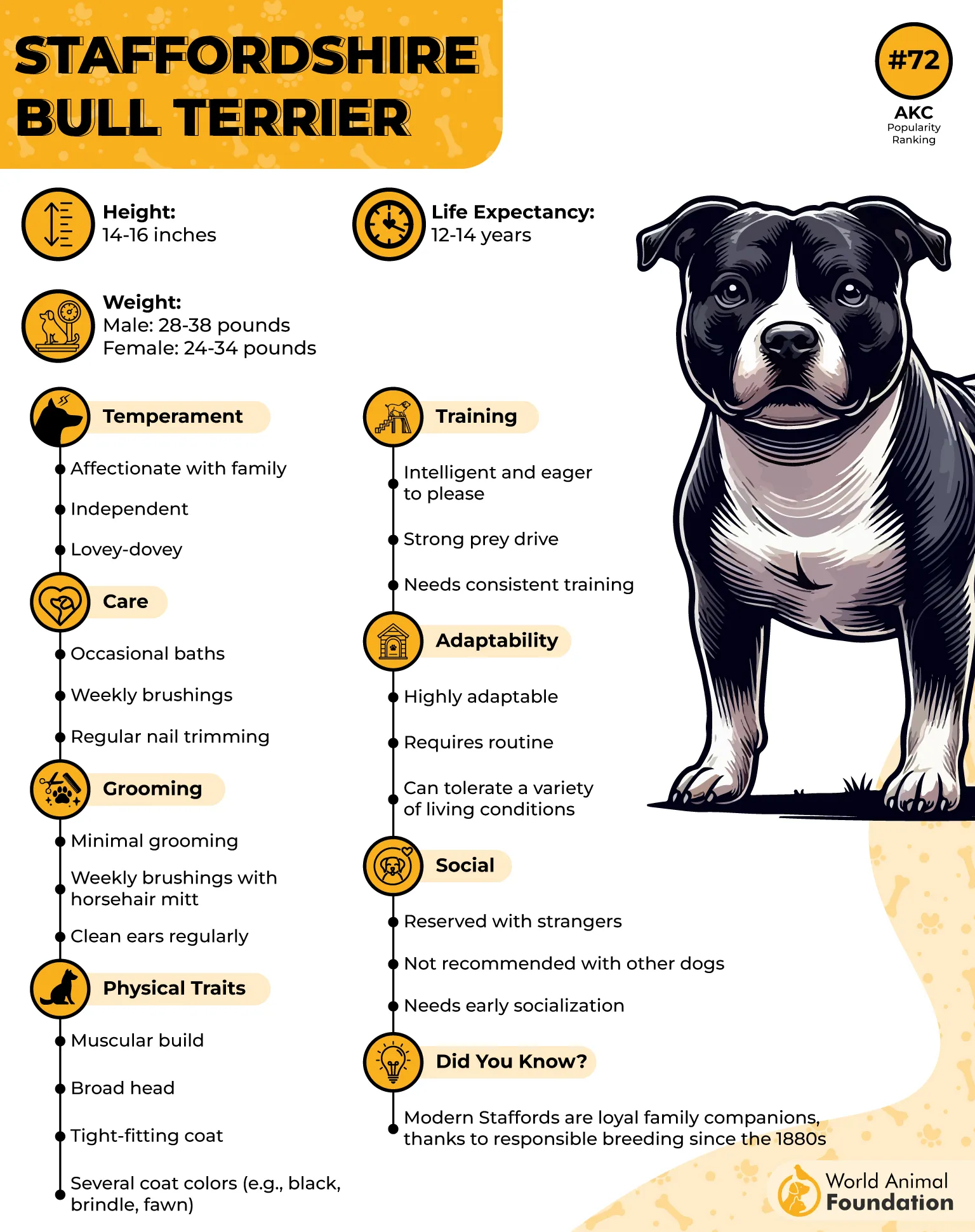
This dog stays calm through hallway noise and greets strangers more than it challenges them. A good walk and some playtime cover its daily needs. Urban living suits its affectionate nature, making it more of a friendly face than a fierce one at the door.
Exercise: A daily walk plus some playtime keeps it happy.
Grooming: Its short coat needs barely any upkeep at all.
Training: Highly trainable, especially with positive, reward-based methods.
The honest city caution is its friendliness. If true deterrence is the goal, this breed will greet an intruder before it challenges one. Pair it with good locks, not blind faith in its guarding instinct.
10. Rottweiler
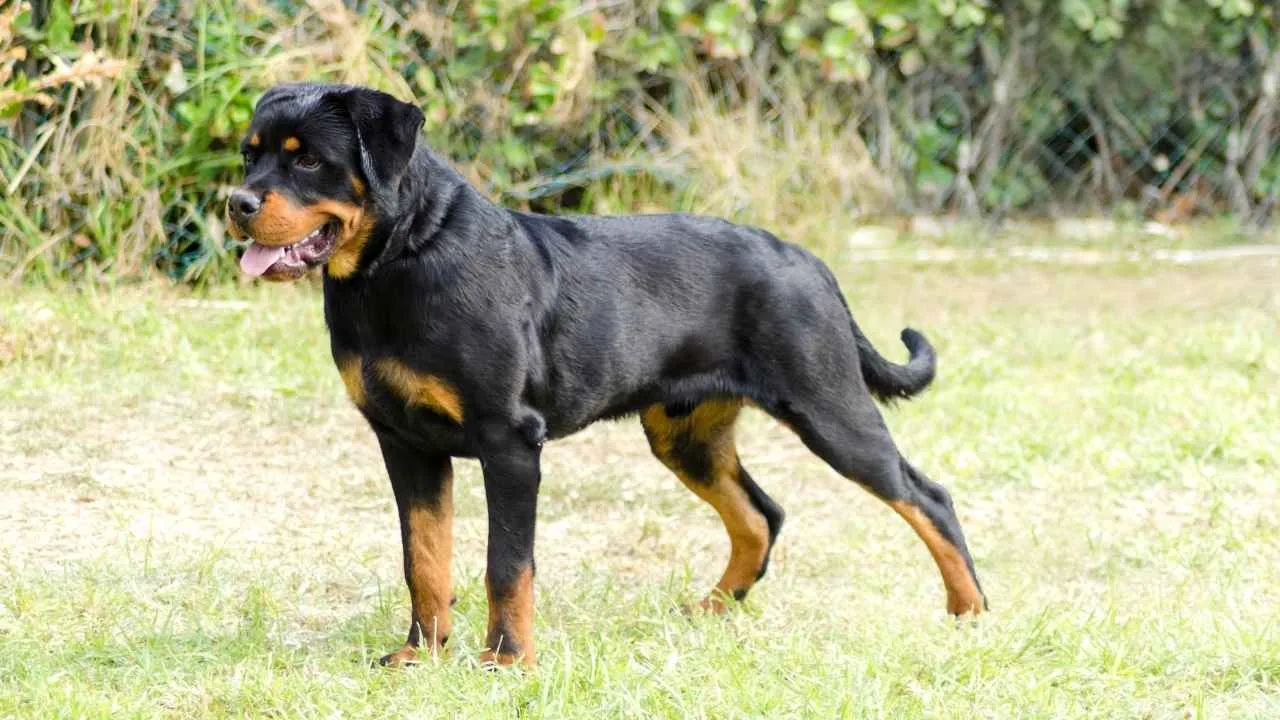
The Rottweiler commands a room before it even barks. Threshold clearance comes naturally thanks to sharp intelligence and a steady temperament. According to PetMD, the breed was originally used to herd cattle and guard property in Germany, a working instinct that still runs strong today.
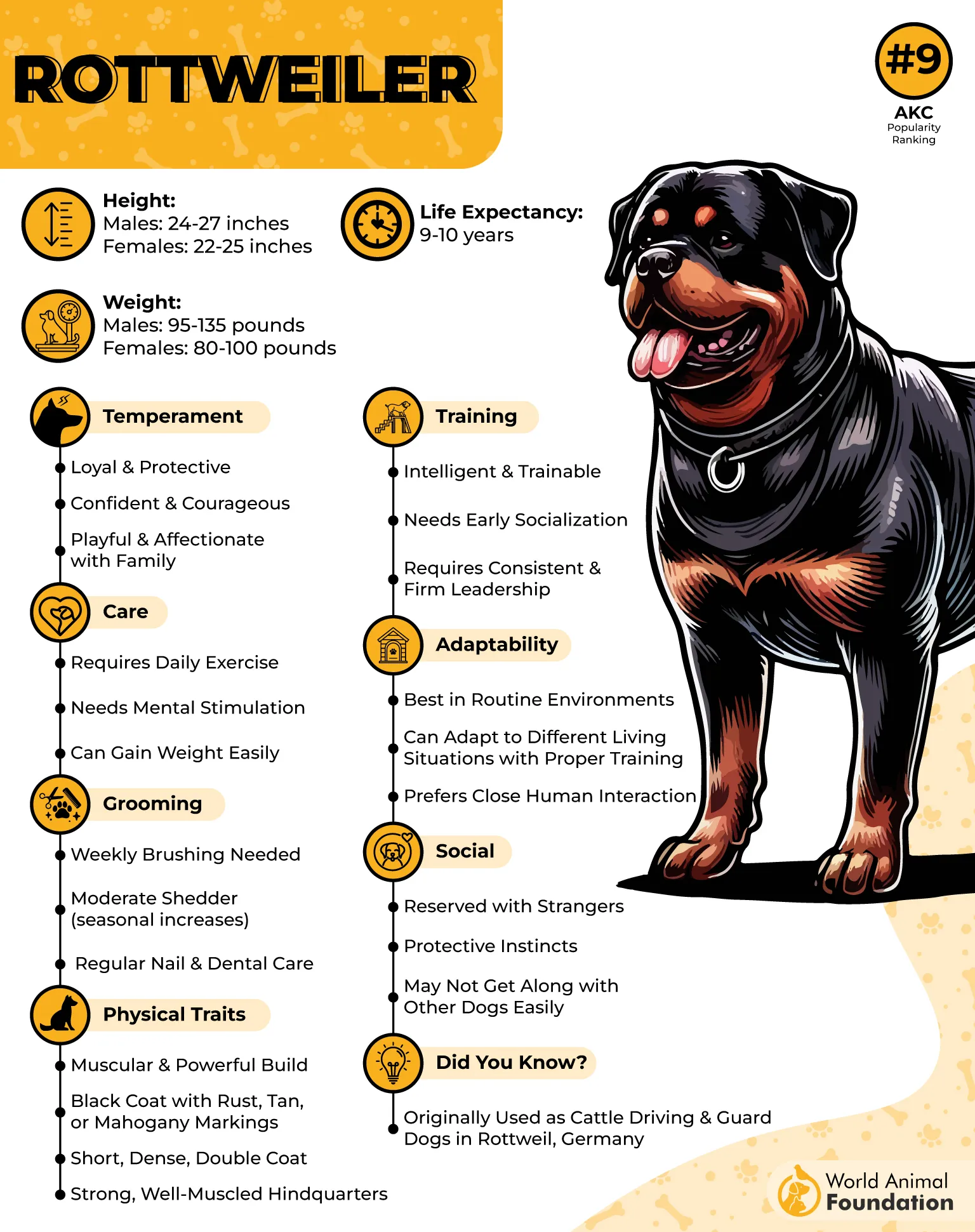
In the hallway, this dog watches quietly rather than barking at every sound. A solid daily walk plus mental work keeps it settled indoors. Urban living suits its calm confidence well, as long as its intelligence gets a job to do.
Exercise: Needs a structured walk and some mental challenges daily.
Grooming: Its short coat needs only occasional brushing.
Training: Early, consistent obedience work is essential for this breed.
The real city caution is its commanding presence around strangers. In tight hallways and elevators, that presence can unsettle neighbors fast. Early socialization is not optional; it is the one job you cannot skip.
Conclusion
At the end of the day, the right guard dog for a city environment is not the loudest or the biggest; it is the one whose guarding skills match your lifestyle and your lease. Pay attention to breed-specific traits like noise control and adaptability, and you will spot the ideal choice fast.
Treat this list as your starting point for finding a vigilant protector and a genuine companion in crowded environments. Pick the breed that fits your space, start training early, and you will have a well-behaved sidekick watching your door in no time.
