




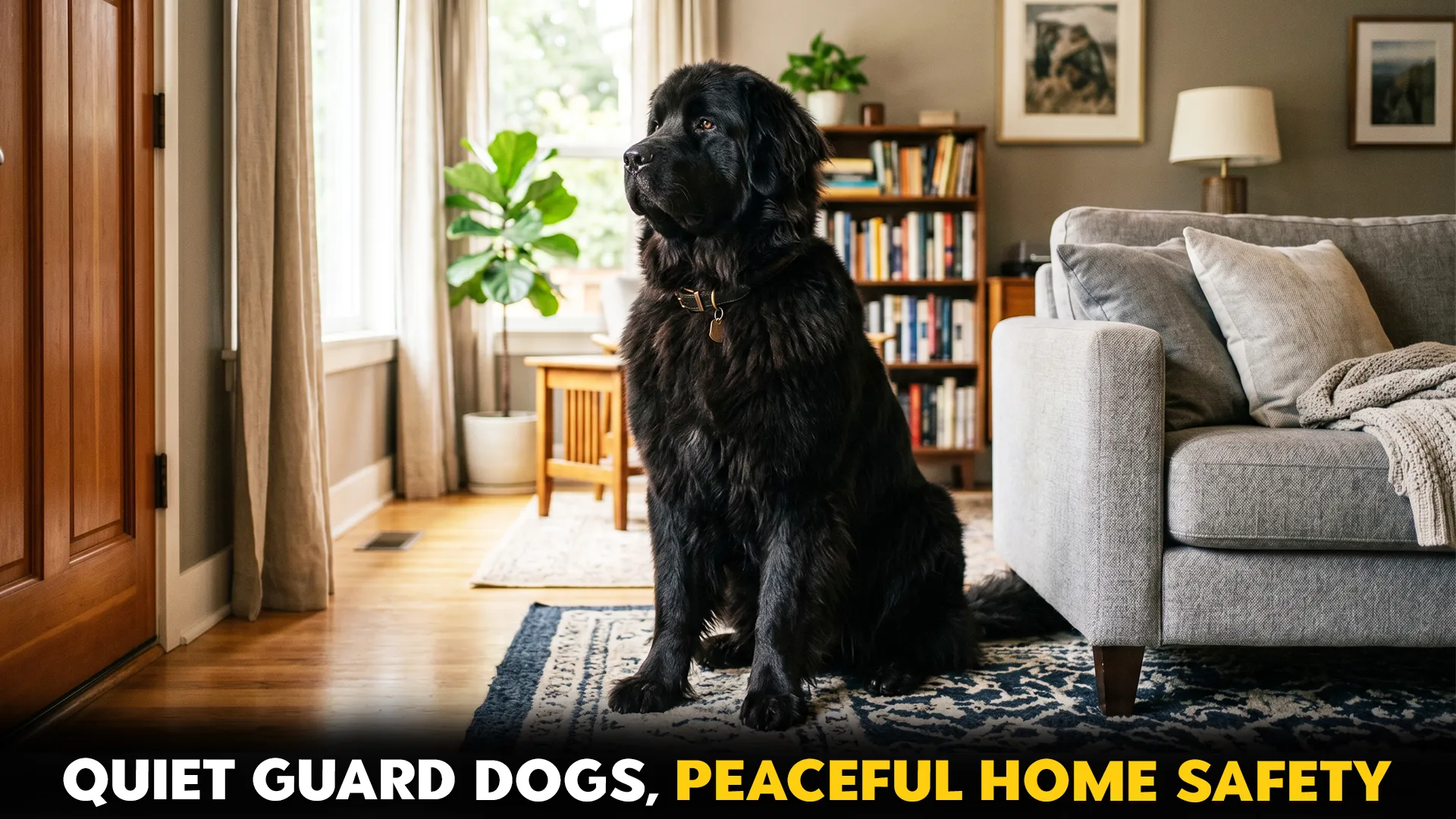
People often believe that a good guard dog must be loud, highly active, and constantly alert to every small disturbance. That idea sounds convincing, but it does not always work in a quiet home.
In reality, that kind of behavior can create more stress than security. Continuous barking, unnecessary reactions, and high energy levels can slowly take away the calm atmosphere you are trying to maintain. Protection should not feel overwhelming. It should feel controlled and reliable.
This is where low-maintenance guard dog breeds challenge that common belief. They do not rely on noise or constant movement to do their role. Instead, they stay observant, respond with purpose, and remain calm when nothing is wrong. That difference matters more than most people expect.
The following sections will show how these dogs provide effective security while still preserving the quiet environment you want at home.
Key Takeaways
A calm home does not have to mean a lack of protection, and some dogs manage to give both safety and silence at the same time.
Newfoundland and Mastiff show how quiet strength can feel more secure than chaos, with steady awareness that never disturbs the home environment.
Rhodesian Ridgeback and Rottweiler add a different layer, reading situations first before deciding how to respond, which keeps their protection controlled and focused.
Stay till the end to see how these nine breeds balance calm living with natural guarding instincts in a way most people overlook.
Low-Maintenance Guard Dog Breeds for Quiet Home Environments
1. Newfoundland
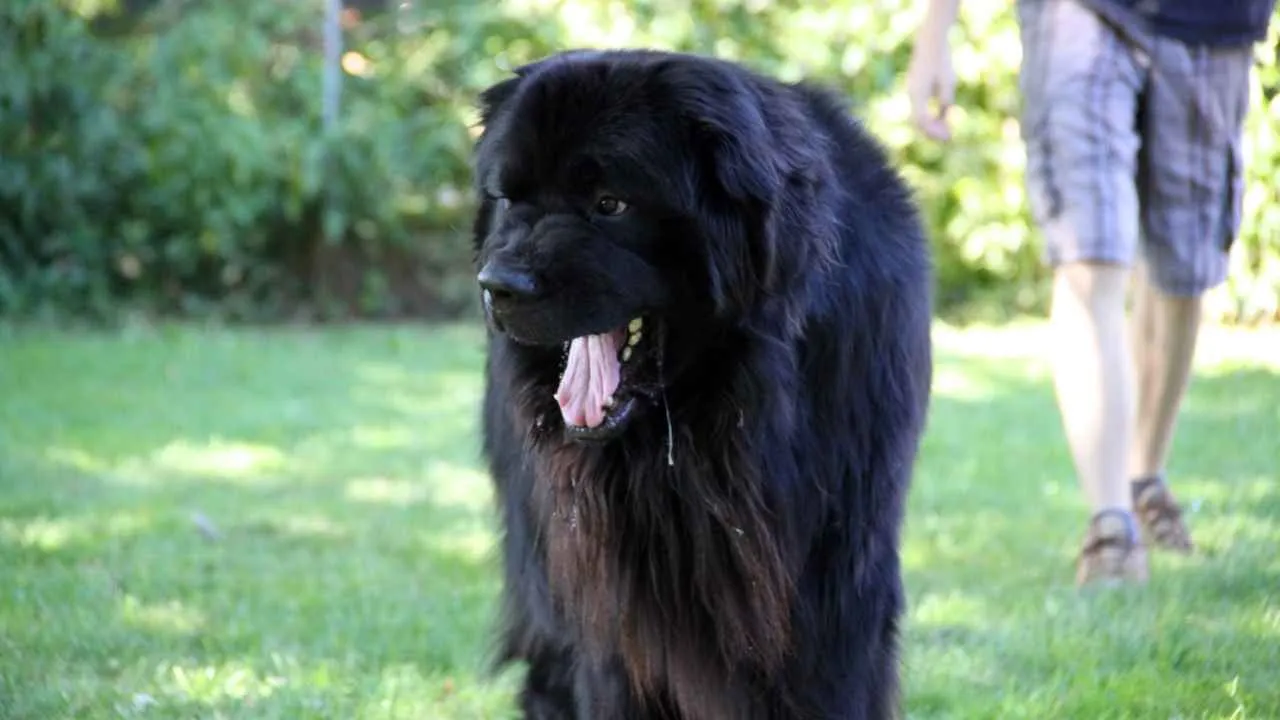
Newfoundland presents a heavy-boned, powerful frame that reflects calm physical authority rather than speed or sharp aggression.
Its broad head and soft, expressive face create a gentle contrast to its size. The overall form suggests a working dog built for controlled, sustained tasks on land and water.
Gentle working nature in action
Newfies behave with patience and a steady temperament, often showing calm interaction around children and family environments. Its response to guidance remains steady, especially when handled with consistency rather than force.
This behavior connects clearly through everyday traits:
Responds smoothly to gentle instruction
Works comfortably in both water and land tasks
Shows natural calmness around children and pets
Role shaped by versatility
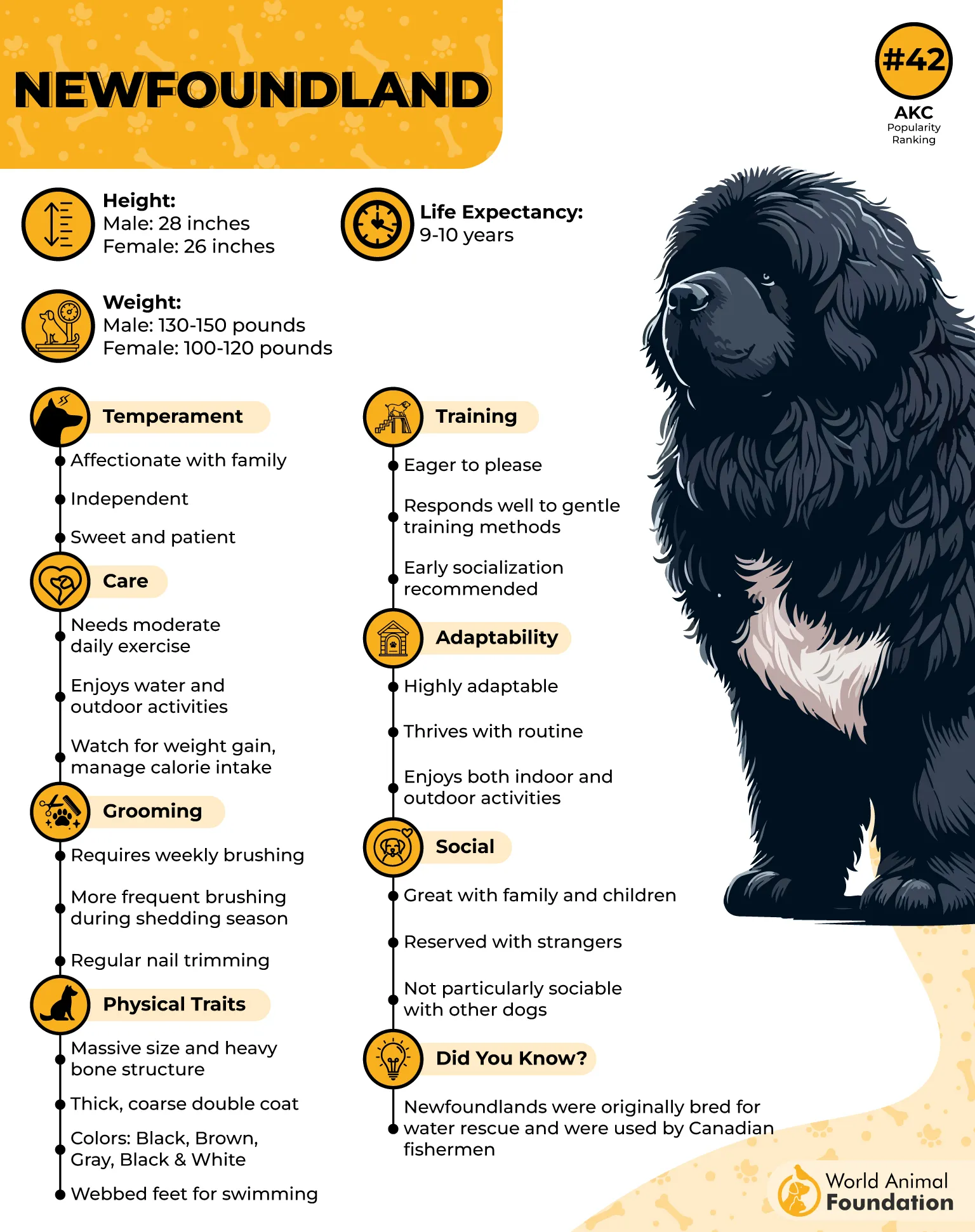
These gentle giants perform beyond companionship, taking part in draft work and water-based rescue instincts that define their functional strength, as stated by Omlet UK.
Its ability to shift between physical tasks and calm home presence creates a balanced working profile. Despite its size, its behavior remains controlled rather than reactive
2. Mastiff
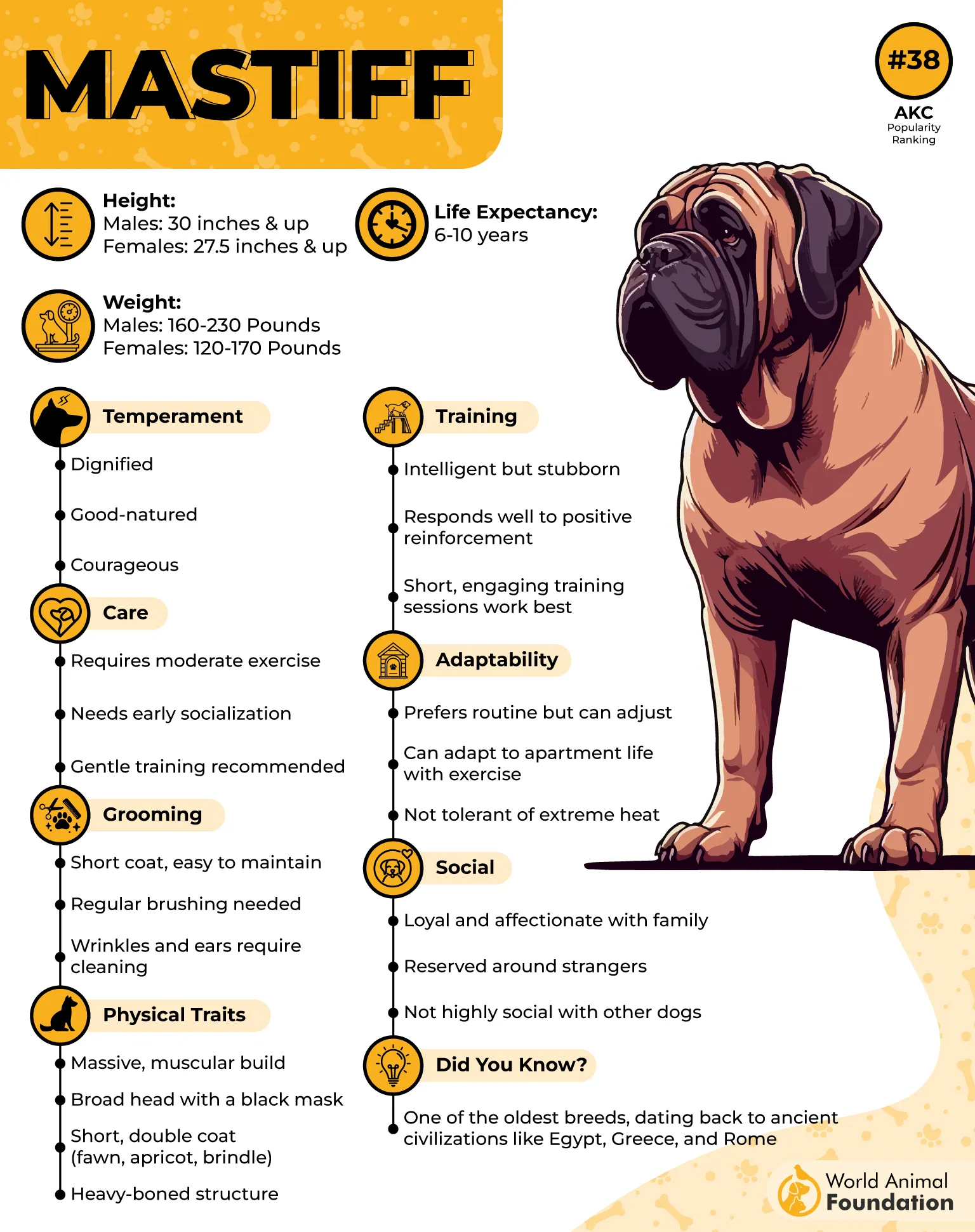
Mastiffs belong to one of the oldest canine lineages, shaped into a massive, heavy-boned frame that reflects pure strength without urgency.
Its broad head and thick musculature create a presence that feels steady and grounded in place. The expression often reads calm, supported by a wrinkled brow and deep facial structure.
Physical structure that signals presence
This protection dog’s rectangular body carries dense muscle under a short double coat that appears in fawn, apricot, or brindle tones, as the AKC describes. Its size alone defines how it is perceived in space, with a wide chest and powerful build designed for protective response rather than speed.
This structure becomes clearer through key traits:
Deep, heavy-boned frame built for stability
Short coat requiring minimal grooming effort
Broad head with naturally alert expression
Behavior centered around calm protection
They have a composed temperament inside familiar environments, often forming quiet bonds with those it recognizes as family. Its response to unfamiliar people leans toward caution rather than engagement, reflecting an instinct to observe first. This balance gives it a steady, non-reactive home presence.
3. Bullmastiff
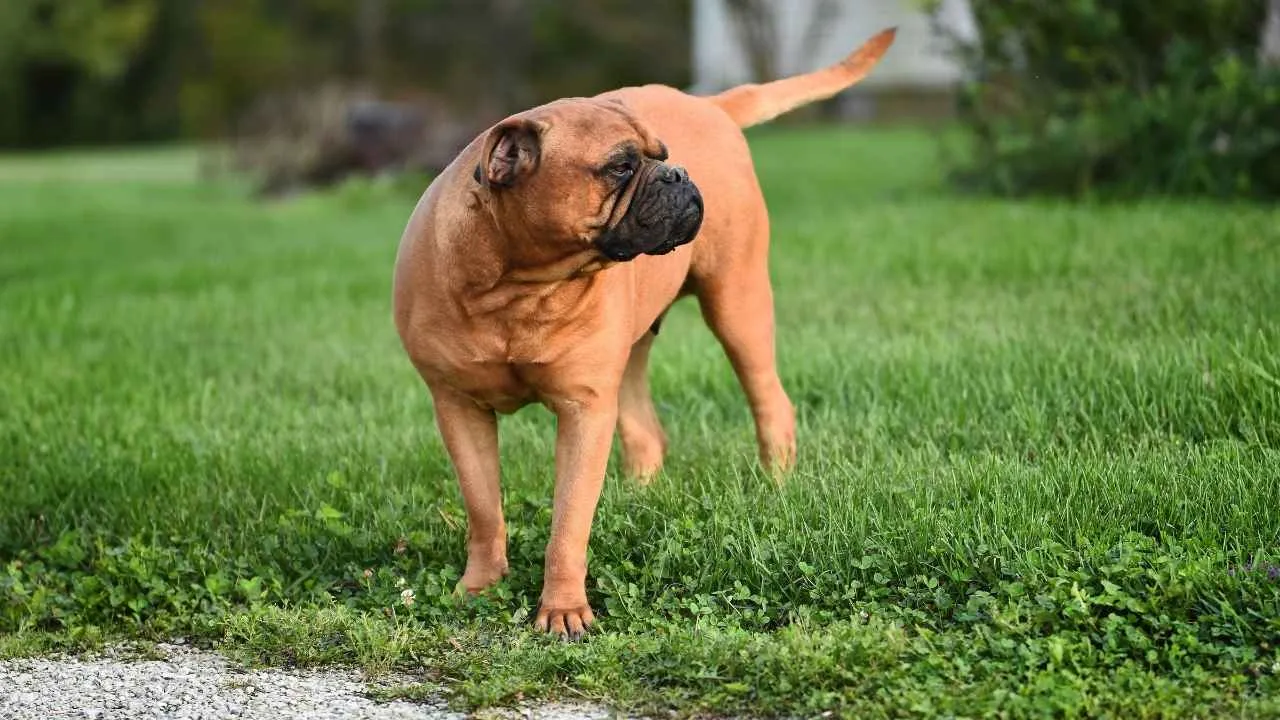
Bullmastiff reflects a powerful build created from Bulldog and Mastiff crosses, shown in its muscular frame and broad head. Its expression combines dark eyes, a deep muzzle, and alert ears that signal awareness before action. The overall presence is calm yet firmly grounded in protective instinct.
Behavior shaped by guidance and structure
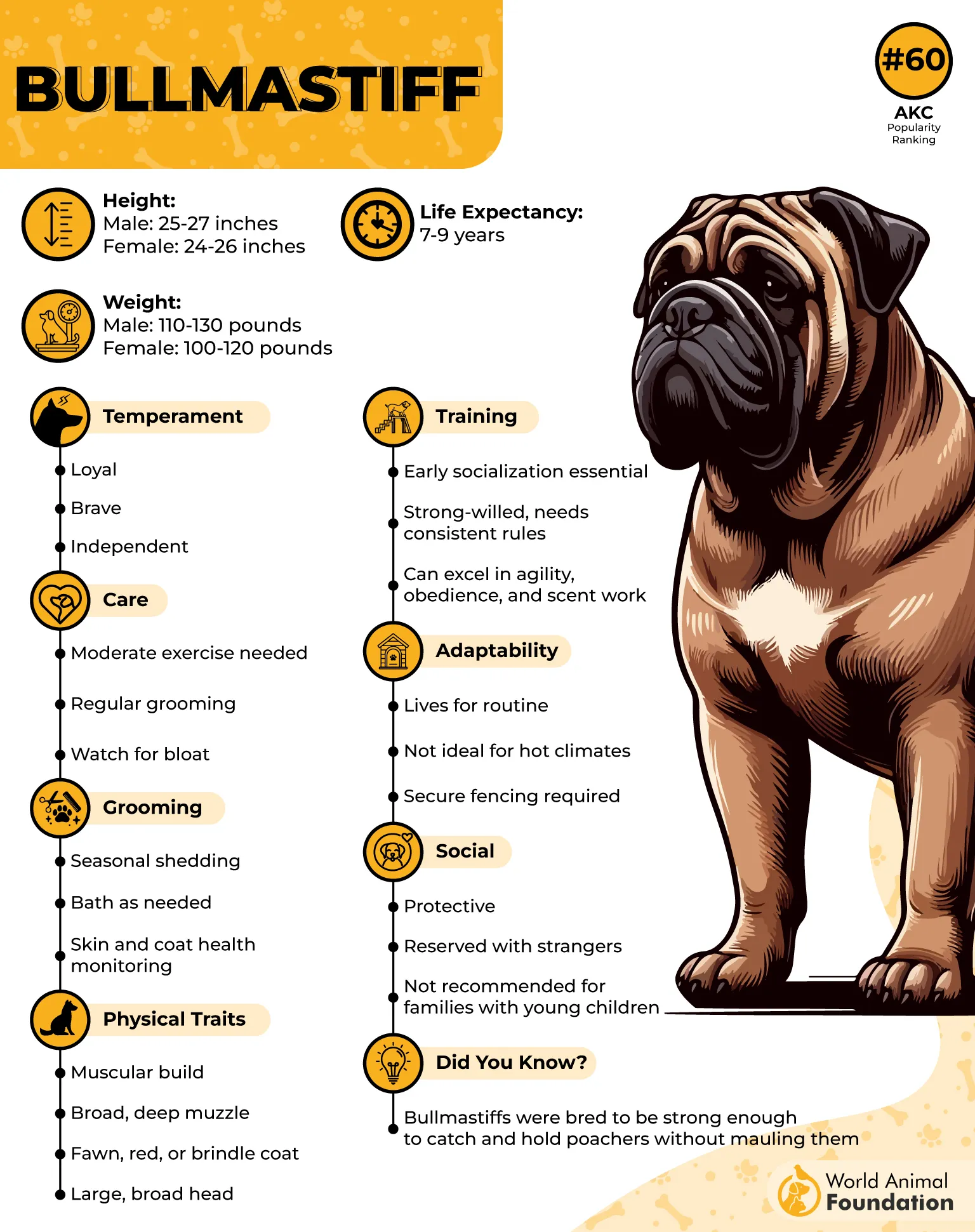
They respond well to direction when training begins early, especially during its earlier stage when control is easier to establish. Its behavior is reliable, but it requires clear boundaries to guide its natural guarding instinct.
This shows through consistent real-life patterns:
Responds best to early structured training routines
Requires secure boundaries during outdoor time
Adjusts activity level based on handling approach
Daily rhythm and activity preference
According to WebMD, these gentle companions engage more with steady walks and controlled outdoor movement rather than fast-paced running.
Its energy varies between individuals, with some showing calm behavior and others displaying more activity within limits. This creates a pattern suited to moderate rather than intense routines.
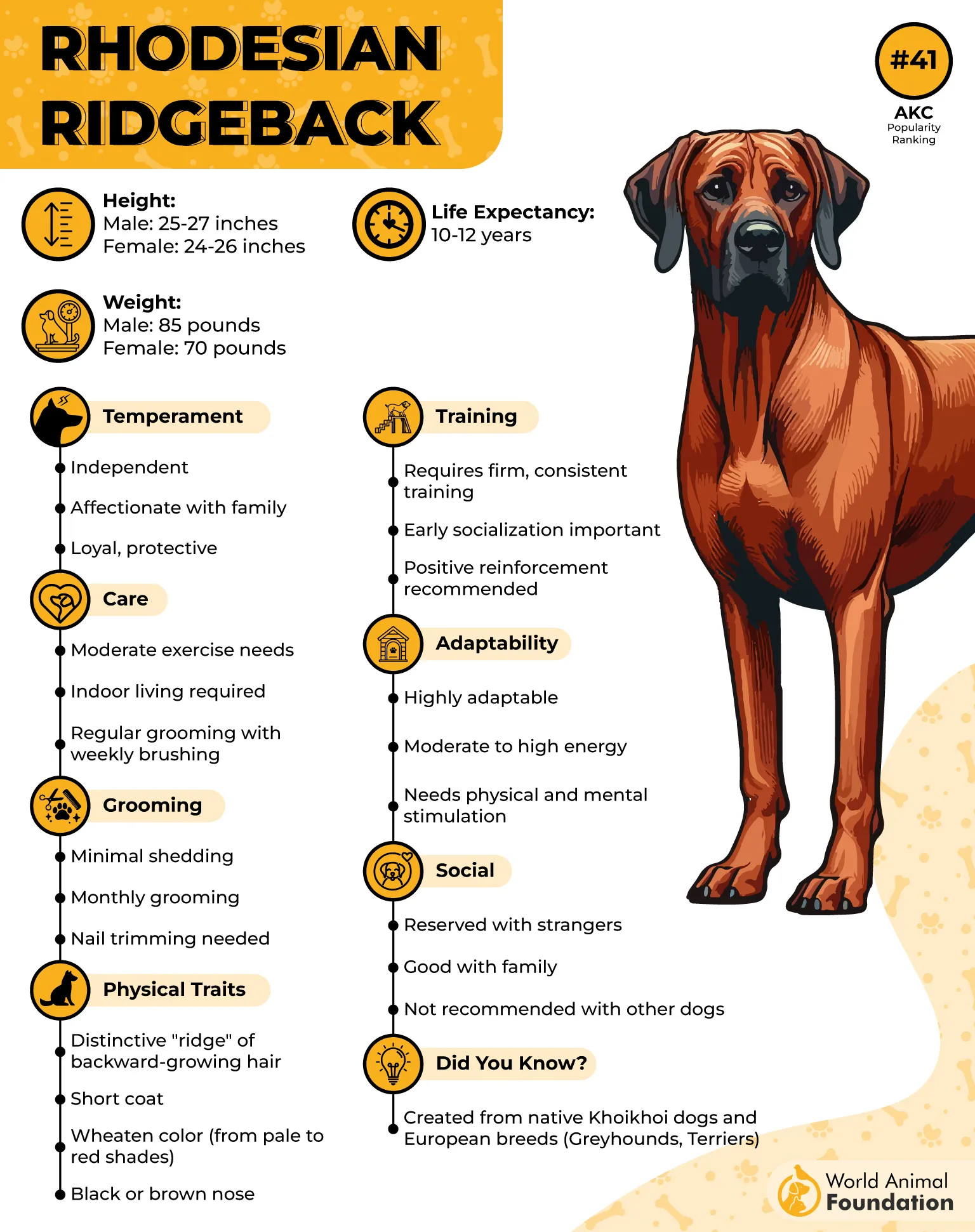
4. Rhodesian Ridgeback
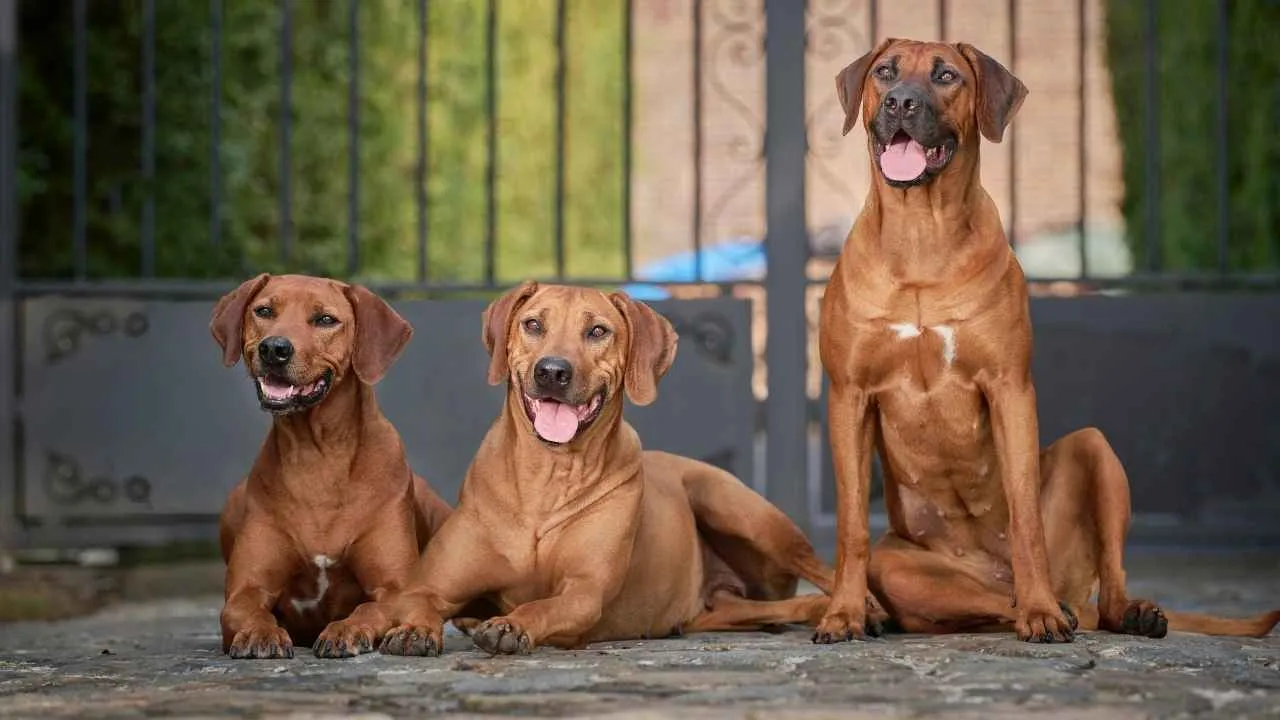
Rhodesian Ridgeback shows a strong athletic frame with a distinctive ridge of backward-growing hair along the spine. Its body reflects power and speed, built to cover ground with control rather than chaos. The single wheaten coat links its appearance to earthy tones ranging from pale gold to deeper shades.
Working traits shaped by independence
As one of the best guard dogs, they react with independent judgment, often assessing situations before responding instead of acting on impulse. Its role in tracking large game reflects patience paired with controlled pursuit rather than immediate aggression.
This behavior becomes clearer through key field characteristics:
Tracks scent with steady, directional focus
Uses controlled pursuit instead of immediate attack
Maintains independence during long-range movement
Temperament inside a home setting
They have a calm, steady presence within familiar environments while forming strong loyalty toward trusted individuals. Its protective nature becomes more selective, responding mainly when it senses real concern. The balance between affection and independence shapes household behavior.
5. Great Pyrenees
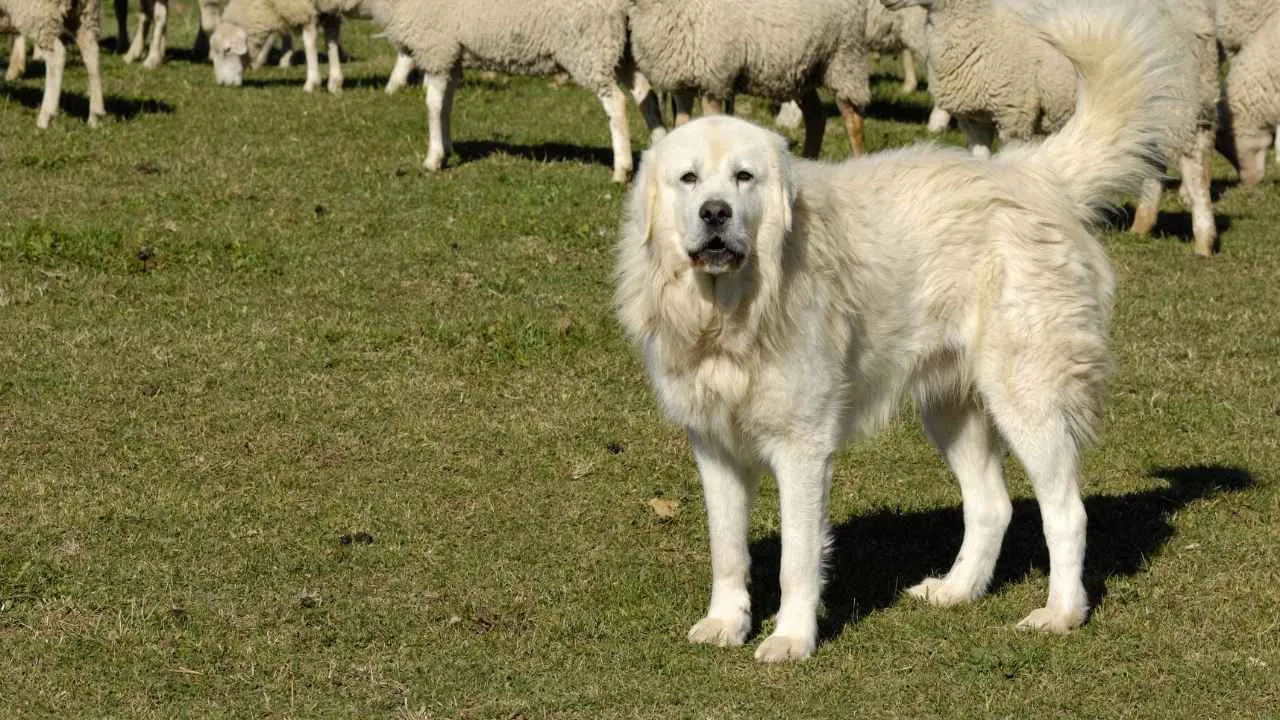
The Great Pyrenees comes from the Pyrenees Mountains between Spain and France, where it guarded sheep across harsh terrain.
Its large frame and thick white coat were shaped to blend into snowy surroundings while watching over livestock. The role centered on protection against large predators in open mountain space.
Strength expressed through structure
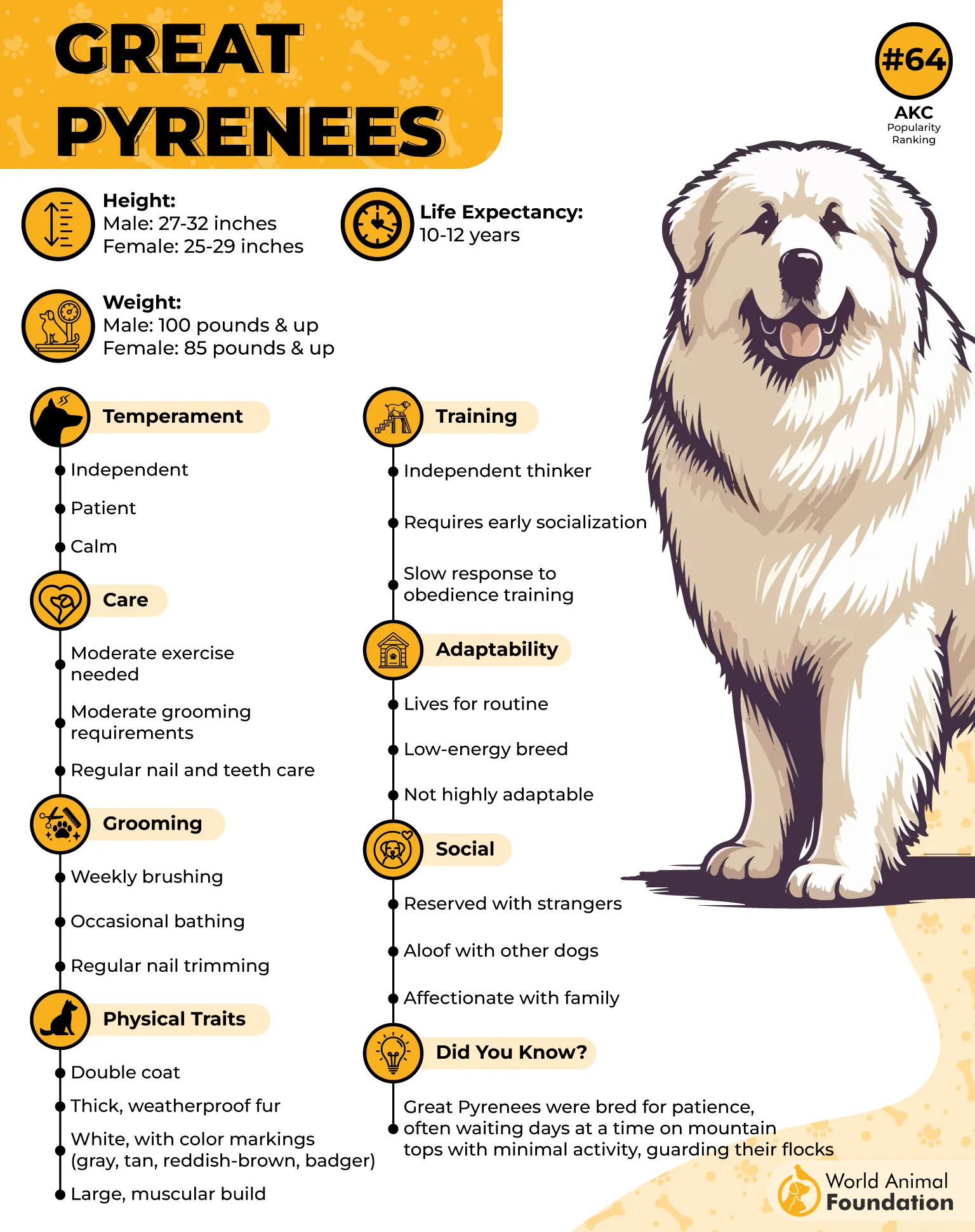
This large breed relies on size, endurance, and a coat designed for harsh outdoor conditions, allowing it to operate in cold environments without discomfort. Its physical build supports long periods of quiet observation rather than constant motion.
This working structure becomes clear in key features:
Thick white coat blends into snowy terrain
Strong frame suited for guarding large livestock areas
Natural resistance to harsh weather conditions
Home behavior shaped by a calm presence
This guardian breed shifts into a quiet and steady demeanor around people, showing gentleness in familiar indoor spaces. Its energy level lowers significantly at home, preferring calm surroundings over constant stimulation. This contrast creates a relaxed household presence.
6. Boerboel

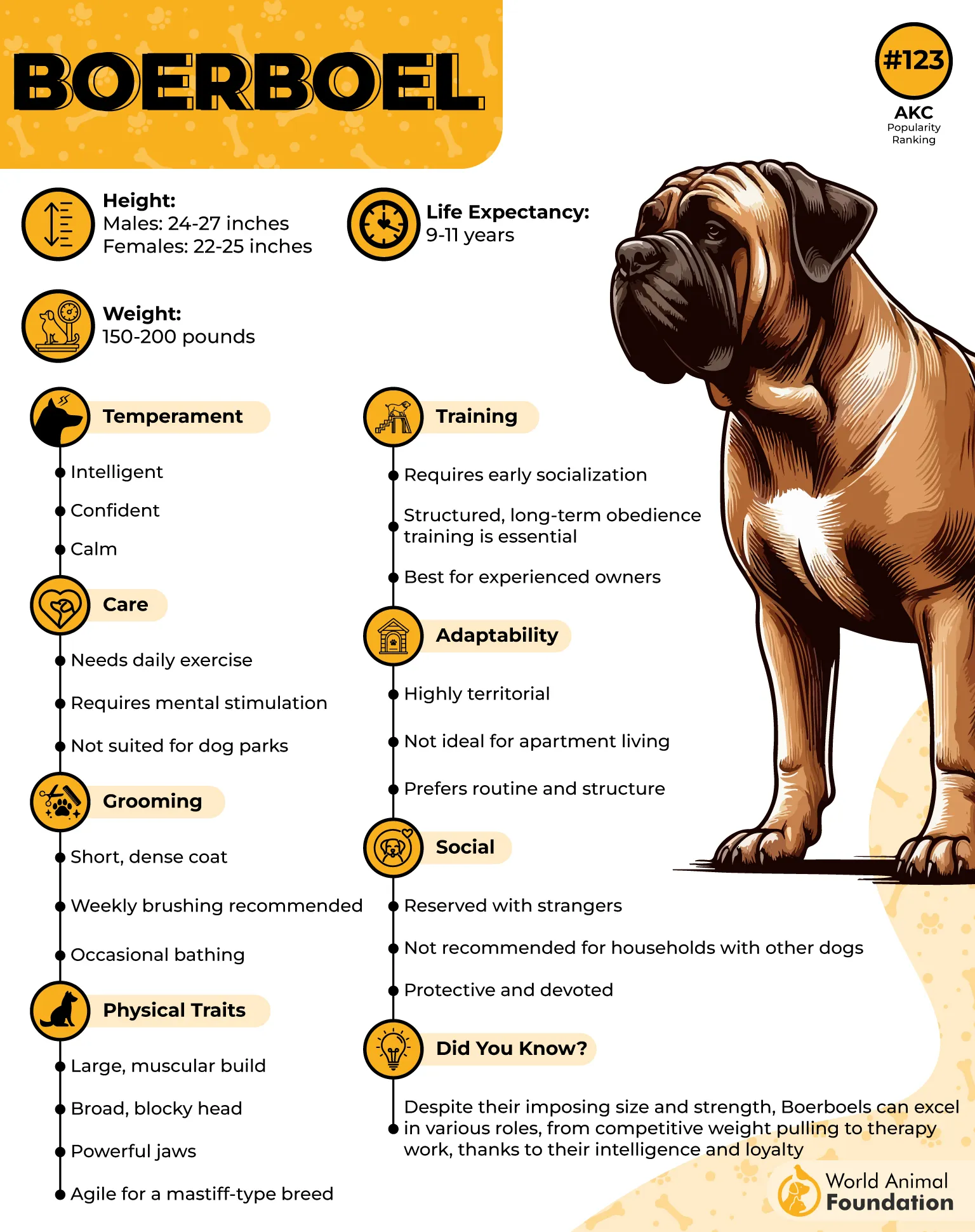
Boerboel carries a broad, blocky head and dense muscle structure that reflects its role as a home defender in remote South African settings.
Its movement shows surprising agility for a mastiff-type body, built more for control in action than slow strength display. The overall presence feels grounded and alert in every stance.
Controlled response in handling and space
Boerboel reacts with confidence when faced with unfamiliar situations, often assessing before taking action. Its dominant nature requires an early structure so that behavior stays balanced as it matures.
This control becomes clearer in daily handling patterns:
Responds better to early, consistent guidance
Needs structured exposure before adulthood
Shows a strong reaction toward unrecognized dogs
Care and management approach
This active breed adapts well when training starts early, responding to clear direction and consistent routines. Its coat is short and dense, requiring simple weekly grooming to manage shedding. Social exposure must be handled carefully, as its reaction toward other dogs can be firm and direct.
7. Rottweiler
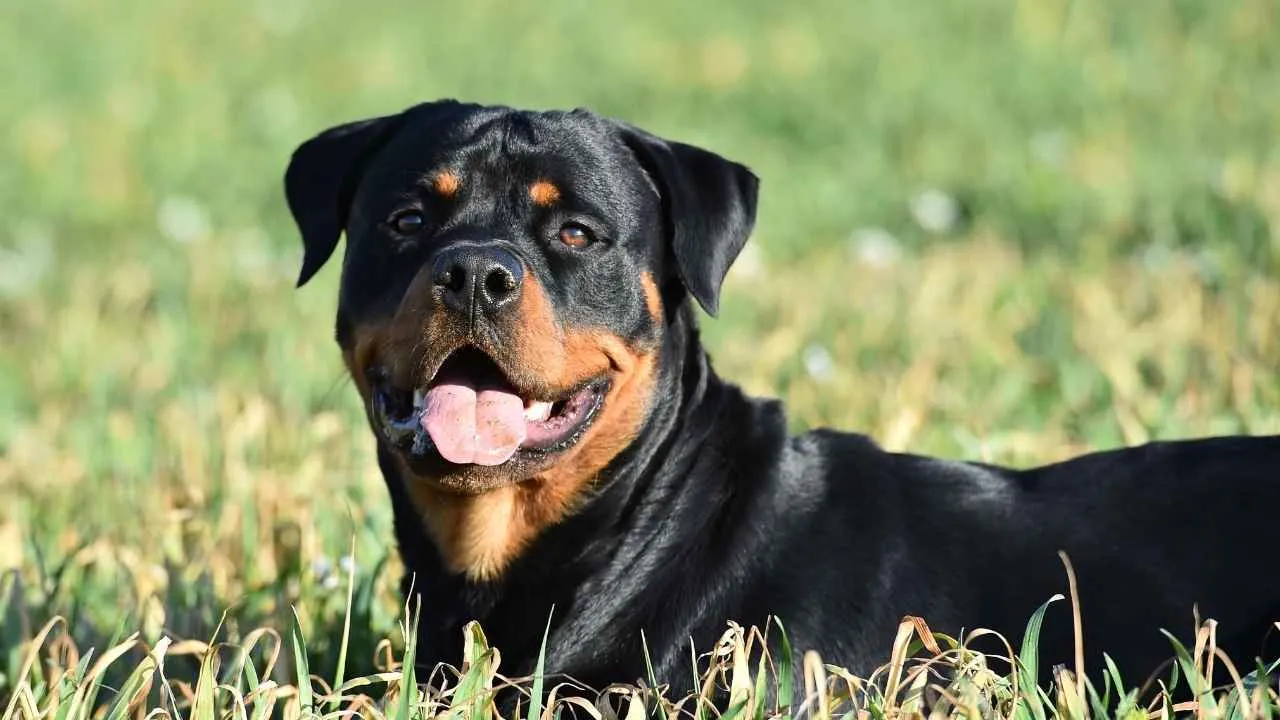
Rottweiler shows its power through a dense, muscular frame shaped by Roman working dogs, paired with a short black coat marked with rust tones.
Its hindquarters drive a steady, efficient gait that reflects sustained physical control rather than speed bursts. The overall presence feels composed and grounded.
Watchful response in unfamiliar settings
This excellent guard dog approaches unfamiliar situations with restraint, observing first before deciding how to respond. Within its family circle, it shifts into a more relaxed and playful state, often surprising with gentle closeness.
This dual behavior appears through clear patterns:
Observes strangers before engaging
Shows calm behavior inside familiar spaces
Responds differently to known and unknown people
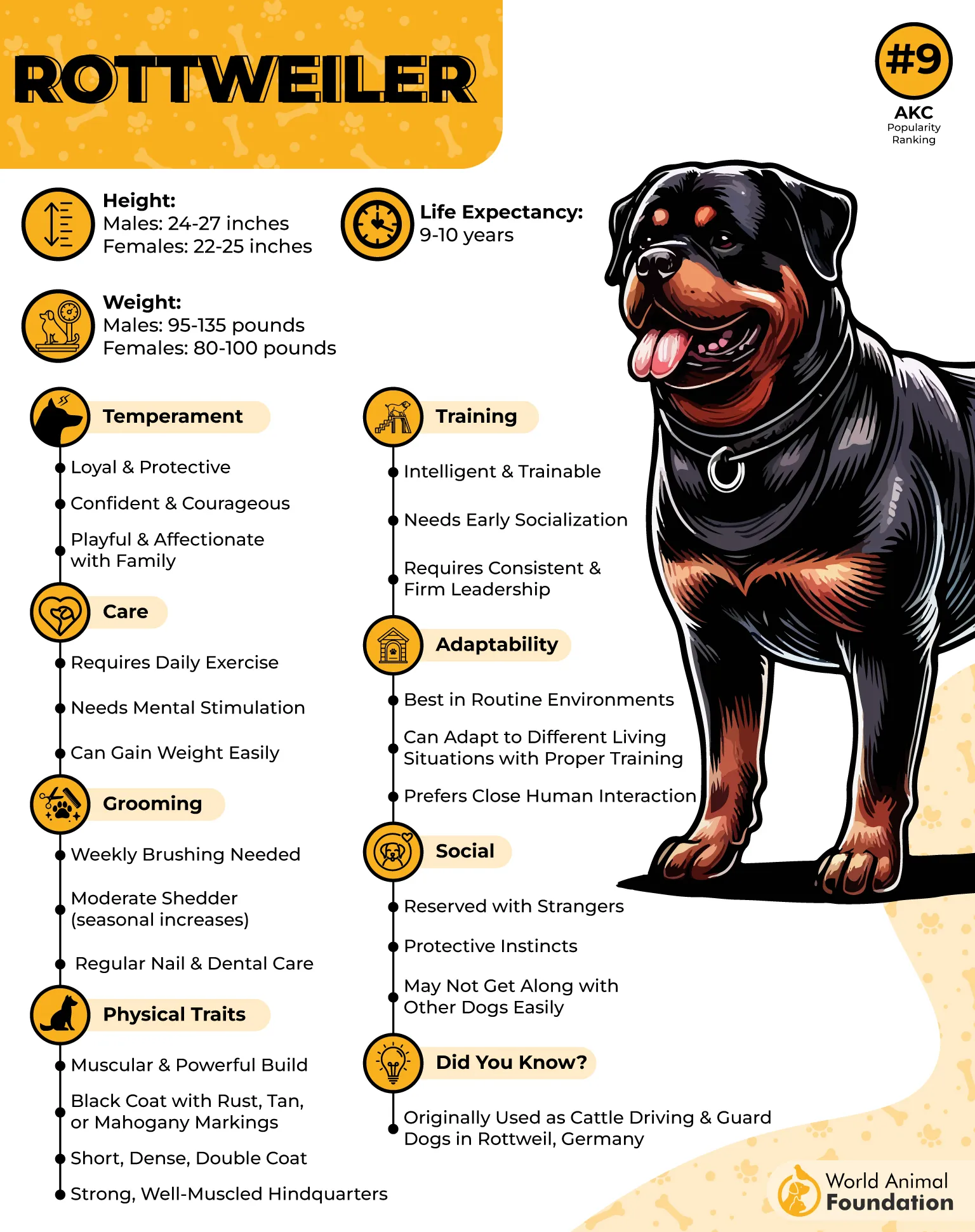
Physical build and care rhythm
This smart breed carries a medium-length, coarse coat that lies flat, with a denser undercoat around the neck and thighs. Its structure reflects strength in motion, supported by a muscular frame suited for steady activity. Regular brushing and routine care keep its coat in functional condition.
8. Boxer
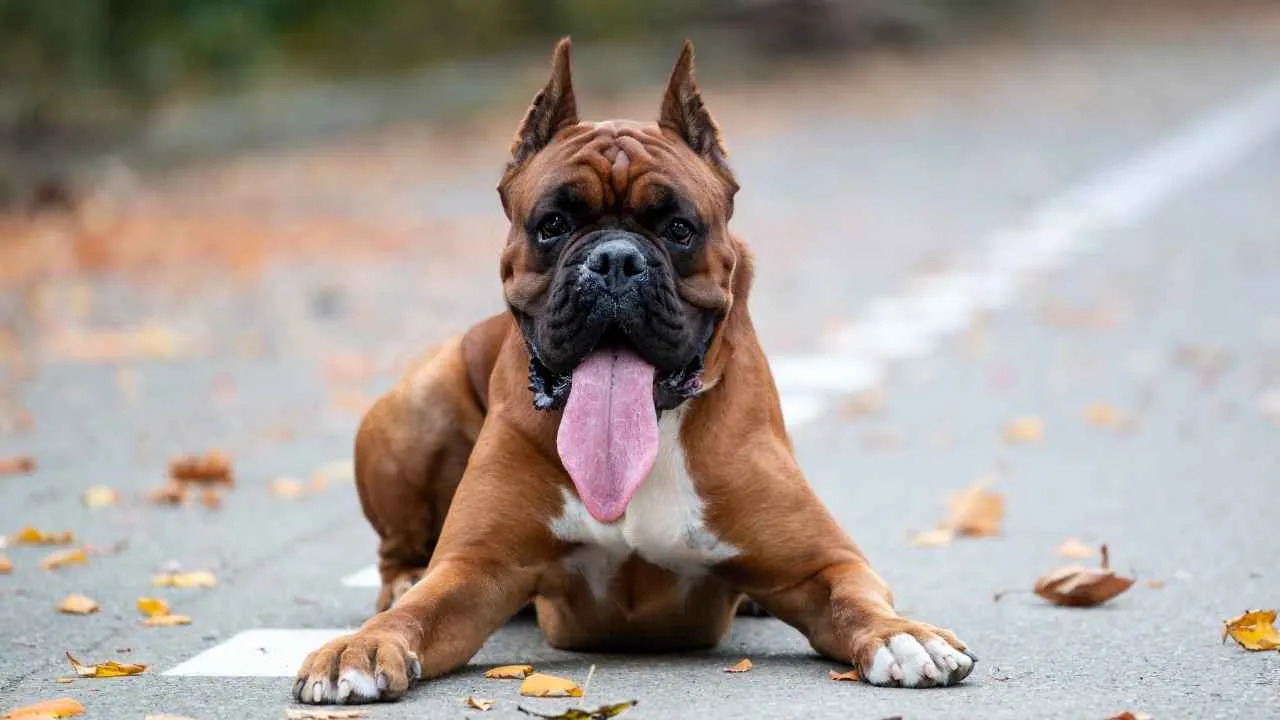
Boxer shows a compact, muscular frame where movement looks controlled yet powerful, built for quick reaction rather than slow pacing.
Its short coat and sharp facial expression reflect constant awareness in everyday surroundings. The overall structure supports a dog that reacts with energy instead of hesitation.
Working attitude and response style
This furry friend engages with its environment through alert curiosity, often shifting between playful behavior and focused guarding depending on the situation. Its protective role appears more through readiness than constant aggression, especially when unfamiliar movement occurs nearby.
This balance becomes clear in simple traits:
Watches surroundings with steady attention
Switches quickly from play to guard response
Reacts strongly to unusual activity near home
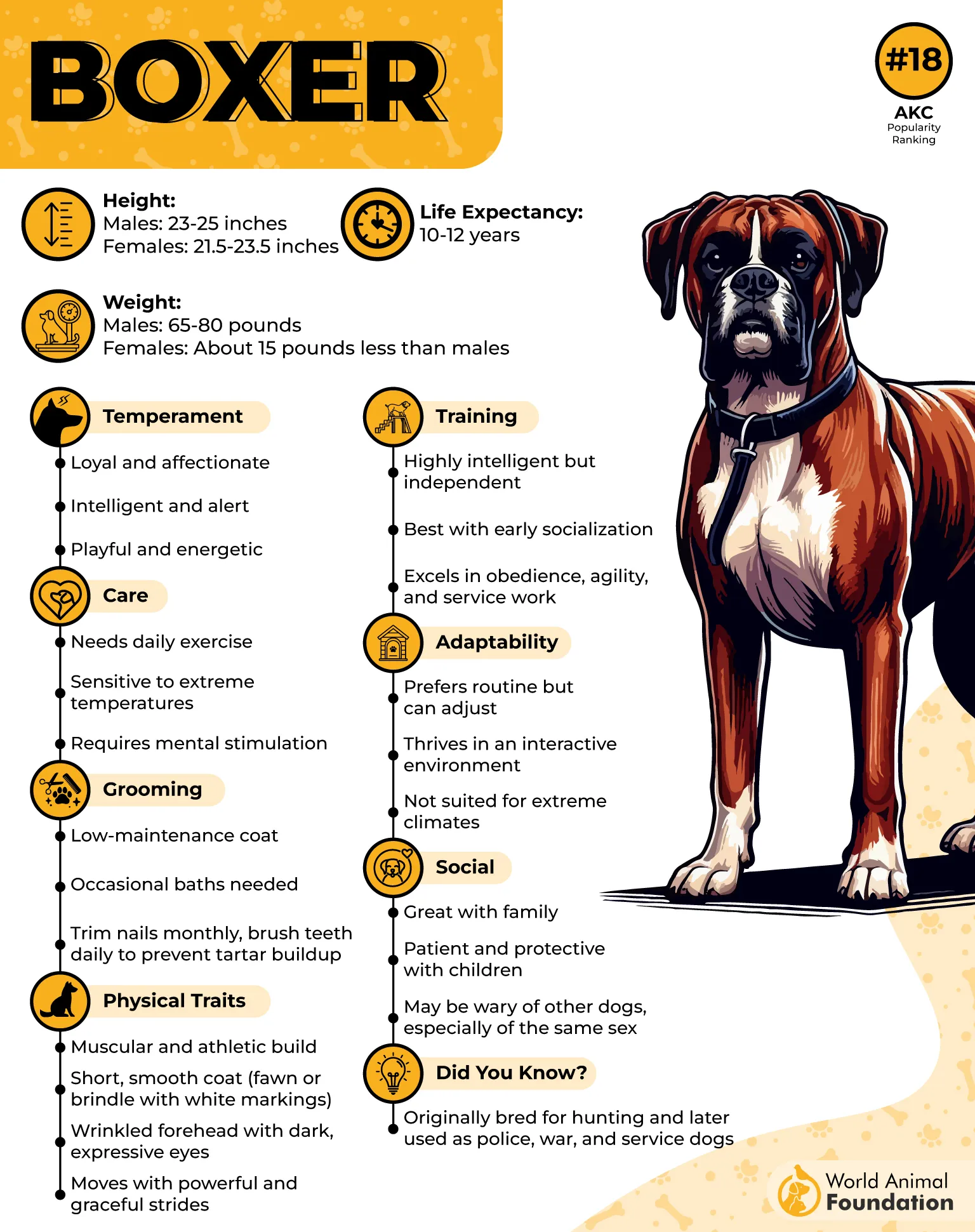
Maintenance and handling ease
Their grooming needs are minimal due to their short, tight coat, which only needs light brushing to stay in good condition. Proper socialization of people and animals shapes their balanced behavior over time. Its learning pattern responds well to proper training, simple handling, rather than complex routines.
9. American Staffordshire Terrier
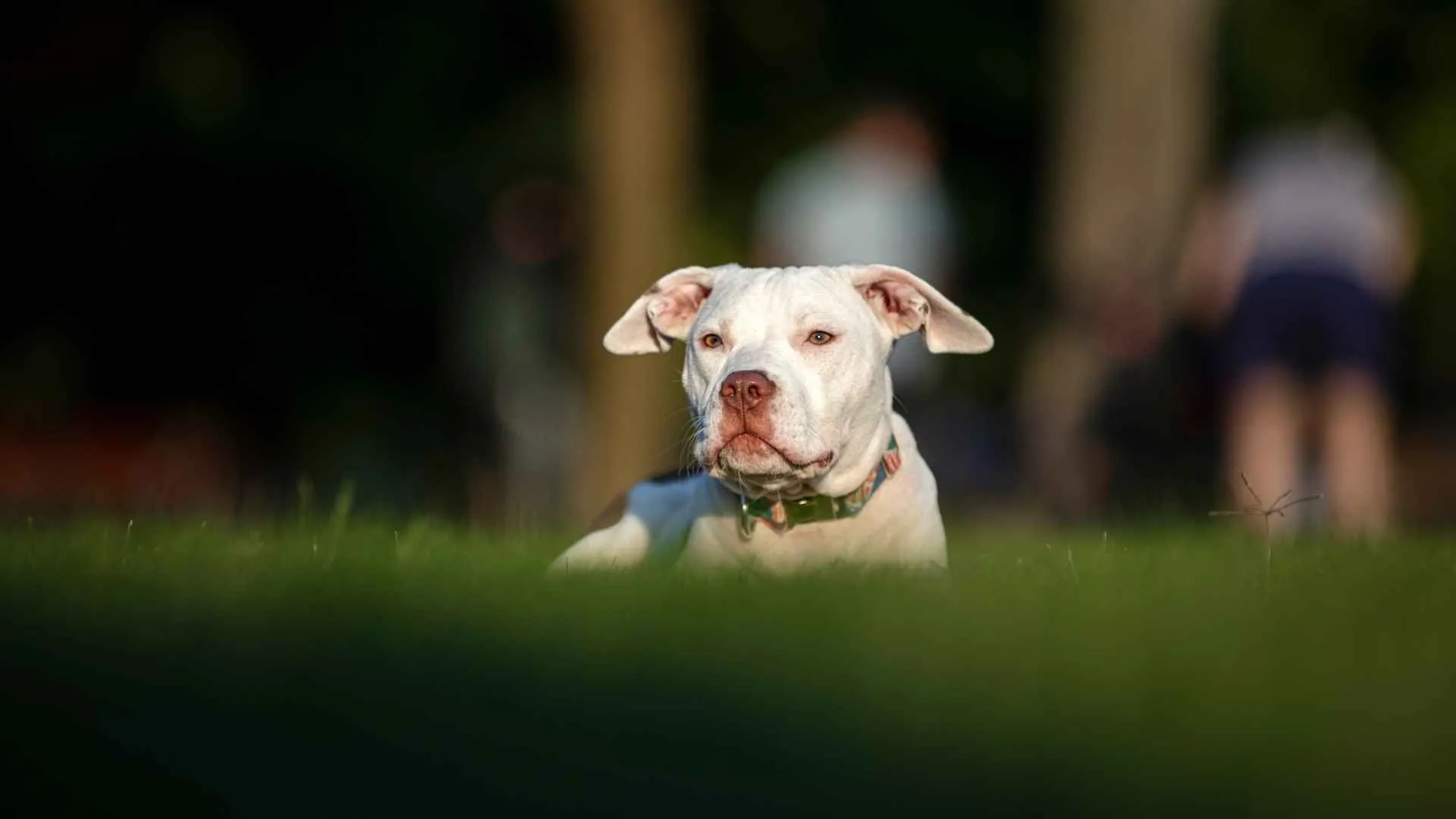
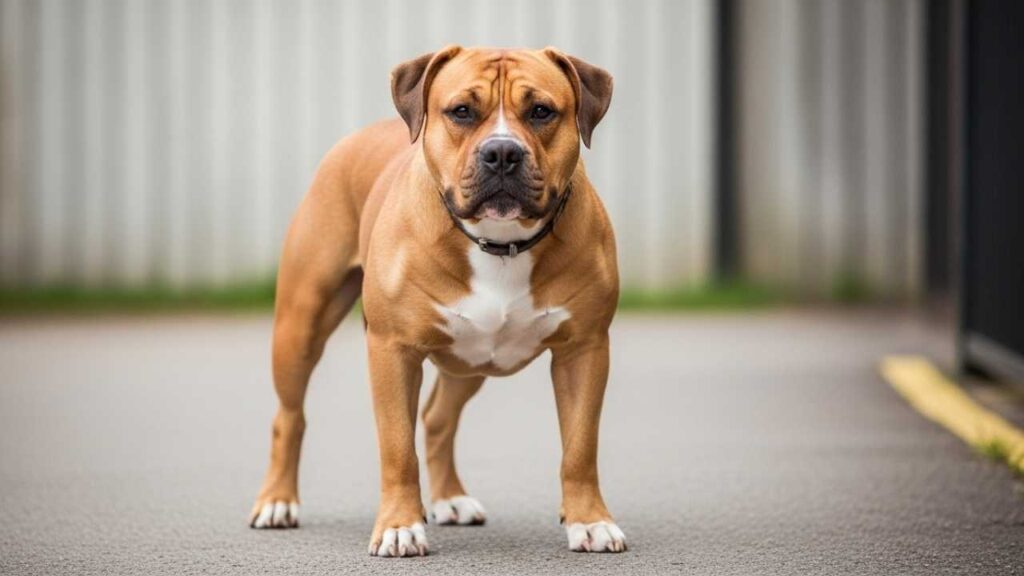
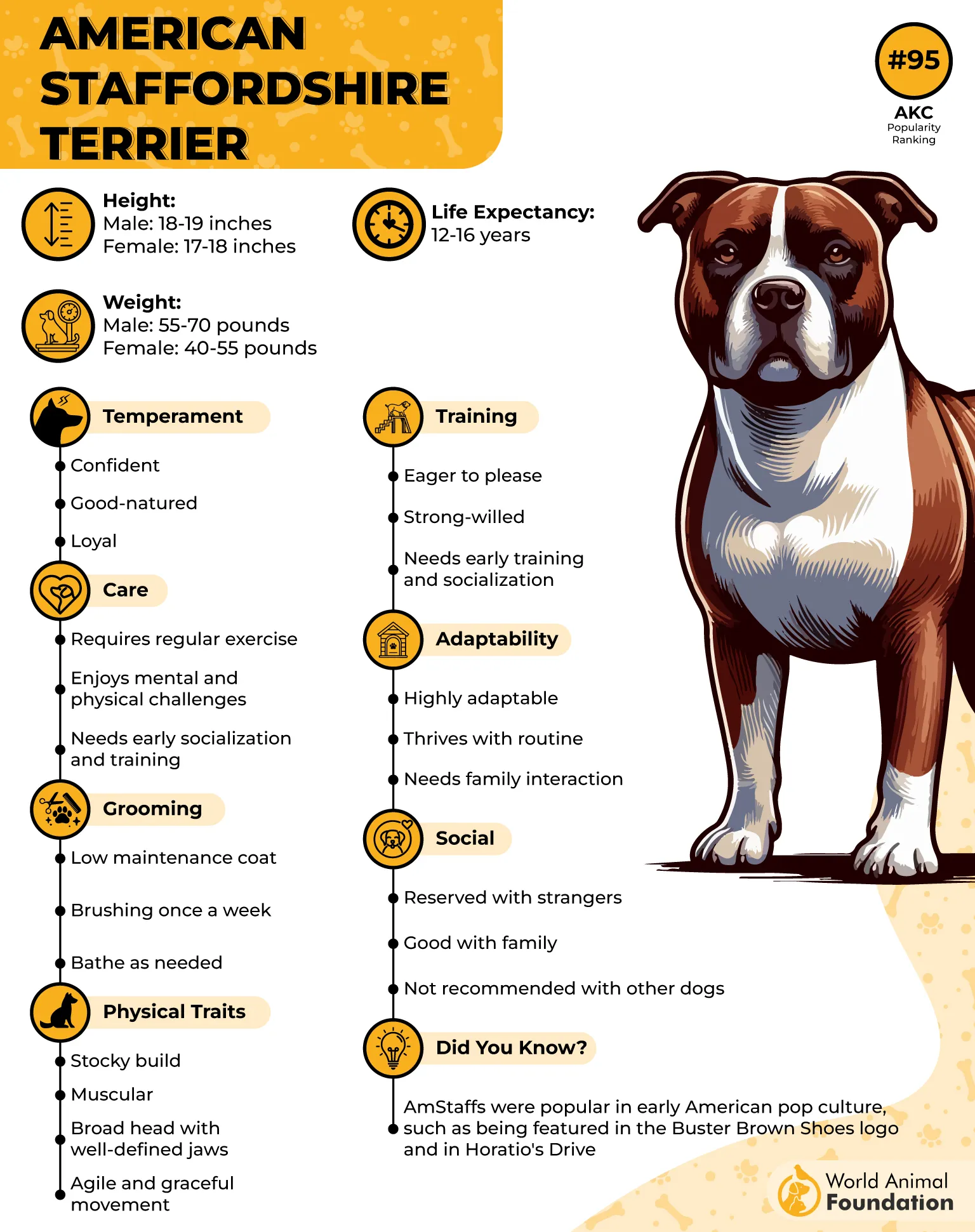
American Staffordshire Terrier presents a stocky, muscular build shaped by bull-type terrier lines, paired with a broad head and clearly defined jaw structure.
Its dark, wide-set eyes reflect steady awareness of surroundings. Movement appears agile and springy, giving a sense of controlled physical confidence.
Awareness shaped through engagement
AmStaff reacts to its environment with alert attention, often picking up shifts in space or activity without hesitation. Its behavior reflects a dog that responds to challenges both mentally and physically, rather than passive routines.
That responsiveness shows clearly in everyday patterns:
Notices environmental changes quickly
Engages actively with structured tasks
Shows ease in mentally stimulating activities
Personality inside the home
They are incredibly loyal and behave as a socially expressive companion indoors, often interacting with people through playful, attentive behavior.
Its presence is described through strong personality traits that feel active within the household setting. The short, glossy coat requires minimal upkeep, supporting a low-maintenance routine.
Conclusion
Protection at home is not only about strength, but also about how a dog reads and responds to everyday situations. The breeds in this list show that calm guarding comes from control, awareness, and sharp instincts. With early training, they settle into roles that feel natural rather than forced.
For first-time dog owners, this balance matters more than intensity. Many of them live comfortably as loving family pets without losing their protective edge. In the end, the right choice supports security while keeping daily life steady and manageable overall. They remain observant in quiet moments and respond only when truly needed.
