




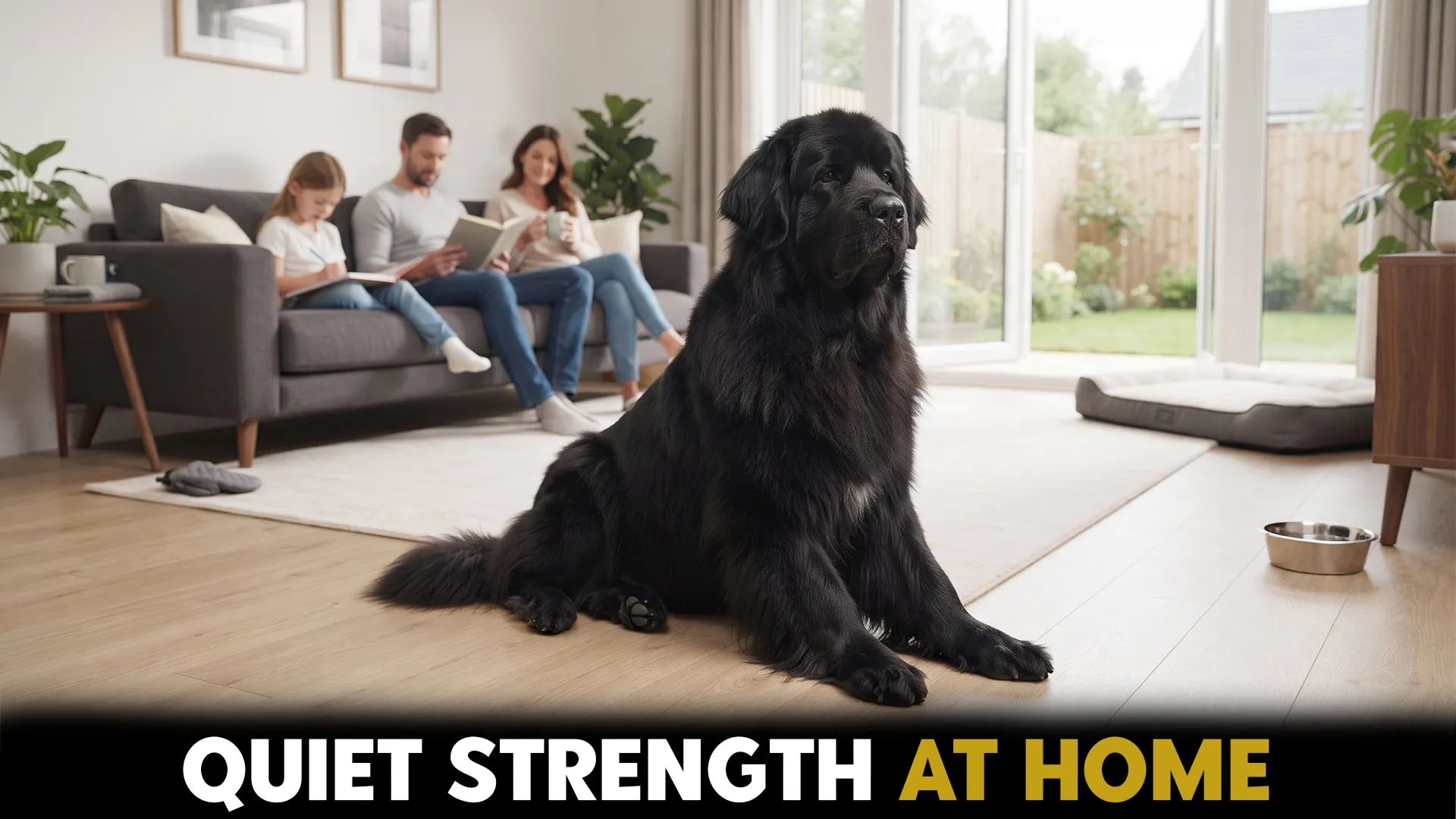
Want a dog that can make an intruder think twice without turning you into a full-time dog groomer, personal trainer, and poop-management specialist?
Some large breeds naturally combine a protective presence with surprisingly manageable grooming routines, although “low-maintenance” definitely does not mean “leave me alone and I’ll raise myself.” The breeds on this list range from enormous, fluffy guardians to sleek, couch-loving hounds, so there’s something for every dog-loving household.
One important reality check: a guard dog isn’t the same as an attack dog, and a peaceful family home generally benefits more from a stable, well-socialized watchdog than from a dog trained to treat every stranger like a final boss.
Breed genetics matter, but training, early socialization, responsible breeding, exercise, supervision, and the individual dog’s personality matter enormously too.
Low-Maintenance Guard Dog Breeds for Peaceful Homes
1. Great Pyrenees
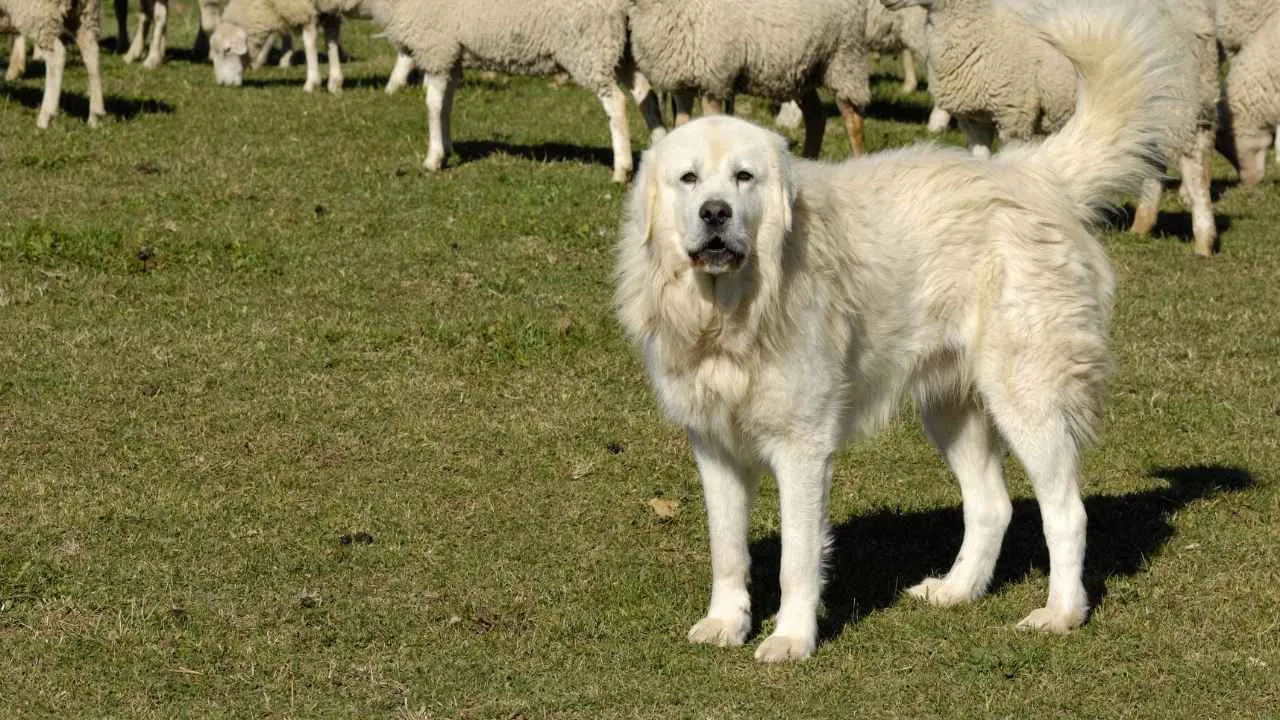
Originally developed as a livestock guardian in the mountains between France and Spain, the Great Pyrenees was expected to protect sheep from predators such as wolves and bears, often while working with minimal human direction.
Despite being a mountain dog, it doesn’t constantly bounce off the walls looking for a job. It can be a calm, patient companion that patrols its surroundings almost casually, which is one reason its protective instincts can feel more like a built-in security camera than nonstop chaos.
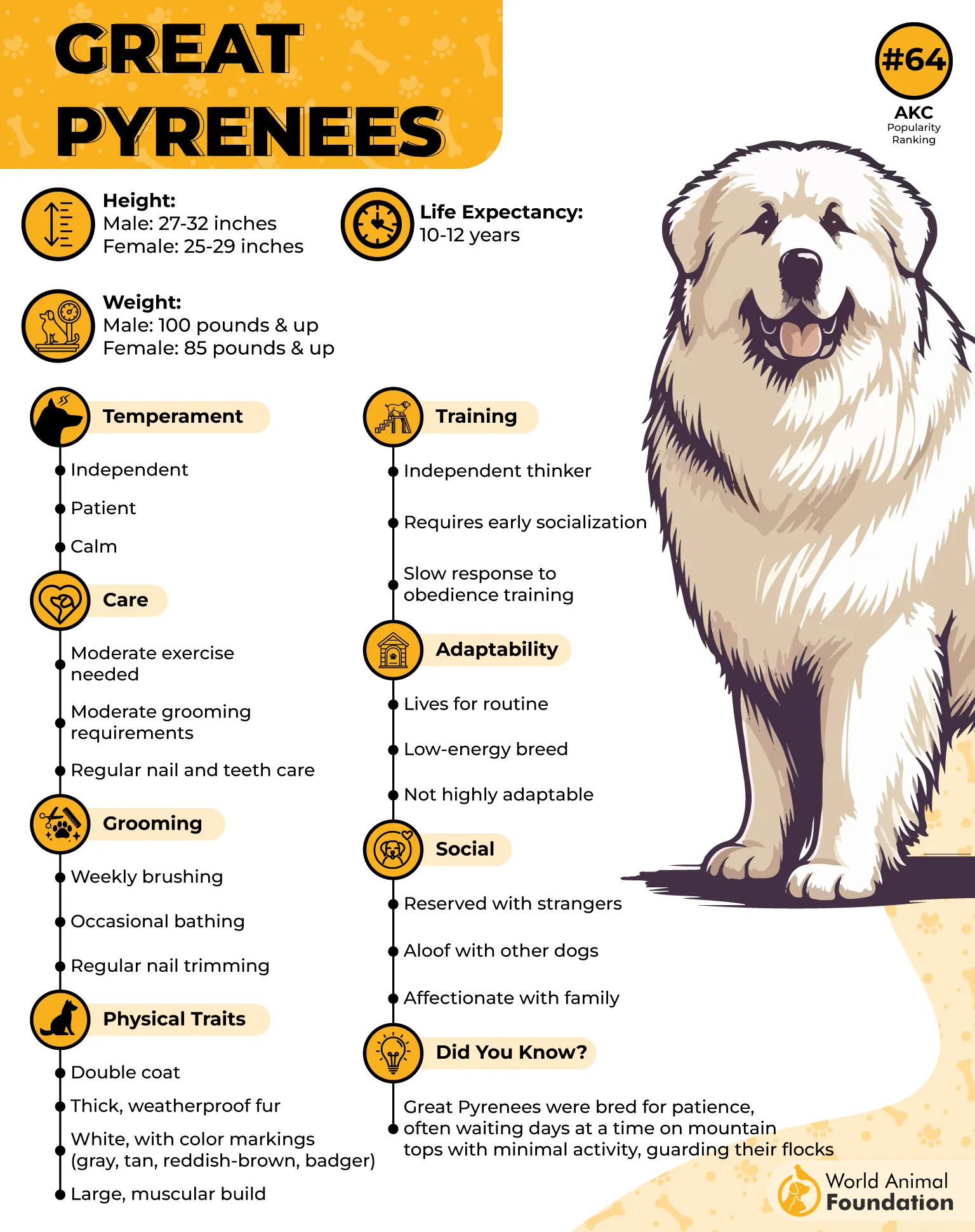
That independence isn’t accidental; the breed was developed to make decisions while guarding livestock without waiting for a shepherd to micromanage every move. Training therefore works best when it is consistent, positive, varied, and started early rather than turning every session into a battle of wills.
Now for the surprisingly manageable part: that spectacular white coat is naturally weather-resistant and can repel dirt, so frequent baths usually aren’t necessary. Weekly brushing matters because this protective breed sheds heavily, especially during seasonal coat blows, and the UKC Dogs recommends regular ear checks and nail care as part of the routine.
A Tip For You
Schedule brushing weekly so loose undercoat doesn’t slowly turn your home into a fur festival.
2. Newfoundland
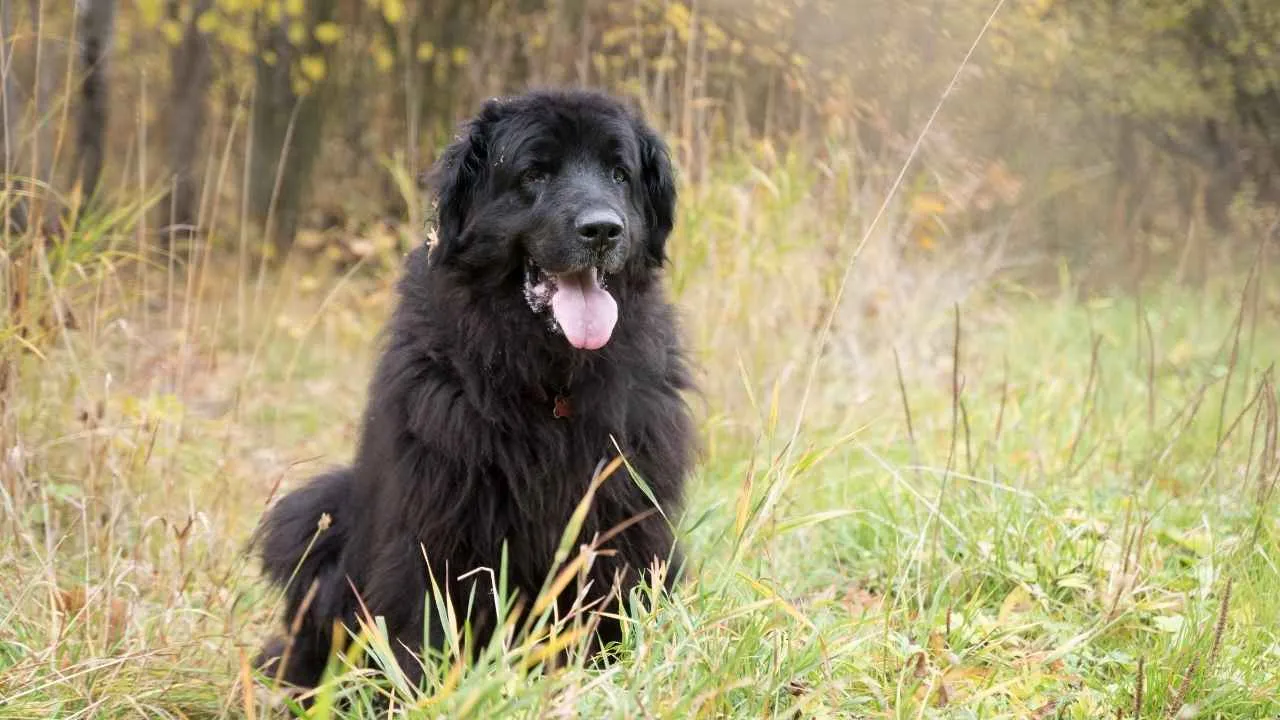
The Newfoundland is a massive, powerful, sweet-tempered, patient, and watchful dog, particularly around children.
For a peaceful home, that temperament is a major part of the appeal because they are generally more interested in being close to their people than starting unnecessary drama. Early socialization and training can produce a remarkably well-mannered family companion, and their intelligence means they can learn plenty when motivation and positive reinforcement are part of the deal.
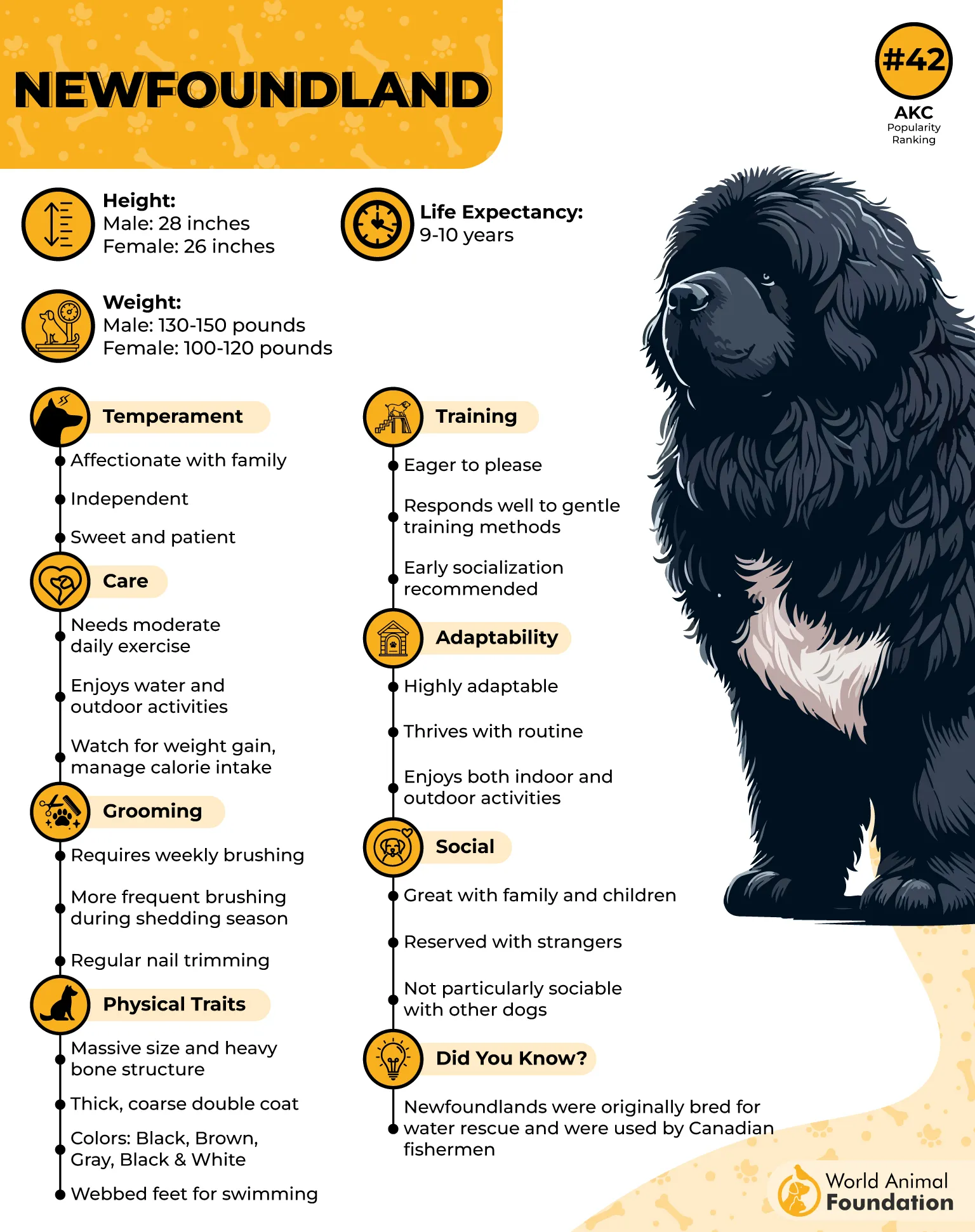
Some of the best guard dogs out there, they need regular physical and mental activity, plenty of companionship, and enough room to move comfortably; puppies need careful exercise management because their growing joints need protection.
Grooming is moderate rather than truly minimal because that beautiful water-resistant double coat needs regular attention. Brushing two or three times a week can help control tangles and shedding, while seasonal coat blowouts may require extra sessions, and their ears deserve attention because moisture and wax can contribute to problems.
A Tip For You
Place washable mats near water bowls because Newfies and immaculate floors are not always compatible.
3. Bullmastiff
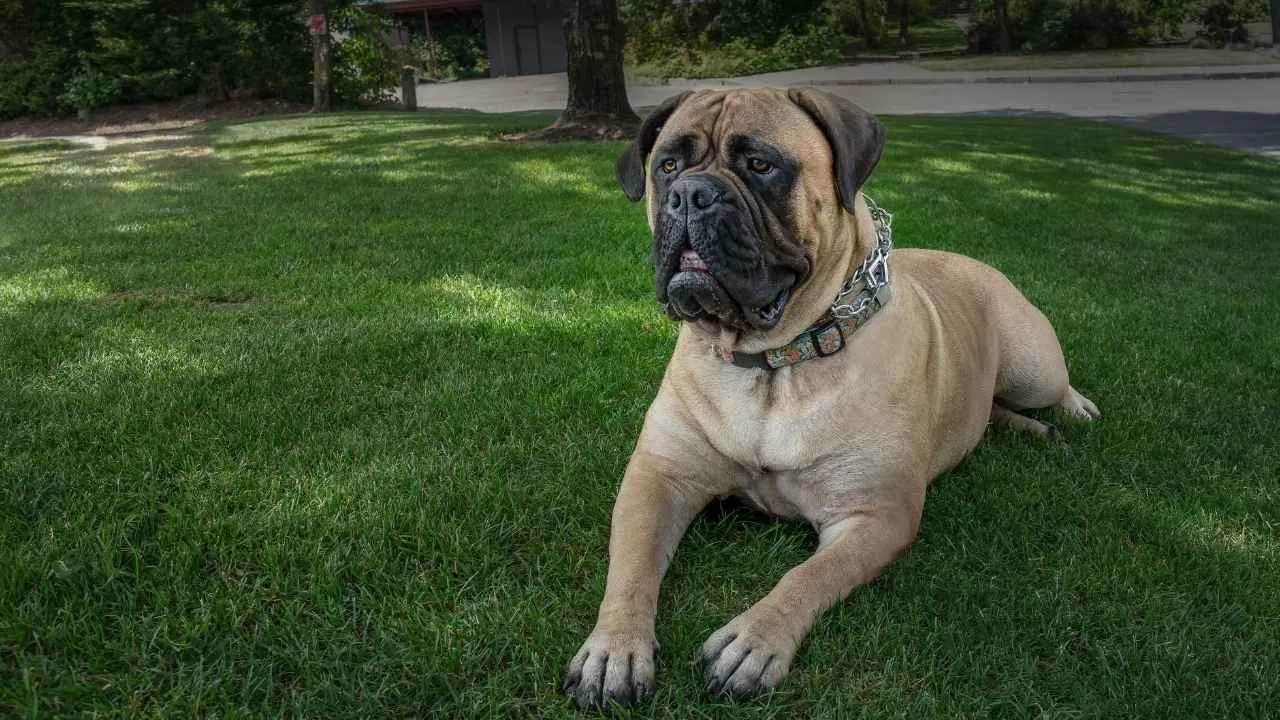
Bullmastiffs were developed to work quietly, track intruders, and restrain them rather than simply barking their heads off at every moving object.
That quiet confidence is still one of the breed’s defining characteristics, making the Bullmastiff a fascinating option for people who want a serious guardian without constant vocal commentary. Their size alone can make an unfamiliar person reconsider their life choices, while their family personality can be affectionate, devoted, and surprisingly goofy.
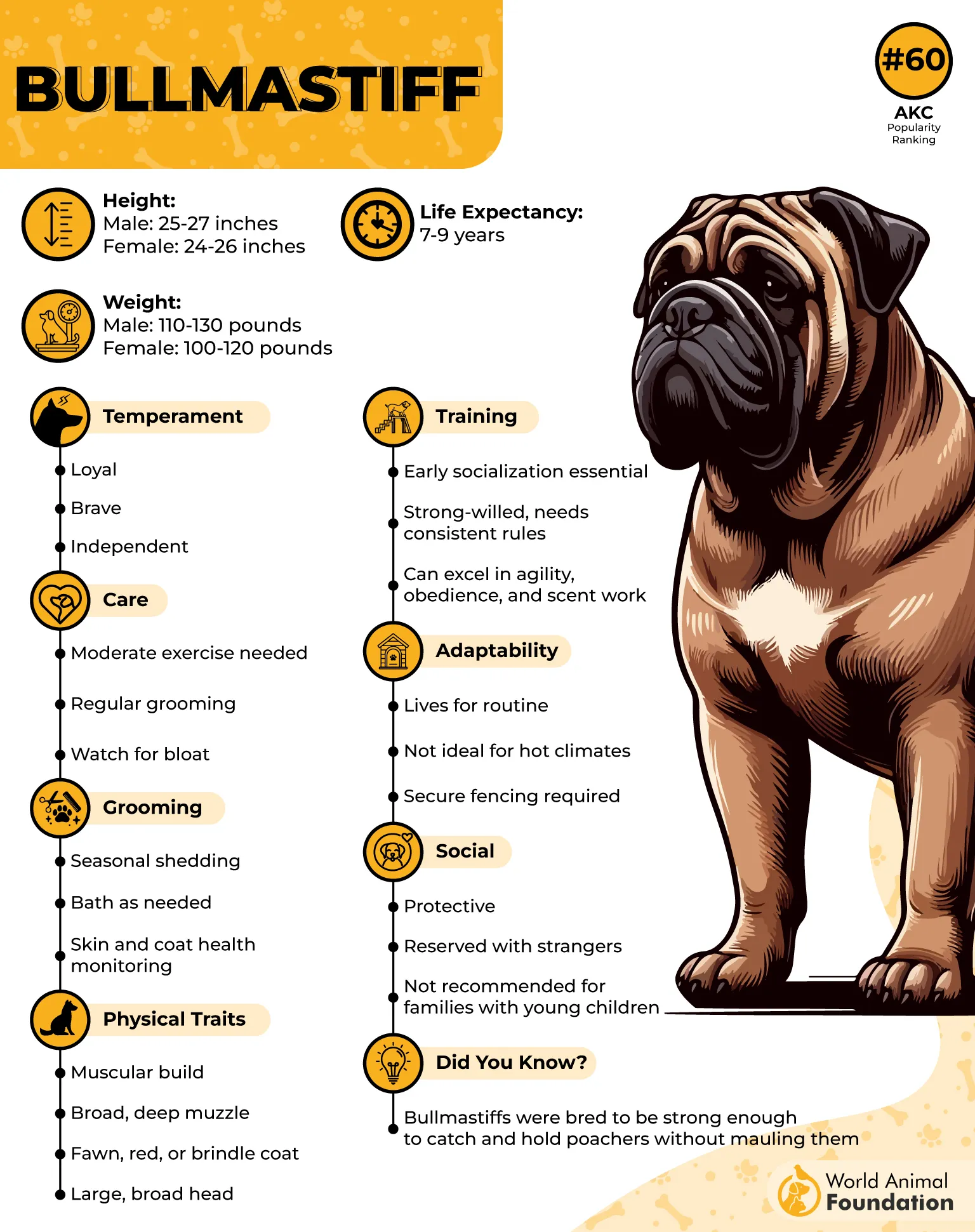
Their coat is where the “low-maintenance” label starts making sense because it is short and relatively easy to manage. Regular brushing removes loose hair, while occasional bathing, nail trimming, ear care, and dental hygiene cover the basics, so you aren’t signing up for weekly professional grooming appointments to keep the dog looking presentable.
Responsible training should focus on control, obedience, socialization, and appropriate responses. The Purina’s history of the breed reinforces that its original guarding role was based on controlled apprehension rather than indiscriminate aggression.
A Tip For You
Teach a reliable “place” or “stay” command because controlling a powerful guardian is far more useful than encouraging aggression.
4. Great Dane
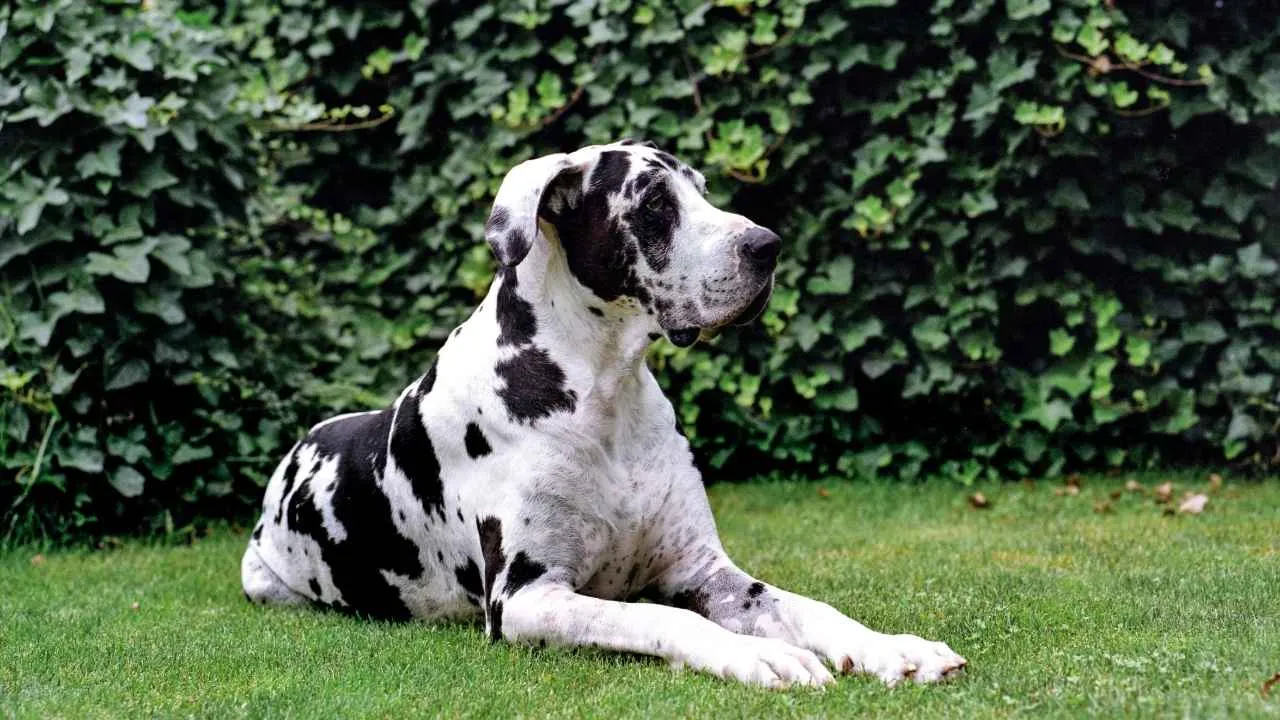
Great Danes have the sheer physical presence to make an unfamiliar person reconsider approaching your property. Yet PetMD describes the breed as friendly, dependable, patient, devoted, and generally eager to please rather than naturally aggressive.
That combination makes the Great Dane an interesting choice for a household that wants deterrence without deliberately creating a confrontational dog. Their size can provide a significant visual deterrent, while a properly socialized Dane can remain welcoming and manageable around ordinary visitors.
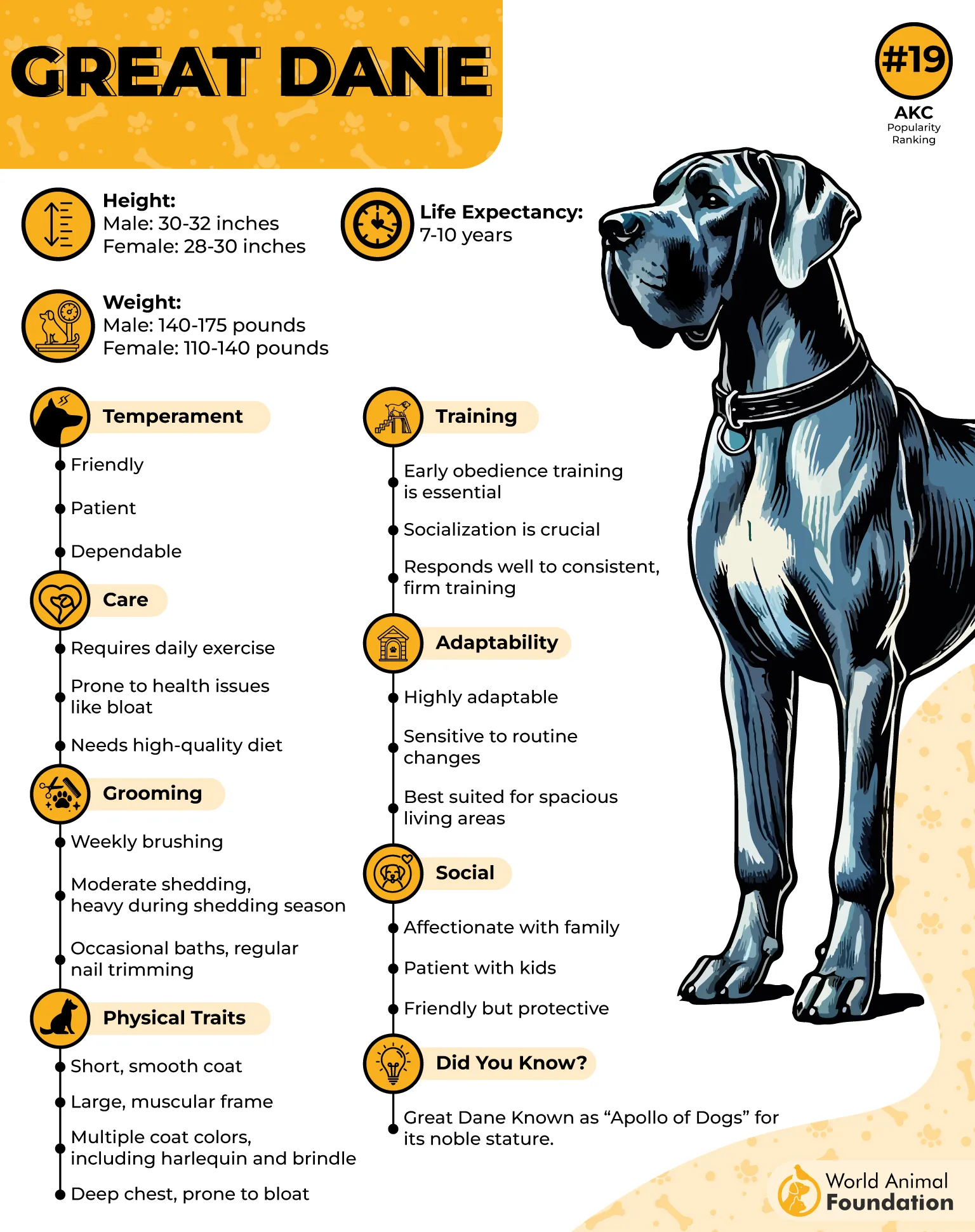
Their grooming routine is refreshingly straightforward because their sleek, short coat doesn’t require the maintenance demanded by heavily feathered or double-coated guardian breeds. Weekly brushing is usually enough during ordinary periods, though seasonal shedding may call for more frequent brushing; occasional baths, regular nail care, and dental hygiene round out the routine.
The bigger challenge while keeping these excellent guard dogs isn’t grooming; it’s raising a giant dog responsibly, because an untrained Great Dane is basically a friendly wrecking ball with excellent intentions. Early obedience and socialization are especially important because a dog this large can accidentally knock over a child, elderly visitor, or unsuspecting delivery driver simply by getting excited.
A Tip For You
Keep brushing quick and regular rather than turning shedding season into an emergency operation.
5. Mastiff
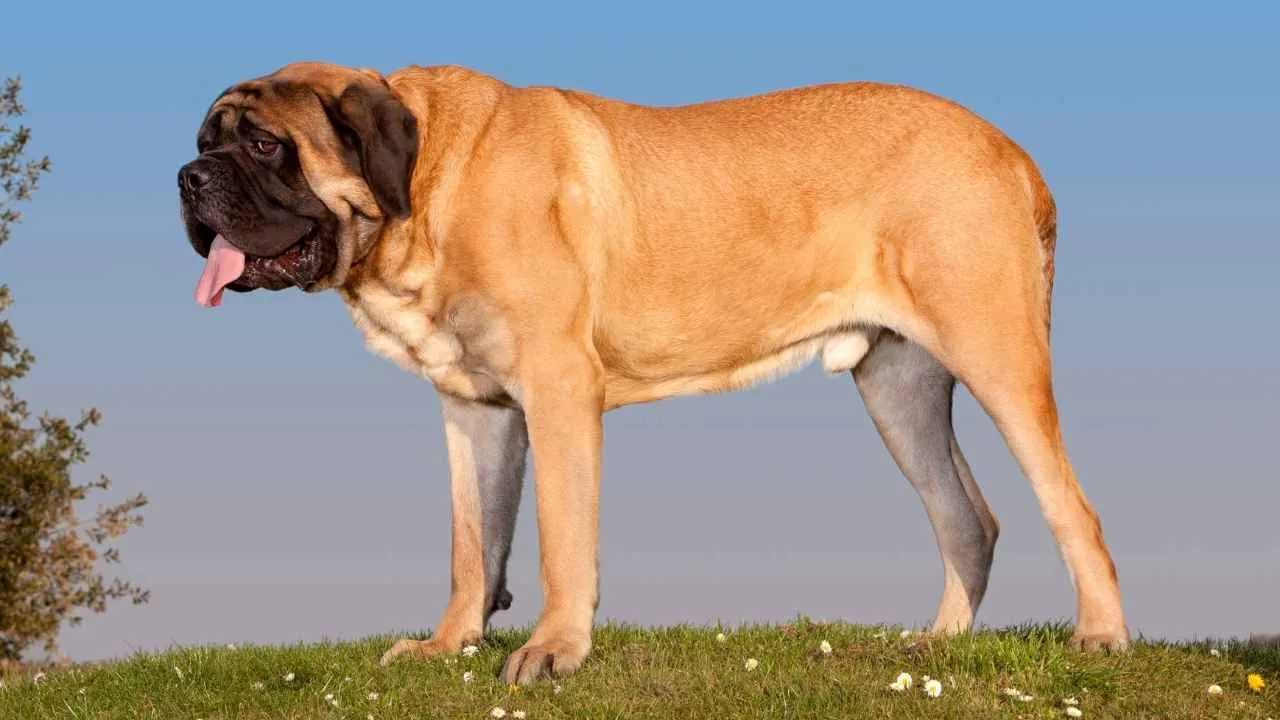
Historically associated with guarding, hunting, and other working roles, today’s Mastiff can be a dignified, affectionate family companion that remains naturally suspicious of unfamiliar people and protective of its territory.
One of the funniest things about Mastiffs is that their internal energy meter often does not match their physical dimensions. They can be remarkably content with moderate exercise and plenty of family time, which means your enormous guardian may genuinely prefer a comfortable couch to an Olympic training program.
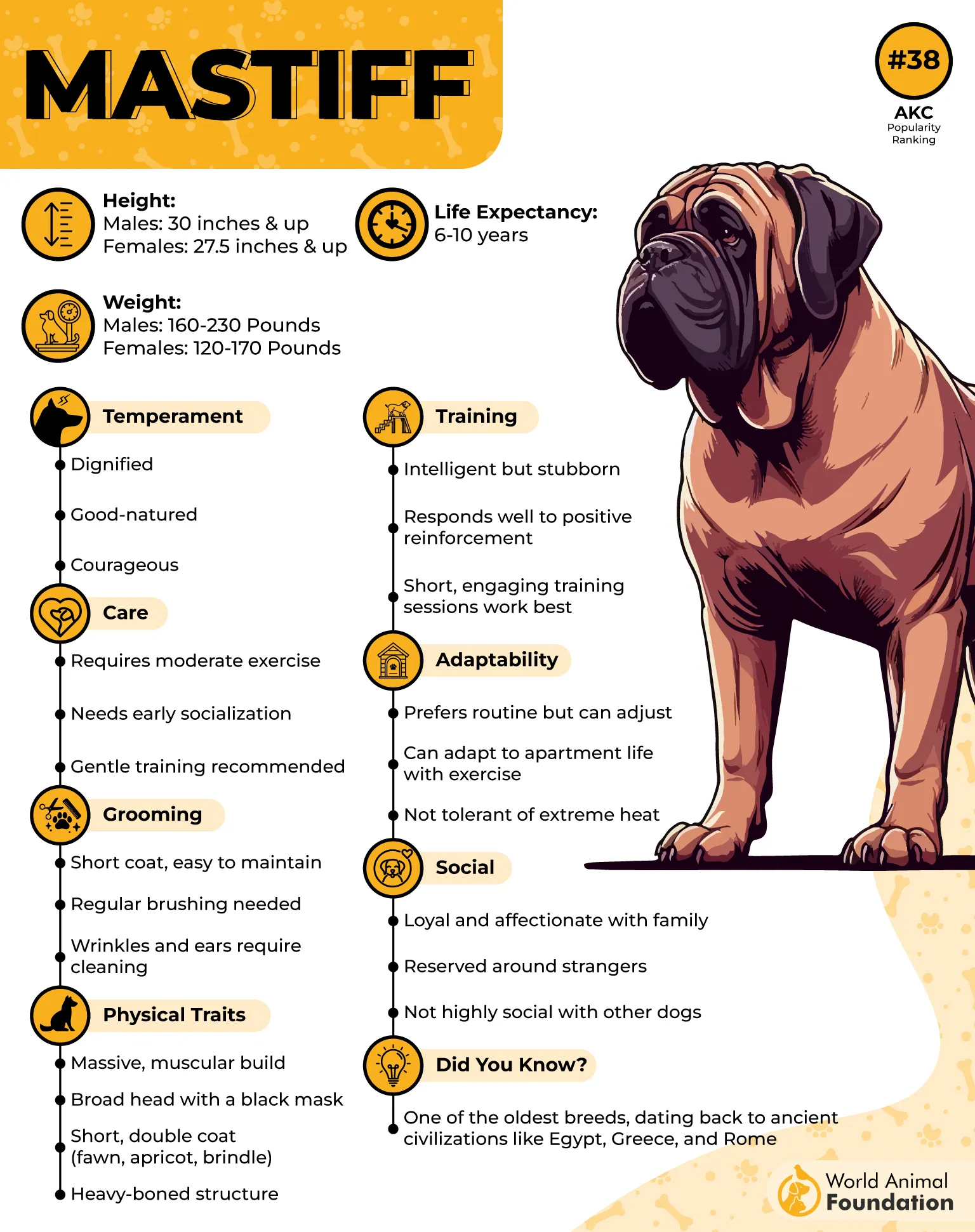
Training is nevertheless non-negotiable because “he’s basically a giant teddy bear” becomes considerably less reassuring when that teddy bear weighs as much as a small adult. These protection dogs can be intelligent and willing to please but may also be stubborn, so short, positive, frequent sessions tend to work better than repetitive drilling or harsh correction.
Grooming is one of the easier parts because the short, dense coat generally needs only regular brushing, not elaborate coat maintenance. The Royal Kennel Club recommends brushing every few days, with extra attention during heavier seasonal shedding.
A Tip For You
Use short training sessions throughout the week instead of cramming everything into one exhausting lesson.
6. Rhodesian Ridgeback
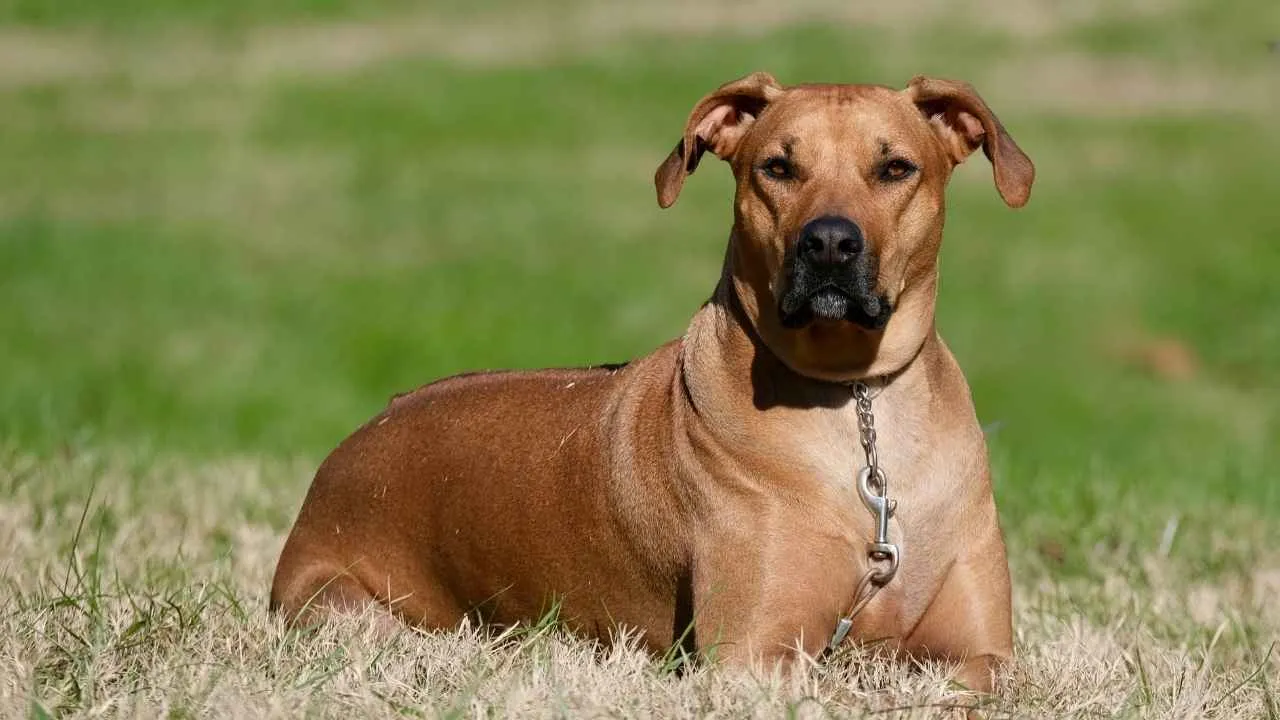
Originally developed in southern Africa for hunting and family protection, the Ridgeback remains independent, powerful, loyal, and naturally watchful around unfamiliar people. Omlet describes them as affectionate with their families while retaining independence, a strong prey drive, and protective instincts.
Their short coat is a major win for owners who do not want grooming to become a weekend project. Weekly brushing is generally sufficient to remove loose hair and keep the coat glossy, with occasional baths and regular nail care handling the rest.
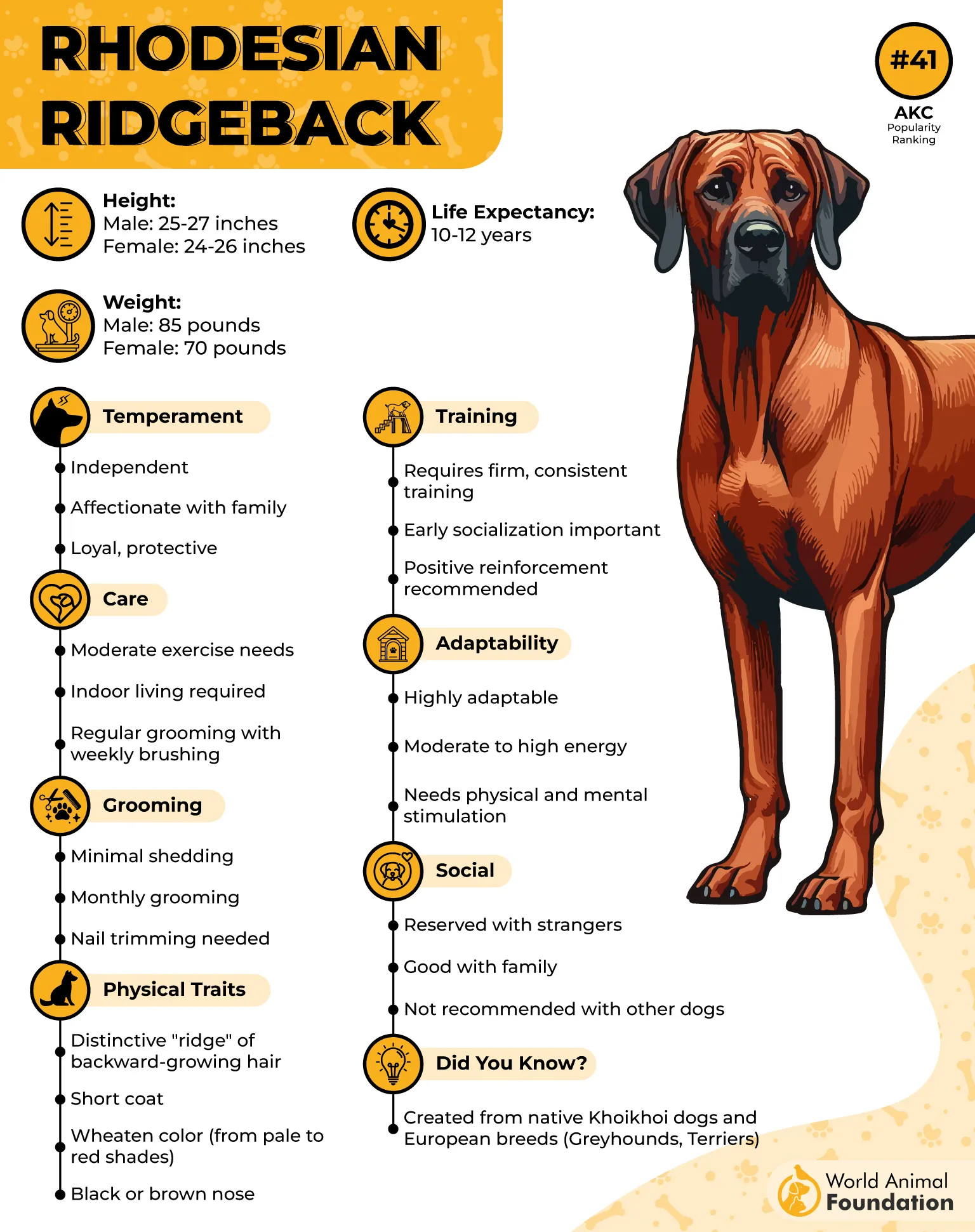
The bigger commitment is exercise because this is absolutely not a breed designed to spend every day pretending the sofa is an athletic facility. They are muscular, energetic dogs that need meaningful physical activity and mental engagement, and an under-stimulated one can become creative in ways you probably did not request.
For the right household, the result can be a loyal family companion with a serious watchdog presence and surprisingly easy coat care. This dependable guard dog breed can do well with children and other pets with proper socialization.
A Tip For You
Put most of your maintenance effort into regular exercise, obedience training, and secure outdoor management rather than elaborate grooming.
7. Greyhound
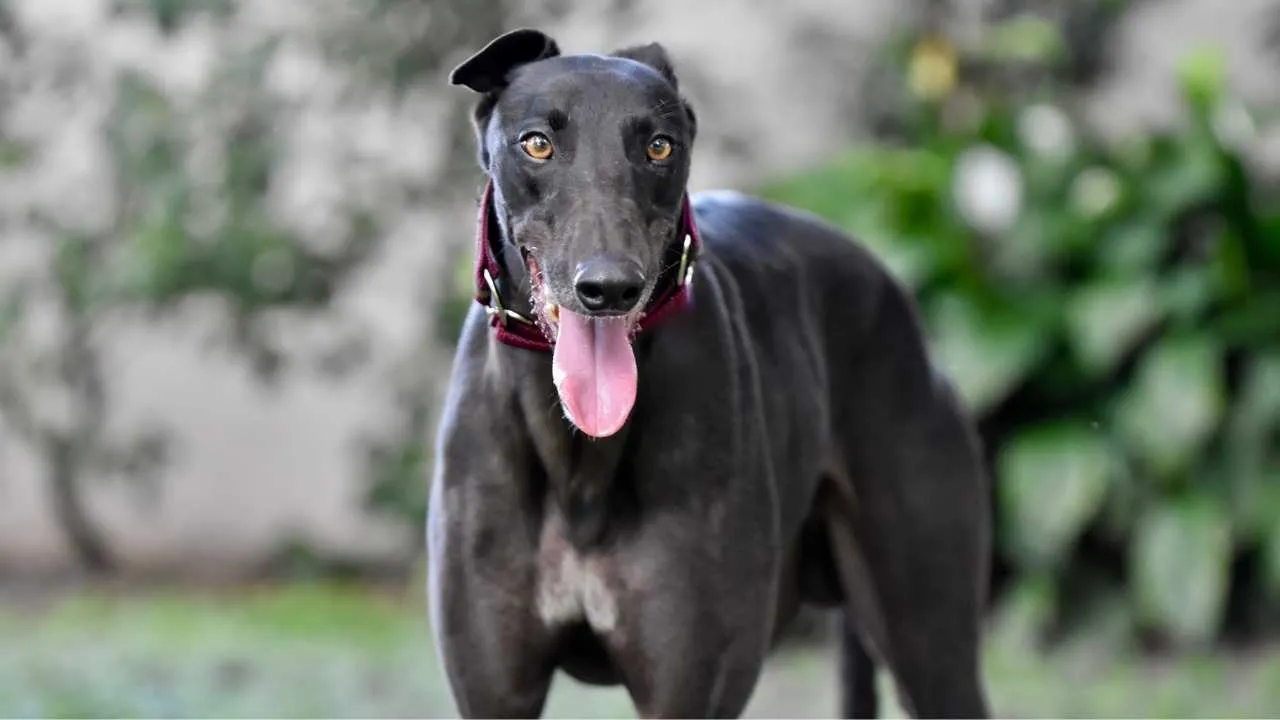
Plot twist: the Greyhound is probably the least obvious guard dog on this list, but it earns a place because its elegant, athletic appearance can create a surprisingly strong visual deterrent. At the same time, its home personality is often hilariously relaxed.
These ancient sighthounds were originally bred for high-speed pursuit and can reach around 40 miles per hour, yet they are also perfectly happy spending substantial time lounging around the house. Basically, this is a Ferrari that is completely comfortable becoming a blanket burrito after one good run.
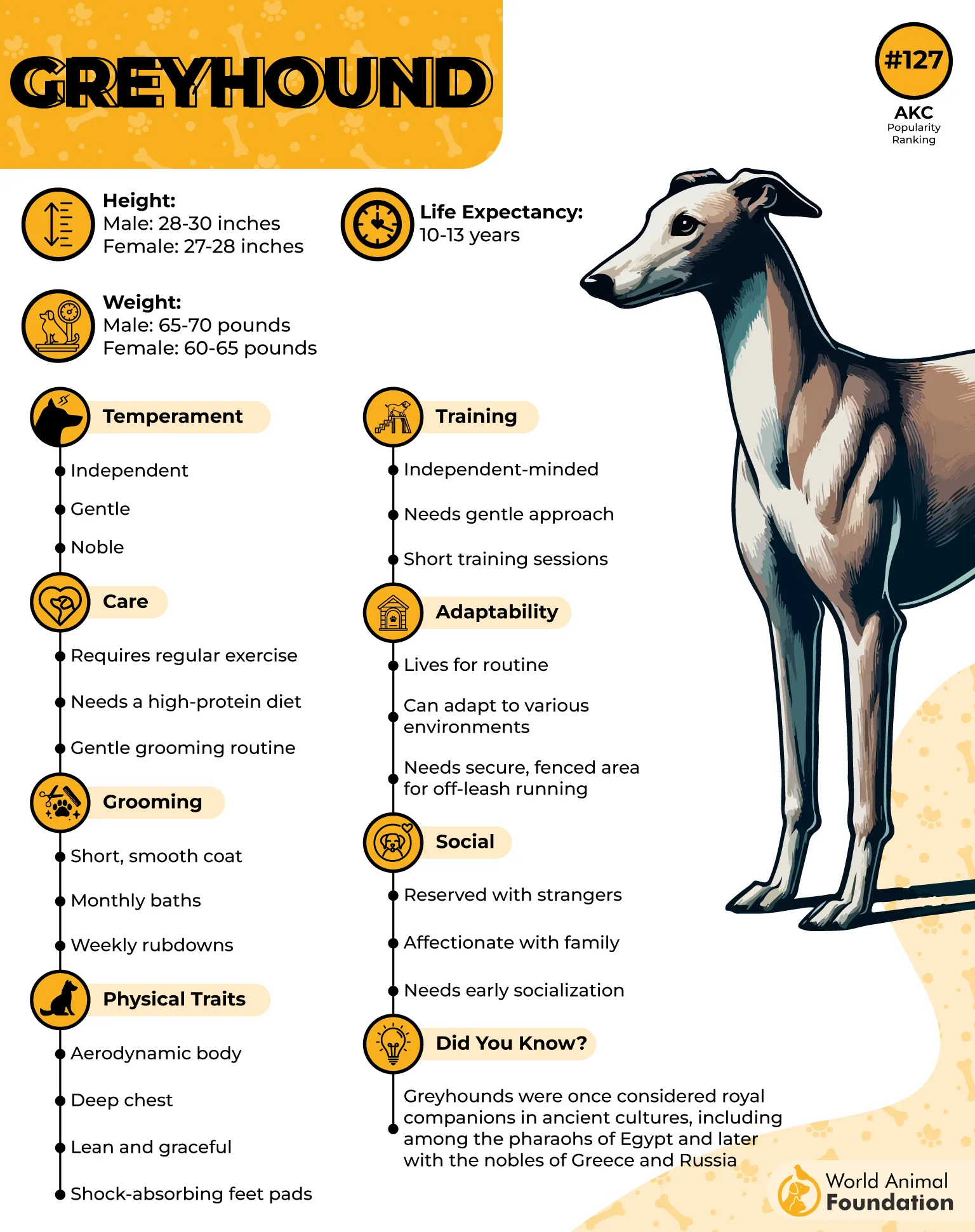
Their grooming requirements are almost comically simple compared with fluffy guardian breeds because the coat is short, smooth, and naturally easy to maintain. Occasional bathing, routine nail trimming, weekly brushing, and basic ear and dental care are generally enough to keep a Greyhound looking polished.
Temperament is where this reliable guard dog becomes especially interesting because they tend to be gentle, sensitive, affectionate, and somewhat reserved with strangers rather than naturally confrontational. Their independent nature comes from their history as sighthounds that worked by sight and often made decisions while pursuing prey.
A Tip For You
Provide safe opportunities for sprinting because a Greyhound’s speed and prey drive make secure areas essential.
Conclusion
Finding a low-maintenance guard dog that can become a family member is less about finding a magical breed that requires zero effort and more about matching the dog’s natural traits to your lifestyle. A powerful dog still needs appropriate food, veterinary care, exercise and mental stimulation, proper training, socialization, secure containment, and responsible supervision around children and visitors.
German Shepherd, Doberman Pinscher, Catahoula Leopard Dog, Staffordshire Bull Terrier, Australian Shepherd, Giant Schnauzer, and Belgian Malinois are other large dogs that turn out to be extremely loving family pets.
And honestly, that is the sweet spot: a dog that can make a stranger pause at the gate while happily spending the rest of the evening snoring beside you like it pays absolutely no rent.
