




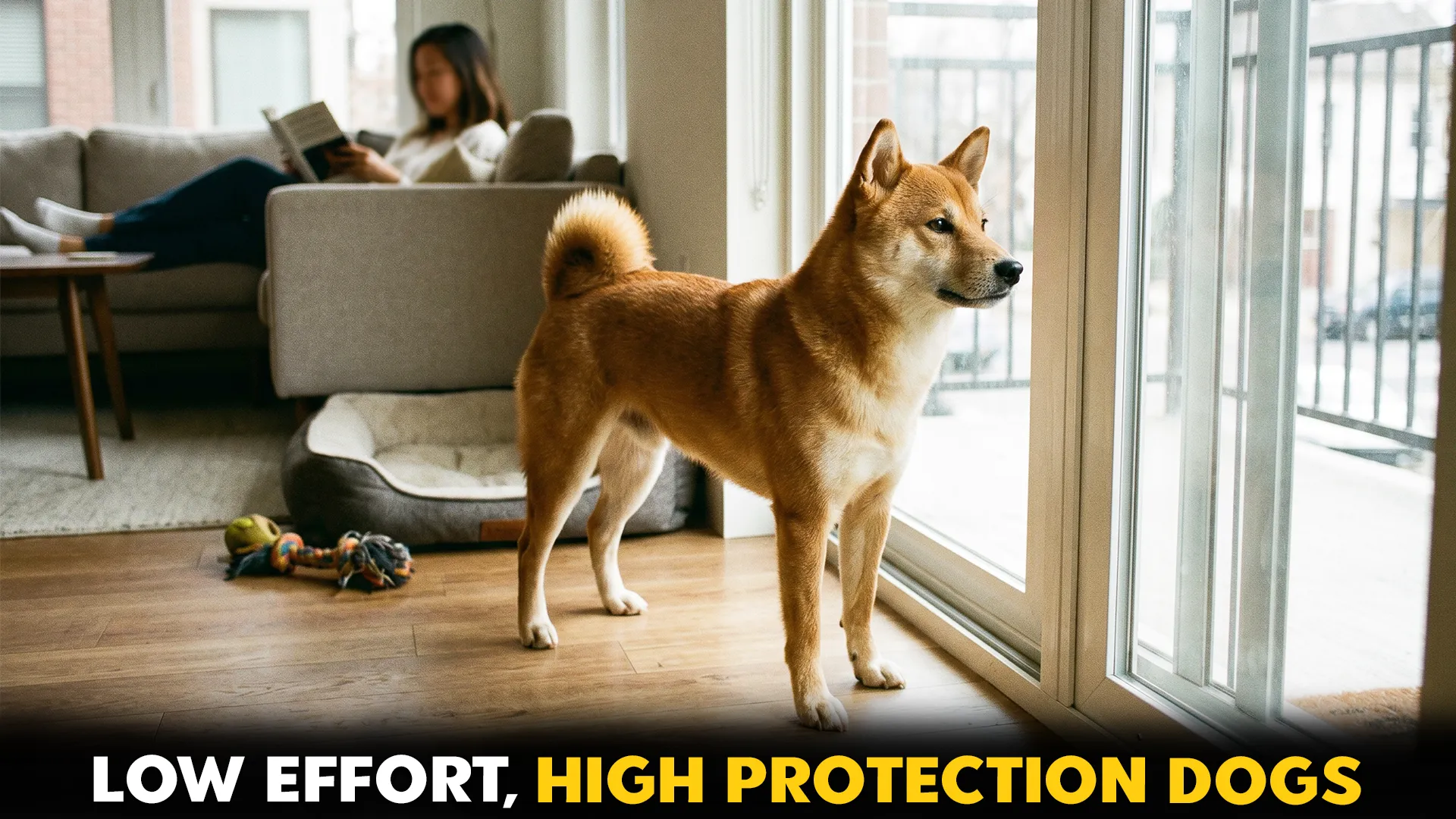
Choosing the right dog for your lifestyle matters, especially if your schedule is already full. While every dog needs care, some breeds are easier to live with thanks to simpler grooming needs, calmer temperaments, and moderate exercise requirements.
These low-maintenance companions can be a great fit for busy professionals, families, or first-time pet owners who want the joy of a dog without feeling overwhelmed.
From small lap dogs to larger, laid-back breeds, there are plenty of options that offer affection without high demands.
In this guide, we’ll explore low-maintenance dog breeds that offer companionship with ease, helping you find a furry friend that truly fits your everyday life.
Low-Maintenance Dog Breeds That Still Provide Strong Protection
1. Shiba Inu
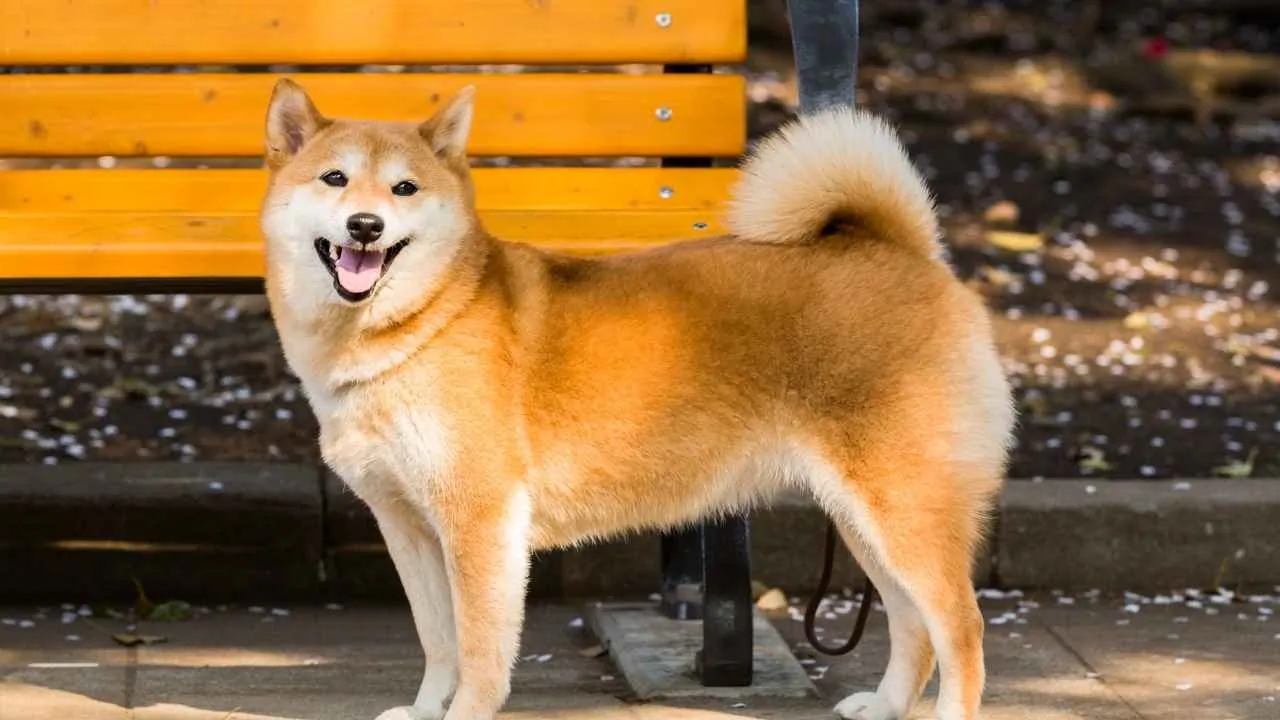
The Shiba Inu is a small but confident dog with a big personality packed into a compact body. Originally bred for hunting, this breed is naturally alert, loyal, and always aware of its surroundings. Its fox-like appearance and expressive behavior make it stand out, but its sharp instincts really shine in a home setting.
Shibas form strong bonds with their owners and like to stay involved in household activities. As per PetPlan, they are playful and inquisitive, often keeping a close eye on anything new or unusual. While affectionate, they also have an independent streak and can be territorial, which means they don’t miss much happening around them.
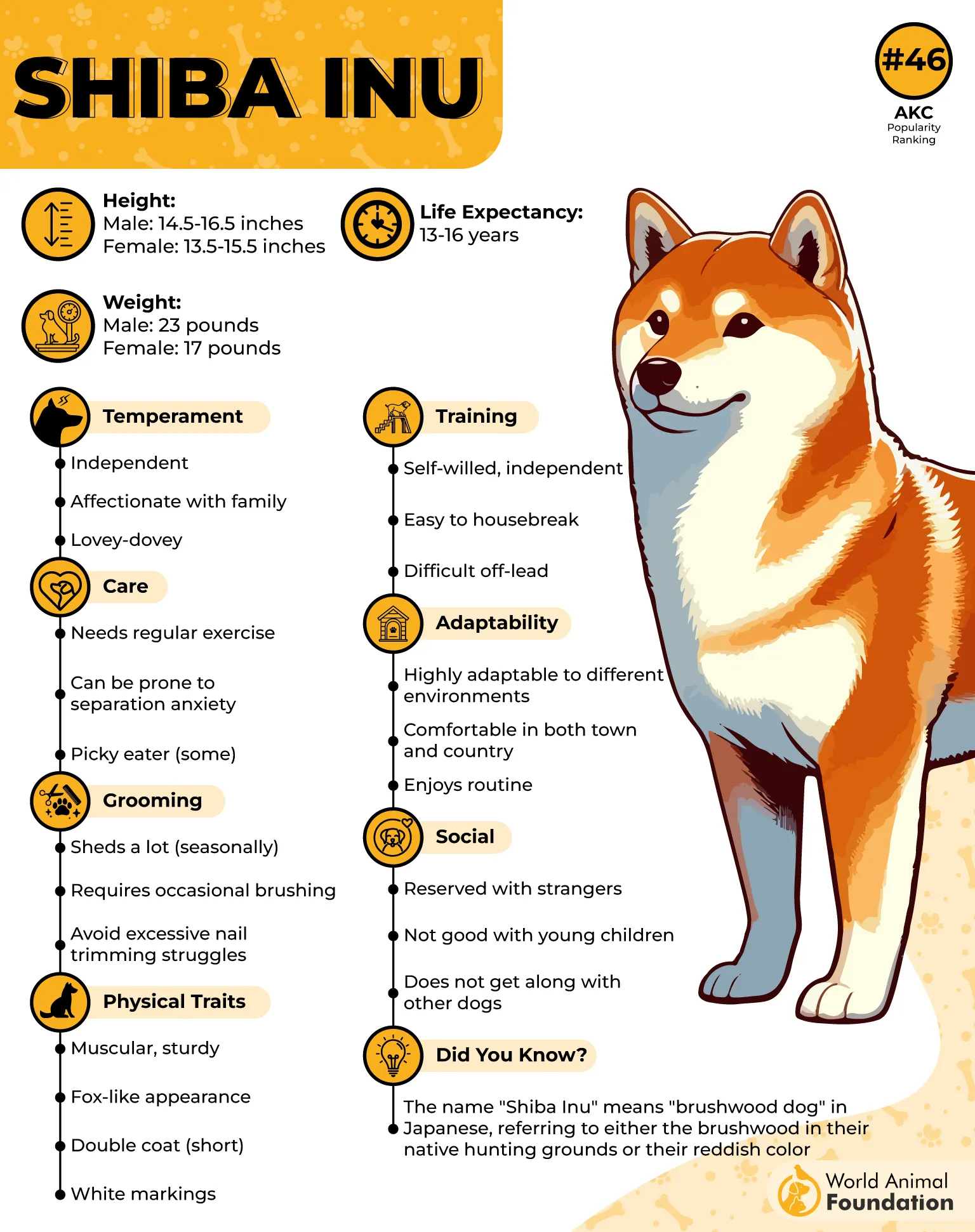
Despite their smaller size, they have a strong prey drive and quick reactions, making them surprisingly watchful companions. They are known to communicate in unique ways, from yodel-like sounds to sharp vocal alerts when something grabs their attention. This makes them less of a background pet and more of an active observer in your home.
Why This Breed Is a Good Fit
Naturally alert and quick to react, making them effective little watchdogs
Independent nature means they don’t demand constant attention
Clean habits and self-grooming behavior keep upkeep manageable
2. Mastiff
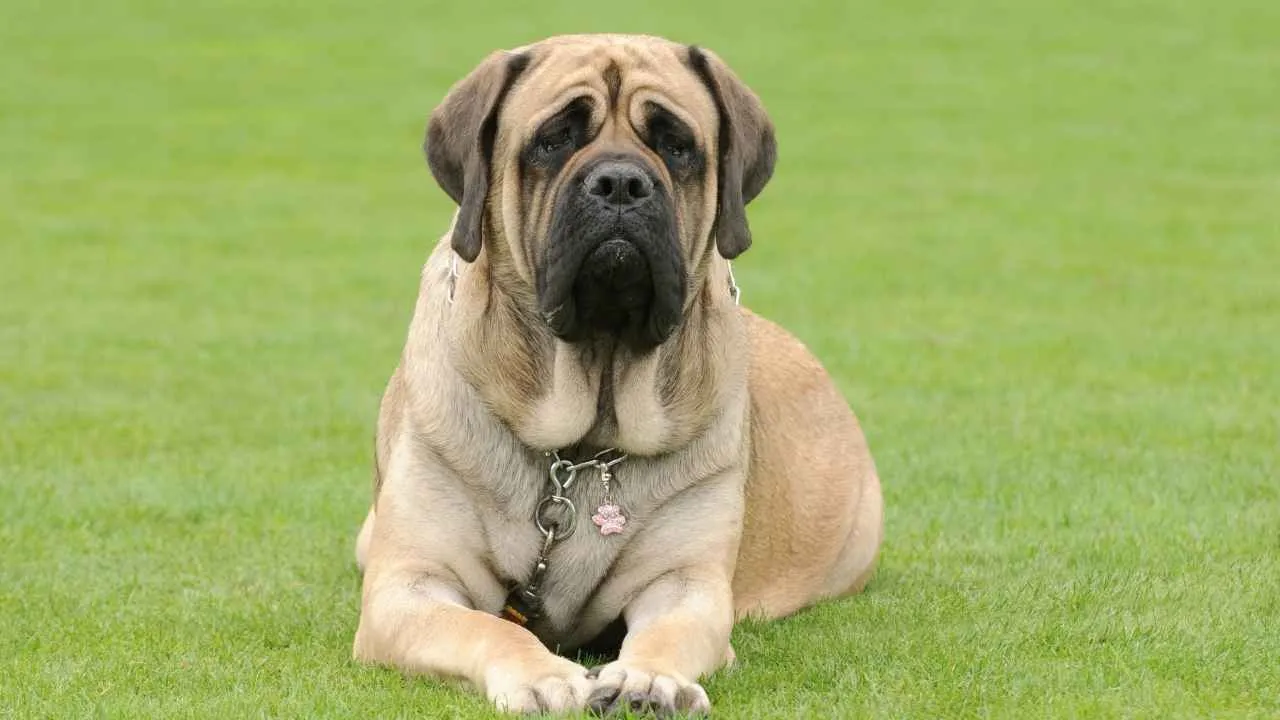
The Mastiff is a giant breed with a long history as both a hunter and a guardian breed. Even today, this dog carries that protective instinct, staying loyal and watchful over its family at all times. Its sheer size alone can be enough to make strangers think twice before stepping too close.
At home, Mastiffs are calm and often enjoy lounging around, giving them a reputation as gentle couch companions. But their relaxed attitude changes quickly when something unfamiliar appears, as they become instantly alert to assess the situation. This balance of calmness and awareness makes them unique among large breeds.
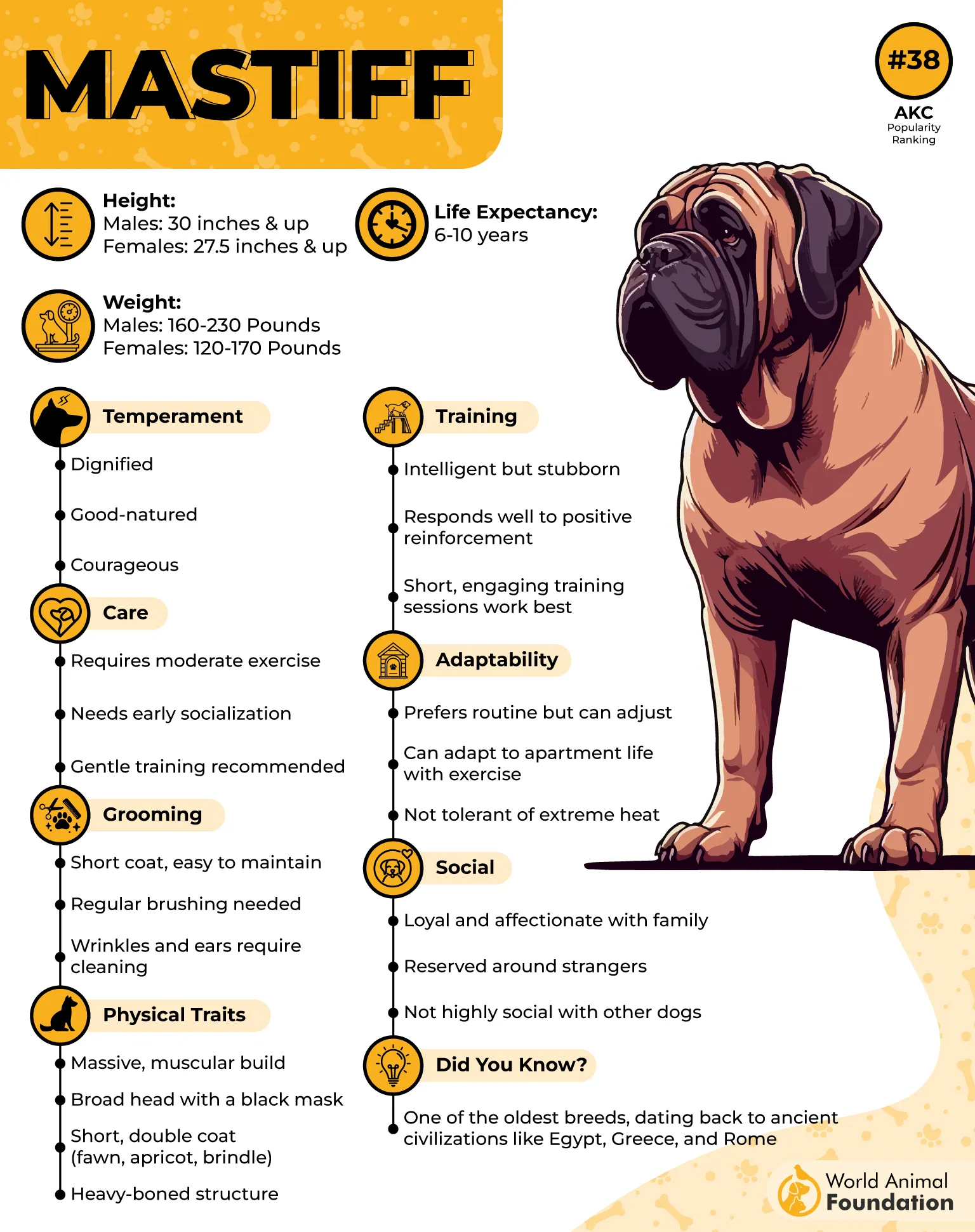
PetMD states that they are patient and affectionate with people they trust, often forming deep connections with their family members. While they may be reserved around strangers, they are not overly vocal and tend to observe quietly rather than bark constantly. Early training helps shape their natural guarding instincts into well-mannered behavior.
Why This Breed Is a Good Fit
Strong guarding background keeps them naturally protective without constant barking
A low-energy lifestyle fits owners who prefer a relaxed companion
A short coat requires minimal grooming compared to many large breeds
🎧 Dogcast
Episode 37 — Why Dogs Stay Close without Touching
If you don’t hear sound, tap the button above to enable audio.
3. Great Pyrenees
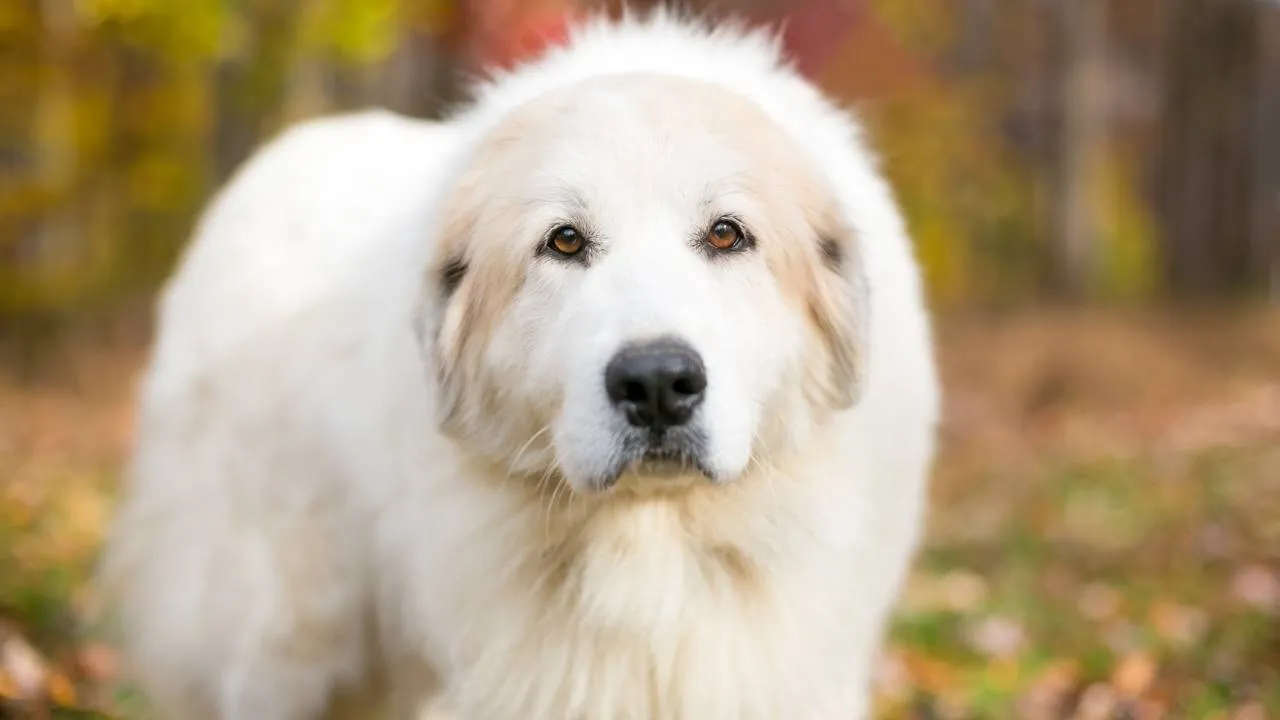
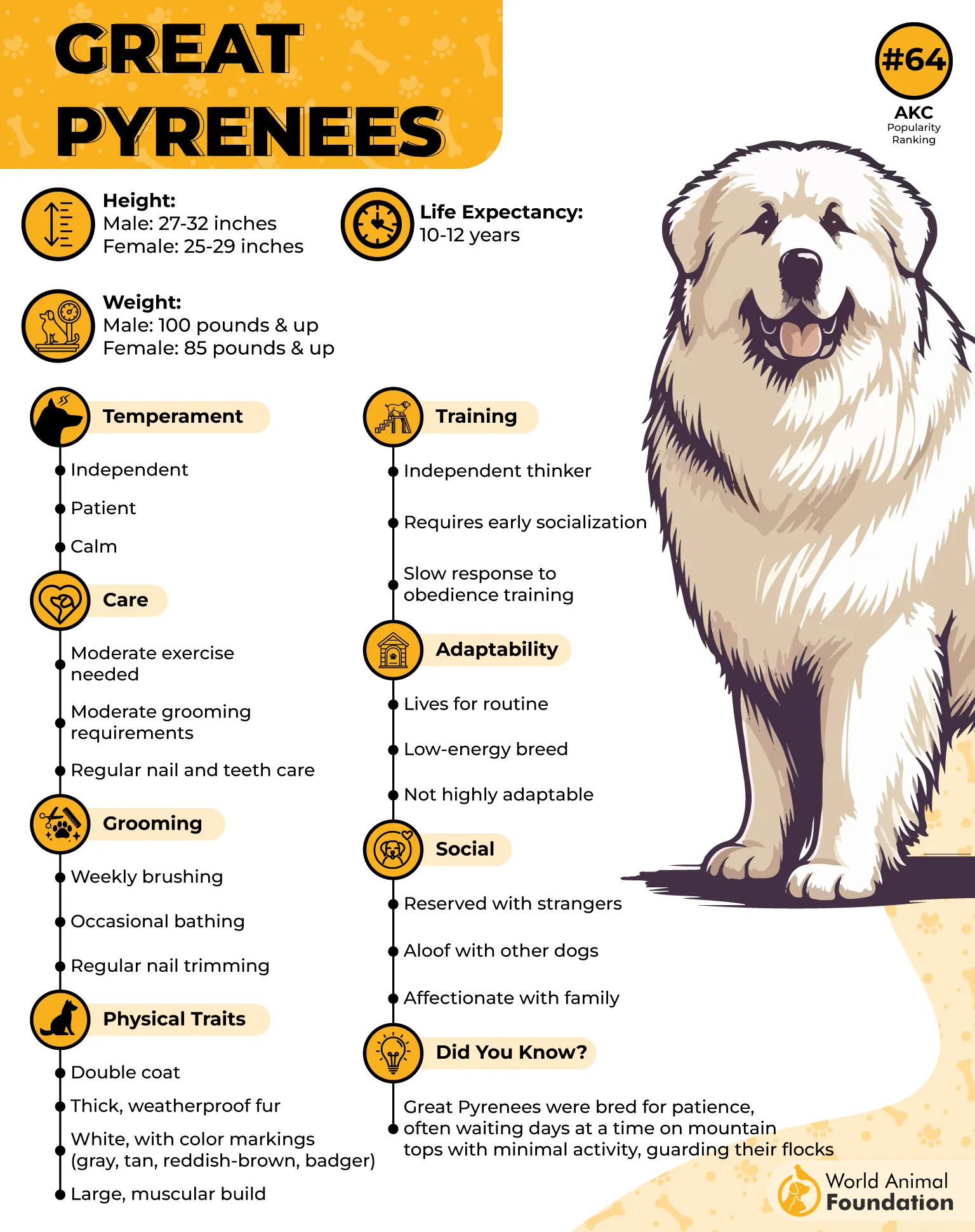
The Great Pyrenees is a large, majestic dog originally bred to protect livestock from predators. This background shaped a breed that is calm, intelligent, and always ready to step in if something feels off. Its protective nature remains strong, even in a modern home environment.
According to WebMD, these dogs are known for their gentle and kind personality, especially with family members. They tend to move calmly around the house, quietly observing rather than constantly seeking attention. However, they can quickly shift from relaxed to responsive if they sense a potential threat.
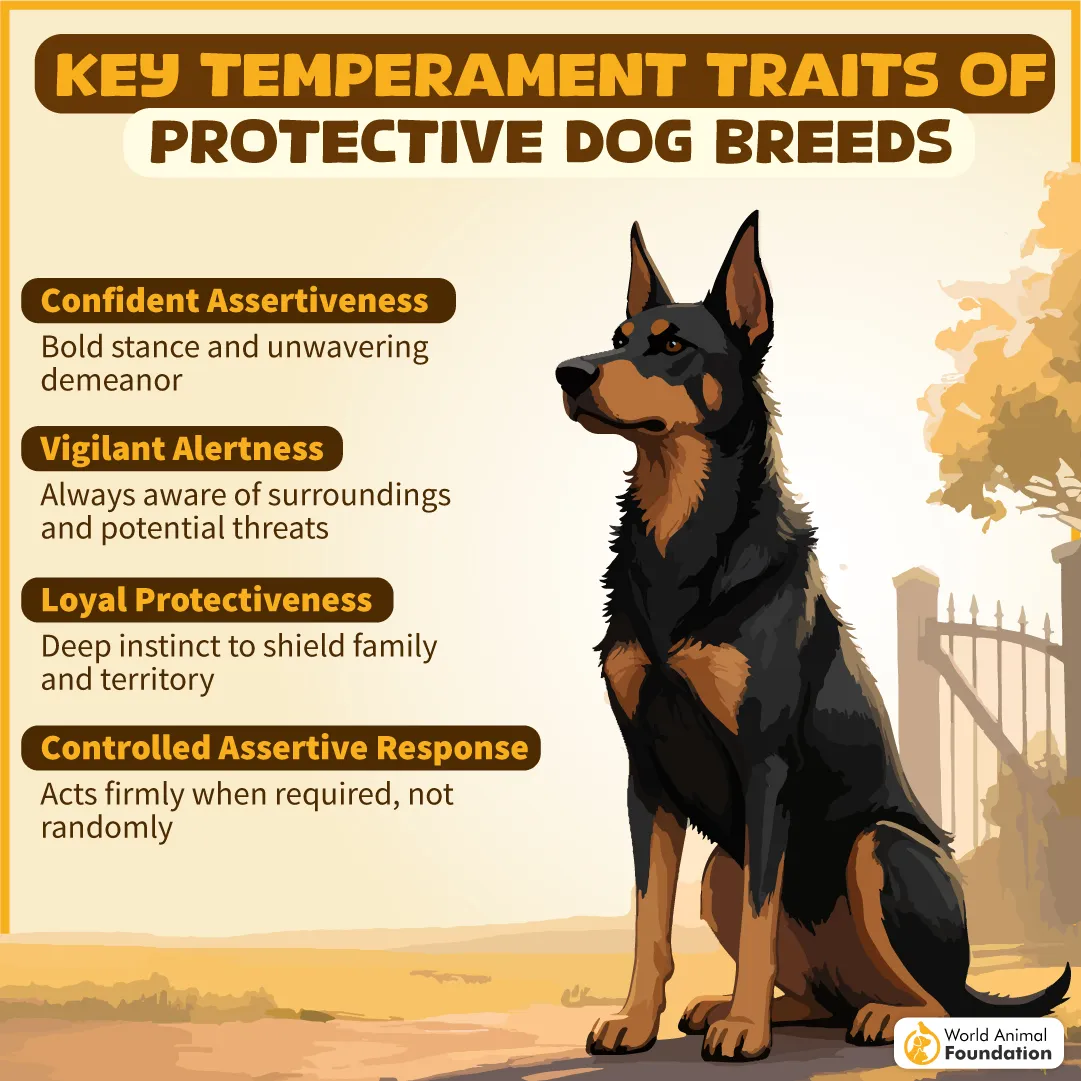
Great Pyrenees are also highly perceptive and can pick up on subtle changes in mood or environment. This sensitivity helps them decide when to act and when to stay relaxed. They often conserve energy during the day and may become more active at night, which ties back to their history of guarding flocks after dark.
Why This Breed Is a Good Fit
Built-in guarding instincts without needing constant stimulation
A calm temperament suits homes looking for a quieter dog
Coat is naturally resistant to dirt, reducing grooming effort
4. Rhodesian Ridgeback
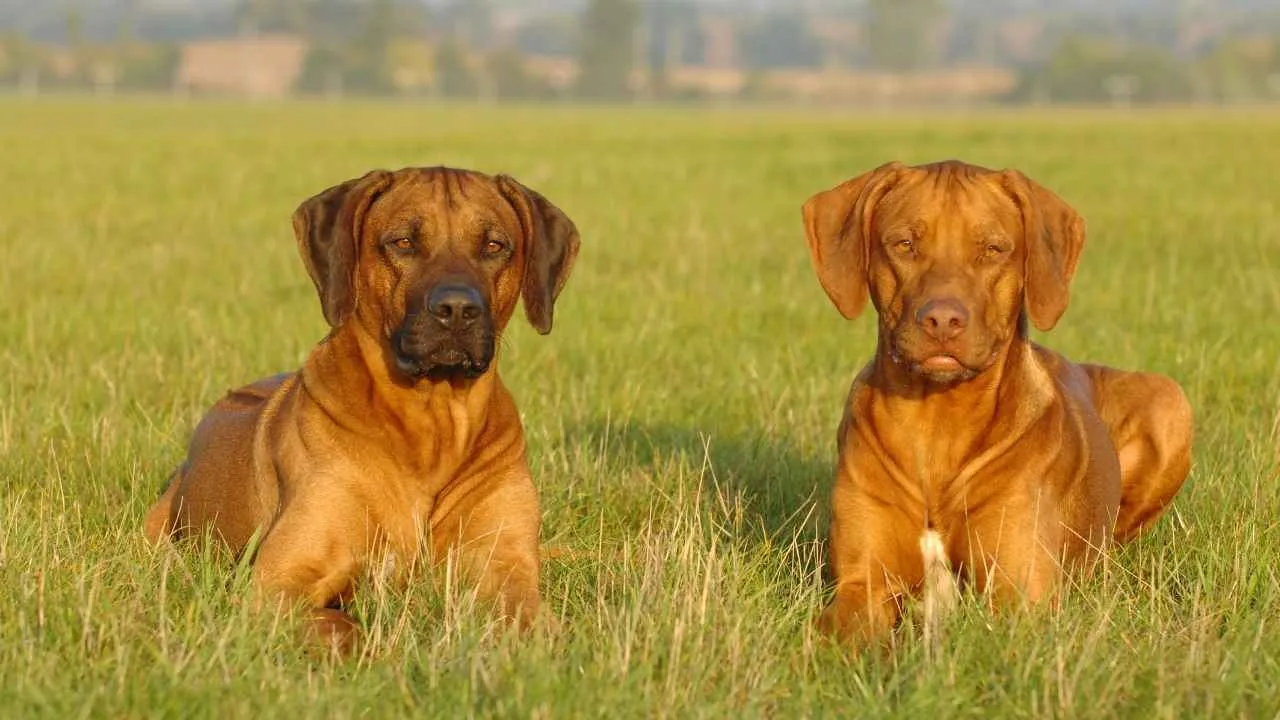
The Rhodesian Ridgeback is a powerful and intelligent dog known for its loyalty and protective nature. Originally bred to track large animals, this breed carries a strong sense of awareness and confidence. At home, it is a devoted companion who stays close to its family.
Ridgebacks are gentle and affectionate once they trust you, though they may be cautious around strangers at first. This natural wariness makes them reliable watchdogs, as they are quick to notice unfamiliar people. They are not typically excessive barkers, but they will alert you when something seems out of place.
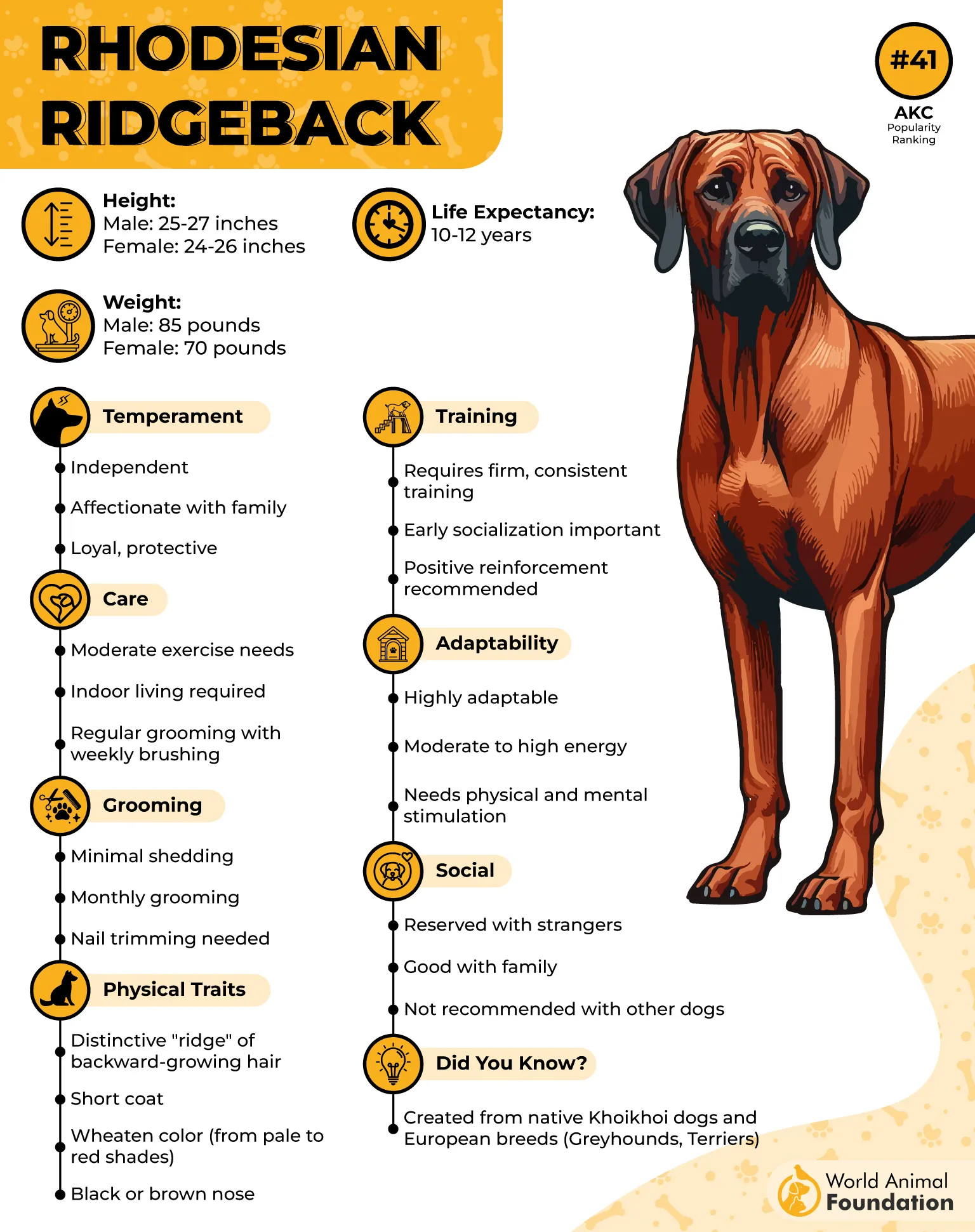
Their intelligence means they learn quickly, but they also need consistent training to stay engaged. Without enough mental stimulation, they can become bored, so activities that challenge their minds are important. Despite their strength, they are known to be soft and loving with their family members.
Why This Breed Is a Good Fit
Natural watchdog instincts without constant noise or fuss
A short coat keeps grooming simple and low effort
Strong loyalty creates a dependable sense of protection
5. Great Dane
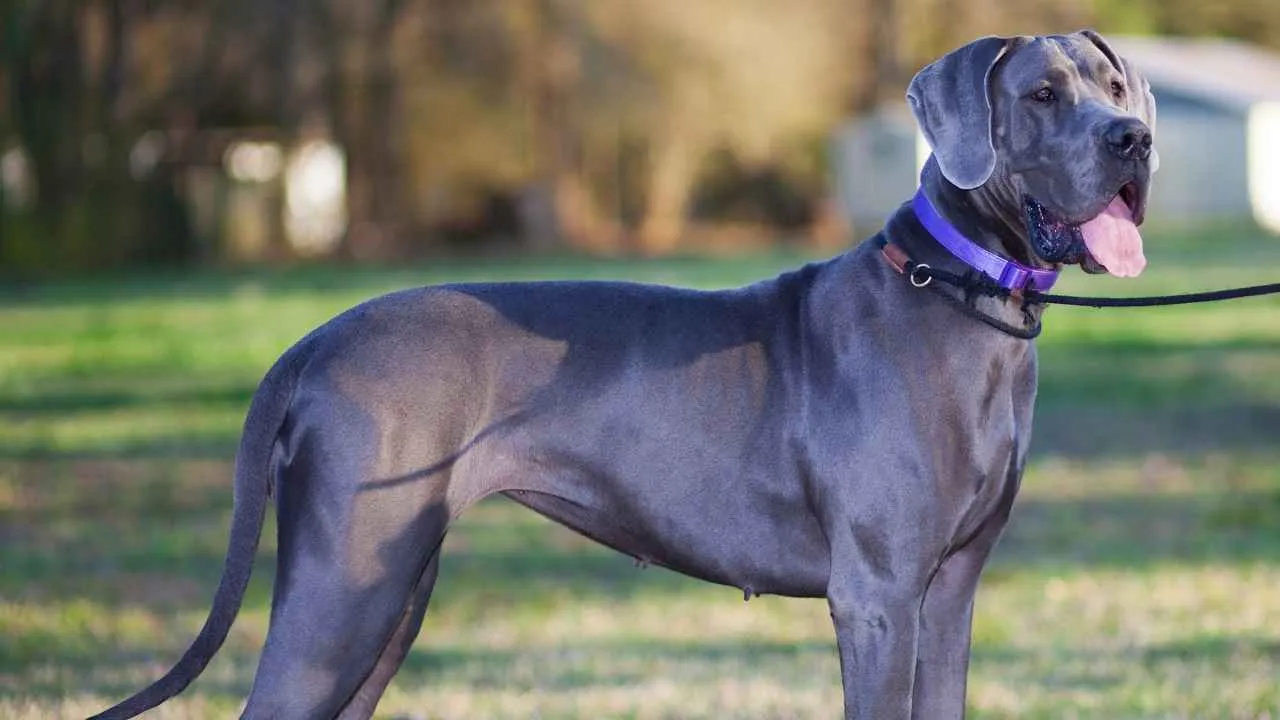
The Great Dane is often called a gentle giant, and it lives up to that name with its calm and affectionate personality. Despite its massive size, this breed is known for being friendly, patient, and deeply connected to its family. It was originally used for hunting and guarding estates, which explains its natural confidence and protective instincts.
Great Danes are highly people-oriented and love being part of daily life at home. They are eager to please, which makes training easier compared to many other large breeds. While they usually welcome guests, they can quickly step into a protective role if they sense something unusual or threatening.
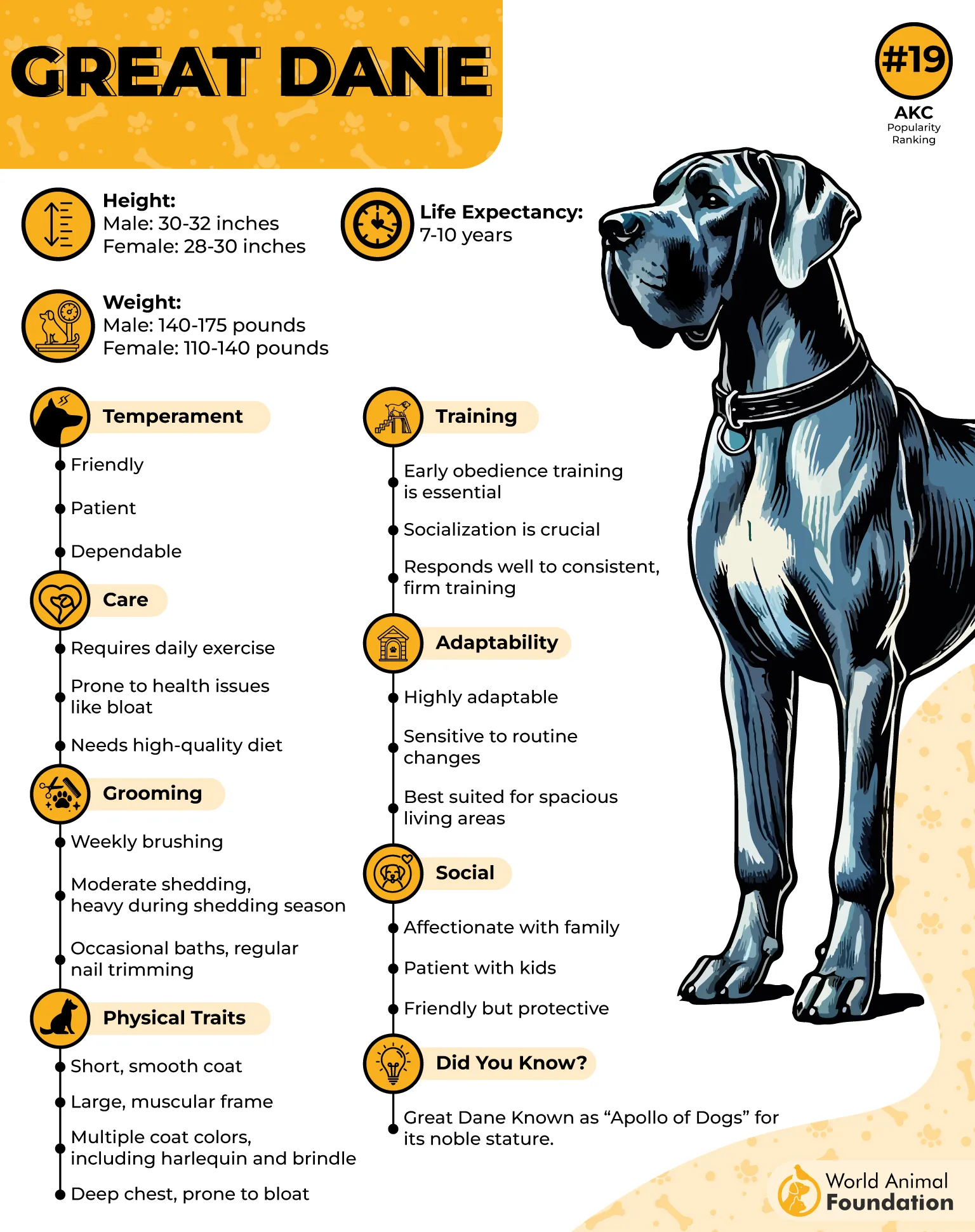
Even with their size, they tend to be quiet indoors and adapt well to home living when given enough exercise and attention. Their short coat is easy to manage, and their grooming routine is fairly simple. However, their strength and size mean early training is important to keep their behavior balanced and controlled.
Why This Breed Is a Good Fit
Calm indoor behavior makes them easier to manage than expected for their size
Protective instincts activate only when needed, not constantly
Short coat and simple grooming routine reduce maintenance effort
6. Bullmastiff
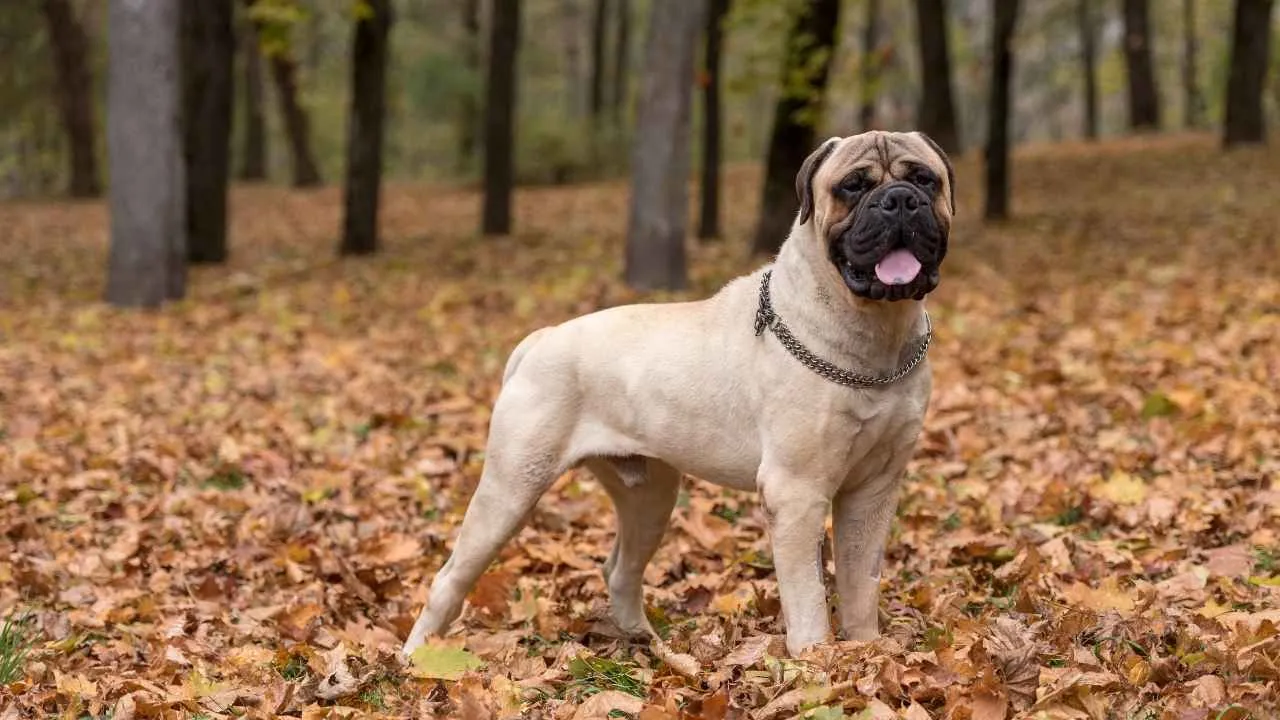
The Bullmastiff was originally bred as a guard dog to protect estates, and that purpose still shows in its behavior today. This breed is strong, confident, and naturally watchful, making it a reliable presence in any home. Despite its powerful build, it is known to be friendly and trustworthy with its family.
Bullmastiffs are generally quiet dogs and rarely bark, which can be surprising for a watchdog. Instead of making noise, they rely on their alertness and physical presence to handle unfamiliar situations. Their calm and mild nature allows them to relax at home while still staying aware of their surroundings.
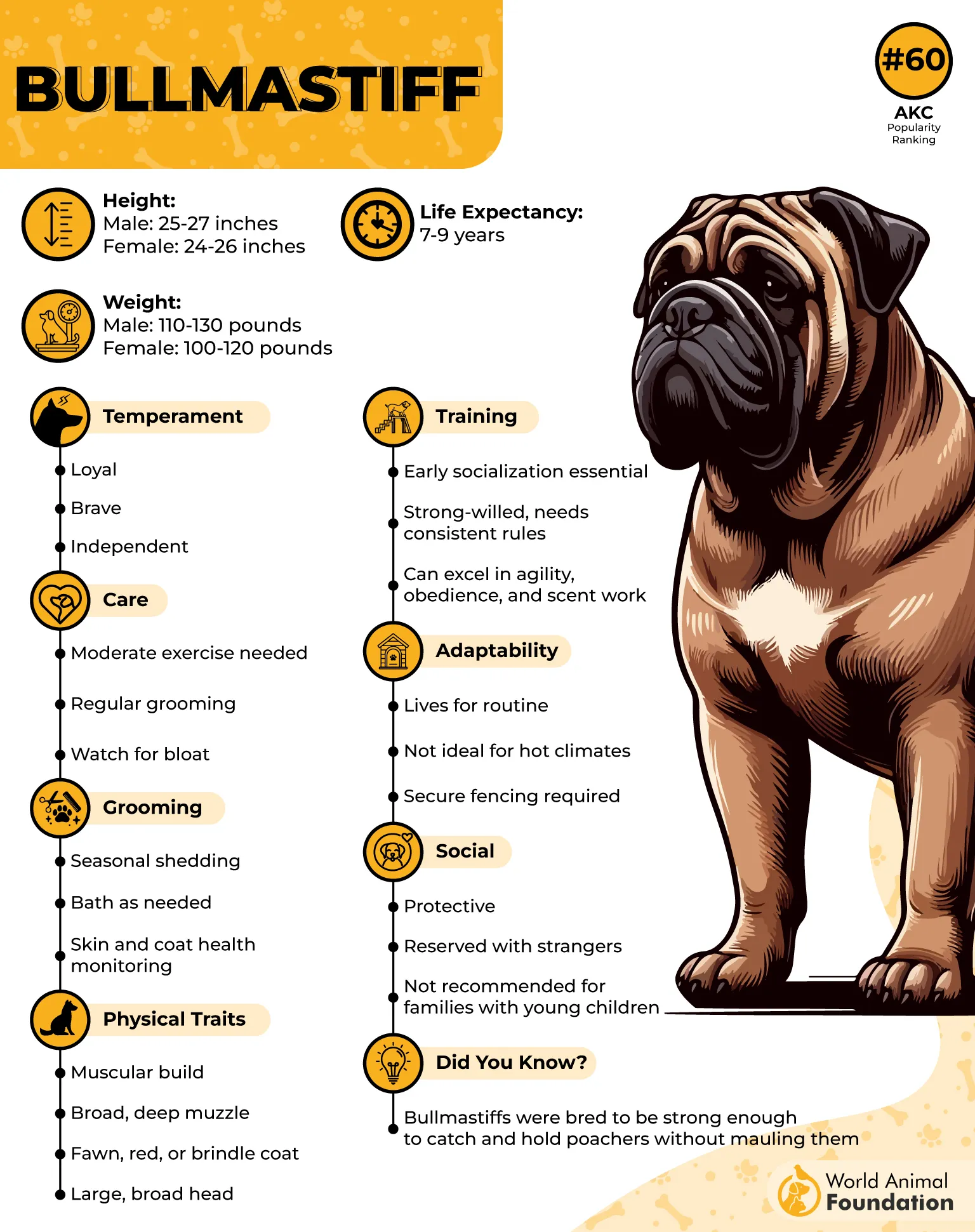
They are affectionate and can be good with children, but they need early training and socialization to develop proper behavior. Their intelligence and determination mean they respond well to structured training routines. With the right guidance, they grow into dependable companions that are both loving and protective.
Why This Breed Is a Good Fit
Quiet watchdog that protects without excessive barking
Minimal grooming needs thanks to a short coat
Strong natural guarding instincts paired with a calm temperament
7. Doberman Pinscher
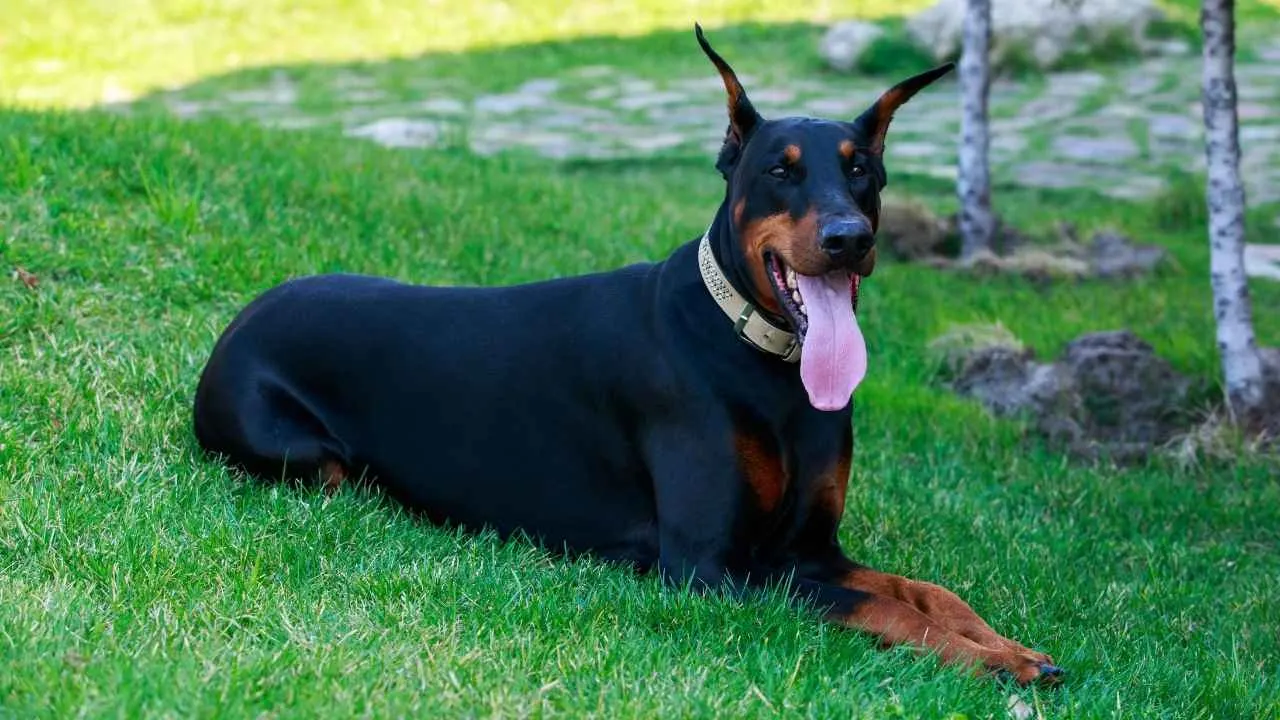
The Doberman Pinscher is a sleek, powerful dog known for its intelligence and alert nature. Originally developed for protection and working roles, this breed is still widely used in security and search work. It is a loyal companion to its family and naturally attentive to anything happening around it.
Dobermans are energetic and curious, which means they need both physical activity and mental stimulation to stay happy. They form strong bonds with their owners and can be wary of strangers. Early training and socialization are important to shape their behavior and build confidence.
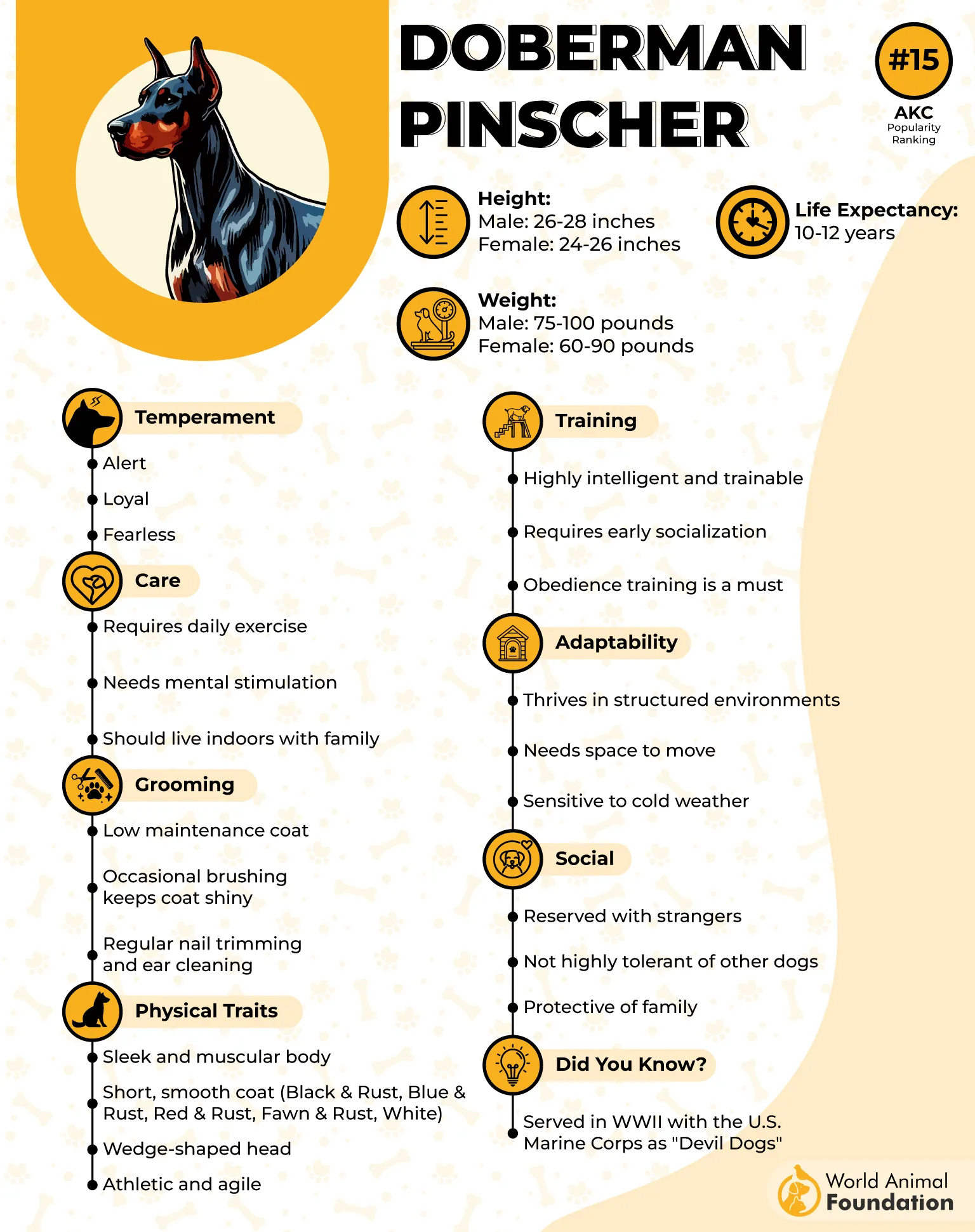
Despite their serious reputation, they can be loving and playful with their family when properly trained. Their short, smooth coat is easy to care for, requiring only basic grooming to keep it in good condition. With the right balance of activity and structure, they become loyal and dependable companions.
Why This Breed Is a Good Fit
Highly alert, responsive, and active breed, making them reliable protectors
A short coat keeps grooming simple and quick
Strong loyalty creates a close bond with their family
Conclusion
Finding the best guard dog breed that offers both protection and easy care might sound tricky, but the right protection dog can give you the best of both worlds. These dogs prove that you don’t always need high energy or constant grooming to feel safe and supported at home.
Other dogs, such as the German Shepherd and Belgian Malinois, are great protective dog breeds that are both gentle companions and deeply loyal.
With proper training and early socialization, they can become calm companions who still keep a watchful eye when it matters. Whether you prefer a giant guardian, a properly trained protection dog, or a compact protector for family life, there’s a breed that can match your lifestyle.
The key is choosing one that fits your routine while still giving you that extra sense of security and loyalty.
Can You Score 6/6 on Protective Low-Maintenance Dogs? 🐕
What was the Shiba Inu originally bred for?
Which breed’s sheer size alone can make strangers think twice?
The Great Pyrenees was originally bred to protect livestock from what?
What was the Rhodesian Ridgeback originally bred to track?
Why is the Bullmastiff considered a quiet watchdog?
Which breed is known for intelligence, alertness, and protection work?
