




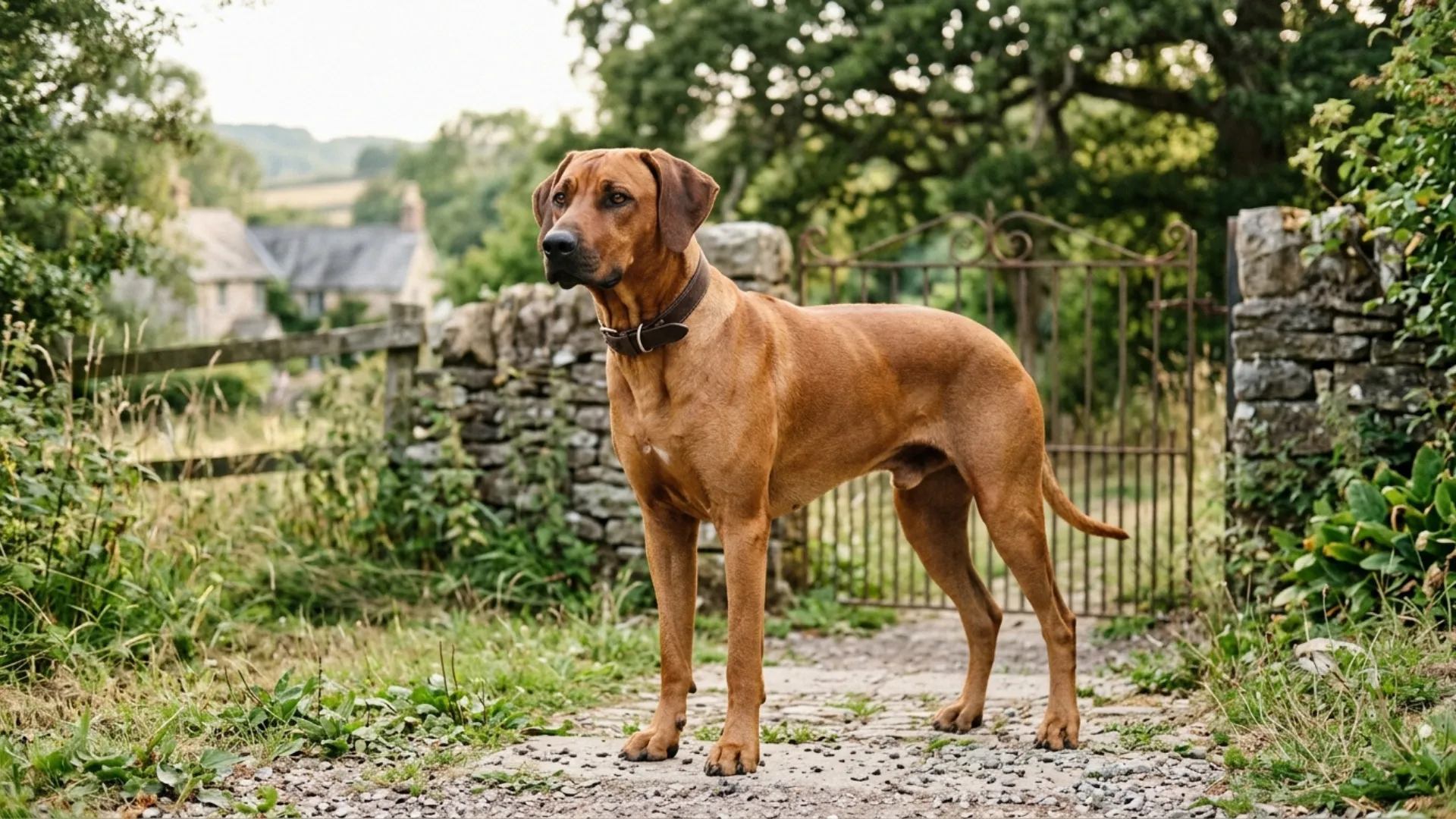
You want a dog that’s got your back… but not one that turns your daily routine into a full-time job. Totally fair. Between busy schedules and real-life chaos, the dream is simple: a loyal companion who keeps an eye on things without demanding constant grooming, endless exercise, or a strict personal assistant.
Good news, that sweet spot exists. Some dogs are naturally easygoing, happy with moderate activity, simple care routines, and still have that quiet instinct to watch, protect, and stay close.
Low effort does not mean low love. These pups prove you can have both comfort and security, without burnout. Let’s meet the ones that make it look effortless.
Did you know?
Dogs seem to react differently to familiar human scents, showing a stronger positive response compared to other smells, hinting they truly value their favorite people in a special way.
Low-Maintenance Dog Breeds That Guard with Gentle Demeanor
1. Great Pyrenees
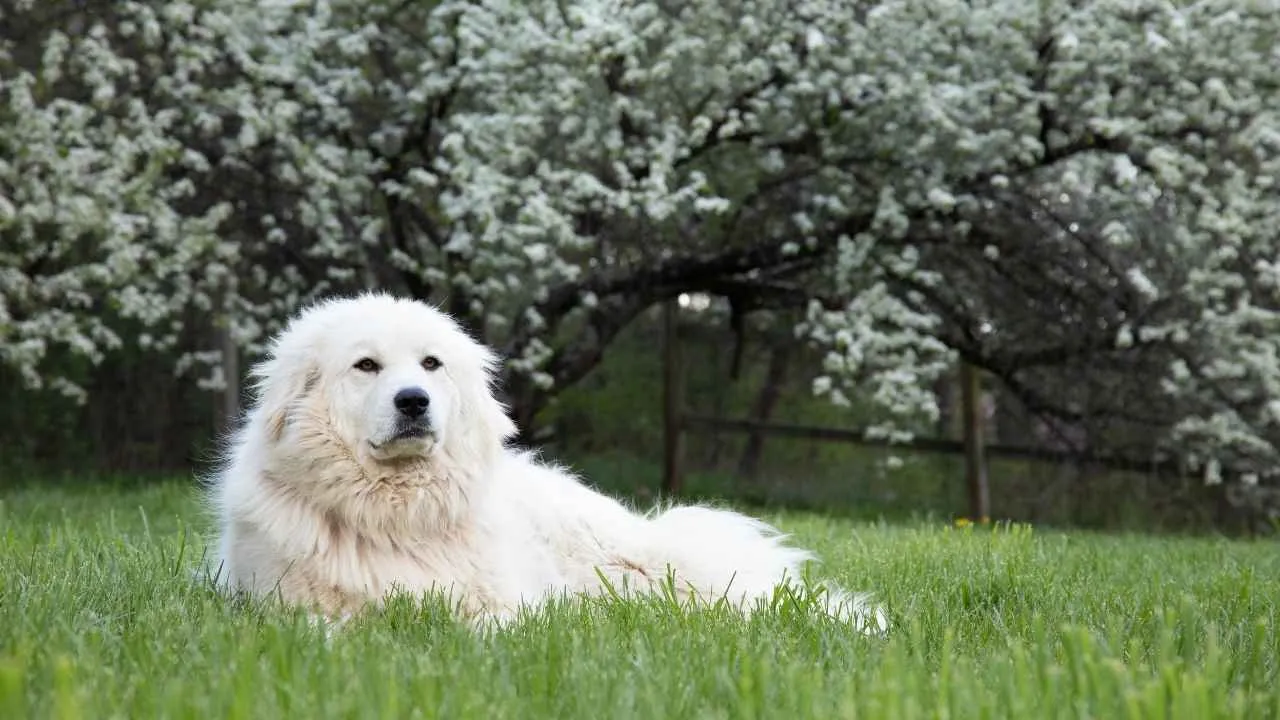
The Great Pyrenees is the kind of dog that looks like it belongs in a snow-covered fairytale but acts like your calm, quietly watchful roommate. Big presence, zero chaos energy, and always keeping an eye on things without making a big scene.
Originally, this large breed was trusted to guard sheep on remote mountain ranges, facing off against predators like wolves and bears without constant human direction. That independent streak comes from doing serious protection work all on their own.
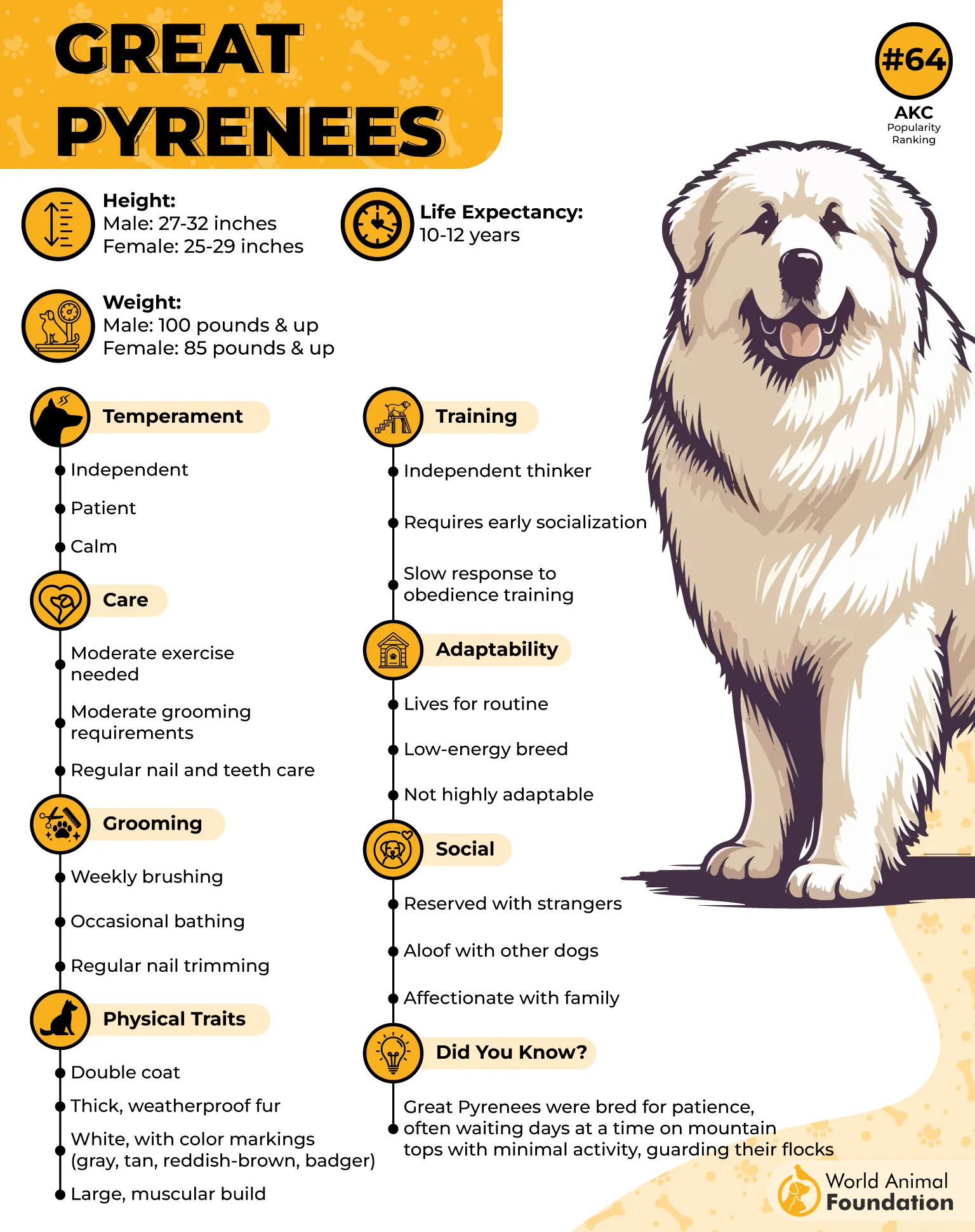
At home, they flip the switch into gentle mode, staying calm, affectionate, and surprisingly low energy. They do not demand nonstop activity, and their coat resists tangles, which makes upkeep feel manageable even with all that fluff.
Why is This a Low-Maintenance Breed
Comfortable spending time alone without constant supervision
Naturally calm energy levels that fit quieter households
2. Mastiff
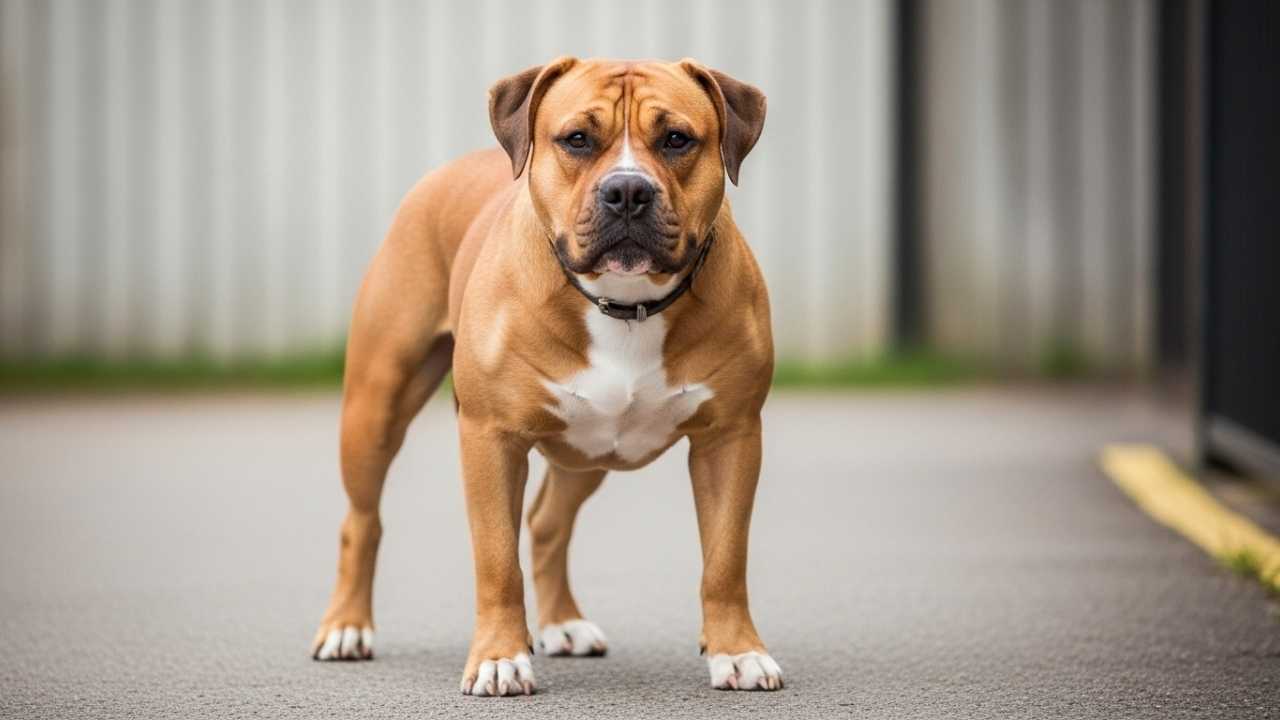
This dog walks into a room like it owns the place, but then casually decides to nap instead. Massive, yes. Dramatic? Not really. A Mastiff is that calm guardian who watches everything but only reacts when it truly matters.
They are not big on barking just for fun. Most of the time, they stay quiet and observant, saving their voice for moments that actually deserve attention. That natural restraint makes them feel steady rather than overwhelming
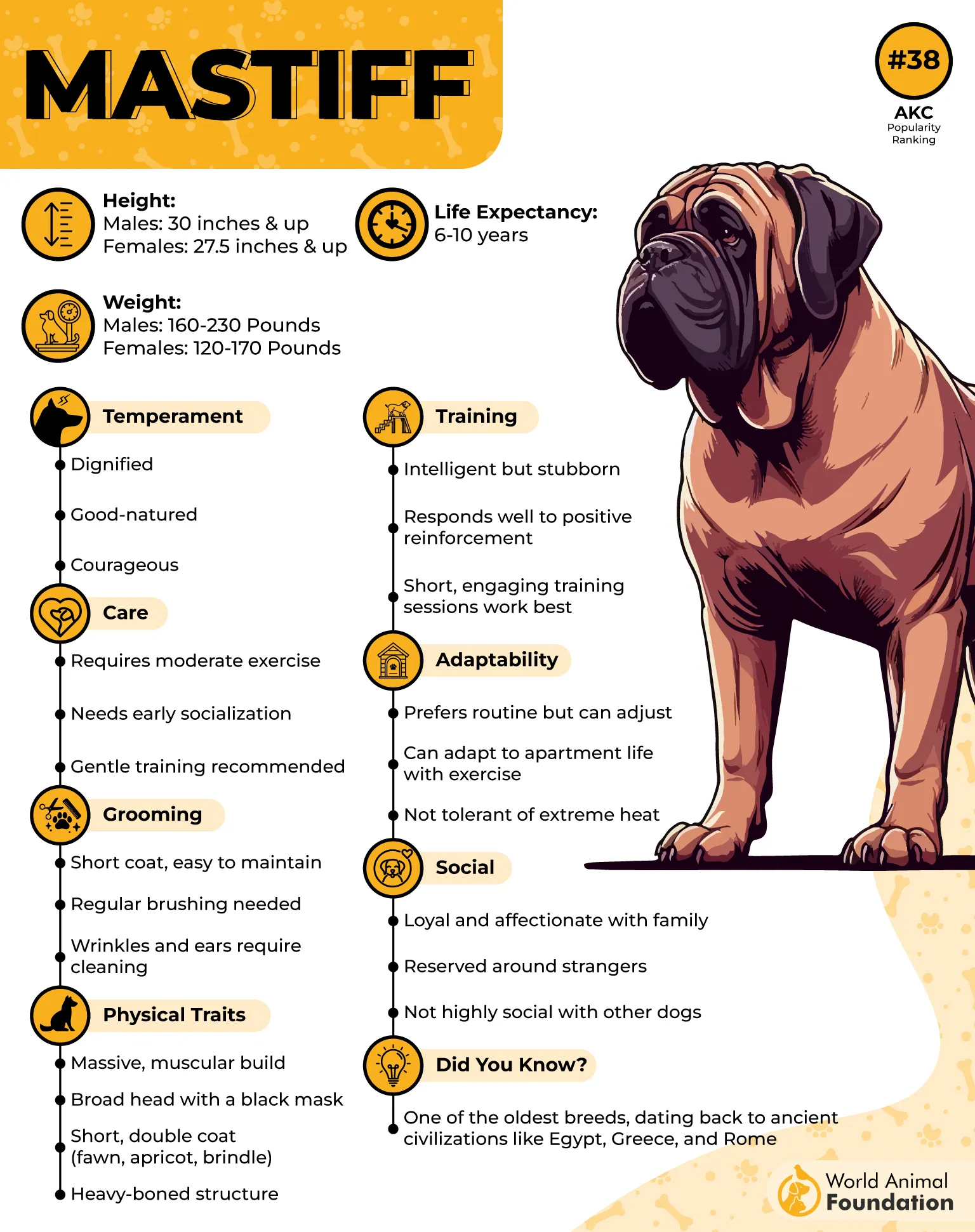
As noted by WebMD, Mastiffs tend to do best with gentle, positive training and short, engaging sessions that actually keep their attention. Repeat the same thing too much, and they may lose interest, so keeping it light and varied works better.
Why is This a Low-Maintenance Breed
A quiet nature means less unnecessary barking indoors
A short coat requires minimal grooming effort
3. Rhodesian Ridgeback
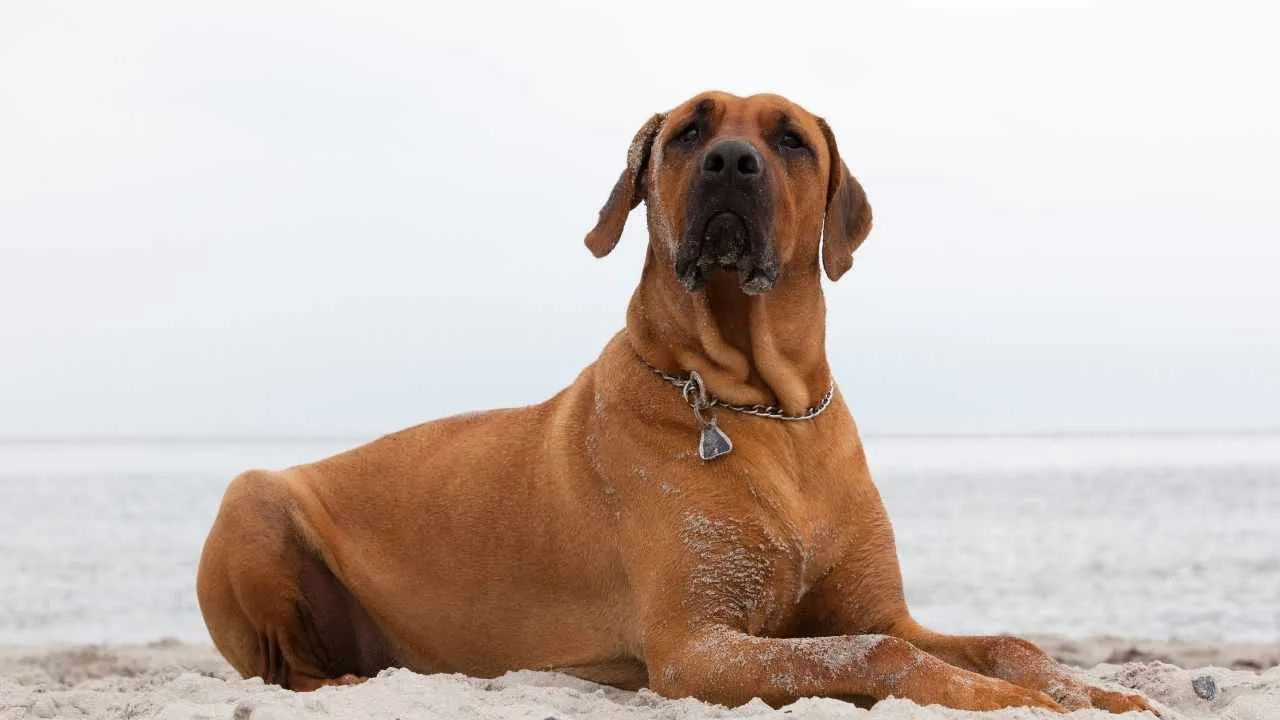
This one is sleek, confident, and carries itself like it knows exactly what it is doing. Not overly loud, not overly clingy, just calmly present with a quiet watchfulness that feels reassuring without being intense.
They were originally bred to track and handle large predators while also protecting homes and families. That background shows in how alert they are, staying aware of their surroundings without turning every moment into a full alert situation.
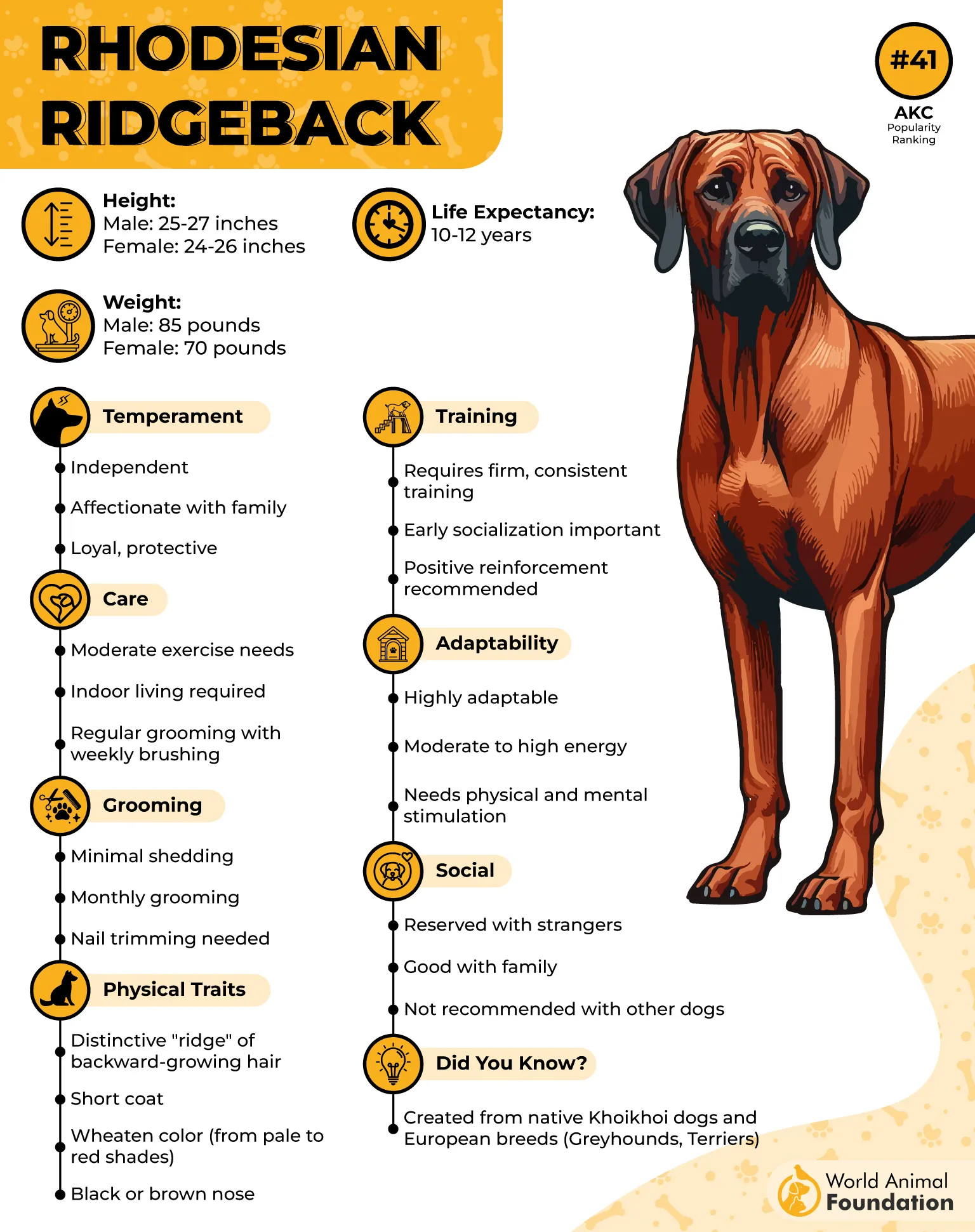
Keeping them looking sharp is refreshingly simple. Their short coat only needs basic brushing and occasional baths, so you are not signing up for endless grooming sessions just to keep things neat.
Why is This a Low-Maintenance Breed
Naturally quiet and not prone to constant barking
An independent personality reduces the constant attention needs
4. Great Dane
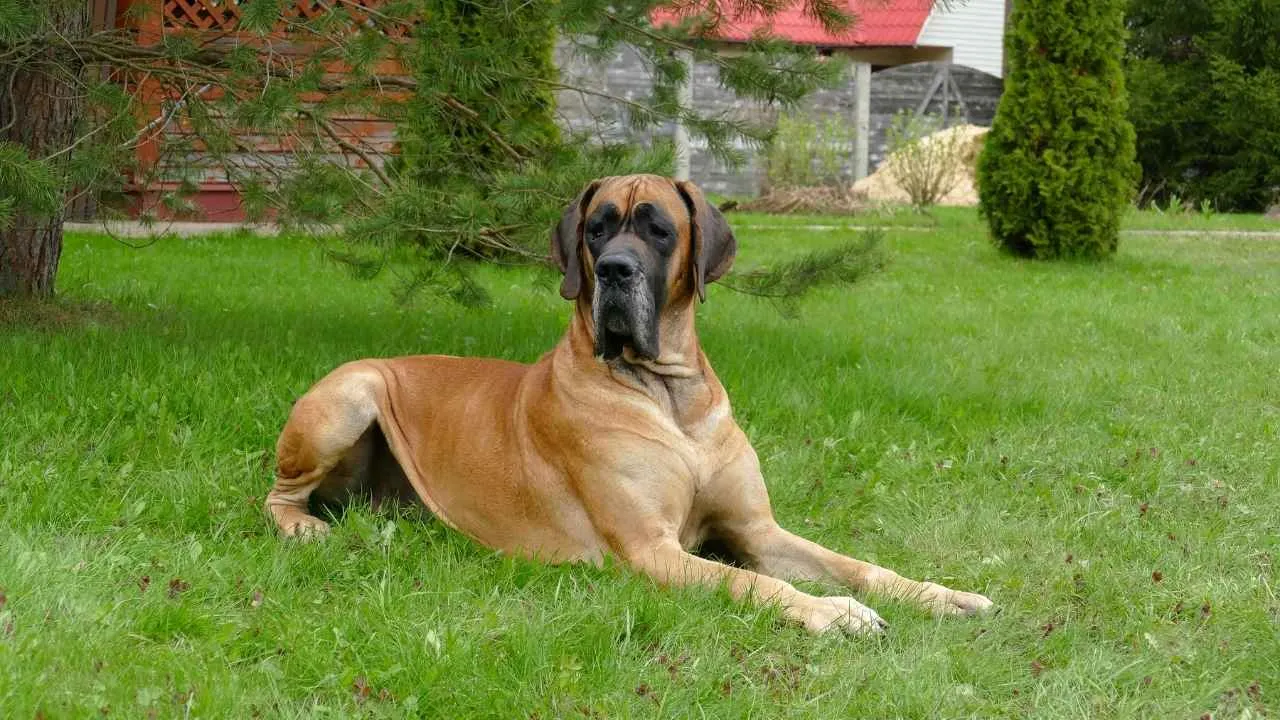
There is something hilarious about a dog this huge thinking it is a gentle cuddle buddy, but that is exactly what you get here. This giant has a calm presence that somehow feels both protective and incredibly soft at the same time.
They settle into family life with ease, often forming strong bonds and getting along well with kids and other pets. Their friendly nature makes them feel less like a guard dog and more like a very large, very loyal companion.
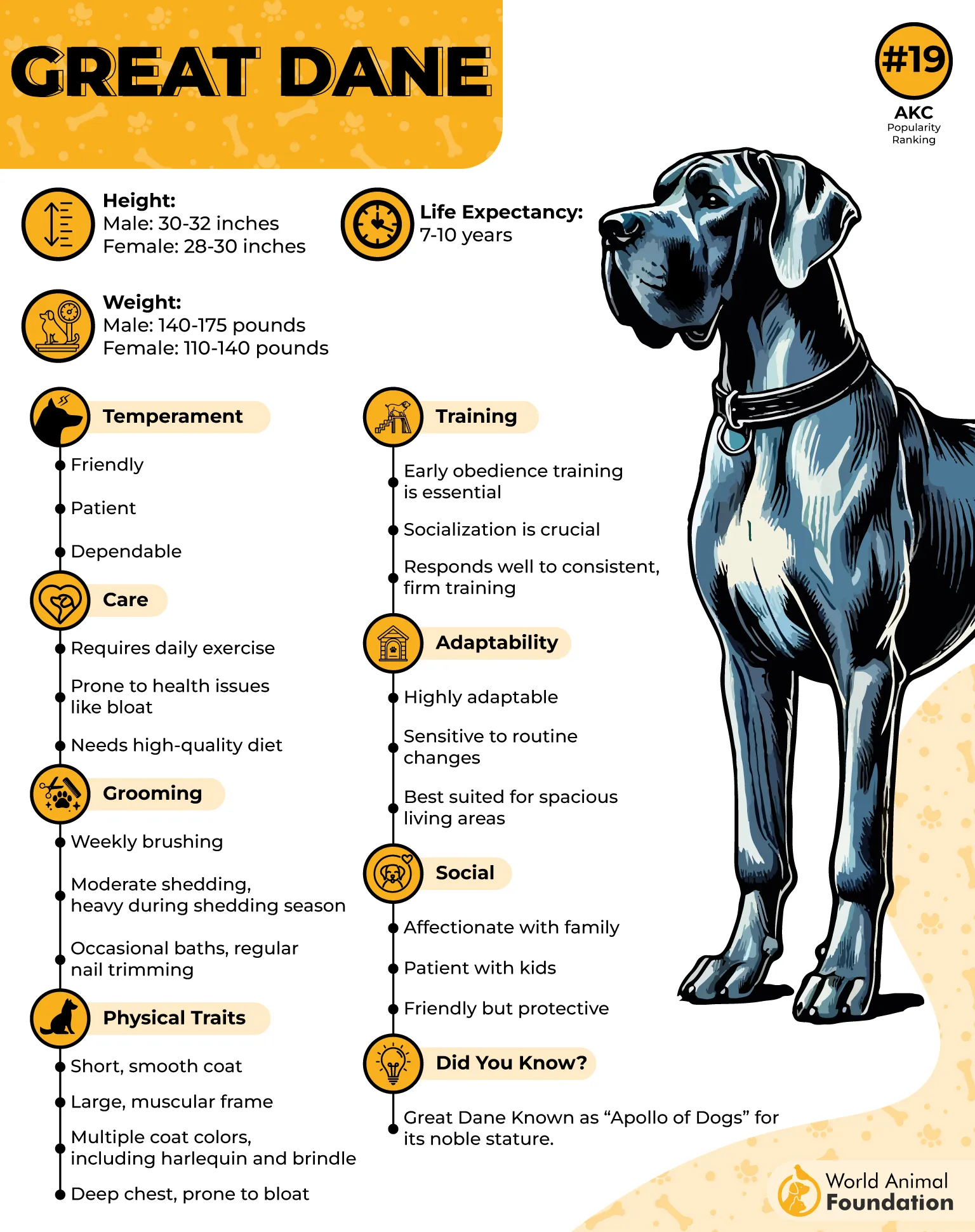
Even though they look like they need endless activity, their exercise needs are actually manageable. A few daily walks and light activity keep them happy, without turning your schedule into a full fitness routine.
Why is This a Low-Maintenance Breed
Easy-going personality blends smoothly into family homes
Moderate daily exercise fits into regular routines
5. Saint Bernard
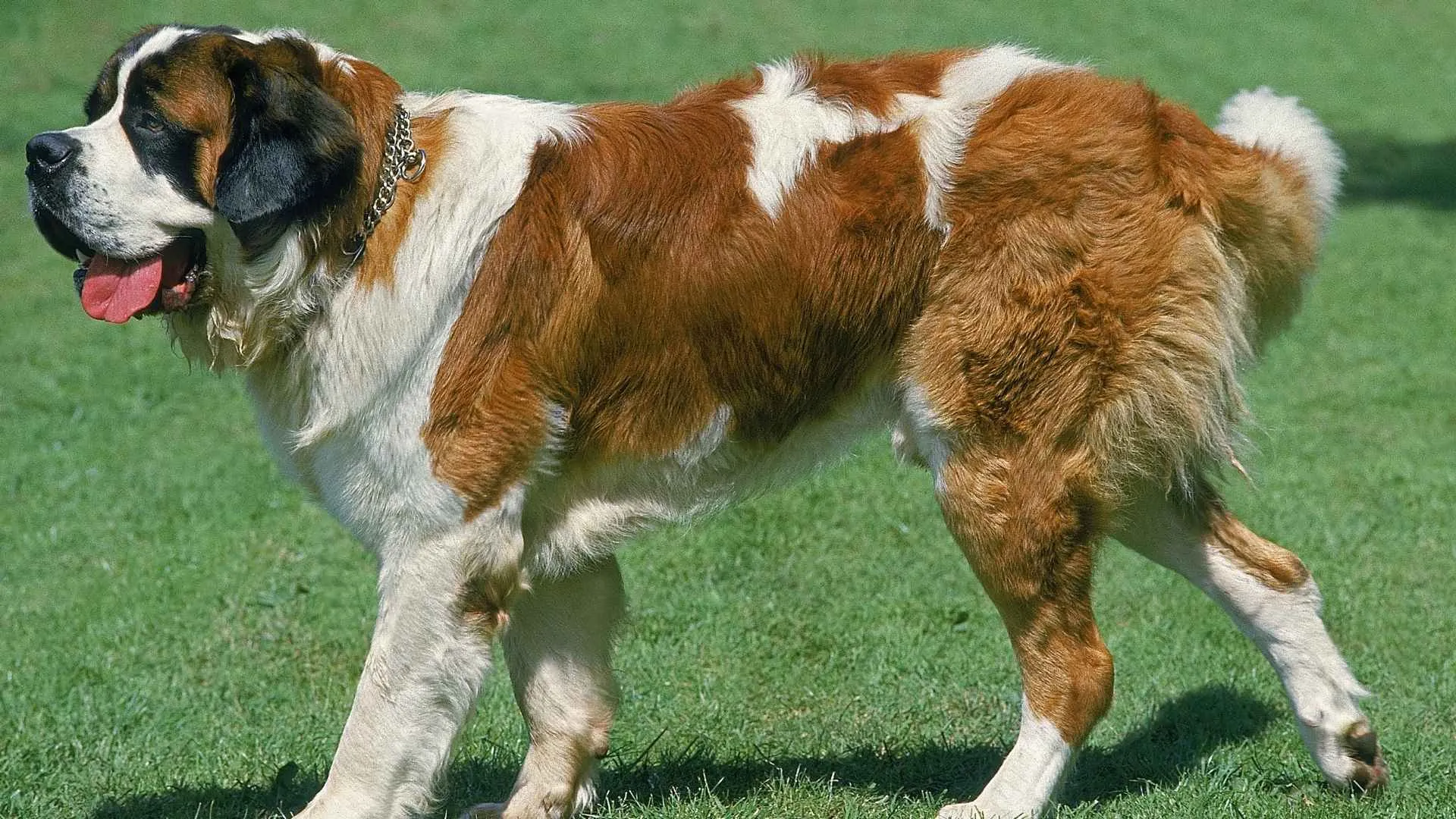
The Saint Bernard is the dog that looks like it should come with a rescue mission badge, but mostly just wants to hang out with you and keep things calm. Big, gentle, and quietly watchful, it brings comfort and protection without any chaos.
They have natural protective instincts, especially around their family, but they carry that instinct in a calm and patient way. Instead of reacting loudly, they tend to observe first and step in only when needed.
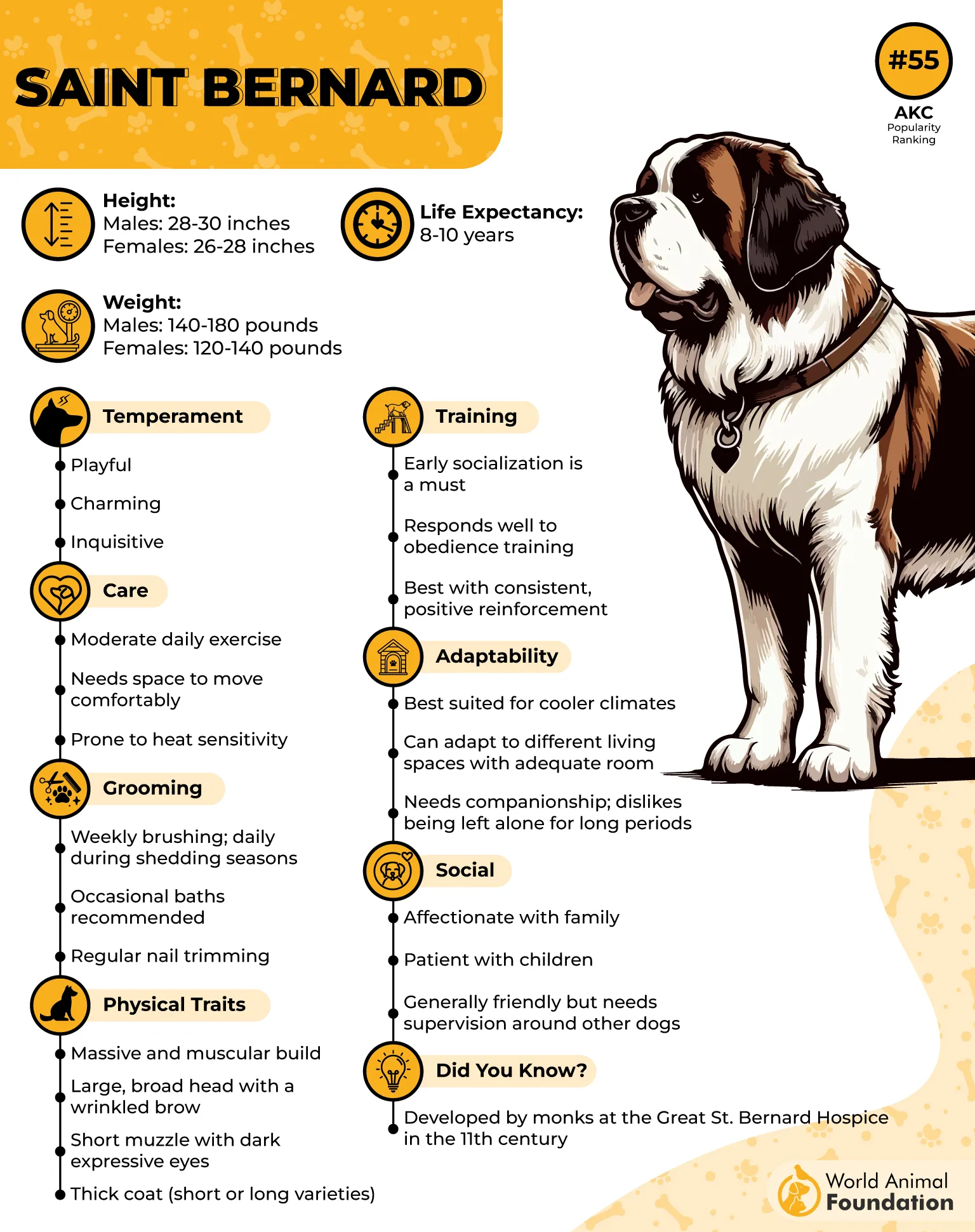
Spending too much time alone is not really their thing. They enjoy company and can become uneasy if left for long stretches, which makes them better suited to homes where someone is around more often.
Why is This a Low-Maintenance Breed
A calm temperament reduces high-energy demands
Friendly and affectionate nature makes them easy to live with daily
6. Bullmastiff
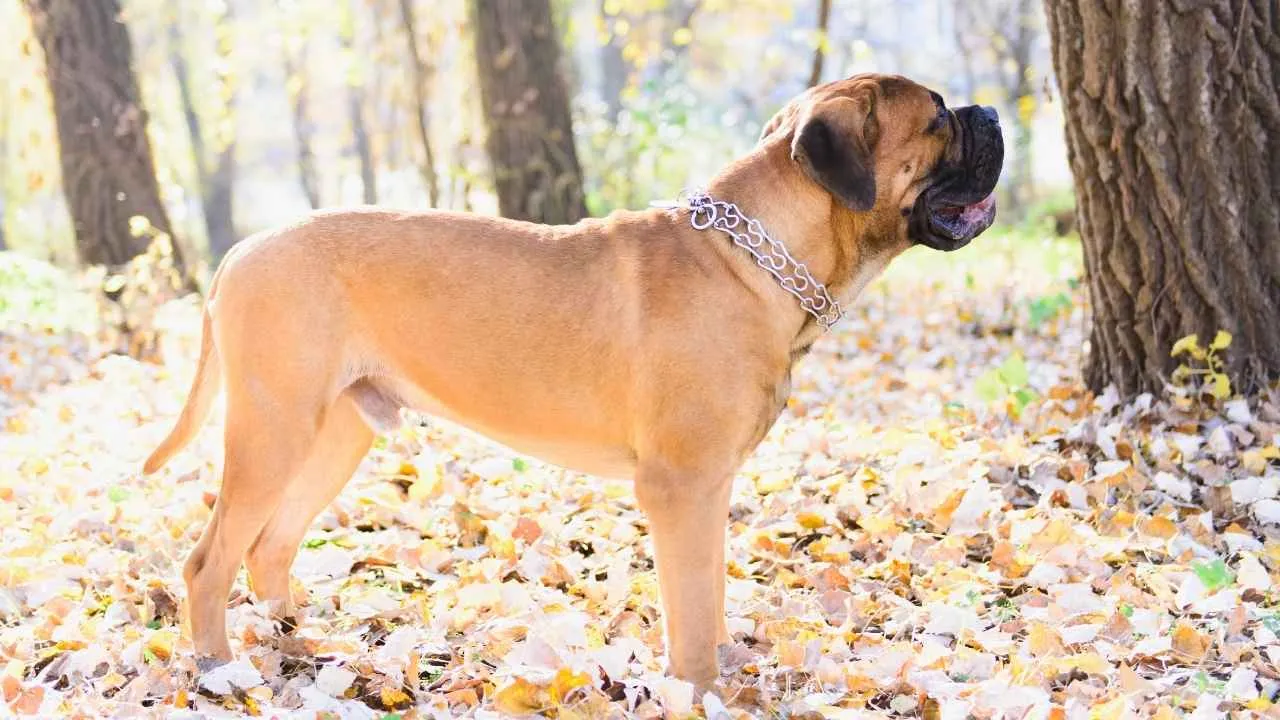
Some dogs make a scene when guarding; this one just quietly shows up and handles business. The Bullmastiff carries a confident, no-nonsense vibe, but around familiar faces, it softens into a surprisingly easygoing and fun-loving companion.
The ideal owner for this breed is someone who appreciates a loyal, alert dog that can read situations well. They do best with people who provide structure while still enjoying their playful and good-natured personality.
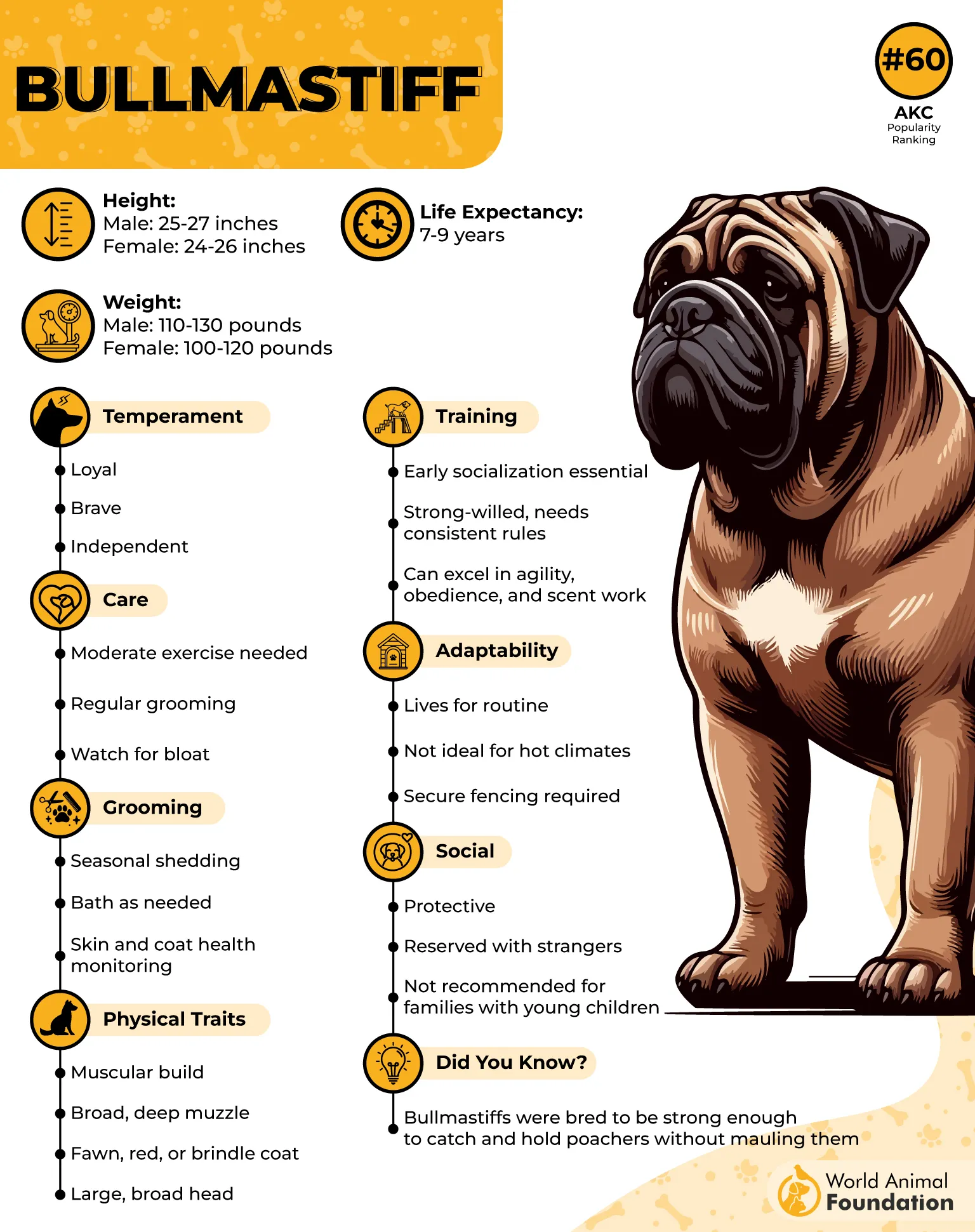
As mentioned by Purina, Bullmastiffs do better with smaller, more frequent meals rather than large portions. This helps support their digestion and may reduce the risk of stomach discomfort, making their feeding routine feel a lot more manageable.
Why is This a Low-Maintenance Breed
Short coat stays manageable with minimal seasonal upkeep
Adaptable nature allows them to settle in various home settings
7. Tibetan Mastiff
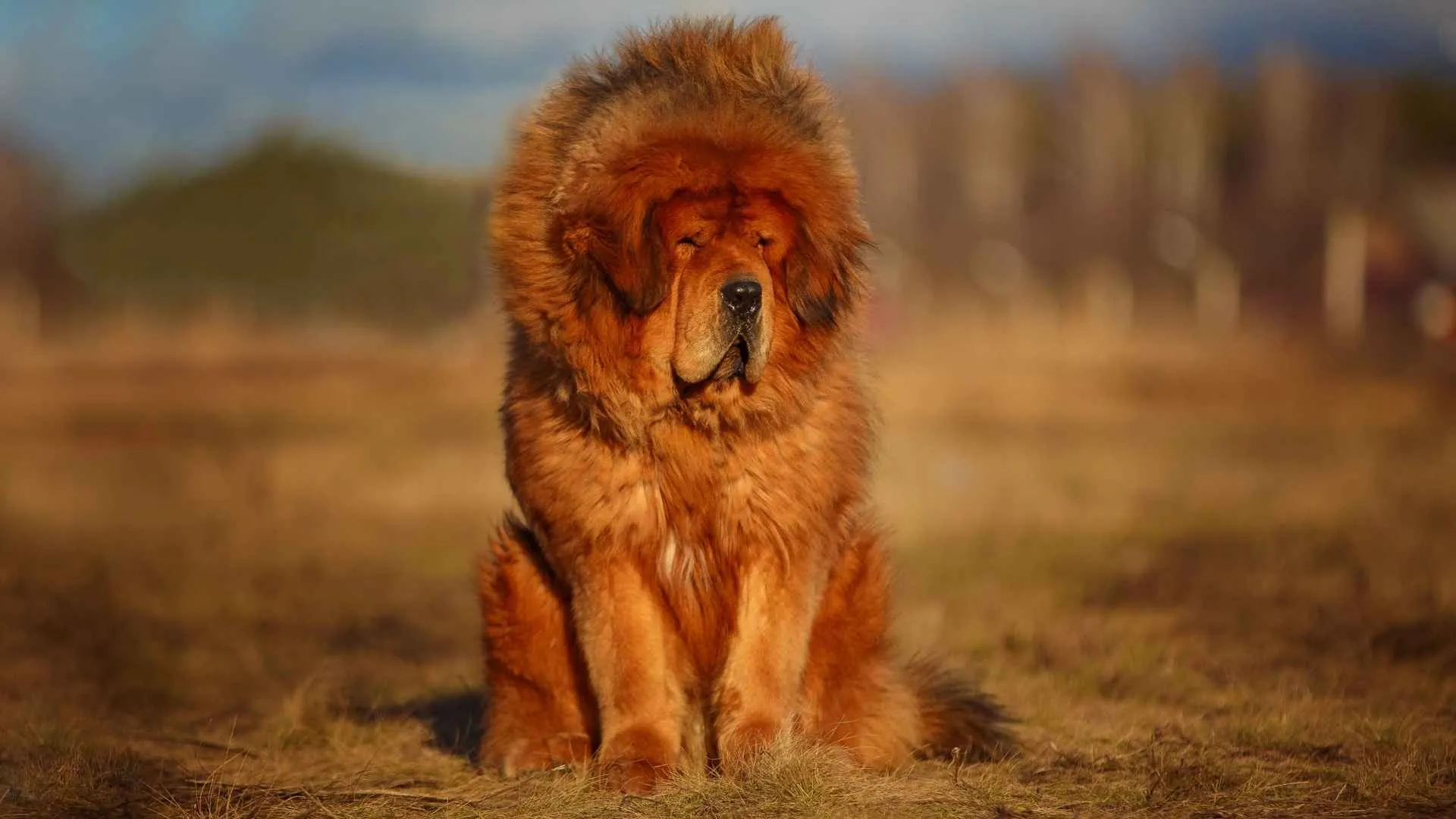
This one feels like a quiet night guard who clocks in without being asked. Calm indoors, watchful outdoors, and always tuned into its surroundings, the Tibetan Mastiff carries a strong presence without needing constant attention or fuss.
Their behavior leans toward independence, often preferring space and a defined territory to keep an eye on. A secure, roomy environment works best, giving them freedom to move while staying aware of everything happening around them.
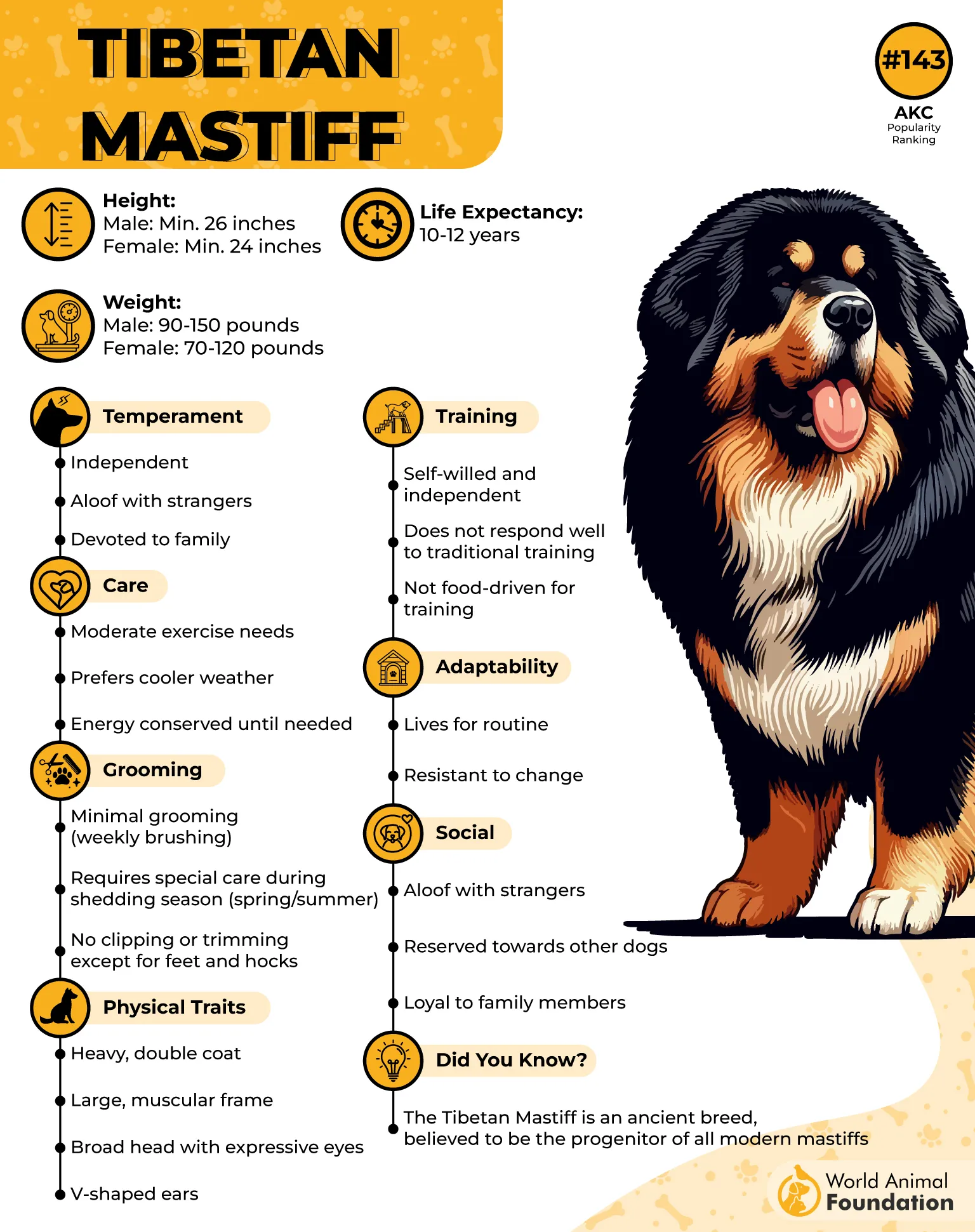
When it comes to guarding, they take the role seriously. Naturally protective and territorial, they remain devoted to their family while staying reserved around strangers, often relying on instinct to assess situations rather than reacting impulsively.
Why is This a Low-Maintenance Breed
Minimal grooming needed outside seasonal shedding periods
Prefers independent activity over constant engagement
8. Leonberger
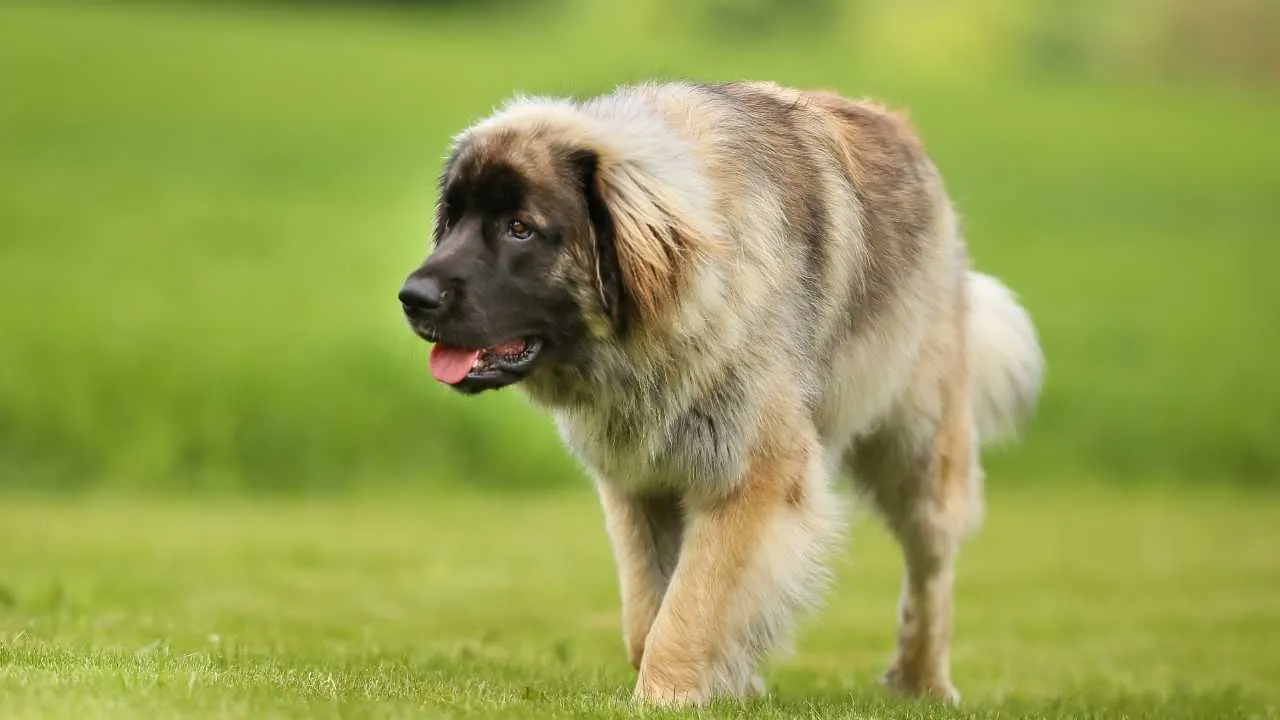
This large dog walks in like royalty but behaves like your overly affectionate best friend. Big, fluffy, and surprisingly in tune with your mood, the Leonberger brings a mix of playful charm and calm companionship that feels easy to live with.
Originally bred as a companion for European royalty, this breed was designed to be both impressive and people-focused. That background shows in how naturally they connect with humans and thrive on being part of daily life.
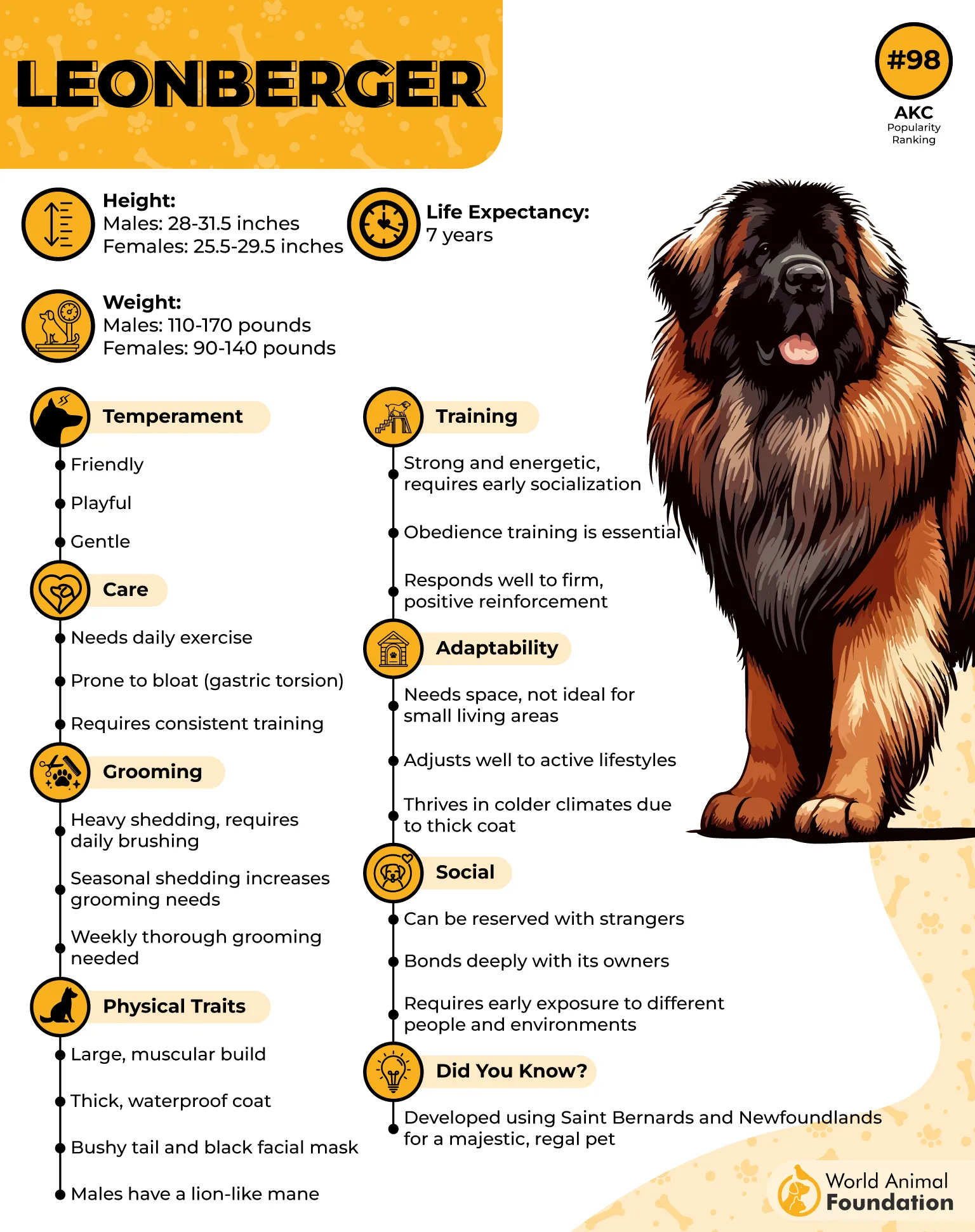
They are not fans of cramped living. A spacious home with room to move and explore keeps them comfortable, especially since they enjoy being active and involved in everything happening around them.
Why is This a Low-Maintenance Breed
Strong emotional awareness makes them easy to live with
Social nature keeps interactions smooth with family members
9. Irish Wolfhound
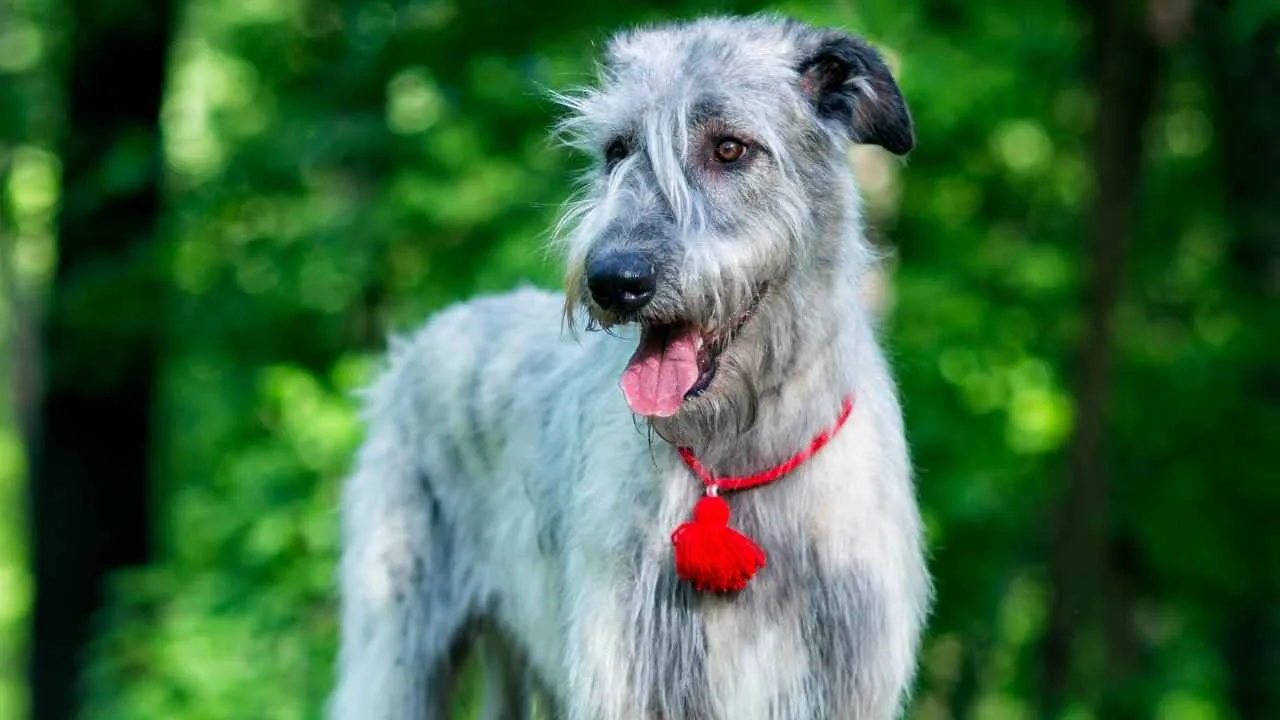
There is something almost poetic about a dog this tall moving around so gently. The Irish Wolfhound carries itself with quiet grace, giving off a calm, friendly vibe that feels more like a peaceful giant than a high-alert watchdog.
Recognized by the AKC as the tallest dog breed, their sheer height alone can make anyone pause for a second to look. That physical presence often does the job without needing loud reactions or constant guarding behavior.
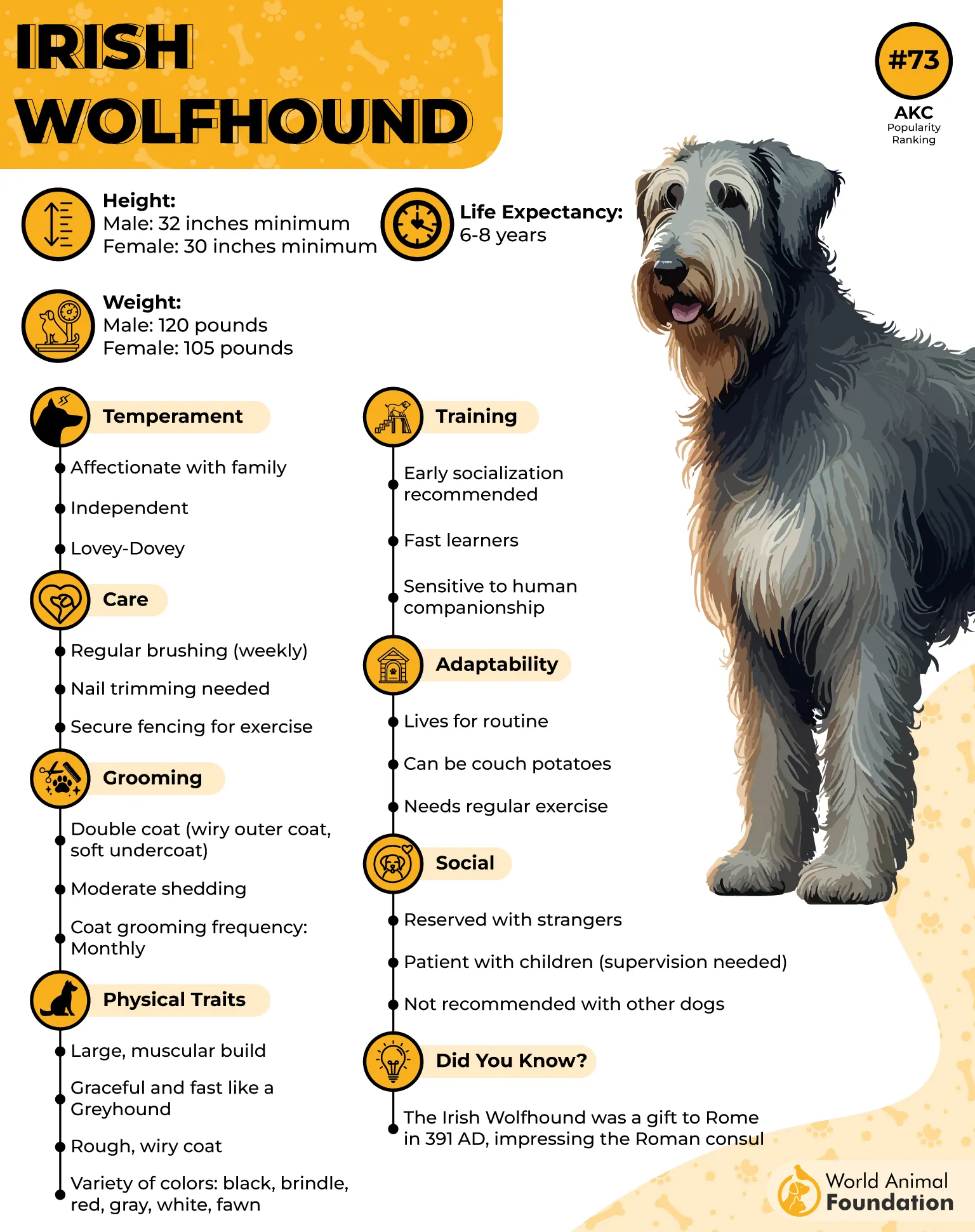
Working with them feels less like strict training and more like a slow conversation. These smart dogs are responsive but need early and consistent training. They appreciate patience and positive reinforcement, learning at their own pace while staying connected to their people.
Why is This a Low-Maintenance Breed
Moderate grooming needs stay easy to manage weekly
Gentle nature makes them easy companions in shared spaces
10. Newfoundland
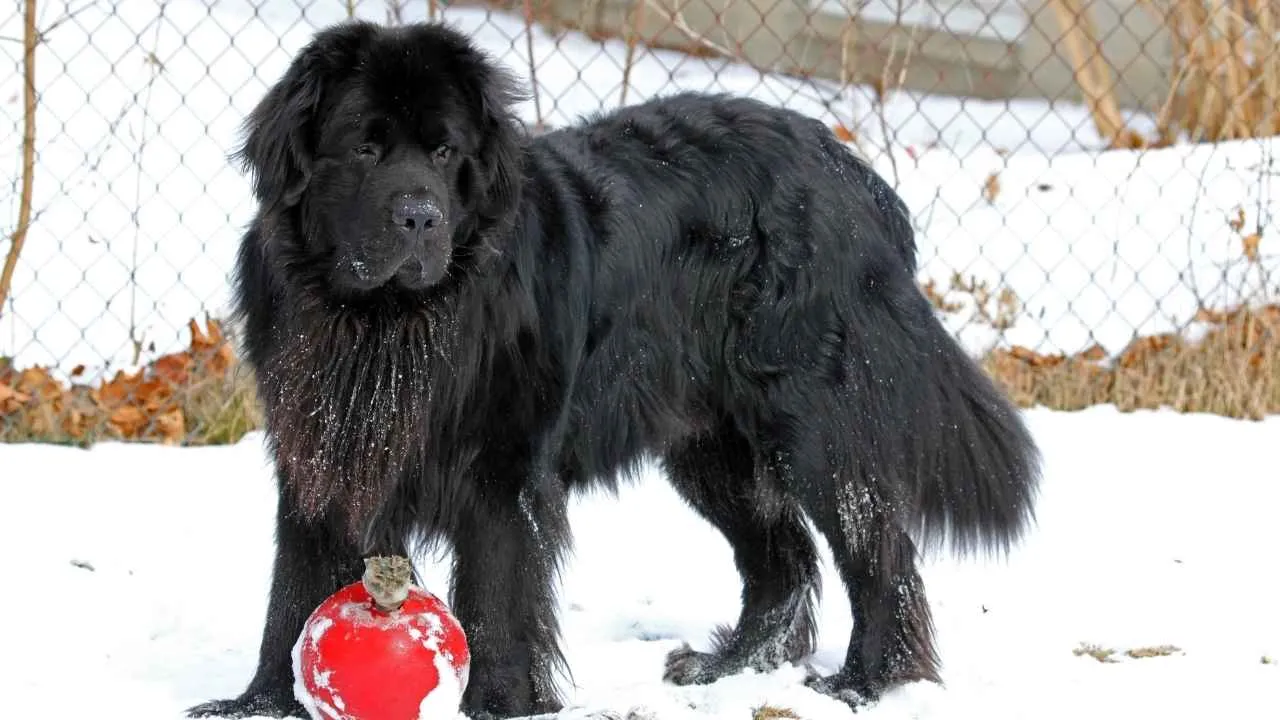
This dog gives off major “big softie” energy while still keeping a watchful eye on everything. Known for its sweet and patient personality, the Newfoundland feels more like a gentle helper than an intimidating guard.
For first-time dog owners, they are a surprisingly friendly choice. Their intelligent and eager-to-please nature makes training easier, especially when started early, helping new pet parents feel more confident handling such a large companion.
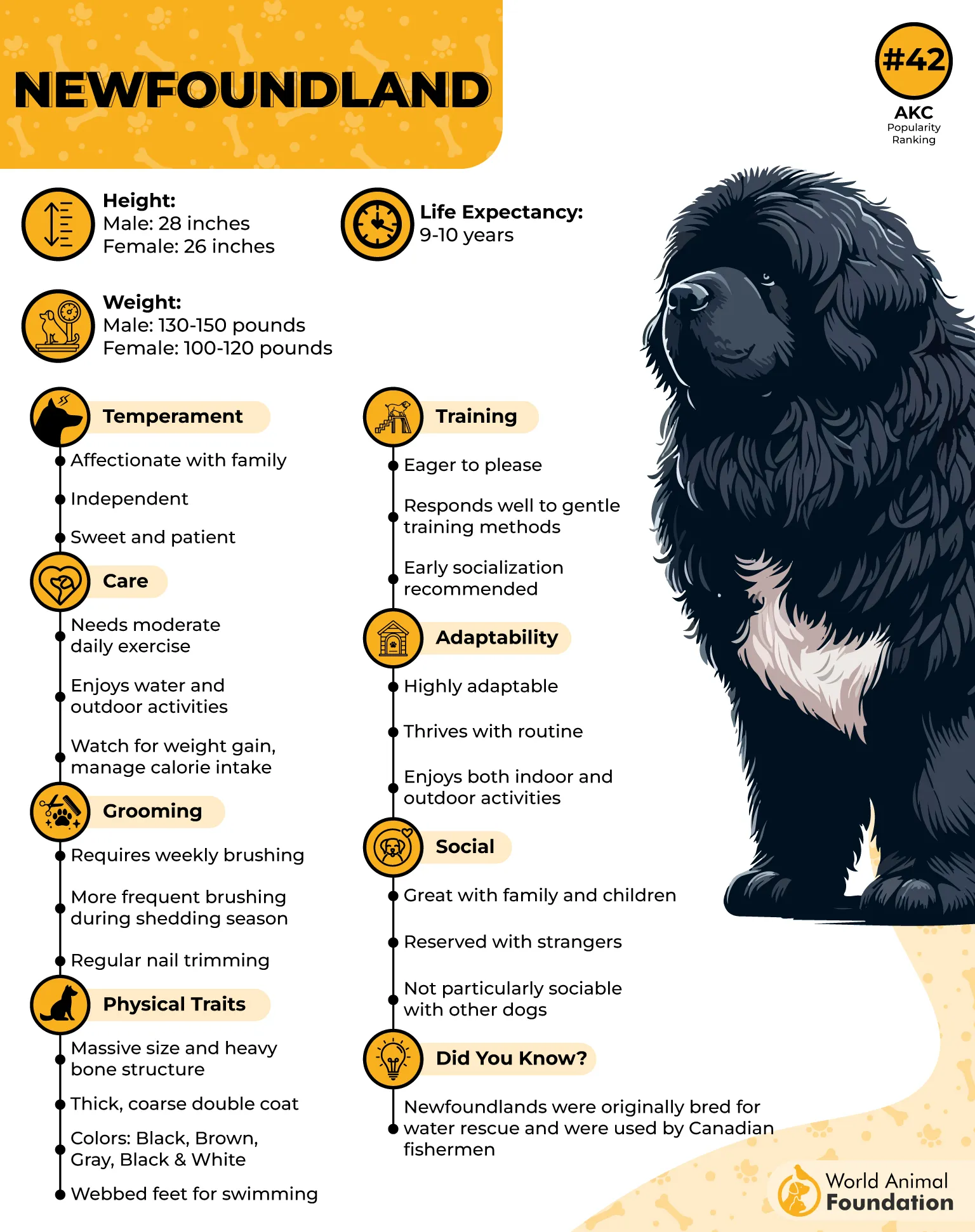
They manage to balance size with a calm, low-key lifestyle. With moderate daily activity and a naturally gentle temperament, they fit into routines without demanding constant action, all while staying quietly attentive to their surroundings.
Why is This a Low-Maintenance Breed
Even temperament keeps daily life predictable and calm
They need about an hour of exercise daily, which fits easily into regular schedules
Conclusion
So here is the real takeaway. You do not have to choose between peace of mind and an easy routine. Some of the best guard dogs covered above naturally balance both, offering quiet protection while fitting into everyday life without turning it into a full-time commitment.
The right dog will feel less like a responsibility and more like a perfect match for your rhythm. Trust your lifestyle, trust your instincts, and when it clicks, you will know. That connection is what truly makes it worth it.
If you are further interested in such wonderful breeds, some other dogs you can look up include the Cavalier King Charles Spaniel, Basset Hound, German Shepherd, Shih Tzu, and French Bulldog.
