




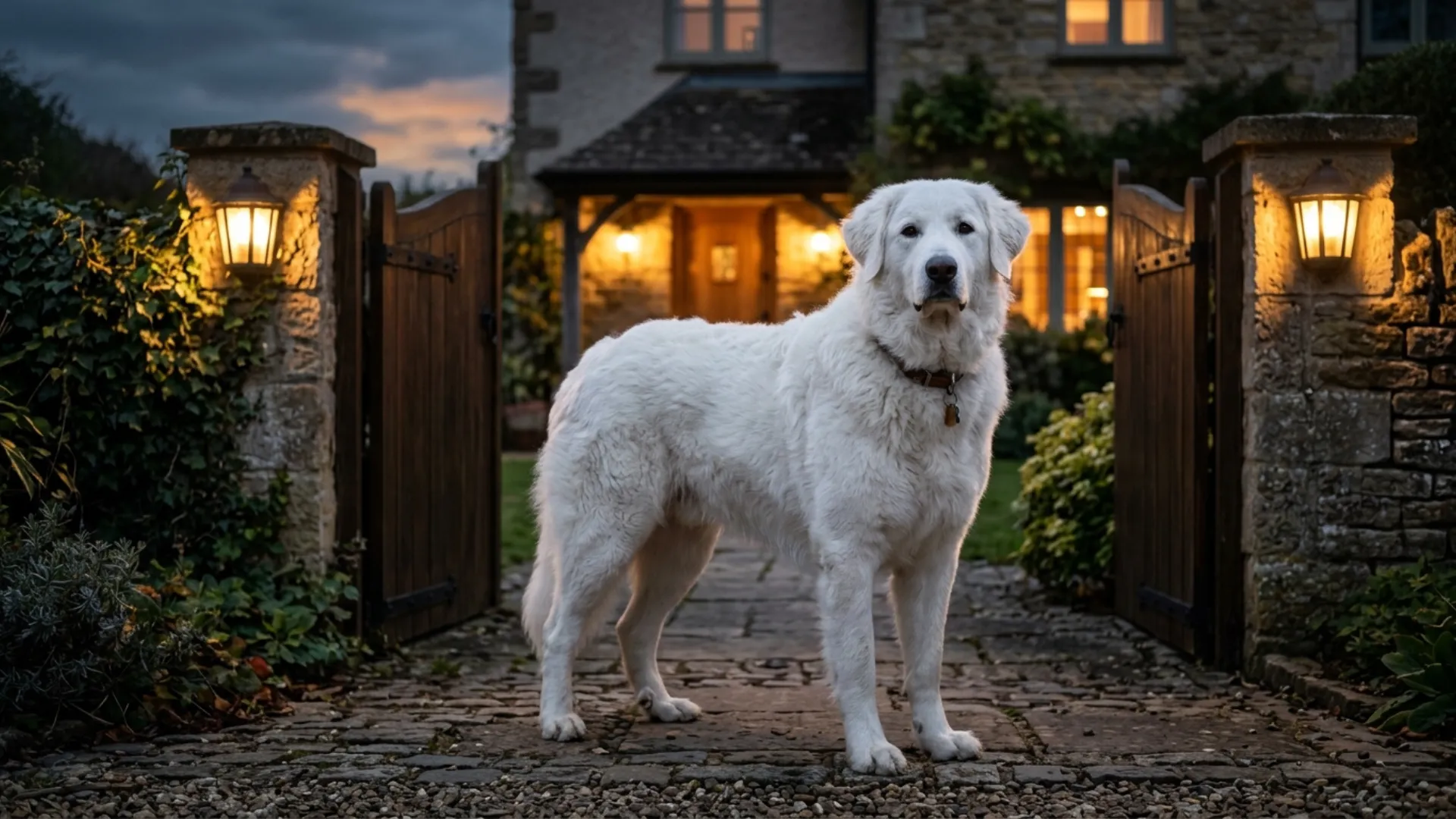
When people hear “family protection dog,” they often imagine a super intense, high-energy guard dog that needs military-level training and endless attention. But here’s the twist — some of the best protective dogs are actually calm, low-maintenance, and surprisingly chill at home.
These dogs are like the “silent security system” of the pet world. They’re not constantly aggressive or chaotic. Instead, they’re confident, loyal, and naturally protective when it actually matters. Think of them as that one calm friend who doesn’t talk much… but you definitely want them around if things go wrong.
In this guide, we’ll break down nine low-maintenance dog breeds that are known for their protective instincts and family loyalty. You’ll learn how they behave at home, how they interact with kids, what kind of care they need, and what real-life ownership actually feels like.
Low-Maintenance Dog Breeds Perfect for Family Protection
1. Great Dane
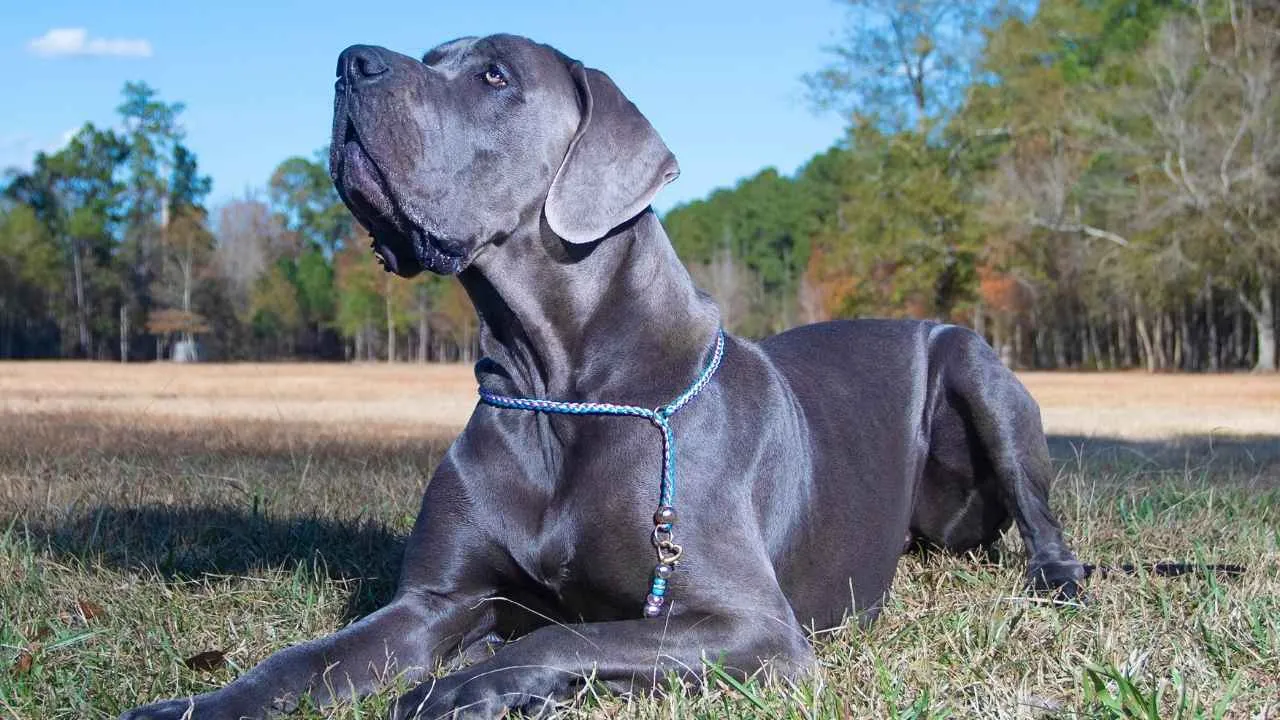
Great Danes are often called gentle giants, and honestly, that nickname fits perfectly. Despite their massive size, they are calm, affectionate, and extremely loyal to their families.
They don’t act aggressively without reason, but their sheer presence alone is enough to make most strangers think twice.
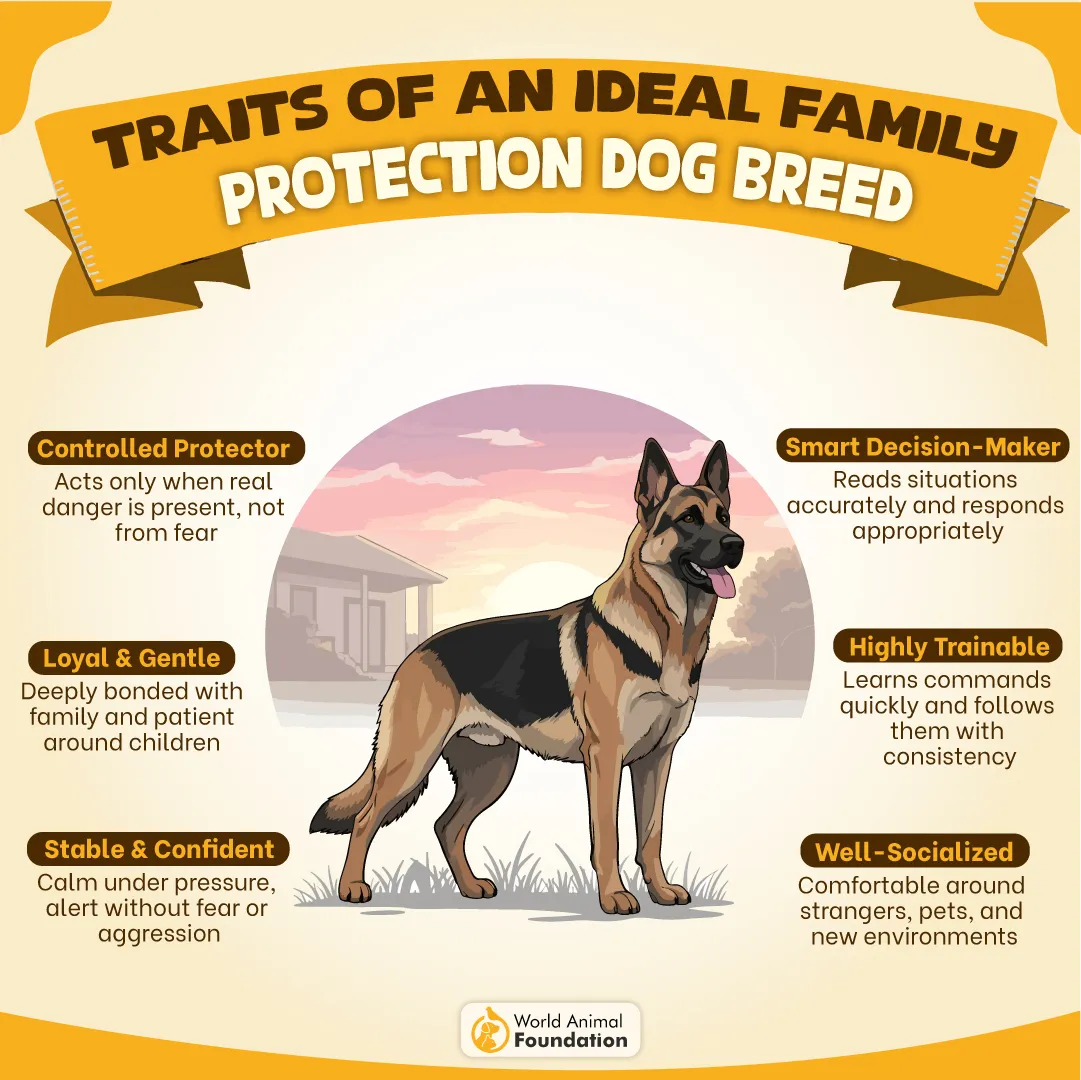
At home, Great Danes behave more like oversized lap dogs than guard dogs. They love being close to their humans, often leaning on them or trying to sit in places that are clearly too small for their body size. Their protective instinct stems from awareness rather than aggression, making them excellent family companions.
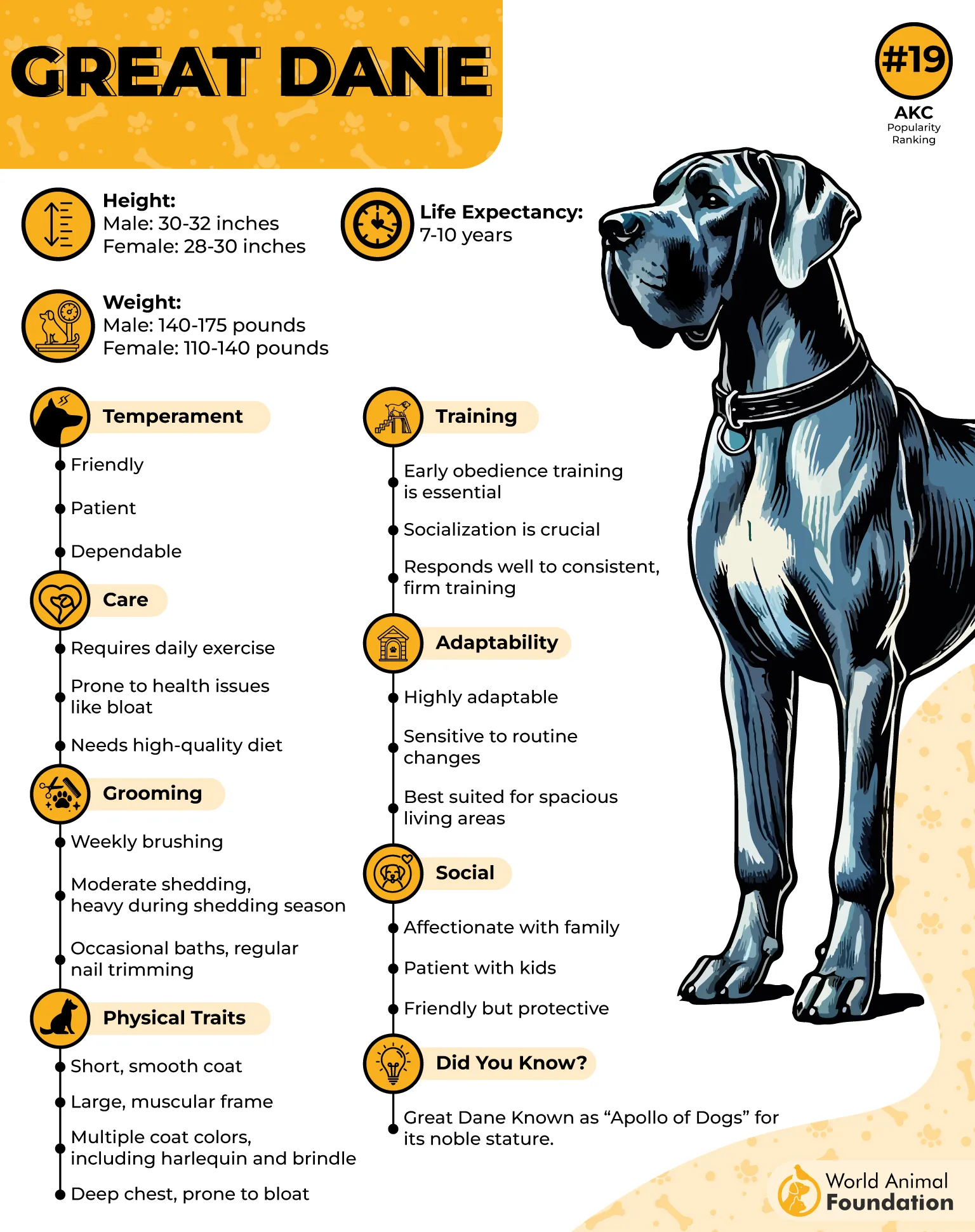
They are surprisingly low-maintenance for busy owners. They don’t require intense exercise, just moderate daily walks to stay healthy. Indoors, they are usually calm and prefer lounging over running around. Their energy is more “slow WiFi movie night” than “gaming marathon chaos.”
With children, Great Danes are gentle and patient. However, because of their size, supervision is important to avoid accidental bumps or knocks during play. Most owners describe them as “living furniture with a heart,” always present, always calm, and always aware of their surroundings.
2. Newfoundland
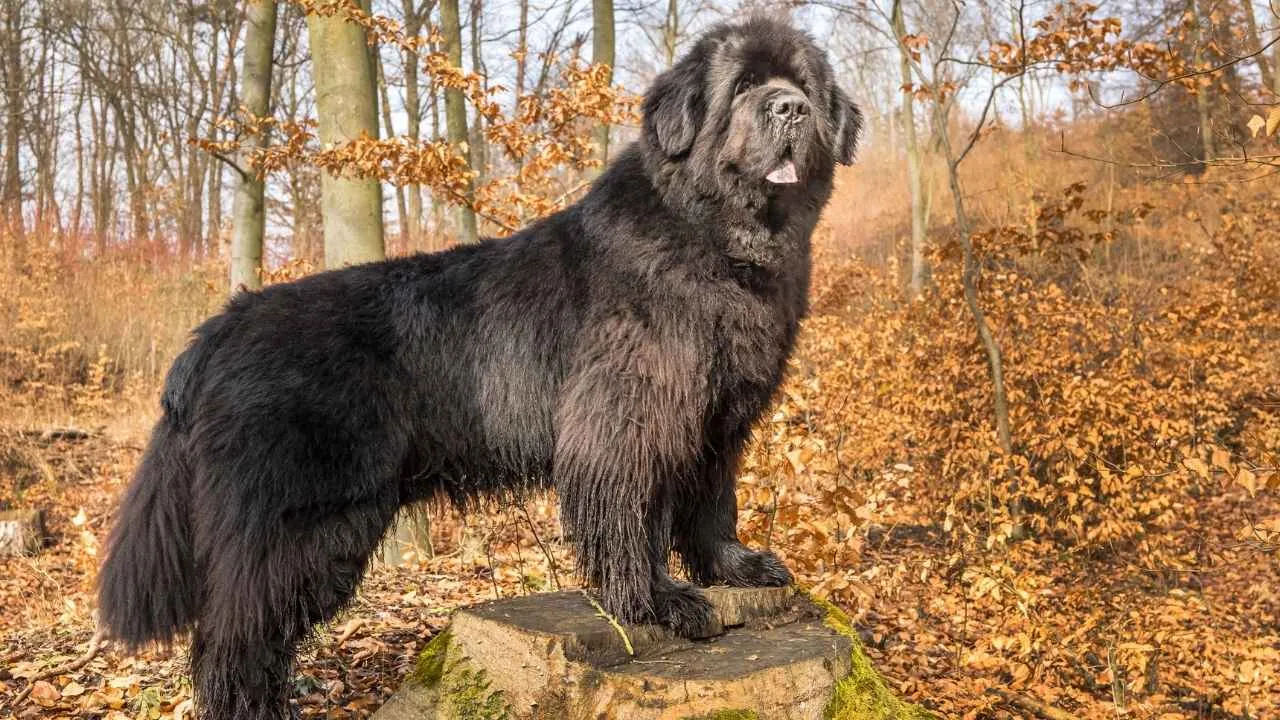
Newfoundlands are the definition of soft-hearted protectors. They are large, powerful dogs, but their temperament is incredibly gentle and nurturing. Historically used as water rescue dogs, they naturally step into protective roles without being aggressive.
At home, Newfoundlands are calm, affectionate, and deeply attached to their families. They often act as emotional anchors in the household, staying close and quietly observing everything. Their protective instincts are subtle but strong, especially around children.
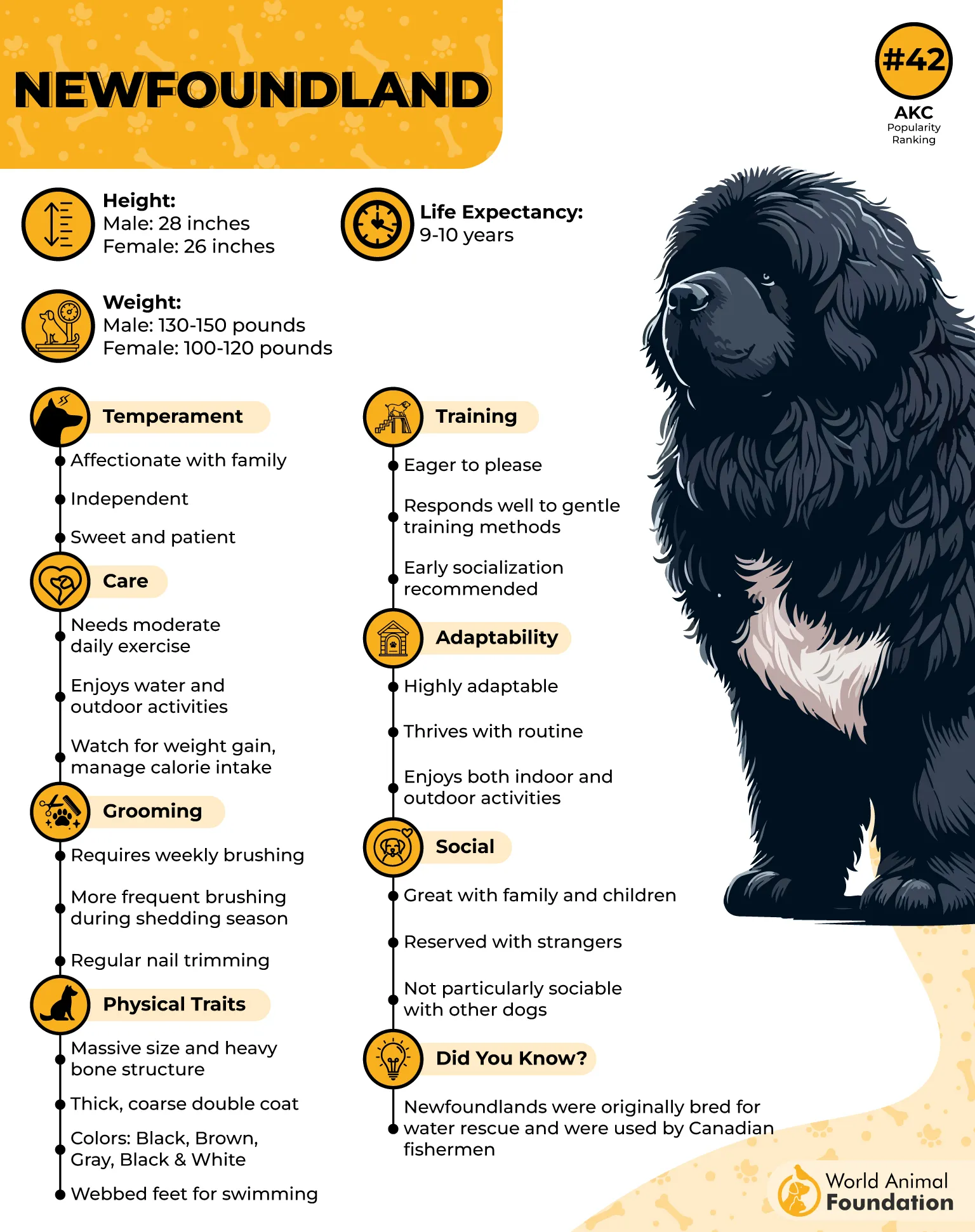
They do not require intense exercise. Moderate daily walks and occasional outdoor activity are enough to keep them balanced. Indoors, they are extremely relaxed and often prefer to rest near family members rather than move around excessively.
With kids, Newfoundlands are famously gentle. They are often called “nanny dogs” because of their patience and instinct to watch over younger family members. Owners often say it feels like having a living teddy bear that also doubles as a security presence.
3. Saint Bernard
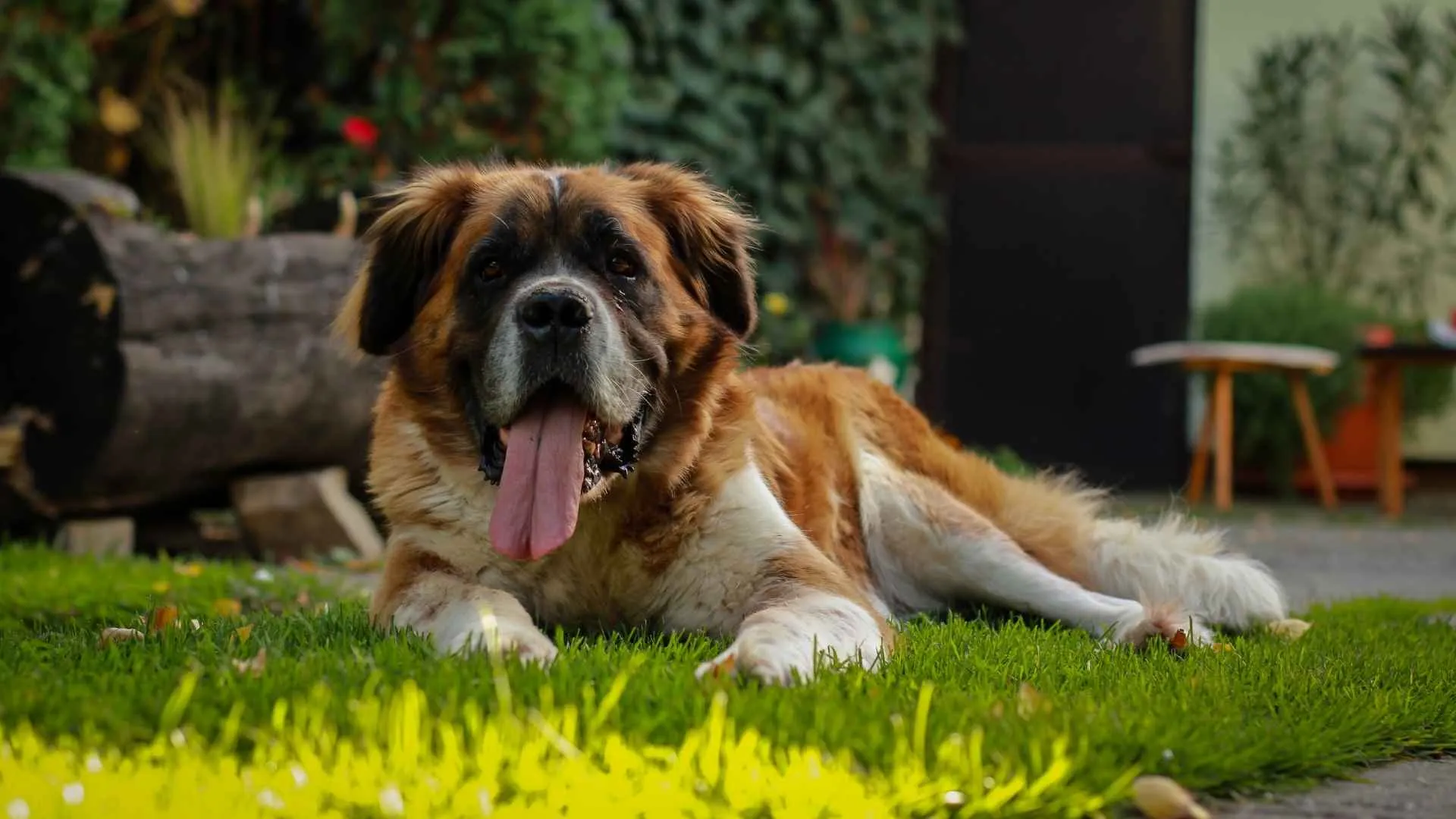
Saint Bernards are calm giants with a naturally protective and nurturing personality. Despite their intimidating size, they are incredibly sweet, patient, and emotionally stable dogs that bond deeply with their families.
At home, this guard dog breed is not overly active or chaotic. It prefers slow movement, long naps, and quiet companionship. Its protective nature is not aggressive but more watchful and steady, like a calm guardian always present in the background.
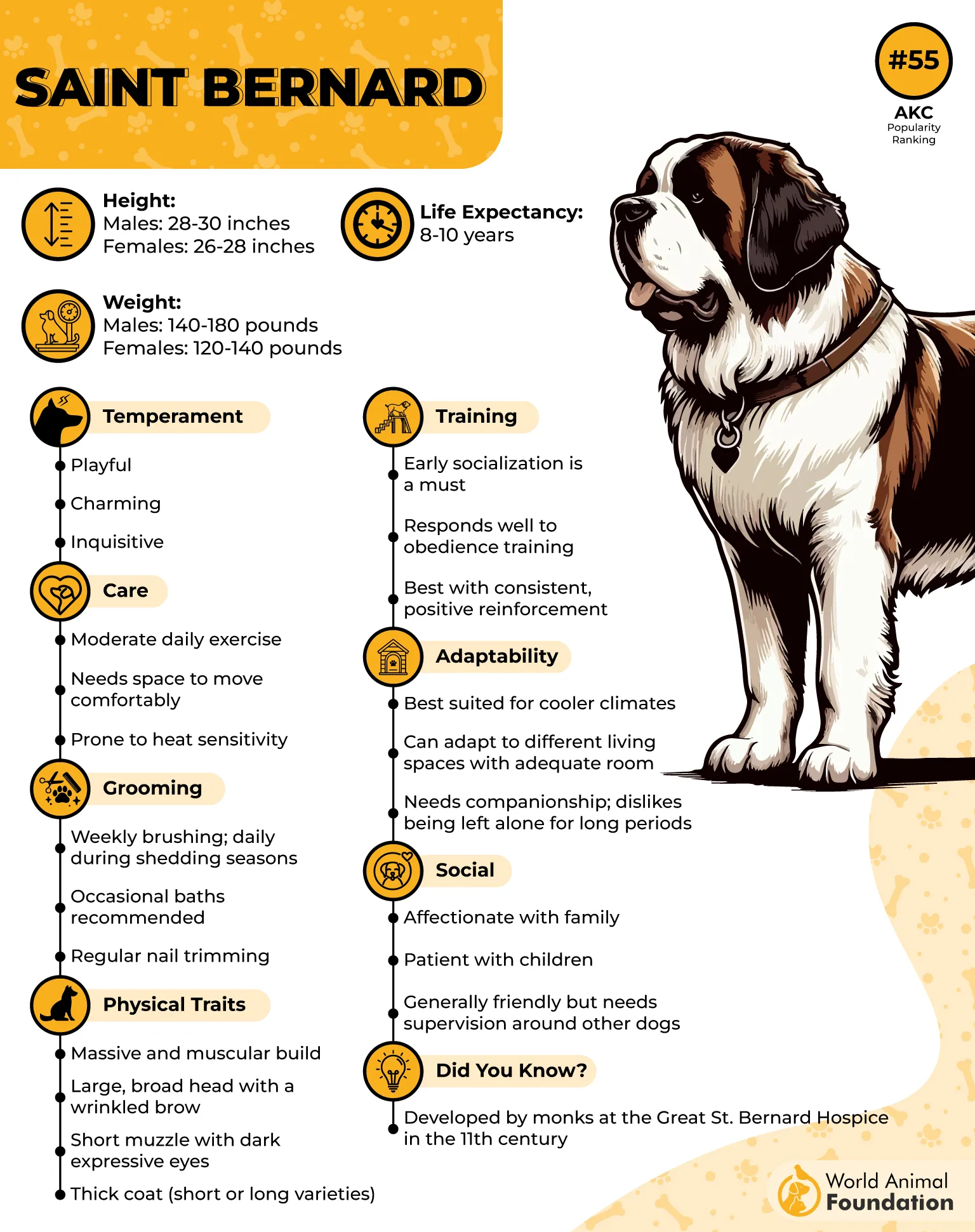
Because they were historically used as rescue dogs, they are known for being brave, dependable, and people-focused. They may not have the sharp guarding drive of breeds like Boerboels or Mastiffs, but they can still act protective when their family feels threatened.
Their exercise needs are moderate, usually satisfied with slow walks rather than intense activity. They are not built for fast-paced lifestyles but thrive in calm, structured environments.
With children, Saint Bernards are extremely tolerant and gentle. They are known for their patience and soft behavior, even in busy households. Owners often describe them as “gentle giants who think they’re lap dogs,” despite weighing more than most humans expect.
4. Mastiff
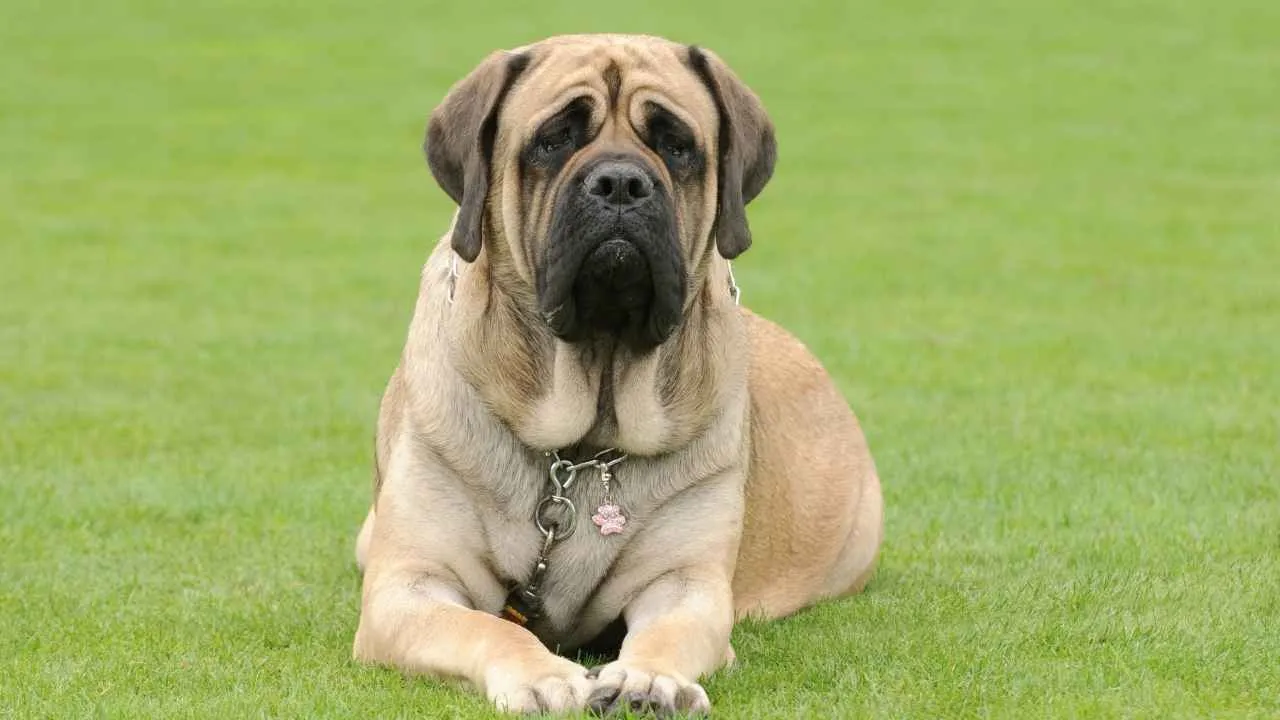
Mastiffs are powerful, ancient guardian dogs with a calm and steady personality. They are naturally protective without being reactive, which makes them excellent family security companions.
At home, Mastiffs are relaxed and low-energy. They enjoy lounging around and observing their environment more than engaging in constant activity. Their presence alone is often enough to deter strangers without them needing to act aggressively.
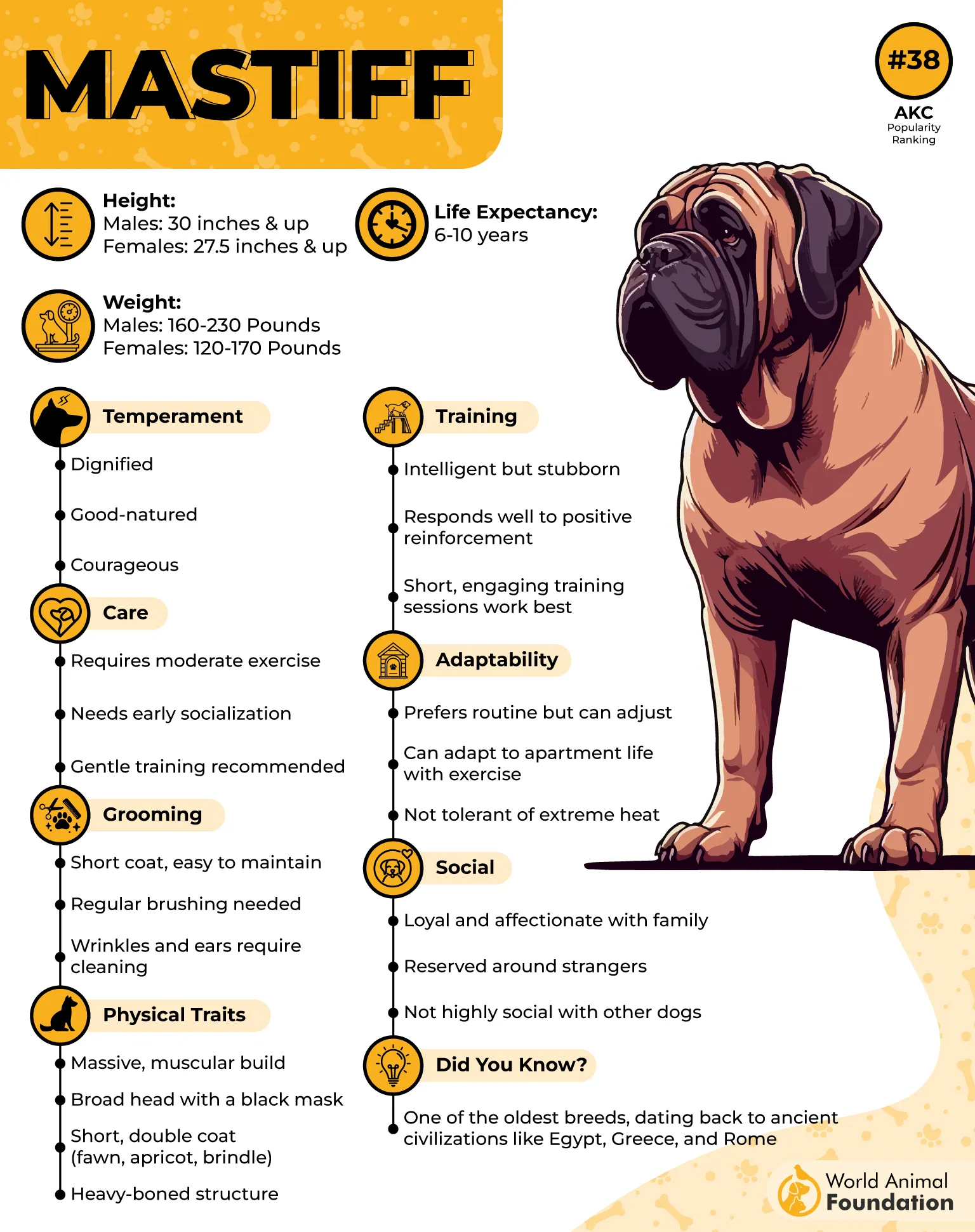
They require minimal exercise compared to their size. Short daily walks are enough, as they are not high-energy dogs. Indoors, they are calm, predictable, and deeply loyal to their family members.
Their protection style is usually calm but firm. It may not react quickly to every small noise, but if it senses real danger, it can become very brave and determined. This steady nature makes it a dependable family guardian.
With children, these Mastiffs are patient and surprisingly gentle. However, their massive size requires supervision during playtime. Owners often describe these excellent guard dogs as “calm bodyguards who think they are oversized pillows.”
5. Kuvasz
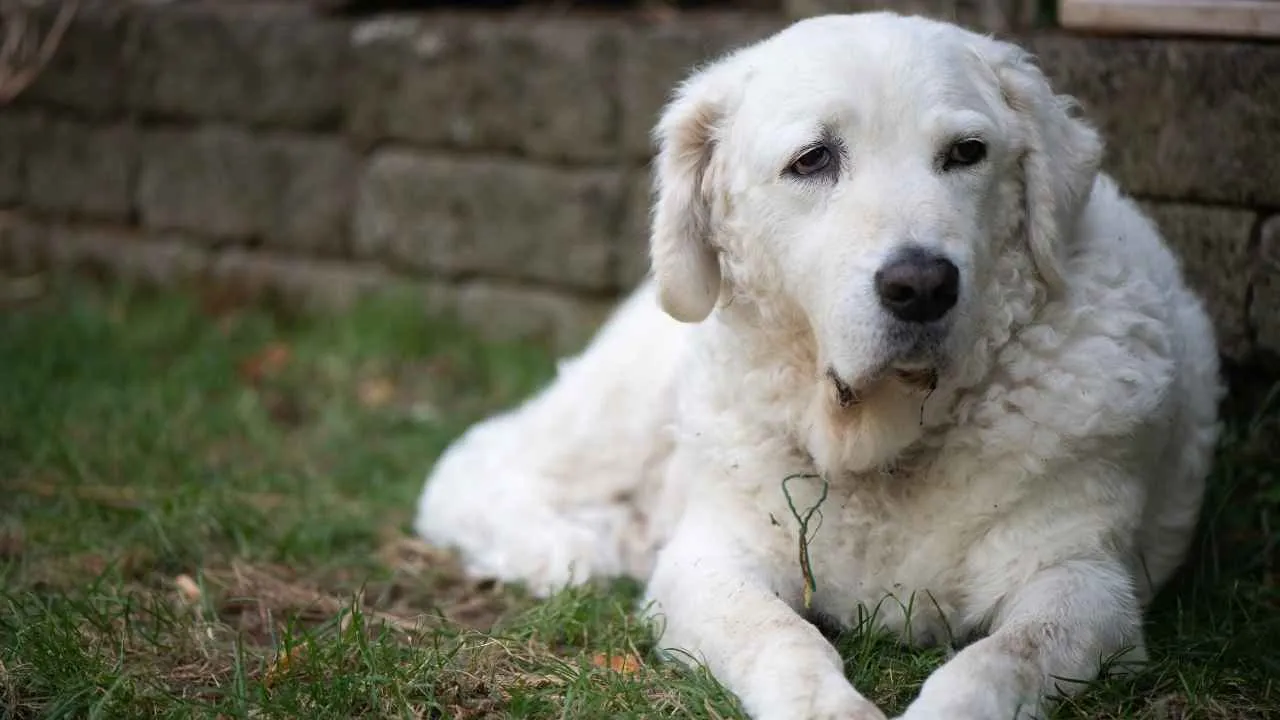
Kuvasz dogs are intelligent, independent guardian dogs originally bred to protect livestock. They are highly alert and naturally protective, often forming strong bonds with their family while remaining cautious around strangers.
At home, Kuvasz dogs are calm but observant. They are not overly clingy, but they stay aware of everything happening around them. Their protective instincts are strong, and they tend to take their role as guardians seriously.
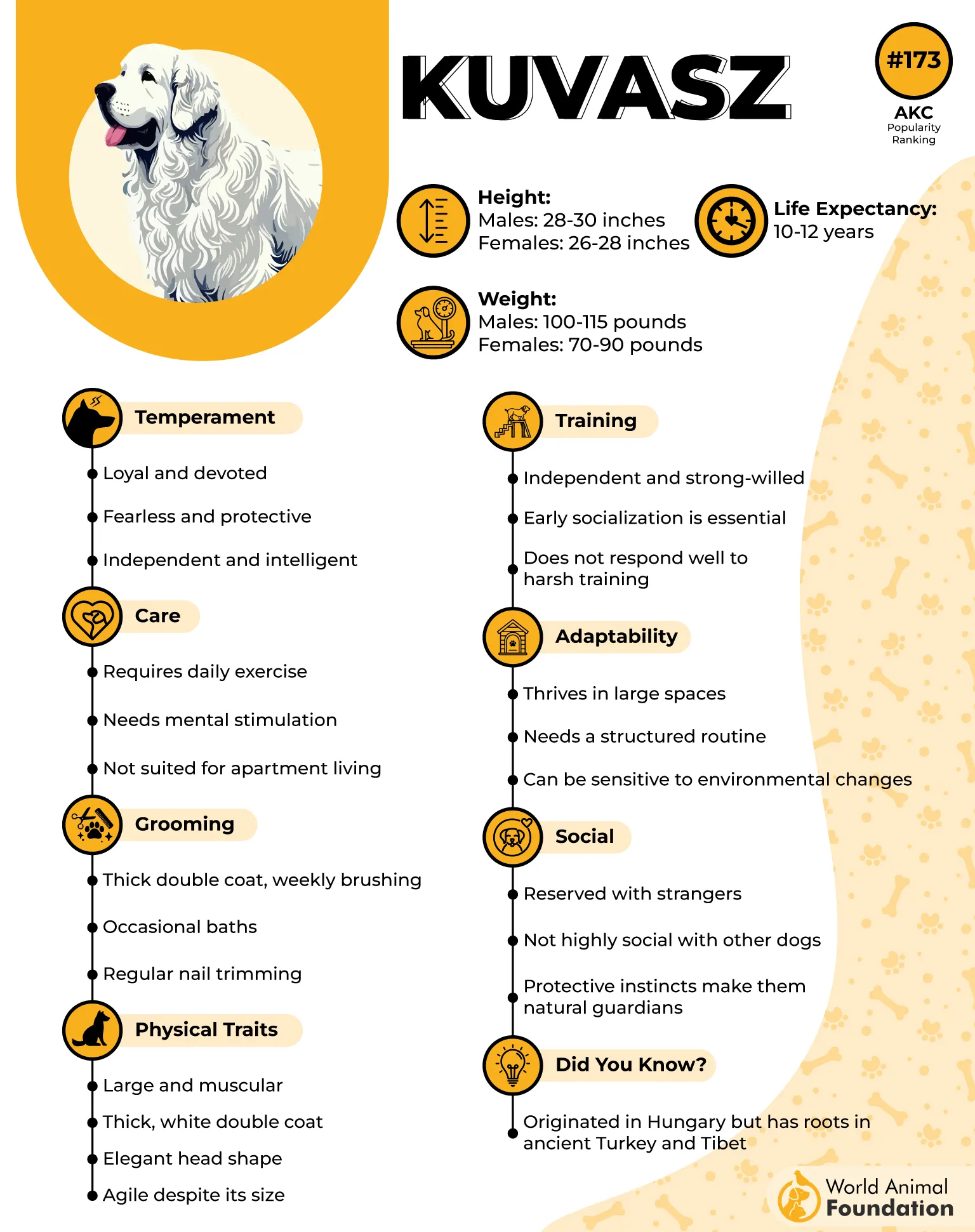
Some of the best guard dogs need moderate exercise and mental stimulation. They are not hyperactive but require structured activity to stay balanced. Without proper engagement, they may become bored or overly territorial.
With families, they are loyal and protective, but early socialization is essential. They are best suited for owners who understand confident, independent breeds. Many owners describe them as “silent protectors who always seem one step ahead of everything.”
6. Great Pyrenees
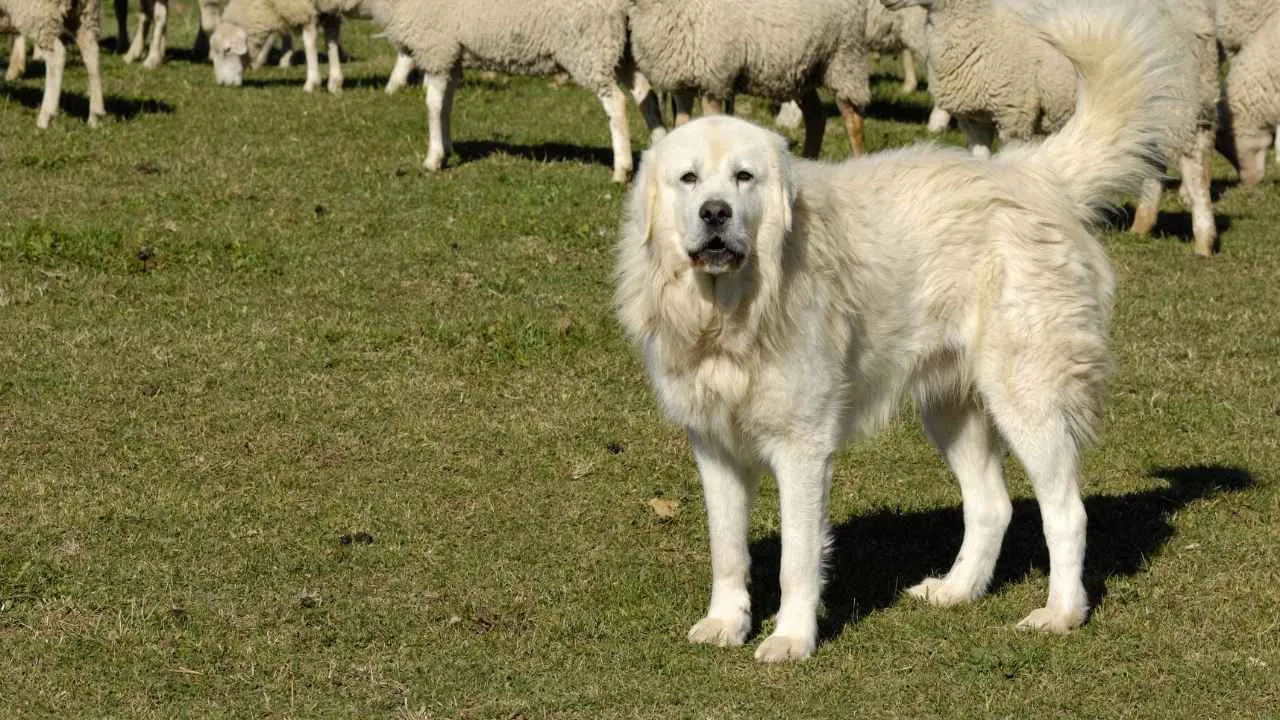
Great Pyrenees dogs are calm, majestic guardians with an instinct to protect. They were originally bred to guard livestock in the mountains, which explains their alert but peaceful nature.
At home, these protective dog breeds are incredibly calm and relaxed. They often spend long hours resting but remain alert to any unusual activity. They are not aggressive by default but will step up when they sense a real threat.
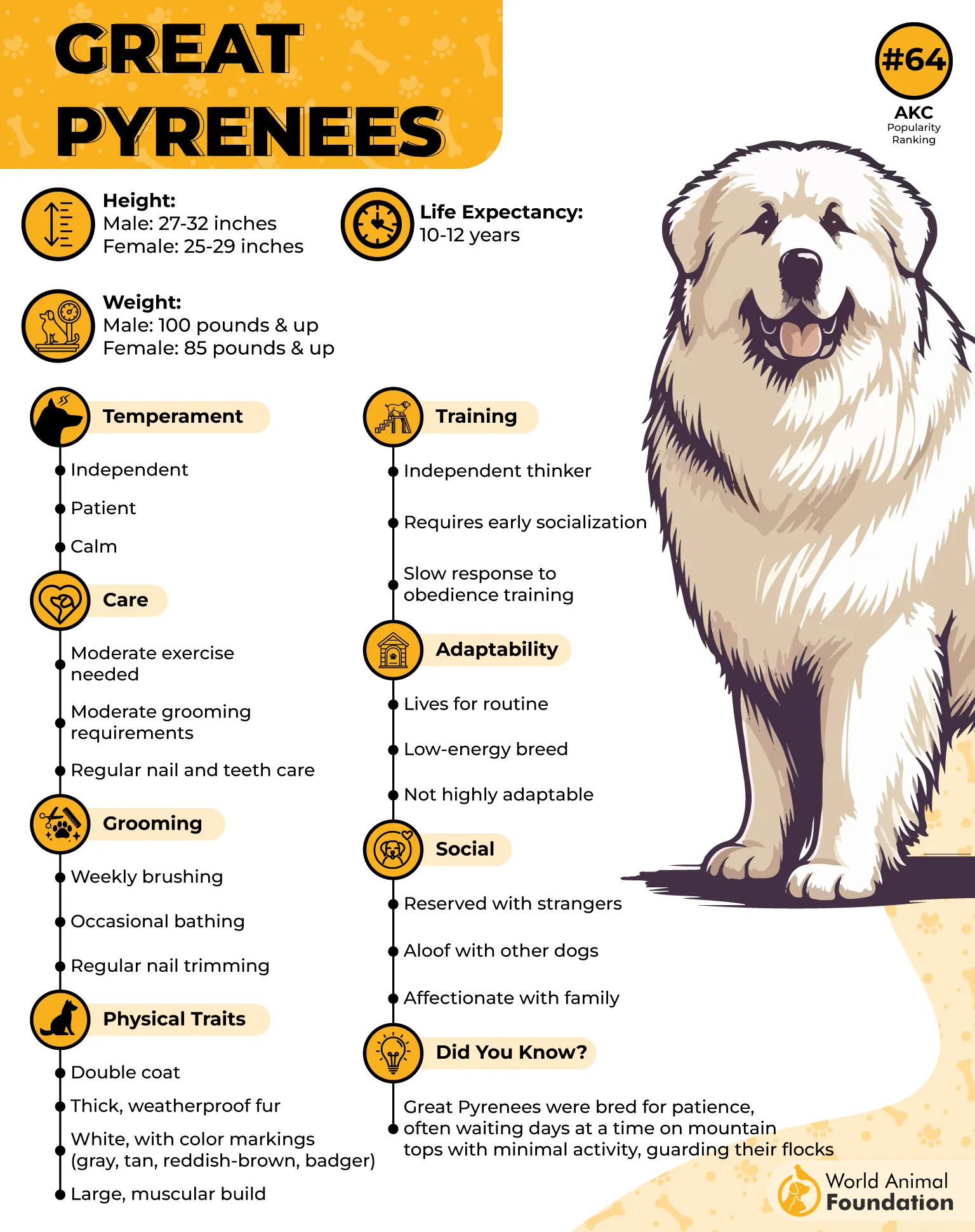
Their exercise needs are moderate, and they prefer slow-paced outdoor time over intense activity. Indoors, they are quiet and easygoing, making them suitable for families who prefer a calm household environment.
With children, these great family guard dogs are gentle and protective. Purina claims that they often act like quiet guardians, watching over kids without interfering too much. Owners often say they feel like having a “living security system that also gives hugs.”
7. Bullmastiff
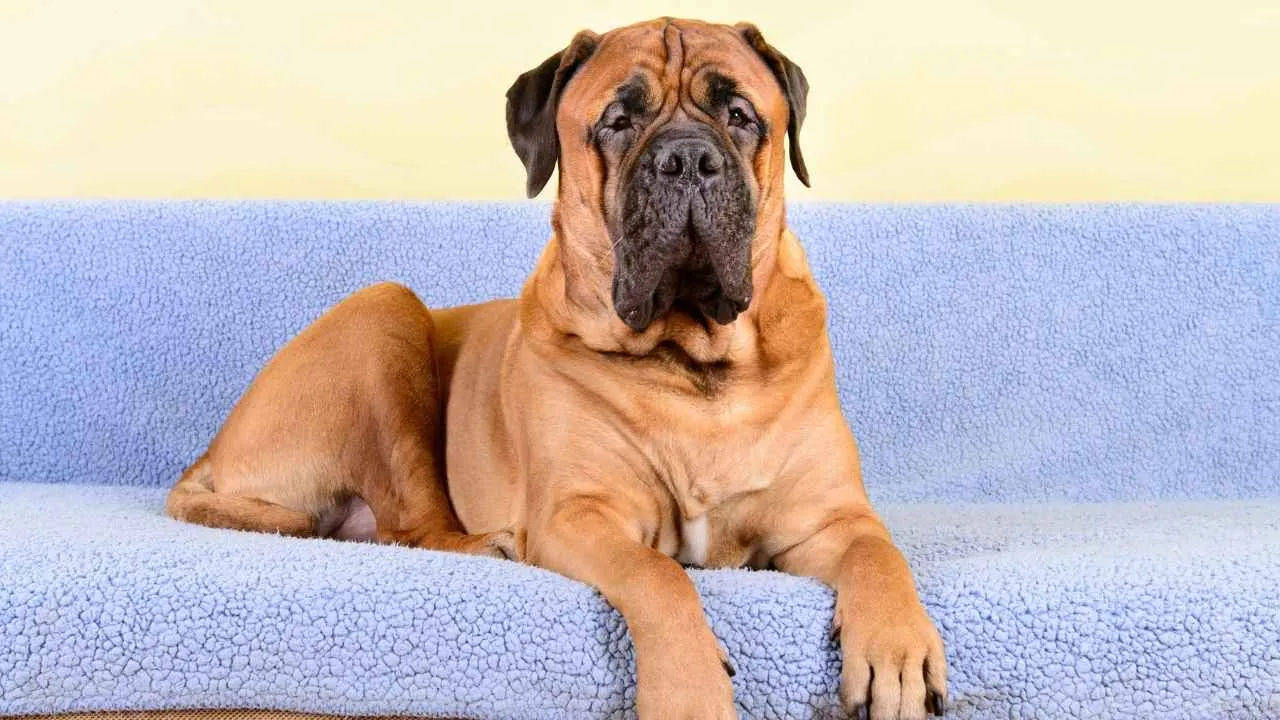
Bullmastiffs are powerful yet surprisingly low-energy dogs that excel in protection roles. They were originally bred to guard estates, which gives them an instinct to detect and deter intruders.
At home, Bullmastiffs are calm and affectionate. They are not hyperactive or demanding, preferring to stay close to their family and quietly observe their surroundings. Their protective instincts are controlled and thoughtful rather than reactive.
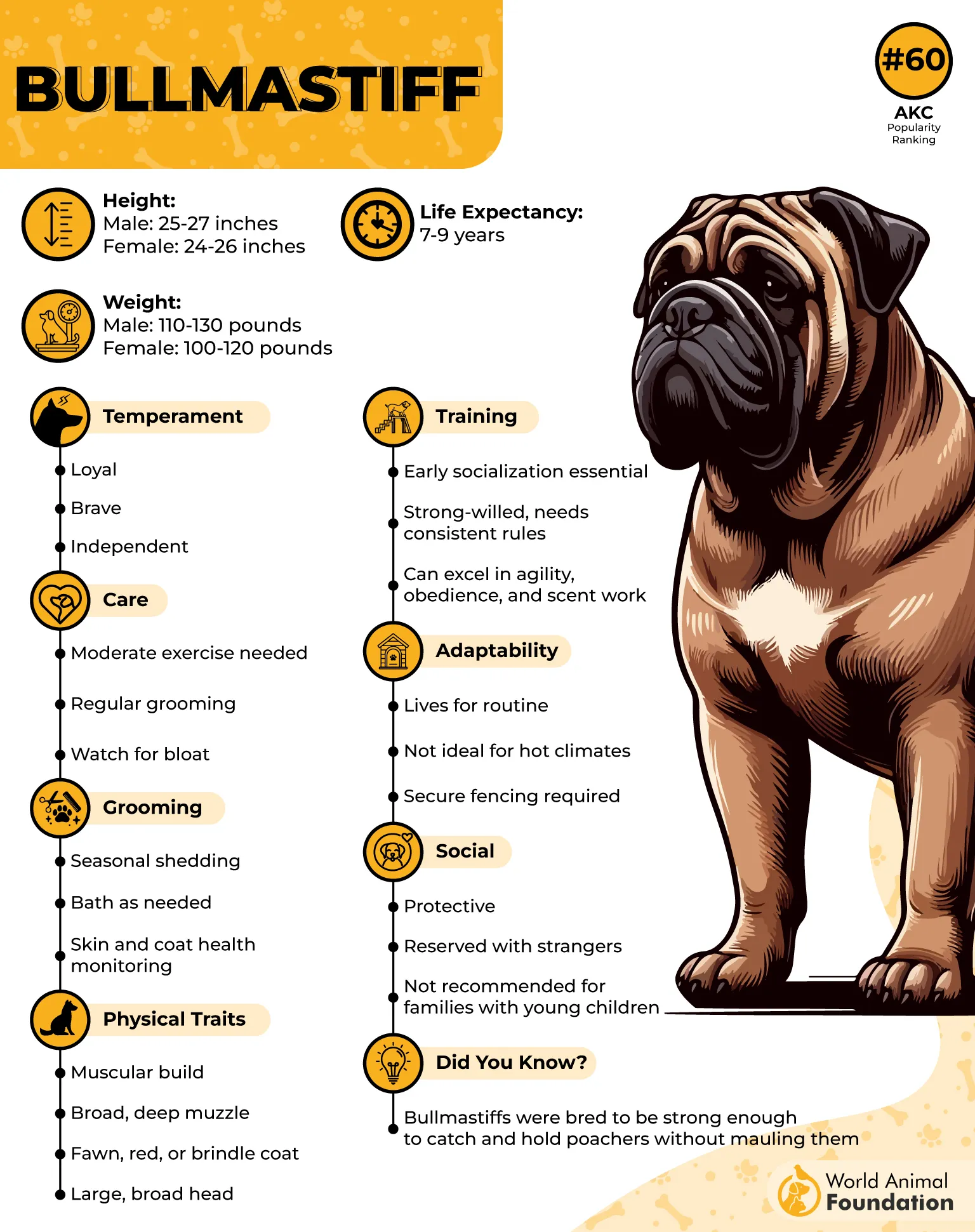
PetMD claims that they require minimal exercise for their size, usually short daily walks. Indoors, they are relaxed and often enjoy resting in quiet spaces near their owners.
Their powerful body is one of their biggest protective tools. This dog is large, muscular, and intimidating, so its presence alone can make intruders think twice. It doesn’t need to act aggressively to look serious.
With children, Bullmastiffs are gentle and patient. However, supervision is important due to their size and strength. Many owners describe them as “gentle protectors who only step up when truly needed.”
8. Boerboel
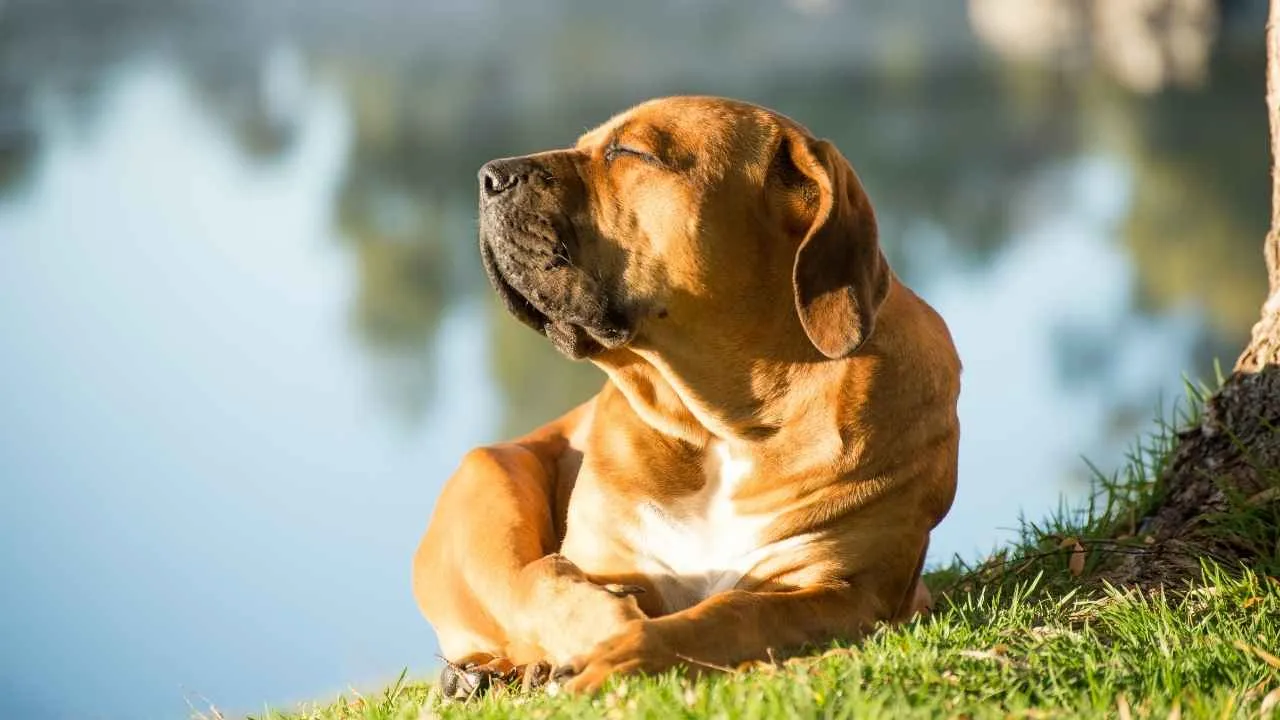
Boerboels are confident, strong guardian dogs with a calm but assertive personality. They were bred for protection, which makes them naturally aware of their surroundings and highly loyal to their family.
At home, Boerboels are stable and composed. They are not overly energetic but remain alert and watchful. They tend to bond closely with their owners and are known for their strong protective instincts.
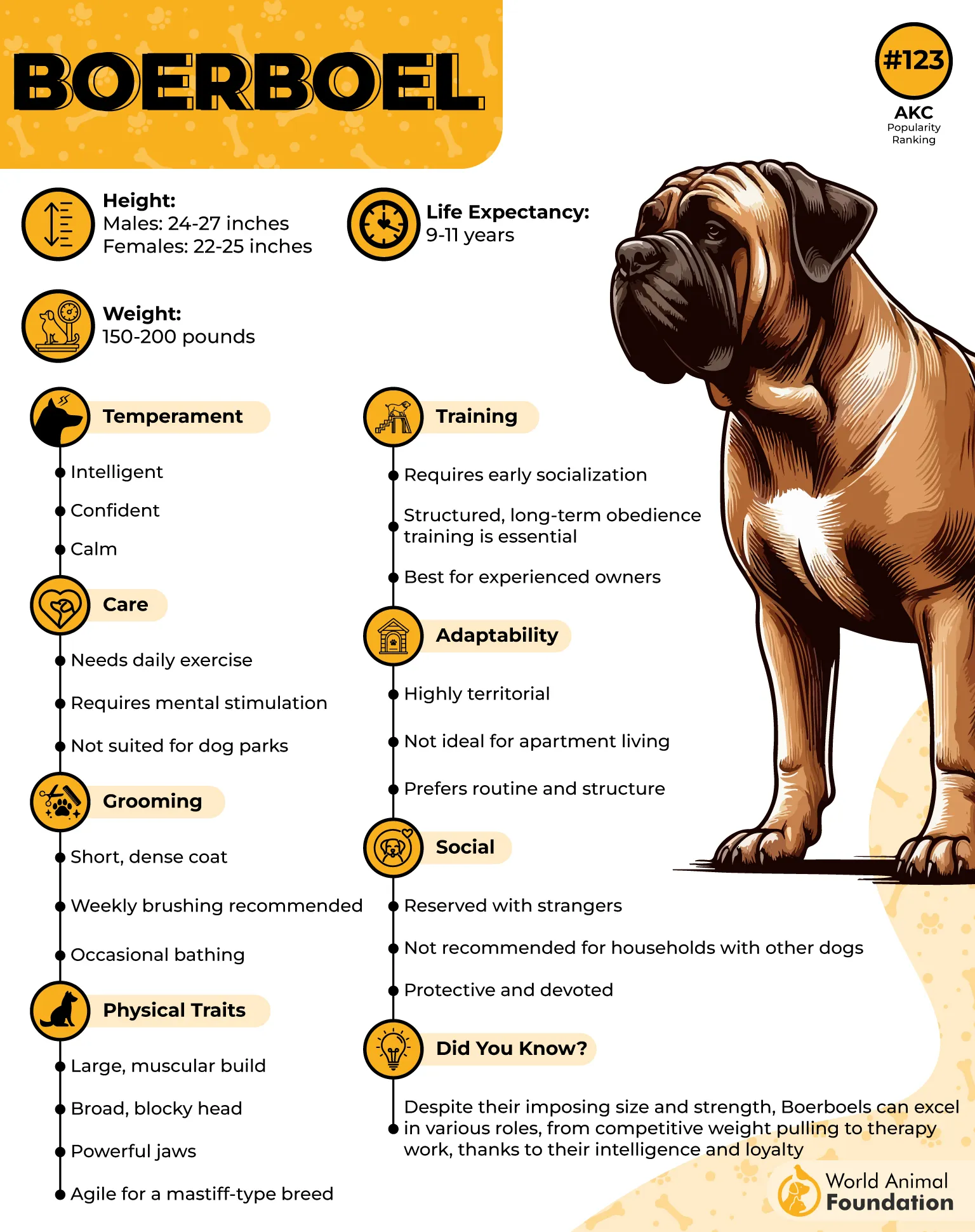
These loyal companions require moderate exercise and structured training. They are intelligent but need confident leadership to ensure balanced behavior. Indoors, they are generally calm and easygoing when properly trained.
They are usually very aware of their surroundings. They watch doors, strangers, unusual movement, and changes in the home environment. If they sense something suspicious, they may stand close to their family, block the path, or position themselves between their people and the possible threat.
With families, Boerboels are affectionate and protective. They are especially devoted to their household and can be very gentle with children when socialized early. Owners often describe them as “calm lions with a soft side for their family.”
9. Rhodesian Ridgeback
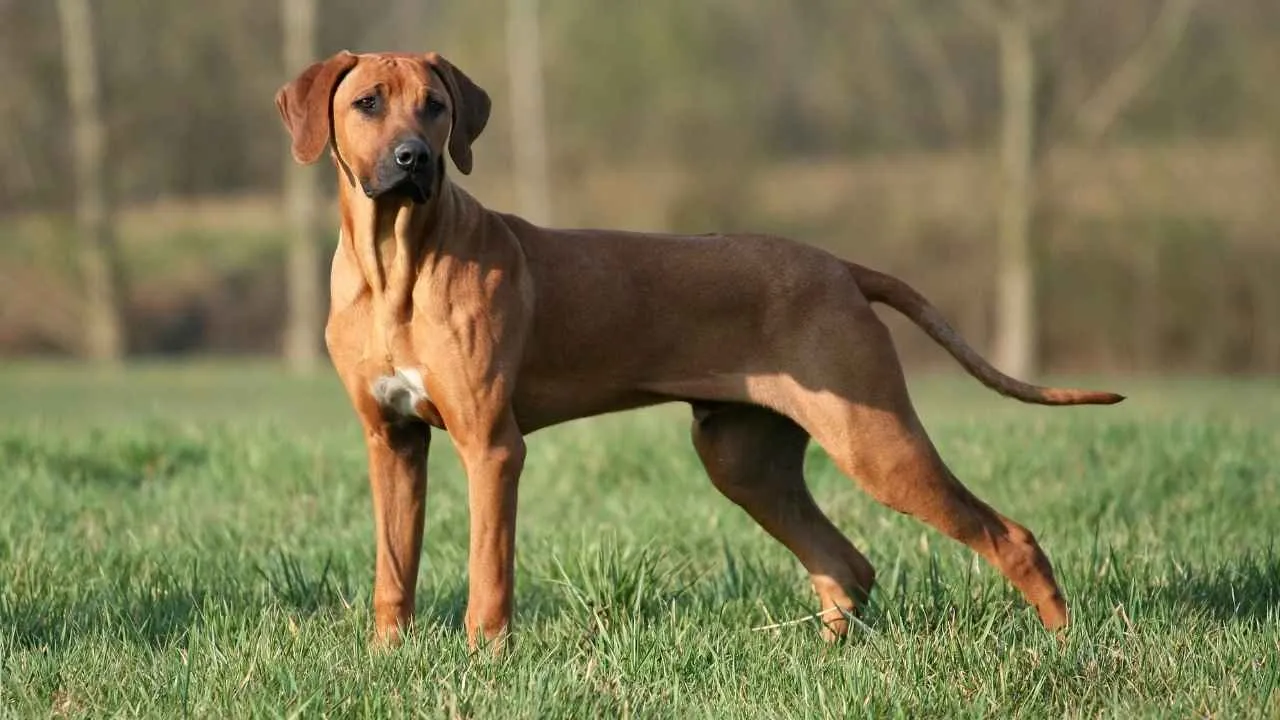
Rhodesian Ridgebacks are athletic, intelligent dogs with a calm and confident personality. Originally bred to track and guard, they have a natural protective instinct without being overly aggressive.
At home, these large dogs are surprisingly relaxed. They enjoy lounging and observing, but stay alert to anything unusual. They are independent thinkers, which makes them less needy but still loyal.
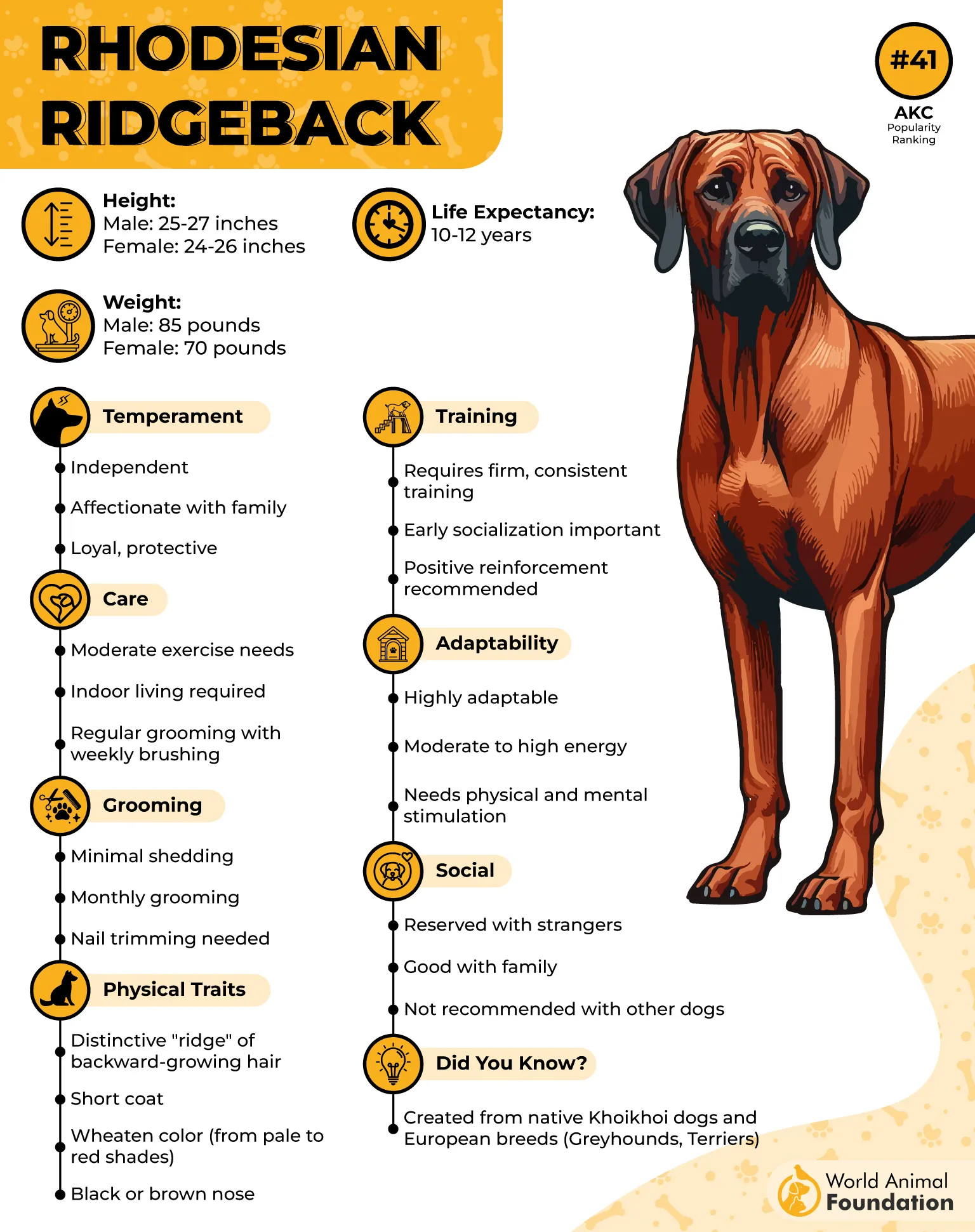
Dog owners say their dogs require moderate to high exercise due to their athletic backgrounds, according to the AKC. However, once their energy is balanced, they are calm and composed indoors.
Their protection style is usually calm and serious. Instead of barking nonstop, many Ridgebacks prefer to observe first, then react if they feel something is wrong. Their large, athletic build alone can be enough to discourage unwanted attention.
They are also deeply loyal to their people. Once bonded, this dog may become especially protective of children, the home, and familiar family members. However, this loyalty requires proper training and socialization so the dog learns the difference between real threats and normal visitors.
With families, these loving family pets are loyal and protective but not overly clingy. They are best suited for owners who appreciate a balanced dog — independent but still deeply connected. Owners often describe them as “quiet athletes who only switch modes when necessary.”
Conclusion
Low-maintenance protection dogs are not about constant aggression or high-energy guarding. Instead, they are about balance — calm in everyday life but alert when it matters most.
These great guard dogs, like Great Danes, Mastiffs, and Saint Bernards, show that size alone can provide security, while breeds like Ridgebacks and Boerboels bring intelligence and controlled protection instincts into the home. These dogs don’t overwhelm your lifestyle; they adapt to it while still offering a strong sense of safety.
German Shepherds, Staffordshire Bull Terriers, Bernese Mountain Dogs, Australian Shepherds, and Cane Corsos also make great companions in family life.
At the end of the day, these breeds are not just protectors — they are family companions. They offer emotional stability, loyalty, and a quiet confidence that makes a home feel safer and warmer at the same time.
