





With a busy lifestyle, keeping up with a dog’s grooming and care requirements can sometimes feel overwhelming. However, choosing a low-maintenance dog breed can make companionship far more manageable while still keeping your pet happy, healthy, and well-adjusted.
It is important to understand that “low maintenance” does not only refer to coat care. It also includes exercise needs, training effort, overall health, grooming habits, nail care, odor control, and even temperament. A truly easy-to-manage dog is one that fits naturally into your daily routine without constant high-demand care.
Whether you are a first-time dog owner or someone with an already packed schedule, selecting a low-maintenance breed can make everyday life smoother and more enjoyable without sacrificing the bond you share with your pet.
Below, we have highlighted some dog breeds that are generally considered easier to live with due to their balanced temperaments, moderate care requirements, and relatively simple grooming needs.
Best Low-Maintenance Dog Breeds for a Minimalist Lifestyle
1. Cavalier King Charles Spaniel
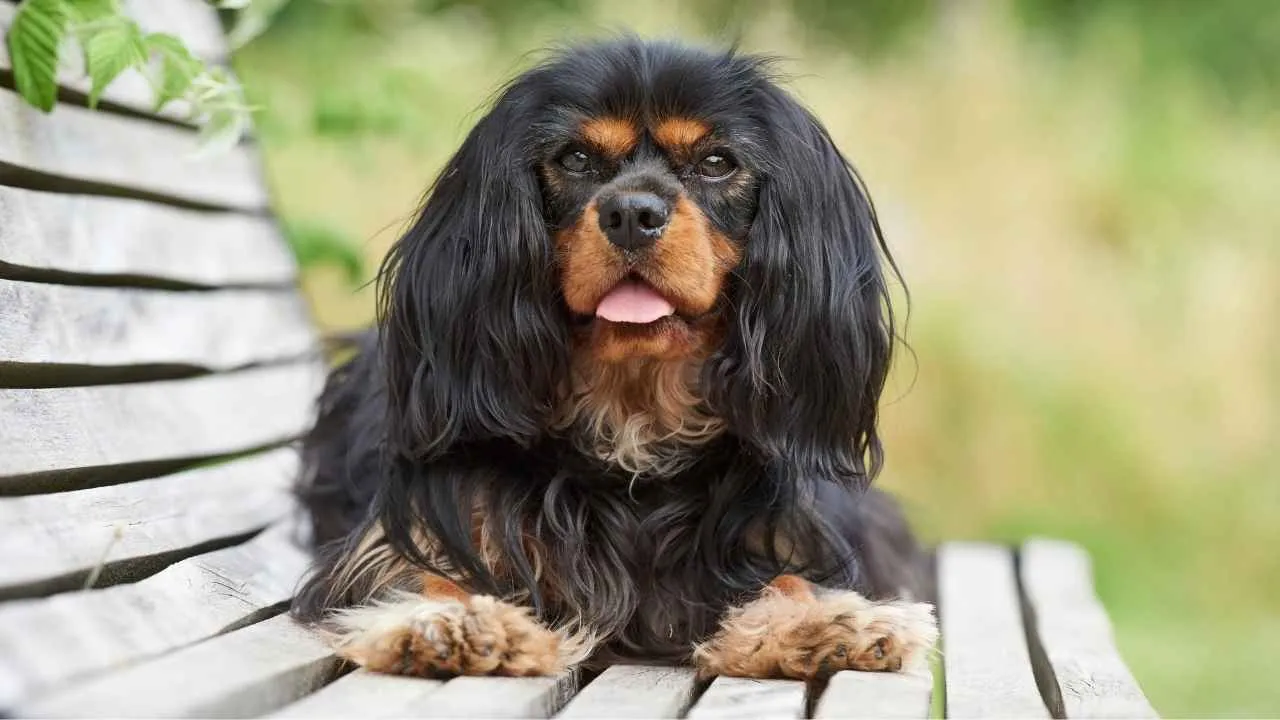
Cavalier King Charles Spaniel is a small companion breed that originated in the United Kingdom, where it was selectively bred for companionship and close human bonding rather than working roles. Today, it is widely admired for its affectionate temperament, gentle nature, and elegant appearance, including expressive eyes and a soft, silky coat.
Despite its refined look, the Cavalier is relatively easy to maintain. Its coat requires only minimal upkeep, with regular brushing and occasional bathing being enough to keep it clean, healthy, and tangle-free.
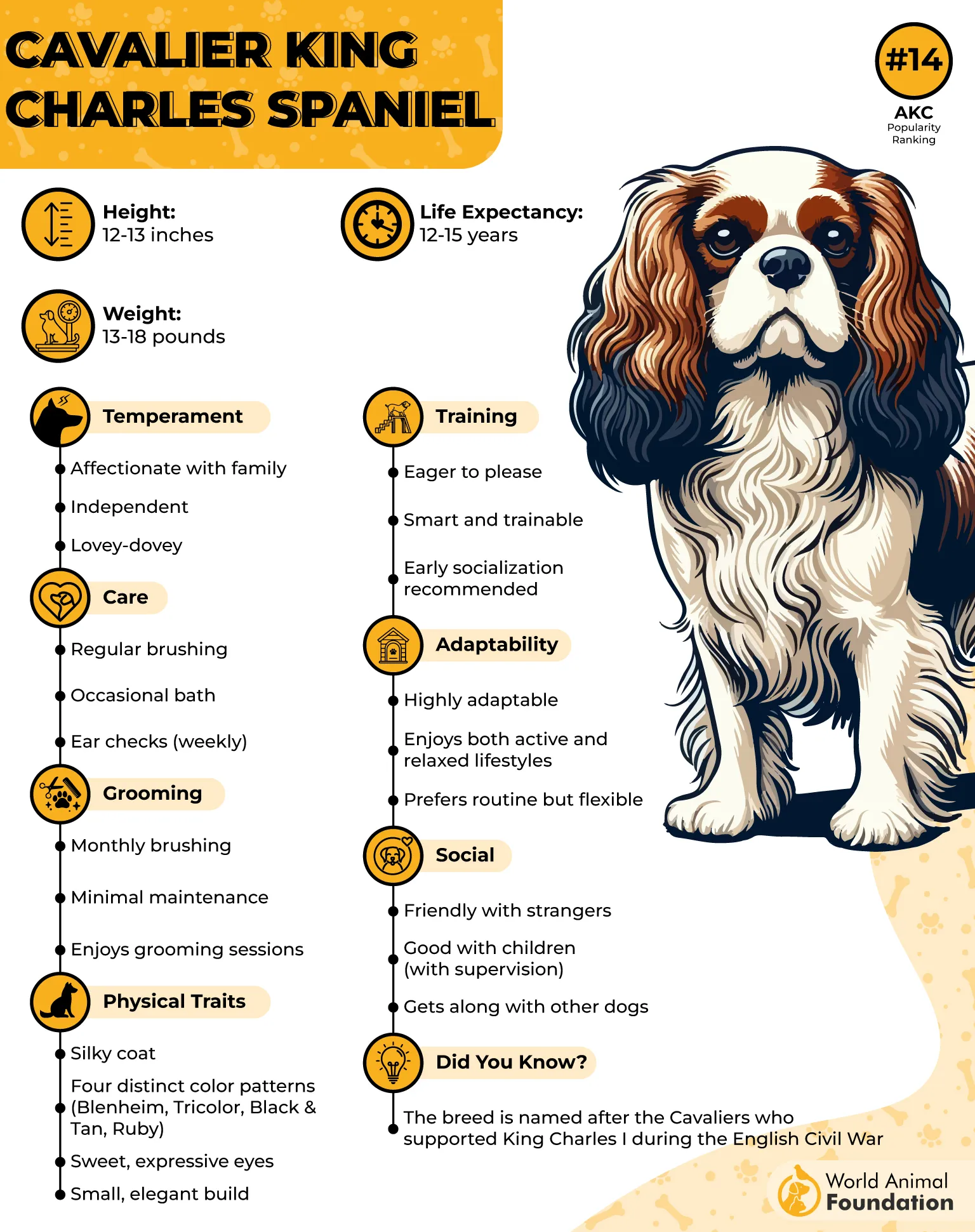
Cavaliers have moderate energy levels and benefit from daily exercise of around 30–60 minutes. This helps keep them physically fit and mentally engaged without demanding overly intense activity. They are generally easy to train, especially when sessions are kept short, positive, and reward-based.
In terms of health, routine veterinary checkups are important. According to PetMD, the breed is prone to certain heart conditions, so regular heart screenings are recommended for early detection and management.
2. Dachshund
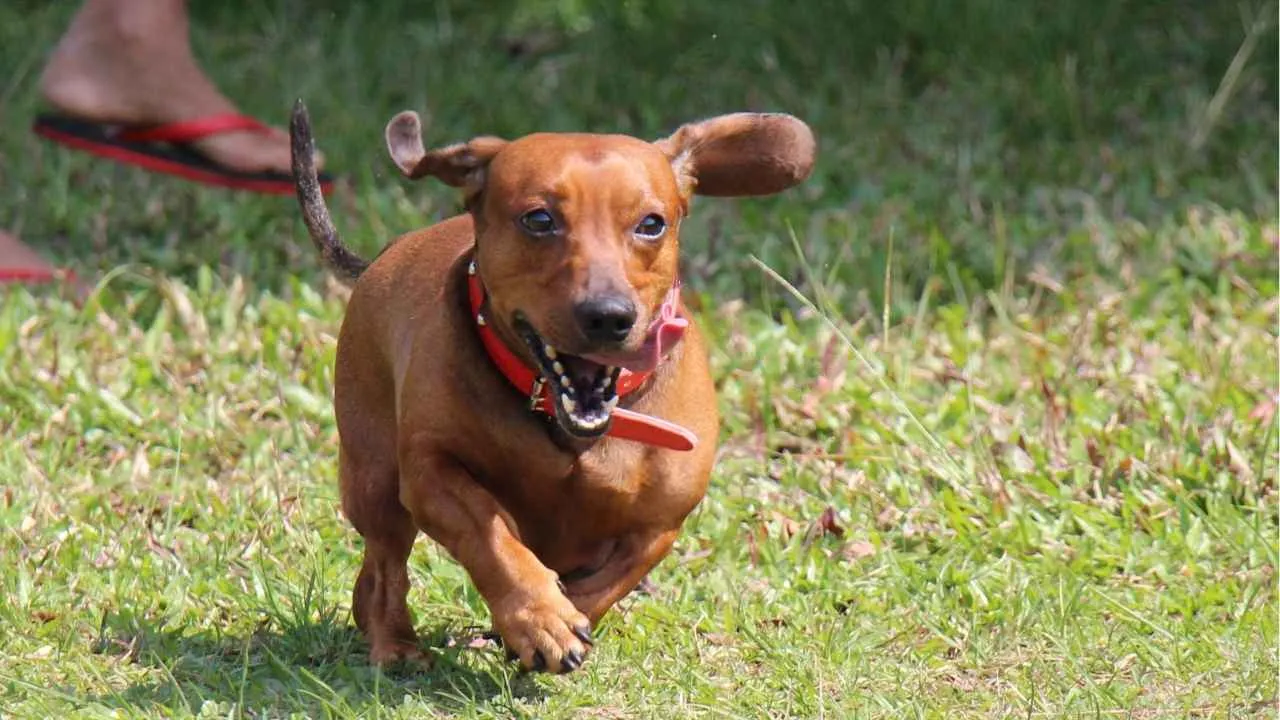
Dachshund is a playful, curious, and deeply devoted small breed originally developed in Germany for hunting badgers and other burrowing animals. Instantly recognizable by its long body and short legs, the Dachshund combines charm with determination, making it both entertaining and affectionate as a companion.
Although generally considered a low-maintenance breed, Dachshunds do require consistent preventive care, particularly in terms of exercise and spinal health. Their unique body structure makes them prone to back issues, so responsible activity management is essential throughout their lives.
When it comes to grooming, short-haired Dachshunds are relatively easy to maintain. Regular brushing helps remove dirt and debris they pick up during outdoor activity, while also keeping their coat clean and healthy.
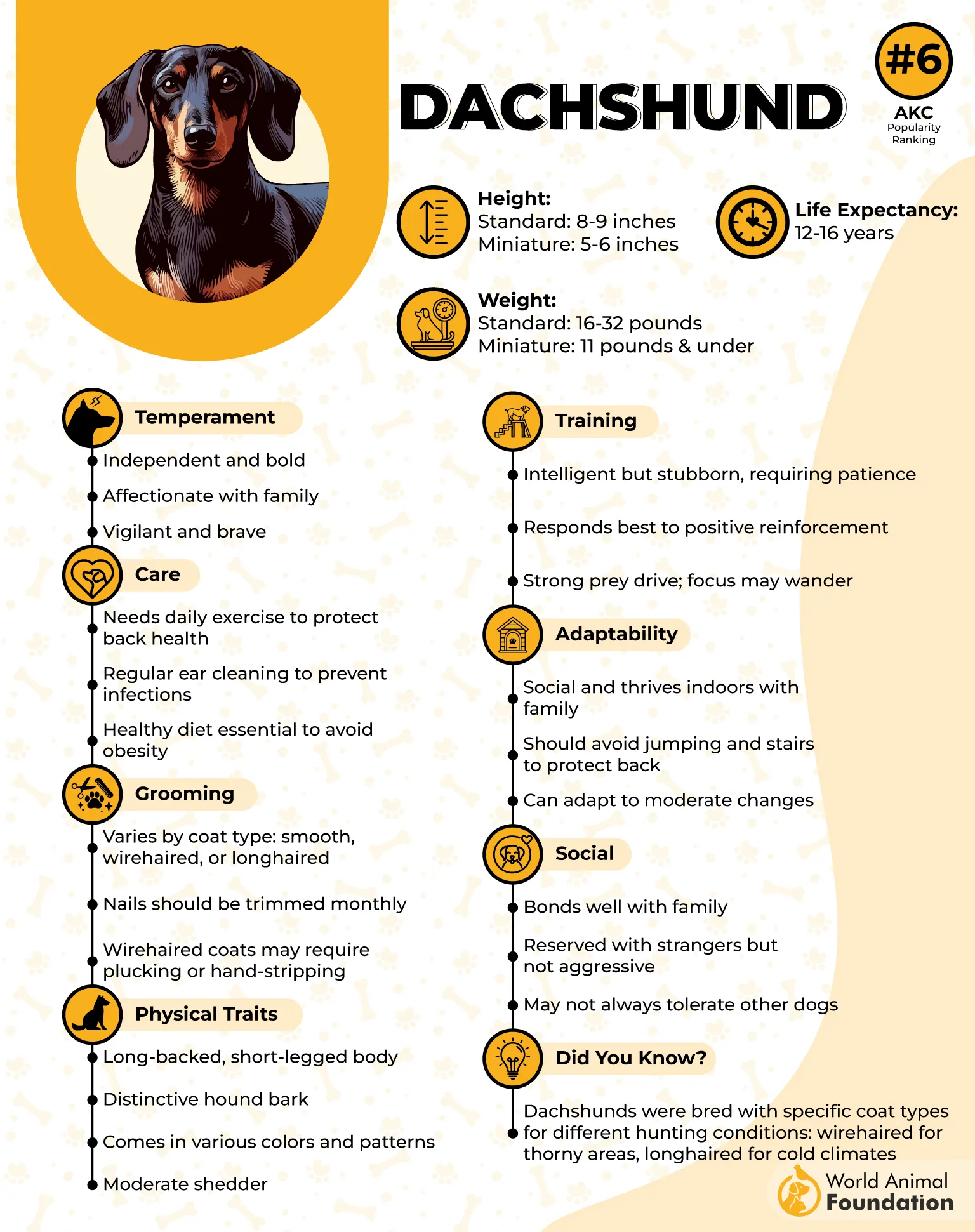
Dachshunds need regular but moderate exercise. Daily walks and light play sessions are usually sufficient to keep them fit, strengthen their muscles, and support spinal health. However, excessive jumping or strenuous activity should be avoided to reduce the risk of back injuries.
Because of their compact size, adaptable nature, and affectionate personality, Dachshunds are well-suited for apartment living and for individuals or families looking for a playful yet relatively low-exercise companion.
3. Chihuahua
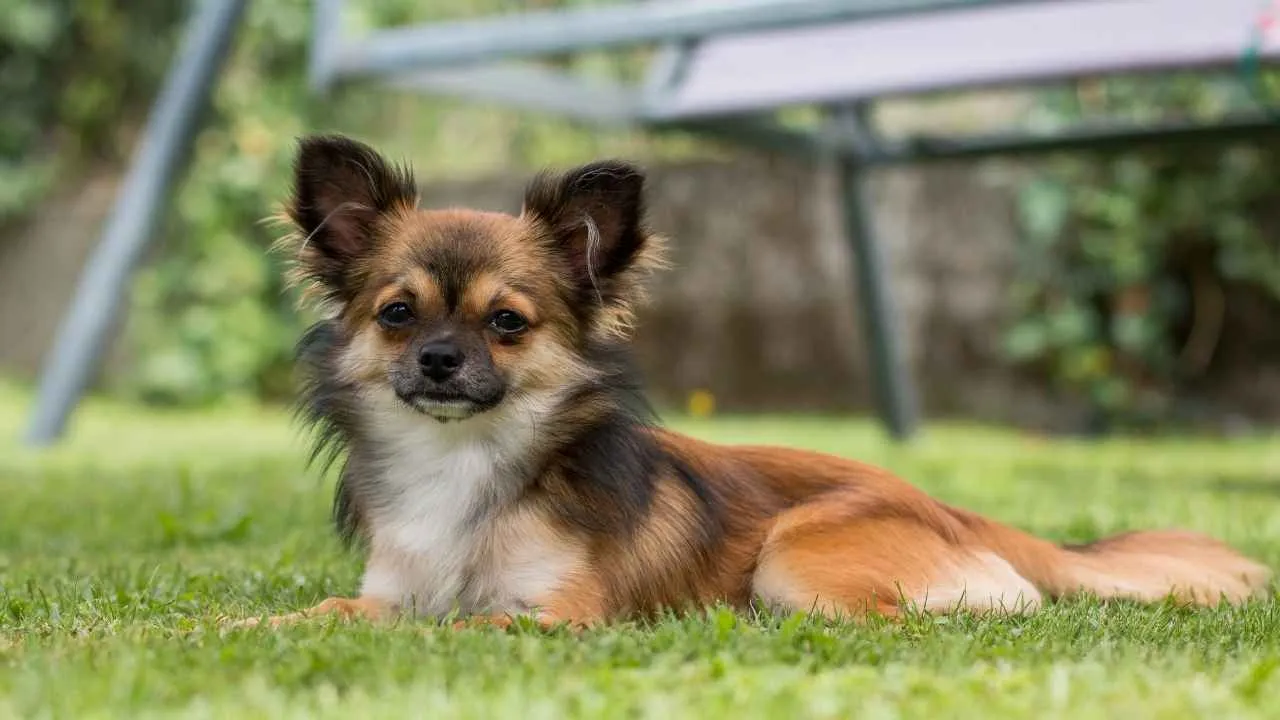
Chihuahua may be one of the tiniest dog breeds in the world, but it is far from fragile in personality. Known for being alert, loyal, and highly adaptable, this small companion dog often forms strong bonds with its owner and can be surprisingly confident and spirited despite its size.
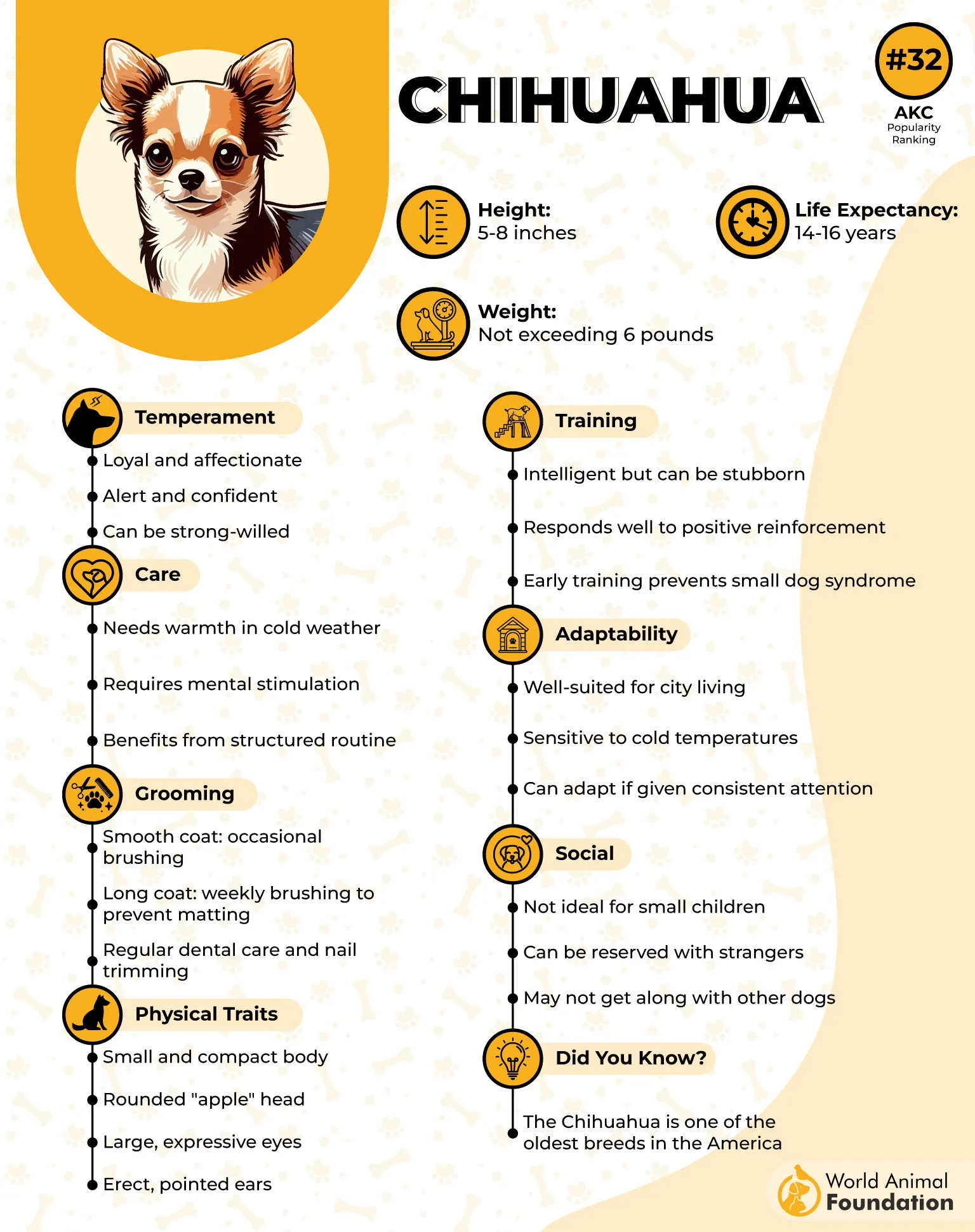
Many owners consider the Chihuahua a relatively low-maintenance pet due to its small exercise needs, minimal grooming demands, and reduced food intake. However, “low maintenance” does not mean “no maintenance.” Their care still requires attention, especially when it comes to health and comfort.
Chihuahuas are prone to dental issues and can be sensitive to cold weather, making regular veterinary checkups and preventive care especially important for their long-term well-being. Indoor living and a stable routine suit them well.
Chihuahuas enjoy short bursts of indoor play, especially with interactive toys and mental stimulation games such as puzzles. According to Petplan, grooming is relatively simple: typically requiring light brushing a few times a week to keep the coat clean and healthy. However, routine ear cleaning, daily dental care, and regular nail trimming are essential to prevent discomfort and health issues.
4. French Bulldog
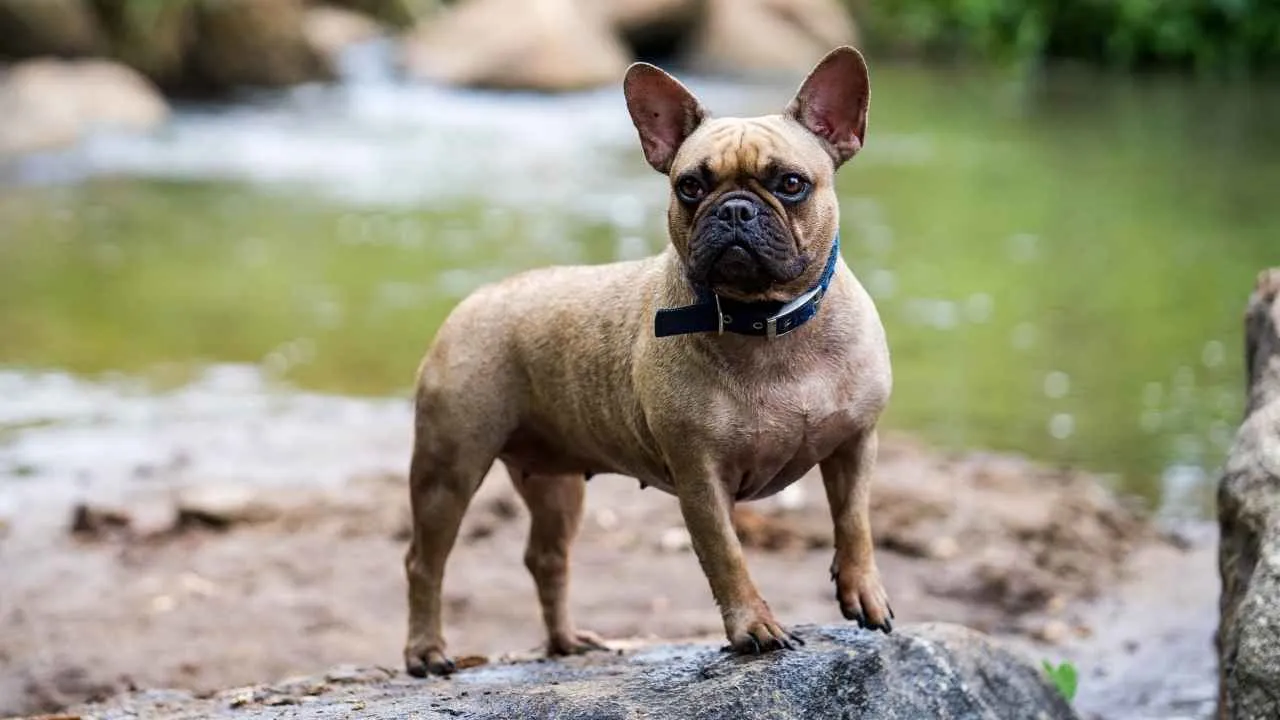
The French Bulldog is one of the most popular companion dogs worldwide, known for its compact size, affectionate nature, and distinctive “bat-like” ears and expressive face. Originally bred as a small companion breed, it has become especially favored in modern urban living due to its calm temperament and easygoing personality.
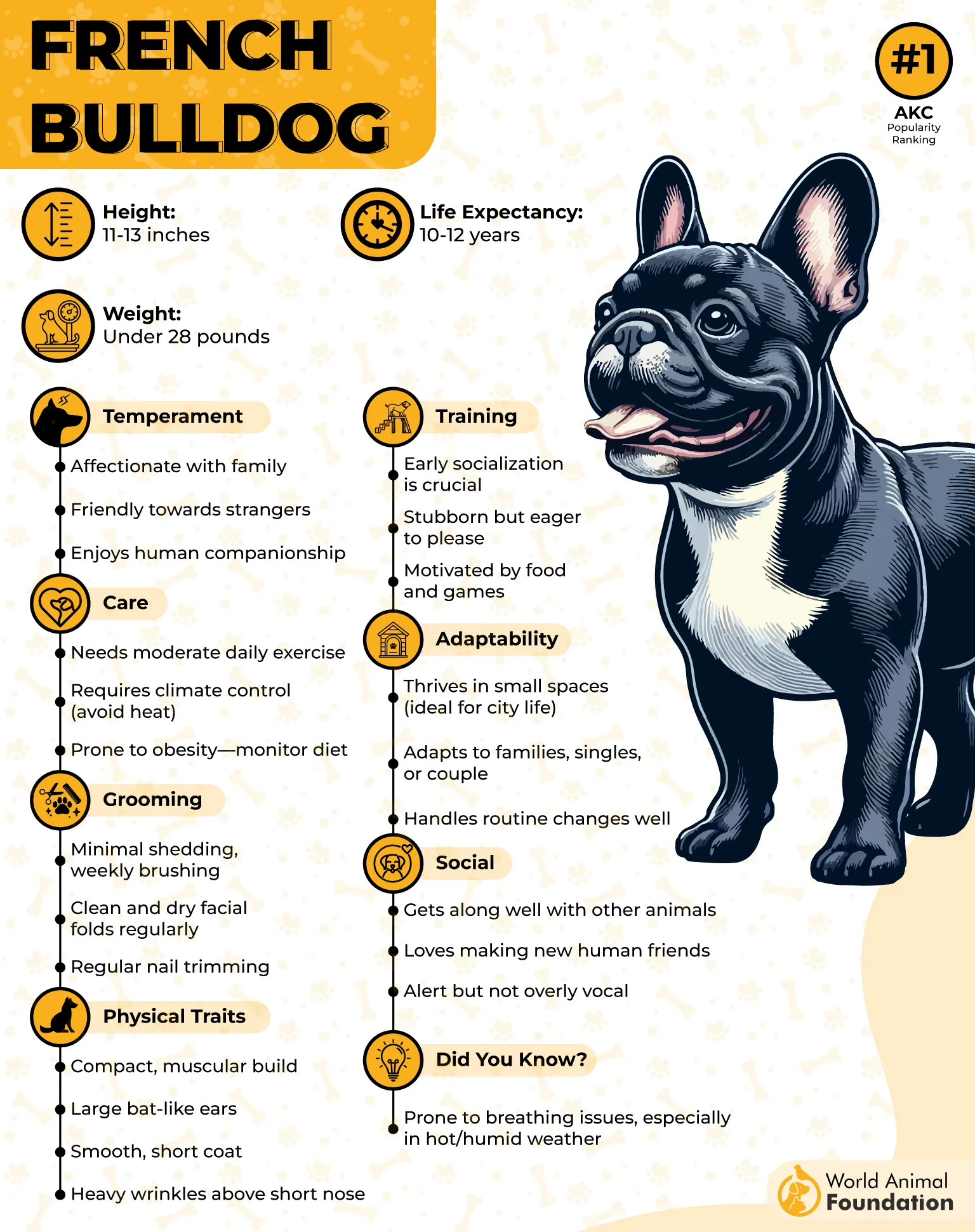
French Bulldogs are playful, intelligent, and people-oriented dogs that thrive on companionship. They do not require intense exercise or demanding grooming routines, making them well-suited for owners with busy lifestyles. Instead, they prefer consistency, short periods of activity, and being close to their owners throughout the day.
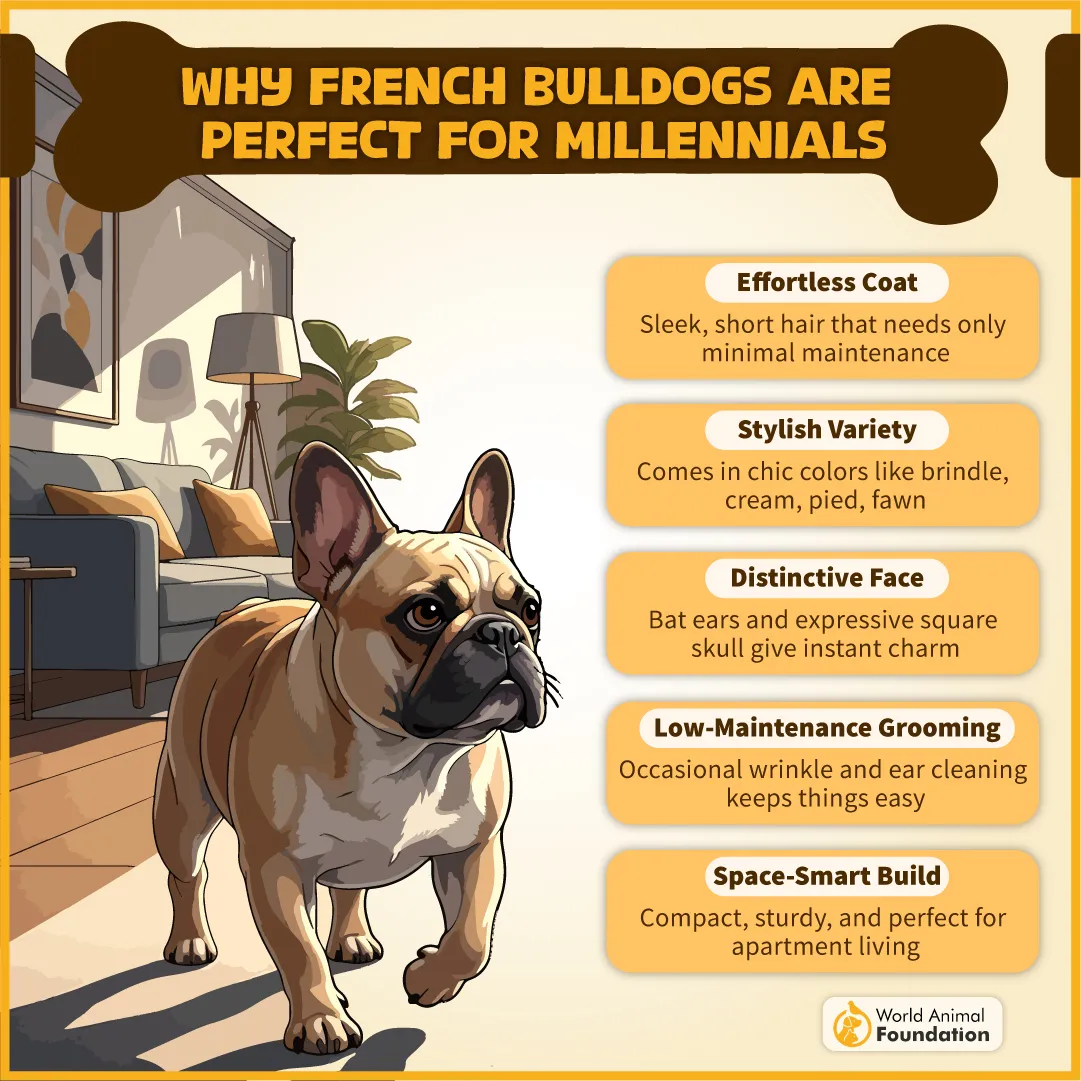
Training sessions with French Bulldogs are often enjoyable, as they respond well to positive reinforcement. They can participate in light obedience training and simple agility exercises, along with short walks and interactive games like hide-and-seek, which help keep them mentally engaged without overexertion.
Their short coat makes grooming relatively simple, but regular care is still important. Because of their facial folds, they can be prone to skin irritation if not cleaned properly, so keeping these areas dry and hygienic is essential for their comfort and health.
5. Pug

Pug is a pint-sized companion breed instantly recognizable by its wrinkled, expressive face and compact, sturdy body. Often described in very different ways, from “ugly-cute” to irresistibly charming, the Pug is ultimately a playful, affectionate, and good-humored dog with a strong personality packed into a small frame.
Despite their quirky appearance, Pugs are highly adaptable and thrive in a variety of living environments. They are generally easy to groom and have moderate exercise needs, making them a popular choice for people seeking a low-maintenance companion. While they do shed regularly, simple and consistent brushing helps manage loose hair and keeps their coat neat and healthy.
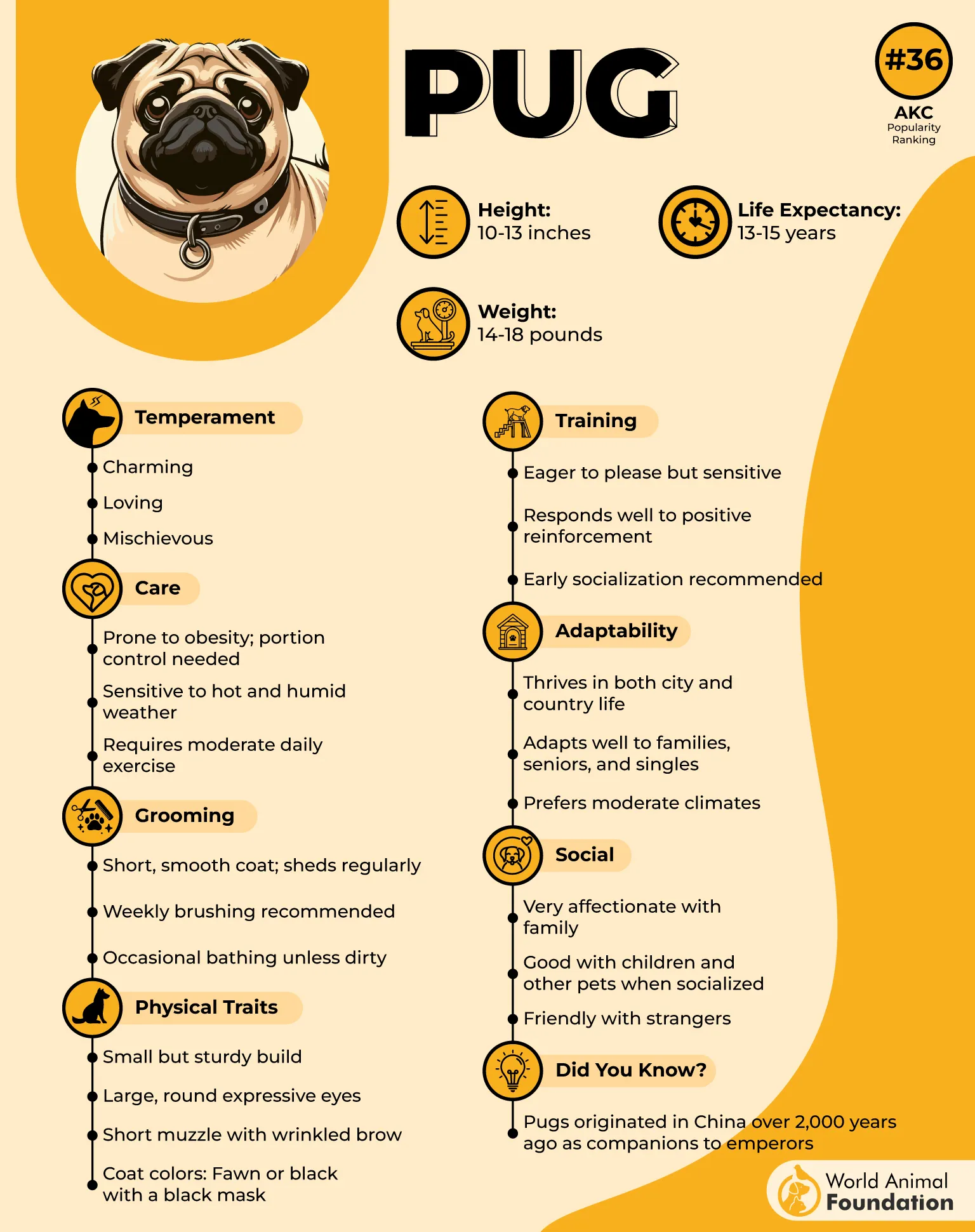
As a low-maintenance breed, Pugs benefit from around 30 minutes of daily exercise, along with light play sessions to keep them active and mentally stimulated. However, because they are a flat-faced (brachycephalic) breed, they can be prone to breathing difficulties, especially in heat or during intense activity. Regular veterinary checkups are important to help monitor and manage these concerns.
6. Bolognese
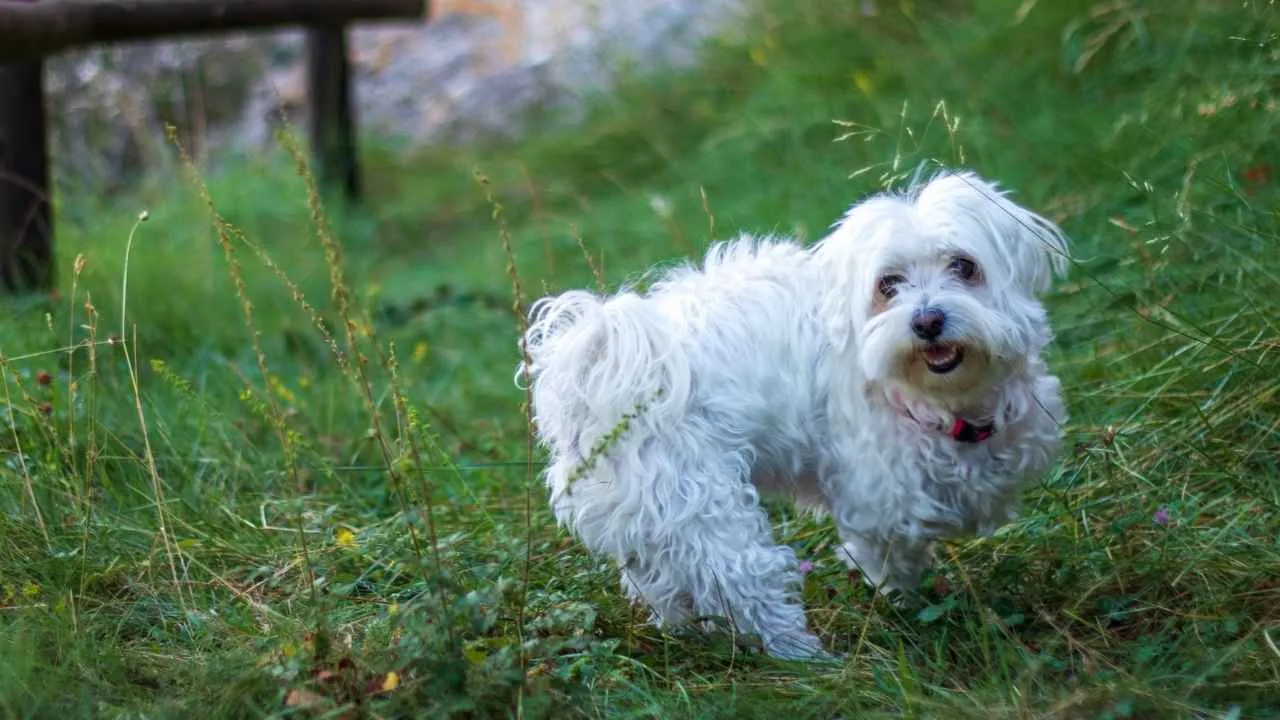
The Bolognese dog is a small, fluffy companion breed from Italy known for its sweet temperament, gentle nature, and deeply affectionate personality. Bred for companionship for centuries, this calm and easygoing dog continues to be valued today as a devoted household companion, especially for those seeking a quiet, low-energy pet.
Despite their cloud-like appearance, Bolognese dogs are not high-maintenance in terms of exercise or activity needs. They thrive in relaxed indoor environments and form strong emotional bonds with their owners, often following them closely throughout the home.
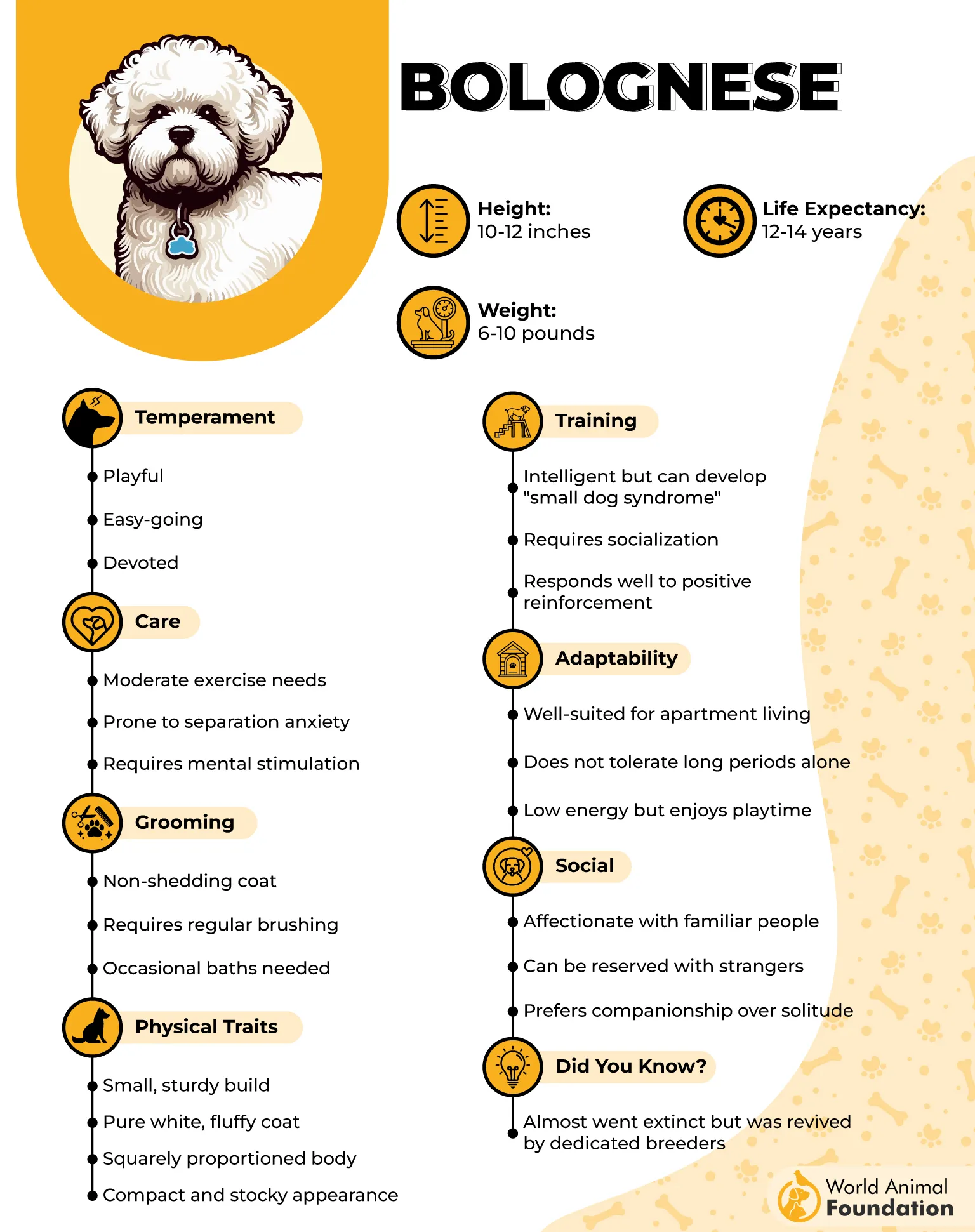
Often described as “Velcro dogs,” Bolognese are highly people-oriented and enjoy constant companionship. They are happiest when involved in daily life, whether that means sitting beside their owner, joining light training sessions, or simply enjoying cuddles and attention.
While they require minimal exercise, short daily walks are still important for physical health and mental stimulation. Their long, soft coat is low-shedding but does require regular grooming to prevent tangles and matting.
It is also important to note that Bolognese dogs can be prone to separation anxiety if left alone for long periods. Early socialization and gradual independence training help prevent stress-related or destructive behaviors.
7. Whippet
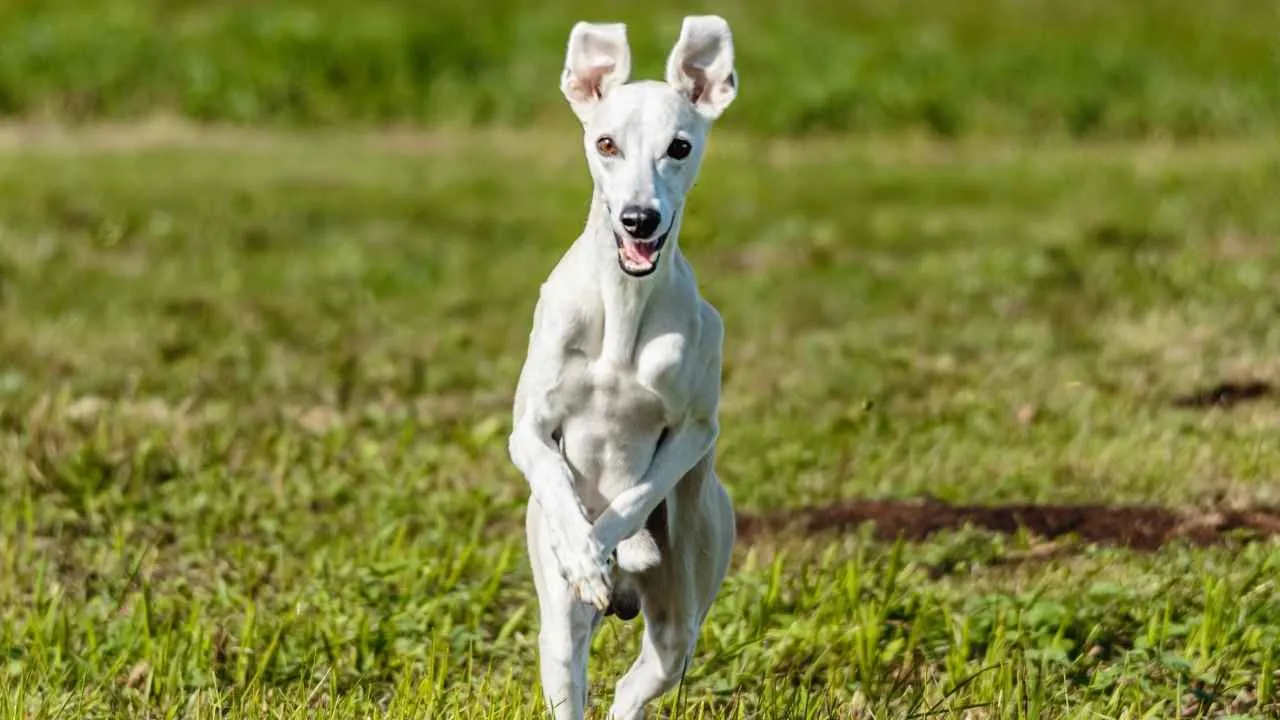
Whippet is a calm, gentle, and affectionate medium-sized breed known for its elegant, athletic build and surprisingly relaxed personality. While its streamlined physique often gives the impression of a highly demanding working dog, the Whippet is famously laid-back indoors and enjoys long periods of rest just as much as bursts of high-speed activity.
Despite their racing heritage, Whippets are often described as “couch potatoes” at home. Their short, soft coat is low-maintenance and requires minimal grooming, though they may need extra warmth in colder weather, such as a sweater or coat, due to their lean body structure and low body fat.
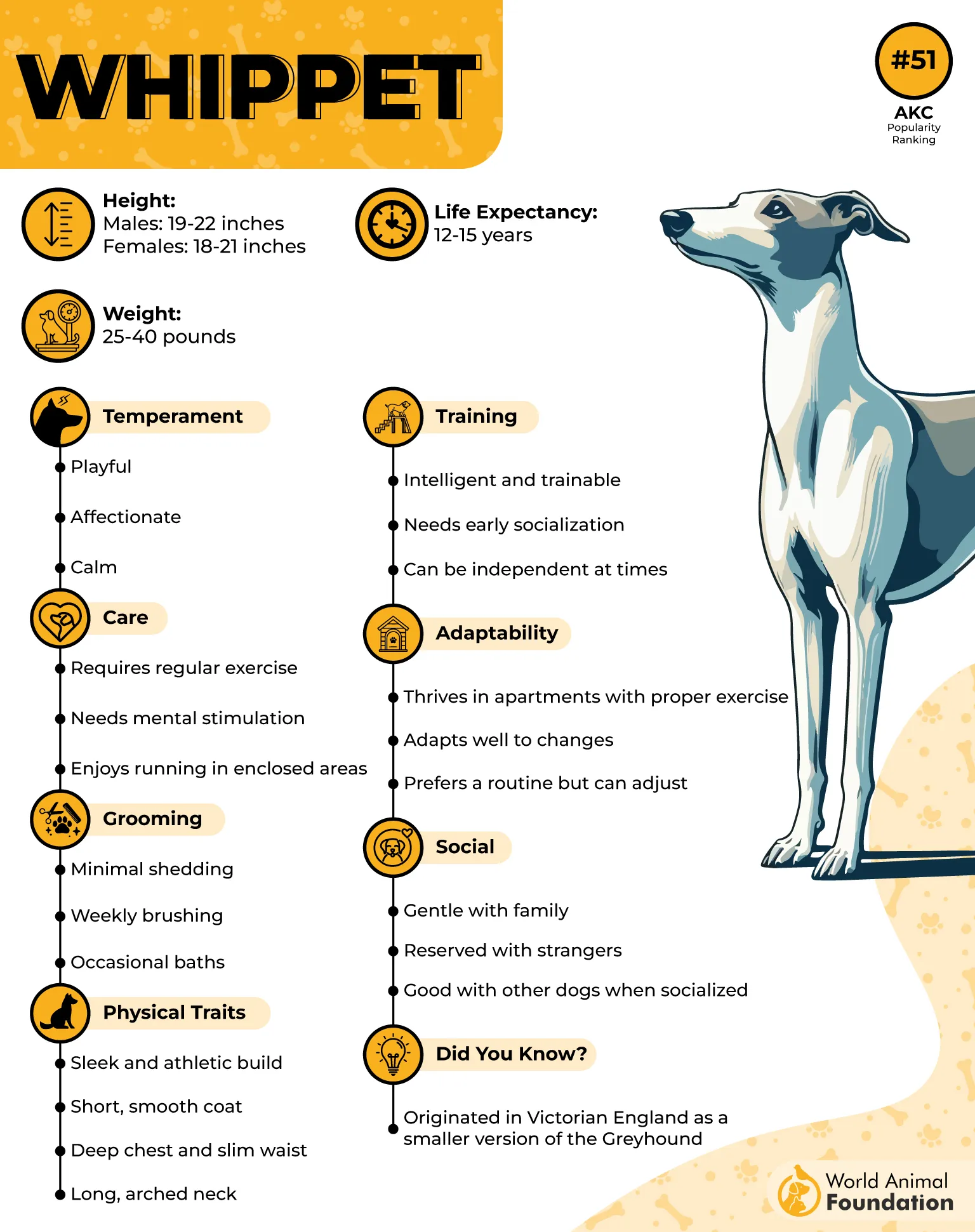
Whippets typically need around 30–60 minutes of daily exercise, ideally broken into short, energetic bursts such as sprinting, play sessions, or fetch. After activity, they are content to relax quietly, making them well-balanced companions for both active and calm households.
Light training sessions and mental stimulation help keep them engaged and prevent boredom, but their generally easygoing nature makes them relatively simple to manage. However, owners should take care during high-speed play, as their slender build can make them more prone to injury if overexerted or exercised on rough terrain.
8. Beagle
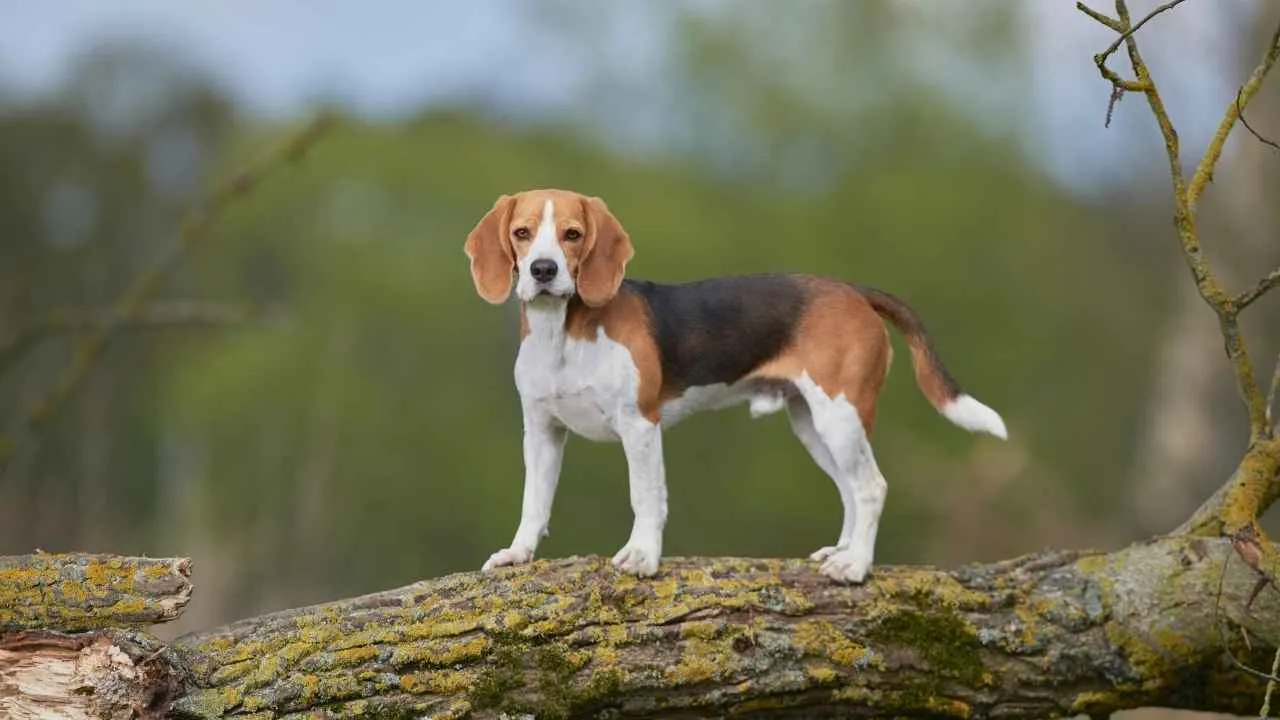
Beagles are a small-to-medium-sized breed known for their friendly nature, curiosity, and cheerful personality. Often described as merry and adaptable, Beagles have long been a family favorite thanks to their affectionate temperament and ability to fit well into a variety of home environments.
Their short, dense, and water-resistant coat makes them relatively low-maintenance in terms of grooming. With simple weekly brushing, their coat stays clean and manageable, adding to their reputation as an easy-care companion breed.
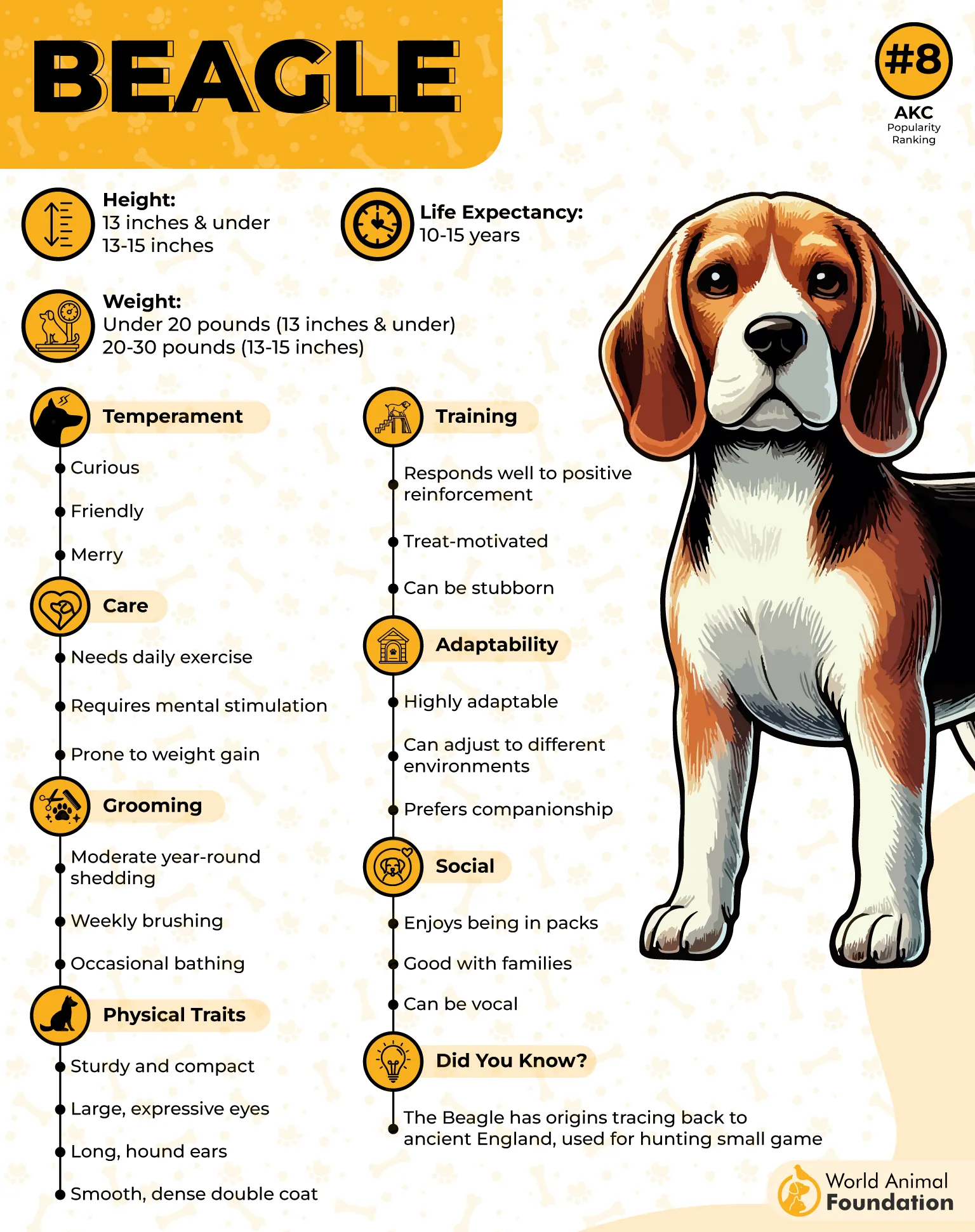
Beagles are intelligent dogs with a strong scent-driven hunting background as members of the hound group. This heritage can sometimes make training a bit challenging, as they are easily distracted by smells. However, they are also eager to please and respond very well to positive reinforcement, especially when treats are used as motivation.
Their short coat is generally easy to maintain, but they can be sensitive to heat and may overheat quickly in hot weather. Because of this, owners should take care to provide shade, hydration, and avoid intense activity during peak temperatures.
9. Boston Terrier
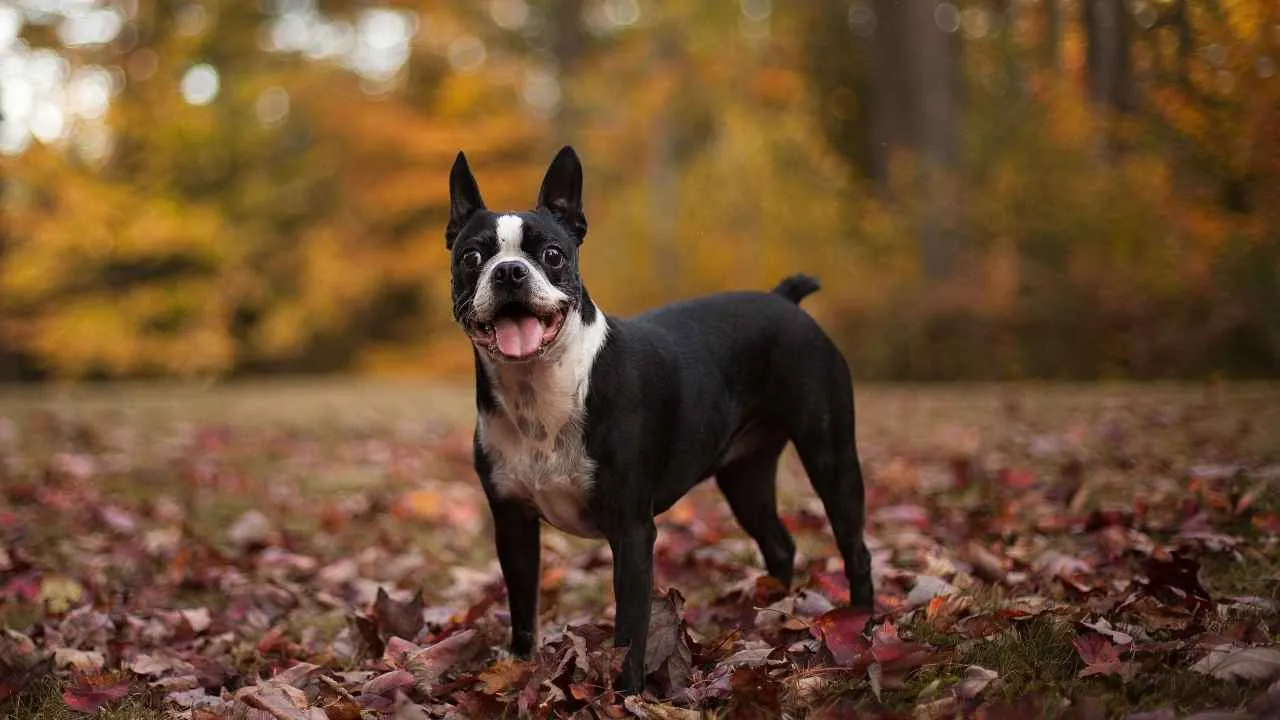
Boston Terrier is a friendly, intelligent, and entertaining small breed known for its easygoing nature and strong adaptability. Often nicknamed the “American Gentleman” due to its tuxedo-like markings, this breed has become popular among pet owners who want a low-maintenance yet affectionate companion.
Boston Terriers have a short, smooth, and glossy coat that sheds minimally, making them relatively simple to care for. Their grooming needs are light, and they fit well into routines that do not require extensive upkeep, which adds to their appeal as an adaptable household dog.
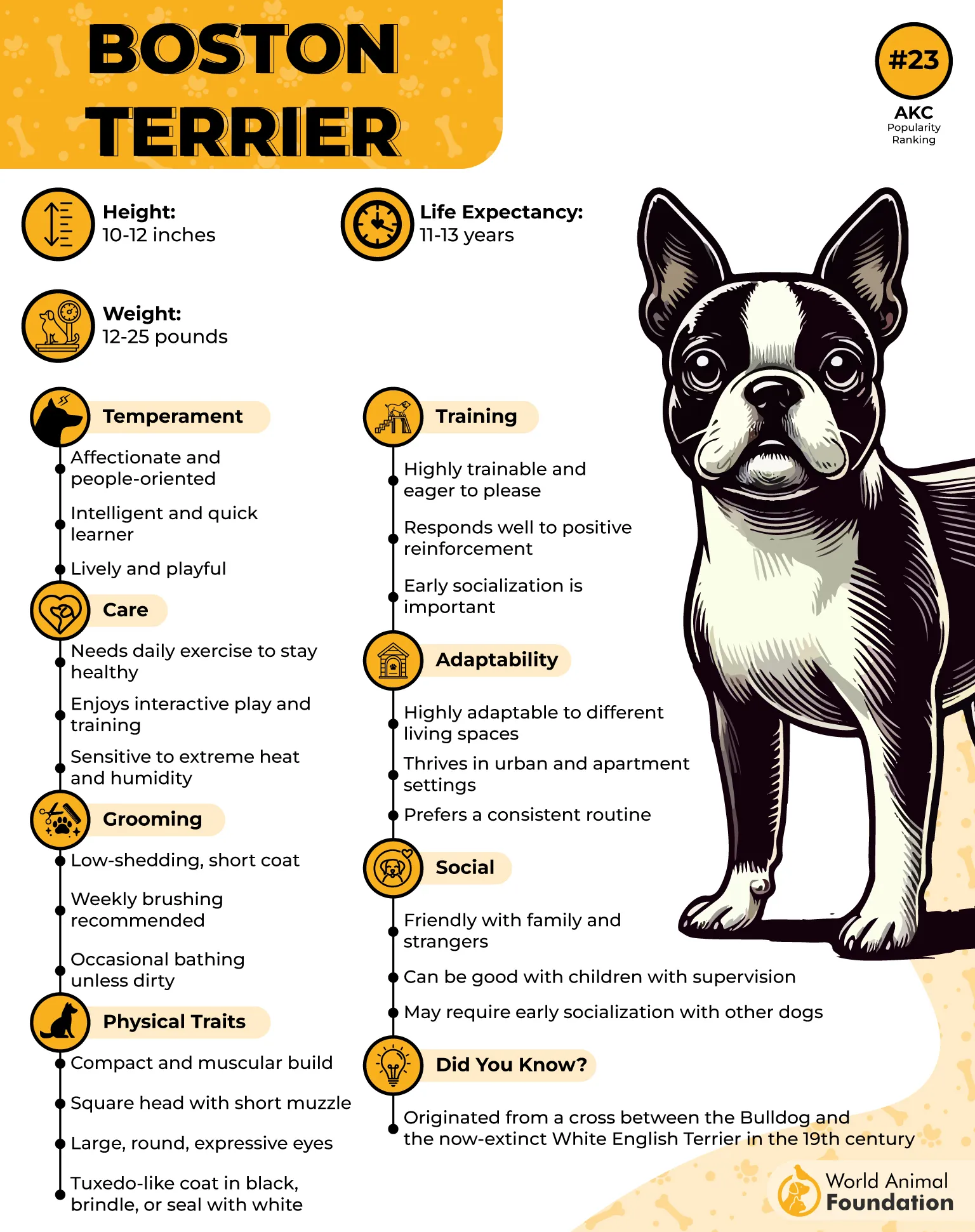
With basic care such as weekly brushing and bathing every 4–6 weeks, Boston Terriers are generally easy to maintain. Regular bathing can also help prevent residue buildup on the skin, reducing the risk of irritation or infections. According to Purina, occasional bathing after outdoor activity may also help keep their coat and skin in good condition.
In terms of exercise, Boston Terriers do well with one or two daily walks of around 20–30 minutes, along with light play sessions. This moderate activity level is usually enough to keep them healthy, fit, and mentally stimulated without demanding intensive routines.
10. Greyhound
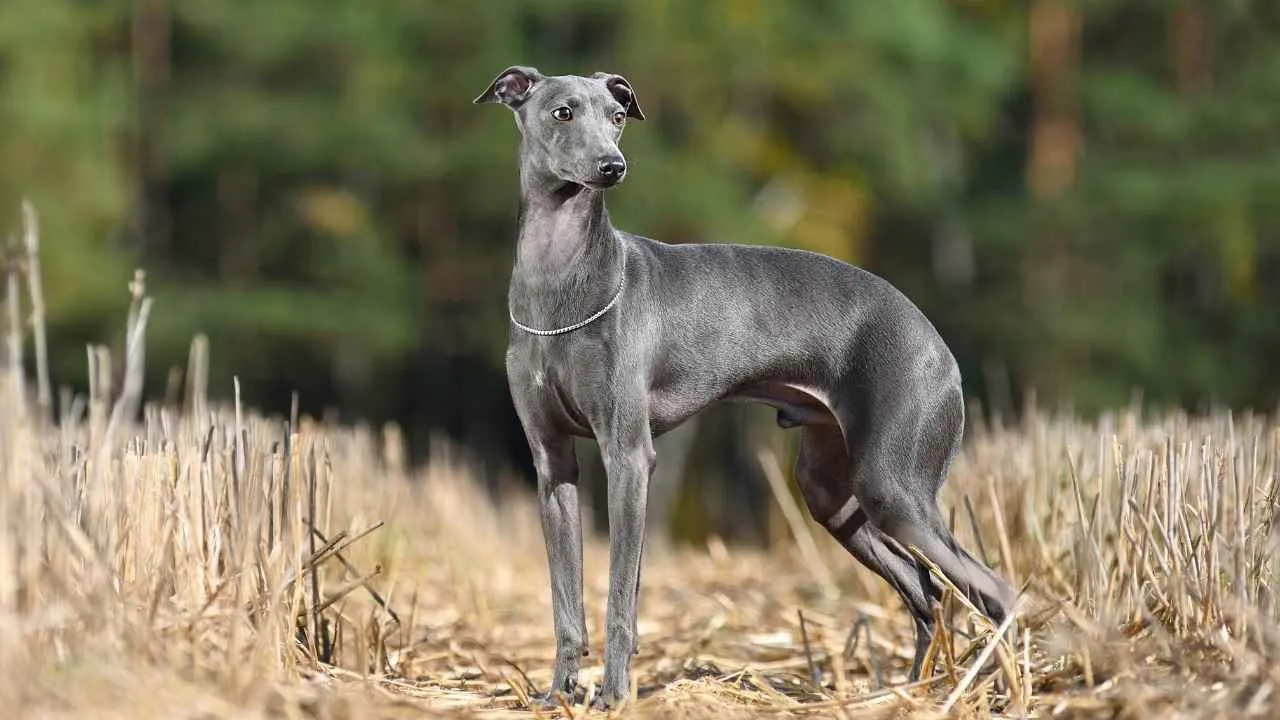
Greyhound is a surprisingly low-maintenance breed that fits well into a minimalist lifestyle. Despite its sleek, athletic appearance, the Greyhound is often far more relaxed than people expect, spending long hours resting and conserving energy indoors. With a short coat and minimal grooming needs, it is one of the easiest large breeds to care for on a day-to-day basis.
Although built for speed, Greyhounds are not high-energy dogs in a home environment. They are famously calm and quiet indoors, often behaving like “couch potatoes” once their brief bursts of activity are over.
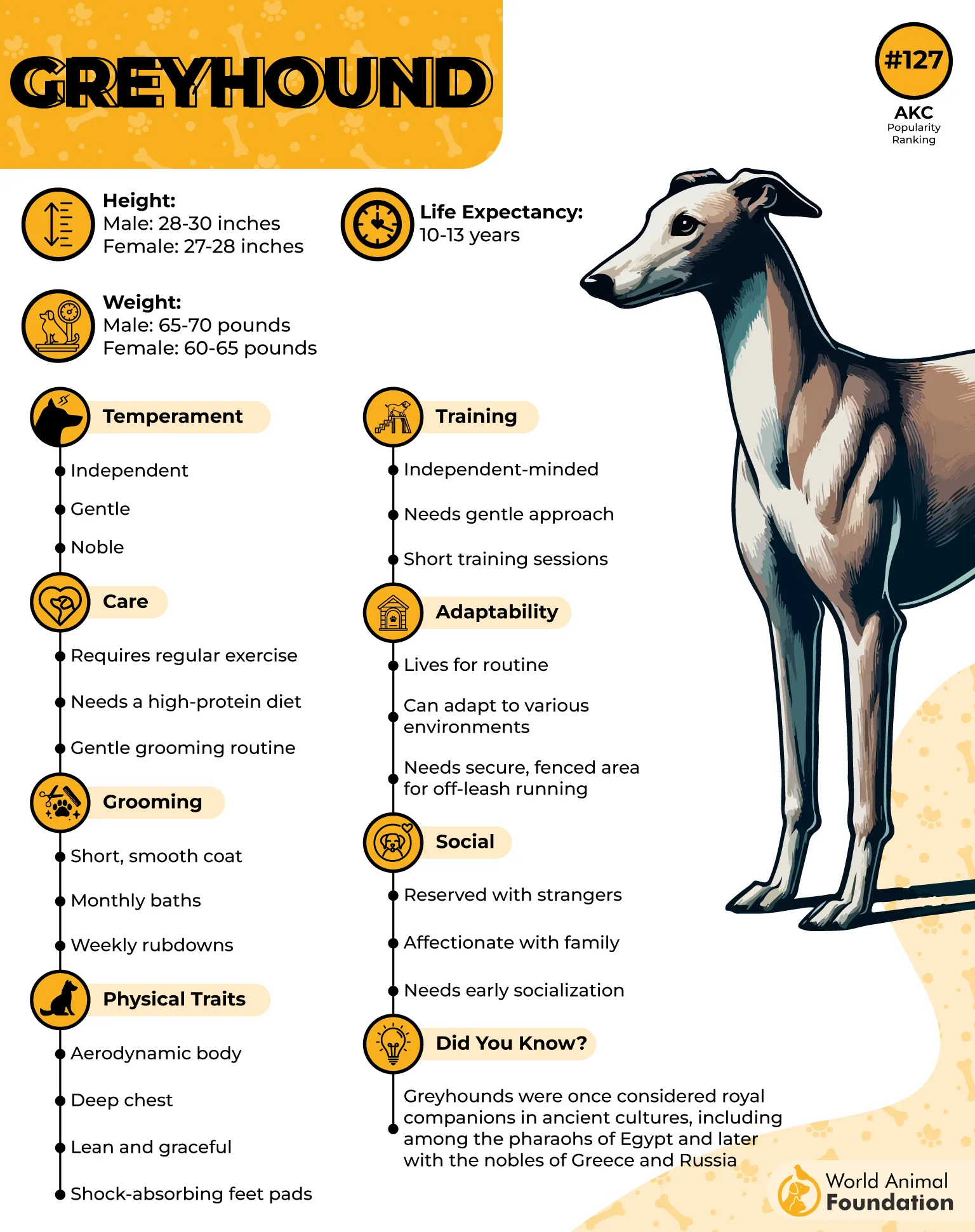
Greyhounds require only moderate exercise. Short daily walks combined with occasional sprints in a safe, enclosed area are usually enough to keep them healthy and satisfied. After these brief periods of activity, they are content to rest for extended hours.
Because of their strong prey drive, proper training and secure fencing are essential. They may instinctively chase small animals, so supervision and controlled environments are important for their safety and the safety of other pets.
Conclusion
These are some of the best dog breeds often considered low-maintenance due to their low-shedding coats, simple grooming needs, and moderate exercise requirements. Beyond ease of care, many of these dogs also share adaptable, affectionate, and playful temperaments, allowing them to fit comfortably into a wide range of lifestyles, from busy urban households to quieter family environments.
Most of these breeds stay mentally and physically balanced with short daily walks, light play sessions, and occasional training activities. This level of stimulation is usually enough to keep them healthy, engaged, and content without demanding complex routines or extensive equipment.
Despite differences in size, structure, or historical working roles, these dogs demonstrate that responsible pet care does not have to be complicated. With proper care, understanding, and time, even low-maintenance breeds thrive through simple but meaningful daily interaction and companionship.
