




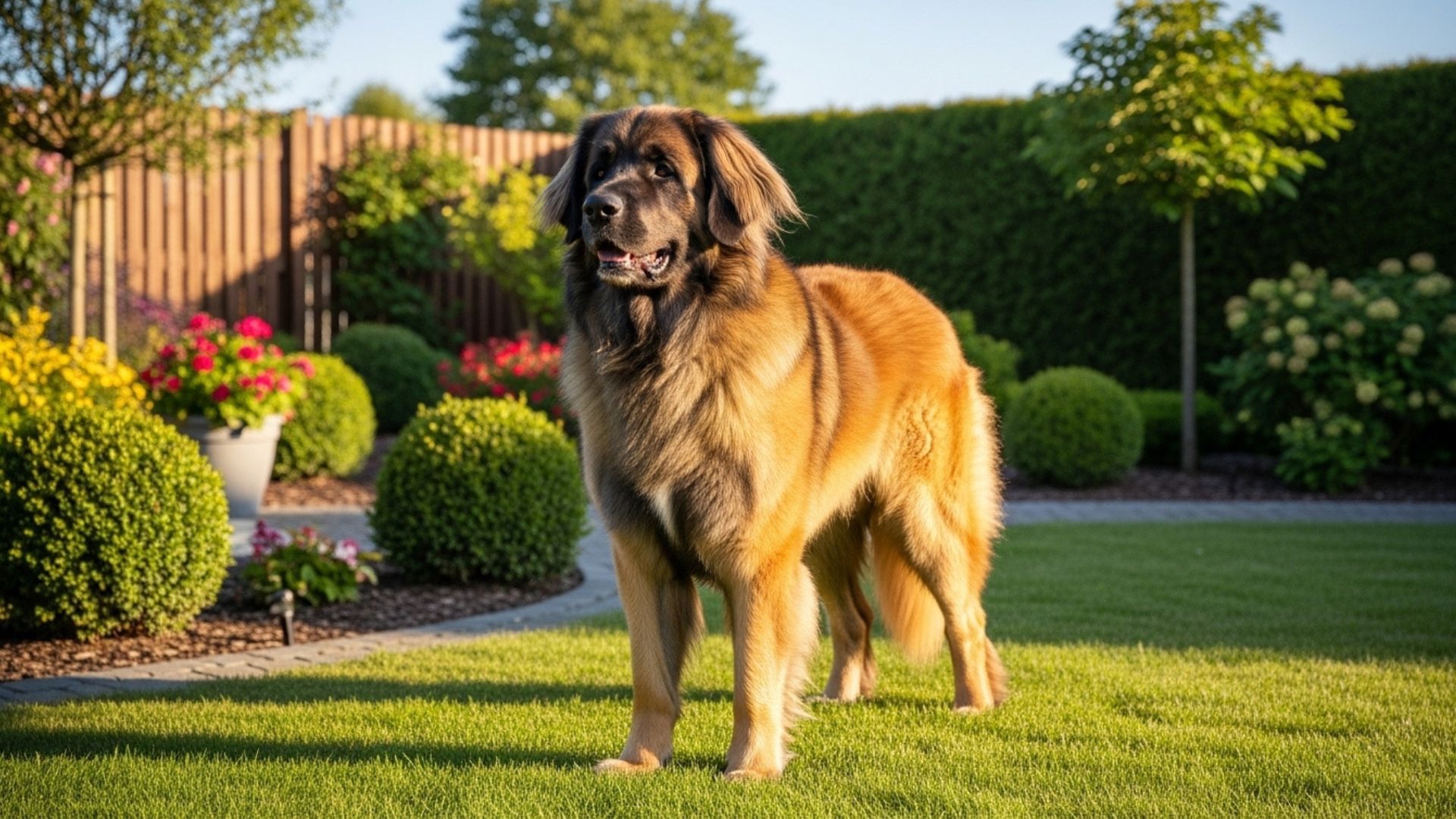
Have you ever wondered if a dog could protect your home without adding complications to your daily routine? Many people assume that capable guard dogs require heavy training, intense structure, or constant handling, yet some breeds break that assumption entirely.
These dogs carry a natural awareness that does not rely on high maintenance to stay effective. They read body language, notice unfamiliar movements, and create a sense of safety through instinct rather than demand.
Their independence works in your favor because they do not need continuous attention to remain loyal. They prefer simplicity, calm environments, and predictable rhythms, which makes them highly compatible with busy individuals or families.
As you move through this article, you will discover dogs that protect with intention, settle with ease, and fit seamlessly into a lifestyle that values both comfort and reliable security.
Key Takeaways
Protection and practicality can go hand in hand when the right dog is in your home.
Leonbergers and Saint Bernards watch over the family with gentle eyes, while Boerboels and Rottweilers act decisively when situations demand.
Newfoundlands and Rhodesian Ridgebacks combine strength with thoughtful awareness, proving that a guard dog doesn’t need constant upkeep to be effective.
Explore all seven breeds to find the perfect companion that keeps your home safe without extra fuss.
Low‑Maintenance Dog Breeds with Unmatched Guarding Skills
1. Leonberger
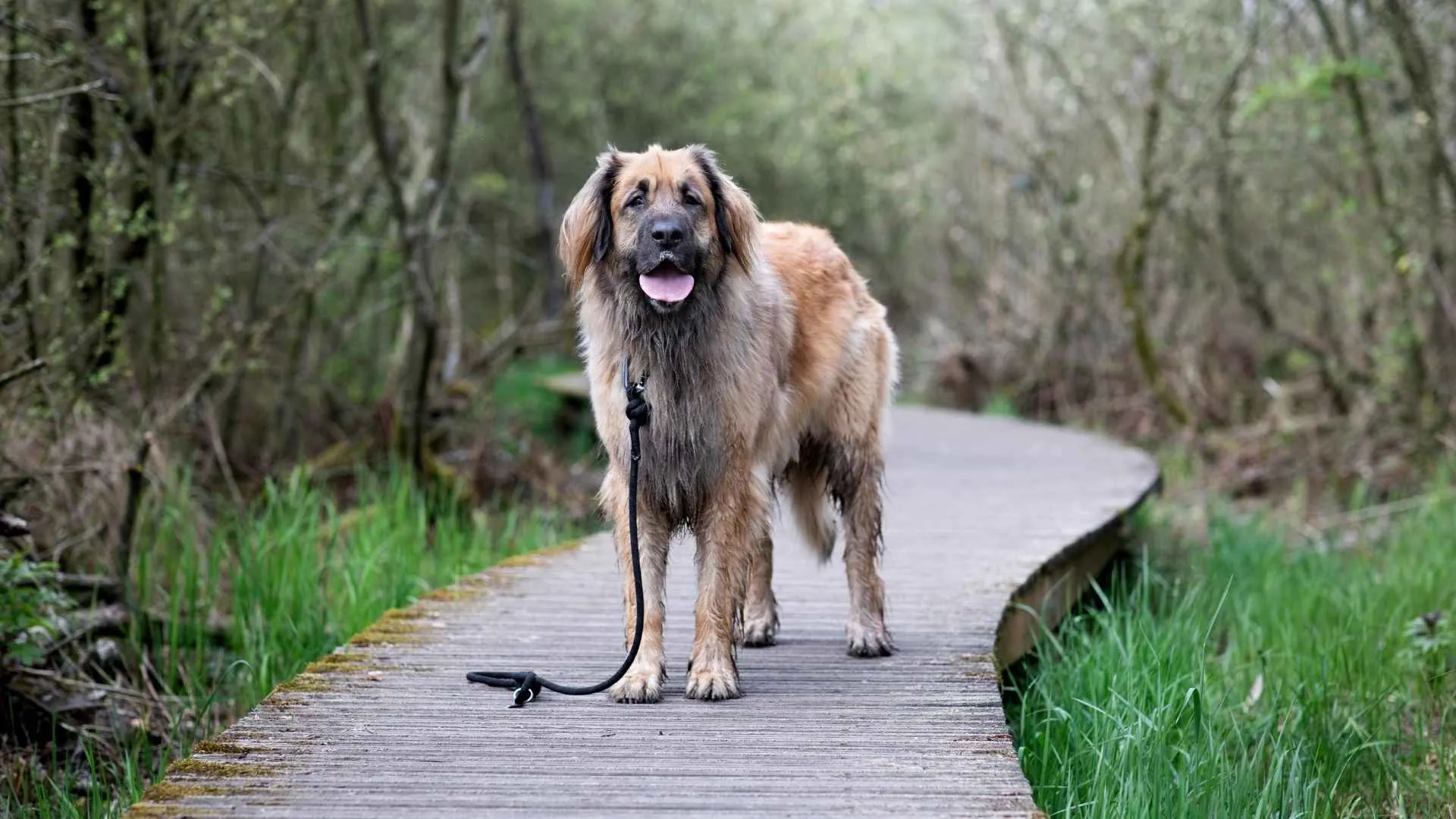
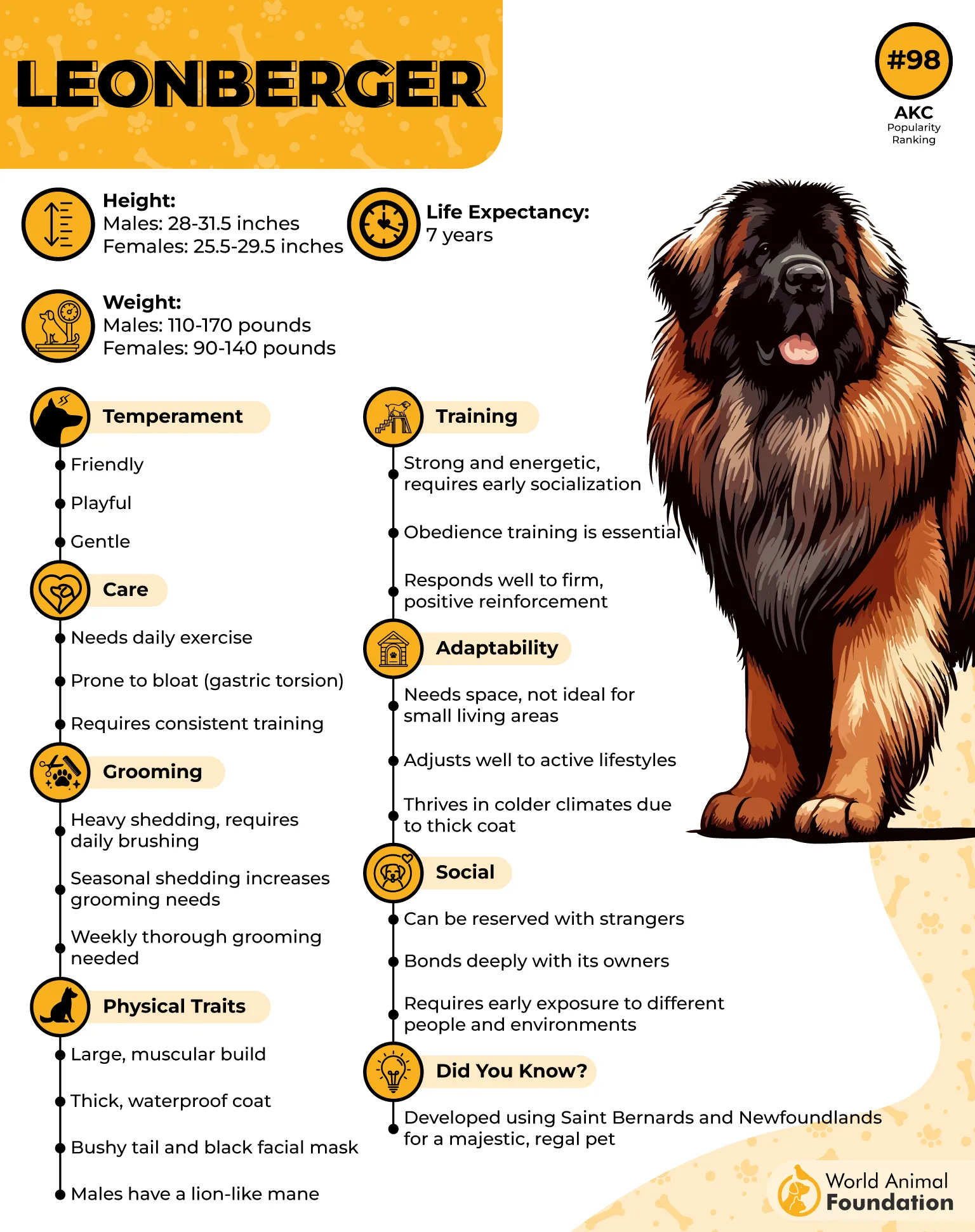
The Leonberger is a giant with a calm and steady presence that blends power with poise. Their movements are fluid, almost elastic, making them look graceful despite their size. This combination makes them attentive companions for households that value both security and serenity.
Built for Family Life
These guard dogs balance their imposing stature with a gentle heart that connects naturally with children and adults alike. Their intelligence and judgment show in everyday situations, giving them a reliable sense of awareness.
Some key traits for practical daily life include
Lush, water-resistant coat for outdoor activities
Bushy mane that adds a regal silhouette
Keen observation of surroundings
Protective Instincts
Leonbergers use their size thoughtfully, alert to unfamiliar sounds or movements without constant barking. Their presence alone can create a sense of safety in open spaces or busy yards. This awareness helps them adapt to various living situations while keeping family members secure.
2. Boerboel

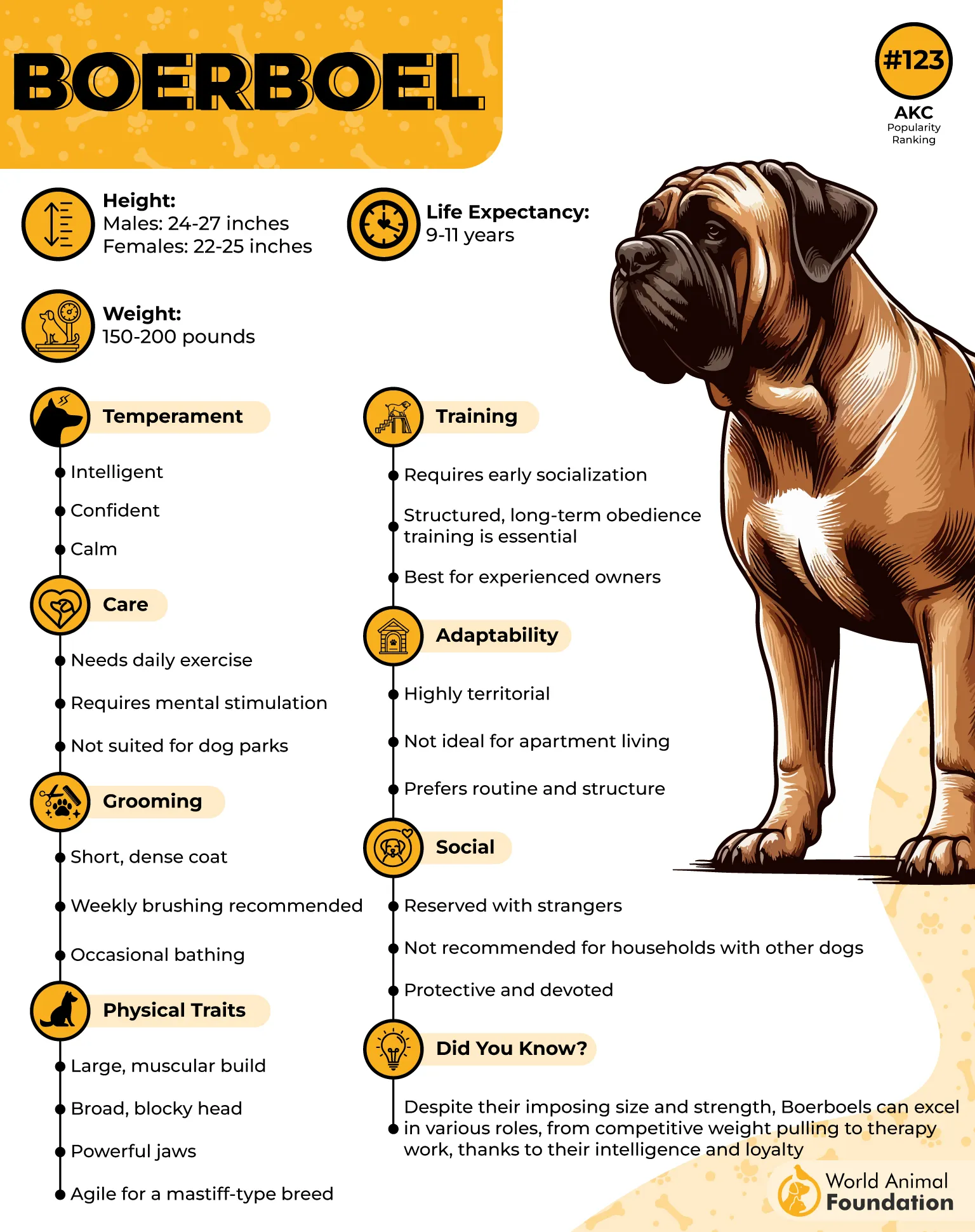
Boerboels project authority the moment they enter a space. Muscular from head to rump, their presence alone commands respect on the property and around the family, as Orvis writes. Alert and bright, these dogs read situations quickly and respond with precision when they sense a threat.
Agile Strength
Despite their size, Boerboels move with surprising agility across yards or uneven terrain. Their instincts combine with intelligence to make calculated protective actions.
These features come together in ways that truly matter for guarding:
Quick reaction to unusual sounds or movement
Confident approach when strangers are near
Steady composure under pressure
Easy to Maintain
A sleek coat keeps grooming minimal, making daily care simple while still showcasing a polished look. Feeding and health requirements stay straightforward for an active lifestyle. Low-maintenance routines do not interfere with their protective duties or energy levels.
3. Dachshund

Dachshunds bring surprising confidence into homes despite their compact frames. Their long bodies and stubby legs hide sharp hunting instincts that make them alert to any unusual movement. This natural vigilance allows them to react quickly to unexpected guests or noises around the property.
Hunting Instinct Meets Practical Guarding
These hunting dogs keep their instincts sharp while being easy to care for in daily life, as PetMD stated. Their bravery combines with minimal grooming needs and adaptability to smaller living spaces.
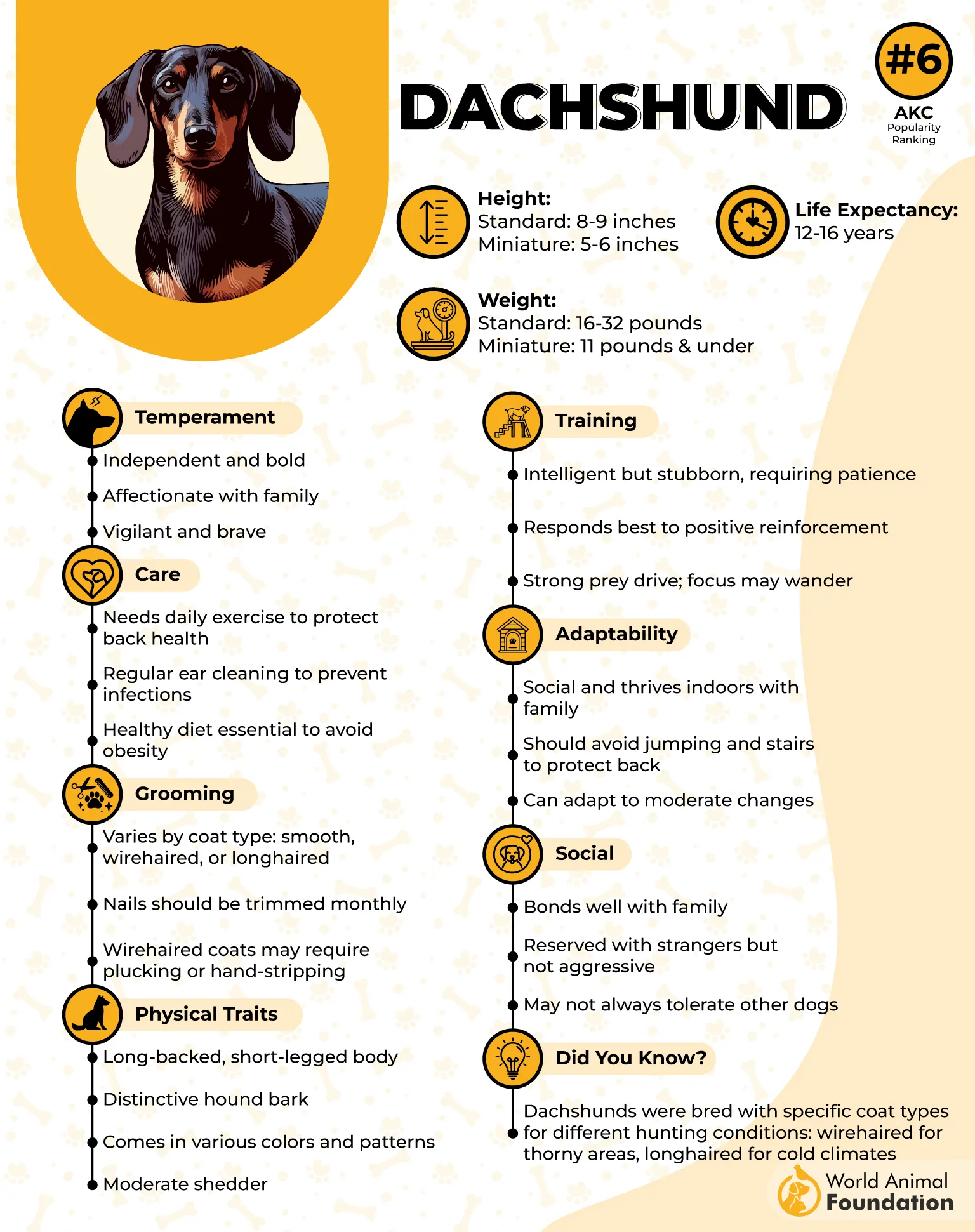
Their trail-ready skills translate to modern guarding:
Loud, attention-getting bark
Sharp alertness to motion and sound
Quick and determined responses

Low-Maintenance Loyalty
Feeding, grooming, and exercise demands are modest, yet the protective spirit remains intact. These dogs form strong bonds with families while staying alert to strangers and changes in the environment. Their combination of courage and simplicity makes them a practical choice for those seeking both.
4. Rottweiler

Rottweilers have a calm but commanding presence that makes them excellent household guardians. They can sense unusual activity and respond decisively without unnecessary noise. Their steady demeanor allows them to patrol spaces with awareness and authority.
Practical Skills in Action
These dogs are intelligent and responsive, which makes simple engagement activities effective for keeping them occupied. Training sessions are usually straightforward and rewarding for both dog and owner.
Some notable capabilities include
Sharp scent detection for games or security tasks
Quick learning of commands and routines
Strong protective instincts around family

Low-Upkeep Grooming
The Rottweiler’s coat is short and naturally resilient, which means brushing a few times weekly keeps it in good shape. Minimal grooming suits owners who want a functional guard dog without constant upkeep. Seasonal shedding only requires slightly more attention to maintain cleanliness.
5. Saint Bernard
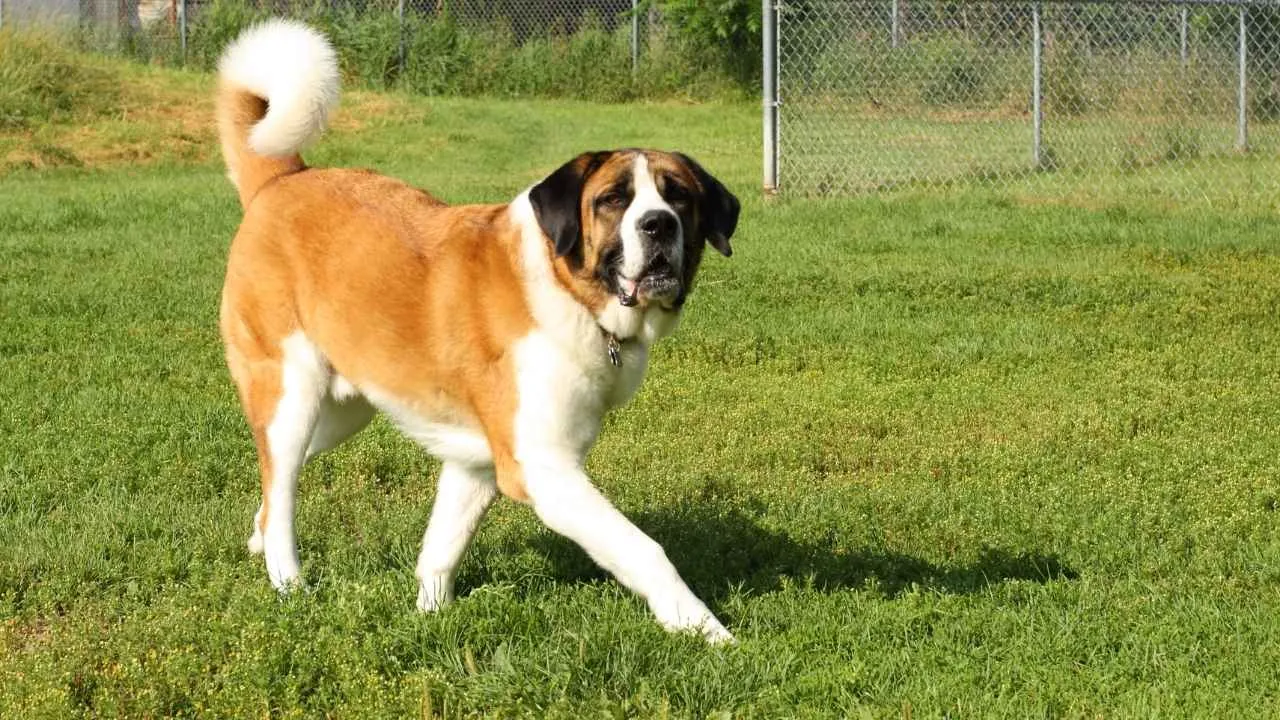
Saint Bernard’s size is matched by a calm, attentive nature that makes it naturally protective. These dogs remain composed while keeping a close watch on their surroundings. Their patience with children adds to their value as steady guardians around the home.
Strength That Meets Practical Care
Their muscular build gives confidence to anyone seeking a reliable protective presence. While grooming is simple outside of shedding seasons, these dogs excel in guarding with minimal fuss.
Key features for effective guardianship include:
Strong, imposing presence
Alertness without constant hyperactivity
Ability to respond to commands reliably
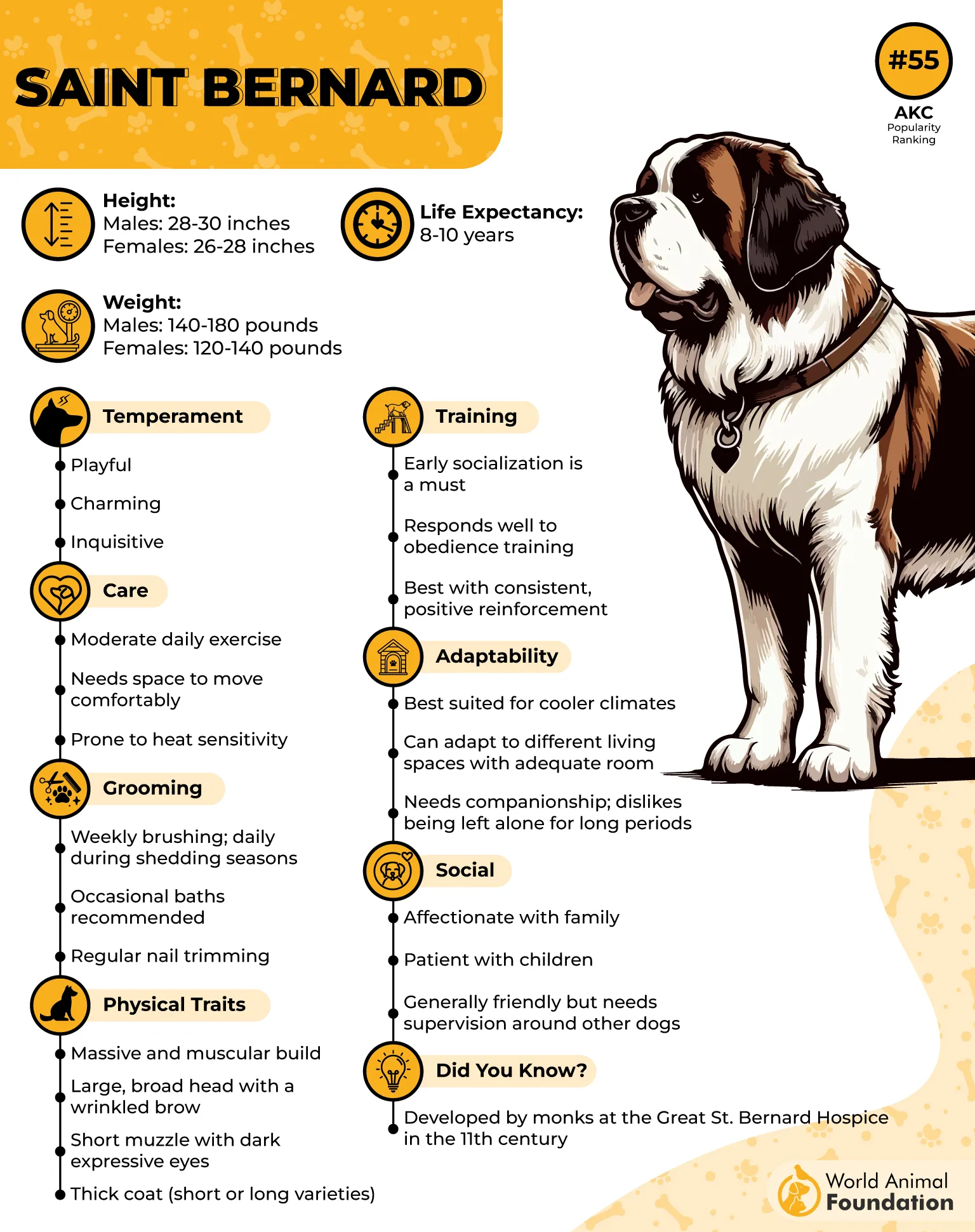
Training That Shapes Their Potential
Early socialization and proper training help channel their protective instincts appropriately, as PDSA claims. Saint Bernards are intelligent enough to recognize when intervention is needed and when calm observation is best. Consistency in guidance ensures they remain approachable yet formidable.
6. Newfoundland
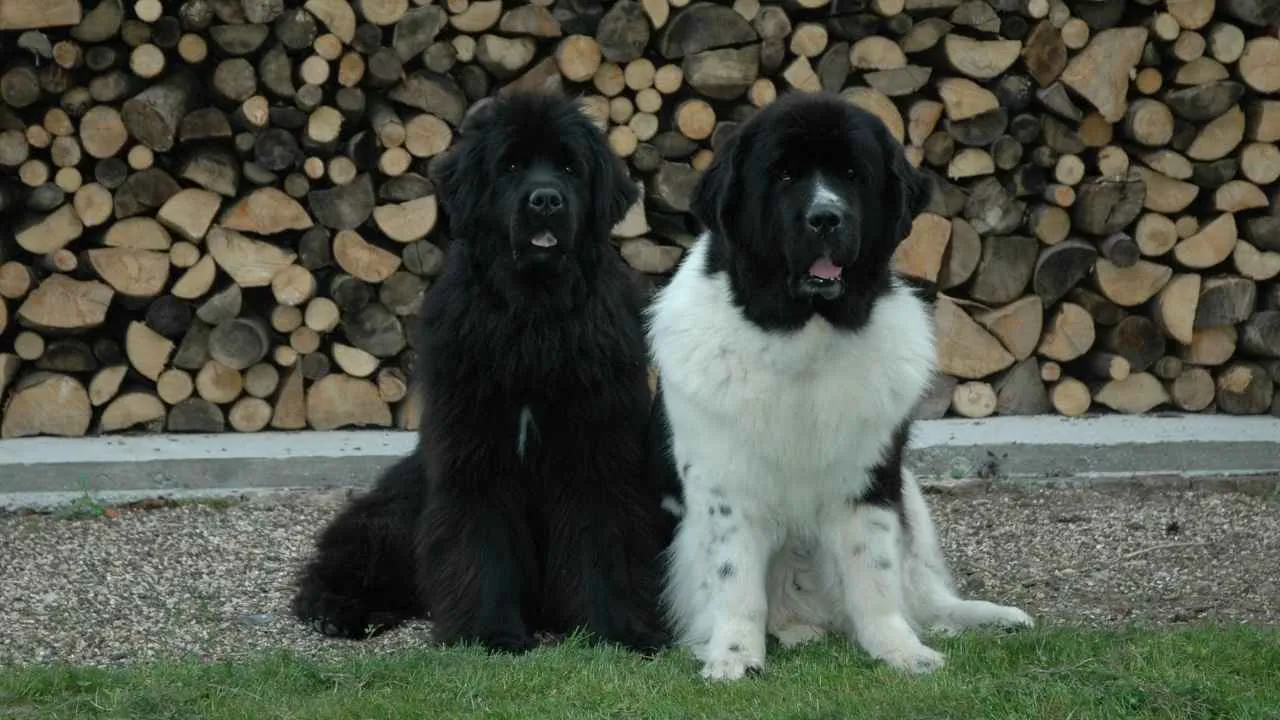
Newfoundland dogs are known for their calm strength, making them natural protectors of home and family. Their quiet confidence allows them to monitor situations without constant attention. This blend of power and calmness makes them approachable yet effective as guardian breeds.
Strength That Works Smart
Muscular bodies and webbed feet give them an edge in water and on solid ground alike. They can stay alert without being overbearing, which keeps training simple and interaction natural.
On top of that, these practical qualities stand out:
Skilled at monitoring children and guests
Ready to respond in emergencies
Able to manage daily activities with minimal fuss
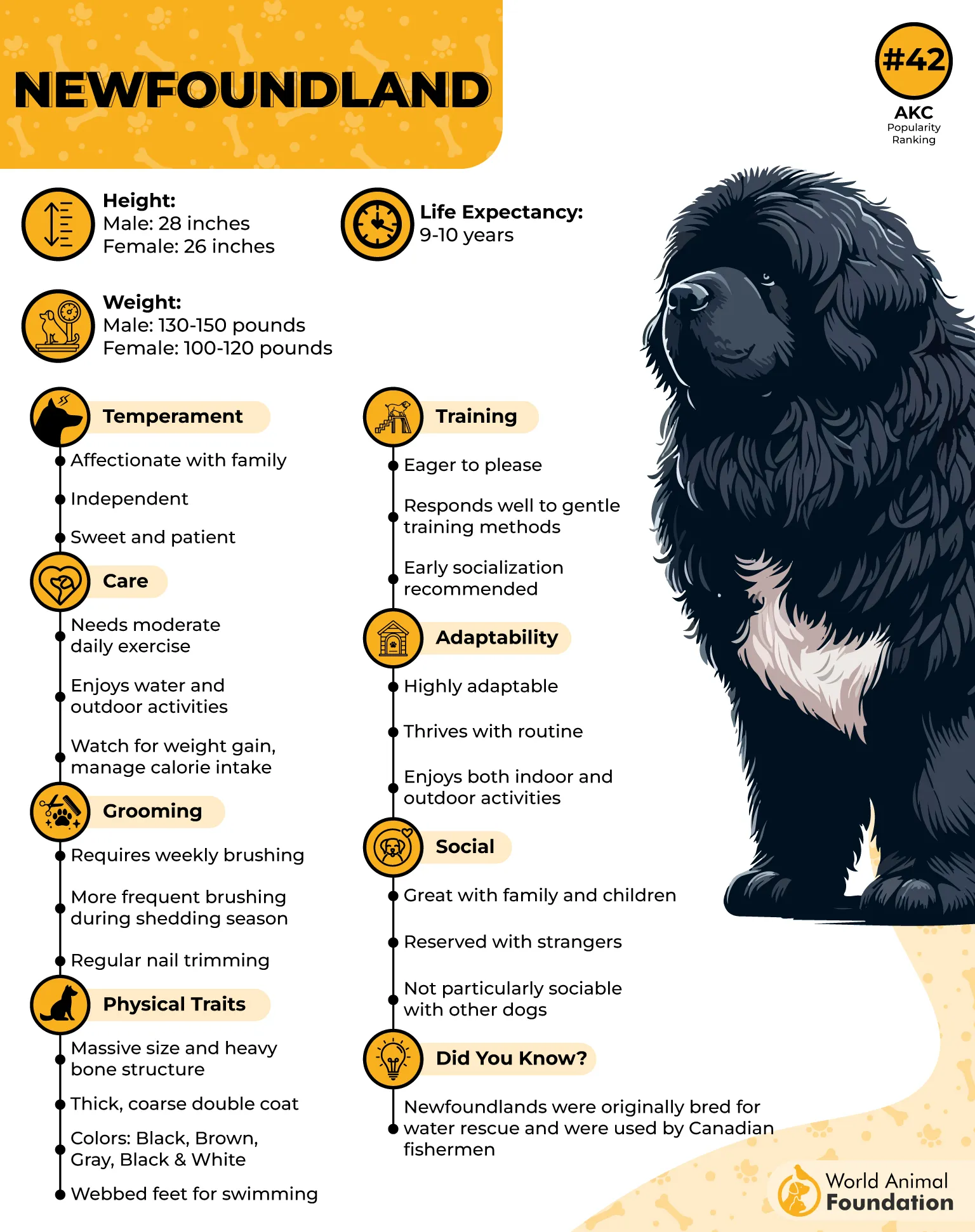
Daily Life Fit
This breed adapts well to predictable routines with minimal grooming effort beyond basic brushing. Swimming or short walks suffice for exercise while keeping their mind engaged. They provide both companionship and protection in ways that feel effortless and natural.
7. Rhodesian Ridgeback

Rhodesian Ridgeback moves with purpose, alert to the environment and ready to respond. Their confidence allows them to patrol yards or open spaces calmly while scanning for potential threats. This energy makes the breed reliable for families who want a protective companion without constant supervision.
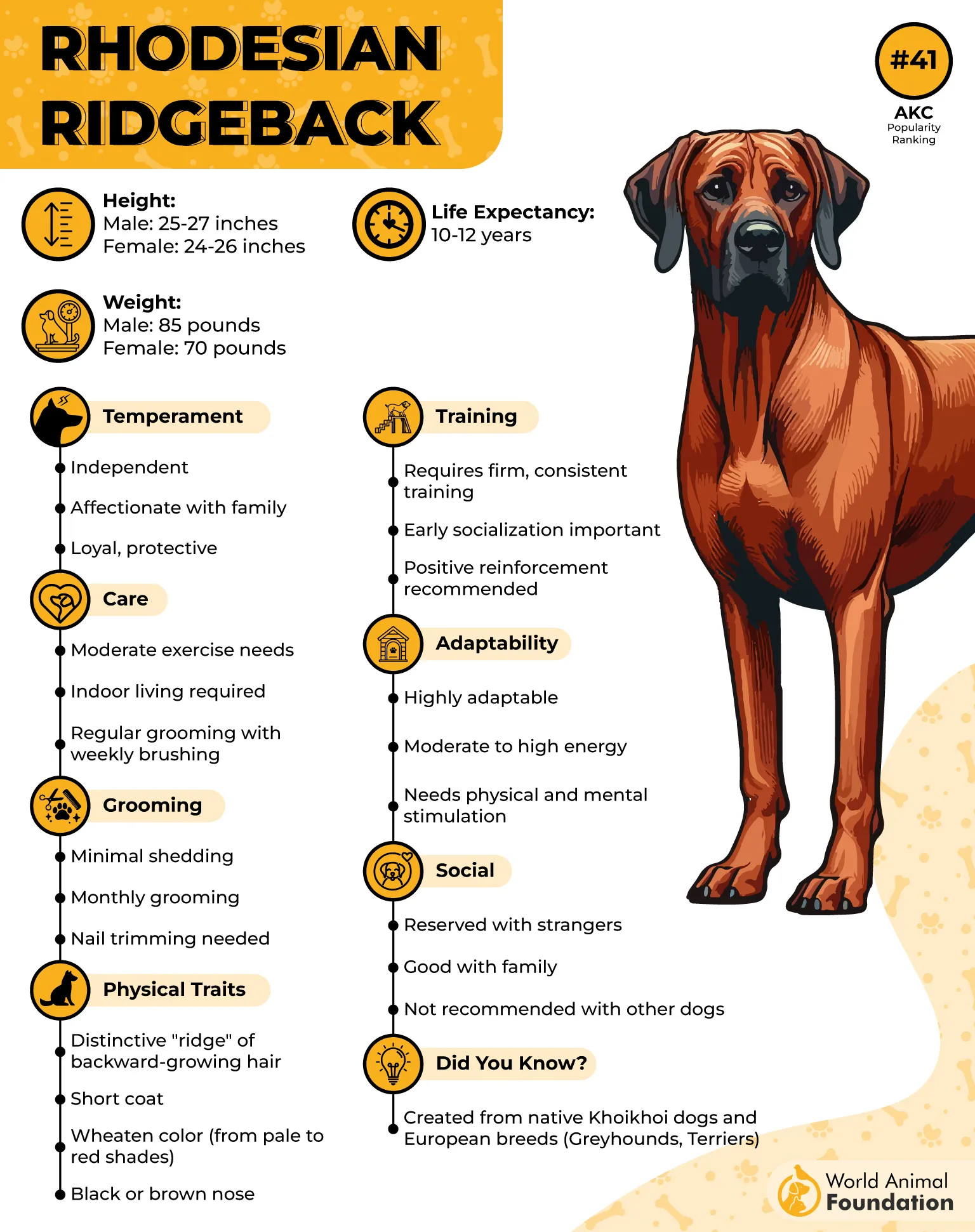
Strong and Independent
These dogs combine athleticism with sharp awareness, making them a capable guard without being high-maintenance. Their instincts guide them in evaluating situations quickly.
These key qualities that highlight this ability include
- Focused attention on unusual activity
- Quick decision-making during outdoor movement
- Loyalty that motivates protective behavior
Guided by Early Training
Early training shapes Ridgebacks into manageable companions who understand boundaries. They respond best to a firm but fair approach from puppyhood, which channels their independence into dependable behavior. Dog owners who invest in this foundation often find the breed highly responsive to commands and routines.
Conclusion
These loyal protectors show how calm instincts and steady behavior can offer real security without complicating daily life. Some remain gentle around other dogs while still stepping forward when needed, proving that the best dog breed for guarding is not always the one that demands constant attention.
Families with other pets appreciate their balanced nature, while pet parents seeking a dependable presence value their quiet confidence. A few handle cold weather with ease, and others fit well for someone bringing home a first dog.
Whether naturally alert or slightly high energy, each one benefits from simple mental stimulation that keeps instincts sharp.
