




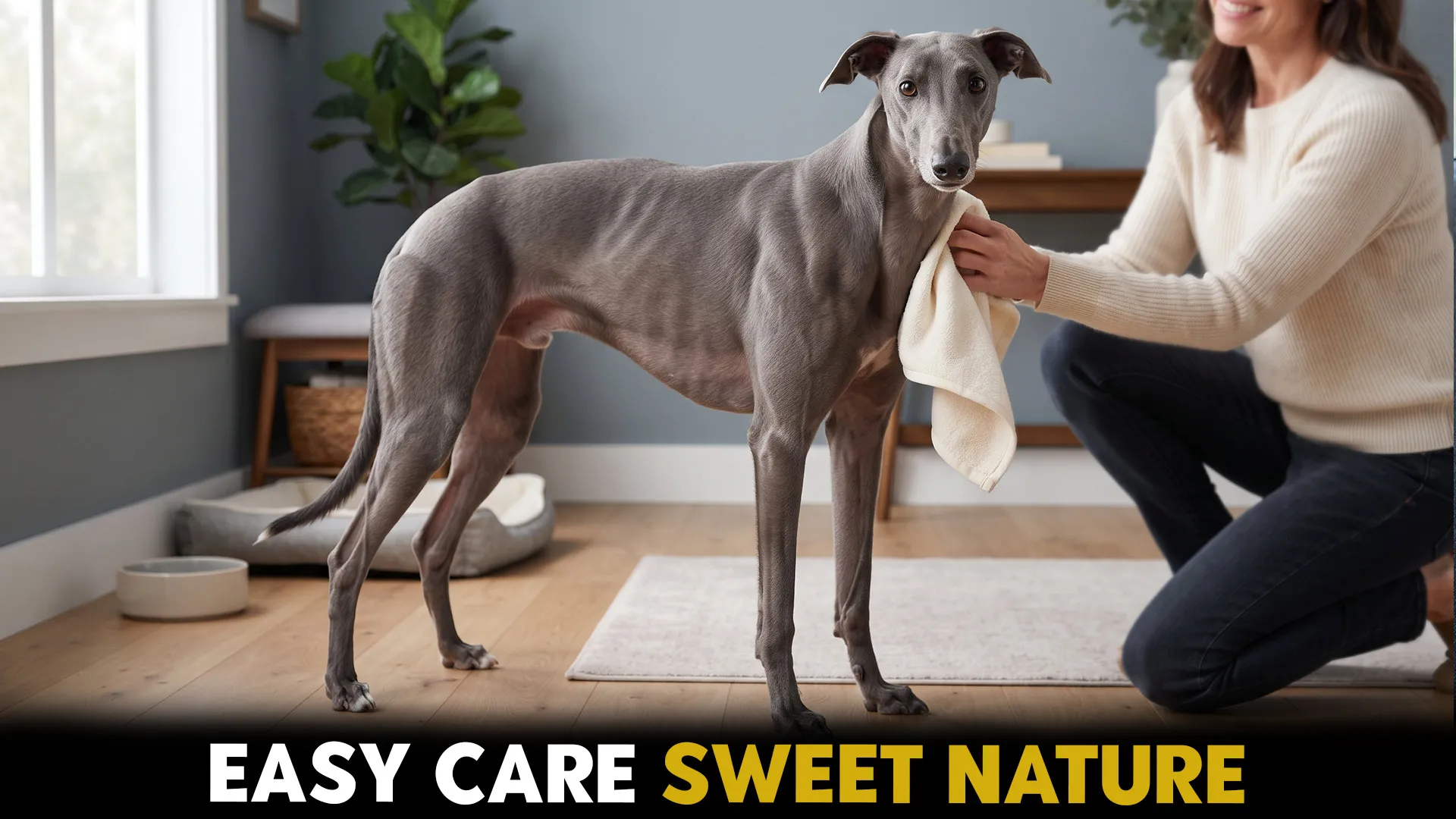
A low-maintenance dog does not have to mean a tiny lapdog that spends most of the day sleeping. That assumption can narrow your choices unnecessarily.
Dogs of different sizes and backgrounds can be manageable when their grooming, exercise, training, and social needs align with your routine. A short coat may reduce brushing, but it does not automatically mean fewer care needs. Likewise, a calm temperament does not remove the need for daily activity and mental engagement.
What matters is the overall package. Some breeds combine moderate exercise requirements with coats that are easier to care for and personalities that generally work well in family settings. Others may need more activity but remain straightforward to train and live with.
Looking at all these factors gives you a more useful definition of low maintenance. This article explores nine breeds that offer that balance, helping you compare them in everyday life more easily.
Key Takeaways
A dog can be easy to care for and still have plenty of personality, energy, and quirks to keep family life interesting.
Boston Terriers keep things simple with a short coat and about an hour of daily exercise, while French Bulldogs need even less activity.
Then comes the Whippet, a dog that can reach 35 mph outdoors and still spend most of its indoor time happily stretched out on the sofa.
The rest of the list brings more surprises, from the famously calm Greyhound to the playful Beagle, so keep reading to see which breeds make everyday care easier.
Low-Maintenance Dog Breeds With Excellent Temperament
1. Boston Terrier
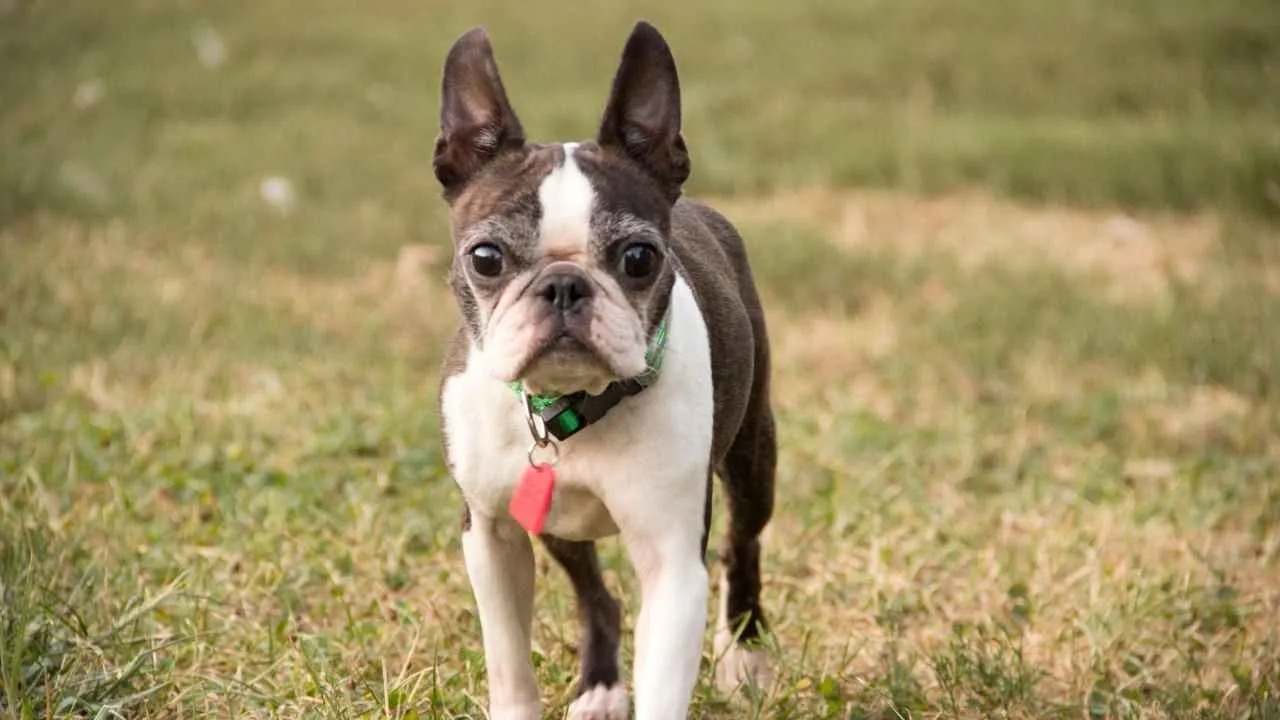
Boston Terrier began in Boston during the late 1800s through crosses involving Bulldogs and white English Terriers. It became one of the few breeds originating entirely in the United States, and its official name was adopted in 1891 after earlier names such as Boston Bull and American Bull Terrier.
Low-Effort Grooming
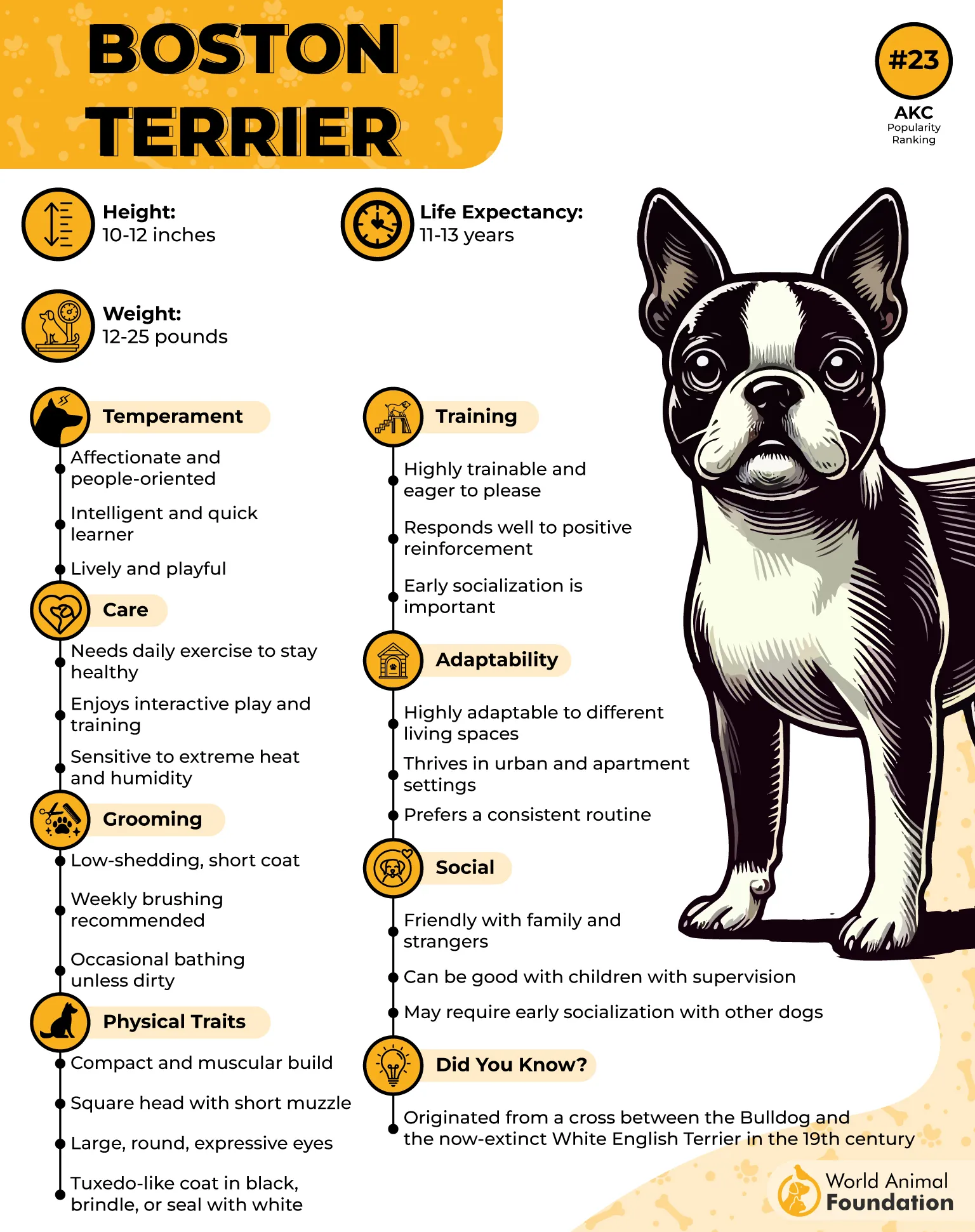
Their short coat needs surprisingly little upkeep, with a grooming mitt about once a week being enough to remove dead hairs. The breed is also noted for having a clean coat without the typical dog odor that can make regular household care more demanding.
Three practical details are easy to appreciate:
About one hour of exercise daily
No need for strenuous workouts
Enjoys accompanying people on outings
A Social Little Personality
Boston Terrier is lively, affectionate, and comfortable around people, dogs, and other pets when properly socialized, as noted by the AKC. Its sensitivity to human moods adds another layer to its companionable nature, while some males may become defensive around other dogs on their territory.
2. French Bulldog
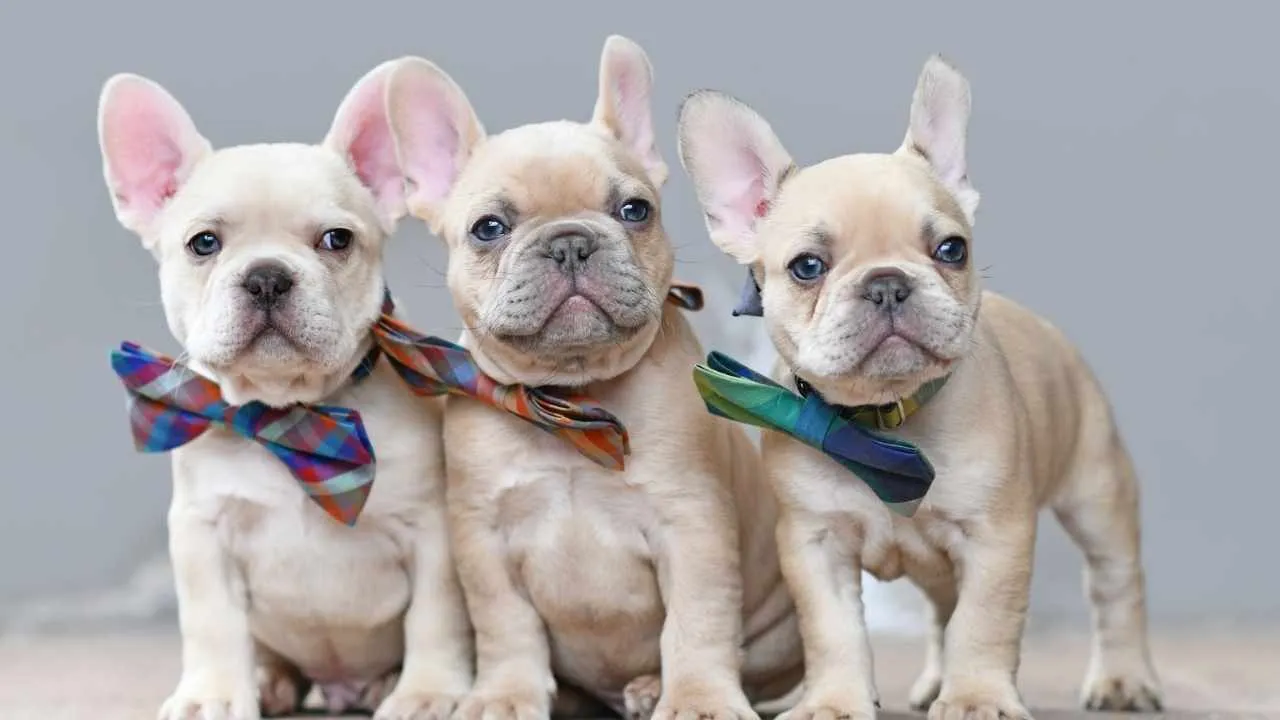
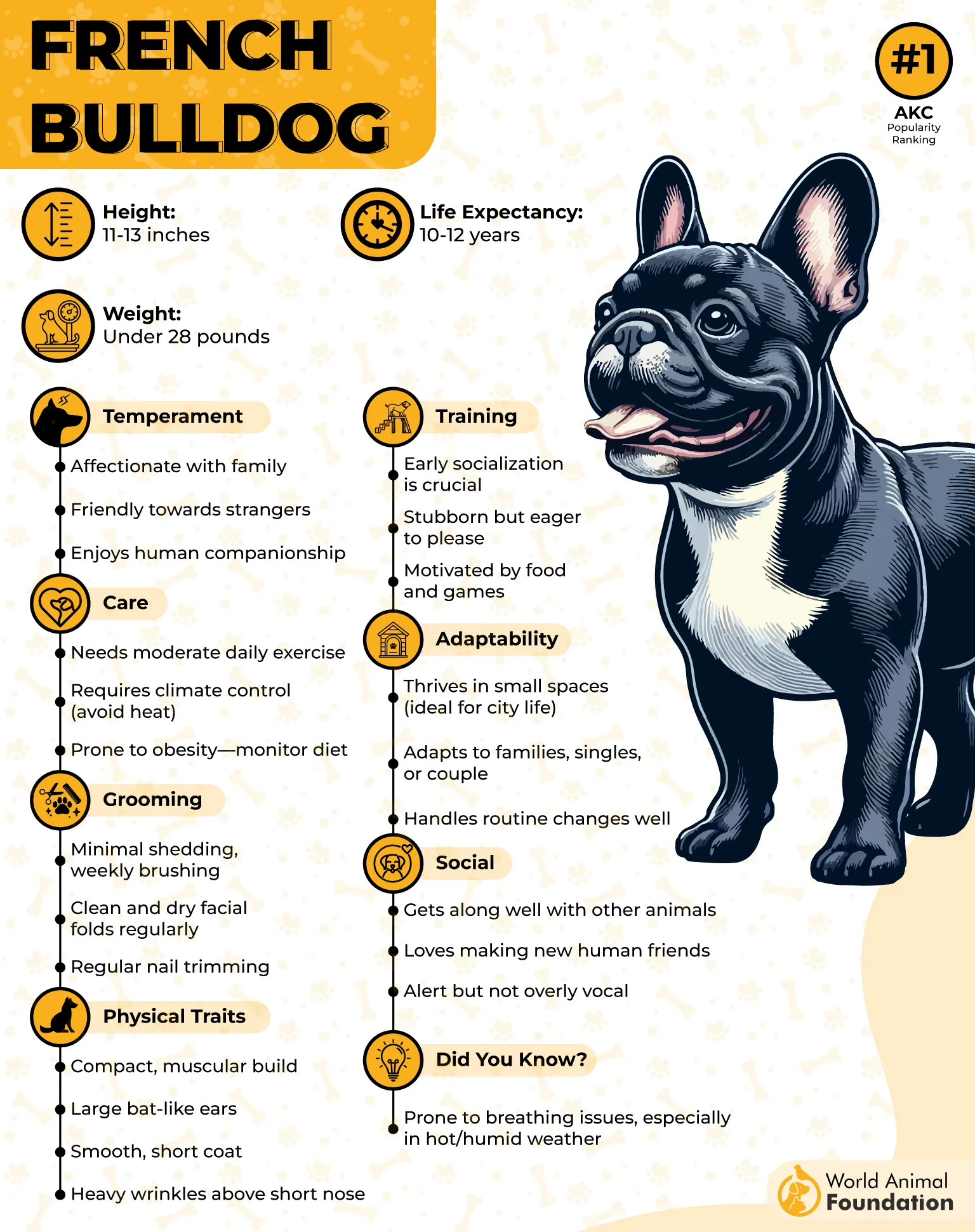
French Bulldog originated in England as a smaller version of the Bulldog, becoming especially popular with lace makers who favored these compact companions. When lace workers emigrated to France, their miniature Bulldogs went with them, helping establish the breed there.
Easy Coat Care
Frenchies have a short coat that sheds minimally, making grooming fairly straightforward compared with breeds needing extensive coat work. Weekly brushing helps remove loose hair and spread natural skin oils, while the deep facial folds need regular cleaning and thorough drying.
Here’s more to this little breed:
Cheerful and affectionate with family
Usually friendly with dogs and cats
Needs regular human company
Gentle Daily Pace
This small dog breed generally needs only a short daily walk, particularly when outdoor temperatures rise above 80°F, as suggested by Pawlicy Advisor. Its short muzzle can make breathing difficult and increase the risk of overheating, so strenuous activity in hot weather calls for extra caution.
3. Whippet
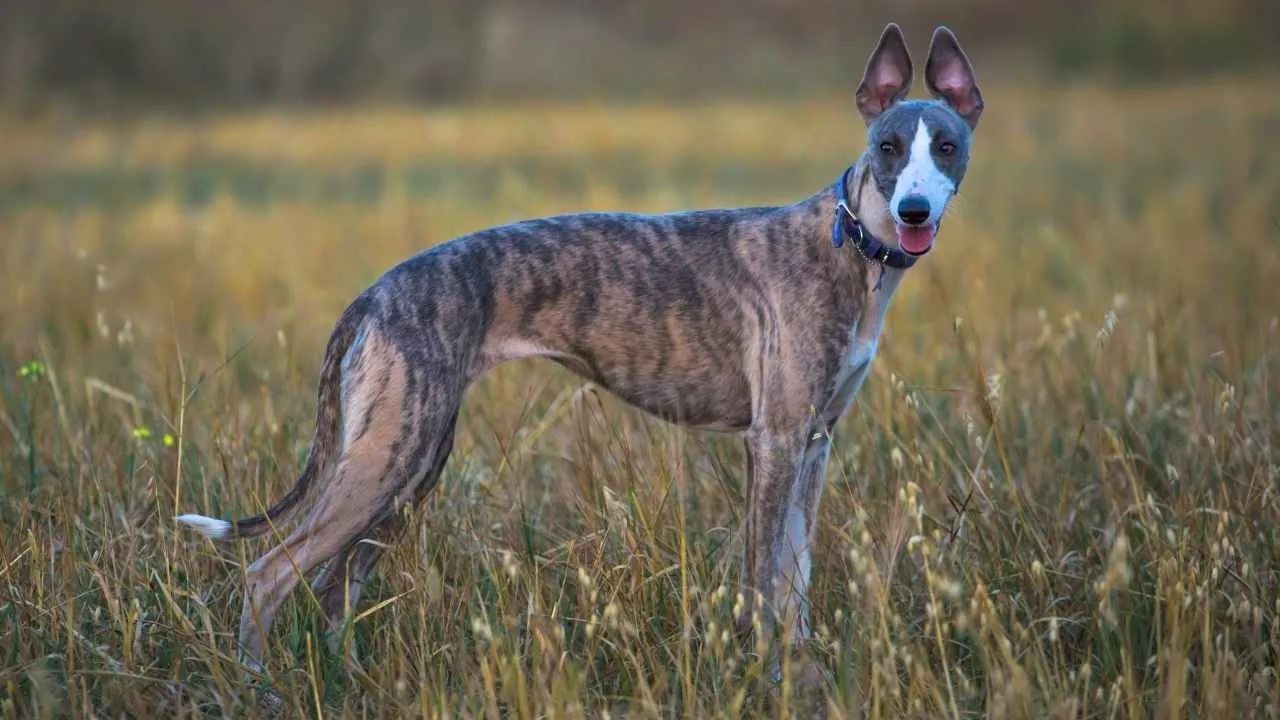
Whippet originated from Greyhound stock, with smaller Greyhounds likely crossed with other dogs to produce a more compact and agile hunter, as Omlet claims. Bred as a sight hound for rabbit catching, the breed later found a new role when working-class families gradually moved into city life.
Apartment Athlete
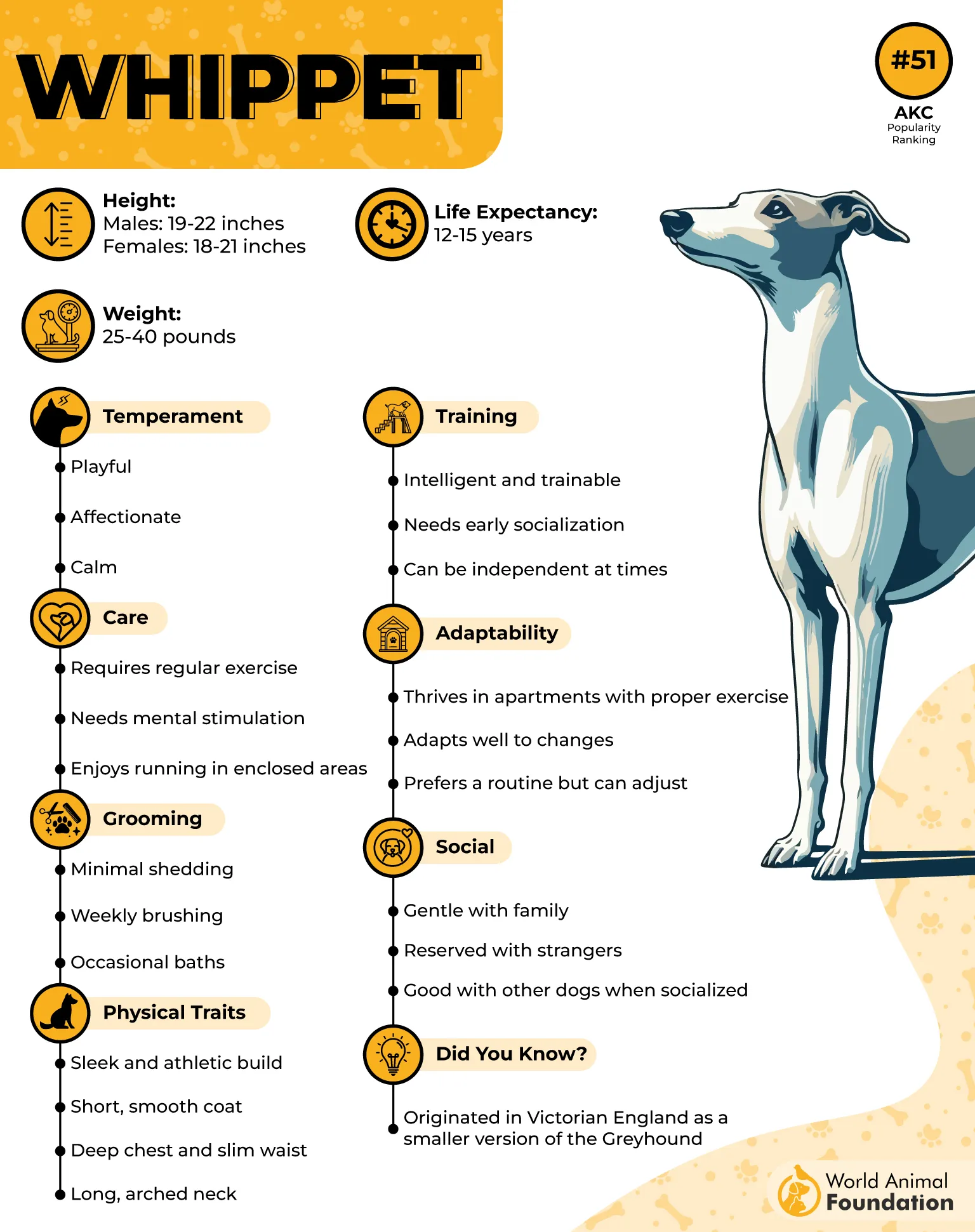
This racing dog can sprint at speeds of up to 35 mph outdoors, yet its indoor routine is remarkably relaxed. Several daily opportunities to run and play are important, followed by plenty of time on a sofa, blanket, bed, or other soft spot.
The following qualities make compact-home life easier:
Quiet indoors with infrequent barking
Minimal shedding for easier cleanup
Needs secure outdoor areas for exercise
Sensitive Companion
Whippet is gentle, affectionate, and highly responsive to the atmosphere around it, making harsh treatment or loud voices particularly difficult for this sensitive breed. Calm handling, positive reinforcement, and early socialization can help with shyness around unfamiliar people or places.
4. Greyhound
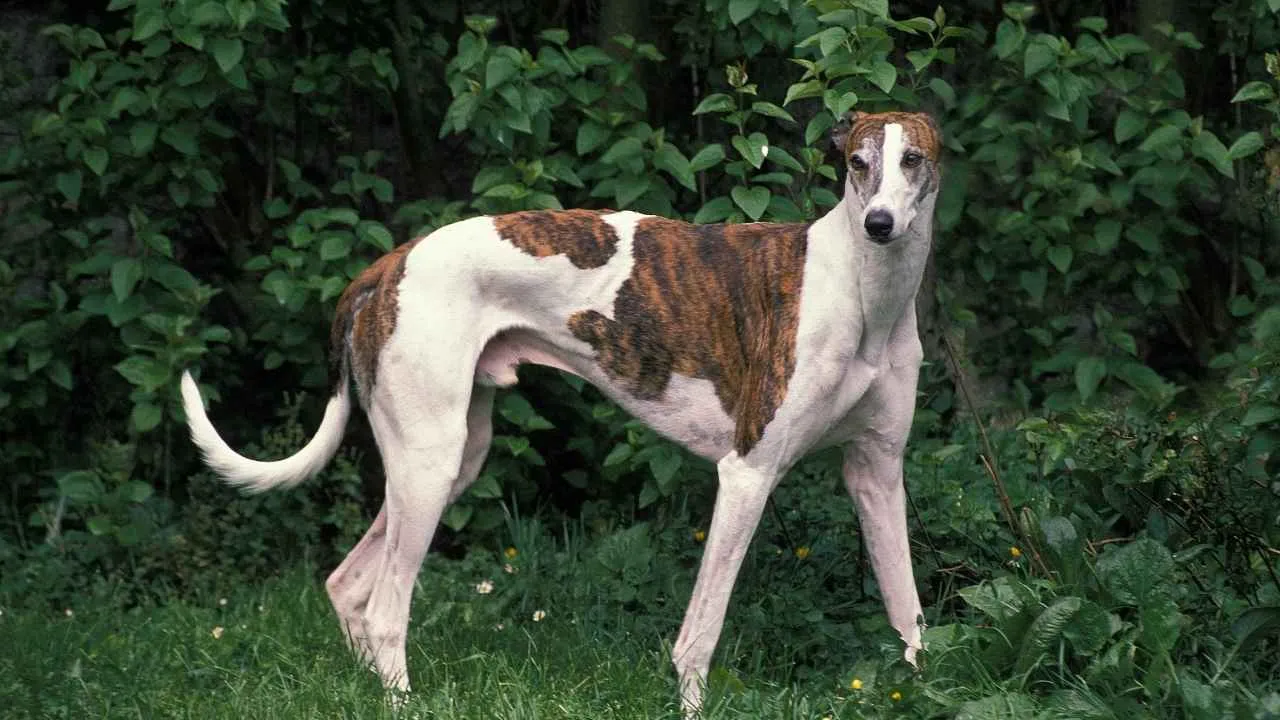
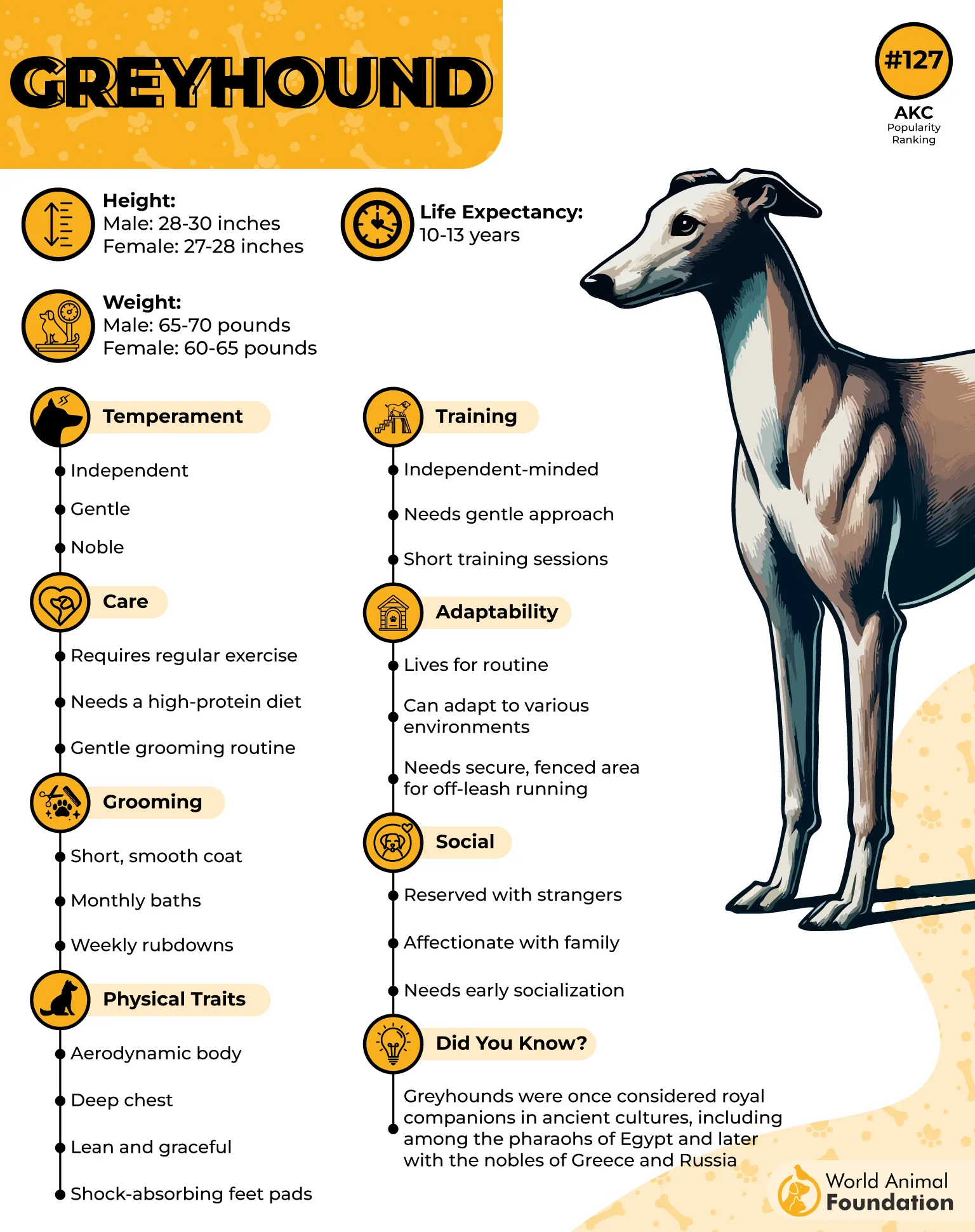
Greyhound is an old European sighthound, bred to spot and pursue game by sight rather than scent. For centuries, the breed was closely associated with nobility, and Greyhound racing later became popular in America and Britain during the early 1920s.
Minimal Coat Maintenance
Its fine, short coat keeps grooming from becoming a big chore, requiring only light routine care. Brushing daily or several times a week can reduce loose hair, while a rubber curry brush can also massage the skin and help bring out a healthy shine.
The rest of the routine stays simple:
Infrequent bathing is usually enough
Dog-friendly shampoo is recommended
Rubber hound mitts remove loose hairs
Quiet at Home
Greyhounds are generally calm, gentle, affectionate, and comfortable around children when interactions are handled carefully. Their sensitivity means loud, hectic households can be stressful, while their strong prey drive requires particular caution around cats and smaller animals.
5. Pug
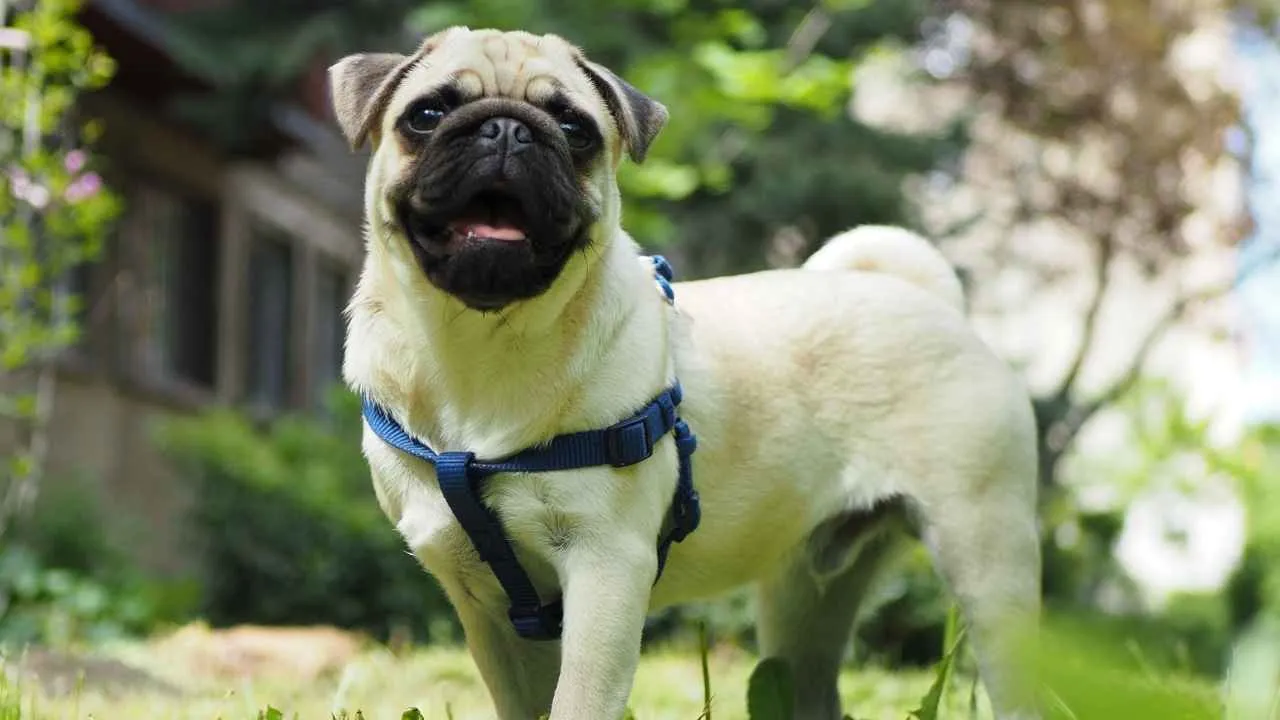
The Pug is linked to the mastiff family and has roots in the Orient, where it was also associated with Tibetan monasteries centuries ago. During the 1700s, the breed traveled from China to Europe with the East India Trading Company, bringing its distinctive little face into a very different world.
A Coat That’s Easy
The Pug has a short, smooth, glossy coat that asks for little grooming compared with longer-haired breeds, although shedding is part of the package. A medium-bristle brush, rubber grooming mitt, or hound glove used weekly can help remove loose hair.
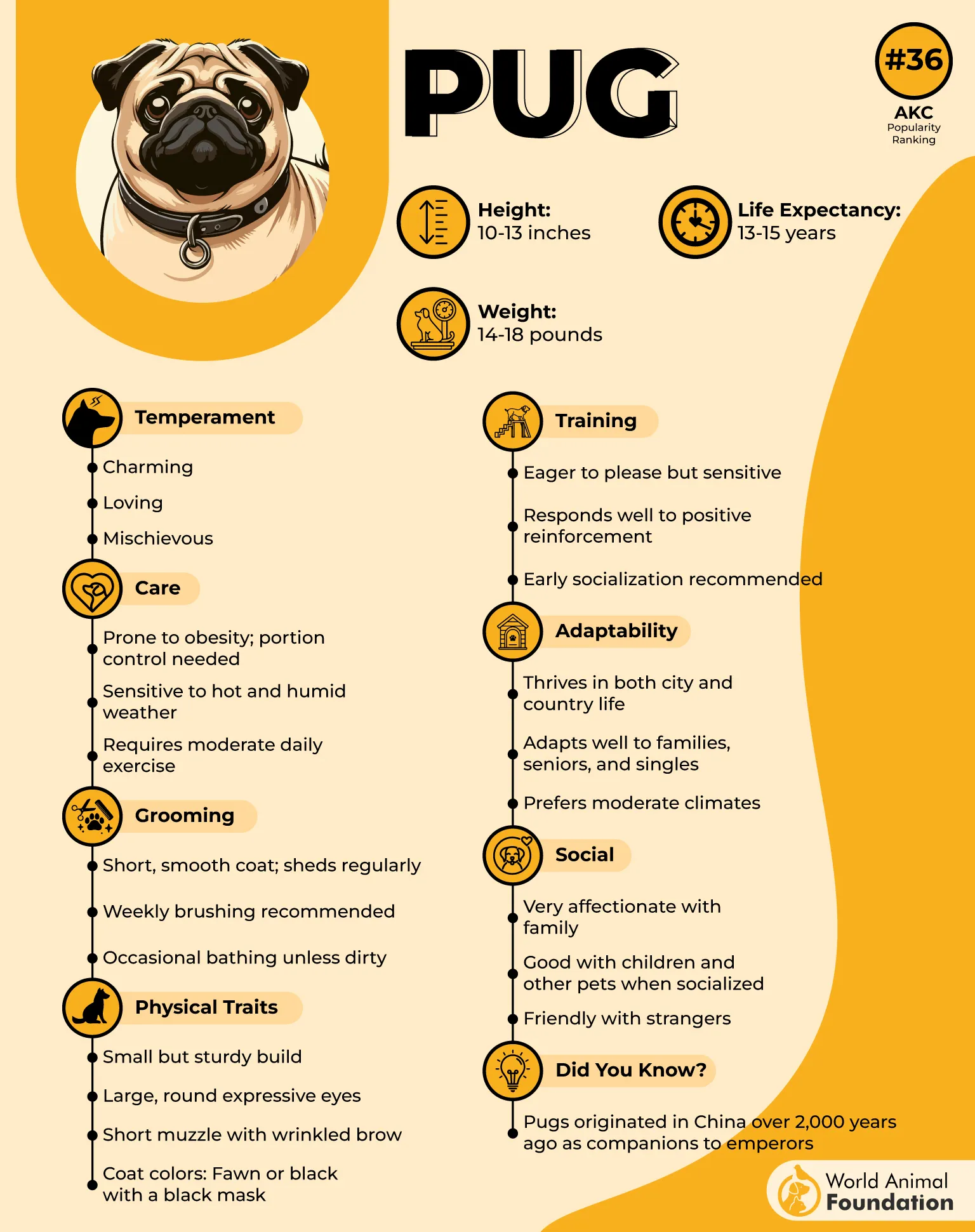
The following routine makes its care especially straightforward:
Bathing is only needed after getting unusually dirty
Weekly brushing helps manage loose hair
Low energy means less daily exercise

A Social Little Dog
This low-maintenance breed enjoys being included when people are playing or spending time together, and its friendly nature often extends to children, babies, and other pets. Its large eyes need extra care during play because the breed’s prominent eyes can be easily injured.
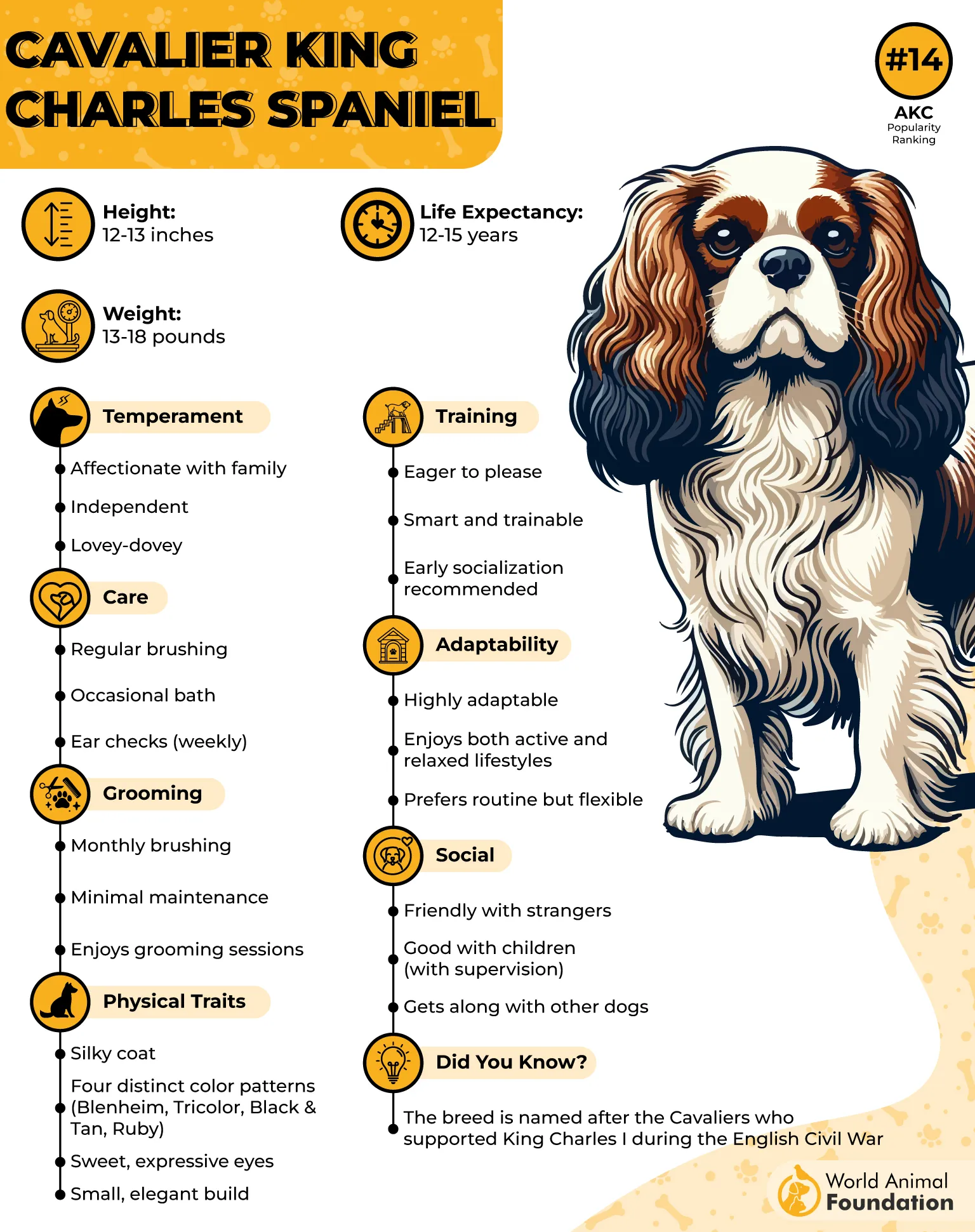
6. Cavalier King Charles Spaniel
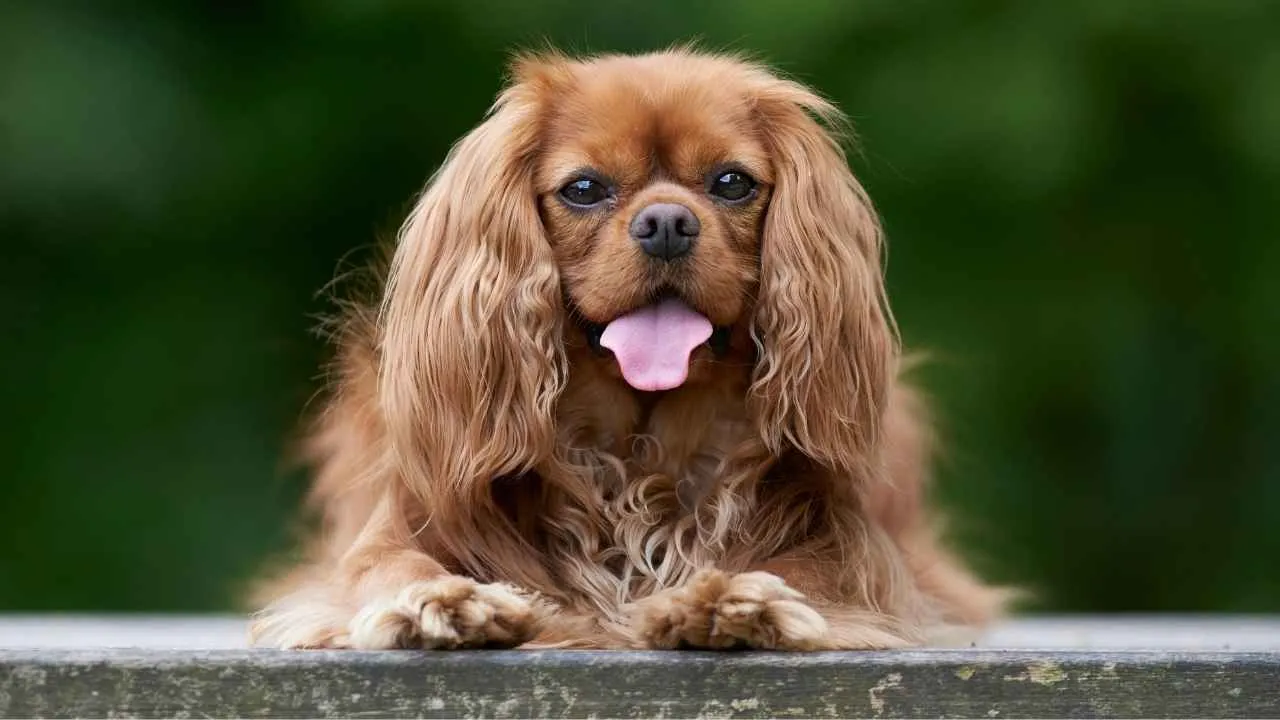
Cavalier King Charles Spaniel began as a Tudor-era lap dog, even serving as a foot warmer and a living hot-water bottle for people seeking extra warmth. King Charles II later took such a strong interest in the breed that it became associated with the name King Charles Spaniel in the 1700s.
Effortless Coat Care
These Spaniels need around 40 to 60 minutes of exercise each day, which can come from an easy neighborhood walk or playful time in a secure backyard. That moderate routine can fit households that prefer manageable daily activity rather than demanding workouts.
That easygoing routine still needs some care:
Curious about unfamiliar scents
May dart after interesting smells
Best kept on a lead in open areas
Gentle Company
As an affectionate dog, this breed also has a notably placid temperament and is often used as a therapy dog because of its gentle nature. The breed also tends to do well with children of different ages and enjoys playful interaction alongside quieter moments.
7. Beagle
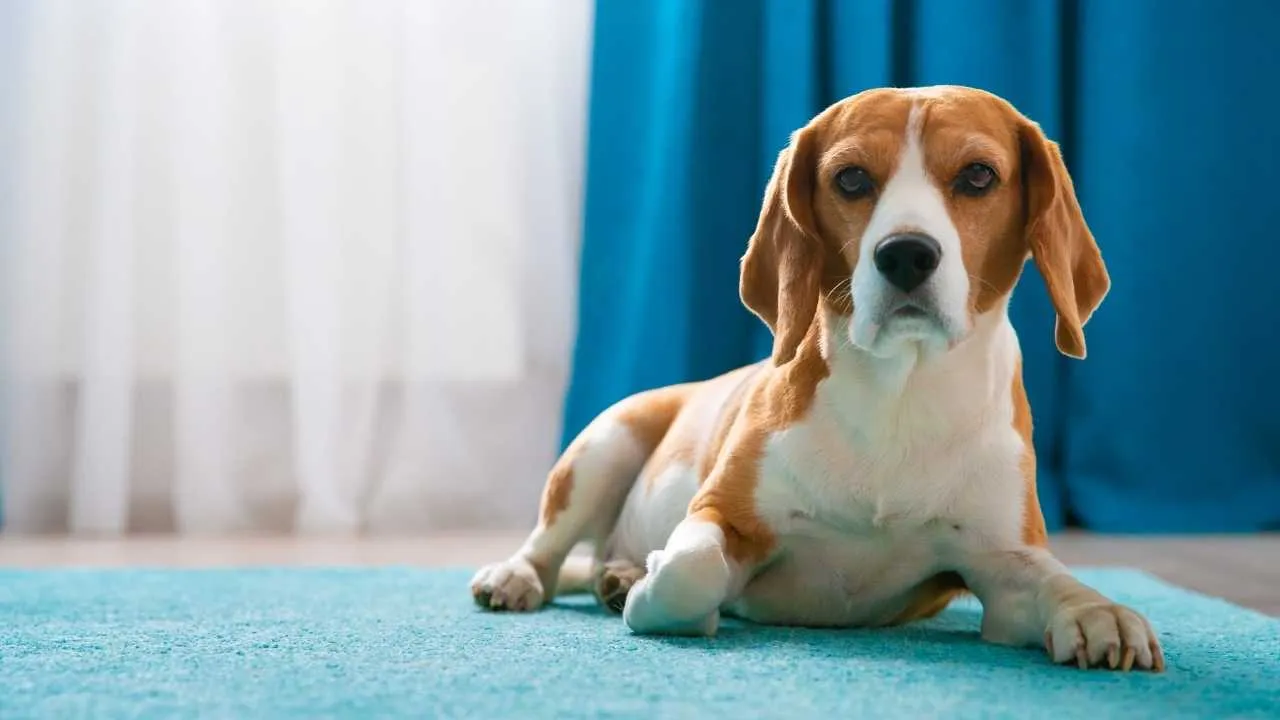
Beagle dates to 14th-century England, when hare hunting had become a popular sport and early versions of the breed looked quite different from today’s familiar hound.
By the late 1800s, the modern Beagle type had become established, with packs used to hunt foxes, hares, and rabbits across the countryside.
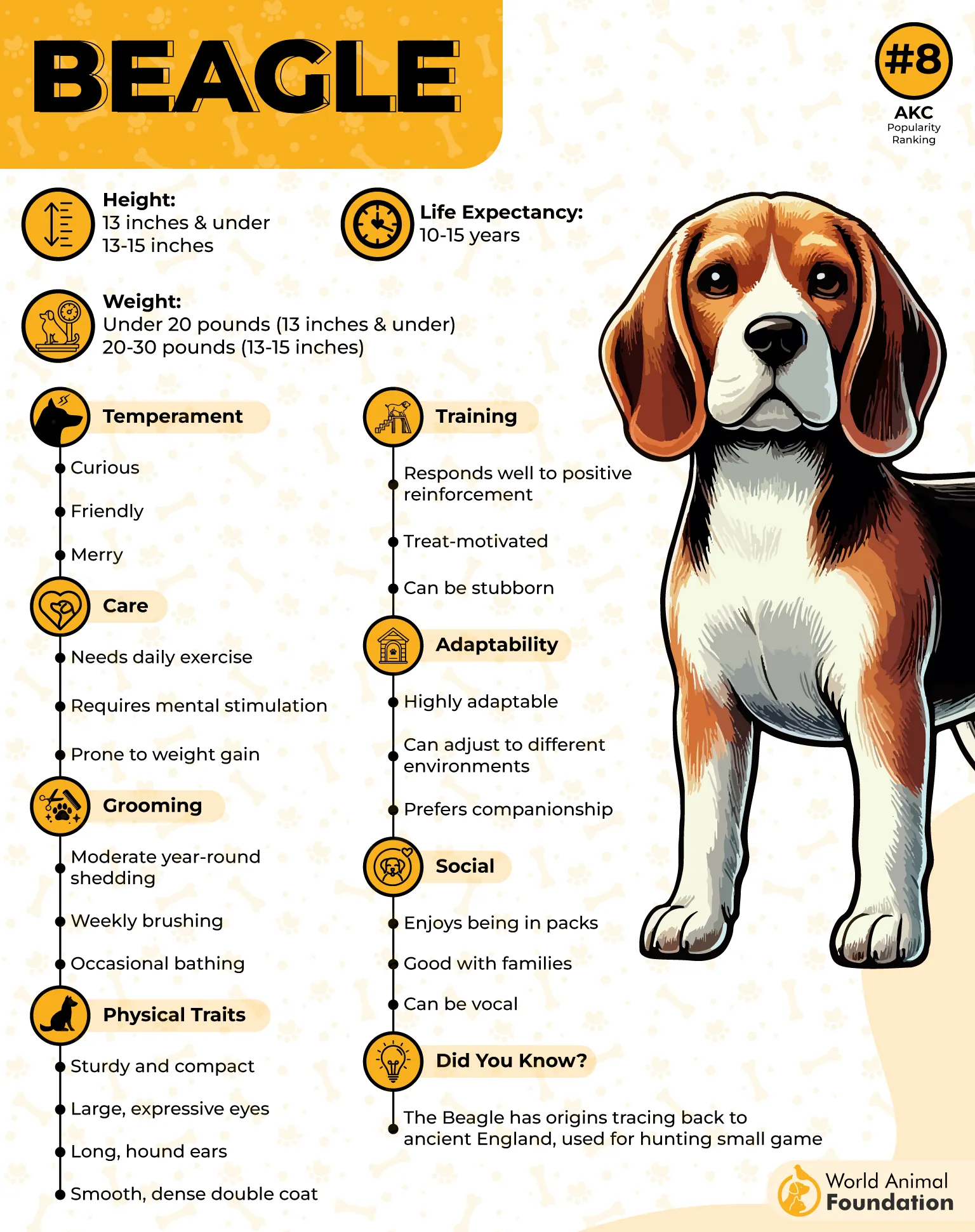
Straightforward Coat Care
Beagles have a dense, water-resistant short coat that needs only a quick weekly brushing to remove loose hair and keep the coat tidy. Bathing is generally limited to times when outdoor adventures leave the dog genuinely dirty, and professional haircuts are unnecessary.
Its everyday personality deserves attention too:
Naturally curious and adventurous
Values companionship and pack interaction
Needs consistent training for its vocal side
A Social Personality
Beagle brings an upbeat, outgoing nature into family life and generally enjoys interacting with people, dogs, and children. Their curiosity keeps them interested in what is happening around them, while their affectionate side makes them eager participants in everyday activities.
8. Japanese Chin
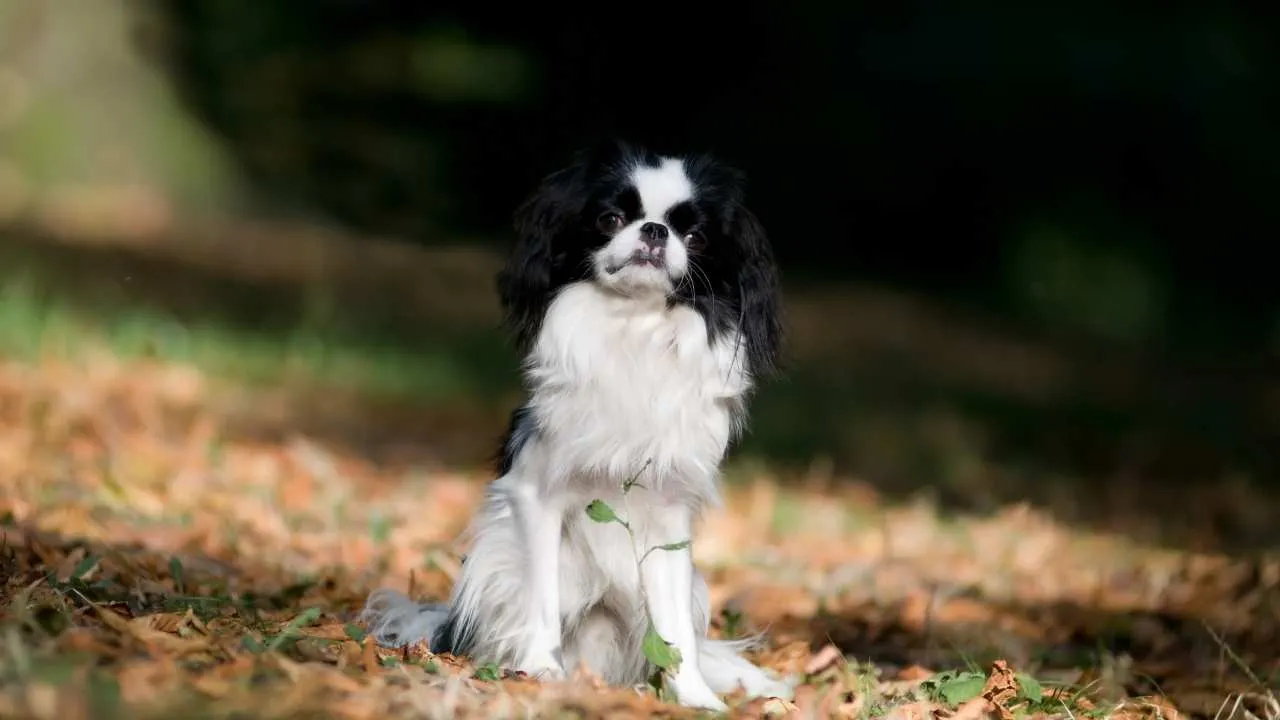
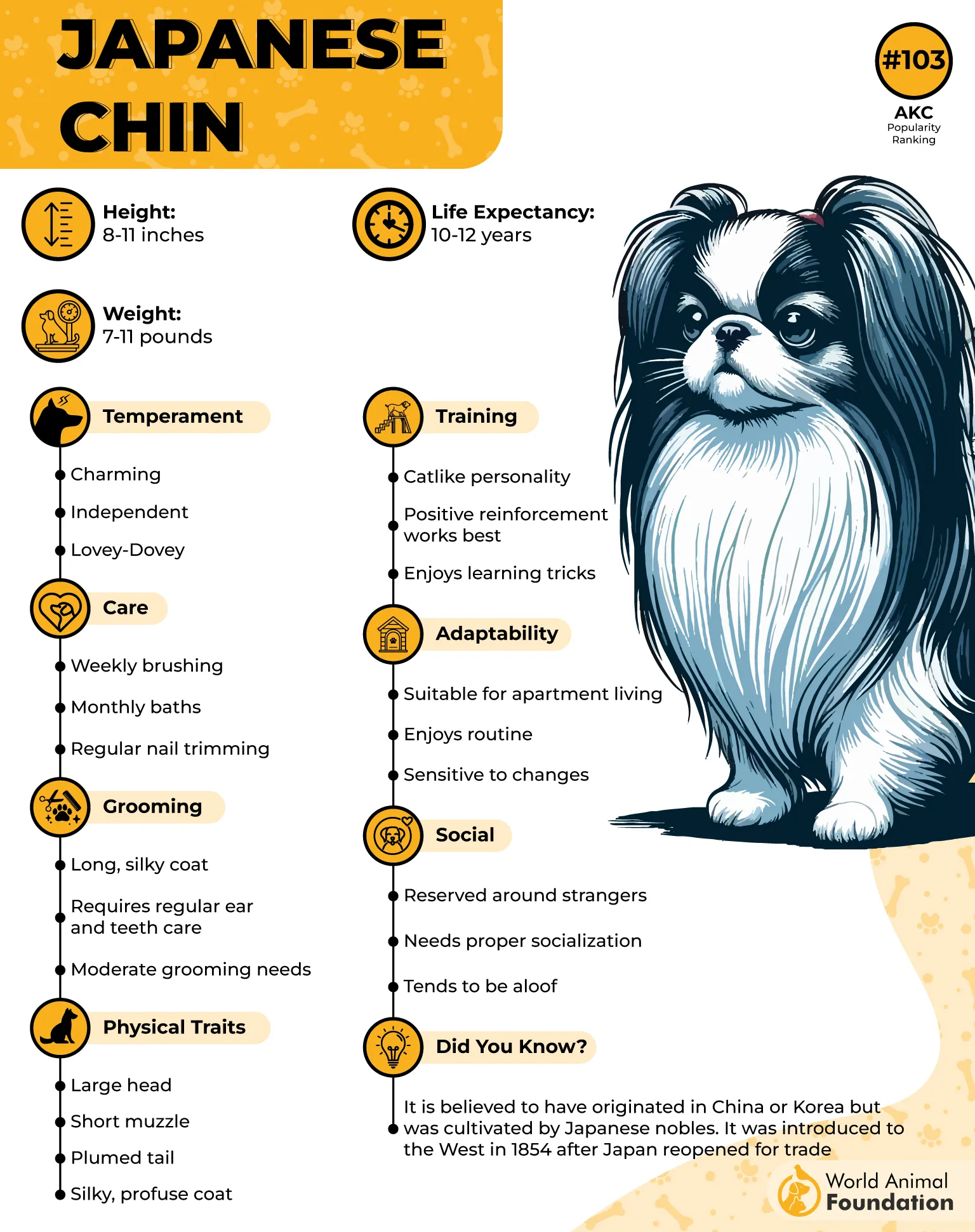
Japanese Chin has centuries of history and is believed to have originated in China before reaching the Western world during the 1800s. The breed was once reserved for royalty, with individual households breeding Chins according to their own preferences, leading to noticeable differences in size and weight.
Easy on Exercise
This tiny dog needs only about 20 to 30 minutes of daily walking, with time outdoors spent investigating rather than covering long distances. That modest routine fits well with a household looking for a companion whose physical demands are fairly manageable.
Beyond exercise, its personality stands out:
Enjoys climbing onto high perches
Grooms itself much like a cat
Performs a “Chin spin” when excited
A Little Sassy
Japanese Chin can be affectionate and deeply attached to its favorite person, often happily taking up lapdog duties around the home. Their playful side comes with a strong will, so patient training is useful when this clever little dog decides it has a different plan.
9. Basset Hound
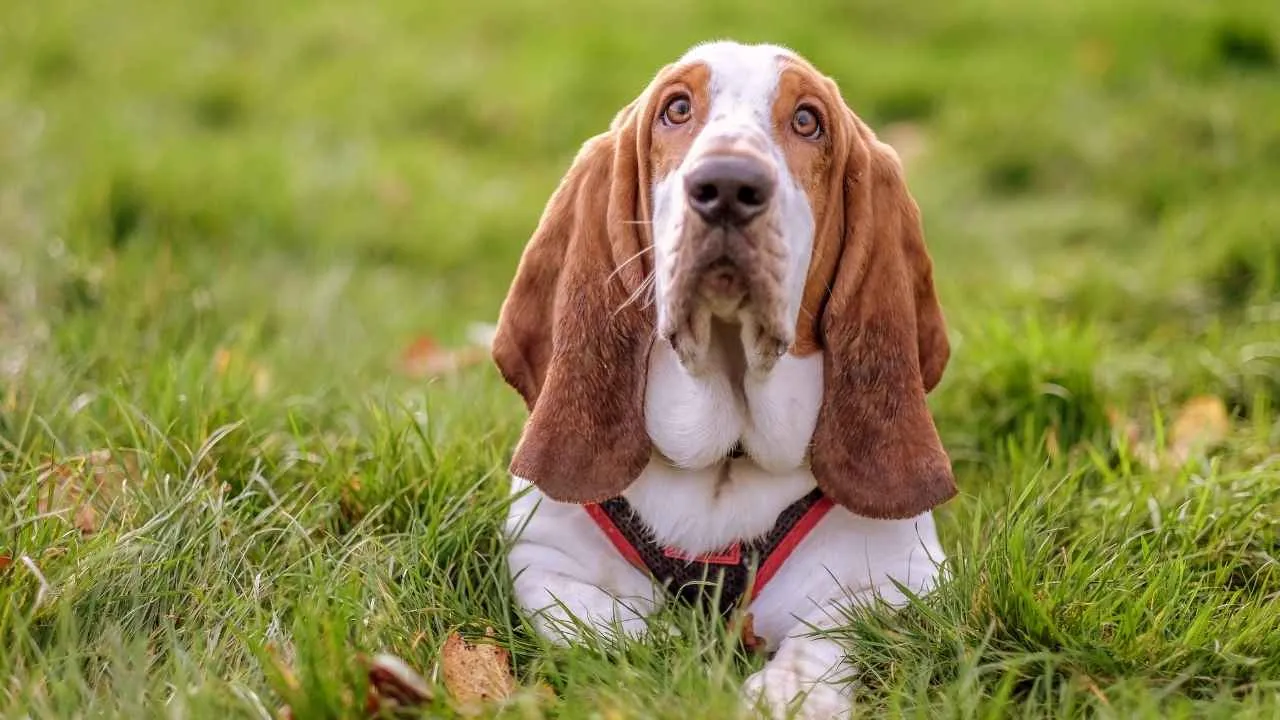
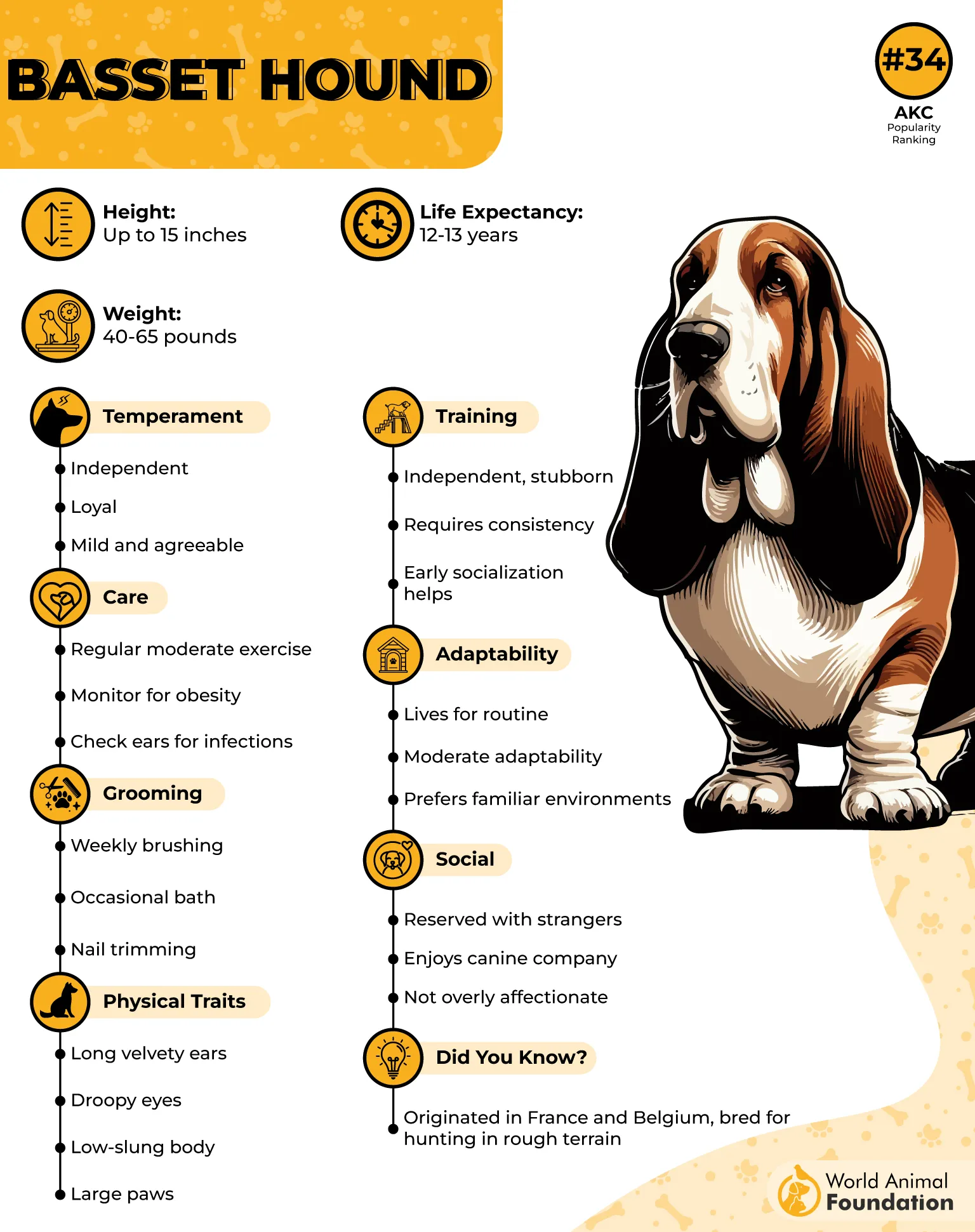
Basset Hound is believed to have originated in France, where its low build suited hunting rabbits and hares through dense cover. The name comes from the French word bas, meaning low or dwarf, while later crossings with Bloodhounds increased the breed’s size.
A Relaxed Routine
Basset Hound needs only around 20 to 30 minutes of daily exercise, with an easy-paced short walk fitting its physical build better than jogging or strenuous outings. Its long back and short legs make running and hiking poor choices for this laid-back breed.
Its personality brings plenty of little surprises:
Strong scent-tracking instinct
Deep, mournful vocalizations
Enjoys unhurried walks
Quietly Affectionate
Basset Hound has a calm, tolerant temperament and generally gets along well with children, other dogs, pets, family members, and visitors. Training may take extra patience because this breed is an independent thinker rather than a dog focused on pleasing people.
Conclusion
Finding an easier dog to care for starts with looking beyond grooming alone. Minimal grooming needs can save time, but exercise, training, personality, and social needs also shape everyday ownership. Some low-energy dogs prefer relaxed routines, while others need regular play and mental challenges to remain content.
None are completely maintenance-free, and each still depends on proper food, veterinary care, training, and attention. Pet parents considering apartment living may prefer companions requiring minimal exercise, while calm dogs and even couch potatoes still need enough activity to stay healthy. What matters most is choosing a dog whose needs match your time, energy, and home environment.
