




The easiest dog to live with is not always the smallest, quietest, or shortest-haired one. Most low-maintenance dog breeds earn that description through a combination of manageable grooming, reasonable care needs, and a routine that fits the household.
Coat care is a major factor because long or dense coats can require frequent brushing, bathing, trimming, and professional grooming. Short coats can reduce some of that work, although certain short-haired dogs still shed regularly and leave noticeable hair around the home.
A dog may seem low maintenance at first, but there is still the usual list to keep up with, from exercise and nail care to dental hygiene, parasite prevention, and vet visits. Staying on top of these everyday needs can make life with your dog simpler and more enjoyable for years to come.
If your days are packed with work, family, errands, or other commitments, a dog with manageable care needs can make life easier. The breeds ahead offer that practical balance.
Key Takeaways
What if keeping a dog at home did not mean spending hours on grooming every week? Some breeds make everyday care surprisingly simple.
Greyhounds can reach around 43 mph, yet their daily exercise can be handled in short, manageable bursts.
French Bulldogs and Boston Terriers keep grooming simple, while Dachshunds and Chihuahuas need only moderate activity to stay content.
The seven breeds ahead each have their own easy-care routine, with a few details worth knowing before choosing your match.
Low-Maintenance Dog Breeds That Keep Life Simple
1. French Bulldog
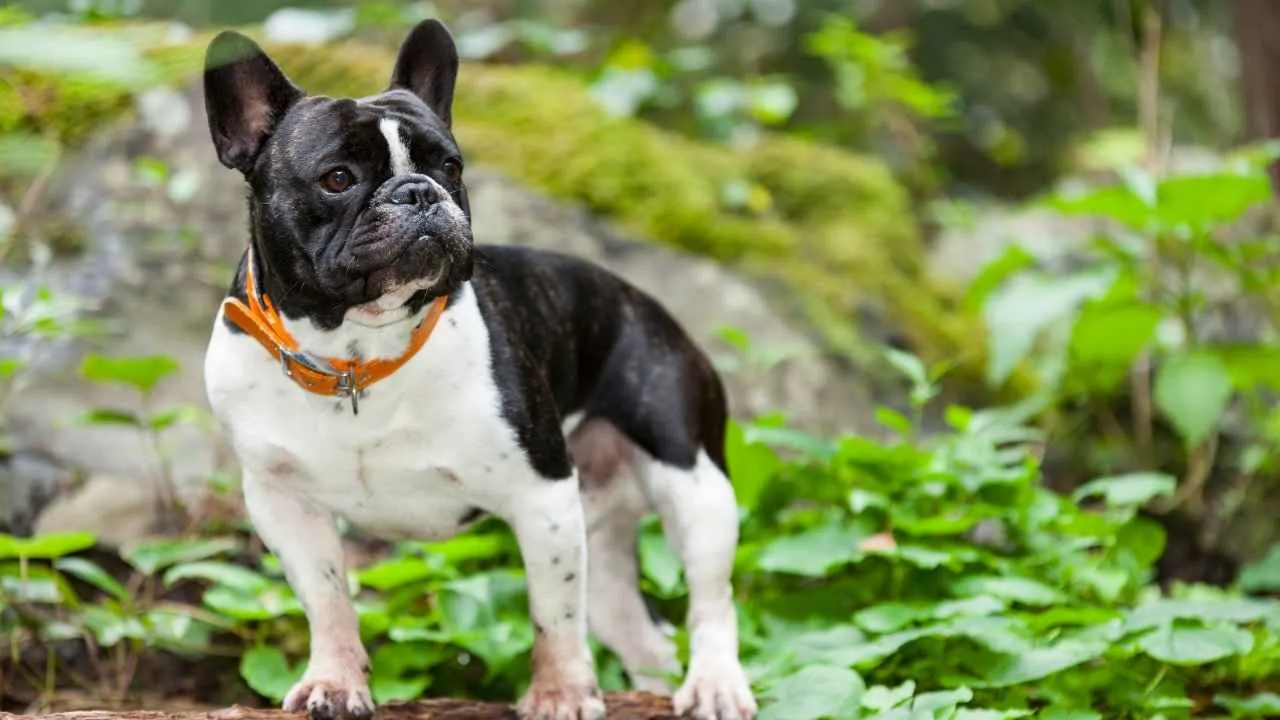
French Bulldog gained its French identity in the 1800s after English lace workers brought their small Bulldogs to France. French families became especially fond of the upright-eared type, and the breed soon became a fashionable companion in France and among American visitors.
Easygoing Exercise
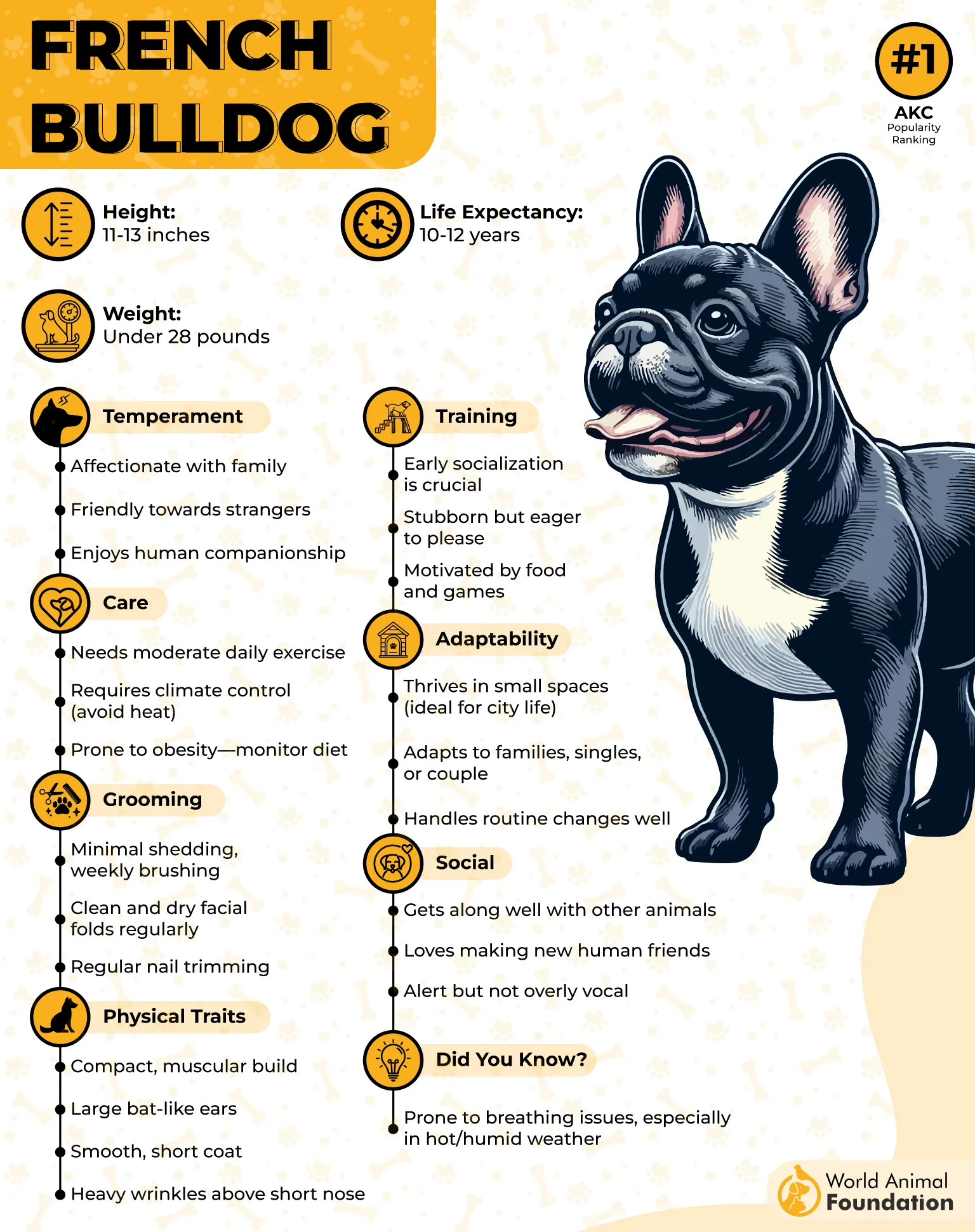
French Bulldogs suit a simpler daily routine, with short legs and a flat face that make relaxed walks and brief bursts of play more appropriate than strenuous activity. Fetch in the yard, neighborhood walks, and gentle outings can provide useful daily activity.
The following practical details matter for their routine:
Watch breathing during active periods
Harnesses can be preferable for outings
Puzzle toys provide indoor mental activity
People-Oriented Personality
This low-maintenance breed enjoys being included in household life and often wants to remain close to their favorite people, as PDSA claimed. Longer periods alone can sometimes trigger anxiety, so a predictable routine and plenty of companionship can be important for this affectionate breed.
2. Boston Terrier
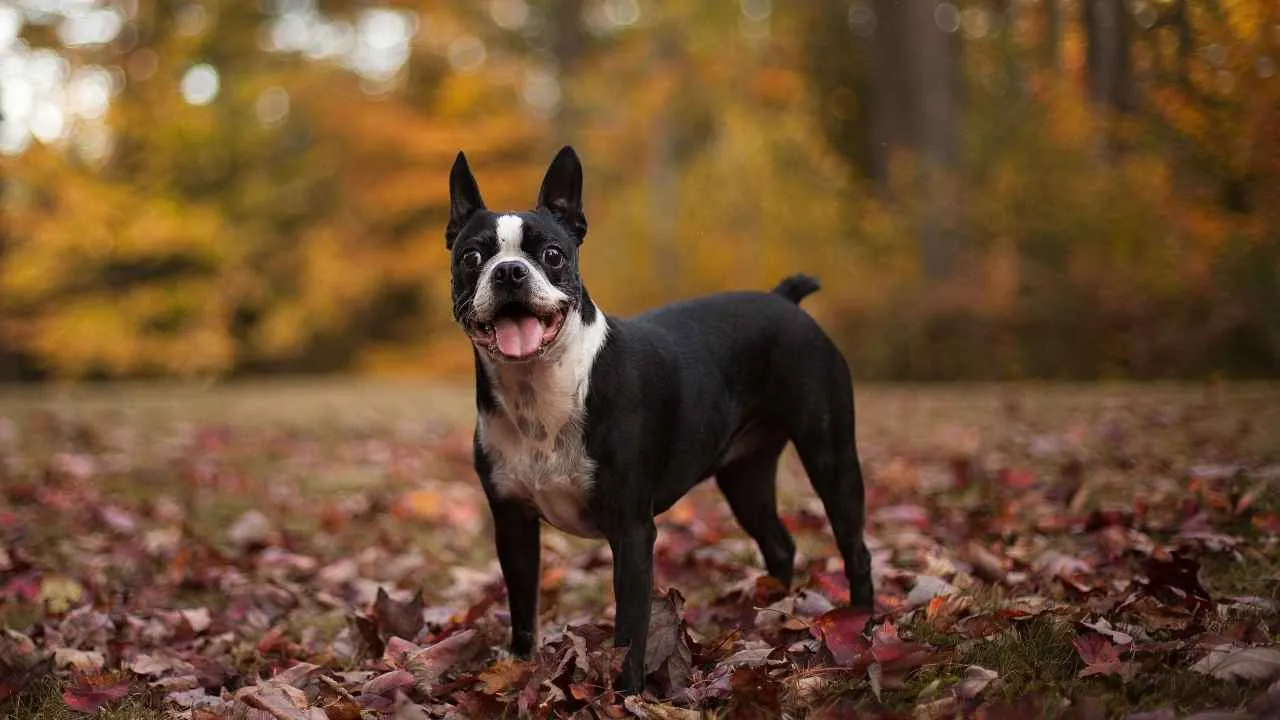
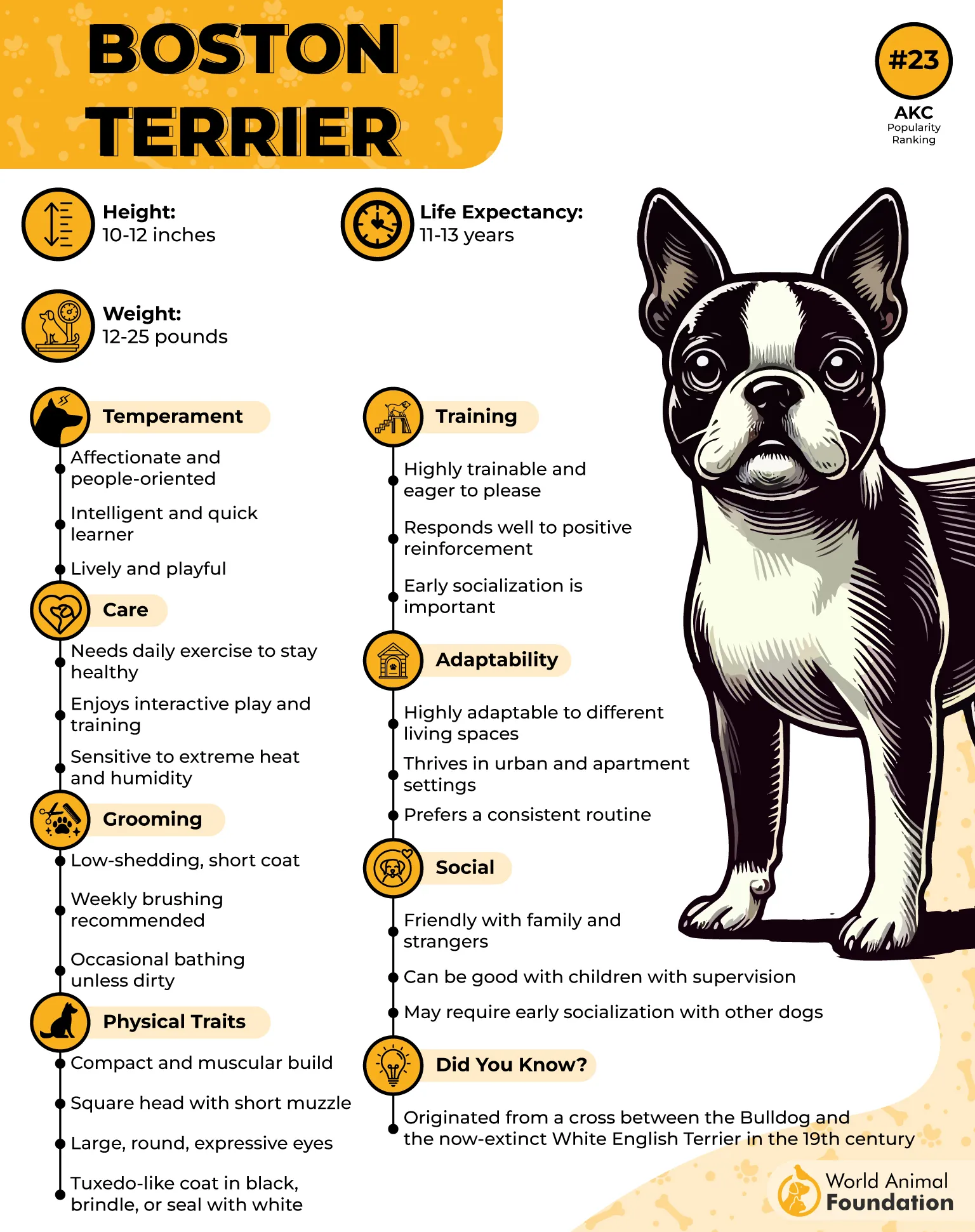
Boston Terrier was originally bred in the United States during the late 1800s after a bull-and-terrier-type dog was bred with French Bulldogs. The breed received official American Kennel Club recognition in 1893 and is classified by the AKC as a non-sporting breed, as noted by Omlet.
Easy Grooming
For a low-maintenance routine, the Boston Terrier has a short coat with modest shedding throughout the year and only a slight increase during spring and fall. A weekly brushing with a soft-bristle brush or grooming glove is generally enough for its coat.

That simple coat care is only part of its daily needs:
Can become unhappy when left alone for long periods
Benefits from early socialization with reserved dogs
Affectionate and lively around children, cats, and familiar people
A Lively Housemate
Boston Terrier has a moderate energy level and enjoys daily walks, play, and interactive activities that involve its people. Puzzle toys, obedience work, agility, and flyball can give this bright breed something interesting to focus on without requiring an extremely demanding exercise routine.
3. Greyhound
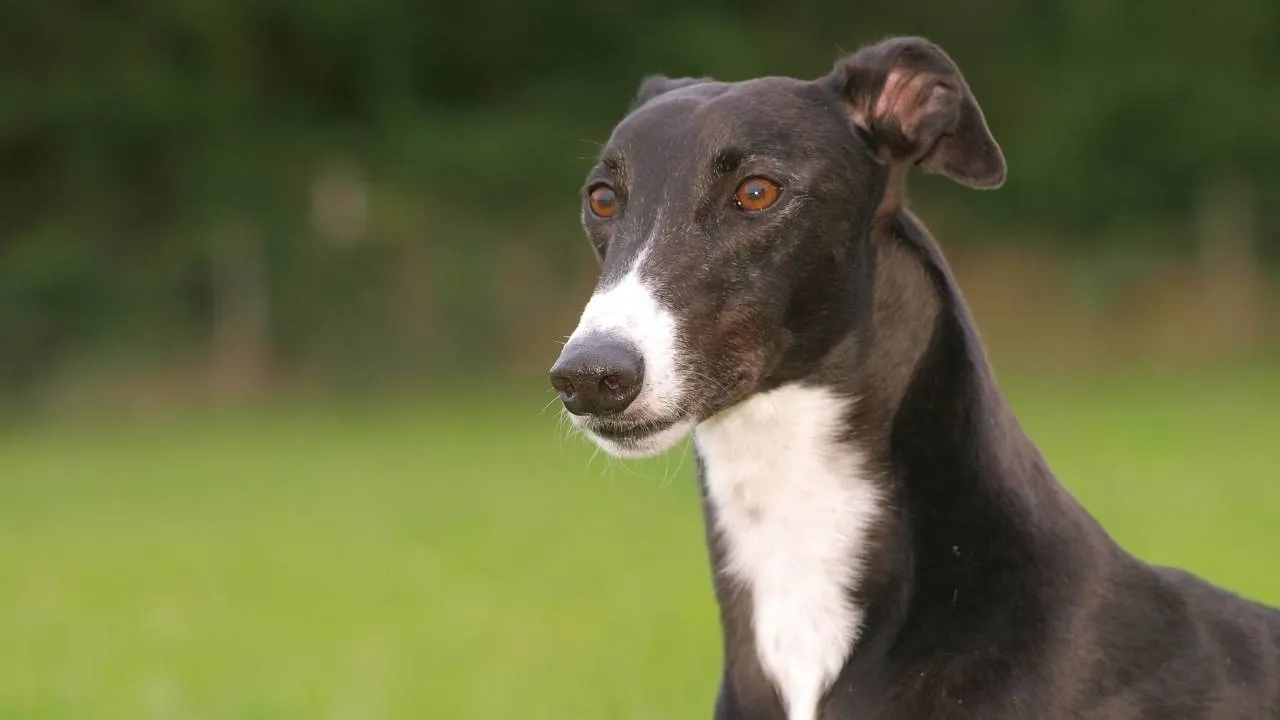
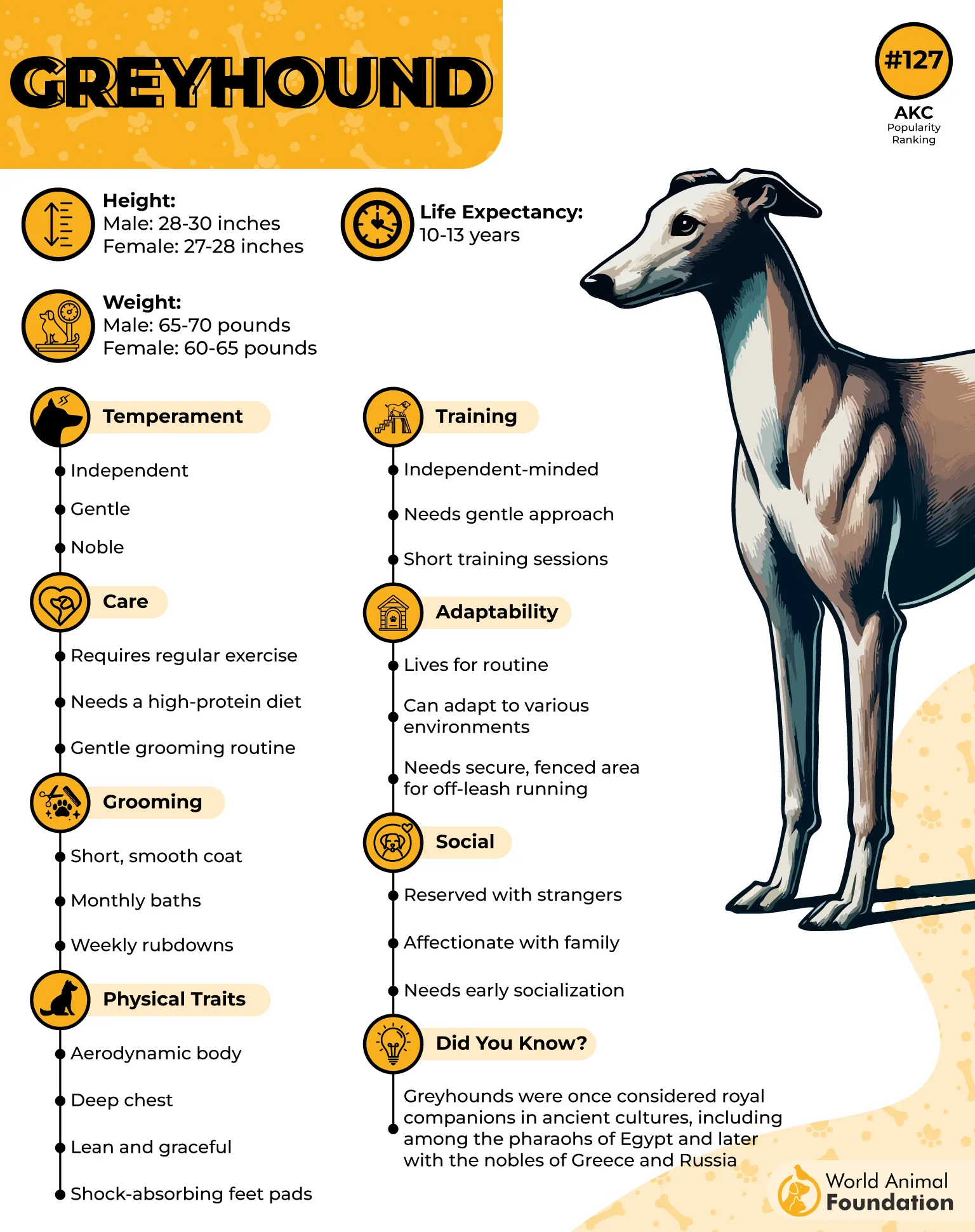
Greyhound is an ancient European sighthound once used to spot and chase game by sight rather than scent. For centuries, these slim, long-legged dogs were associated with nobility, while organized racing became popular in America and Britain during the 1920s.
Simple Daily Care
For this racing dog breed, grooming is one of those jobs that can be handled in small amounts rather than long sessions. Spend a few minutes brushing the short coat each day and plan a bath about every two months to keep it clean and in good shape.
The following steps make upkeep even easier:
A curry brush works for daily brushing
Pet wipes can freshen the coat between baths
Grooming gloves suit quick brushing sessions
Energy Comes in Bursts
Greyhounds can reach about 43 miles per hour over short distances, yet their daily activity can be broken into manageable periods. Around 30 minutes twice a day, through neighborhood walks or running in a securely fenced area, can give those sudden bursts of speed an outlet.
4. Dachshund

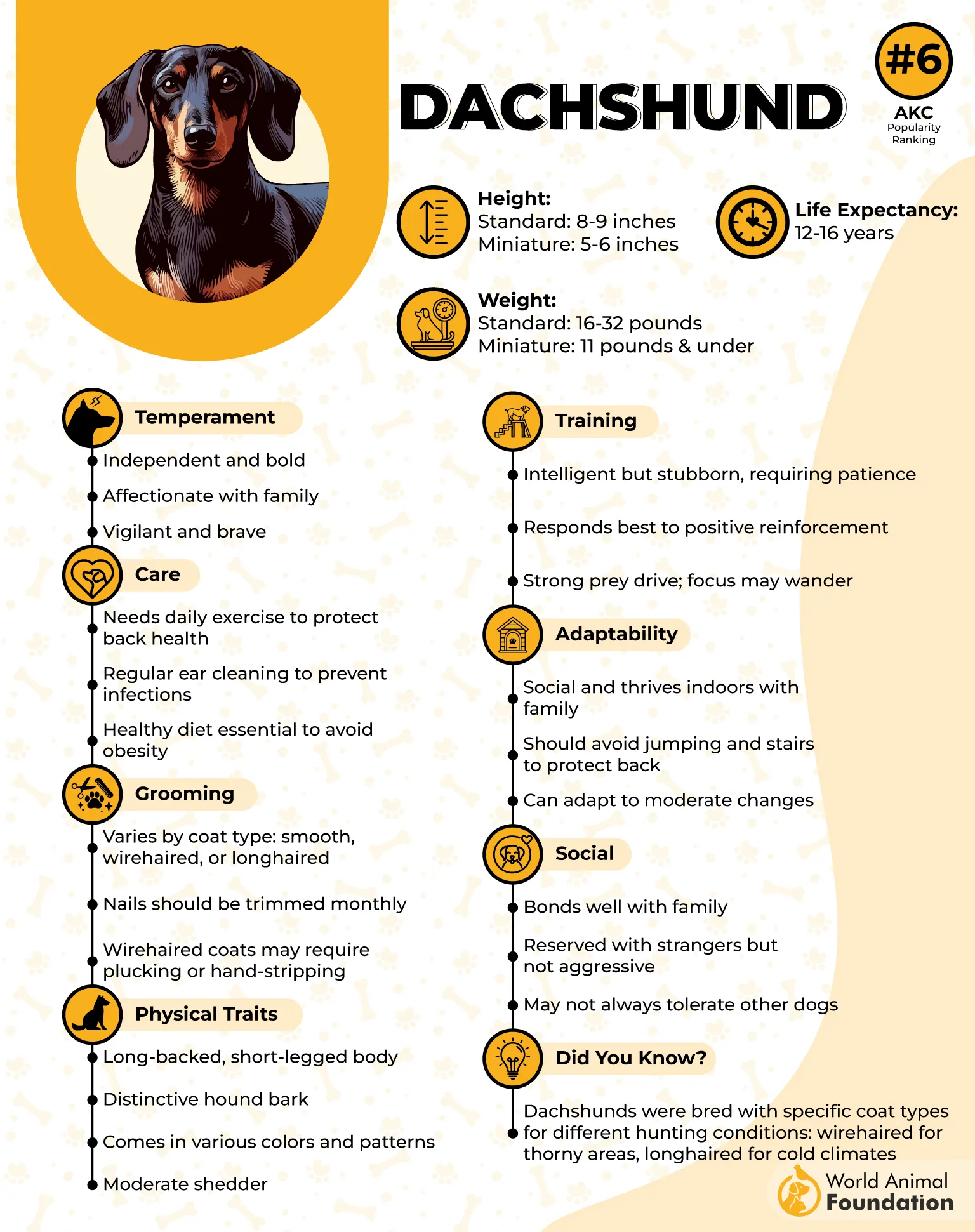
Dachshund dates back to at least the 16th century, with its German name combining “Dachs,” meaning badger, and “Hund,” meaning dog. Its long body, muscular legs, and large front paws were suited to entering underground dens after badgers, foxes, and rabbits.
Easygoing Exercise
Dachshund suits moderate exercise routine, with about 30 minutes of easy walking giving it time to explore new smells without demanding intense workouts. Its short legs and long back make gentle outings a more sensible choice than strenuous exercise.
Its love of exploring also shapes how it stays active:
Powerful nose for scent games
Enjoys treat-based hide-and-seek
Can dig after underground critters
Protecting That Long Back
This tiny dog has a fragile back that calls for careful handling, particularly during rough play or activities involving jumping and tugging, as PetMD reported. Early socialization also matters around children, while supervised yard time helps prevent wildlife chasing and digging adventures.
5. Whippet
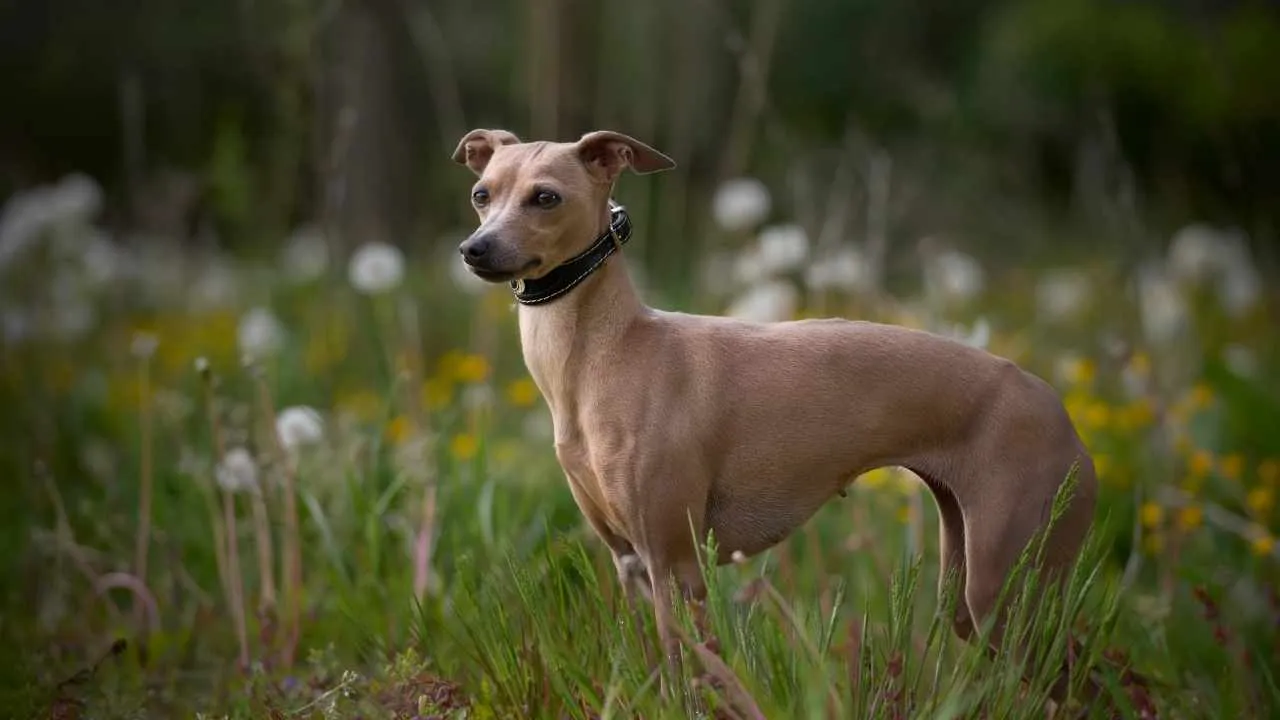
Whippet was developed from Greyhound stock and bred into a smaller sight hound suited to chasing rabbits. When working people moved into cities, the breed found another pursuit in flag chasing, which eventually grew into the popular pastime known as “Whippet Racing.”
Easy Coat Care
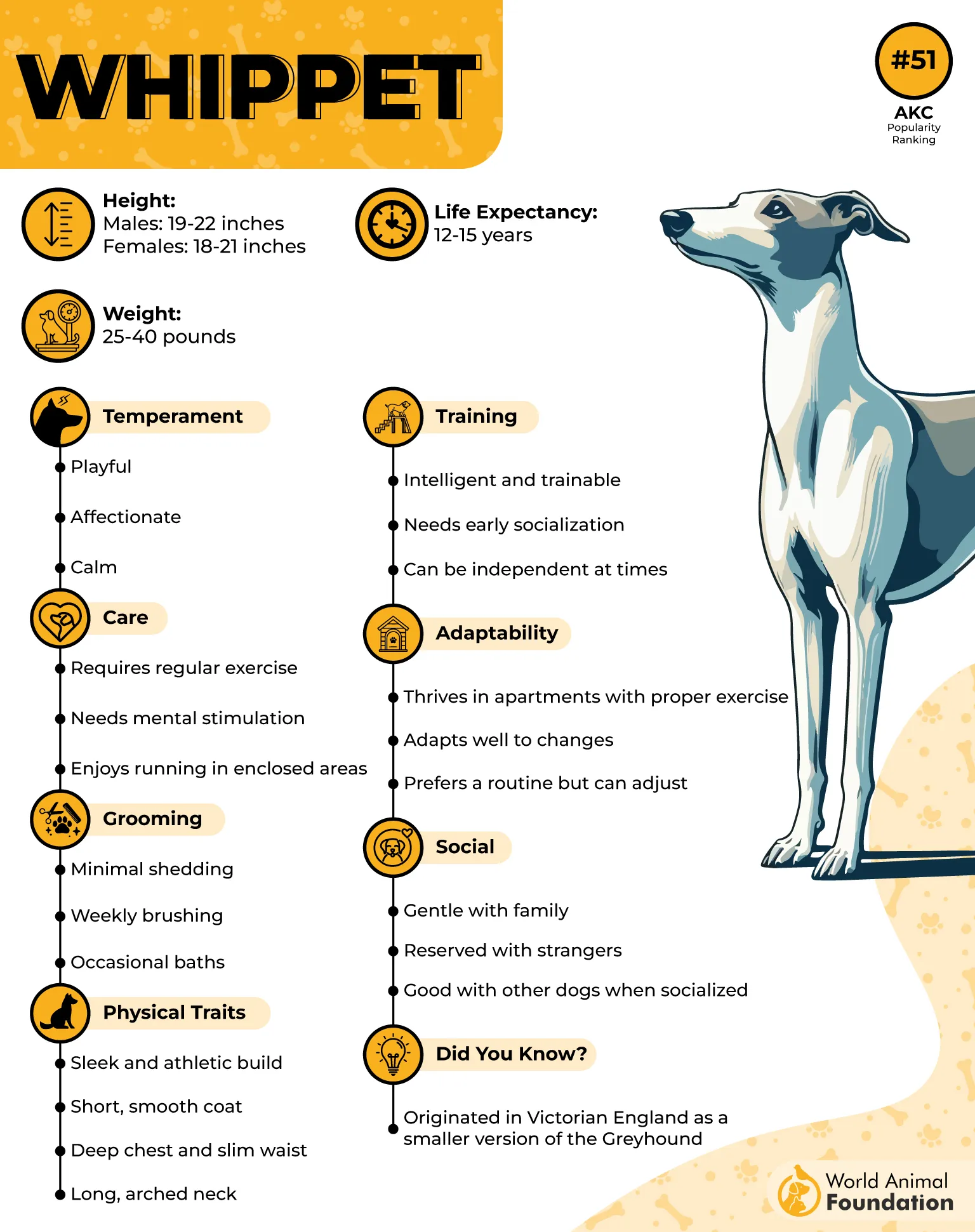
Whippets have a short coat that sheds lightly, making their grooming routine refreshingly simple for everyday life. A weekly brushing with a bristle brush or grooming glove is enough for coat care, while bathing is generally suggested every four to six weeks.
A few practical details make the routine even easier:
Enjoys long, quiet stretches on the sofa
Rests comfortably after active periods
Has a low tendency to bark
Sensitive by Nature
Whippets respond best to gentle training because harsh words can affect this sensitive breed, while praise and patience encourage cooperation. Its social nature also means long absences can be difficult, particularly when the dog has little companionship during the day.
6. Chihuahua
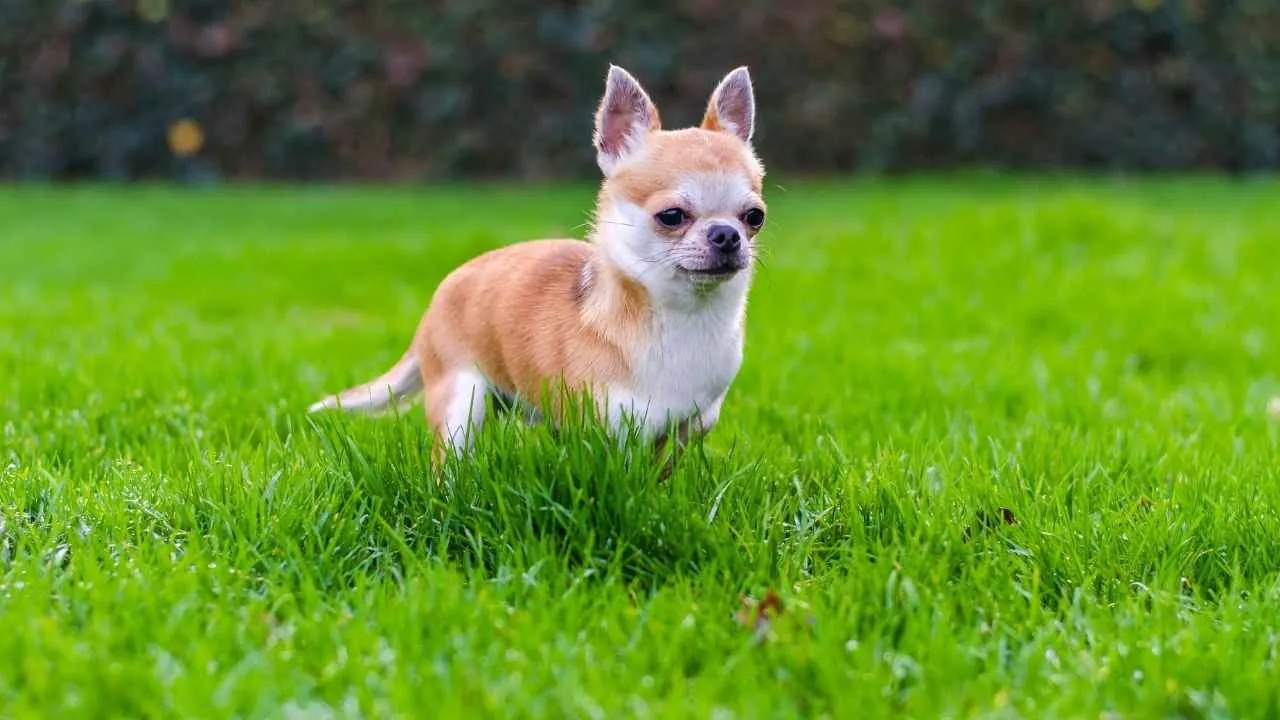
Chihuahua has an uncertain origin, with theories linking its ancestry to China or Central and South America. In 1850, several small dogs were found in Chihuahua, Mexico, and later brought into the United States as the breed gradually gained wider recognition.
Easy on the Routine
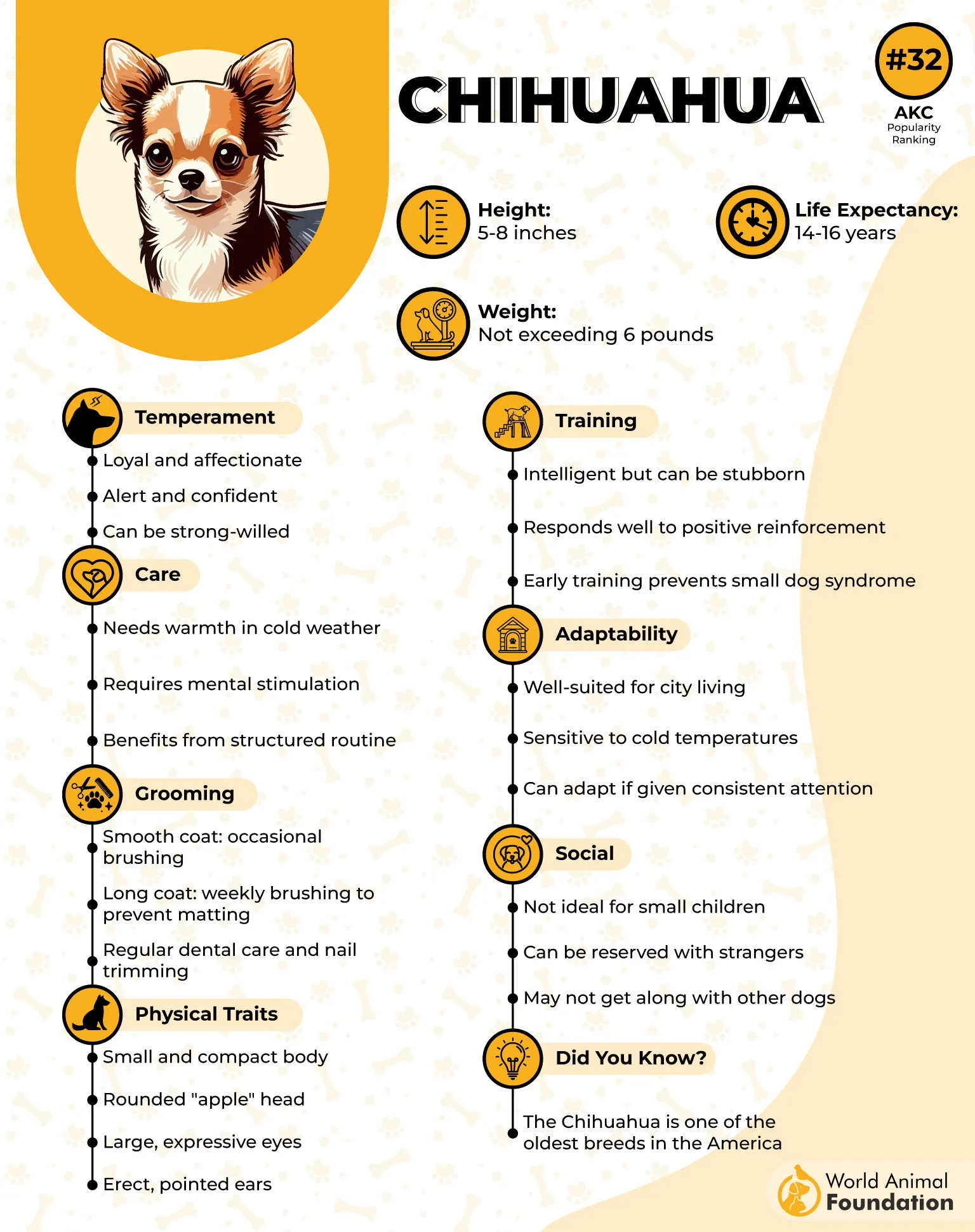
Chihuahua fits small homes and flats particularly well because its exercise needs can be met without long-distance outings. Short walks, backyard sprints, and playful bursts around the house can give those little legs useful daily activity.
A few practical details make the routine easier:
Long-distance running is discouraged
Interactive toys encourage independent activity
Outdoor sniffing and exploration still matter
Full of Character
This low-maintenance breed enjoys affection, lap time, and plenty of attention, yet its personality has enough mischief to keep the household lively. The breed can be challenging to train, making early lessons especially useful for preventing excessive dependence on its primary caregiver.
7. Pug
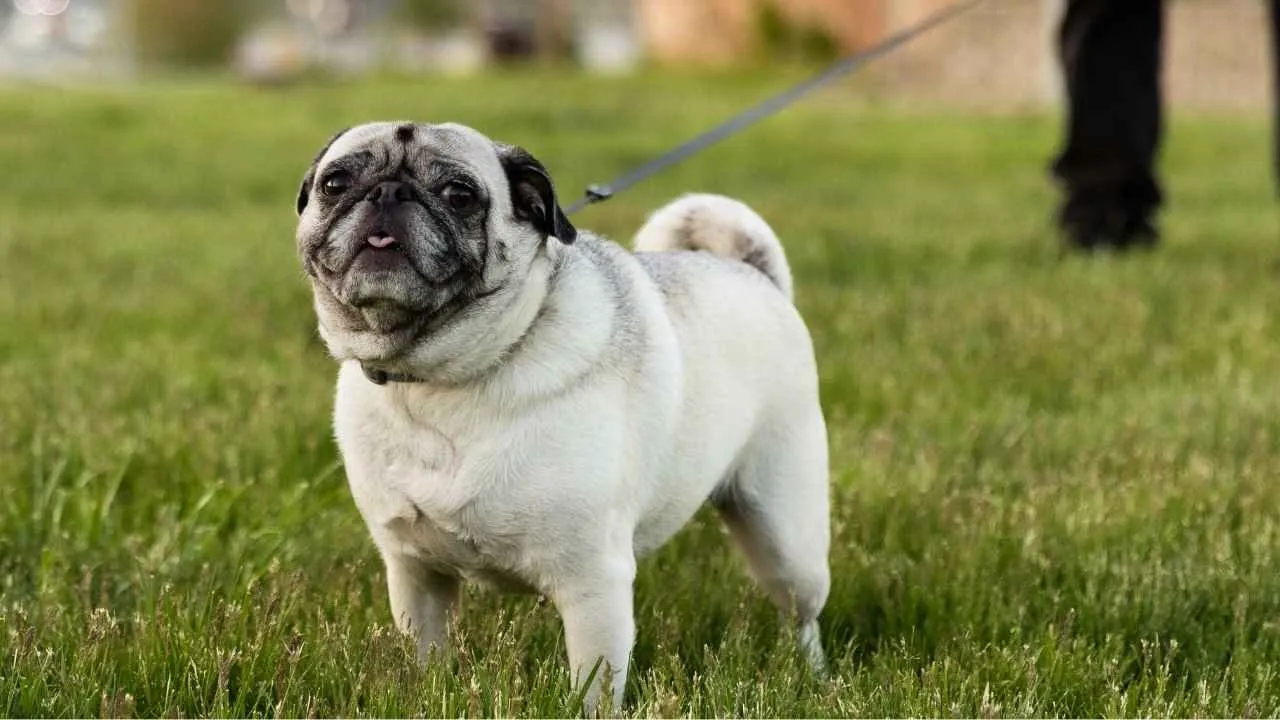
The pug is linked to ancient Asian origins and was once popular in Tibetan monasteries before reaching Europe with the East India Trading Company during the 1700s. Its name may come from the Latin Pugnus, referring to its clenched-fist-like head, or the pet marmoset monkeys called pugs.
Easy on the Routine
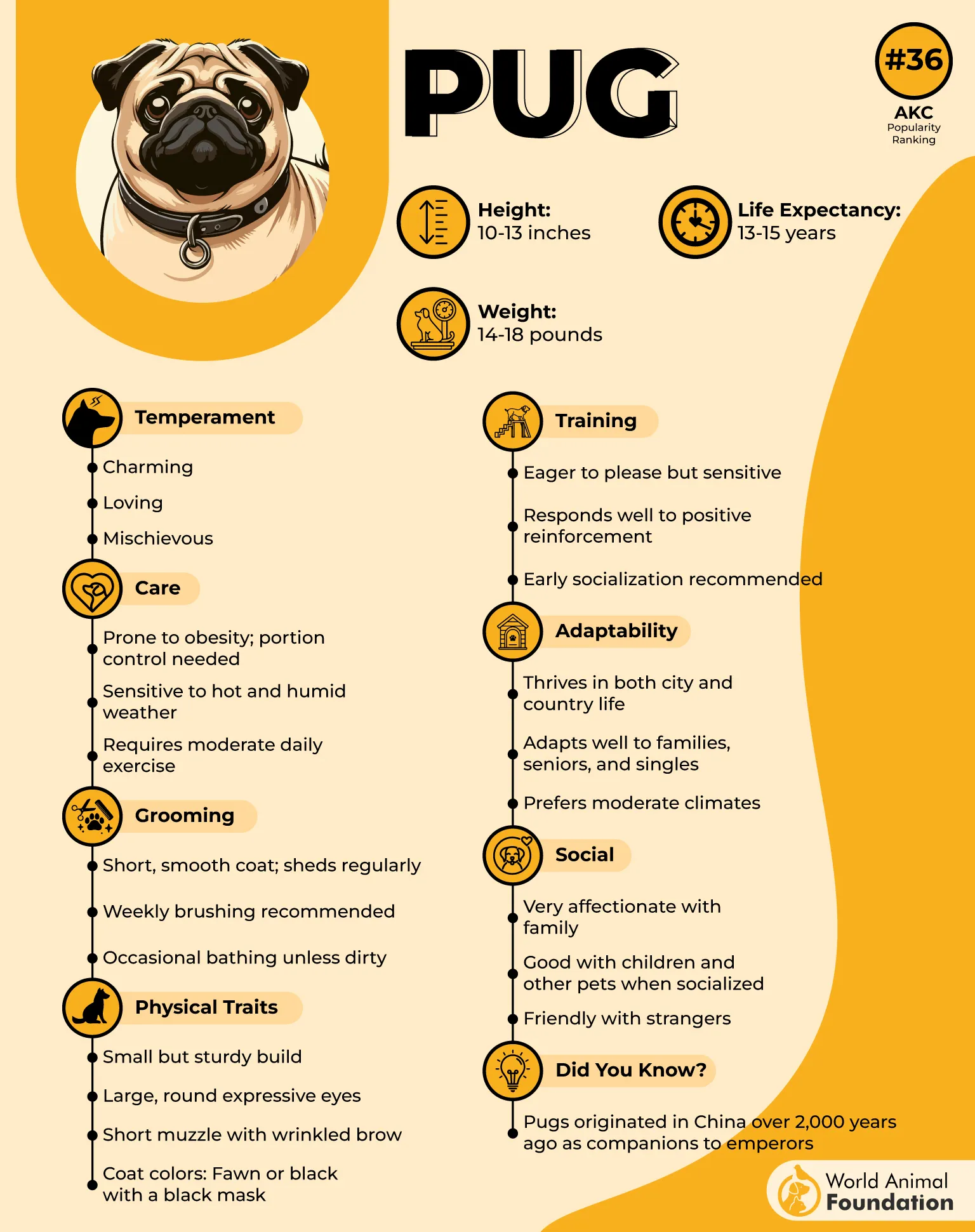
Pugs generally need less than an hour of exercise a day, making short walks and indoor games more practical than demanding workouts. Its low energy level suits a simpler routine, while regular activity still matters because this breed can gain excess weight.
Their daily care is easier to understand with these characteristics:
Has minimal grooming needs
Fetch suits its 5 to 10 mph pace
Skip exercise when the heat and humidity are high
The Social Shadow
This low-energy dog enjoys being included in household activities and may follow its favorite person from room to room. This affectionate companion also tends to get along with children, other pets, and strangers, making constant human interaction a big part of its daily rhythm.
Conclusion
Life with a laid-back dog can suit people who would rather spend an afternoon at home than plan a schedule. That slower pace still needs balance, since every dog requires exercise, companionship, training, and safe ways to stay mentally engaged. Some may settle after a short walk and require minimal grooming, while others need play or simple activities before relaxing.
Owners should think about living space, weather, time alone, grooming, and daily routines before choosing. Busy pet parents may find a dog with an adaptable temperament easier to manage, but finding the right low-maintenance dog still means considering its exercise and care needs. A good match can enjoy quiet evenings and comfortable naps without missing the care needed for a healthy life.
