




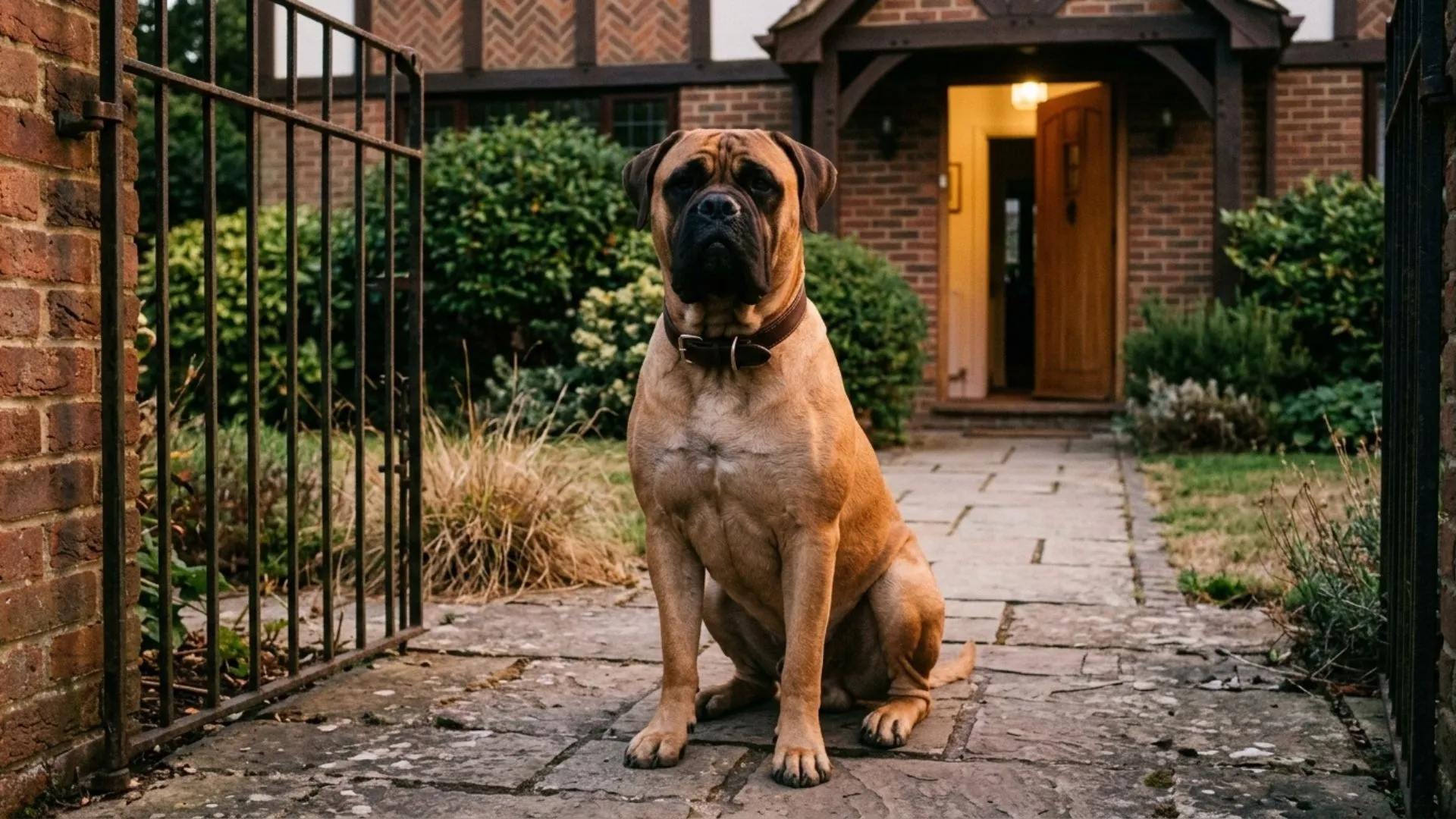
Choosing a dog is not only about looks or popularity. It is also about finding a loyal companion that really fits into daily life, with ease, and brings that sense of safety at home. A lot of families now are looking for low-maintenance dog breeds that don’t require heavy grooming or nonstop high-energy schedules, but that still give firm protection and real emotional comfort.
These dogs usually have a calm nature, loyal behavior, and protective instincts. Some are gentle giants, and others are quiet guardians that stay alert without turning the whole house into chaos. When the match is right, family life feels more peaceful, secure, and kinda warm all the time.
Many big guardian dogs were once trusted to protect castles, farms, and livestock without constant human supervision. Even though they are large, most of them are calm indoors and tend to remain near their household. Some protection breeds can notice unusual activity long before people do. Their loyalty is so deep that they often create strong emotional ties to just one family.
Low-Maintenance Dog Breeds That Offer Firm Protection
1. Bullmastiff
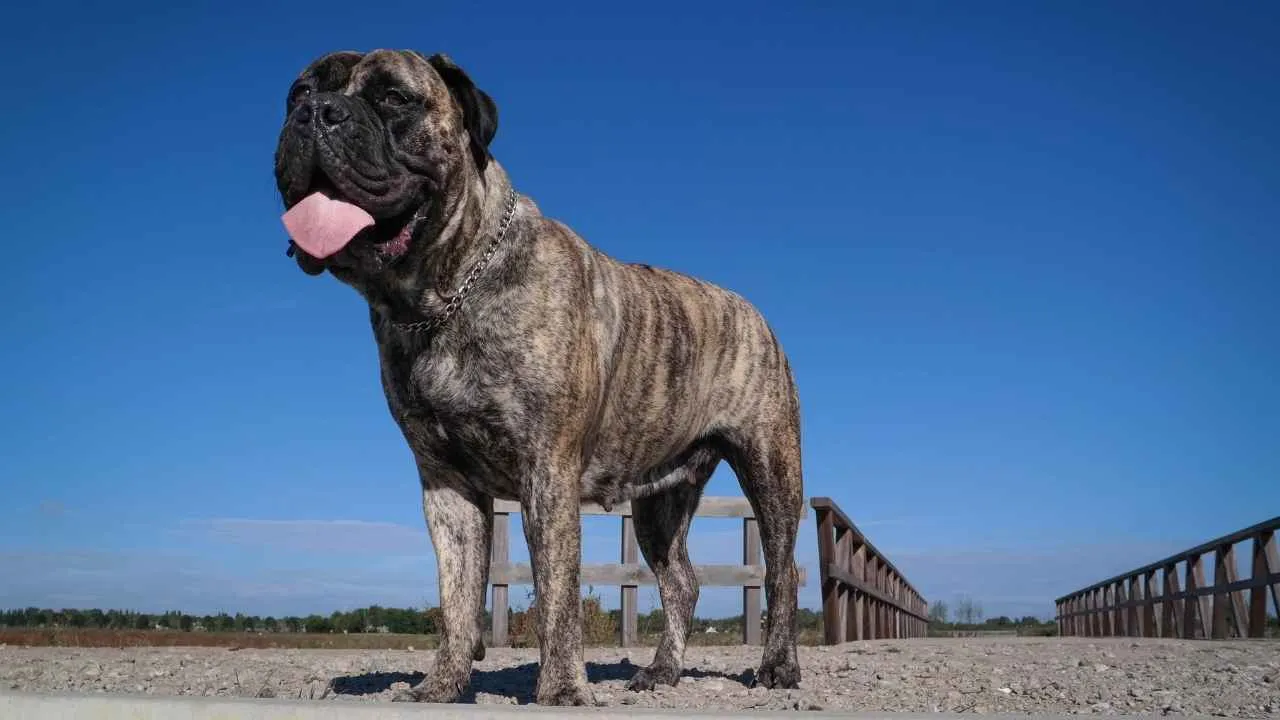
The Bullmastiff is a powerful yet calm guardian that naturally blends into home routines without asking for too much attention. This breed is famous for a strong, muscular build, plus a quiet confidence, which makes it a dependable protector in pretty much any environment.
For all its size, this companion prefers short bursts of movement rather than long exercise sessions. A quick daily walk and some indoor downtime are usually enough to keep things balanced. And since the coat stays short, grooming becomes simple, almost stress-free, which is perfect for busy families who want low-maintenance dogs without extra fuss.
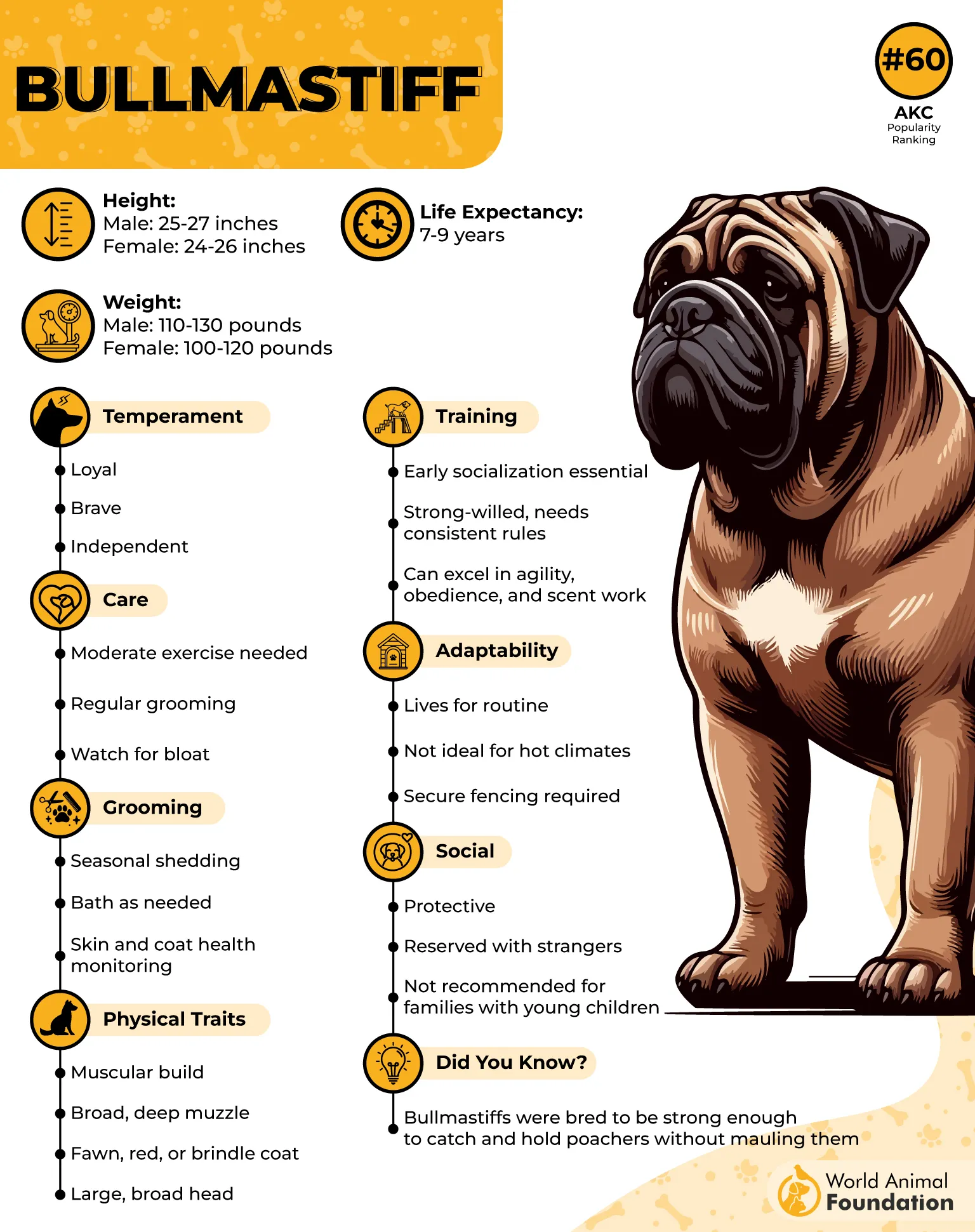
The Bullmastiff is usually painted as a kind of silent watcher, one that keeps its eyes open and stays alert without doing that extra barking thing. With early training and the right kind of socialization, its behavior gets kind of steadied, and it tends to fit better into everyday family life.
2. Mastiff
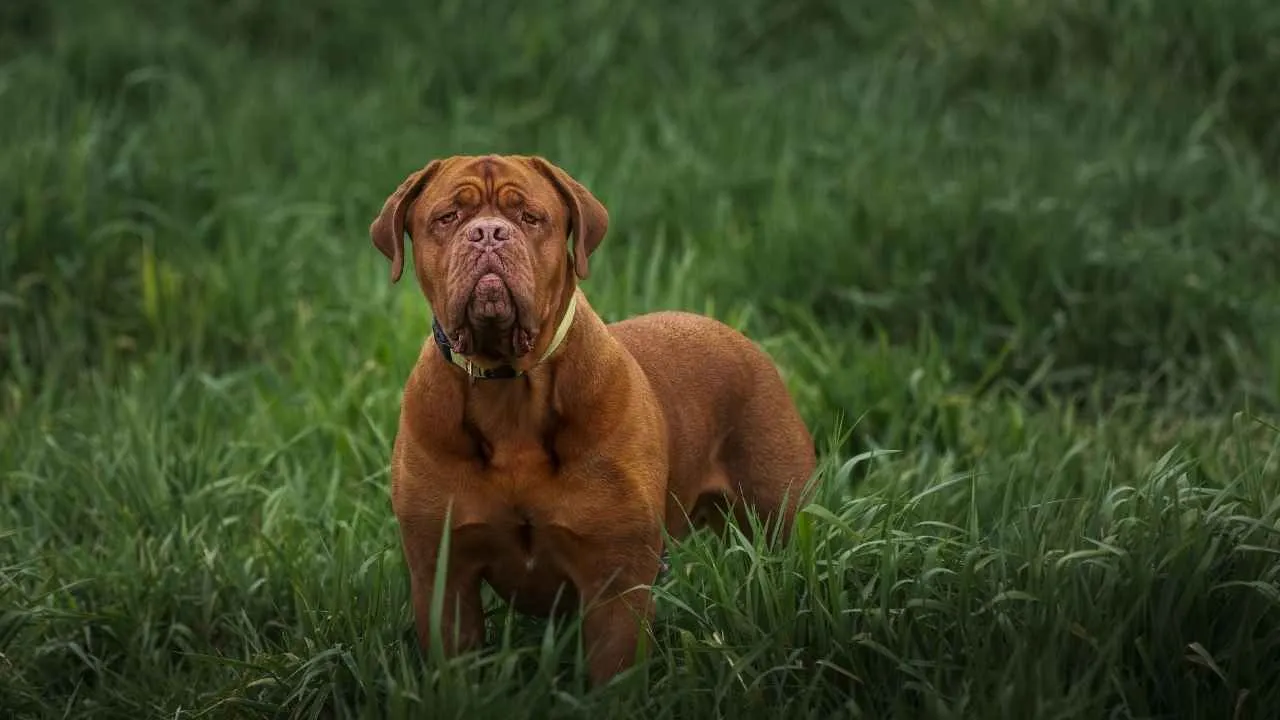
The Mastiff comes from one of the oldest working lines and is often described as a gentle giant, with a deeply calm personality. It does carry guarding instincts naturally, but it tends to show them in a quiet, controlled manner, not in a big, noisy way.
This loyal companion prefers peaceful surroundings and usually likes being near family members. Grooming stays pretty simple with weekly brushing, and the exercise needs are moderate, so it can work well for people who want a low-maintenance dog situation.
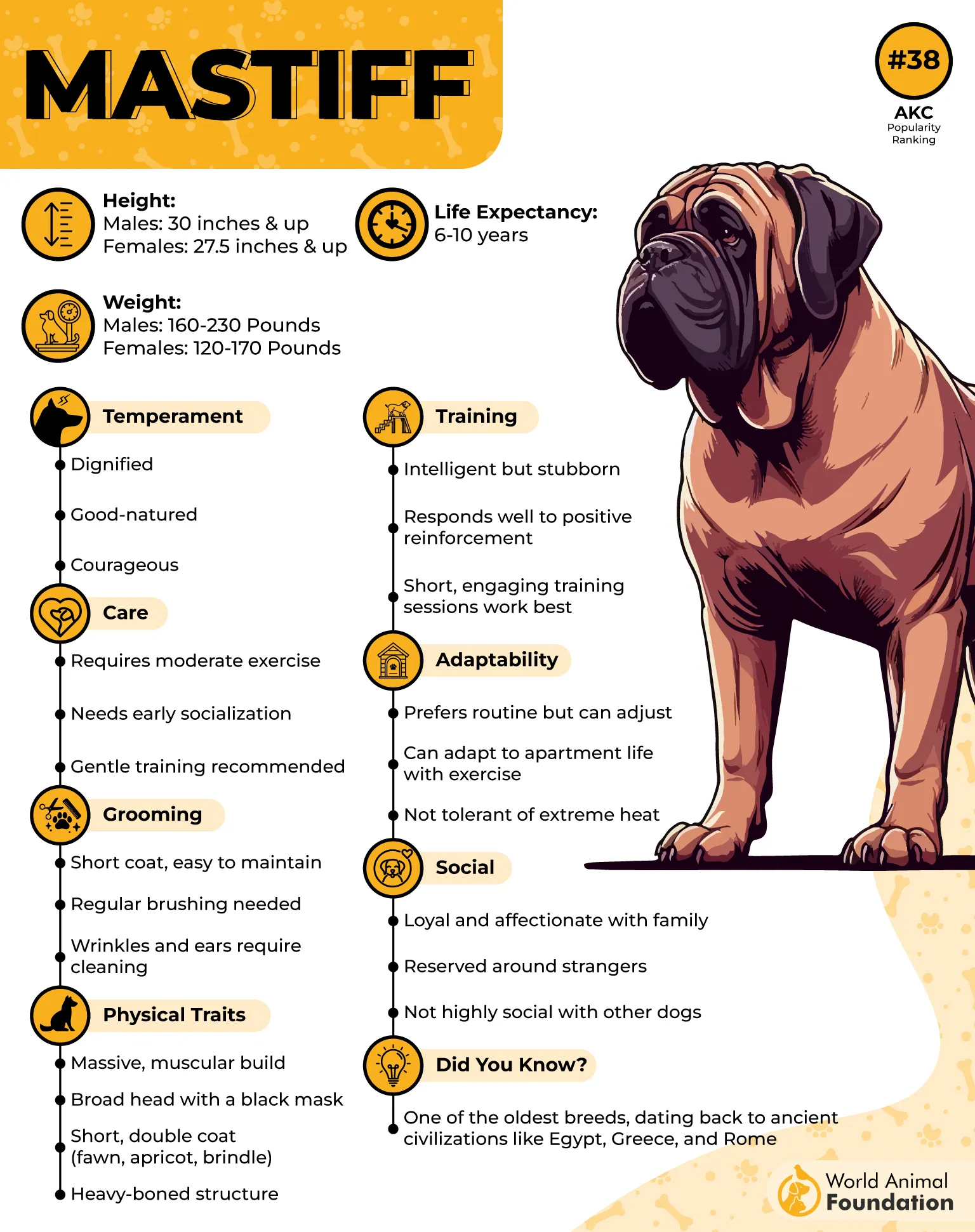
This breed tends to develop strong emotional steadiness when it grows up with consistent training, plus early social contact. Purina mentions that structured care, along with early training, matters a lot for shaping the gentle temperament of this large dog breed.
3. Great Dane
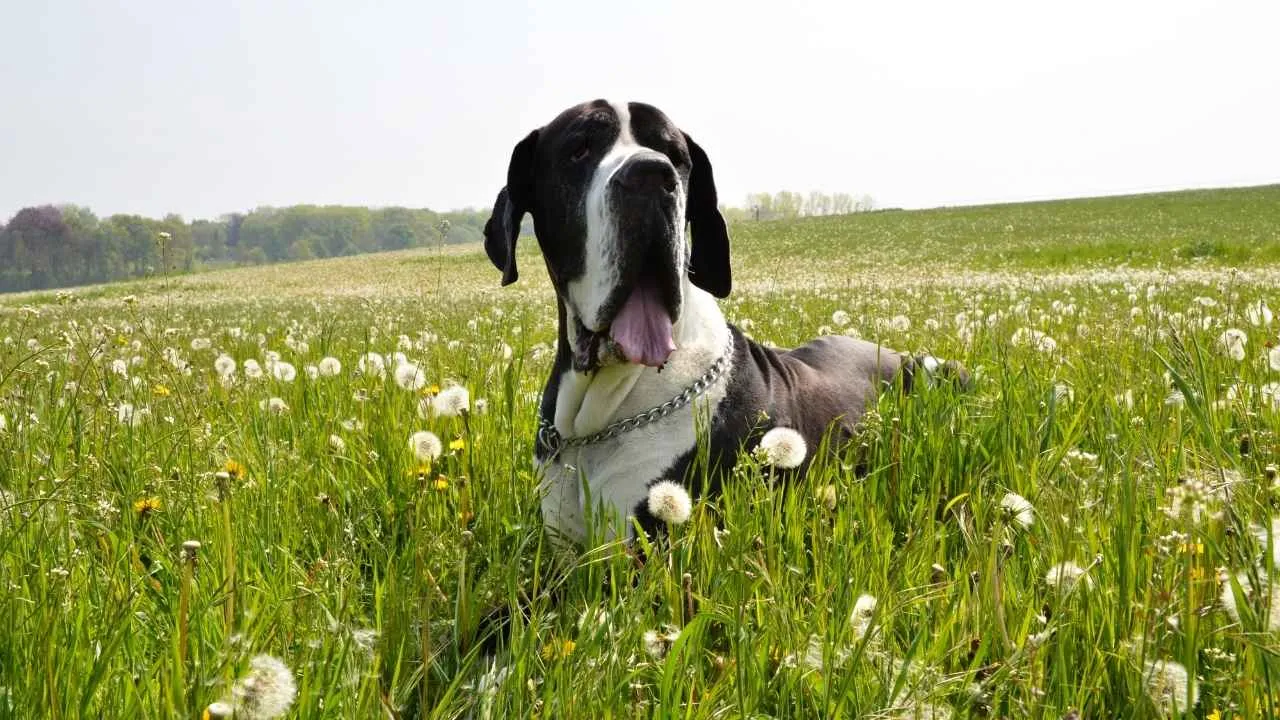
The Great Dane is often called the “gentle giant” because of its tall frame and also that softer, more affectionate vibe. Even with its big commanding look, the breed is usually friendly and pretty easygoing in the home.
This companion really likes relaxed rhythms and generally does not ask for extreme physical activity. Short walks and then indoor rest kind of make the whole thing work, most of the time, to keep a healthy lifestyle going. Also, the short coat kind of helps with the grooming part, which is usually minimal.
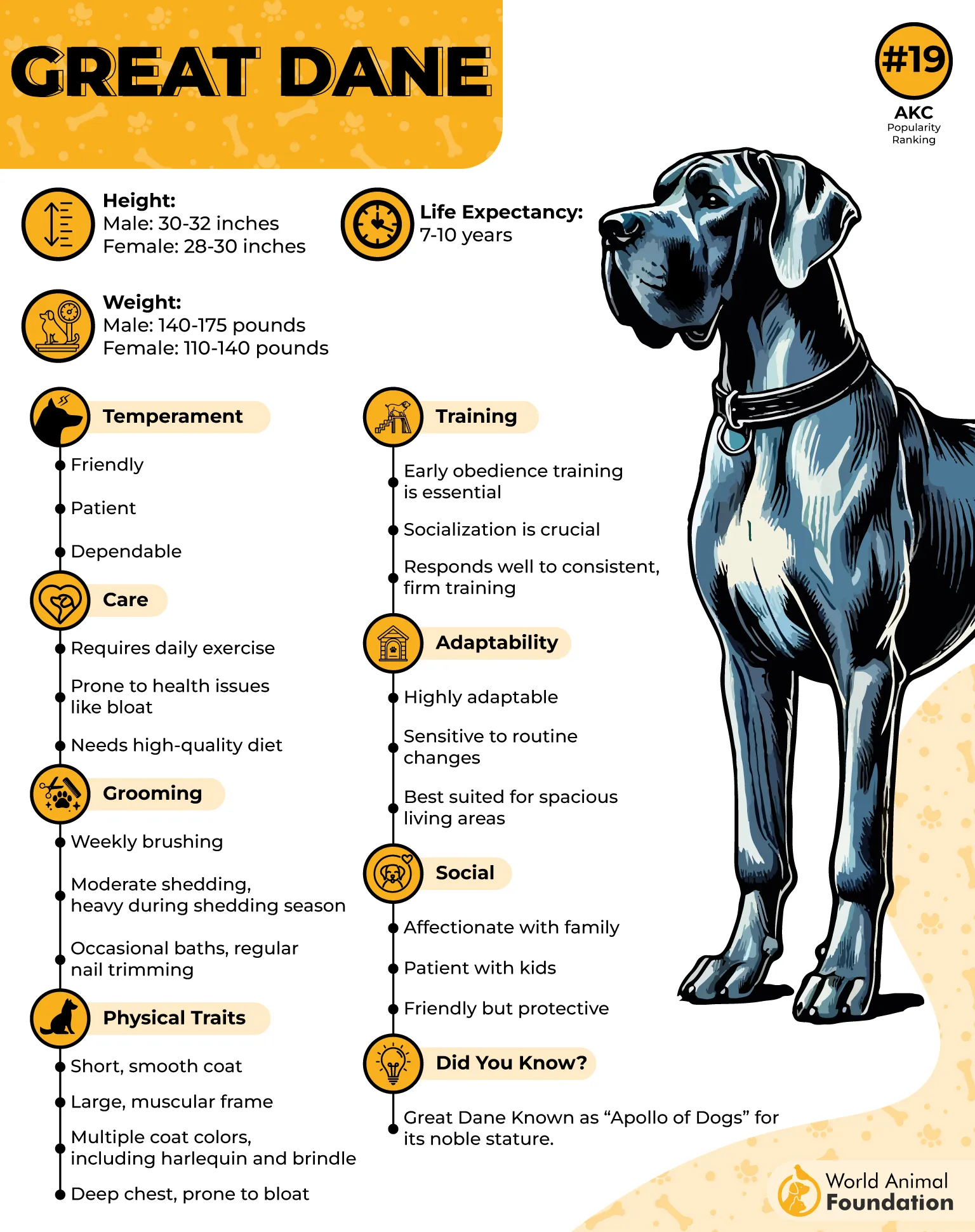
This breed builds close bonds with family members and tends to prefer calm environments, more than noisy or chaotic spaces. The American Kennel Club mentions that early socialization helps this breed become confident and well-mannered.
4. Saint Bernard
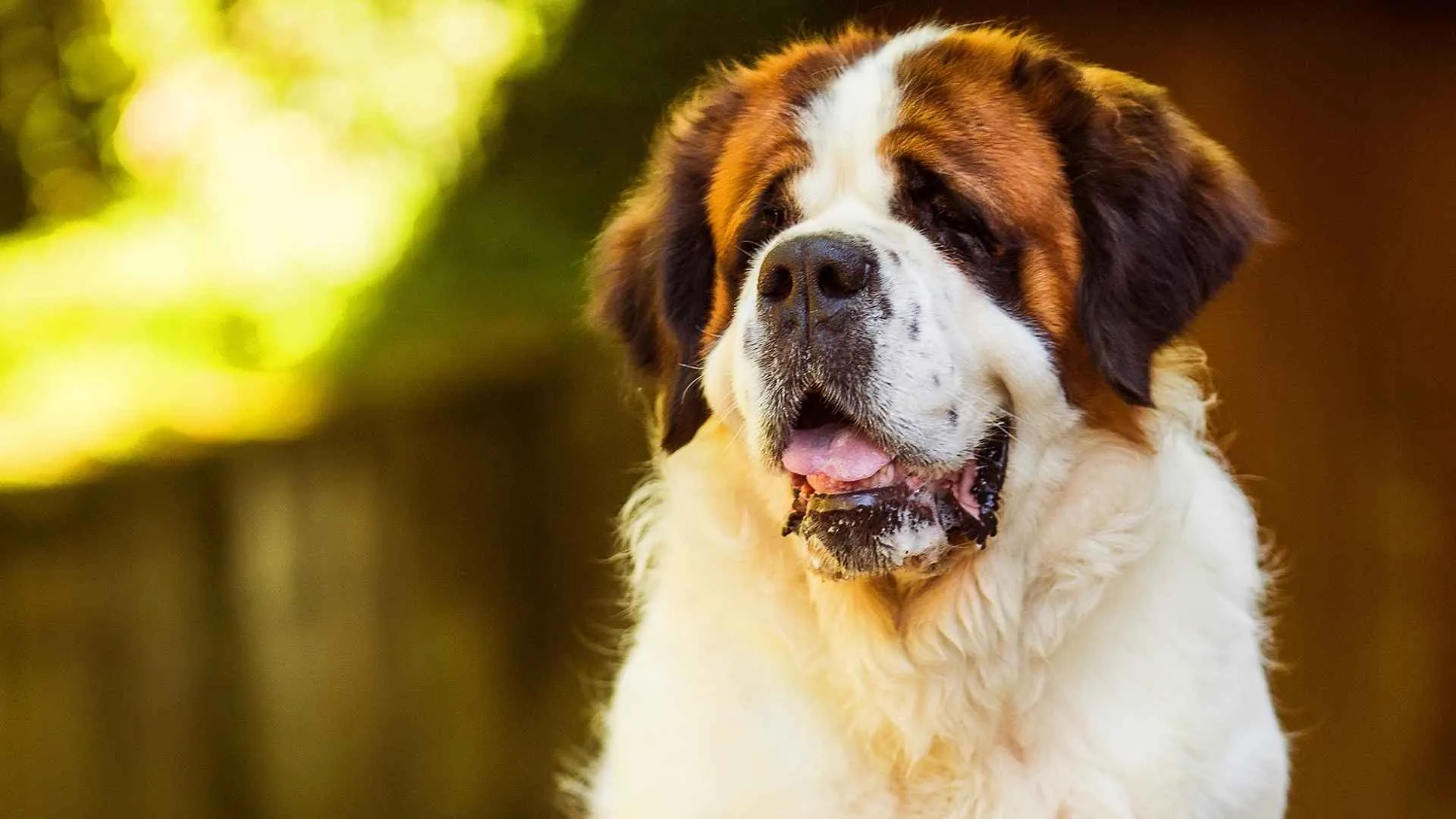
The Saint Bernard is a giant rescue breed, known for patience, kindness, and emotional warmth. This companion is especially gentle around children, and it brings this calming presence into family homes.
Even with a large and powerful body, this breed is not overly active. Moderate walks and light activity are usually enough to maintain good health. Grooming needs can vary depending on the coat type, but regular care is still important.
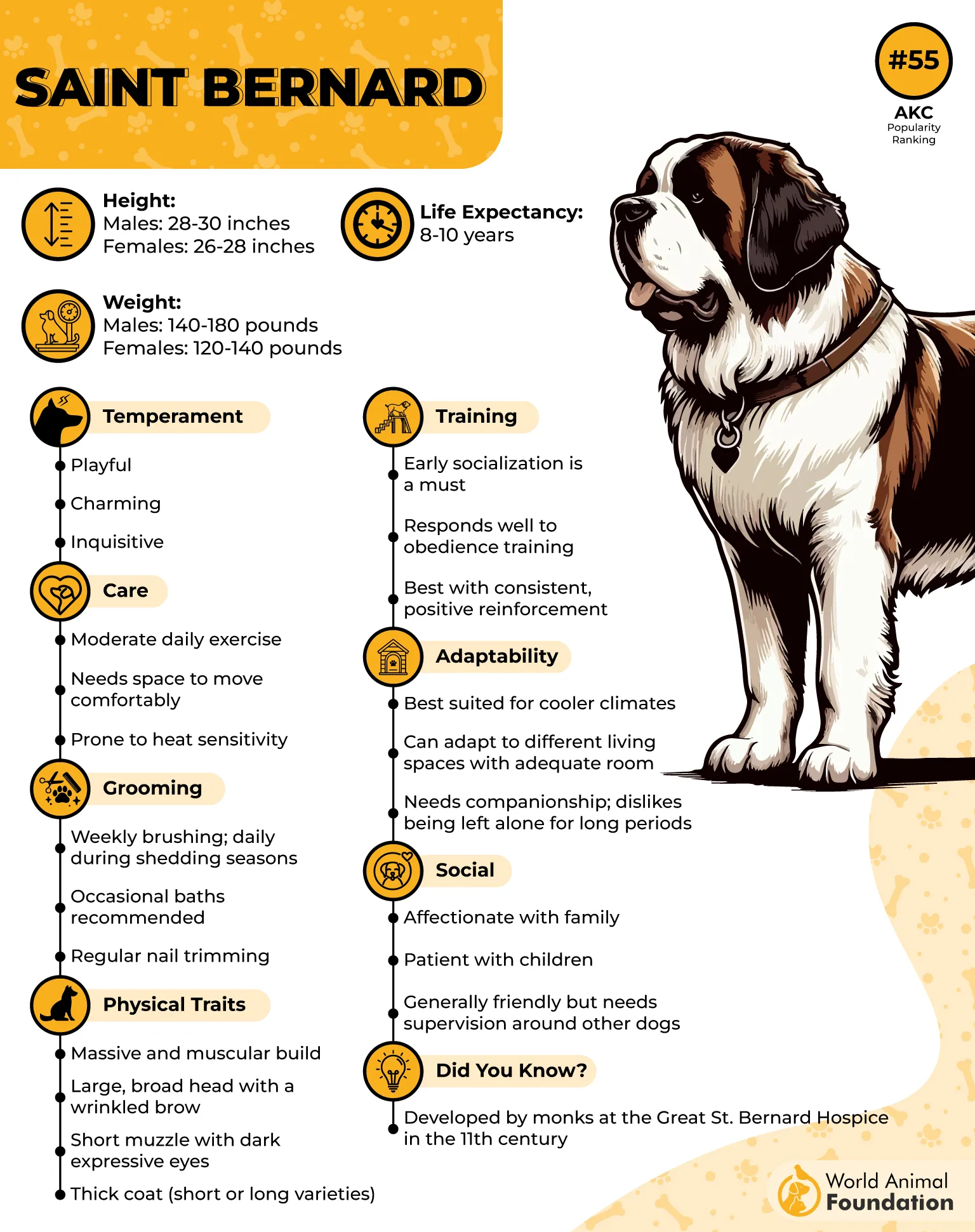
This breed is naturally patient, and it adapts well to family routines when early training is provided. A calm setting helps keep behavior balanced. Hills Pet notes that consistent care and gentle training support emotional stability and long-term health for this breed.
5. Great Pyrenees
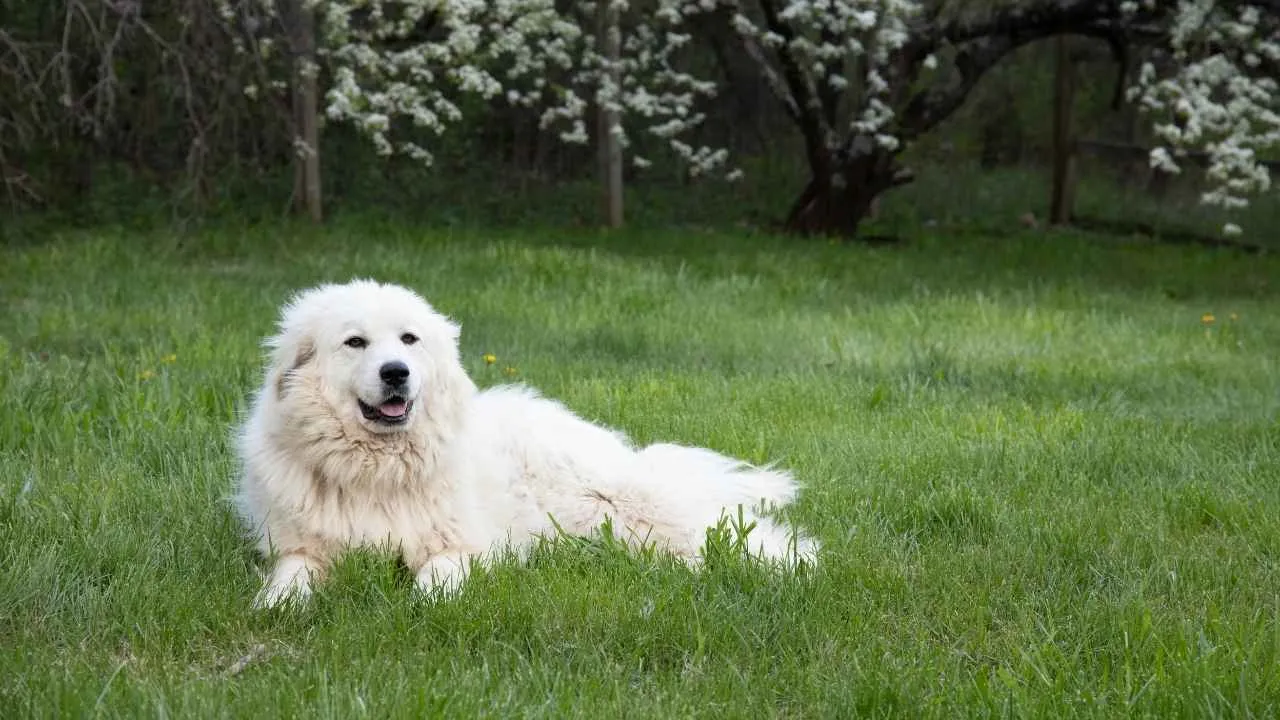
The Great Pyrenees is a calm, independent guardian originally developed to protect livestock in mountain regions. This breed is very loyal, and it shows a natural protectiveness over its home environment.
This companion prefers outdoor space, but it doesn’t really require intense exercise. Regular walks, plus light activity, are enough to support physical and mental well-being. The thick coat gives a kind of royal appearance, but it does need seasonal grooming care.
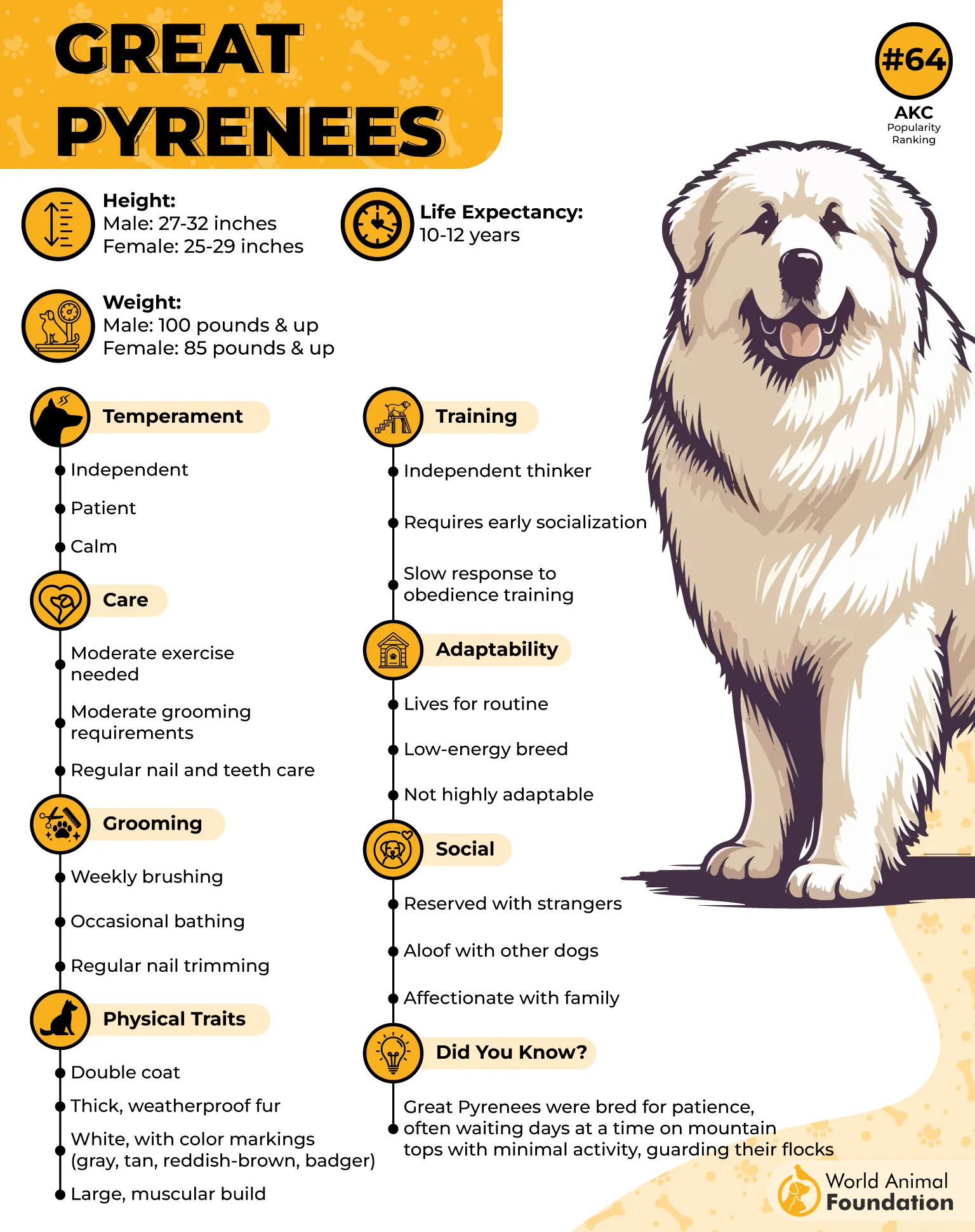
This breed shows a kind of strong independence and may need patient training to get consistent obedience, not just “quick fixes” kind of stuff. Early socialization helps create a more even-tempered and balanced behavior in real life
6. Newfoundland
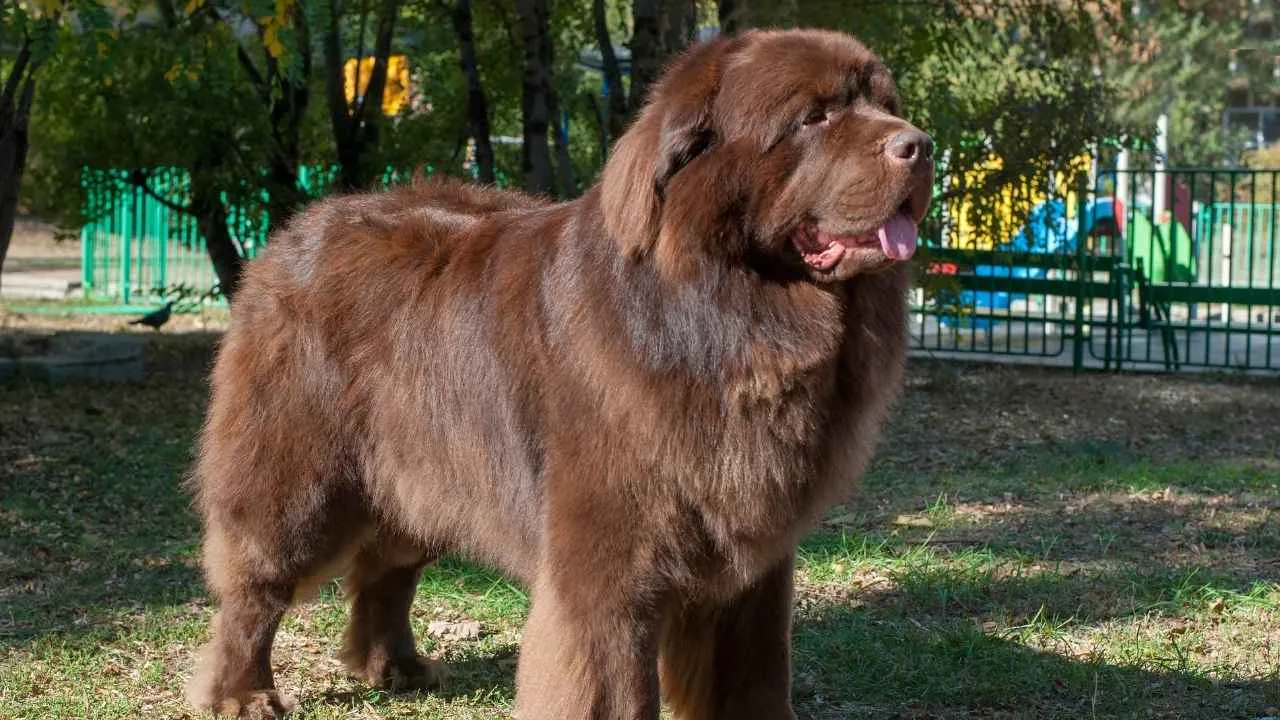
The Newfoundland is often described as one of those very affectionate and calm dog breeds, with a gentle temperament overall. This companion tends to be especially admired for water skills and for a soft emotional way of showing itself.
It enjoys swimming and light activity, but it generally does not need intense exercise routines every single day. Regular brushing helps control shedding because the coat is thick, so grooming becomes a real ongoing part of care.
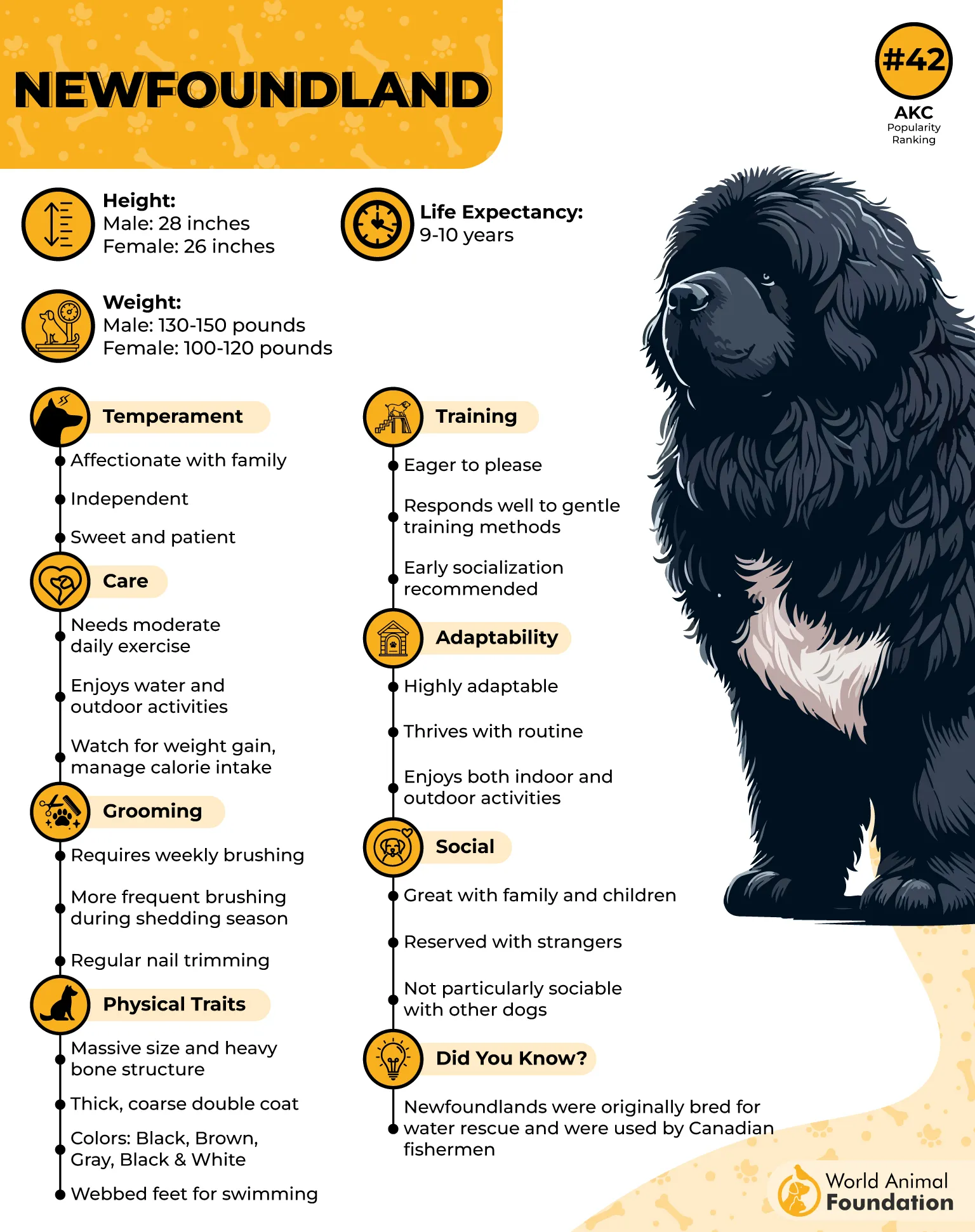
This breed is highly intelligent and also naturally gentle, which makes it a solid fit for families and therapy-type environments. It forms a close bond with humans in a calm and steady, almost reassuring way.
7. Boerboel
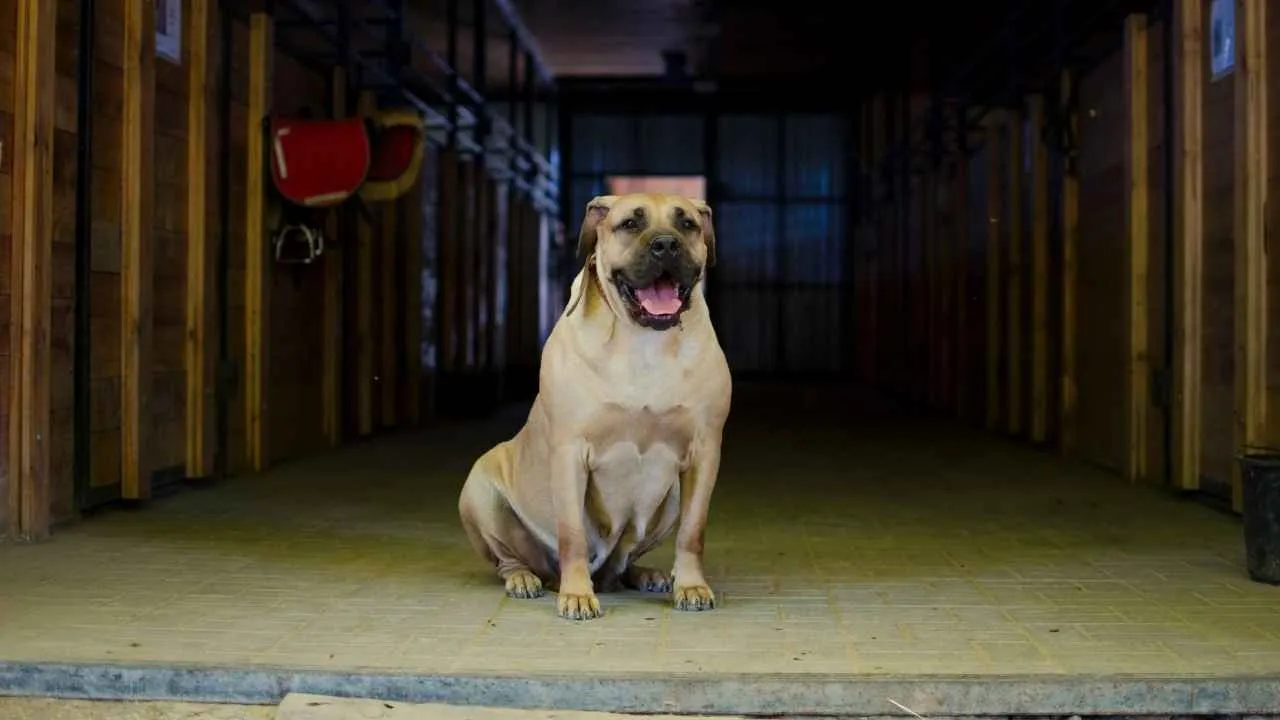
The Boerboel is a sturdy, self-assured guardian breed that traces back to South Africa. It’s famous for protective instincts and for a deep loyalty directed toward the people in its household.
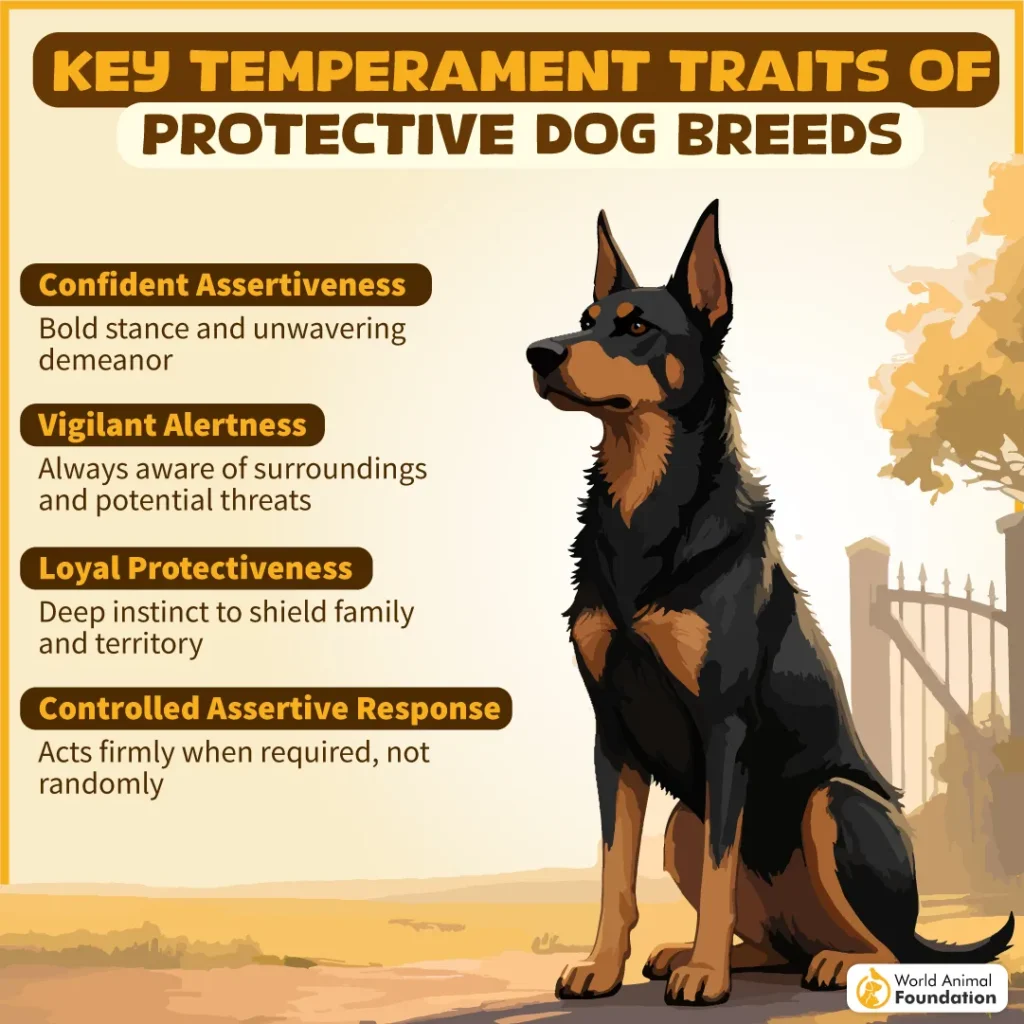
This companion needs moderate exercise, and it usually enjoys structured routines. Grooming stays pretty minimal thanks to the short coat, but mental stimulation matters a lot, so its behavior stays balanced.
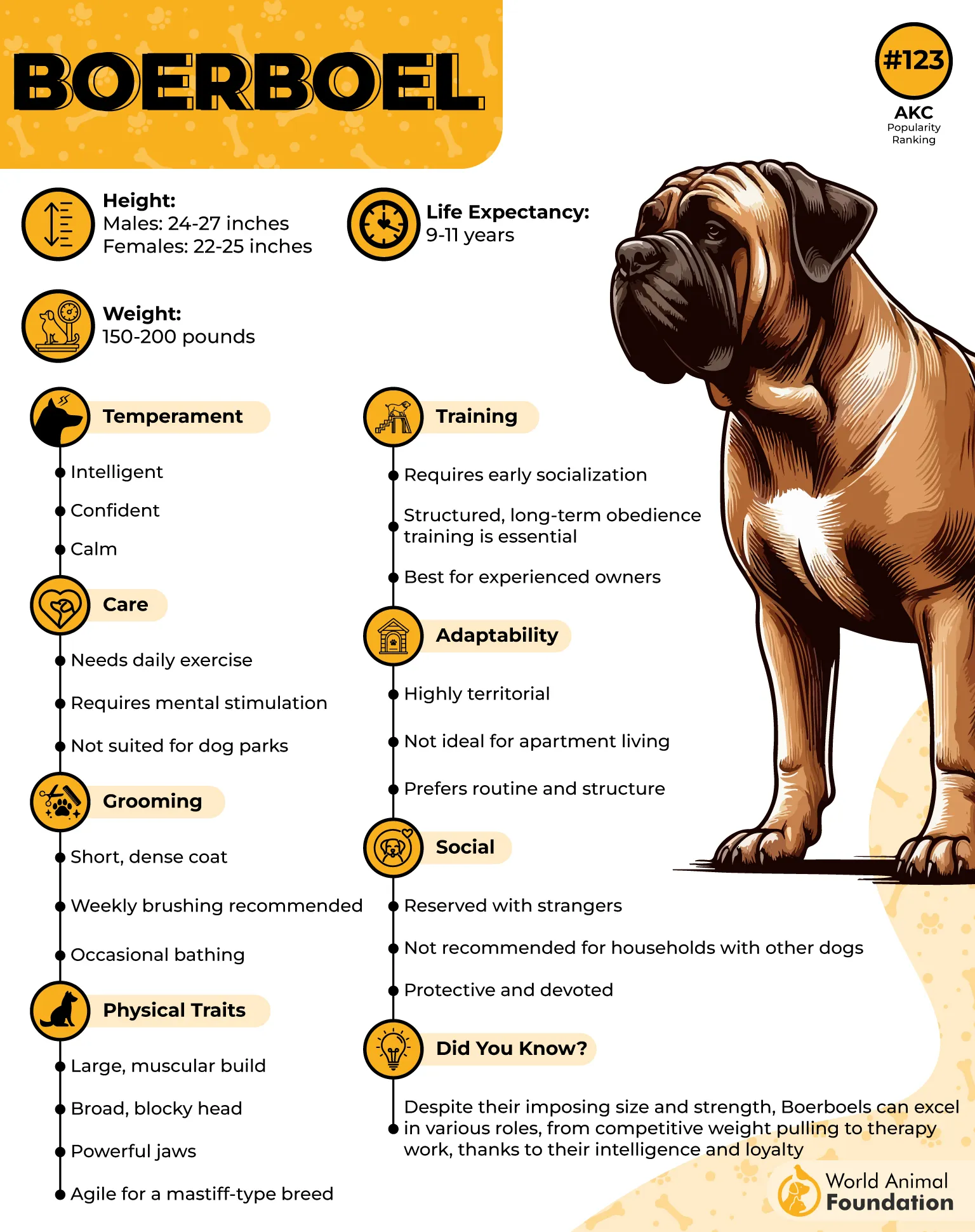
This breed is usually best for experienced owners, because the strong-willed streak can be intense, and the protective behavior needs guidance. Early training helps a lot because it shapes discipline before habits harden. Steady leadership and structured routine help this breed develop into a stable and dependable protector.
Conclusion
Finding the right dog is about balancing care needs with emotional connection, kind of a back-and-forth thing, really. Low-maintenance dog breeds that still give firm protection can bring both safety and companionship without completely wrecking your everyday routine or taking over every spare moment.
Each breed here carries a singular personality, but they all seem to share a core trait of loyalty plus natural guarding instincts. Some are steady and gentle, others are more sturdy and watchful, yet they all end up bonded to their family setting, somehow in their own quiet way, even when life is busy.
