




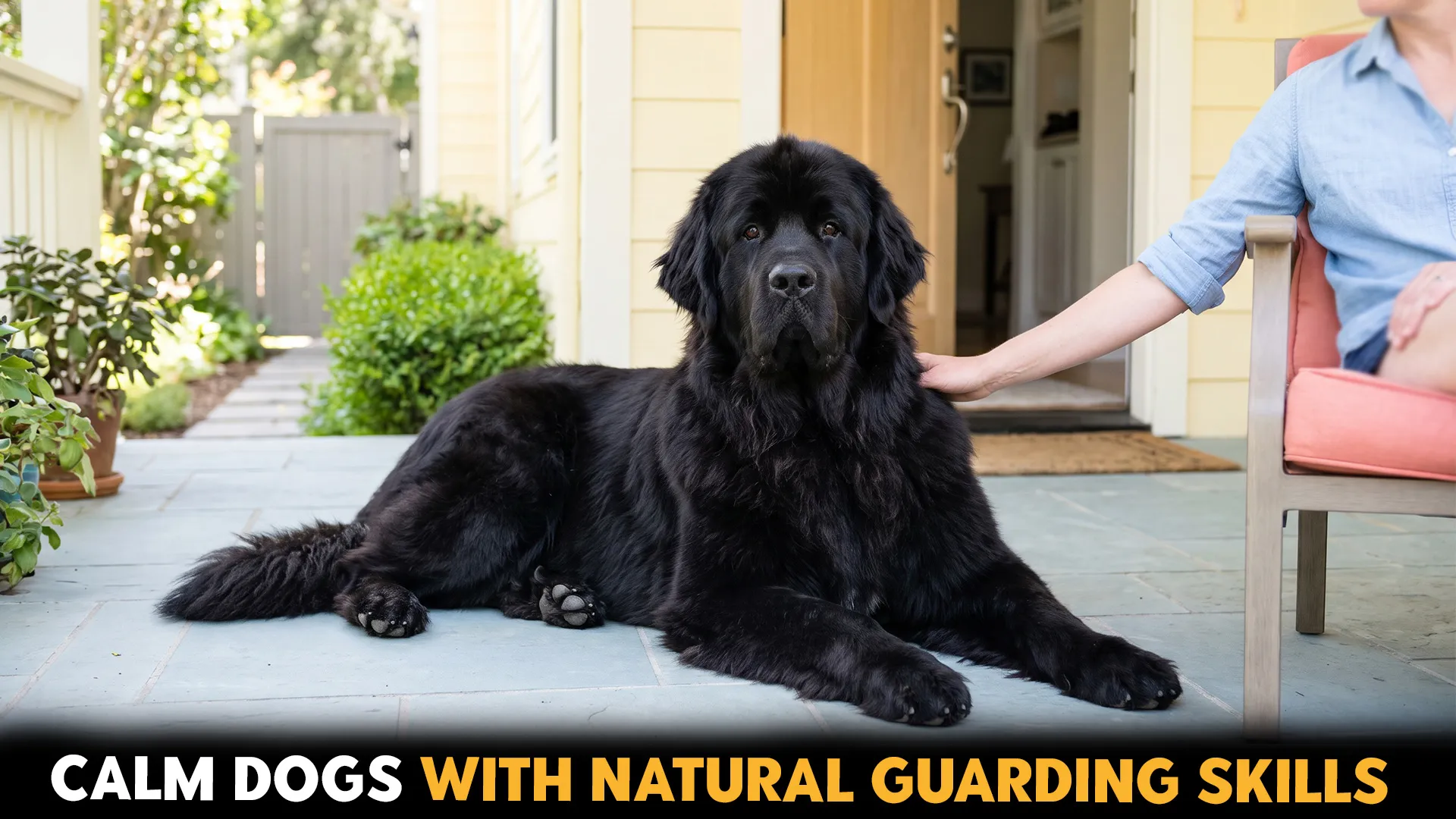
When most people picture a guard dog, they imagine a high-energy, endlessly pacing sentinel that barks at every passing leaf. Yet some of the most capable protectors in the canine world take a far quieter, more composed approach to keeping watch.
Instead of constant noise or restless intensity, these steady breeds rely on calm observation, natural confidence, and a commanding presence to deter trouble before it starts.
Low-key guard dogs are ideal for owners who value peace and predictability as much as home security. Rather than demanding hours of intense agitation or high-drive training, these level-headed companions are content lounging quietly indoors while remaining subtly attuned to everything happening around their home.
Of course, even the calmest protective breed still needs early socialization, clear household boundaries, and steady guidance to stay confident and well-mannered around everyday guests. Below, discover the best low-key guard dog breeds for calm owners—along with their temperaments, origins, and what it takes to raise them right.
Low-Key Guard Dog Breeds for Calm Owners
1. Akita
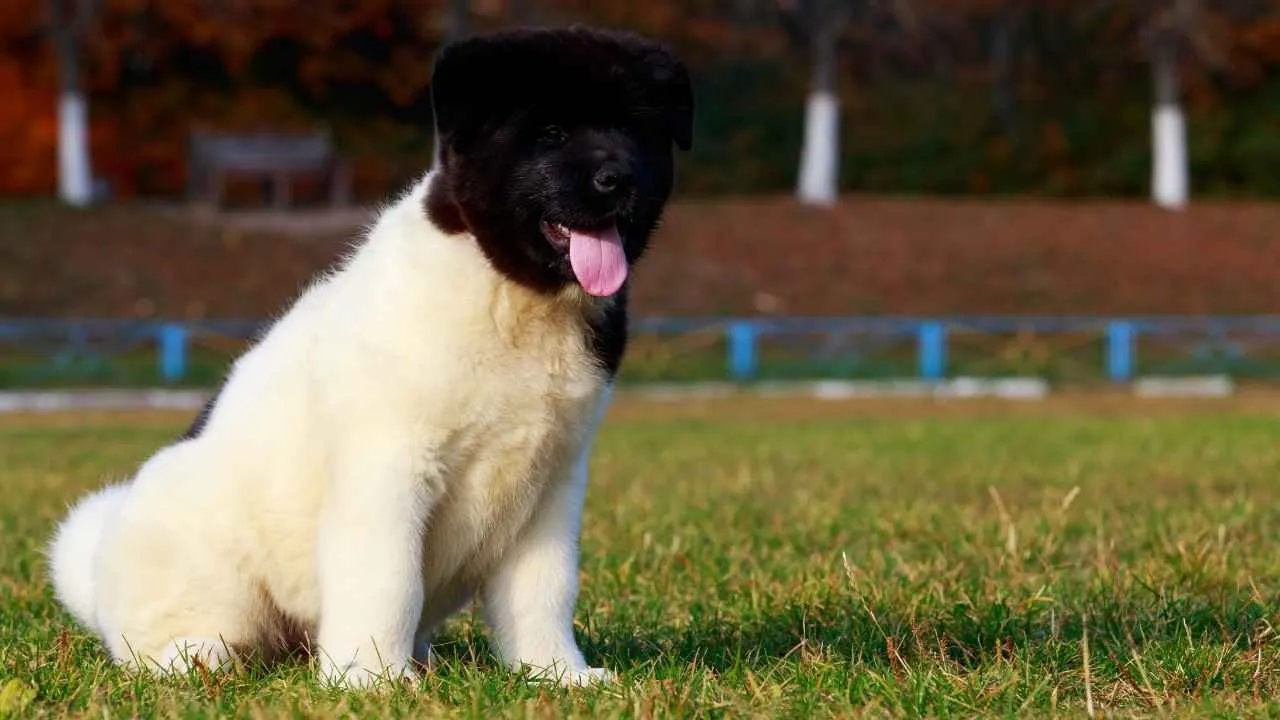
The Akita is a dignified, powerful breed with a long history of protecting families in Japan. Naturally alert and deeply loyal, it takes its guardian role seriously without needing constant direction. Its imposing appearance and confident presence can also discourage unwanted visitors.
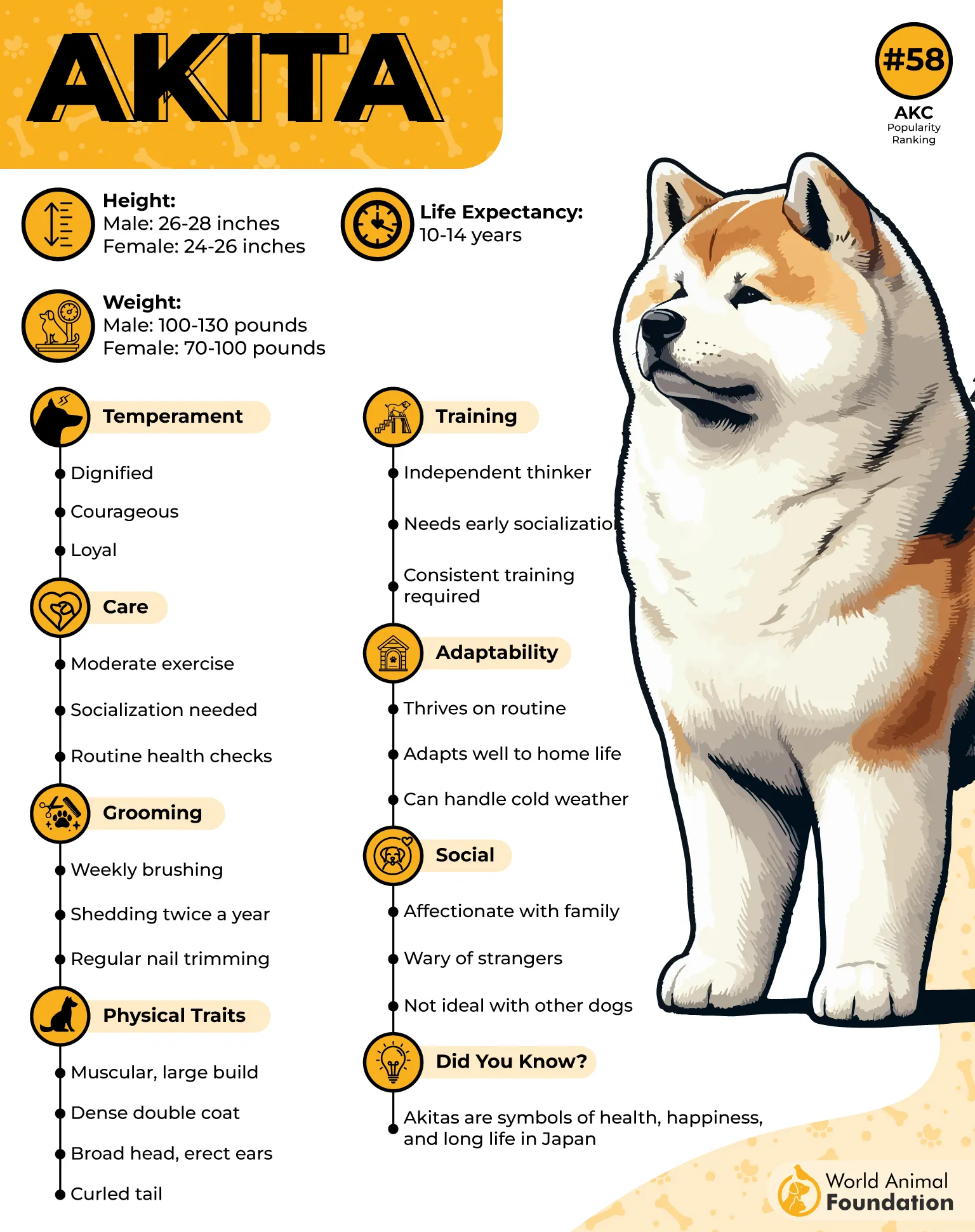
Unlike highly vocal watchdogs, Akitas are generally quiet and observant. They tend to remain cautious around unfamiliar people and may not readily accept other animals. However, with their trusted family members, they can show a surprisingly affectionate and playful side.
Early socialization and consistent obedience training are essential to manage their independent temperament and encourage appropriate behaviour around strangers and other dogs.
How This Breed Stands Out
Naturally reserved around strangers: Its cautious nature makes it attentive to unfamiliar people entering its surroundings.
Quiet, watchful guardian instincts: Observes its environment carefully and protects its family without excessive barking.
2. German Shepherd
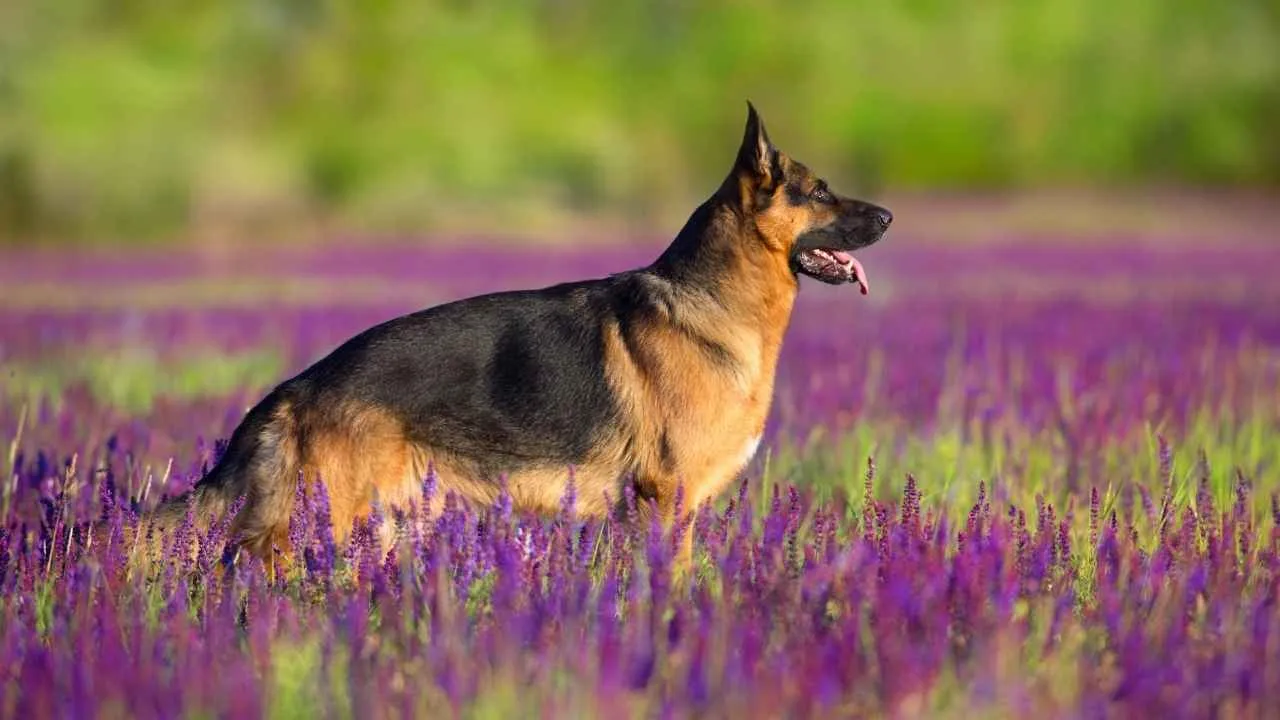
The German Shepherd is a confident, intelligent breed with a natural instinct to protect its family. Its strong sense of loyalty and steady temperament have made it a trusted choice for guarding, police work, and other demanding tasks. It is attentive to its surroundings and rarely forms instant friendships with strangers.
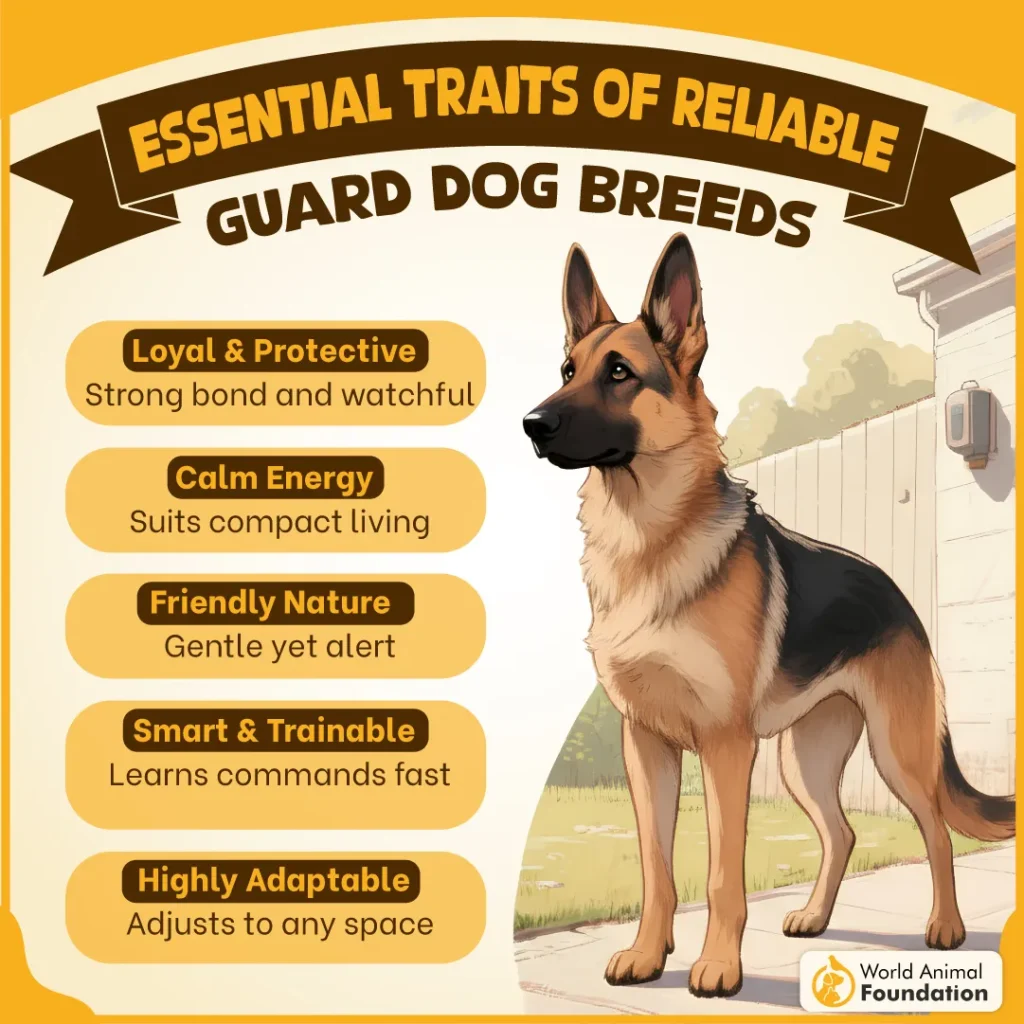
Rather than reacting to every unfamiliar sound, this breed often observes situations carefully before responding. Its protective instincts make it a dependable household guardian, while its affectionate side emerges around familiar people.
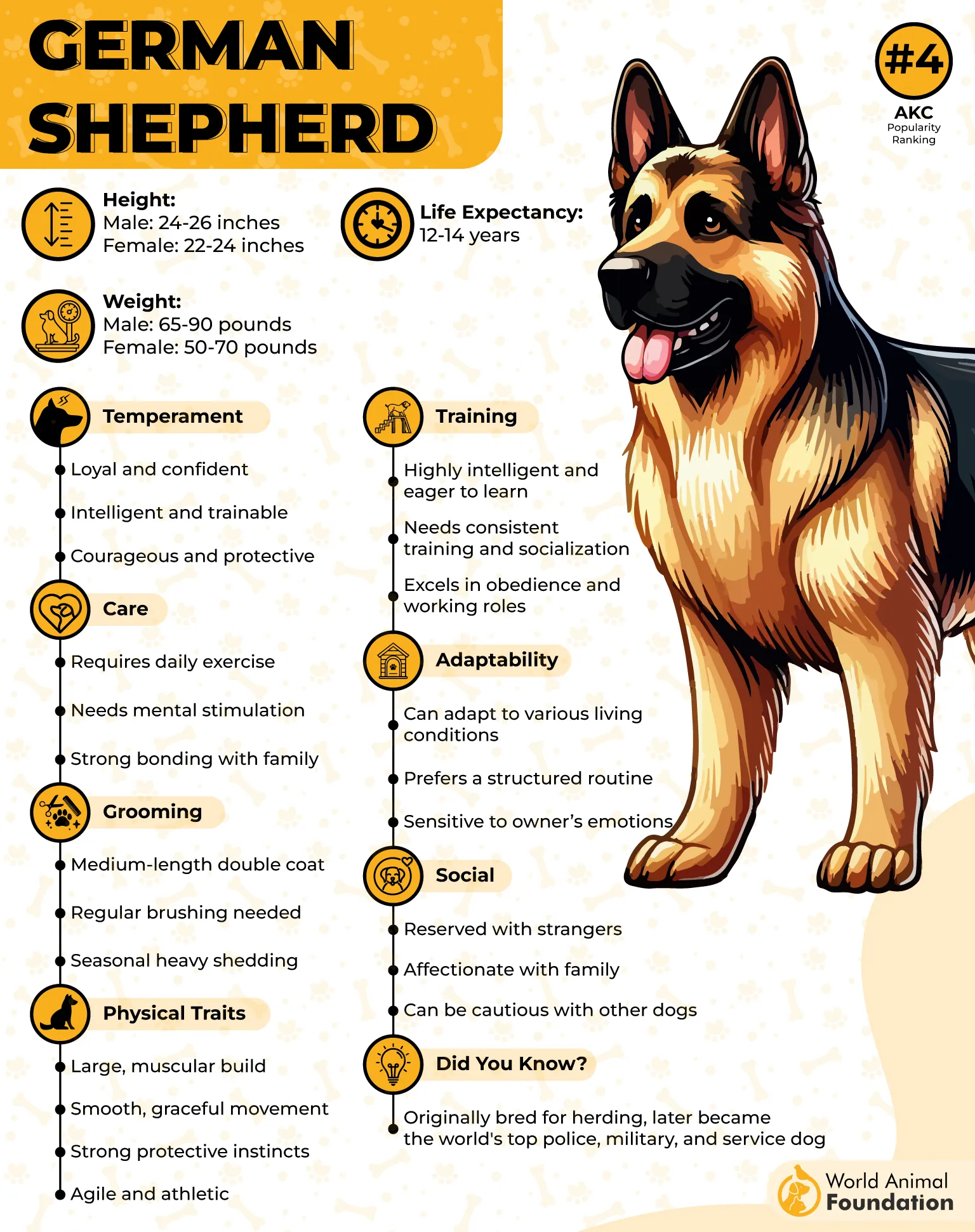
German Shepherds need early socialisation and consistent obedience training to develop balanced behaviour. They also require substantial daily exercise and mental stimulation to stay physically and mentally settled.
How This Breed Stands Out
Highly alert to unfamiliar activity: Notices changes in its surroundings and remains watchful around unfamiliar people.
Loyal and responsive to structured training: Forms strong family bonds and learns commands readily through consistent guidance.
3. Newfoundland
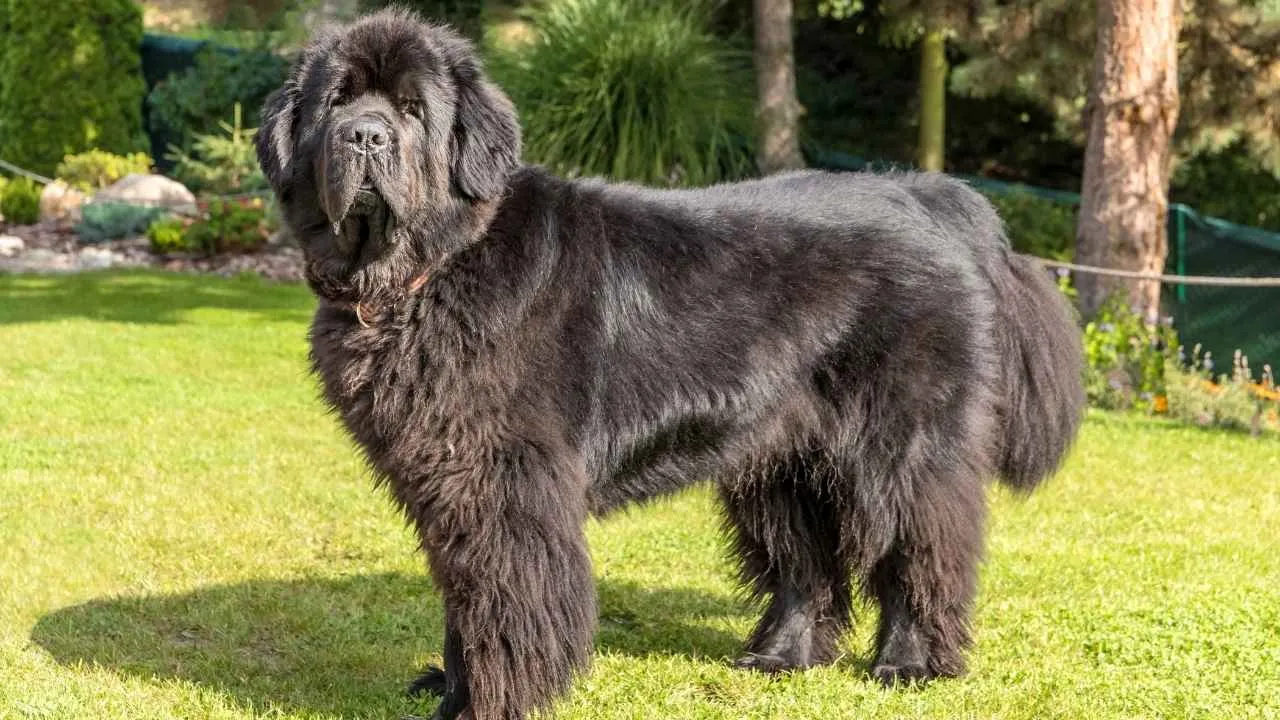
The Newfoundland is an imposing dog with a remarkably gentle disposition. Originally bred to assist fishermen, this powerful swimmer is known for its patience and affectionate nature. Despite its massive size, it is generally calm around children and often keeps a watchful eye on its family.
According to WebMD, Newfoundlands are known for their exceptionally sweet and trusting temperaments. They learn quickly, enjoy spending time with children, and generally get along well with other dogs, making them affectionate and devoted family companions.
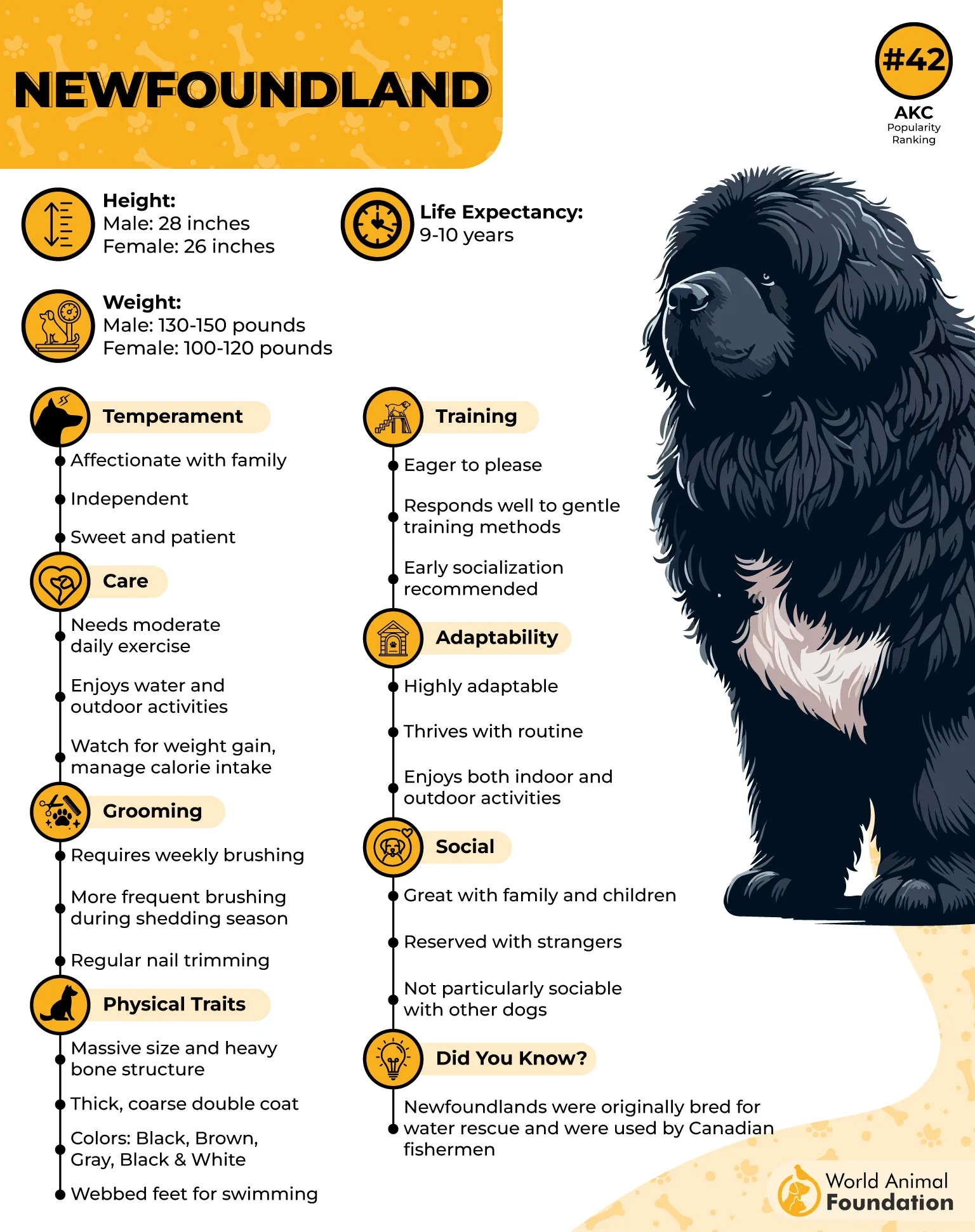
Rather than displaying aggressive guarding behaviour, Newfoundlands tend to protect through quiet supervision and close companionship. Their steady temperament makes them reassuring household guardians, although early socialisation and consistent training are important, particularly while they are growing.
Their thick, water-resistant double coat needs brushing several times a week. They also require daily walks or swimming opportunities, plenty of space, and protection from hot weather because they can overheat easily.
How This Breed Stands Out
Imposing size with a gentle temperament: Its substantial build is balanced by a patient, affectionate personality.
Naturally protective of family members: Keeps a close watch over loved ones, particularly children, through calm and attentive behaviour.
4. Bernese Mountain Dog
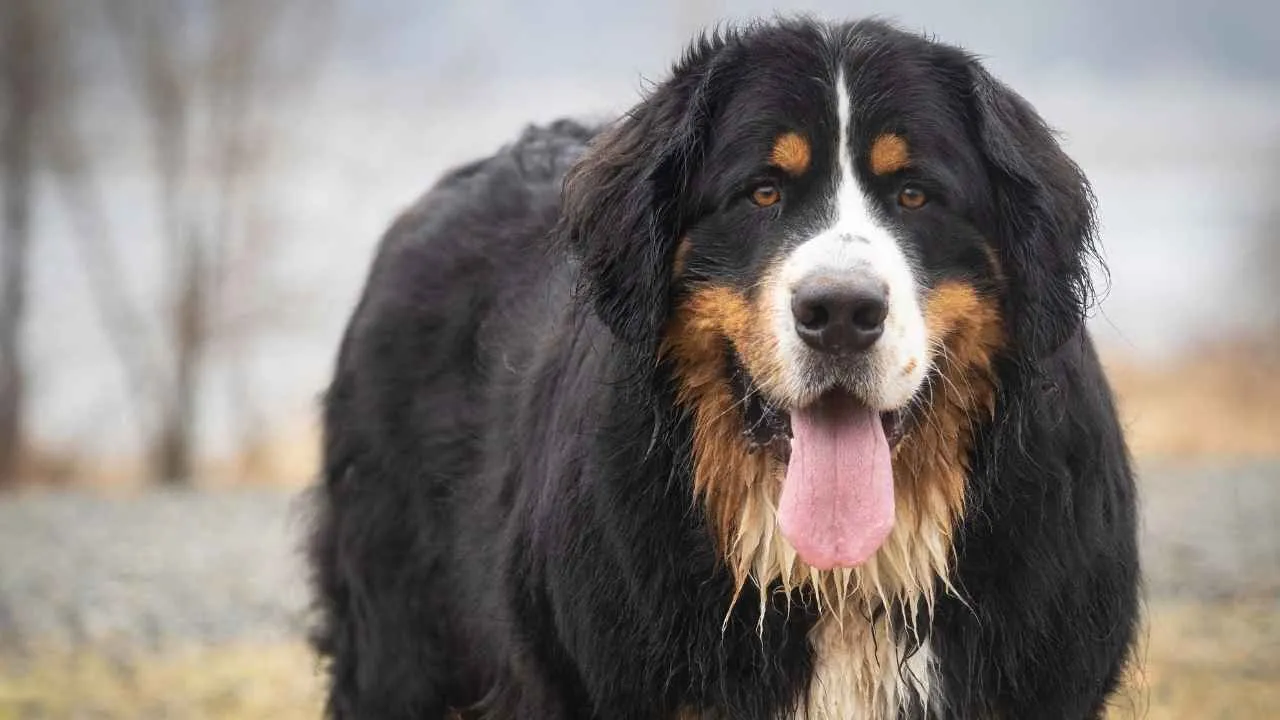
Despite its impressive size, the Bernese Mountain Dog is known for its gentle, affectionate disposition. Originally developed for farm work in Switzerland, this sturdy breed is generally placid and enjoys staying close to its family. Its patient nature also makes it a considerate companion for households with children.
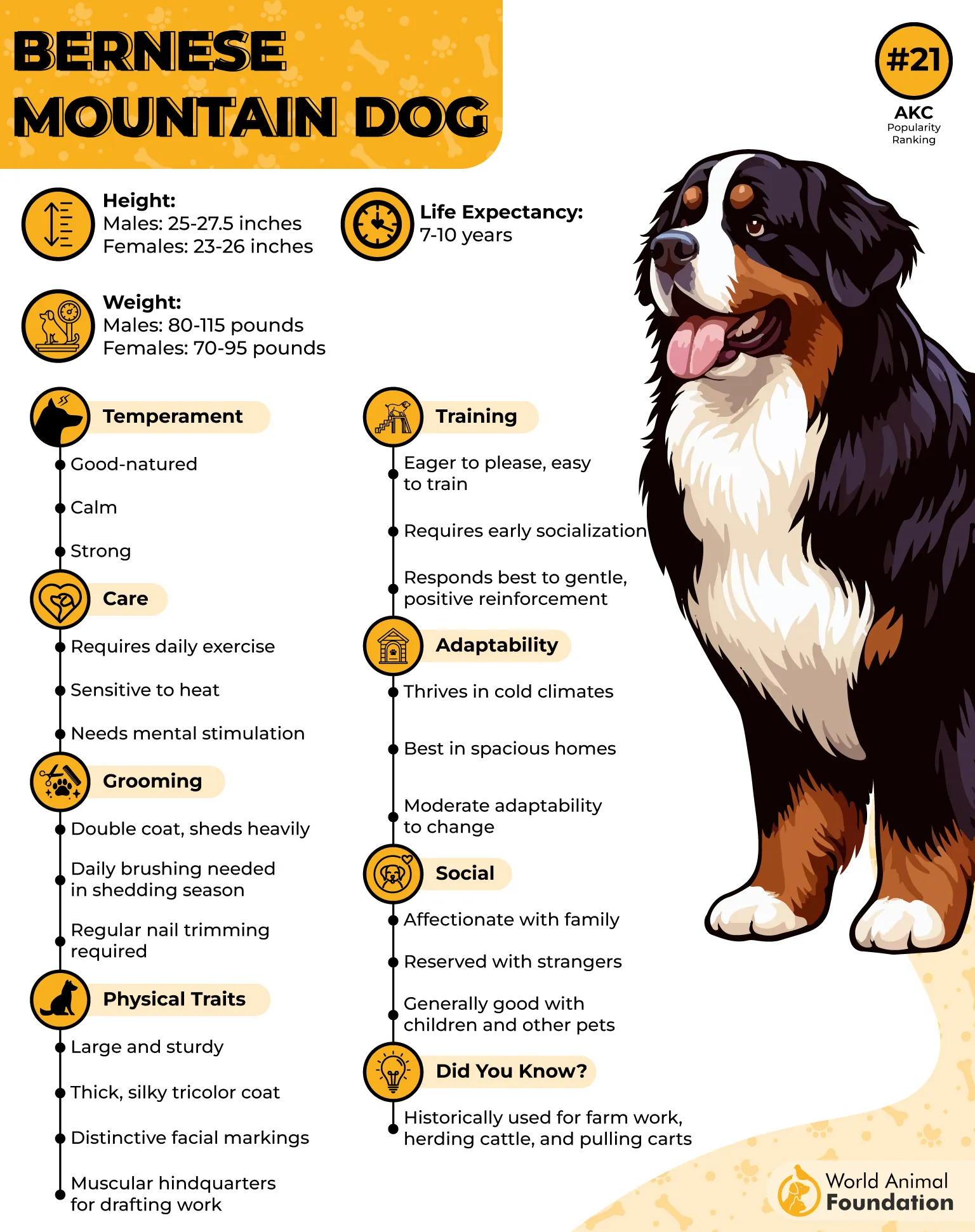
According to PetMD, Bernese Mountain Dogs are large breeds, typically standing 23–27.5 inches tall and weighing 70–115 pounds. Despite their impressive size, they are known for their gentle, affectionate temperament and loving nature.
Berners are not typically aggressive or overly vocal. They tend to maintain a dignified distance from unfamiliar people while remaining devoted to those they know. Their imposing appearance can make them noticeable guardians without relying on confrontational behaviour.
Their thick, moderately long coat requires regular brushing, and they are more comfortable in cooler climates. At home, they enjoy relaxed family time, cuddling, and following their favourite person around.
How This Breed Stands Out
Calm, steady presence around the home: Usually composed and affectionate, it enjoys peaceful family routines.
Watchful without being overly confrontational: Its reserved attitude toward strangers gives it an observant yet dignified presence.
5. Rottweiler

The Rottweiler combines impressive strength with a deeply devoted nature. Within its family, this muscular working breed can be playful and surprisingly goofy. Around unfamiliar people, however, it tends to remain reserved until it feels comfortable with the situation.
According to Purina, Rottweilers are strong yet affectionate dogs with generally calm temperaments. They enjoy agility activities, training, and having tasks to keep them occupied.
Although they may be reserved around unfamiliar people initially, they can get along well with adults, children, and other pets. They are best suited to experienced owners who can provide consistent training and plenty of space.

Naturally confident, Rottweilers are attentive to their surroundings and possess strong protective instincts. They can become dependable household guardians when given clear boundaries and consistent guidance rather than encouraged to act aggressively.
Early socialisation, obedience training, and purposeful daily activities are essential for managing their territorial tendencies. A well-raised Rottweiler is generally composed and courageous, with a softer personality around trusted family members.
How This Breed Stands Out
Confident, composed guarding instincts: Remains self-assured and observant while assessing unfamiliar situations.
Strong loyalty and territorial awareness: Forms close family bonds and takes an attentive interest in protecting its home.
6. Bullmastiff
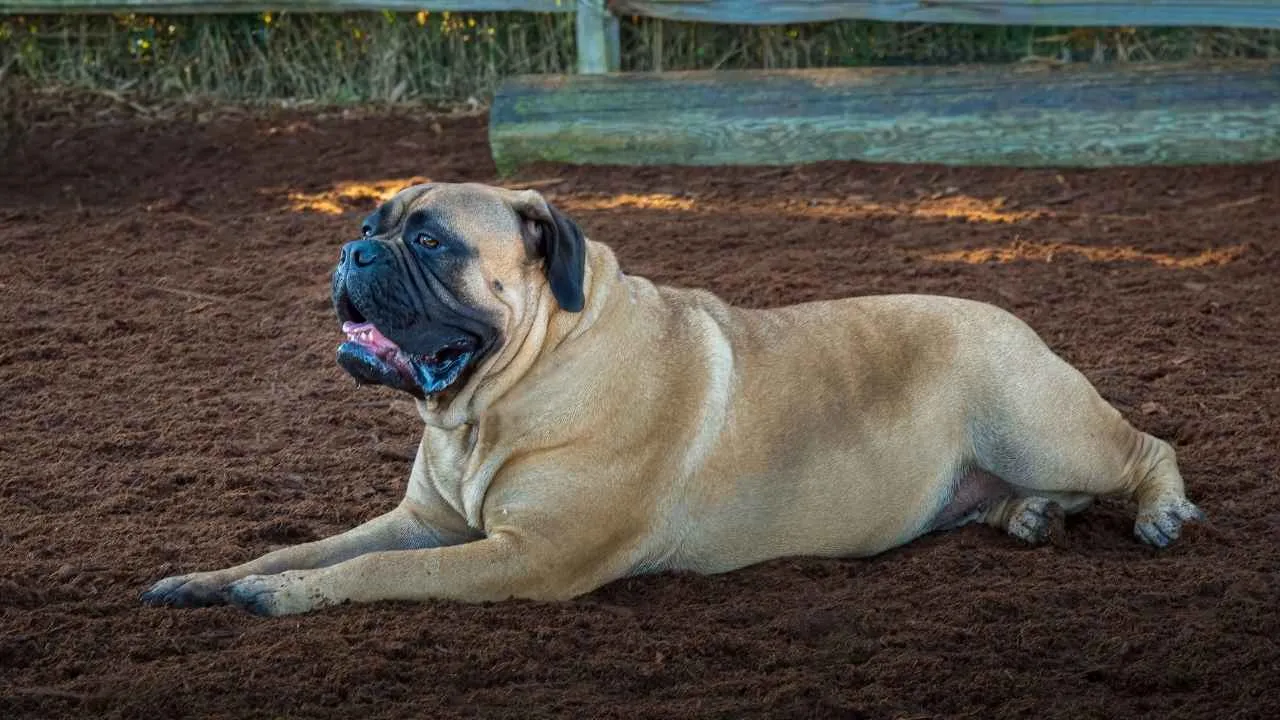
Originally developed to protect estates from poachers, the Bullmastiff is a powerful guardian with a naturally imposing presence. Its muscular build and confident posture can discourage unwanted visitors without requiring constant displays of aggression. Despite its intimidating appearance, this breed is typically affectionate and devoted to its family.
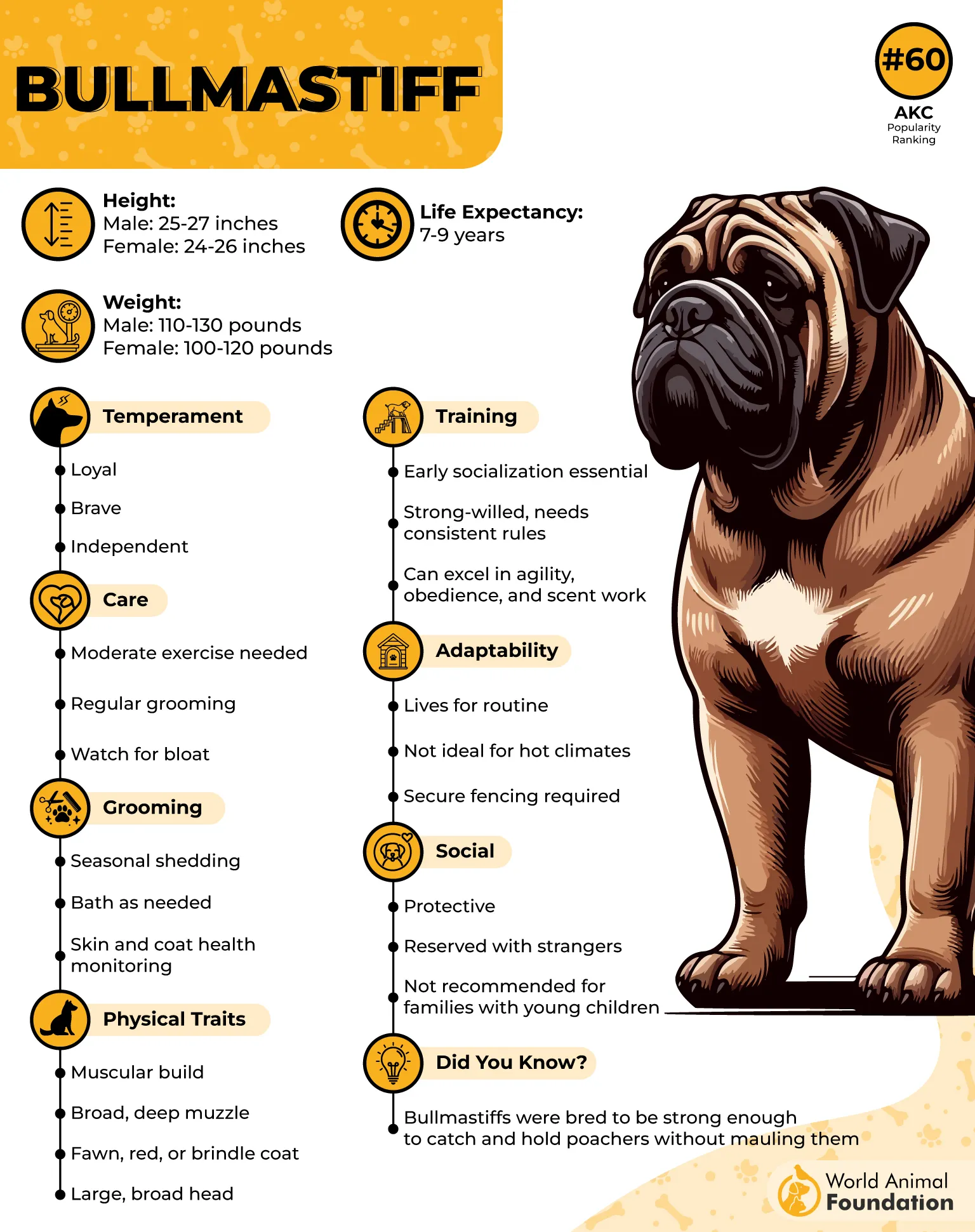
Bullmastiffs are generally quiet dogs that prefer observing their surroundings rather than reacting to every disturbance. Their protective instincts come naturally, but structured training helps establish appropriate boundaries and controlled behaviour.
Their short coat requires little maintenance beyond weekly brushing. Moderate daily walks and mental stimulation are usually sufficient, while a secure yard and comfortable indoor space suit their substantial size.
How This Breed Stands Out
Quiet, watchful nature with minimal unnecessary barking: Prefers calmly monitoring its surroundings instead of making noise over every disturbance.
Naturally inclined to deter intruders through sheer size: Its powerful physique and imposing appearance can discourage unwanted approaches.
7. Great Dane
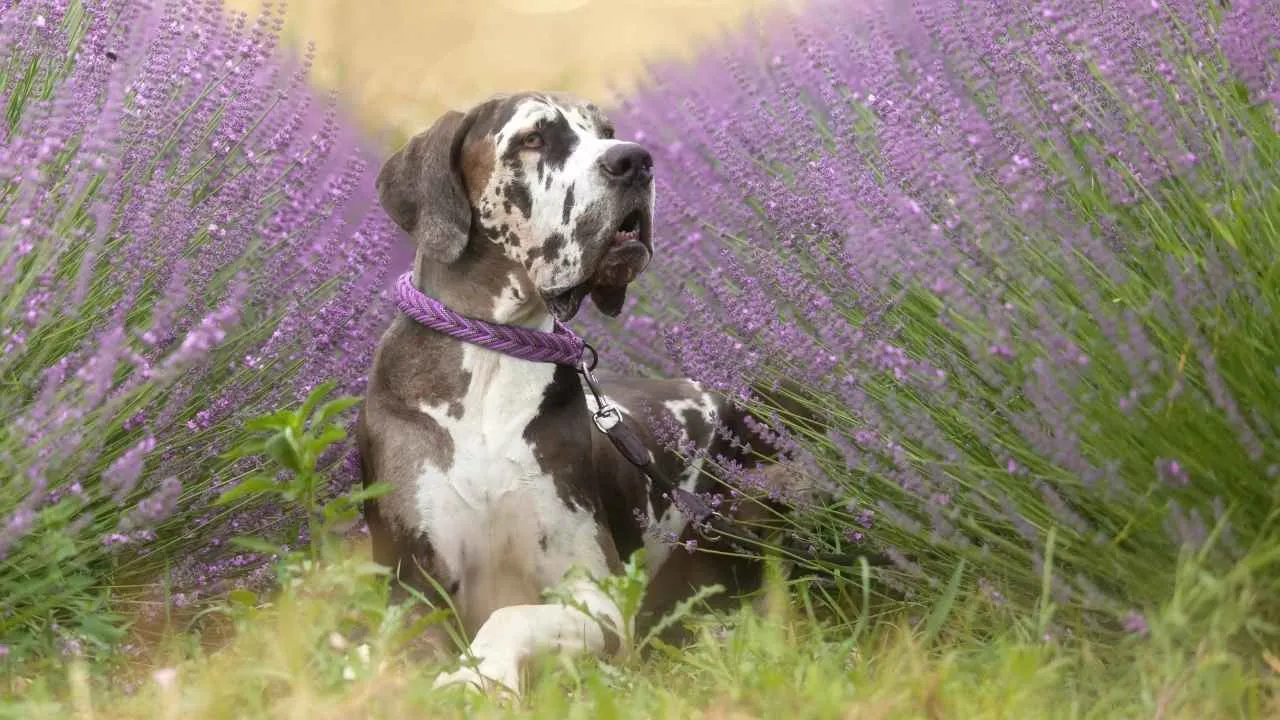
The Great Dane is a towering breed whose impressive stature alone can make unfamiliar visitors think twice. Despite its imposing appearance, this gentle giant is generally good-natured, patient, and affectionate with familiar people. It often prefers observing unfamiliar situations before deciding how to respond.
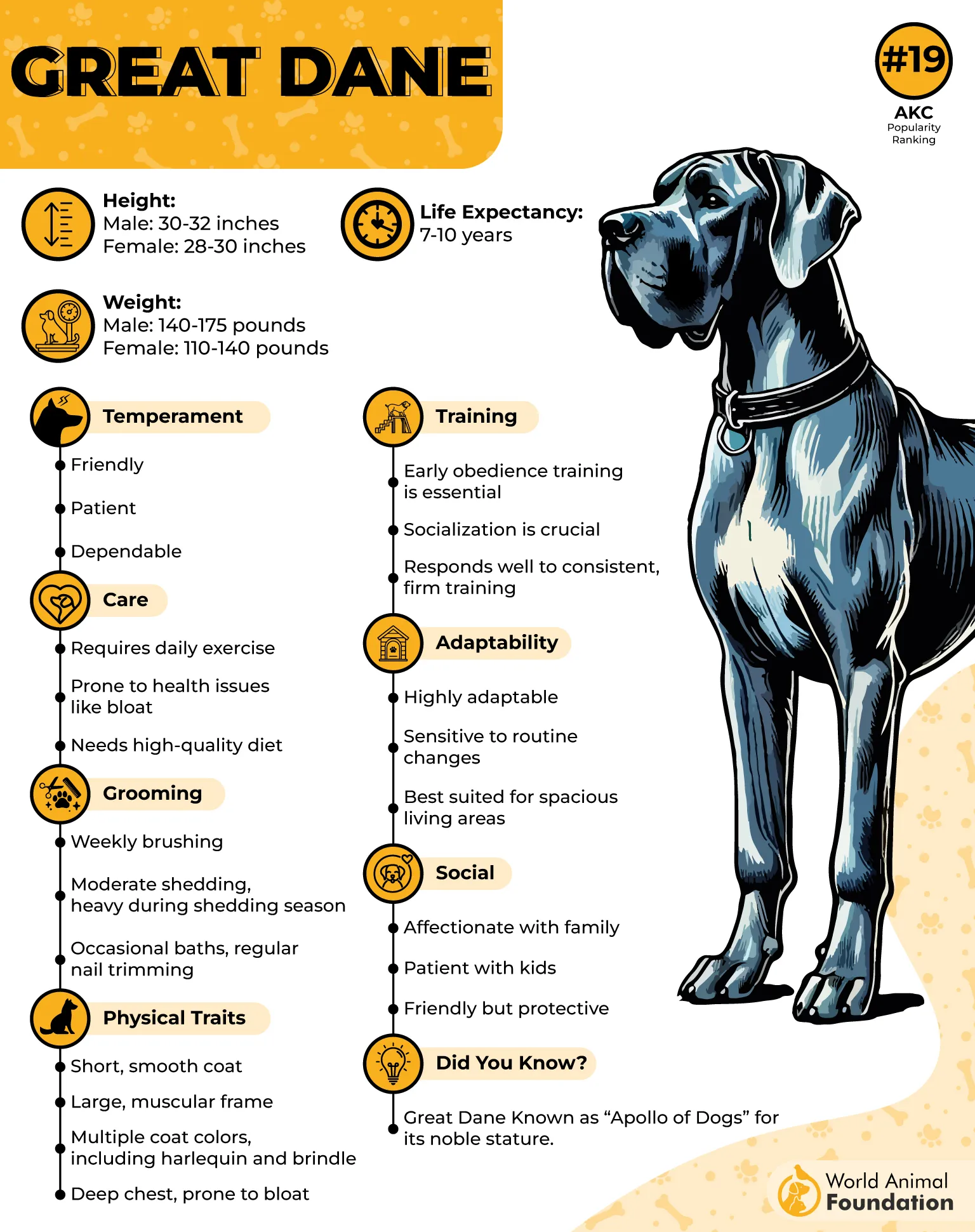
Rather than displaying constant guarding behaviour, Great Danes tend to remain alert and may bark when something catches their attention. Early socialisation and structured training help develop confidence and prevent nervousness as they mature.
Their short coat needs only occasional brushing, while daily moderate walks and mental activities help maintain their well-being. They also need enough indoor space to move comfortably, given their considerable size.
How This Breed Stands Out
Towering appearance creates a strong visual deterrent: Its exceptional height and substantial build can discourage unwanted visitors.
Generally gentle and relaxed with familiar people: Enjoys human company and is often calm and affectionate around its family.
Conclusion
A dependable guard dog does not always need to be aggressive or overly vocal. Some dogs naturally combine protective instincts with calm temperaments, making them reassuring companions for peaceful households.
The right choice depends on your living environment, experience, and ability to provide proper care. Consider temperament, training requirements, exercise needs, and socialization before bringing a dog home.
Consistent guidance and early socialisation help develop balanced behaviour while allowing natural guarding instincts to remain under control. Every dog also needs affection, attention, and a secure environment.
Ultimately, a well-matched guardian can offer companionship, confidence, and a comforting sense of security without disrupting the calm atmosphere of your home.
