




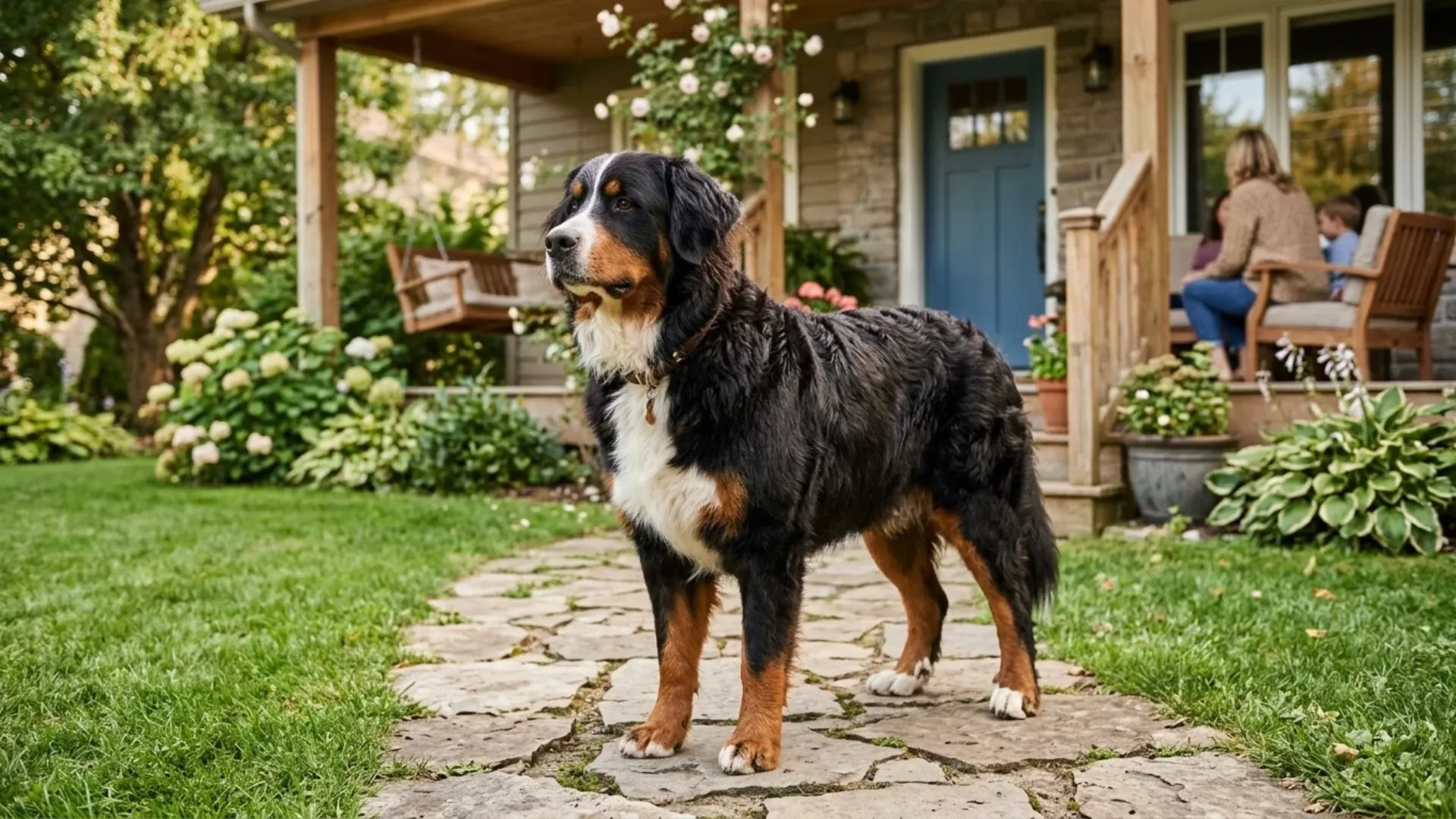
Imagine settling down with a book after dinner when someone knocks at the front door. Your dog lifts its head, gives a short warning bark, and watches as you approach the entrance.
Once you greet the visitor and the situation becomes familiar, the dog returns to its bed. For someone who values a peaceful household, that response sounds far more appealing than prolonged barking or constant agitation. Low-key guard dog breeds can suit this preference when their natural temperament, training, and home environment work together.
Their role involves noticing unfamiliar activity and alerting their families, rather than reacting aggressively to every new person. Of course, individual dogs differ, and even naturally calm breeds need clear boundaries and regular socialization. A relaxed lifestyle also requires moderate exercise, companionship, and mental engagement to keep a dog comfortable at home.
In this article, we look at suitable breeds, their protective qualities, and the practical details that help maintain a quieter household.
Key Takeaways
Peaceful evenings and a watchful dog can actually fit into the same household when the breed has the right temperament.
Tibetan Mastiffs often prefer quietly surveying their surroundings, and Newfoundlands bring an unusually gentle approach to protection.
The Bernese Mountain Dog and Saint Bernard continue that calmer pattern, with protective instincts shaped by very different working histories.
There is also an old estate guardian and a former castle protector ahead, so the final few breeds are worth sticking around for.
Low-Key Guard Dog Breeds for a Relaxed Lifestyle
1. Tibetan Mastiff
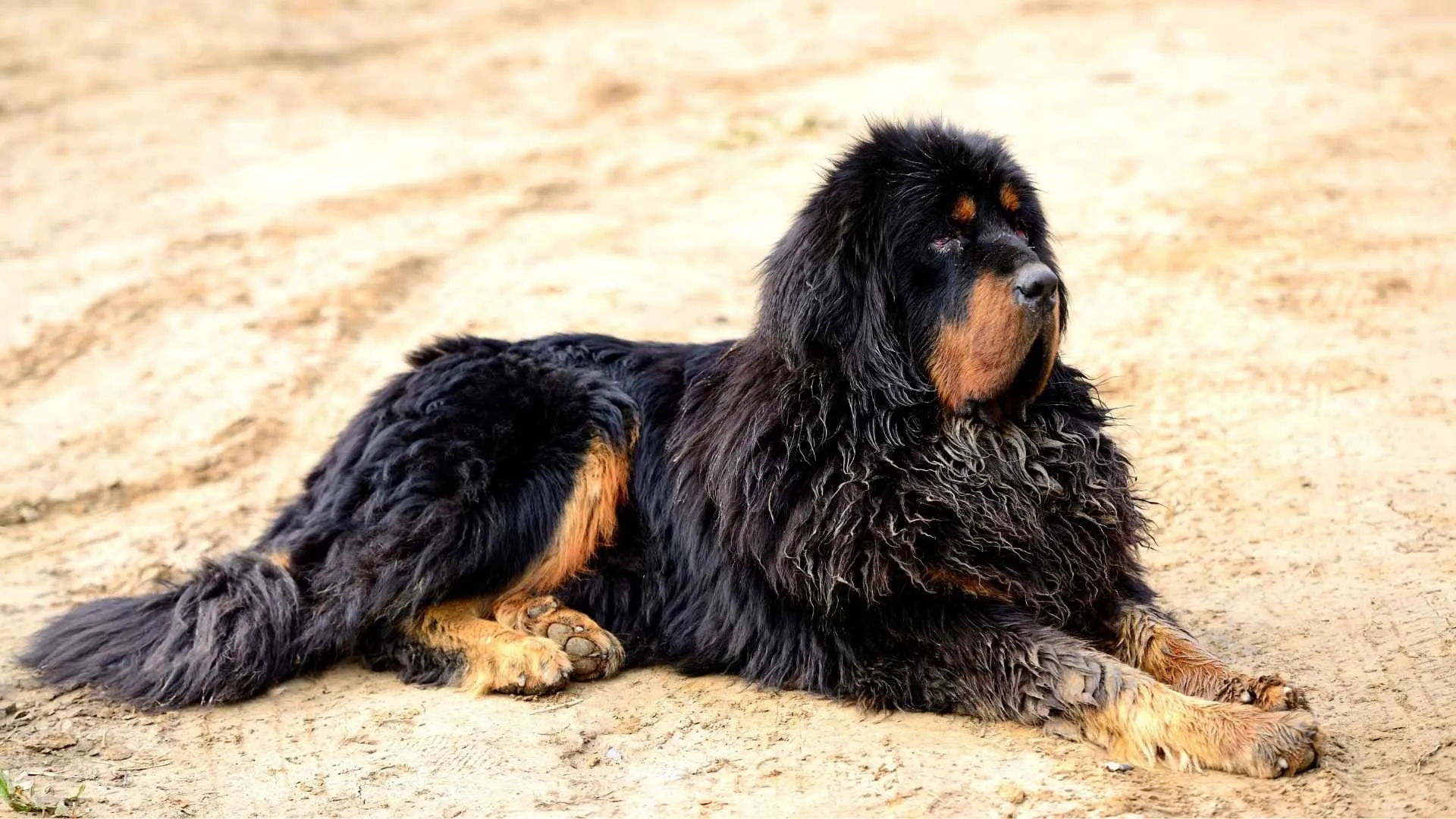
Tibetan Mastiff has ancient roots in Central Asia, with records of large guardian dogs in China dating back to 1100 B.C.E. An English captain later described enormous dogs guarding Tibetan monasteries, and one arrived in England in 1847 as a gift to Queen Victoria.
A Quiet Watcher
Tibetan Mastiffs prefer peaceful surroundings with enough outdoor room to roam slowly and quietly watch whatever happens nearby. Around 20 to 30 minutes of daily exercise may be enough, with early morning and evening yard time fitting its natural activity pattern.
When planning its routine, this is what matters:
Needs shade during hot weather
Often ignores fetch and agility games
May resist coming when called
Independent by Nature
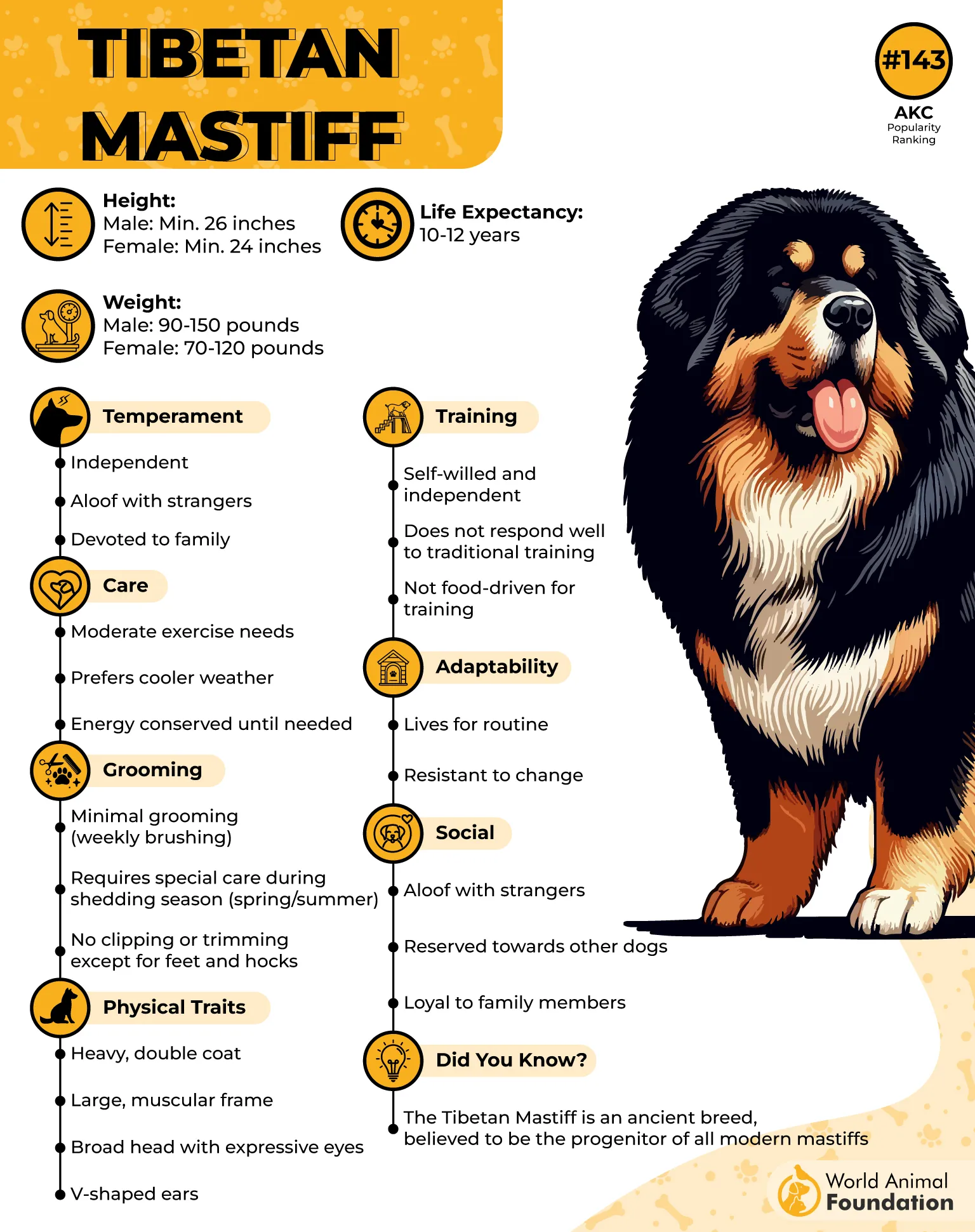
This protection dog often prefers surveying their territory to taking part in fast-paced activities or following repeated commands. Its independent temperament can make off-leash outings and crowded dog parks difficult to manage, particularly around unfamiliar animals.
2. Newfoundland
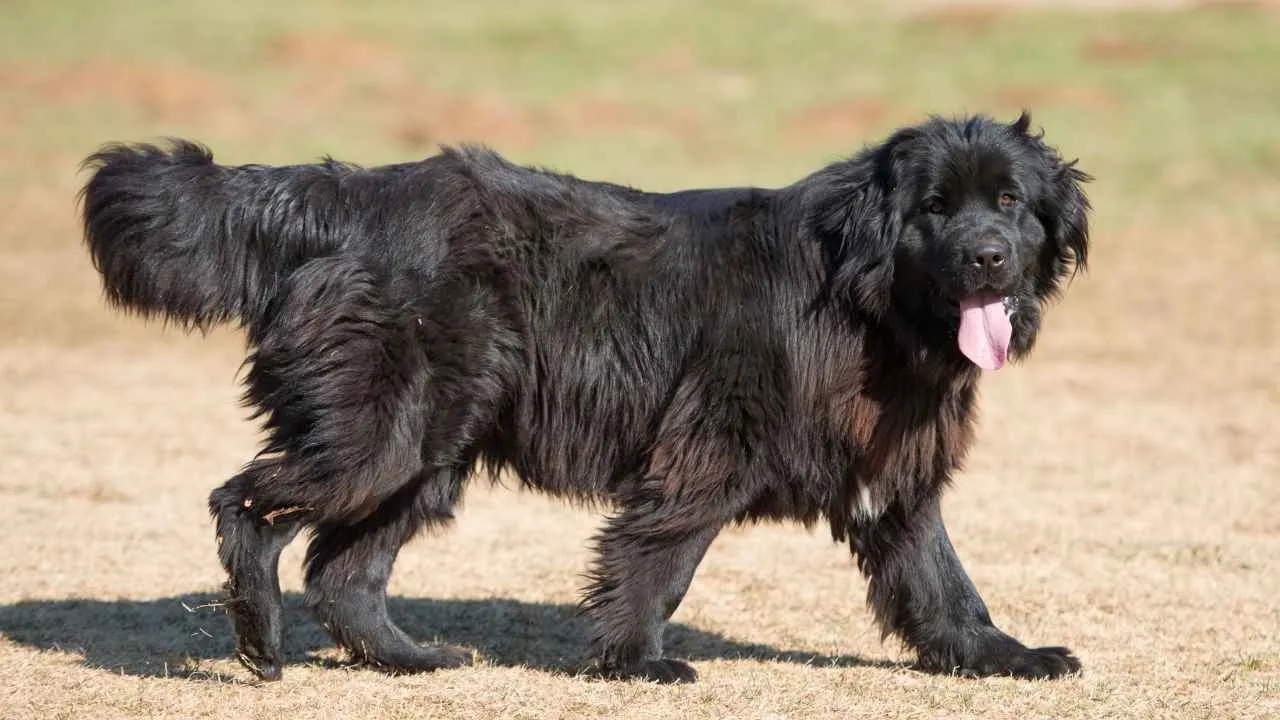
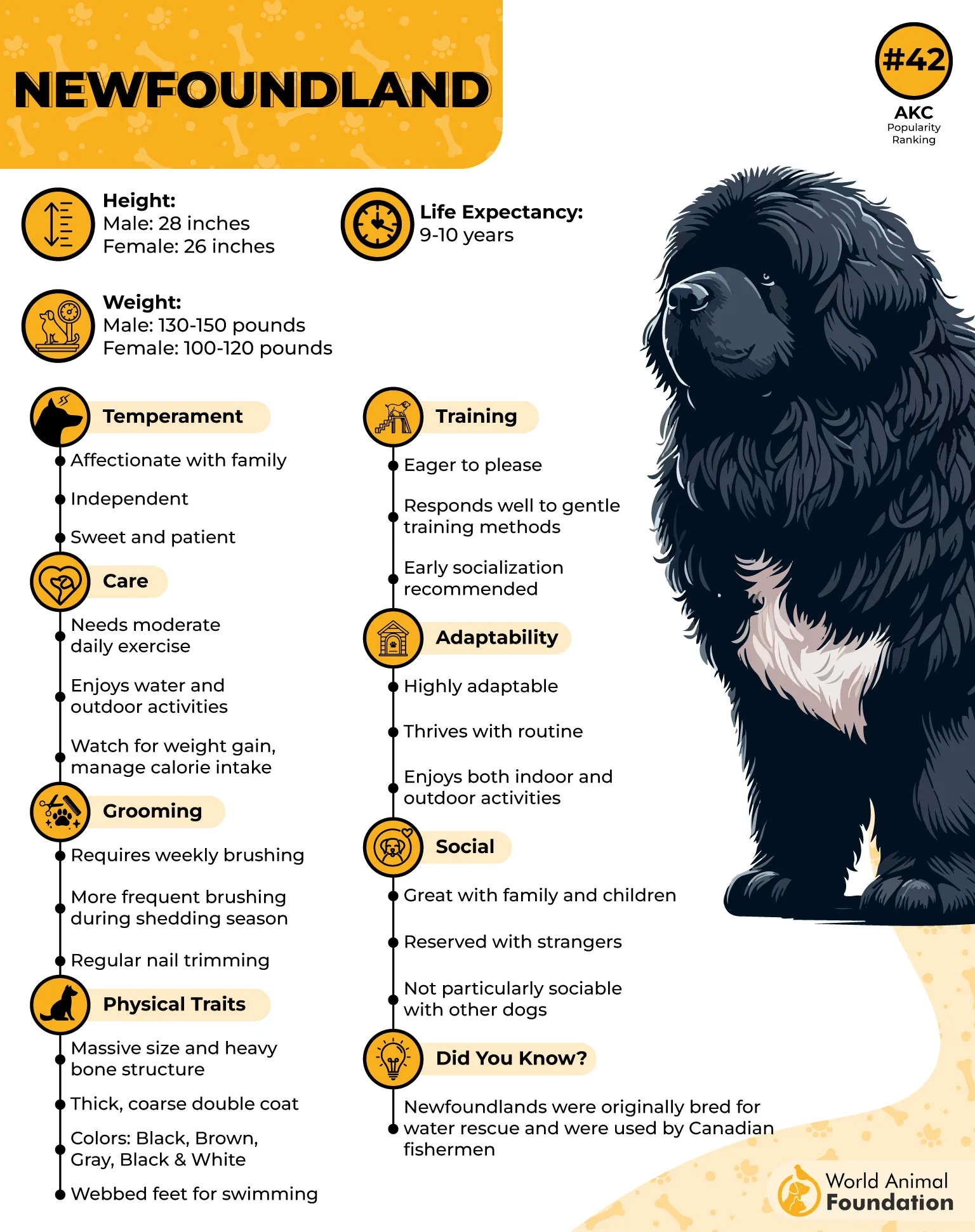
Newfoundland earned its place beside Canadian fishermen through its webbed feet and natural swimming ability, helping retrieve fishing nets and rescue people in the water.
The American Kennel Club officially recognized the breed in 1886, and Lewis and Clark took a Newfoundland named Seaman on their 1802 expedition.
A Calm Presence at Home
Newfies suit a relaxed household because it generally needs around 30 minutes of daily activity, with leisurely walks or swimming offering suitable options. Long-distance running can put unnecessary strain on its joints, so gentler outings make more sense for this massive dog.
These details are especially relevant to its protective role:
Naturally inclined to rescue struggling swimmers
Usually barks sparingly
May place itself between family and danger
Gentle Around People
This great guard dog is typically patient with children and friendly toward unfamiliar people, making it a reassuring companion in a busy household, as per VCA Animal Hospitals.
Its large frame can make play with smaller children or other dogs awkward, so supervision and early socialization help everyone interact safely.
3. Bernese Mountain Dog
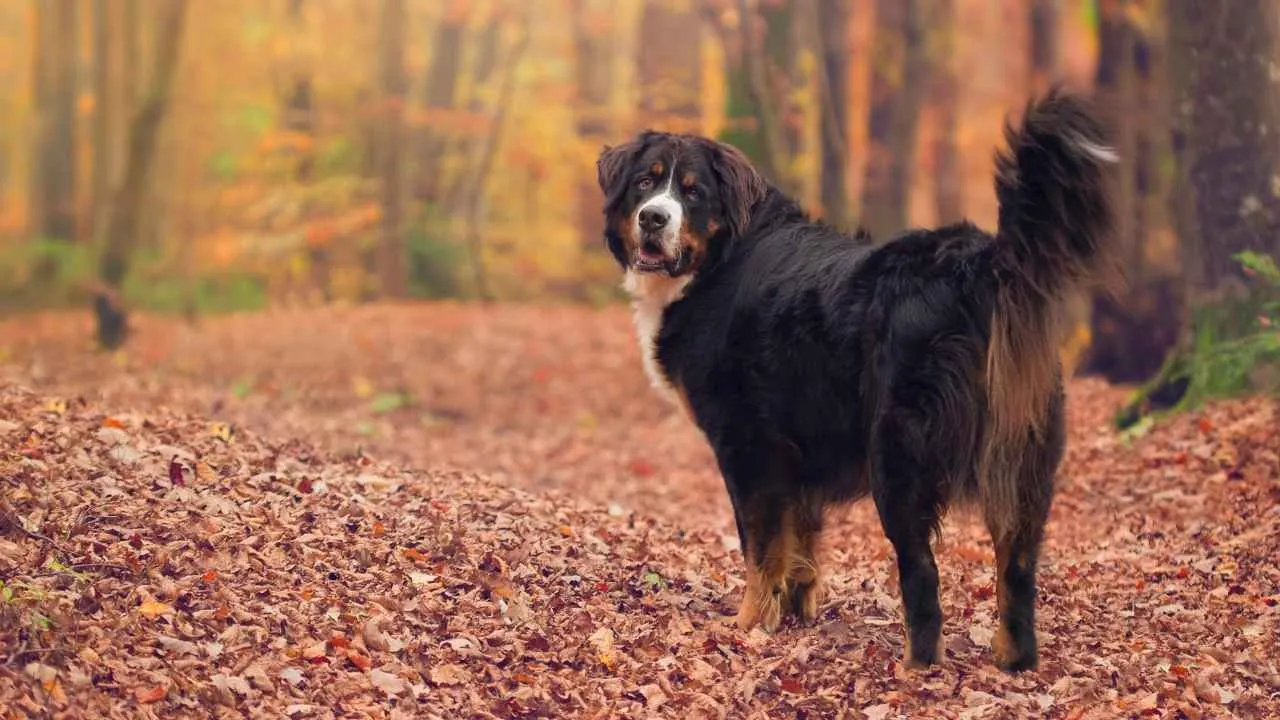
Bernese Mountain Dog worked on Swiss farms for generations, herding cattle, pulling carts, and guarding livestock across the Alpine countryside. Its thick, insulated coat helped it cope with freezing temperatures, while its farm duties brought it into close contact with the families it protected.
A Watchful Companion
Bernese Mountain Dog can keep tabs on what is happening around the house while remaining gentle with the people it knows.
According to Orvis, it tends to bark when unfamiliar people approach its territory, giving its family an alert without usually responding with aggression.
These characteristics explain its suitability for this role:
Naturally protective of its home
Patient with children when interactions are supervised
Often cautious around unfamiliar visitors
Moderate Daily Activity
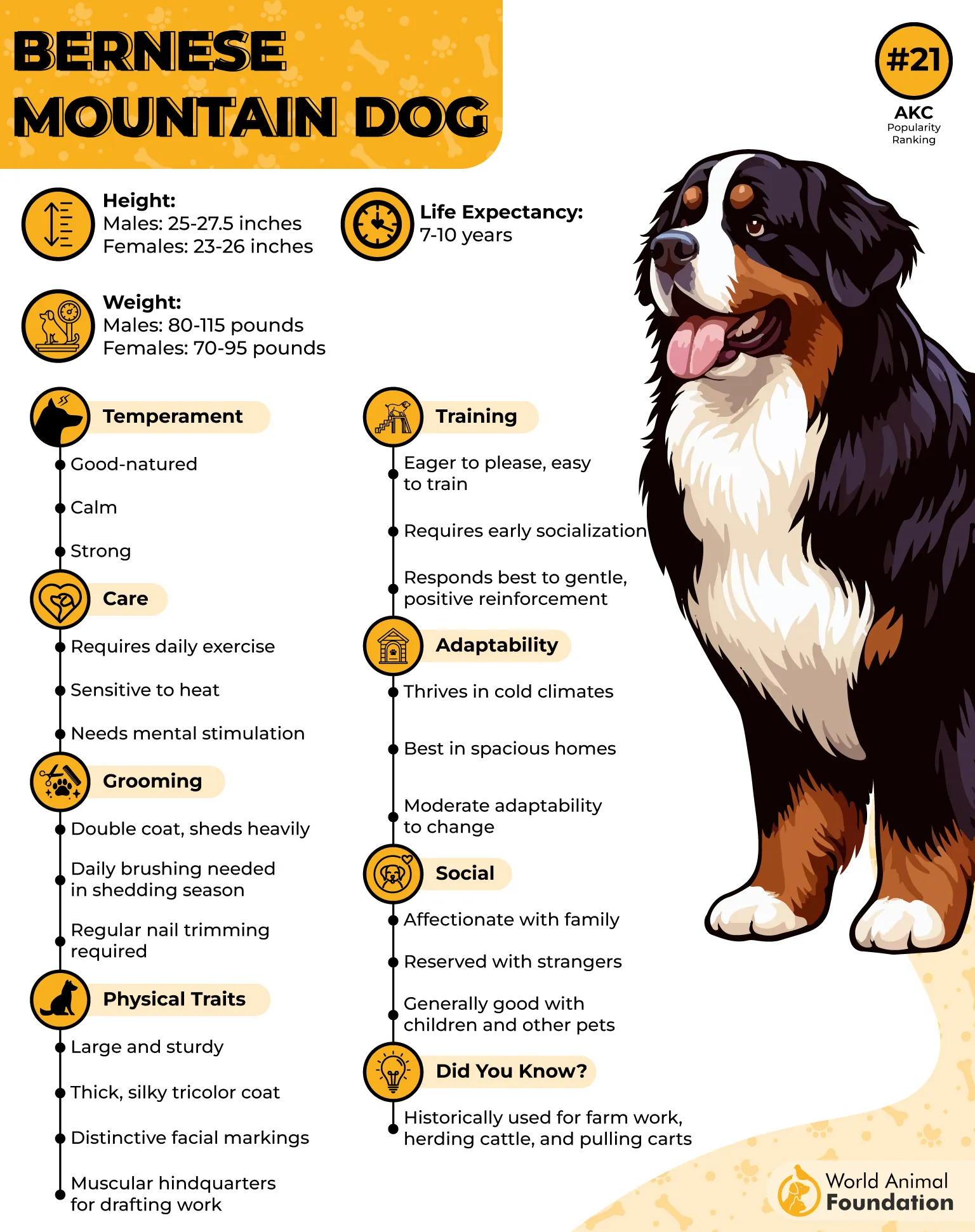
This guardian breed needs regular daily outings and genuinely enjoys sharing activities with its people rather than being left alone in the yard for long periods. A daily walk of 30 to 60 minutes, with plenty of time to sniff and explore, can help meet its routine exercise needs.
4. Saint Bernard
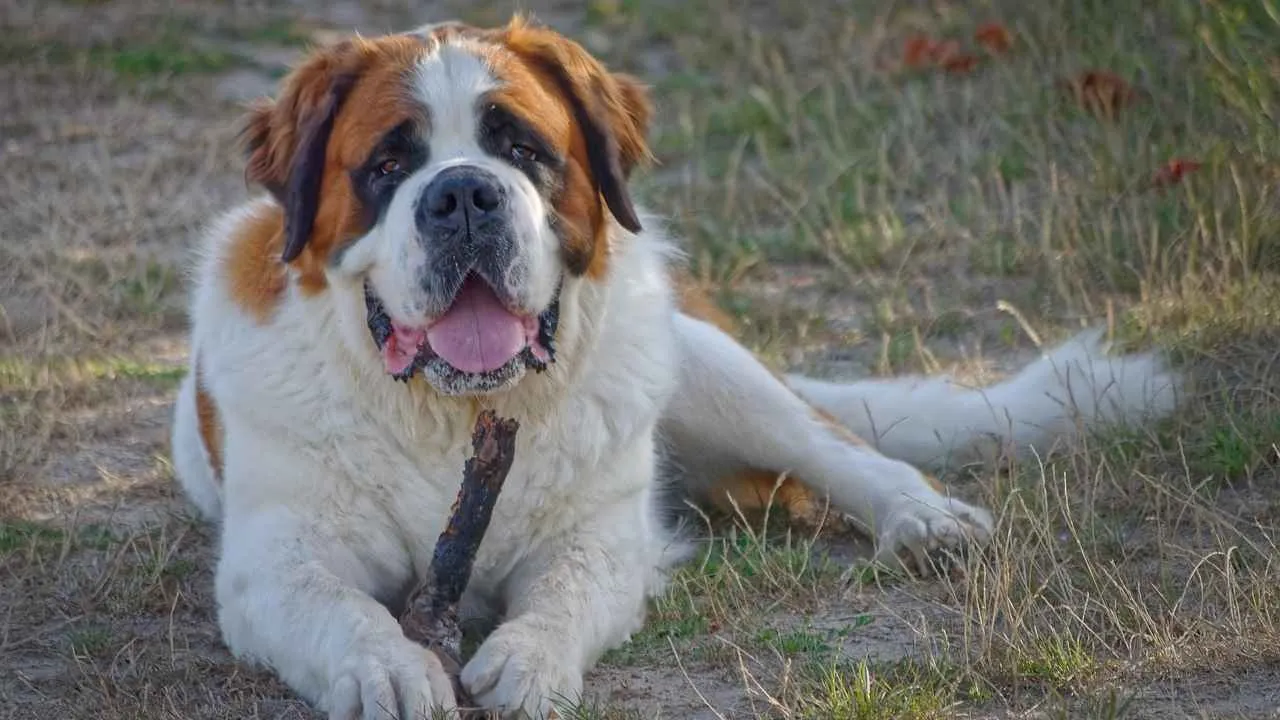
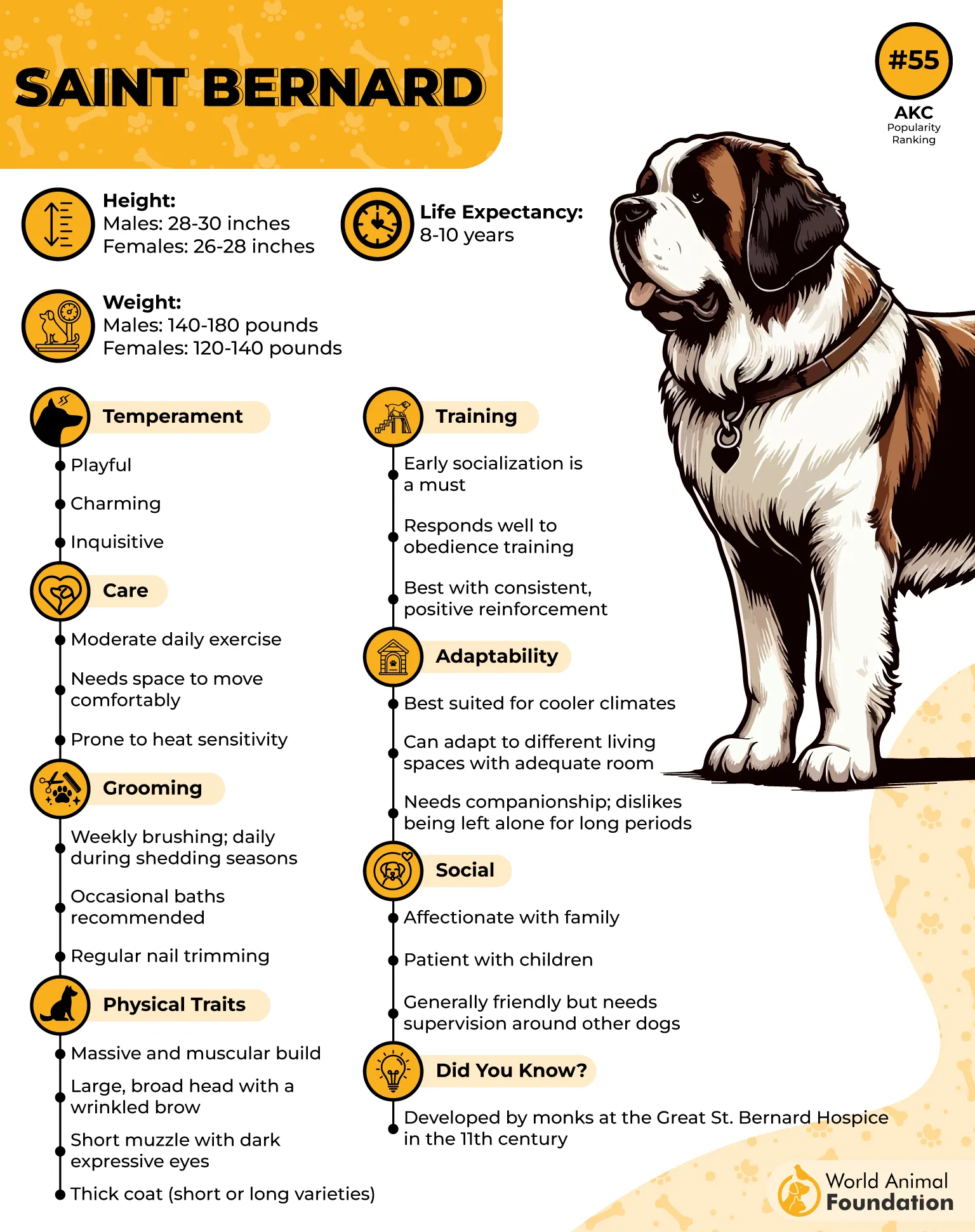
Saint Bernard became famous for its association with the Swiss Alps, where rescue work in dangerous mountain conditions shaped its reputation. The familiar image of a small wooden barrel attached to its collar comes from popular stories and cartoons, rather than documented rescue practice.
A Calm Housemate
Saint Bernards appreciate an unhurried home life, especially when they can stay close to family and quietly follow their daily movements. Short walks and gentle nature hikes in cool weather can provide enjoyable outings without demanding strenuous workouts.
These key traits also influence its everyday role at home:
Deep, imposing bark
Usually friendly with cats and dogs
May respond protectively to genuine threats
Gentle Around Family
This best guard dog is generally patient with children and welcoming toward visitors, making it a sociable presence in a family home. Its enormous frame requires extra care around toddlers, since an enthusiastic turn or wagging tail can accidentally knock a small child off balance.
5. Bullmastiff
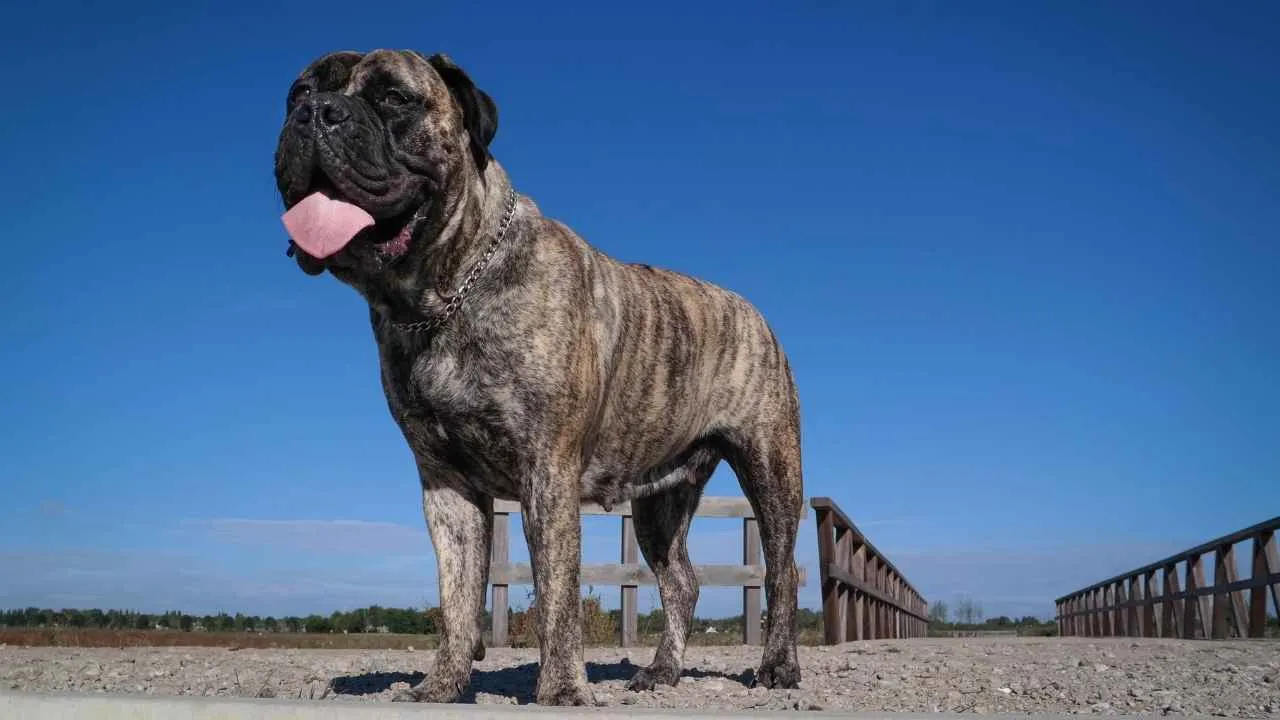
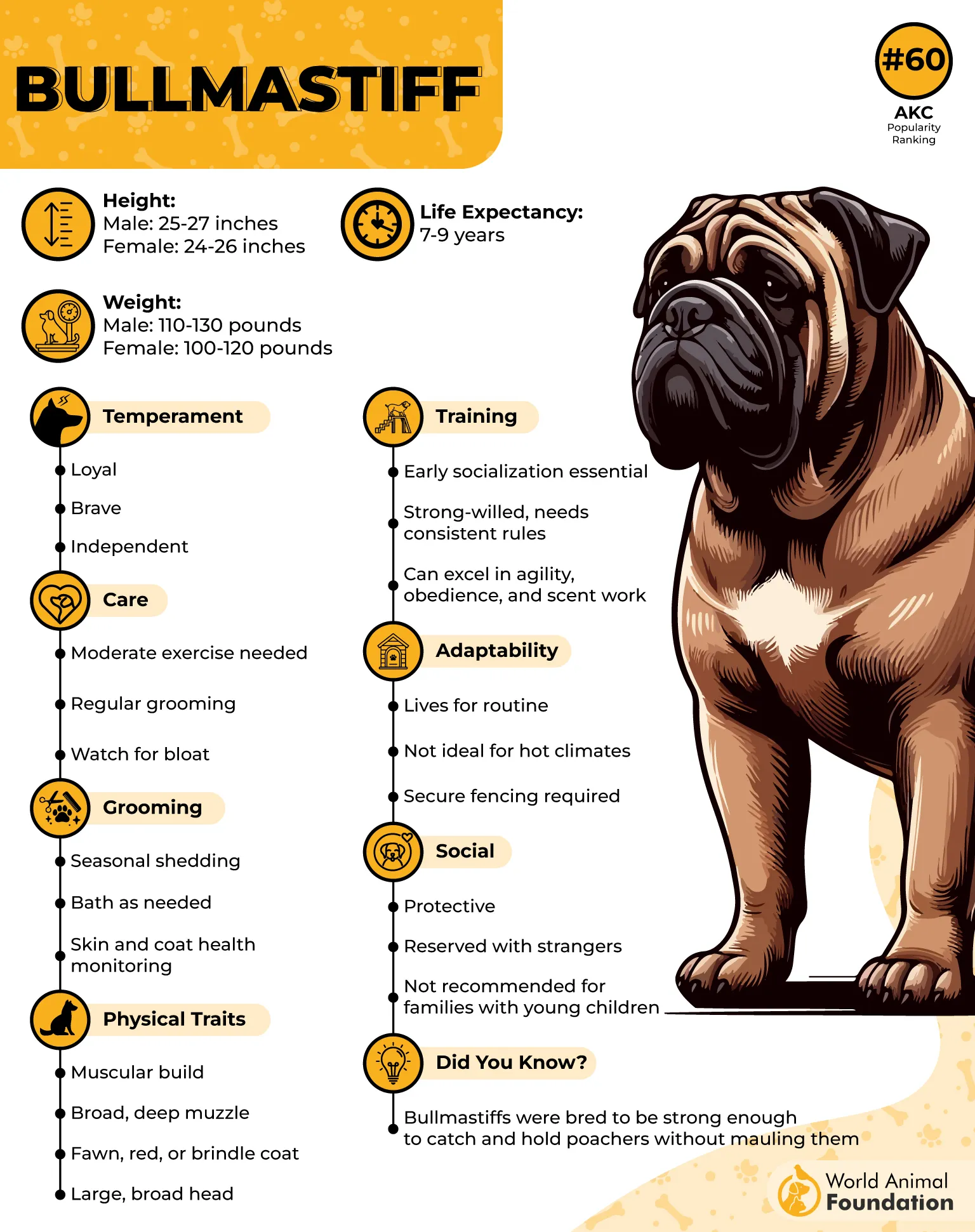
Bullmastiffs were originally bred in the English countryside during an era when wealthy landowners needed protection against poachers targeting their game preserves. These powerful dogs were used to guard estates and deter intruders, with their imposing size making them formidable property guardians.
Calm on Most Days
This great family dog can settle into quieter days quite easily, as around 30 to 45 minutes of daily exercise usually provides enough physical activity.
A relaxed neighborhood walk, a casual game of fetch, or scent-based activities can provide useful variety without demanding a runner’s pace.
For everyday care, this is what you need to consider:
Sensitive to hot weather
Best walked during cooler hours
Needs supervision around small children
Quiet but Protective
Bullmastiff is generally affectionate with its family and isn’t known for excessive barking, making its guarding style less noisy than some people might expect. This gentle giant can be wary of unfamiliar visitors, while early socialization helps it become more comfortable around people outside its household.
6. Great Dane
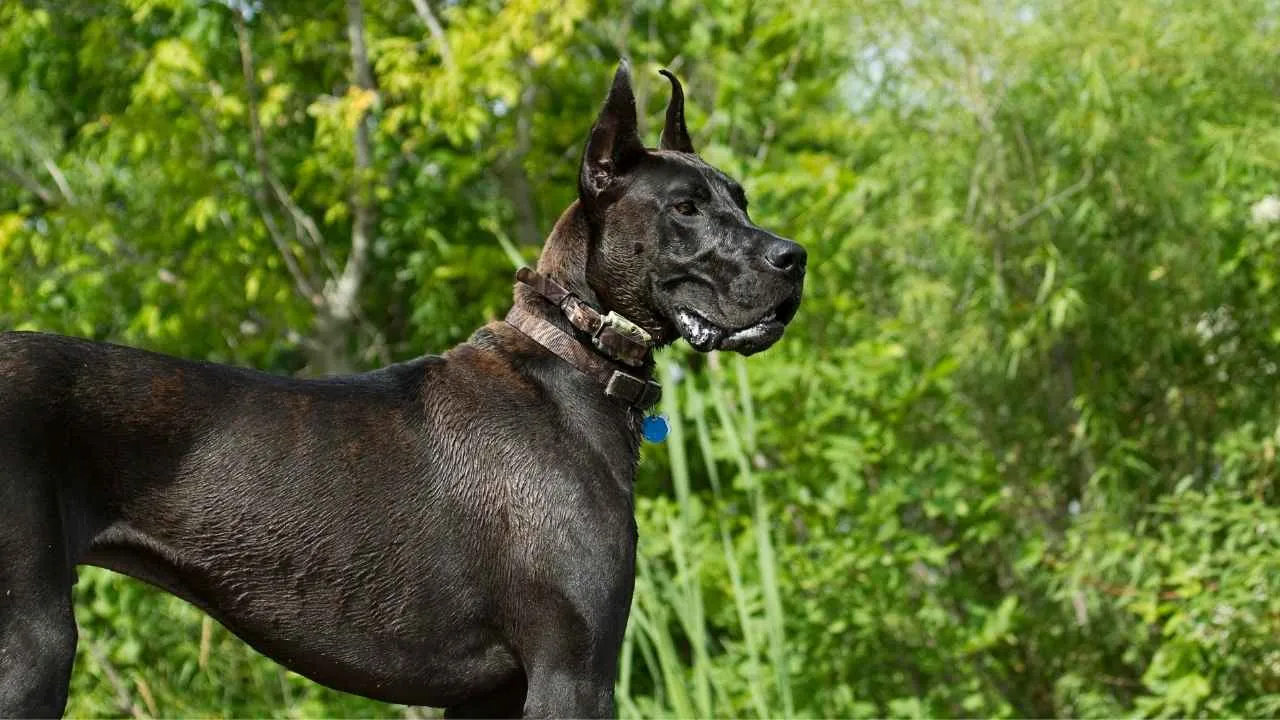
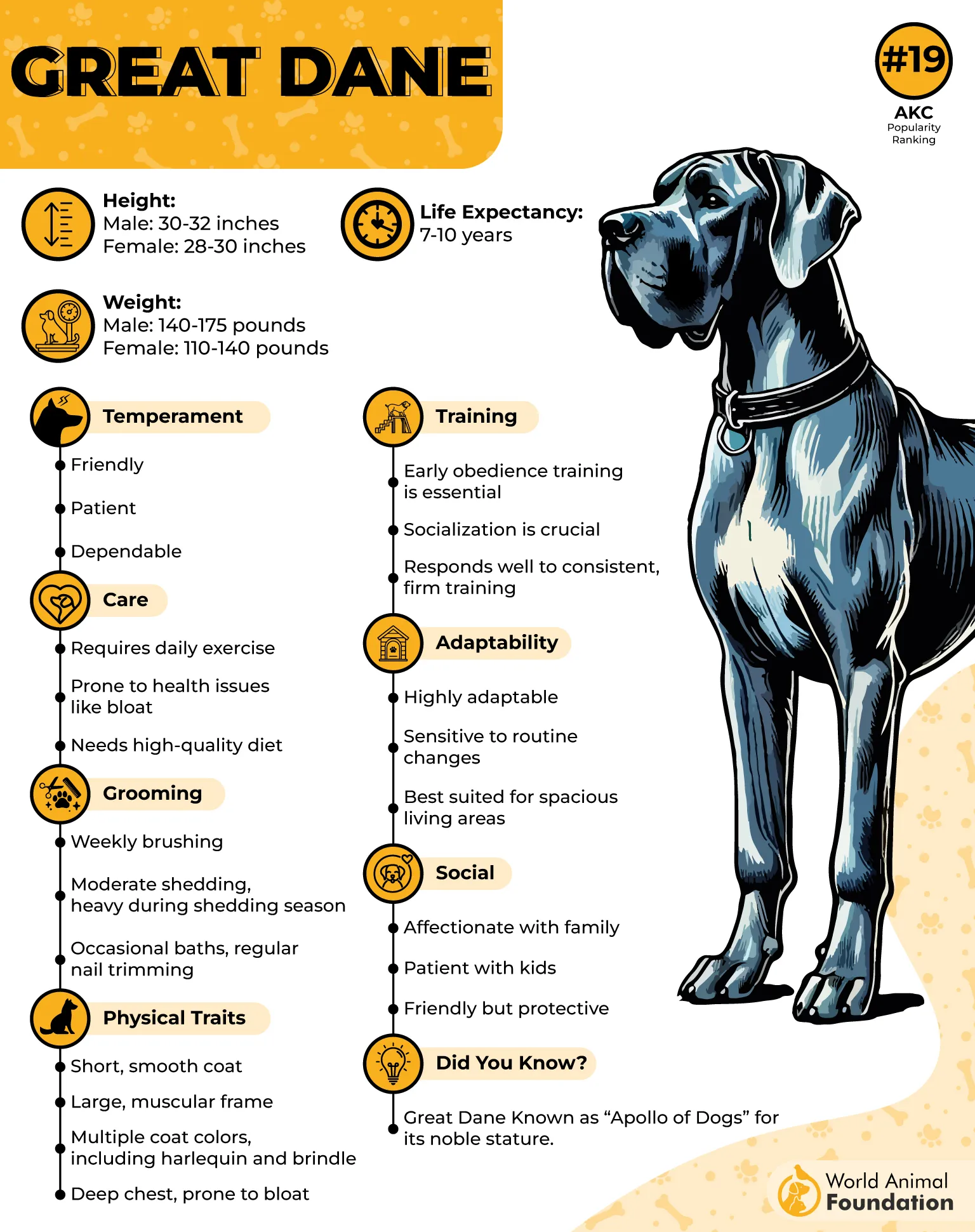
Great Dane descends from ancient Mastiff-type dogs and originated in Germany, even though its name suggests a connection to Denmark. Once used as a working dog, this giant breed later became familiar to audiences through fictional characters such as Scooby-Doo and Marmaduke.
A Deep, Warning Bark
This furry friend can make an imposing first impression with its towering size and deep, powerful bark, which alerts the household when someone approaches.
Its natural protective instincts are generally moderate, though it may react defensively if it senses a threat to its family or territory.
A few details explain its approach to guarding:
Loud bark alerts the household
Can be trained for guard duties
Early socialization helps with strangers
Low-Key at Home
Great Dane needs around 30 to 60 minutes of daily exercise, usually through walks and playtime in a securely fenced yard. Although adults may enjoy hiking and jogging, strenuous activities should wait until around two years of age to protect their growing joints.
7. Great Pyrenees
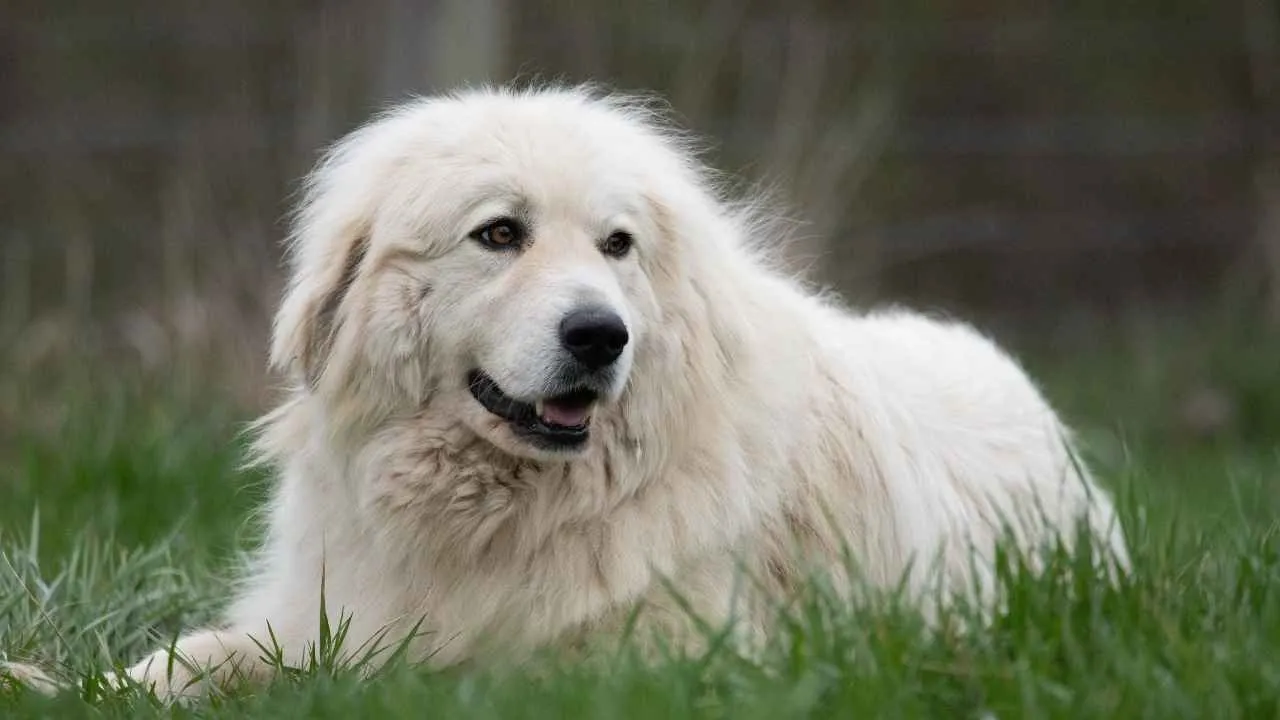
Great Pyrenees has roots in the Pyrenees Mountains between France and Spain, with origins reaching as far back as the Bronze Age, around 1800 to 1000 B.C.E.
Originally tasked with guarding sheep and other livestock, these dogs later protected French castles and earned recognition from King Louis XIV as the “Royal Dog of France.”
A Watchful, Unhurried Nature
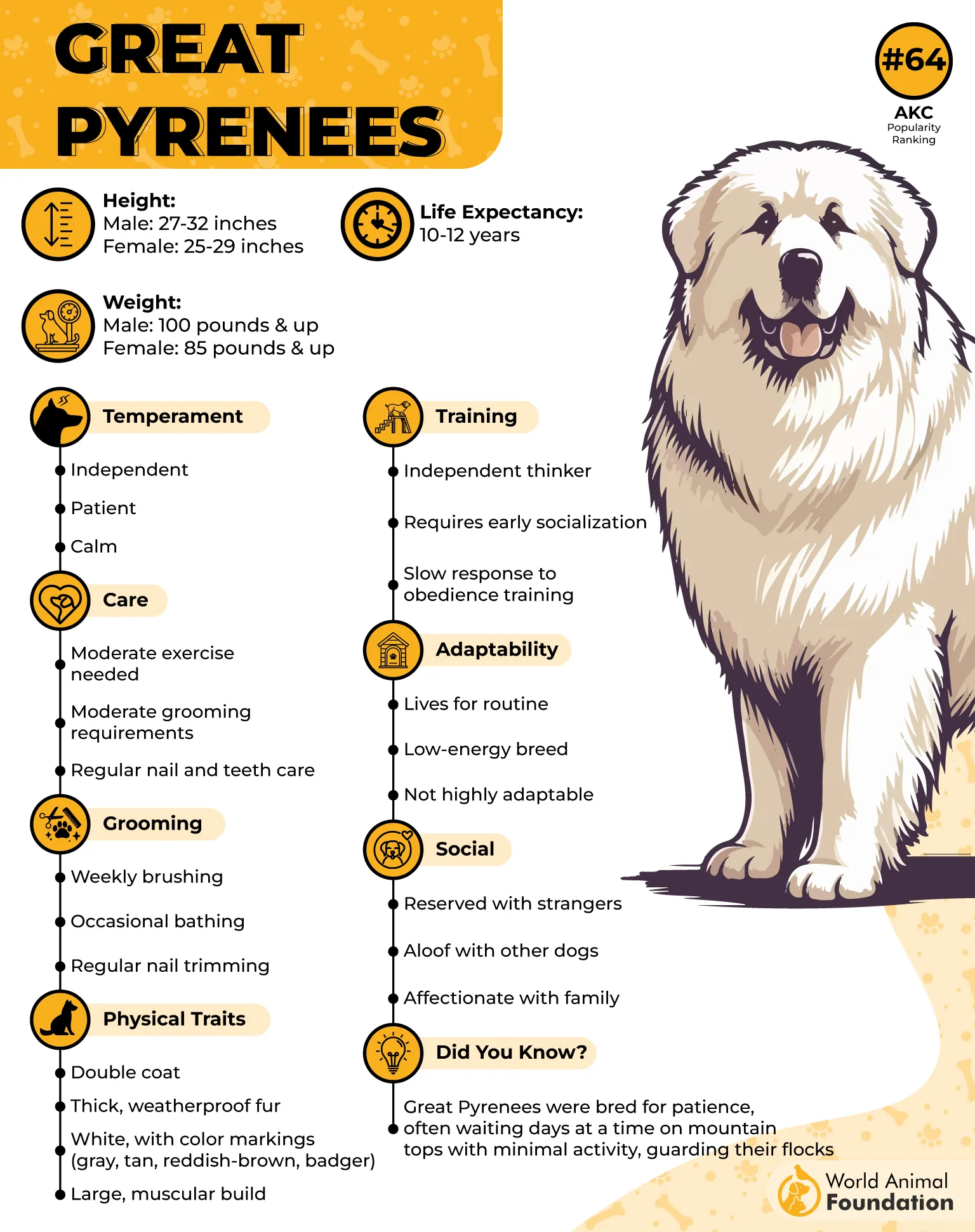
They are happier moving at an easy pace, with steady walks taking priority over strenuous runs or games. Two or three gentle outings spread throughout the day, including 20 to 30 minutes of activity at a time, can help support its physical condition.
These traits also influence how it behaves at home:
Patient around familiar livestock
Can be vocal when alerting to strangers
Needs early, consistent socialization
Gentle With Family
This livestock guardian is generally affectionate with its family and can get along well with children, cats, and other dogs when introductions are handled properly. Its independent guardian instincts call for patient training, while children should learn to respect the dog’s space and approach it calmly.
Conclusion
Living with low-energy guard dogs does not have to mean spending every day managing high energy or constant excitement. A suitable companion can alert you to unfamiliar sounds, remain settled around familiar people, and enjoy a slower daily routine. However, a deep bark or impressive size cannot replace reliable training and good handling, especially for first-time dog owners.
Regular walks, early socialization, and consistent boundaries help prevent unwanted reactions around visitors and other animals. Consider your home environment and how much exercise you can comfortably provide before making a decision.
With proper care and training, some dogs can become excellent guard dogs while keeping family life peaceful and manageable.
