




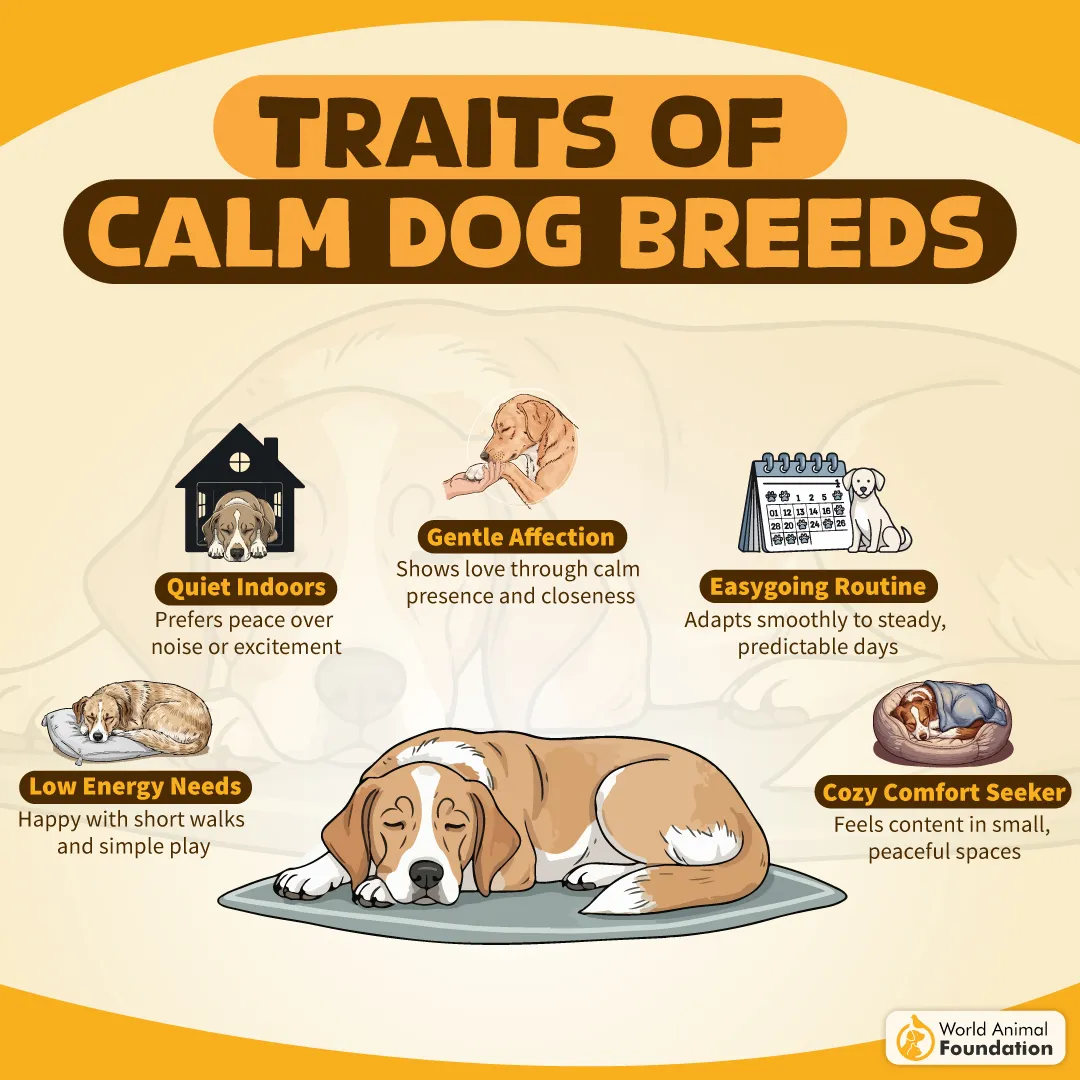
Looking for a dog that stays calm on the couch yet confidently keeps an eye on your home? Some pups don’t need a loud bark or high energy to offer dependable safety. They simply protect with quiet certainty.
These low-key guardians blend into daily life with ease. Their gentle nature makes them approachable, yet their instincts make them trustworthy. It’s a balance many families appreciate.
While some dogs rely on size, others rely on awareness and intuition. Their protective style is subtle but effective. They know when to relax—and when to act.
Households with children, seniors, or first-time owners often find comfort in these even-tempered and low-maintenance protectors. They offer companionship without chaos. Their presence alone provides reassurance.
In this guide, we’ll explore what makes these calm companions such reliable guardians. You’ll learn how their temperament, instincts, and history shape their unique protective abilities. Let’s meet the quiet heroes of the canine world.
Low-Key Dog Breeds That Provide Reliable Protection
1. Bullmastiff
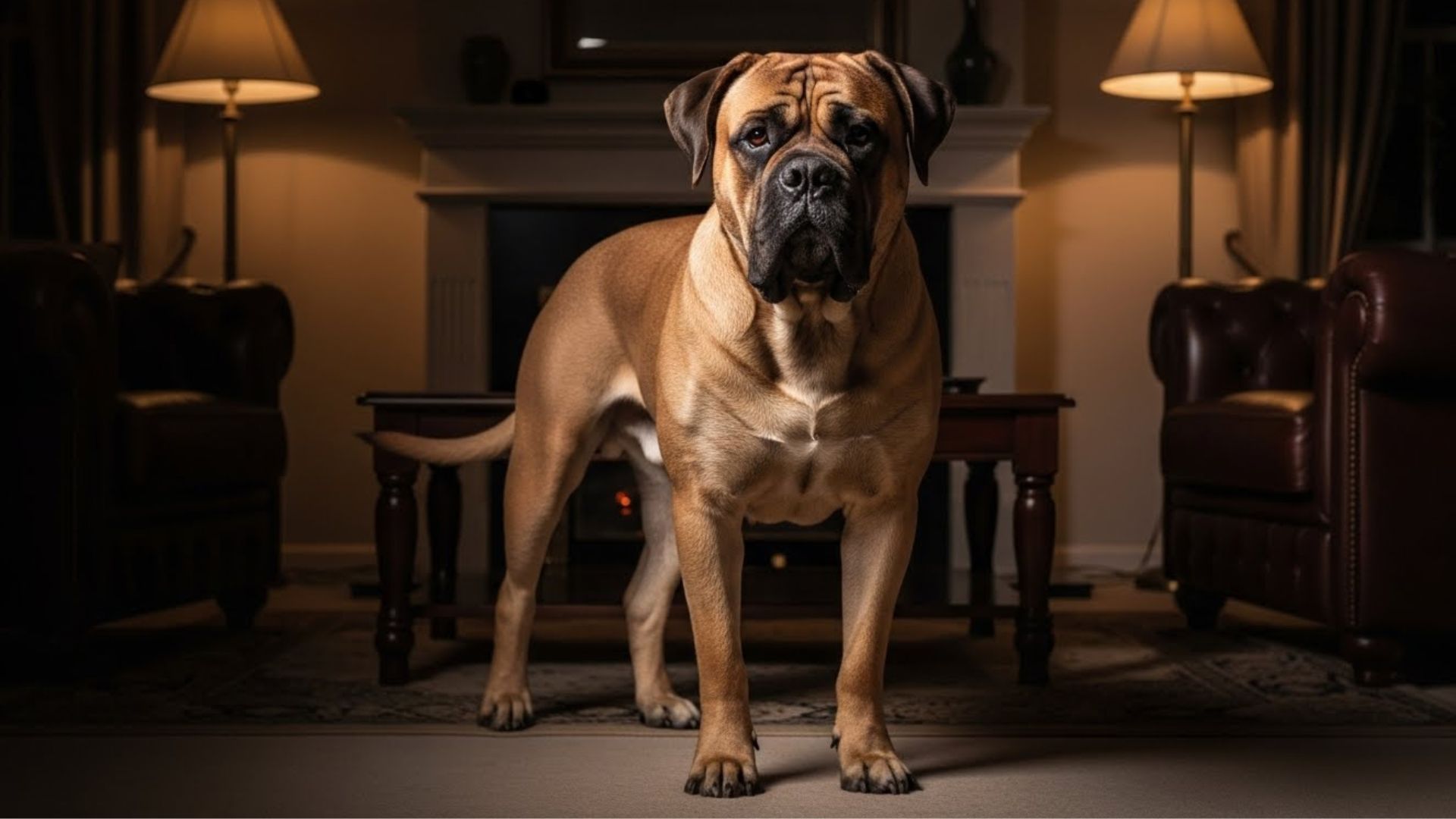
The Bullmastiff steps into the room with the quiet confidence of a seasoned guardian, revealing a temperament that stays grounded even in busy households.
This breed’s calm presence feels steady rather than slow, as though it is always aware of its surroundings without drawing attention to itself. Many families admire how composed this dog remains during everyday commotion.
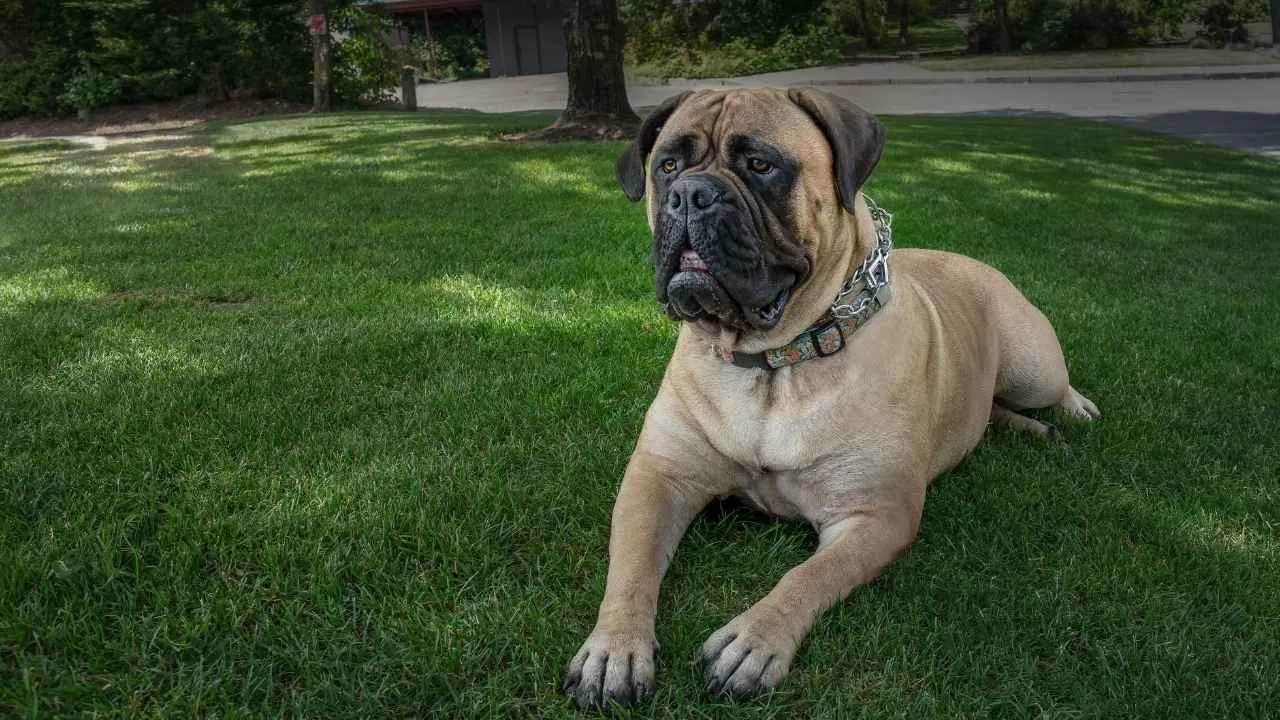
Its protective instincts work like a silent alarm—subtle, controlled, and incredibly observant. The Bullmastiff reads body language with precision, using its imposing frame only when needed. Most intruders retreat at a glance, long before this dog ever needs to intervene.
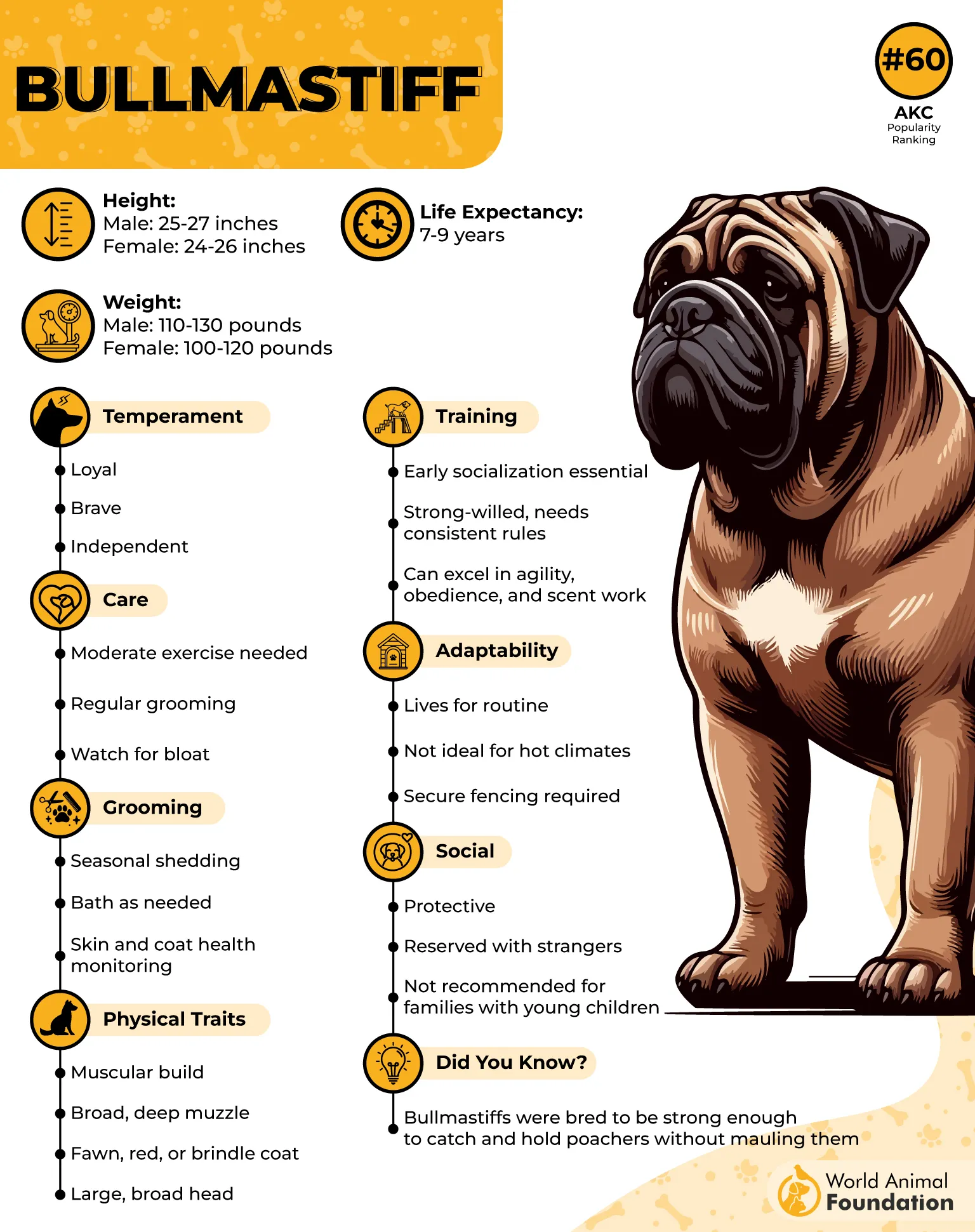
Training & Socialization
- Responds well to consistent routines
- Learns quickly through low-pressure sessions
- Benefits from early exposure to varied people
- Thrives on calm, confident handlers
Care Needs
- Moderate exercise to maintain muscle tone
- Simple grooming focused on weekly brushing
- Joint support as the dog matures
- Cool resting places during warmer months
AKC mentions that in the home, the Bullmastiff blends seamlessly into family rhythms, offering affection without demanding attention. It often aligns closely with one or two household members, creating a reassuring bond. This breed’s grounded temperament suits families seeking a mellow dog that still provides reliable home protection.
Picture a dark porch at night: someone approaches, and the Bullmastiff steps forward with quiet certainty. No lunging, no chaos—just a powerful silhouette that signals, unmistakably, that this house is not unguarded.
2. Great Pyrenees
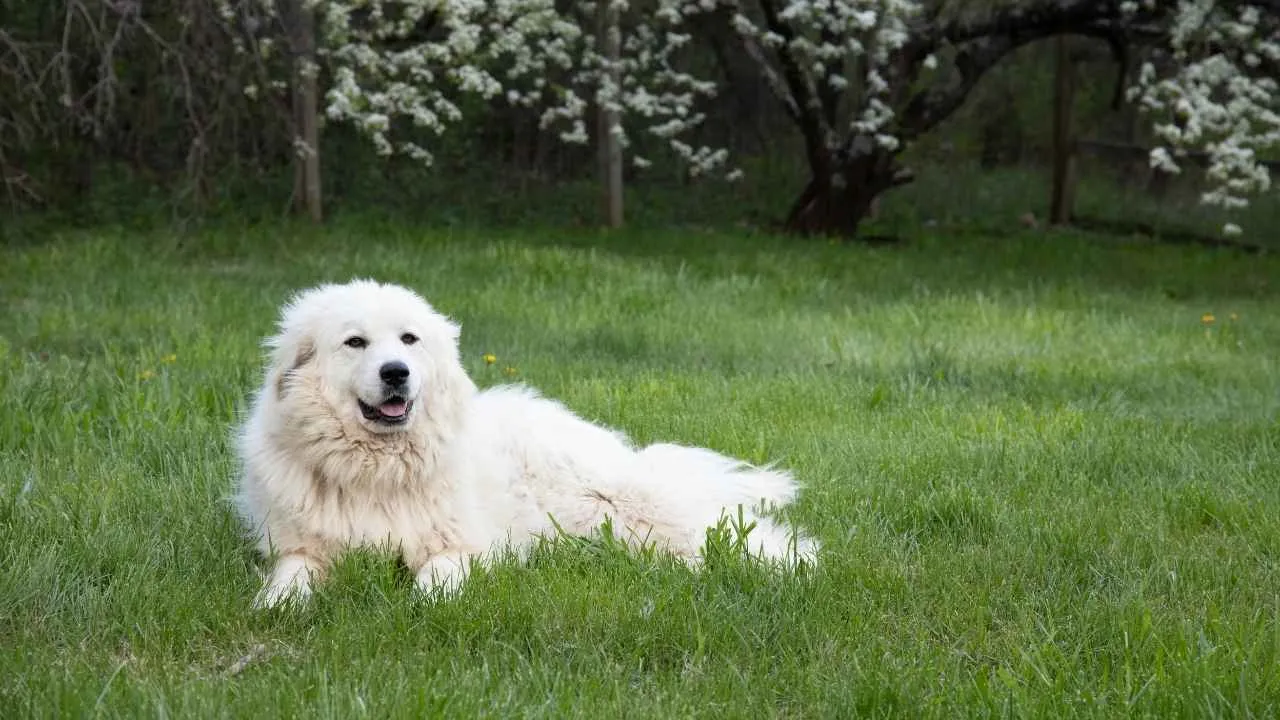
The Great Pyrenees carries an air of calm nobility, as if it has guarded mountain passes for centuries and brought that wisdom into modern homes. This gentle giant maintains a serene temperament, placing patience above impulsiveness. It radiates an almost meditative stillness that many families find comforting.
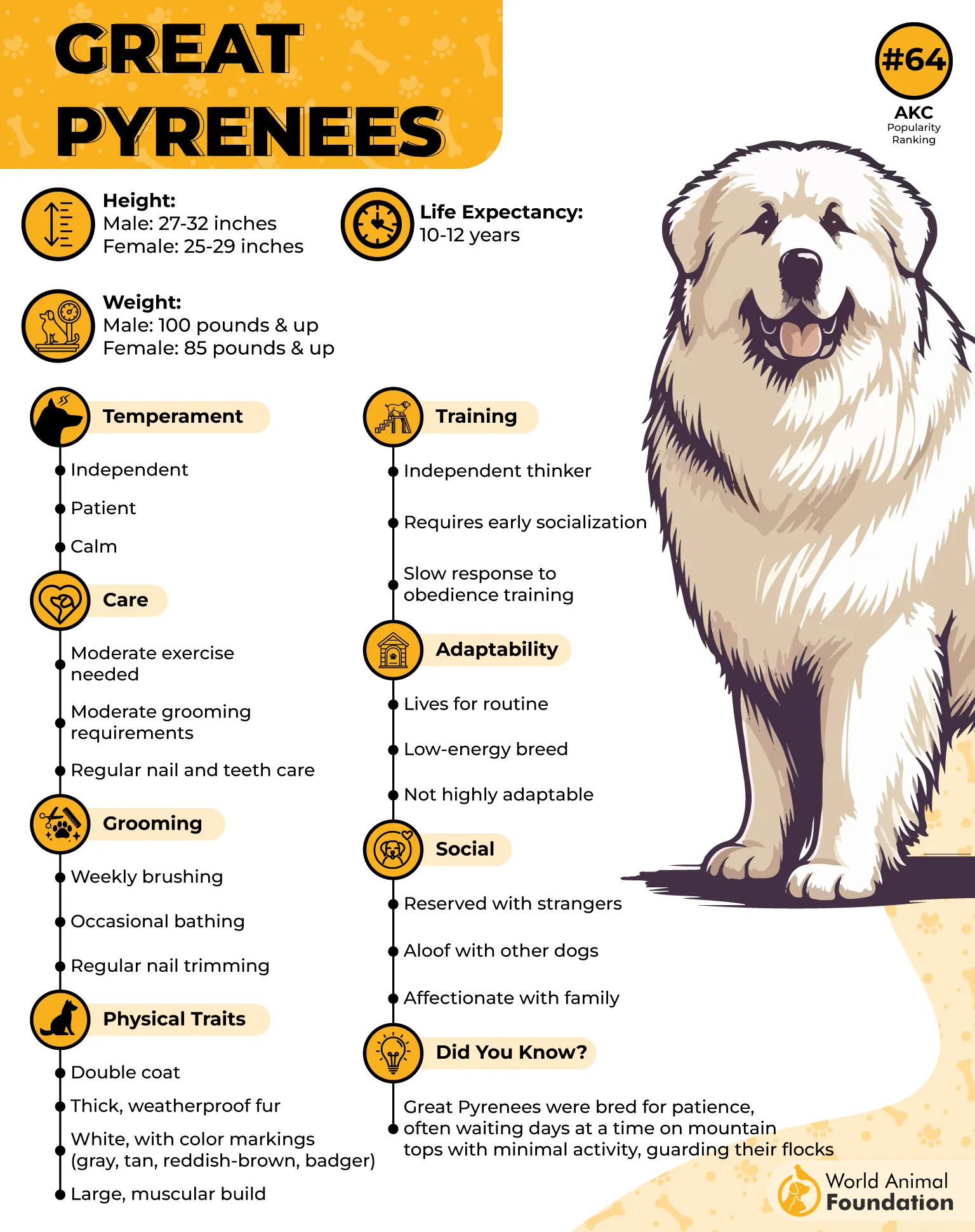
Hills Pet notes that its protection style draws from livestock-guardian heritage. The Great Pyrenees surveys territory with methodical movements, pausing often to listen and evaluate. When anything unusual happens, it stands tall—alert, composed, and ready to take its position between family and threat.
Training & Socialization
- Responds best to respectful, trust-building methods
- Prefers short sessions that allow independent thinking
- Needs early boundary training to prevent roaming instincts
- Benefits from positive introductions to new sounds and spaces
Care Needs
- Regular brushing to manage its dense double coat
- Moderate exercise is suited for a steady-moving guardian
- Cool environments during warm seasons
- Attention to ear and coat hygiene in humid climates
This breed fits beautifully into homes that appreciate gentle companionship. It pairs well with children due to its calm nature and soft movements. In spacious yards or rural homes, it thrives as a devoted, steady family protector.
Imagine a Pyrenees standing in a yard as evening settles. A distant sound catches its attention, and the dog moves forward—not rushing—just confidently placing itself as a barrier. Anyone advancing would immediately sense that the property has a vigilant, dignified defender.
3. Boerboel

The Boerboel enters family life with a commanding yet composed presence, shaped by its South African farm-guardian heritage, explains the Orvis.
Its temperament reflects strength balanced with emotional steadiness, creating a dog that feels deeply bonded to its household. Though powerful, it carries an intentional calmness that seasoned dog lovers admire.
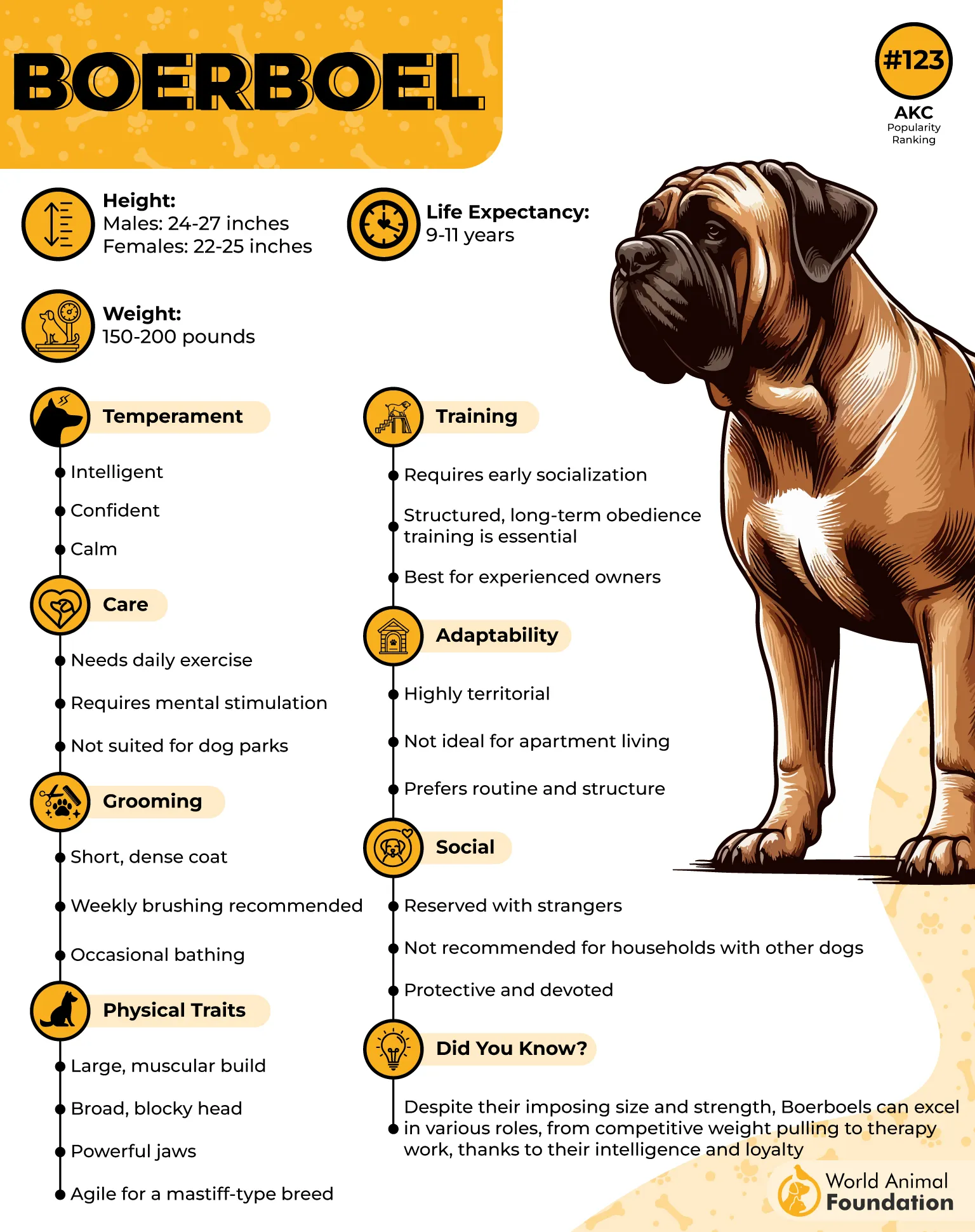
Protection comes naturally to this breed through instincts refined over generations. A Boerboel watches doorways, windows, and movement patterns with the awareness of a trained sentinel. When something feels off, it acts swiftly but controlled, using judgment rather than blind reaction.
Training & Socialization
- Excels with structured leadership
- Adapts well to clear expectations
- Benefits from early introductions to unfamiliar people
- Responds strongly to engagement-based training
Care Needs
- Daily exercise to maintain physical and mental balance
- Routine grooming that keeps the short coat healthy
- Joint and muscle monitoring due to size
- A sturdy sleeping surface for proper support
In everyday life, the Boerboel thrives in homes where it can stay close to its people. It bonds intensely, forming a partnership that feels both loyal and purposeful. This dog suits families seeking a confident protector that remains affectionate behind closed doors.
Picture a knock at the door late at night. The Boerboel rises, moves forward with deliberate steps, and positions itself between guests and family. That single stance communicates everything: this home is watched over by a guardian who takes its role seriously.
4. Leonberger
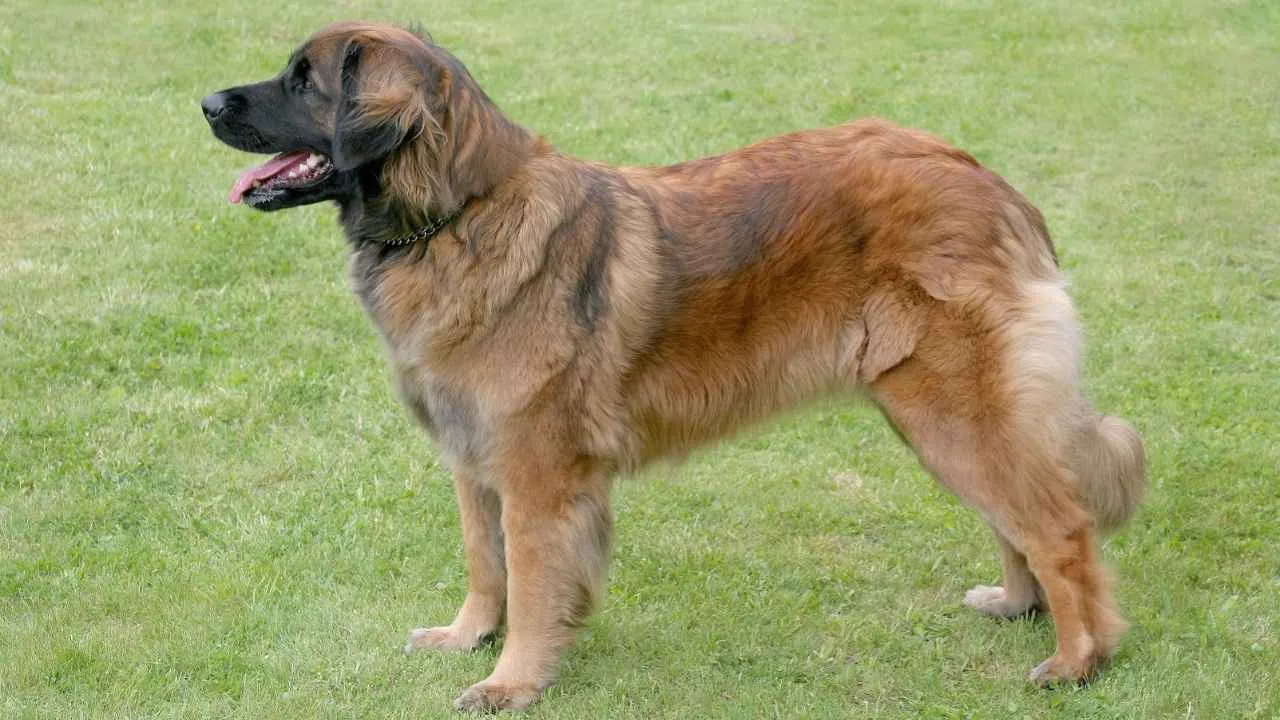
The Leonberger brings a warm, majestic presence into the home, blending strength with a gentle personality. Its temperament feels friendly yet composed, like a working dog that enjoys harmony as much as responsibility. This balanced nature makes the breed an appealing fit for households that want quiet reliability.
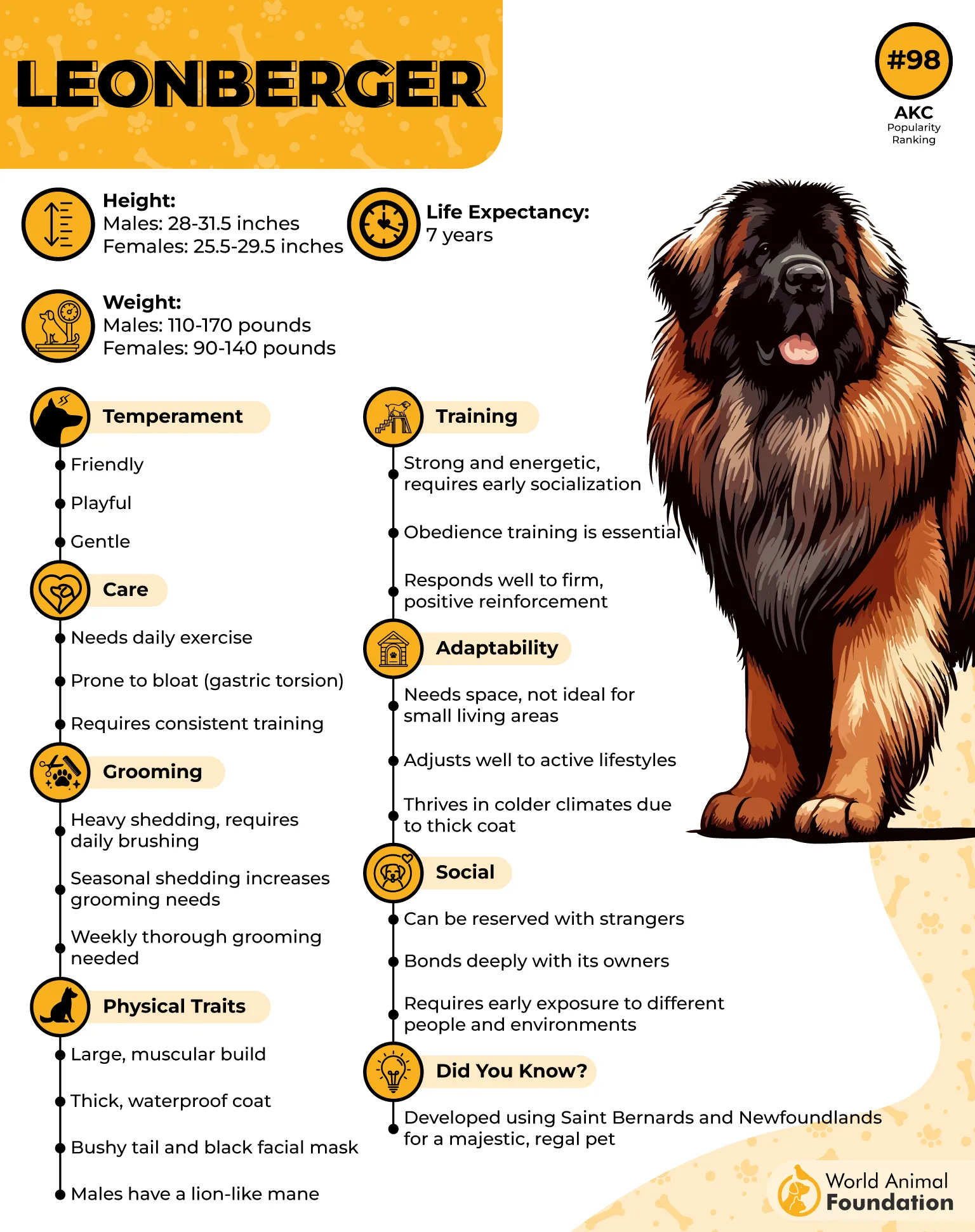
Protective behavior shows up not through aggression but purposeful positioning. The Leonberger often places its body between loved ones and anything questionable, assessing the situation with a perceptive gaze. Its size alone can deter threats, yet its approach remains thoughtful and measured.
Training & Socialization
- Thrives with encouragement-based training
- Learns routines quickly
- Benefits from early introductions to varied activities
- Enjoys training that strengthens teamwork
Care Needs
- Frequent brushing to maintain the thick coat
- Steady exercise suited to a large working breed
- Weight monitoring to protect joints
- Clean, comfortable rest areas
At home, the Leonberger fits beautifully with families that embrace its sweet yet vigilant nature. It enjoys being part of daily interactions and frequently checks in with people around the house. Homes with kids often appreciate the dog’s patient, watchful attitude.
Picture a family gathering outdoors: voices rise in laughter, and someone unfamiliar approaches the group. The Leonberger calmly steps forward, tail low, eyes alert—creating a gentle barrier that conveys both kindness and unwavering watchfulness.
5. Komondor
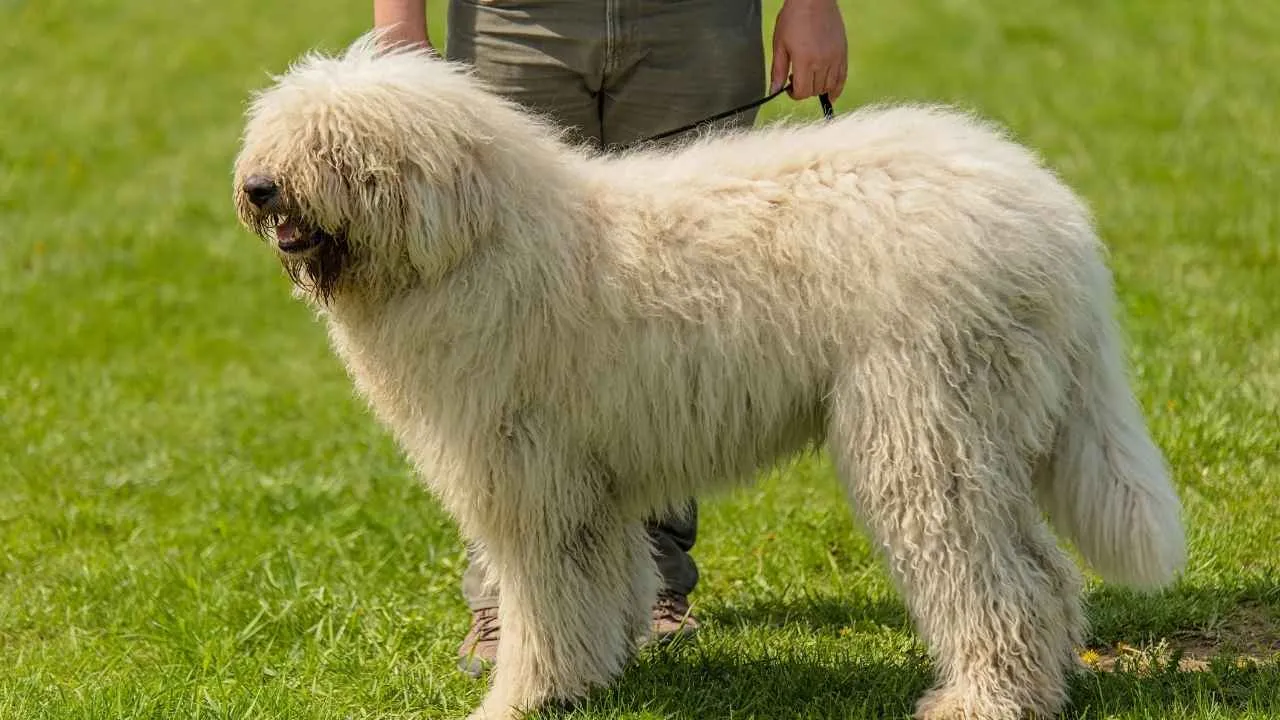
The Komondor enters the home with a distinctive presence, carrying centuries of livestock-guardian instinct wrapped in its iconic corded coat. This breed’s temperament feels methodical, thoughtful, and steady. It evaluates its environment constantly, choosing calm observation over unnecessary movement.
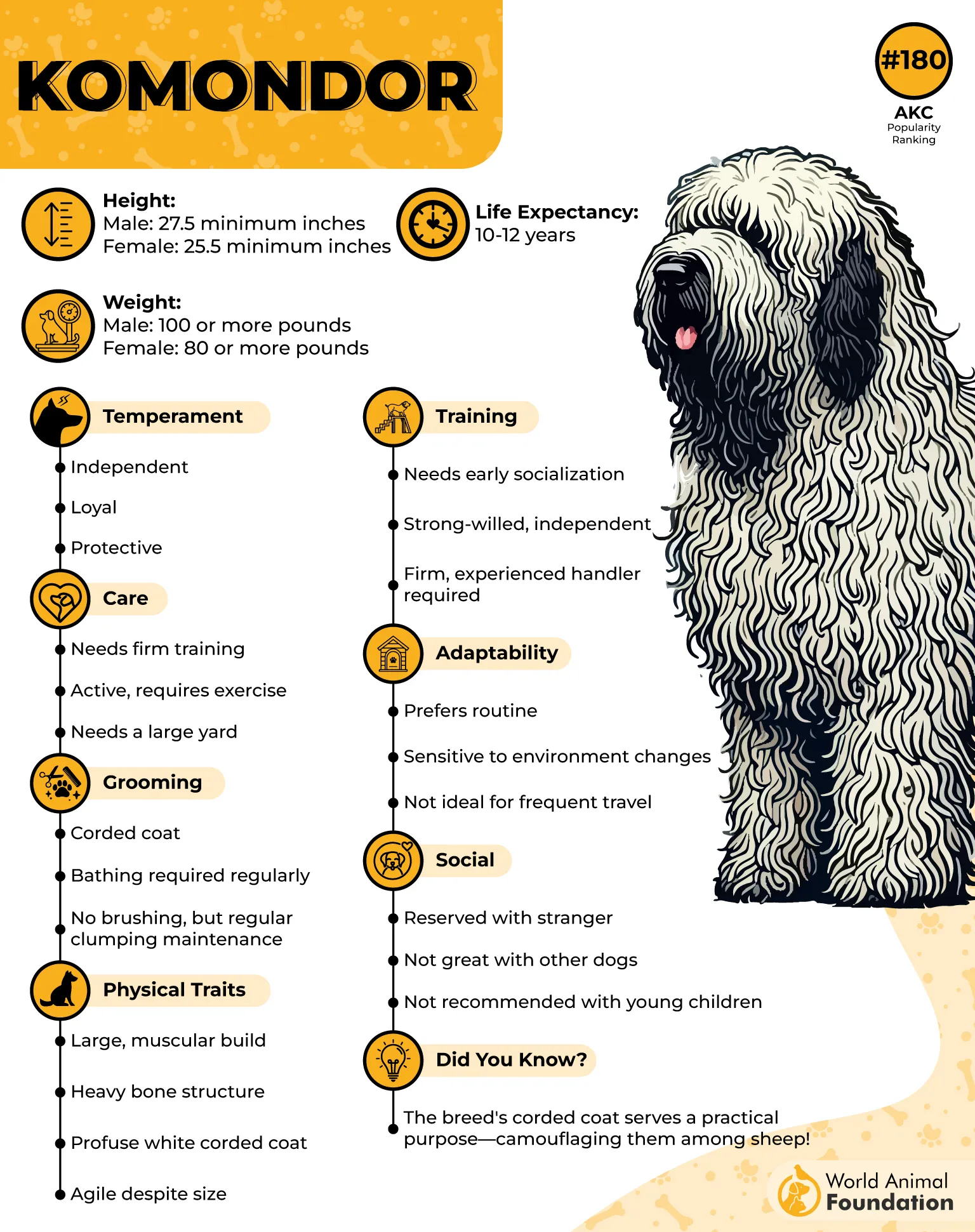
Its protection style is rooted in strategic awareness. The Komondor patrols spaces quietly, often positioning itself where it can monitor entry points without drawing attention. When confronted with something suspicious, it engages decisively, showcasing remarkable confidence and precision.
Training & Socialization
- Responds well to patient, respectful training
- Benefits from calm introductions to new environments
- Learns strongly through consistent routines
- Needs early exposure to friendly visitors
Care Needs
- Specialized coat maintenance to preserve cord texture
- Moderate exercise is suited for this thoughtful guardian
- Drying time after baths to prevent moisture issues
- A clean, spacious resting area
In daily living, the Komondor excels in homes that value structure and quiet companionship. It forms deep bonds with its family, often choosing a specific person to shadow gently. Families in rural or spacious settings especially appreciate this breed’s natural territorial awareness.
Imagine a Komondor resting near a gate as dusk falls. A rustle breaks the silence, and the dog lifts its head, evaluating with calm intensity. Within seconds, it stands tall—an unmistakable guardian emerging from stillness.
6. Great Dane
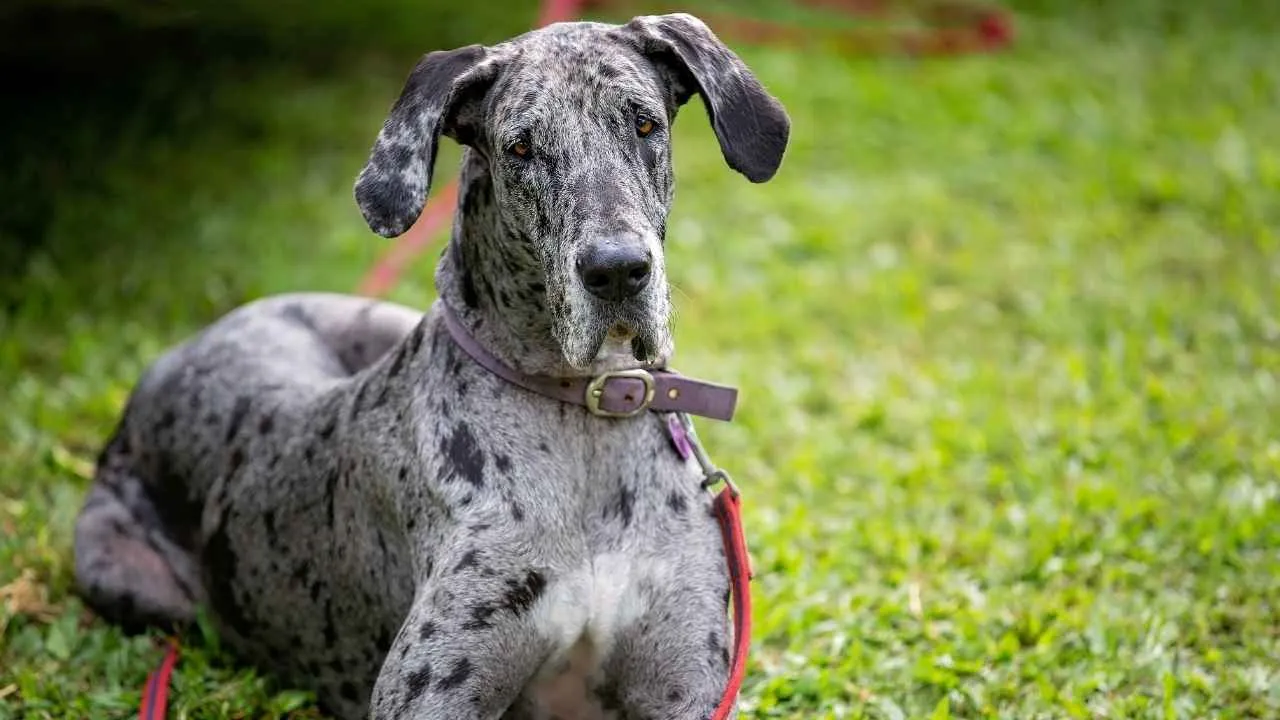
The Great Dane offers a sweeping presence that blends elegance with a surprisingly mellow personality. Its temperament is gentle and approachable, marked by a calmness that feels both soothing and confident. Even with its towering height, the breed approaches family life with an easygoing spirit.
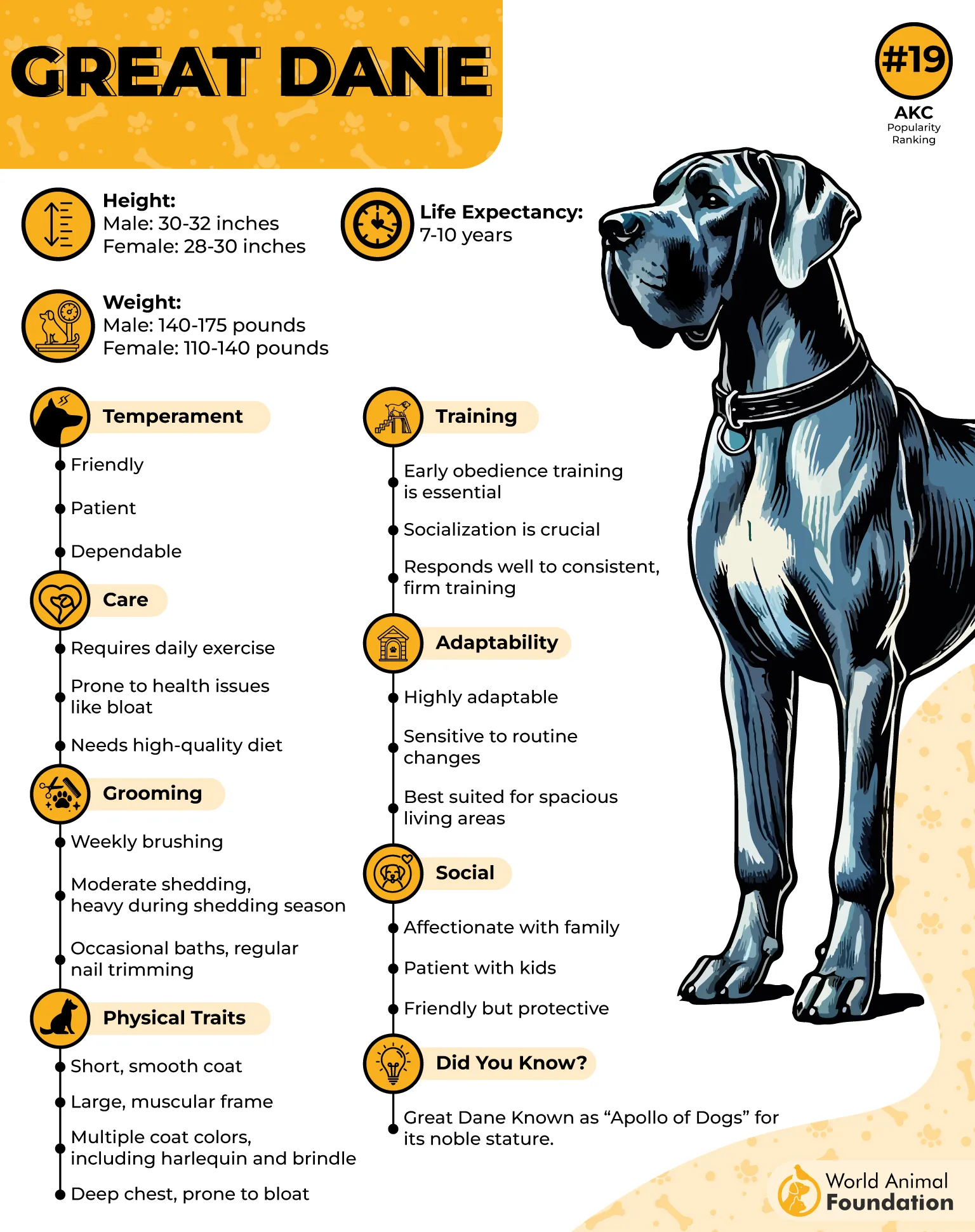
Its protective abilities stem from instinct and stature rather than constant vigilance. The Great Dane notices unusual behavior quickly, responding by standing tall and creating an authoritative barrier. That moment alone communicates that the family is under the care of a massive yet composed guardian.
Training & Socialization
- Learns well through patient, reward-based methods
- Benefits from early leash manners due to size
- Enjoys social exposure during its growth period
- Adapts easily to predictable schedules
Care Needs
- Daily walks to support mobility
- Soft bedding for large joints
- Routine grooming for the short coat
- Stomach health monitoring during meals
Homes looking for a family-friendly, gentle yet protective companion appreciate the Great Dane’s blend of grace and presence. It thrives on closeness to its people and enjoys peaceful environments where it can relax comfortably. Families often find its affectionate nature deeply rewarding.
Envision a quiet evening inside: footsteps echo outside, and the Great Dane rises to its full height. It steps toward the sound—calm, statuesque, and silently commanding the space between home and the unknown.
7. Saint Bernard
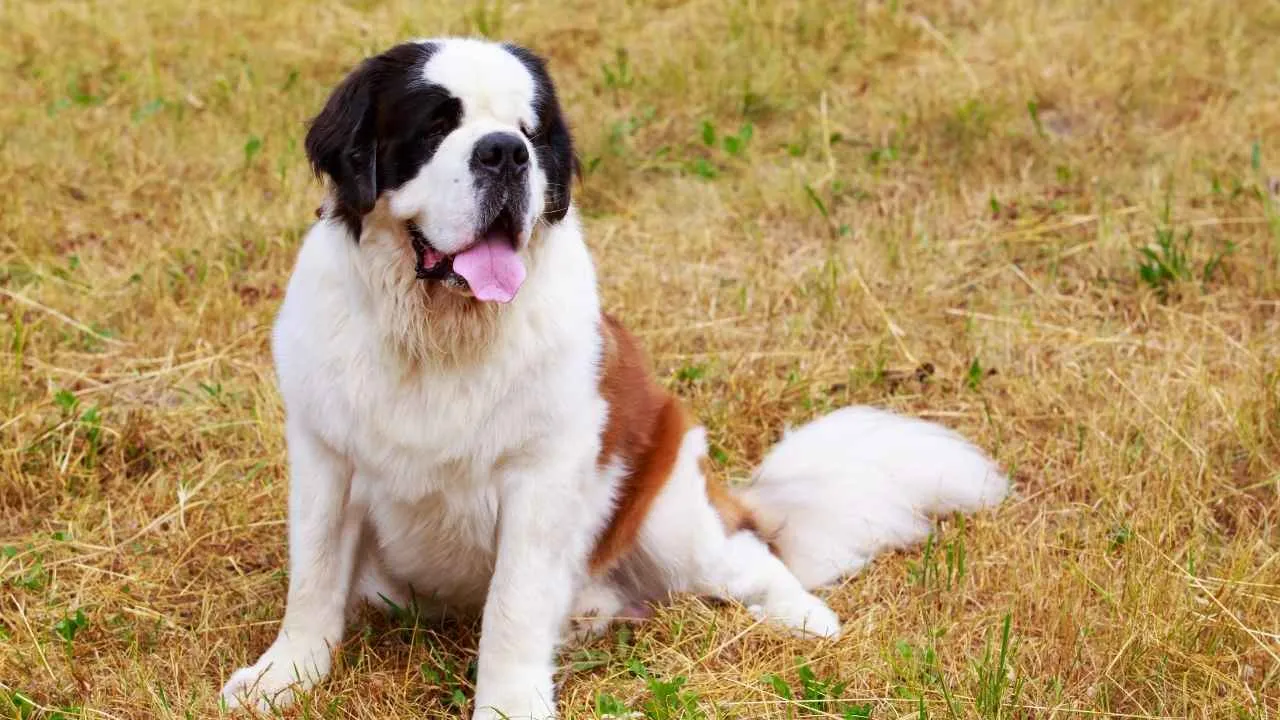
The Saint Bernard enters family life with a warmhearted steadiness, shaped by its legendary reputation as a lifesaving alpine dog. Its temperament is gentle and thoughtful, carrying a sense of responsibility that feels almost instinctive. This calm demeanor creates an atmosphere of trust in any household.
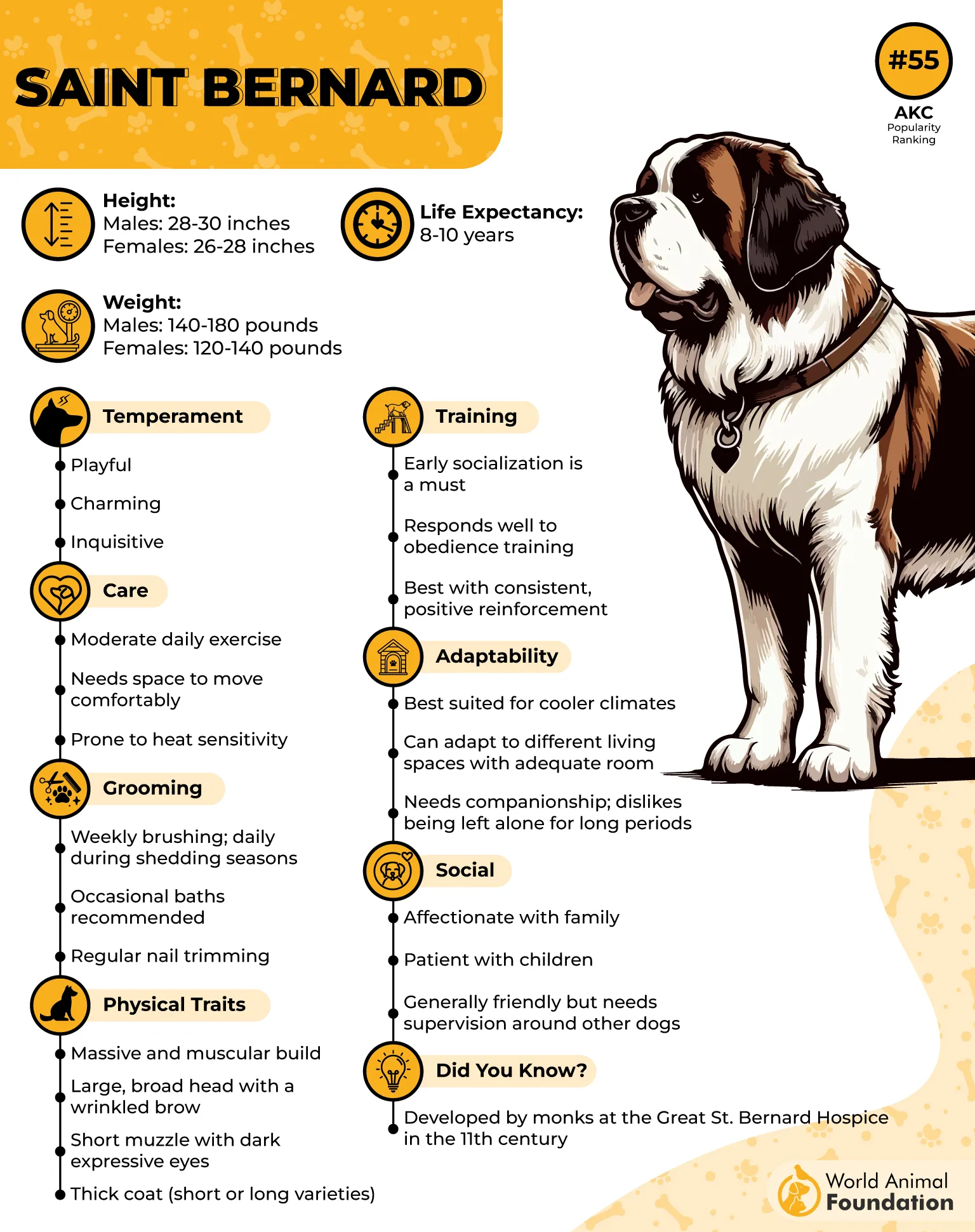
In terms of protection, the breed relies on awareness, size, and intuition. The Saint Bernard monitors tension in its environment and positions itself naturally where reassurance is needed. When a situation feels wrong, it reacts by standing firm, using its mass and confidence to discourage intruders.
Training & Socialization
- Responds best to kind, consistent guidance
- Enjoys early social introductions
- Learns household routines quickly
- Benefits from confidence-building activities
Care Needs
- Regular grooming to manage shedding
- Steady exercise to maintain condition
- Attention to temperature changes
- A spacious area for comfortable resting
As a family companion, the Saint Bernard shines in homes that appreciate a calm dog with a protective heart. It bonds strongly with children, offering gentle companionship that feels both nurturing and secure. Its quiet manner adds comfort without overwhelming the household.
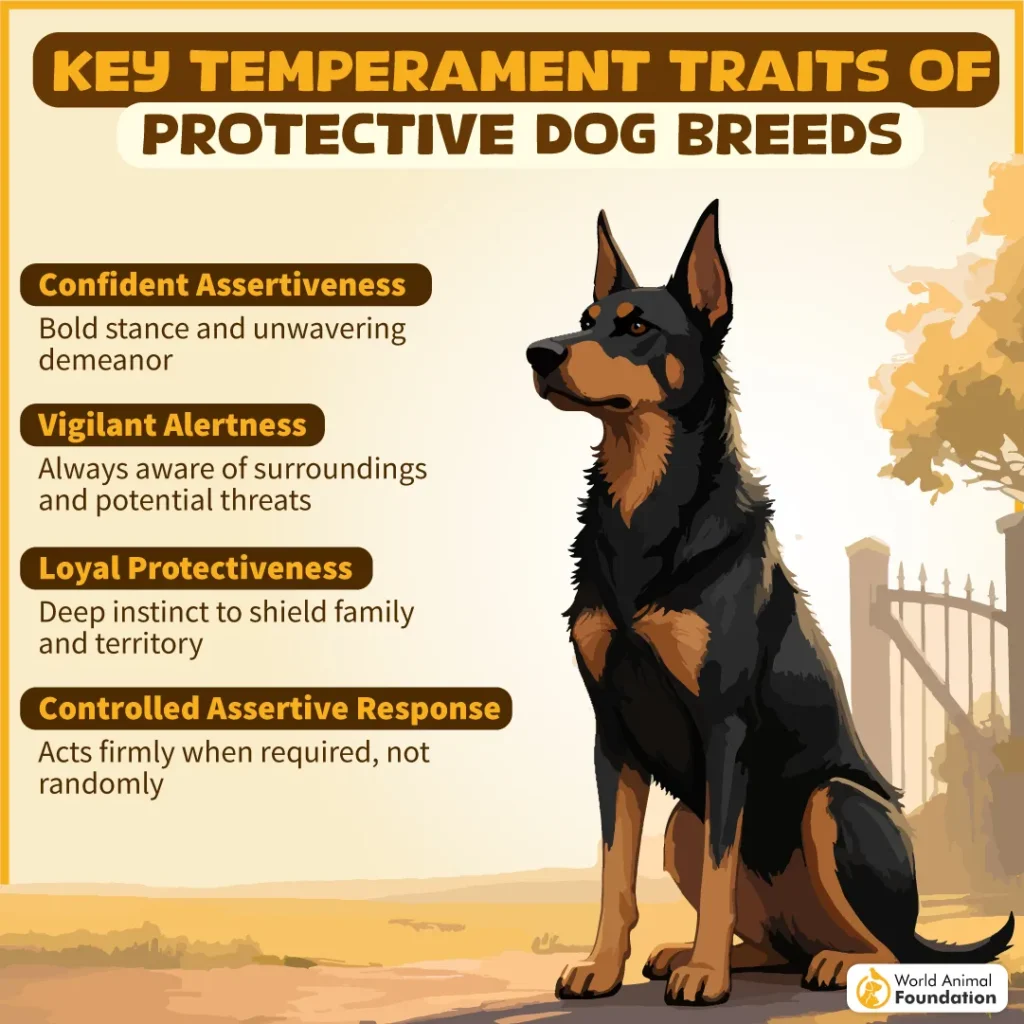
Picture a Saint Bernard lying near the front door as late-night wind rattles the windows. A movement outside catches its attention, and it rises slowly, standing solidly between the family and the unknown—an enduring symbol of dependable protection.
Conclusion
Low-key guard dogs offer families a calm yet powerful layer of security through natural protective instincts and steady loyalty. They prove that the best guard doesn’t always need high energy or complex agility to do the job well.
Of course, many best guard dogs like German shepherds, Doberman Pinscher dogs, Belgian Malinois, Boxers, Terriers, Rottweiler lines, Anatolian shepherds, and other mastiffs also have a protective nature when supported by proper training and early socialization. These breeds were originally bred for hardworking roles around animals, strangers, and even military tasks.
If you feel ready to raise the right dog for your lifestyle, consider your cost, age, mental stimulation needs, and the support of a trusted breeder or rescue. Search carefully, stay committed, and enjoy the fun of welcoming a strong, intelligent friend into a home filled with other pets or plenty of active play.
