




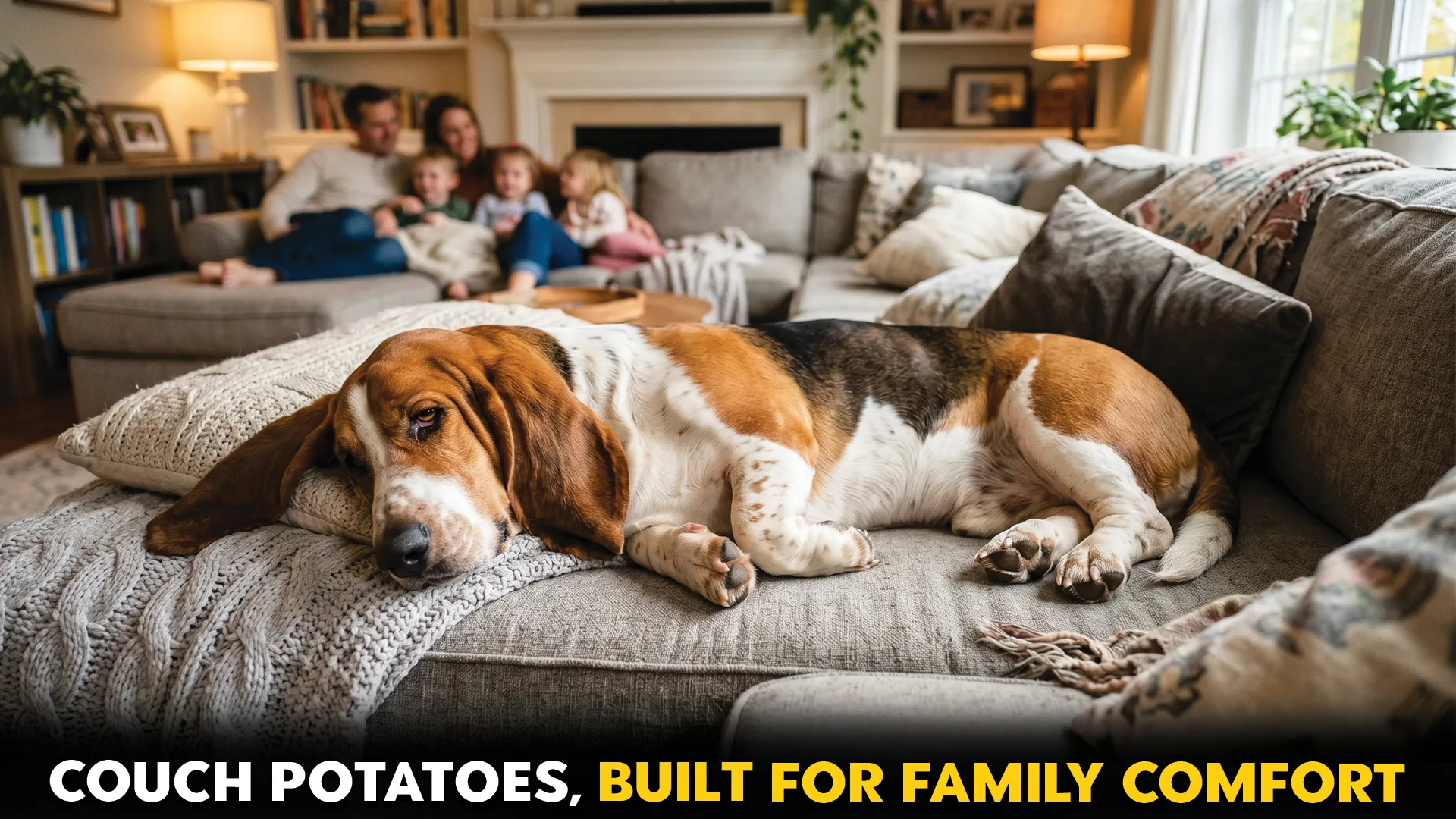
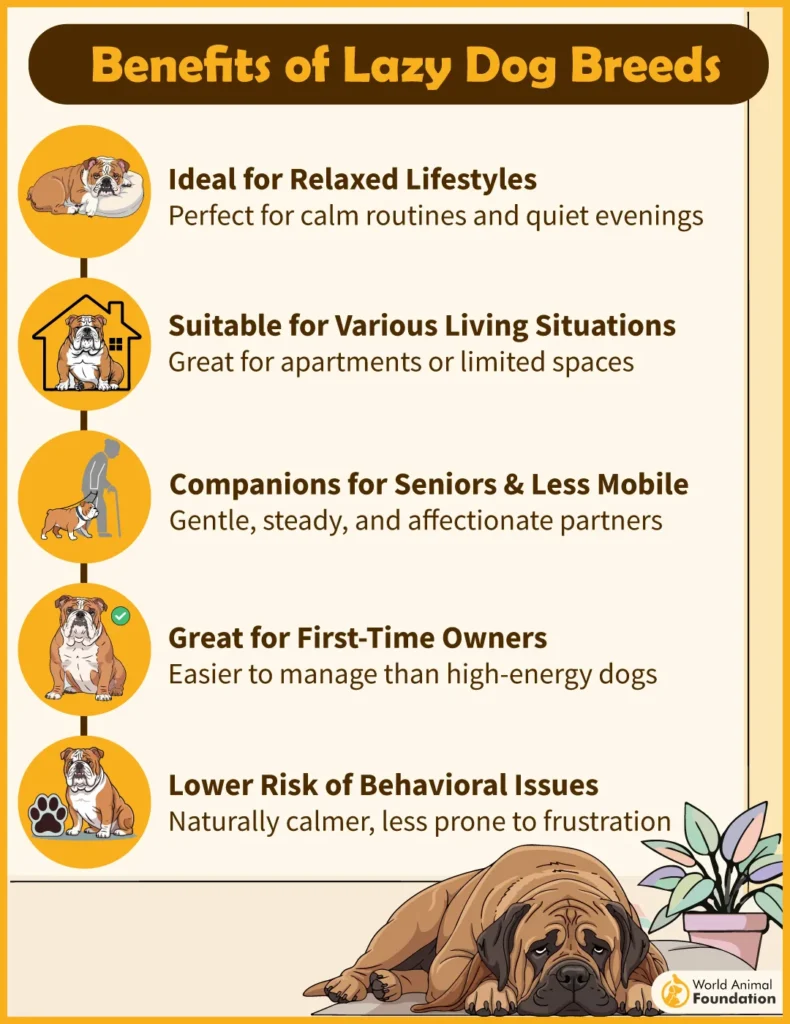
Not every family is looking for a dog that wants marathon hikes, nonstop fetch, or a packed schedule of activities. Some households are happier with a calm companion who enjoys gentle walks, cozy naps, and supervising life from the softest spot on the sofa.
That is where low-energy dog breeds can be a wonderful match. While every dog still needs exercise, playtime, training, attention, and affection, some breeds are generally known for a more relaxed approach to daily life.
Breed is not the only thing that shapes a dog’s personality, but it can be a helpful starting point when choosing the right pet.
Here are seven laid-back dog breeds that may suit couch-potato families beautifully.
Low‑Energy Dog Breeds Ideal for Couch‑Potato Families
1. Bulldog
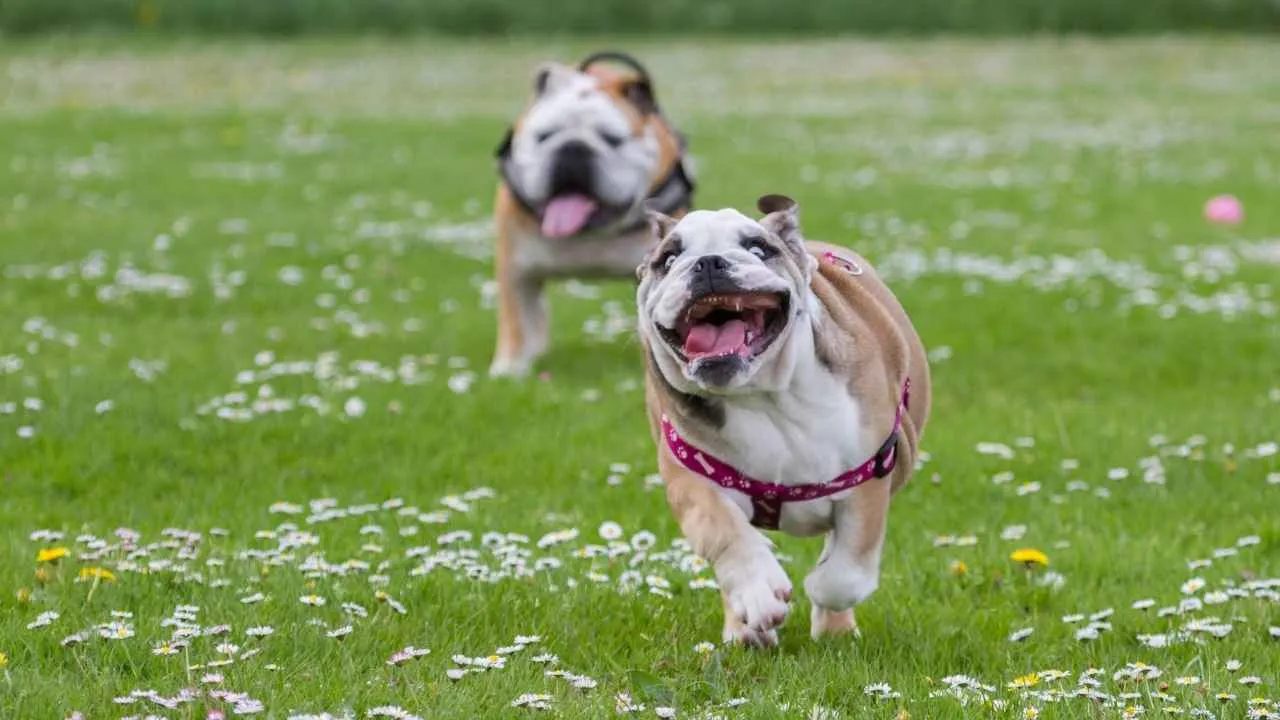
The Bulldog brings a sturdy, wrinkled charm to family life, with a playful, good-natured personality that rarely feels frantic. This breed is known as loyal, gentle, tolerant, and mellow, though the goofy side can pop out like a surprise squeaky toy under the couch.
As per Orvis, Bulldogs often bond easily with their people and can adjust to other pets when socialization and training are handled well.
Their exercise style is refreshingly sensible: short walks, light play, and plenty of time indoors where things stay cool. Because Bulldogs can overheat in hot weather or with too much activity, they are not built for running, long hikes, or dramatic backyard chase scenes. They also cannot swim, so pools, lakes, and even tempting shallow water deserve close supervision.
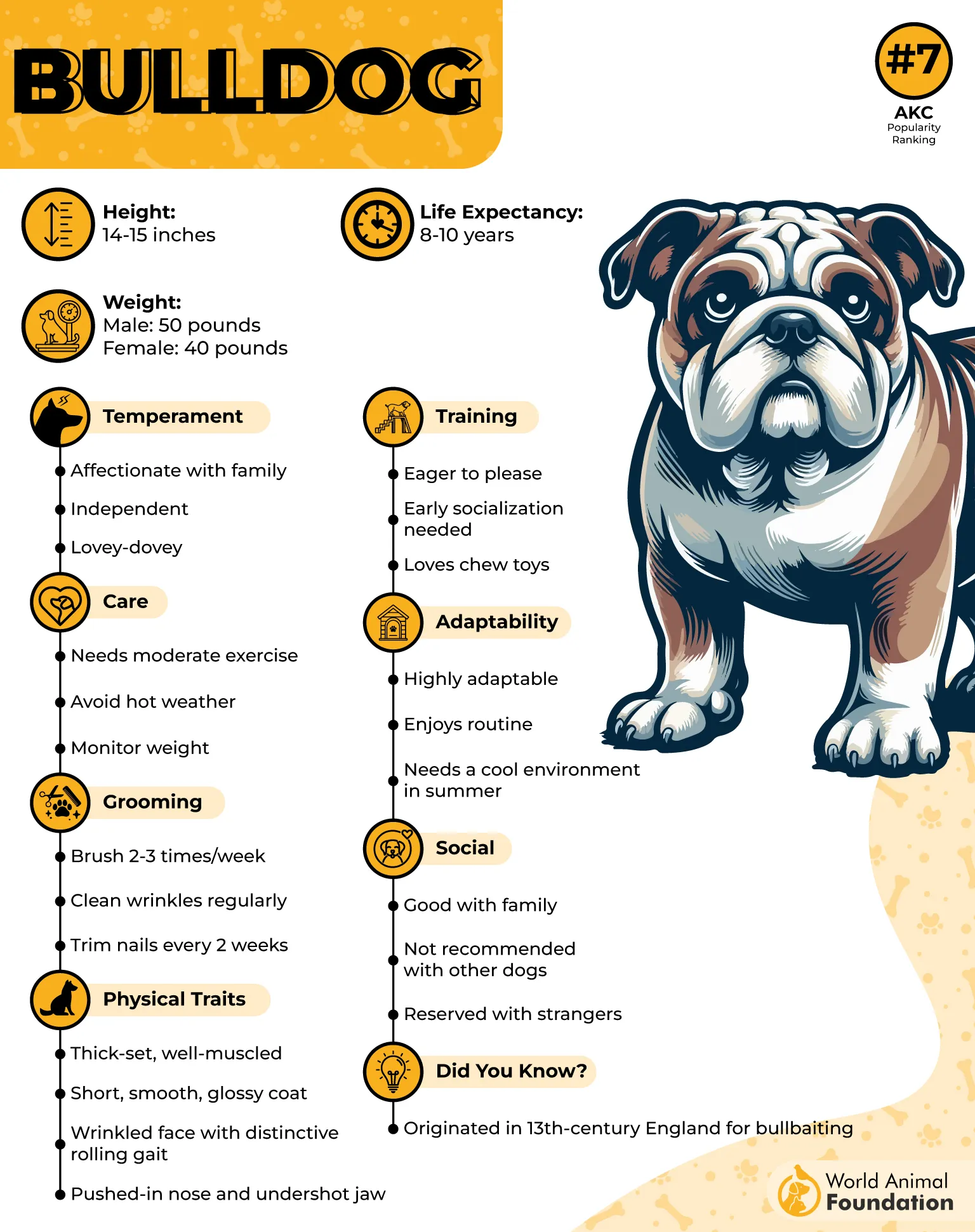
At home, the Bulldog is a natural nap professional who may be happy lazing for much of the day, especially after a 20-minute walk. A stubborn streak can slow training, but praise, rewards, and short lessons help, while daily care for facial folds and eyes keeps those famous wrinkles from becoming a problem.
Why This Breed Is a Good Fit
No big yard required: a cool indoor space and a bit of daily movement suit this slow, lumbering breed.
Their watchdog side adds doorbell awareness without the high-drive intensity of a working athlete.
They can handle quiet alone time better than some breeds, as long as chewing is managed with safe toys.
2. Basset Hound

The Basset Hound is short, sturdy, and wonderfully easy to spot, thanks to low legs, droopy ears, loose skin, and a face that looks permanently ready for snacks.
Originally bred in France to hunt rabbits and hares, this hound still carries a powerful nose that can lead it straight toward anything interesting, edible, or questionably edible. Their short, smooth coat does not need professional grooming, but it does shed regularly.
Often called the laziest dog breeds, Bassets are good-natured, friendly companions that are often affectionate with children and other pets when introductions are careful. PetMD states that they are calm enough to sleep in a dog bed all day, but owners still need to encourage daily movement because this breed can gain weight easily and develop joint strain.
Regular bathing and ear cleaning also matter, especially with those long ears and heavy folds.
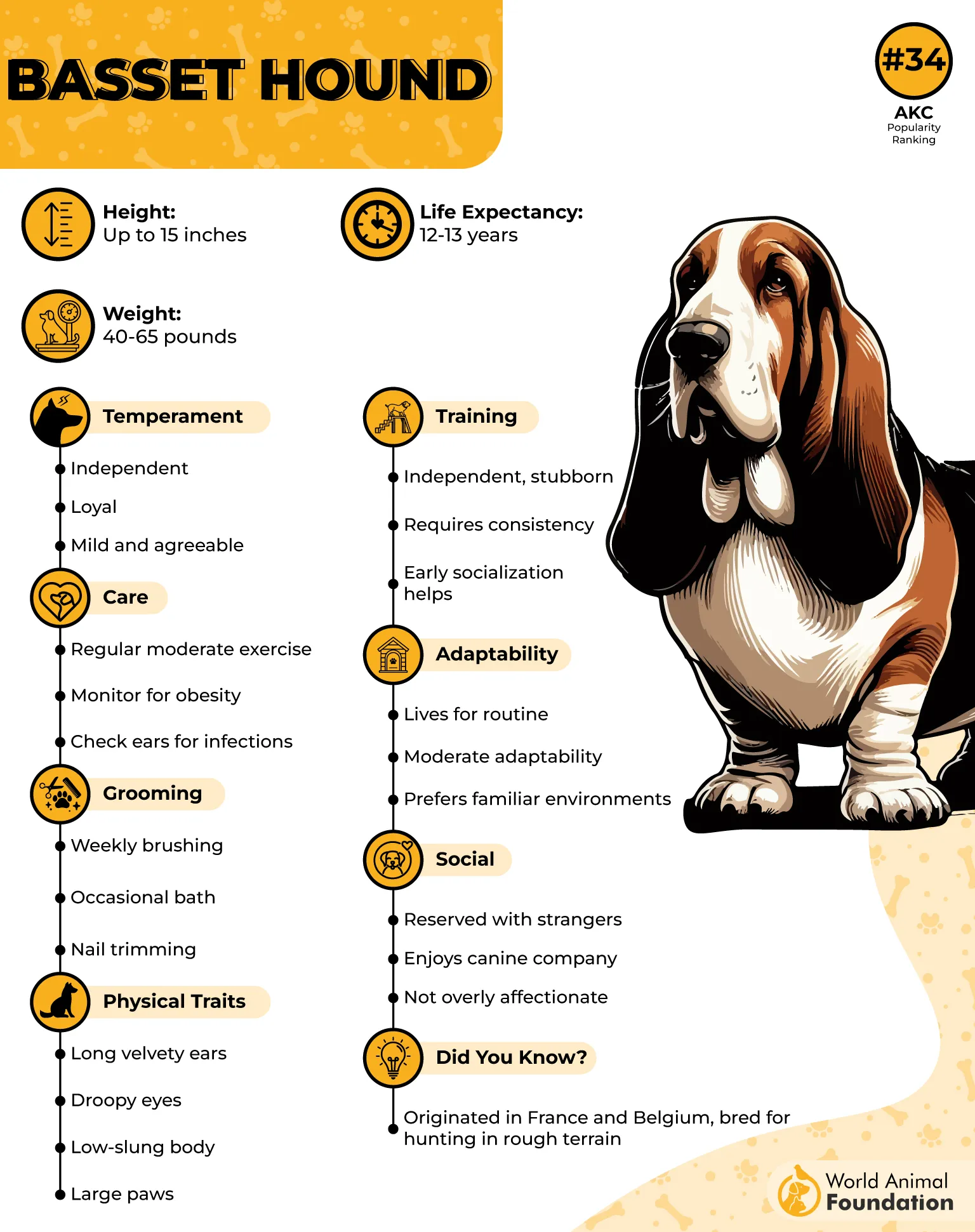
Basset Hounds are known for a loud, baying bark when excited or frustrated. Training can be challenging because they are independent and strong-willed, yet food rewards, positive reinforcement, and early socialization can help turn that nose-led thinker into a better listener.
Why This Breed Is a Good Fit
Minimal exercise, scent walks, and nose-work games give them a job without asking them to become jogging partners.
Their little legs are a built-in reminder to keep outings steady, not strenuous.
Food should be secured, because this low rider can turn floor crumbs into a personal investigation.
3. Shih Tzu
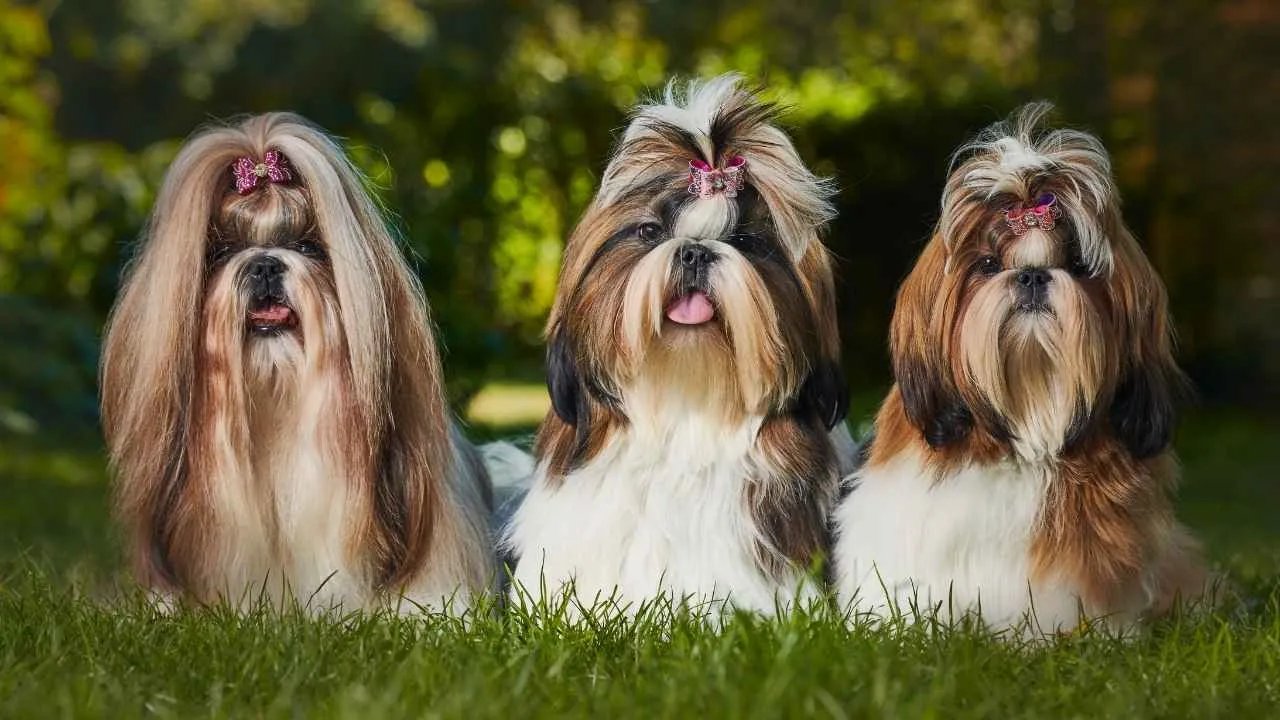
The Shih Tzu may translate to “little lion,” but this companion breed is more likely to rule the house from beside your feet. Affectionate, playful, and extroverted, Shih Tzus love human company and are happiest near their owners, which makes them a better match for homes where someone is around often. They can be a little feisty, so tiny does not mean “pushover with a bow,” even during sofa negotiations.
Training works best when it starts early and stays short, since this breed can be strong-willed and may get bored. Socialization is important because Shih Tzus can be wary of strangers and prefer to meet people on their own terms. They are usually comfortable with other dogs and pets when introductions are careful.
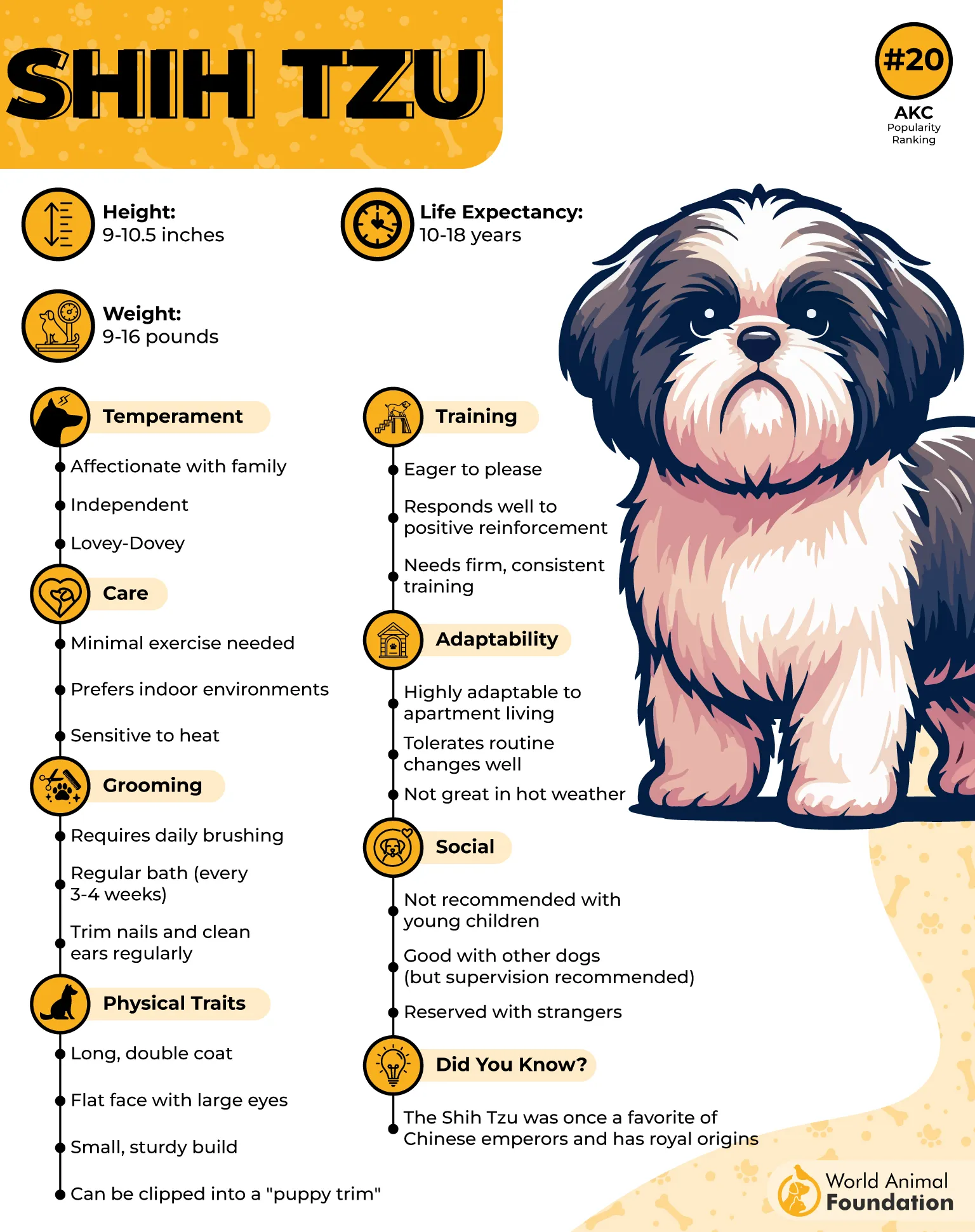
Their long, silky coat is a big part of the look, but it needs daily brushing or regular help from a groomer. PetPlan suggests that exercise should come through short walks, games, and plenty of chances to rest, especially in warm weather, because Shih Tzus are flat-faced dogs. Mental stimulation through games like hide and seek can be especially fun because finding you is the prize.
Why This Breed Is a Good Fit
A “lucky dip” toy box can make indoor play feel exciting without wearing out the whole household.
This breed suits pet parents who like close company, not a dog that disappears to run laps by itself.
The grooming routine is the bigger calendar item, while exercise can stay gentle and bite-sized.
4. French Bulldog
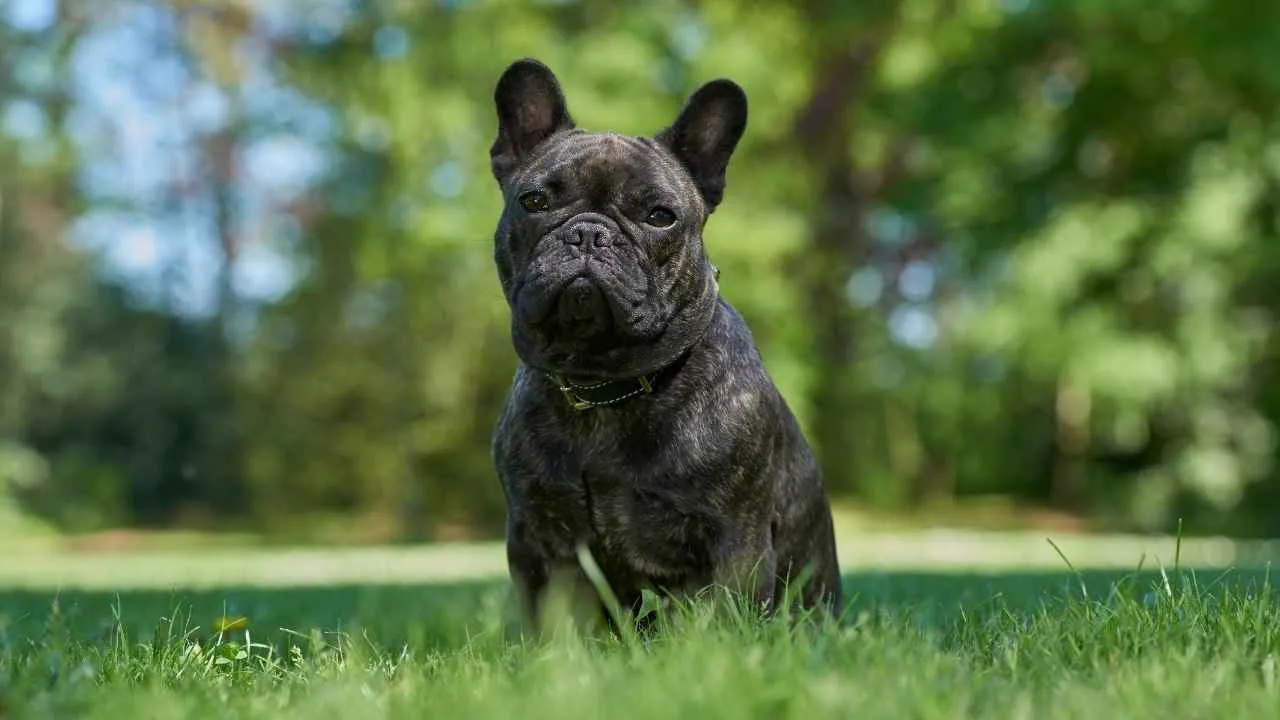
The French Bulldog is a small companion with a big comic presence: bat ears, wrinkles, snorts, and all.
Frenchies are smart, sweet-natured, amiable, and curious, with a playful streak that can switch into couch mode surprisingly fast. They like brisk walks and play, but they also believe lap time is a legitimate lifestyle choice for family life.
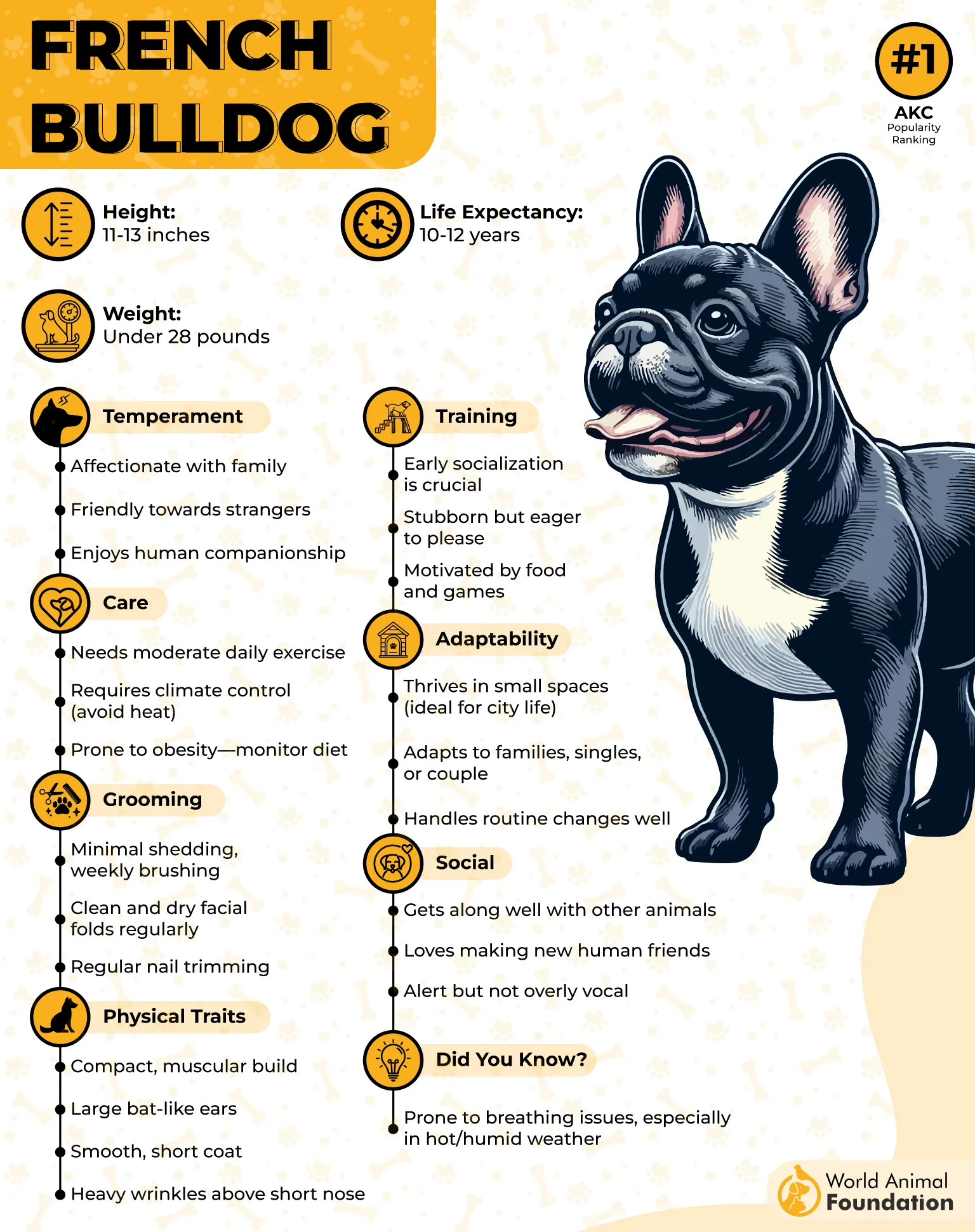
These low-energy breeds can be affectionate with people of many ages, and their social nature often extends to other pets when introductions are watched carefully. They are usually quiet neighbors, yet they make attentive watchdogs and may bark with enthusiasm when someone arrives. Their little bodies are sweet, but their personalities are not exactly tiny.
Their flat faces mean heat, humidity, and overexertion need careful handling, so outdoor time should stay sensible. Several short walks or brief play sessions are enough for exercise, while intense activity and long outings are poor fits.
Training benefits from patience, treats, and consistency because Frenchies can be stubborn, independent, and very aware of their own charm, plus they do best with company at home rather than long days alone.
Why This Breed Is a Good Fit
Apartment life can work well because Frenchies are calm indoors and do not need frequent exercise.
A few brisk mini-walks can satisfy the movement box without turning your day into a fitness app.
A washable dog bed is wise, since drool is part of the package.
5. Cavalier King Charles Spaniel

The Cavalier King Charles Spaniel is a true companion at heart, originally bred to keep people warm by sitting on their laps.
This history still shows today, as these dogs love staying close to their humans and rarely choose distance over cuddles. Friendly and affectionate, they are known for their gentle nature and easygoing personality.
They fit well into many types of homes, from active families to quieter households, as long as they get daily interaction. Cavaliers are patient and tolerant, making them great with children and other pets when properly introduced. They are also very social and do not enjoy being left alone for long periods, preferring to stay involved in everyday life.
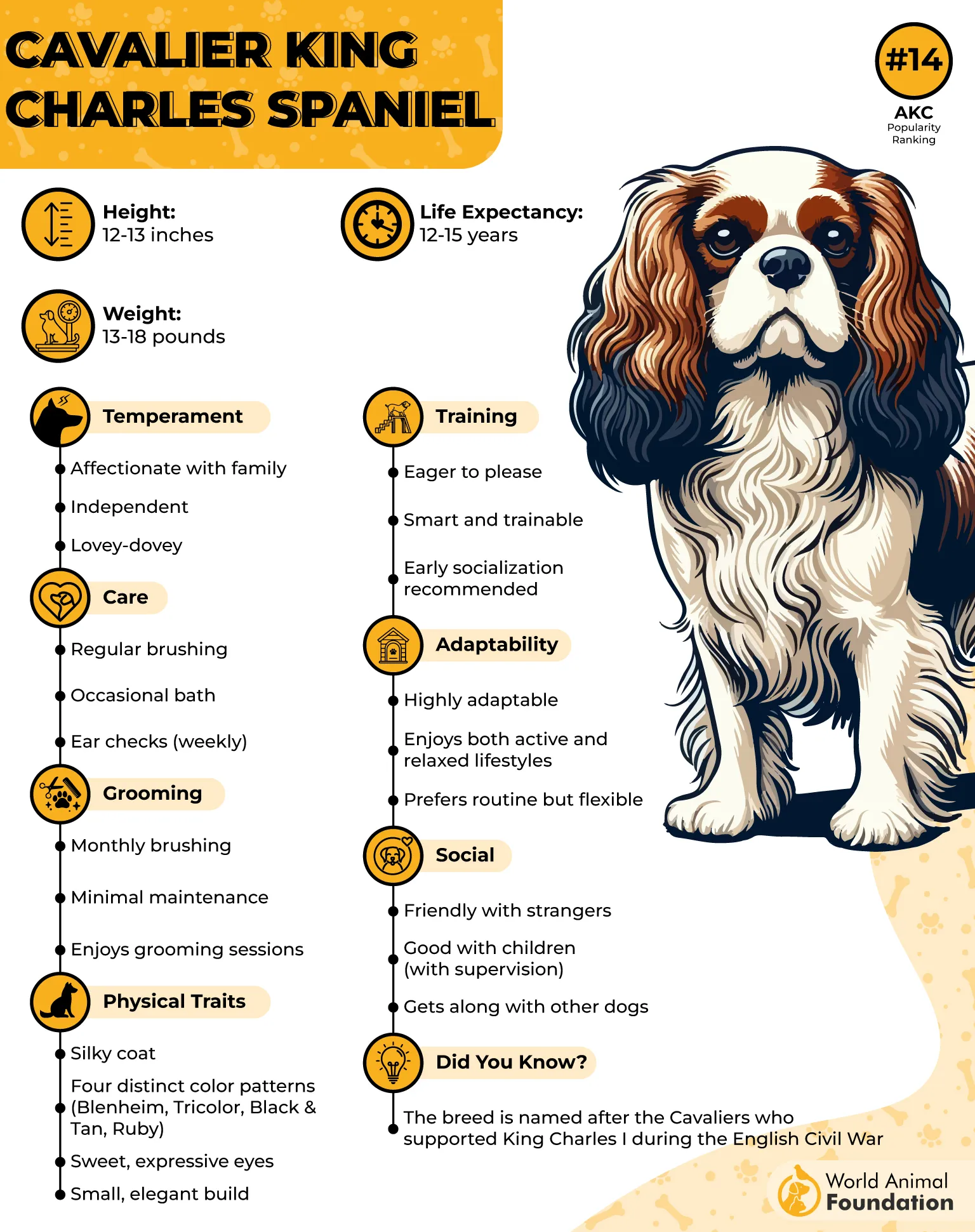
Exercise needs are moderate and easy to manage, with two short walks a day usually enough to keep them happy. Once they have had their activity, they are more than content to relax on the couch and enjoy a calm time with their family. Training is usually smooth because they are eager to please and respond well to rewards.
Why This Breed Is a Good Fit
Their adaptable nature means they can match both relaxed and moderately active households without stress.
They naturally prefer staying close, making them ideal for owners who enjoy constant companionship.
Short daily walks meet their needs, leaving plenty of time for lounging indoors.
6. Pug
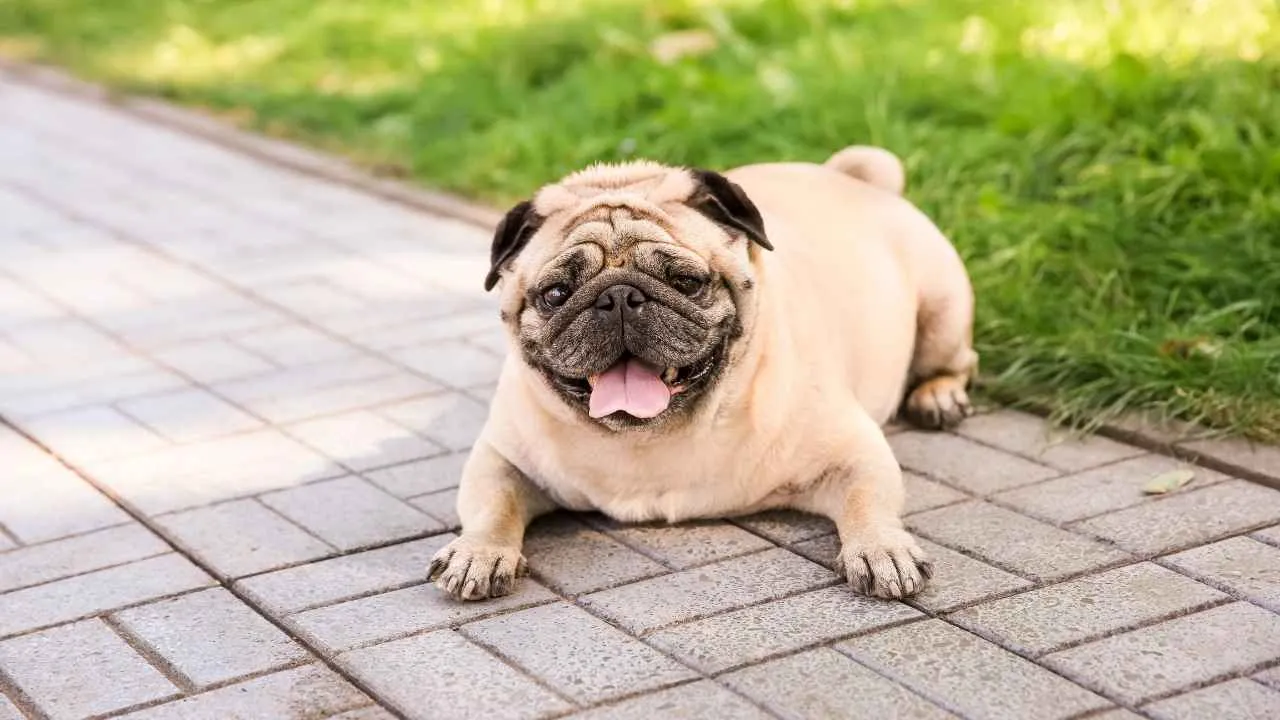
Pugs are small dogs packed with personality, often acting like the life of the party in a compact body. These dogs are playful, sociable, and love being at the center of attention, happily following their people from room to room. Their cheerful nature makes them popular in both busy households and quieter homes.
Pugs are highly adaptable and can settle comfortably in many living situations, from apartments to family houses. They enjoy playtime and interaction, but they are equally happy spending long stretches indoors relaxing. Because they were originally lapdogs, staying close to their humans is a big part of their daily happiness.
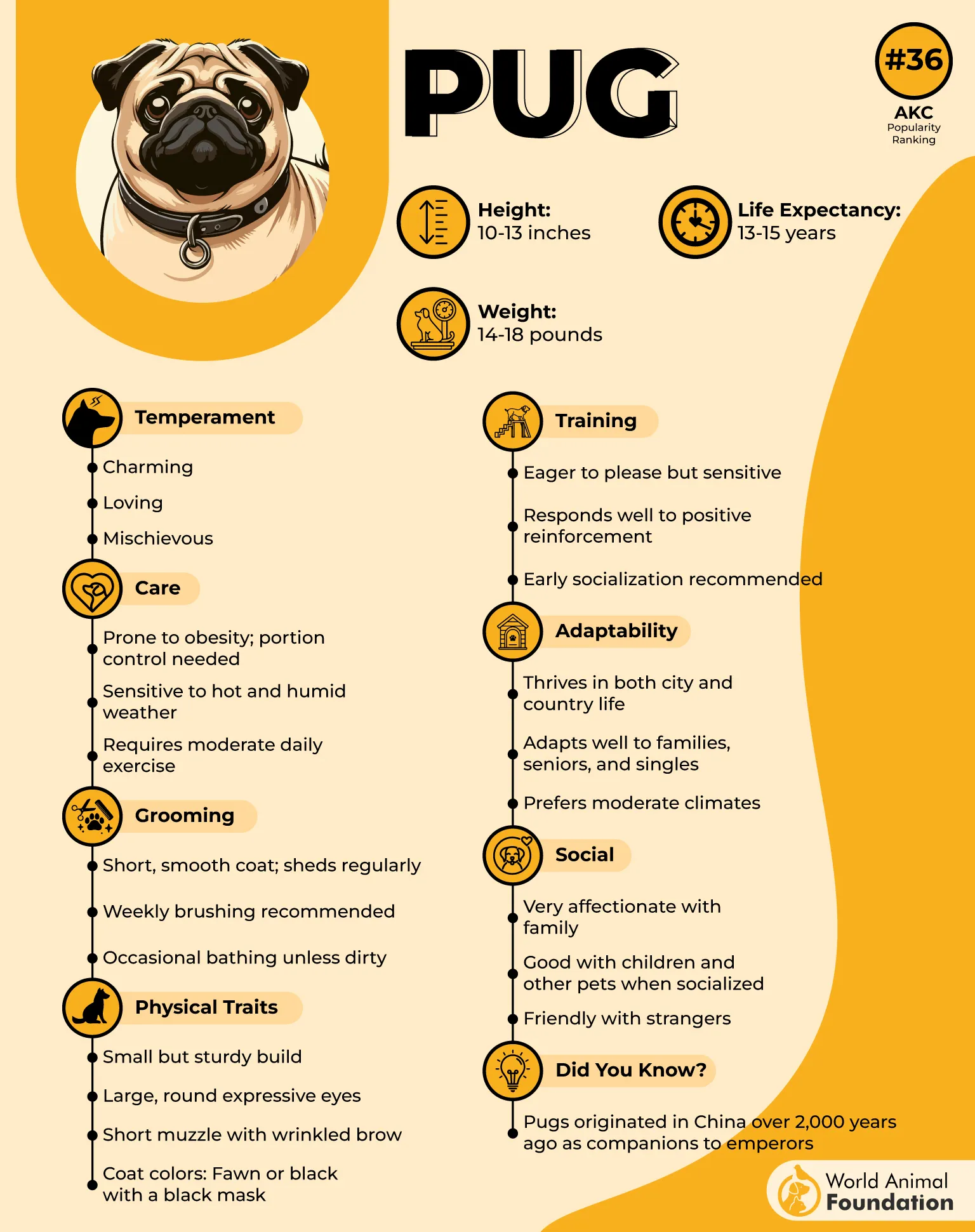
Exercise needs are manageable, usually up to an hour a day through walks and play, but they do not require intense activity. Their flat faces mean they struggle in hot weather, so outdoor time should be limited during warmer conditions. They also prefer company and can become unhappy if left alone too often.
Why This Breed Is a Good Fit
Their flexible lifestyle makes them great for both active days and lazy weekends.
Indoor living suits them perfectly, especially in smaller homes or apartments.
They bring high energy in short bursts, then happily settle down for extended rest.
7. Greyhound
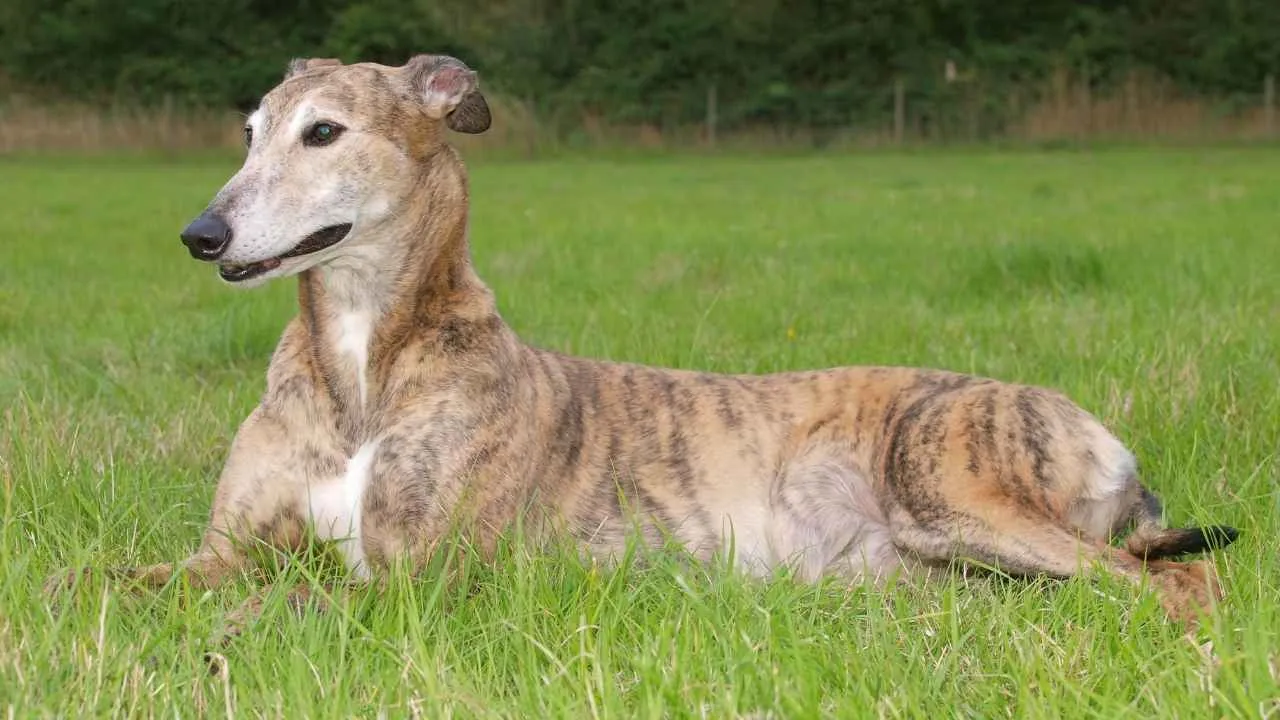
The Greyhound may look like a racing machine, but at home, it has a surprisingly relaxed and calm demeanor. Known for speed, this breed actually prefers short bursts of activity followed by long stretches of rest.
Many people are surprised to learn that Greyhounds are often described as natural couch lovers.
They are gentle, friendly, and generally non-aggressive, making them pleasant companions in the home. Their sensitive side means they do best in quieter environments where things are not too chaotic. While they are independent enough to spend some time alone, they still enjoy bonding with their family.
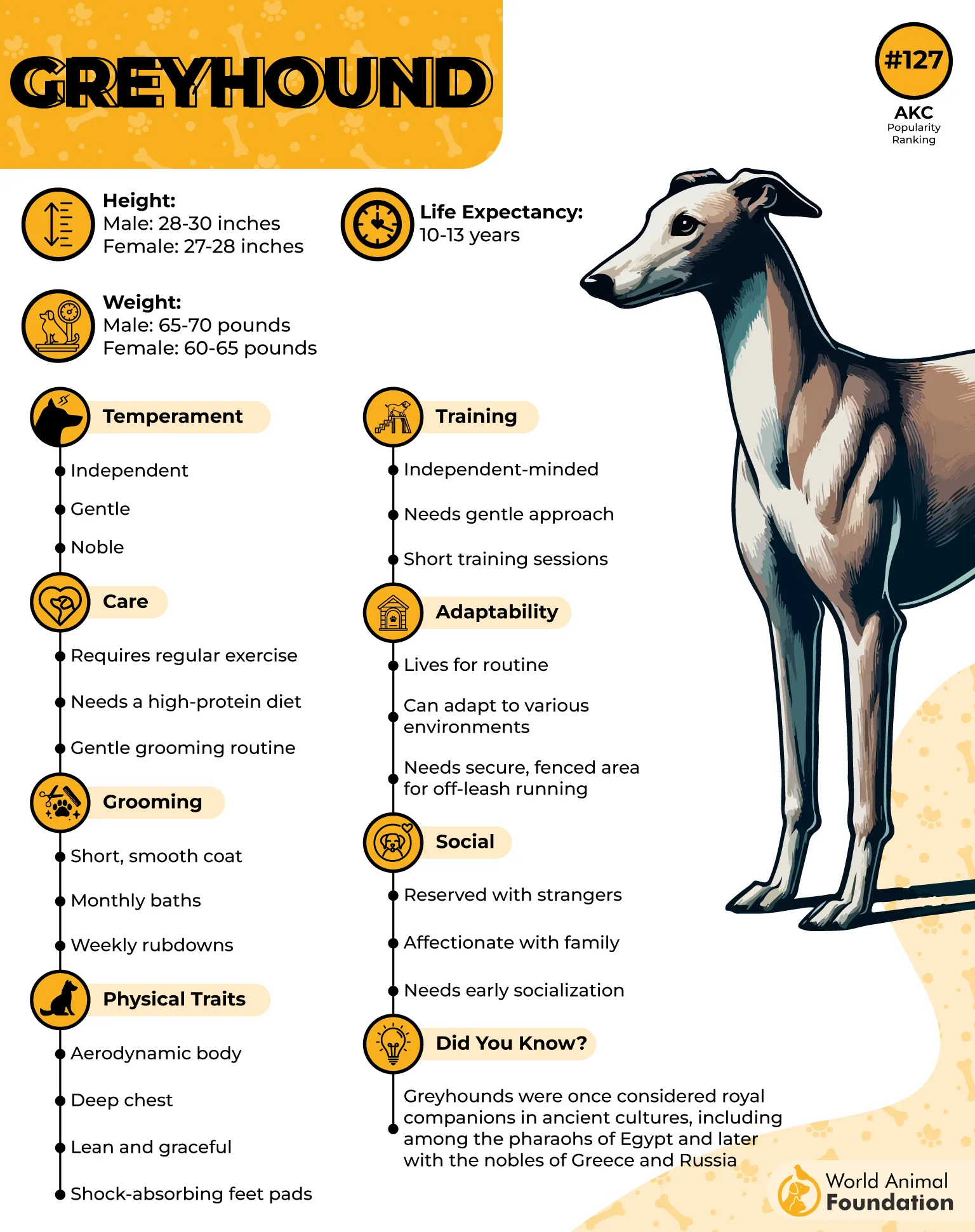
Exercise is simple and structured, with two shorter walks each day usually enough to meet their needs. Because they are sprinters, not endurance runners, they do not require long or intense workouts. After a bit of movement, they are perfectly happy to stretch out and relax for hours.
Why This Breed Is a Good Fit
Moderate exercise, short, controlled activity sessions replace the need for long, tiring exercise routines.
Their calm indoor behavior makes them ideal for apartment living.
They combine a large-dog presence with surprisingly low daily demands.
Conclusion
Low-energy dog breeds prove that you do not need a high-speed lifestyle to enjoy the love and companionship of a dog.
These laid-back, low-maintenance dogs are happy with simple routines, cozy spaces, and plenty of time by your side. While every dog still needs care, exercise, and attention, choosing a breed with a calmer nature can make daily life much easier to manage.
The gentle giant, the Bernese Mountain Dog, is another example of a low-energy breed adapting well to peaceful households. Whether you live in a small apartment or just prefer quiet evenings at home, there is a relaxed canine companion ready to match your pace.
The best dog breed will not just fit your lifestyle, it will make it even more enjoyable.
