




Living a thrifty lifestyle doesn’t mean you have to miss out on the joy of dog ownership—it just means choosing with a little extra strategy. From adoption fees to grooming appointments, the cost of caring for a pup can add up fast, so it helps to look for breeds that fit your budget and your day-to-day routine.
One common reason people start researching “low-cost” dogs is shedding and allergies. While no breed is truly allergy-proof, some dogs tend to shed less, which can mean less fur on your floors, fewer lint rollers, and potentially fewer irritation triggers for sensitive households.
In this guide, we’ll spotlight dog breeds that can be easier on the wallet—especially those known for minimal shedding and simpler coat care. Keep in mind that pricing varies widely based on factors like age, health, location, and availability, but many low-shedding options are often found ranging from about $500 to $5000.
Low-Cost Dog Breeds for a Thrifty Lifestyle
1. Chinese Crested
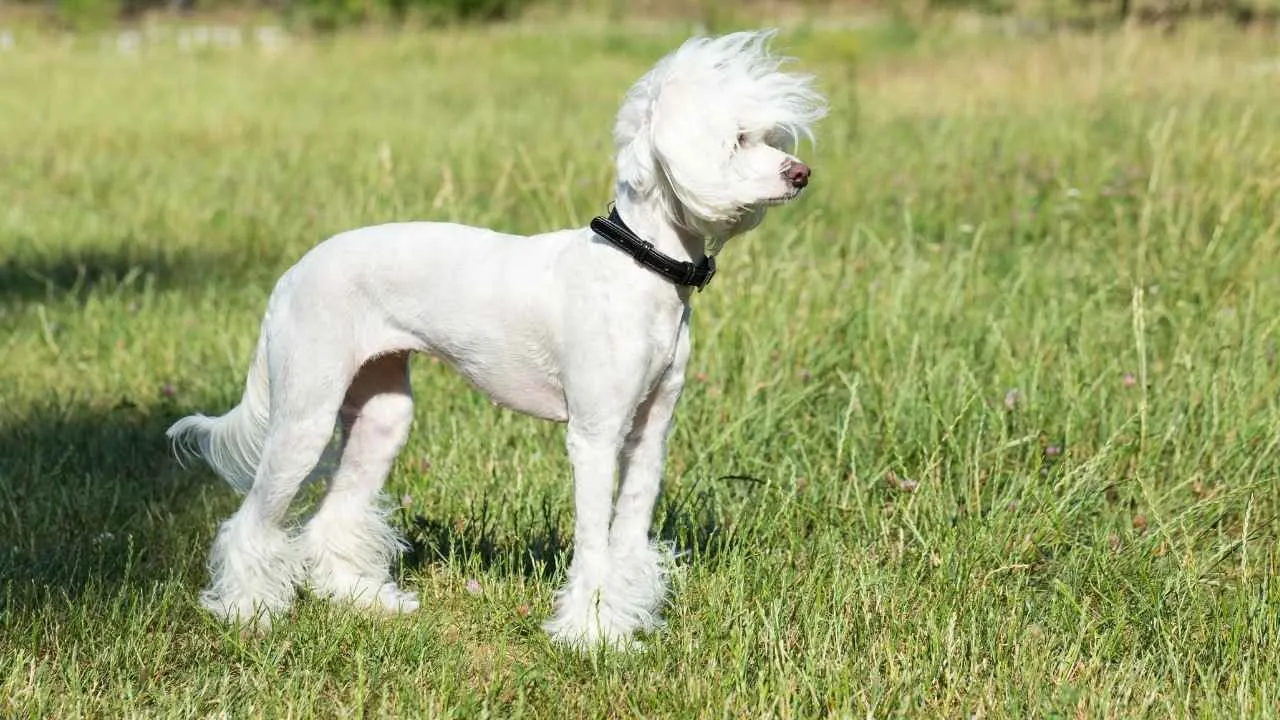
The Chinese Crested—often seen in Hairless and Powderpuff varieties—is a quirky little indoor companion with a lively, super-alert personality and a knack for bonding fast.
The AKC states that the Chinese Crested is instantly recognizable, with its spotted pink skin, spiky “crested” hairstyle, furry “socks,” and a feathery tail, giving the breed a sweet and slender look unlike any other.
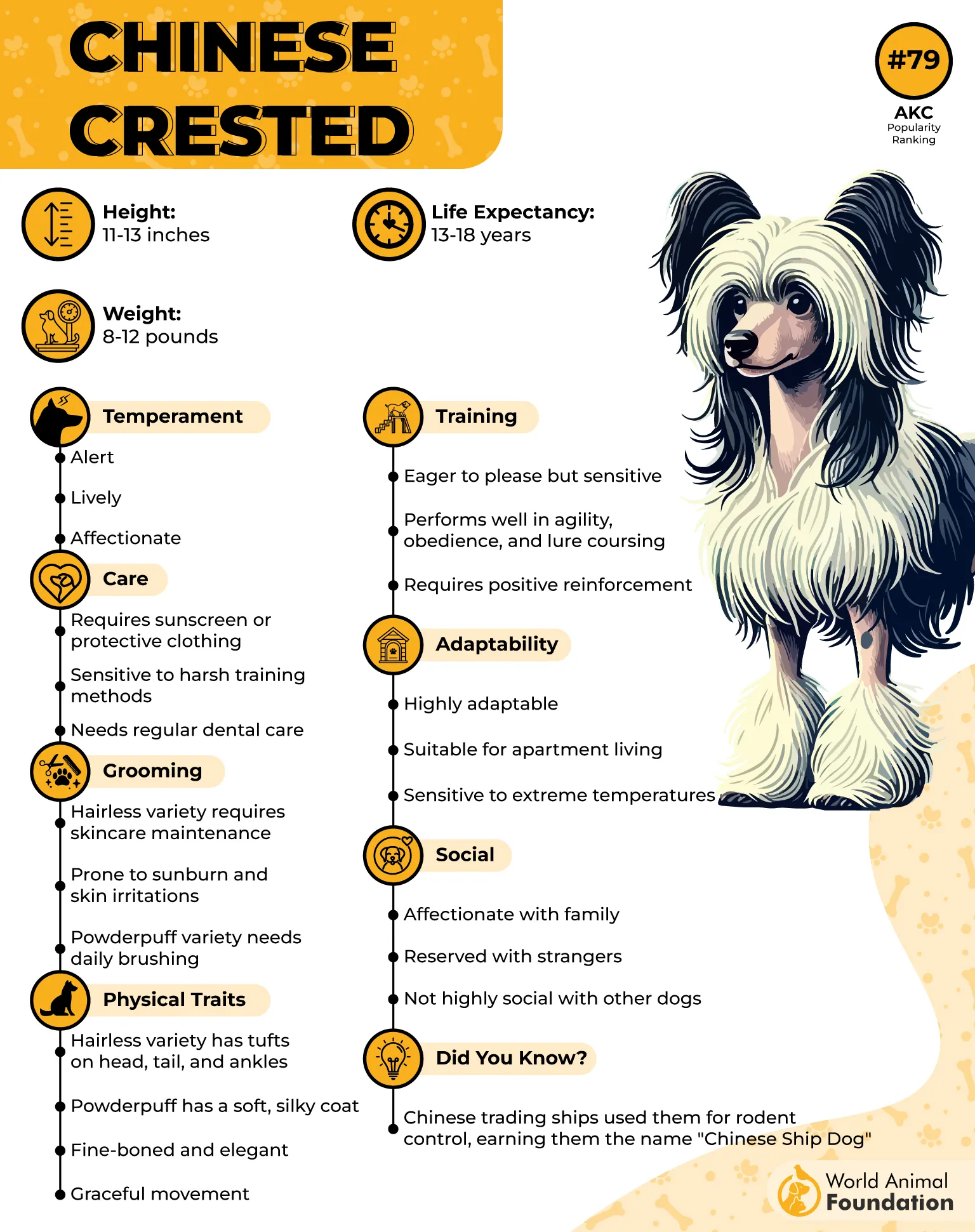
For indoor-only owners, the coat choice matters. The hairless type keeps small tufts on the head, tail, and feet and can help cut down on shedding, while the Powderpuff wears a fine coat that sheds very minimally. Either way, they’re happiest close to their people and make entertaining company around the house.

“What low-cost means” goes beyond purchase price—think routine basics and skin care. Hairless Cresteds may need extra protection from sun and cold indoors/outdoors, plus attention to prevent skin irritation, which can add to ongoing care.
Fact: A Chinese Crested can cost as little as $700.
2. Chihuahua
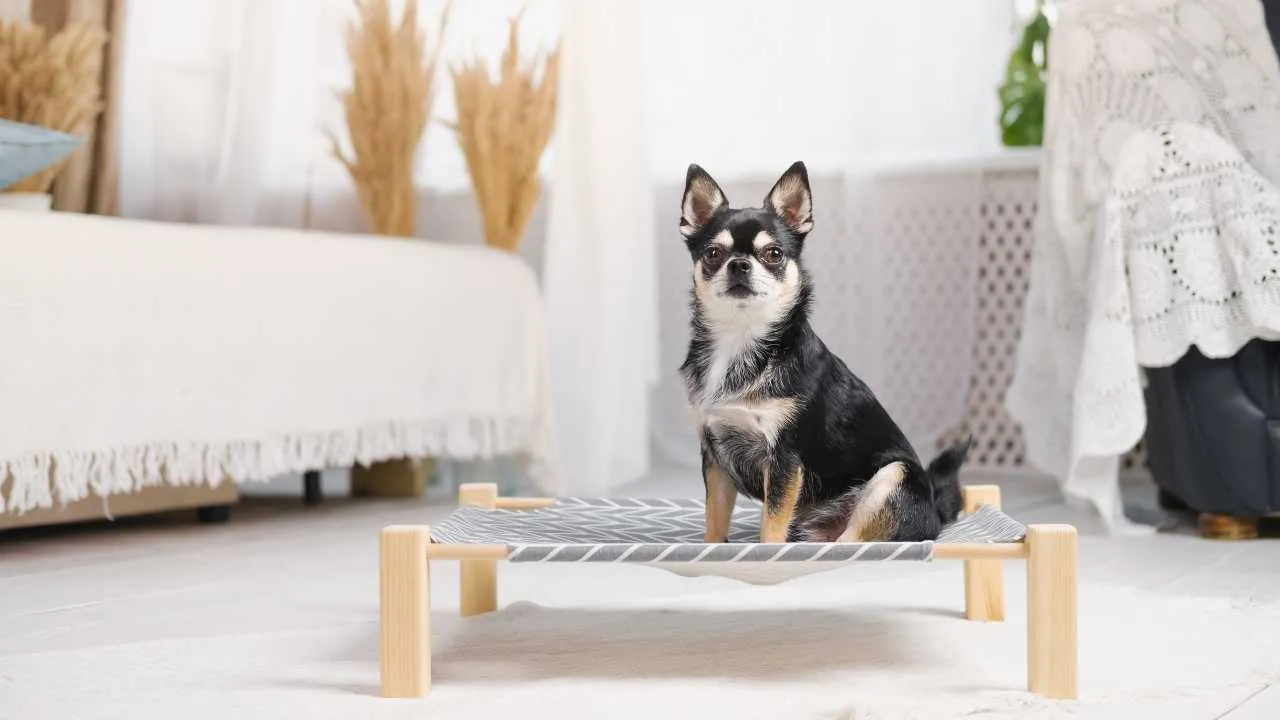
The Chihuahua—often called the Chi—may be the world’s smallest dog breed, but it brings a huge personality into indoor-only homes. PetMD notes that if you want a small dog with a huge personality, Chihuahuas fit the description perfectly.
These tiny, loyal companions are affectionate, a little sassy, and easy to tote from room to room or on quick errands.
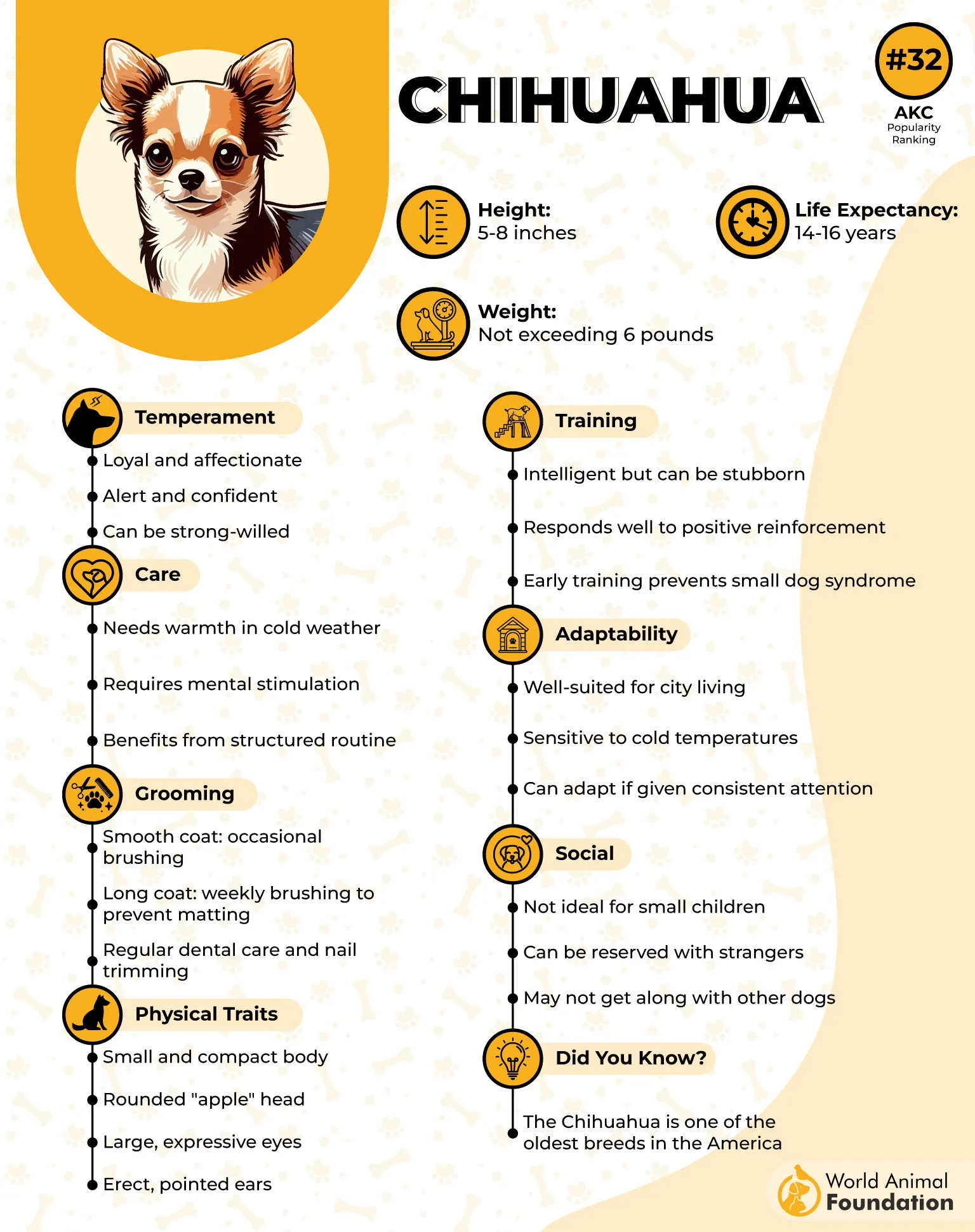
For budget-minded indoor owners, costs can vary widely: a Chihuahua puppy averages about $2,550, with a range of $800–$7,000, while shelter or rescue adoption typically runs $50–$300. Their coat care is fairly simple, whether you choose a short-haired or long-haired type.
A common mistake is assuming “small” means “no activity.” Chihuahuas still need daily indoor play and short walks to stay balanced, plus confidence-building routines so nervous barking doesn’t become their default indoor soundtrack.
Another overlooked indoor priority is dental upkeep—make tooth-brushing part of the routine to help prevent problems.
3. Shih Tzu

The Shih Tzu—also called the “Lion Dog” from its Tang Dynasty roots—is a sturdy Toy breed with a proudly carried head, a curled tail, and a silky, low-shedding coat that suits indoor-only life. WebMD notes that Shih Tzus are charming and friendly dogs.
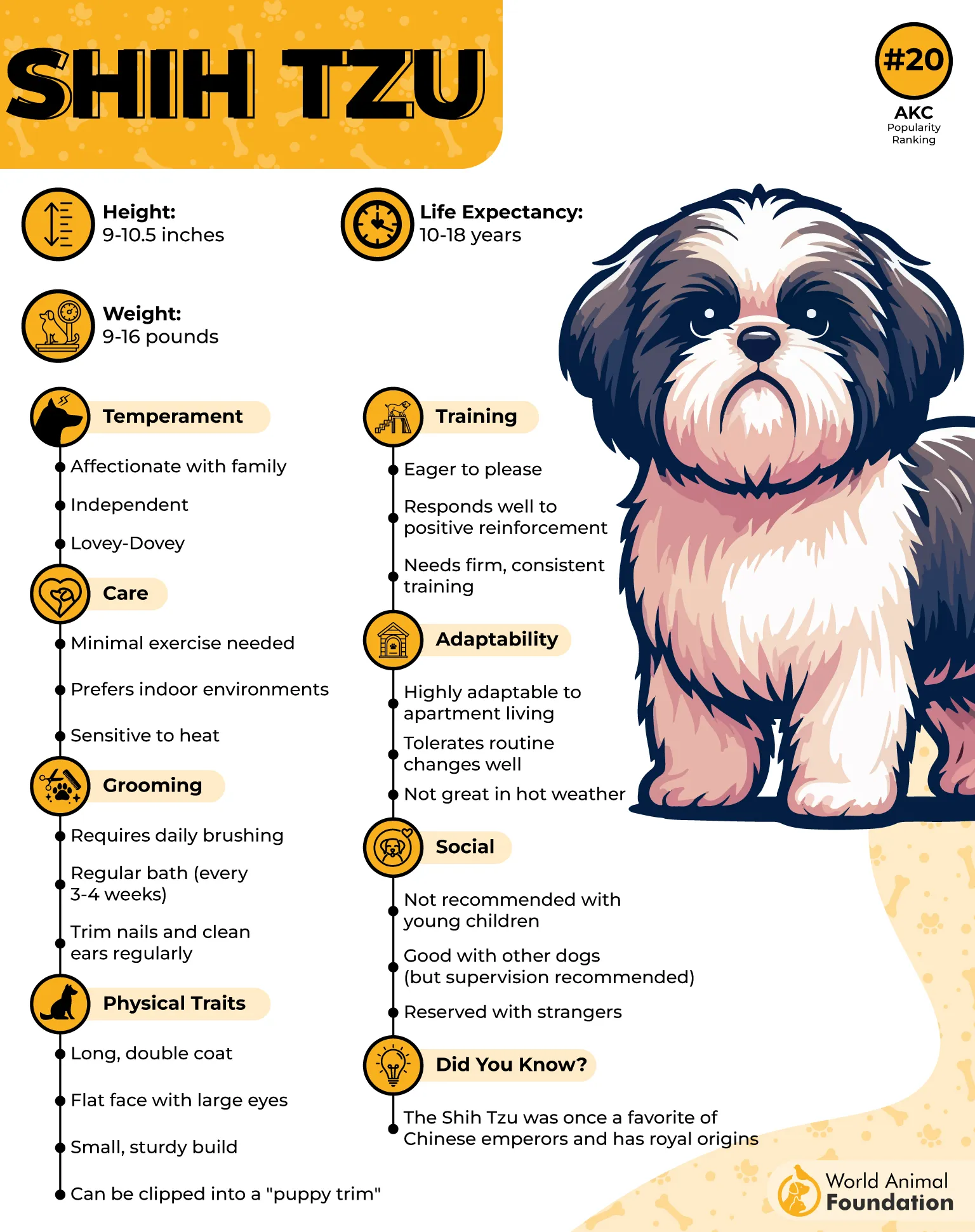
Indoors, this cheerful extrovert thrives on closeness. They’re happiest when they can follow you room to room, soak up attention, and then settle into nap mode, making them a natural companion for apartments and cozy homes.
A common indoor-owner mistake is leaving them alone for long stretches. Shih Tzus can develop separation anxiety, which may show up as excessive barking, so early socialization and gentle training help keep manners calm and confident.
They can save you on shedding cleanup, but not on coat care—regular brushing (and keeping hair out of the eyes with a topknot) prevents tangles and keeps that regal look photo-ready.
Fact: Shih Tzus are prone to separation anxiety if left alone for long periods.
4. Miniature Schnauzer

The Miniature Schnauzer (the smallest of the three Schnauzer breeds) is a bright, upbeat terrier-type companion with that signature bearded face and bold eyebrows—compact enough to suit indoor-only homes when their people are close by.
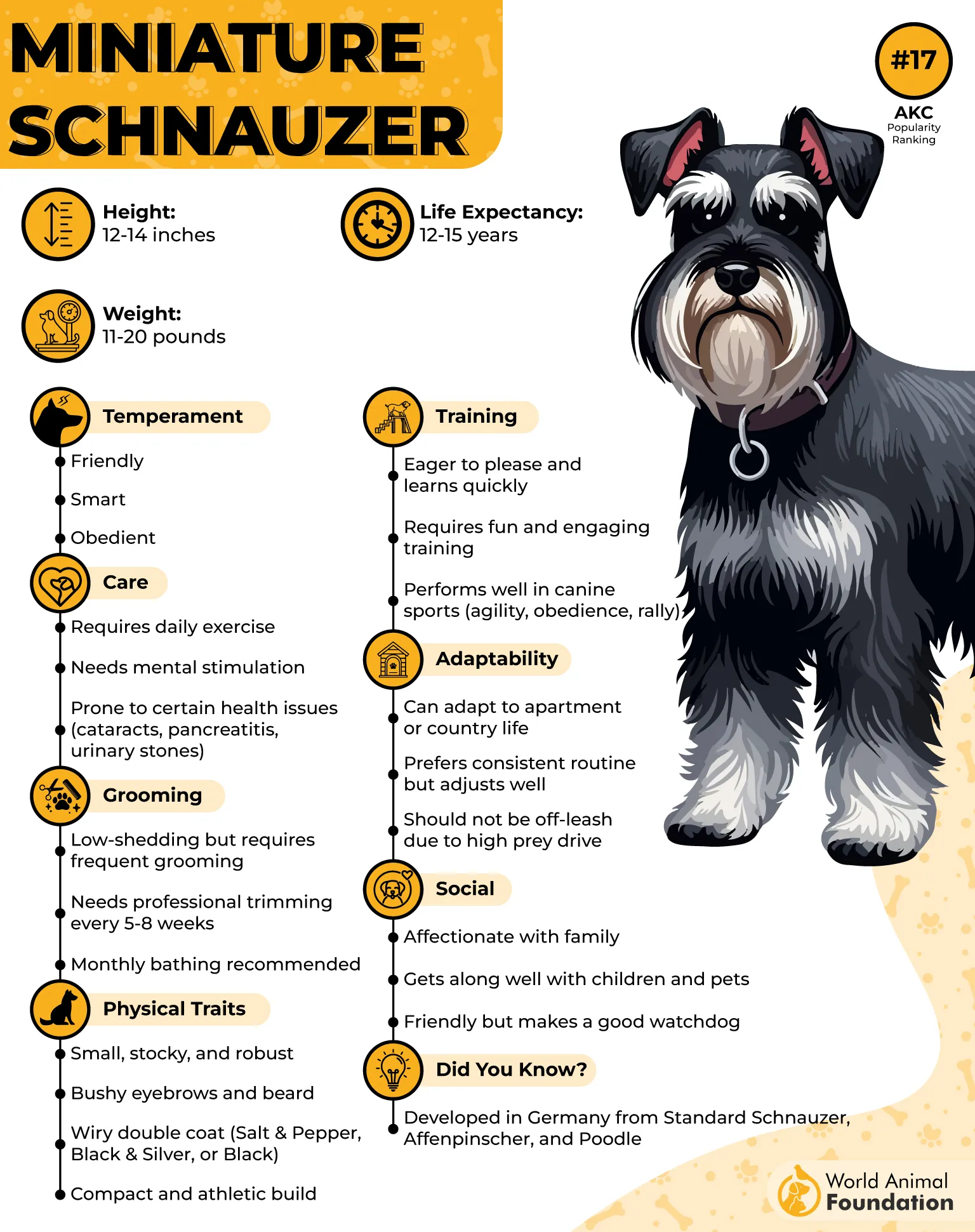
For apartment dwellers, their low-shedding coat can be a big plus, but “indoor” shouldn’t mean “inactive.” Plan on daily outlets like brisk walks, indoor fetch, and short training games to keep this smart pup settled and content.

A common indoor-owner mistake is skipping mental work. Schnauzers thrive on puzzle toys, obedience training, and even canine sports-style drills in the hallway, which helps prevent boredom behaviors like barking or mischief.
To keep grooming and potential vet bills predictable, stick to weekly brushing and a consistent grooming schedule, and tailor exercise to age—especially for puppies with developing joints.
Fact: Miniature Schnauzers should get about an hour of exercise per day.
5. Maltese

Often called the Maltese Lion Dog, the Maltese is a toy-sized companion breed with a signature flowing white coat and a bold, bright expression—made for indoor life and close human company.
For indoor-only owners, the biggest “extra” isn’t gear—it’s attention. This affectionate lap dog thrives on routine play, short daily walks, and being near its people, so avoid long stretches alone that can trigger clinginess or noisy habits.
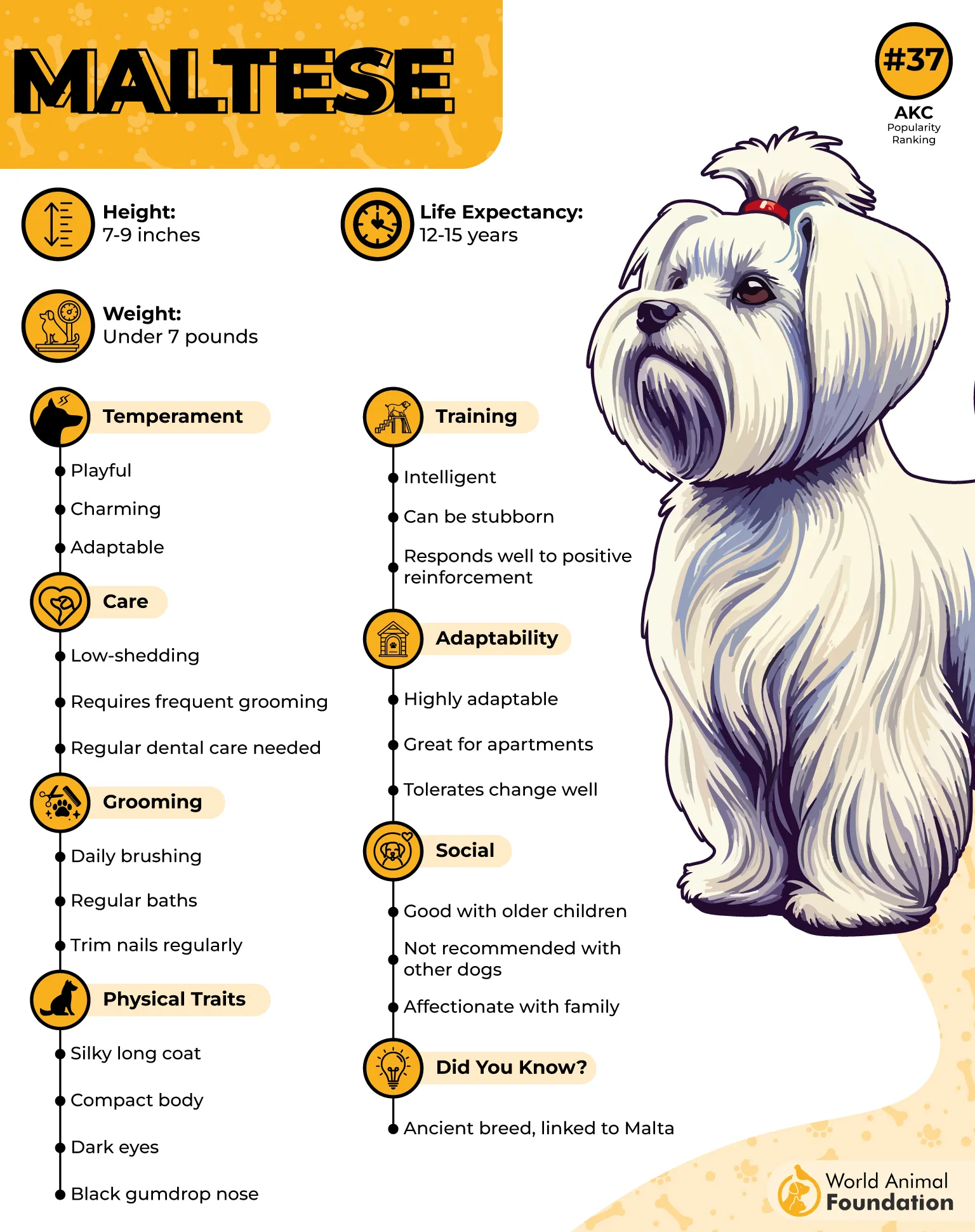
To keep costs sensible, skip impulse buys and focus on basics: early socialization, simple reward-based training, and a few rotating toys for mental enrichment. A common mistake is over-coddling—constant carrying can create an insecure watchdog who barks at every little surprise.
When it comes to budgeting, be cautious with online marketplaces; these affectionate dogs can range from $400 to $1,000, and some sellers may advertise “purebred” Maltese that are actually crosses (like Maltipoos or Morkies).
Fact: The AKC recognized the Maltese as a toy dog in 1888.
6. Basenji

Basenji, sometimes called the “barkless dog,” is a small African hound with an almost catlike vibe—independent, tidy, and often a bit reserved with strangers. Their short, fine coat also makes them a natural pick for indoor-only owners who want less mess.
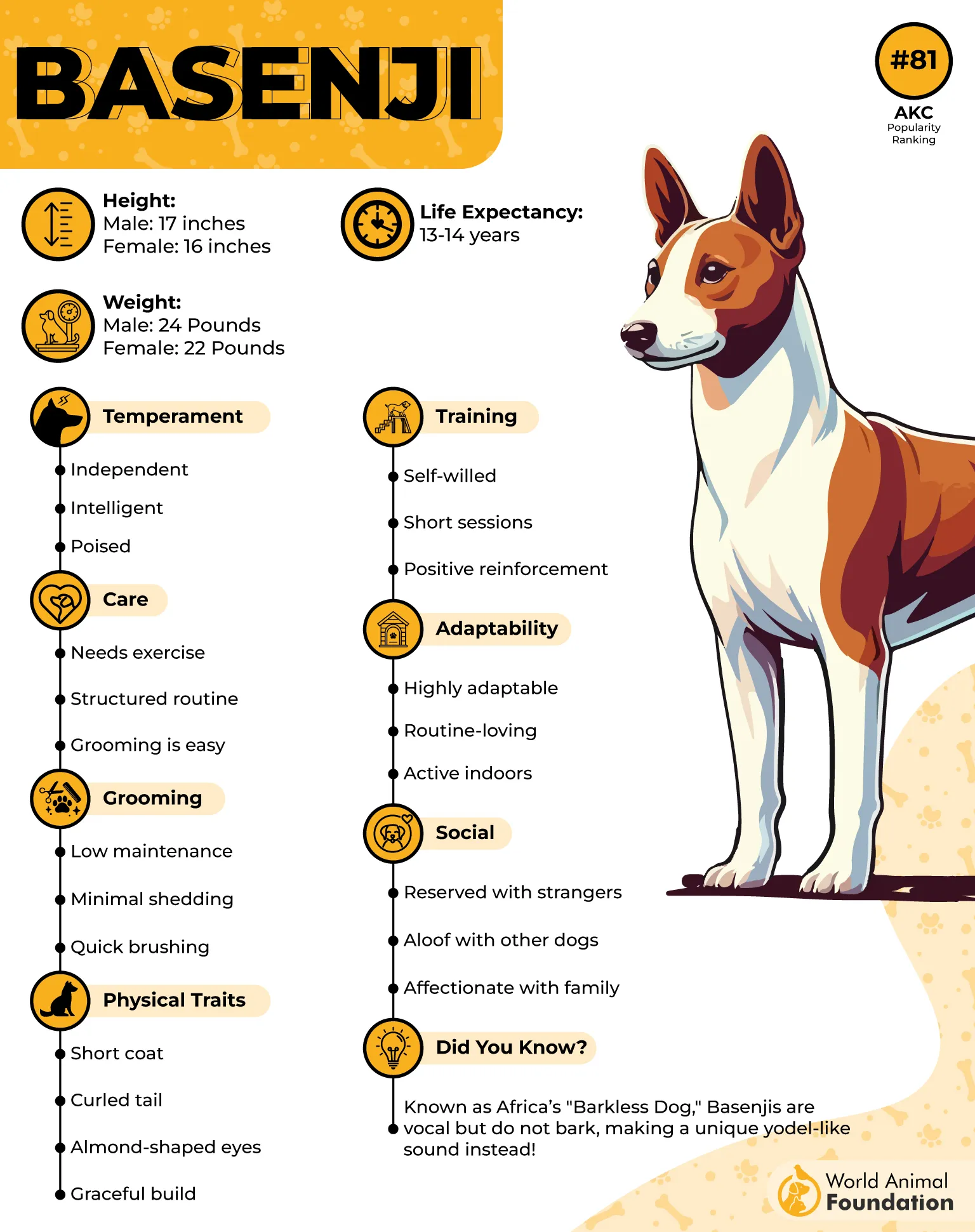
One common mistake is assuming “quiet” means “low effort.” Basenjis are sharp, high-energy dogs that need daily playtime or short training sessions indoors, plus puzzle toys to keep boredom from turning into mischief.
Budget-wise, plan for essentials that protect your home and your dog: a sturdy leash, an escape-proof fenced area (or secure harness), and enrichment gear like treat-dispensing toys. Regular vet care matters too, especially for active breeds that can get into trouble when under-stimulated.
Training is non-negotiable—keep it consistent, reward-based, and frequent in small bursts, so they don’t outsmart the routine.
Fact: Basenjis shed very minimally and are known for being famously quiet, which can suit apartment living.
7. Dachshund

Nicknamed the German “badger dog,” the Dachshund is instantly recognizable for its long body, short legs, and bold, busy personality—an entertaining choice for indoor-only owners. Smooth-coated varieties are especially simple to maintain, with minimal brushing and low shedding.
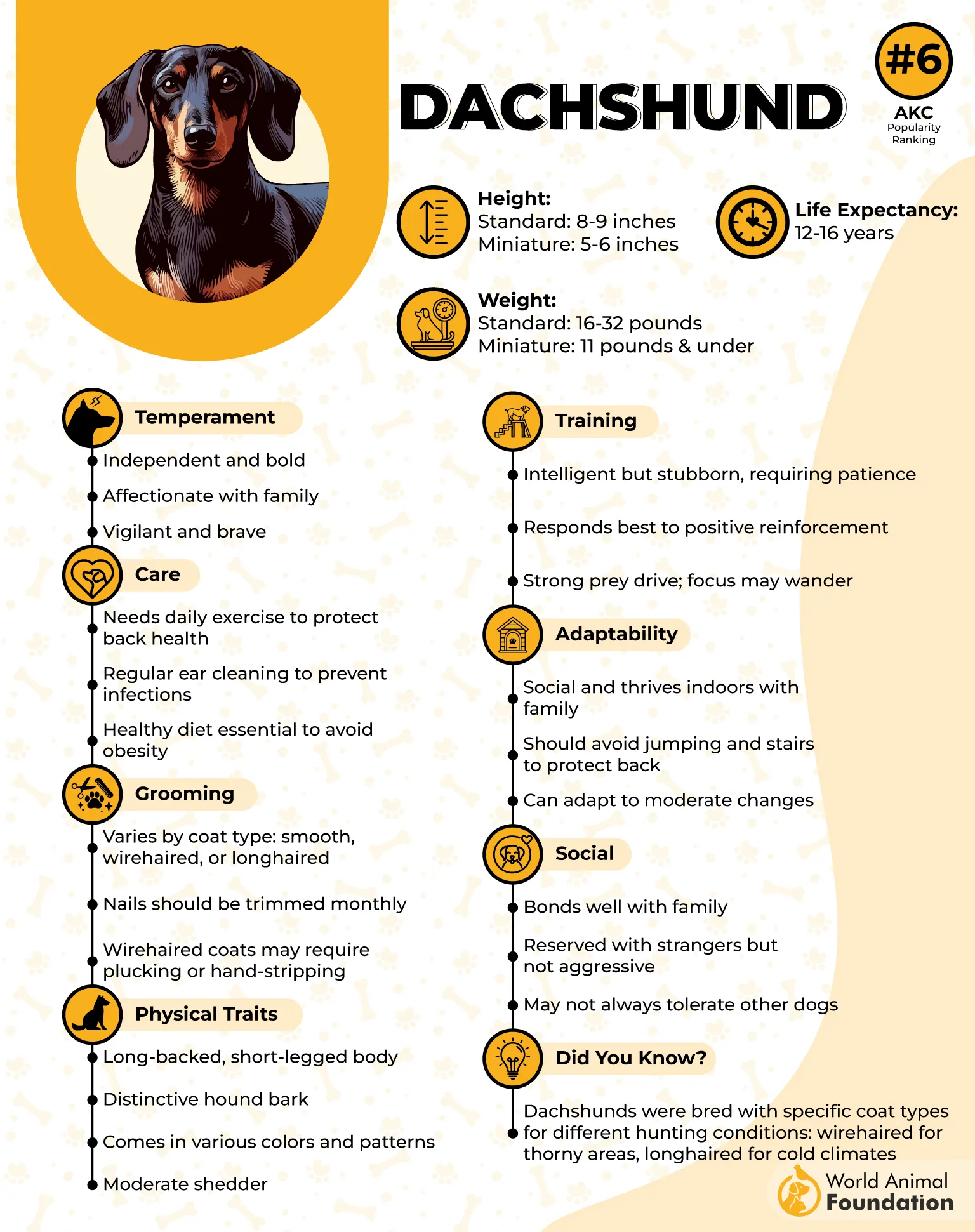
If you’re adopting vs. buying, the thriftiest choice is often adoption: reputable rescues can match temperament and lifestyle, and you may avoid the higher upfront cost of a puppy while giving a dog a second chance.
Indoor owners sometimes underestimate the Dachshund’s mind. These little hunters are smart and independent, so consistent training and early socialization matter—especially if you have other pets, since they can chase small animals.
They still need daily attention and a bit of exercise to stay happy indoors.
Fact: Smooth-coated Dachshunds are low shedders and need minimal brushing.
Conclusion
Choosing low-cost dog breeds for a thrifty lifestyle often comes down to simple, realistic needs: dogs that require minimal grooming needs, fit a busy person’s schedule, and stay generally well behaved with less exercise than high-octane working pups.
Starting at a local shelter can also help first-time owners find the right breed (or mix) that’s already settled in routine and temperament, while still being a healthy breed with manageable care.
Even with cheap breeds, remember that dogs require basics like food, prevention, and regular exercise. Look for a low-maintenance companion with low grooming or minimal grooming, and plan ahead for possible health problems.
Breeds like Boston Terrier, Rat Terrier, and Jack Russell can be wonderful companions—whether you want a couch potato vibe or a dog that loves kids—and many do great alongside other dogs in the home.
