





Bringing a dog home is a joyful decision, but it also comes with a long-term financial commitment. Dogs typically live around 13 years, with everyday expenses such as food, grooming, healthcare, insurance, supplies, and pet care adding up over time.
While some breeds are more affordable to own than others, choosing a lower-cost breed can make responsible pet ownership easier to manage without taking away the companionship and happiness a dog brings.
This guide highlights ten low-cost dog breeds that can offer plenty of affection, personality, and joy while helping you keep ownership expenses more manageable.
However, affordability is about more than the initial purchase price; ongoing healthcare, food, grooming, training, and unexpected veterinary bills all deserve consideration.
Whether you’re adopting or buying, understanding these costs beforehand can help you choose a dog that fits both your lifestyle and your budget.
Key Takeaways
Low-cost dog breeds can still offer plenty of love, loyalty, and personality.
The initial purchase or adoption fee is only part of the total cost of dog ownership.
Food, vaccinations, grooming, training, and routine veterinary care should be included in your budget.
Adopting from a rescue can sometimes be a more affordable way to welcome a dog into your family.
Small breeds may require less space, but they still need appropriate exercise and mental stimulation.
Top Low-Cost Dog Breeds: Affordability and Joy
1. Beagle

The Beagle brings plenty of joy without demanding an elaborate grooming routine, making it a practical choice for families looking for an affectionate and relatively low-maintenance companion.
Originally bred to hunt in packs, this cheerful little hound is naturally sociable and enjoys being around people and other animals.
With its expressive brown or hazel eyes, long ears, and sturdy build, the Beagle has a personality that is every bit as appealing as its appearance. Its short, dense coat needs regular brushing but does not usually require frequent trips to a professional groomer.
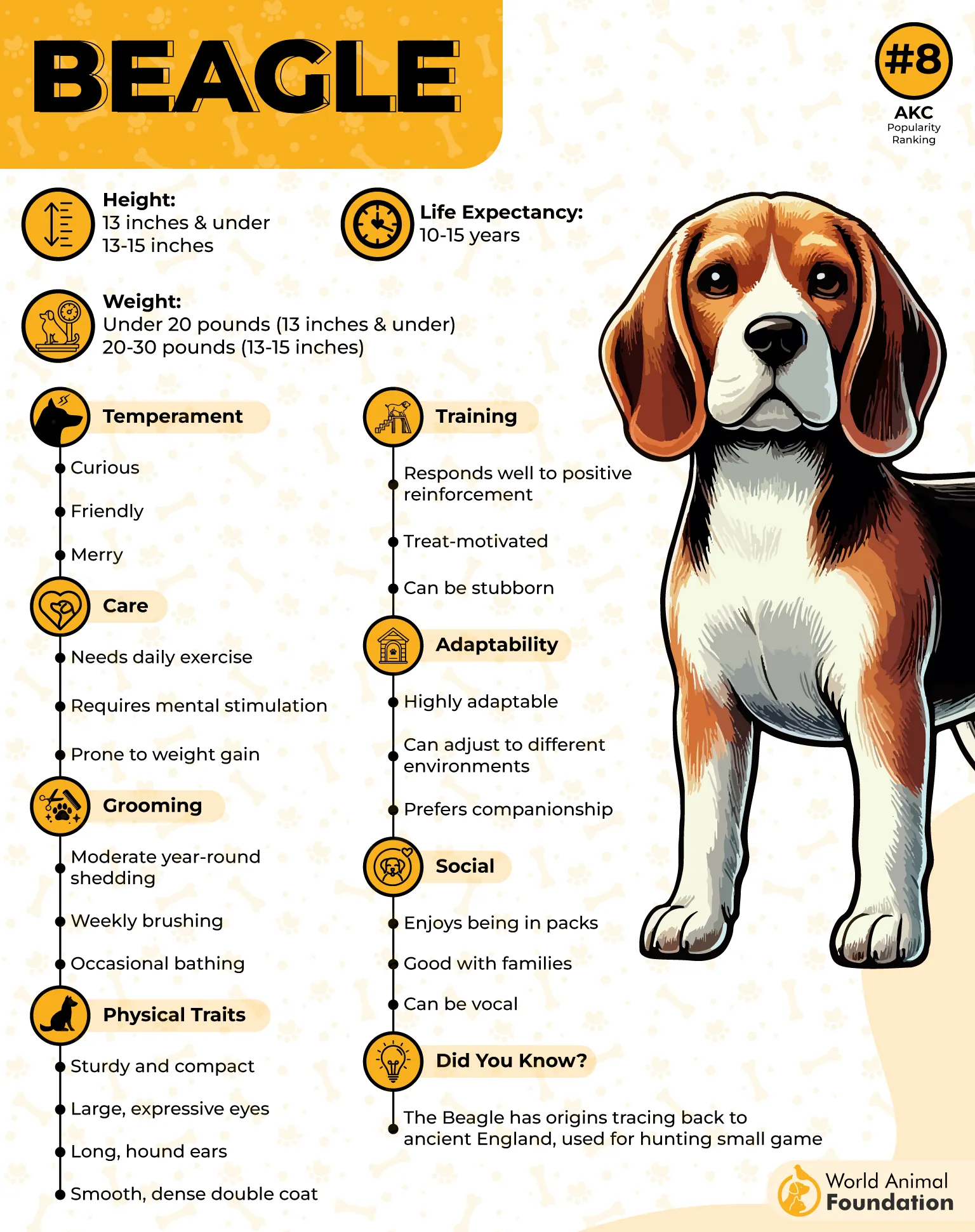
Owning a Beagle costs a minimum of $100 per month after the initial purchase and setup expenses. Over its lifetime, the total cost can reach up to $16000, covering food, healthcare, insurance, and other essentials.
Adoption can be a more budget-friendly option, while ongoing expenses such as vaccinations, equipment, training, grooming, and boarding should also be included in your budget.
Beagles are energetic and curious, so daily exercise and playtime are essential to keep them happy and healthy, according to the American Kennel Club. They also benefit from companionship and may become destructive if left alone for long periods.
While their food intake should be monitored because they can gain weight easily, proper care, routine grooming, and regular activity can help make life with a Beagle both manageable and rewarding.
2. Chihuahua

Small in size but enormous in personality, the Chihuahua brings plenty of character to a home without needing much space.
Fiercely loyal and devoted, these lively little dogs often form especially strong bonds with their owners and love being close to their favorite people.
Their bold, confident nature can make them surprisingly protective, while their playful and entertaining personalities add plenty of fun to everyday life.
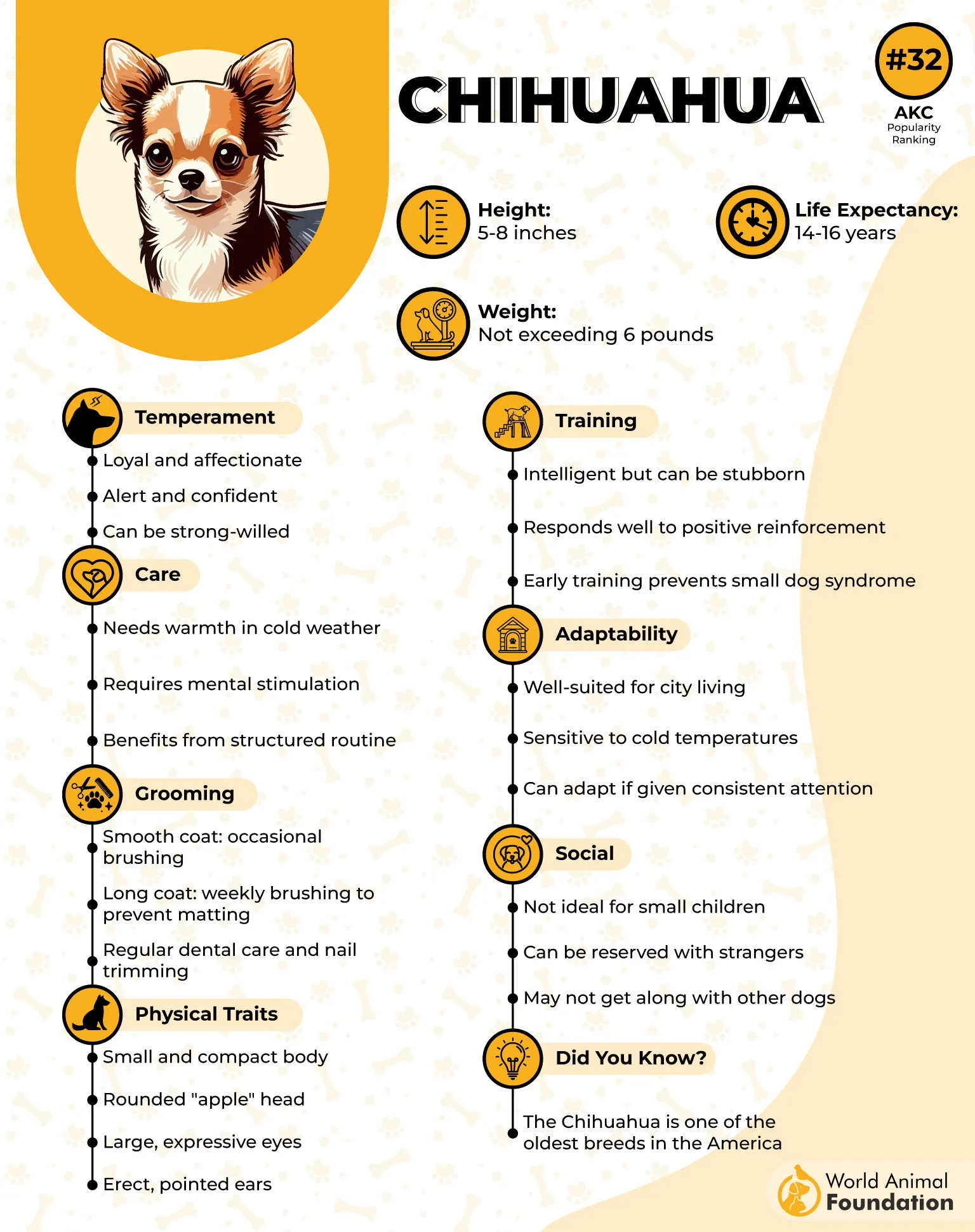
Owning a Chihuahua can cost a minimum of $88 per month after the initial purchase and setup expenses.
Over its lifetime, the total cost can add up to around £12,750, depending on healthcare and other needs.
Ongoing expenses include food, vaccinations, preventive healthcare, insurance, grooming, equipment, and potential training or boarding costs.
Chihuahuas are also highly adaptable and can live comfortably in different environments, including apartments, as long as they receive daily exercise, attention, and mental stimulation. Their grooming needs are relatively simple, with both smooth- and long-haired varieties requiring modest coat care.
However, their small, delicate frames mean they need gentle handling, and early socialization and consistent training are important. With a lifespan of around 10 to 18 years, a well-cared-for Chihuahua can offer years of companionship, making this tiny breed a joyful choice for the right owner.
3. Rat Terrier

The Rat Terrier may be small, but there is nothing low-energy about this lively little dog. Originally valued on farms for its ability to control rodents, the breed has since become a playful and affectionate companion with a sharp mind and plenty of personality.
Its short, smooth coat is easy to care for, requiring regular brushing and only occasional baths, which can help keep grooming needs relatively simple.
Buying a Rat Terrier from a breeder typically costs around $500 to $2,000, depending on the breeder and the dog’s lineage.
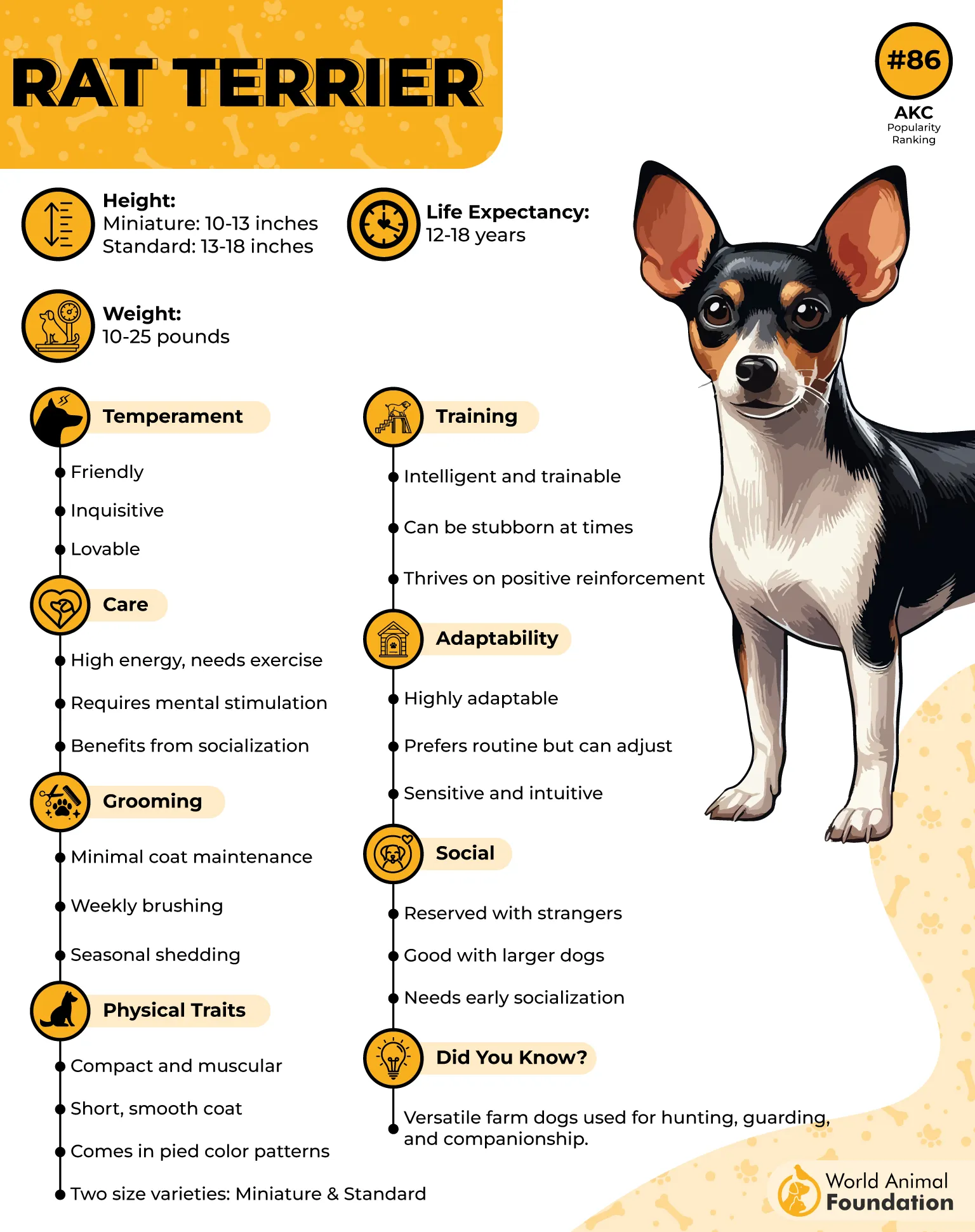
Rat Terriers are also sturdy, adaptable dogs that can adjust to different living environments when given enough exercise and mental stimulation, as stated by Orvis.
Their intelligence makes them quick learners, although their independent and stubborn streak means training requires patience and consistency. These energetic terriers need regular activity to prevent boredom and unwanted behaviors.
With a lifespan of around 13 to 18 years and a generally low-maintenance coat, the Rat Terrier can offer years of companionship, fun, and affection to an active owner willing to keep up with its spirited nature.
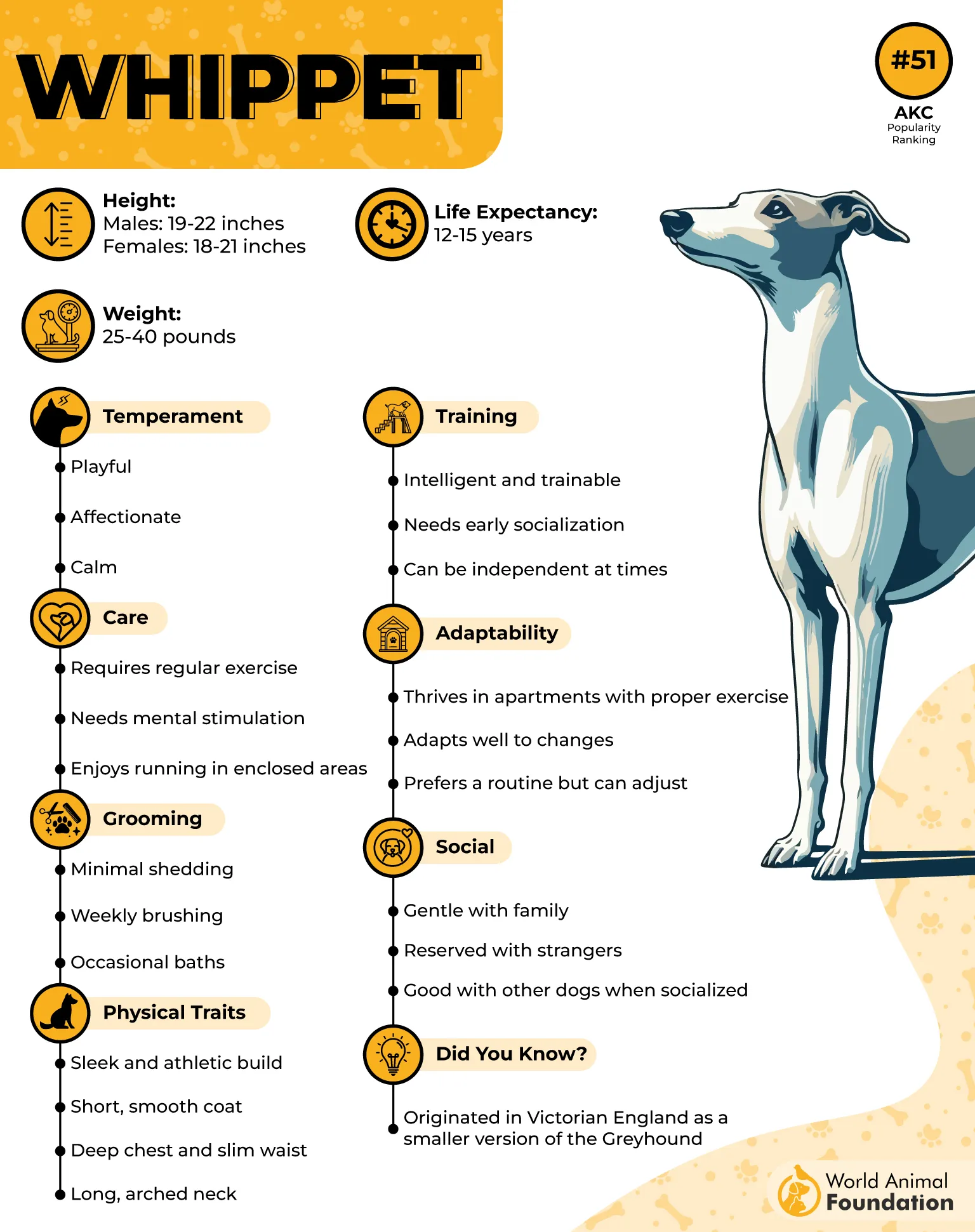
4. Whippet
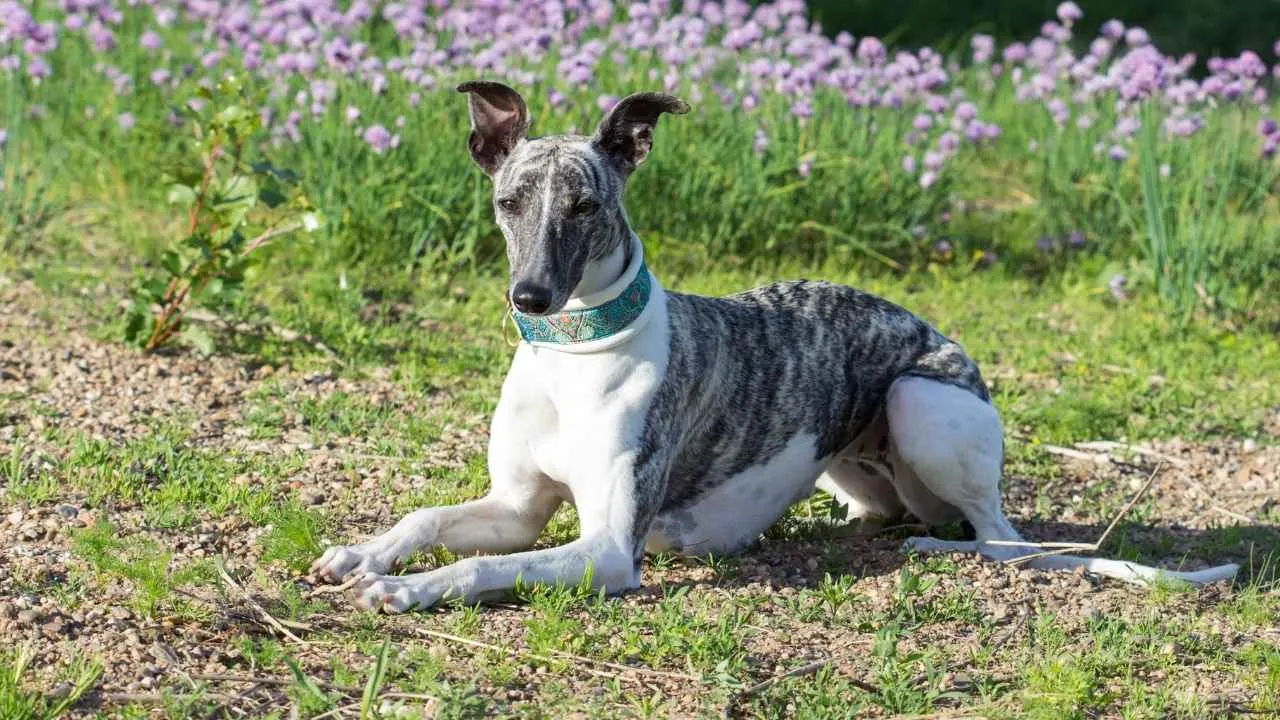
Graceful, affectionate, and surprisingly easygoing, the Whippet proves that an athletic dog does not have to be constantly on the move. Bred in England for speed and the pursuit of small game, this sleek sighthound now spends much of its time as a gentle and loving companion.
Whippets enjoy a good chance to run, but they are equally happy curling up beside their favorite people afterward. Their short, fine coat requires little grooming, with occasional brushing and bathing usually enough to keep them looking neat.
Owning a Whippet costs a minimum of $83 per month after the initial purchase and setup expenses.
Over its lifetime, the total cost can exceed $14,025, including food, healthcare, insurance, and everyday essentials.
Adoption may offer a more affordable option, while owners should also budget for vaccinations, equipment, training, boarding, and other ongoing needs.
They are generally quiet, sensitive dogs that respond best to patient, gentle training and positive socialization. Their lean build and thin coat mean they can feel the cold and may appreciate extra warmth in cooler weather.
With a typical lifespan of 12 to 15 years, the Whippet combines low-maintenance grooming with affection, adaptability, and bursts of playful energy, making everyday life with them feel both relaxed and rewarding.
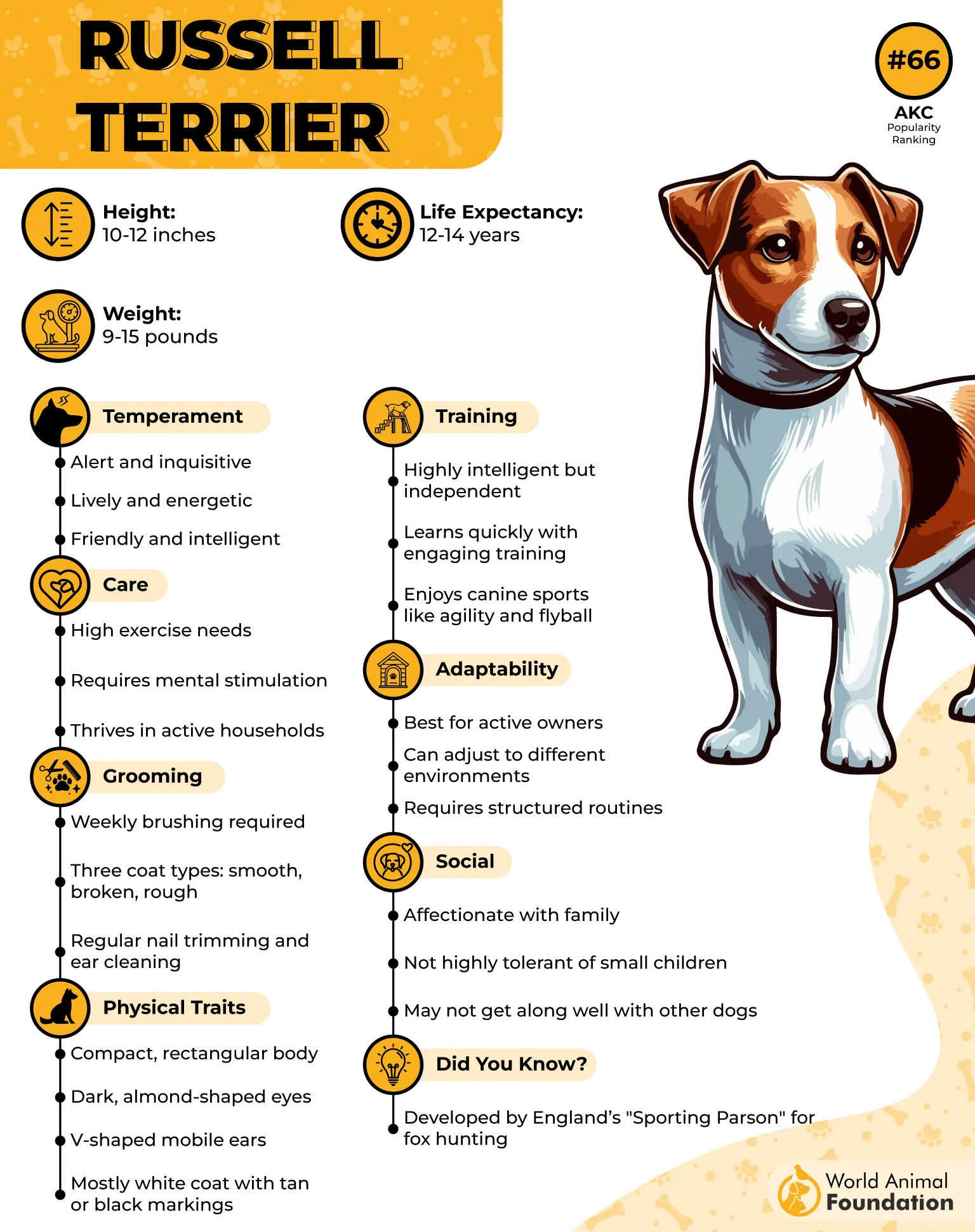
5. Jack Russell Terrier

The Jack Russell Terrier may be small, but this spirited dog brings a huge amount of energy and personality into a home. Originally bred for hunting, the breed is fearless, curious, intelligent, and always ready to explore.
For owners looking at affordable dog breeds, its compact size can be appealing, while its simple grooming needs may also help keep routine care manageable.
Owning a Jack Russell Terrier costs a minimum of $63 per month after the initial purchase and setup expenses.
Over its lifetime, the total cost can exceed $11,287, covering food, healthcare, insurance, and everyday essentials.
Adoption may be a more cost-effective option, while owners should also budget for vaccinations, equipment, training, boarding, and other ongoing needs.
Jack Russells come in smooth, rough, or broken coat varieties and generally need regular brushing to manage shedding.
However, this is not a dog that will be happy spending the day doing nothing, as explained by PetPlan. They need around an hour of daily exercise, along with play and mental stimulation to keep boredom at bay.
Their independent, headstrong nature can make training challenging, but consistent, positive guidance can go a long way. Loyal, playful, and endlessly entertaining, the Jack Russell can bring plenty of joy to an active home.
6. Pug
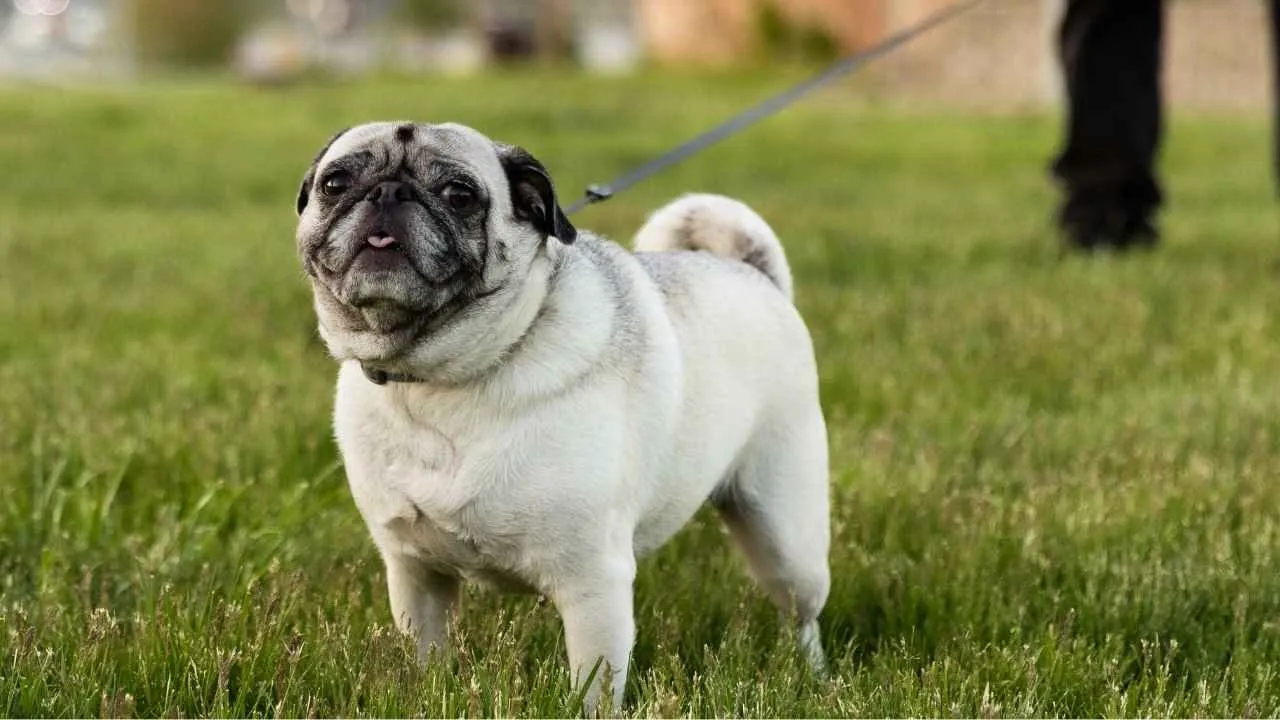
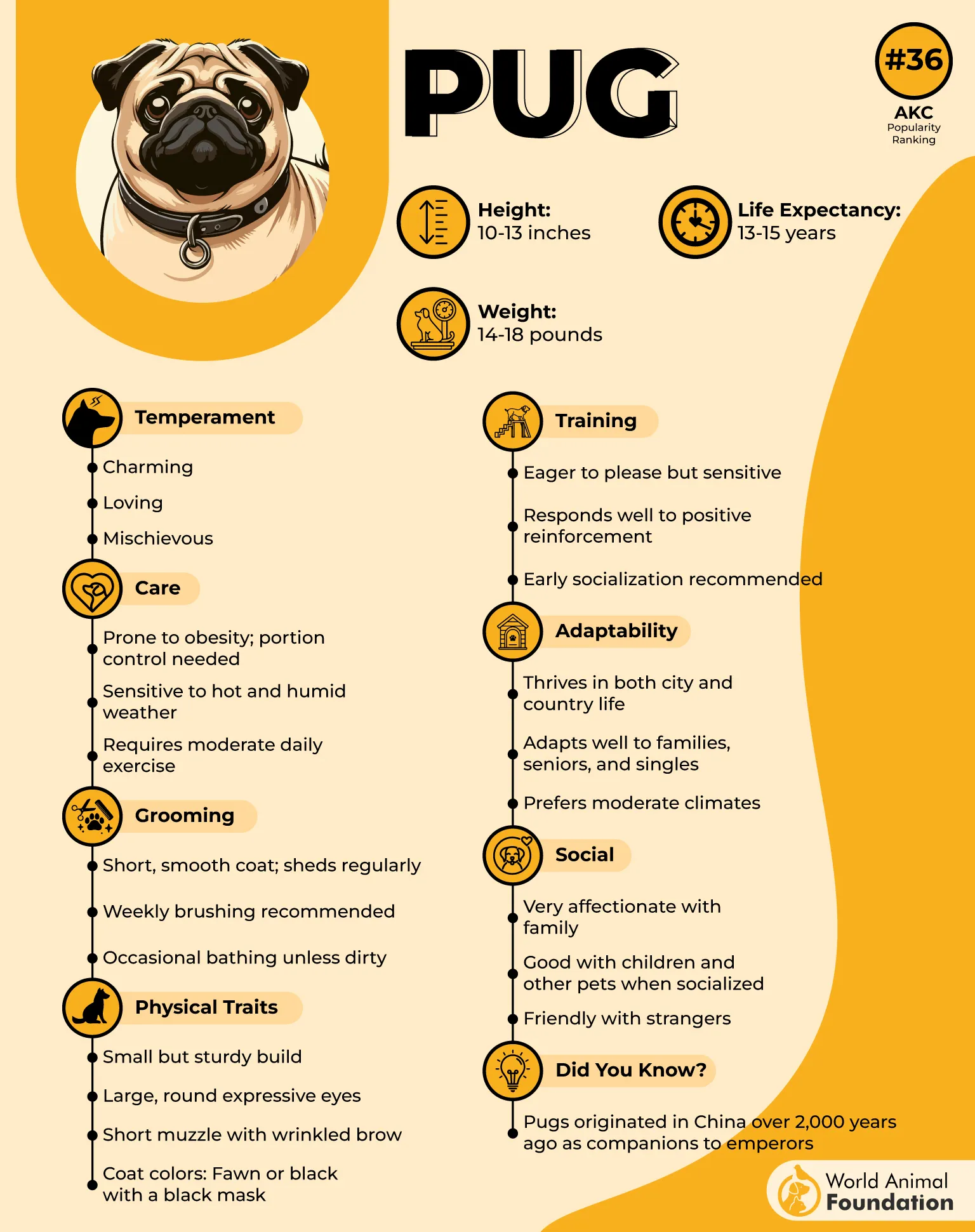
Pugs may be small, but they have a way of filling a home with personality. Known for their wrinkled faces, expressive eyes, snorts, and affectionate nature, these compact companions have a long history as beloved lap dogs.
Their easy-going temperament and relatively low exercise needs can make them appealing to owners looking for a smaller, potentially more affordable breed to care for. A daily walk and some playtime are generally enough to keep them active, and they adapt well to apartment living.
A Pug puppy typically costs between $1,000 and $2,500, depending on factors such as the breeder, bloodline, and location.
For a more affordable option, you can also consider adopting a Pug from a shelter or Pug rescue.
Pugs thrive on human companionship and would happily spend hours curled up beside their favourite person. They can also be playful, intelligent, and occasionally stubborn, which makes patient, positive training important.
Their short coat is simple to groom, although regular brushing and cleaning of their skin folds are necessary.
Potential owners should also remember that Pugs are prone to several health concerns, particularly breathing and eye problems. Despite their small size, a Pug brings plenty of affection, character, and joy into the right home.
7. Bichon Frise
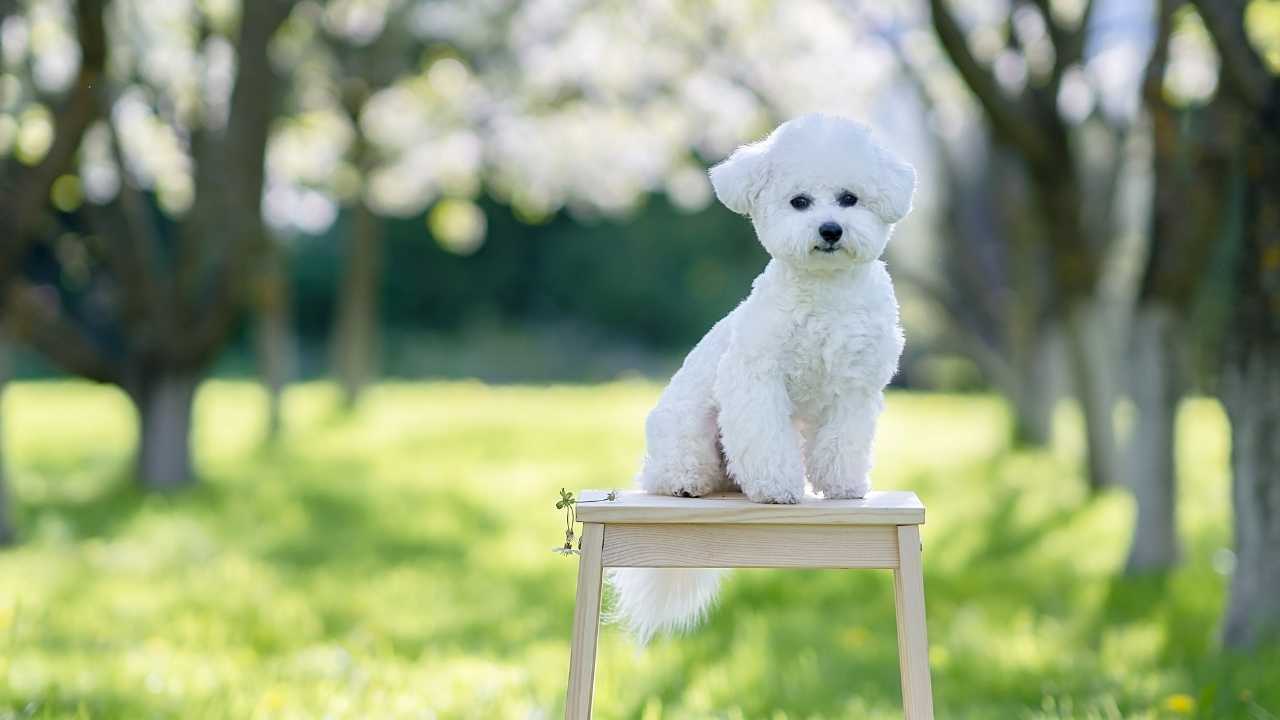
The Bichon Frise may look like a little white cloud, but there is plenty of personality beneath that fluffy coat. Bred to be a companion, this cheerful and affectionate dog loves being involved in family life and rarely turns down attention or a cuddle.
Its moderate exercise needs and adaptability to smaller homes can make it an appealing choice for many households. A couple of short walks, playtime, and mental stimulation can help keep this clever breed happy and content.
A Bichon Frise typically costs over $1,000, although the price can vary depending on the breeder, bloodline, and location.
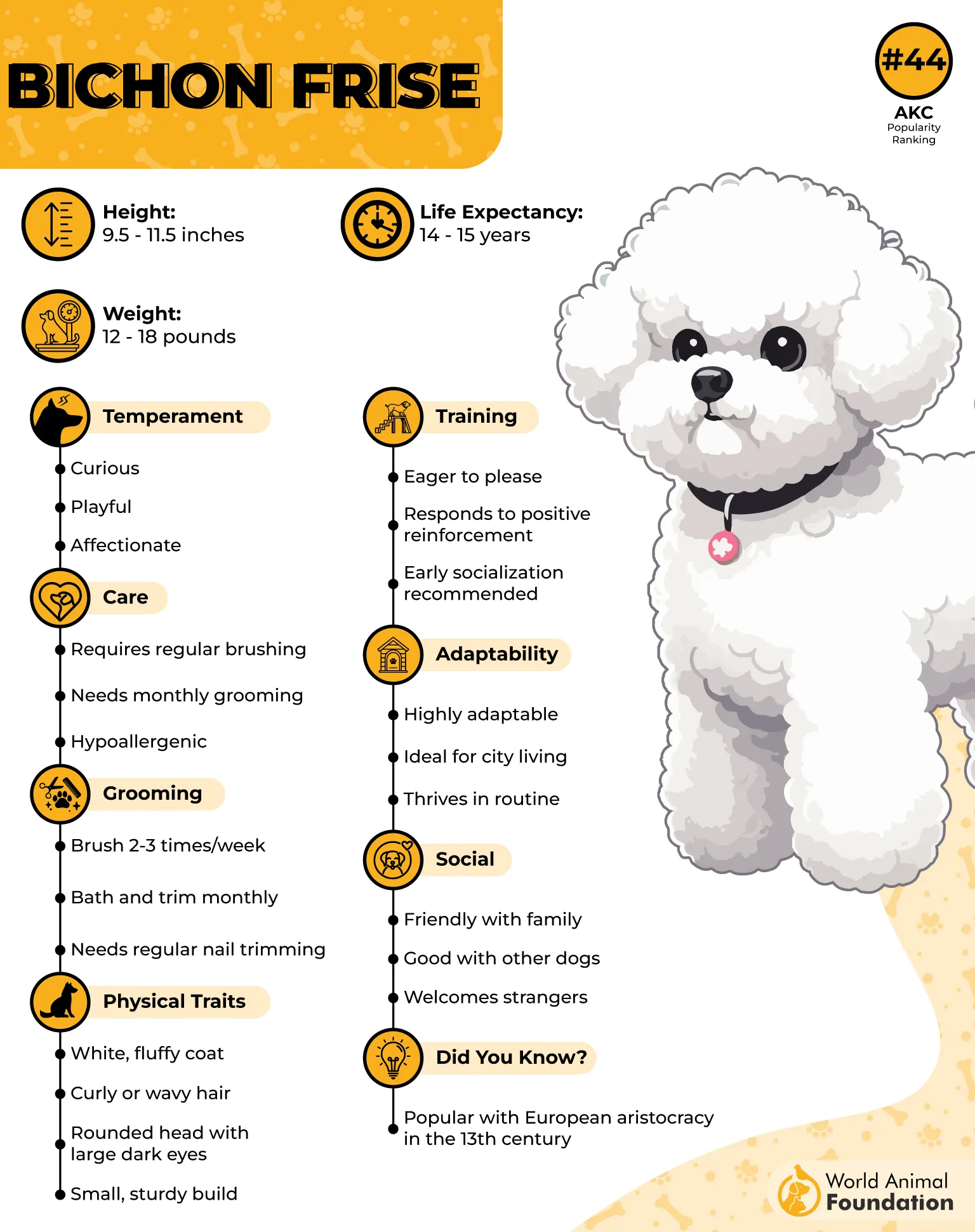
Their affectionate nature and allergy-friendly coat can make them a relatively expensive choice compared with some other breeds.
Bichons are intelligent and generally respond well to patient, reward-based training, although they can occasionally have a mischievous or stubborn streak. They also tend to get along well with children and other pets when introduced and socialised positively, according to Woodgreen.
One important consideration, however, is grooming. Their dense, curly coat requires frequent brushing and regular professional care to prevent tangles and matting. For families ready to meet those grooming needs, the Bichon Frise offers affection, playfulness, and plenty of everyday joy.
8. Miniature Pinscher
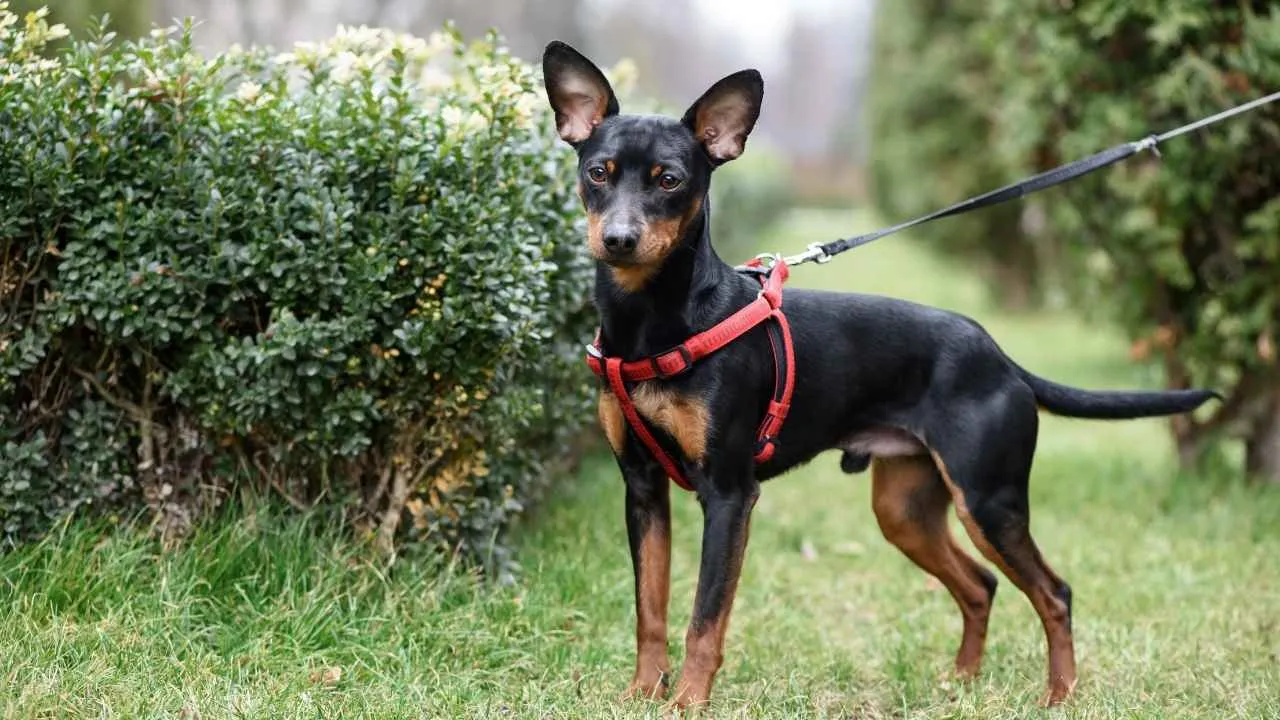
Small in size but enormous in personality, the Miniature Pinscher, often called the “King of Toys,” is a lively companion with plenty of confidence.
Originally bred in Germany to catch rats, this sleek, alert breed is known for its fearless nature, playful spirit, and distinctive high-stepping gait. Min Pins are energetic and need around an hour of daily exercise, along with activities that keep their intelligent minds engaged.
Owning a Miniature Pinscher costs a minimum of $89 per month, covering essentials such as food, grooming, healthcare, and preventive treatments.
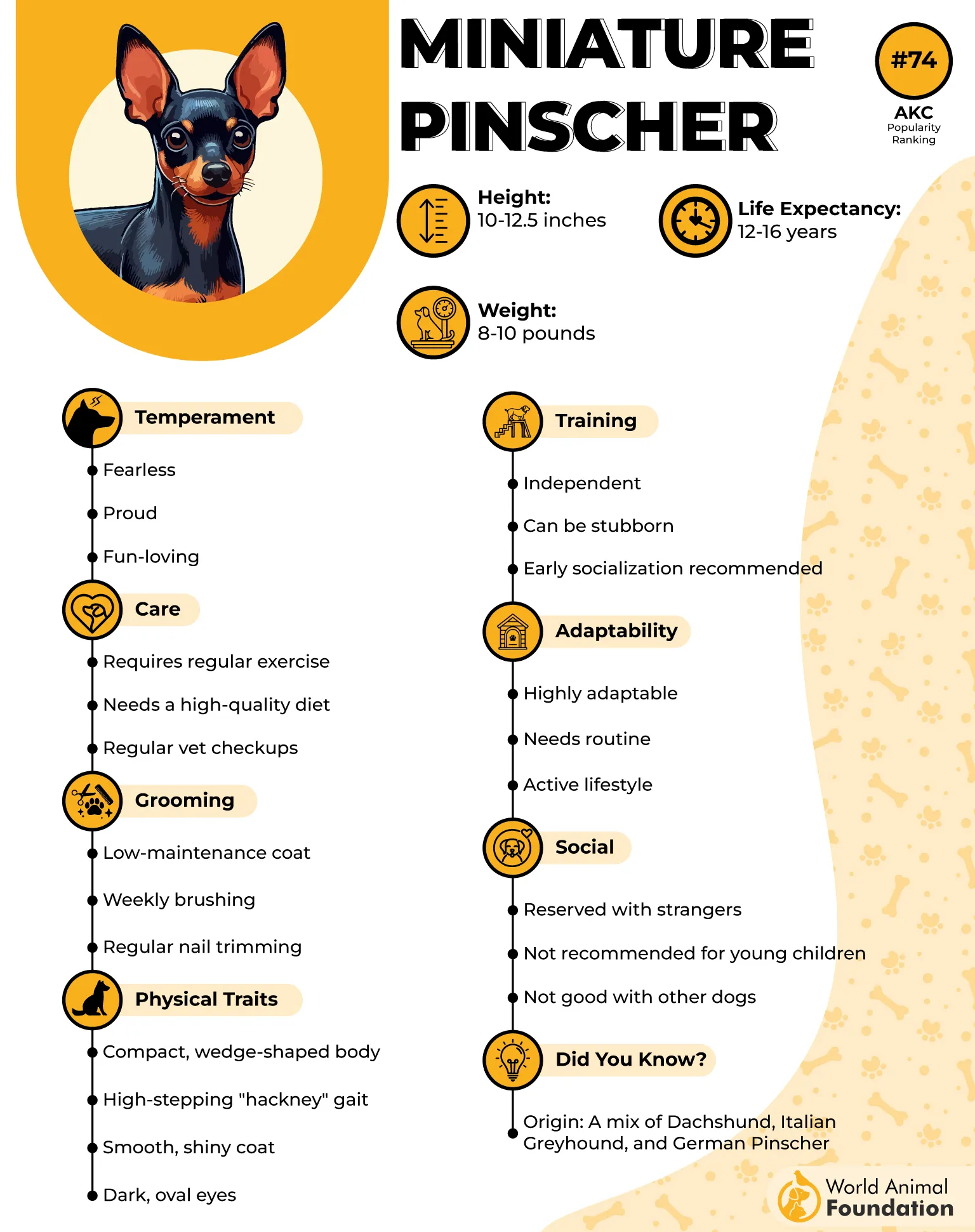
Over its lifetime, costs can be higher when you factor in initial expenses, insurance, accessories, and unexpected veterinary care.
Their short coat makes grooming relatively simple, requiring only occasional brushing, while regular nail and dental care remain important. They can adapt well to apartments or larger homes, provided they receive enough activity and attention.
Training may require patience because of their independent, strong-willed character, but consistent, positive methods can help. With their low-maintenance coat and relatively modest care needs, Miniature Pinschers can offer plenty of personality, companionship, and fun without demanding excessive grooming.
9. Pembroke Welsh Corgi
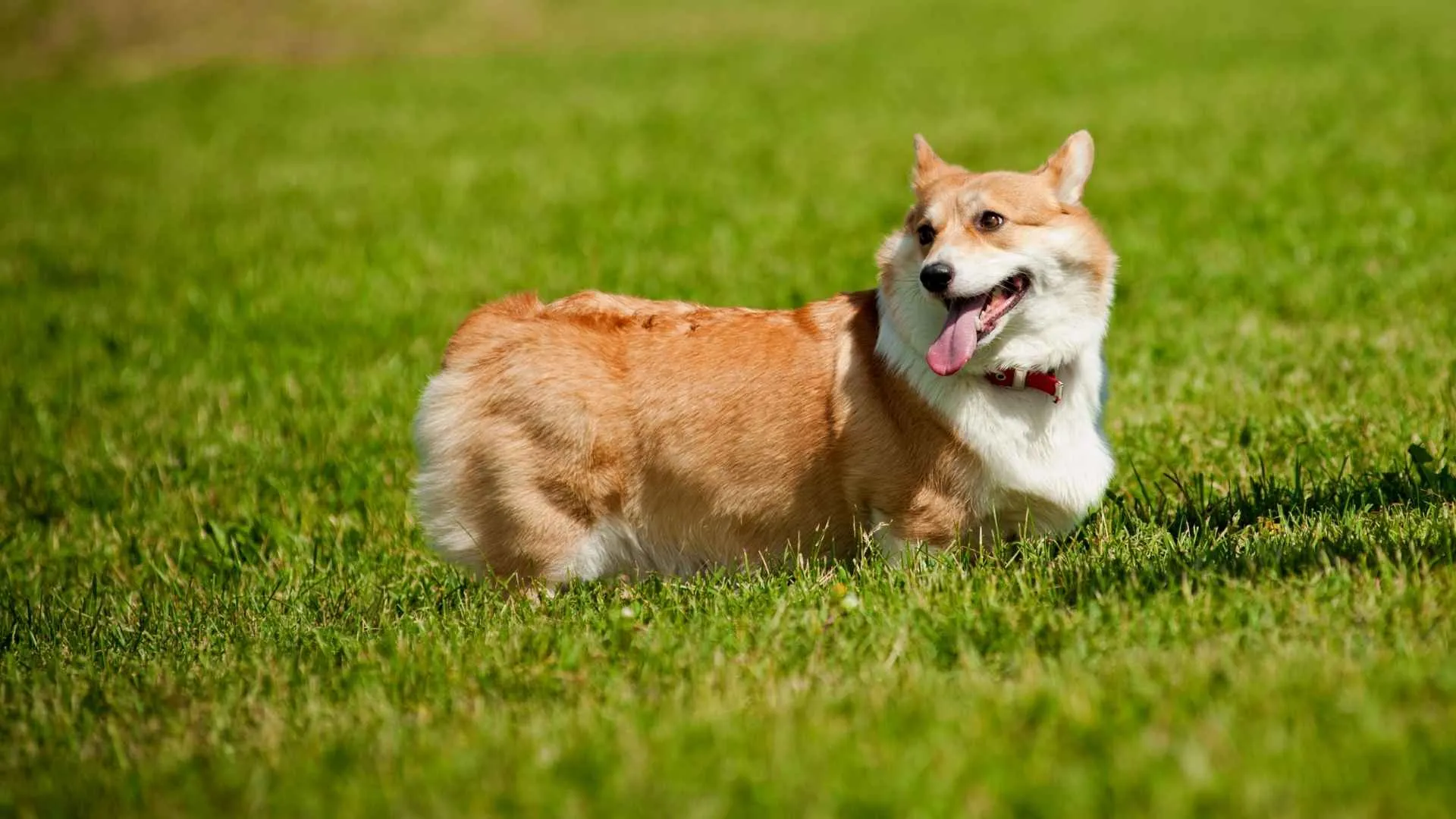
Small in stature but bursting with personality, the Pembroke Welsh Corgi is a lively, affectionate herding dog with a surprising amount of athleticism. Originally developed in Wales to herd livestock, Corgis are intelligent, alert, and eager to stay involved with their families.
A Pembroke Welsh Corgi typically costs between $500 and $4,000 or more, depending on factors such as the breeder and the dog’s lineage.
For a potentially more affordable option, you can also consider adopting a Pembroke Welsh Corgi from a rescue group.
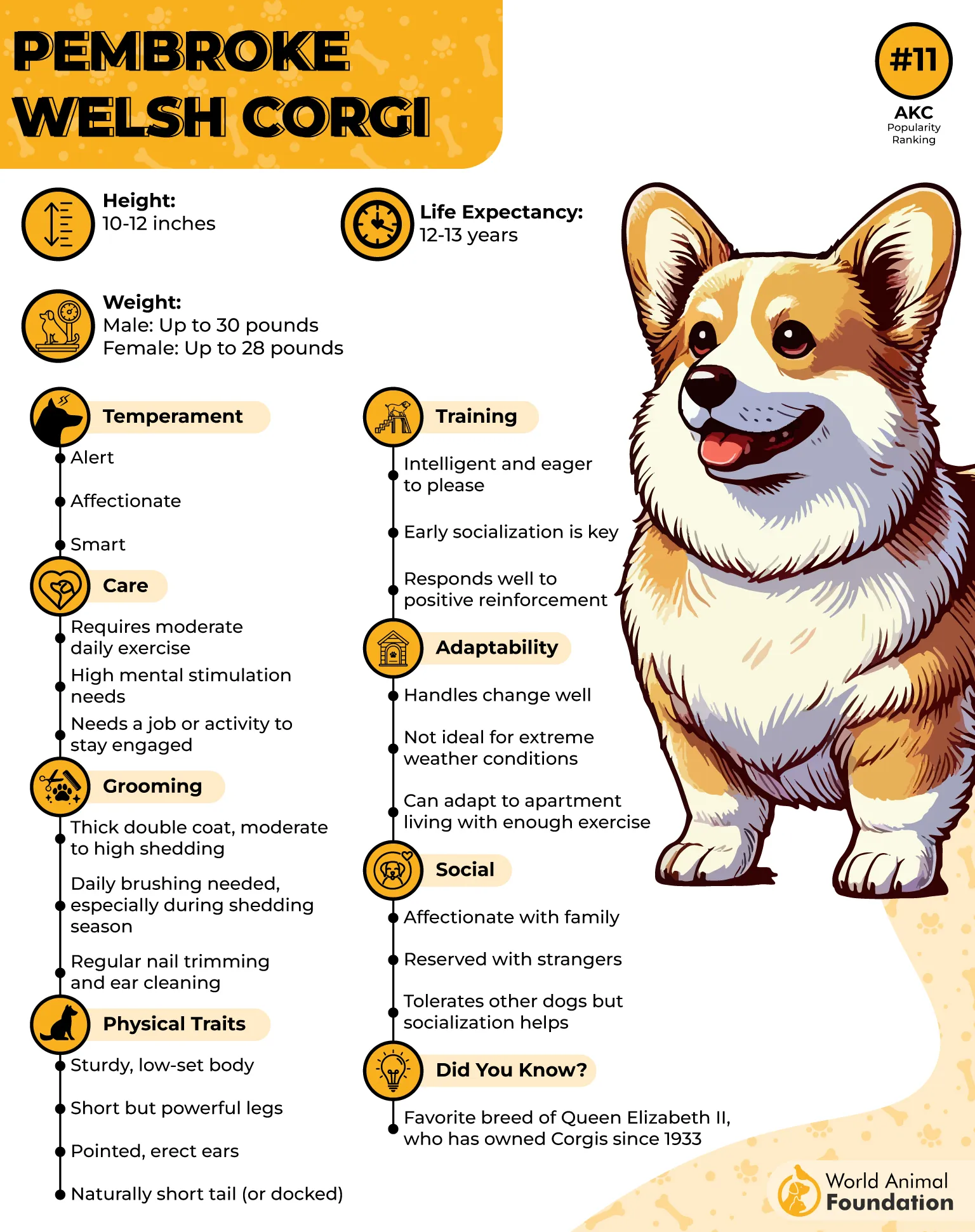
Their playful nature and willingness to learn make them enjoyable companions, while their alertness also makes them effective watchdogs.
Despite their short legs, Pembrokes need regular physical and mental activity to stay happy and healthy. They respond well to positive, reward-based training and enjoy activities such as agility, herding, obedience, and tracking.
Their thick double coat does shed, requiring regular brushing, particularly during heavier shedding seasons. Corgis can also be prone to gaining excess weight, so monitoring their food intake and treats is important.
For families seeking an energetic, loyal dog with plenty of character, the Pembroke Welsh Corgi offers companionship, playfulness, and a big personality in a compact package.
10. Dachshund

Small, spirited, and full of personality, the Dachshund can be an appealing choice for owners looking for companionship without the space demands of a larger dog.
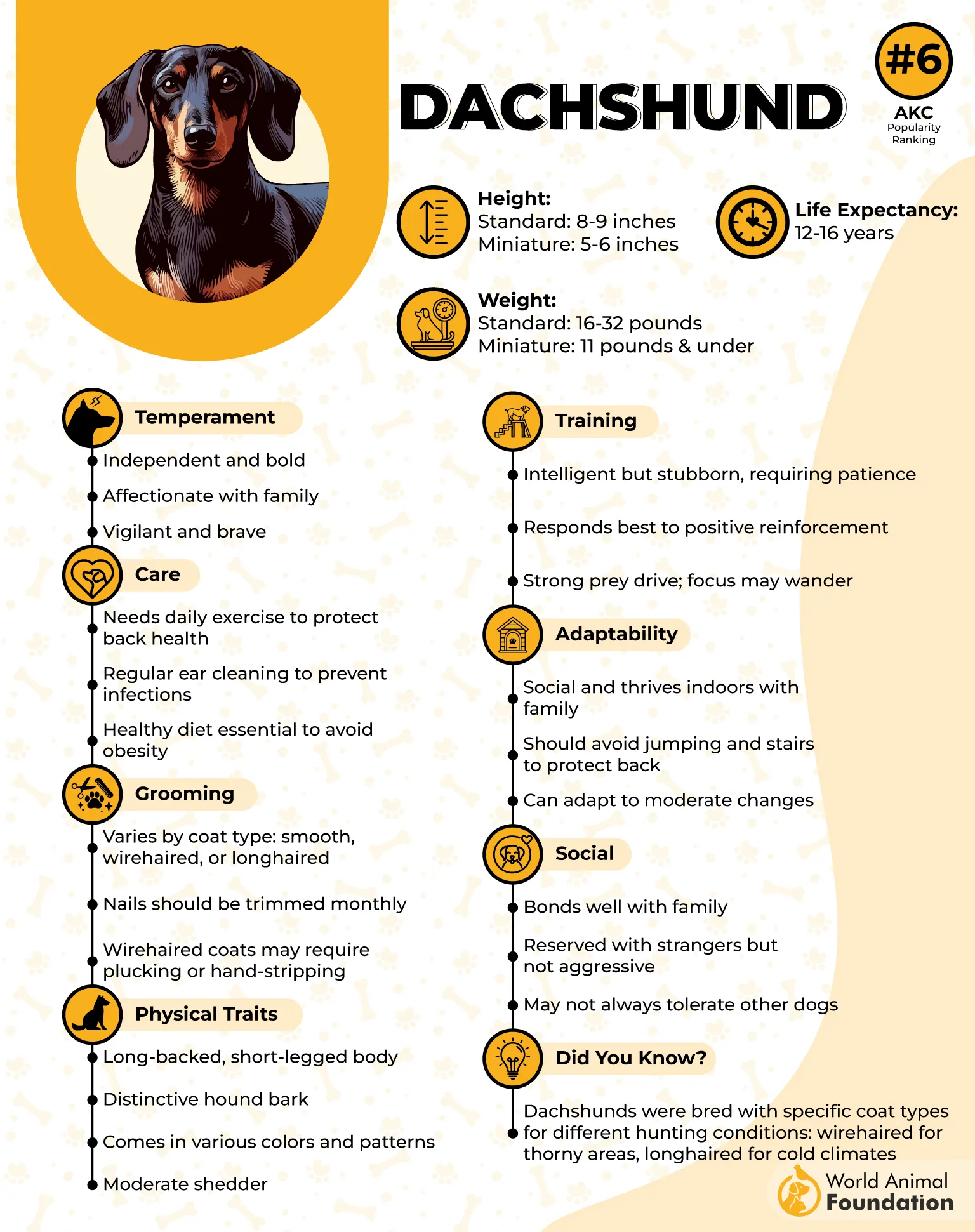
Originally bred in Germany to hunt badgers, this determined breed is known for its intelligence, loyalty, curiosity, and famously stubborn streak.
A Dachshund puppy typically costs between $500 and $2,000 or more, depending on its markings, coat, breeder, pedigree, and health screenings.
For a more affordable option, you can also look for Dachshunds through rescue organizations or local shelters.
For a low-cost dog breed, the Dachshund can be relatively manageable in some areas, particularly because of its compact size. However, affordability depends on more than the purchase price.
Adoption from a rescue may cost less than buying a puppy, while initial expenses can include vaccinations, neutering, bedding, bowls, grooming supplies, and other essentials. Ongoing costs include food, preventive healthcare, accessories, training, and potential veterinary bills or insurance.
Dachshunds also need regular exercise and mental stimulation despite their small stature. Their short, long-backed build requires particular care, as back problems can occur. With proper care, training, and attention, a Dachshund can bring years of affection, entertainment, and companionship.
Conclusion
Choosing a low-cost dog breed doesn’t mean settling for less love, personality, or companionship. From energetic Jack Russell Terriers and clever Miniature Pinschers to affectionate Pugs, playful Bichon Frises, loyal Pembroke Welsh Corgis, and spirited Dachshunds, each breed can bring its own kind of joy to a home.
However, affordability should be considered beyond the initial purchase or adoption fee. Food, grooming, training, preventive healthcare, supplies, and unexpected veterinary expenses can all shape the true cost of ownership.
Some breeds may be easier on the budget in certain areas, while others may require more attention or specialised care. The best choice is therefore one that fits both your lifestyle and your finances.
Before bringing a dog home, consider its exercise, grooming, training, and healthcare needs alongside the upfront cost. A thoughtful choice can help you enjoy the rewarding experience of dog ownership while giving your new companion the happy, well-cared-for life they deserve.
