




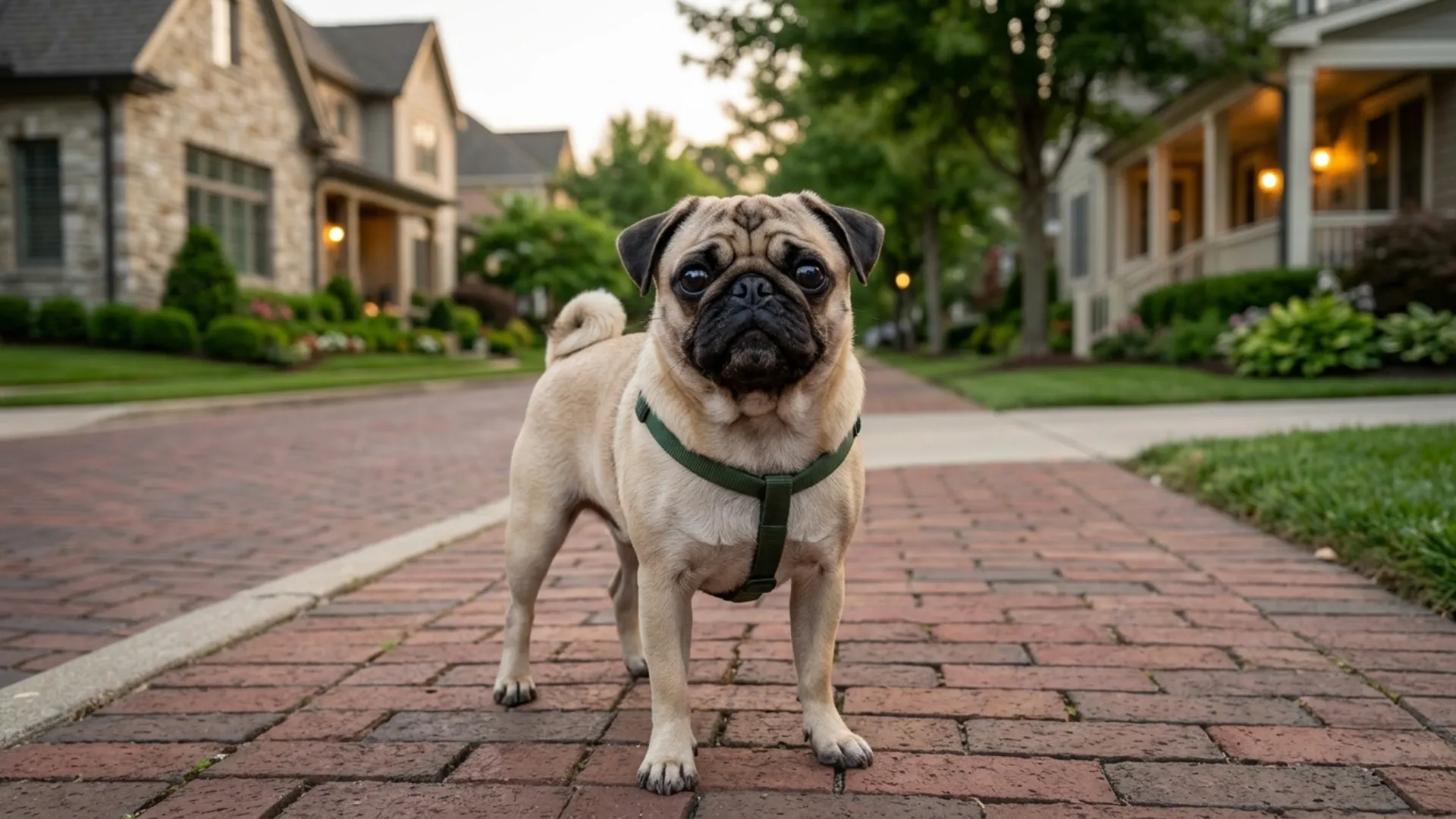
You may love having a dog around, but that does not mean you want every delivery truck, squirrel, or footsteps outside the window announced to the street.
Barking is normal canine communication, yet its frequency varies widely between individual dogs and breed types. Some dogs tend to alert quickly and repeatedly, while others are more inclined to observe a disturbance and settle again. That difference can matter in a quiet neighborhood, where repeated barking carries easily between nearby homes.
A naturally quieter dog may still bark when excited, frightened, or responding to something unusual, so no breed can promise complete silence. Training, socialization, exercise, and the home environment also influence vocal behavior. For owners who value peaceful evenings and considerate neighborhood living, those details deserve attention before choosing a companion.
The dogs explored here bring together lower vocal tendencies and everyday personalities that can fit comfortably into quieter homes and communities.
Key Takeaways
Some dogs simply prefer to watch what is happening around them before making a fuss, which can be a welcome trait in a quiet neighborhood.
Saint Bernard spent years working in snowy mountain passes, while the Pug brings a much more relaxed routine with short walks and plenty of companionship.
Basenji is the real surprise here, since its unusual voice has earned it the title of “barkless dog,” and Bullmastiff has an equally fascinating history as a night guardian.
Keep reading through the remaining breeds to discover the royal connections, unusual origins, and calm personalities that make this list so interesting.
Top Low-Barking Dog Breeds That Thrive in Quiet Neighborhoods
1. Saint Bernard
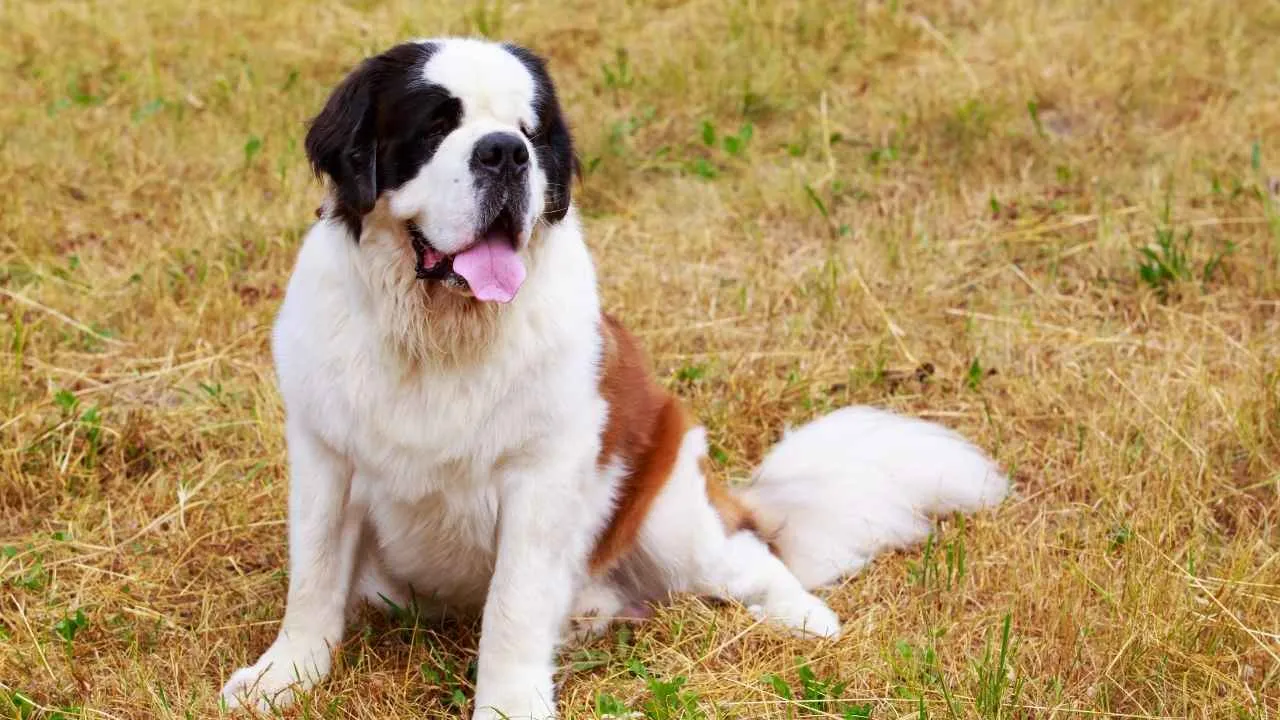
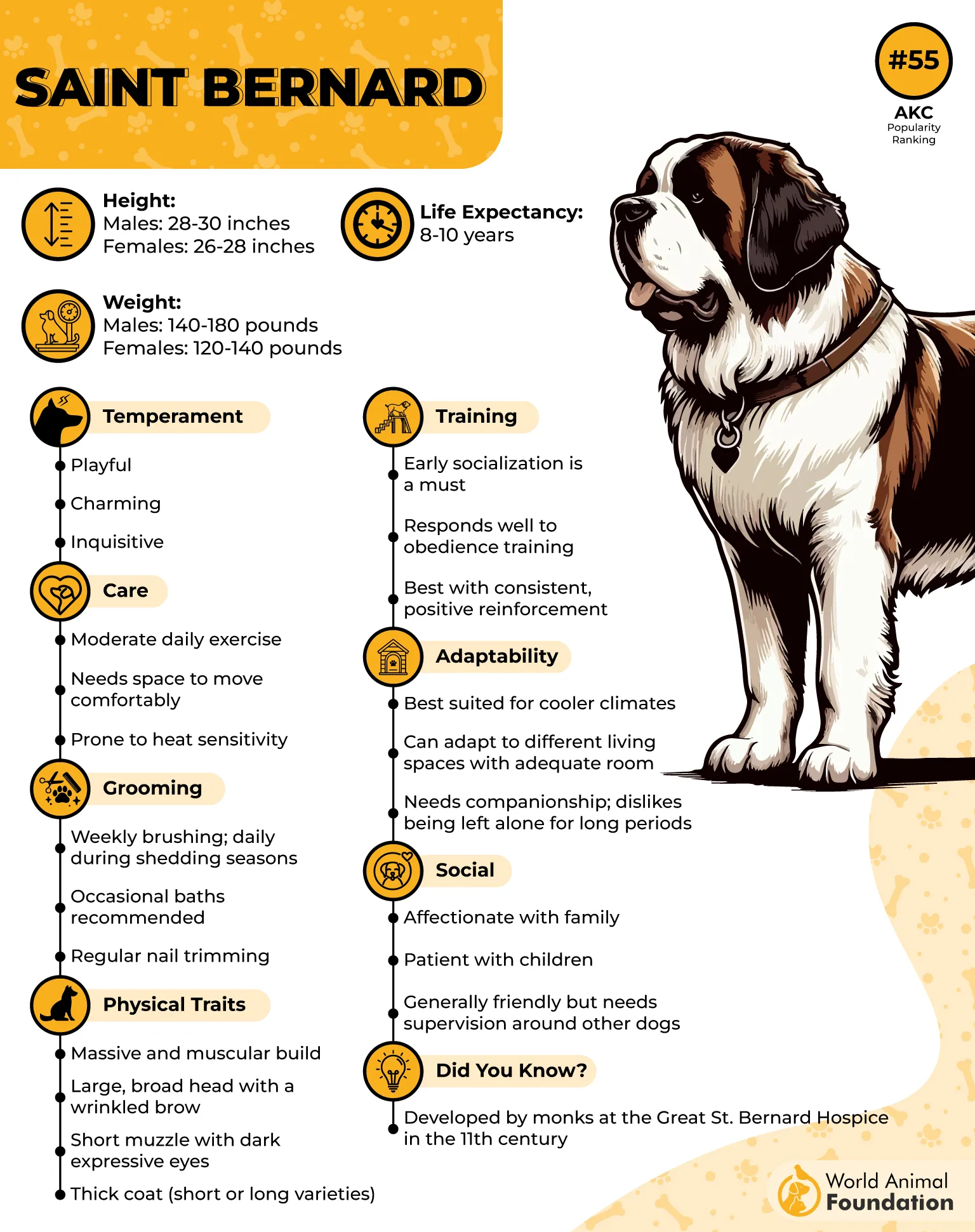
Saint Bernard was recorded at the Saint Bernard Pass Hospice between Switzerland and Italy as early as 1707, where the breed served in the challenging mountain environment.
The monks used these powerful dogs for practical work, then discovered their natural ability to locate paths through deep snow and find lost travelers.
Quiet on the Trail
Saint Bernard suits quieter surroundings because its gentle nature pairs well with a slower daily rhythm. A short nature hike in cool weather can provide an enjoyable outing, while strenuous workouts and long mountain treks are poor matches for this easygoing giant.

Some details from its working legacy are especially fascinating:
Younger dogs learned rescue skills from older dogs
Needs breaks when heavy panting starts
Around 30 minutes of daily activity
Gentle Around Home
This calm dog generally gets along well with children, dogs, and cats, making its mellow temperament useful in a busy household, as Orvis mentioned. Its sheer size calls for extra care around small children, since an excited greeting or casual movement can accidentally knock someone over.
2. Pug

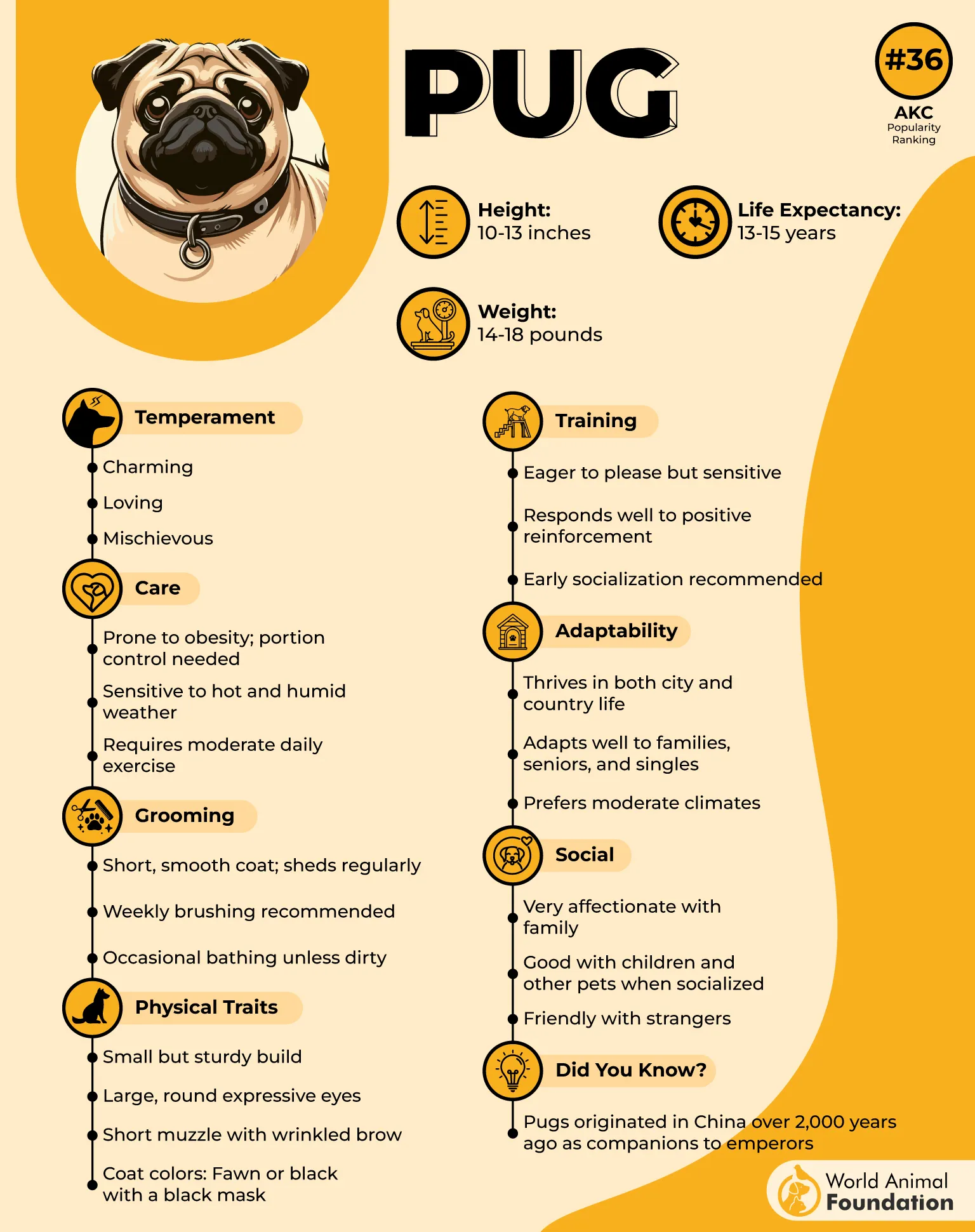
The pug was associated with Tibetan monasteries before making its way from China to Europe through the East India Trading Company during the 1700s. Its name may relate to the Latin Pugnus, meaning fist, or to the small pug monkeys popular as pets in the 18th century.
Quiet Around Home
This quiet dog breed usually does not bark much, saving its louder moments for situations such as unfamiliar people arriving or getting overly excited. Being small and relatively quiet also makes it easier to manage in apartments and homes with limited space.
Its activity routine can stay just as low-key:
Short walks of 15–20 minutes suit its routine
Casual fetch works well for low-key activity
High-energy exercise can be physically unsuitable
Human Company Matters
Pugs are generally friendly with children and other pets when introductions and interactions are handled properly from an early age. The breed also tends to enjoy close human company, cuddling, and spending long stretches of the day near its favorite people.
3. Bulldog

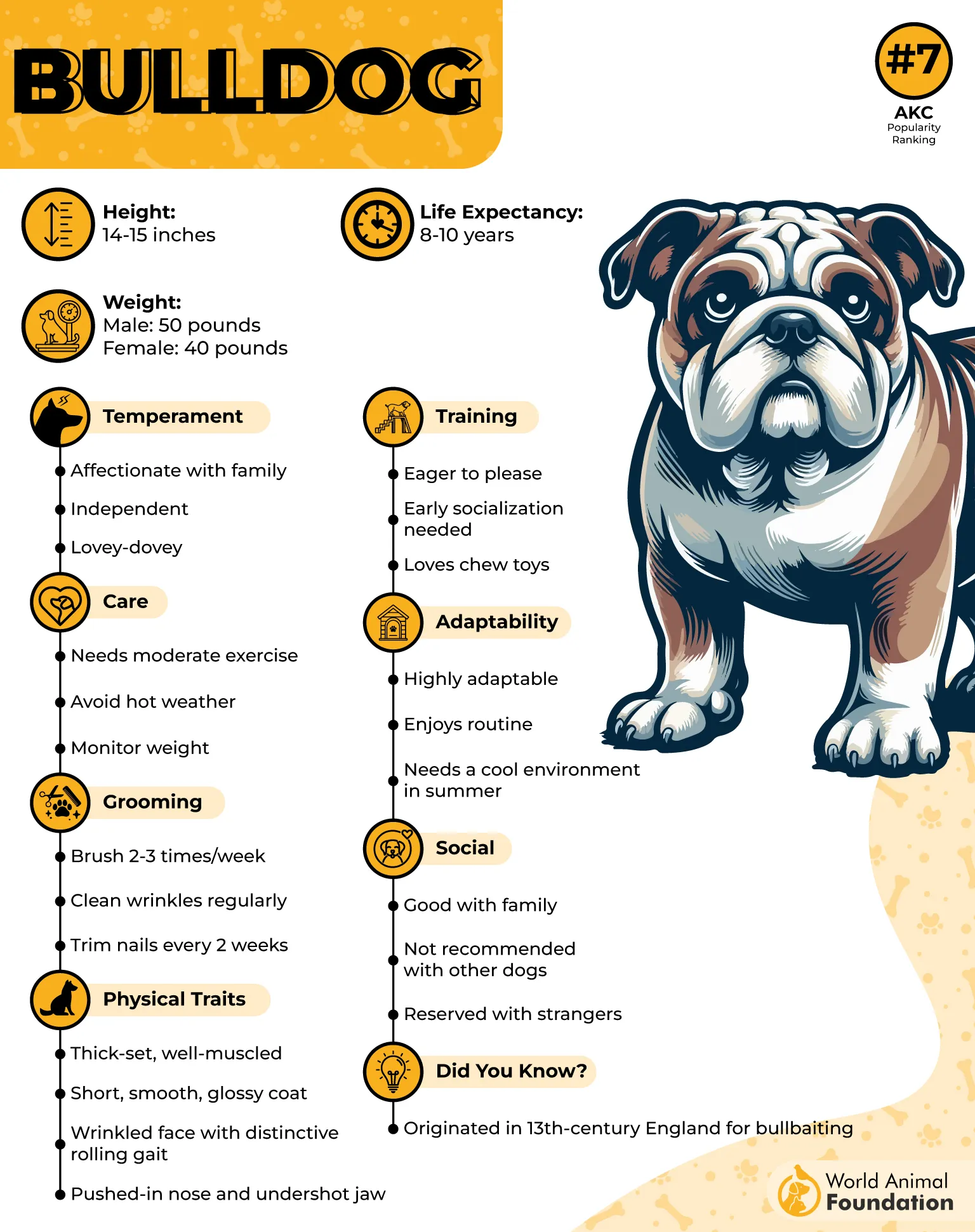
The bulldog originated in England as a bull-baiting dog, with its broad, compact face suited to gripping its target. Later, the breed became closely associated with Oxford and Cambridge, while English settlers introduced Bulldogs to America during the 18th century.
Quiet Around the House
Bulldogs are generally not excessive barkers or diggers, making their quieter habits useful in neighborhoods where constant noise can become a problem. Their calm nature also suits households that prefer a more peaceful canine presence.
Their quiet personality goes well with easy daily activity:
They can cope well with some alone time
10-15 min walk in a cool environment is recommended
Lives well with other dogs and pets
Curious and Affectionate
This breed can become curious when encountering unfamiliar situations and tends to be affectionate with familiar people and strangers alike. According to PetMD, puzzle toys, tug-of-war, and supervised play can provide useful mental engagement when boredom begins to affect behavior.
4. Basenji
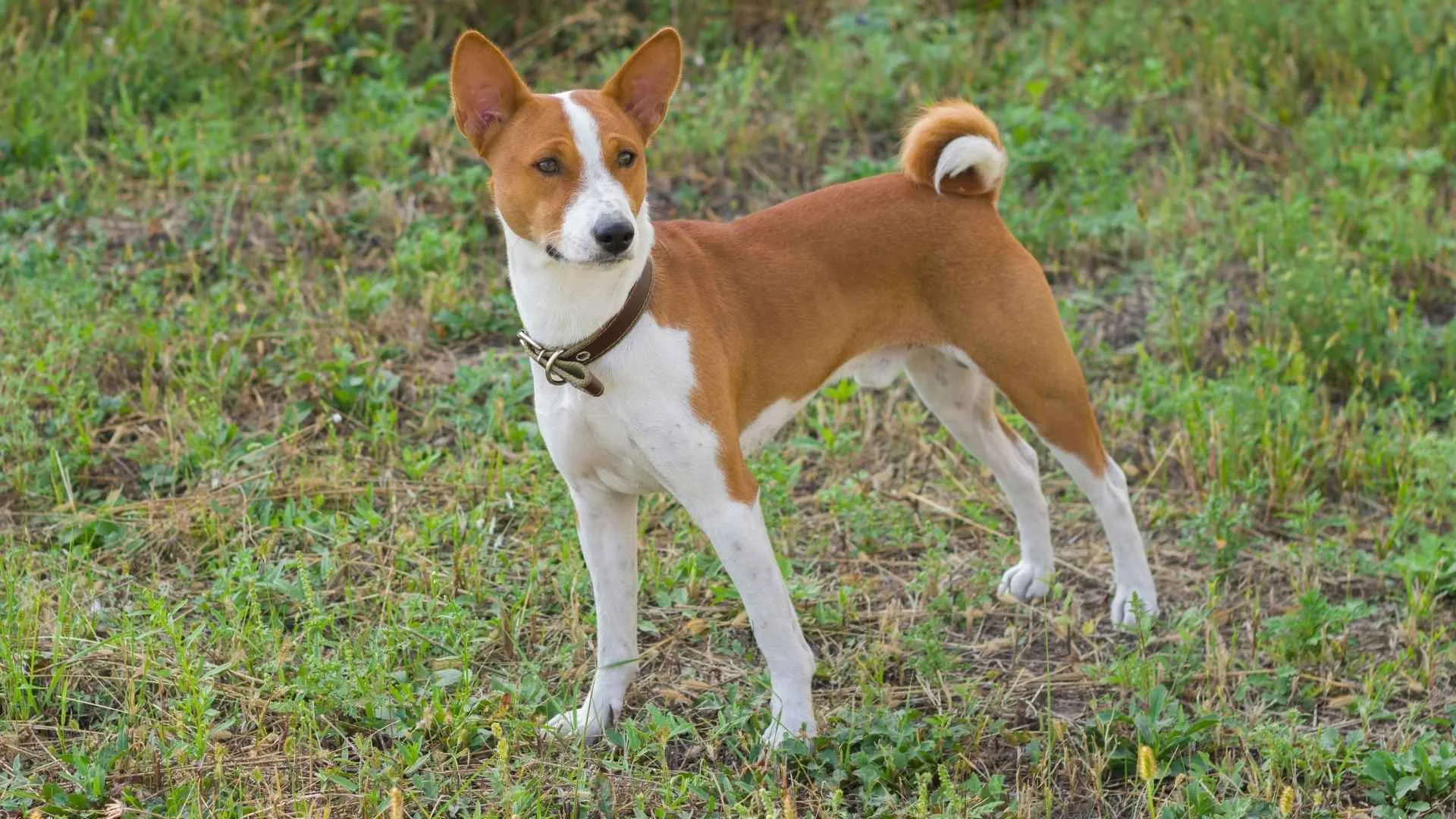
Basenji originated in the Congo region of Africa, where it worked alongside Pygmy hunters as a pack hunter helping pursue game. A small group reached England in 1930, forming the foundation of a breeding program before the breed gained wider attention as a companion by the 1950s.
Quiet in a Different Way
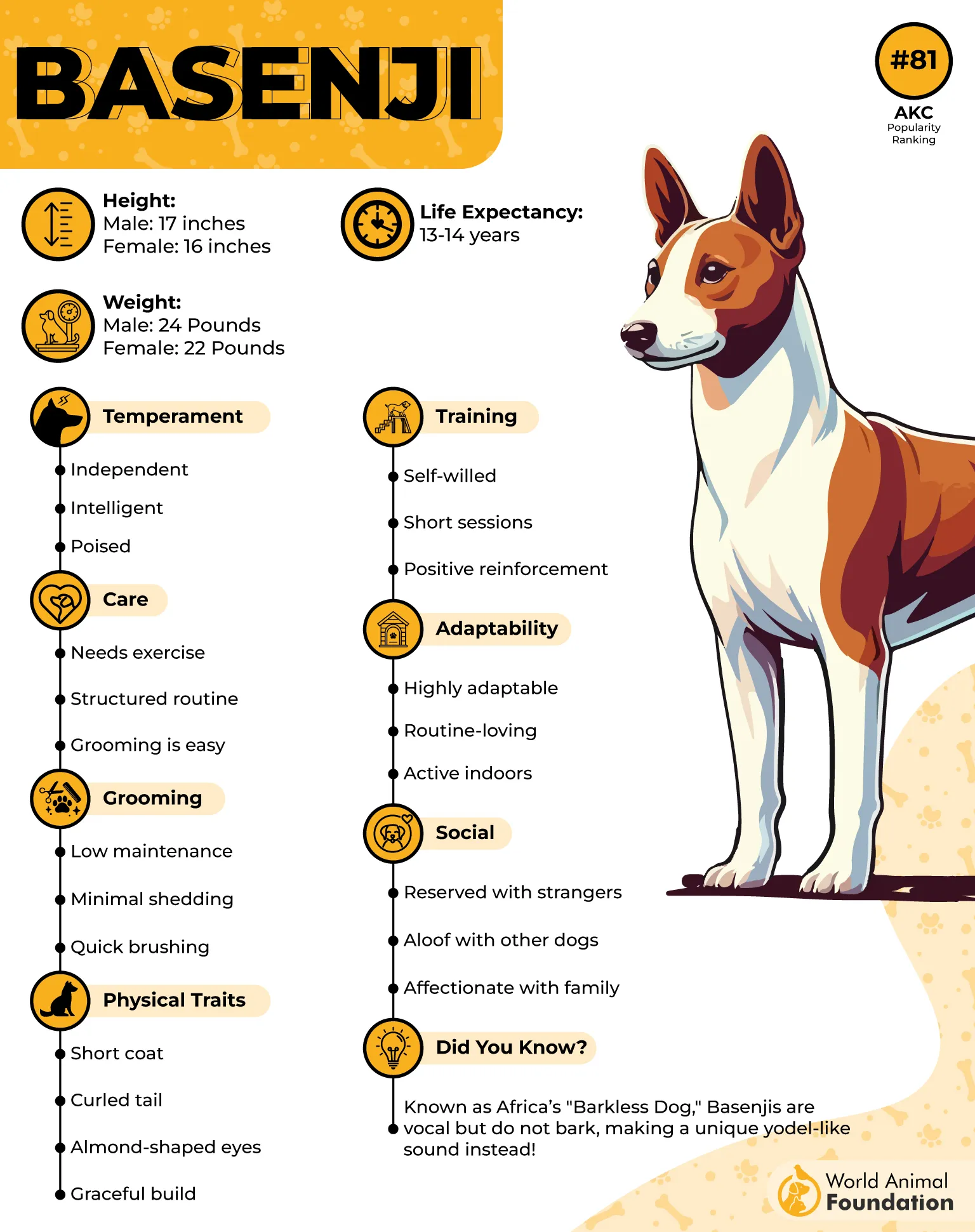
They are often called the “barkless dog” because their usual vocal repertoire leans toward yodels and howls instead of conventional barking. That unusual sound makes it an intriguing fit for people who prefer a quieter household without expecting complete silence.
There is plenty more to this breed than its sounds:
Independent, cat-like personality
Often grooms itself like a cat
Needs early socialization around strangers and children
Energy With a Twist
Basenji combines keen scenting ability with considerable agility and can leap vertically high enough to make ordinary fencing inadequate, as stated in WebMD. A six-foot fence or secure leash setup is recommended because an interesting scent can send this curious hound wandering.
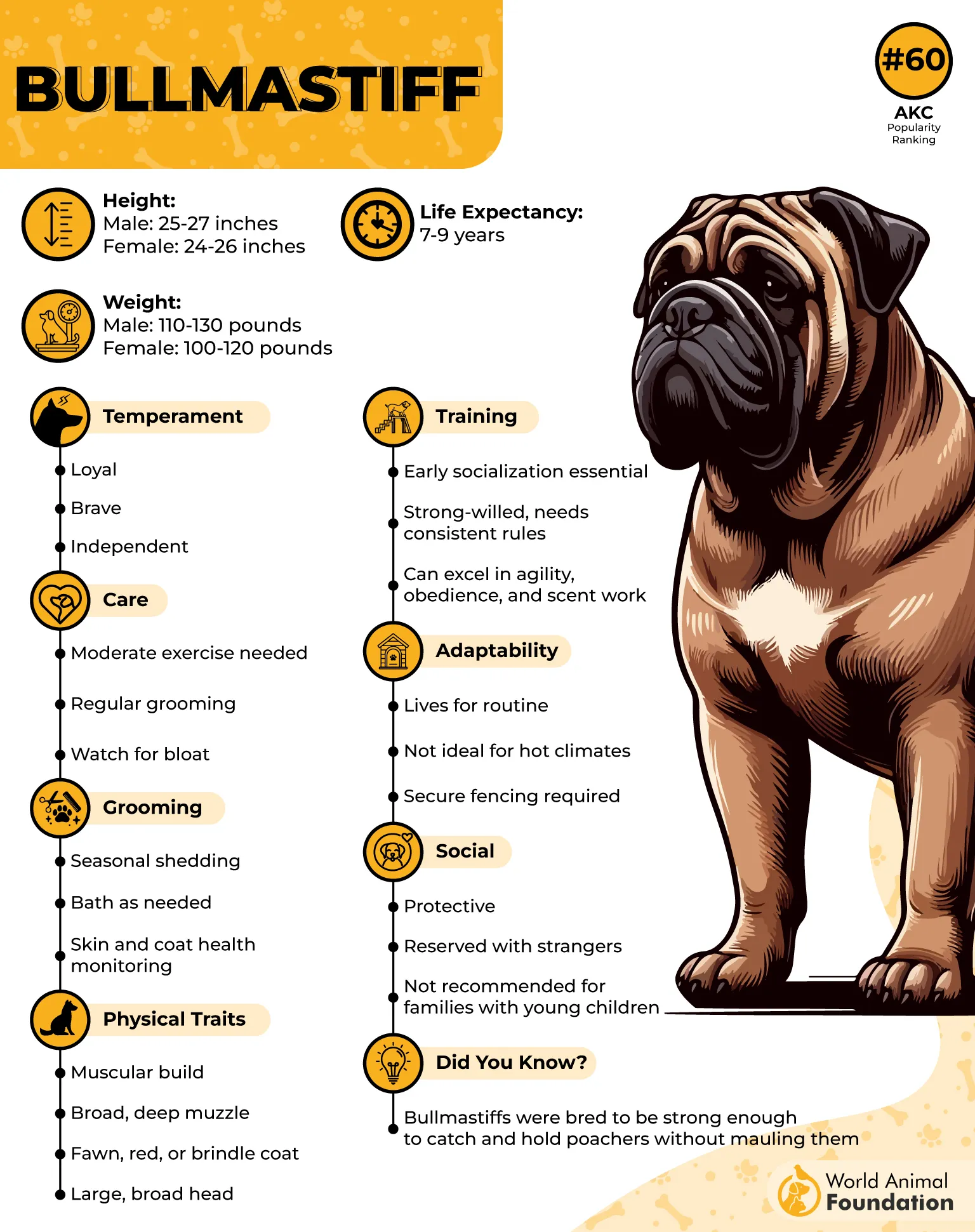
5. Bullmastiff
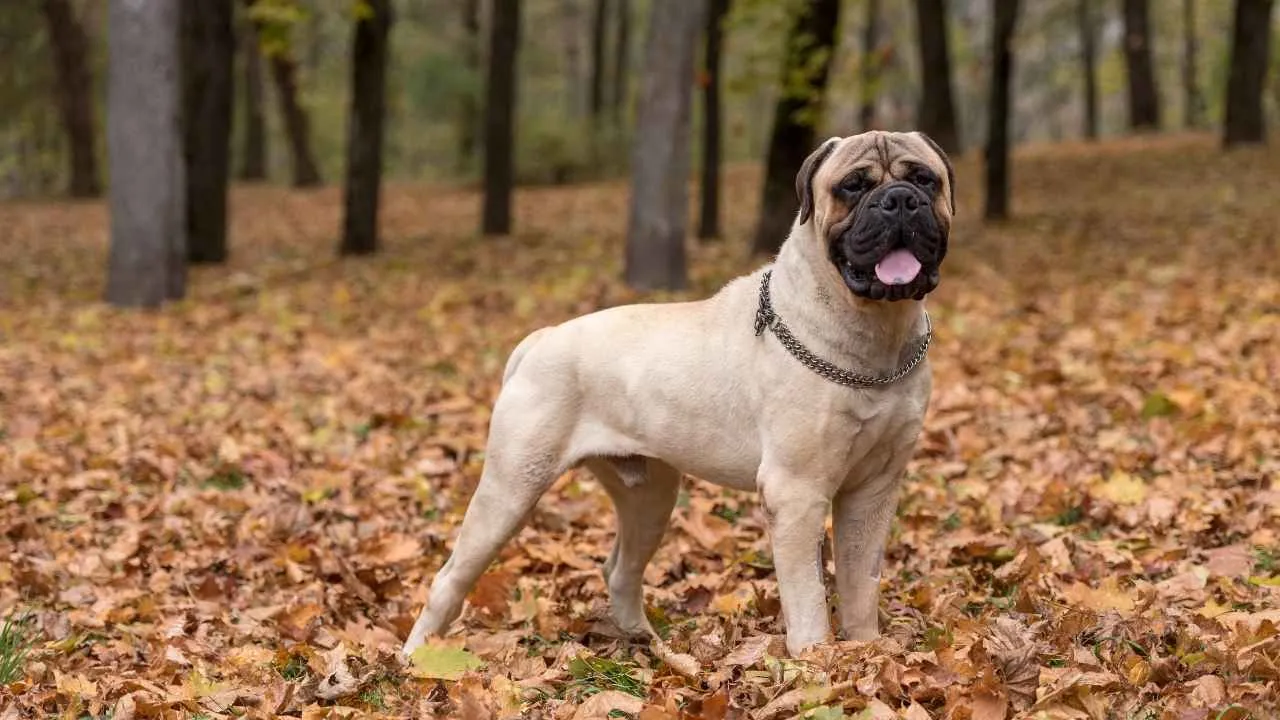
Bullmastiff first appeared in documented records in the late 1800s, when large estates faced serious problems with poaching. Breeders combined Bulldog and Mastiff bloodlines to create a powerful estate guardian that could quietly wait for a trespasser before acting on command.
Quiet by Nature
This gentle giant is generally a quiet breed, with barking reserved for situations that seem unusual or worth alerting the household about. That restrained vocal style can be especially useful where frequent noise could disturb nearby homes or neighbors.
This is where their quiet behavior becomes meaningful:
Known as the “Gamekeeper’s night dog”
Alerts family members to unusual activity
Can be reserved with unfamiliar visitors
Gentle at Home
Bullmastiff has a calm temperament with family members, including children, while unfamiliar people and animals can require careful introductions. Early puppy training and socialization classes help shape appropriate responses as the dog encounters new situations.
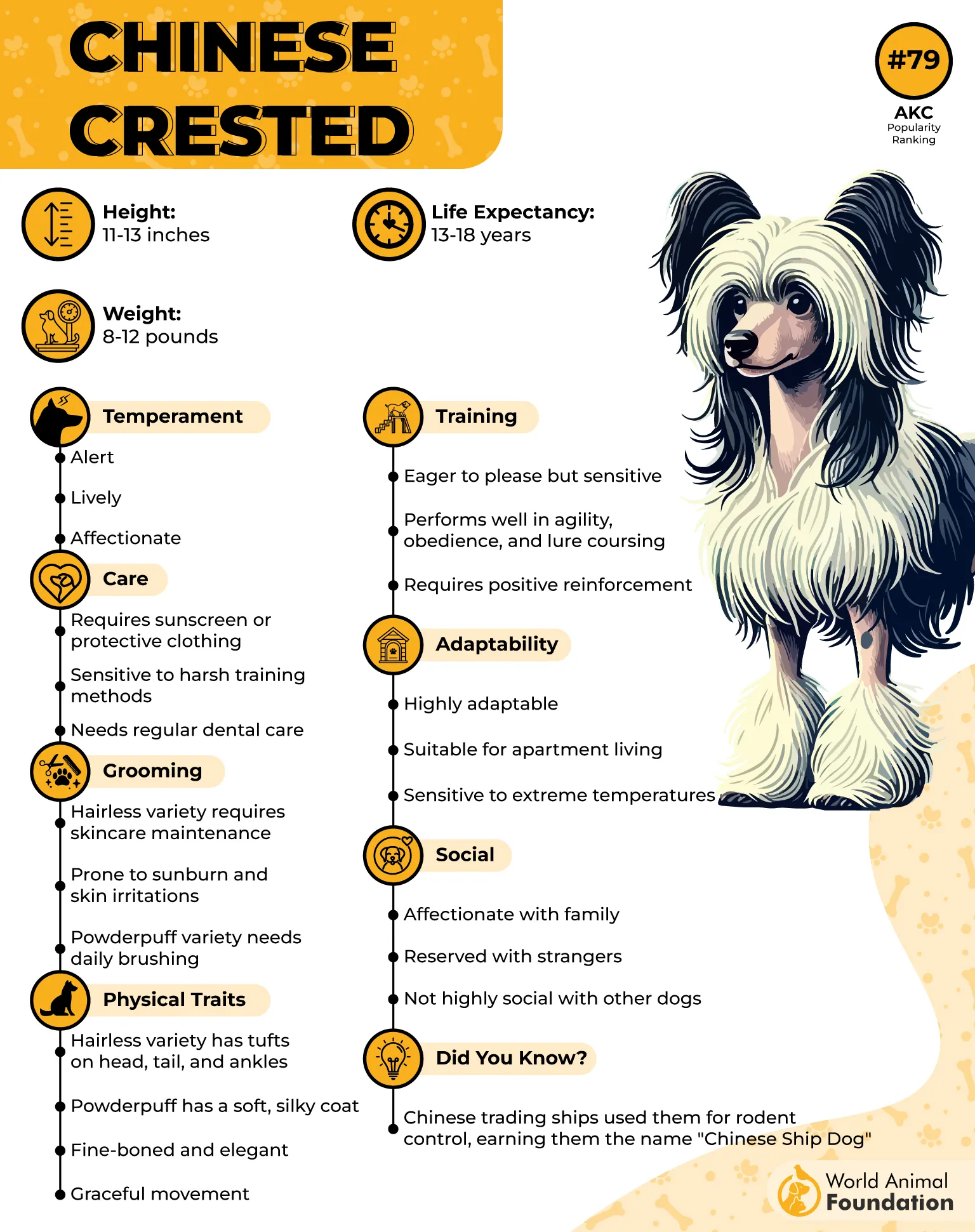
6. Chinese Crested

Chinese Crested has an unusual origin story involving hairless dogs believed to have arrived from African regions before being made smaller through selective breeding in China. Later, their presence aboard trading ships gave them the nickname “Chinese Ship Dogs” as they travelled between continents.
A Quieter Roommate
They can bark, but excessive noise is not typical, making them worth considering for homes where keeping the sound level down matters. Separation anxiety can trigger barking when they spend too much time alone, so long absences may create more noise than usual.
These traits make their temperament easier to understand:
Get along well with children and other pets
Sensitive to harsh criticism
Often cautious around unfamiliar people
People Matter
Chinese Crested is highly affectionate and tends to seek frequent interaction with the people around them. Their sensitive nature means they can take criticism seriously, while playful games, cuddling, and companionship fit their social personality better.
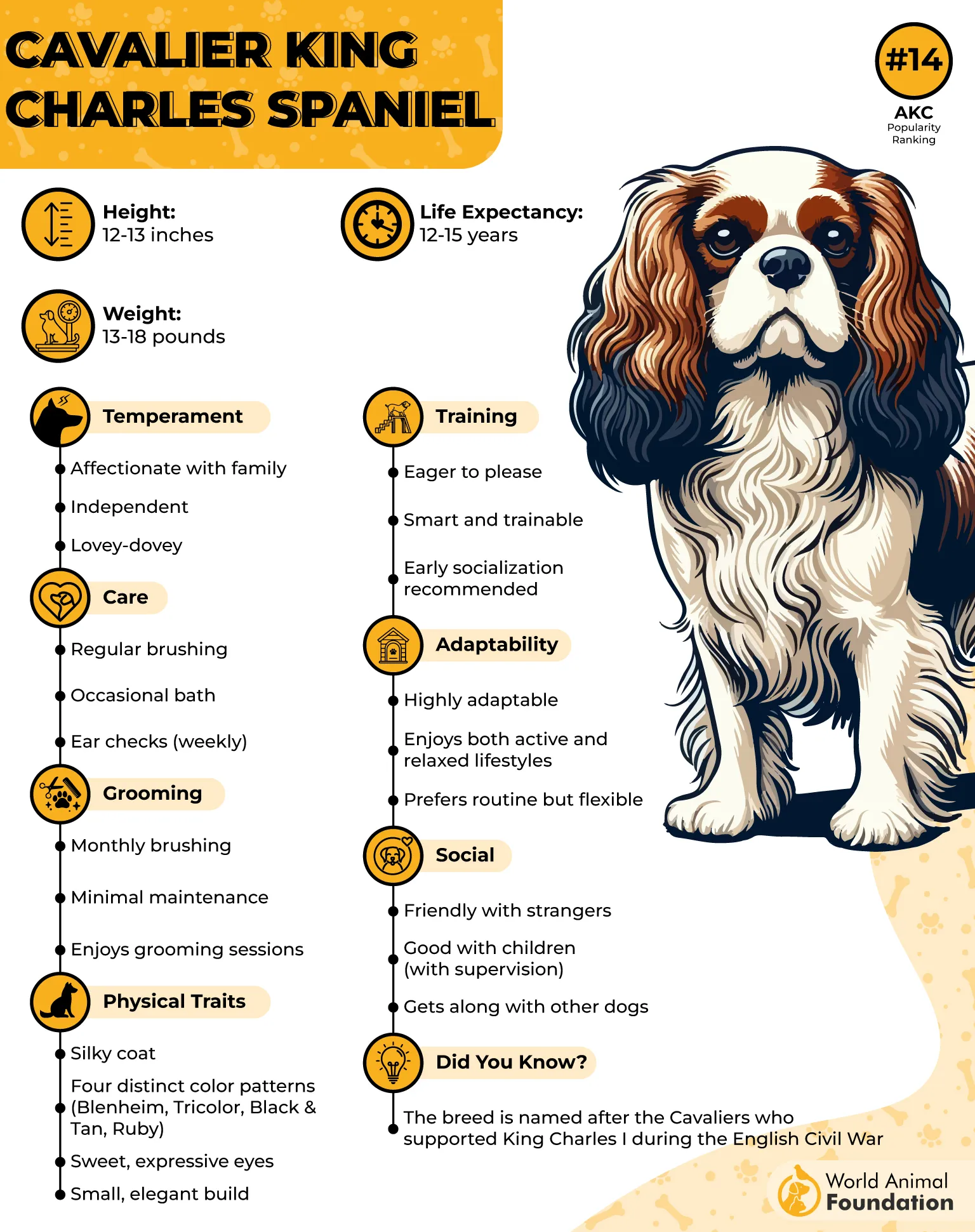
7. Cavalier King Charles Spaniel
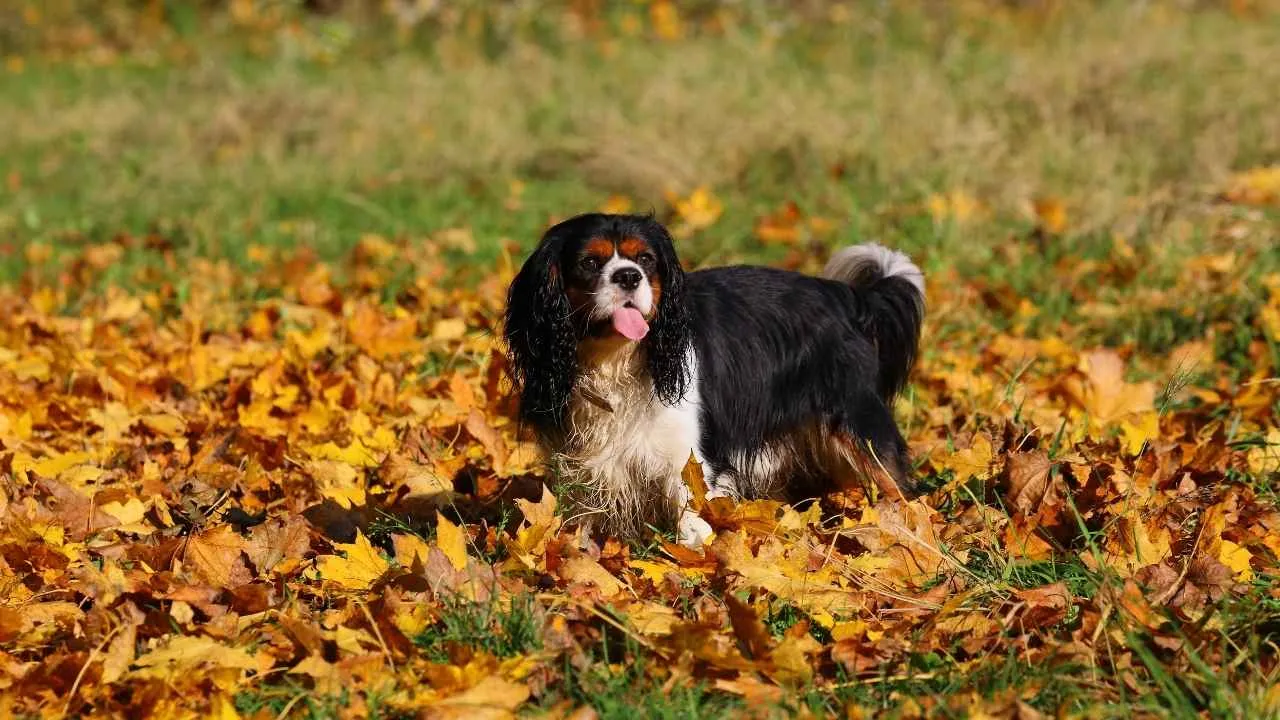
Cavalier King Charles Spaniel was bred as a pampered companion in Tudor-era homes, where these little dogs served as lap warmers and even living hot-water bottles. Their royal association deepened during the reign of King Charles II, whose fondness for the breed helped give it the name it carries today.
Quiet Around the Home
This small breed tends to keep its voice fairly low, with barking more likely when someone arrives or makes noise at the door. Once its exercise is finished, this affectionate companion usually settles happily near its people and enjoys a peaceful home.
This breed’s gentle side is worth noticing too:
Often used as therapy dogs
Enjoys playing fetch with children
Sensitive to harsh reprimands
People Matter
Cavalier King Charles Spaniel forms an unusually close attachment to its human companions and can struggle when left alone for extended periods. Its gentle temperament also makes it well suited to children, although young kids need supervision around such a small dog.
8. Newfoundland
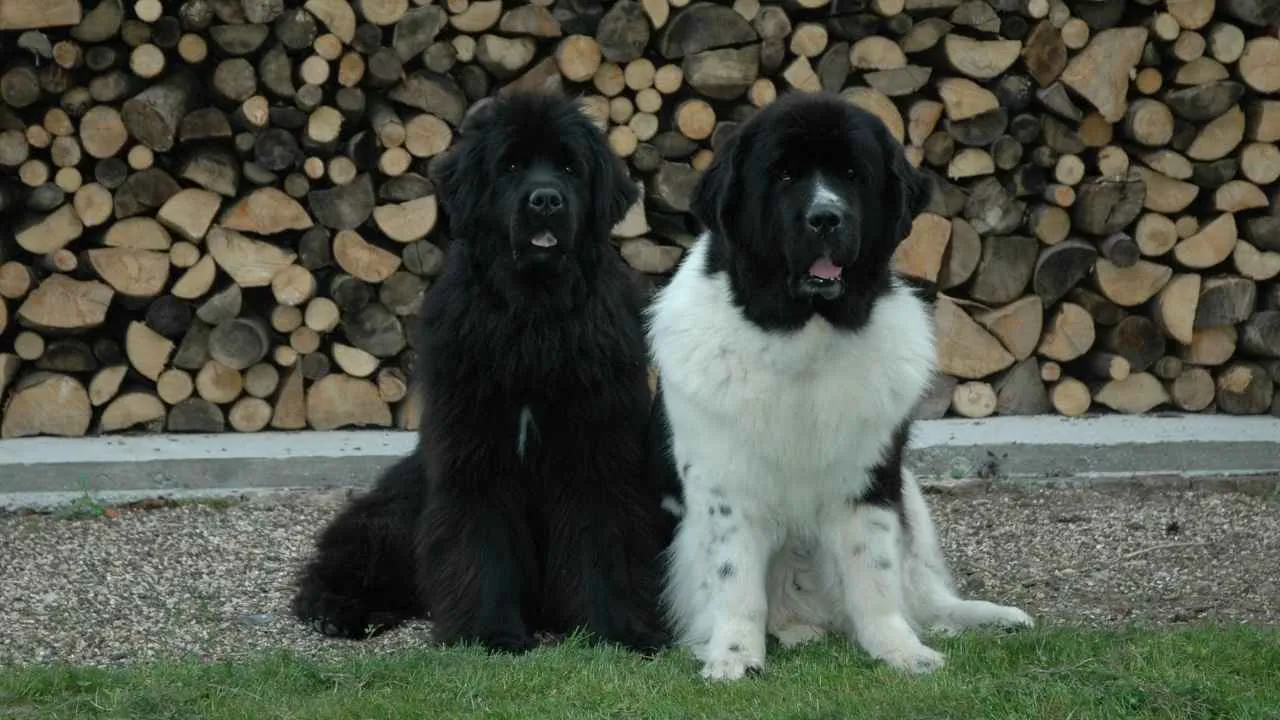
Newfoundland comes from Newfoundland, Canada, where early dogs worked alongside fishermen in demanding waters and coastal conditions.
Portuguese fishermen’s Mastiffs are believed to have influenced the breed during the 16th century, when these dogs were used to haul nets, pull carts, and swim.
Quiet Around the Neighborhood
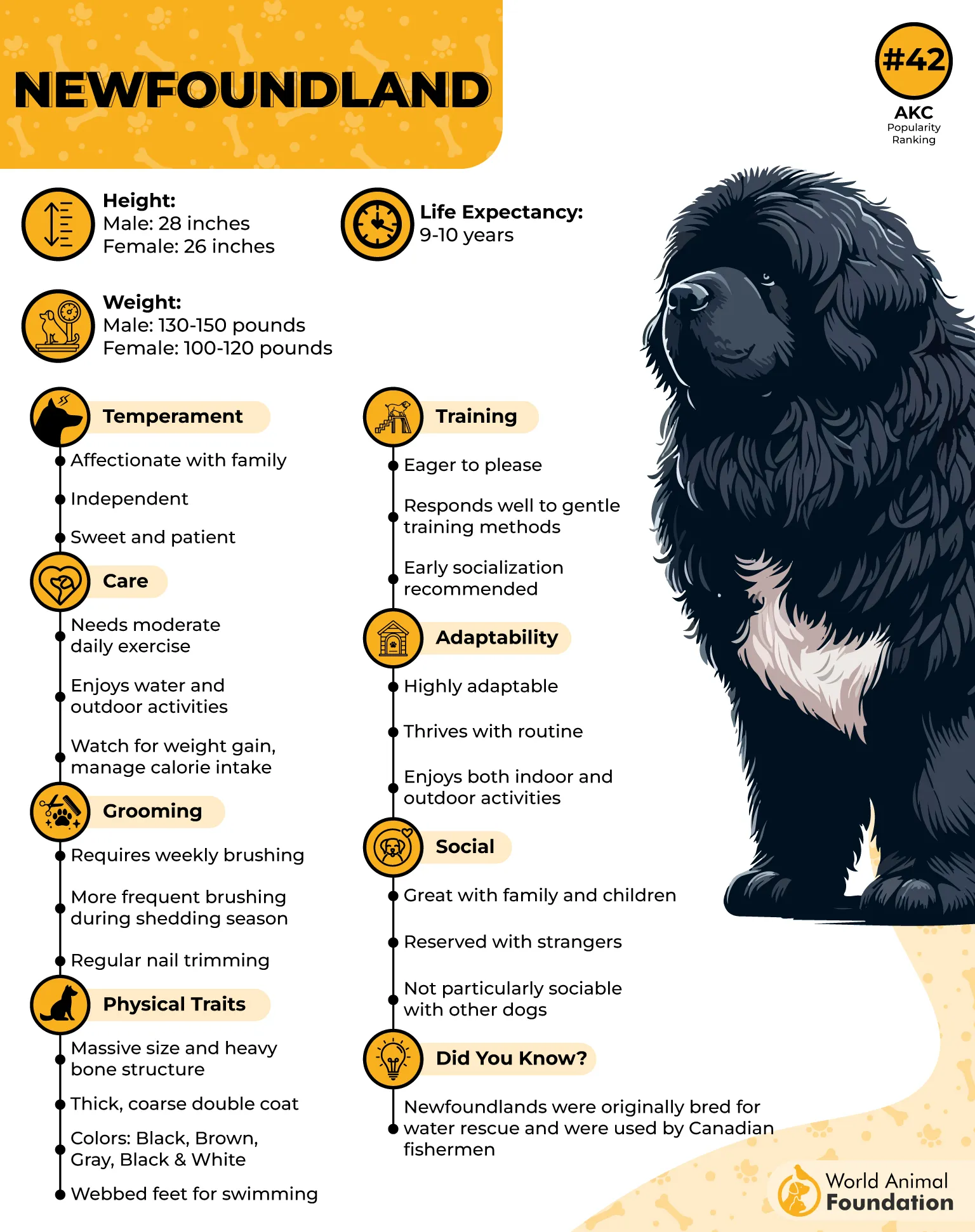
Newfies have a calm presence that suits quieter surroundings, with a tendency to ignore ordinary passing sounds rather than react to every little noise. Its low reactivity also means everyday changes around the home are less likely to trigger a noisy response.
Three practical details add context here:
Known as the “gentle giant”
Pulling on the leash can require early training
Daily walks help manage weight
A Natural Water Dog
Newfoundlands have an unusual talent for water work, including an instinctive ability to recognize when someone may be in trouble in the water. Swimming, occasional hikes, and regular walks can also provide useful activity without demanding intense daily exercise.
9. Great Pyrenees
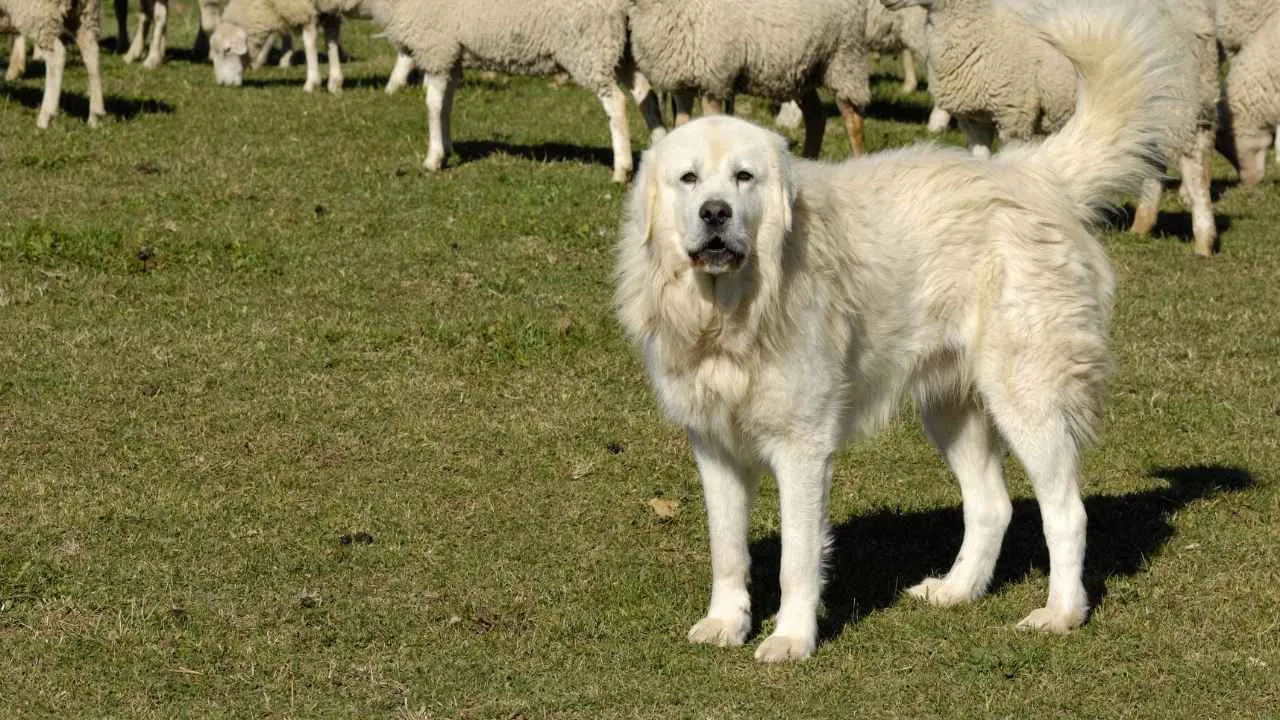
Great Pyrenees was valued for protecting flocks of sheep and goats long before it found favor among French royalty. In 1675, Louis XIV officially named it the royal dog of France, marking a shift from its traditional farm duties toward guarding important estates and royal properties.
A Quieter Watch
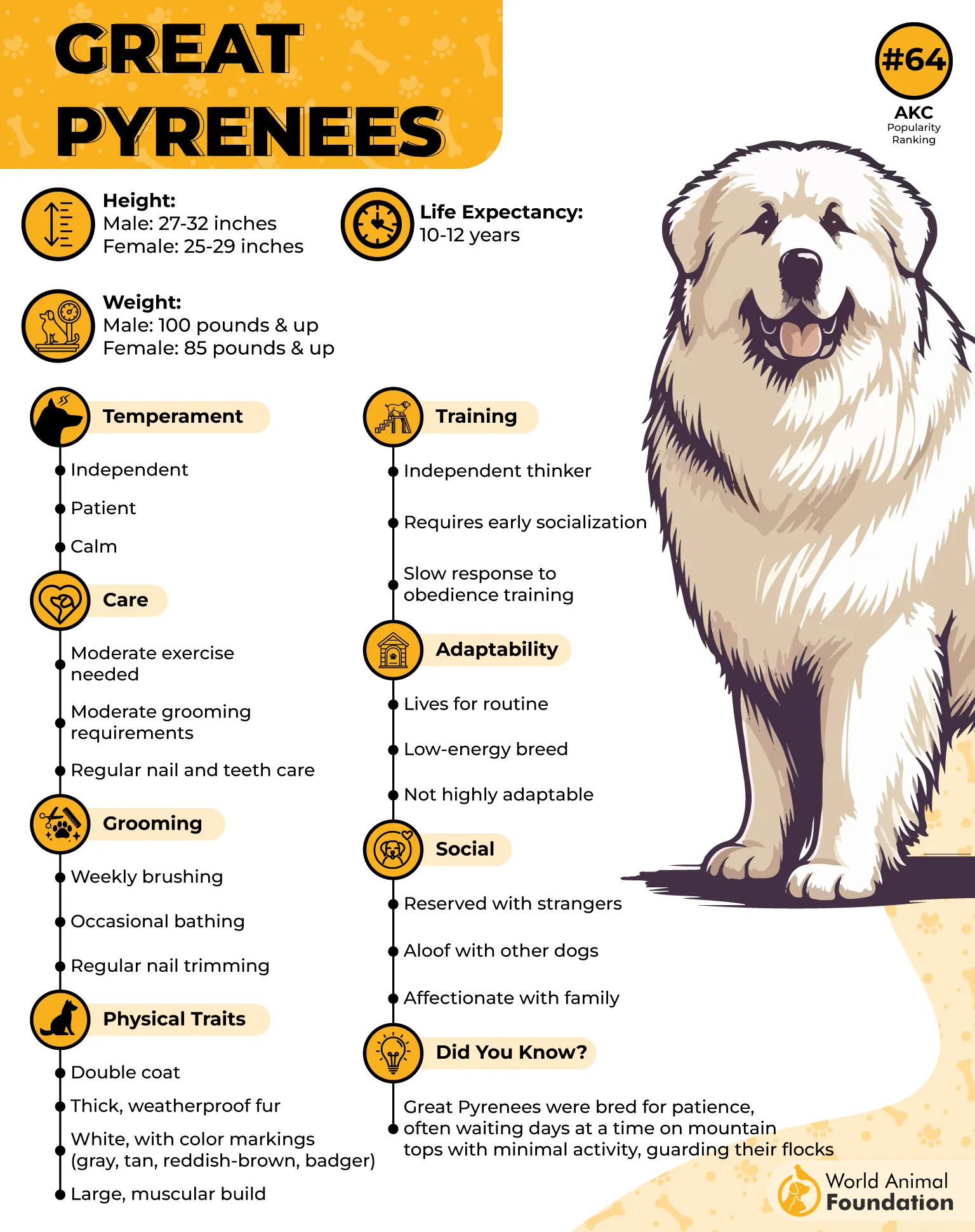
This large dog breed can be a useful fit for peaceful neighborhoods because its long hours watching livestock encouraged patience and a measured pace. It can still bark to alert the household to activity around the home or nearby streets.
Here are some more traits about their personality:
Independent guardian instincts
Needs early socialization and training
Requires regular exercise despite its calm nature
Gentle Around Others
Great Pyrenees is generally patient and affectionate with family members, including children who respect its personal space and calm nature. Its long history of living alongside sheep also helps explain its generally accepting attitude toward cats, dogs, and other animals in the household.
10. Pekingese
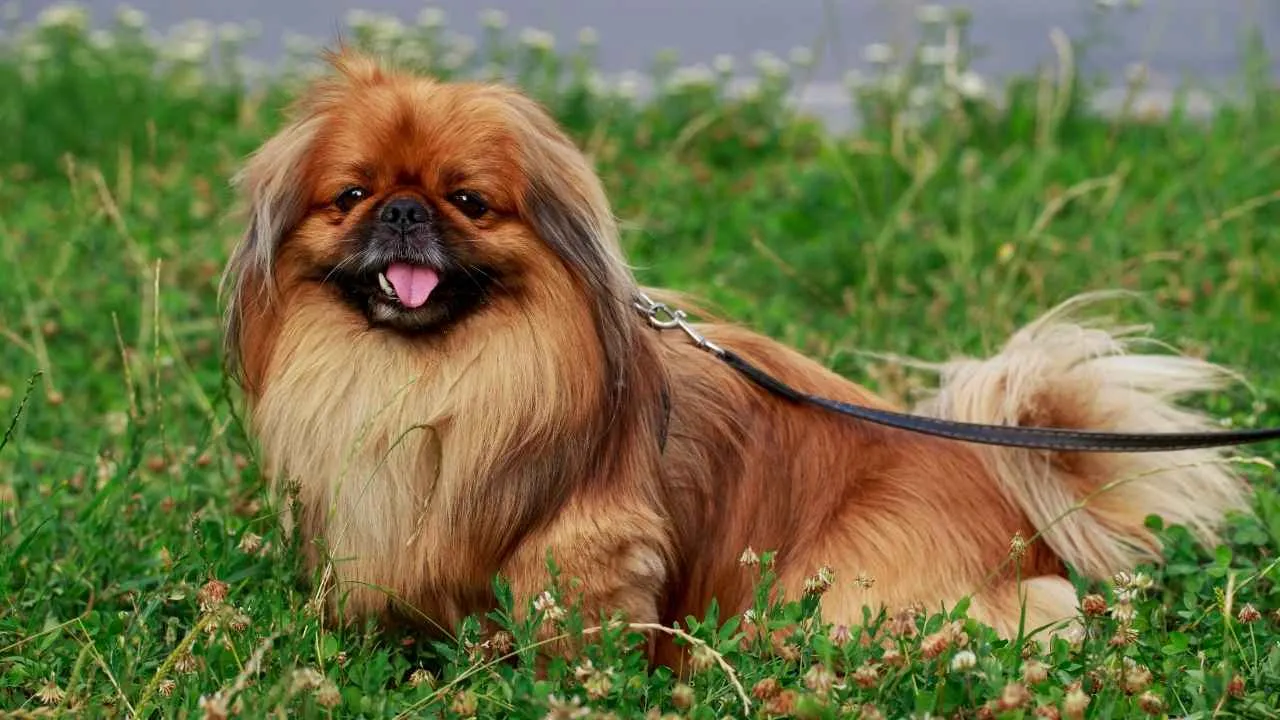
Pekingese were developed in China more than 2,000 years ago, where Buddhist monks bred these small dogs and called them Lion Dogs because of their resemblance to miniature lions. The tiniest were known as “sleeve dogs” because they could fit inside the sleeves of emperors’ robes and travel with them.
Quiet Around the House
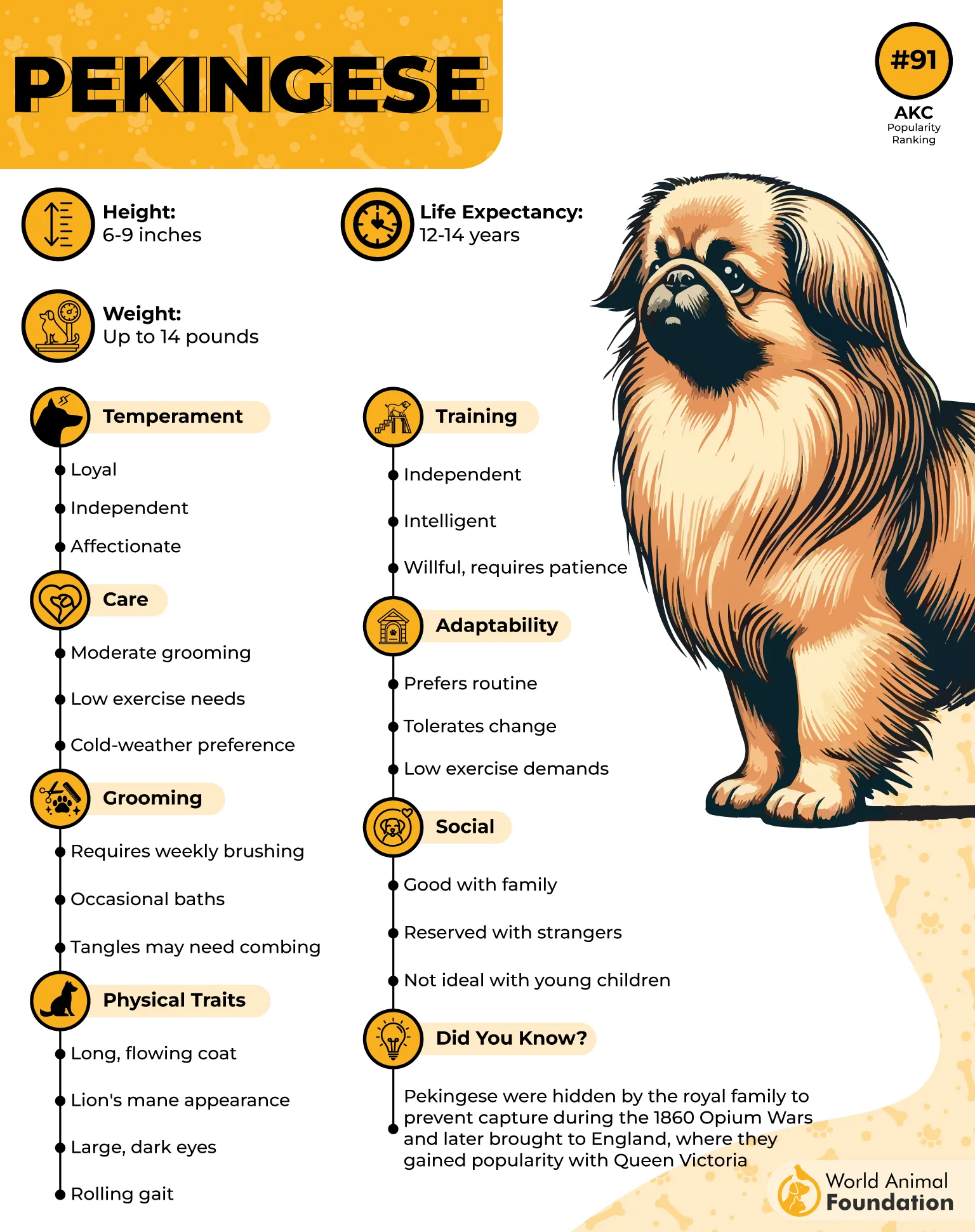
They can spend much of the day lounging peacefully once their limited energy is used, making their indoor routine fairly quiet. Its deep, booming bark comes out when someone approaches or enters its territory, rather than as constant household noise.
Its personality can be both strong and affectionate:
Stubborn streak can slow obedience training
Needs early socialization to prevent possessiveness
Can bond well with respectful children and pets
A Little Independent
Pekingese has a self-assured personality and may decide when it wants attention, even though it can be affectionate and playful with familiar people. It also has enough confidence to challenge larger dogs, so careful introductions matter around bigger canine companions.
Conclusion
A quieter dog can make everyday life easier when nearby homes are close and outdoor sounds carry quickly. Still, a generally quiet dog does not mean complete silence. Excitement, unfamiliar visitors, fear, boredom, and separation can all bring out more vocal behavior. Training, exercise, socialization, and enough companionship can help keep those moments manageable.
Owners should also consider living space, activity needs, size, and how the dog responds to people, pets, and sounds around the home. A low-energy companion can settle comfortably after normal activity and alert when something matters, making it suitable for apartment living without expecting your dog to never make a sound.
