





Not every dog needs to announce every passing squirrel or knock at the door. Some breeds are naturally more reserved, making them wonderful companions for families, apartment dwellers, and anyone who prefers a calmer home environment.
From gentle retrievers to dignified companion breeds, these dogs can offer plenty of affection without constant barking.
Research suggests that 95 million U.S. households owned a pet as of 2025, showing just how many people share their homes with animal companions. If you’re looking for a loving dog that keeps the noise to a minimum, these quiet breeds are worth discovering.
Top Low‑Barking Dog Breeds That Keep Noise to a Minimum
1. Newfoundland
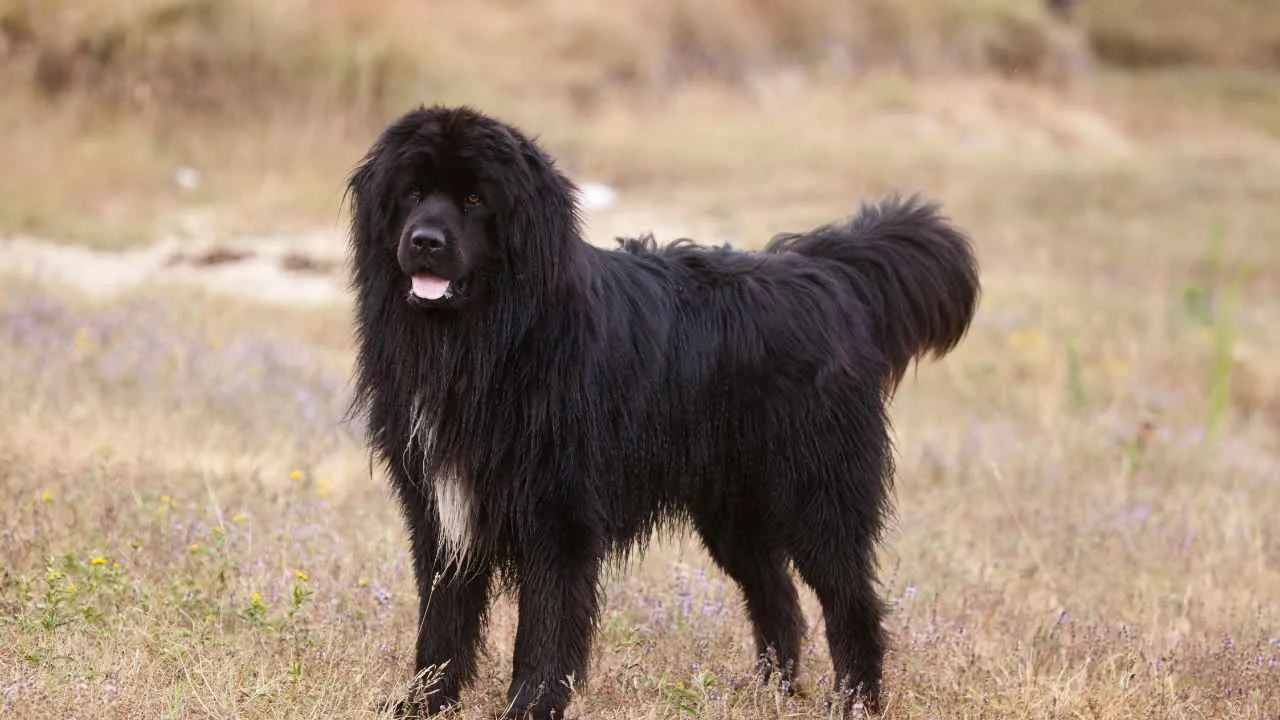
Newfoundlands are gentle giants celebrated for their sweet, patient, and deeply loyal personalities. Despite their imposing size, they tend to remain composed indoors and rarely use their voices without a reason.
Historically valued for water rescues and demanding work, these dogs are capable and responsive when given patient training. They still need regular exercise and enough space to accommodate their large build and substantial energy.
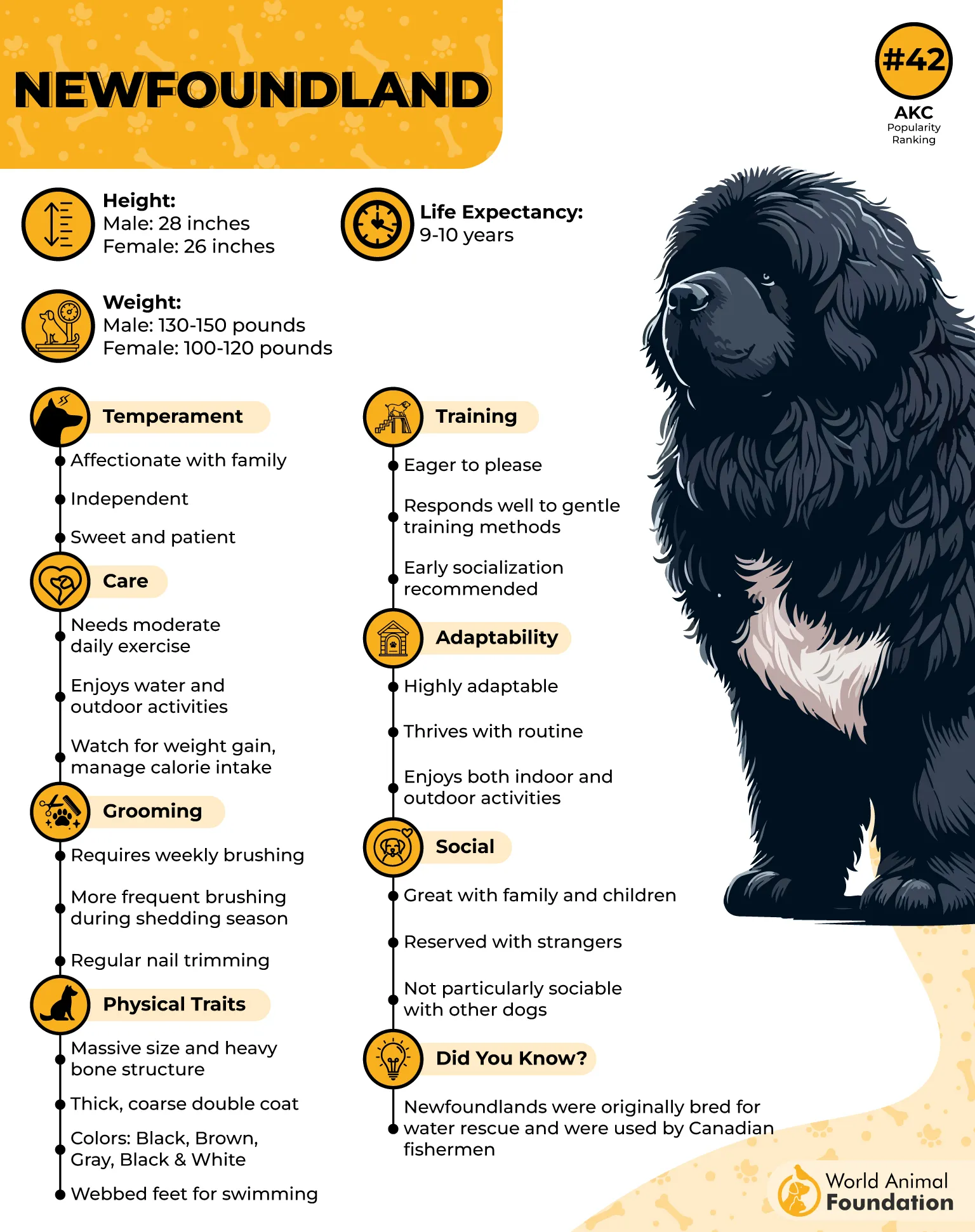
When a Newfoundland does bark, its deep voice can sound powerful and commanding. However, barking is generally reserved for situations that catch their attention or make them feel something needs to be addressed.
How This Breed Stands Out
Generally quiet indoors: Their calm temperament helps them remain settled without constantly vocalizing throughout the household.
Deep, infrequent bark: When they do speak up, their powerful bark is typically purposeful rather than persistent.
2. Glen of Imaal Terrier
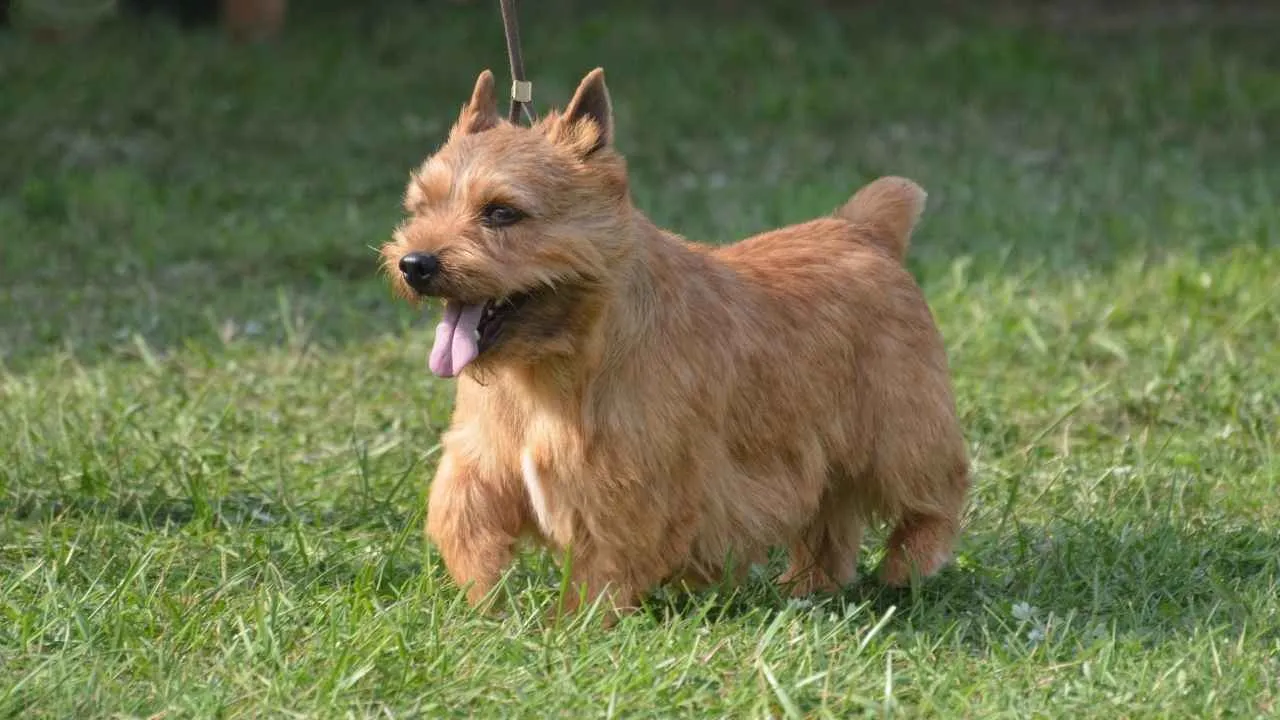
The Glen of Imaal Terrier is a sturdy Irish breed with a calmer temperament than many terriers. Bold yet relatively composed, this low-slung dog was developed as a hardworking farm companion and stands no more than fourteen inches tall.
Unlike more excitable terriers, Glens generally have a moderate energy level and do not require endless exercise. Short walks, indoor games, and supervised activity in a secure yard can help them stay content while avoiding excessive strain on their joints.
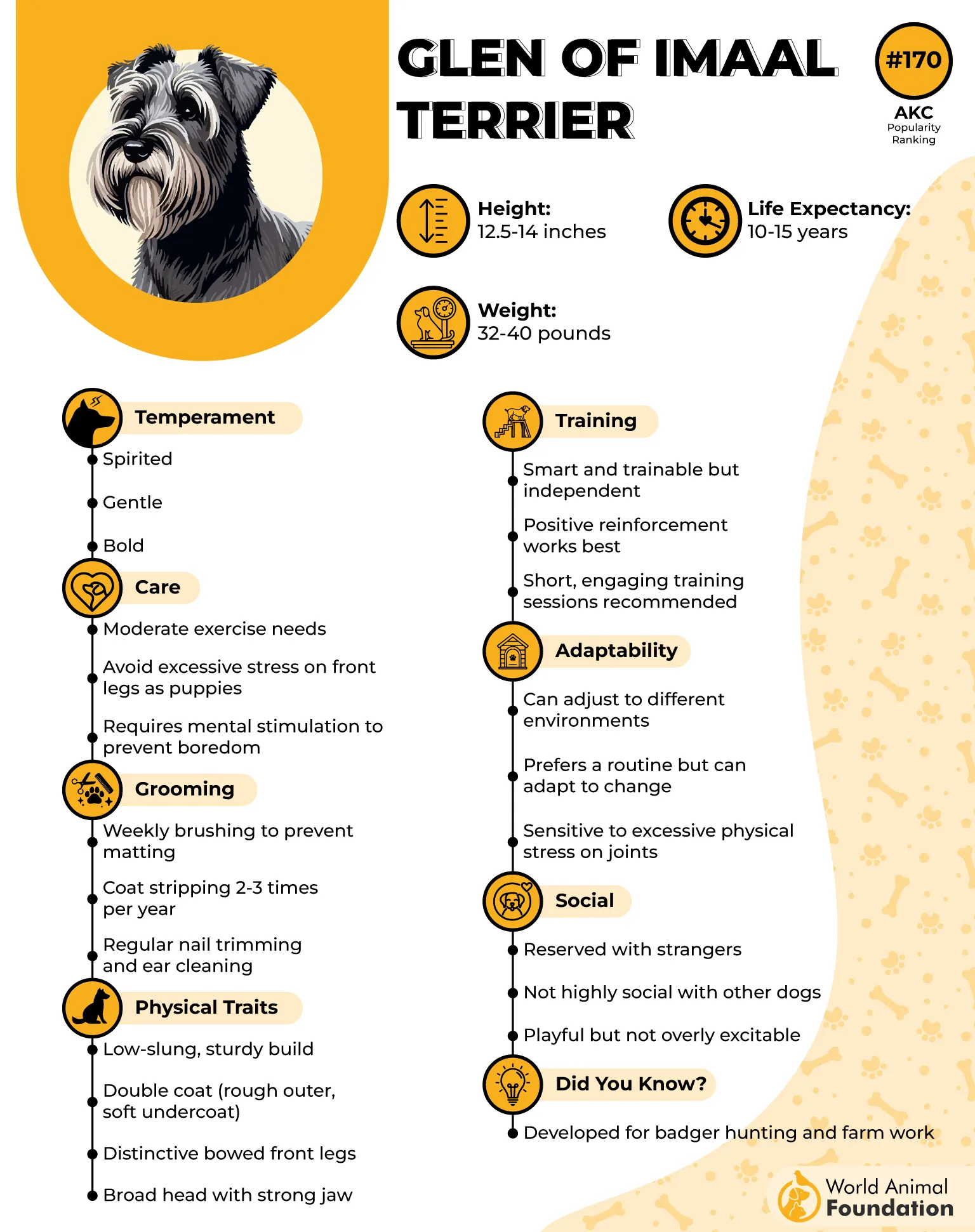
Their weather-resistant double coat needs weekly brushing to prevent tangles, with occasional stripping to maintain its condition. Their independent streak also makes patient, consistent training useful for building good household manners.
How This Breed Stands Out
Quieter than many terriers: Glens are generally less vocal and excitable than many breeds within the terrier group.
Calm, independent character: Their easygoing nature allows them to relax between activities while still retaining the confidence and spirit of a working terrier.
3. Pekingese
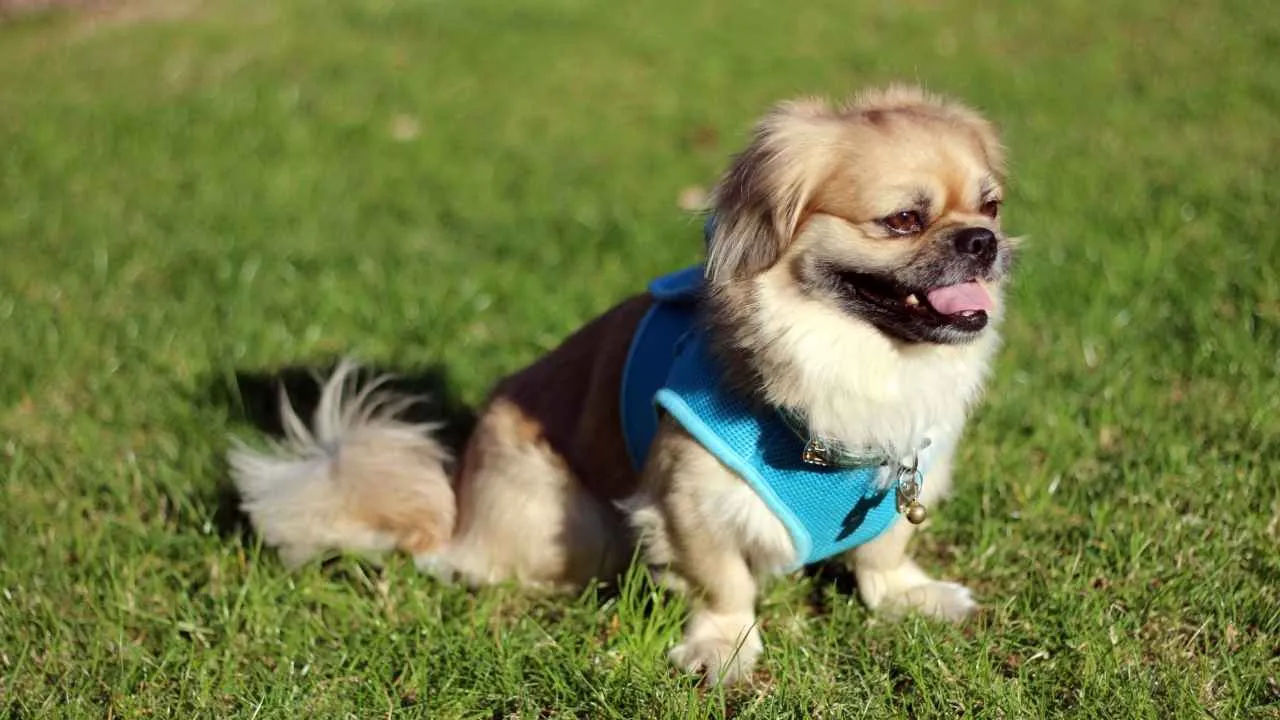
The Pekingese is a compact toy breed with a dignified personality and a fascinating history as a companion of Chinese royalty. Confident and loyal, these dogs often prefer quietly observing their surroundings rather than constantly making noise.
Pekes have modest exercise needs and are generally content with a relaxed routine, though they can enjoy gentle activities at their own pace. Their independent nature means they appreciate companionship without needing nonstop attention.
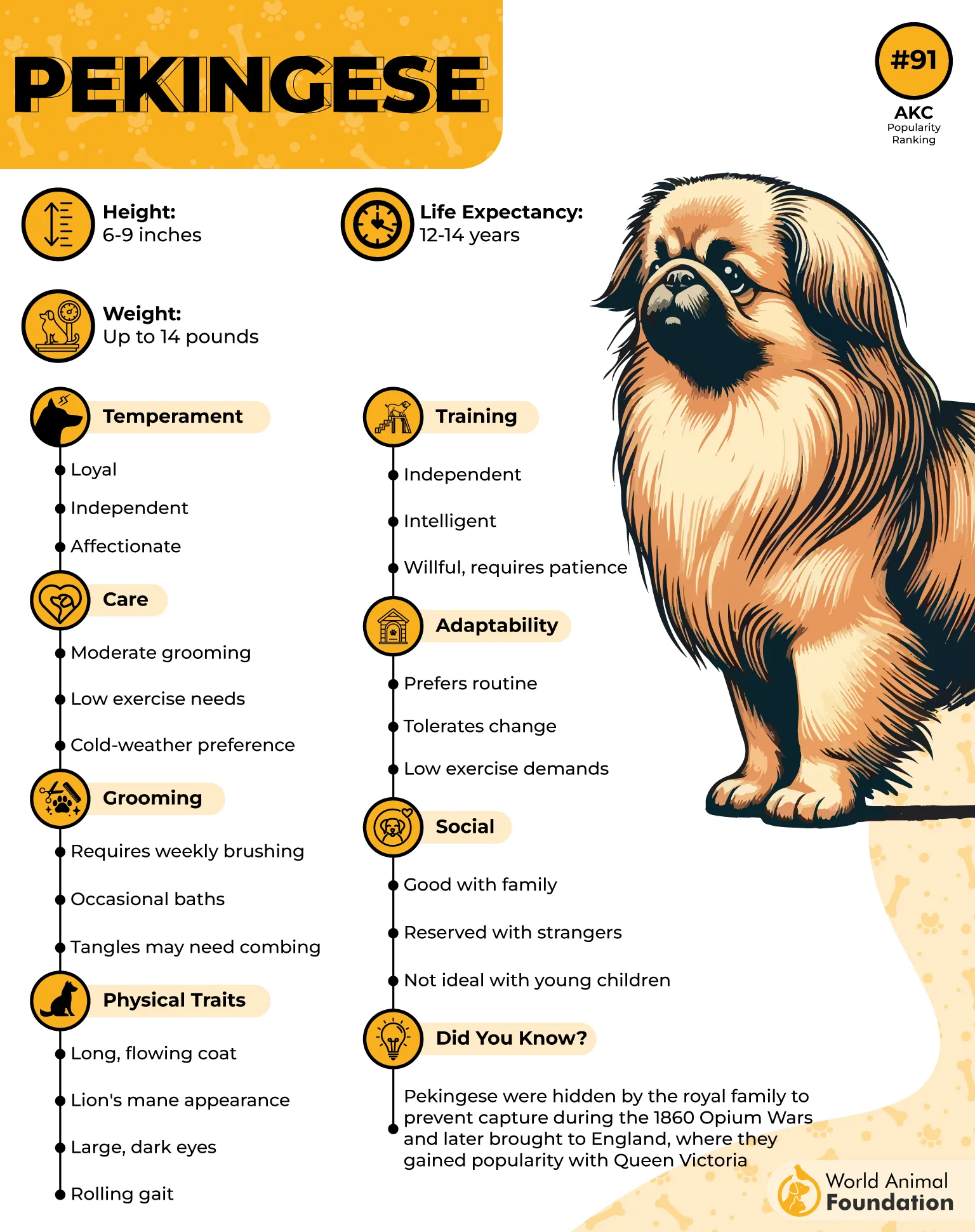
Their long, flowing coat forms a distinctive mane around the neck and shoulders, so regular grooming is important. They can also be alert little watchdogs, but their tendency to vocalize is usually selective rather than constant.
How This Breed Stands Out
Dignified, reserved nature: Their composed personality makes them comfortable spending quiet periods relaxing or calmly observing household activity.
Selective about vocalizing: Pekingese may alert their owners when something catches their attention but generally do not bark without reason.
4. Basset Hound

The Basset Hound is a relaxed, easygoing companion whose calm demeanor makes it well suited to quieter households. Its short stature, heavy build, long ears, and droopy expression give this scent hound its unmistakable appearance. At home, Bassets are generally content to lounge after a moderate walk or play session.
According to Purina, this scent hound was originally bred to hunt small game but is now a popular family dog thanks to its relaxed and affectionate nature.
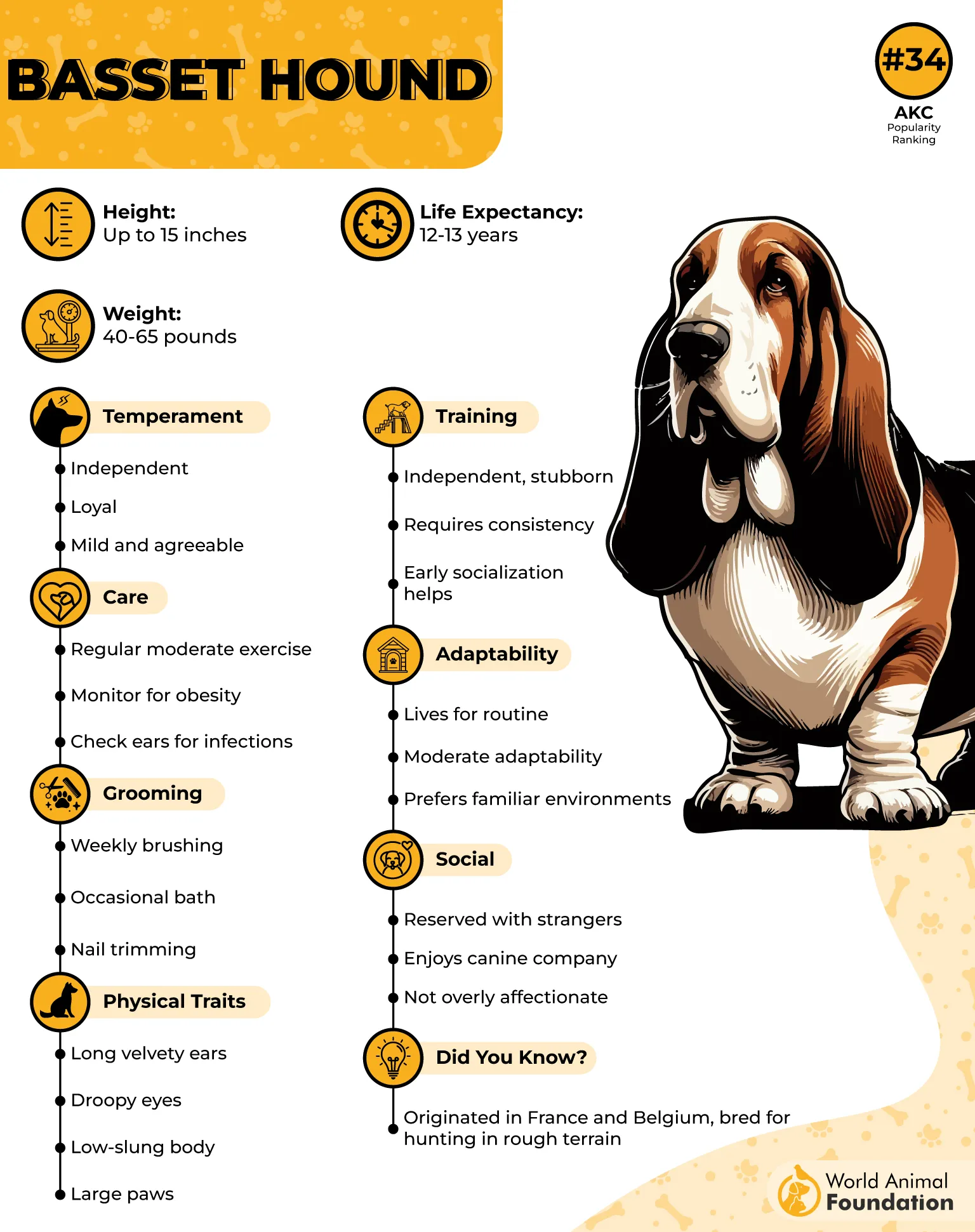
Despite their peaceful nature indoors, Bassets have an exceptionally strong nose and can become determined when they catch an interesting scent. They are loyal, gentle, and often enjoy the company of people and other dogs. Their deep, ringing bark is powerful, but they typically use it more purposefully rather than constantly.
How This Breed Stands Out
Usually laid-back at home: Prefers relaxing after moderate daily exercise.
Deep voice used sparingly: Its booming bark can sound imposing but isn’t typically nonstop.
5. Saint Bernard
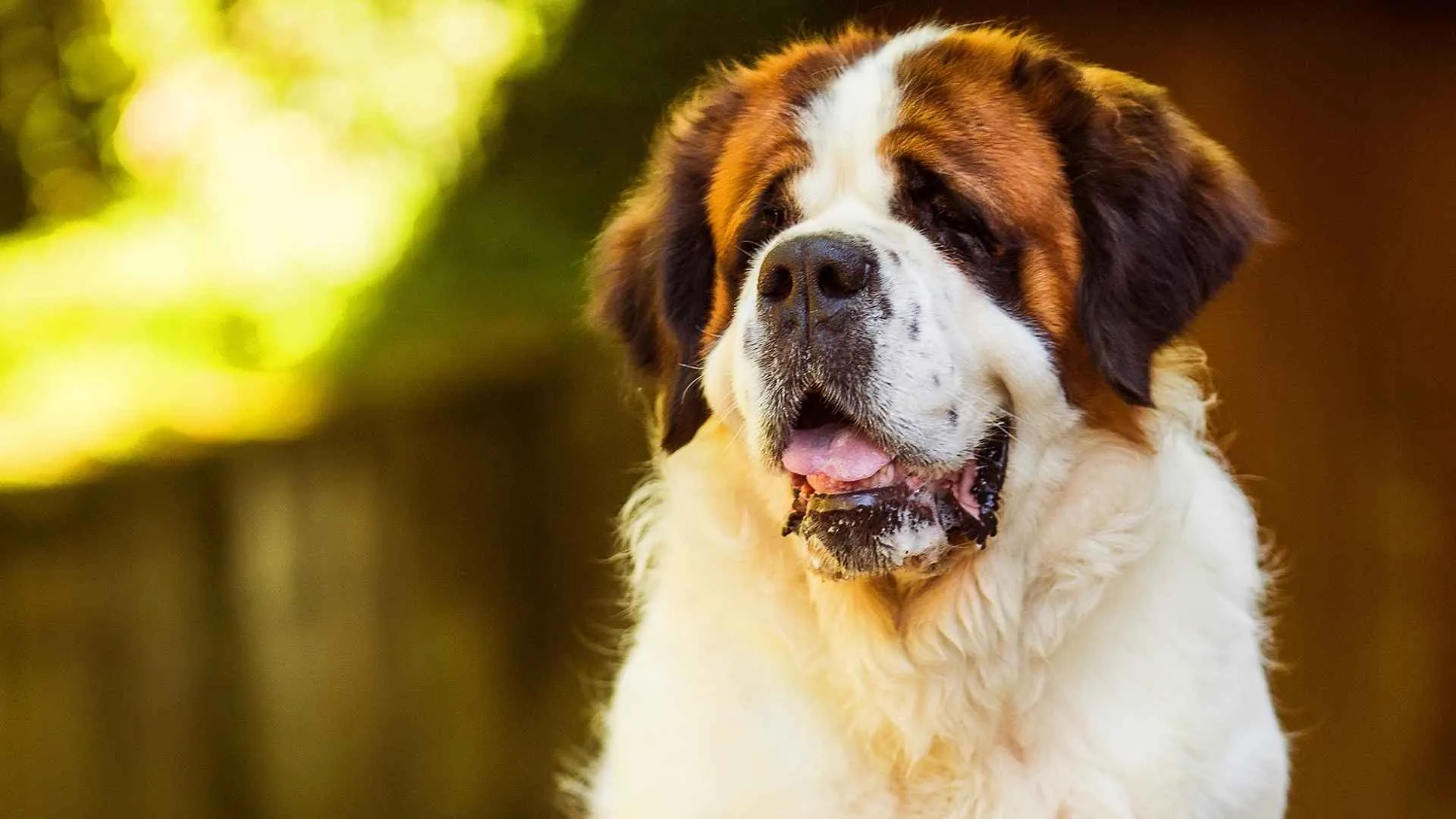
The Saint Bernard is a gentle giant with a calm, affectionate personality that suits peaceful households. Originally used for rescue work in the Alps, this loyal breed is known for its patience and devotion to its family.
According to Omlet, they are gentle and patient dogs that can be playful and energetic as puppies before becoming calm and placid adults.
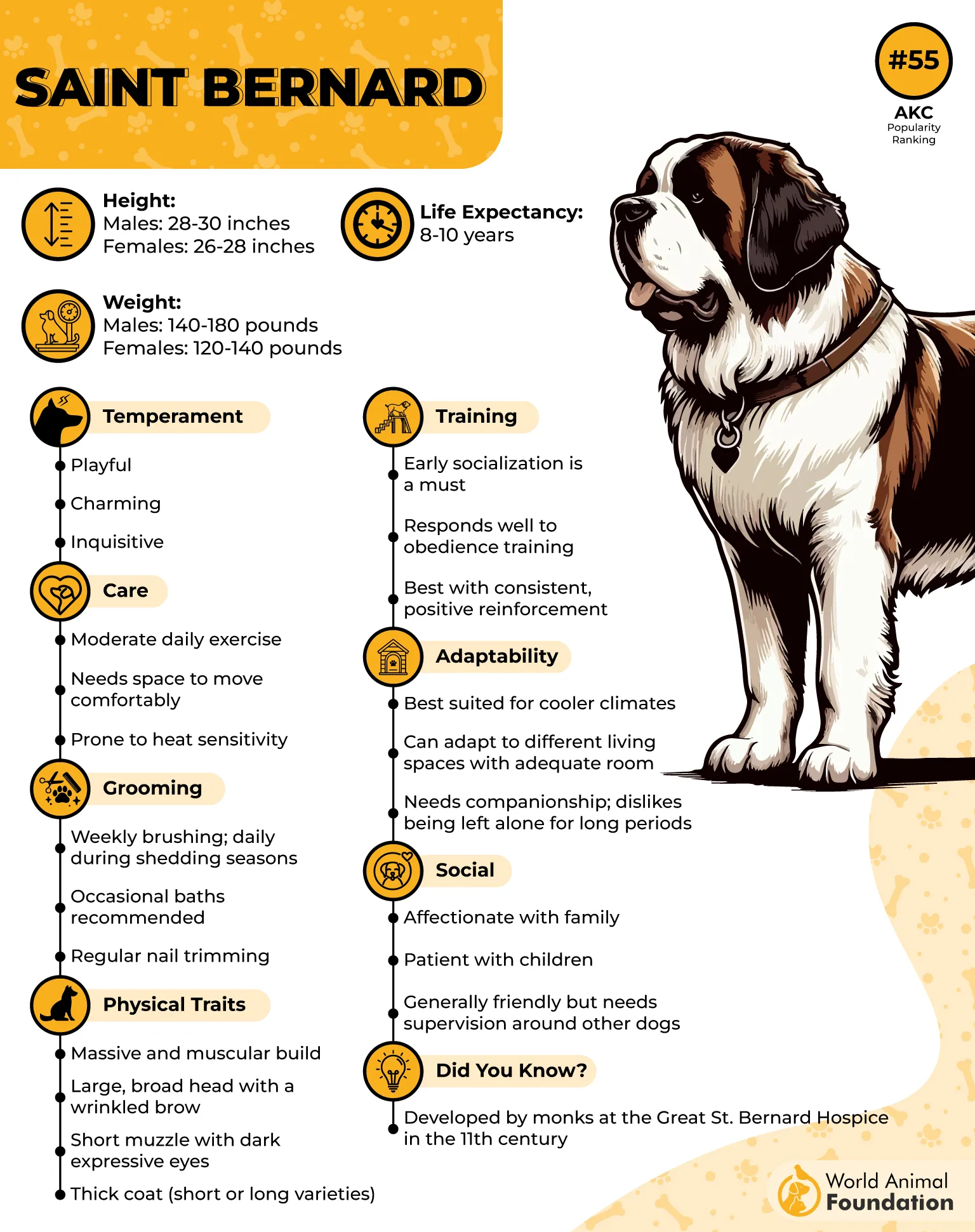
Despite its imposing size, the Saint Bernard is generally composed and especially good with children. It enjoys spending time with its people and can be eager to please when given consistent training and early socialization.
Saint Bernards typically do not bark without a reason, using their deep voice mainly when they notice something unusual. Their drooling and shedding are more noticeable household concerns than excessive vocalization.
How This Breed Stands Out
Calm household presence: Relaxed, patient, and affectionate with family.
Barks mainly when alerting: Uses its powerful bark primarily to warn of something unusual.
6. Pug

The Pug is a cheerful, affectionate companion with an expressive personality and a long history dating back to China’s imperial courts. These compact dogs are known for their distinctive wrinkles, round bodies, and amusing expressions, while their easygoing nature makes them pleasant household companions.
Pugs are not typically frequent barkers, although they may vocalize when they feel their territory needs protecting. Instead, owners are more likely to notice their characteristic snorts, snuffles, panting, or nighttime snoring.
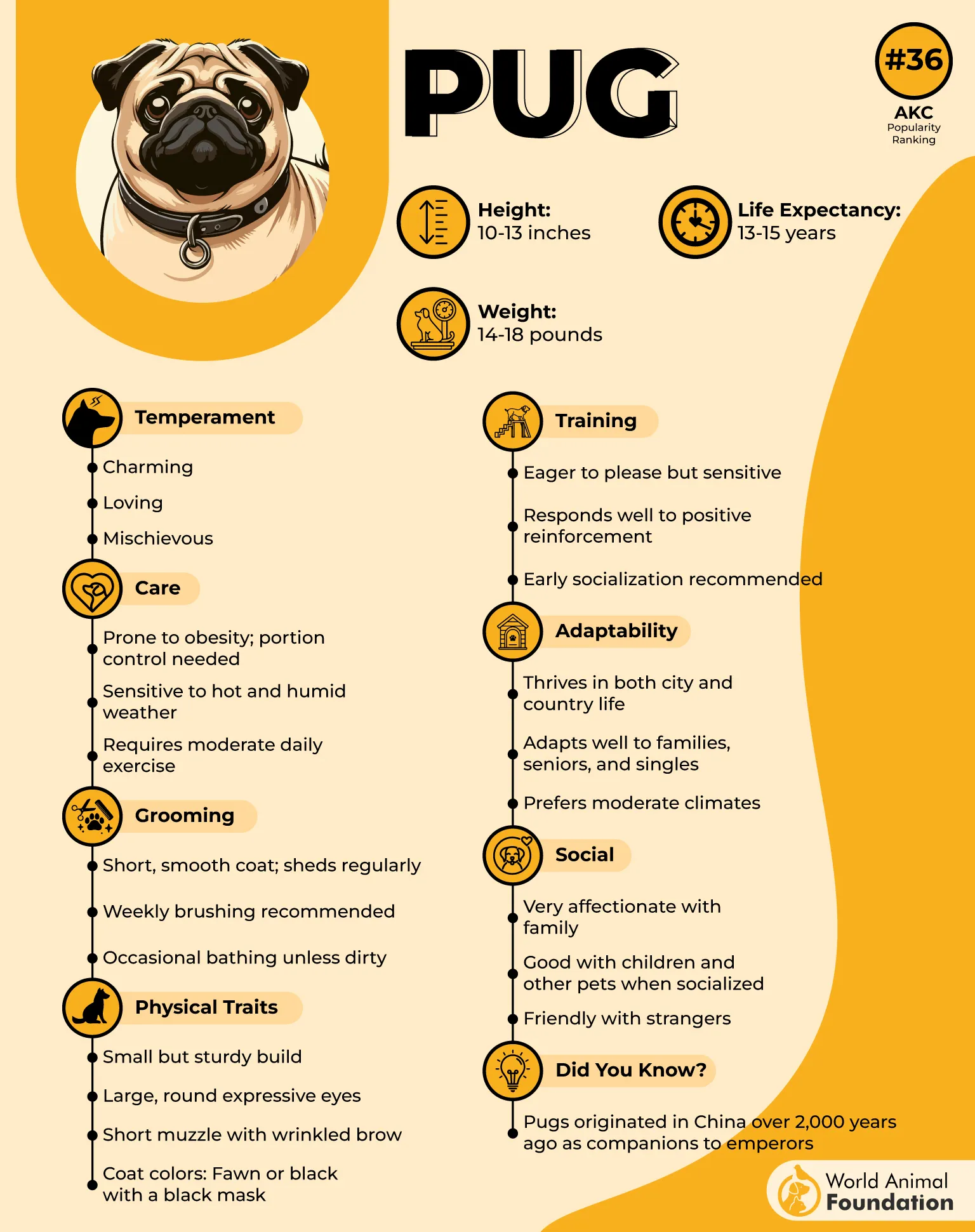
Their short airways contribute to these unusual sounds, making their communication quite different from a typical bark-focused breed. Regular care of their facial wrinkles and maintaining a healthy weight are also important for their overall comfort.
How This Breed Stands Out
Communicates through expressive sounds: Snorts, snuffles, and other amusing noises are common.
Usually quiet between alerts: Generally settles down without constant barking.
7. Bulldog

The Bulldog has a relaxed, easygoing temperament that makes it comfortable in quieter households and well suited to apartment living. Although its history began with bullbaiting in England, the breed was later developed toward a gentler and more affectionate character after the sport was outlawed.
Bulldogs are generally not persistent barkers and may only become vocal during brief moments of excitement or when another dog catches their attention. Their calm nature means they often prefer relaxing indoors rather than constantly making noise.
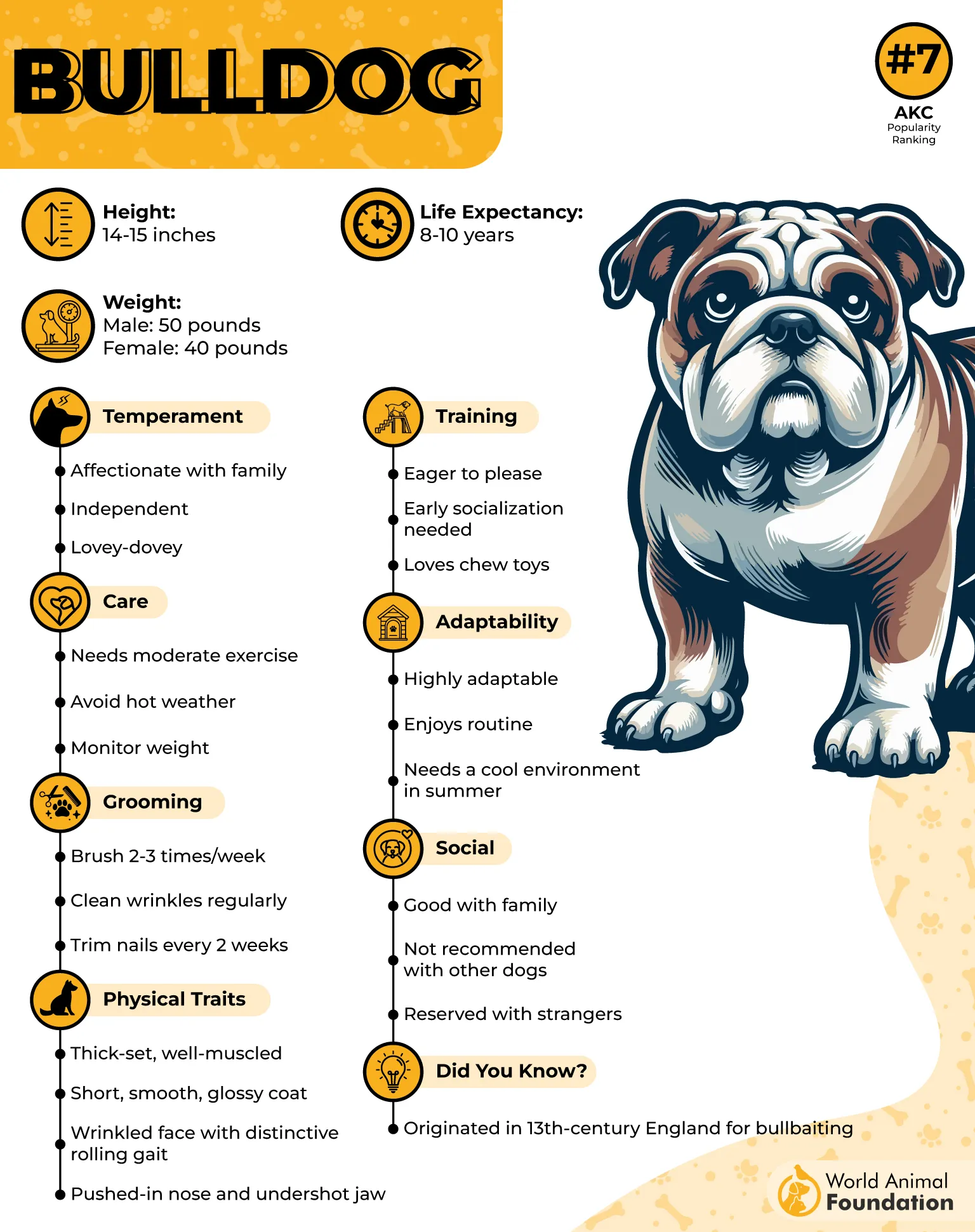
Instead of frequent barking, you may hear plenty of snorting, snoring, wheezing, and other distinctive sounds. Because of their short airways and facial folds, they also need careful grooming and should be protected from strenuous activity in hot weather.
How This Breed Stands Out
Relaxed indoor temperament: Prefers lounging and resting over prolonged activity.
Limited need for vocalization: Usually stays quiet, with only occasional barking or playful sounds.
8. Basenji
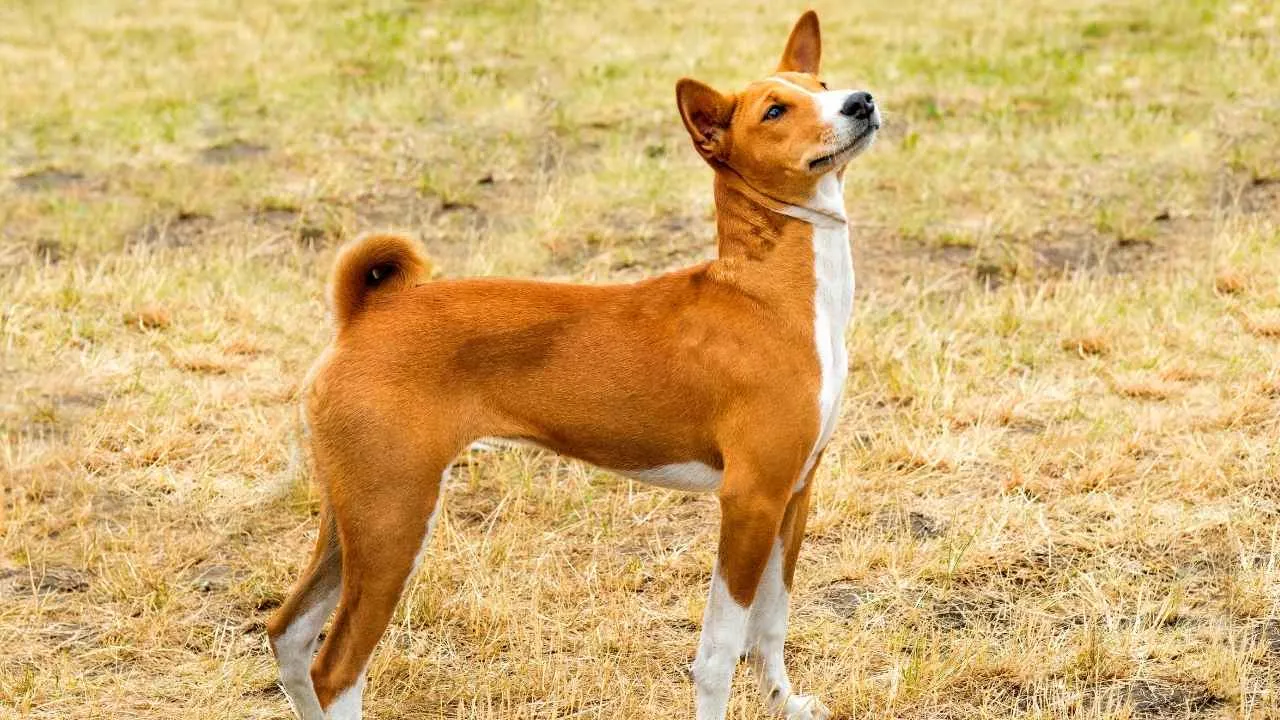
The Basenji is famously known as the “barkless dog,” making it an intriguing choice for households where excessive barking is unwelcome. This ancient hound is intelligent, independent, energetic, and notably clean, with grooming habits often compared to those of cats, and some owners even describe them as cat-like.
Although Basenjis do not produce a conventional bark, they are certainly not completely silent. When excited or trying to communicate, the breed makes a yodel rather than a standard bark, though they may also whine, squeal, or produce distinctive throaty sounds.
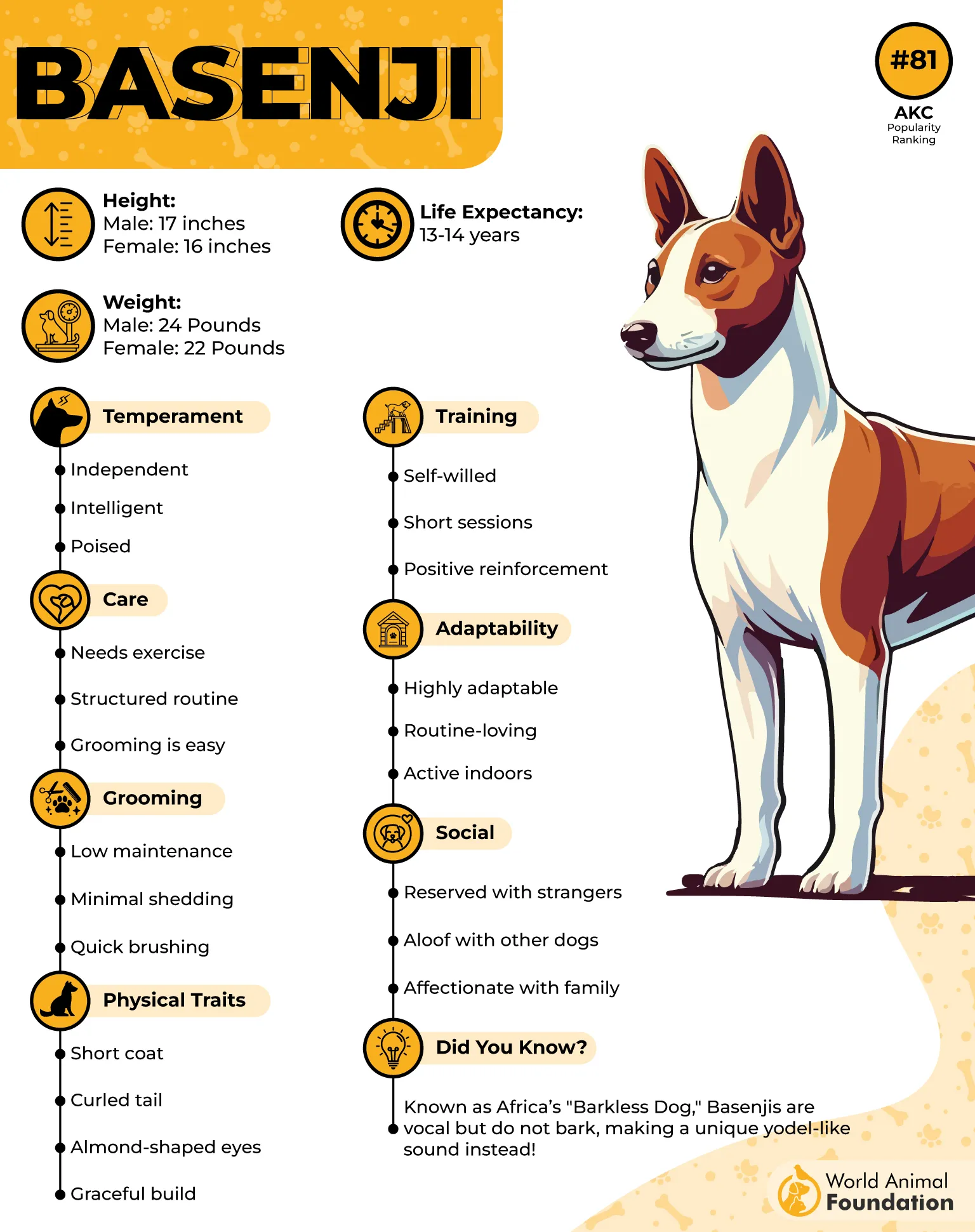
Their unusual vocal style keeps everyday noise relatively low while giving them plenty of personality. Their independent nature also means they can be somewhat selective about training, so patience and consistency are important when living with this unique breed, and commands like “speak” and “quiet” can help manage vocal habits.

How This Breed Stands Out
Famous barkless reputation: Rarely produces the traditional bark associated with most dogs.
Uses yodel-like vocalizations: Communicates through distinctive yodels and other unusual sounds.
9. Bullmastiff
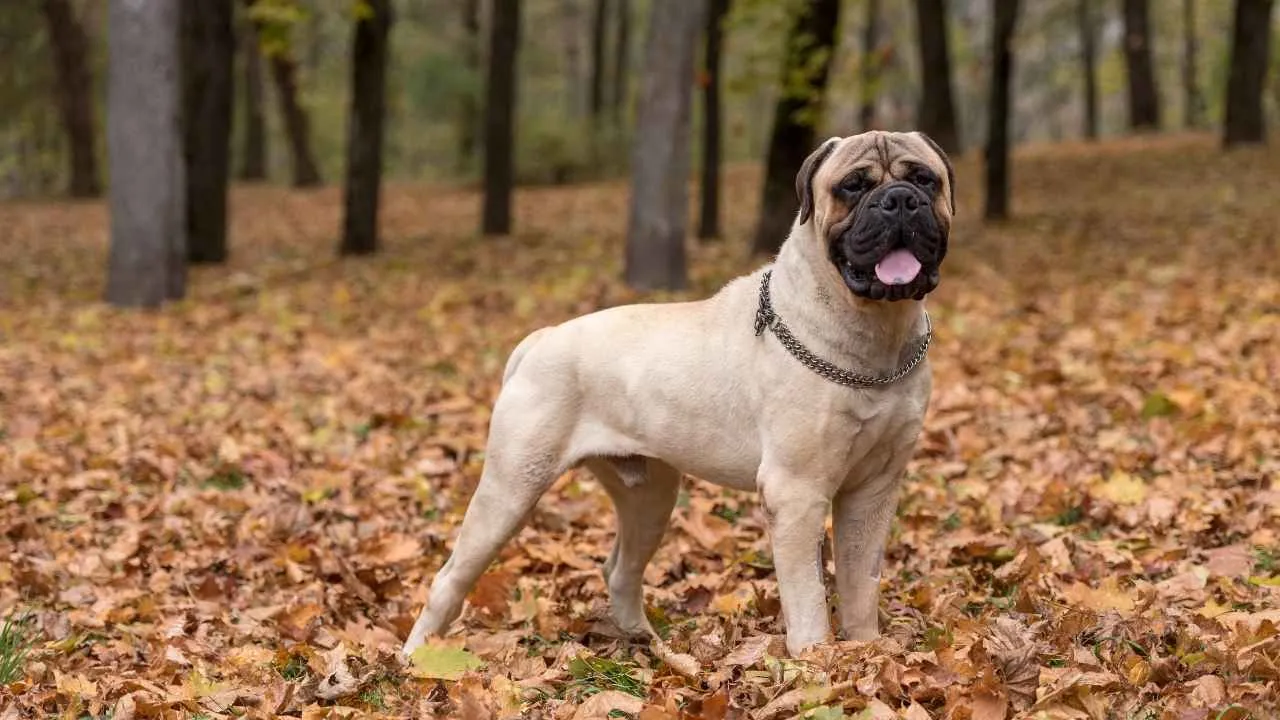
The Bullmastiff is a powerful guardian with a surprisingly composed temperament at home. Originally developed to protect English estates from poachers, this muscular breed combines courage on duty with a gentle, affectionate nature around its family.
Despite its imposing appearance, the Bullmastiff is not usually an excessive barker. It tends to observe its surroundings quietly and reserve its voice for situations that genuinely require attention, although snoring can certainly be part of life with this breed.
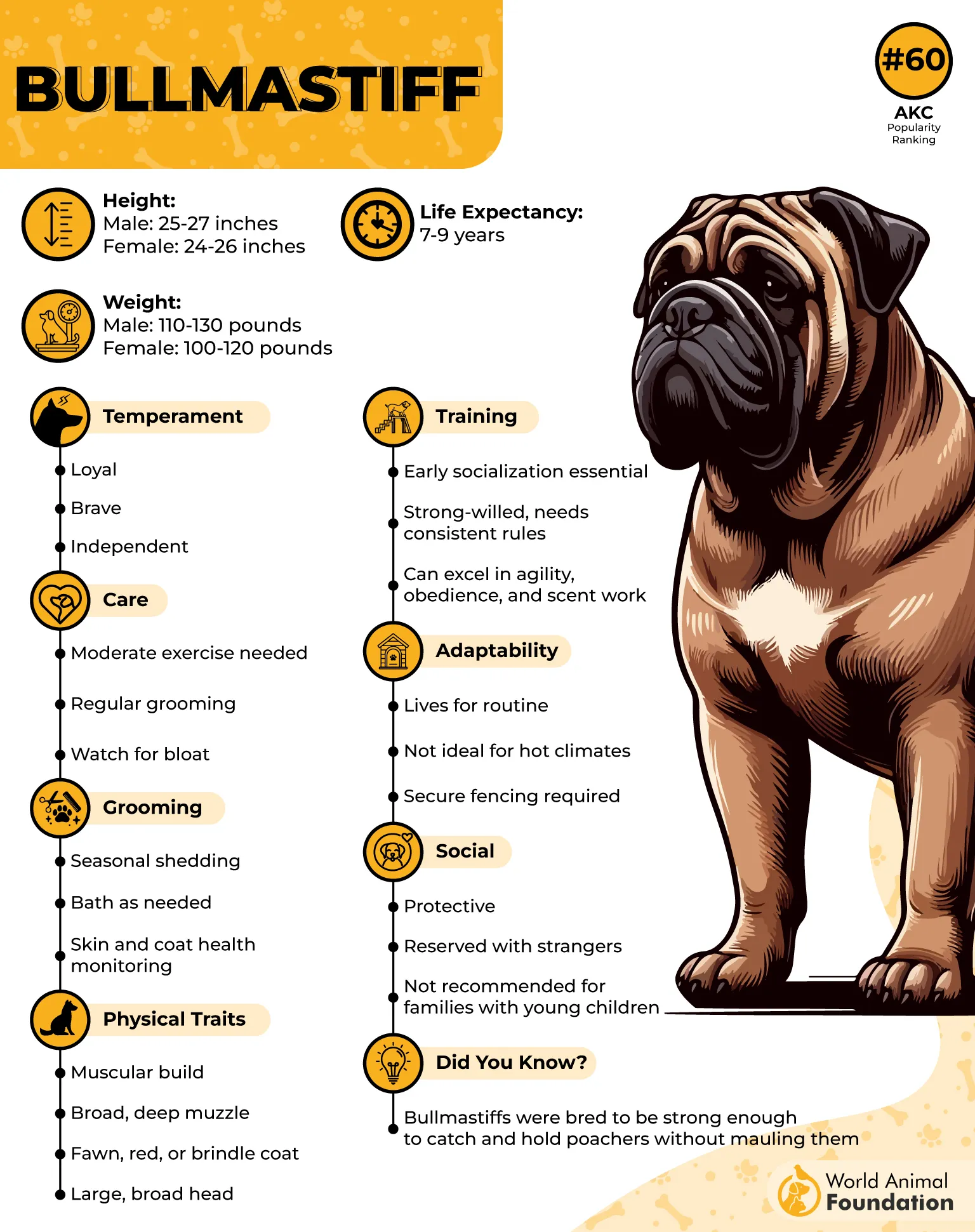
Because Bullmastiffs are strong and can be determined, early training and socialization are especially important. They respond well to consistent routines and positive guidance while remaining devoted companions to the people they trust.
How This Breed Stands Out
Silent guarding style: Relies heavily on awareness and presence rather than constant vocalizing.
Rarely barks without reason: Usually saves its powerful bark for genuine alerts.
10. Chinese Crested
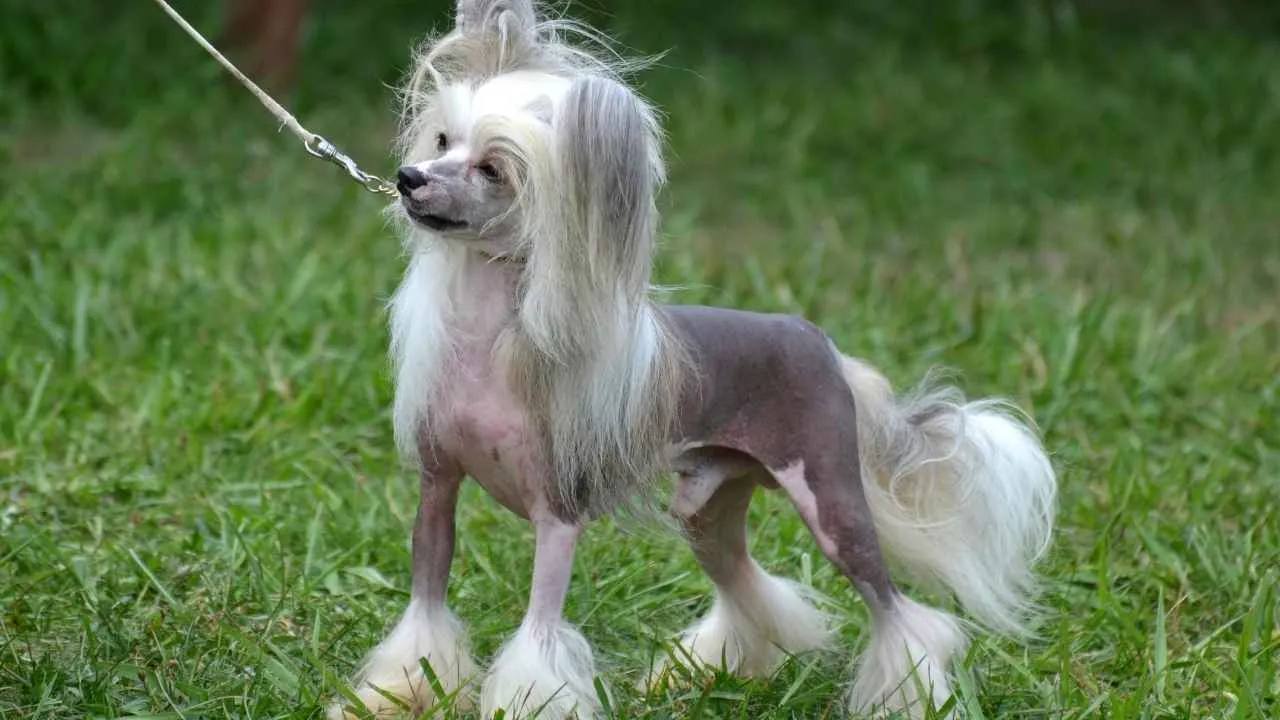
The Chinese Crested is a distinctive, affectionate toy breed that comes in hairless and Powderpuff varieties. Both are lively, devoted companions that enjoy staying close to their families.
According to PetMD, the Chinese Crested’s cheerful personality allows it to adapt well to most families, including those with children and other pets, though interactions with kids should always be supervised.
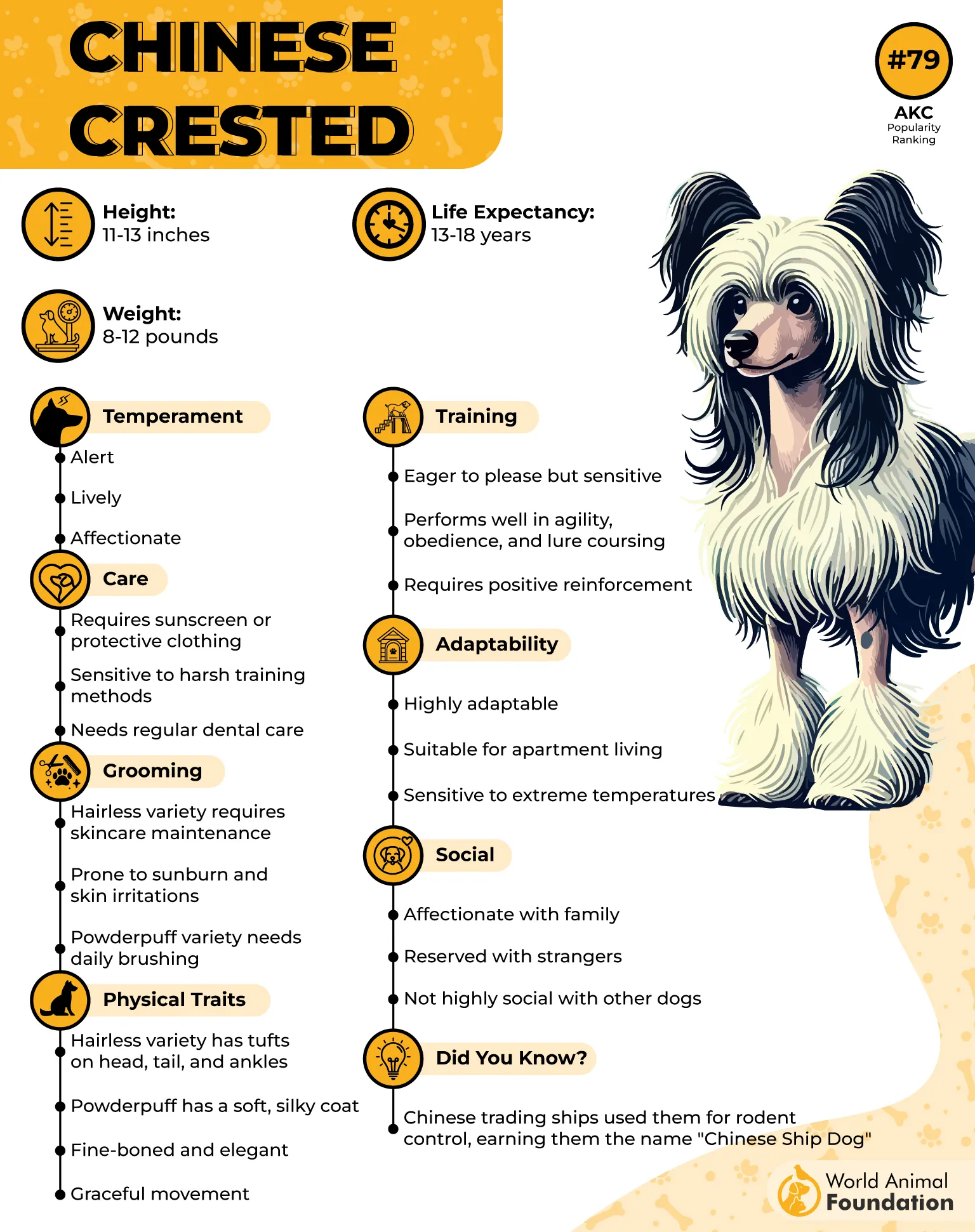
These dogs are naturally alert and may announce visitors, but they are not known for constant vocalizing. Their sensitive nature responds best to gentle training, while their playful spirit makes them enjoyable companions.
How This Breed Stands Out
Quiet companionship: Enjoys staying close to its family and provides affectionate company without being overly vocal.
Alert without constant barking: Notices unfamiliar people and activity around the home but generally barks to signal something rather than making noise continuously.
Conclusion
Choosing a low-barking dog can make everyday life more peaceful while still giving you the companionship, loyalty, and affection you want from a pet. Many quiet breeds have calm personalities and communicate mainly when they have something important to signal.
From gentle giants to compact companions, these dogs show that a quieter nature does not mean a lack of personality. Some may use deep barks, unusual sounds, or occasional alerts rather than vocalizing throughout the day.
Consider your living space, activity level, grooming needs, and training commitment when choosing a breed. A dog whose temperament matches your household is more likely to remain content and well-adjusted.
With the right care, socialization, and attention, a naturally quieter dog can become a wonderful household companion while helping keep unnecessary noise to a minimum.
