




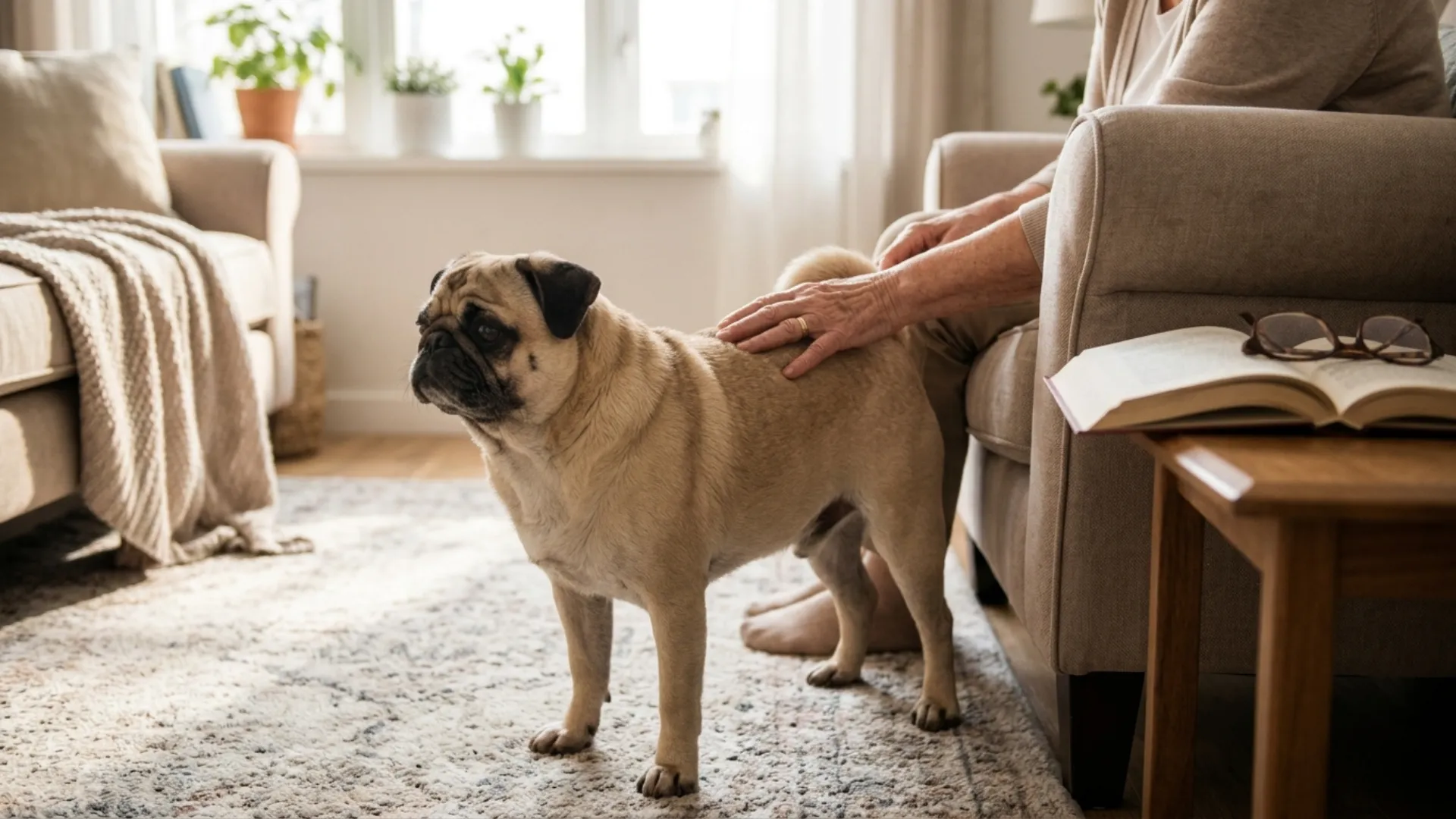
The wrong dog can make retirement feel far less peaceful than it should. That may sound dramatic, but many retirees discover this truth sooner than expected.
A companion that barks at every sound, every visitor, and every movement outside can gradually become a source of daily frustration. What begins as a minor annoyance often grows into something much more noticeable when the home becomes the center of everyday life.
Fortunately, not all dogs behave this way. Some breeds are naturally quieter, more relaxed, and far less likely to fill the house with unnecessary noise. They still offer the companionship people seek during retirement, but they do so in a way that feels comfortable rather than disruptive.
Ahead, explore the dogs that combine loyal companionship with the calm presence many retirees value most in this stage of life.
Key Takeaways
Retirement living feels different when the house stays calm, and certain dogs are naturally better suited for that kind of quiet environment.
Japanese Chin and Pug tend to settle into soft daily routines, preferring companionship and still moments over constant activity or attention seeking.
Cavalier King Charles Spaniel and Russian Tsvetnaya Bolonka bring gentle social energy that feels steady, not overwhelming, even in shared family spaces.
By the end, you start noticing which right breed quietly shapes a peaceful home and which ones fit best into slower, more relaxed days.
Best Low-Bark Dog Breeds Ideal for Calm Retirement Living
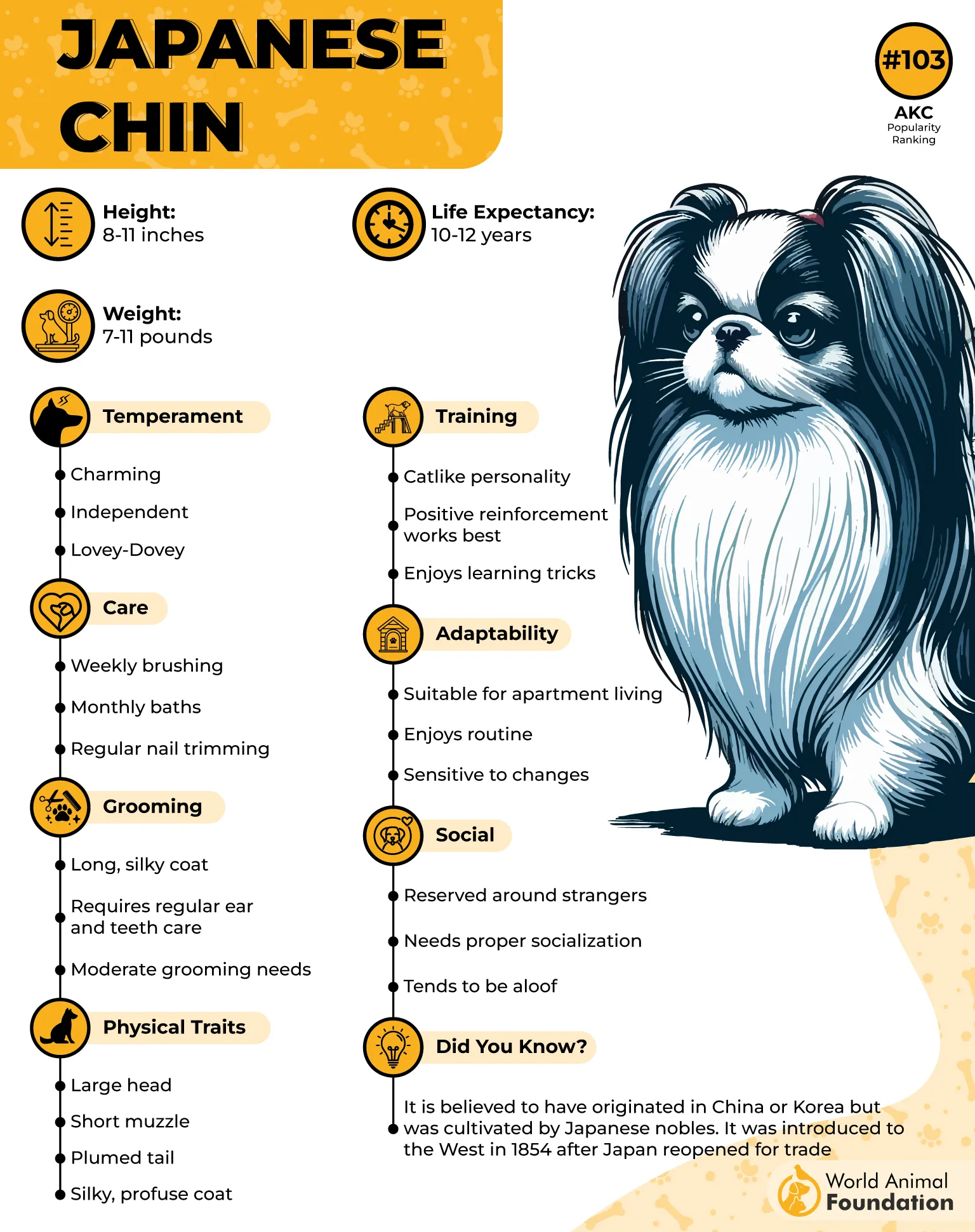
1. Japanese Chin
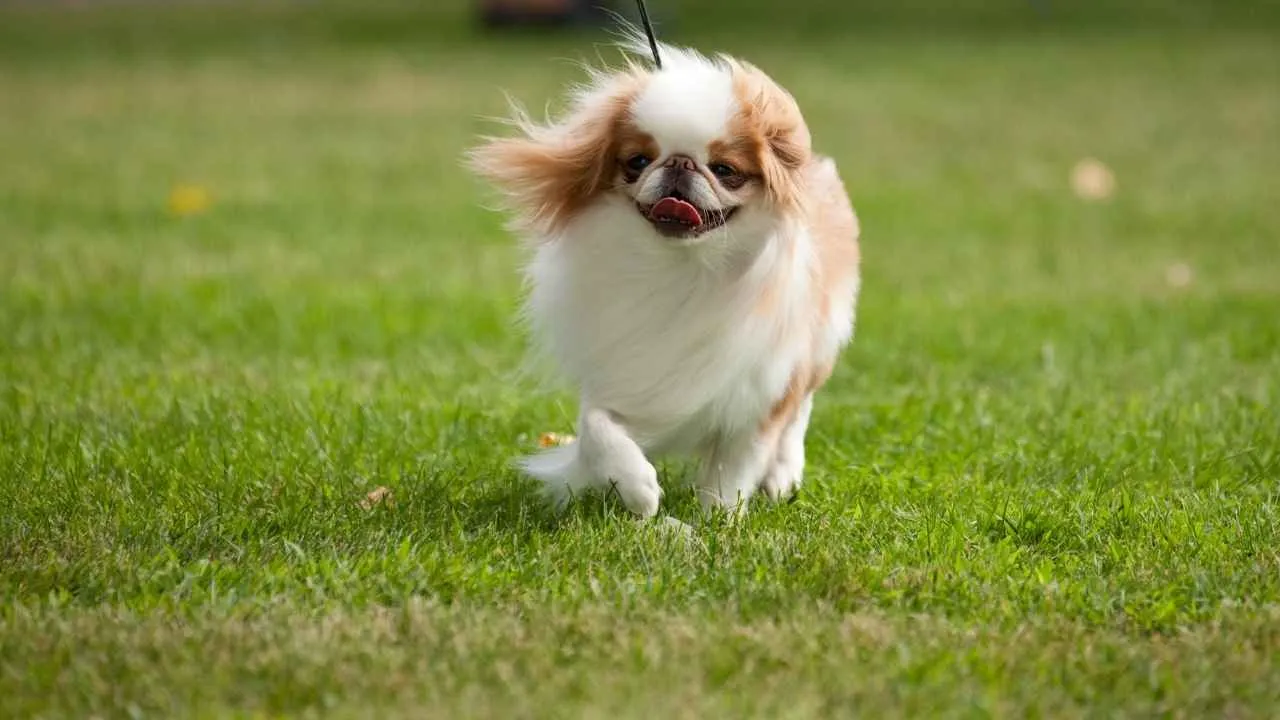
Japanese Chin brings an unmistakably aristocratic presence, wrapped in a silky coat and graceful movements. Often compared to a feline, this small companion is known for neat habits, refined manners, and a naturally quiet disposition. Its indoor-focused nature fits comfortably into peaceful routines.
Peaceful Companion
A calm household often benefits from a dog that communicates without constant noise or commotion. This small dog breed is generally not known for frequent barking, digging, or drooling, making everyday life feel less demanding, as Hills Pet claims.
These qualities contribute to this easygoing presence:
Generally quiet indoors
Minimal digging behavior
Affectionate with family
Social Balance
Japanese Chin can be reserved when meeting unfamiliar people, making early socialization particularly valuable. Exposure to new experiences during puppyhood helps build confidence in different situations. Because of its small size, supervised interactions with children are especially important.
2. Cavalier King Charles Spaniel
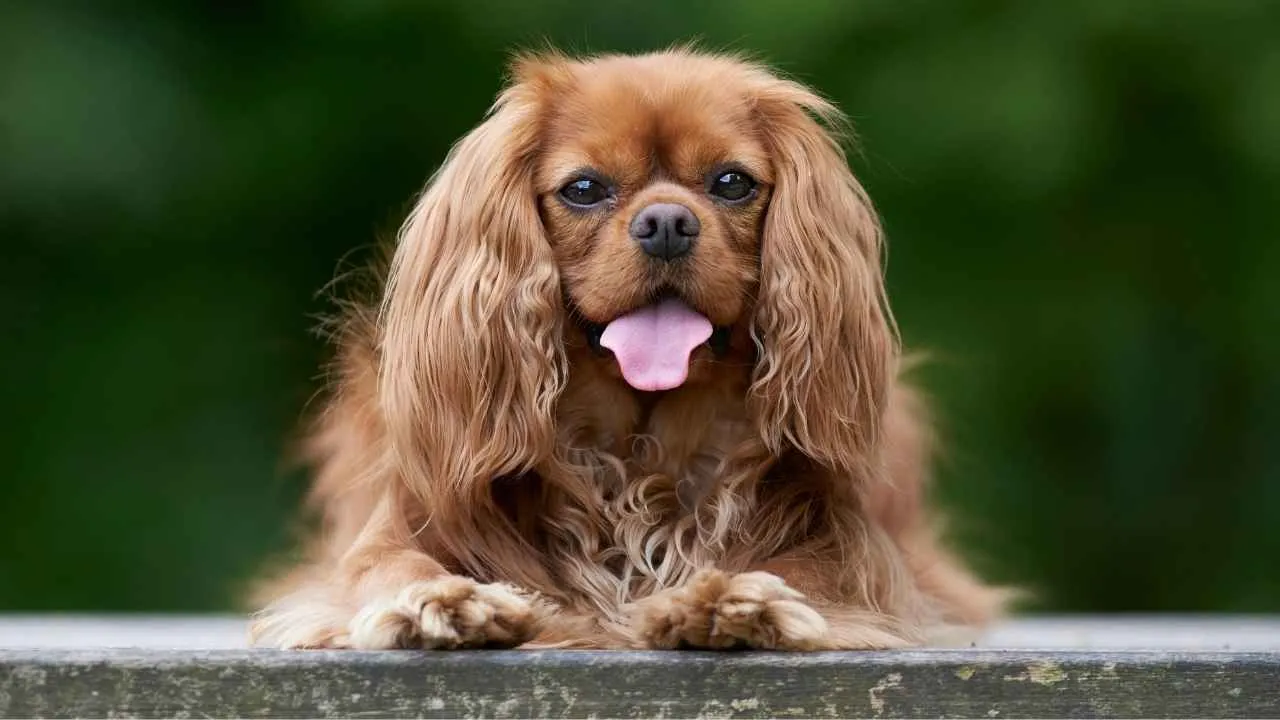
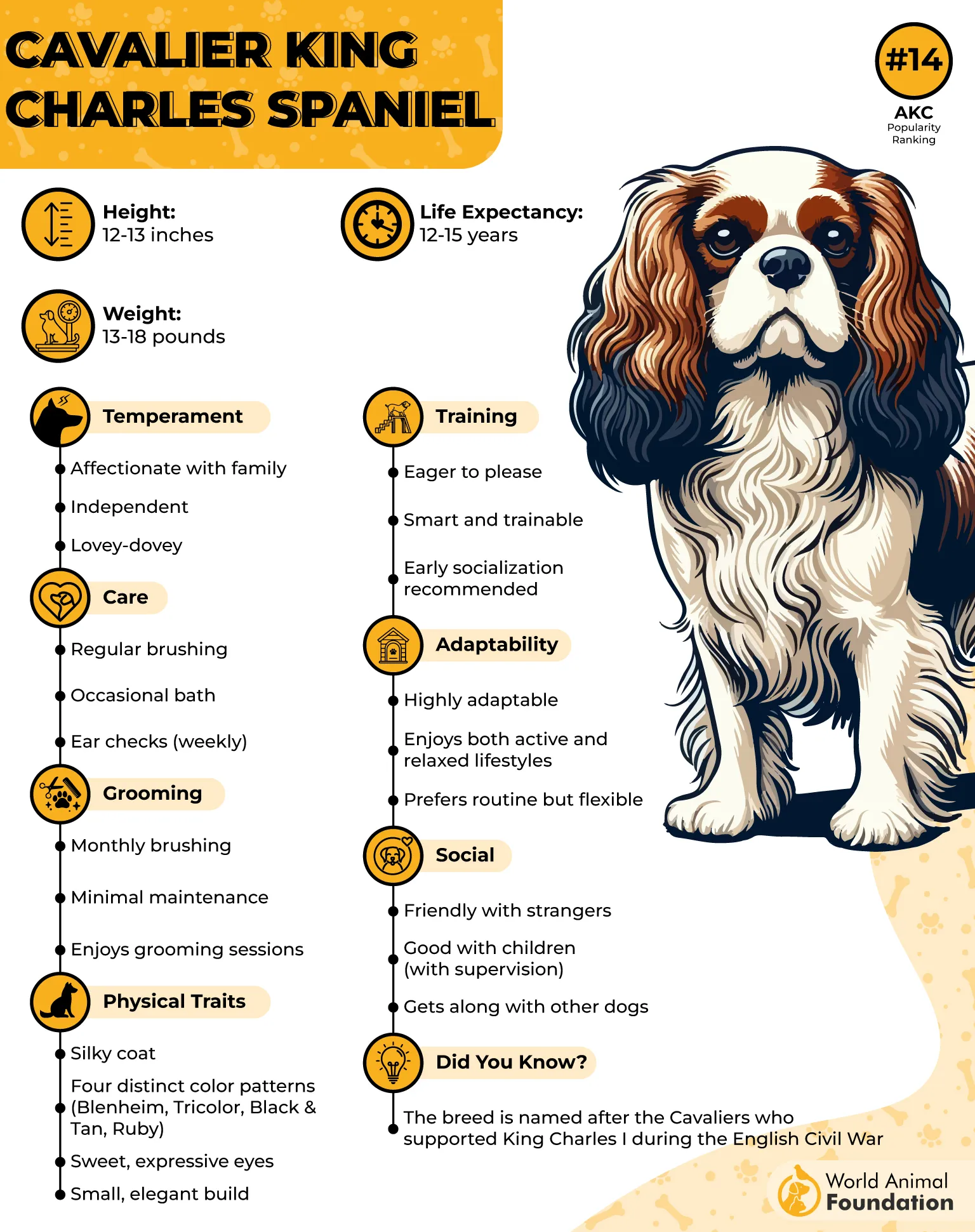
Cavalier King Charles Spaniels spent centuries beside British royalty, accompanying King Charles I and Charles II so regularly that the dogs even appeared in Parliament. That close human connection still shapes the breed today. Affection and companionship remain at the center of its character.
Relaxed Daily Living
This quiet dog fits naturally into quieter households because their needs are straightforward and manageable. Regular daily walks provide enough activity, while downtime is spent happily beside family members.
Several qualities contribute to this easygoing routine:
Gentle with children
Friendly toward other pets
Comfortable with moderate exercise needs
Easygoing Nature
Patience is one of the breed’s most valuable qualities, especially in homes with varying activity levels. AKC describes that Cavaliers interact well with cats, other dogs, and visitors, creating a peaceful atmosphere rather than constant commotion. Their soft-tempered approach helps daily life feel predictable and comfortable.
3. Pug
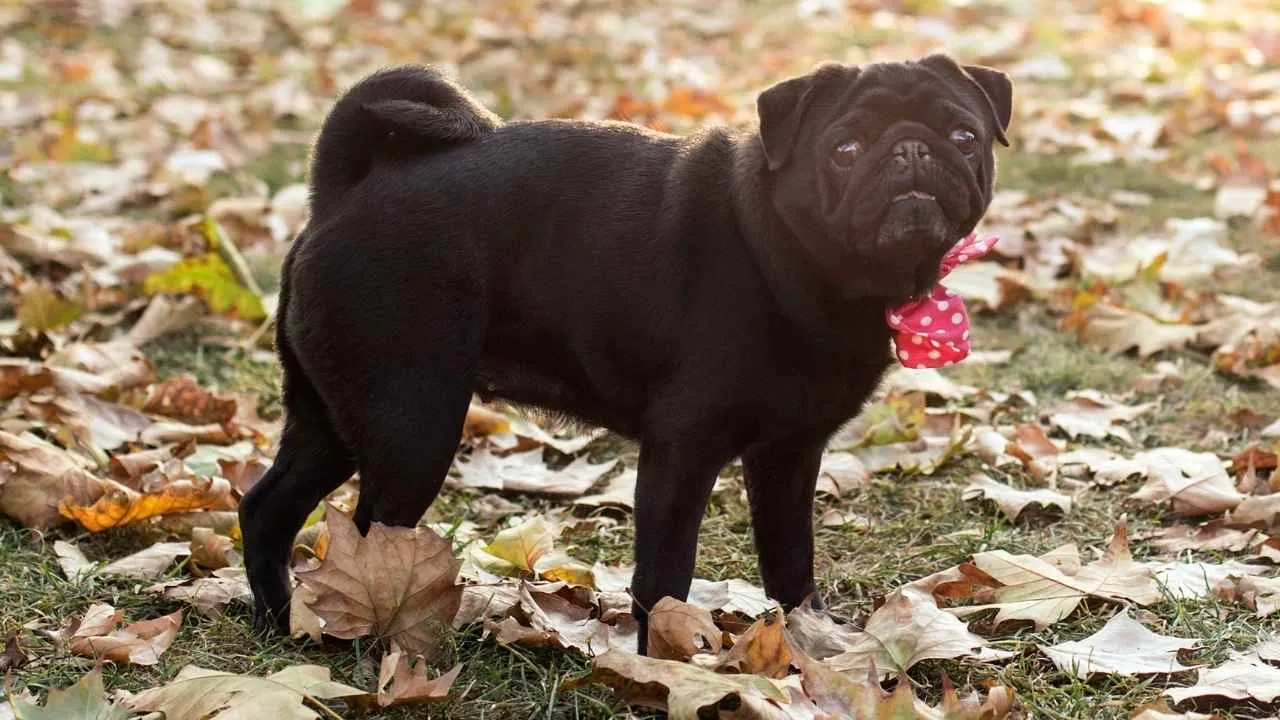
Pugs prefer being part of everyday life, often choosing people over almost anything else happening around the house. This ancient breed spent centuries close to royal households and still gravitates toward companionship above all else. Its affectionate nature keeps it closely involved in daily routines.
Relaxed Lifestyle
Pugs’ idea of a good day often includes comfort, company, and moderate activity. Their easygoing personality, including minimal grooming needs, suits people looking for a low-maintenance lap dog with a calm demeanor.
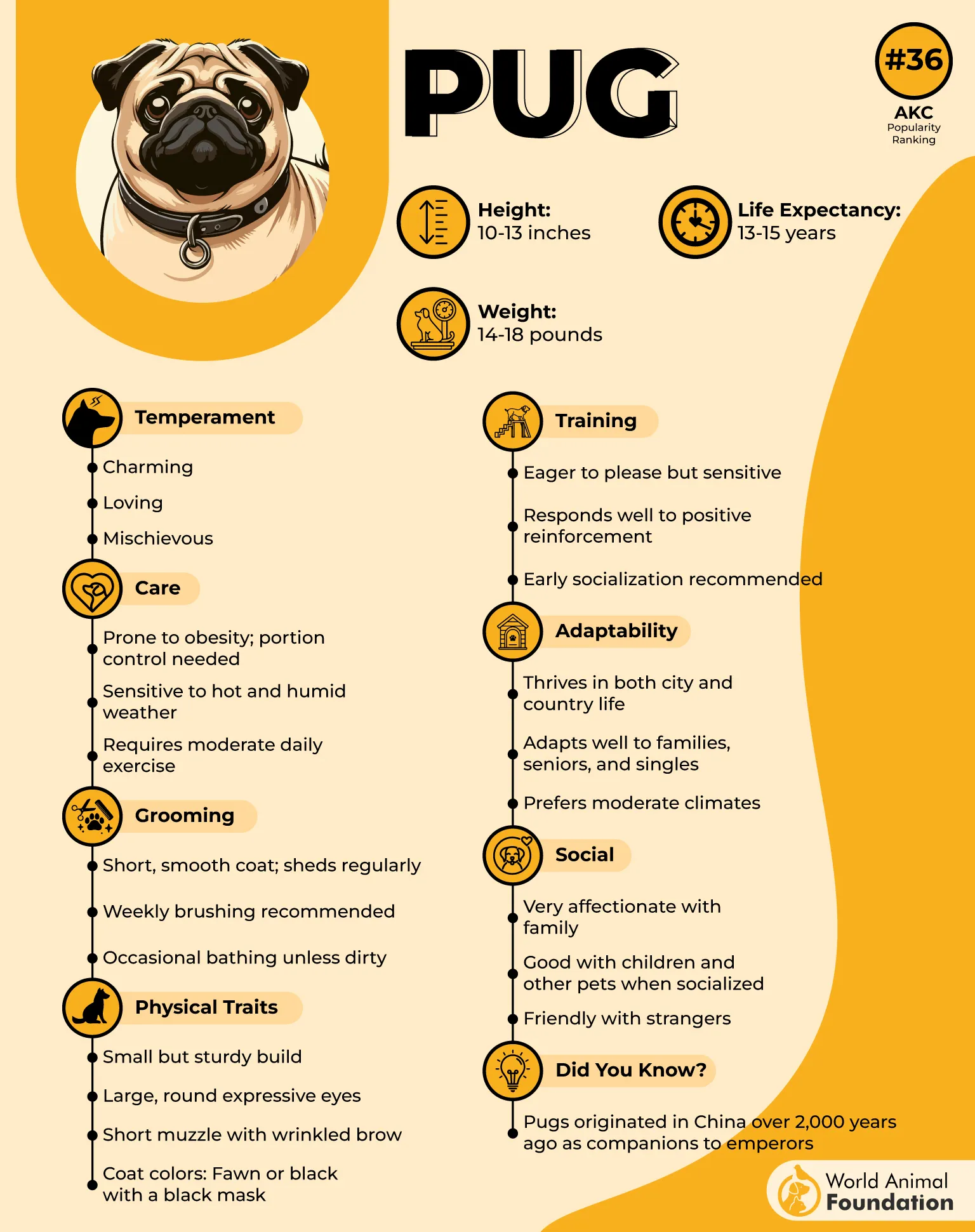
That preference becomes clear in these ways:
Content with casual short walks
Enjoys being near people
Comfortable with quiet routines
Comfort and Care
A short muzzle and flat face give the breed its distinctive appearance, though they also influence daily management. Snoring, heavier breathing, and occasional gassiness are linked to the same facial structure, as PetMD noted. Warm weather and strenuous activity require extra consideration.
4. Pekingese
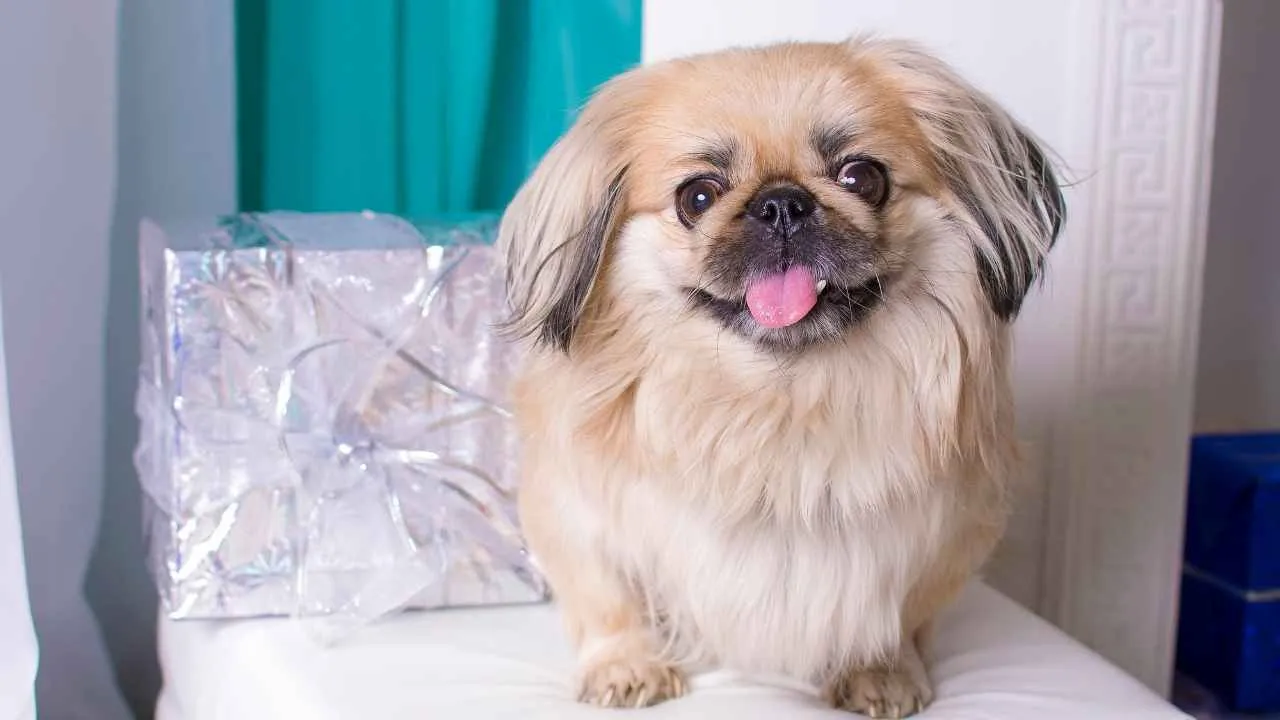
Pekingese dogs were once constant companions in ancient Chinese royal households, sharing everyday life with the elite. That deep connection with people remains one of the breed’s defining qualities today. Affection comes naturally, especially toward the small circle of people they trust most.
Quiet at Home
A relaxed household suits the Pekingese well, as it tends to be calm and relatively quiet indoors. This steady nature can be especially appealing for those seeking a more peaceful daily routine.
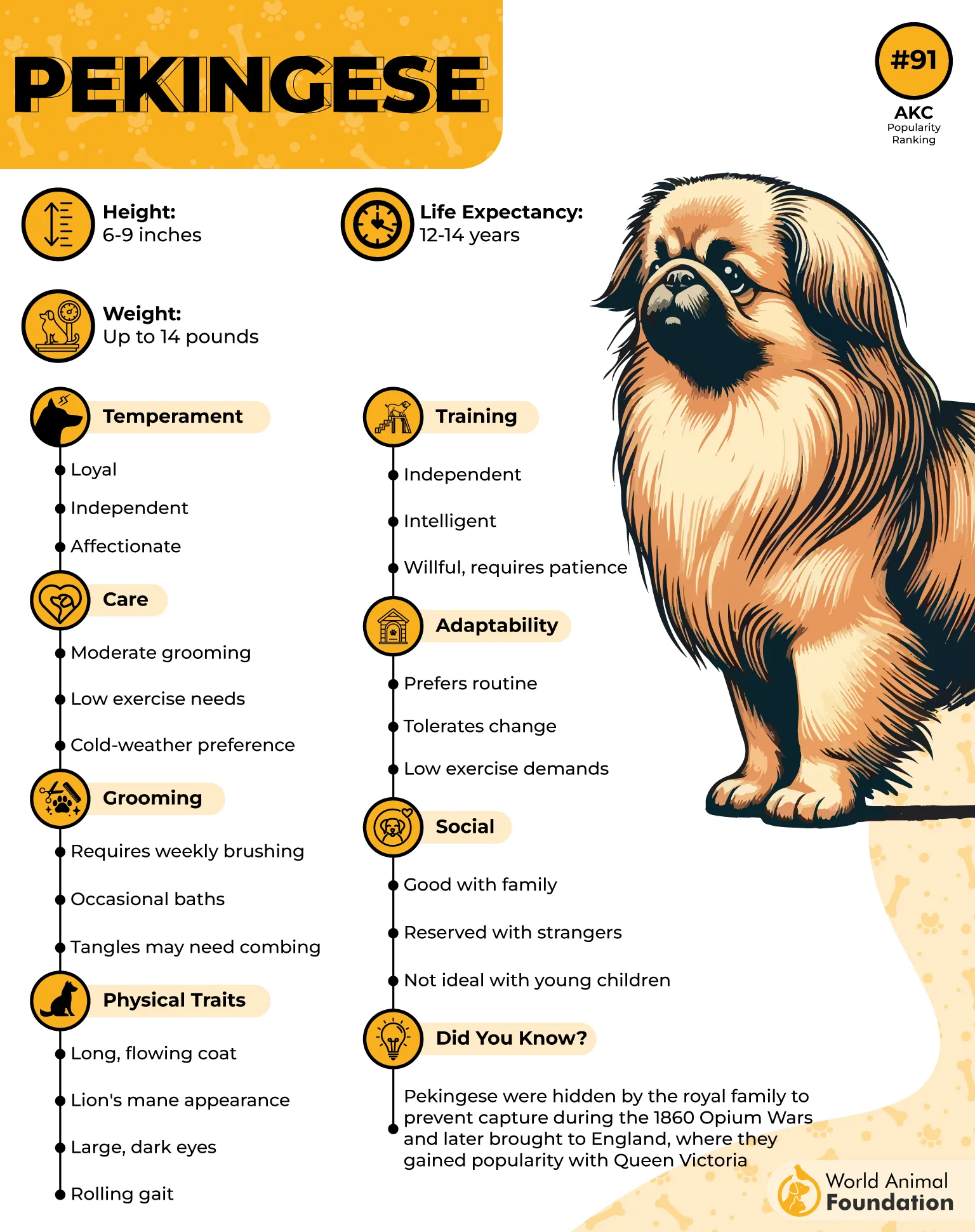
Its behavior becomes clearer through a few key traits:
Generally quiet indoors
Loyal to familiar people
Comfortable in apartment settings
Alert by Nature
This furry friend pays close attention to its surroundings and reacts when something feels unfamiliar or out of place. That awareness explains why the breed may become vocal when sensing an intrusion. Early exposure to new people and experiences helps build confidence in changing situations.
5. Russian Tsvetnaya Bolonka
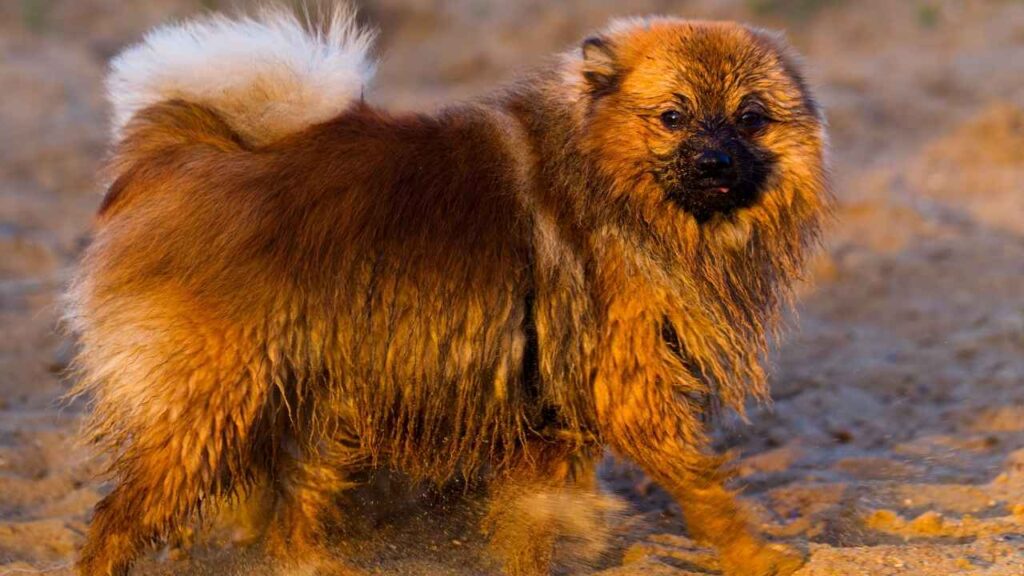
Russian Tsvetnaya Bolonka is known for its calm, people-focused nature that suits quiet indoor living. The small frame is paired with a steady temperament shaped for close companionship. Originating as a lapdog for compact homes, it naturally fits the list of breeds for seniors.

Calm Social Nature
Its friendly behavior makes daily interaction easy, especially in households that prefer a peaceful rhythm. Early guidance helps shape its alert but controlled responses without unnecessary noise.
Here’s how they show their balanced behavior:
Friendly with family members and visitors
Learns routines quickly with gentle training
Adapts well to other dogs in the home
Easygoing Adaptability
This affectionate dog adjusts well to structured training when handled with consistency and patience. Its intelligence supports obedience work and interactive activities for optimum mental stimulation. The overall personality remains steady even in changing daily routines.
6. Irish Wolfhound
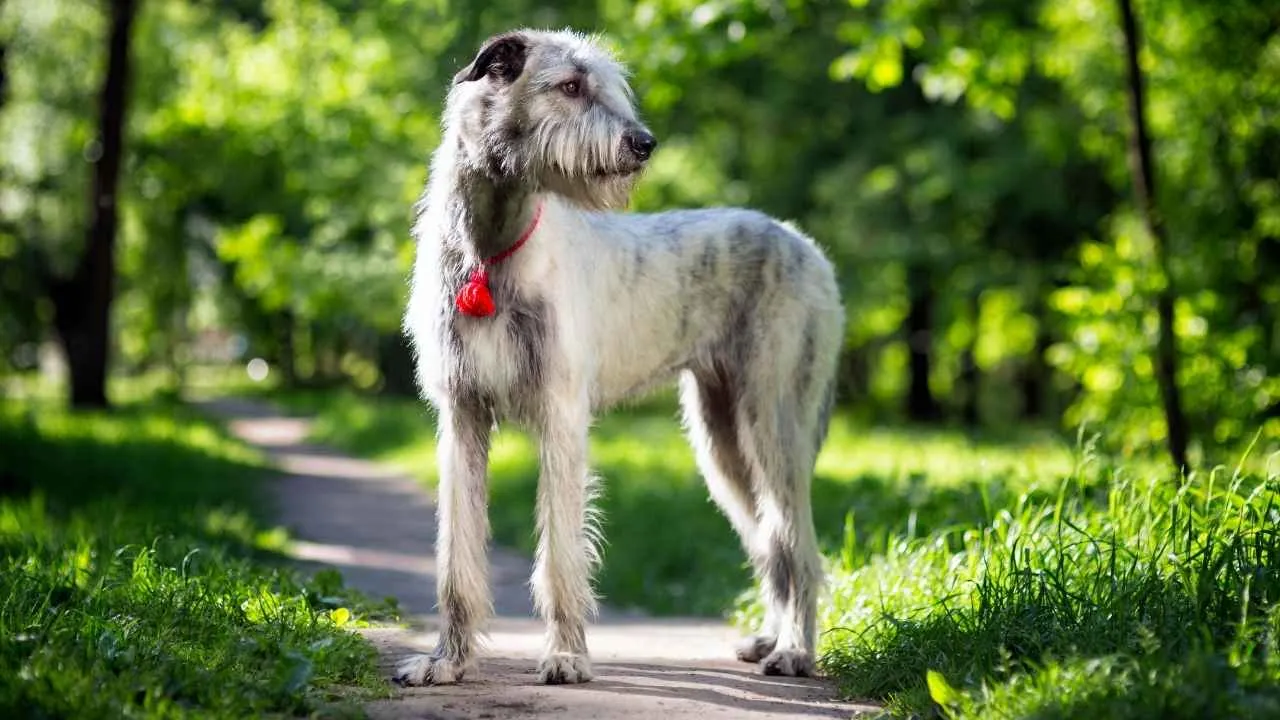
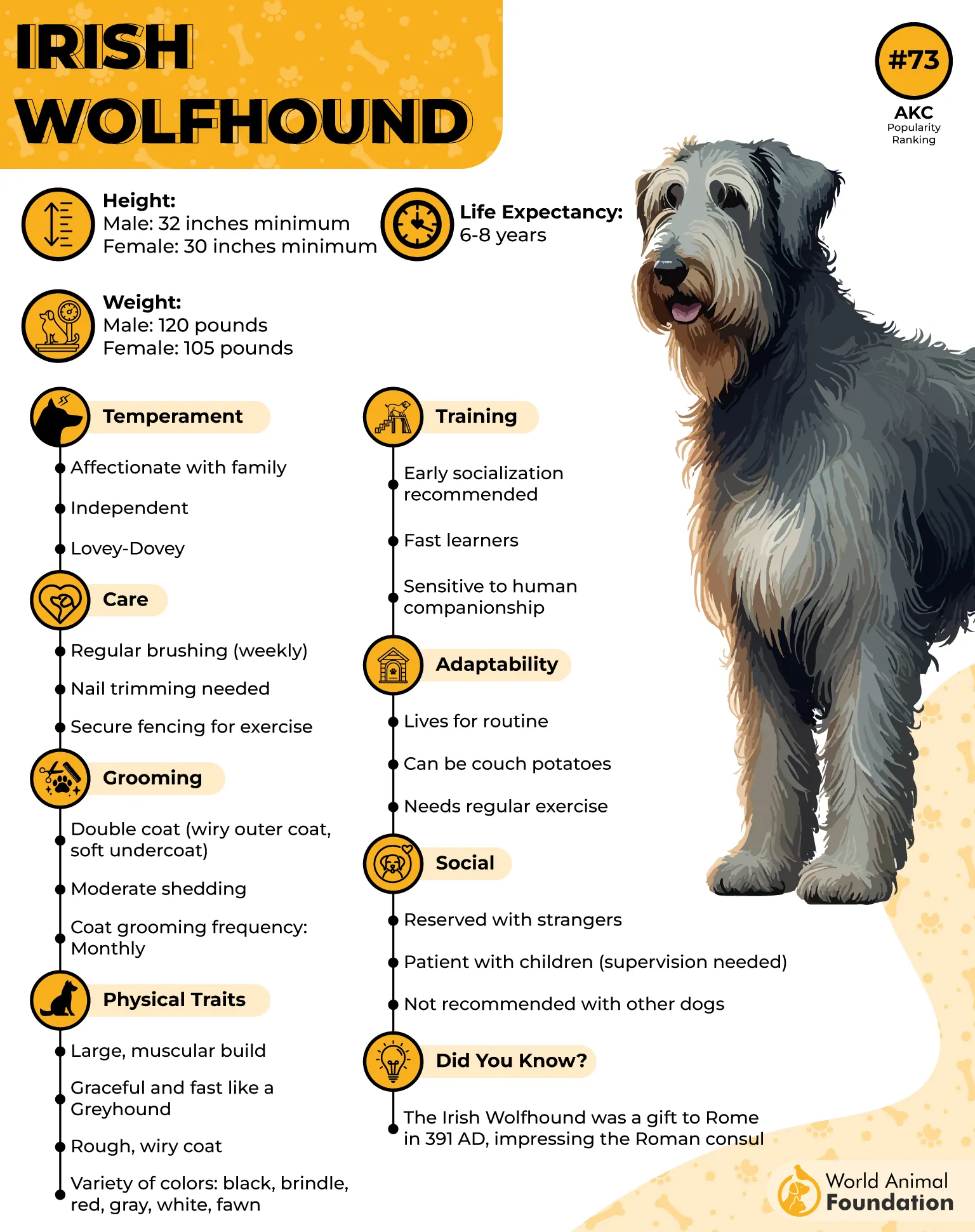
Irish Wolfhound is known for its towering frame paired with an unexpectedly calm and composed nature. Its dignified build reflects a long history of assisting with wolf hunting in Ireland centuries ago. Despite its size, this hunting dog leans strongly toward quiet companionship and steady affection.
Calm Nature in Daily Life
Living alongside this gentle giant feels surprisingly easy when space and routine are well managed. Early guidance shapes behavior, helping the dog adjust to people and other animals without tension.
These everyday traits explain its steady household presence:
Generally patient with children
Responds well to early social exposure
Comfortable with calm household settings
Behavior and Instincts
A strong chase instinct remains part of its working background, especially around smaller moving animals. Structured environments with secure boundaries help guide this behavior more comfortably. Regular movement keeps both body condition and energy levels balanced.
7. Newfoundland
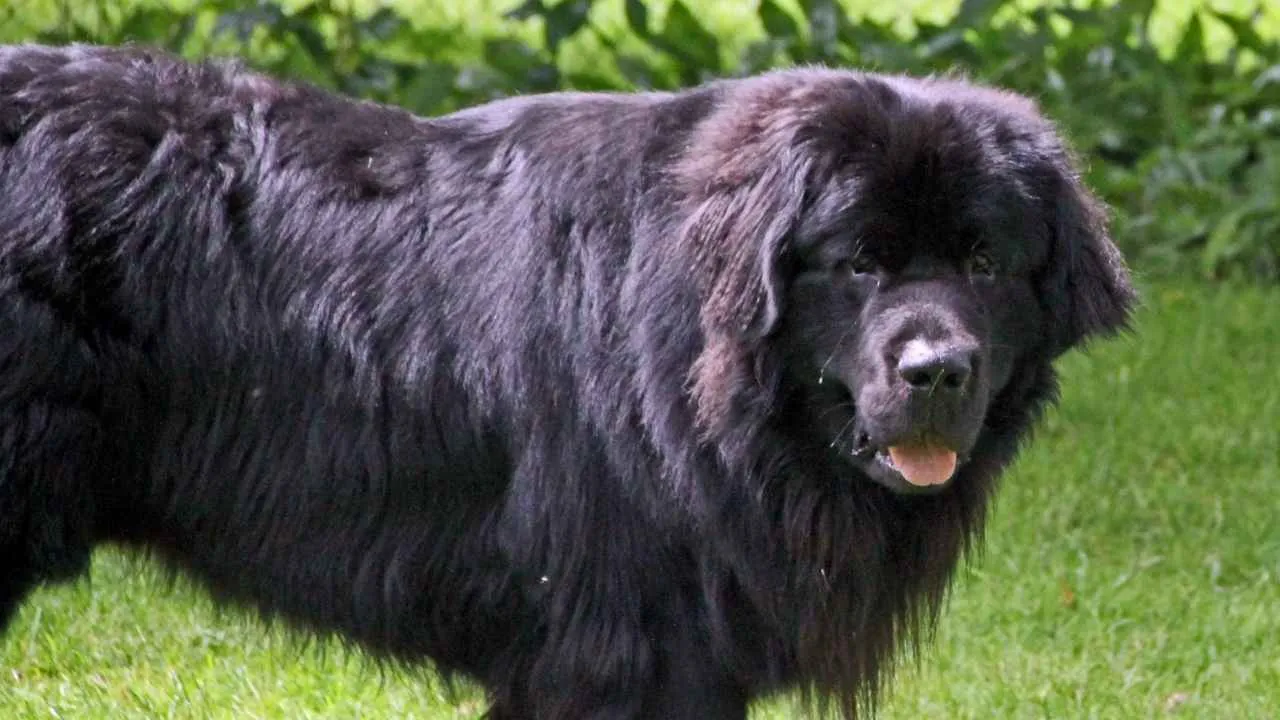
Newfoundland is widely known for its calm presence paired with natural strength, often linked to life around cold northern waters.
Its massive frame is balanced by a soft temperament that works well in quiet home settings. A steady nature runs through its interaction with people and surroundings.
Built for Calm Living
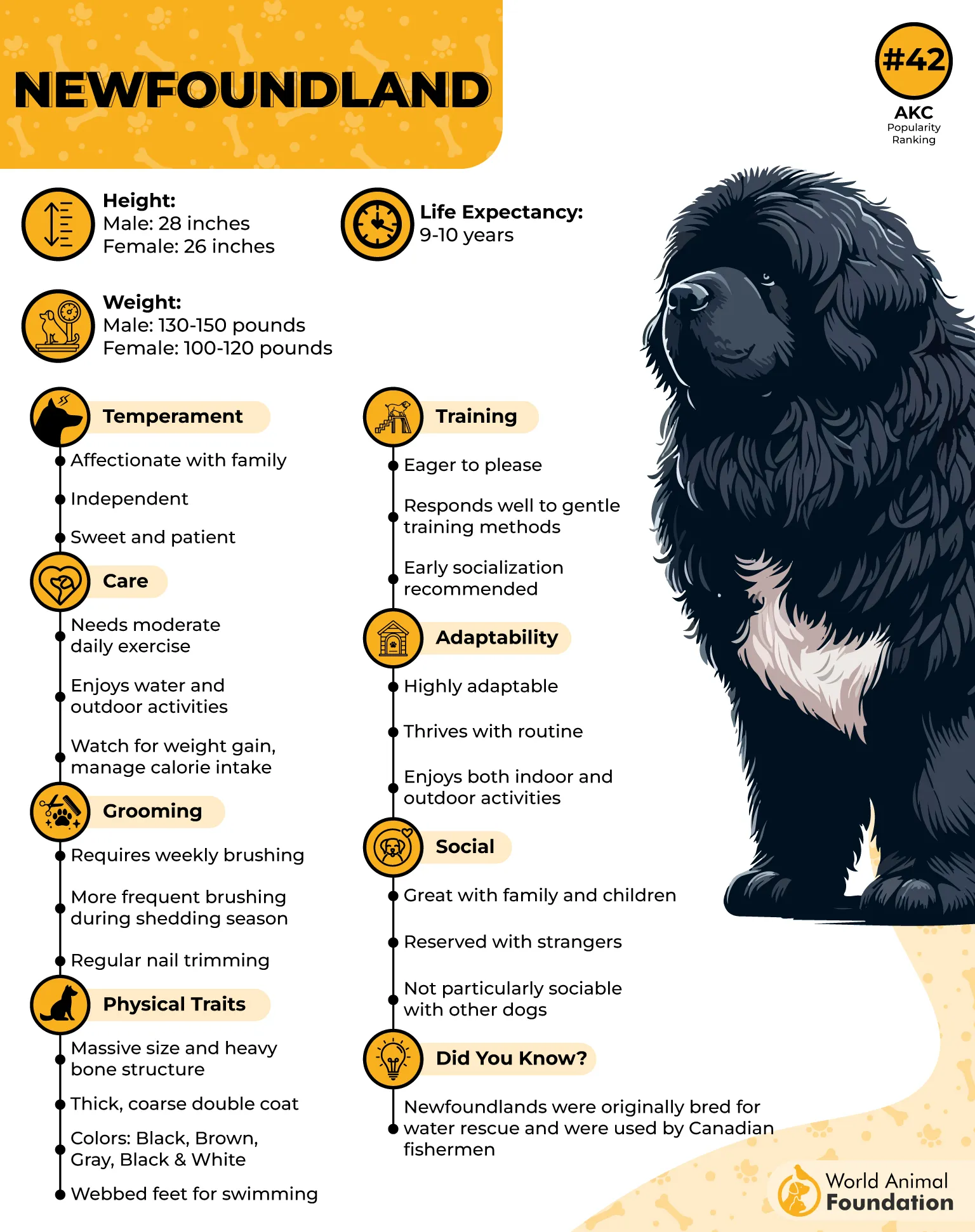
Newfies adapt smoothly to relaxed routines, especially in homes that value slow-paced companionship. Its working past around fishermen and water rescue shapes both strength and comfort in water-based activity.
These defining traits reflect this balance:
Strong swimming ability with webbed paws
Thick coat suited for cold water
Calm behavior around children and pets
Care and Daily Balance
This gentle breed does best with regular walks or light outdoor activity to maintain health and mental balance. Short sessions of swimming or movement help prevent stiffness in the large frame. Its intelligence supports training, especially when based on consistent and reward-focused handling.
Conclusion
Retirement often creates space to appreciate quieter moments, and the right companion can make those moments even more meaningful. The best dog breeds for this stage of life are often a generally quiet dog with a calm temperament, helping reduce excessive barking while providing comfort and companionship. Their company feels reassuring rather than overwhelming, fitting naturally into relaxed routines.
The breeds highlighted throughout this article demonstrate that companionship comes in many forms, and sometimes the most valuable quality is simply a calm presence nearby. When a dog’s energy and behavior align with the rhythm of the home, pet ownership becomes easier and more rewarding, creating a truly good companion for everyday life.
