




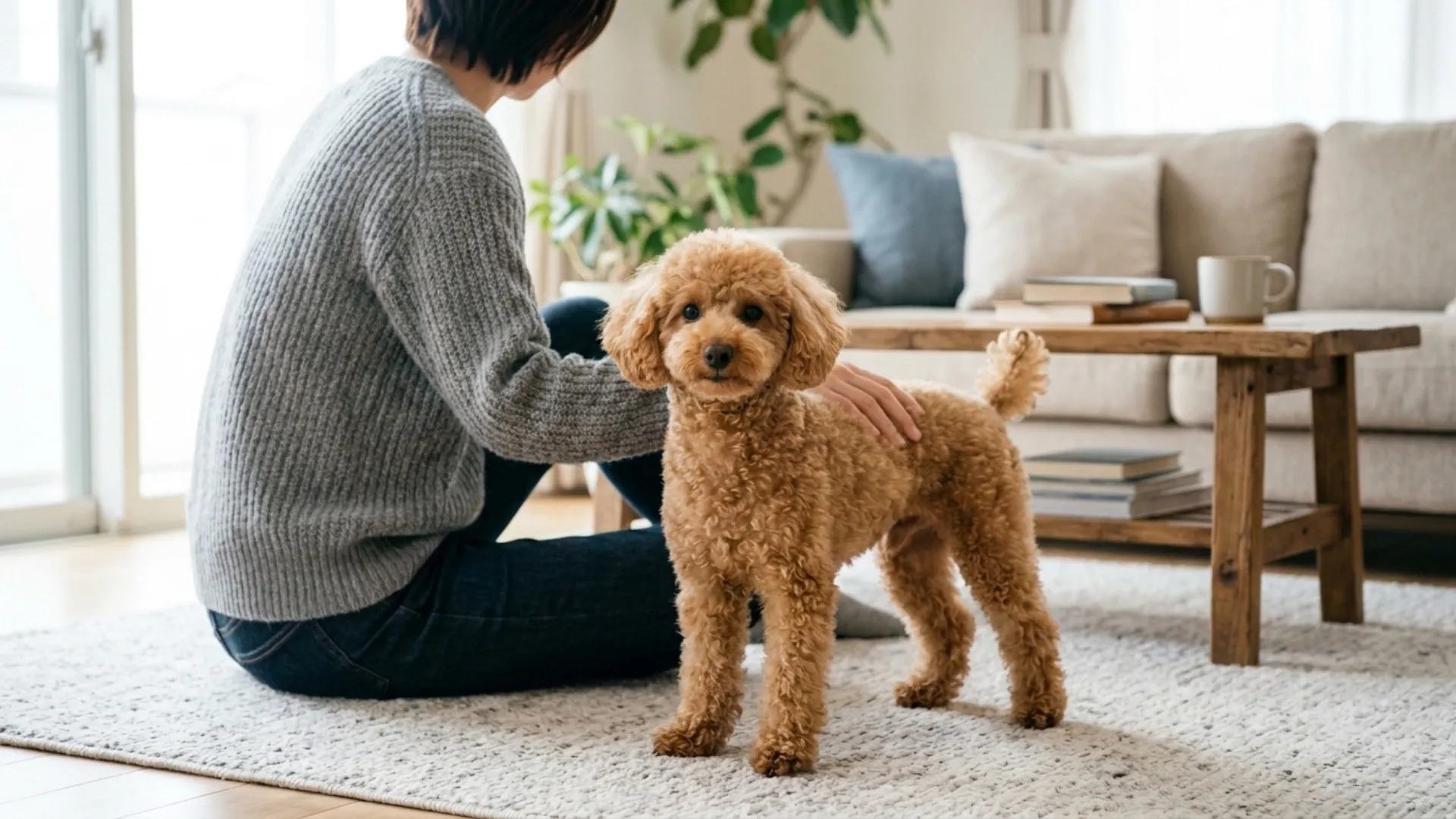
Toy dogs may fit inside a tote bag, but their personalities frequently require an entire room. These compact companions have spent generations living close to people, so affection, emotional awareness, and expert-level lap detection come naturally. They are living proof that joy does not need a large floor plan.
Still, “toy” describes size, not responsibility or temperament. Some need daily coat care, others require serious mental stimulation, and several become unhappy when left alone for long periods. That adorable face may come with grooming appointments, house-training puzzles, health considerations, and opinions louder than expected.
Let’s meet seven tiny charmers who can turn routine family life into a wholesome group chat.
Lovable Toy Dog Breeds to Bring Joy to Your Life
1. Cavalier King Charles Spaniel
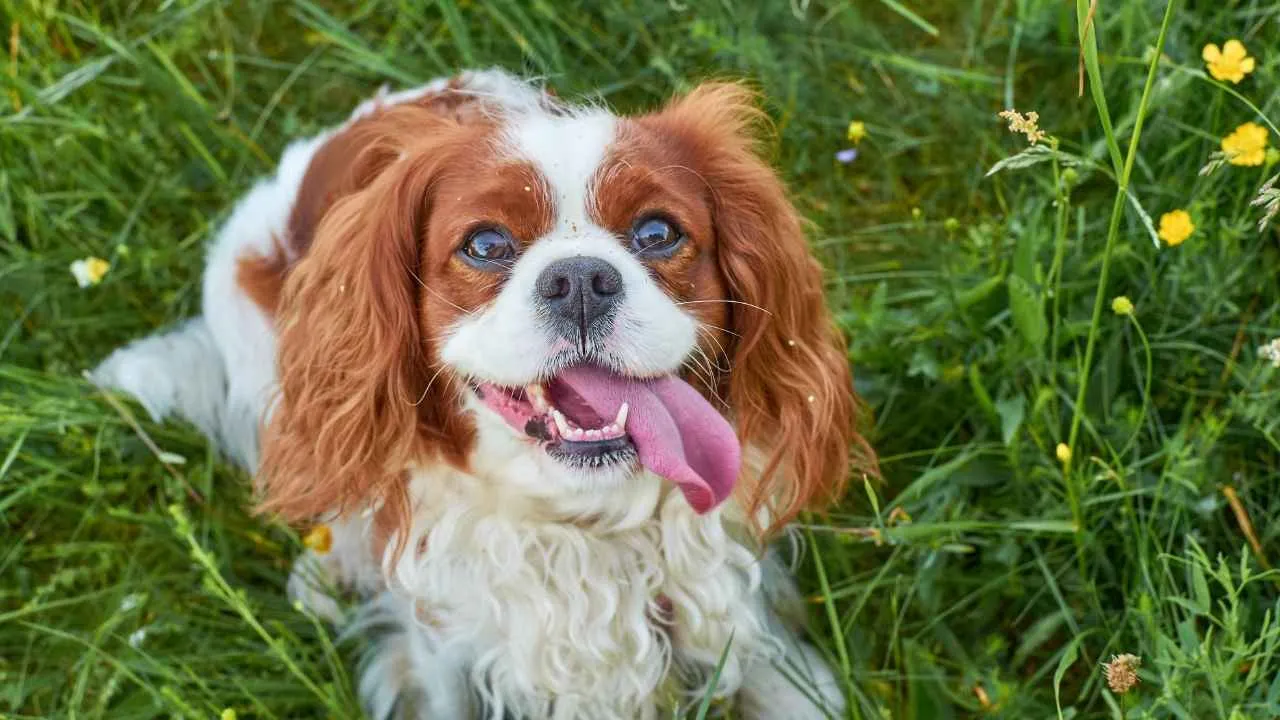
Named for British royalty, the Cavalier King Charles Spaniel is one of the most popular dog breeds amongst pet lovers. These gentle spaniels historically warmed aristocratic laps while retaining instincts inherited from sporting dogs.
Most Cavaliers are affectionate, trusting, patient, and remarkably adaptable around different types of people, according to the PDSA. They commonly live happily with respectful children, friendly dogs, and dog-savvy cats when introductions are handled thoughtfully.
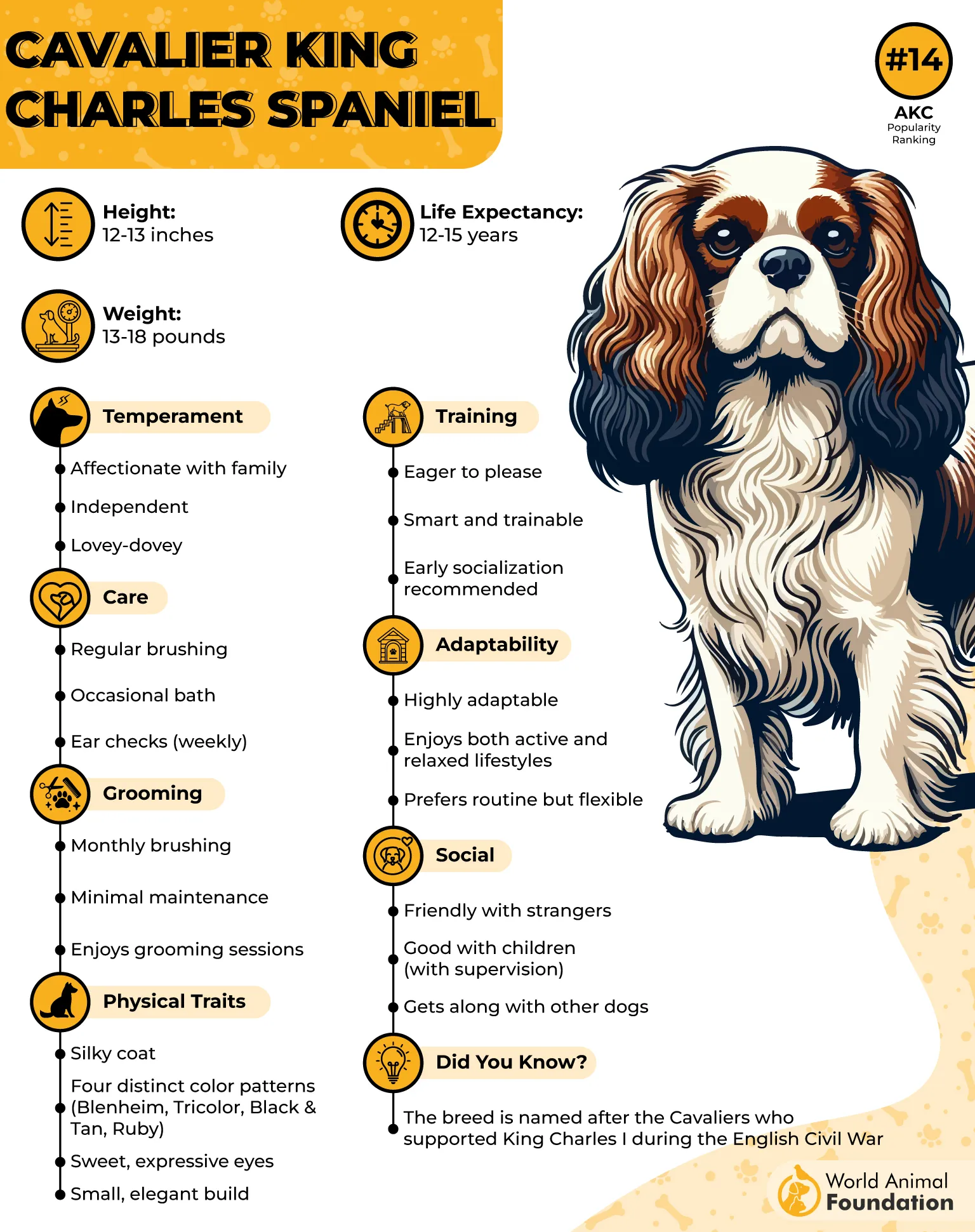
Their moderate energy level makes them flexible enough for active households and quieter owners alike. A healthy adult pup usually appreciates daily walks, gentle games of fetch, sniffing time, and occasional countryside adventures before settling indoors.
Their long ears can trap moisture and debris, making weekly inspection and careful cleaning useful parts of the routine. Cavaliers also deserve serious health screening because the breed is vulnerable to mitral valve disease, syringomyelia, eye disorders, hip problems, and luxating patellas.
Fun Fact: Gentle social instincts help many Cavaliers build warm relationships with children, visitors, cats, and other dogs.
2. Havanese
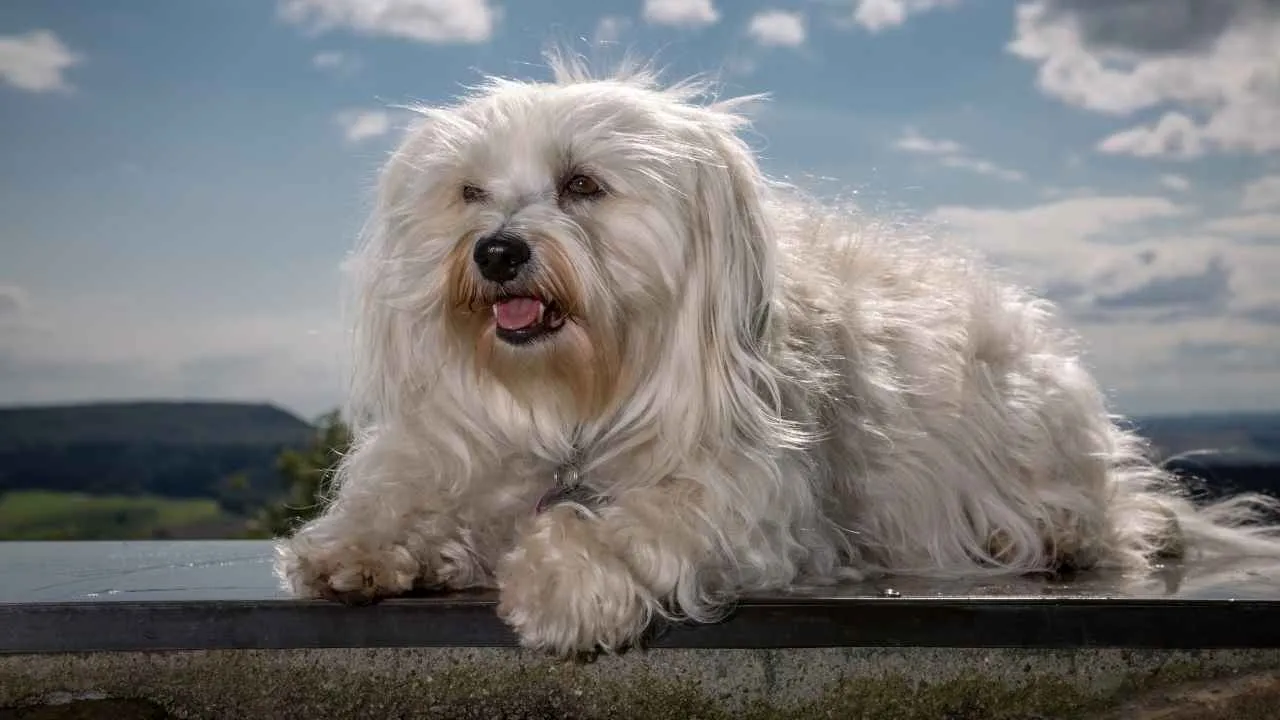
The Havanese is the only dog breed native to Cuba, and frankly, the cheerful island energy checks out. Once cherished by wealthy Cuban families, the breed later won admirers ranging from Charles Dickens to Queen Victoria.
Havanese dogs are typically outgoing, affectionate, playful, and eager to make friends with people or animals. Owners regularly describe them following family members through laundry, cooking, and television time as if ordinary chores were premium entertainment.
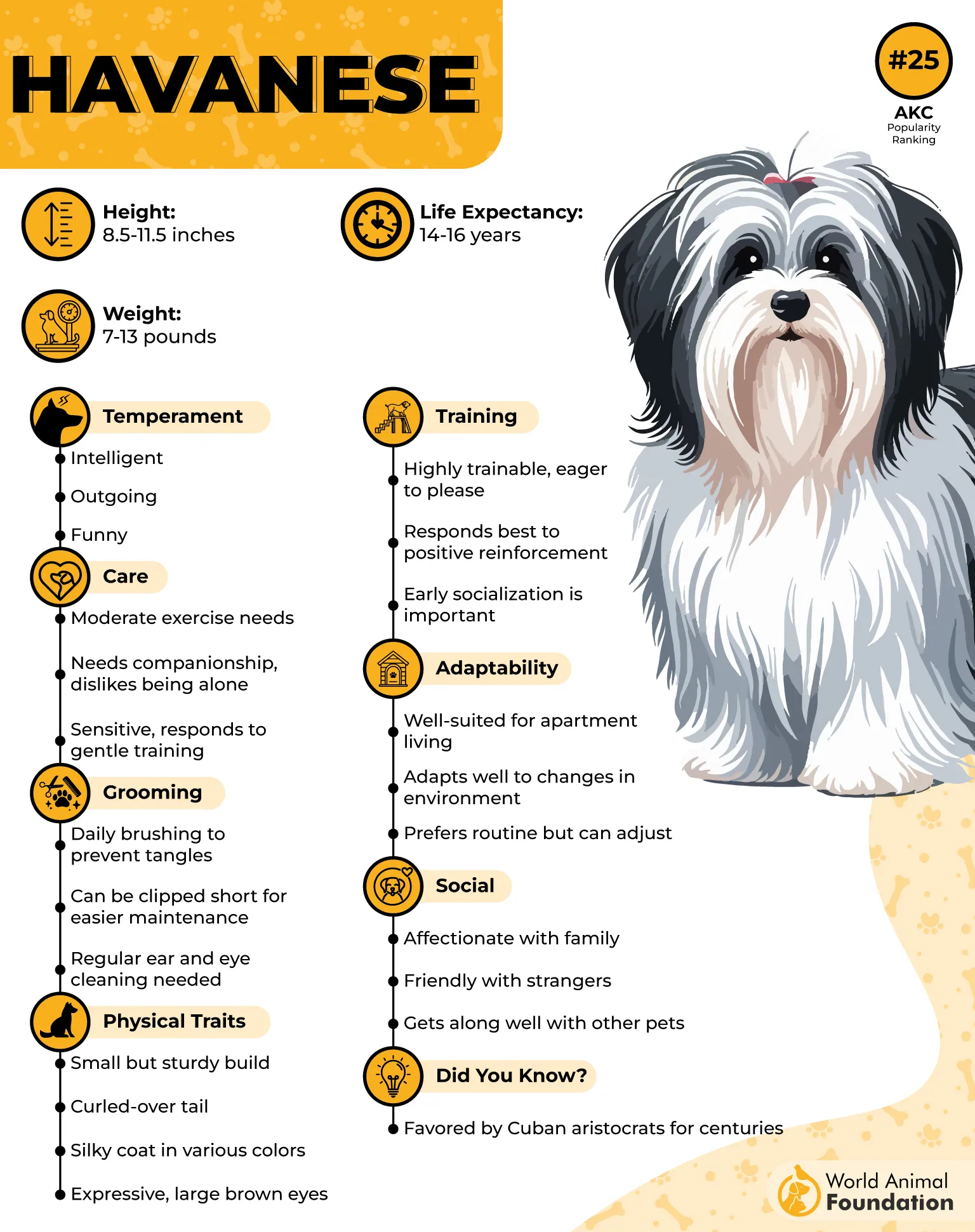
About 30 minutes of daily exercise can suit many adult dogs, though age, fitness, and individual temperament change the exact requirement. Walks, indoor fetch, trick training, mini agility, and sniffing games satisfy their bodies while giving their brains something useful to process.
The American Kennel Club (AKC) says their intelligence makes basic training and advanced tricks surprisingly accessible, provided the lessons remain rewarding and varied. House-training may test a beginner’s patience because tiny puppies need frequent bathroom opportunities and a consistent schedule.
Fun Fact: They offer apartment-friendly dimensions while keeping enough playful spirit to brighten the household.
3. Yorkshire Terrier
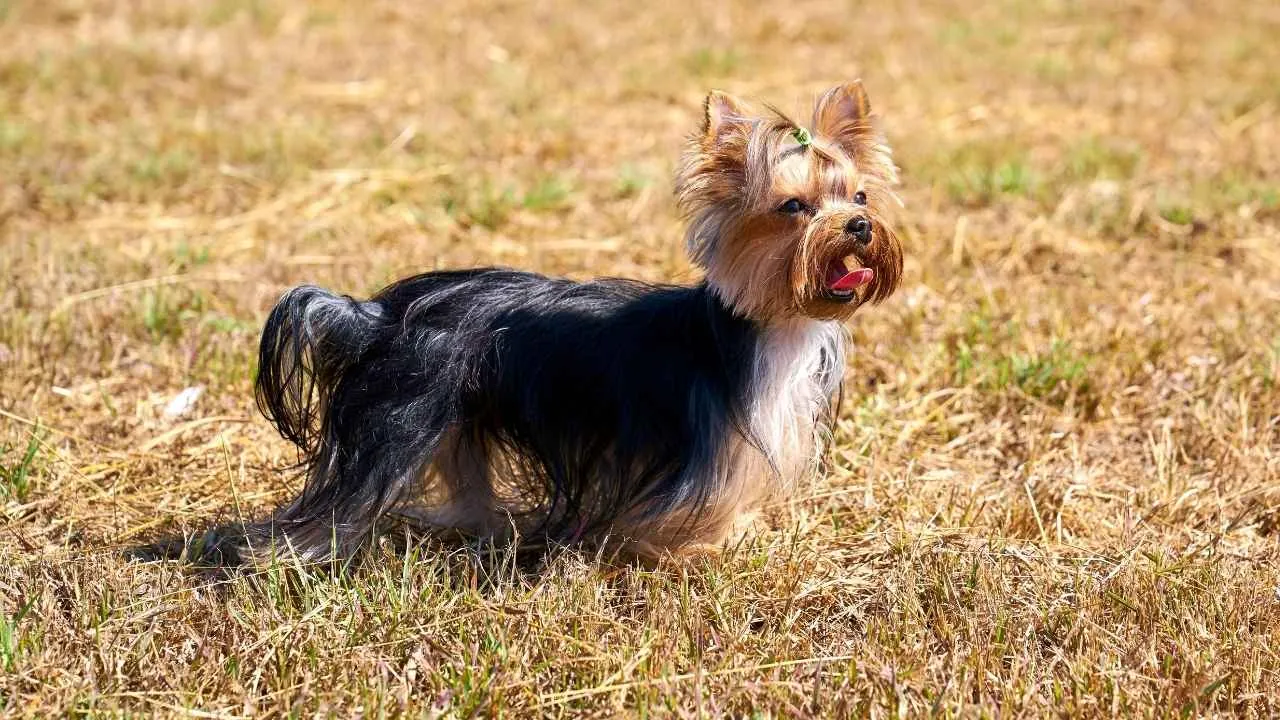
The Yorkshire Terrier may wear a glamorous floor-length coat, but underneath lives an old-school working terrier with zero awareness of being tiny.
A typical Yorkie is affectionate with family, alert to household changes, and boldly curious about anything entering its territory. Many develop an especially close relationship with one person while remaining social when exposed positively to different people during puppyhood.
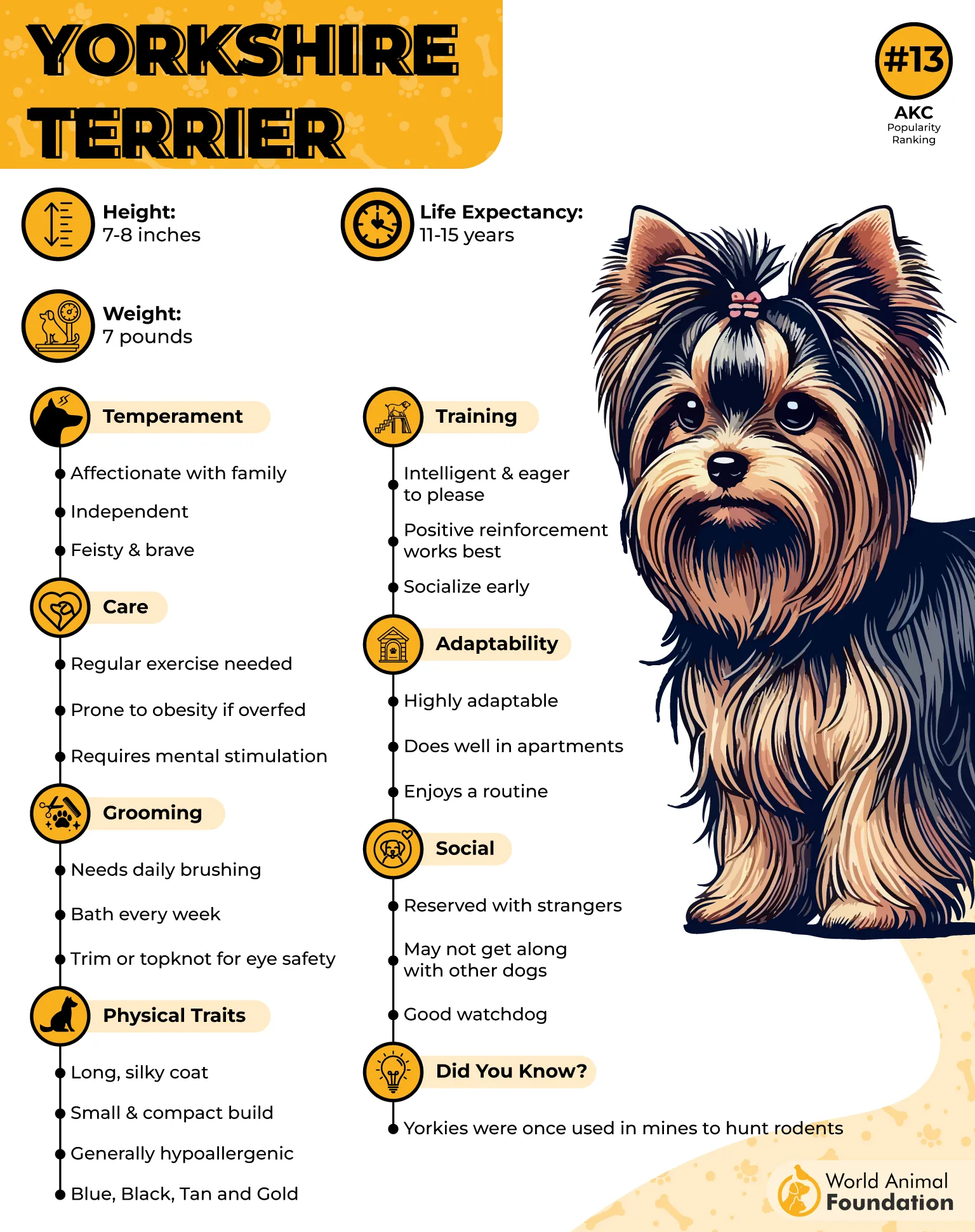
Short walks, games, proper training sessions, and supervised exploration provide useful outlets for that busy terrier brain. Purina mentions that Yorkies may chase small animals, investigate narrow spaces, or challenge dogs several times their size, so careful management is essential.
Training a Yorkie works best when confidence is guided rather than crushed or accidentally encouraged into bossiness. Reward calm responses to visitors, noises, and other dogs instead of laughing whenever the miniature security system goes into maximum mode.
Fun Fact: Yorkies balance glamorous looks with curiosity, loyalty, mischief, and a surprisingly hardworking family history.
4. Toy Poodle
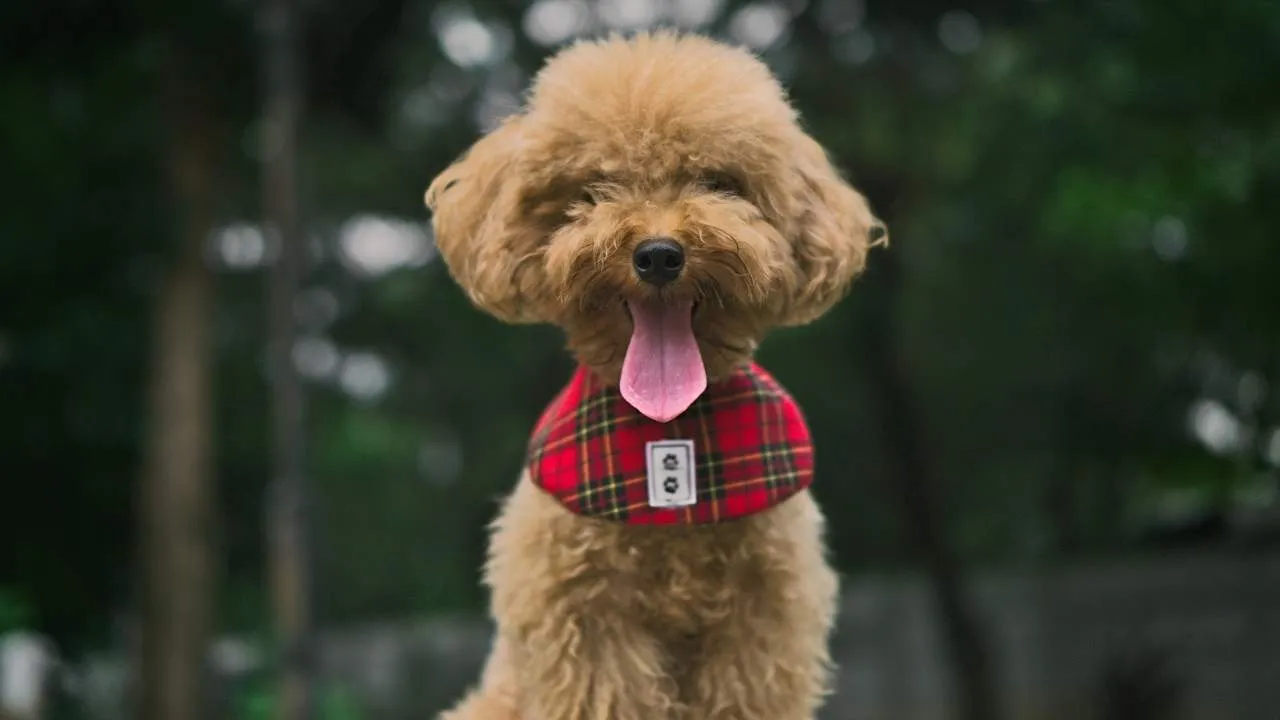
The Toy Poodle shares the same breed heritage and intelligence as the larger Standard and Miniature varieties, but is packaged at under 10 inches at the shoulder.
These toy breed dogs learn patterns absurdly quickly, including household rules their humans never intended to teach. A Toy Poodle may master cues, puzzles, names of toys, and attention-seeking routines after very few repetitions. They are even phenomenal at dog sports!
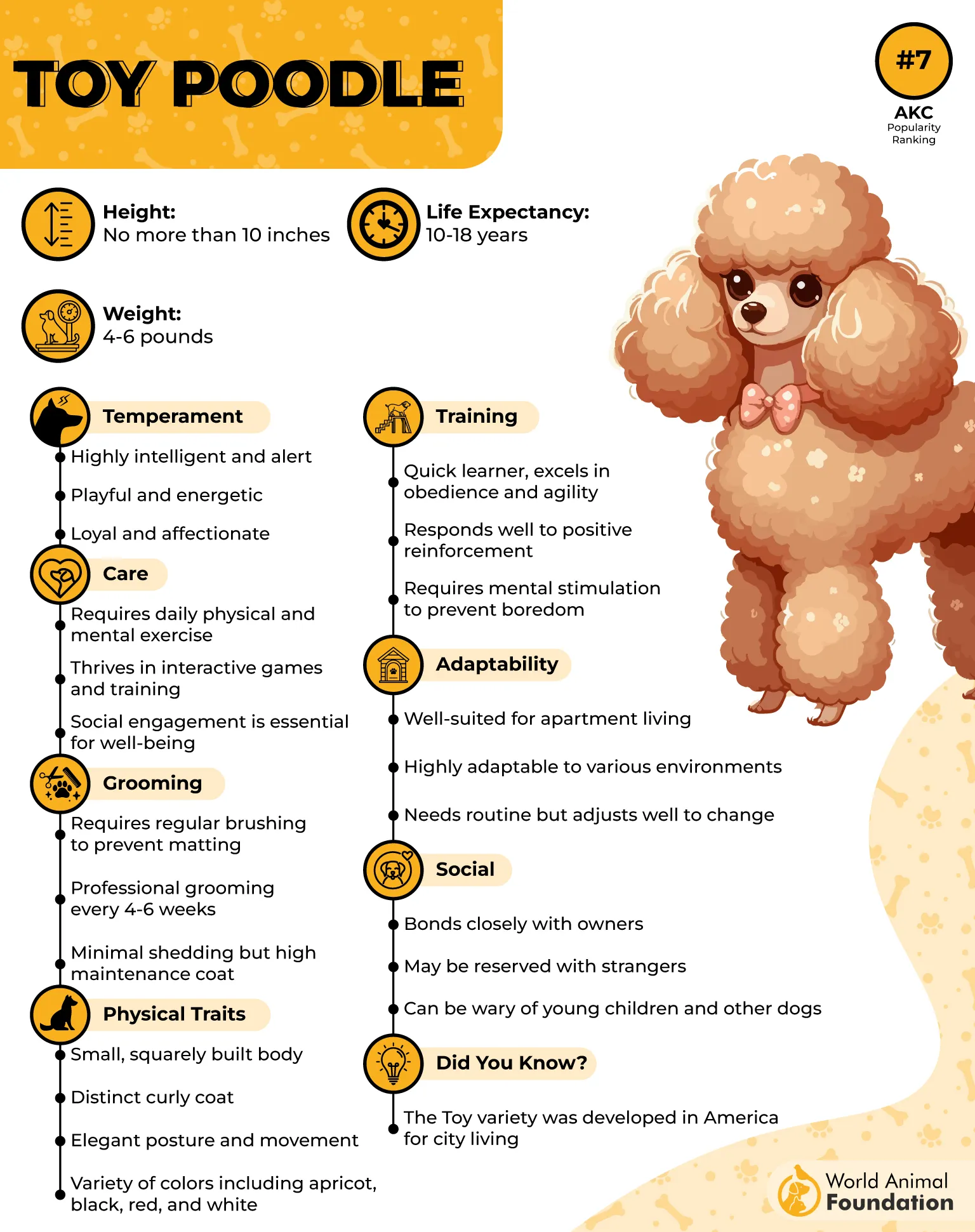
Daily walks matter, but mental work separates a satisfied Poodle from a tiny mastermind designing its own entertainment. Hide-and-seek, scent games, food puzzles, obedience, and carefully scaled agility can channel intelligence into cooperative fun.
No breed is completely hypoallergenic, yet some allergy sufferers tolerate Poodles better because loose hair and dander remain trapped in the curls. Teeth, ears, eyes, knees, and blood-sugar stability in very small puppies also deserve attentive care.
Positive reinforcement develops confidence, while harsh corrections may make this emotionally sensitive dog worried or avoidant.
Fun Fact: Their low-shedding curls hide a playful athlete who enjoys obedience, agility, and puzzle-solving adventures.
5. Pomeranian
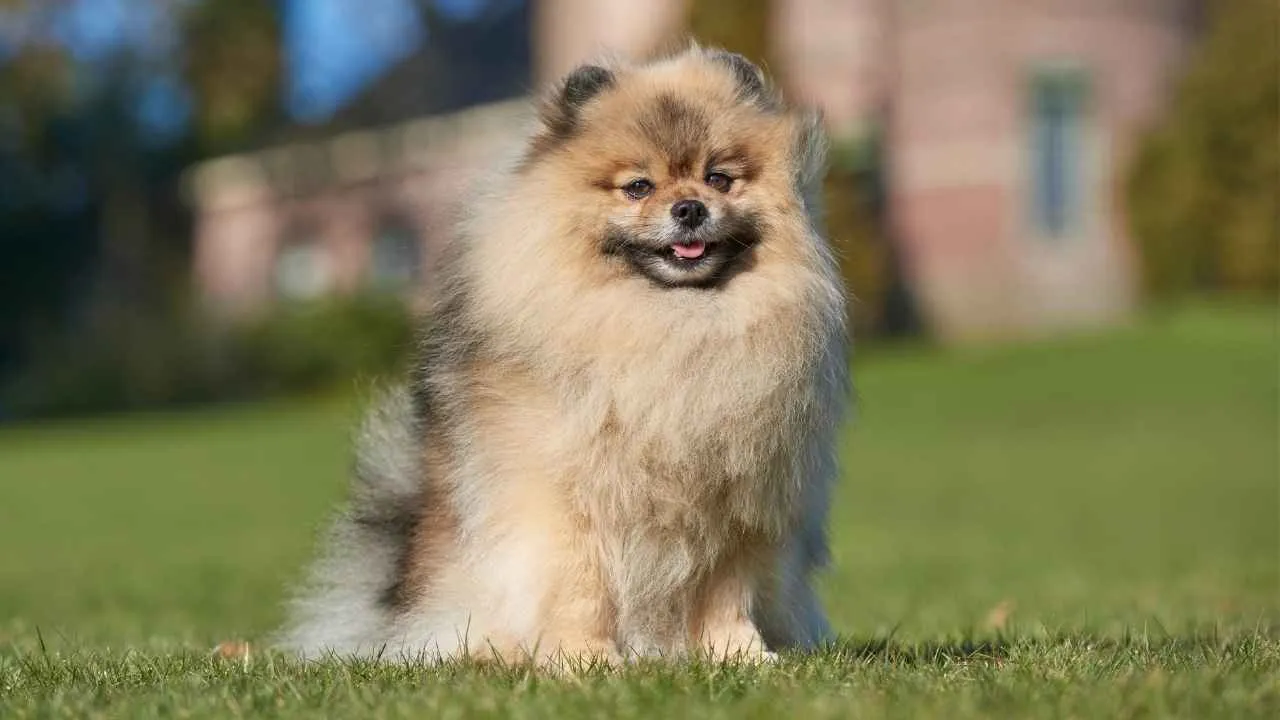
The Pomeranian looks like a smiling puff of cloud that accidentally inherited a sled dog’s confidence. The breed descends from larger European spitz dogs and was gradually reduced in size after becoming fashionable with royalty.
These great lap dogs are bright, curious, loyal, and generally convinced that household operations require their supervision. They may form a particularly intense bond with one person while still enjoying attention from familiar relatives and visitors.
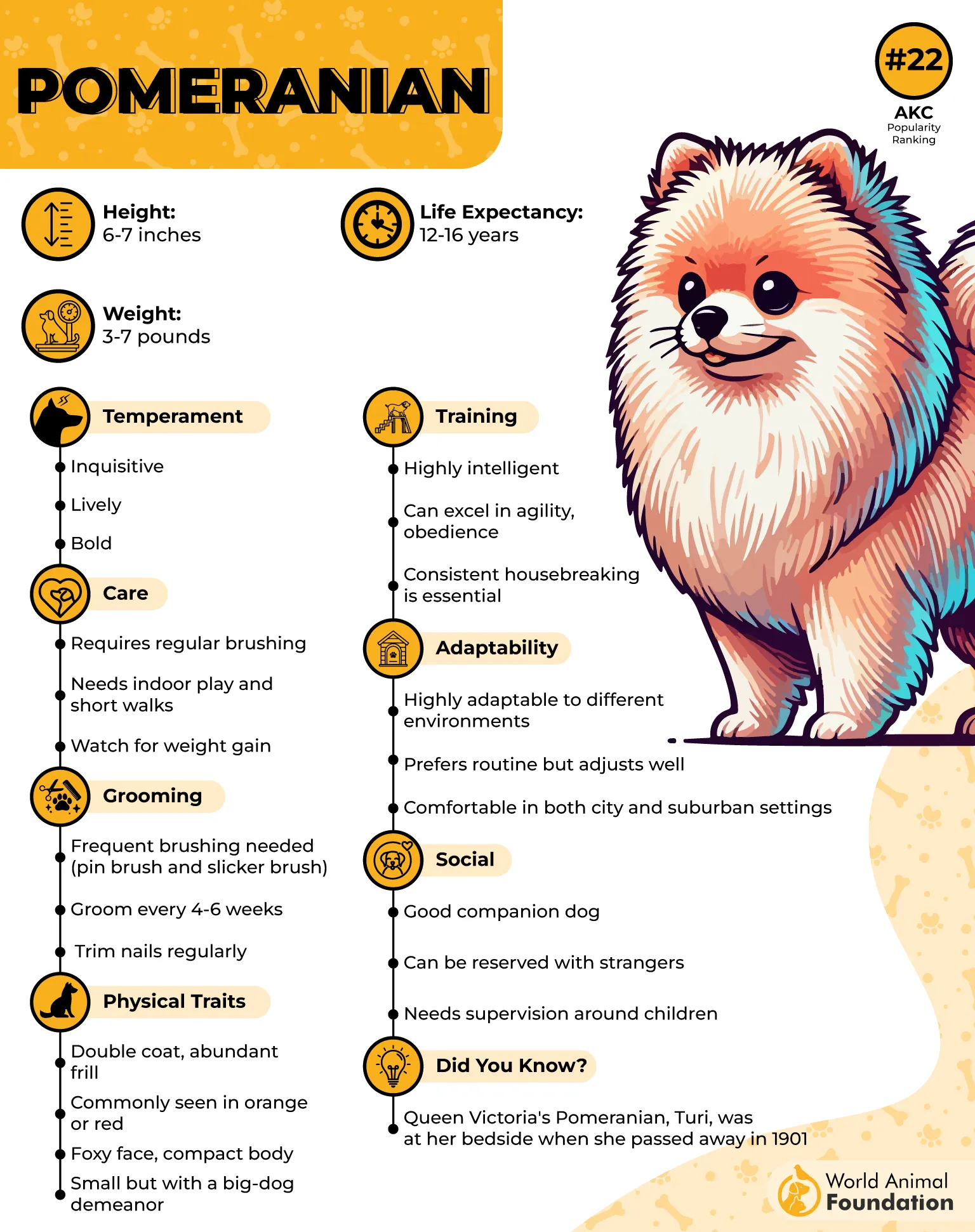
Several short walks, play sessions, and training games usually satisfy their moderate physical needs. Tricks, food puzzles, nose work, and polite-leash exercises keep that fast little brain occupied and strengthen cooperation.
Because these small pups are physically delicate beneath all that fluff, PetPlan recommends that interactions with young children and larger animals be closely supervised. Give them respectful handling and consistent rules, and they repay the effort with loyalty, humor, and main-character energy.
Fun Fact: Under the spectacular coat lives an alert, clever companion that genuinely enjoys learning and participating.
6. Shih Tzu
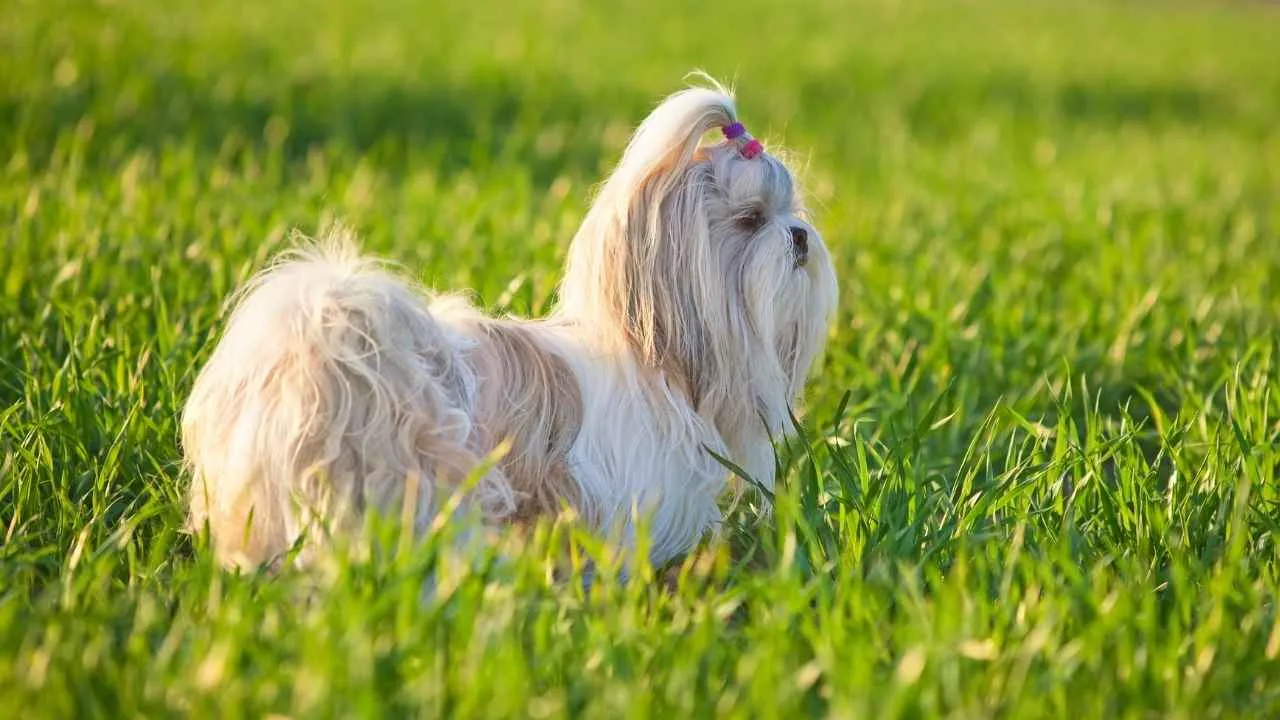
The Shih Tzu has spent roughly a thousand years perfecting the highly specialized profession of being adored. Associated with Chinese imperial courts and Tibetan ancestry, these “lion dogs” were developed primarily for companionship rather than hunting, herding, or guarding livestock.
A Shih Tzu generally wants to be near its people, even when nothing remotely exciting is happening. Many are friendly, trusting, playful, and tolerant of respectful children or compatible pets when properly introduced.
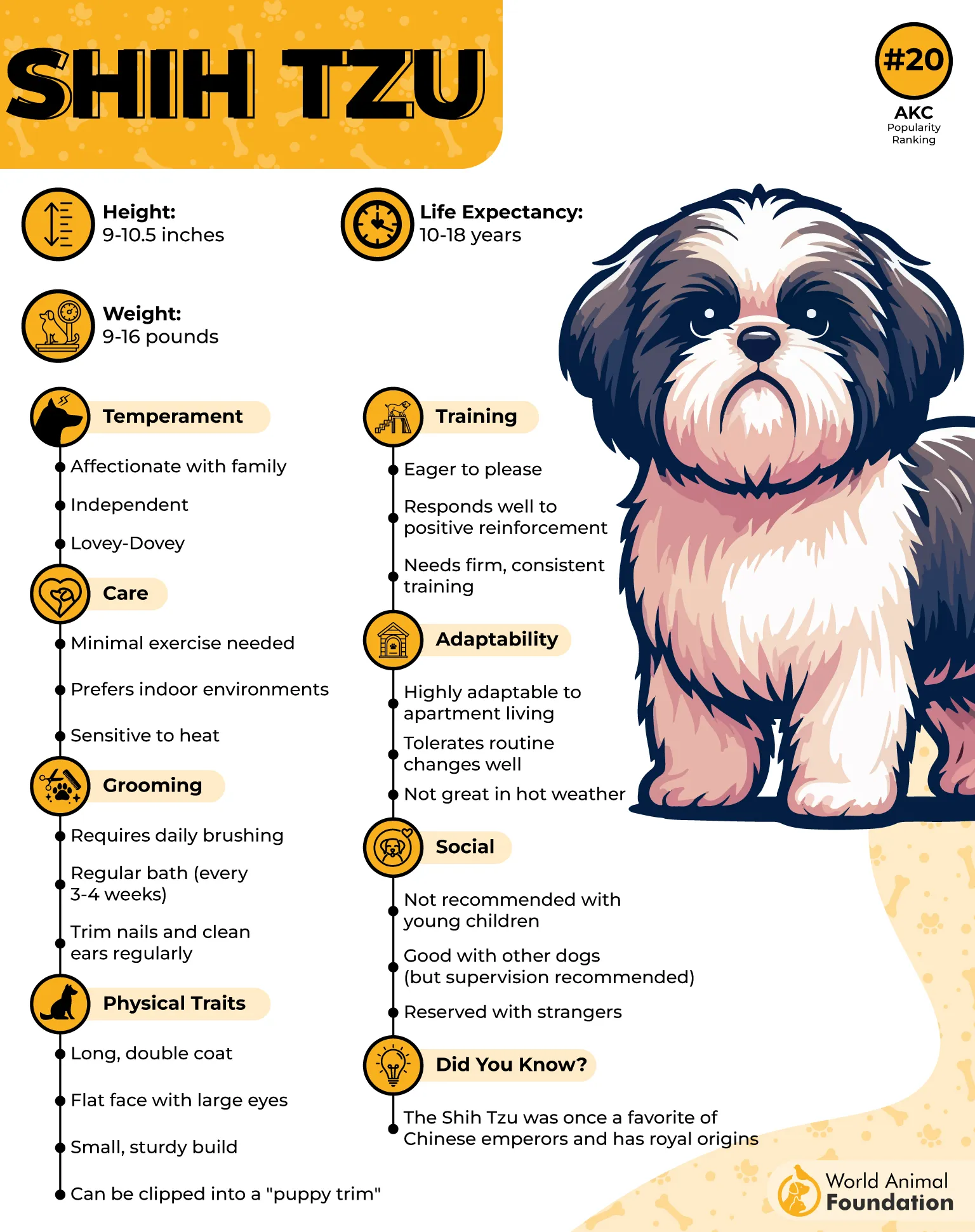
Their outdoor exercise needs are modest, but a short daily walk and indoor play still support cardiovascular health, mobility, and weight control. These little dogs are usually happier exploring at an easy pace than training for long-distance runs.
Many families choose a practical puppy cut and schedule professional grooming every four to six weeks. Facial folds, ears, eyes, teeth, and the hair beneath the tail all need routine inspection to keep this glamorous companion comfortable.
Fun Fact: They were bred to provide companionship, and many consider staying near their person a sacred duty.
7. Maltese
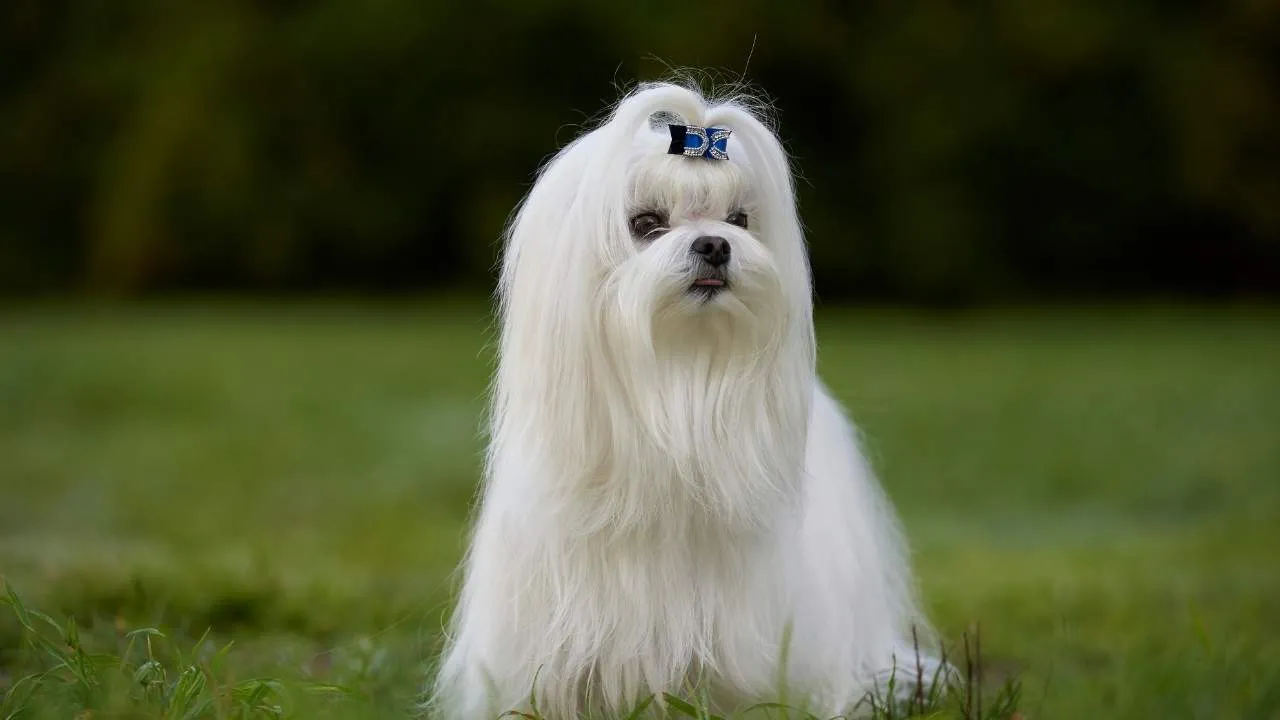
The Maltese, an ancient Mediterranean companion, appears in art and writing across centuries, often beside nobles who clearly understood premium lap comfort.
They often form strong bonds with their owners and may enjoy being petted after careful socialization. Many owners report that Maltese dogs alternate between elegant cuddling and sudden bursts of zoomies, proving grace and chaos can share one tiny body.
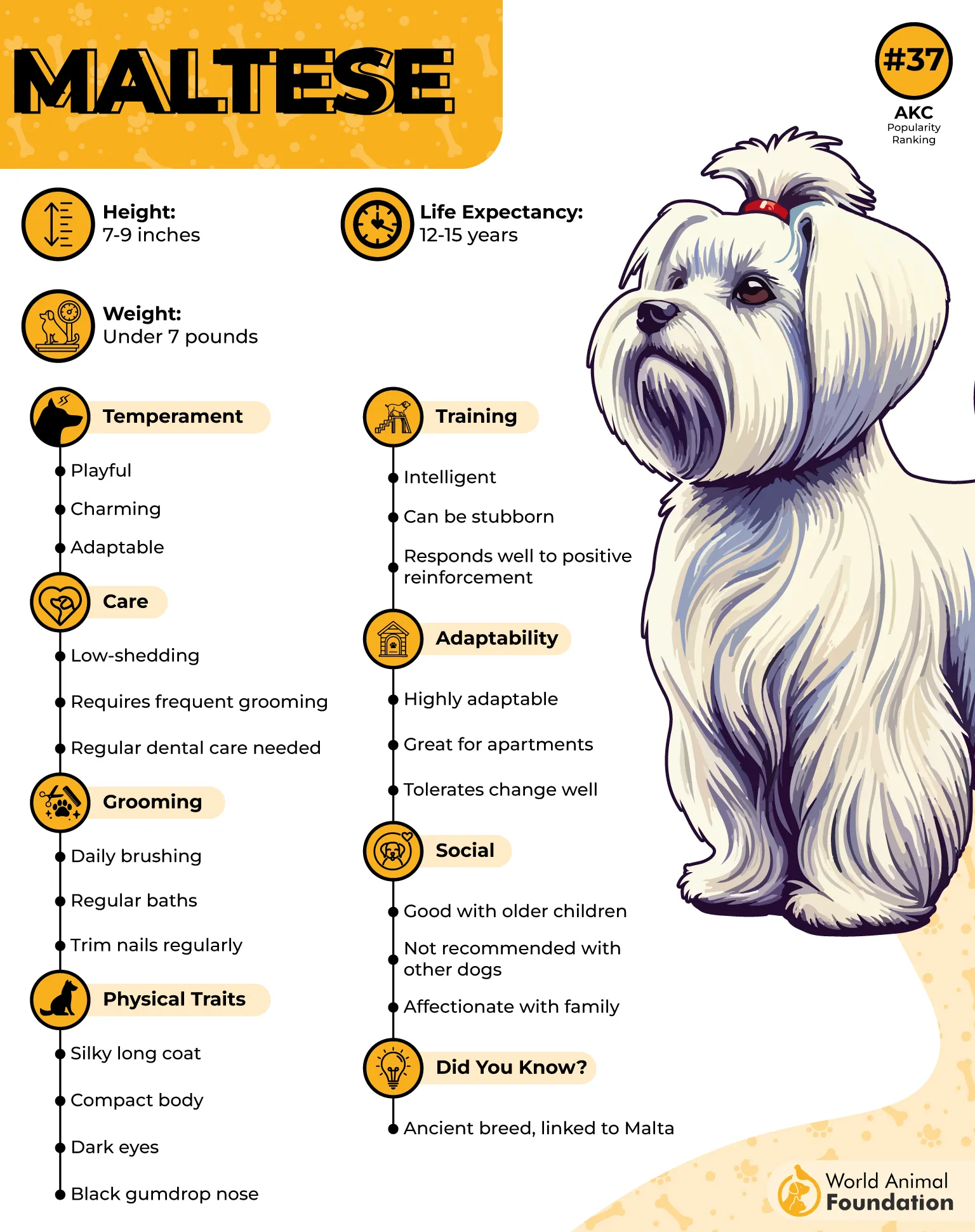
A daily walk, indoor games, and short training sessions usually provide enough physical activity for a healthy adult. Their compact size makes apartment living practical, but it does not justify skipping enrichment or outdoor experiences.
These excellent companion dogs can also become demanding, anxious, or defensive when owners carry them constantly and excuse behavior they would correct in a larger dog.
Fun Fact: They combine low-shedding beauty, alert awareness, and portable size with a surprisingly fearless outlook.
Conclusion
Toy dogs prove that love, confidence, intelligence, and comedy are not measured in pounds. These breeds may occupy little physical space, yet they become deeply involved in household routines, relationships, and emotional life.
Meet adult representatives of the breed, talk with experienced owners, and request documented health testing from responsible breeders. Rescue groups can also explain individual temperaments and help match an affectionate dog to your household more accurately than appearance alone can.
