




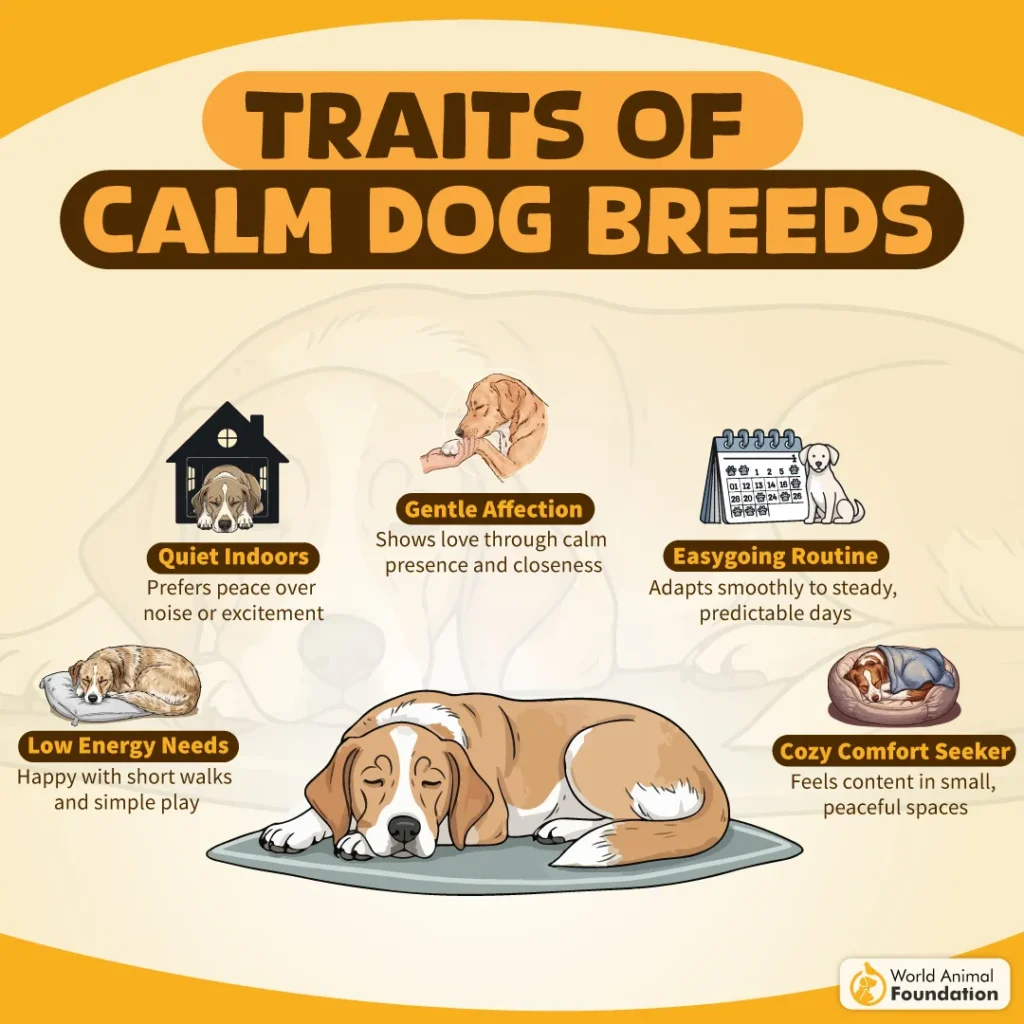
Not every dog owner wants a high-energy pet bouncing off the walls. If you prefer peaceful mornings, quiet evenings, and a relaxed home atmosphere, finding a companion that matches your pace makes all the difference.
Lovable toy dog breeds offer all the warmth, loyalty, and affection of a devoted pet without constant barking or demands for vigorous exercise. These compact companions thrive in serene environments where gentle play and lounging on the couch are the main events.
Below are some of the sweetest, most laid-back toy breeds that fit seamlessly into calm and quiet households.
Lovable Toy Dog Breeds for Calm And Quiet Households
1. Maltese
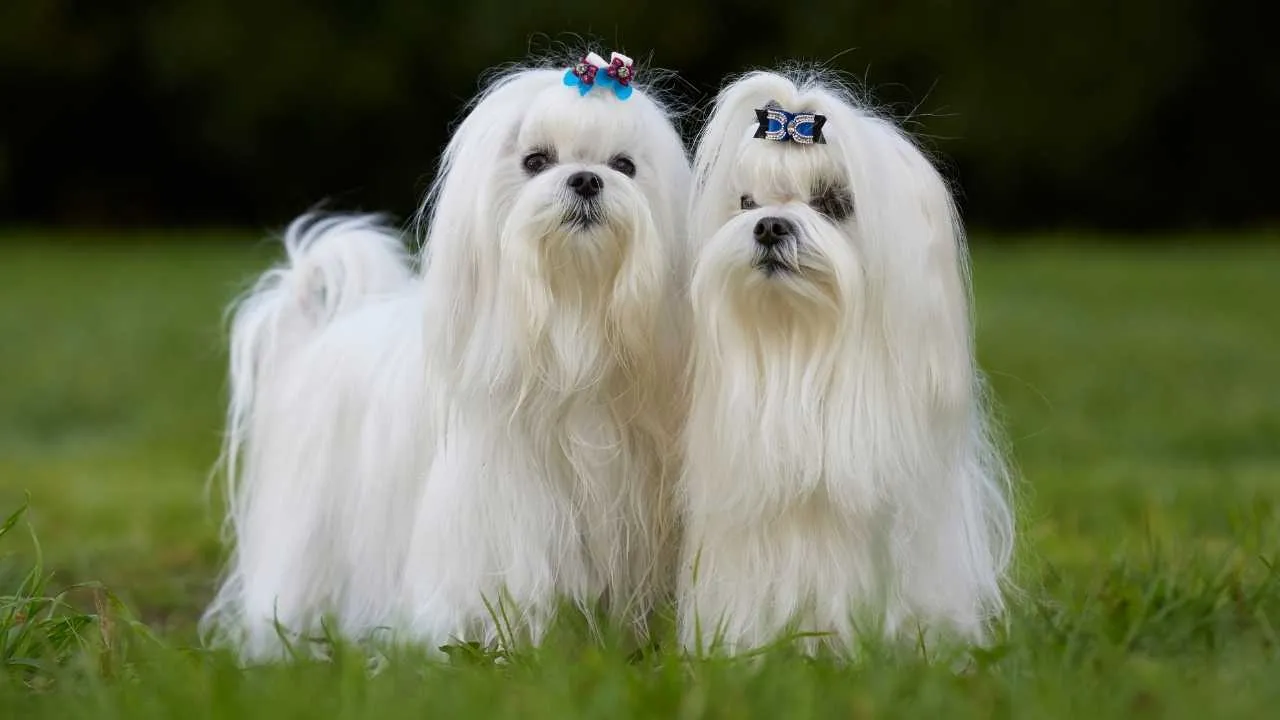
The Maltese wins hearts fast, showing its affectionate nature through constant closeness, leaning into any lap that will have it. It would rather trail its favorite person from room to room than entertain itself.
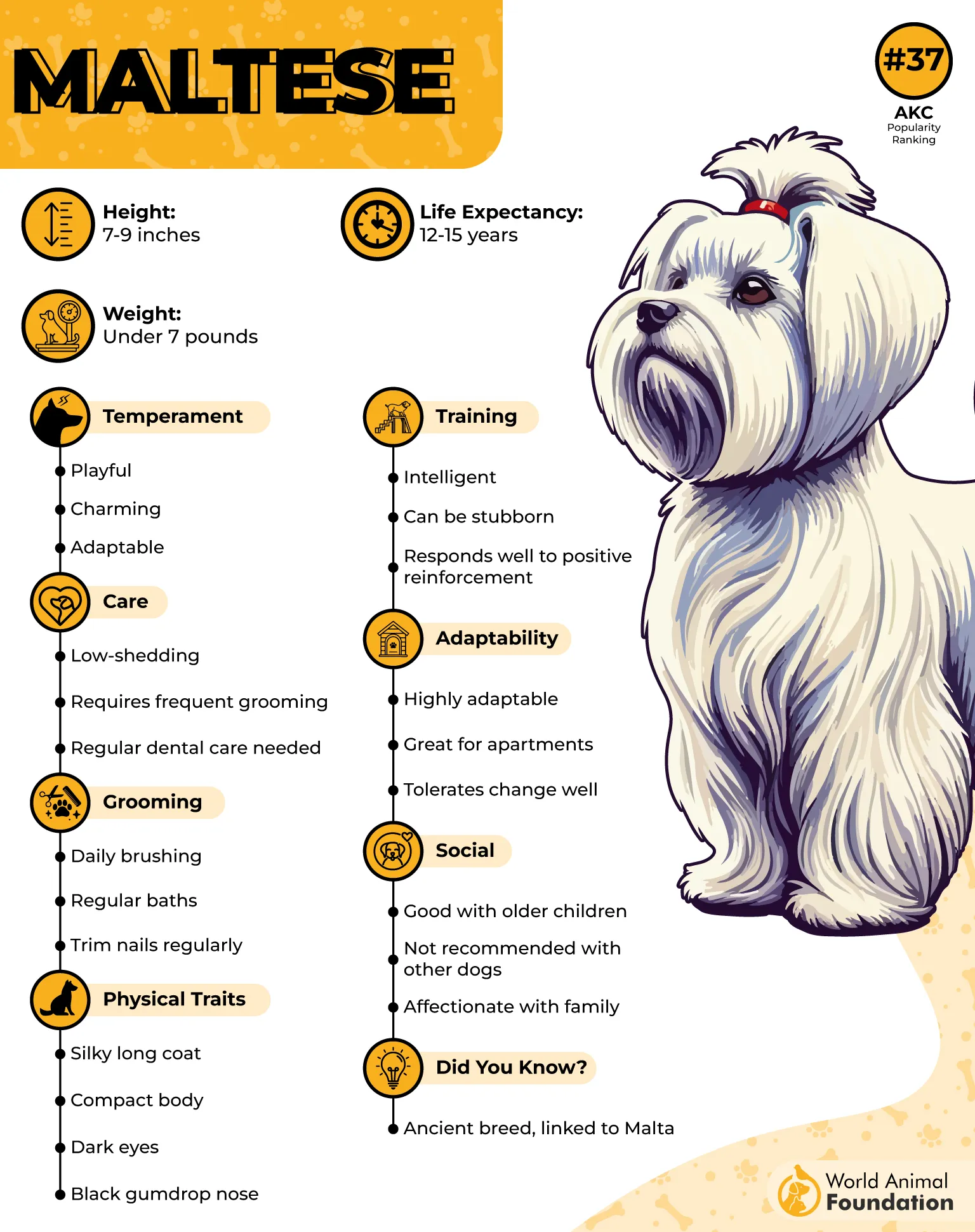
Once settled, the Maltese shifts into a genuinely calm temperament, content to nap through most of the afternoon. Its quiet charm comes from a natural preference for lounging indoors over patrolling on its own.
Lowers daily stress: Coming home to this dog’s steady presence takes the edge off a hard day.
Eases loneliness: Its need to stay close fills a quiet house with companionship.
This easygoing nature traces back thousands of years. The Maltese was prized purely as a companion across ancient Mediterranean cultures. The AKC notes it became a lasting symbol of loyalty in Roman culture.
2. Pekingese
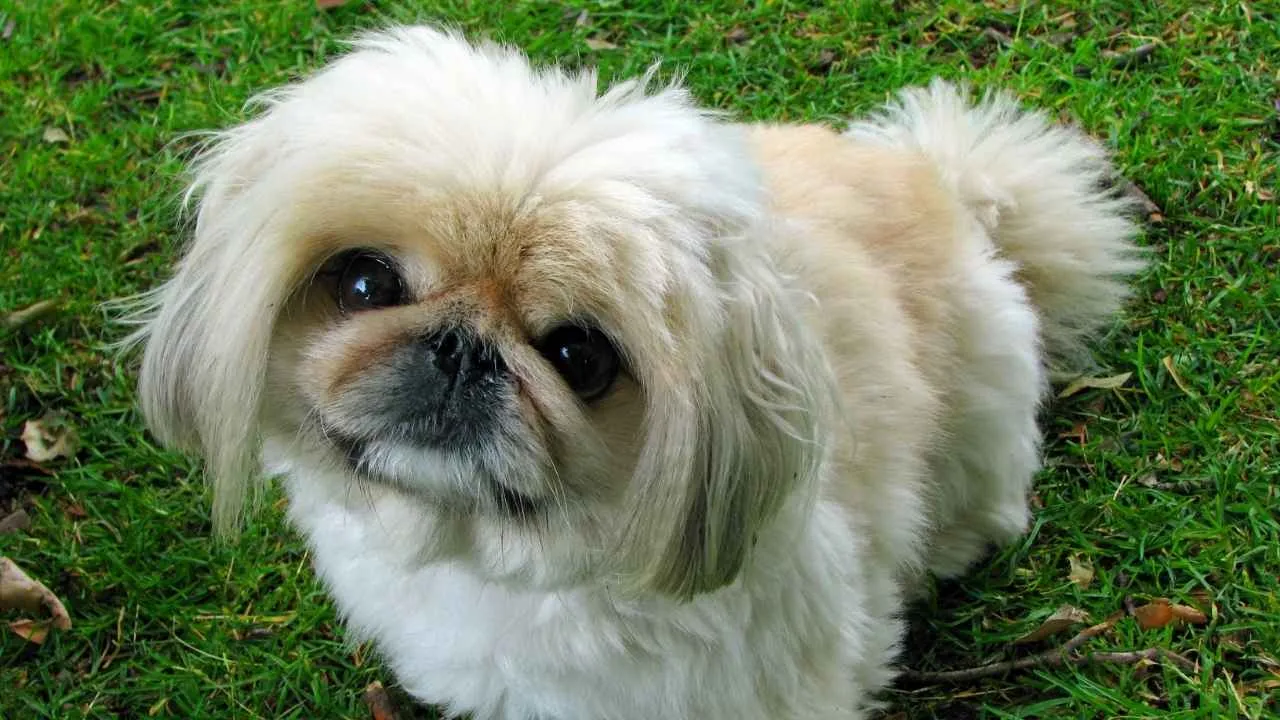
The Pekingese is lovable in a quietly dignified way, choosing exactly when to lean in for affection rather than begging for it. The gesture feels earned, often a slow settle against an ankle or a deliberate climb onto a lap.
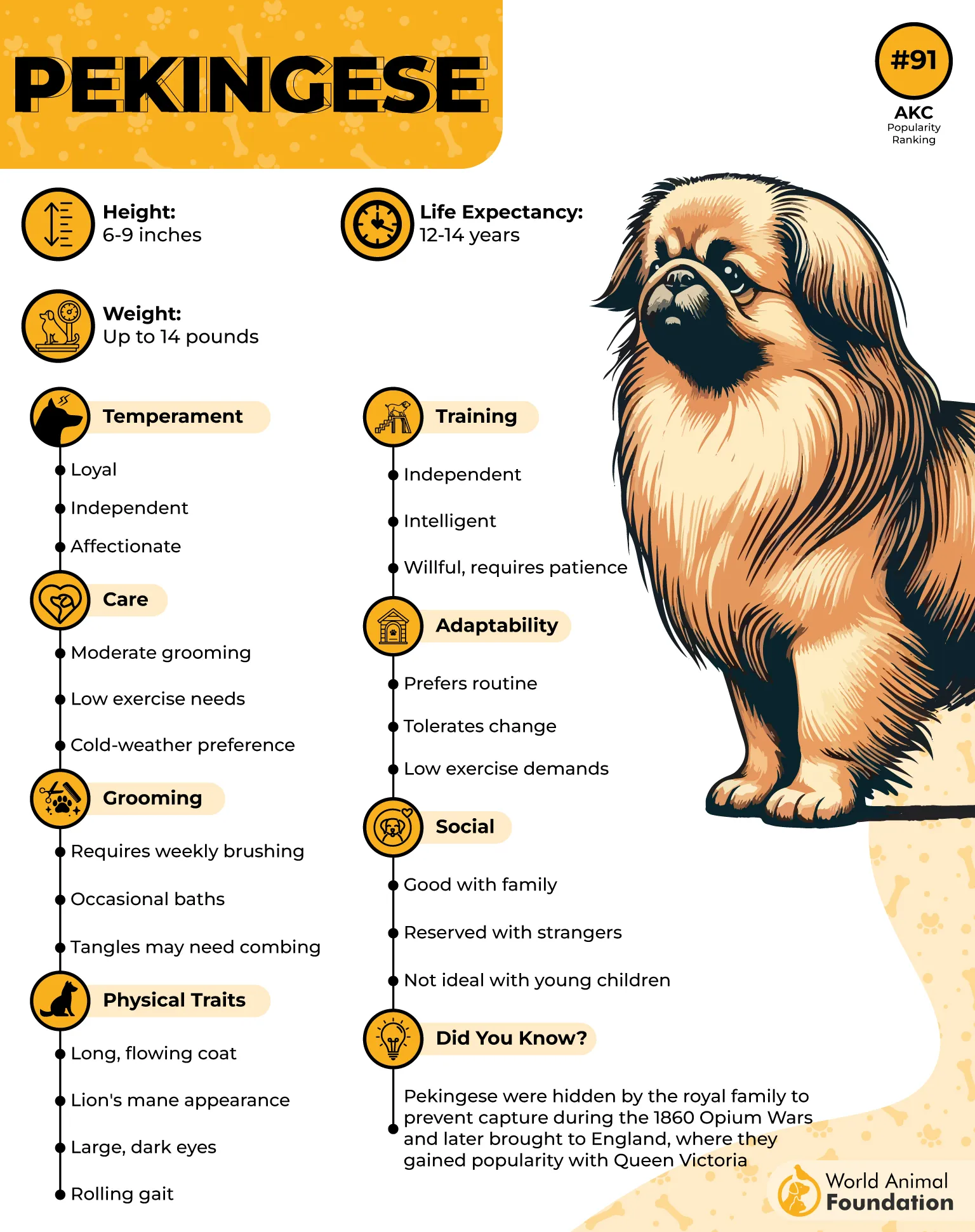
Day to day, this cute breed carries a steady, calm nature, content to stretch out in one spot for hours. Its quiet charm comes from genuine indifference to rushing anywhere.
Steadies the mood: A dog this unbothered rubs off on the people around it.
Frees up headspace: Little need for entertainment leaves more mental room for everything else.
This unhurried confidence goes back to its original role in the Chinese imperial court. The Pekingese was bred purely as a lapdog for royalty, never for work or guarding. Centuries of that pampered life shaped the calm, devoted dog seen today.
3. Japanese Chin
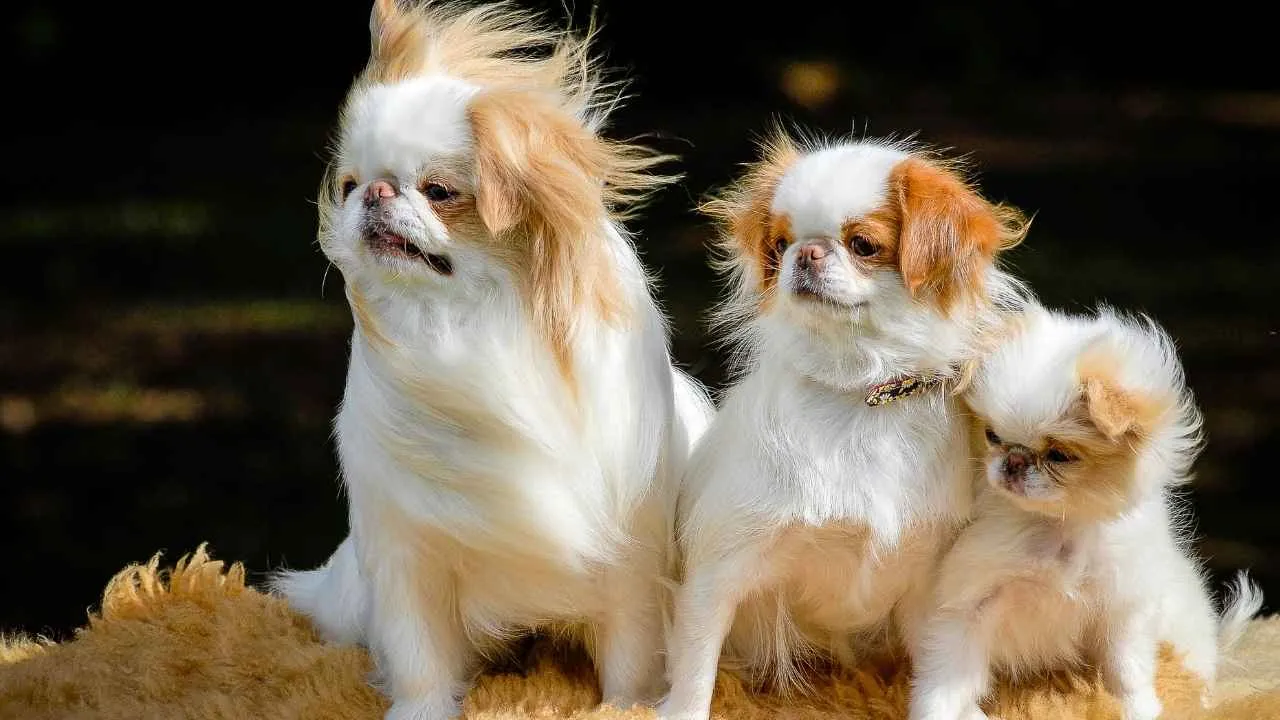
The Japanese Chin shows its affectionate nature in small, attentive gestures, a tilted head at a familiar voice, a soft hop onto the couch to settle close by. It is an affectionate companion without being pushy about it.
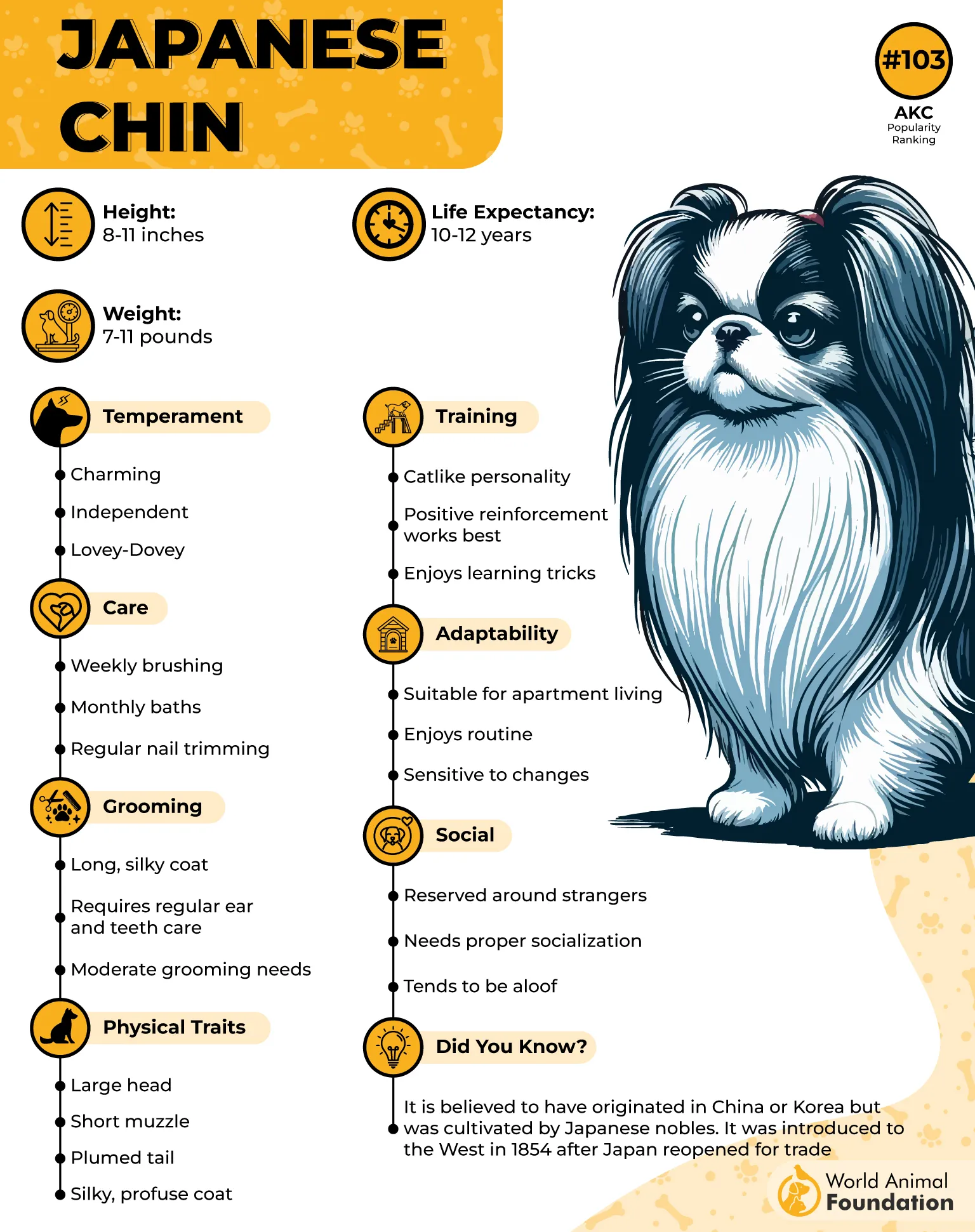
Its quiet charm comes from an almost cat-like composure, moving through the house in soft, deliberate ways. This calm nature holds steady through most normal household noise.
Soothes a busy mind: Its gentle, unhurried presence slows down a racing afternoon.
Reduces daily friction: Minimal fuss from the dog means one less stressor at home.
This composure comes from its original role in noble households. The Japanese Chin was bred purely as a treasured indoor companion, prized for refined manners. Generations spent purely as palace company built a dog that still prefers company over activity.
4. English Toy Spaniel
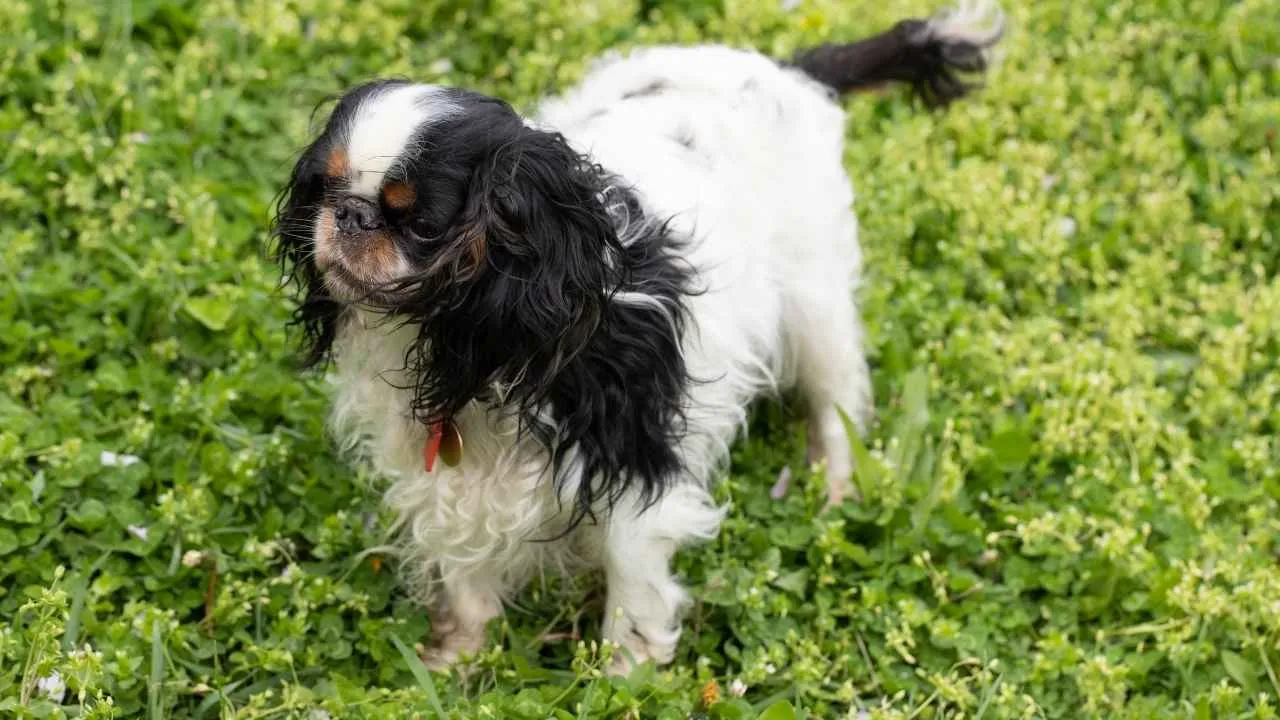
The English Toy Spaniel is a quietly devoted little dog, showing its affectionate nature by staying physically close rather than demanding attention loudly. A gentle lean against a leg says everything.
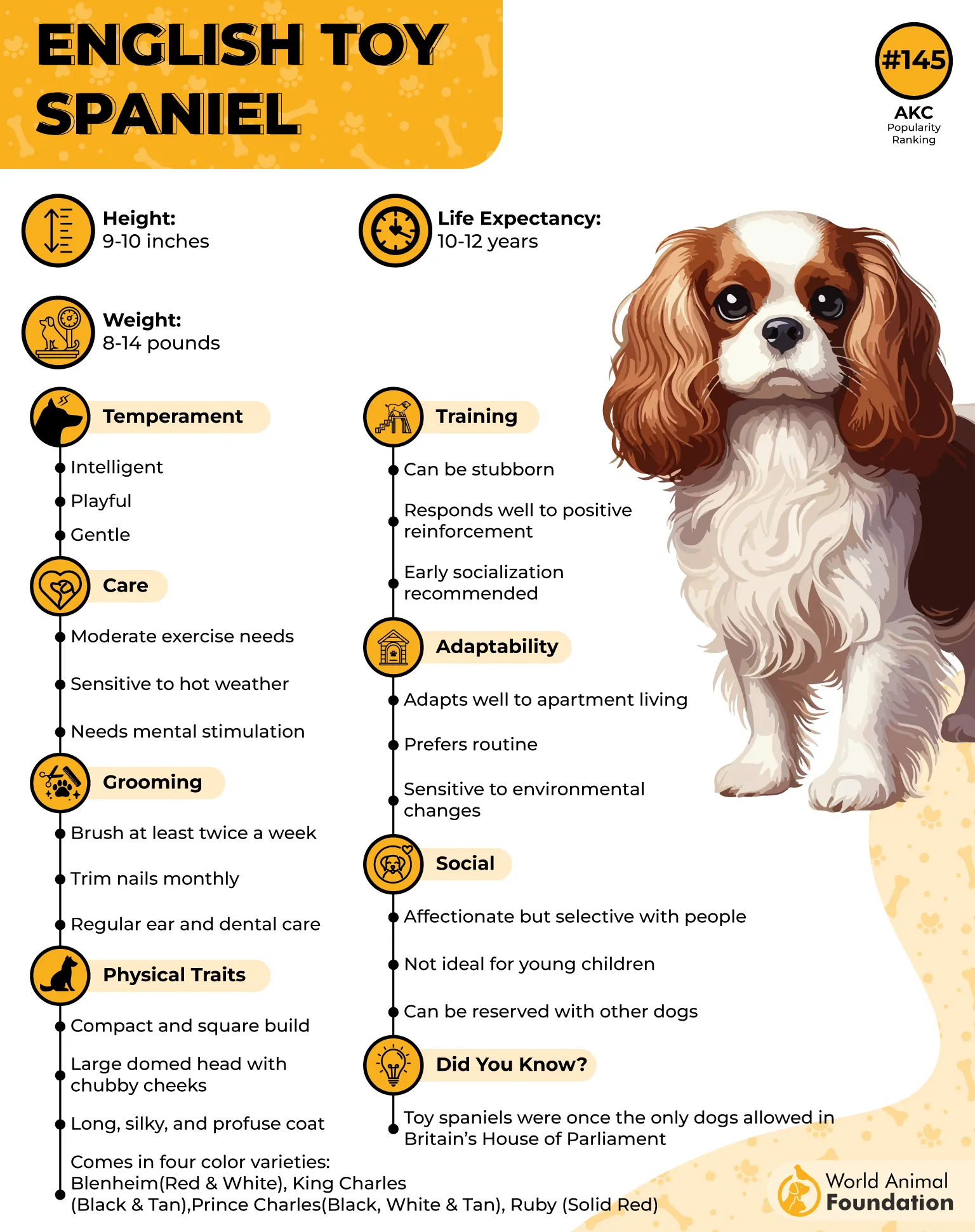
Its calm nature shows up as genuine stillness, long stretches of resting near its person rather than restless pacing. When something feels off, this breed goes quiet rather than loud.
Settles nerves: A dog that rarely reacts strongly helps keep tension from building.
Encourages patience: Its gentle pace nudges the whole household toward a slower rhythm.
This gentle temperament was bred on purpose. English nobility kept this breed purely as a lapdog for centuries. That selective, indoor-only history left little room for restless or loud personalities to survive.
5. Pug
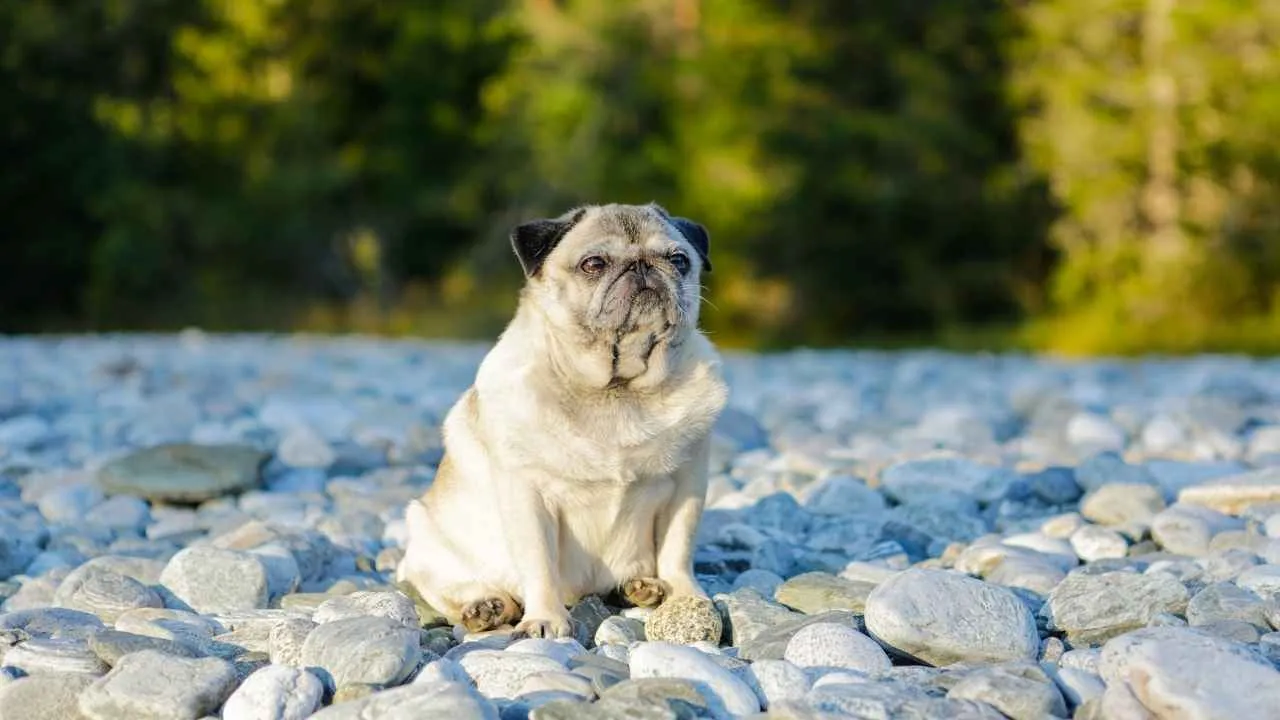
The Pug has a goofy, unmistakable charm, showing its affectionate nature through constant snuggling and a face that seems to express every feeling at once. It leans its whole body into the people it loves.
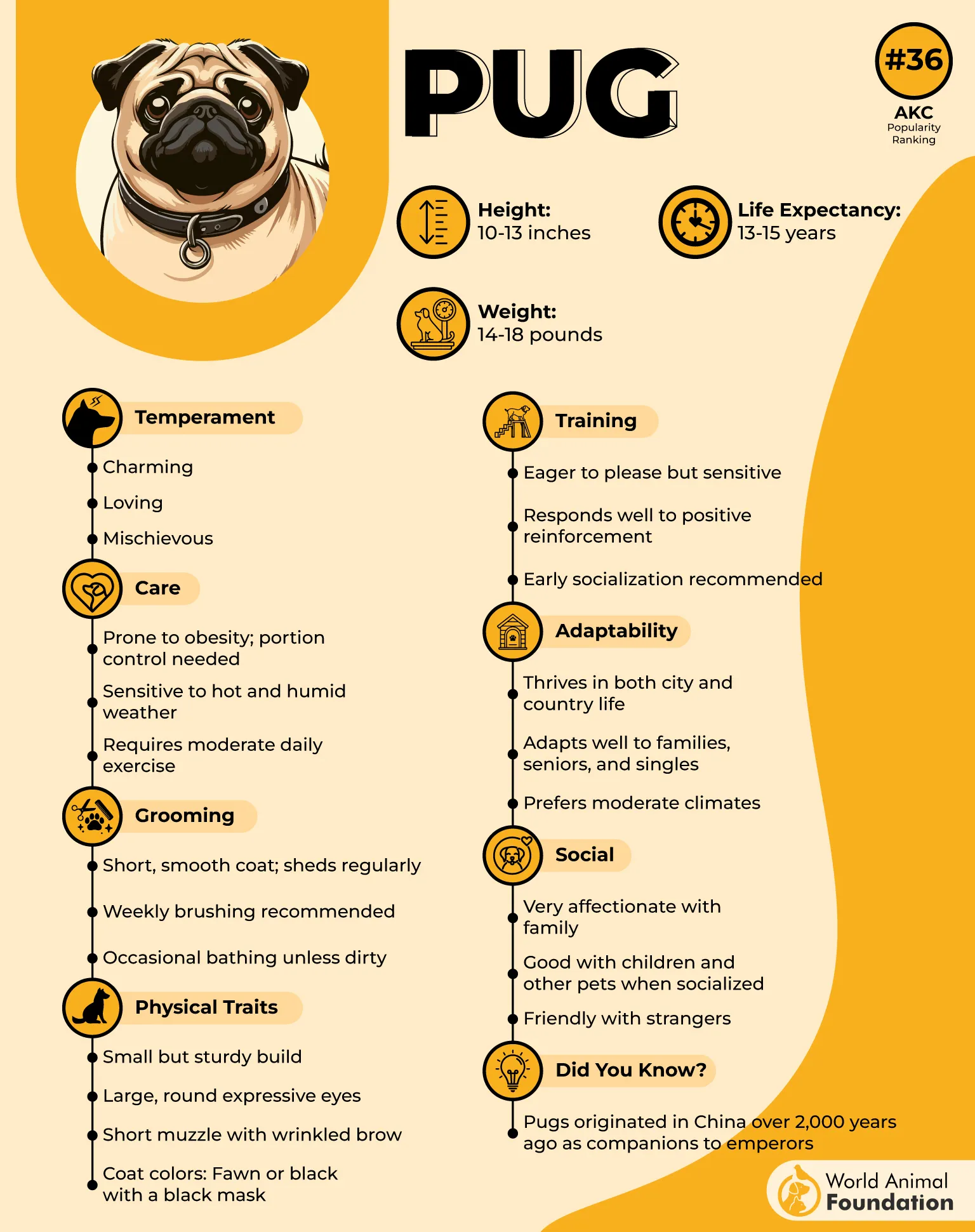
This wrinkled little dog is also a genuinely calm dog breed indoors, happy with light exercise and long naps on the couch. It counts as a fairly quiet breed too, rarely barking without real reason.
Lifts mood instantly: Its clownish expressions work like built-in comic relief after a hard day.
Reduces mental clutter: Low demands leave more energy for everything else on the to-do list.
Britannica notes the Pug probably originated in China, bred purely as a companion dog for royal households. That single-minded purpose is why the Pug still prioritizes affection over activity today.
6. Coton de Tulear

The Coton de Tulear earns its name from its cotton-soft coat, and it is just as soft in temperament, showing its affectionate nature through playful nudges and a habit of trailing its person everywhere.
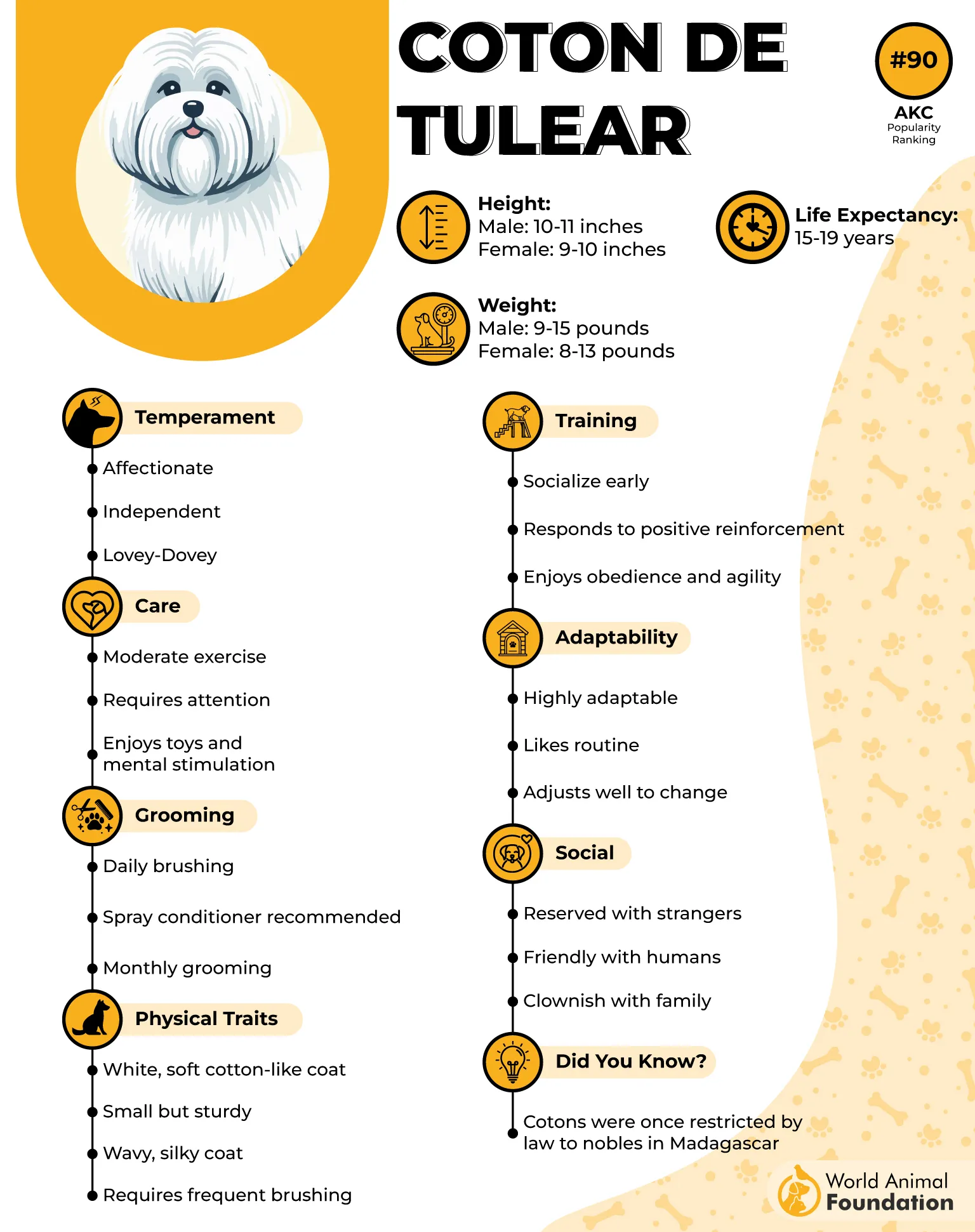
After short bursts of play, this breed settles into a genuinely calm nature, curling up quietly rather than staying wound up. It ranks among the quieter dog breeds, with a soft, infrequent bark.
Adds daily joy: Its playful bursts bring small moments of lightness to the day.
Makes unwinding easier: Quick transitions from play to rest help the evening slow down naturally.
This soft temperament comes from its isolated history on the island of Madagascar. The Coton de Tulear was bred purely as a companion for local nobility, with little outside influence for generations. That isolation favored friendliness over any working trait.
7. Shih Tzu
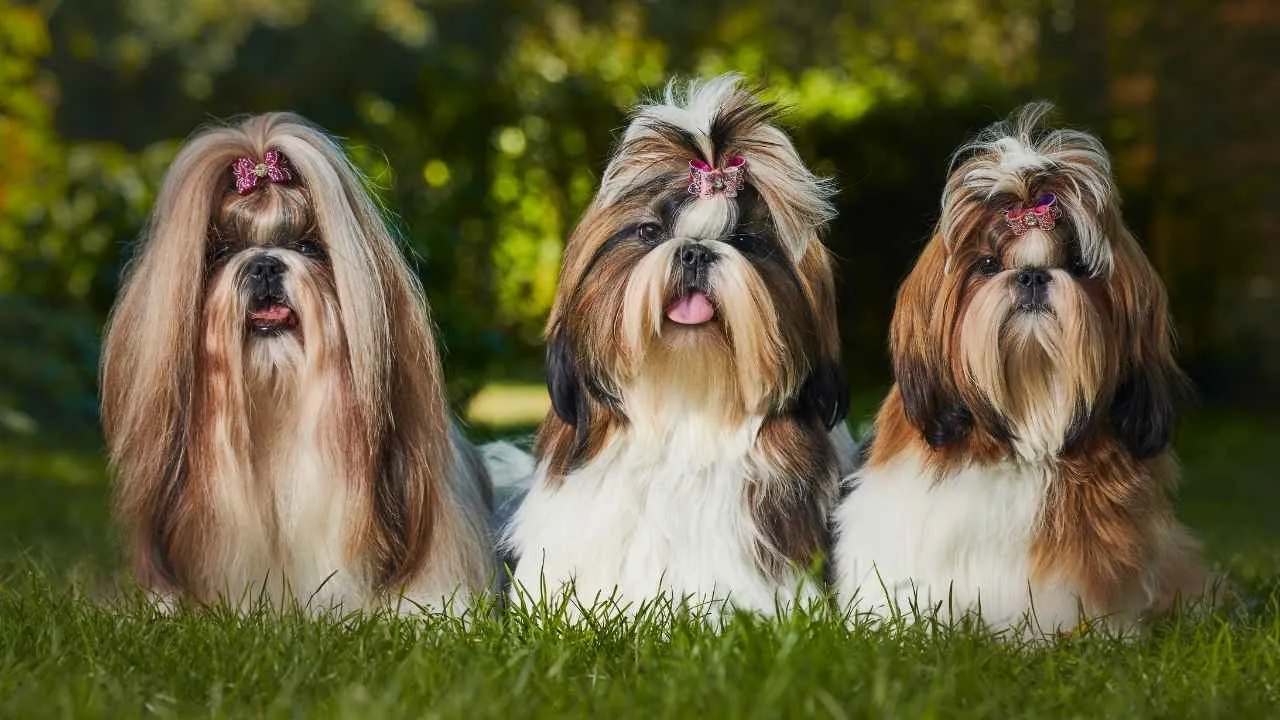
The Shih Tzu is an endlessly affectionate breed, showing its loving nature by staying close underfoot and happily climbing into any available lap. Its expressive little face seems built purely for making people smile.
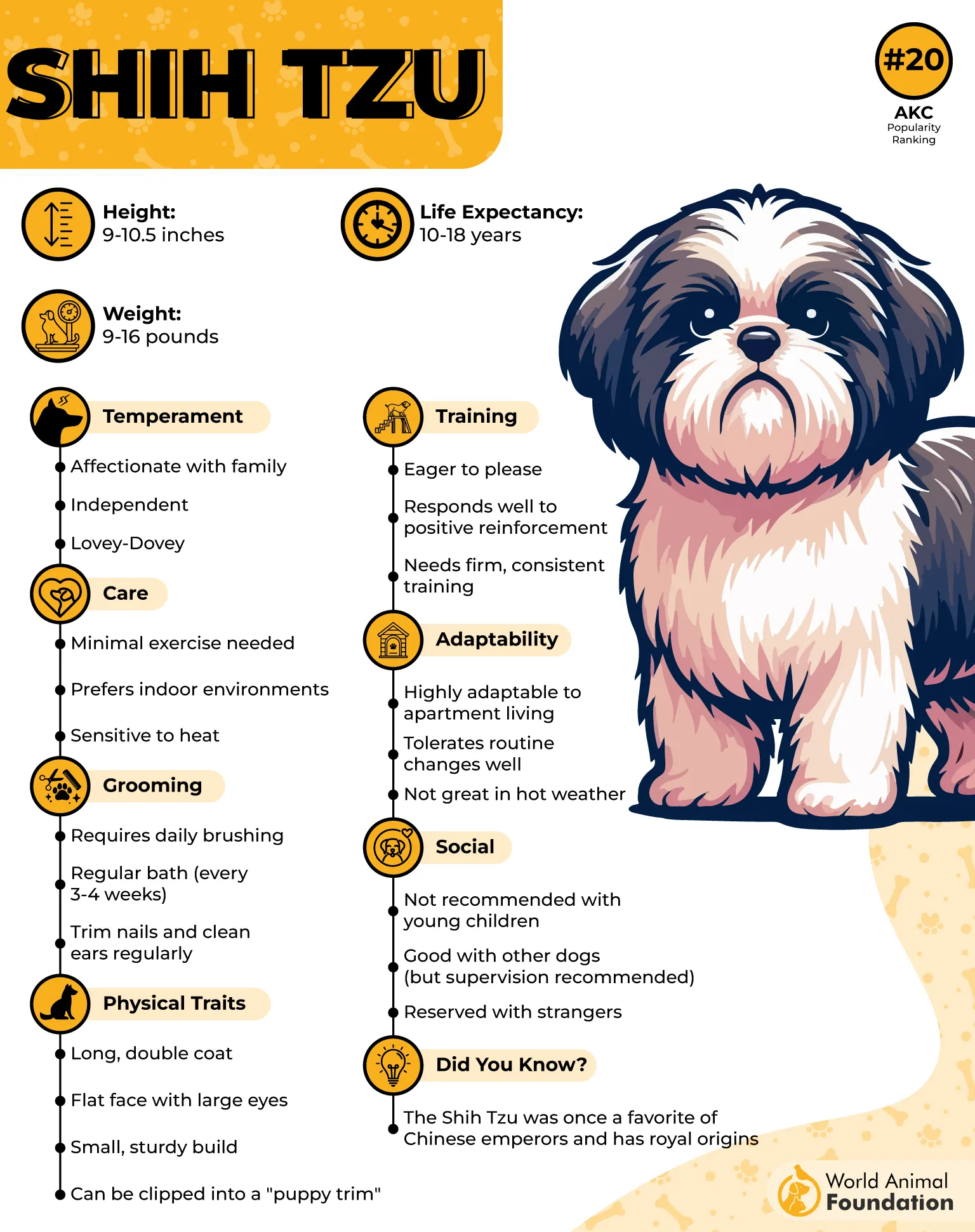
This breed thrives indoors with minimal exercise needs, content with short walks and some indoor playtime rather than long outings. Its relaxed demeanor makes it one of the more reliably quiet dog breeds in the toy group.
Warms ordinary moments: Its attachment makes small daily routines feel less mundane.
Lightens the load: Low exercise needs and little drama both ease an owner’s mental plate.
According to VCA Animal Hospitals, the breed’s Tibetan lion dog ancestors arrived in China during the Ch’ing Dynasty. There, Shih Tzus were bred purely as palace companions, a role that still shapes their people-focused personality.
8. Cavalier King Charles Spaniel
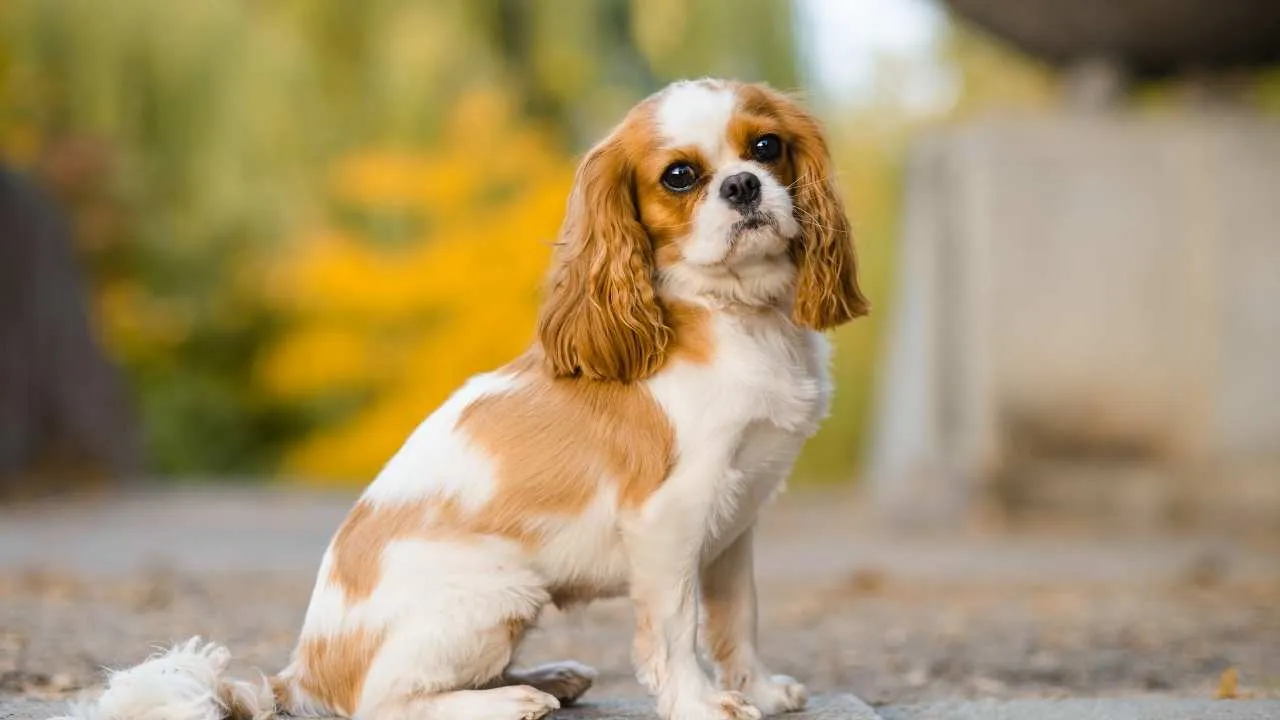
The Cavalier King Charles Spaniel is affectionate with almost everyone it meets, showing its loving nature through soft eye contact and a constant need to be near its favorite people. It settles into laps as easily as it makes new friends.
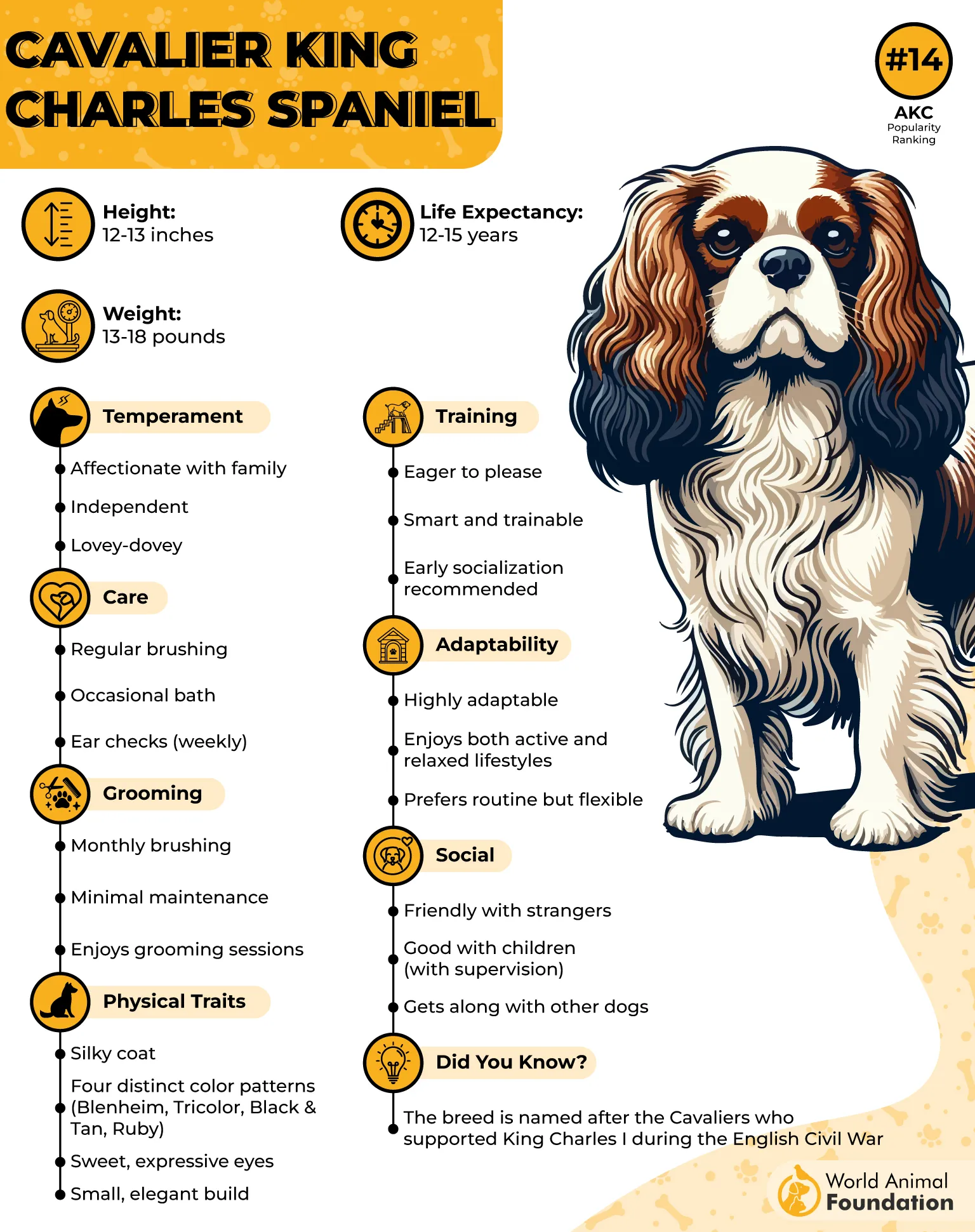
Indoors, this breed shows a genuinely relaxed demeanor, adapting easily to a quiet home or a busier one without much fuss. Its easygoing nature makes it one of the more adaptable quiet dog breeds around.
Offers quick comfort: Its open affection provides fast emotional reassurance on hard days.
Simplifies life: A dog that adapts to any mood removes one more thing to manage.
The breed’s gentle personality traces back to English nobility, who kept it purely as a companion for centuries. ACKCS Charitable Trust notes the breed arrived stateside in the 1950s, carrying that same people-focused temperament with it.
9. Bolognese
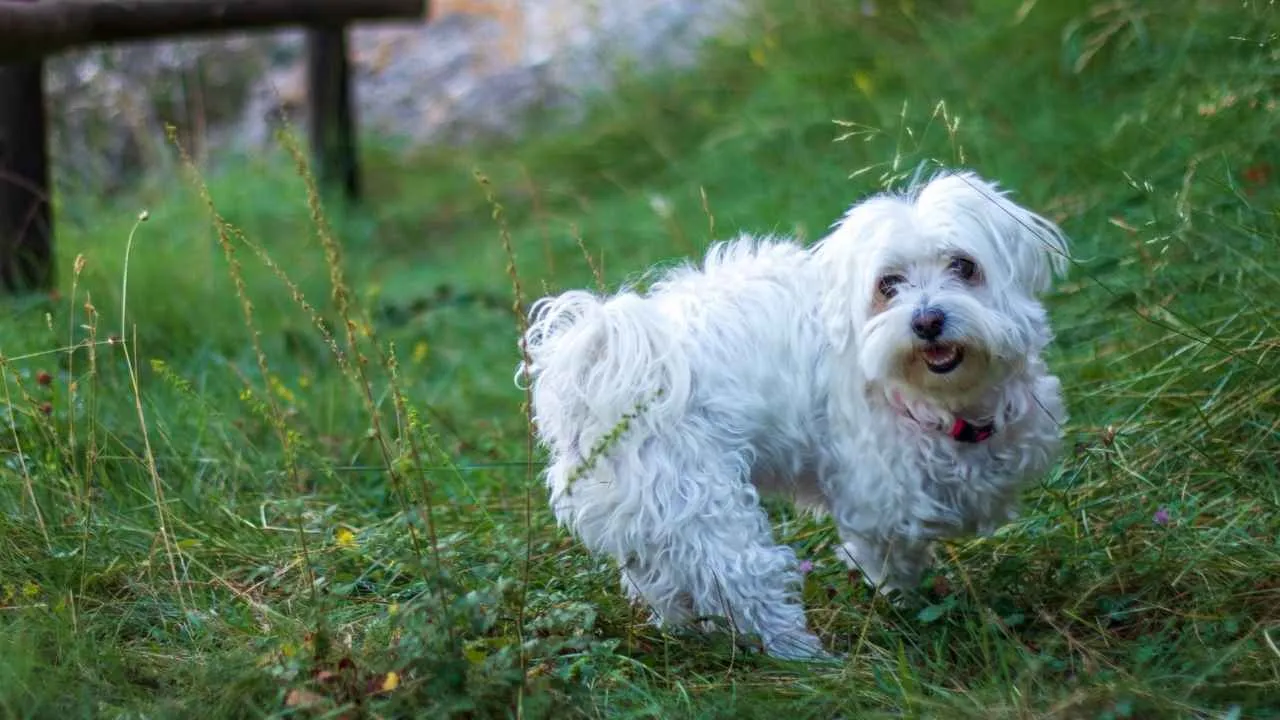
The Bolognese is a small, sturdy dog with a surprisingly big personality, showing its affectionate nature by staying glued to its favorite person’s side. It would rather follow someone from room to room than play alone.
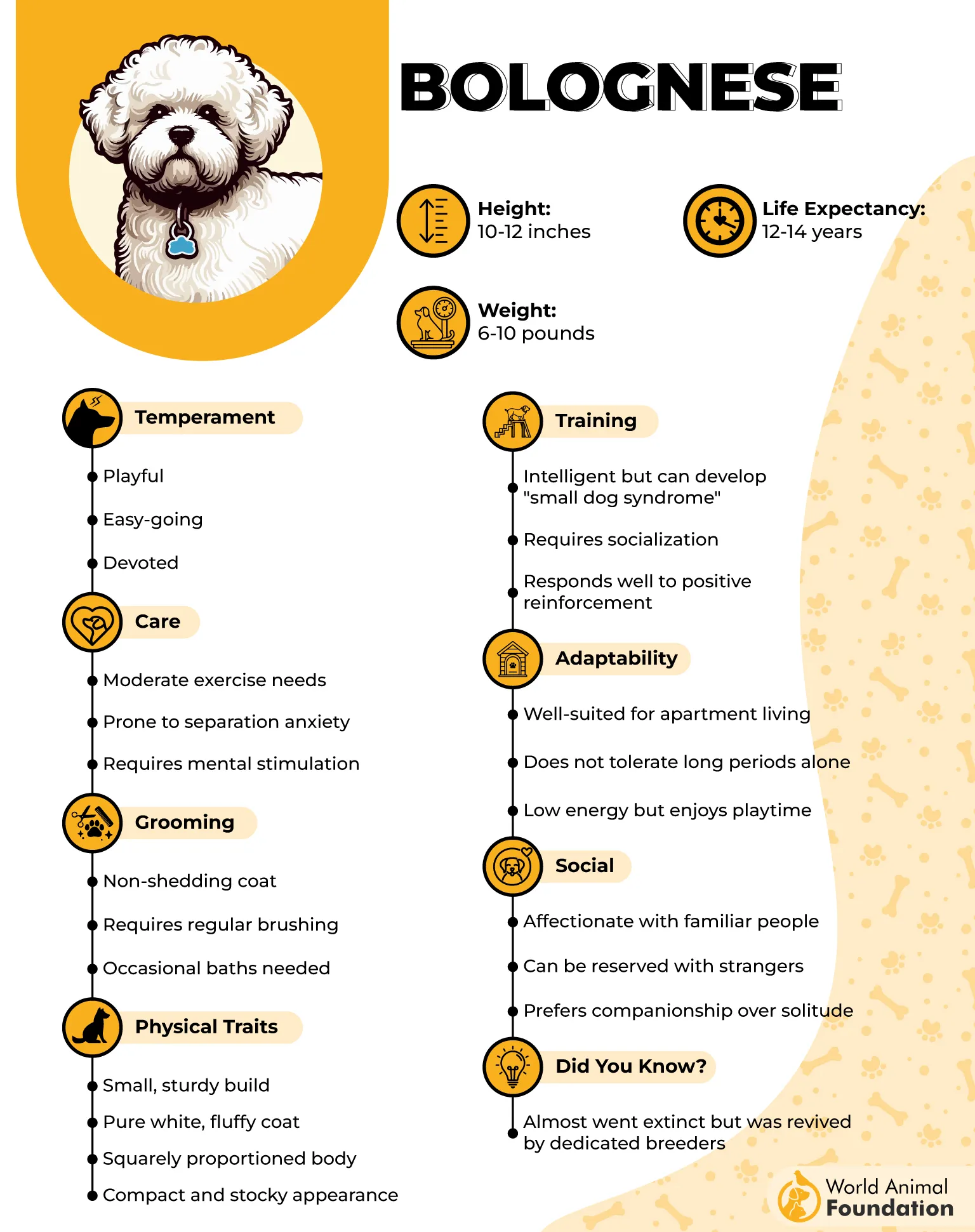
At home, the Bolognese settles into a calm nature fairly easily, needing only moderate exercise to stay content. Its low-shedding coat and easygoing nature also make it a tidy, quiet fit for calmer households.
Fills empty quiet: Constant closeness from this breed makes an otherwise quiet house feel less lonely.
Eases scheduling stress: Modest exercise needs take pressure off a packed day.
According to Royal Canin, the Bolognese’s roots trace back to the Roman Empire, where it was a favorite among aristocratic ladies. Bred purely for companionship from the start, this little dog never had to be anything but affectionate.
Conclusion
At the end of the day, the right dog for a calm, quiet household isn’t the one with the quietest reputation on paper. It’s the one whose need for closeness actually matches the home environment and routine you can realistically give it.
Get that part right, with a little proper training, patience, and positive reinforcement, and any one of these breeds can form strong bonds, settle in as a genuinely peaceful companion, and turn your household into the calm space you were hoping for all along. Ready to find yours?
