




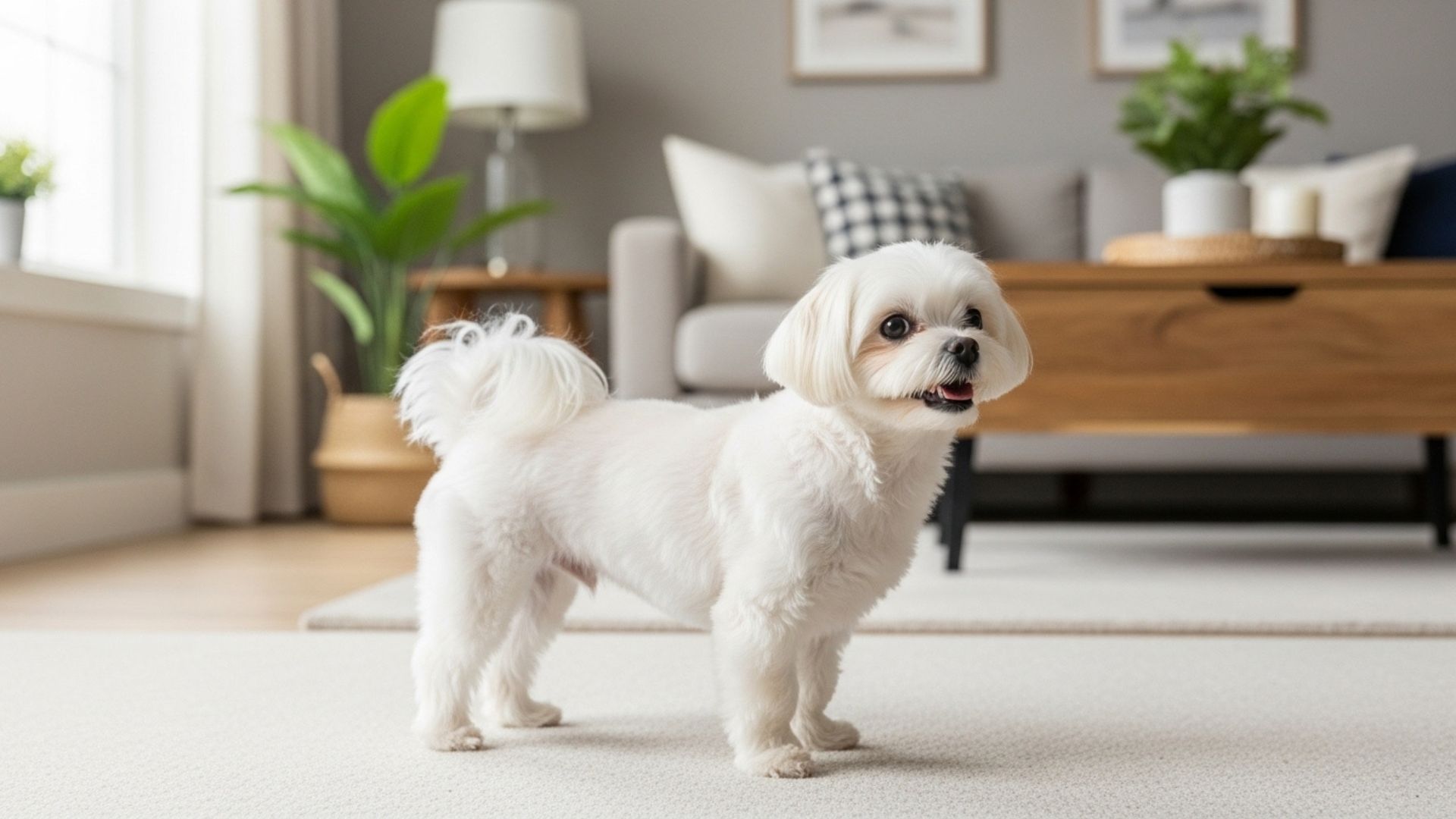
Small in size does not mean small in presence. Lovable tiny dog breeds often fill a home with warmth, personality, and emotional connection that feels larger than expected. Their compact bodies suit smaller living spaces, yet their companionship reaches deeply into family life.
These best small dog breeds that integrate smoothly into shared routines, offering affection without demanding constant activity. Families appreciate how easily they fit into daily schedules, indoor environments, and close interactions.
Their gentle nature often makes them well-suited for children, seniors, and quieter households. Instead of dominating space, they enhance it by creating comfort and familiarity. This balance between size and impact is what makes tiny dogs so appealing for cozy family living.
In this article, you will learn how these small companions support harmony at home, why their presence feels so complete, and what thoughtful insights you can expect as the article unfolds.
Key Takeaways
When space is limited, the right dog can enhance it rather than compete with it through warmth and steady companionship.
Breeds like the Maltese and Pomeranian thrive on calm routines, staying near family members and fitting gently into everyday life.
Yorkshire Terriers and Papillons add alertness and personality without overwhelming quiet households or limited space.
As the article unfolds, it becomes clear why these small dogs feel so complete in homes built around connection and family time.
Lovable Tiny Dog Breeds for a Cozy Family Life
1. Pomeranian
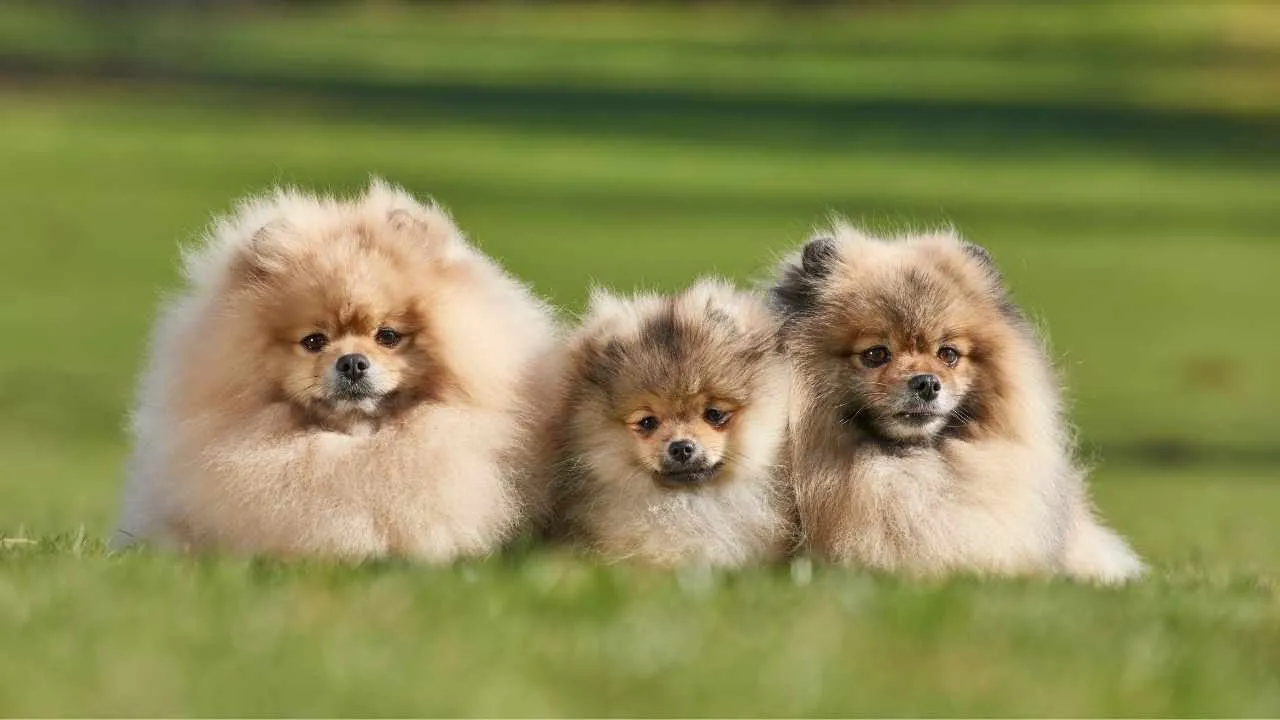
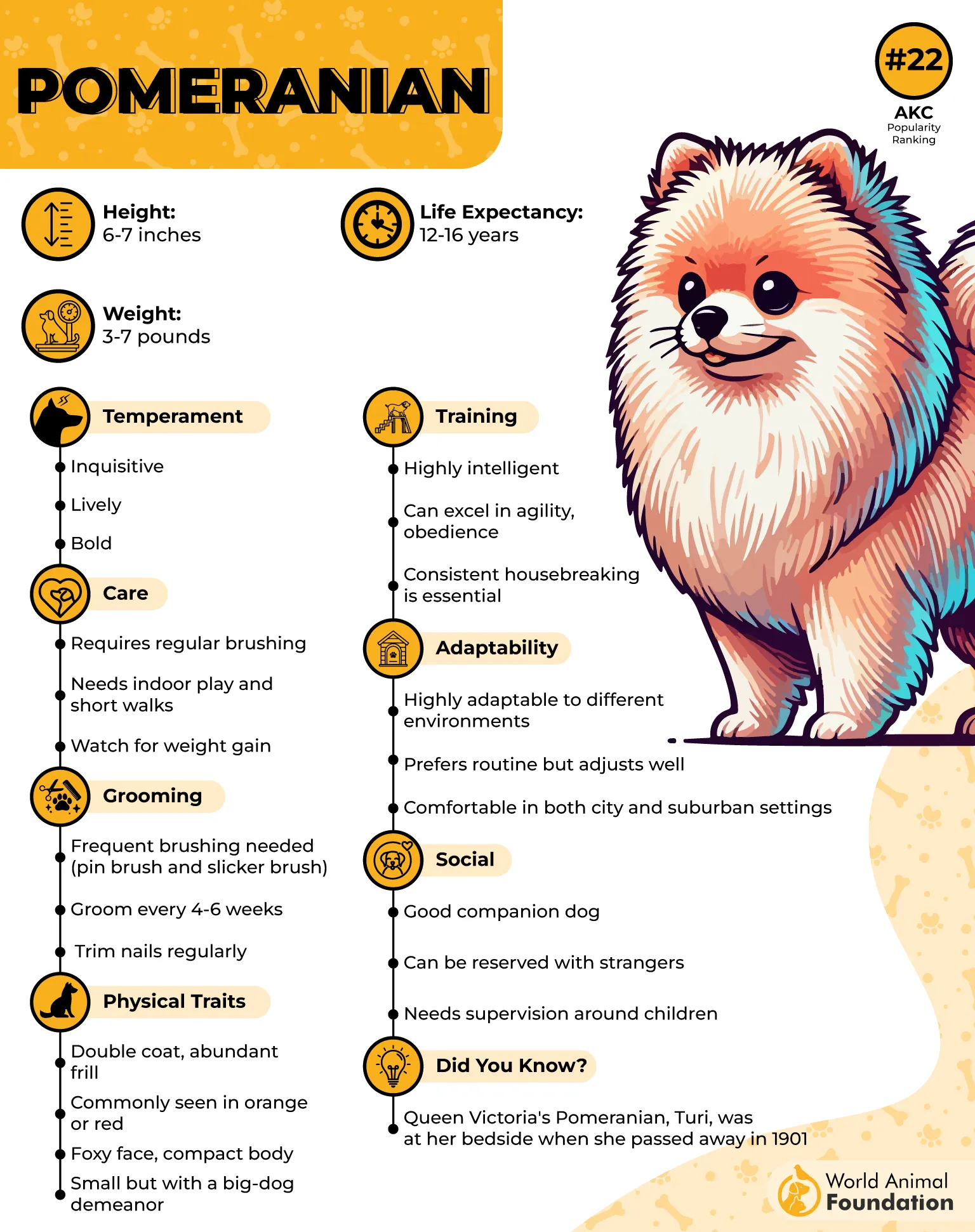
Pomeranian steps into any space with confidence that feels far bigger than its size. That sharp expression and fox-like face hint at a personality that refuses to stay quiet or unnoticed. Historically, this boldness traces back to working roots rather than ornamental living.
From Working Strength to Royal Favor
Earlier Pomeranians were much larger and physically capable, once used for herding and pulling sleds, as PetMD mentioned. Over time, selective breeding shifted their role toward companionship, especially within royal circles.
That transition shaped several defining traits:
Strong watchdog instincts
Vocal and attention-aware behavior
Confidence around larger dogs
A Favorite in Noble Circles
European royalty played a role in refining the breed’s size and image during the 1800s. As the Pomeranian became smaller, it gained popularity as a refined companion rather than a utility dog. Its polished appearance and lively attitude suited court life as much as private chambers.
2. Maltese

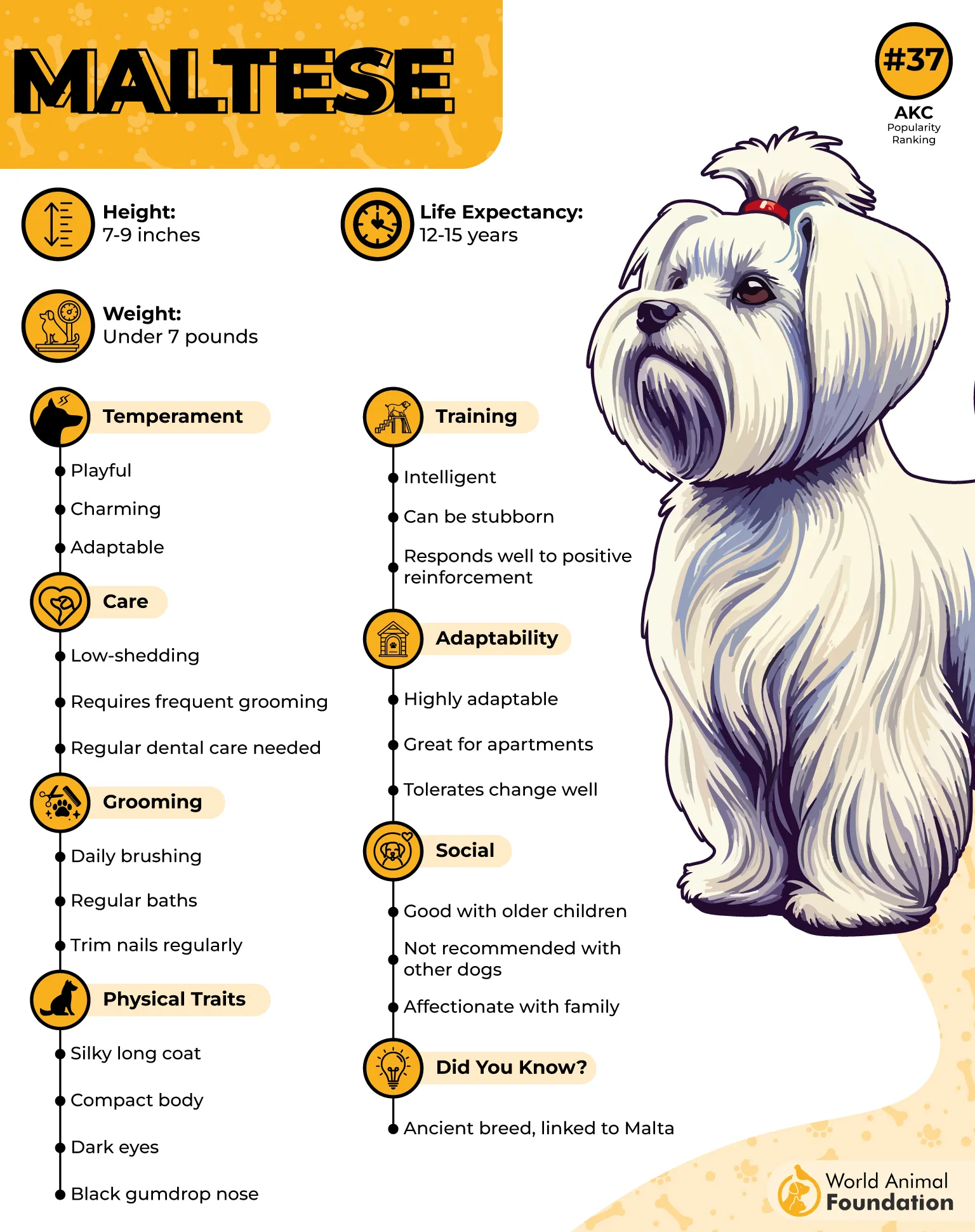
Maltese dogs are naturally tuned into calm indoor rhythms, which suits a cozy family setting. Their low energy needs make them content with quiet routines, couch time, and close contact. This relaxed pace helps them settle easily into apartments and smaller homes without restlessness.
Built for Close Bonds
This toy breed forms strong attachments and prefers staying near its people throughout the day. Their compact size and gentle presence make shared spaces feel warmer rather than crowded.
That connection shows up in simple, everyday moments
Enjoys lap time without constant movement
Adapts well to indoor schedules
Comfortable around all age groups
Elegance With Practical Value
The long, silky coat is more than a visual appeal, as it sheds very little and suits tidy living spaces, as Pawlicy Advisor notes. Beneath that flowing white coat is a balanced, smooth mover that handles daily indoor activity with ease. The expressive face and alert eyes also make this breed quick to notice sounds and changes at home.
Note: Maltese respond best to reward based training, especially when gentle consistency is used instead of pressure.
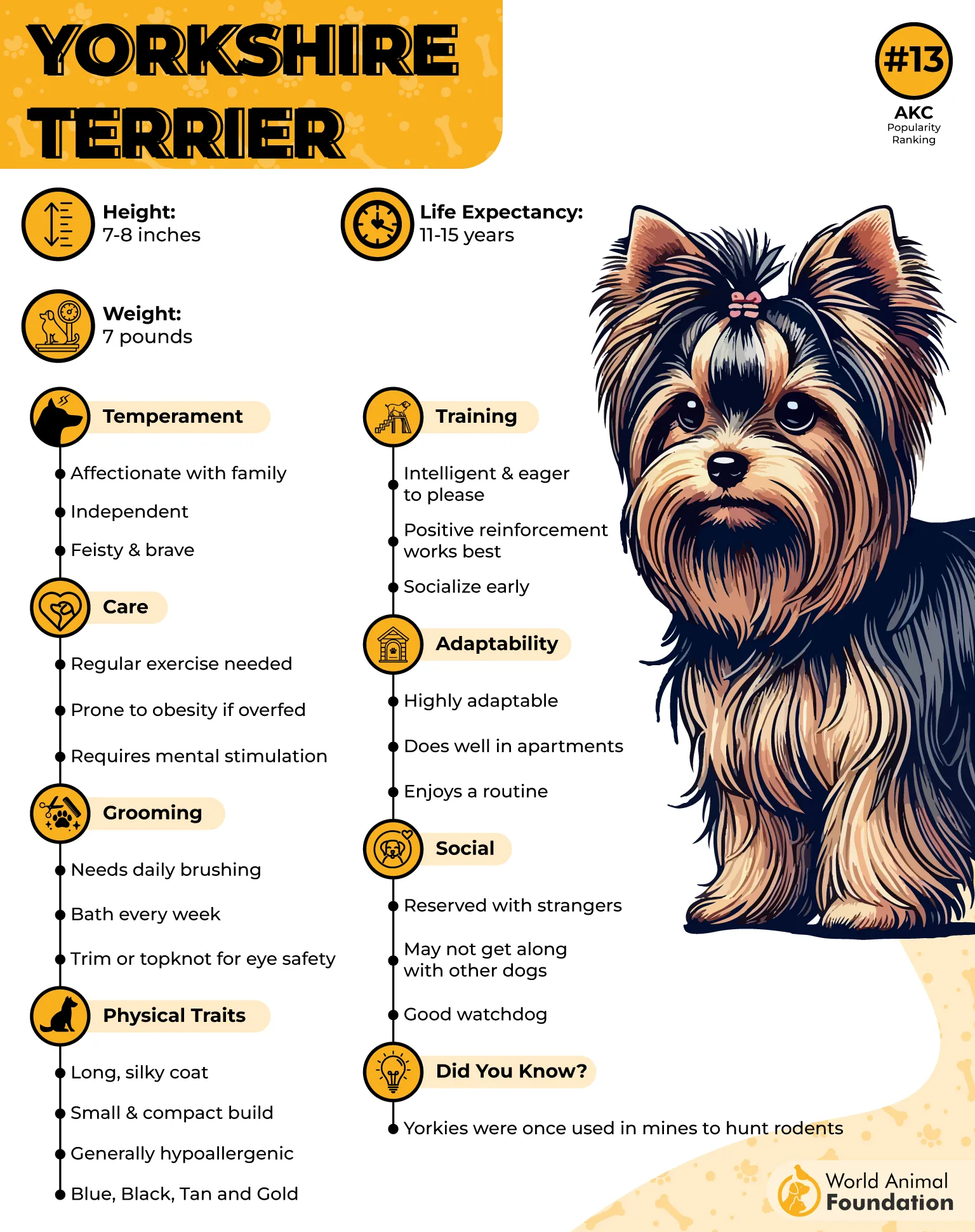
3. Yorkshire Terrier

Yorkshire Terrier brings bold confidence into quiet living spaces, which suits a cozy family setup surprisingly well. This small dog breed stays closely tuned to household activity and prefers being near its people rather than roaming off. That strong attachment turns everyday routines into shared moments.

Alert Companion With a Terrier Core
Yorkshire Terrier shows sharp awareness inside the home, making it attentive without needing space to stretch out. The breed’s working background still shows up in how it reacts to sounds and movement.
These few qualities shape daily life:
Quick to notice unfamiliar noises
Naturally protective of its space
Engages closely with family members
Comfort Focused BondingThe
Yorkshire Terrier enjoys close contact and often seeks physical closeness during downtime. Face licking, lap settling, and staying nearby are common behaviors that fit calm family evenings. The coat feels more like human hair, which helps households looking for less shedding around shared spaces.
4. Teacup Poodle
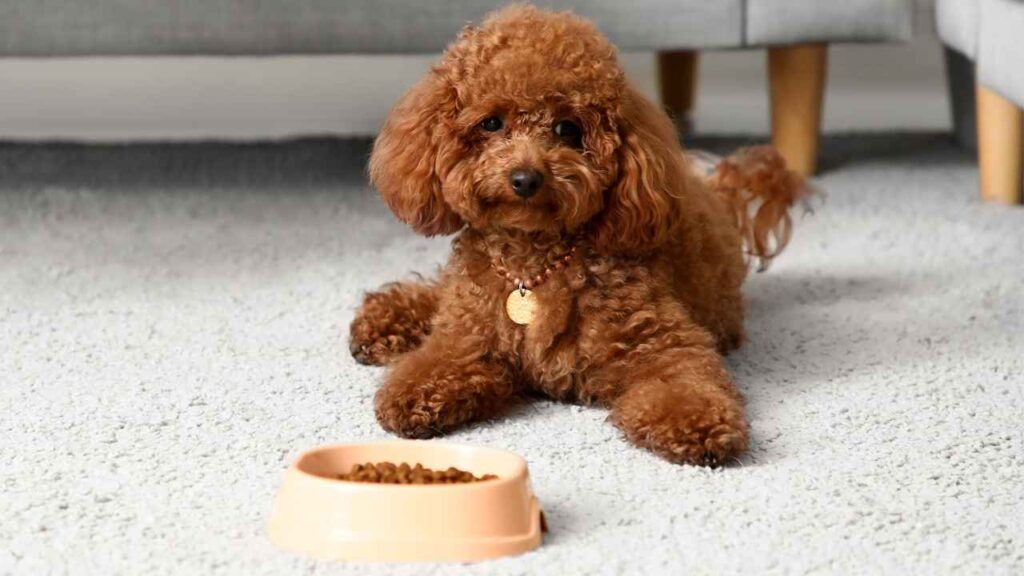
Teacup Poodle stands out for sharp awareness and quick learning, which suits a calm indoor family setup. This dog stays tuned to routines, voices, and movement around the home, making shared spaces feel more connected. That awareness helps them blend easily into cozy living without constant supervision.
Built for Close Family Living
This toy dog shows strong social interest and likes staying involved in everyday moments. This matters in a cozy home where interaction happens often, and space is shared closely.
These traits shape that experience:
Low-shedding curled coat
Quick response to cues
Comfort with indoor routines
A Note on Recognition
The teacup poodle is not officially recognized by the AKC as a separate size category. The label is commonly used to describe very small poodles rather than a distinct breed classification. That distinction matters when discussing expectations in family settings.
5. Papillon

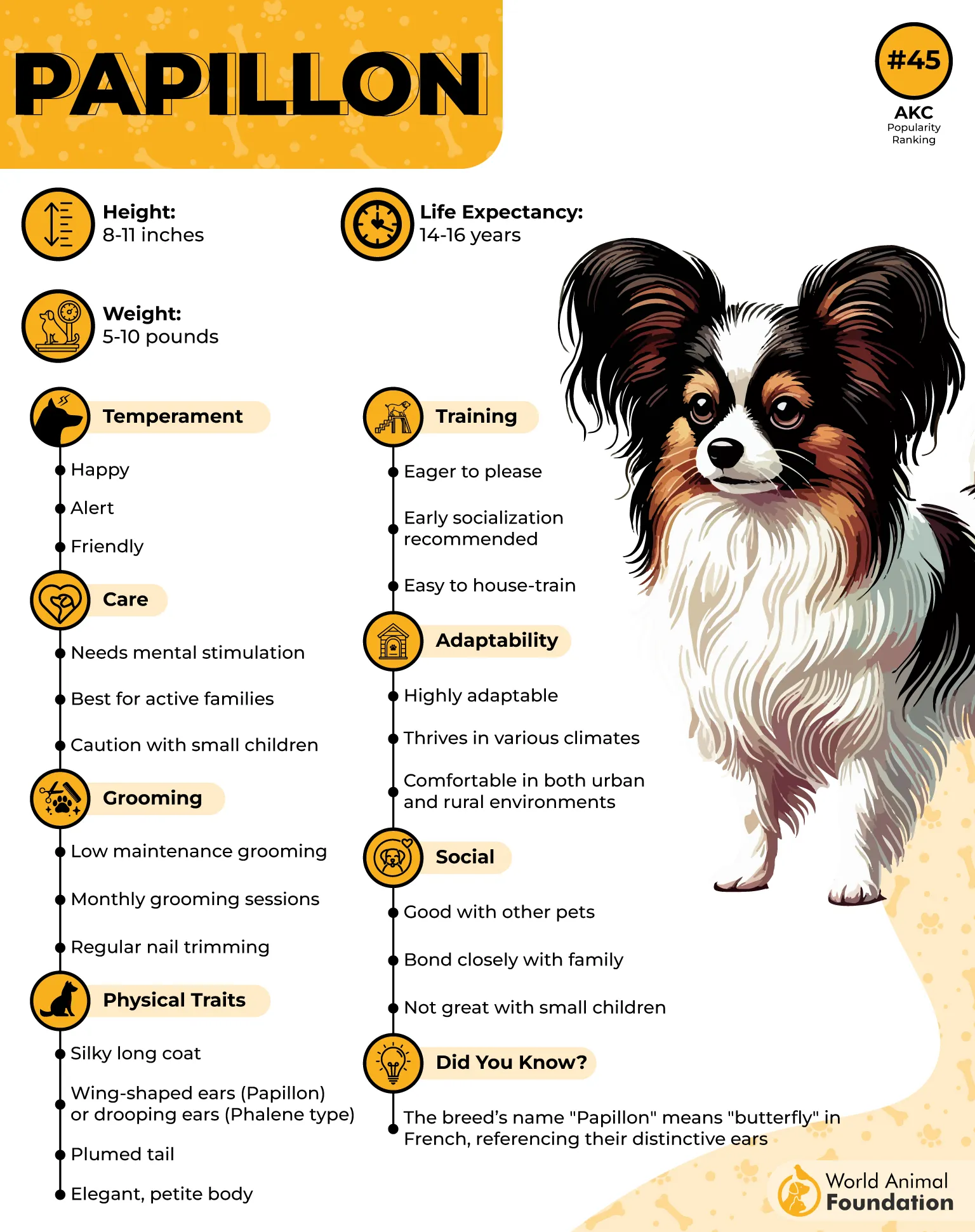
Papillon brings alertness and cheerful movement into a cozy home without overwhelming it. Orvis states this breed stays tuned to family activity, making shared indoor time feel lively rather than crowded. That natural awareness helps them settle into daily routines while still feeling involved.
Built to Join Family Moments
Papillon handles busy households better than its delicate look suggests. This lap dog stays comfortable moving between couch time and playful interaction, which suits close-knit living.
That balance shows up in everyday ways:
Quick learner with household rules
Confident around daily noise
Stays engaged without being demanding
Ears That Signal Awareness
Papillon is easy to spot by its wing-shaped ears, which also reflect how closely the dog watches its surroundings. That alert expression often turns into early reactions to doorbells, visitors, or playful cues from kids. In a cozy family setting, this attentiveness adds a sense of connection.
6. Brussels Griffon

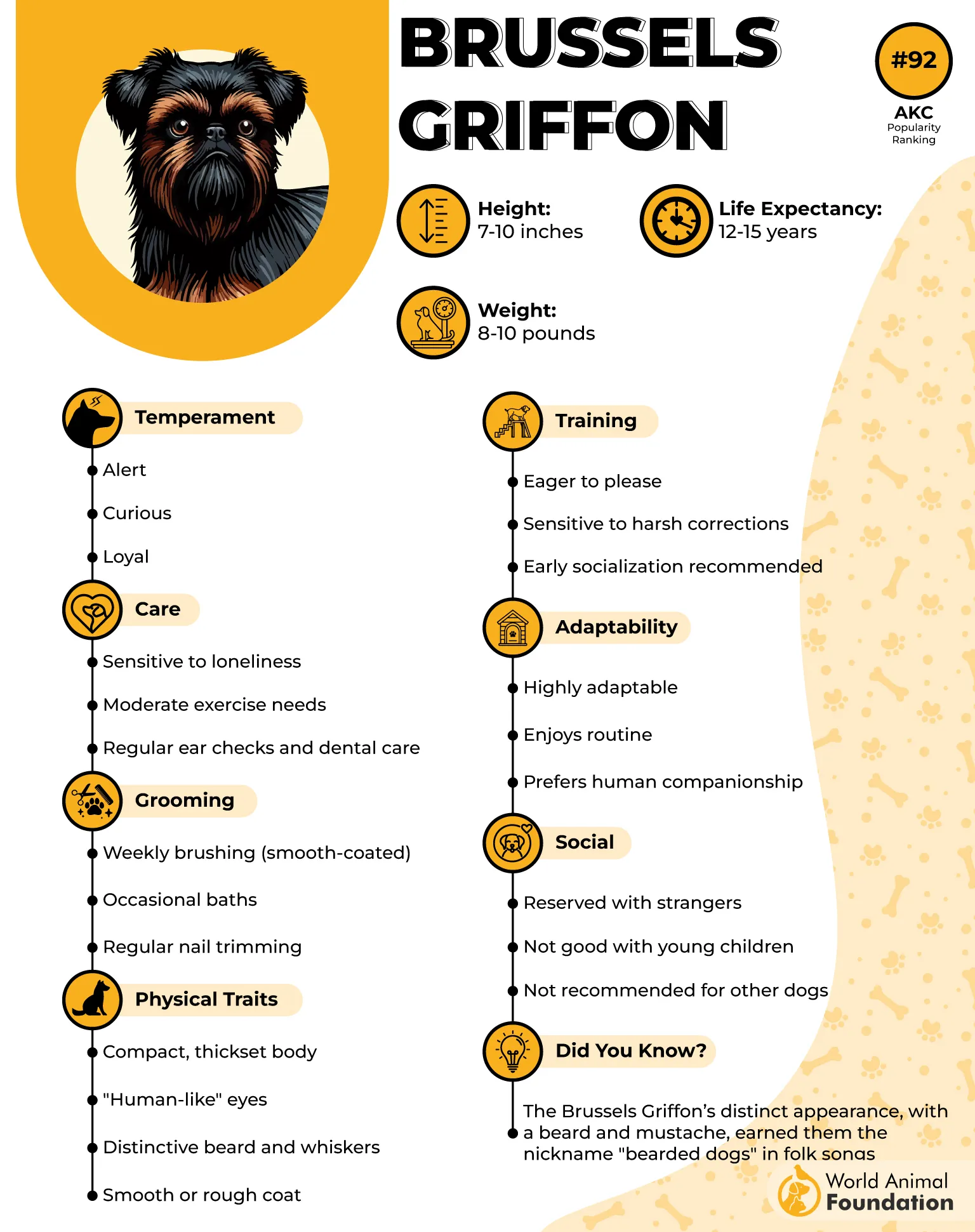
Brussels Griffon leads with an expressive face and a sense of importance that fills small rooms easily. That almost human gaze creates constant interaction, which suits calm households that enjoy close daily company. In cozy family settings, this awareness keeps the dog tuned in without needing noise or chaos.
Built for Close Companionship
Brussels Griffon settles best where daily routines stay predictable and personal. Their affectionate nature shows through steady attention and a habit of staying near their chosen people.
That closeness works especially well in quiet homes:
Strong eye contact and focus
Comfort with indoor living
Quick response to familiar voices
Social Yet Selective
Brussels Griffon fits well among companion dogs that prefer meaningful connection over constant activity. They form strong bonds with one or two people and stay emotionally invested throughout the day. Because of their sensitivity, gentle handling matters more than busy play.
Note: Rough play from young children can overwhelm this breed due to its emotional awareness and compact build.
7. Japanese Chin

Japanese Chin moves through indoor spaces with light, deliberate steps that suit calm households. This natural elegance makes shared couches and quiet rooms feel undisturbed rather than busy. Families looking for great lap dogs often appreciate how smoothly this breed blends into relaxed daily routines.
Indoor Habits That Matter
Japanese Chin prefers close, peaceful interaction and rarely demands constant activity. Their catlike cleanliness and awareness keep shared spaces orderly and calm.
Small details make the difference
Quiet presence around guest
Light paw movement indoors
Comfort with short play sessions

Expression and Bonding
Japanese Chin is known for wide, expressive eyes that seem to read a room quickly. This sensitivity supports a gentle nature, especially in homes that value emotional balance. The affectionate personality shows most during quiet bonding moments rather than loud play.
Conclusion
Cozy family living thrives on closeness, calm routines, and shared presence. These tiny breeds prove that size never limits emotional impact or daily comfort. Their charming personalities bring balance through affection, awareness, and steady human interaction within shared spaces. With early training and mental stimulation, they adapt smoothly to a small apartment without disrupting harmony.
Regular grooming keeps them comfortable indoors, especially alongside other pets. Families seeking warmth rather than constant activity often find that these dogs become wonderful companions over time. Each furry companion adds quiet joy, shaping routines gently while turning ordinary moments into lasting family memories together always.
