




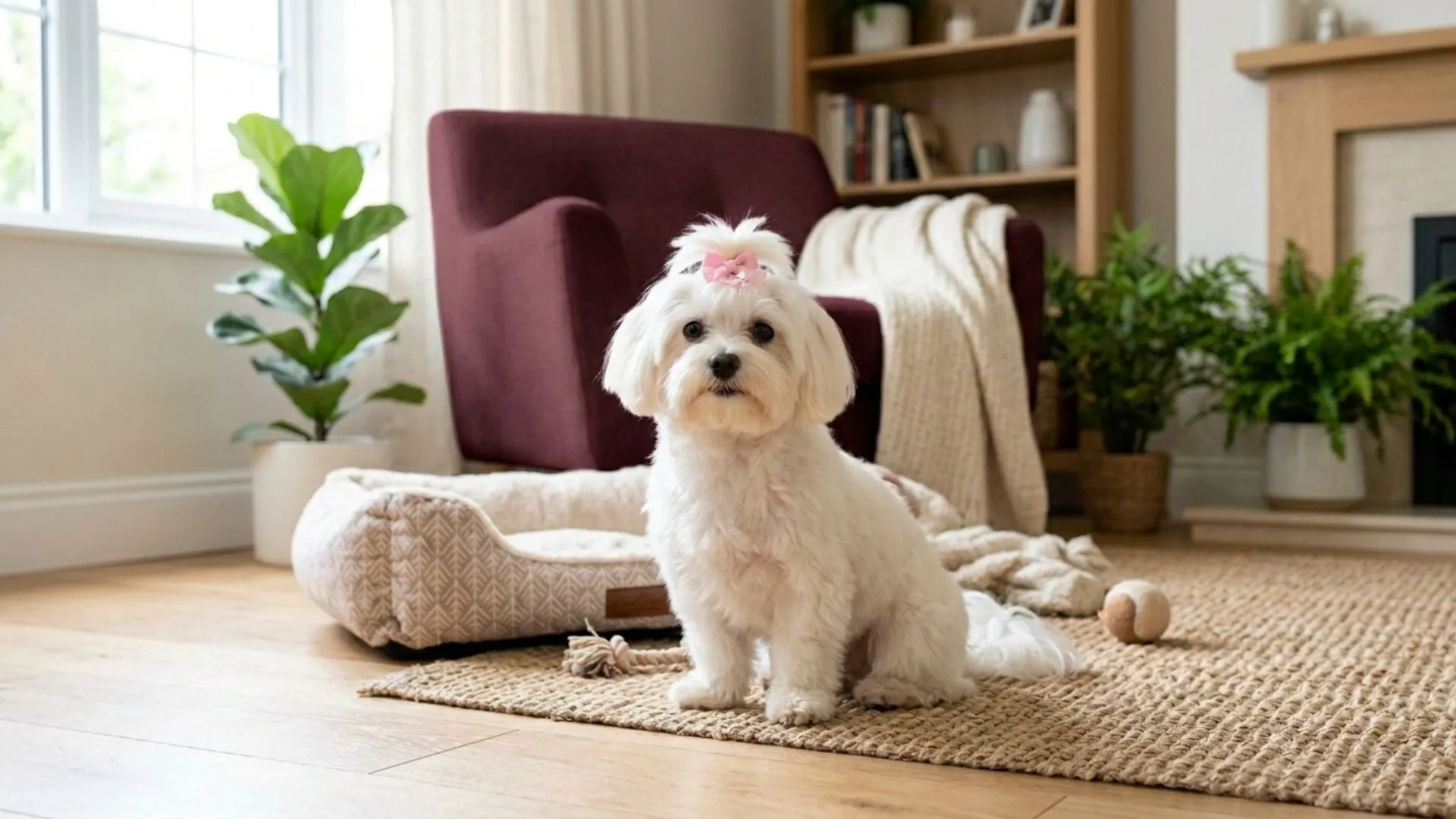
They say good things come in small packages. Whoever coined that phrase probably had a Chihuahua in their lap at the time.
Pocket-sized dog breeds have stormed Instagram feeds, celebrity handbags, and American living rooms, and they are not leaving anytime soon. These tiny dogs are brimming with personality, loyalty, and, honestly, an impressive amount of attitude.
According to the American Pet Products Association, roughly 71 million dogs currently share homes with U.S. families, and small breeds are among the fastest-growing in popularity. It is easy to see why.
Whether you are renting a studio or running a full household, one of these pocket-sized legends might just be your perfect match. Let us dive in.
Lovable Pocket-Sized Dog Breeds: A Breed Spotlight
1. Pomeranian
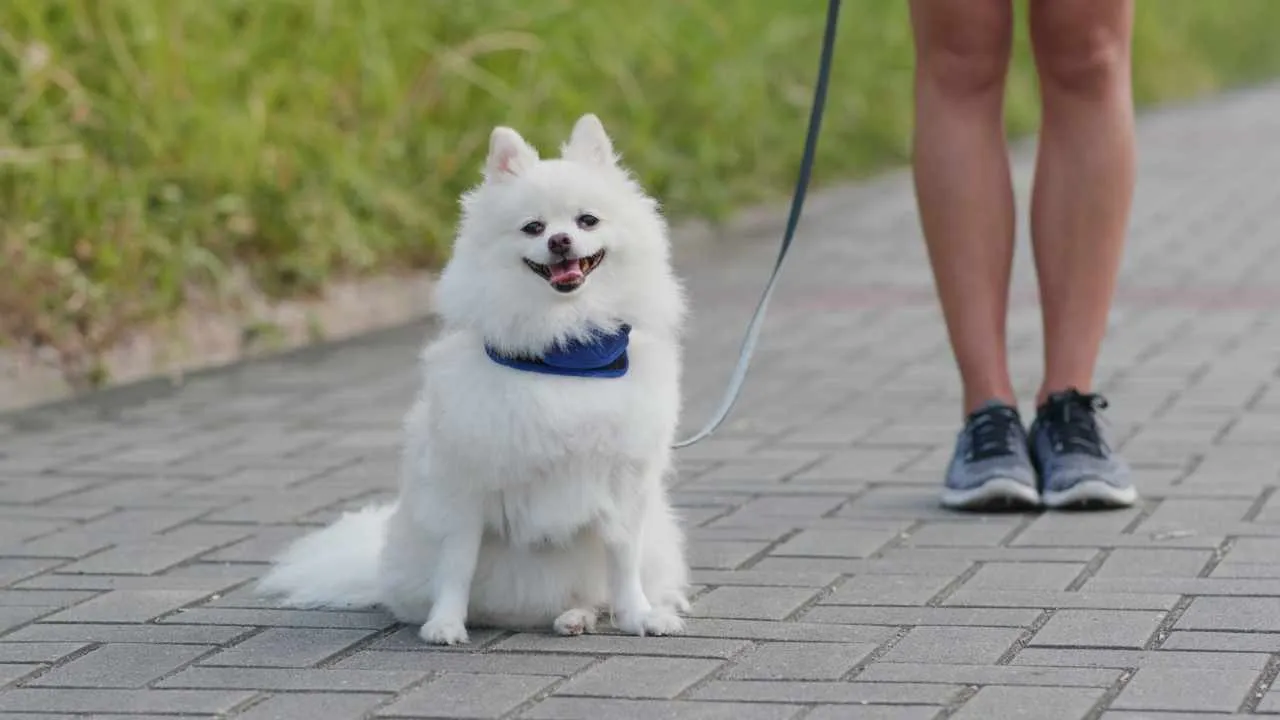
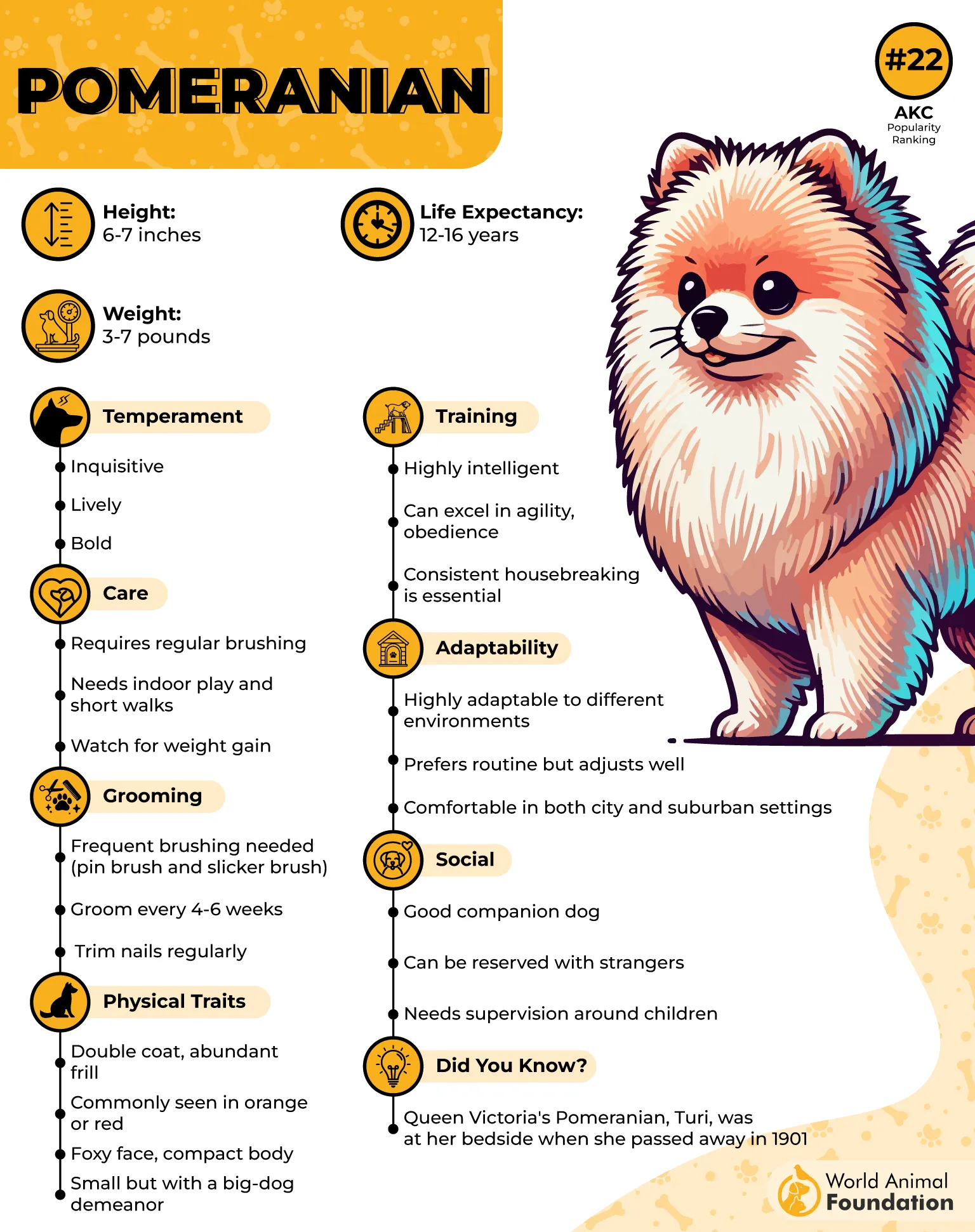
Originally a much larger breed weighing around 30 pounds, the Pomeranian was developed from the Spitz family for herding and working roles, with ancestors including the Akita, Alaskan Malamute, Chow Chow, and Samoyed, according to PetMD. Today, it is one of the smallest dog breeds, weighing just 3 to 7 pounds and standing 6 to 7 inches tall.
Its velcro nature keeps it closely attuned to its environment, detecting subtle changes and barking to alert its owner, which makes it a surprisingly effective watchdog.
Affectionate and emotionally intuitive, it is also a popular choice for therapy work and as an Emotional Support Animal. Its intelligent working heritage means it can process complex problems with ease.
A faster metabolic rate means it needs frequent but smaller meals throughout the day. For exercise, 30 to 60 minutes of moderate daily activity is ideal, including fetching, short walks, and indoor play. High-impact activities like jumping and running should be avoided to protect its small frame and delicate bone structure.
2. Chihuahua
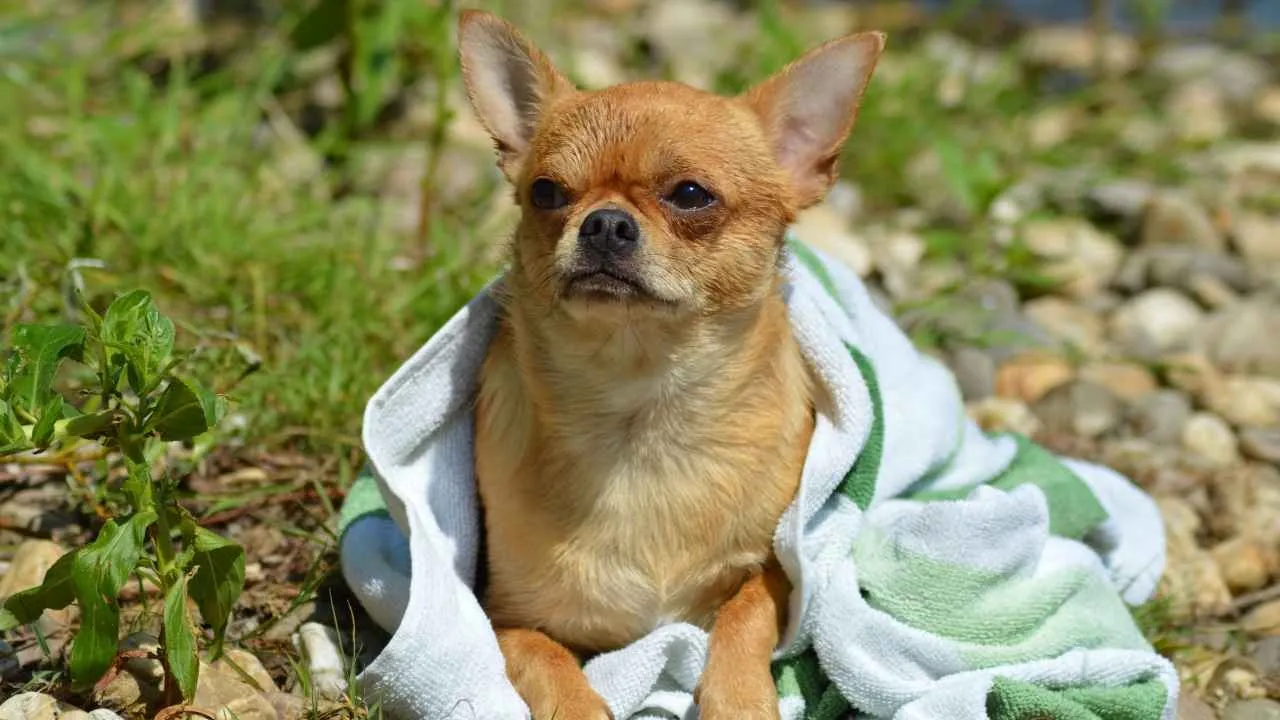
The Chihuahua is often cited as the smallest dog breed in the world, weighing between 2.2 and 6.6 pounds and standing just 6 to 9 inches tall. Widely kept as a companion dog, it is best known for its playful spirit, erect ears, and a distinctively rounded skull.

Unlike most modern breeds with European origins, the Chihuahua carries pre-Columbian roots, making it one of the oldest breeds in the Americas.
Despite its tiny frame, it has strong territorial instincts and sharp hearing, vocalizing loudly at the approach of a stranger. This makes it a surprisingly effective watchdog. Its ancestor, the Techichi, was used for hunting and pest control, and the modern Chihuahua still retains a notable prey drive that requires early socialization and consistent training to manage.
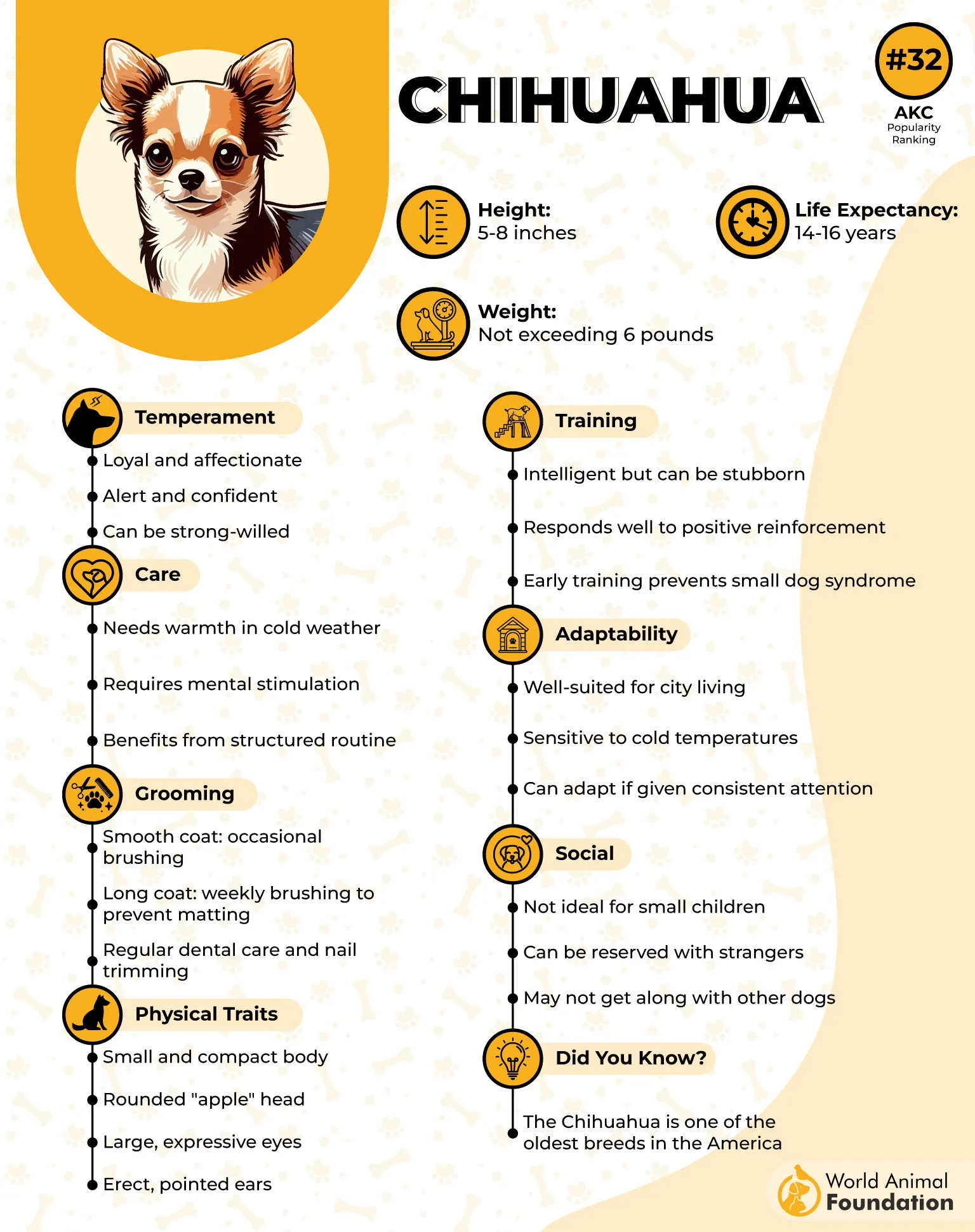
Due to minimal body fat, it is highly susceptible to hypothermia and thrives best as an indoor dog. Exercise needs are modest at 20 to 30 minutes daily, best met through walks using a well-fitted harness and indoor play such as chasing toys and fetching for mental stimulation.
3. Toy Poodle
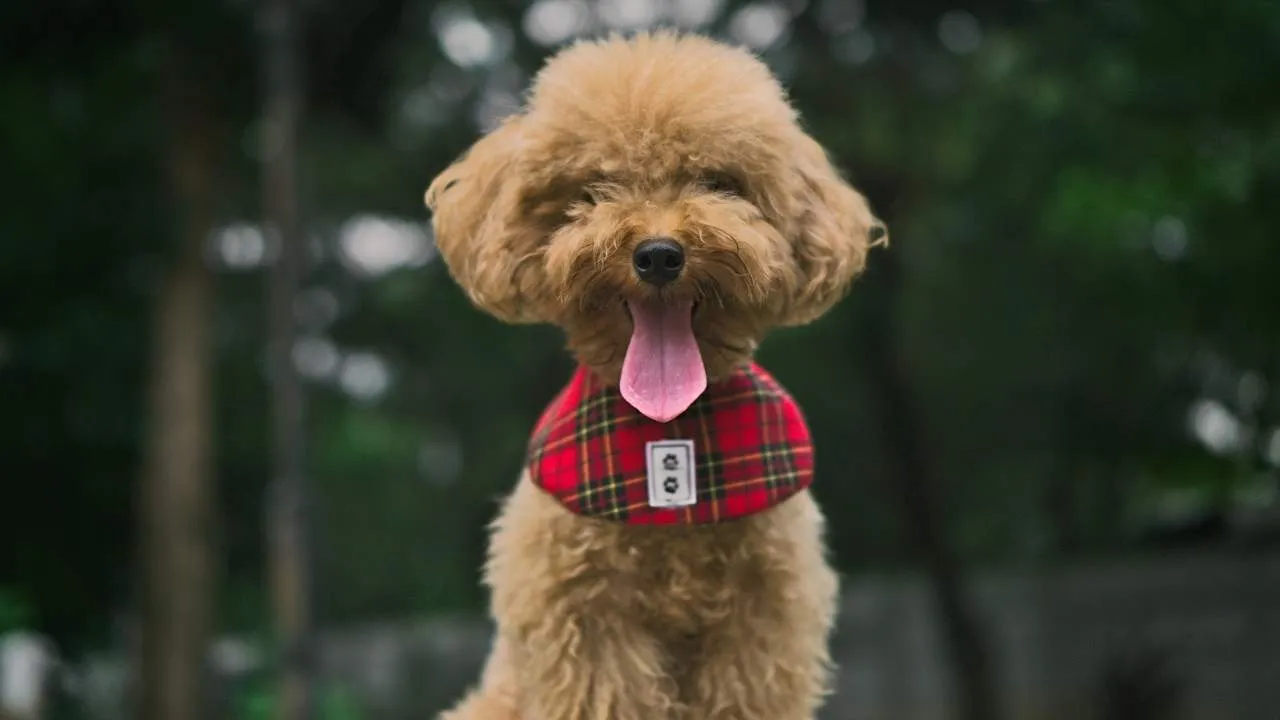
The Poodle is one of the smartest dog breeds in the world, coming in three varieties: toy, miniature, and standard. All three are highly trainable thanks to their remarkable intelligence.
Originating in Germany, the Poodle was bred as a water retriever, with the name deriving from the German word “Pudelin,” meaning “to splash.” This energetic breed lives between 10 and 18 years, making it one of the longest-living dog breeds, according to Wikipedia.
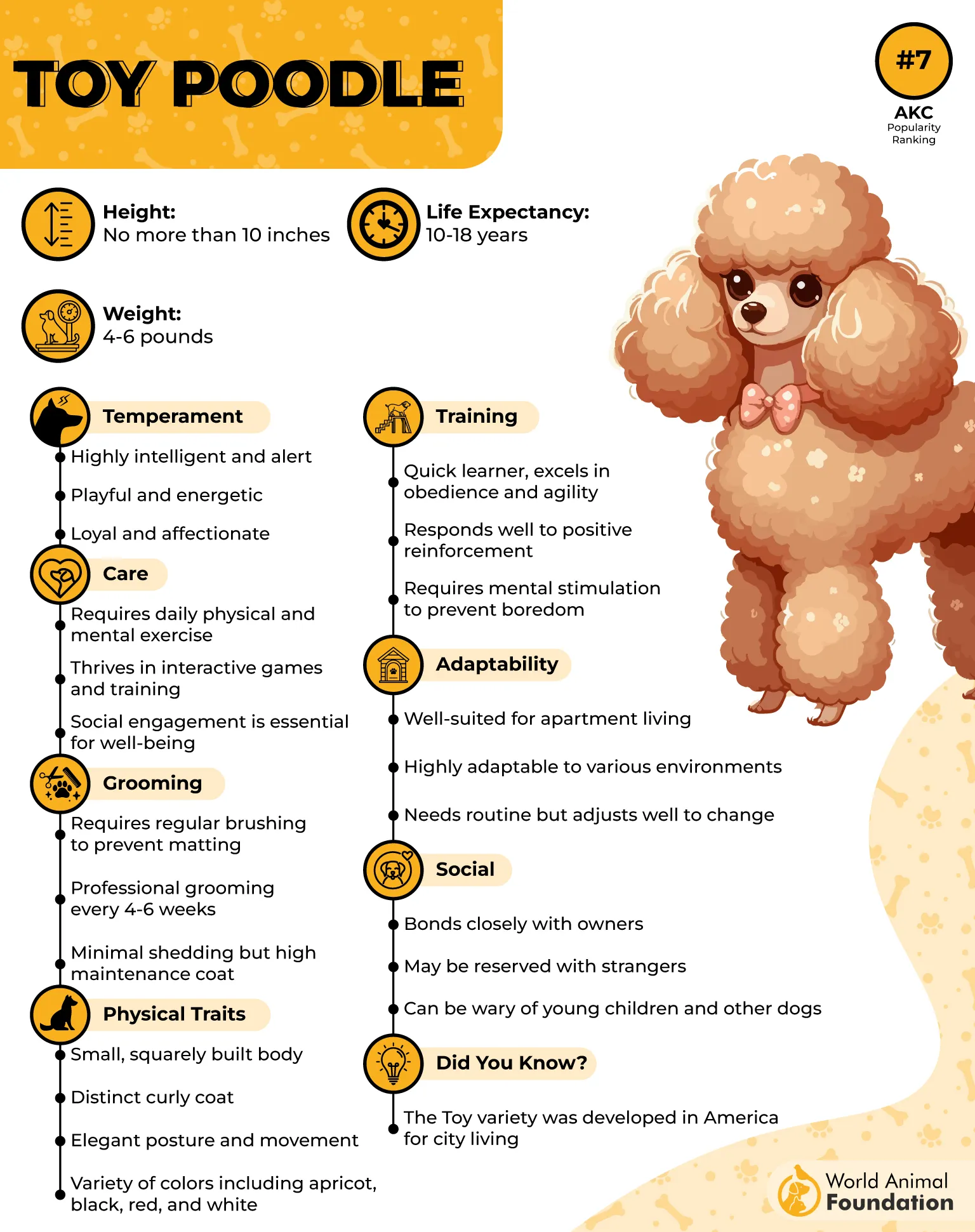
The Toy Poodle was bred down from the standard version in Europe during the 18th and 19th centuries to create a highly intelligent but more compact dog suited for circus performance. Its eagerness to please and quick learning ability make it a natural fit for the entertainment industry. The breed is also used in police work, valued for its keen sense of smell and nimble agility.
Standing around 10 inches tall and weighing 6 to 9 pounds, it is well suited for apartment living. Because it grows hair rather than fur, it produces less dander, making it a popular choice for households with allergy concerns. Daily brushing with a slicker brush or steel comb is recommended to prevent matting, and a professional groomer should perform a puppy cut every six to eight weeks.
4. Yorkshire Terrier
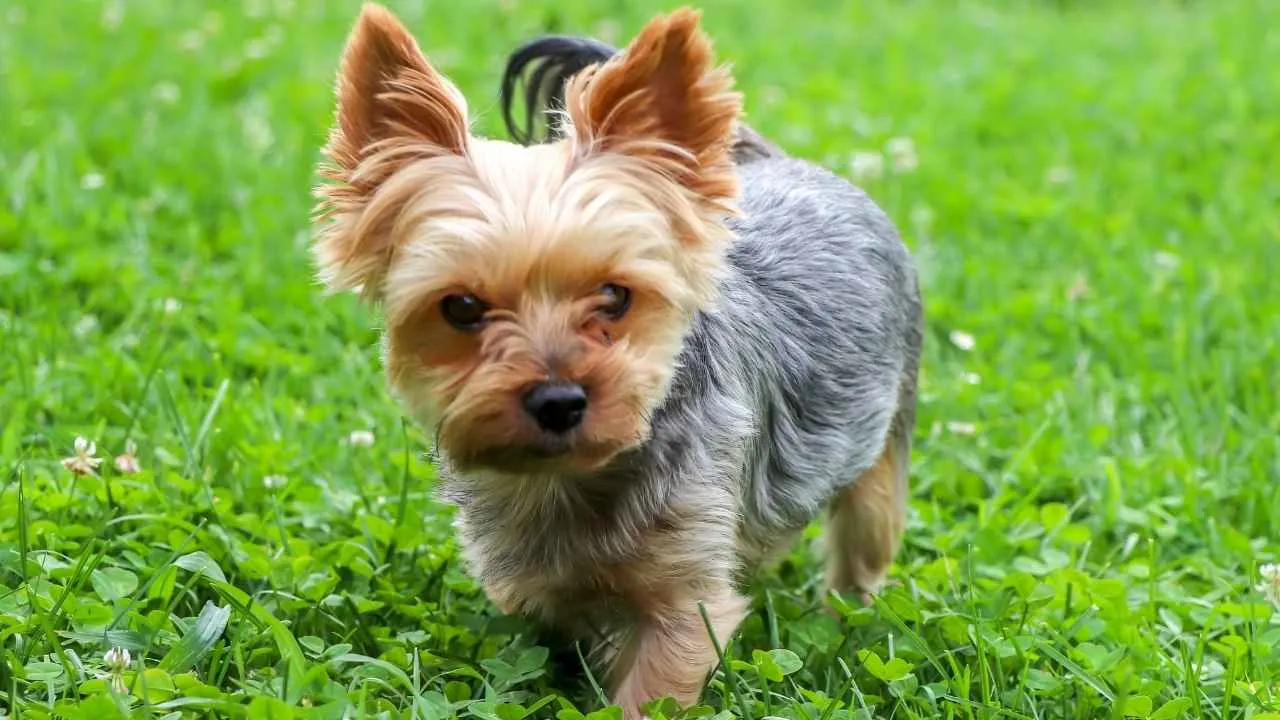
Scottish weavers are believed to have brought small terriers to Yorkshire in the 1850s, where they were crossed with local breeds to develop a dog with strong working instincts. The Yorkshire Terrier was initially used to hunt rats and rodents in cotton and woolen mills, according to Purina UK.
True to its burrowing heritage, this brave little dog has a knack for squeezing into tight spaces, whether that means burrowing under blankets, nestling into pillows, or curling up in your lap.
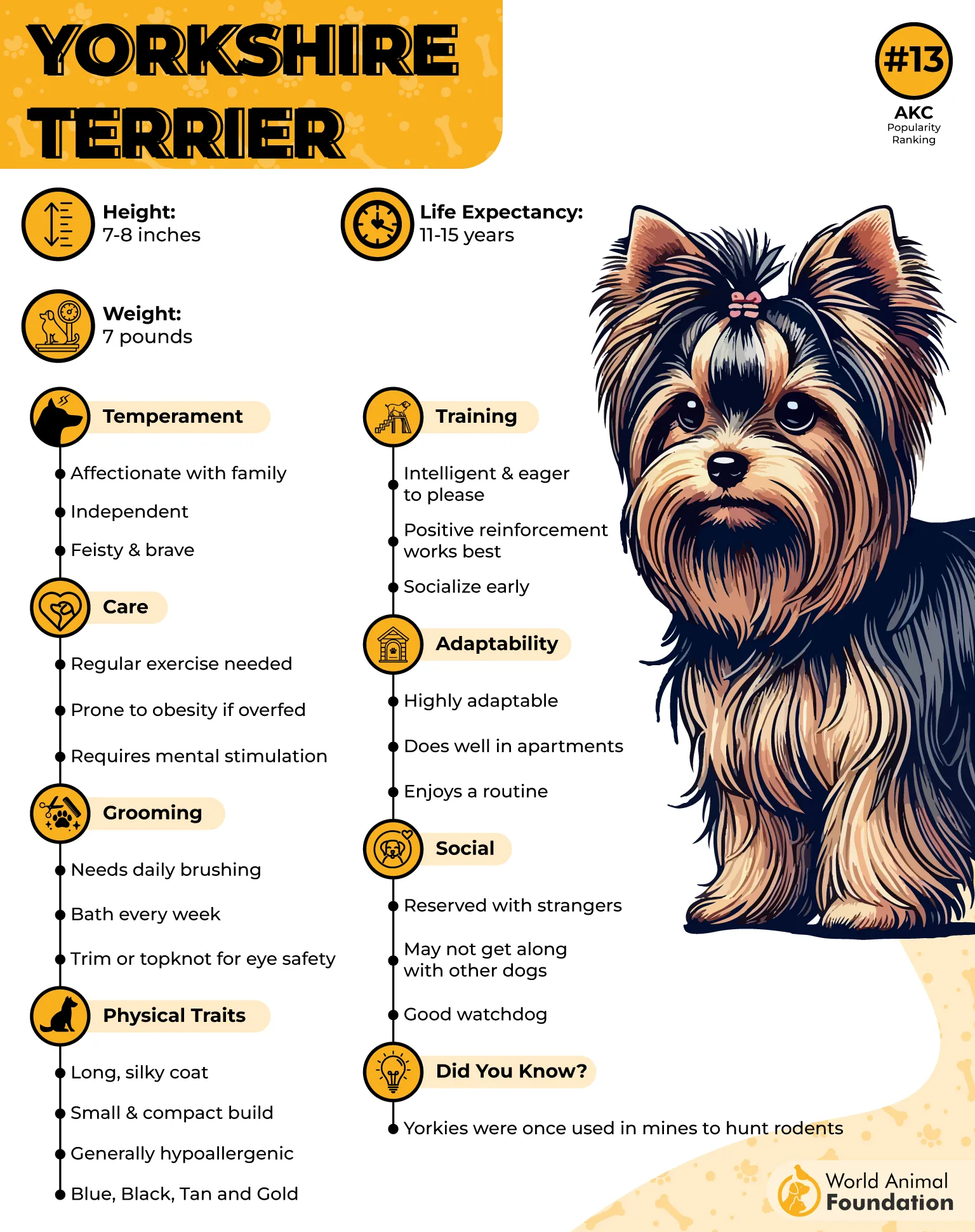
It bonds well with family members, small children, and other pets, though it tends to be aloof around strangers. Weighing no more than 7 pounds and standing 7 to 8 inches tall, it tires more quickly than larger breeds due to its short legs.
With a single-layer coat, the Yorkie is prone to temperature sensitivity and needs protection in colder conditions. A 15-minute daily walk paired with indoor play is enough to meet its exercise needs.
Daily brushing with a pin brush and metal-toothed comb prevents matting, and monthly baths are recommended. Avoid letting the coat air-dry completely, as this can lead to tangles.
5. Maltese
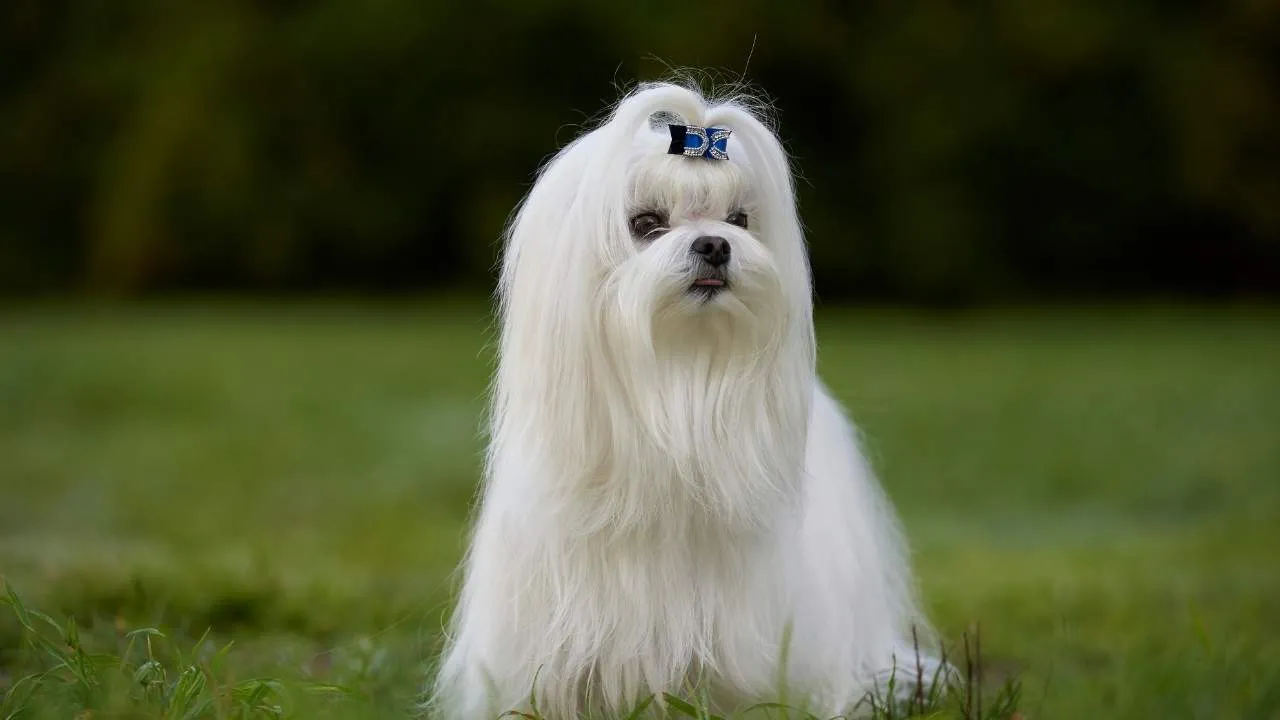
The Maltese was introduced to Malta by the Phoenicians, who were dominant across the Mediterranean even before the Greeks. Prized for its striking white coat, round expressive eyes, and distinctive black nose, it became a favored companion among the wealthy.
During Europe’s Dark Ages, the Chinese kept and crossed the Maltese with native toy breeds, further refining the breed over generations, according to the American Kennel Club.
Despite its small size of 3 to 7 pounds and 7 to 9 inches tall, the Maltese carries a big personality and an even temperament. It is widely used in psychiatric settings for deep pressure therapy, where its gentle weight and calm energy help soothe the nervous system during panic attacks.
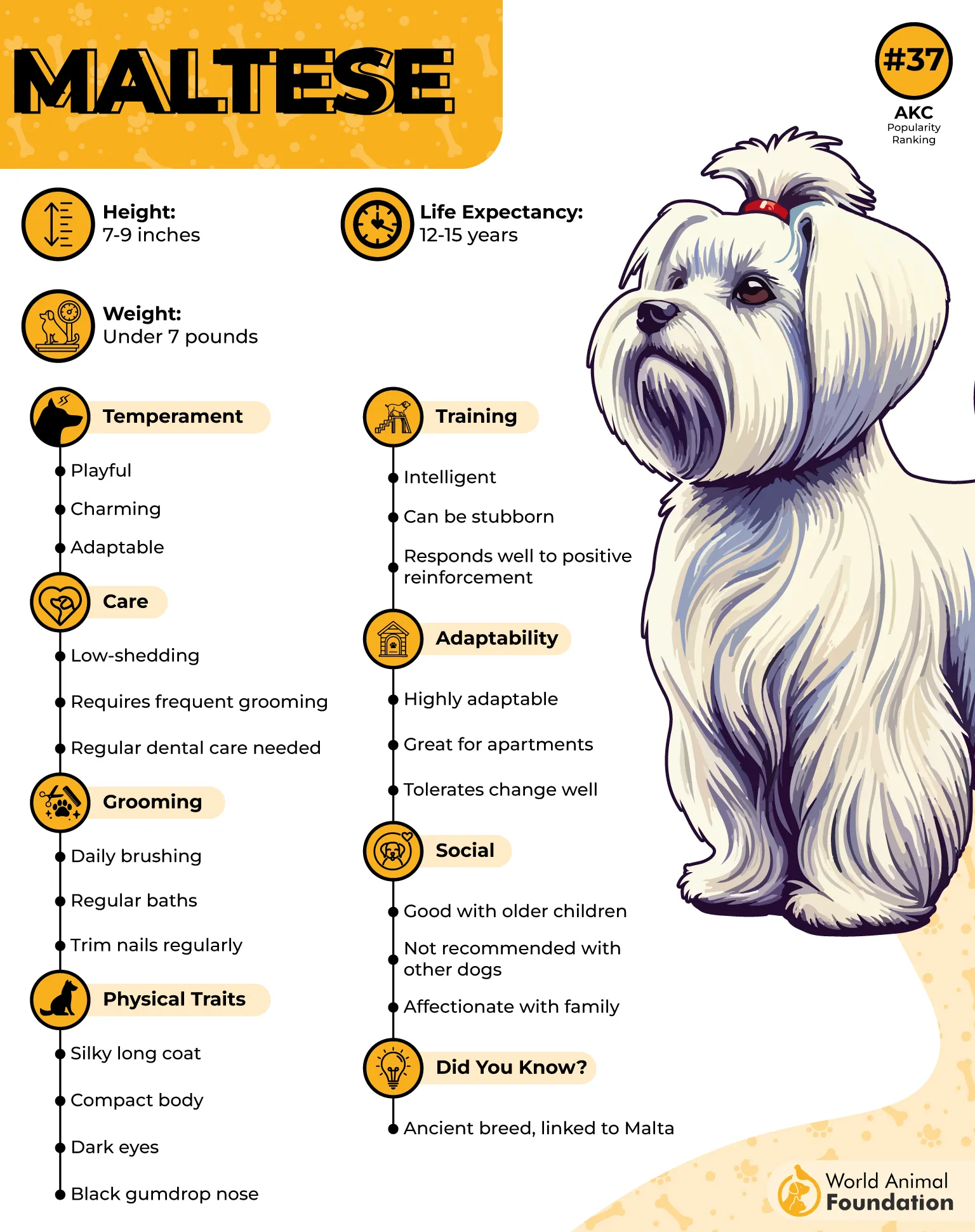
It also demonstrates a remarkable ability to read human emotions, making it an effective medical alert dog for early detection of seizures and diabetes.
Its alertness means it will bark to notify its owner of approaching threats, making it a decent watchdog for its size. However, its small frame does make it prone to certain health conditions, including luxating patella, tracheal collapse, and dental problems, all of which require regular veterinary attention.
6. Papillon
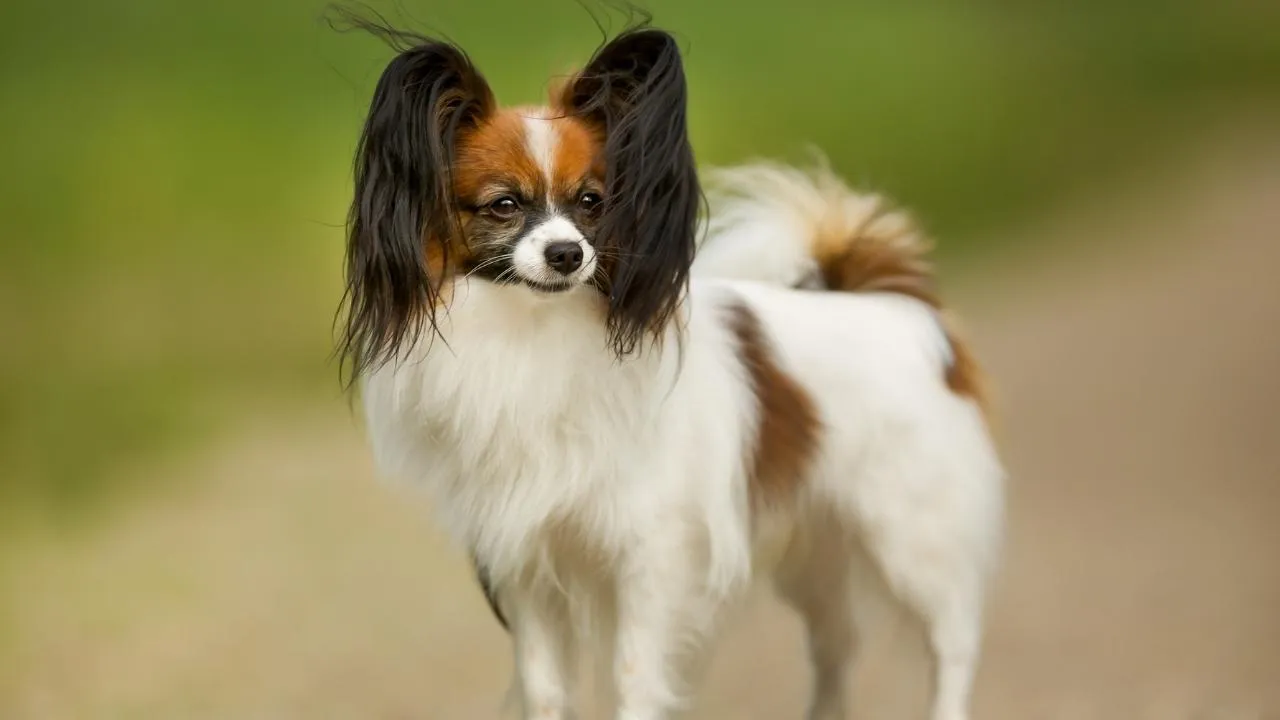
Originally bred as a lap dog for French noblewomen, the Papillon was developed by crossing spaniels with toy breeds. Its name comes directly from the French word for “butterfly,” a nod to its large, distinctively shaped ears that resemble butterfly wings in full spread.
Often described as a large dog trapped in a small body, the Papillon is a genuine powerhouse in the competitive dog world. It actively participates in agility competitions, combining impressive speed of 18 to 22 mph with sharp balance and fast reflexes.
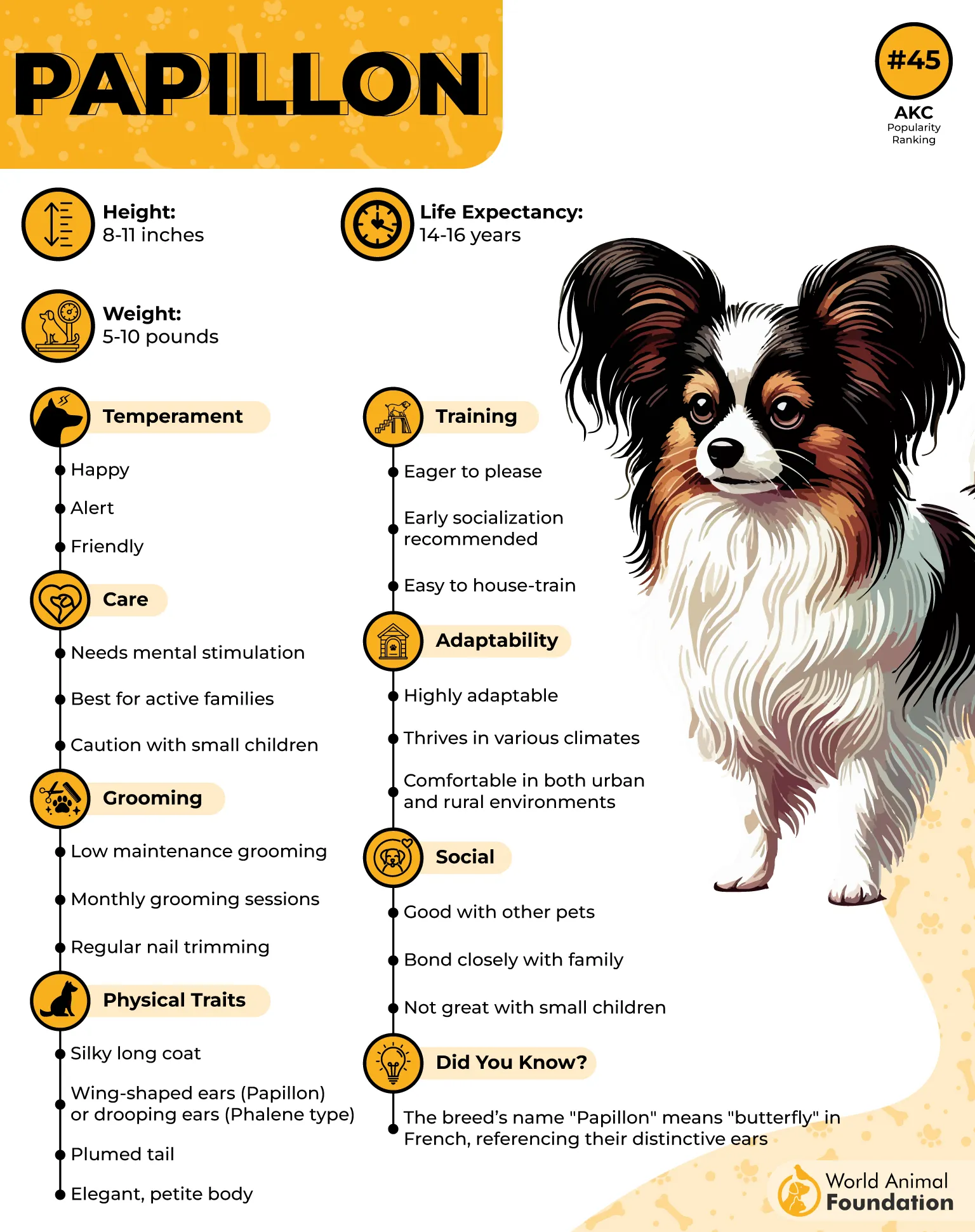
Its high intelligence also makes it a standout in obedience training. Exercise needs are moderate at 30 to 60 minutes daily, best met through trick training, flyball, agility courses, puzzle toys, and fetching.
Without an undercoat and with minimal shedding, grooming demands are relatively low. Brushing twice a week with a soft slicker brush or a fine comb keeps the coat in good shape, and monthly bathing is sufficient.
Trimming the hair underneath the paws regularly is recommended, and ears and eyes should be cleaned routinely as both are prone to trapping dirt and developing infections.
7. Shih Tzu
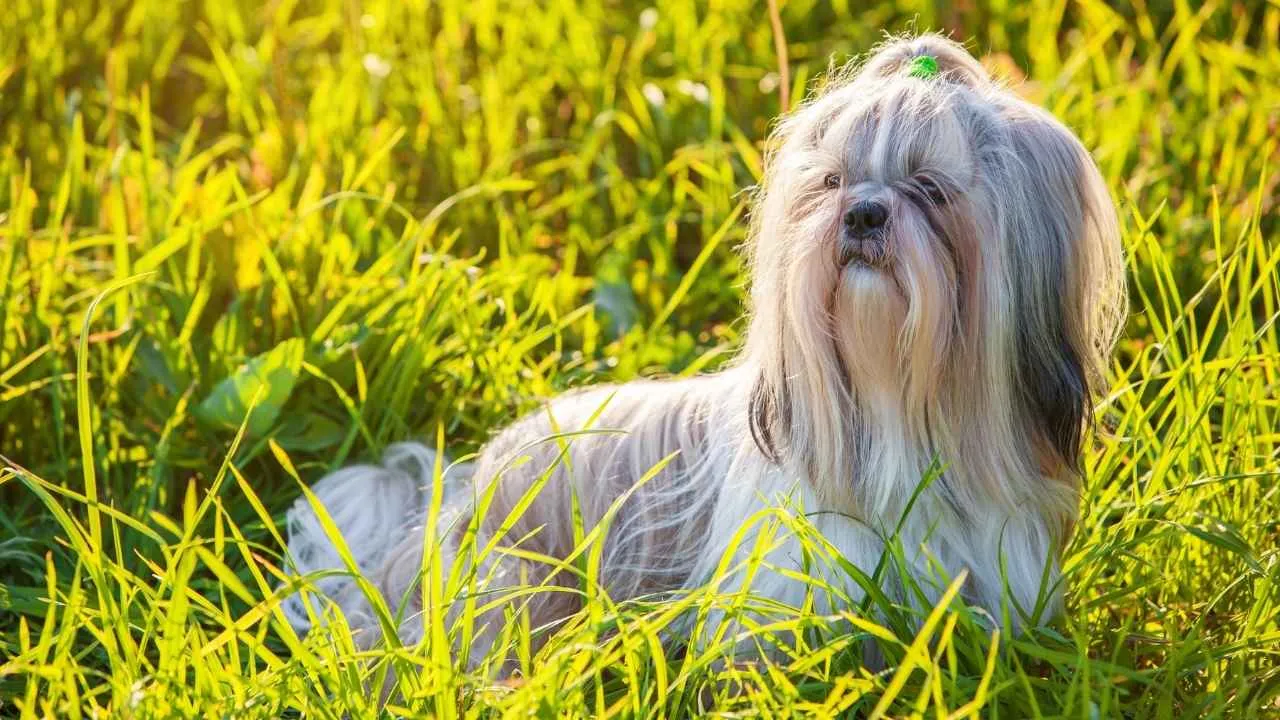
Originally bred in Tibet by crossing the Pekingese and the Lhasa Apso, the Shih Tzu takes its name from the Chinese phrase for “lion dog,” a reference to its lion-like appearance, complete with thick, flowing hair around the neck.
Since the lion holds sacred significance in Chinese culture, the breed was developed to carry a bold personality to match, and it does not hesitate to announce strangers with sharp, confident barks.
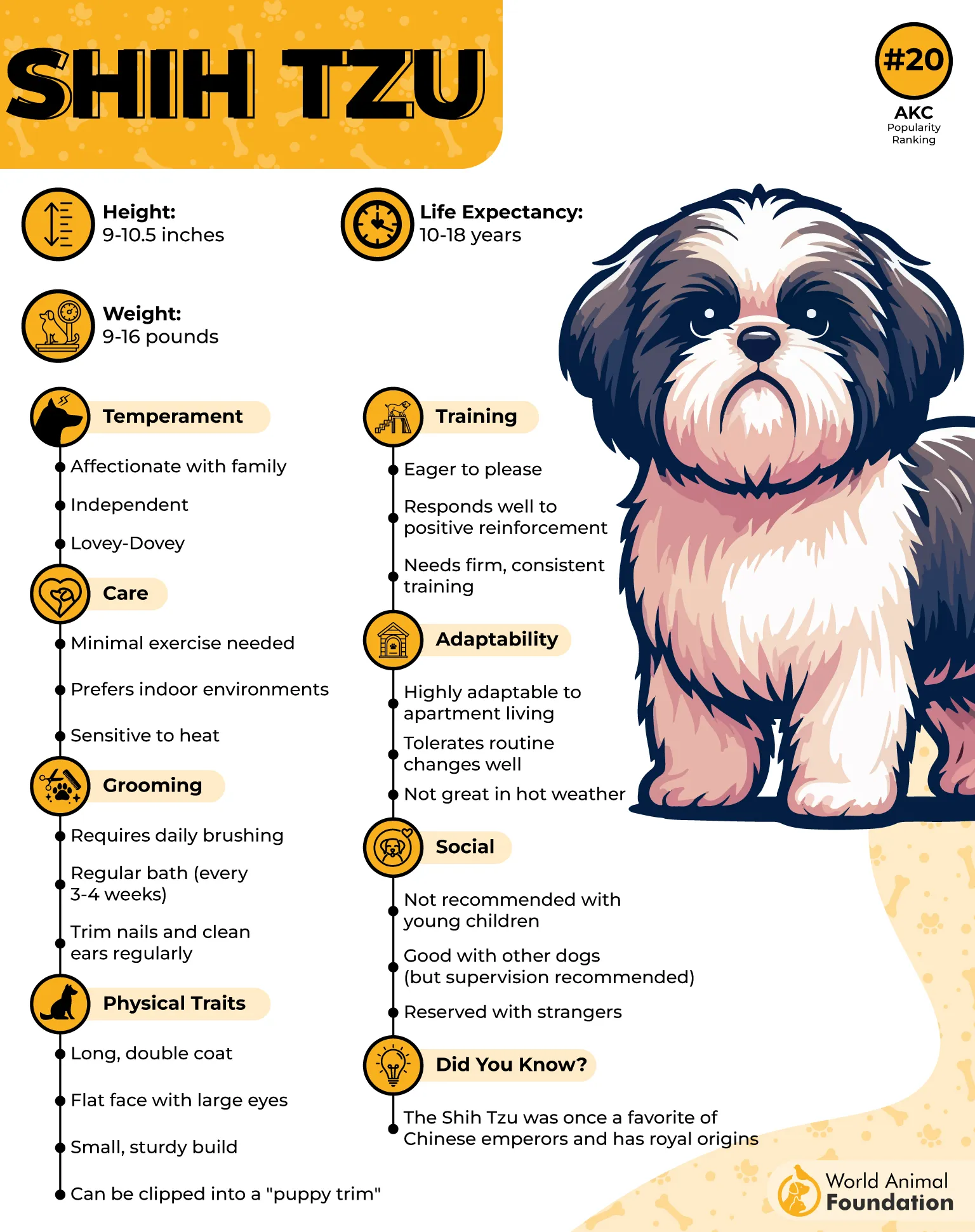
Weighing between 9 and 16 pounds and standing around 10 inches tall, it has a distinctively squished muzzle, short floppy ears, and a pronounced underbite.
As a brachycephalic breed, its flat face and narrowed airways make it prone to breathing difficulties, so intense physical activity is best avoided. It is, by nature, far more content lounging on the couch than racing around the backyard.
Tear staining around the eyes is a common concern and should be managed with regular gentle wipes to keep the surrounding coat clean. The mustache should also be cleaned after every meal to prevent buildup. Exercise needs are modest at 20 to 30 minutes daily, comfortably covered through brisk walks, indoor fetch, and puzzle toys.
Conclusion
From the bold Chihuahua to the ancient maltese, each of these pocket-sized breeds brings something completely its own to the table. They are not just small dogs; they are full personalities wrapped in pint-sized bodies.
Whether you want a dog that masters tricks, naps on your lap all afternoon, or occasionally acts like it runs the household, there is a mini breed that fits your world perfectly. Do your research, respect what the breed needs, and you will gain a companion who is small in size but enormous in love.
