




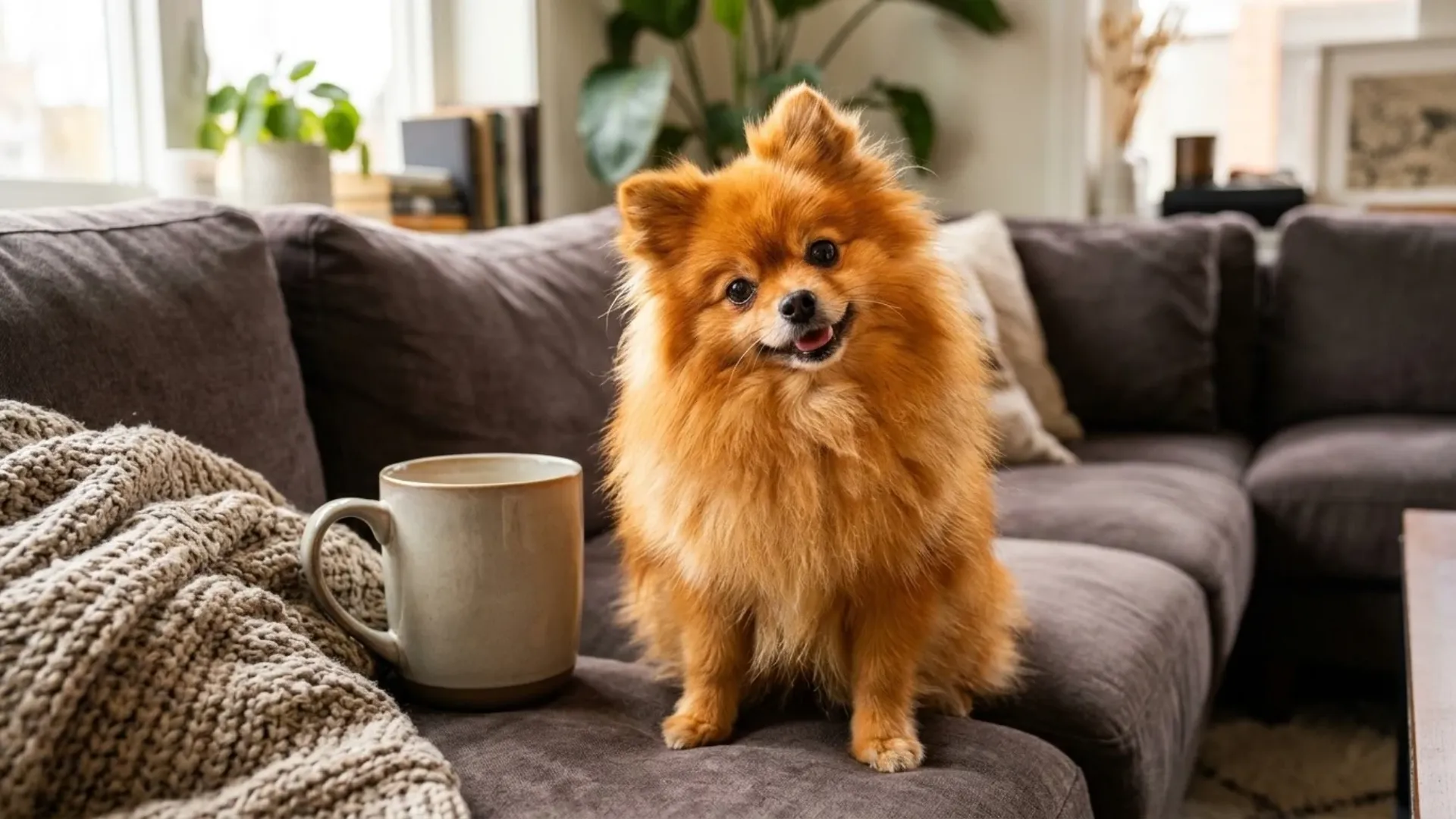
Don’t let their pint-sized frames fool you—pocket-sized dogs often pack more personality into ten pounds than breeds five times their weight. Built for laps, tote bags, and cozy apartments, these tiny companions bring boundless charm and instant warmth to any home.
What truly makes them unforgettable, however, are the endearing little quirks that set each breed apart. From dramatic pillow-fort builders and expressive “talkers” to pint-sized watchdogs with oversized confidence, their funny habits quickly become the highlight of your daily routine.
Whether you want a snuggly shadow or a lively comic-relief sidekick, these small breeds prove that the best things really do come in tiny packages. Here are some of the most lovable pocket dog breeds—and the charming quirks that make them one of a kind.
Lovable Pocket Dog Breeds With Their Own Little Quirks
1. Chihuahua
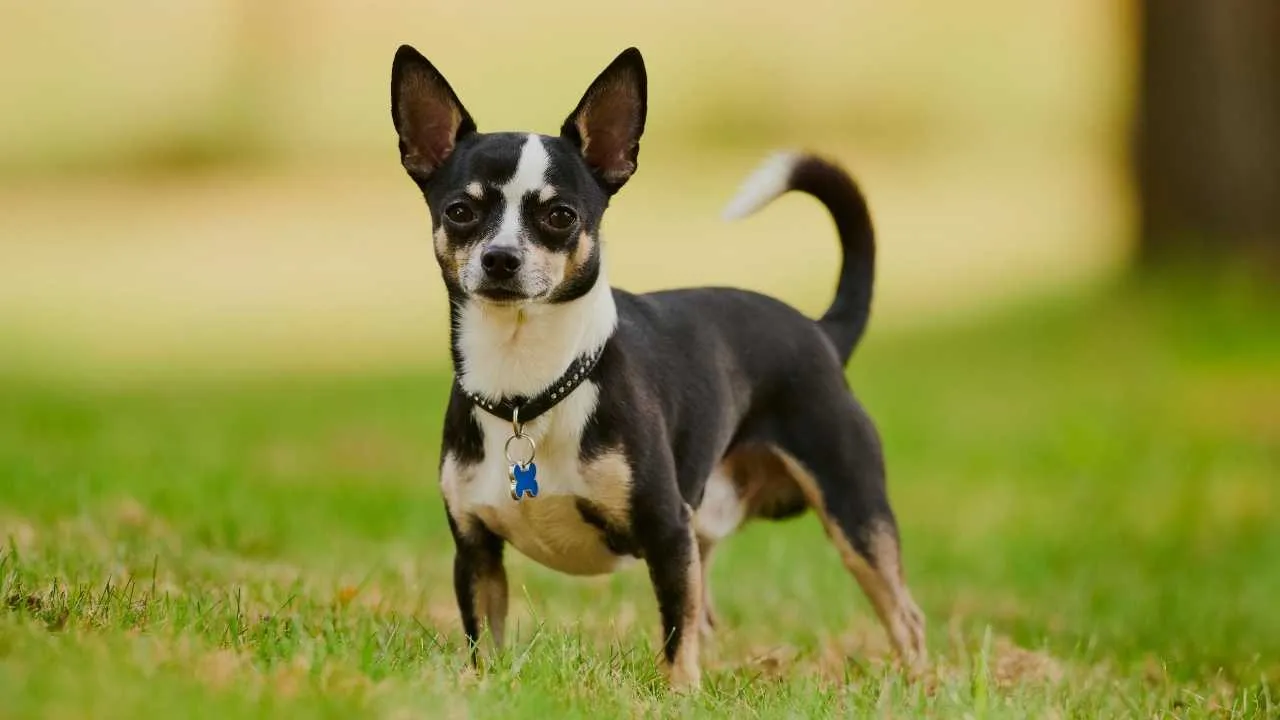
The Chihuahua’s defining quirk isn’t sass; it’s the shiver. This tiny toy dog trembles when the room turns cold, when excitement spikes, or sometimes for no clear reason, and it rarely means fear.
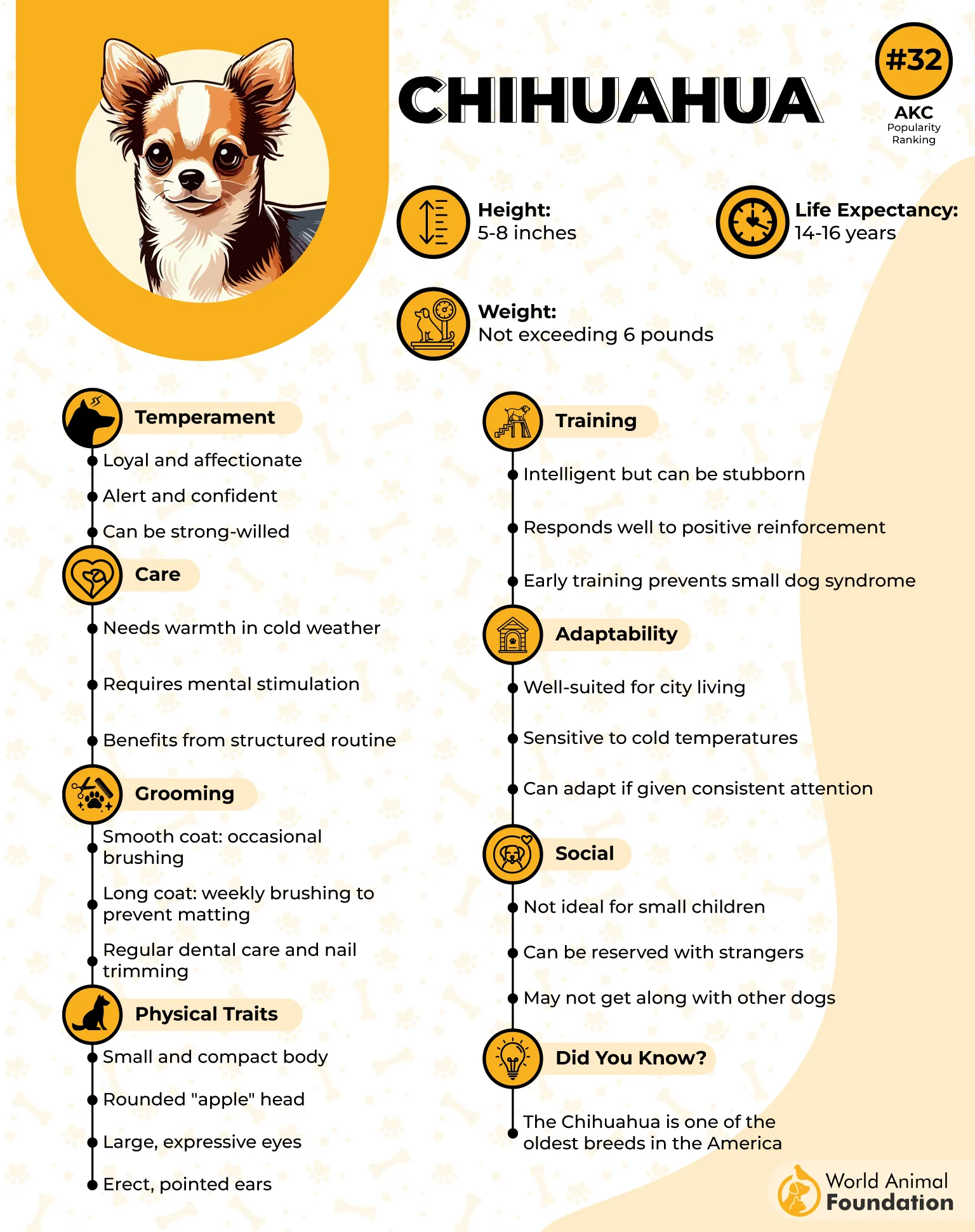
Breeding this breed down to such a small frame left little body fat to insulate against temperature swings, so the body shakes to generate warmth instead.
Tip: Pack a cozy sweater for cooler rooms or evening walks, since this pup chills fast.
At home: Watch for shivering during a car ride or a vet visit, even on a mild day.
A small body loses heat faster than a large one, and a quick-firing metabolism only adds to the tremor. That same intensity fuels this toy dog’s incredibly loyal, physical-closeness-seeking bond with one person. According to the AKC, this breed’s size is exactly what keeps the shiver so persistent.
2. Pomeranian
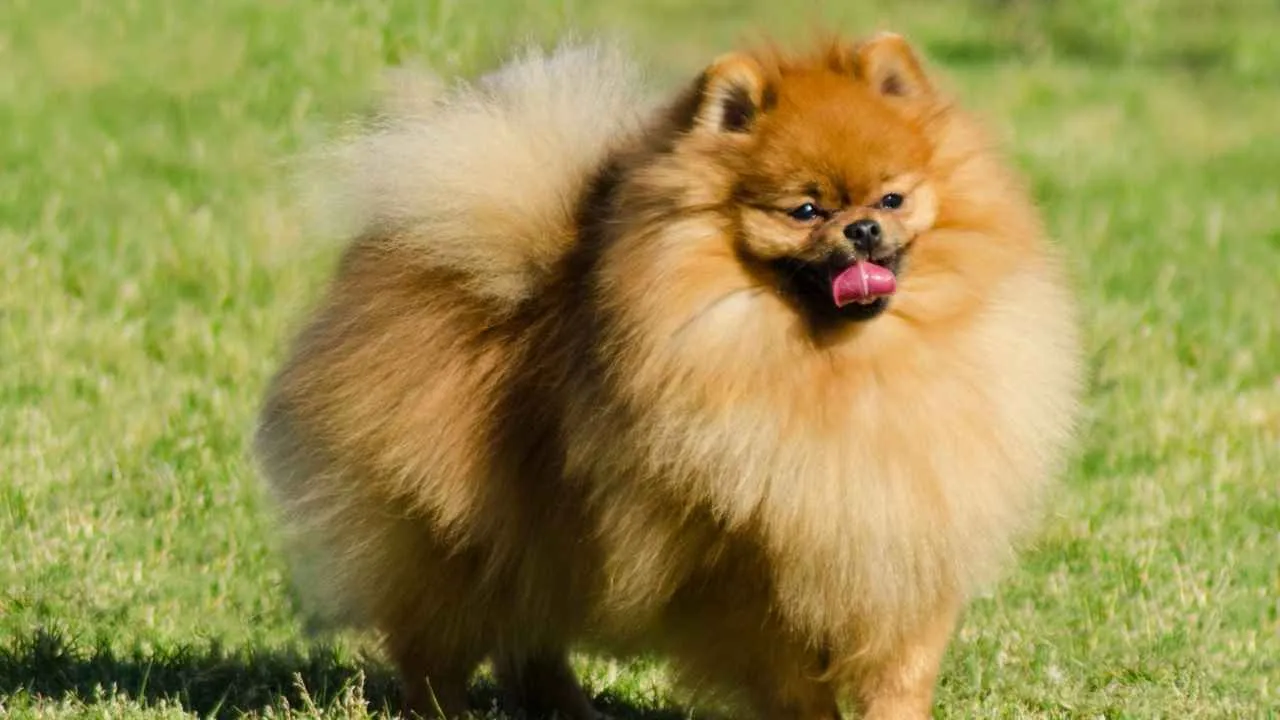
The Pomeranian’s stand-out quirk is a watchdog bark aimed at everything, from the mail carrier to a leaf blowing past the window. This cheerful, fox-faced member of the small dog breeds acts like a 4-pound security guard.
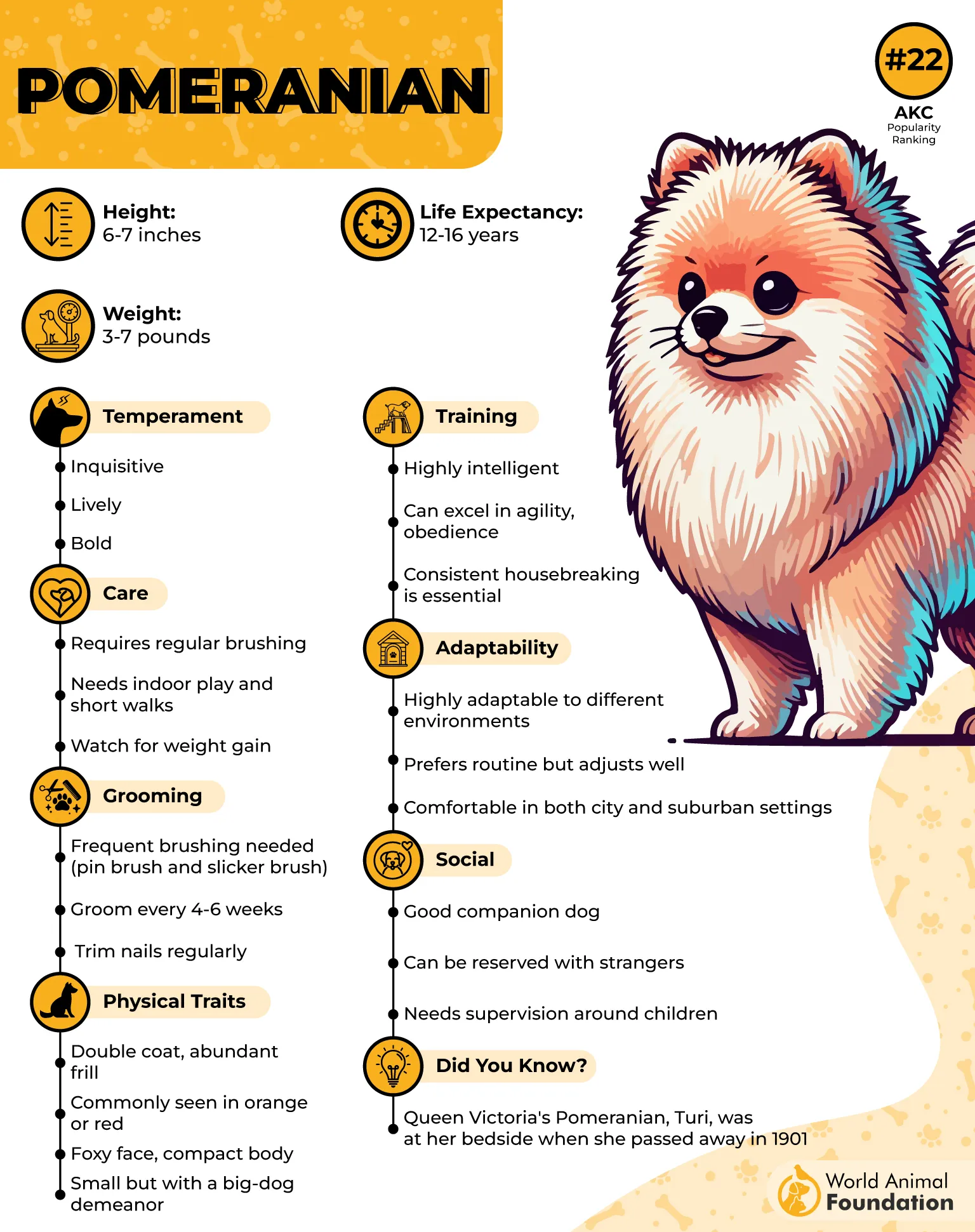
The modern Pomeranian was bred down from much larger sled and guard-type Spitz working dogs that once watched flocks in cold climates and sounded the alarm.
Tip: Teach a “quiet” cue early, since this alert streak only grows louder without guidance.
At home: Expect a sharp bark the moment a stranger steps onto your porch.
Those bigger Spitz ancestors earned their keep by raising the alarm, and that instinct never got left behind in the breeding process. It also explains the breed’s vibrant personality, big energy packed into a small frame. According to the PDSA, the size shrank over generations, but the guarding instinct stayed fully intact.
3. Brussels Griffon
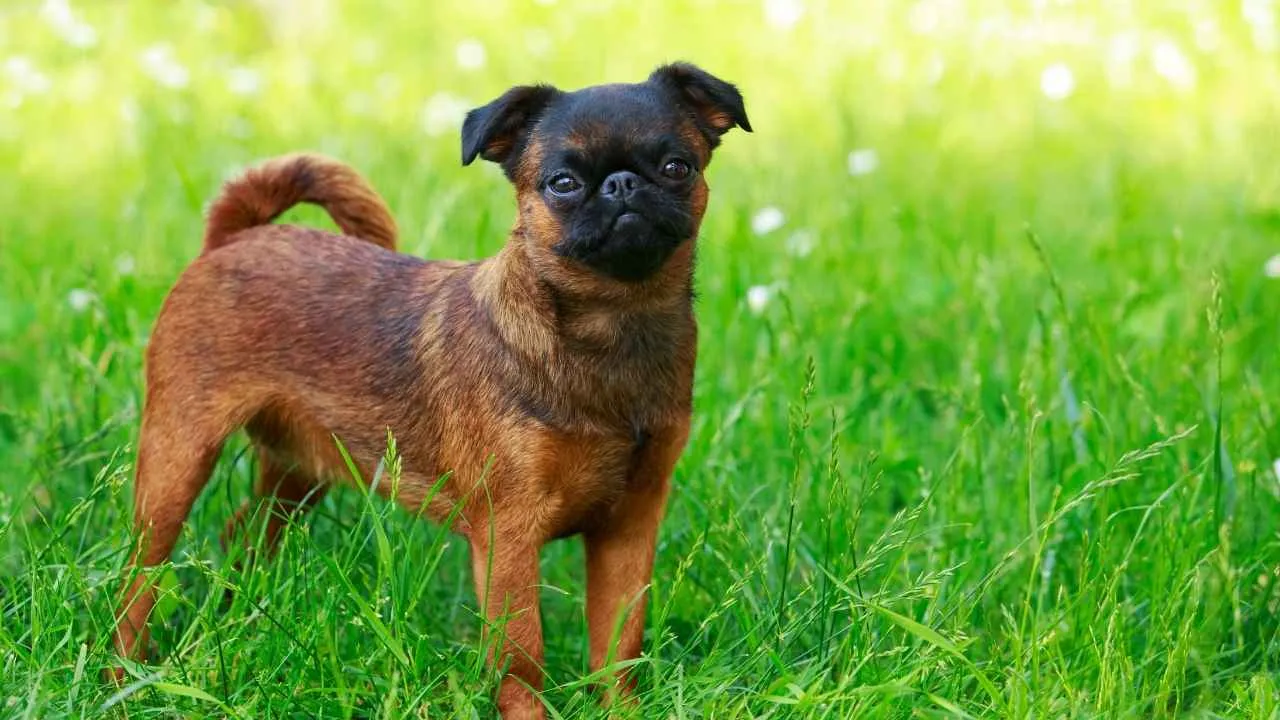
The Brussels Griffon’s quirk is a hidden hunter’s streak. This charming breed will dig through cushions or chase a rolling ball with real intensity, often surprising owners who expect only cuddles from such a small toy dog.
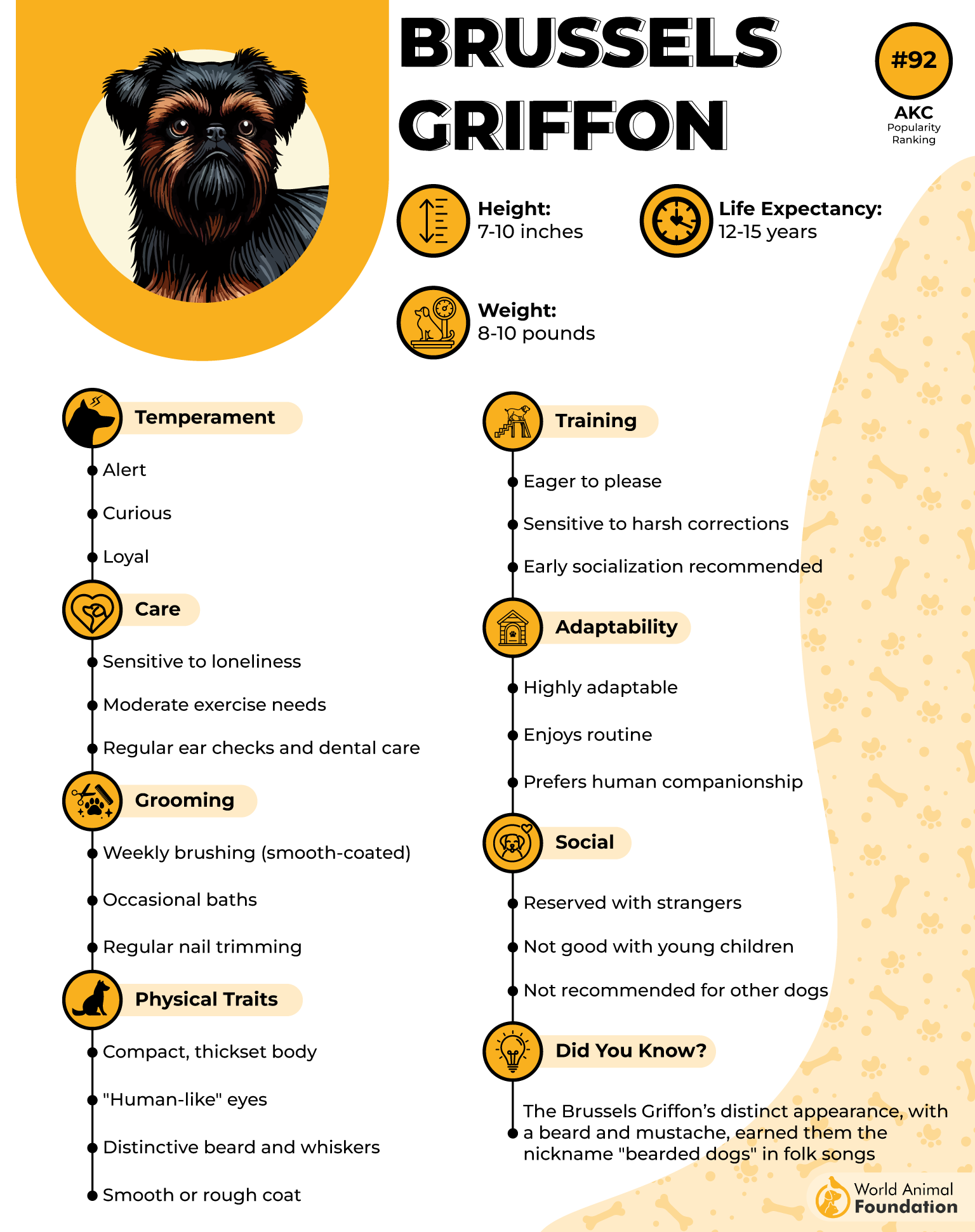
The breed started out in Brussels stables, catching rats among the horses, long before it became one of today’s most cherished pets.
Tip: Offer a puzzle toy or a short chase game to satisfy this leftover drive safely indoors
At home: Notice your Griffon pouncing on a dropped sock like it’s prey to catch.
Ratting dogs needed sharp focus and a quick pounce, and those traits stuck around long after the job disappeared. This small breed’s hunting instinct simply found new, smaller targets.
4. Papillon
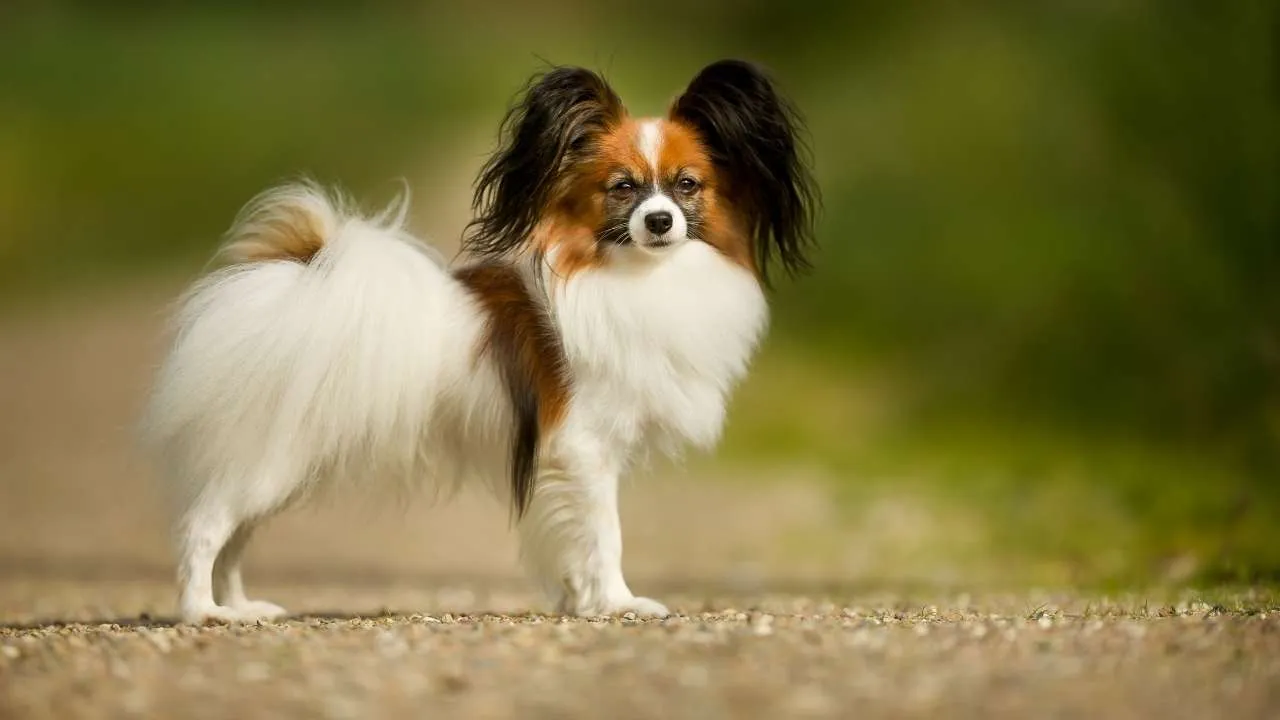
The Papillon’s quirk is speed nobody expects. This elegant pup, named for its butterfly-shaped ears, moves fast enough to compete in agility rings against dogs twice its size.
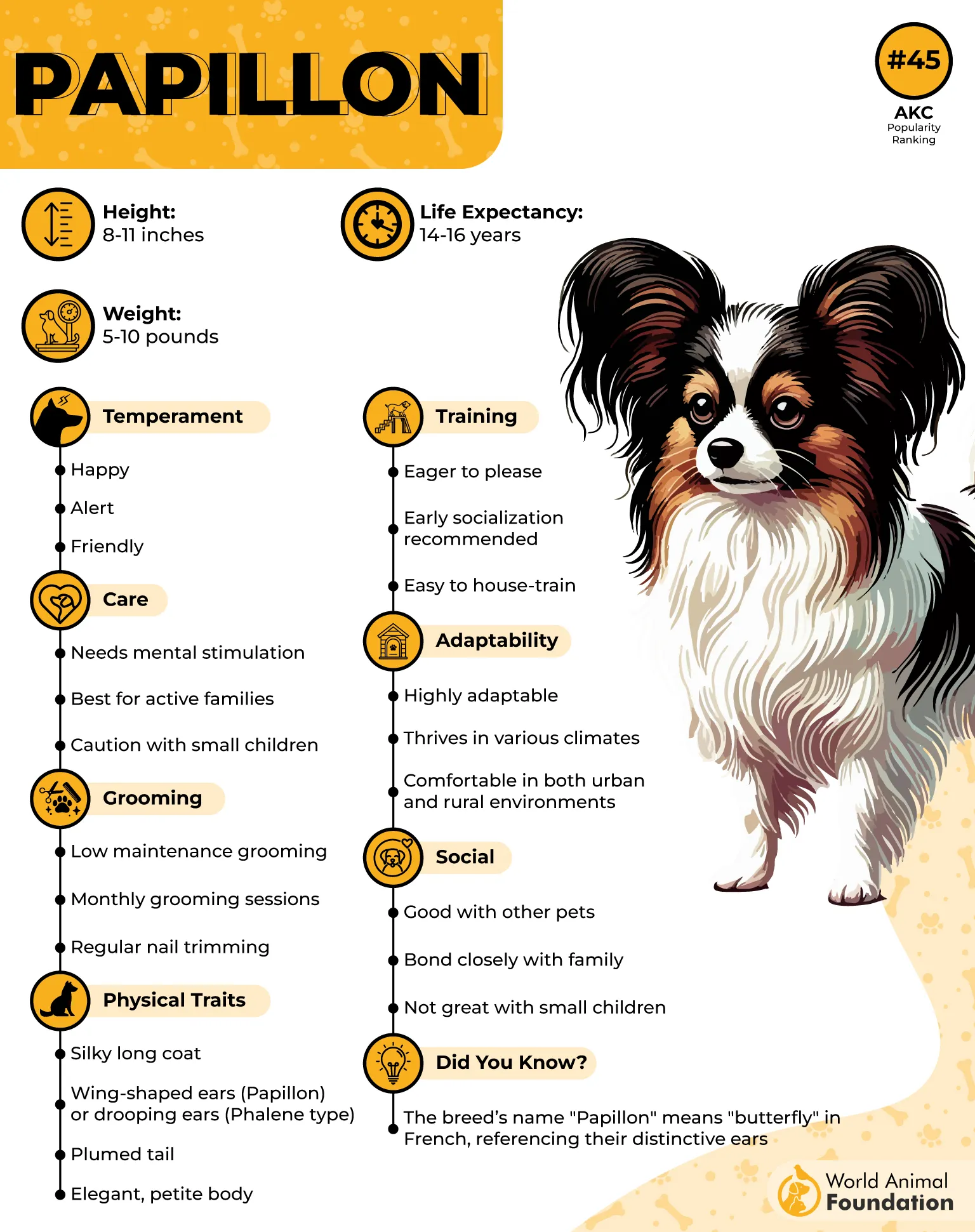
Centuries of breeding for a dainty royal companion never bred out the sharp reflexes and high energy packed into one of these intelligent dogs.
Tip: Give this pup a daily game of fetch or a short agility course to burn off extra spark.
At home: Don’t be surprised when your Papillon clears the couch in one confident leap.
Small size usually comes with calm energy, but the Papillon keeps the alertness and quickness of its toy spaniel ancestors, earning its reputation among canine geniuses. According to the VCA, that mix of tiny body and big energy is part of what makes this breed so engaging.
5. Japanese Chin
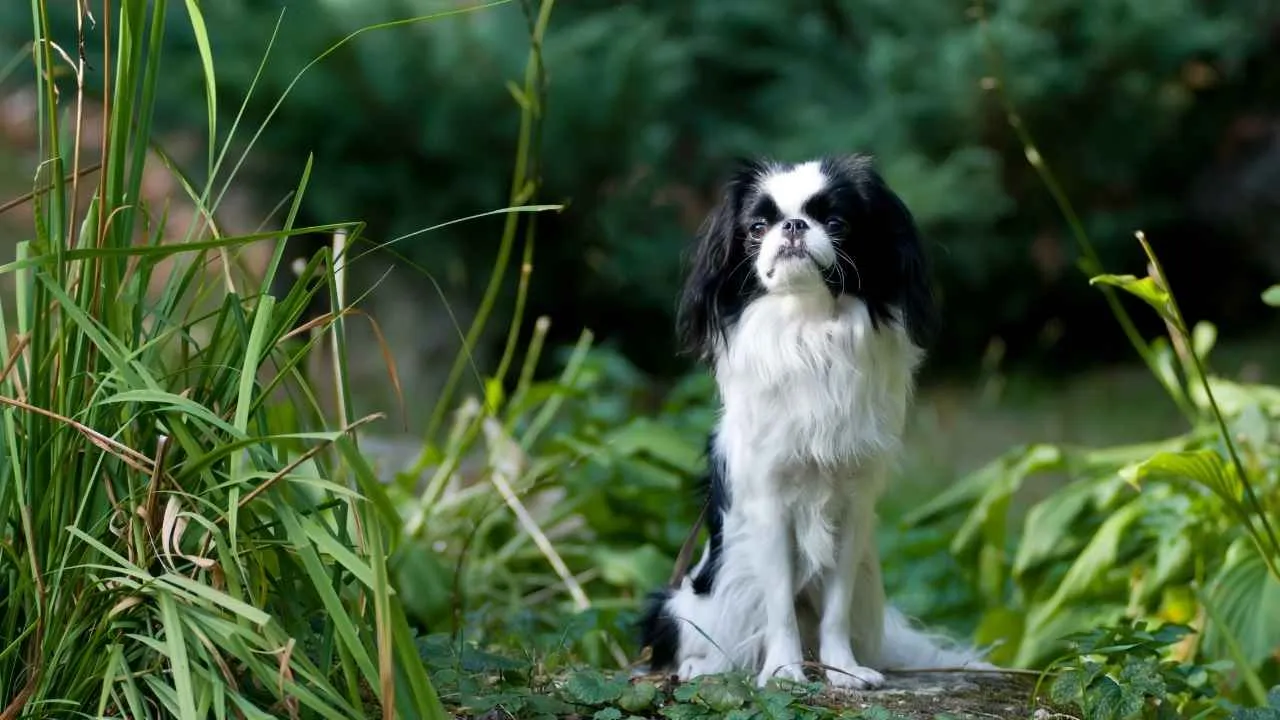
The Japanese Chin has a quirk straight out of a cat’s playbook. This enchanting breed climbs furniture, tilts its head at sounds, and sometimes spins in tight little circles when it’s happy.
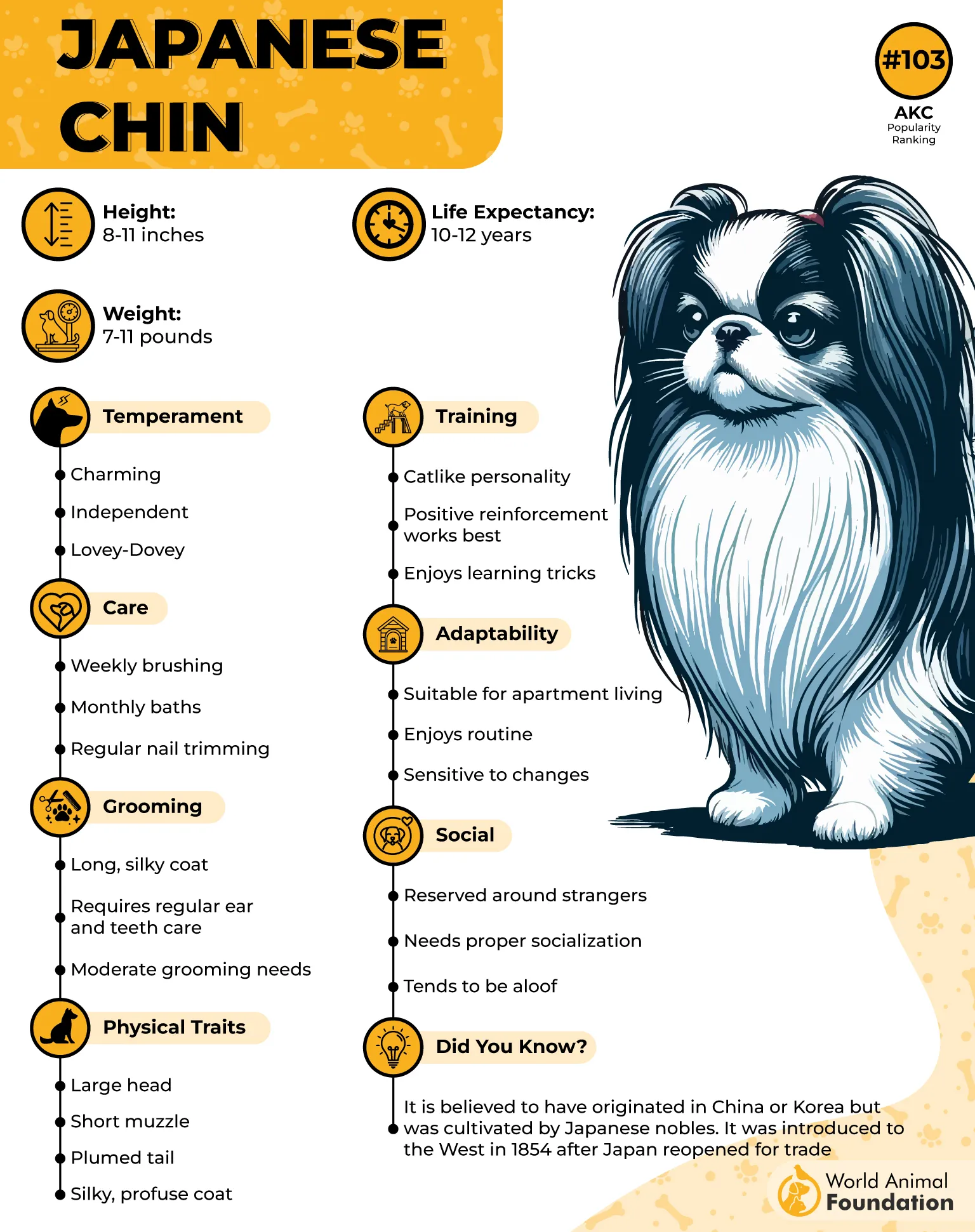
Centuries spent as one of history’s most pampered pooches in the Japanese imperial court shaped a dog built purely for charm, not for any working role.
Tip: Give your Chin a cat tree or window perch, since climbing comes naturally to this breed.
At home: Watch for the “Chin spin,” a happy little circle dance before dinner or playtime.
Without a working job to shape its habits, this toy dog developed its own catlike quirks simply to entertain its royal owners. According to WebMD, that playful, feline streak remains one of the Chin’s most recognizable traits.
6. Italian Greyhound
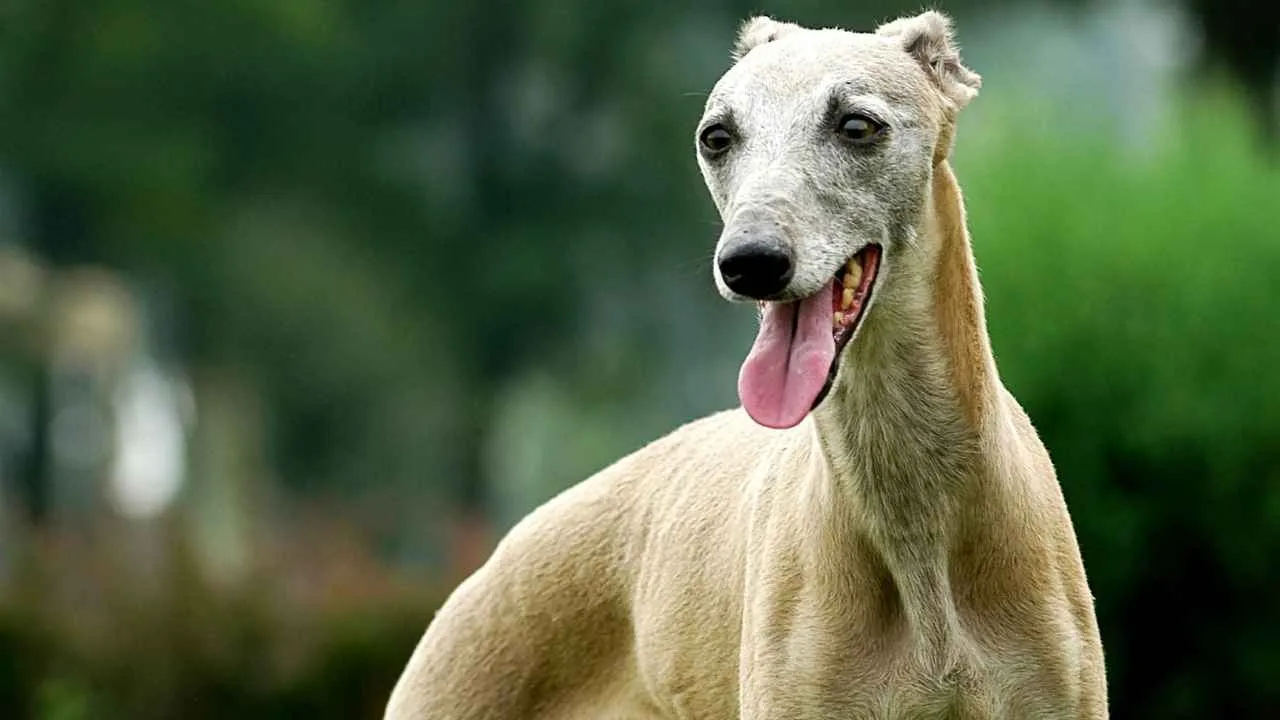
The Italian Greyhound’s quirk is a serious love of blankets. This slender pup burrows under covers, pillows, or a nearby jacket at any chance, even in a warm room.
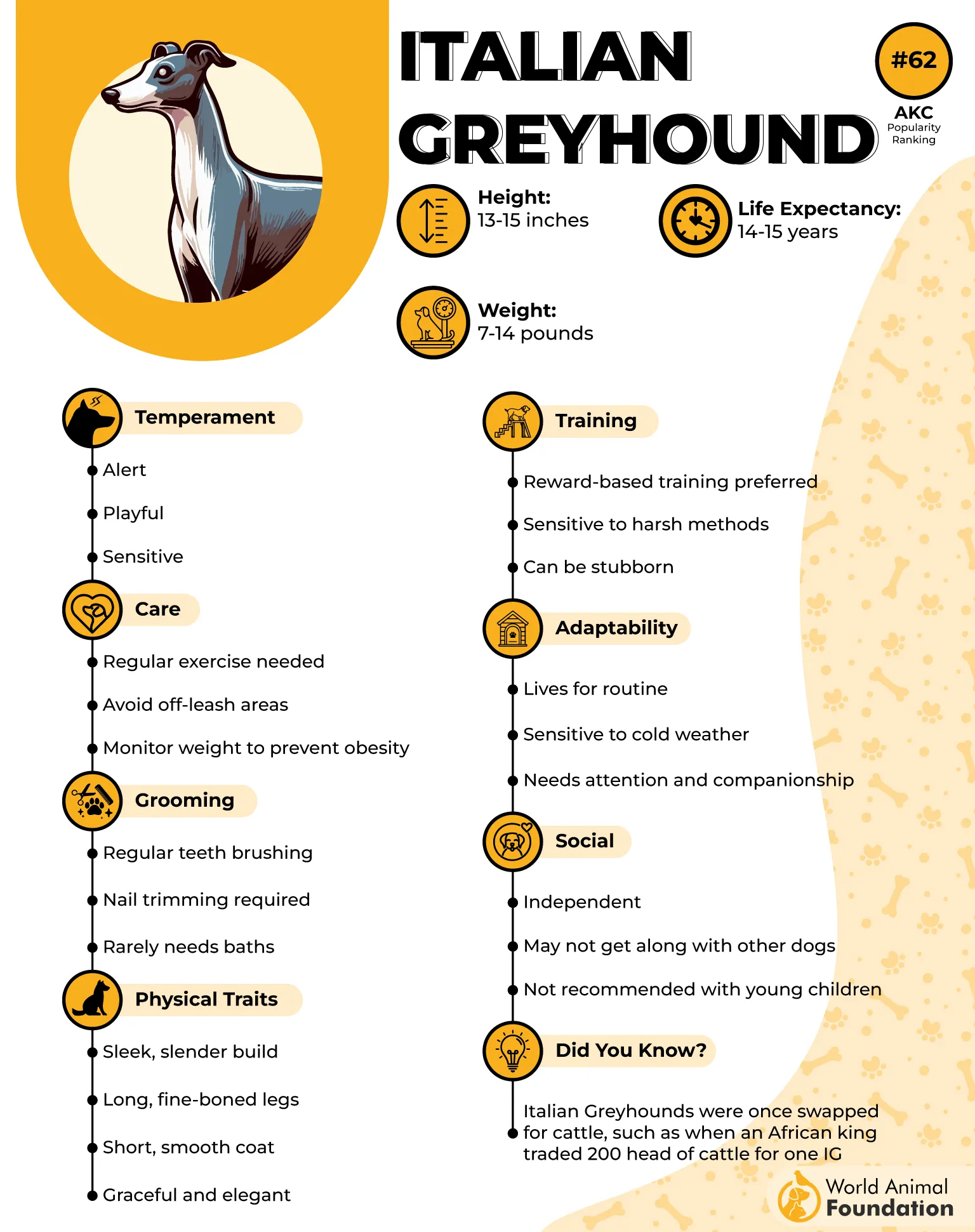
The breed descends from small coursing greyhounds built for speed, and that lean racing body in a smaller package never came with much natural insulation.
Tip: Keep a soft blanket on the couch so your Greyhound always has a burrow spot ready.
At home: Notice your dog disappearing fully under the sheets within minutes of hopping on the bed.
A thin coat and low body fat helped this sighthound run fast, not stay warm, so burrowing became its backup plan. It also makes for a surprisingly gentle lapdog once it settles in. According to PetMD, that same lean build is why this breed still chases the nearest blanket.
7. Miniature Pinscher
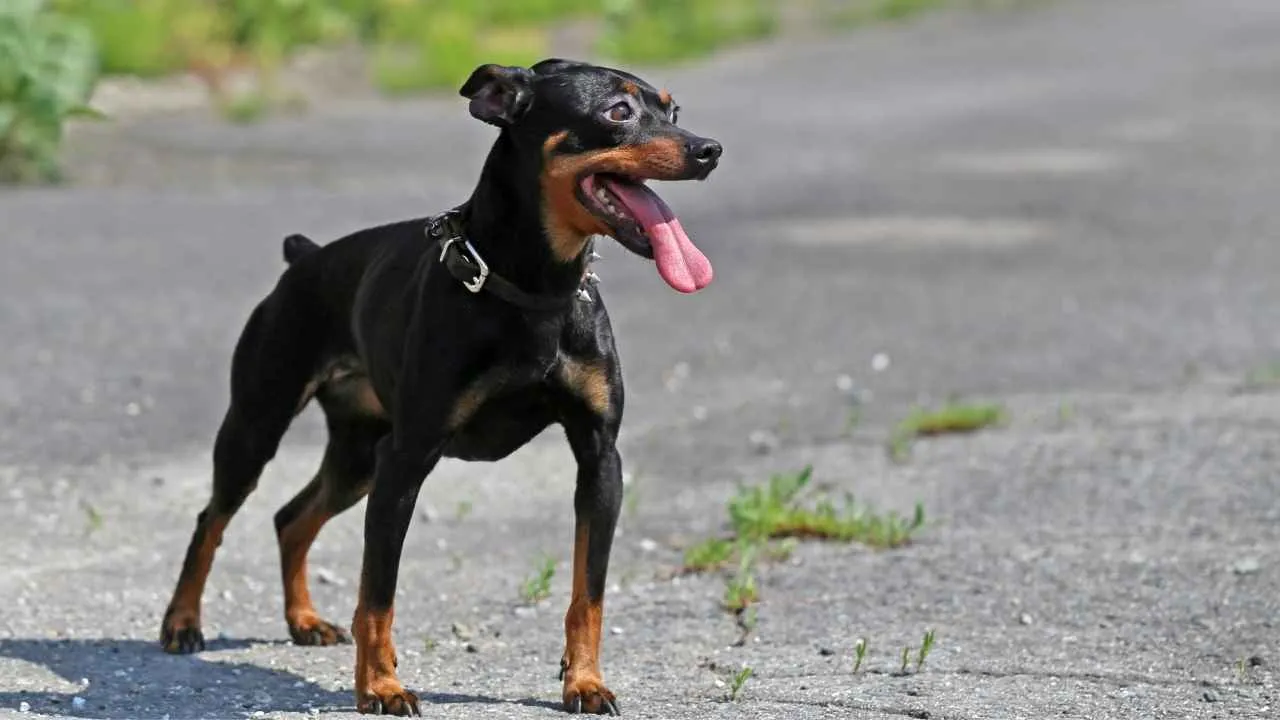
The Miniature Pinscher’s quirk is a strut, not a trot. This small-sized dog moves with a high-stepping “hackney” gait, lifting its front legs like a tiny show pony.
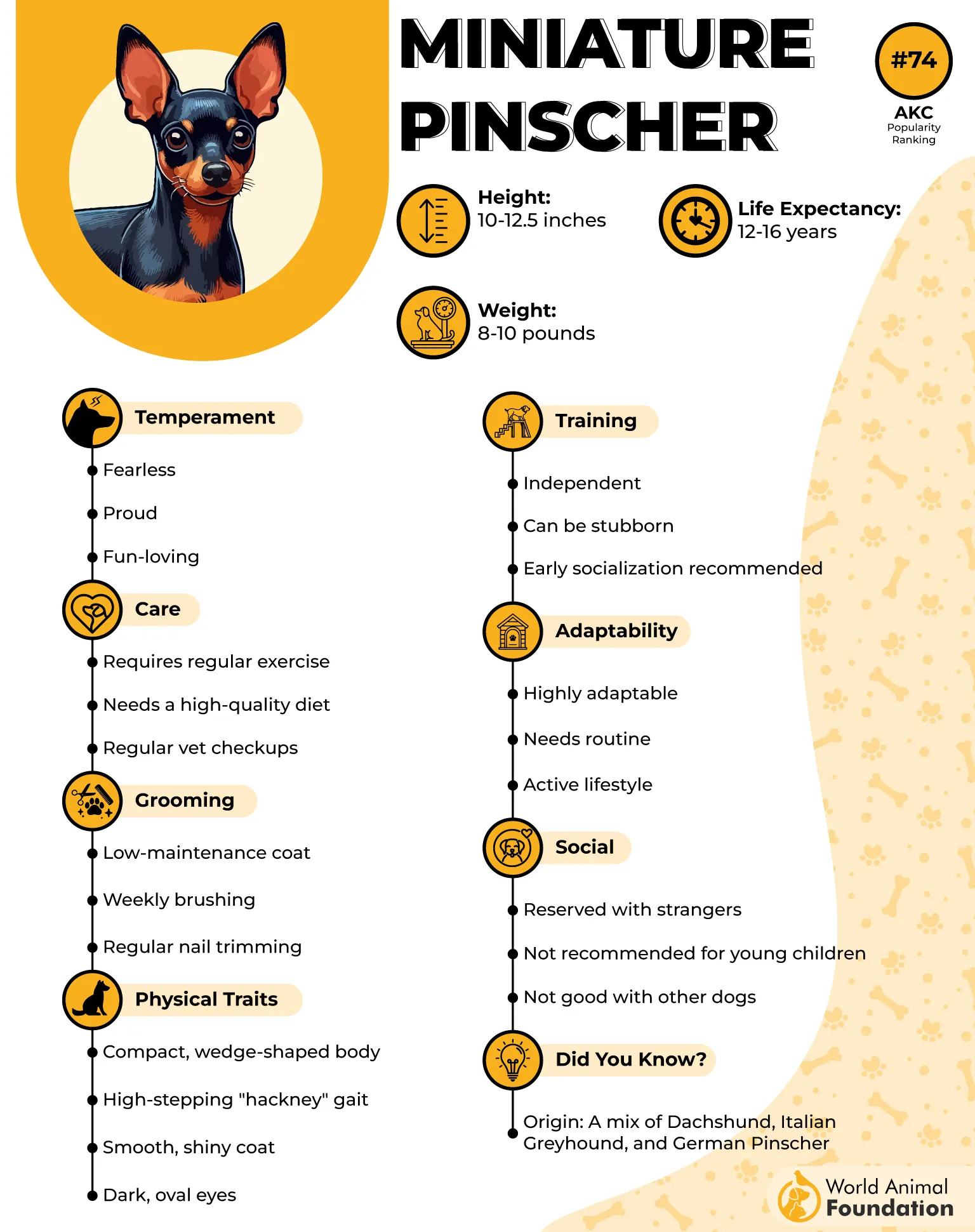
Early Miniature Pinschers worked German farms chasing off rats, and that same bold, busy energy still drives one of these tenacious dogs’ confident walk today.
Tip: Give this pup a secure yard or leash, since that farm-bred confidence can turn into wandering.
At home: Expect your Min Pin to strut across the room like it owns the place.
Ratting dogs needed quick, springy movement to chase down fast prey, and that same spring still shows up in every step. Among these spirited dogs, this tiny breed earned its “King of Toys” nickname honestly.
Conclusion
Every quirky little habit on this list comes with a reason behind it, not just random chance. Those tiny shivers, blanket-burrowing naps, watchful barks, and surprising bursts of agility all trace straight back to centuries of careful, deliberate breeding, proof that these charming personalities were built on purpose, not left to chance.
Which of these spirited, people-oriented companions matches your own home best: the clingy shiverer, the proud little strut, or the devoted blanket thief? Share your pick in the comments, and keep exploring our other dog breed guides to find the next loyal, lovable addition to your family of pets.
