




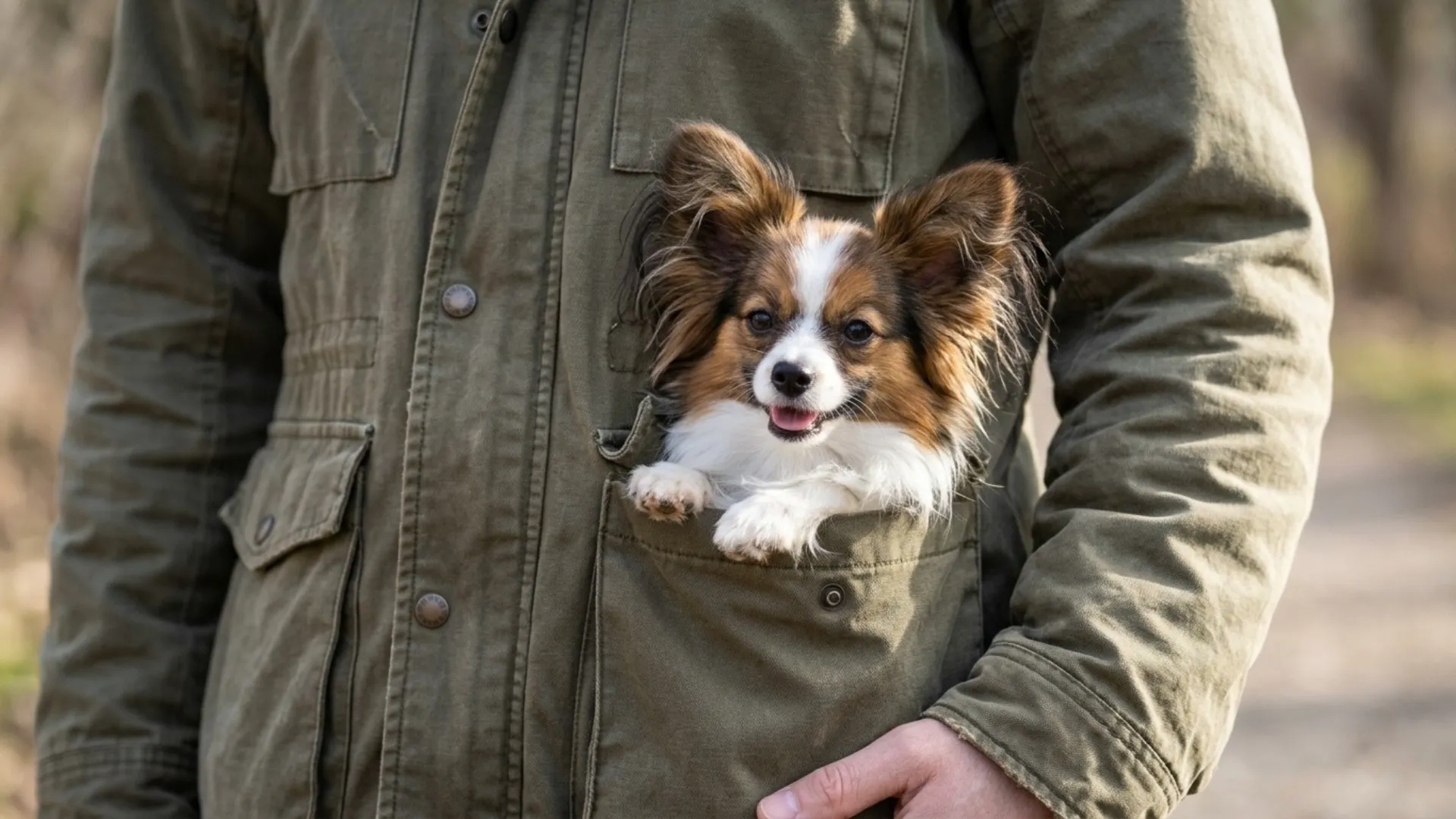
Your dog’s stare quietly rewires your brain chemistry, even from a dog the size of a shoe. Mutual eye contact between dogs and owners spikes oxytocin in both species, the same bonding hormone that floods a parent holding a newborn.
That gaze loop, documented by Nagasawa et al. in 2015, proves something lopsided: some of the lowest-effort dogs alive can trigger one of nature’s most powerful bonding responses.
So why does everyone assume small means needy, or worse, high-maintenance? That old myth hides how little these pocket-sized dog breeds really ask for.
This list is built for busy owners and loving pet parents chasing maximum affection without the upkeep of larger pets. Every pick balances grooming, training, and exercise against the payoff you get back.
Curious which toy breed gives disproportionately more than it takes? Keep scrolling; your next favorite small dog breed is just ahead.
Lovable Pocket Dog Breeds: Low Maintenance and High Reward
1. Pug

A Pug does not do subtle affection. This breed trails you from room to room like a small, snorting shadow, then flops against your leg the second you sit down. That clingy charm is exactly why so many dog parents call the Pug one of the most lovable toy breeds around.
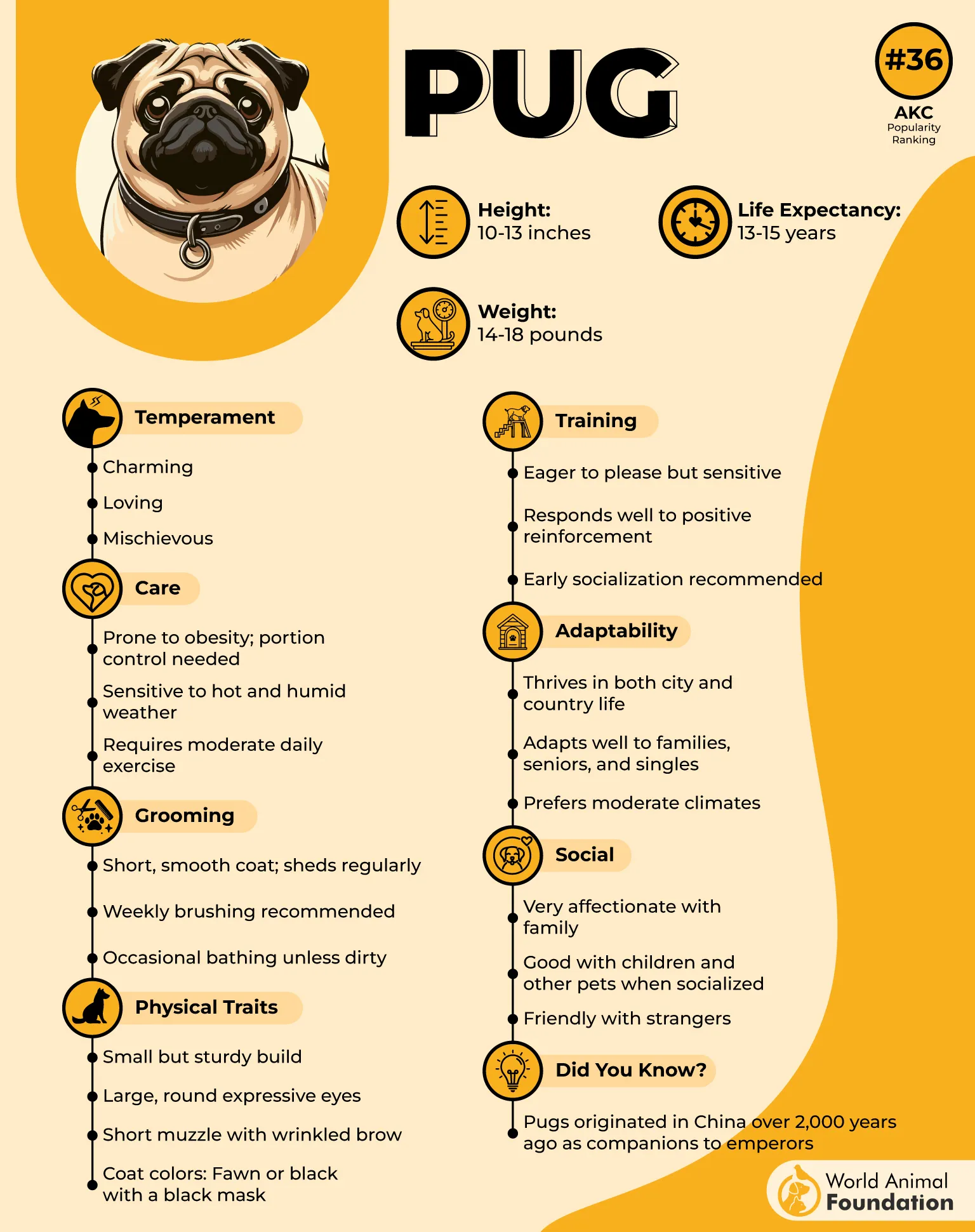
Those famous facial wrinkles need regular wiping, since trapped moisture can lead to skin fold irritation. The Pug’s short snout also makes it prone to noisy breathing, so hard exercise on hot days is a bad idea. Mind these two spots and this low-maintenance breed stays genuinely easy to live with.
Training: Pugs are food-motivated and eager to please, which makes them quick learners once treats enter the picture. Early socialization keeps that charm from tipping into stubbornness.
Routine: Brush the short coat 2 to 3 times a week, give 20 to 30 minutes of exercise daily, and keep training sessions to 5 to 10 minutes, as per Orvis, since Pugs lose interest fast.
First-time dog parents tend to do well here, since the Pug forgives mistakes and asks for little beyond company. Apartment dwellers get a strong match too, given how little space this toy breed actually needs. Families with older kids who know to keep playtime gentle round out the ideal household.
2. Papillon
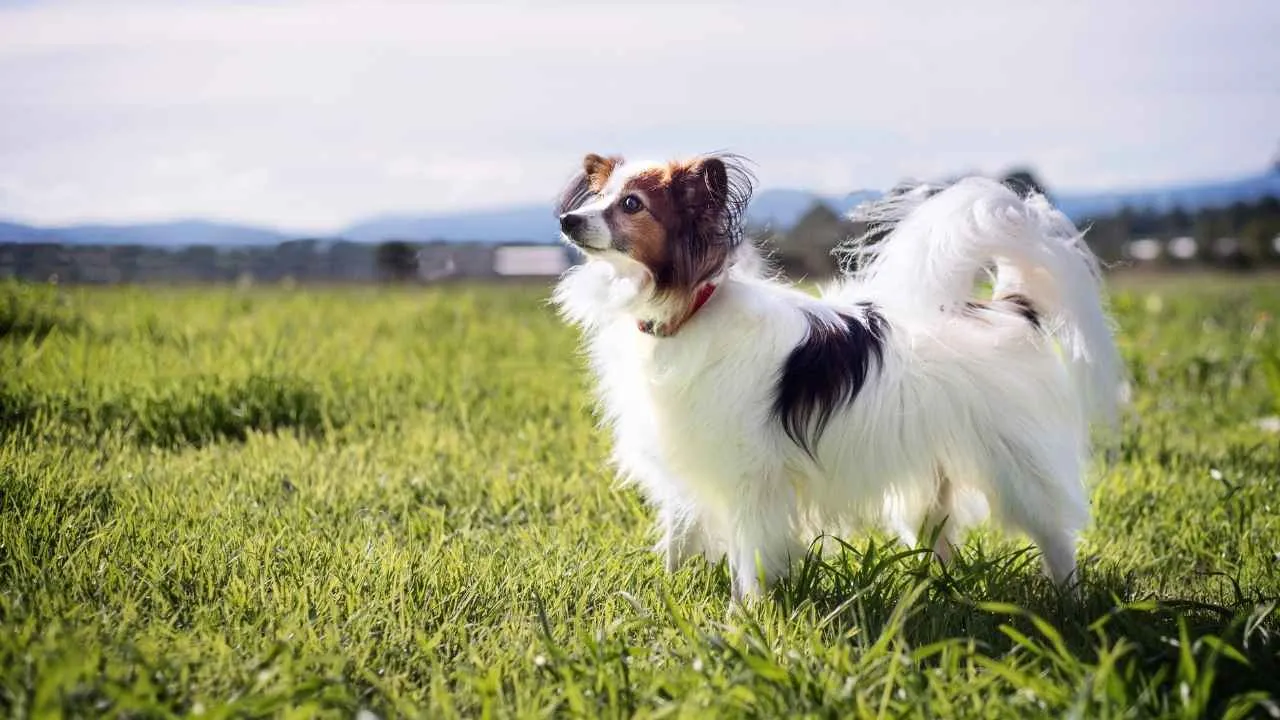
A Papillon’s superpower is attentiveness. This breed reads your mood like a book, settling into a calm lap sit one minute and spinning into a joyful dance the next. That responsiveness makes the bond with its person feel almost telepathic.
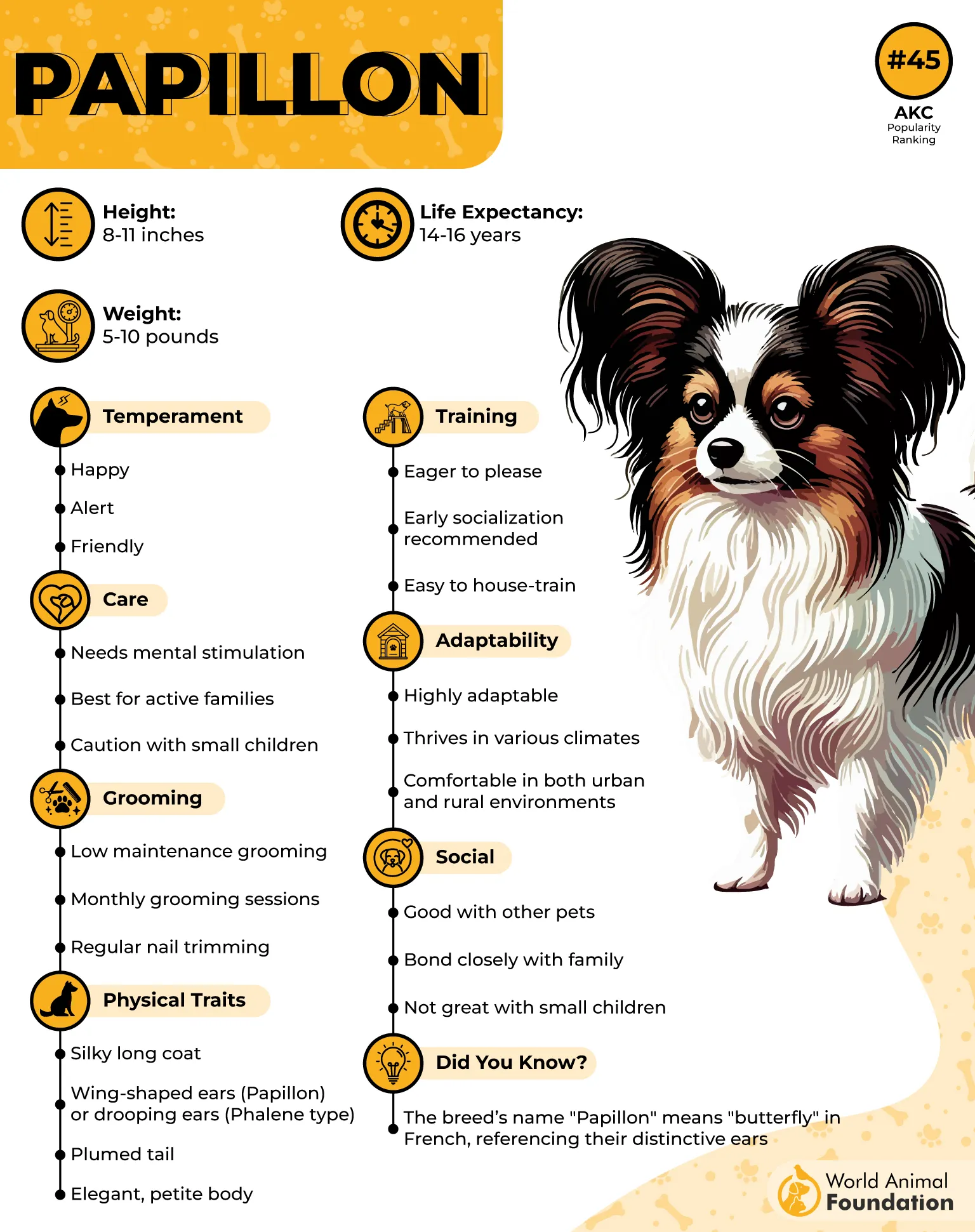
The Papillon’s open fontanel as a puppy leaves a soft spot on the skull that needs gentle handling until it closes. Dental crowding can also sneak up on this toy breed, so regular teeth checks matter more than owners expect.
Training: Papillons are quick learners that genuinely love showing off tricks, so positive reinforcement turns every session into a small performance.
Routine: Brush the silky coat 2 times a week, provide 30 to 45 minutes of exercise daily, and expect this smart dog to get bored with repetitive commands fast.
Busy owners who still want a responsive companion will love this breed’s trainability. Apartment dwellers do well too, since the Papillon’s exercise needs fit easily indoors. Anyone chasing a dog smart enough for agility, without the size of a working breed, has found their match.
3. Chinese Crested

The Chinese Crested leans into you, literally. This breed presses its bare or feathered body against your skin for warmth and comfort, turning ordinary couch time into something that feels a lot like devotion.
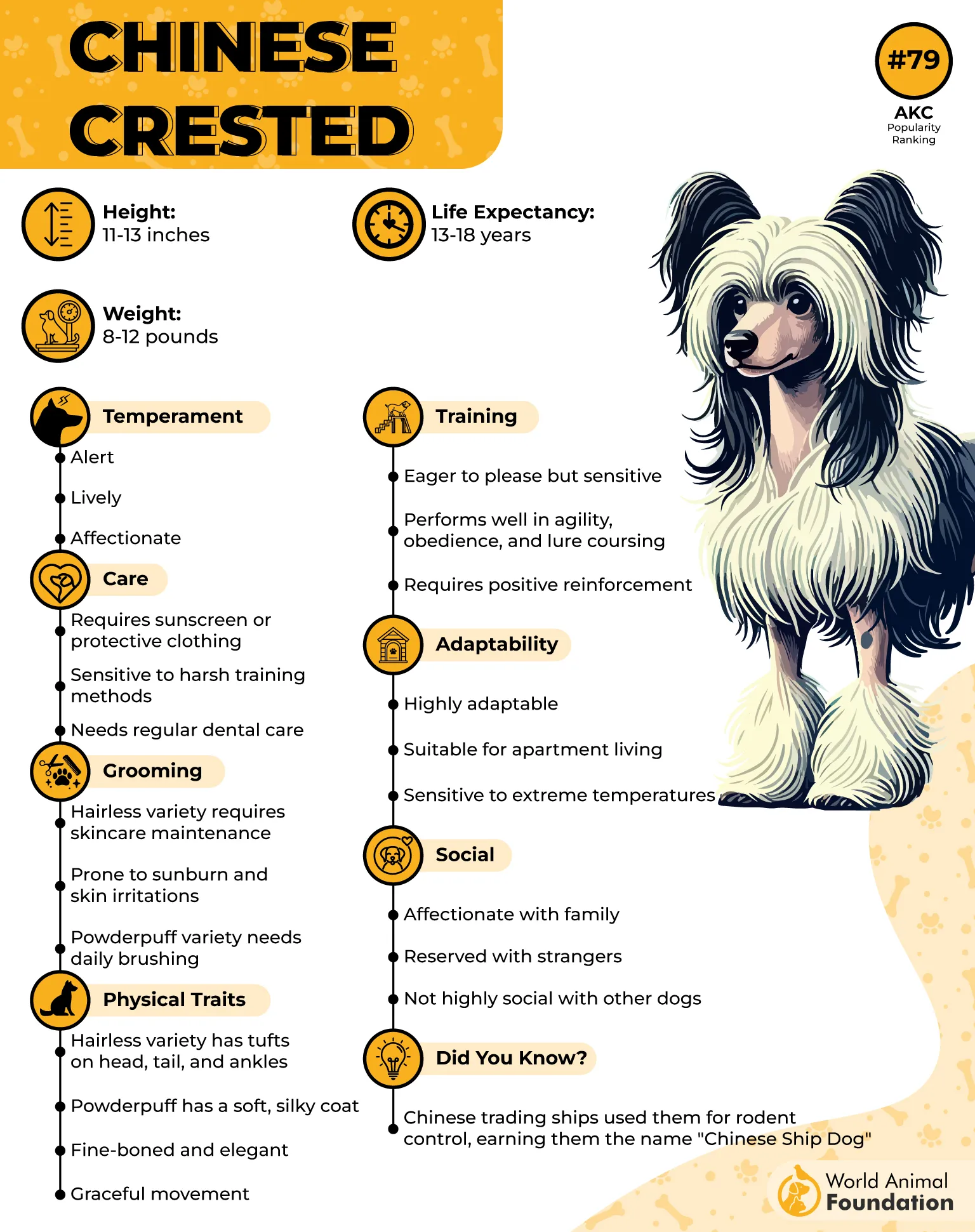
The hairless variety’s exposed skin is sensitive to sun and cold, a detail that pokes a hole in any claim that this breed is entirely low-fuss, as per PetMD. Even the powderpuff coat type hides skin just as sensitive underneath all that fluff.
Training: Chinese Cresteds are eager to please and pick up commands quickly, though early socialization matters more here than with most toy breeds.
Routine: Moisturize and apply sun protection to a hairless Crested’s skin daily, brush a powderpuff coat 3 to 4 times a week, and budget 20 to 30 minutes of exercise.
This breed suits dog parents who don’t mind an unusual grooming checklist in exchange for a deeply affectionate companion. Allergy-conscious households often gravitate here too, since the hairless variety sheds very little. Anyone drawn to charming, less-common breeds will find the Chinese Crested hard to resist.
4. Chihuahua
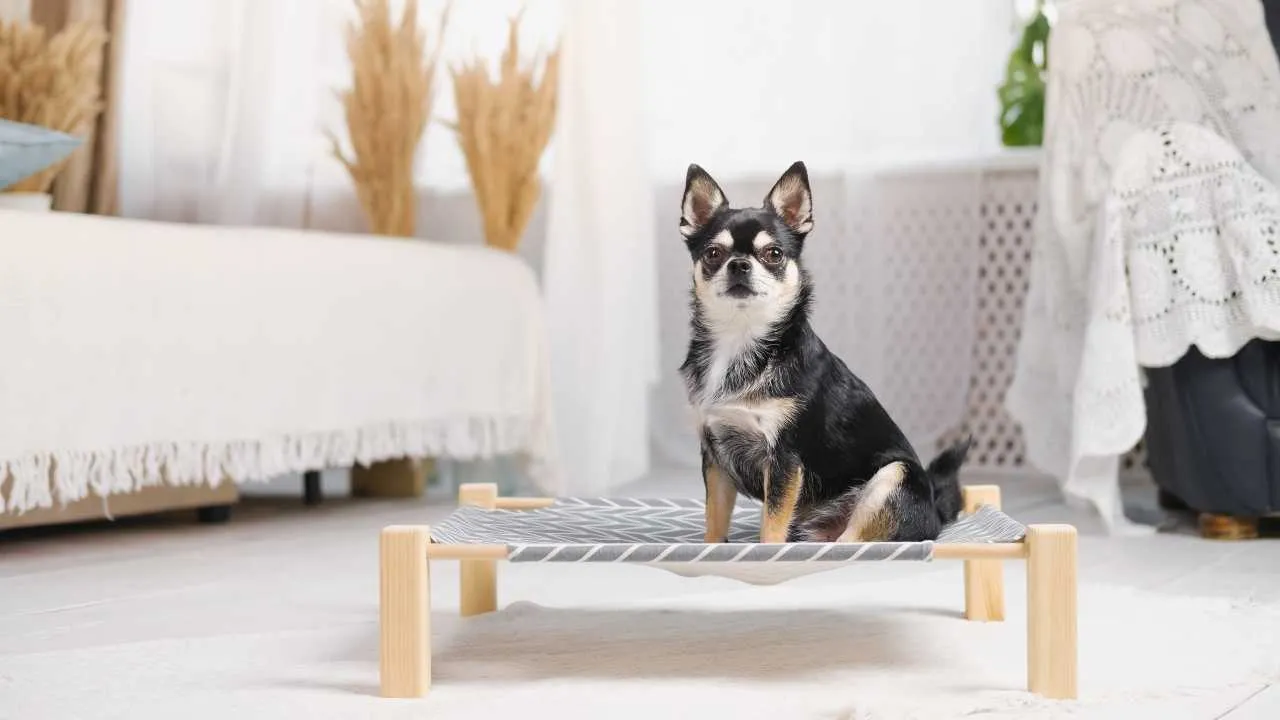
A Chihuahua does not share you easily. This breed picks one favorite person and sticks close, often refusing a lap that belongs to anyone else in the room.
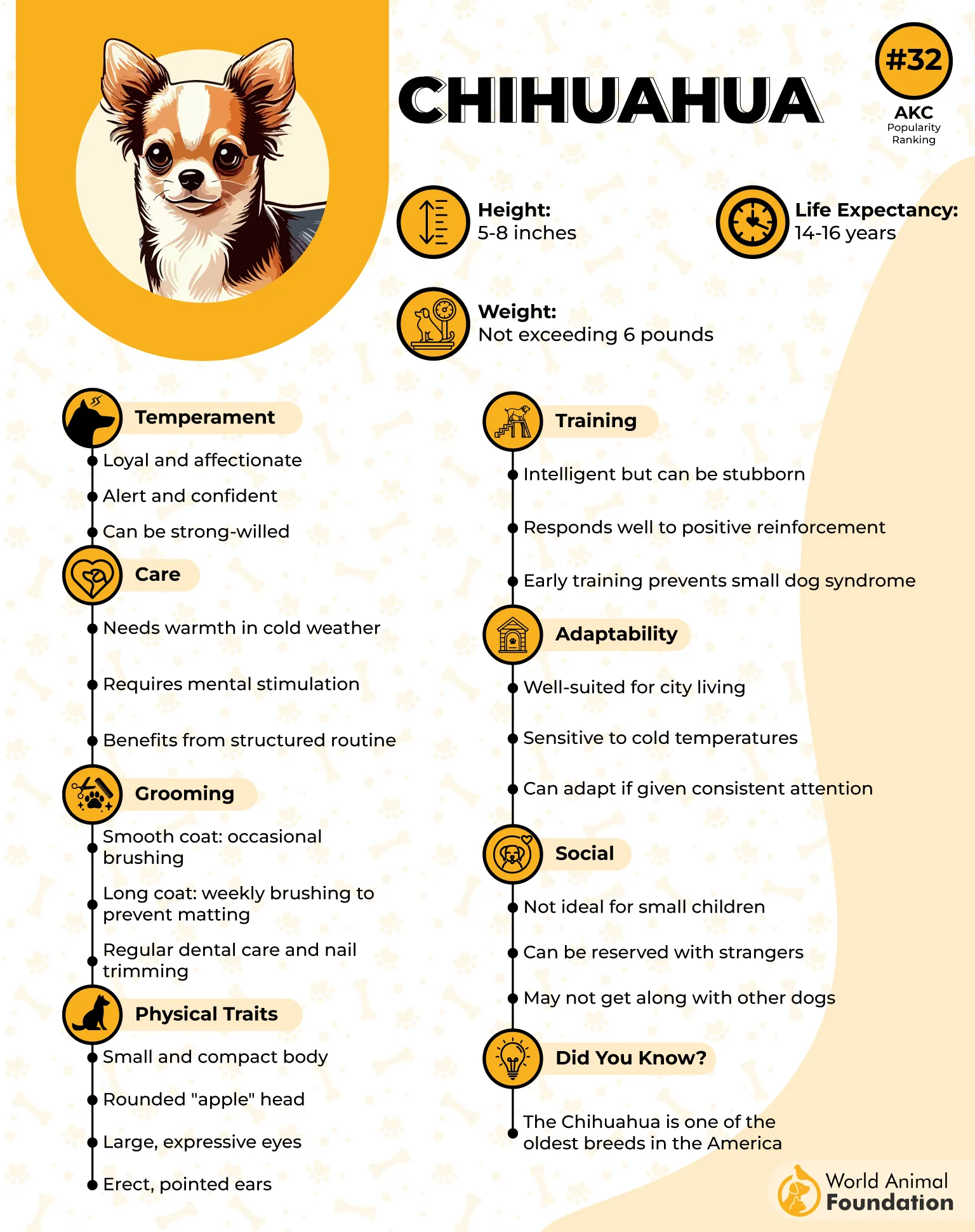
Chihuahuas hate the cold and lose body heat fast because of their tiny size, so a sweater earns its keep here, according to VCA. This breed is also prone to periodontal problems, which regular tooth brushing helps prevent.
Training: Chihuahuas are clever but can be willful, so consistent, patient training works better than repetition alone.
Routine: Brush the smooth coat weekly, keep daily exercise to 20 to 30 minutes of indoor or short outdoor play, and start house training early since this breed can be slow to catch on.
Singles and seniors tend to love this breed’s one-person loyalty and tiny space requirements. Busy owners who want a dog parent bond without a big exercise commitment also fit well. This is not the breed for a household chasing a dog that bonds equally with everyone.
5. Japanese Chin
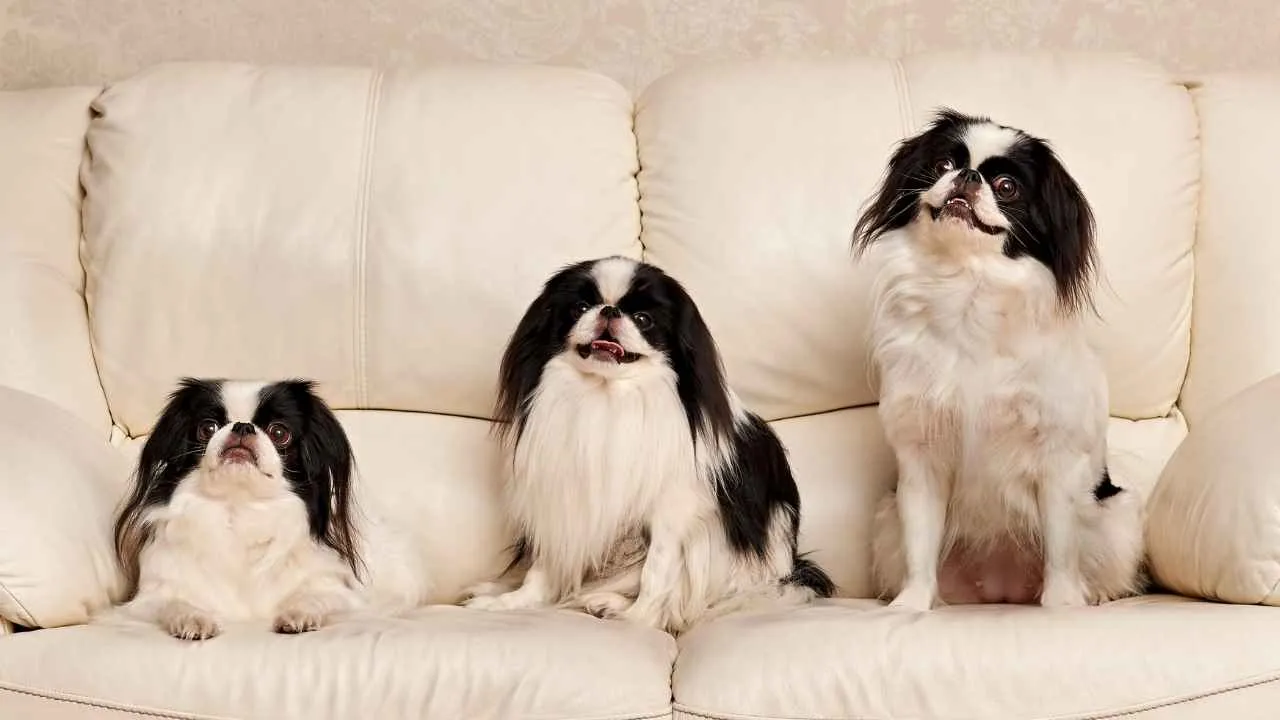
The Japanese Chin has a theatrical streak. This breed will climb, jump, and spin just to hold your attention, acting more like a cat performing for applause than a typical lap dog.
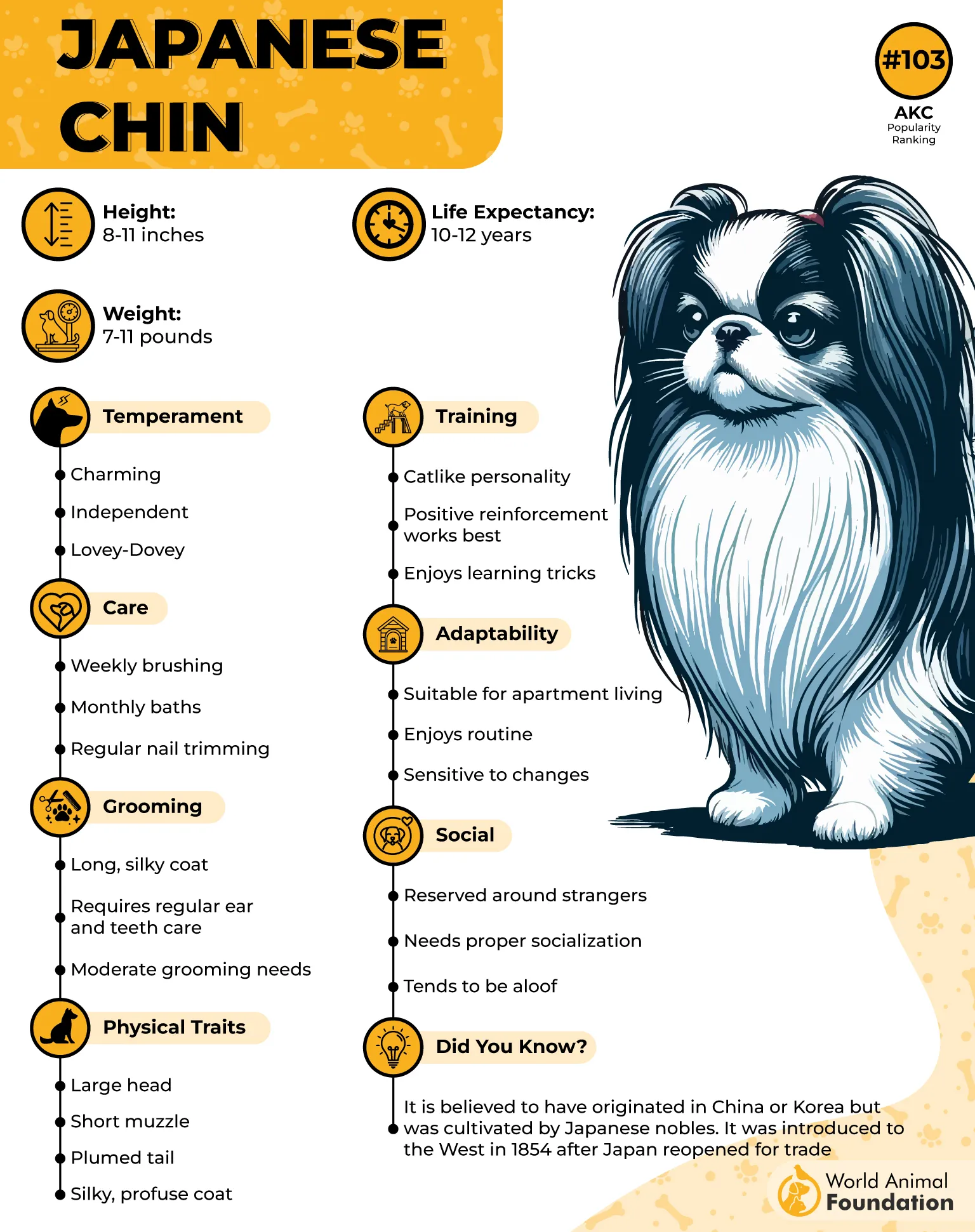
As a brachycephalic breed, the Japanese Chin can struggle in heat and should stick to gentle walks rather than strenuous exercise, as per Purina. Owners should also budget for potential vet visits tied to that short-faced build.
Training: Japanese Chins are quick learners that enjoy showing off, though their independent streak means sessions should stay short and rewarding.
Routine: Brush the silky coat daily, provide under 1 hour of gentle walking, and keep training varied since boredom sets in fast.
Quiet households looking for a watchful, undemanding companion will appreciate this breed’s low-key energy. First-time owners often do well too, since the Japanese Chin is naturally easygoing. Anyone who wants a dog with cat-like independence, wrapped in toy-breed affection, should take a close look.
6. Italian Greyhound
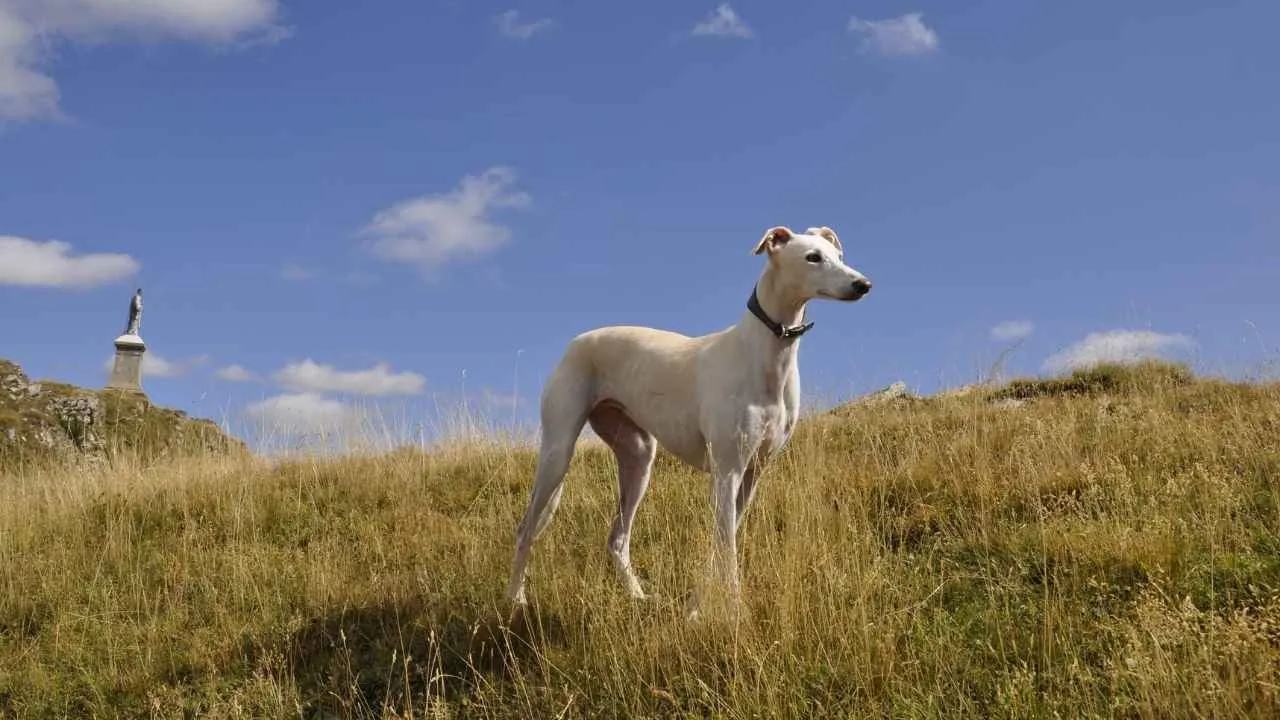
An Italian Greyhound shows love by vanishing into your lap the moment you sit down. This breed treats your warmth as a personal resource and claims it without asking permission.
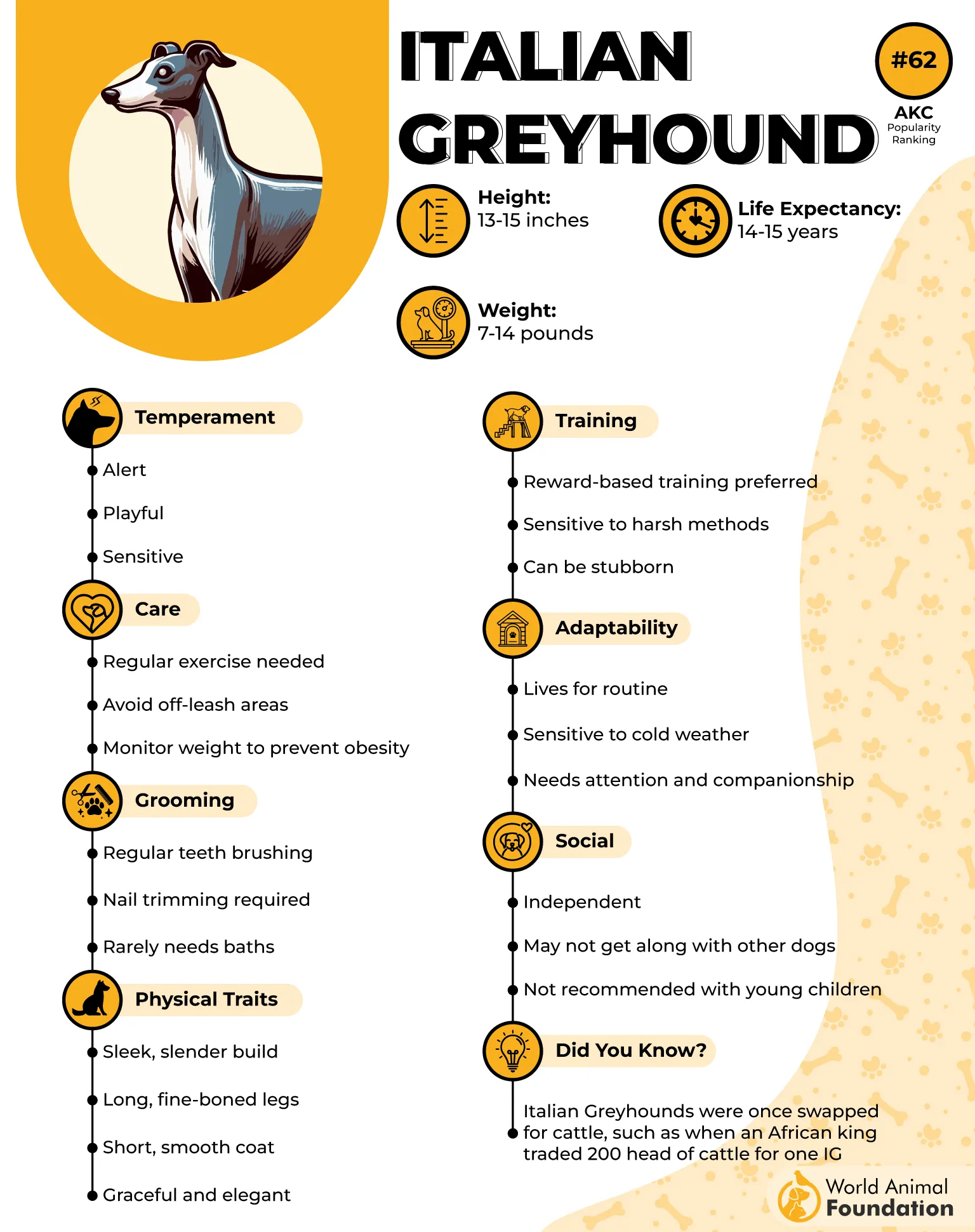
This breed does not handle cold well and needs a sweater or coat for walks once temperatures drop, according to Royal Canin. Thin skin and a lean frame also make the Italian Greyhound more injury-prone than sturdier small dog breeds.
Training: Italian Greyhounds are sensitive and learn quickly with reward-based methods, though harsh corrections can shut this breed down fast.
Routine: Brush the short coat weekly, provide 30 to 45 minutes of exercise daily, and expect house training to take extra patience.
Owners who can commit to daily walks and a wardrobe of dog sweaters get a devoted companion in return. Apartment dwellers with a consistent routine fit well too, since this breed settles down calmly indoors. Anyone drawn to a more delicate, sighthound take on a lapdog will feel at home here.
7. Manchester Terrier Toy
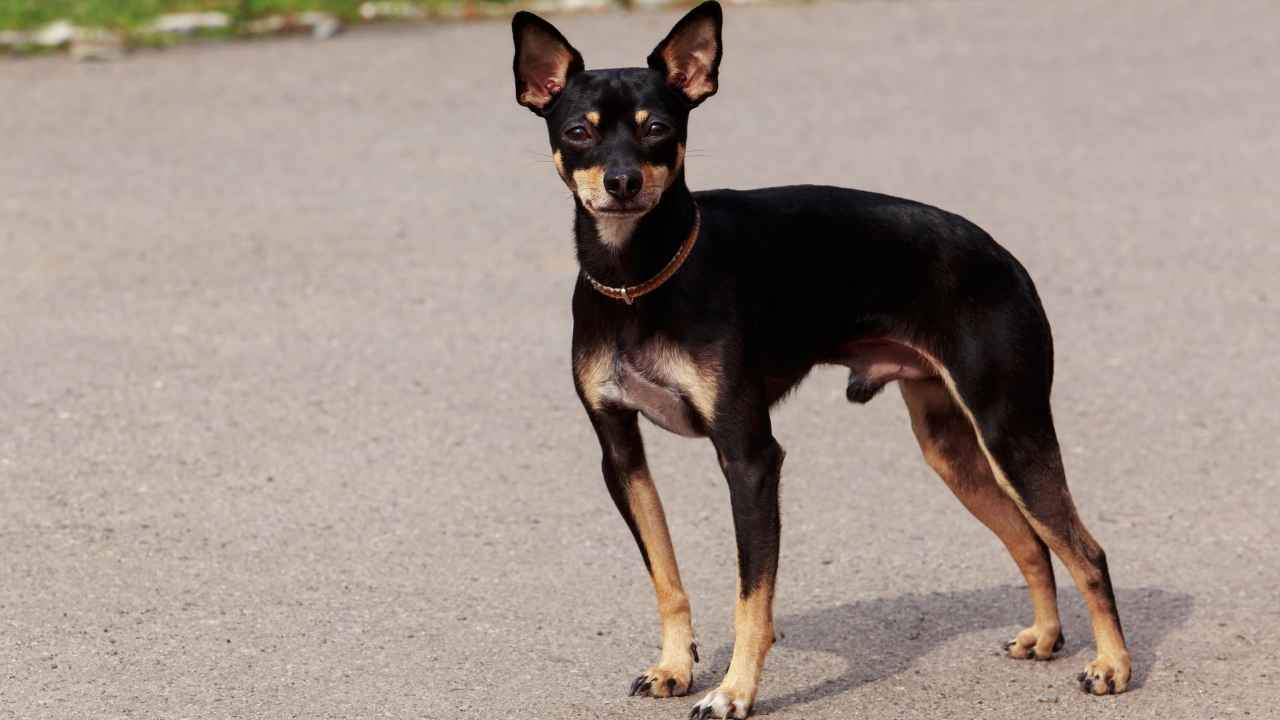
A Manchester Terrier Toy stays close out of alertness as much as affection. This breed keeps one eye on every sound in the house, then curls up against you the moment things go quiet.
This breed’s terrier heritage brings a strong prey drive, so small pets in the home need careful introductions. Nail trims also need an early start, since this breed can be fussy about paw handling.
Training: Manchester Terriers are intelligent but stubborn, doing best with varied, engaging sessions rather than repetitive drills.
Routine: Brush the smooth coatweekly, provide 30 to 60 minutes of exercise daily, and keep training short and creative to hold this breed’s attention.
Active singles and families with older kids tend to get the most out of this breed’s energy and loyalty. Owners with some terrier experience will have an easier start, though patient first-timers can manage too. Anyone wanting a watchful, low-grooming companion with real spark will find a strong match here.
Conclusion
Seven pocket-sized personalities, seven completely different ways of paying you back for very little upkeep, and that’s the whole point of this list. From a watchful little alarm to the smartest dog in the room, there’s an excellent companion here with your name on it.
Pick based on the reward you actually want, not just the cuteness, and you’ll land on a new pet that fits your life instead of fighting it, no matter how busy your schedule gets.
Ready to bring one of these forever-small, big-hearted breeds home and start your own low-maintenance, high-reward story?
