




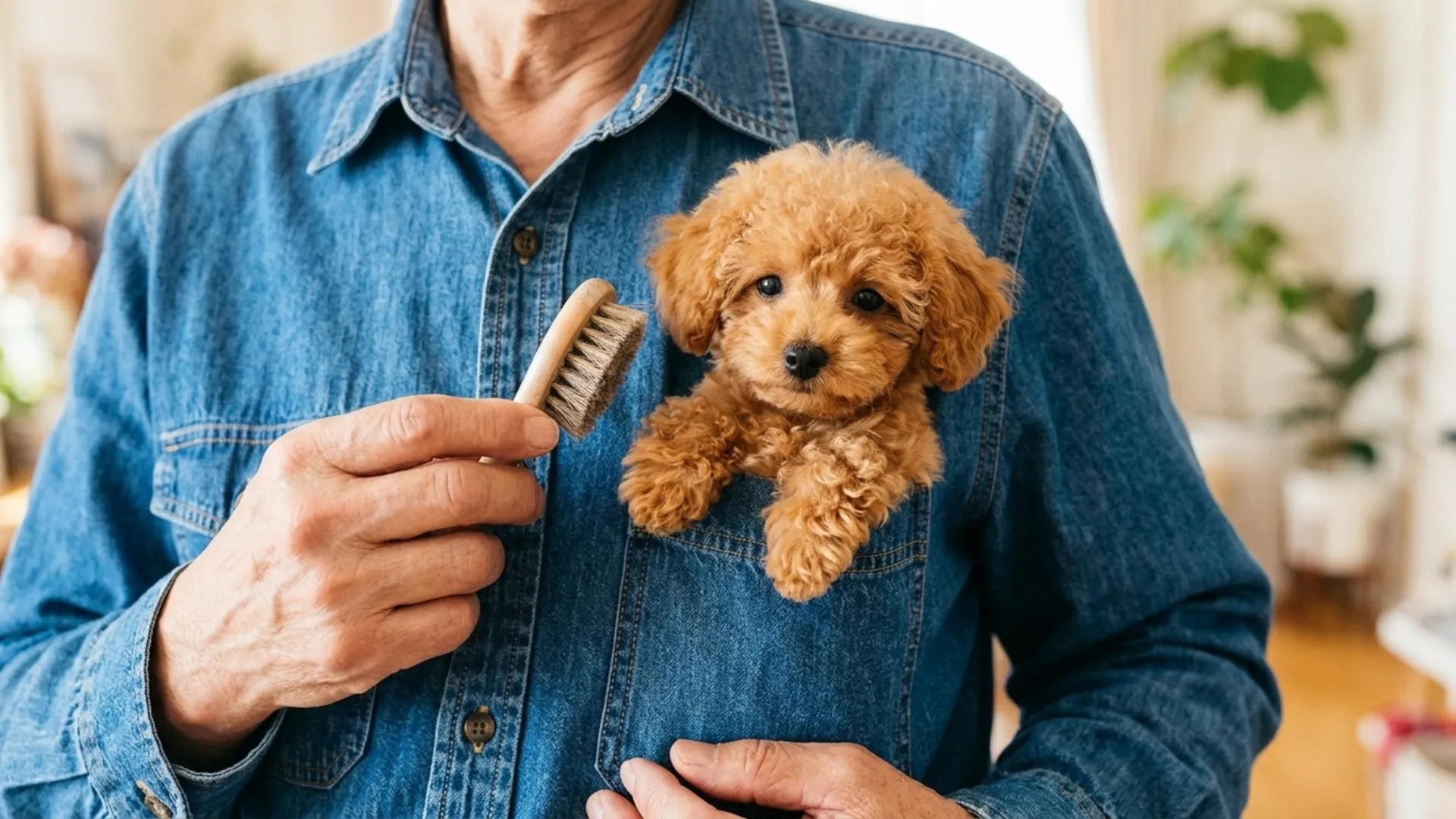
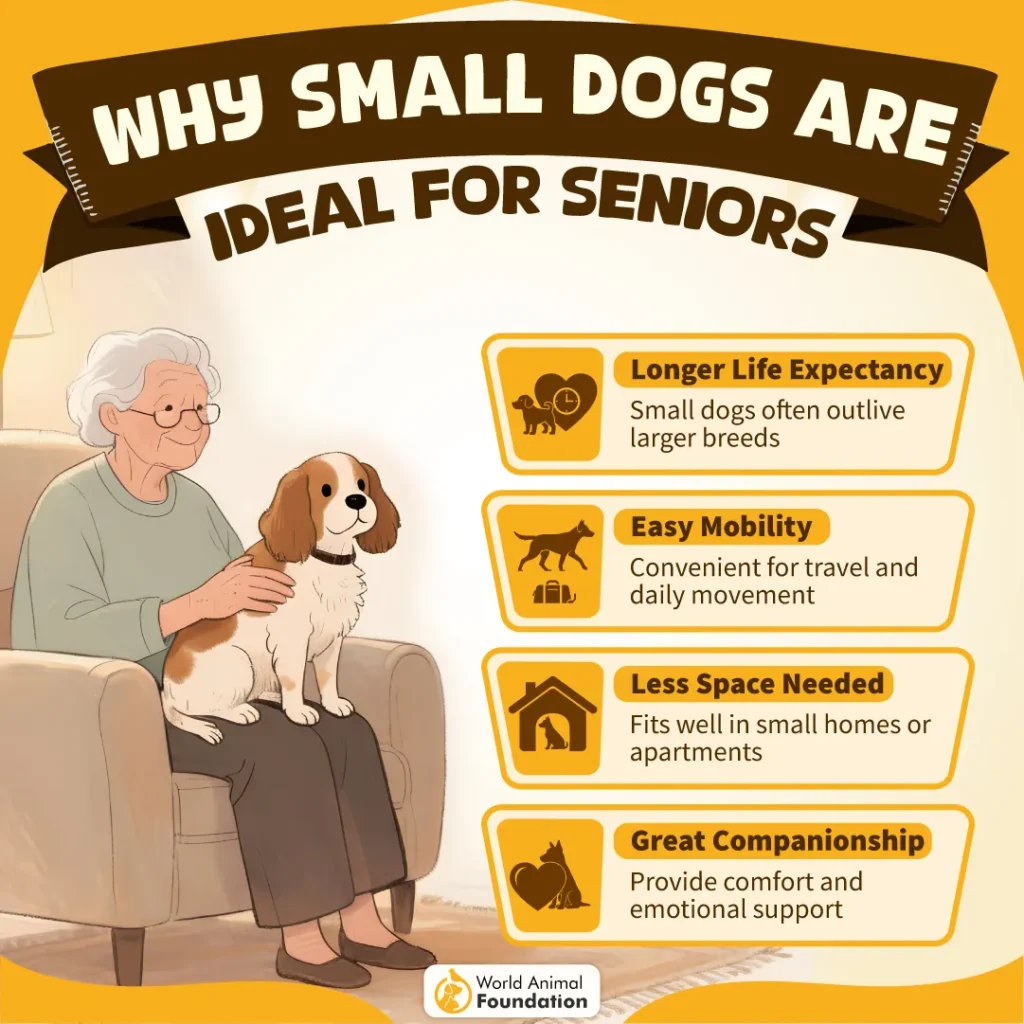
Getting older doesn’t mean giving up the joy of having a furry companion! Dogs bring love, comfort, and companionship to senior citizens. They can also encourage daily walks, provide opportunities to socialize, and make life feel less lonely, especially for those who live alone.
However, choosing the right dog matters. Highly active dogs and demanding puppies may not suit older adults or those with limited mobility. Smaller dogs can be easier to handle, require less space, and offer plenty of affection without making everyday care too challenging.
That’s where pocket-sized companions come in! These little dogs can bring big personalities and endless love to a senior’s life. While every dog has different needs, finding one that matches your lifestyle can make all the difference.
Let’s take a look at seven pocket dog breeds that are ideal for senior citizens.
Lovable Pocket Dog Breeds for Senior Citizens
1. Maltese
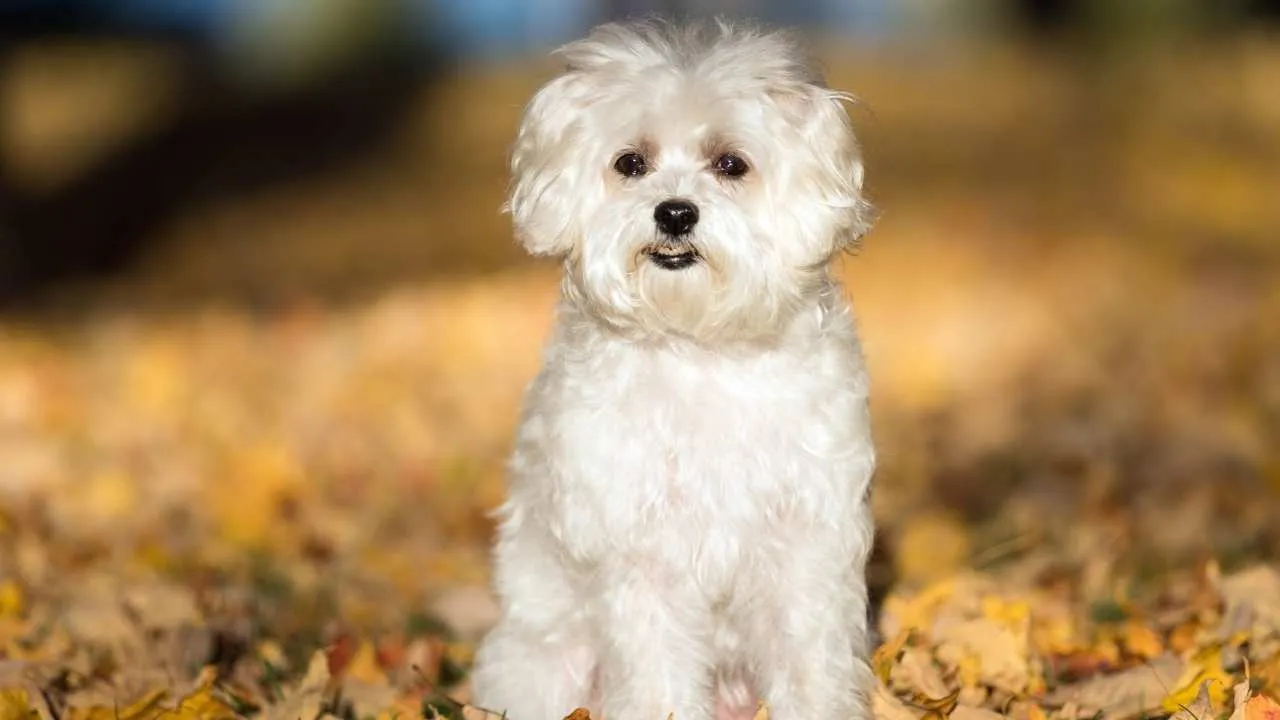
Maltese dogs are tiny, affectionate companions known for their beautiful white coats and playful personalities. Originally from the Mediterranean island of Malta, they have been cherished as companion dogs for centuries.
Their gentle nature, lively personality, and love for human company make them lovely additions to a senior’s home.
Temperament and Care
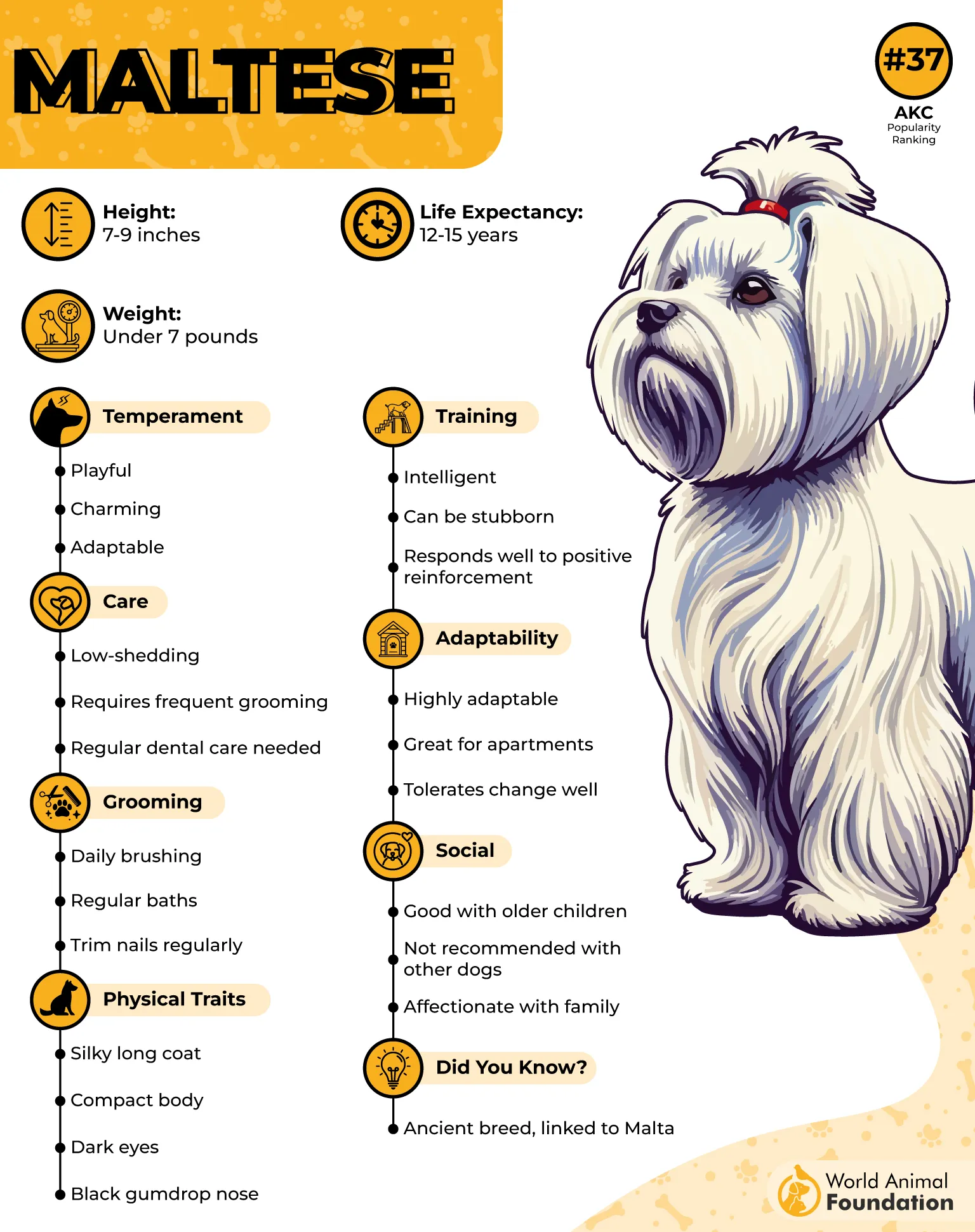
These little dogs are intelligent, friendly, and full of personality. They enjoy learning tricks, respond well to positive reinforcement, and can also make good watchdogs.
Maltese dogs generally get along well with other pets and prefer staying indoors with their owners. A daily walk on a lead is desirable, especially for those living in flats or apartments.
Grooming Needs
Their long, silky white coats need daily brushing to prevent knots and matting.
Weekly baths and thorough blow-drying help keep their coats clean.
Pet parents can opt for shorter haircuts to make grooming easier.
Regular nail trimming, teeth cleaning, and cleaning around the eyes are also important.
2. Toy Poodle
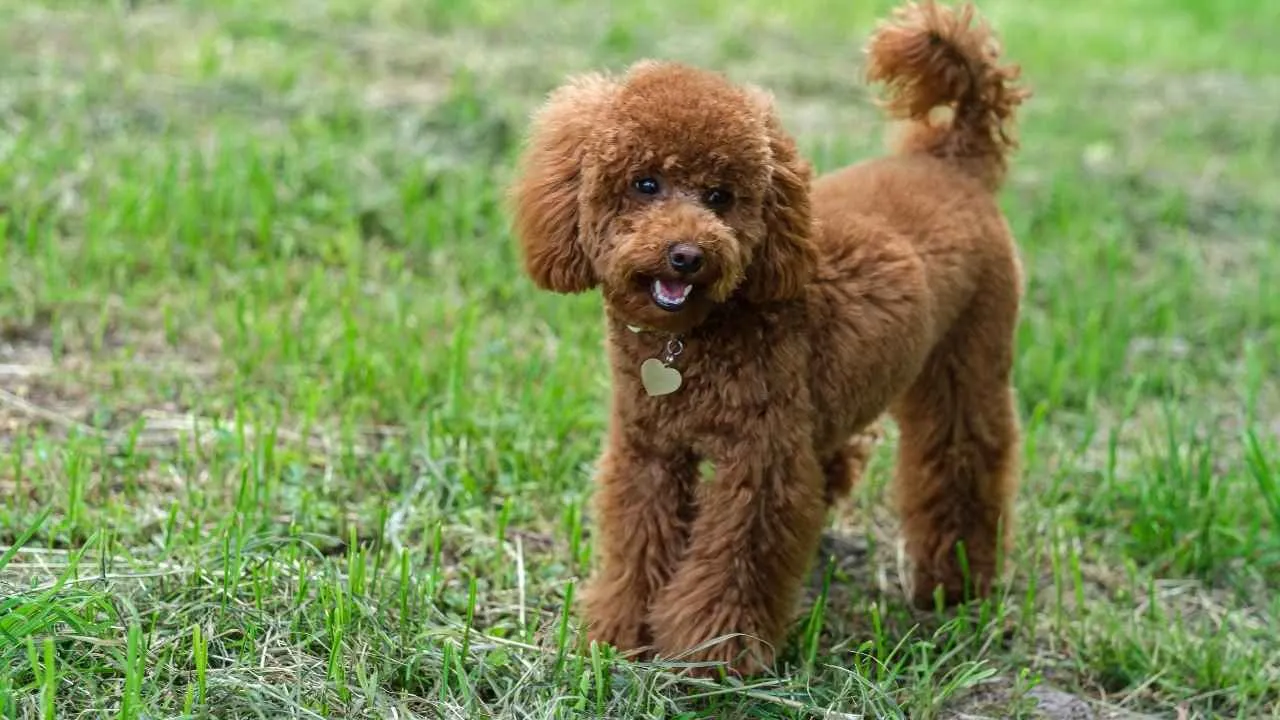
Toy Poodles are intelligent, affectionate dogs with playful personalities. Originally bred from larger Poodles in Germany, these little companions were developed for people who wanted a smaller dog with the same lively nature and intelligence.
Their small size makes them suitable for apartment living, while their loving and sociable temperament makes them wonderful companions for senior citizens.
Temperament and Exercise Needs
These dogs are quick learners, eager to please, and easy to train with positive reinforcement. They enjoy daily walks, indoor games, and interactive toys. Toy Poodles also bond closely with their owners and love being involved in everyday activities.
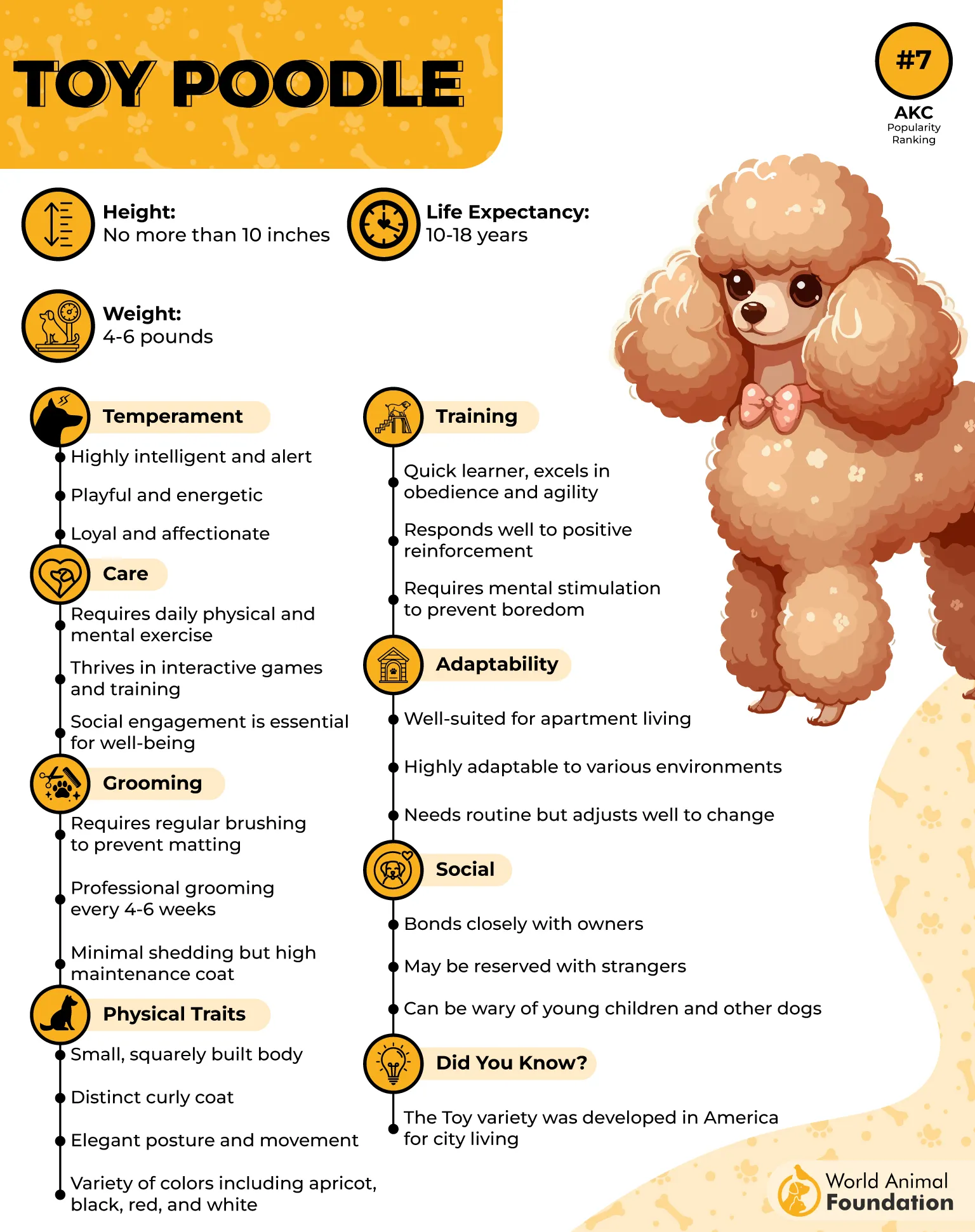
However, Purina notes that they dislike being left alone for long periods and may become noisy or restless when bored. They can also be alert around strangers and make good watchdogs.
Grooming and Care
Their curly, low-shedding coats need professional trimming every four to six weeks.
Daily exercise can be divided into two walks, along with indoor play and training.
Their small size makes them vulnerable to injuries during rough play, so gentle handling is important.
They may be prone to slipping kneecaps, hip problems, eye disorders, digestive issues, and certain heart and skin conditions.
3. Shih Tzu
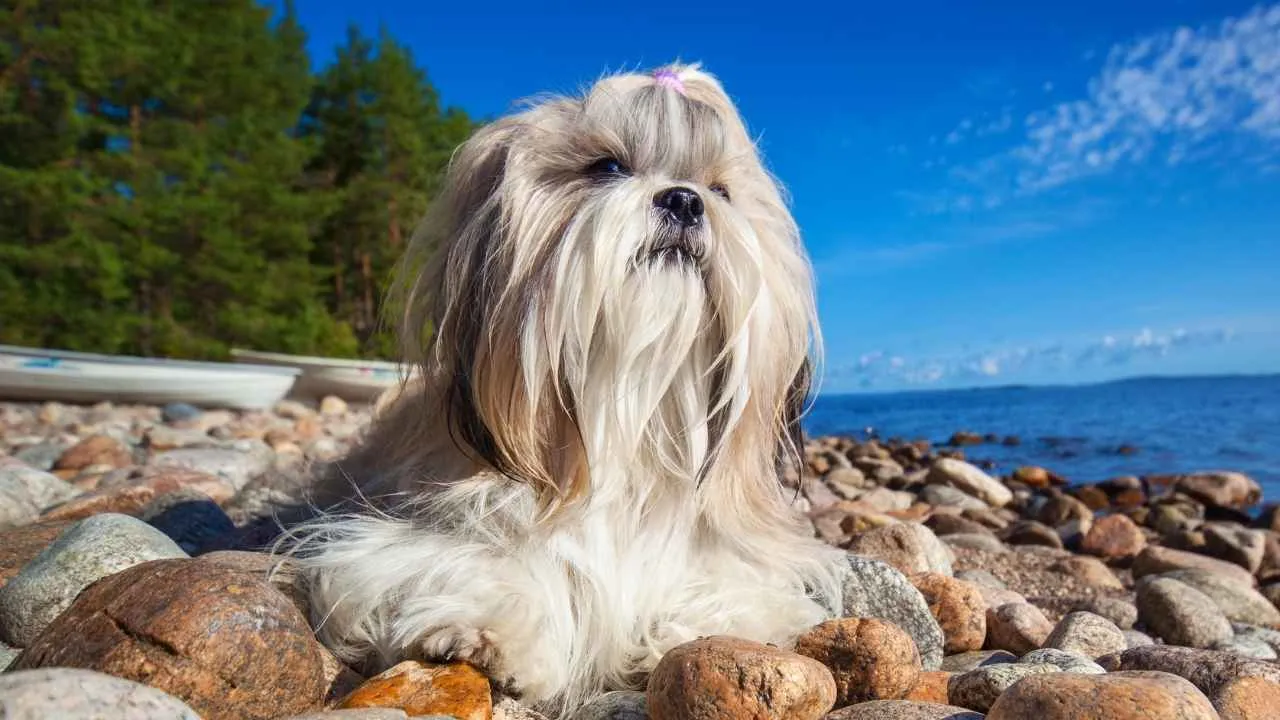
With their big, dark eyes and sweet expressions, Shih Tzus are hard to resist! Often called ‘Lion Dogs,’ these affectionate little companions have been cherished for centuries. Originally bred as lap dogs for Chinese royalty, they are now popular family pets.
Temperament and Lifestyle
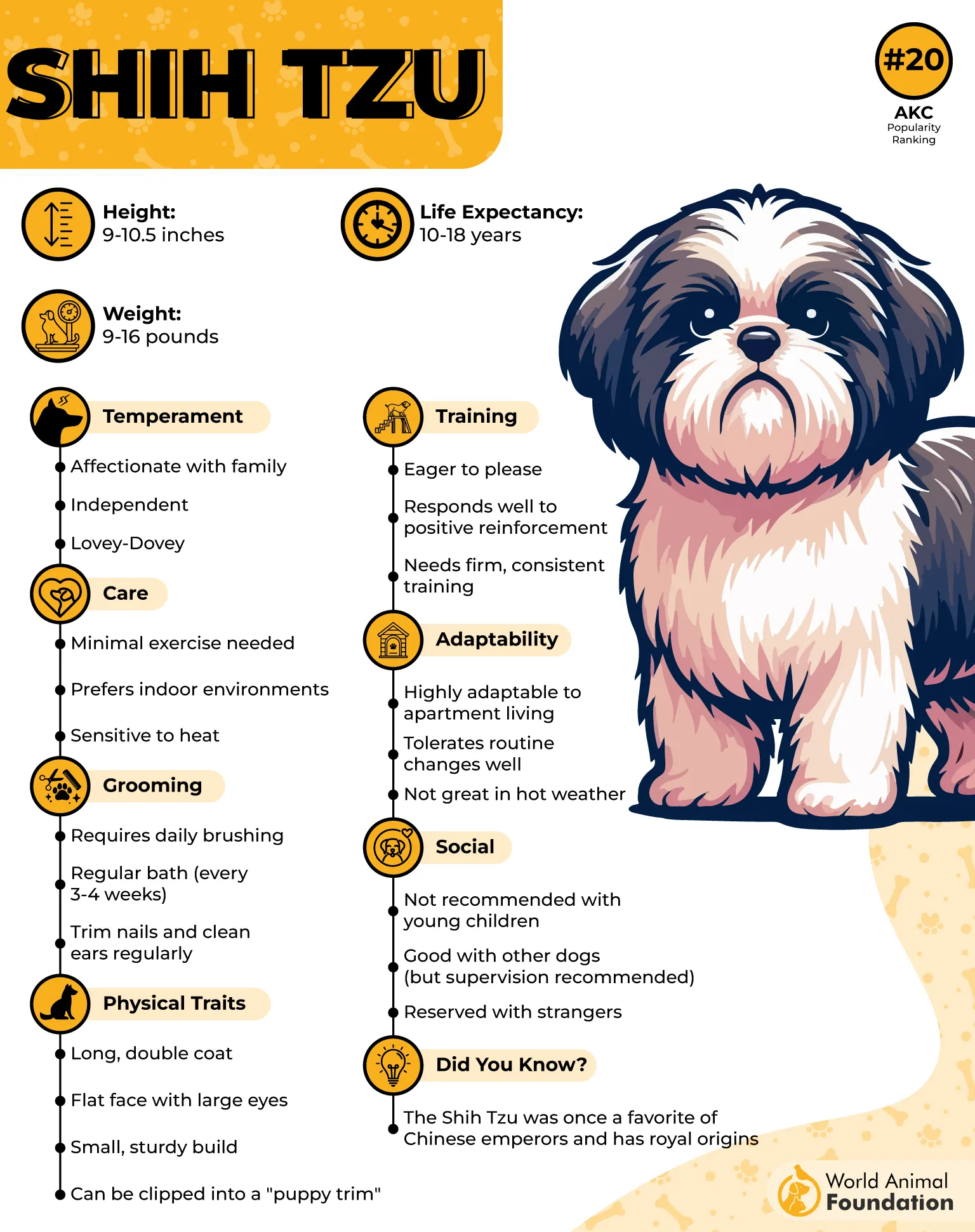
Shih Tzus are outgoing, affectionate, and playful. They enjoy spending time with their owners and are just as happy playing as they are relaxing on the sofa. They generally get along well with unfamiliar people, other dogs, and pets.
However, they can be stubborn during training and may need patience. They also dislike being left alone for long periods, making them better suited to owners who spend plenty of time at home.
Grooming and Care
Their long, beautiful coats need regular grooming to prevent tangles and matting.
They are fairly energetic and benefit from daily walks and playtime.
Their small size makes them vulnerable to injuries during rough play.
Early socialization helps them become comfortable around strangers and other pets.
4. Pomeranian
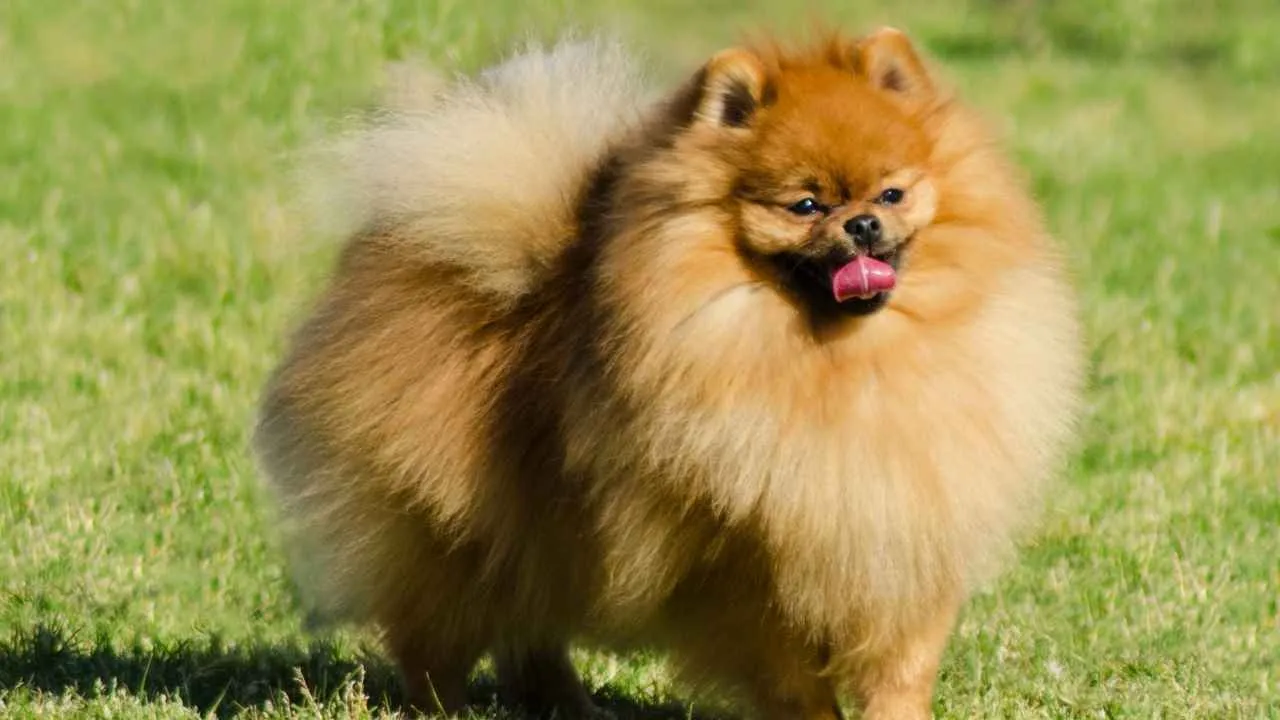
Pomeranians are tiny dogs with big personalities. Known for their fluffy double coats, fox-like faces, and cheerful expressions, they have been popular companions for royals and families alike.
Originally descended from larger Spitz sled dogs, they were bred down in size to become the adorable companions we know today.
Temperament and Exercise Needs
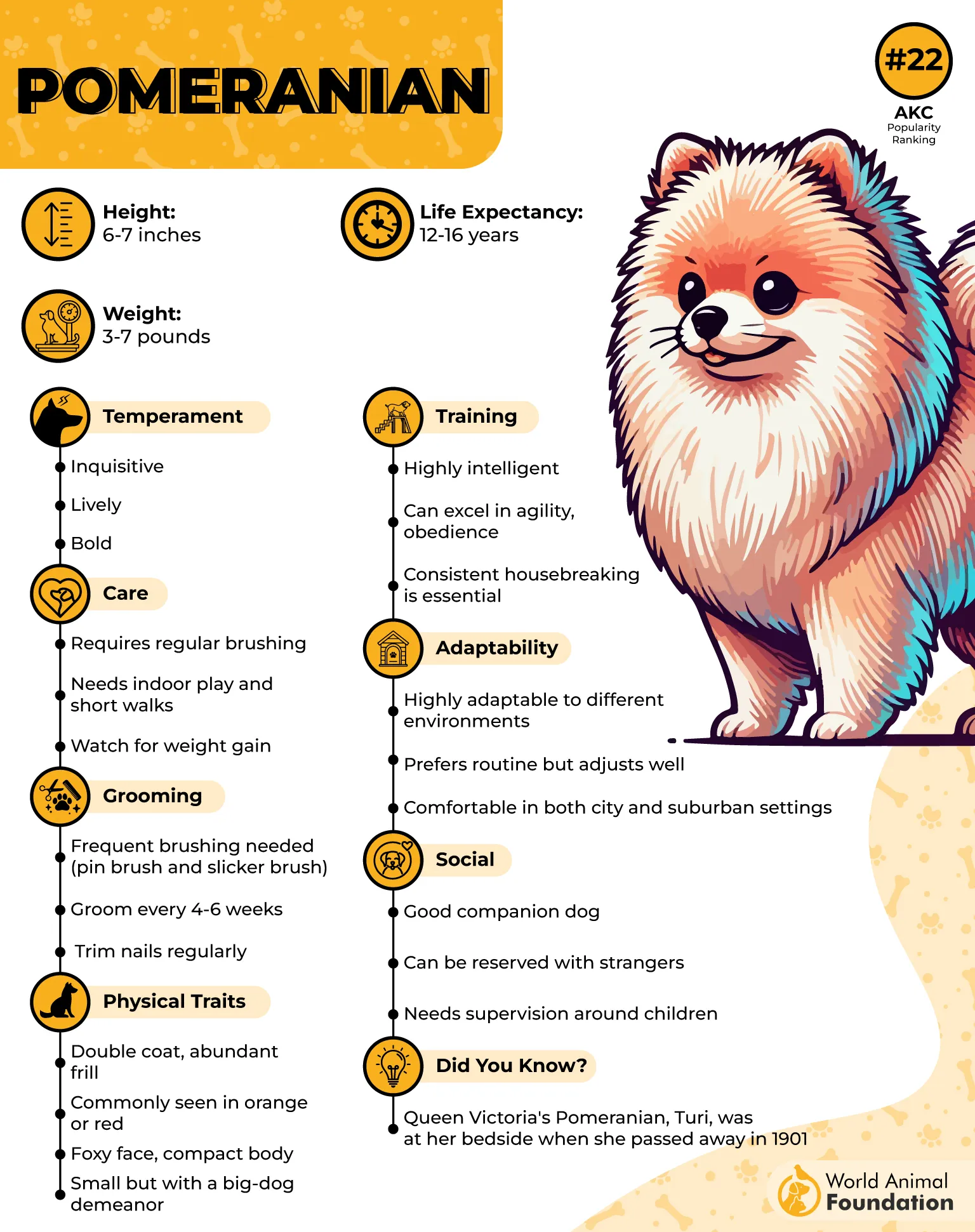
Pomeranians are intelligent, alert, and full of confidence. They enjoy attention, learn tricks quickly, and respond well to positive reinforcement. Despite their energetic personalities, they do not need extensive outdoor exercise.
Indoor games and short walks can keep them active and entertained. They also get along well with other pets, although early socialization and training are important.
Seniors should remember that Pomeranians are naturally alert and make good watchdogs, but they can also bark quite frequently, as noted by Greencross Vets.
Grooming and Care
Their thick double coats need daily brushing to prevent tangles.
Shorter haircuts can make coat maintenance easier.
Regular training helps manage excessive barking and stubborn behavior.
They thrive on companionship and may develop separation anxiety when left alone for long periods.
5. Yorkshire Terrier
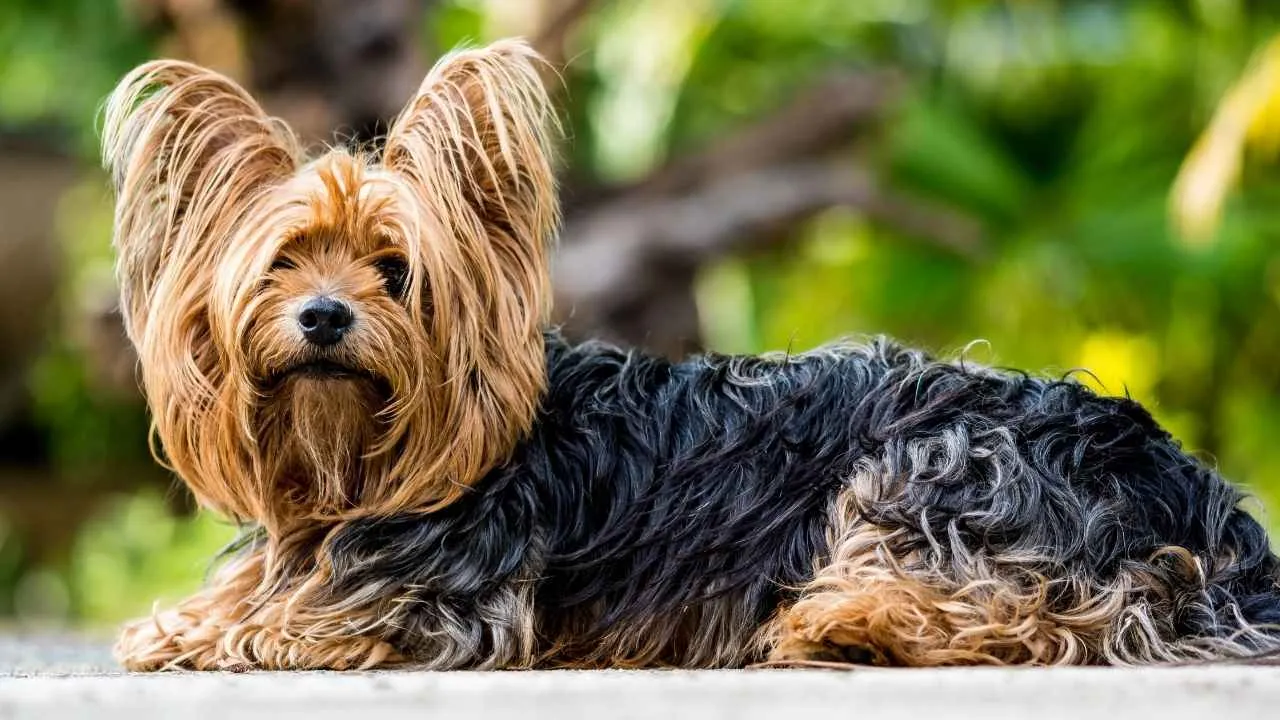
Don’t let their delicate appearance fool you! Yorkshire Terriers, commonly called Yorkies, are small dogs with bold personalities and plenty of confidence.
Originally bred in Yorkshire, England, during the 19th century, they worked as ratters in mines and textile mills. Today, they are beloved lapdogs known for their loyalty, affection, and entertaining nature.
Temperament and Exercise Needs
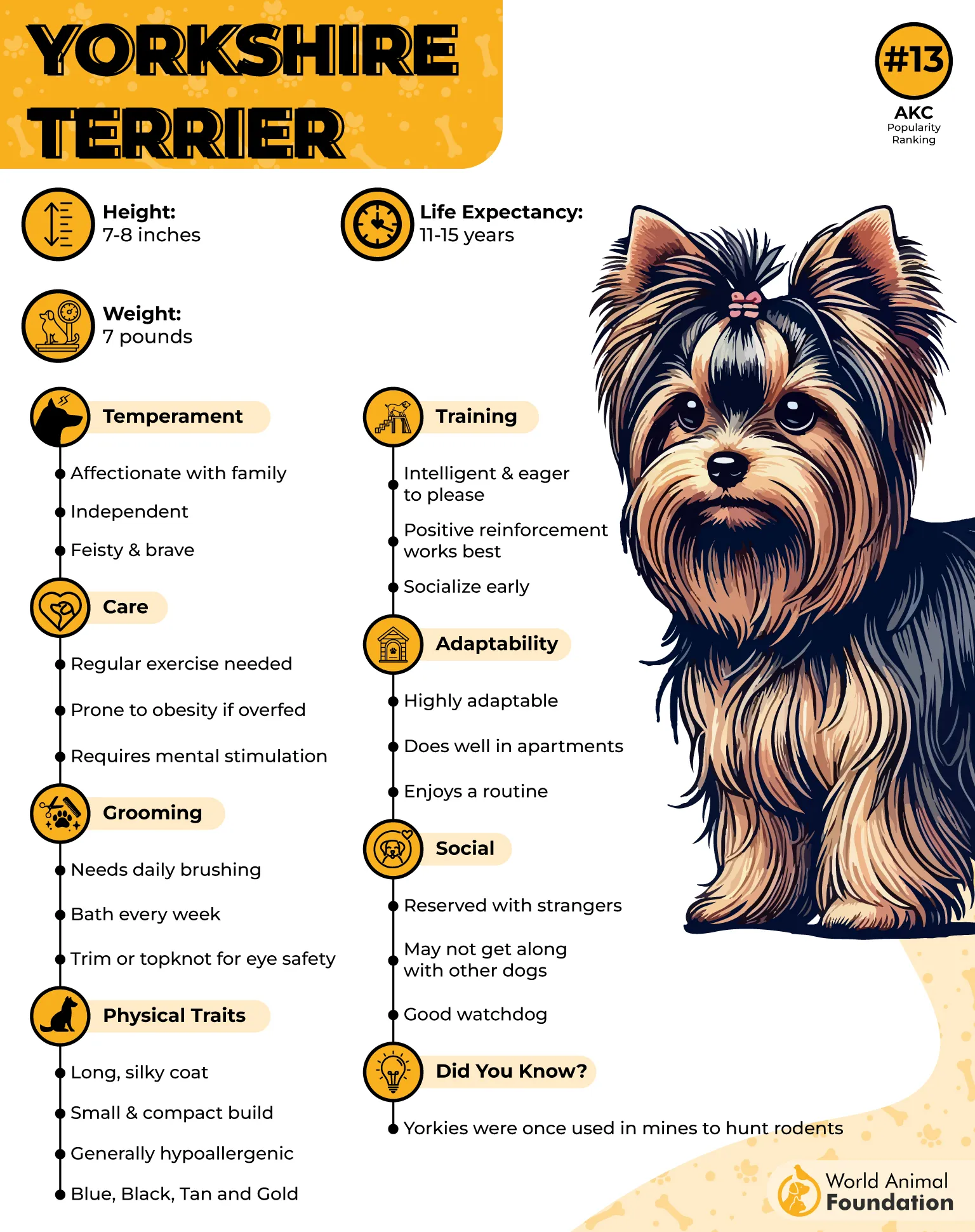
Yorkies are affectionate, playful, and sometimes bossy. They form strong bonds with their owners and can be protective despite their tiny frames. These intelligent dogs respond well to training, although they can be stubborn at times.
They have moderate exercise needs and usually stay happy with two short daily walks and indoor playtime. They also need mental stimulation to keep their active minds occupied.
Grooming and Care
Their long, silky coats need regular grooming to prevent tangles.
Their hair can be trimmed short for easier maintenance.
They are sensitive to cold weather and may need sweaters or coats.
Their small frames make them vulnerable to injuries during rough play, so gentle handling is important.
6. Japanese Chin
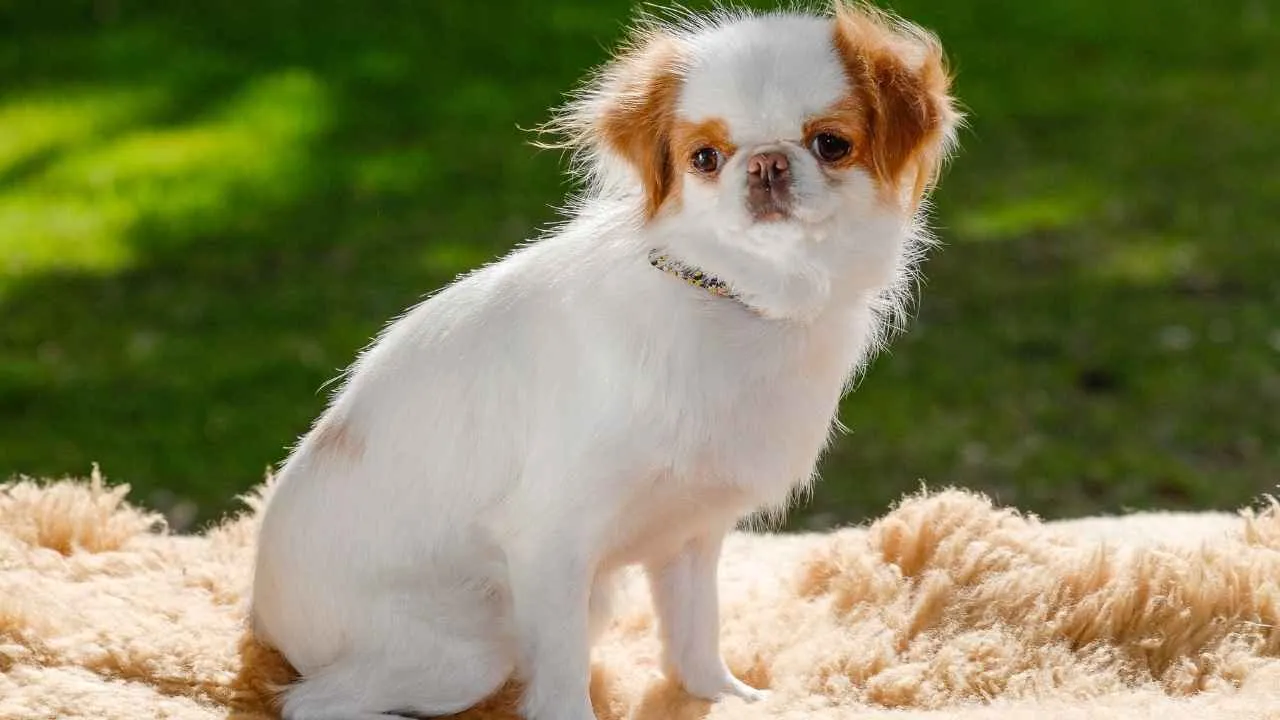
Japanese Chin dogs are elegant toy companions known for their silky coats, large round eyes, and distinctive aristocratic appearance. Their history is linked to Buddhist monks and Japanese nobility, and they were once kept in Imperial palaces.
These affectionate lapdogs are naturally clean, graceful, and generally quiet, making them appealing companions for senior citizens.
Temperament and Exercise Needs
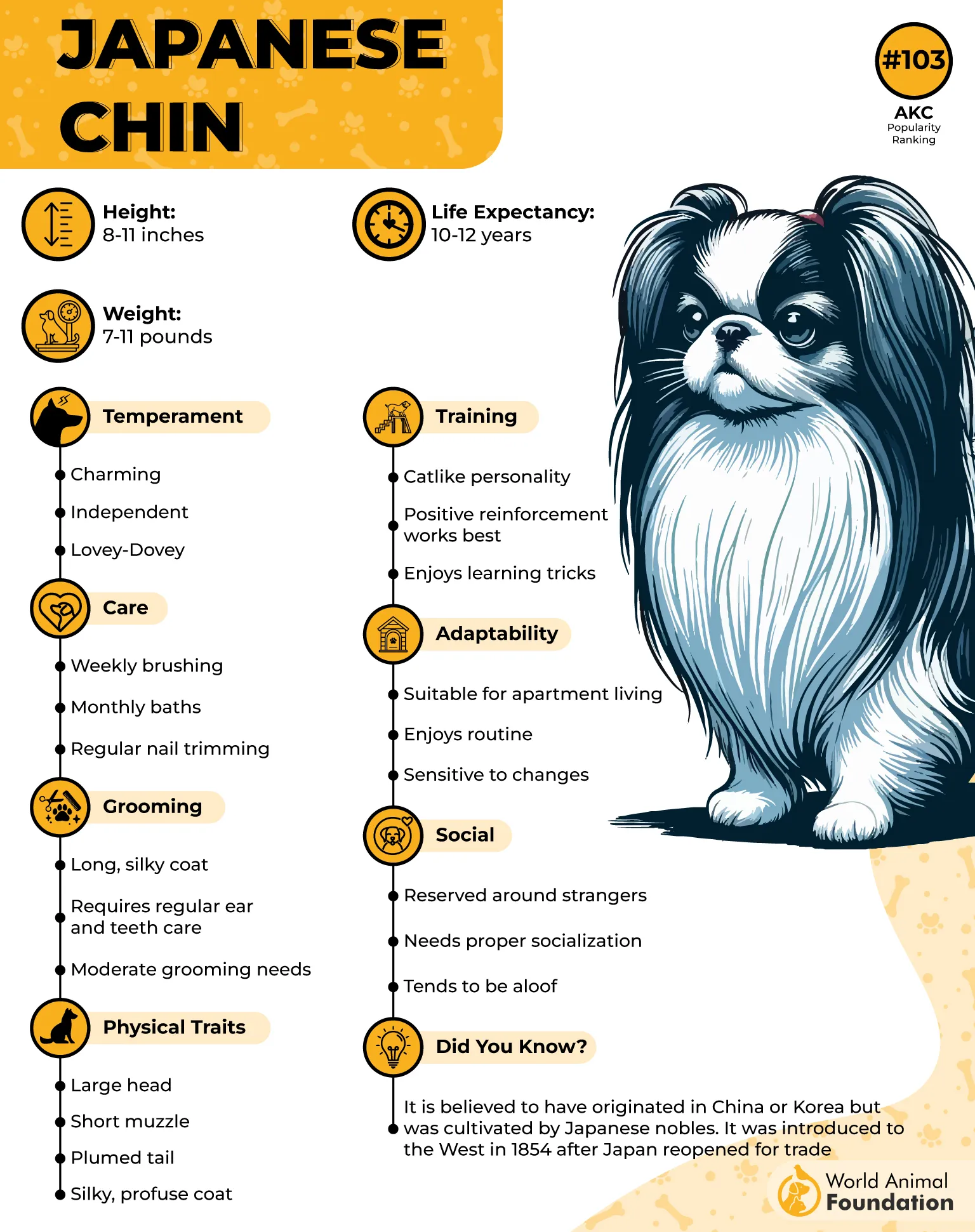
Japanese Chin dogs are sensitive, intelligent, and playful. Often described as cat-like, they enjoy lounging on couches and chair arms but also appreciate walks and learning tricks.
They are affectionate and loyal toward familiar people, although they may be reserved around strangers or in new situations. Their independent nature means they can have a mind of their own.
Grooming and Care
Brush their long, silky coats once or twice a week to prevent tangles.
Give them baths when needed to keep their coats clean.
Their single-layer coat is relatively easy to comb despite its length.
Their indoor-friendly nature makes them suitable for senior citizens living in apartments or smaller homes.
7. Pekingese
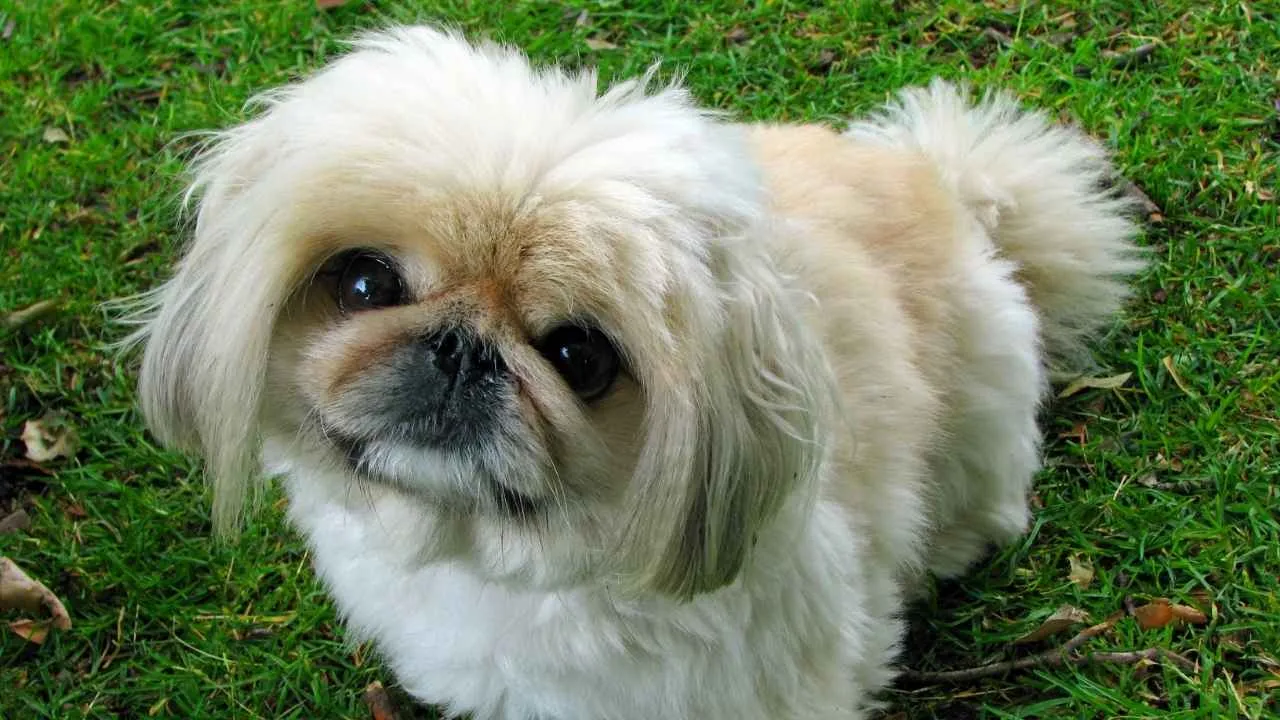
Pekingese dogs are compact, regal companions with a distinctive lion-like appearance and a rolling gait.
Originating in ancient China, they were bred for the ruling classes and became treasured palace dogs. Their long coats form a noticeable mane around the neck and shoulders.
Temperament and Exercise Needs
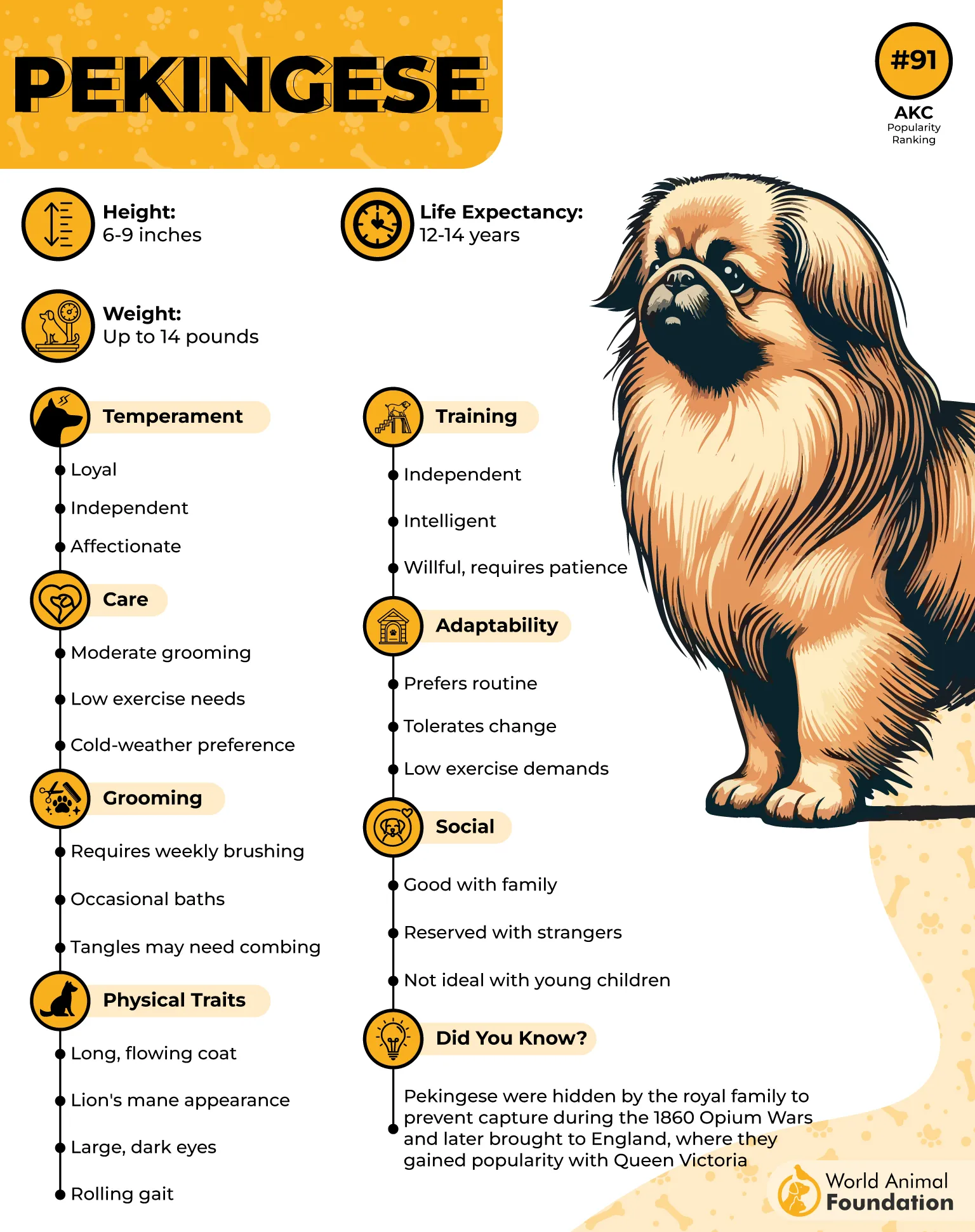
Pekingese dogs are affectionate and playful with their families but can be independent, stubborn, and reserved around strangers. Royal Canin says their alert nature makes them good watchdogs, as they bark to signal visitors.
They enjoy spending time with their owners but do not need strenuous exercise. Short walks and indoor play are usually enough. They can also adapt well to apartment living.
Grooming and Care
Brush their long, dense coats regularly, paying attention to the thick mane around the neck and shoulders.
Keep them cool, as their short noses and heavy coats make them sensitive to heat.
Avoid strenuous exercise, especially in hot weather, and watch for signs of overheating.
Use a harness for neighbourhood walks.
Conclusion
Choosing the right dog can bring companionship, comfort, and happiness to a senior’s daily life. Pocket-sized breeds offer plenty of affection and personality without demanding too much space or strenuous exercise.
However, each dog has different needs, from grooming and training to exercise and companionship. Before choosing a breed, consider your daily routine, energy level, and ability to manage its care requirements.
Spend time with the dog if possible and look beyond its size or appearance. The best companion is not simply the smallest dog, but one whose personality and needs fit comfortably into your life.
